 Unearth The Voyage
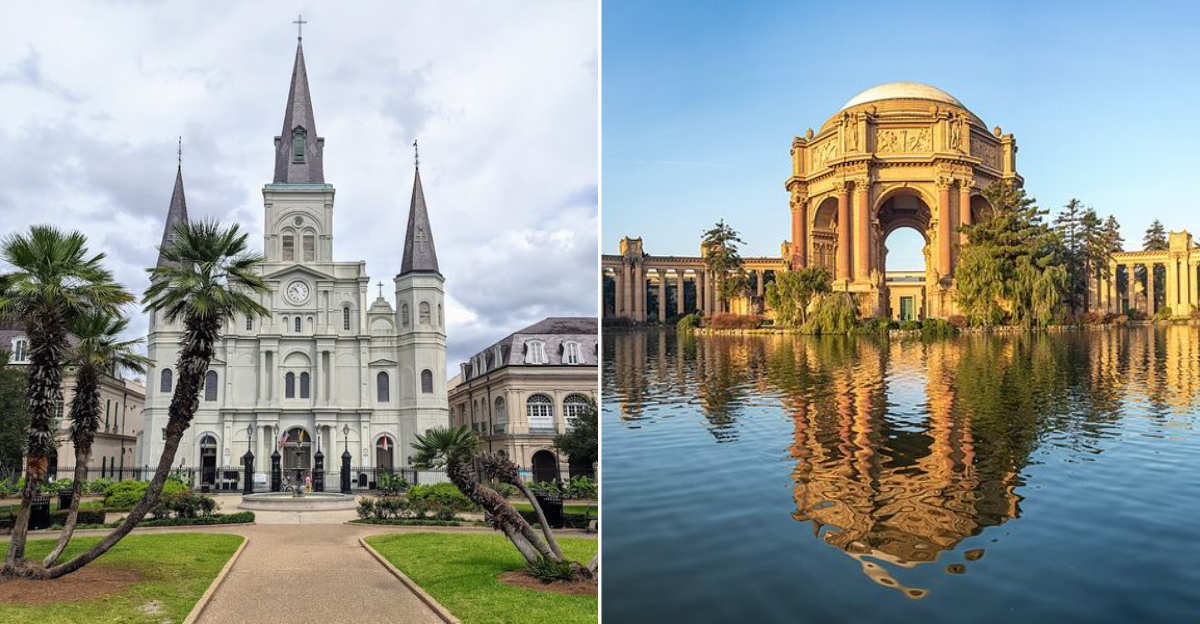
America is full of jaw-dropping buildings, and sometimes the best reason to visit a city is the architecture itself. From soaring skyscrapers to quiet courtyards, every corner of this country has a story told in steel, stone, and glass.
I started noticing this on a trip to Chicago, where I nearly missed my boat tour because I couldn’t stop staring up at the skyline. Whether you’re a lifelong architecture nerd or just someone who appreciates a seriously cool building, this list has something for you.
Chicago, Illinois – The Skyline That Taught America to Build Up
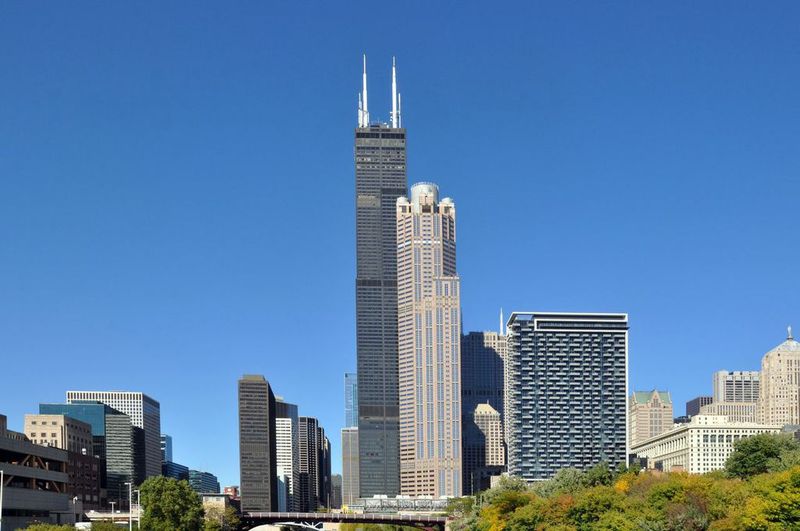
No city in America wears its architecture as proudly as Chicago. The skyline didn’t just grow, it set the rules.
After the Great Fire of 1871, architects basically used the city as a full-scale design experiment, and the results are still standing tall today.
Book an architecture cruise on the Chicago River. Seriously, do it.
You’ll float past some of the most important buildings in U.S. history while a knowledgeable guide explains why each one matters. It’s a floating lecture that’s actually fun.
Willis Tower (formerly Sears Tower) is the crown jewel of the skyline. At 110 stories, it dominated as the world’s tallest building for over two decades.
Step out onto the Skydeck’s glass ledge if you’re brave enough. Chicago doesn’t just show you architecture, it dares you to look down.
New York City, New York – Where a Museum Is the Masterpiece
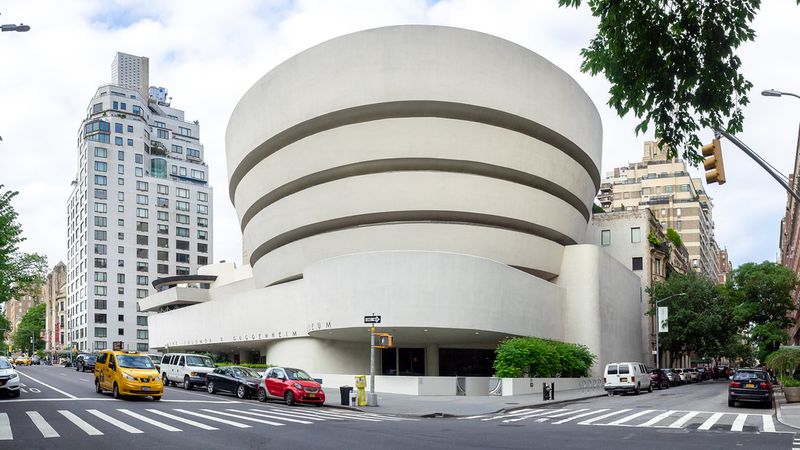
Most museums make you look at the art. The Guggenheim makes you look at the building first.
Frank Lloyd Wright’s spiral rotunda on Fifth Avenue is so striking that first-time visitors often forget to go inside. Then they go inside and forget everything else.
Completed in 1959, the Guggenheim took 16 years to get approved and built. Wright and the city did not exactly see eye to eye.
The result of all that stubbornness? One of the most recognizable interiors in the world, a continuous ramp that winds up six stories like a giant concrete cinnamon roll.
I stood in the center of that atrium and just looked up for a full five minutes. Nobody judged me, because everyone else was doing the same thing.
Put this at the very top of your New York architecture list, above the Empire State Building, above everything.
Washington, D.C. – Monumental Design, Up Close
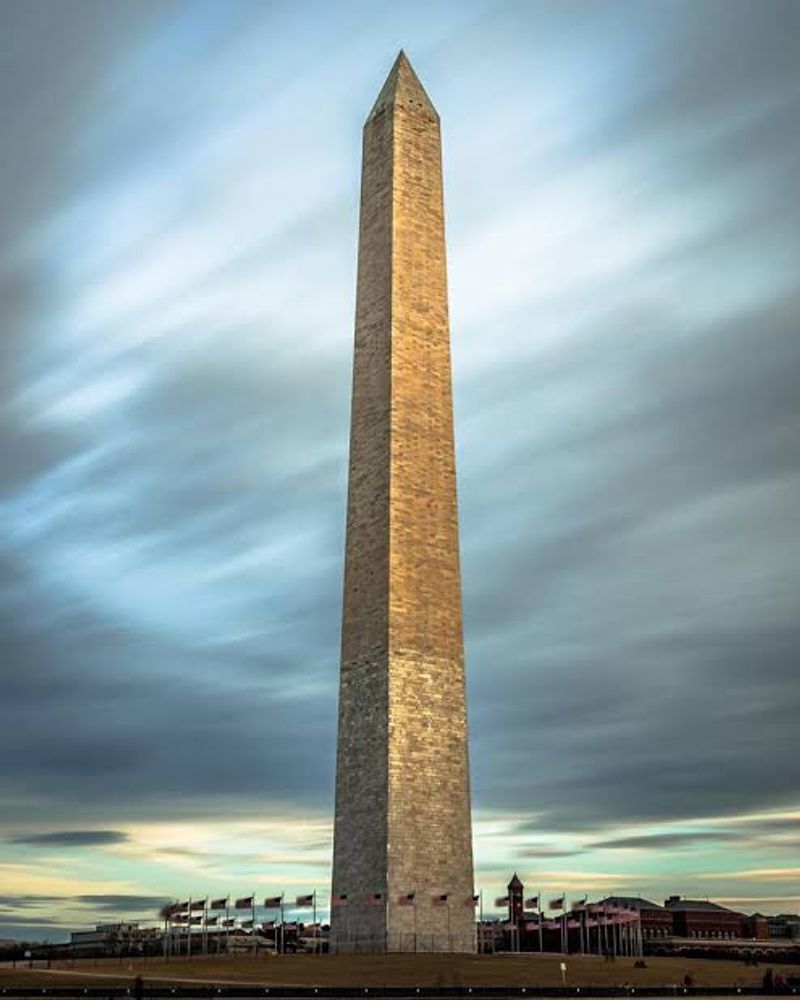
The National Mall is basically a free, open-air architecture seminar with better field trips than any university. You can walk from neoclassical monuments to modernist museums in the same afternoon, and your only admission fee is comfortable shoes.
Henry Bacon’s Lincoln Memorial, built between 1914 and 1922, is one of those places that hits differently in person. Photos don’t capture the scale.
The 36 columns representing the states at the time of Lincoln’s death feel genuinely massive when you’re standing between them.
Beyond the Lincoln Memorial, the Mall offers the National Gallery of Art’s East Building by I.M. Pei, the angular Hirshhorn Museum, and the stunning National Museum of African American History and Culture.
Each building tells a different story about American design. Spend a full day here and still feel like you missed something.
That’s not a complaint, that’s a feature.
Boston, Massachusetts – One Church, One Style, One Wow
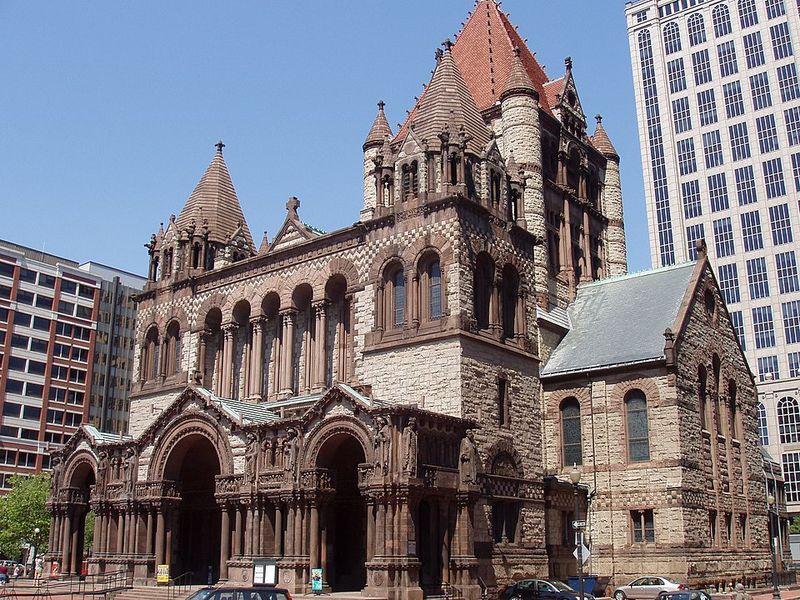
Trinity Church in Copley Square stops people mid-stride. H.H.
Richardson completed it in 1877, and it became so influential that the style it inspired is literally named after the man: Richardsonian Romanesque. That’s a level of architectural clout very few people ever reach.
The church’s heavy stone arches, deep earth tones, and bold massing feel almost ancient, yet totally original. Richardson wasn’t copying European cathedrals.
He was riffing on them, Americanizing them, making something new from something old. The result won a poll of American architects in 1885 as the greatest building in the country.
What makes Copley Square especially wild is the view. Trinity Church reflects in the glass facade of the neighboring John Hancock Tower, giving you two architectural eras staring at each other across the plaza.
Boston doesn’t always get the architecture headlines, but this square alone earns the trip.
Philadelphia, Pennsylvania – A City Hall That’s a Literal Heavyweight
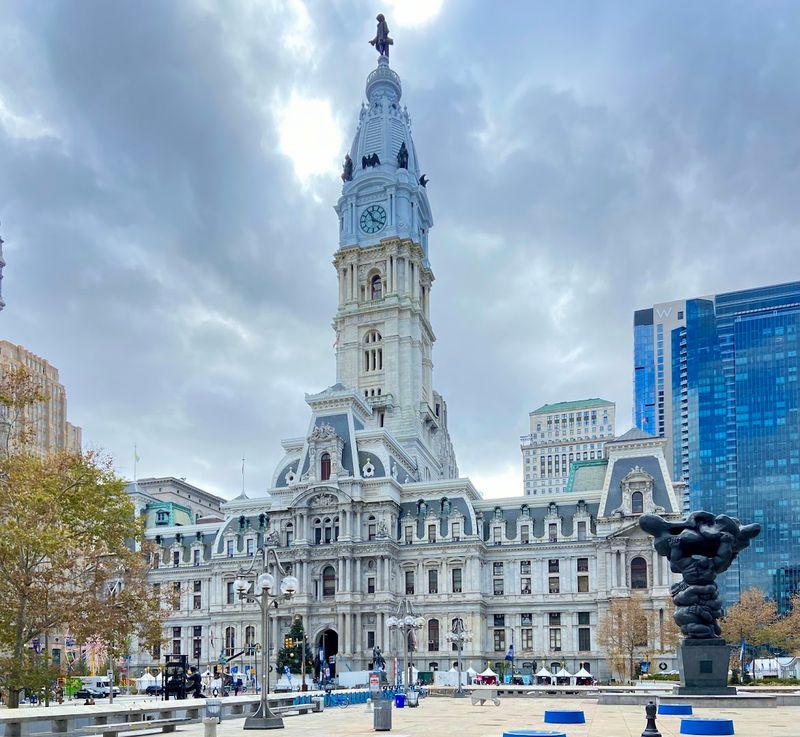
Philadelphia City Hall is not subtle. It took 30 years to build, cost over $24 million in the 1800s, and topped out at 548 feet, briefly making it the tallest occupied building on earth.
It is, without question, the most extra city hall in America.
Completed in 1901, the building is pure Second Empire style, loaded with sculpture, ornamentation, and a 37-foot bronze statue of William Penn perched on top. For nearly a century, a gentlemen’s agreement kept no Philadelphia building taller than Penn’s hat brim.
That rule eventually fell, but Penn still watches over the city.
The interior is just as over-the-top as the outside. Free tours take you through marble corridors and up to an observation deck with sweeping city views.
Architects love it. Historians love it.
Anyone who appreciates buildings that commit fully to their own drama will absolutely love it too.
San Francisco, California – Beaux-Arts Beauty That Feels Like a Movie Set
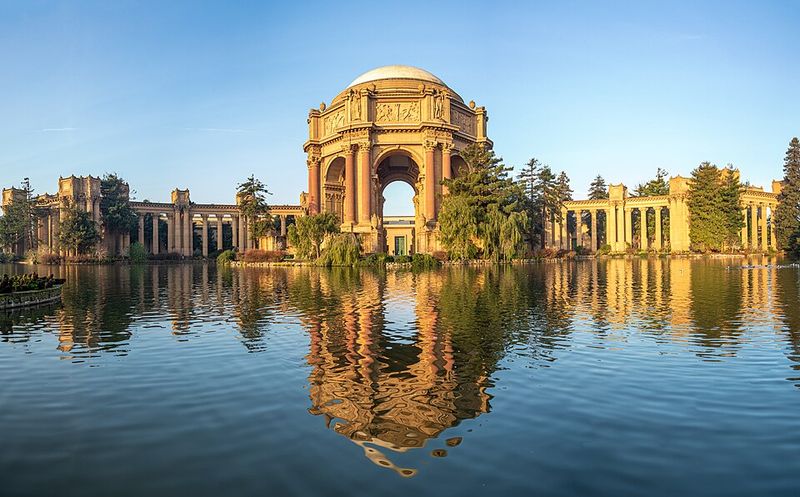
The Palace of Fine Arts was built to be temporary. Designed by Bernard Maybeck for the 1915 Panama-Pacific International Exposition, it was supposed to come down when the party ended.
San Francisco liked it so much that the city kept rebuilding it instead. Good call.
The rotunda, the colonnades, the lagoon with ducks paddling past Roman columns, it all looks like a film set because it basically is one. Dozens of movies and TV shows have used this location.
Standing there in real life feels slightly surreal, like you’ve walked into a painting.
Maybeck designed it to evoke a sense of melancholy beauty, ruins of a classical civilization. He succeeded a little too well.
The Palace feels both grand and quietly sad, which is a genuinely rare architectural trick. Bring a camera, bring a friend, and give yourself more time than you think you need.
You’ll thank yourself later.
Los Angeles, California – A Hilltop Campus of Pure Design
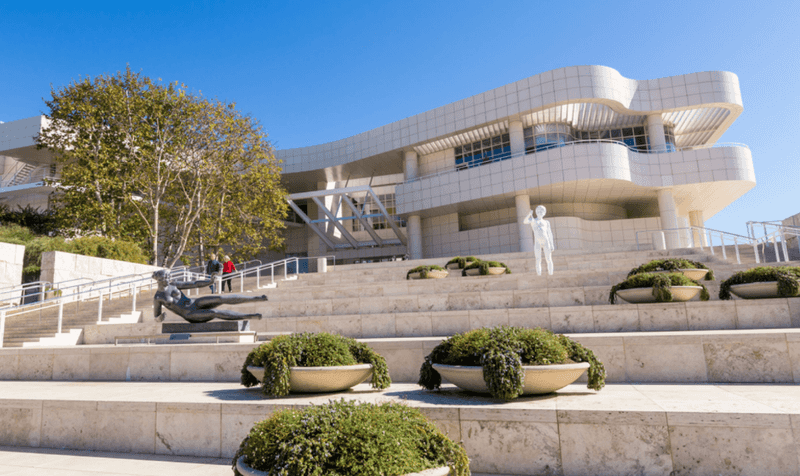
Getting to the Getty Center involves a tram ride up a Santa Monica Mountains hillside, which is a pretty dramatic way to arrive anywhere. Richard Meier designed the campus to open in 1997, and the views of Los Angeles alone are worth the free admission.
Meier used travertine stone throughout the complex, a warm, textured material that shifts color as the California sun moves across the sky. The buildings are crisp and modernist, but they don’t feel cold.
They feel confident. Every angle of the campus was designed with both function and light in mind.
The gardens, designed by Robert Irwin, are their own architectural experience, a swirling maze of plants and water that feels intentional down to the last petal. I went for the art and stayed for the architecture.
Then I stayed longer for the view. Then I missed my parking reservation.
Zero regrets.
Seattle, Washington – The Library That Reinvented the Library
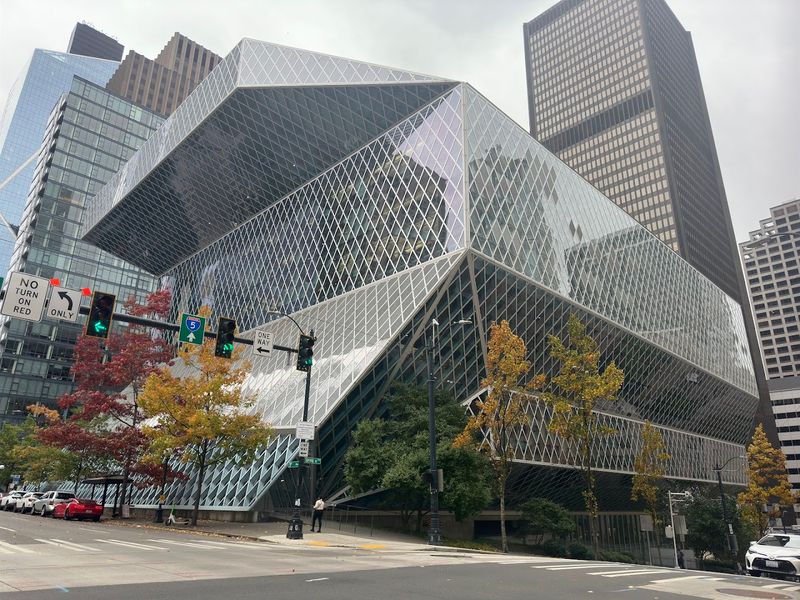
Most libraries whisper. Seattle’s Central Library shouts in angular steel and glass, and the whole city is better for it.
Completed in 2004 by OMA (Rem Koolhaas) and LMN Architects, the building looks like a geometric crystal that landed on Fifth Avenue and decided to stay.
The exterior is wrapped in a diamond-patterned steel mesh that filters light in constantly shifting ways. Inside, the floor plan is deliberately unconventional.
The famous “Book Spiral” organizes the nonfiction collection on a continuous ramp, so you can browse the entire Dewey Decimal System without ever hitting a dead end. Genius, honestly.
The building cost $165.5 million and sparked serious debate when it opened. Some loved it immediately.
Others needed time. Now it’s one of the most photographed buildings in the Pacific Northwest, which feels like the right ending.
Architecture that challenges you tends to age better than architecture that plays it safe.
New Orleans, Louisiana – Iron Balconies and Layered History
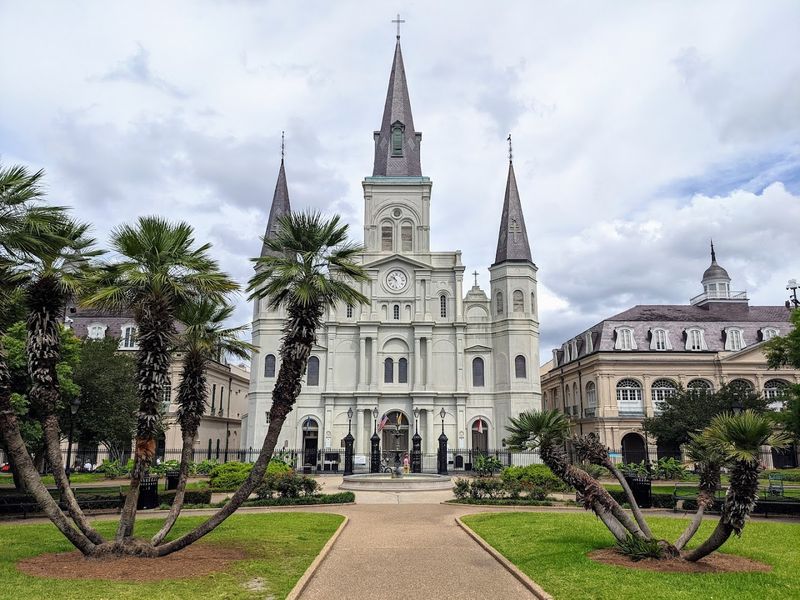
New Orleans’ French Quarter is one of those neighborhoods where every single block has something worth stopping for. The cast iron balconies, the hidden courtyards, the pastel plaster walls, none of it looks quite like anywhere else in America.
That’s not an accident.
The Vieux Carre (Old Square) is the city’s oldest neighborhood, shaped by French and Spanish colonial rule before Louisiana even became a U.S. state. The layered ownership left layered architecture.
Spanish arcades sit next to French Creole cottages. Narrow “shotgun” houses line side streets.
The whole district is a physical timeline of who was in charge and when.
Walking the Quarter slowly is the right move. Look up at the ironwork, which local craftsmen made by hand during the 19th century.
Peek through gate openings into lush private courtyards. The French Quarter is recognized for its historic significance, and spending an afternoon here makes it obvious why.
Savannah, Georgia – A City Designed Like a Dream
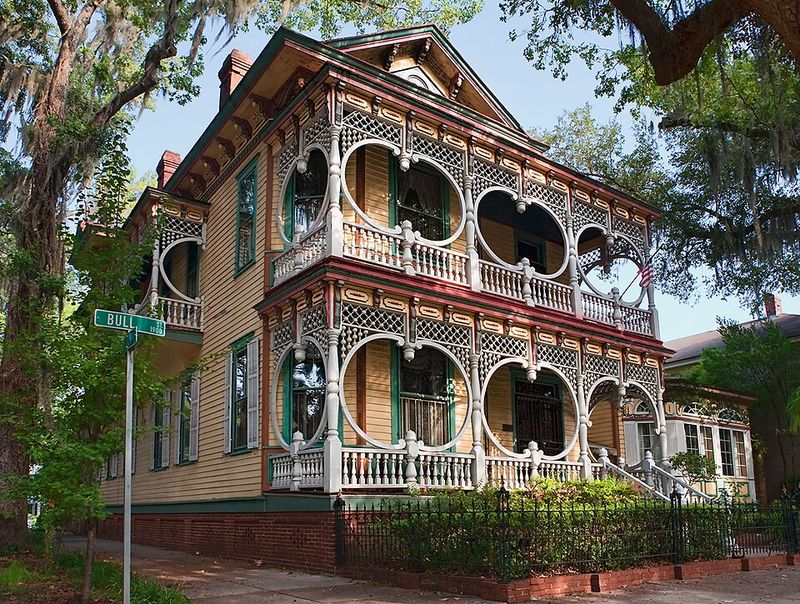
Savannah was designed in 1733 by General James Oglethorpe, and his grid of squares and parks was so ahead of its time that urban planners still study it today. The city didn’t just grow, it was planned from scratch with walkability and community built right into the blueprint.
The Historic District contains 22 original squares (out of the original 24), each surrounded by townhouses, churches, and public monuments. Walking from square to square feels like flipping through a catalog of 18th and 19th century American architecture.
Federal, Greek Revival, Gothic Revival, Italianate, all within a few blocks of each other.
The Spanish moss hanging from the live oaks adds a layer of drama that no architect actually planned, but nobody’s complaining. The whole district is a National Historic Landmark, and it’s best explored on foot at a slow pace.
Pack comfortable shoes and a full camera card. You’re going to need both.
Miami Beach, Florida – Pastel Geometry, Ocean Air
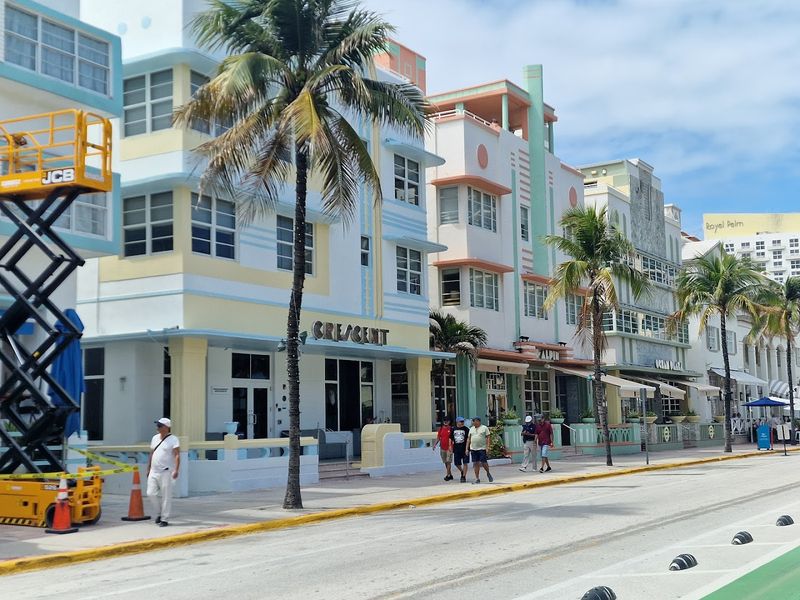
Miami Beach’s Art Deco Historic District is the largest collection of Art Deco architecture in the world, and it’s all packed into a walkable stretch near the ocean. Hundreds of buildings from the 1920s through the 1940s line streets like Ocean Drive and Collins Avenue, each one a pastel-painted geometry lesson.
The style here is technically “Tropical Deco,” a local variation that added nautical details, eyebrow shades over windows, and breezy terraces to the classic Art Deco formula. Architects like Henry Hohauser and L.
Murray Dixon designed dozens of buildings in the neighborhood, and their work gives the whole area a cohesive, sun-baked identity.
The Miami Design Preservation League offers walking tours that explain what to look for, from the racing stripes to the porthole windows. Even without a guide, just walking Ocean Drive at golden hour is a full architectural experience.
The buildings practically glow. It’s the most photogenic block in Florida, no contest.
Columbus, Indiana – The Small Town With a World-Class Design Lineup
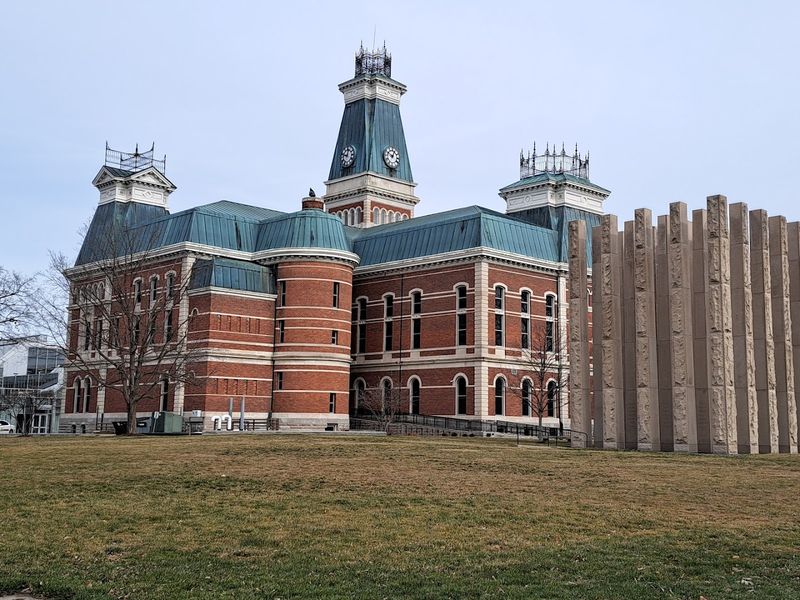
Columbus, Indiana has a population of about 50,000 people and an architecture collection that would embarrass most major cities. That’s not a typo.
Thanks to the Cummins Foundation Architecture Program, launched in 1954, the city paid top architects to design public buildings, and the results are extraordinary.
Eero Saarinen, I.M. Pei, Richard Meier, Kevin Roche, Cesar Pelli, all of them built here.
In a small Indiana town. The program started when J.
Irwin Miller, head of Cummins Engine Company, offered to pay architect fees for any public school that hired a name-brand designer. The program eventually expanded beyond schools.
Today, Columbus is ranked sixth in the U.S. for architectural innovation by the American Institute of Architects, sitting behind New York, Chicago, Los Angeles, Washington, and San Francisco. That ranking includes cities with millions of people.
Columbus has a great walking tour map, and the whole downtown is genuinely worth a full day of slow exploration.
St. Louis, Missouri – Stand Under America’s Tallest Monument
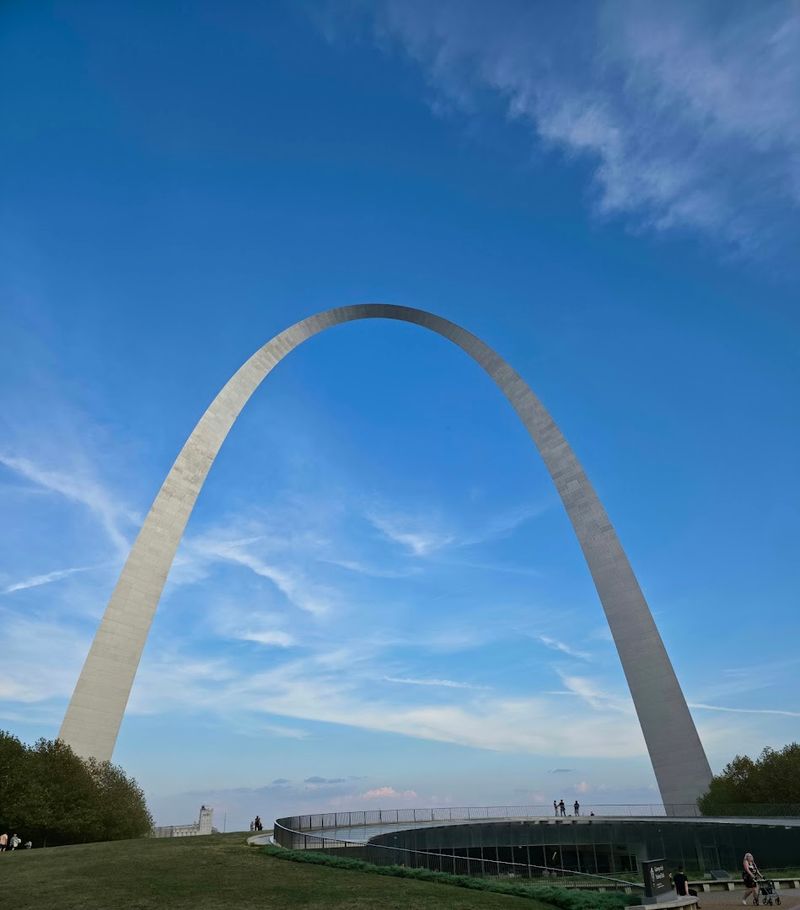
The Gateway Arch is 630 feet tall, made of stainless steel, and shaped like a catenary curve, the same shape a hanging chain naturally forms. Eero Saarinen designed it in 1947, beat out 172 competing entries to win the commission, and created something that still looks like it arrived from the future.
The Arch opened in 1965 as part of the Jefferson National Expansion Memorial, honoring America’s westward expansion. You can ride a tram inside the legs up to the observation deck at the top, which offers views stretching up to 30 miles on a clear day.
The tram cars are tiny and pod-shaped, adding to the whole futuristic experience.
Standing directly beneath the Arch and looking straight up is one of the more disorienting architectural experiences available in America. The curve seems to vanish into the sky.
It’s simultaneously a monument, a sculpture, and a structural engineering masterpiece. St. Louis absolutely nailed this one.
Mill Run, Pennsylvania – The House That Floats Over Water
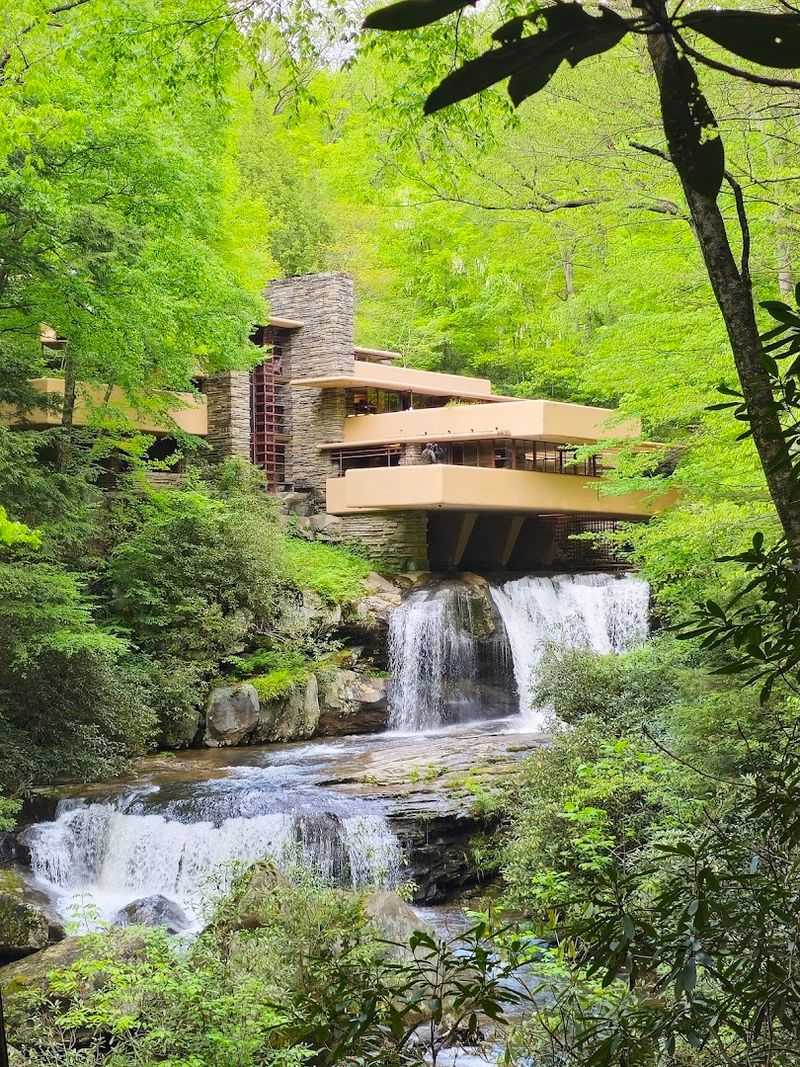
Frank Lloyd Wright designed Fallingwater in 1935 for the Kaufmann family, and he did it in two hours after months of stalling. His client called to say he was driving up to check on progress.
Wright sat down and drew the whole thing before the man arrived. That story is probably slightly embellished.
The house is absolutely not.
Built over an actual waterfall on Bear Run in southwestern Pennsylvania, Fallingwater is Wright’s most celebrated work. The cantilevered concrete terraces extend dramatically over the water below, making the house appear to float.
It’s a stunning example of what Wright called “organic architecture,” design that grows from its natural setting rather than imposing on it.
The house became a National Historic Landmark in 1966 and was called “the best all-time work of American architecture” by the American Institute of Architects in 1991. Tours book up fast, so plan ahead.
This is one of those rare buildings that genuinely lives up to its reputation.
Scottsdale, Arizona – Frank Lloyd Wright’s Desert Laboratory
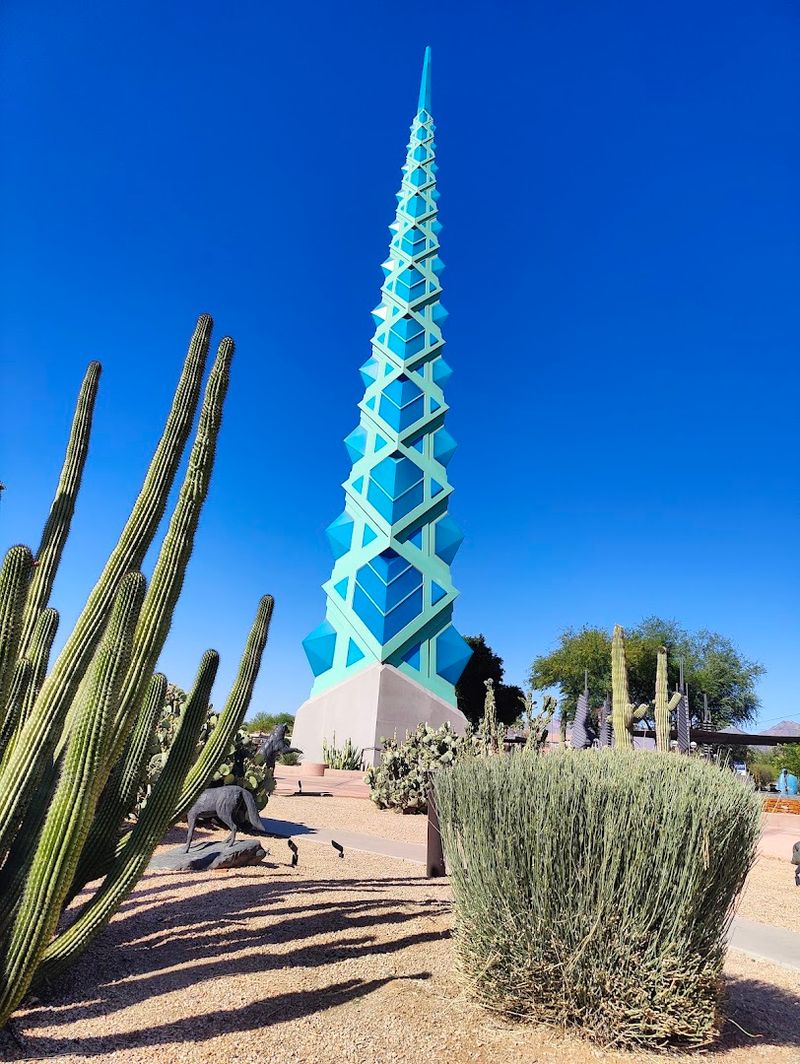
Frank Lloyd Wright arrived in the Arizona desert in 1937 and didn’t just build a house. He built a philosophy.
Taliesin West was his winter home, his architecture school, and what he called a “desert laboratory,” a working campus where students learned by doing, not just by studying.
Wright used local desert rubble in the walls, blending the structures so thoroughly into the Sonoran landscape that the buildings feel like they grew there rather than were constructed. The low rooflines, the rough stone masonry, the canvas roof panels that once let filtered light in, every choice was deliberate and place-specific.
Taliesin West is now the headquarters of the Frank Lloyd Wright Foundation and a National Historic Landmark. Guided tours run year-round and go deep into Wright’s design philosophy, not just the building itself.
If Fallingwater is Wright’s most famous work, Taliesin West is his most personal. Architecture fans who skip it are leaving the best chapter unread.



