 Unearth The Voyage
Road trips don’t have to drain your wallet to be worth the drive. Some of the best destinations in the US are surprisingly affordable, and a few of them are completely free to visit.
I took my first budget road trip with nothing but a cooler, a playlist, and a rough plan, and it turned out to be one of my favorite adventures ever. Whether you’re chasing waterfalls, city parks, or ocean views, this list has something for every kind of traveler.
Great Smoky Mountains National Park (TN/NC)
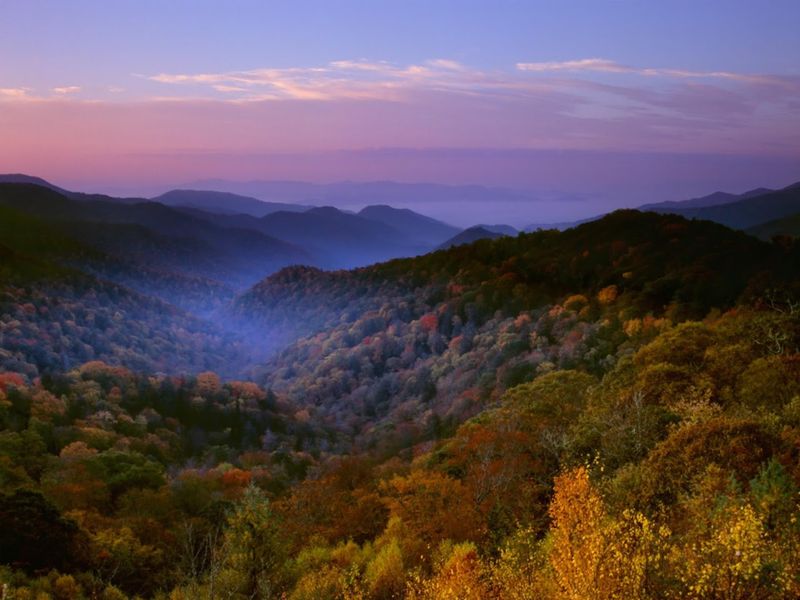
No entrance fee, no problem. Great Smoky Mountains National Park is the most visited national park in the country, and it doesn’t cost a single dollar to get through the gate.
That’s a rare deal for a place this stunning.
Spend your days on scenic drives like Clingmans Dome Road, stop at overlooks, and hike to waterfalls like Laurel Falls. The park has hundreds of miles of trails, so you’ll never run out of free things to do.
Pack a cooler with sandwiches and snacks instead of eating at overpriced tourist spots in Gatlinburg. Chase sunsets at Newfound Gap Overlook, which costs exactly zero dollars and delivers views worth a thousand.
Budget travelers, this park was practically made for you.
Blue Ridge Parkway (VA/NC)
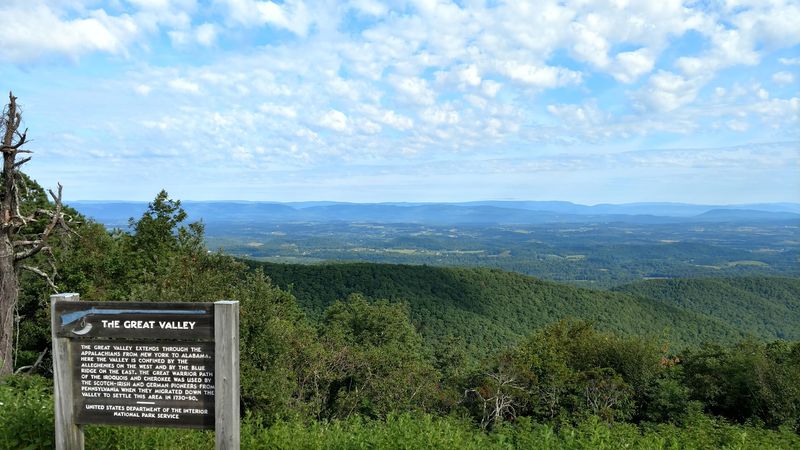
Some roads are just built for road tripping, and the Blue Ridge Parkway is basically the gold standard. Stretching 469 miles through Virginia and North Carolina, this iconic route doesn’t charge an entrance fee, making every mile a freebie.
The Parkway is loaded with overlooks, short hiking trails, and photo stops that would make any travel blogger weep with joy. Pull over whenever something looks good, because something always looks good.
There’s no rush and no toll booth waiting to ambush you.
Build your itinerary around the best overlooks and a few short trails, then stay overnight in smaller towns just off the Parkway where lodging is cheaper. Places like Floyd, Virginia or Little Switzerland, North Carolina offer cozy, affordable options.
Honestly, the drive itself is the destination here, and that’s a beautiful thing for your budget.
Natchez Trace Parkway (TN/MS/AL)
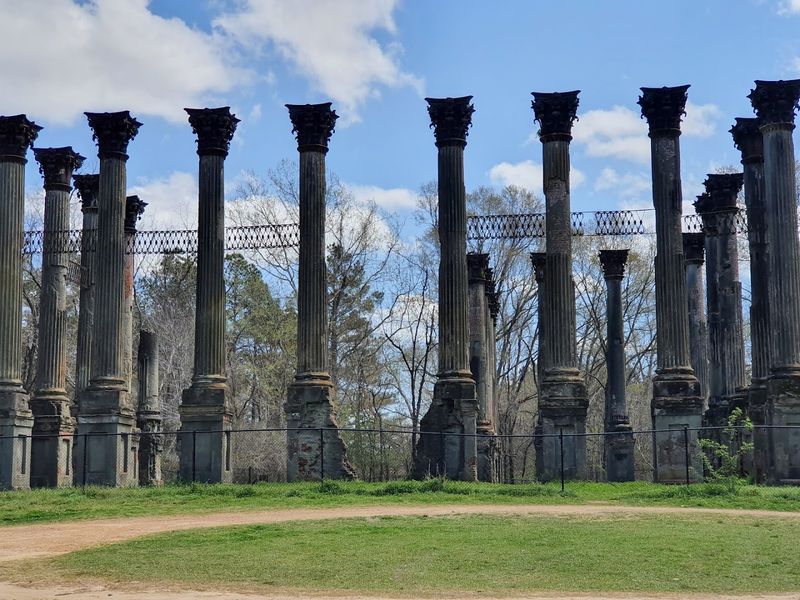
History nerds and casual cruisers, meet your dream road trip. The Natchez Trace Parkway covers 444 miles through Tennessee, Mississippi, and Alabama, and the National Park Service confirms it’s completely free to drive.
What makes this route special is how easygoing it feels. There are no commercial trucks, no billboards, and no fast food signs cluttering the view.
Just trees, history markers, and the occasional deer giving you a look like you’re the tourist, which you are.
The best budget move here is turning the drive itself into the main activity. I call it the milepost snack tour: stop at every interesting pull-off, eat something you packed, and read the historical signs.
You’ll learn a ton and spend almost nothing. Waterfall stops like Fall Hollow and nature areas along the route are free and genuinely worth the pause.
Congaree National Park (SC)
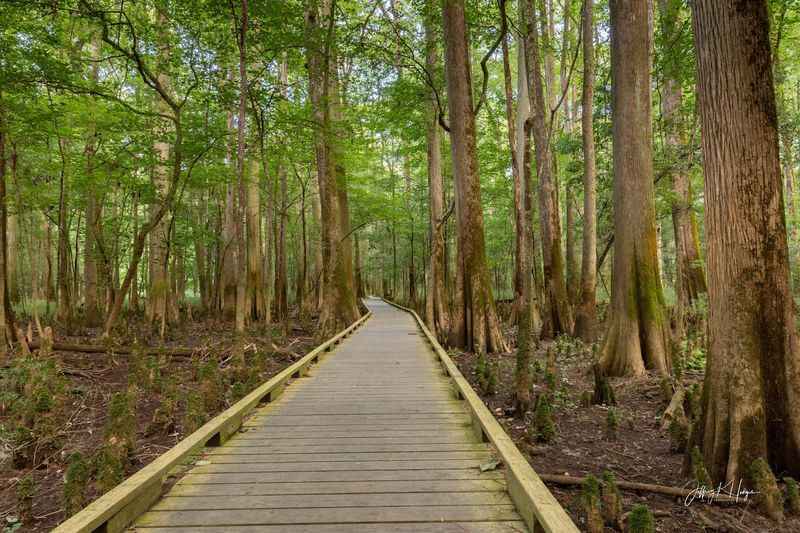
Swamps don’t usually get the credit they deserve, but Congaree National Park is here to change that. Located in South Carolina, this park protects one of the largest intact old-growth bottomland hardwood forests in the Southeast, and the NPS confirms no entrance fee is required.
The elevated boardwalk trail is the star attraction. It winds through ancient cypress and tupelo trees that make you feel like you’ve stumbled into a fantasy novel.
Firefly season in late spring is especially wild, when thousands of synchronized fireflies light up the forest at night.
Go early in the morning or near sunset to dodge crowds and get the best light for photos. A single-day visit is totally doable since the main boardwalk loop is about 2.4 miles.
Bring bug spray, a water bottle, and zero dollars for admission. Congaree proves that free can still feel extraordinary.
Cuyahoga Valley National Park (OH)
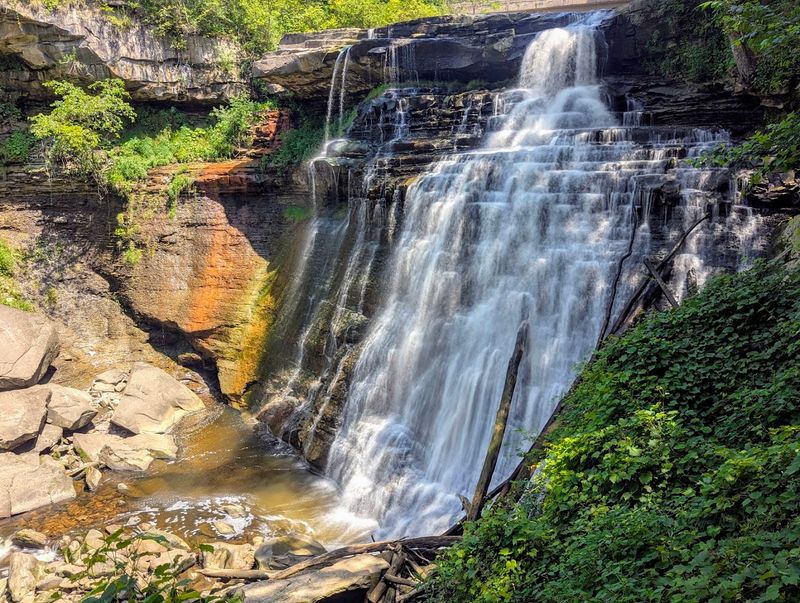
Ohio doesn’t always get a spot on the road trip highlight reel, but Cuyahoga Valley National Park deserves serious recognition. It sits between Cleveland and Akron, making it shockingly accessible, and the NPS confirms there’s no entrance fee to visit.
Brandywine Falls is the crowd favorite and for good reason. The 65-foot waterfall is a short walk from the parking area and genuinely impressive.
Beyond that, the park has over 125 miles of trails, a scenic railroad, and historic farm landscapes that feel a million miles from city life.
The best budget strategy here is simple: picnic, hike, waterfall, repeat. Skip the paid train ride on a tight budget and stick to the trails.
I spent a full Saturday here once and came home feeling completely recharged without spending more than gas money and the cost of a few sandwiches. Ohio, you surprised me.
Hot Springs National Park (AR)
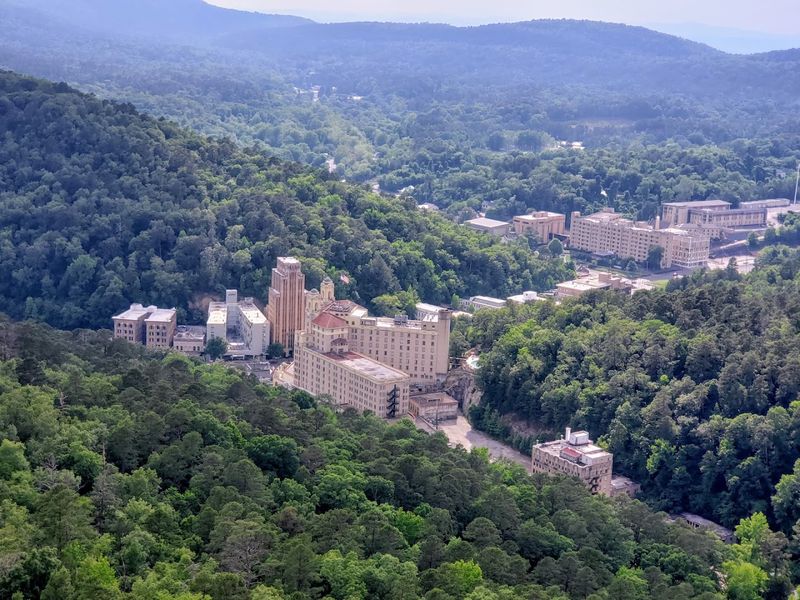
Hot Springs National Park might be the most underrated stop on any Southern road trip. Located in central Arkansas, it’s one of the few national parks built around a city, and the NPS lists it as a fee-free park with no entrance charge.
Bathhouse Row is the iconic centerpiece: a line of gorgeous early 20th-century bathhouses along Central Avenue. You can walk the street, tour the Fordyce Bathhouse visitor center for free, and hike the surrounding mountain trails without spending a cent.
The hot spring water actually flows at around 143 degrees Fahrenheit, which is a fun fact to drop on anyone who asks.
If your budget allows one small splurge, the Buckstaff Bathhouse offers traditional thermal baths for a reasonable price. Hike first, soak later if it fits your wallet.
Either way, Hot Springs rewards you with history, scenery, and that rare thing: a national park that asks nothing at the gate.
Washington, D.C. (National Mall and Smithsonian)
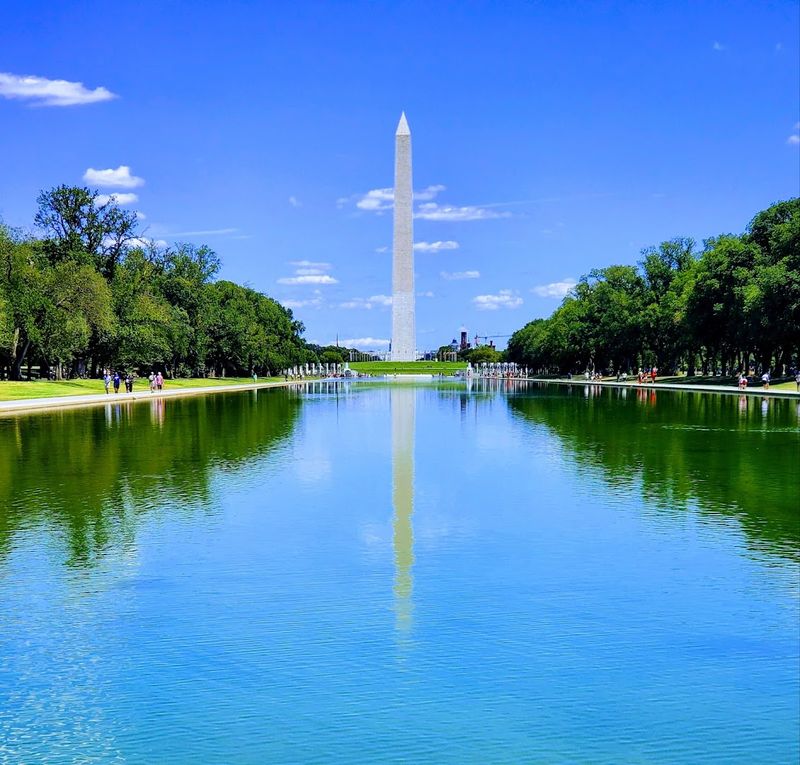
Washington, D.C. is basically a cheat code for budget travelers. The Smithsonian Institution runs 19 museums and galleries in the city, and nearly all of them are free to enter.
That’s an absurd amount of free content packed into one walkable area.
The National Mall alone could fill two or three full days. You’ve got the Lincoln Memorial, the Vietnam Veterans Memorial, the Washington Monument, and a string of world-class museums all within walking distance of each other.
No car needed once you’re parked.
Pick one neighborhood per day and walk it thoroughly instead of trying to see everything at once. The Capitol Hill area, the Mall, and the Dupont Circle neighborhood each have their own free highlights.
Food is the main place to budget carefully, since restaurant prices near the Mall can sting. A grocery run before each day keeps costs low while you museum-hop like a champion.
San Antonio River Walk (TX)
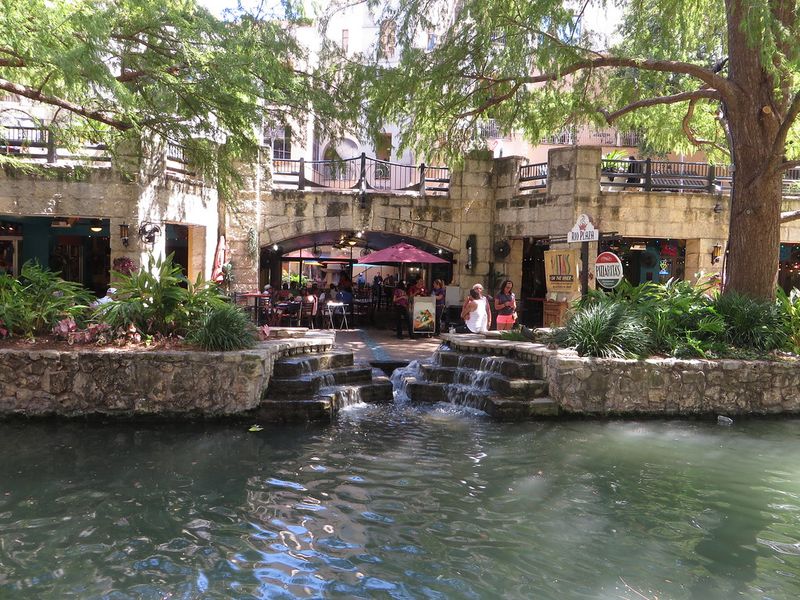
The San Antonio River Walk has a sneaky trick up its sleeve: it looks like it should cost money to visit, but it doesn’t. This scenic urban waterway is a public park, completely free to stroll, and it runs through the heart of downtown San Antonio.
The vibe is festive without being overwhelming. Restaurants and bars line the canal, musicians play on patios, and the whole thing feels like a party that never quite ends.
You can wander for hours just people-watching and taking in the atmosphere.
The budget move is visiting at night when the lights reflecting off the water make everything look magical, then eating at spots a block or two away from the most tourist-heavy stretches. Prices drop noticeably once you step off the main drag.
San Antonio also has the Alamo right nearby, which is free to visit, so you can pack a whole day of sightseeing without much spending.
Chicago, Illinois
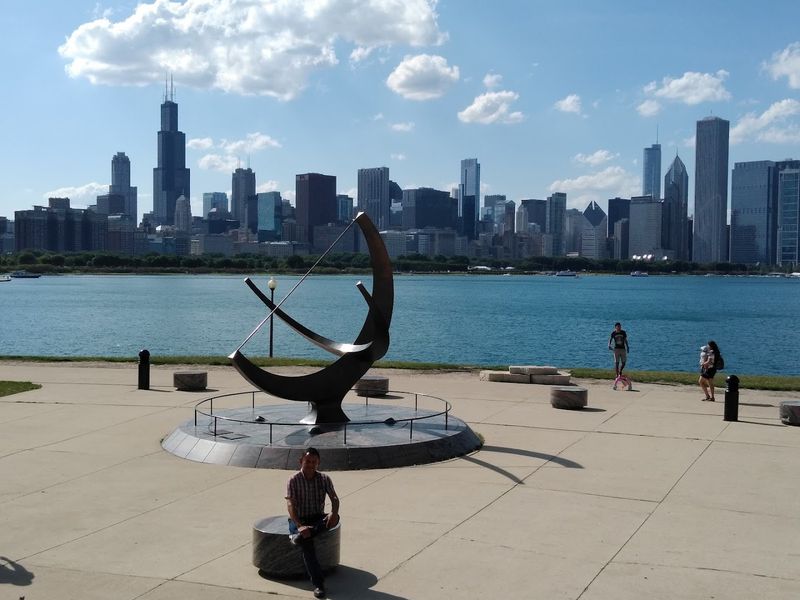
Chicago is one of those cities that punches way above its weight for free experiences. Millennium Park alone is worth the drive: it’s home to the famous Cloud Gate sculpture (yes, the Bean), free outdoor concerts in summer, and a skating rink in winter that’s all free to use.
The city highlights hundreds of free cultural programs throughout the year, and neighborhoods like Wicker Park and Logan Square reward explorers with street art, farmers markets, and independent shops. Architecture fans can do a self-guided walking tour along the Chicago Riverwalk at no cost.
Food is where Chicago really shines on a budget. A classic Chicago-style hot dog from a street stand or a slice from a neighborhood pizza joint costs a fraction of what you’d pay at a tourist trap.
Stay in a neighborhood a bit away from the Magnificent Mile and your hotel costs drop significantly too. Big city, smart spending.
The Oregon Coast (US-101), Oregon
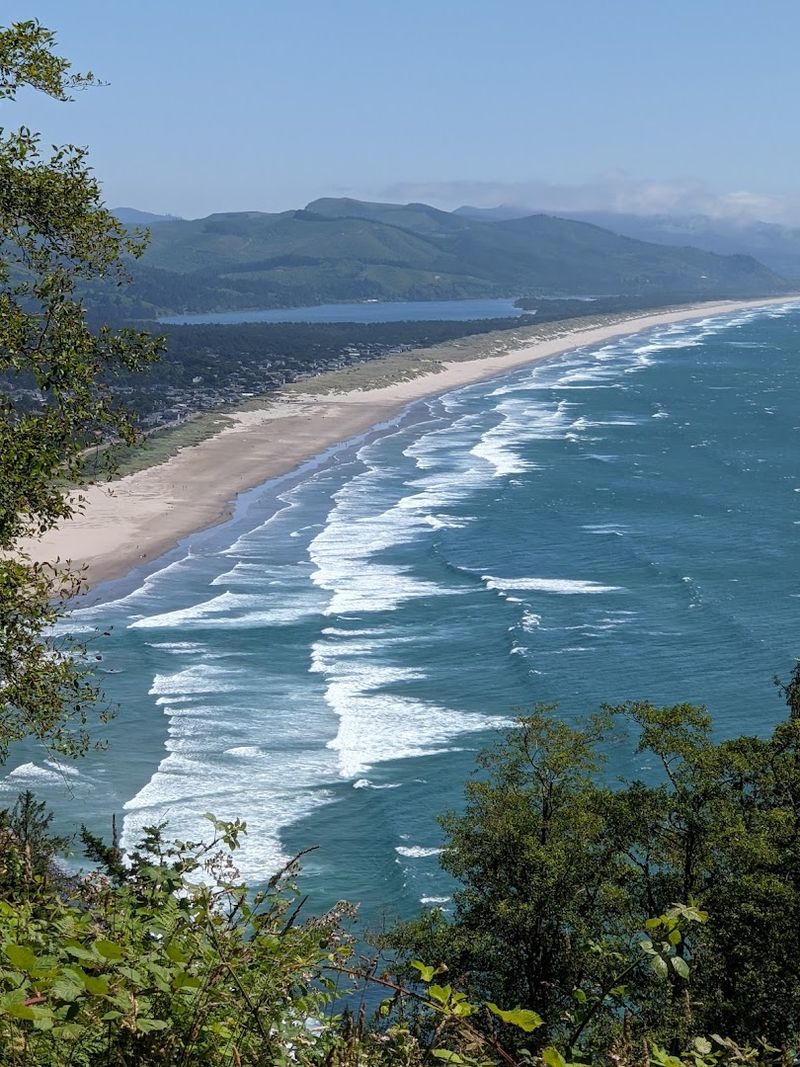
Oregon pulled off something remarkable with its Beach Bill of 1967: it made all sandy beaches in the state publicly accessible. That means driving US-101 along the Oregon Coast gives you free access to some of the most dramatic coastline in North America.
The route is dotted with state parks, scenic viewpoints, and beach access points that don’t charge entry fees. Haystack Rock at Cannon Beach, Thor’s Well at Cape Perpetua, and the sea lion caves near Florence are all worth a stop.
The scenery shifts constantly, from sandy dunes to rocky headlands to misty forests right at the water’s edge.
Make it a scenic pull-off trip: stop at every viewpoint, take short beach walks, and eat at small coastal diners where the seafood is fresh and the prices are reasonable. Oregon’s coast doesn’t try to be fancy.
It just delivers jaw-dropping scenery and lets you do whatever you want with it.
St. Louis, Missouri
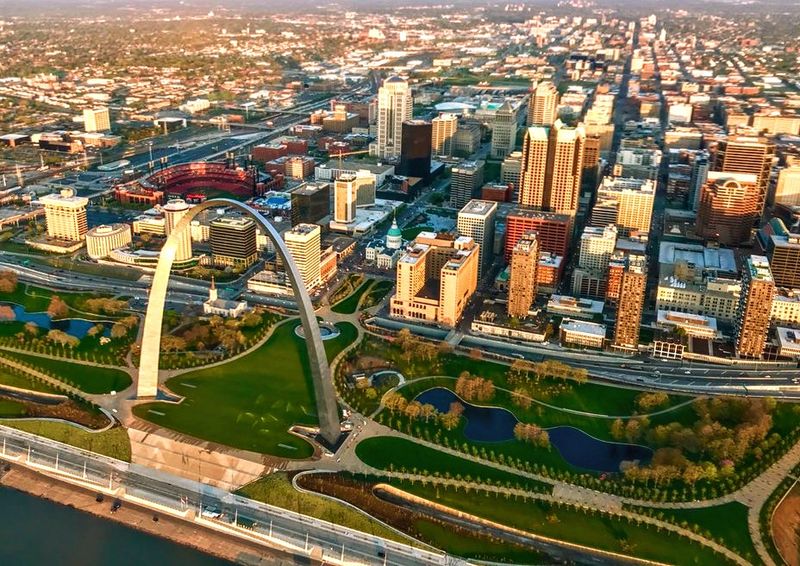
St. Louis is quietly one of the best budget travel cities in the Midwest, and it doesn’t brag about it nearly enough. The Saint Louis Zoo is one of the top-ranked zoos in the country and lists itself as free admission.
The Saint Louis Art Museum in Forest Park also offers free access to its permanent collection galleries.
Forest Park itself is the real anchor here. It’s larger than Central Park in New York and packed with free attractions including the Missouri History Museum and the Jewel Box conservatory.
You could spend an entire weekend in that park alone without running out of things to see.
Base yourself near Forest Park and you’ll minimize driving while maximizing your free entertainment options. The Gateway Arch is nearby and worth seeing even from the outside at no cost.
Grab some toasted ravioli from a local Italian restaurant in The Hill neighborhood and call it a perfect, affordable St. Louis day.
Kansas City, Missouri
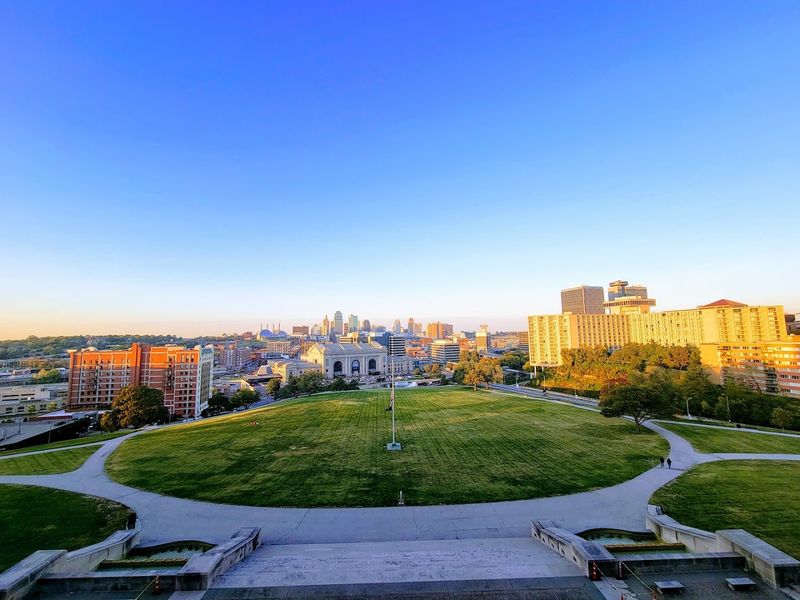
Kansas City has a secret weapon for road trippers on a tight budget: the Nelson-Atkins Museum of Art. General admission is always free, and the collection is genuinely world-class, covering everything from ancient Egyptian artifacts to contemporary photography.
That’s a lot of culture for exactly zero dollars.
The giant shuttlecock sculptures on the museum lawn are iconic and make for great photos. Beyond the museum, Kansas City’s Crossroads Arts District is worth exploring on foot, with murals, galleries, and independent coffee shops that won’t destroy your wallet.
Pair one strong anchor attraction like the Nelson-Atkins with cheap eats and neighborhood walking to build a full day. Kansas City is famous for barbecue, and you can find excellent smoked meat at mid-range spots that won’t feel like a splurge.
Joe’s Kansas City BBQ is a local legend with prices that are surprisingly reasonable for the quality. Budget trip, premium brisket.
San Francisco’s Golden Gate Park (CA)
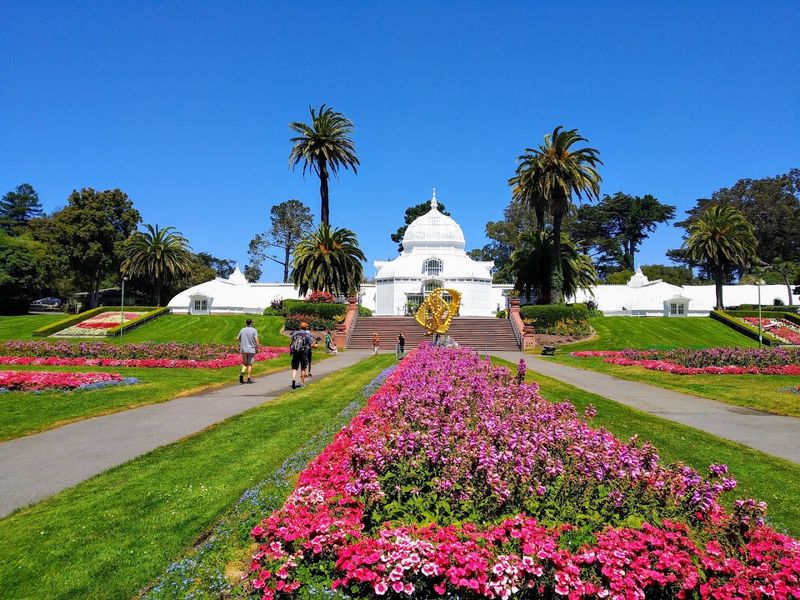
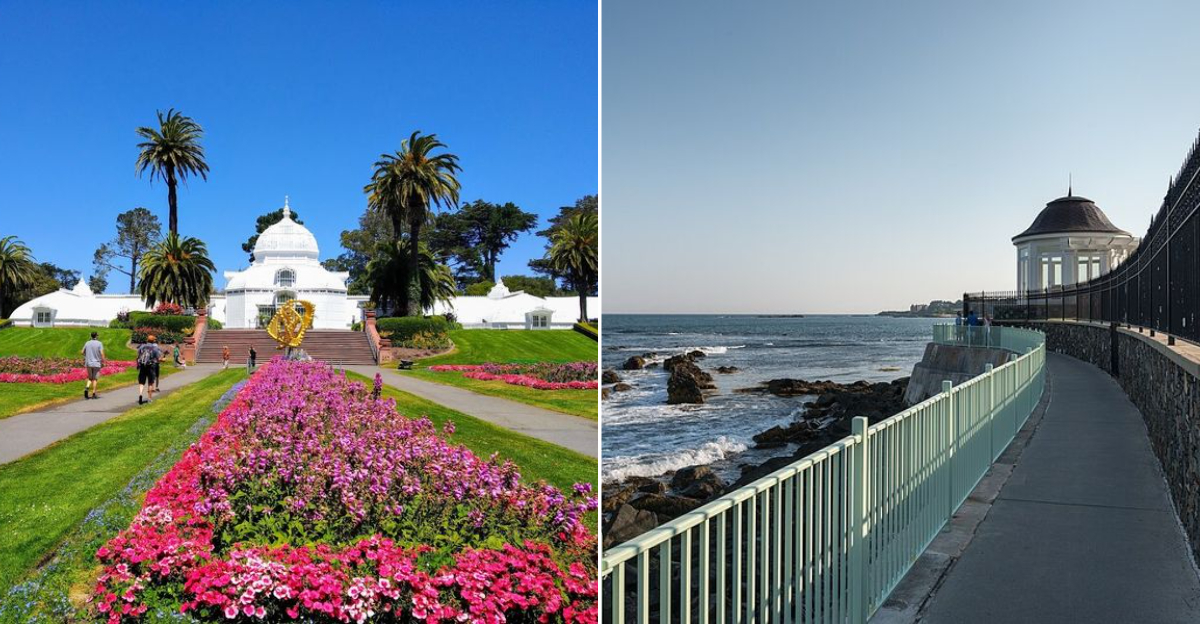
Golden Gate Park covers over 1,000 acres in the middle of San Francisco, which means it can legitimately be your entire itinerary for a day and you still won’t see all of it. The park is free to enter and filled with gardens, lakes, meadows, and winding paths that beg to be explored slowly.
The Japanese Tea Garden, the Conservatory of Flowers, and the de Young Museum are all inside the park. Some have small admission fees, but plenty of the park’s best spots cost nothing at all.
Stow Lake is a local favorite for a peaceful walk, and the buffalo paddock is a genuinely weird and wonderful surprise.
Treat the park like a road trip stopover rather than a tourist checklist. Arrive early, pick a section, and wander without a strict plan.
Grab food from a nearby grocery store or a food truck on Haight Street to keep costs low. San Francisco is expensive, but the park is your free sanctuary.
Philadelphia, Pennsylvania (Independence-Area Sights)
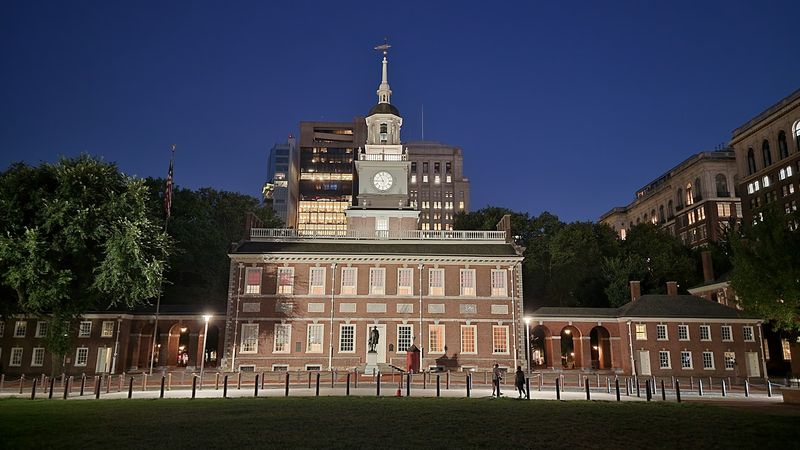
Philadelphia is where the United States basically got its act together, and you can visit most of the historic landmarks for free. Independence National Historical Park notes that admission to most park sites is free, including the Liberty Bell Center and access to the area around Independence Hall.
The Liberty Bell is smaller than most people expect and the crack is bigger than you’d think. Independence Hall is where both the Declaration of Independence and the Constitution were debated and signed, which is a genuinely staggering thing to stand in front of.
Timed entry tickets for the interior are free, though a small handling fee applies during peak season.
Build a DIY founding history walking day: Liberty Bell, Independence Hall, Elfreth’s Alley (the oldest residential street in the country), and then head to Reading Terminal Market for affordable, outstanding food. Philly has a reputation for attitude, but when it comes to budget travel, it’s surprisingly generous.
Boston, Massachusetts (Freedom Trail)
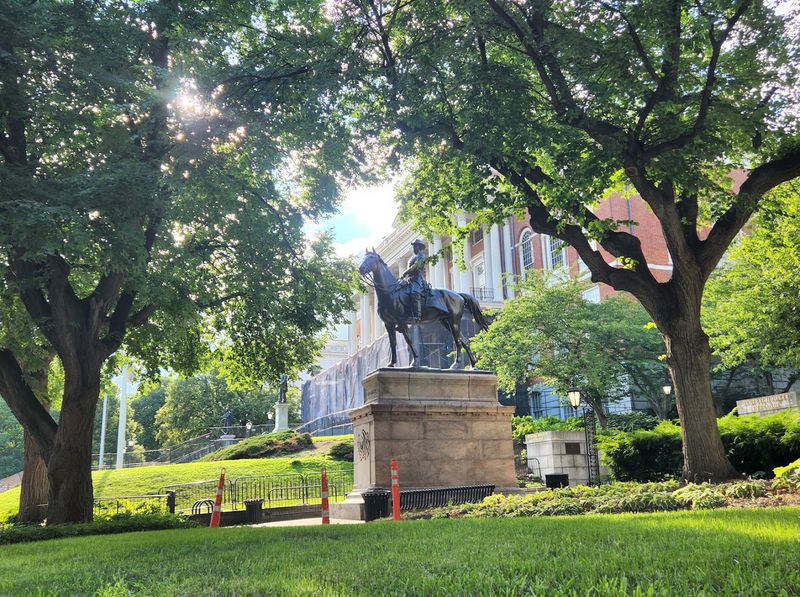
Boston’s Freedom Trail is a 2.5-mile red line painted through the city that connects 16 historic sites, and following it is one of the best free self-guided experiences in the country. Boston National Historical Park offers a free audio tour through the NPS app, which means you get solid narration without paying for a guided tour group.
The trail hits spots like Paul Revere’s House, the Old North Church, Faneuil Hall, and the Bunker Hill Monument. Most sites along the route are free or have minimal admission fees.
The whole walk takes about two to four hours depending on how many stops you make and how many times you stop for photos.
Walk the trail in sections rather than rushing the whole thing at once. Stop at independent bakeries and cafes along the route instead of sit-down restaurants to keep food costs down.
Boston Common, where the trail begins, is also a lovely free spot to rest your feet before diving back into history.
Newport Cliff Walk (RI)
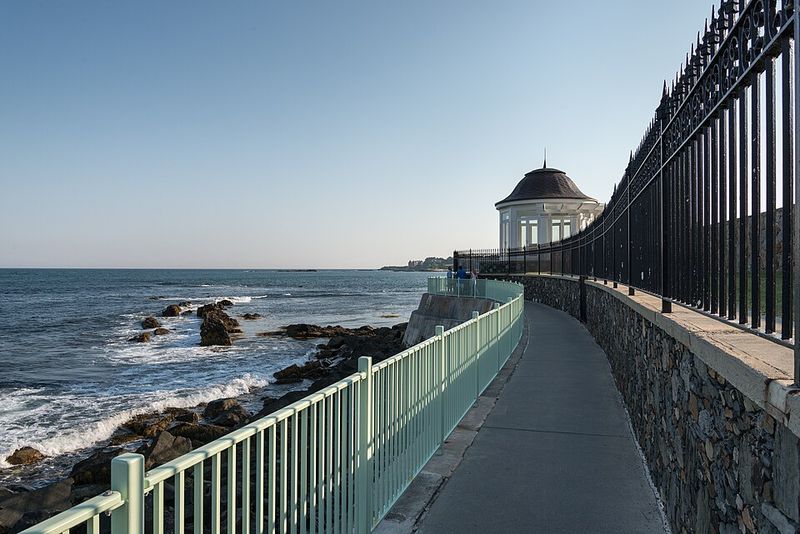
Newport, Rhode Island packed two completely different worlds onto one walking path. The Cliff Walk runs 3.5 miles along the coast and puts you between crashing Atlantic waves on one side and jaw-dropping Gilded Age mansions on the other, all on a public-access path that’s free to walk.
The mansions were built by families like the Vanderbilts during the late 1800s, and even seeing them from the outside is a spectacle. The architecture is outrageous in the best way: turrets, marble terraces, and manicured lawns that stretch to the cliff edge.
Newport’s city site describes the Cliff Walk as a National Recreation Trail, so the path is well-maintained and clearly marked.
Walk the full trail or just the northern section near Easton’s Beach for the most dramatic scenery. If one of the mansion tours fits your budget, The Breakers is the most impressive option.
Otherwise, enjoy the walk for free and grab chowder from a waterfront takeout spot on your way back.



