The 2026 FIFA World Cup is spreading across three countries, which means fans have an incredible mix of cities to explore. Whether you are flying into Dallas, Toronto, or Mexico City, each host city has at least one landmark worth your time.
I have been researching these spots obsessively, and trust me, some of them will surprise you. Here is a city-by-city guide to the one landmark you absolutely cannot skip.
Vancouver: Vancouver Lookout
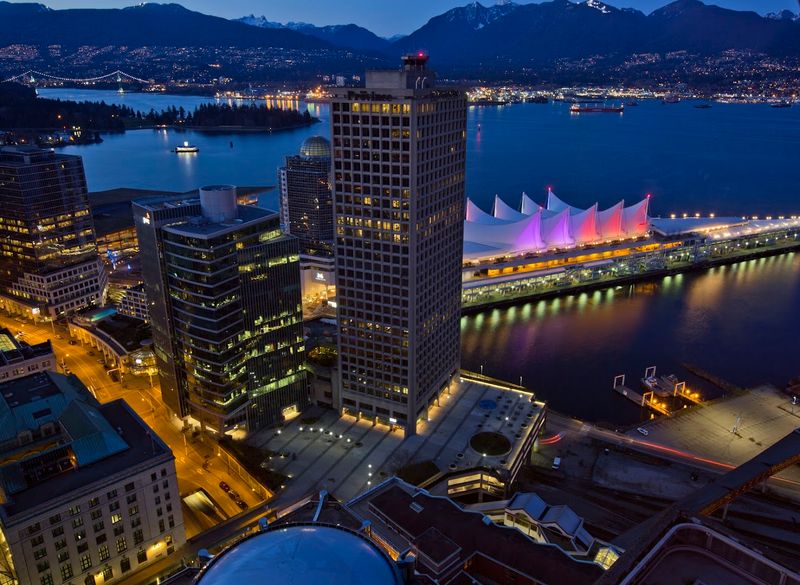
Standing 167 meters above downtown Vancouver, the Vancouver Lookout gives you a full 360-degree view of one of North America’s most beautiful cities. Mountains, ocean, and city streets all at once.
It is genuinely hard to pick a direction to stare at.
BC Place is visible from up there, so you can actually spot where all the World Cup action will happen. That makes the Lookout feel like the perfect pre-match warm-up.
Visitor hours run from 10 a.m. to 6 p.m., with the last elevator up at 5:30 p.m.
One underrated tip: your ticket is valid all day, so you can go up, come back down, grab lunch, and ride up again at sunset. The light completely changes the view.
Vancouver has a habit of being even more beautiful than expected, and the Lookout makes sure you do not miss a single corner of it.
Seattle: Space Needle
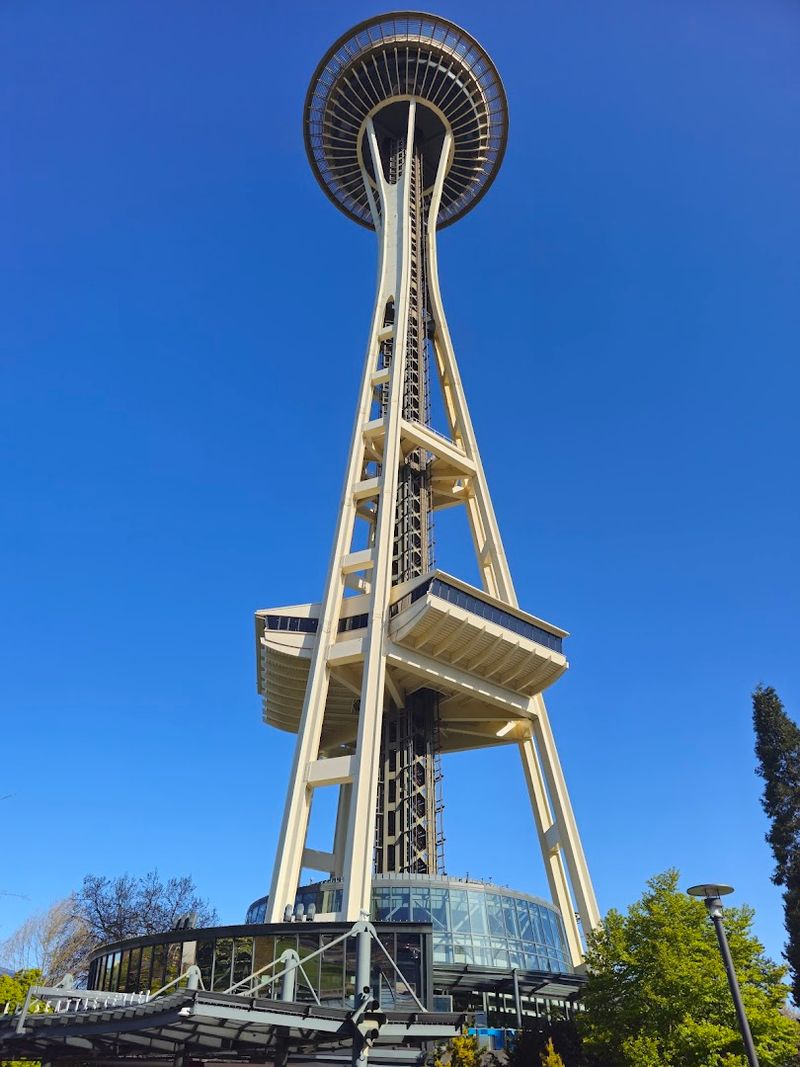
Few landmarks in the world are as instantly recognizable as the Space Needle, and Seattle’s version does not disappoint in person. Built for the 1962 World’s Fair, it has been turning heads for over six decades.
That is a pretty solid track record.
The rotating glass floor at the top is genuinely unsettling in the best way. You look straight down through your feet at the city below, which is either thrilling or deeply uncomfortable depending on your relationship with heights.
Either way, it makes for a great story.
Located at 400 Broad Street, the Space Needle sits right in Seattle Center, surrounded by museums, food options, and easy transit links. World Cup visitors will find it is a natural first stop before or after a match.
Go early in the morning when the crowds are lighter and Mount Rainier is showing off on the horizon.
San Francisco Bay Area: Golden Gate Bridge Welcome Center
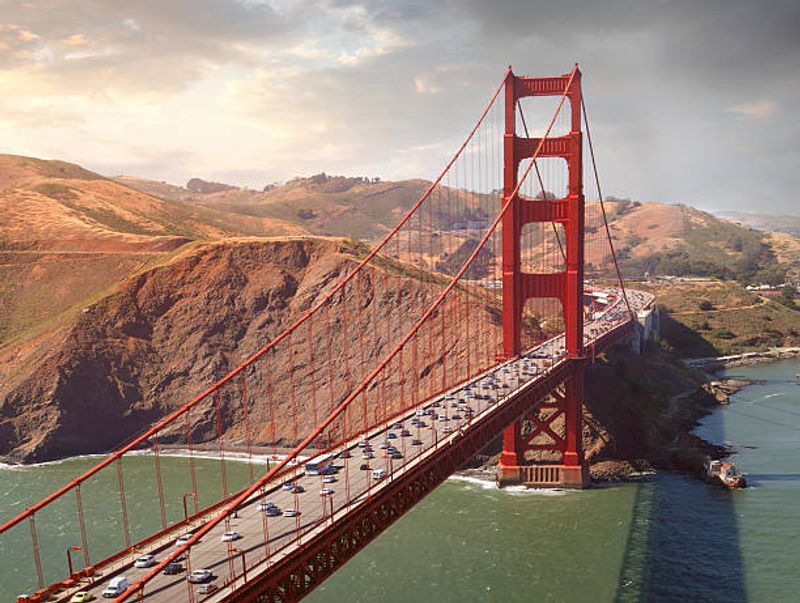
The Golden Gate Bridge is one of those landmarks that somehow still exceeds expectations even after seeing it in a thousand photos. The Welcome Center on the bridge’s east side is open daily from 9 a.m. to 6 p.m. and is a smart starting point for any visit.
You can walk or cycle across the bridge, grab a coffee nearby, and watch container ships pass under one of the world’s most photographed structures. The wind will absolutely destroy your hair.
Consider that a free souvenir.
Bay Area World Cup visitors will be staying in a region packed with things to do, but the bridge remains the undisputed headliner. Parking fills up fast, so arriving early or using public transit is a genuinely good move rather than just polite advice.
Standing at the Welcome Center with the towers looming above you is one of those moments that actually lives up to the hype.
Los Angeles: Griffith Observatory
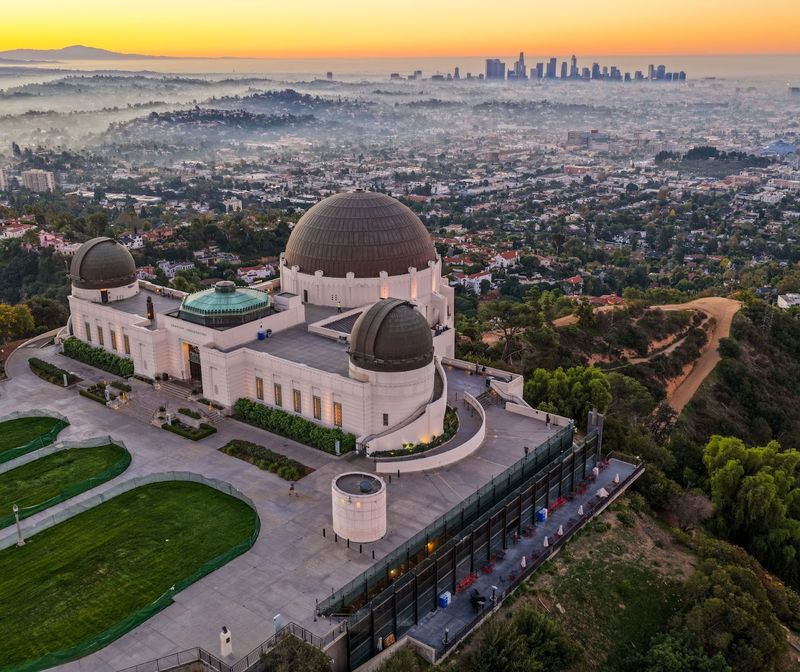
Griffith Observatory sits on the south slope of Mount Hollywood and gives you something rare in Los Angeles: a free, world-class view. The city stretches out below you in every direction, and on a clear day, the Hollywood Sign is right there without paying for a tour bus.
Weekday hours run from noon to 10 p.m., which makes an evening visit especially rewarding. The telescopes are open to the public on clear nights, and the exhibits inside cover space, astronomy, and the cosmos without being boring about it.
That is harder to pull off than it sounds.
I visited on a Tuesday evening and ended up staying three hours longer than planned. The crowd was relaxed, the views were stunning, and a ranger explained a solar system exhibit in a way that made me feel genuinely smarter.
For World Cup visitors in LA, this is the landmark that punches way above its price point.
Guadalajara: Hospicio Cabañas
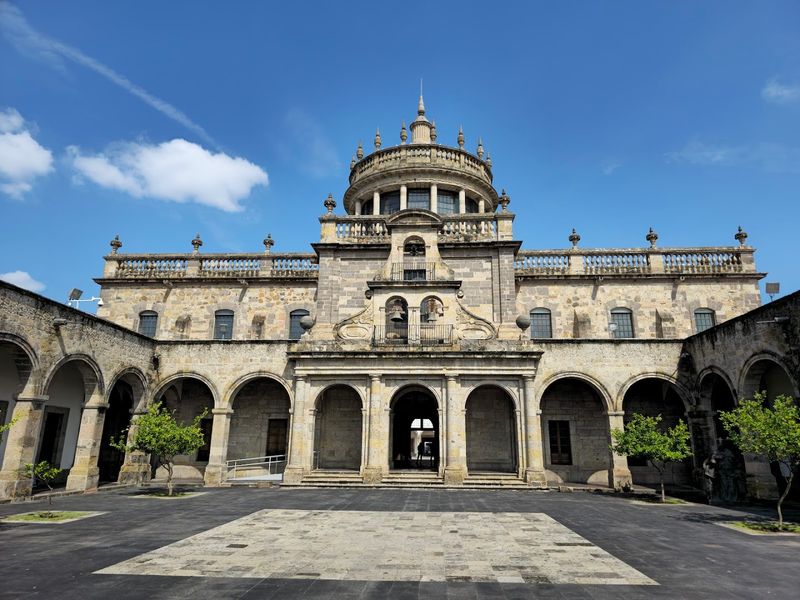
Hospicio Cabañas is a UNESCO World Heritage Site, and once you step inside, it is easy to understand why. Designed by Manuel Tolsá in the early 19th century, this neoclassical complex was originally built as a care institution for the sick, orphaned, and elderly.
The architecture alone is worth the trip.
The real showstopper is the chapel ceiling, covered in murals by José Clemente Orozco, one of Mexico’s most celebrated artists. Looking up at those paintings is the kind of experience that makes you forget you were planning to check your phone.
Guadalajara does not always get the same tourist attention as Mexico City, but Hospicio Cabañas is a legitimate world-class cultural landmark.
For World Cup visitors spending time in Guadalajara, this is the stop that transforms a sports trip into something more memorable. The surrounding neighborhood, Barrio del Encino, has great food and a lively local atmosphere worth exploring after your visit.
Kansas City: National WWI Museum and Memorial
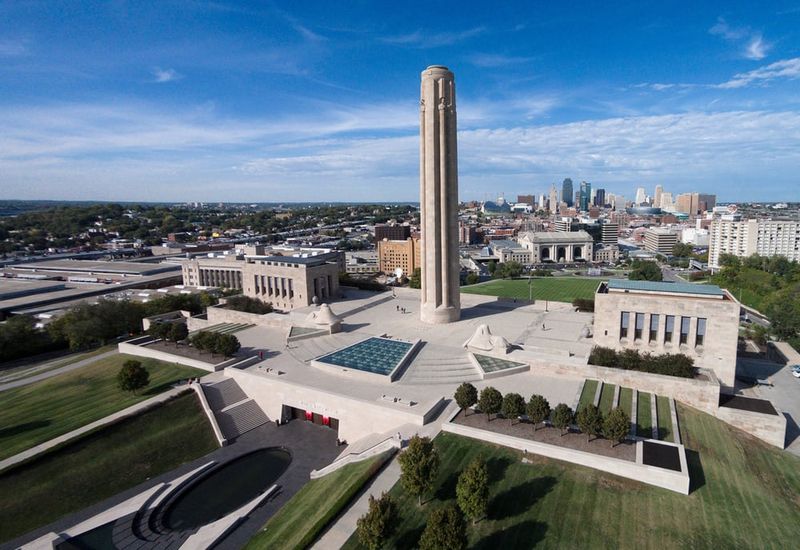
Kansas City holds something most visitors do not expect: the United States’ official national museum dedicated to World War I. The Liberty Memorial tower rises above the complex and is visible from miles away.
It is the kind of landmark that makes you stop and recalibrate what you thought this city was about.
The museum itself is genuinely gripping. A glass floor over a field of poppies greets you at the entrance, and the exhibits cover the full scope of the war in a way that feels personal rather than textbook.
History fans will want to budget at least two hours here.
For World Cup visitors who want more than just match days, this is the easy answer. The official visitor page has current hours and admission details, so checking before you go is worth thirty seconds of your time.
Kansas City keeps surprising people, and this museum is one of the best reasons why.
Dallas: Reunion Tower
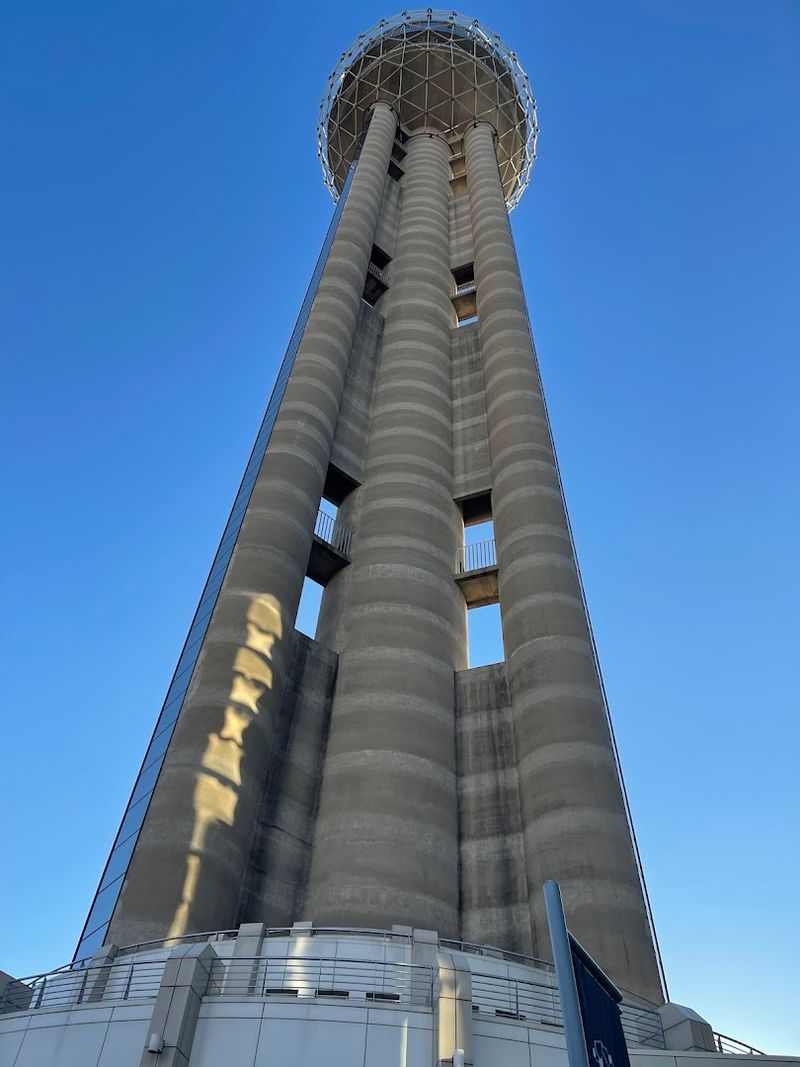
That glowing ball hovering over the Dallas skyline at night is Reunion Tower, and it has been a city icon since 1978. The geodesic dome on top contains an observation deck and a revolving restaurant, which is exactly as fun as it sounds.
Dallas has a flair for the dramatic, and this tower leans into it completely.
The GeO-Deck observation level gives you a 360-degree panoramic view of the city, the surrounding plains, and on clear days, views stretching for miles in every direction. Interactive telescopes on the deck let you zoom in on specific landmarks below.
It is a surprisingly hands-on experience for what is essentially a very tall building.
Tickets and visitor planning are available on the official site, and booking ahead during World Cup season is a smart move. Downtown Dallas has plenty of restaurants and bars nearby, so combining the tower visit with dinner afterward makes for an easy and satisfying evening out.
Houston: Space Center Houston
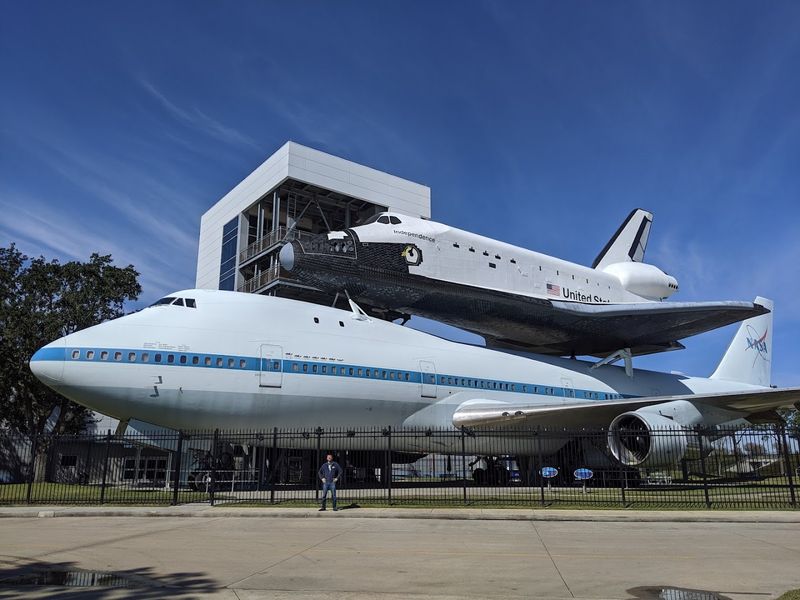
Houston’s connection to space exploration is not just a fun fact, it is the city’s entire personality. Space Center Houston is the official visitor center for NASA’s Johnson Space Center, and it delivers on that reputation in a big way.
The moment you see an actual Saturn V rocket up close, everything else feels small.
Current hours are listed as 10 a.m. to 5 p.m., but checking the official hours page before visiting is worth it since special events can shift the schedule. Tram tours take you through the working NASA facility, which is a genuinely rare experience.
You are rolling past real mission control buildings, not replicas.
World Cup visitors staying in Houston have a city that is bigger and more layered than most people expect. Space Center Houston is the bucket-list stop that earns its place on every itinerary.
Plan for at least half a day because rushing through it would be a genuine waste of something excellent.
Atlanta: Georgia Aquarium
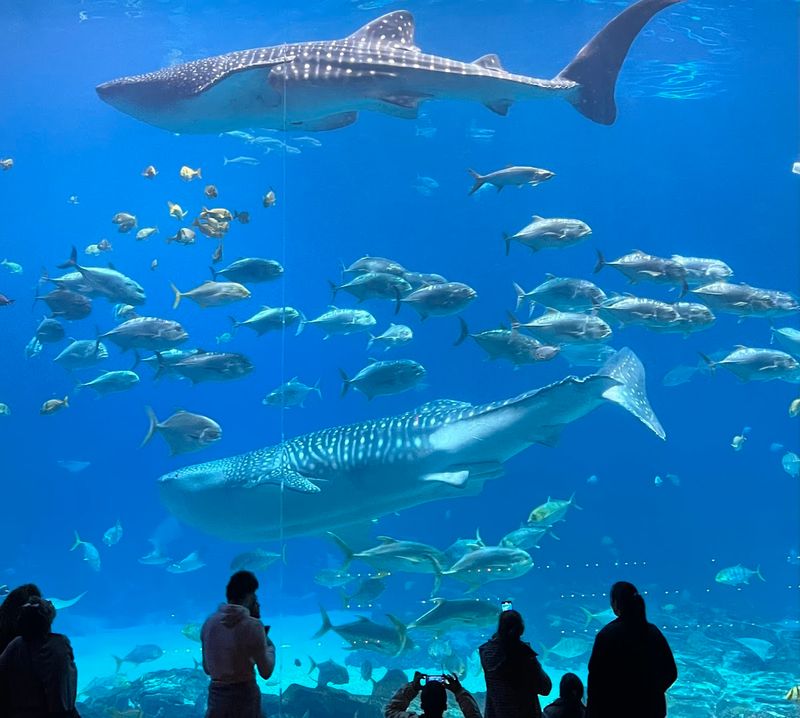
Georgia Aquarium in Atlanta holds the title of one of the largest aquariums in the world, and it earns that claim without breaking a sweat. The whale shark exhibit alone draws visitors from across the country.
Watching a creature that large glide through the water in person is a completely different experience from seeing it on a screen.
Open 365 days a year, the aquarium is a reliable option even when Atlanta weather is doing something unpredictable, which is often. Daily hours can shift, so a quick check of the official visitor page before heading over is always a good call.
Downtown location means it pairs easily with other Atlanta attractions.
For World Cup fans who want a break from the football energy, the aquarium offers a completely different kind of spectacle. It is also genuinely great for any age group traveling together.
Atlanta has a lot going on during tournament time, and Georgia Aquarium holds its own among all of it.
Monterrey: Parque Fundidora and Horno3
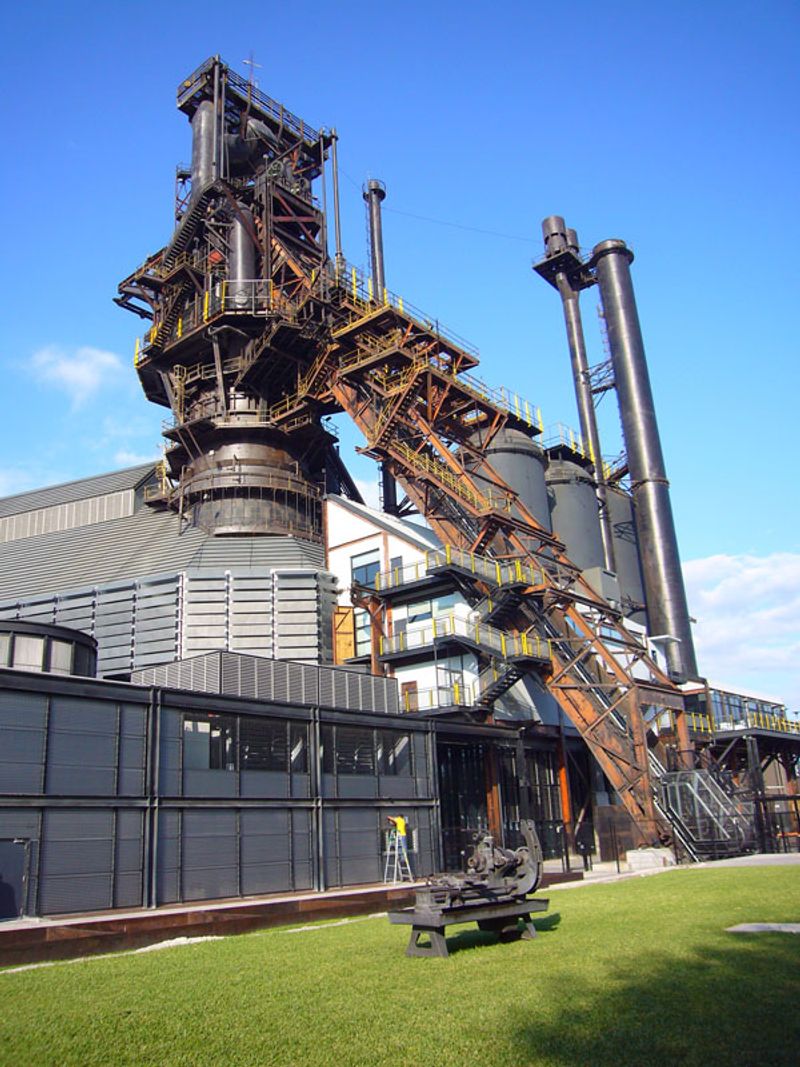
Parque Fundidora is what happens when a city decides to turn its industrial past into its greatest public asset. The former steel mill complex in central Monterrey now covers over 140 hectares of parks, pavilions, and cultural spaces.
It is one of the most creative urban transformations in Latin America.
Horno3 sits within the park and takes the experience further, turning the old blast furnace into a full museum with exhibits, a furnace show, and a rooftop view over the entire complex. The official visitor page confirms active hours and current exhibit information.
It is the kind of place that history and architecture enthusiasts will absolutely devour.
Monterrey visitors who skip Parque Fundidora are leaving one of the city’s best stories untold. The combination of open green space and industrial museum gives you two completely different experiences in the same afternoon.
World Cup fans based in Monterrey should put this near the top of their non-match day list.
Mexico City: Palacio de Bellas Artes
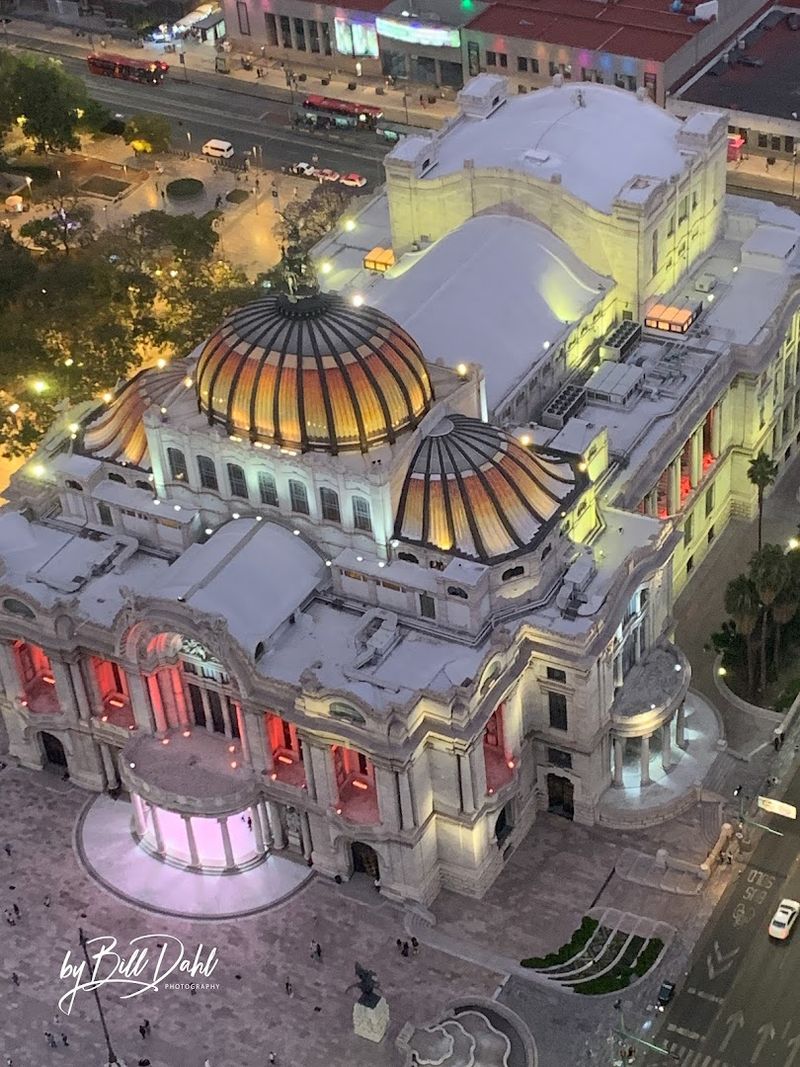
The Palacio de Bellas Artes is Mexico City’s cultural crown jewel, and it earns that title on architecture alone before you even step inside. The white marble exterior combines Art Nouveau and Art Deco styles in a way that should not work but absolutely does.
Completed in 1934 after decades of construction, this building has stories baked into every tile.
Inside, murals by Diego Rivera, David Alfaro Siqueiros, and other Mexican masters cover the walls. The building also hosts opera, ballet, and concerts, making it a living cultural venue rather than just a museum.
Ticket service runs Monday to Saturday from 11 a.m. to 6 p.m. and Sunday from 8 a.m. to 6 p.m.
Mexico City World Cup visitors have an embarrassment of riches to explore, but Bellas Artes belongs on every list. Even standing outside in Alameda Central park and looking at the facade is a worthwhile experience that costs absolutely nothing.
Toronto: CN Tower
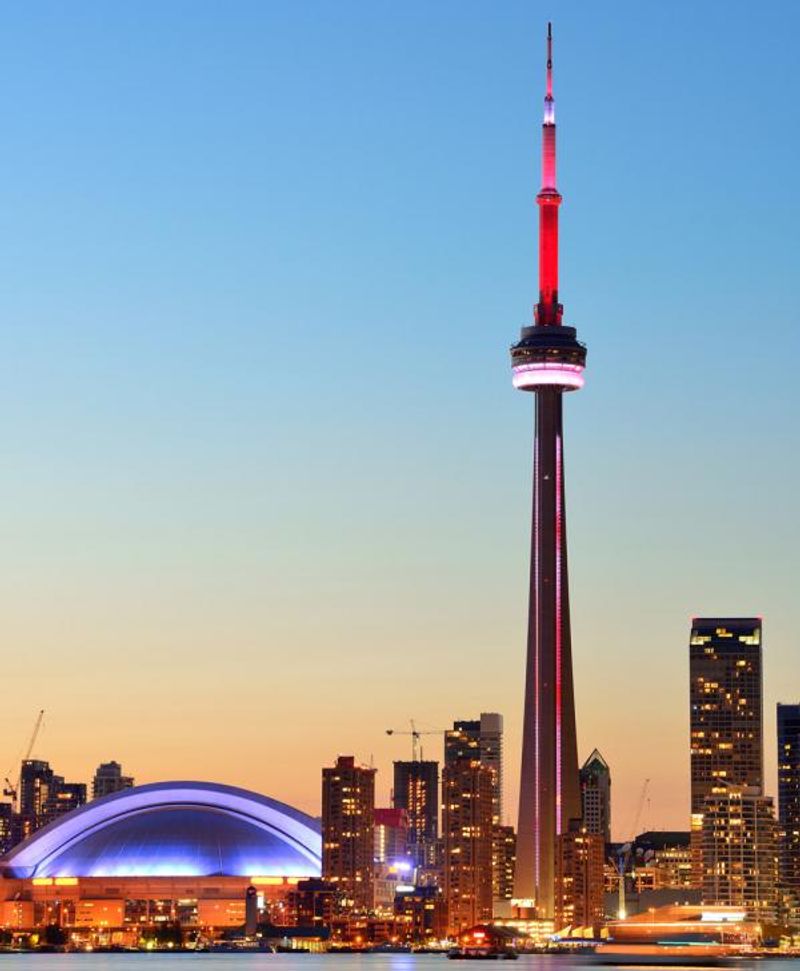
The CN Tower held the title of world’s tallest free-standing structure for over three decades, and even after losing that record, it has not lost a single bit of its cool. Toronto’s skyline is essentially defined by this tower, and the view from the top puts the entire city in perspective.
Lake Ontario stretches out endlessly to the south.
The glass floor at the LookOut level is a rite of passage for visitors, and the EdgeWalk experience, which involves walking around the outside of the tower on a hands-free harness, is for those who want a slightly more intense afternoon. The official site has current hours, tickets, and dining options all in one place.
Toronto is one of the most diverse and food-rich cities in North America, and the CN Tower sits right in the heart of the downtown entertainment district. Combining a tower visit with dinner nearby is one of the easier good decisions you can make during your World Cup trip.
Boston: Freedom Trail
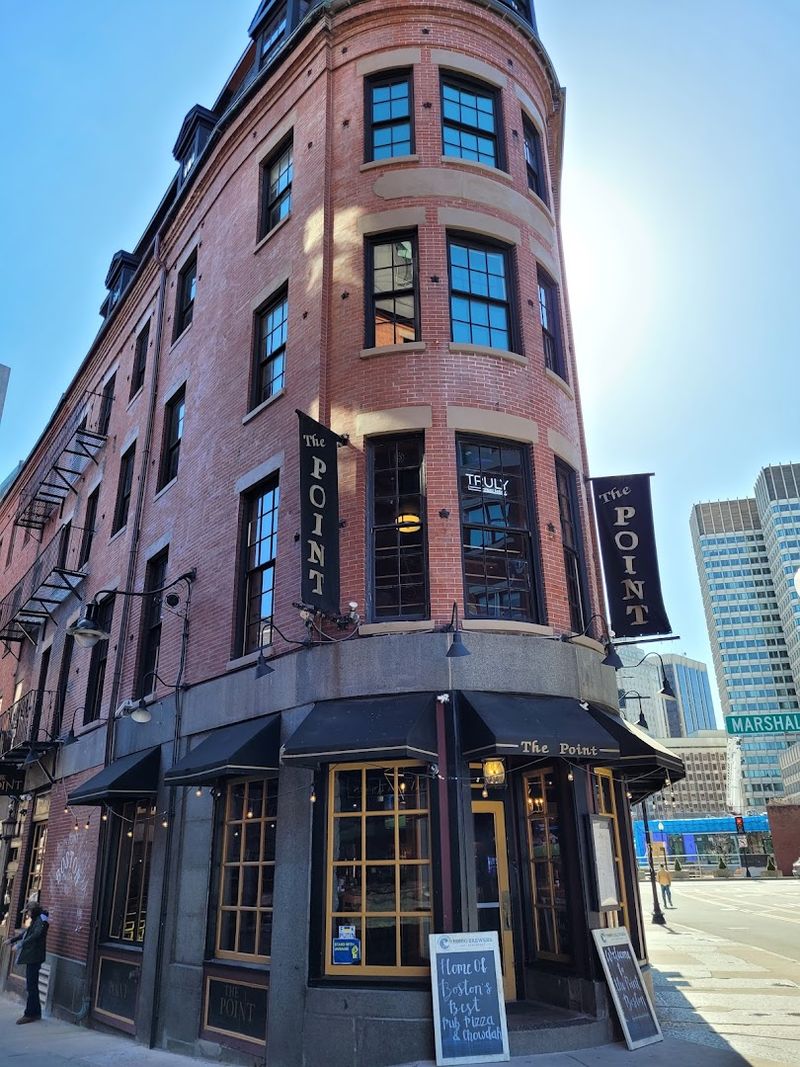
Boston’s Freedom Trail is a 2.5-mile red-brick path that connects 16 official historic sites spanning more than 250 years of American history. It starts at Boston Common and winds through the city in a way that makes the whole thing feel like a self-guided adventure rather than a history lesson.
The brick line on the ground is your guide the entire way.
Sites along the trail include Paul Revere’s House, the USS Constitution, and the Bunker Hill Monument, among others. You can walk the full trail in about three hours, though stopping to explore each site properly can turn it into a full day.
Most stops are free or very low cost.
For World Cup visitors with a day between matches, the Freedom Trail is the most efficient way to absorb Boston’s historic identity. The city is compact and walkable, which makes the trail genuinely enjoyable rather than exhausting.
Boston rewards curious visitors, and this trail is the best proof of that.
New York/New Jersey: Statue of Liberty
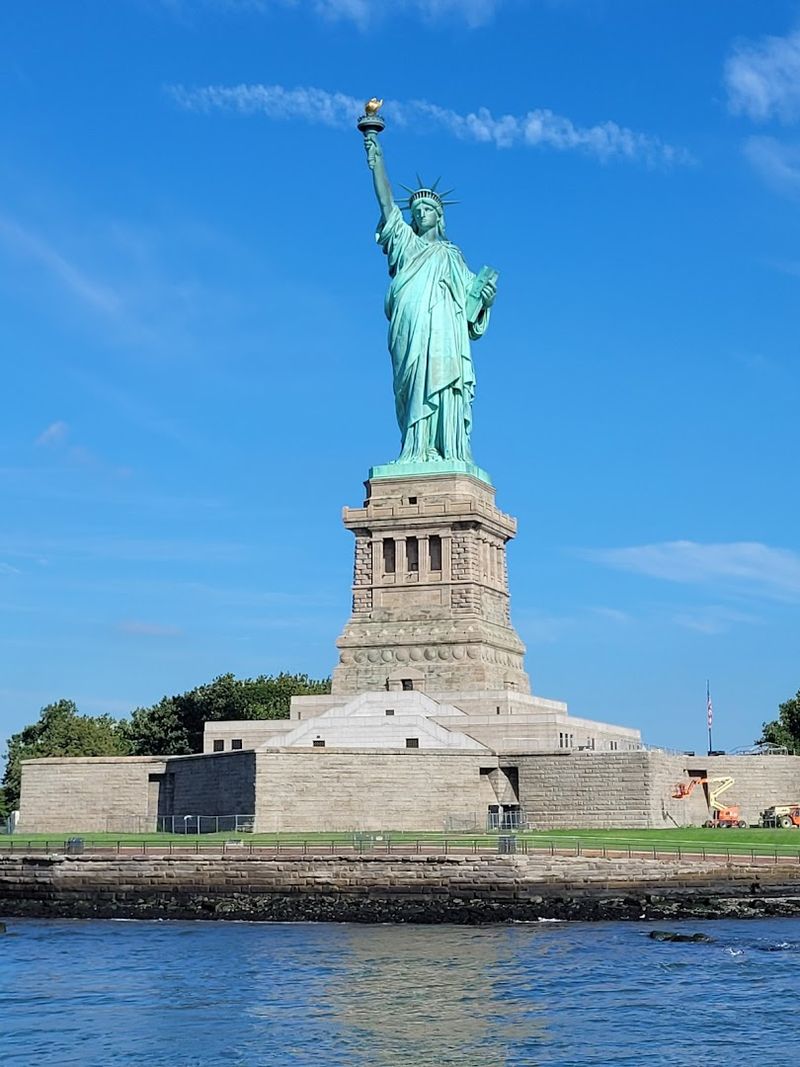
The Statue of Liberty is one of the most recognizable structures on earth, and seeing it from the ferry for the first time is a moment that actually delivers. Lady Liberty stands 93 meters tall from ground to torch tip, which is a fact that somehow still surprises people who assumed they already knew how big she was.
Access is by ferry only, and the National Park Service strongly advises checking ferry schedules before you go. Tickets for the crown and pedestal sell out well in advance, especially during busy travel periods.
Booking early is not optional during World Cup season, it is essential.
Ellis Island is included in the ferry route, adding another layer of historical depth to the visit. For fans staying in either New York or New Jersey, this is the landmark that transcends sports tourism and becomes something genuinely meaningful.
It is the kind of stop that stays with you long after the tournament is over.
Philadelphia: Independence Hall
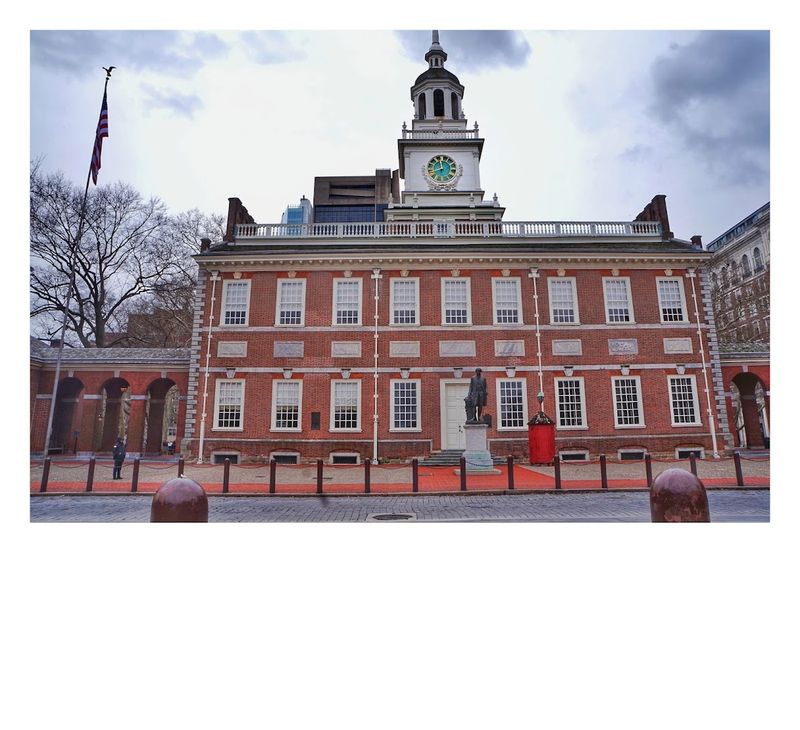
Independence Hall is where both the Declaration of Independence and the United States Constitution were debated and signed. That is a sentence worth sitting with for a moment.
Few buildings anywhere in the world carry that kind of historical weight in such a compact and accessible package.
Visit Philly lists it as open daily from 9 a.m. to 5 p.m., excluding Thanksgiving, Christmas Day, and New Year’s Day. Timed entry tickets are required and free, but they do run out, so reserving online before your visit is the move.
The building sits in Independence National Historical Park, surrounded by other significant sites including the Liberty Bell Center right across the street.
Philadelphia World Cup fans have a city that is seriously underestimated as a travel destination. Great food, walkable historic core, and genuine American history on every block.
Independence Hall anchors all of it, and a visit here gives your World Cup trip a layer of depth that no stadium experience can replicate.
Miami: Vizcaya Museum and Gardens
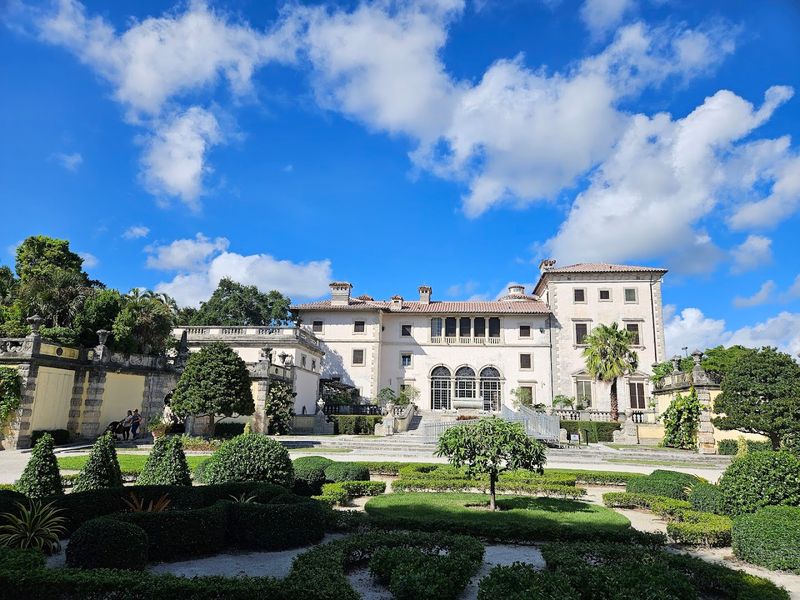
Vizcaya is Miami’s best-kept not-so-secret, a National Historic Landmark that feels completely out of step with the city’s neon reputation in the best possible way. Built in 1916 as the winter estate of industrialist James Deering, the Italian Renaissance-style villa sits right on Biscayne Bay with formal gardens that look like they belong in a European travel magazine.
The official site describes the experience as exploring both the Main House and the formal gardens, which together cover a remarkable amount of architectural and horticultural detail. It is a slower, more contemplative visit than most Miami attractions, which is exactly the point.
After days of match-day energy, Vizcaya offers a genuinely different pace.
Miami World Cup visitors tend to gravitate toward the beach and the nightlife, which is fair. But Vizcaya rewards the curious traveler who wants something more layered.
Spending a morning here before an afternoon match is one of those scheduling decisions you will not regret at all.
Share this story