Mississippi has a way of surprising you. One minute you’re walking past a grand antebellum mansion, and the next you’re tapping your foot to live blues music in a tiny juke joint.
This state is packed with history, flavor, and small-town charm that won’t drain your wallet. Whether you’re a road trip lover or just looking for a great weekend escape, Mississippi has a day trip with your name on it.
1. Natchez
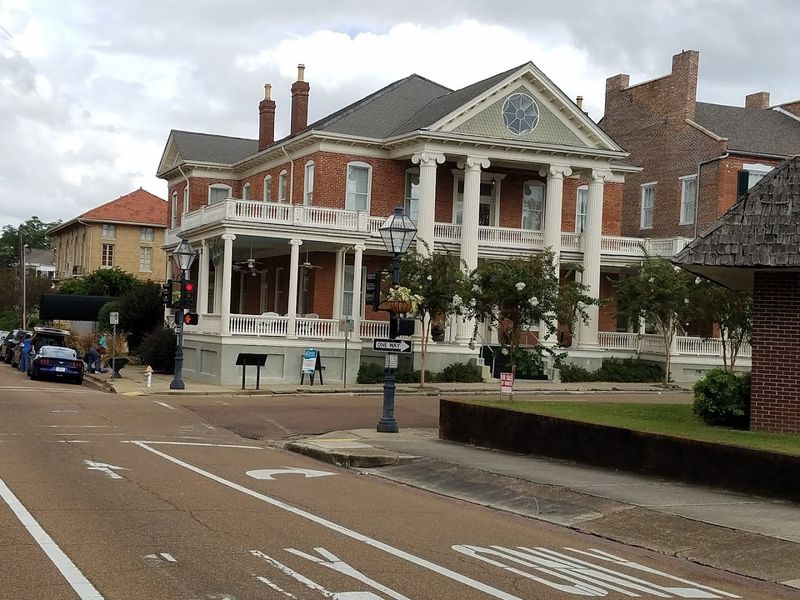
Few towns in America wear their history quite as boldly as Natchez. Perched above the Mississippi River, this city is home to more antebellum mansions than anywhere else in the country.
Walking through downtown feels like stepping into a beautifully preserved time capsule.
I once strolled the bluff at sunset and genuinely forgot what century I was in. The views over the river are absolutely stunning, and they cost absolutely nothing.
Natchez Under-the-Hill, the old riverfront district, is packed with restaurants and bars worth exploring.
Budget travelers will love that many historic sites offer free or low-cost entry. The Natchez Trace Parkway starts here, making it a perfect launching point for scenic drives.
Grab a plate of hot tamales, a local Delta tradition, and soak in the Southern atmosphere before heading home full and happy.
2. Vicksburg
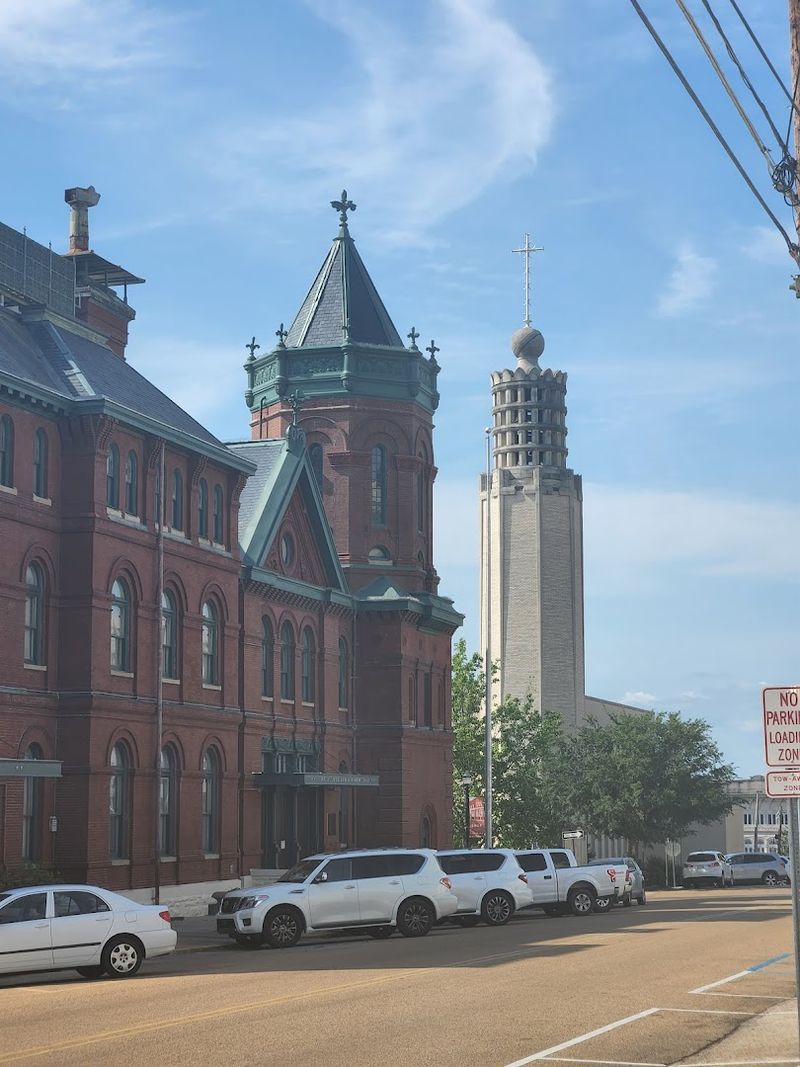
Vicksburg is the kind of place that makes history feel genuinely alive. The 47-day siege that took place here during the Civil War changed the course of the entire conflict, and the city has never forgotten it.
The Vicksburg National Military Park is one of the most moving outdoor spaces in the entire South.
Miles of winding park roads take you past hundreds of monuments, cannons, and battle markers. It is surprisingly peaceful for a place that witnessed so much chaos.
Entry fees are affordable, and the park map doubles as a solid self-guided tour.
Downtown Vicksburg is worth your time too. The Old Courthouse Museum is free and full of fascinating local artifacts.
Riverfront murals painted along the floodwall are colorful, quirky, and completely free to enjoy. Wrap up your visit with a slice of chocolate cake from a local bakery.
3. Port Gibson
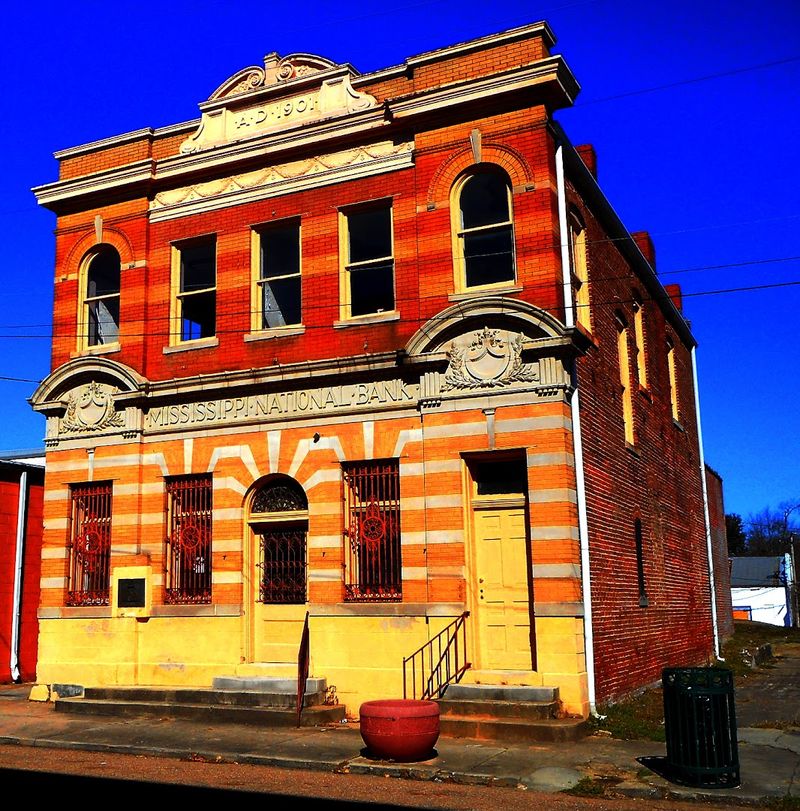
Ulysses S. Grant reportedly called Port Gibson “too beautiful to burn,” and honestly, the man had a point.
This small town tucked along the Natchez Trace is loaded with gorgeous old churches, stately homes, and the kind of quiet charm that big cities can only dream about. The famous First Presbyterian Church, topped with a golden hand pointing toward heaven, is worth the drive alone.
Port Gibson sits close to the Grand Gulf Military Monument Park, where you can explore Civil War fortifications and enjoy river views for just a few dollars. The town itself is compact and easy to walk, making it a relaxed, no-pressure day trip.
Stop at a local diner before you leave and chat with the locals. They know every hidden gem in the area, and they will probably insist on telling you all of them.
That kind of hospitality is priceless.
4. Clarksdale
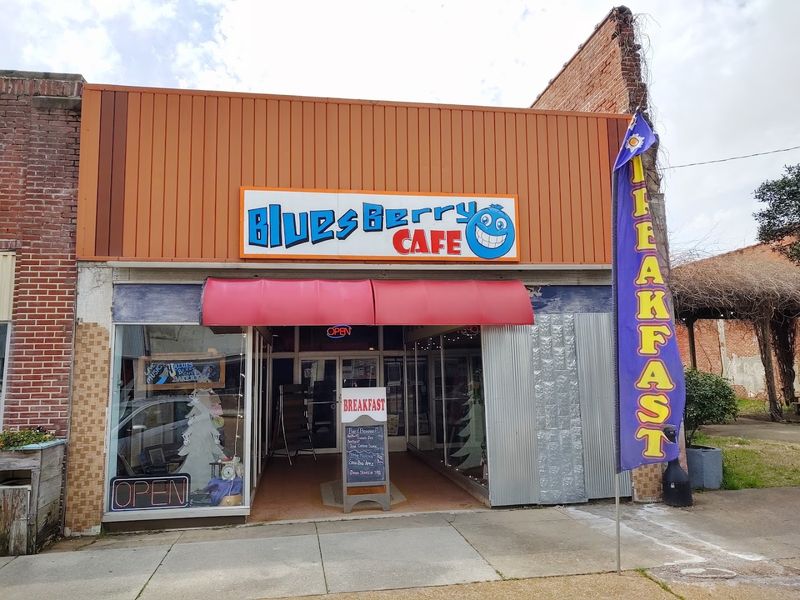
Something almost magical happens when you stand at the crossroads of Highways 61 and 49 in Clarksdale. Legend says Robert Johnson sold his soul to the devil right there in exchange for his extraordinary guitar talent.
Whether you believe it or not, the blues that poured out of this small Delta town changed music forever.
The Delta Blues Museum is a must-visit, offering a deep and surprisingly affordable look at the genre’s roots. Muddy Waters, Son House, and Bessie Smith all have connections here.
The museum does a beautiful job honoring their legacies without being stuffy about it.
At night, Clarksdale truly comes alive. Juke joints like Red’s and Ground Zero Blues Club offer live music in wonderfully raw, unpolished settings.
Ground Zero is co-owned by actor Morgan Freeman, which is a fun fact to drop at dinner. Tickets are cheap, the music is incredible, and the catfish is even better.
5. Indianola
Riley B. King grew up picking cotton in the Mississippi Delta, taught himself guitar, and became one of the greatest musicians who ever lived.
Indianola claims him proudly, and the B.B. King Museum and Delta Interpretive Center is the crown jewel of this small but soulful town.
The museum tells his story in a way that genuinely gives you chills.
Exhibits trace B.B. King’s journey from sharecropper to global superstar, with personal artifacts, original guitars, and interactive displays.
Even if you only know “The Thrill Is Gone” from a movie soundtrack, you will leave a devoted fan. Admission is very reasonable, and the staff are wonderfully enthusiastic.
Indianola also celebrates its favorite son every year with the B.B. King Homecoming Festival.
If you time your visit right, you can catch live performances in the town square. Pair your visit with some Delta tamales and sweet tea for the full experience.
6. Greenwood
Greenwood sits at the heart of the Mississippi Delta, and it carries that identity with quiet confidence. The Yazoo River winds through town, historic cotton warehouses line the streets, and the food scene punches well above its weight class for a city this size.
Lusco’s, a legendary steakhouse operating since 1933, has served everyone from politicians to celebrities in its curtained private booths.
Literary fans will appreciate Greenwood’s connection to author Willie Morris and the broader Delta literary tradition. The town also has deep ties to the civil rights movement, and the Leflore County Courthouse was a key site during voter registration drives in the 1960s.
History is literally around every corner here.
Stroll along Howard Street and peek into the antique shops and local boutiques. The Viking Range Corporation, which makes those fancy restaurant-quality stoves, is headquartered here.
Cooking demonstrations and factory tours are occasionally available, making Greenwood a surprisingly tasty destination in every sense.
7. Oxford
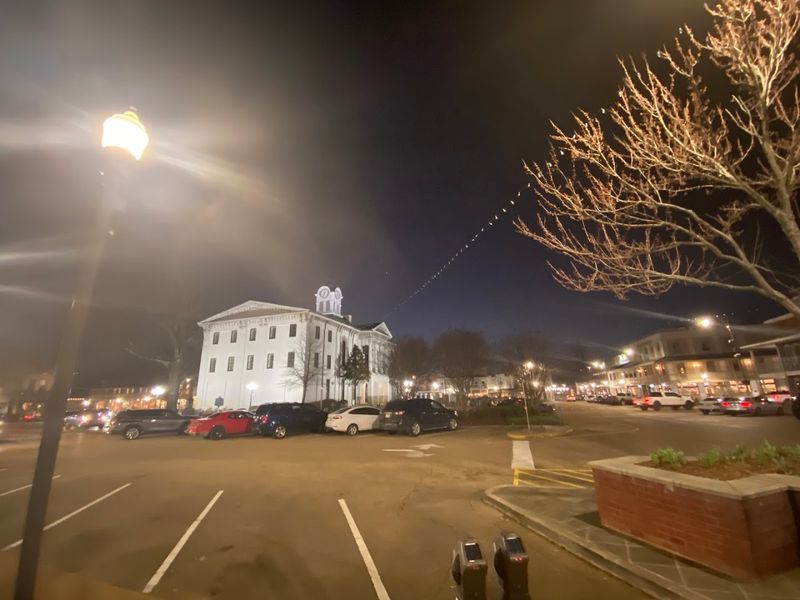
Oxford has a reputation for being one of the South’s most lovable towns, and after spending a single afternoon on the Square, you will completely understand why. The Lafayette County Courthouse anchors a downtown packed with independent bookshops, craft cocktail bars, and some of the best restaurants in the entire state.
It is the kind of place that makes you want to move there immediately.
Square Books is a landmark worth visiting even if you only browse. William Faulkner lived and wrote here, and his home, Rowan Oak, is open to visitors for a small fee.
Walking the shaded grounds feels genuinely literary, even if you have never read a word of Faulkner’s work.
The University of Mississippi campus is beautiful and free to explore. Ole Miss football games turn the whole town into a massive, friendly tailgate party.
Oxford rewards slow, unhurried visits, so resist the urge to rush and just let the town do its thing.
8. Tupelo
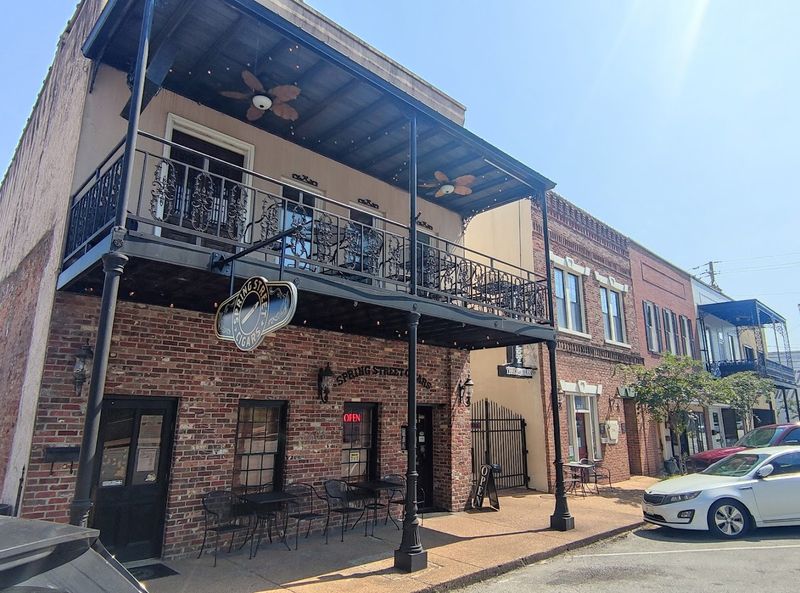
On January 8, 1935, a little boy named Elvis Aaron Presley was born in a two-room house in Tupelo, Mississippi. That tiny house, which his father Vernon built for just $180, is now one of the most visited sites in the entire state.
Standing in front of it, you genuinely cannot believe the King of Rock and Roll started here.
The Elvis Presley Birthplace and Museum complex is affordable, thoughtfully designed, and surprisingly moving. The chapel on the grounds adds a reflective touch that feels appropriate given Elvis’s deep connection to gospel music.
The gift shop is wonderfully over-the-top, as it absolutely should be.
Beyond Elvis, Tupelo has a charming and walkable downtown with good restaurants and local shops. The Tupelo Buffalo Park is a quirky bonus attraction where you can see actual bison roaming Mississippi soil.
Few cities in the state offer this much variety packed into one easy, affordable day trip.
9. Corinth
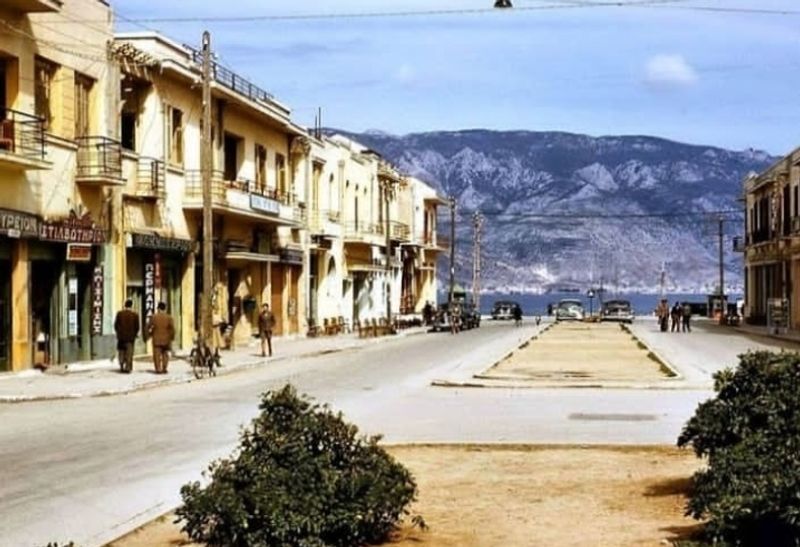
Corinth might be the most underrated Civil War destination in the entire South. Two major battles were fought here, and the town sits at the junction of two critical railroad lines that both sides desperately wanted to control.
The Corinth Civil War Interpretive Center, run by the National Park Service, brings all of that drama to life beautifully and for free.
The exhibits are modern, well-designed, and genuinely gripping. Walking the outdoor earthworks trail gives you a real sense of the scale of the conflict.
The nearby Curlee House, used as headquarters by Confederate General Braxton Bragg, is a stunning piece of antebellum architecture open for tours.
Downtown Corinth has been quietly revitalized over the past decade. New restaurants and local shops have moved into historic storefronts, giving the area a fresh energy without losing its old-town character.
Corinth rewards curious visitors who like their history served straight, with no tourist gimmicks required.
10. Tishomingo State Park
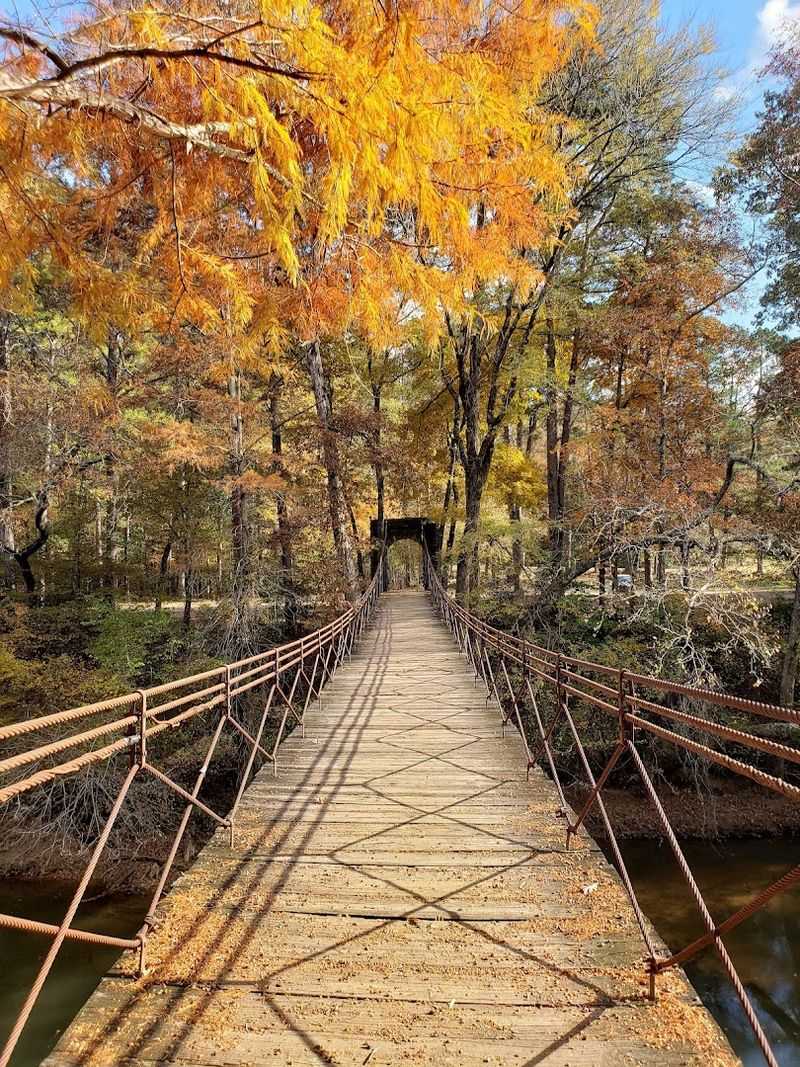
Mississippi is not exactly famous for rugged terrain, which makes Tishomingo State Park feel like a genuine secret. Tucked into the northeastern corner of the state, this park sits atop ancient Appalachian foothills and features exposed rock formations, wild creek beds, and one of the most charming suspension bridges you will ever cross on foot.
It genuinely does not look like Mississippi.
The hiking trails range from easy strolls to more challenging ridge walks, making the park accessible for families and serious hikers alike. Bear Creek winds through the park, offering opportunities for canoe rentals and wading on warm days.
Wildlife sightings are common, including deer, herons, and the occasional very confused armadillo.
Entry fees are minimal, and the park’s campgrounds are affordable if you want to turn this into an overnight adventure. Bring a picnic, wear good shoes, and budget at least half a day.
Tishomingo has a way of making you forget your phone entirely.
11. Ocean Springs
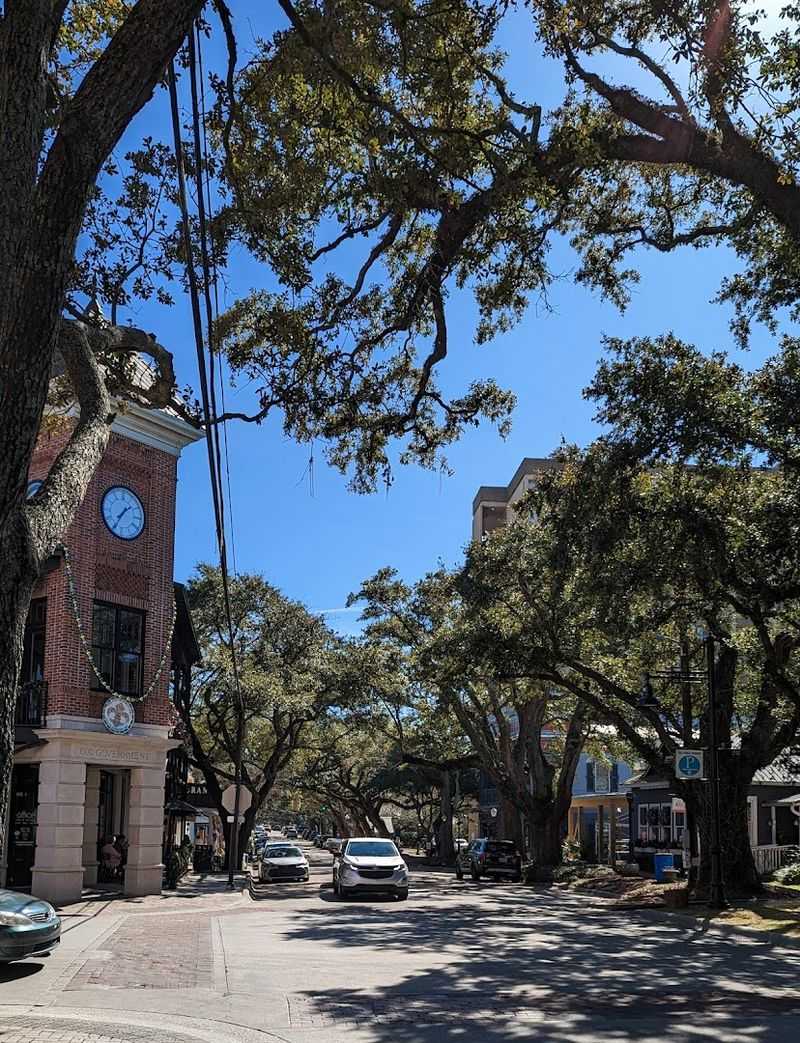
Ocean Springs is the Gulf Coast town that artists, foodies, and beach lovers all somehow agree on, which is no small miracle. The downtown district is shaded by massive live oaks, lined with independent galleries, and dotted with restaurants serving some of the freshest Gulf seafood you will ever eat.
The whole place has a relaxed, creative energy that is genuinely contagious.
The Walter Anderson Museum of Art is an absolute must-see. Anderson was a visionary Mississippi artist who spent years painting the natural world in extraordinary detail, often paddling alone to Horn Island to work.
His murals inside the Ocean Springs Community Center are breathtaking and cost almost nothing to see.
After the museum, walk to the waterfront and watch the shrimp boats come in. Grab a bag of boiled shrimp from a roadside stand and eat it right there on the dock.
Ocean Springs specializes in simple pleasures done perfectly, and that is worth every mile of the drive.
12. Bay St. Louis
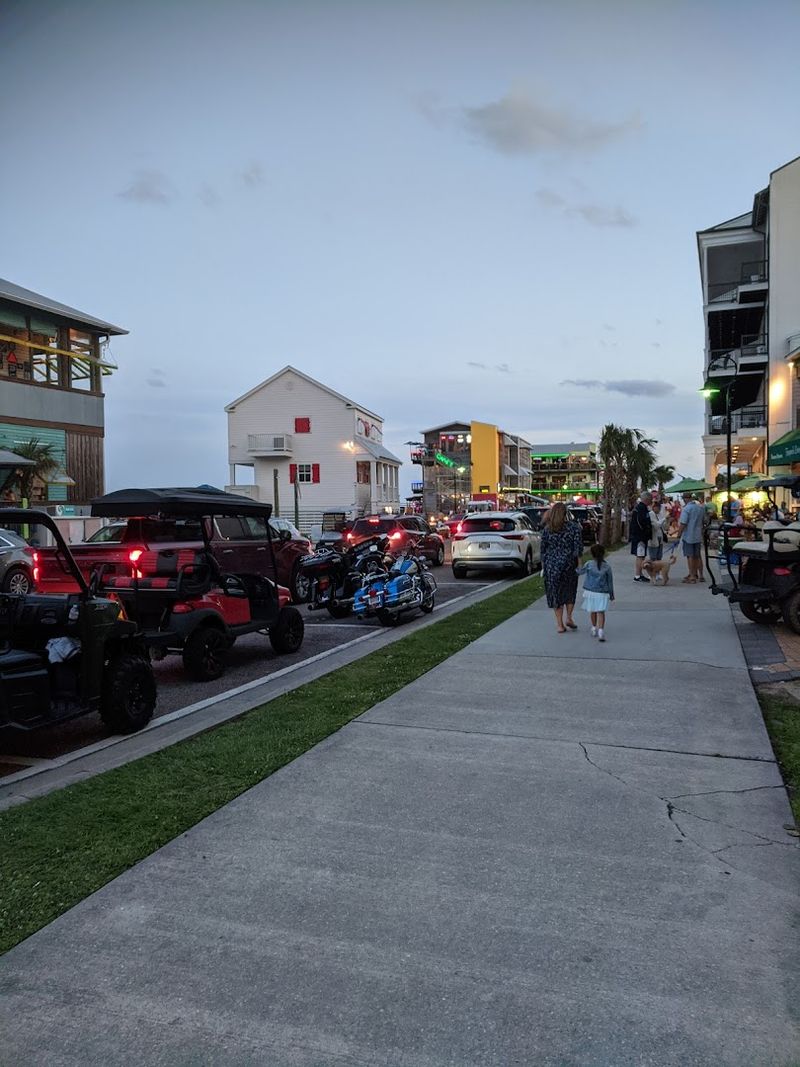
Bay St. Louis has the rare quality of feeling like a beach town and a charming small city at the same time. The historic downtown, just a short walk from the water, is filled with colorful buildings housing local boutiques, art studios, and seafood restaurants that locals fiercely protect from outside chains.
Once you visit, you will completely understand why they are protective.
The Old Town district is walkable and wonderfully photogenic. Second Street is lined with galleries and coffee shops that make an afternoon stroll genuinely enjoyable.
The Bay-Waveland Yacht Club, one of the oldest on the Gulf Coast, adds a bit of nautical charm to the waterfront scenery.
Beach access is free, and the sunsets over the bay are the kind that make you reach for your phone even if you swore you were unplugging for the day. Bay St. Louis is affordable, authentic, and completely refreshing in every sense of the word.
13. Pass Christian
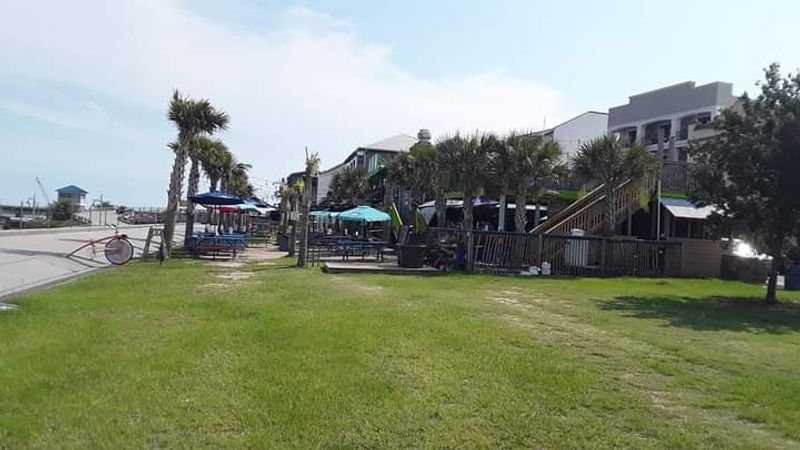
Pass Christian, pronounced “Pass Chris-tee-ANN” by locals who will gently correct you, is the quieter, more relaxed cousin of the busier Gulf Coast towns nearby. The beachfront here is wide, uncrowded, and lined with some of the most beautiful historic homes on the entire Mississippi Gulf Coast.
It is the kind of town that rewards people who prefer serenity over spectacle.
The beach itself is free and well-maintained, with calm waters perfect for wading or just sitting and watching pelicans perform their dramatic fishing dives. The small harbor area is scenic and worth a slow walk.
A handful of excellent local restaurants serve fresh Gulf seafood without the touristy markup you find elsewhere.
The Pass Christian Yacht Club and the historic downtown area give the town a genteel, unhurried character that feels genuinely rare these days. Pack a book, bring a cooler, and plan to stay longer than you intended.
Pass Christian has that effect on people.
14. Holly Springs
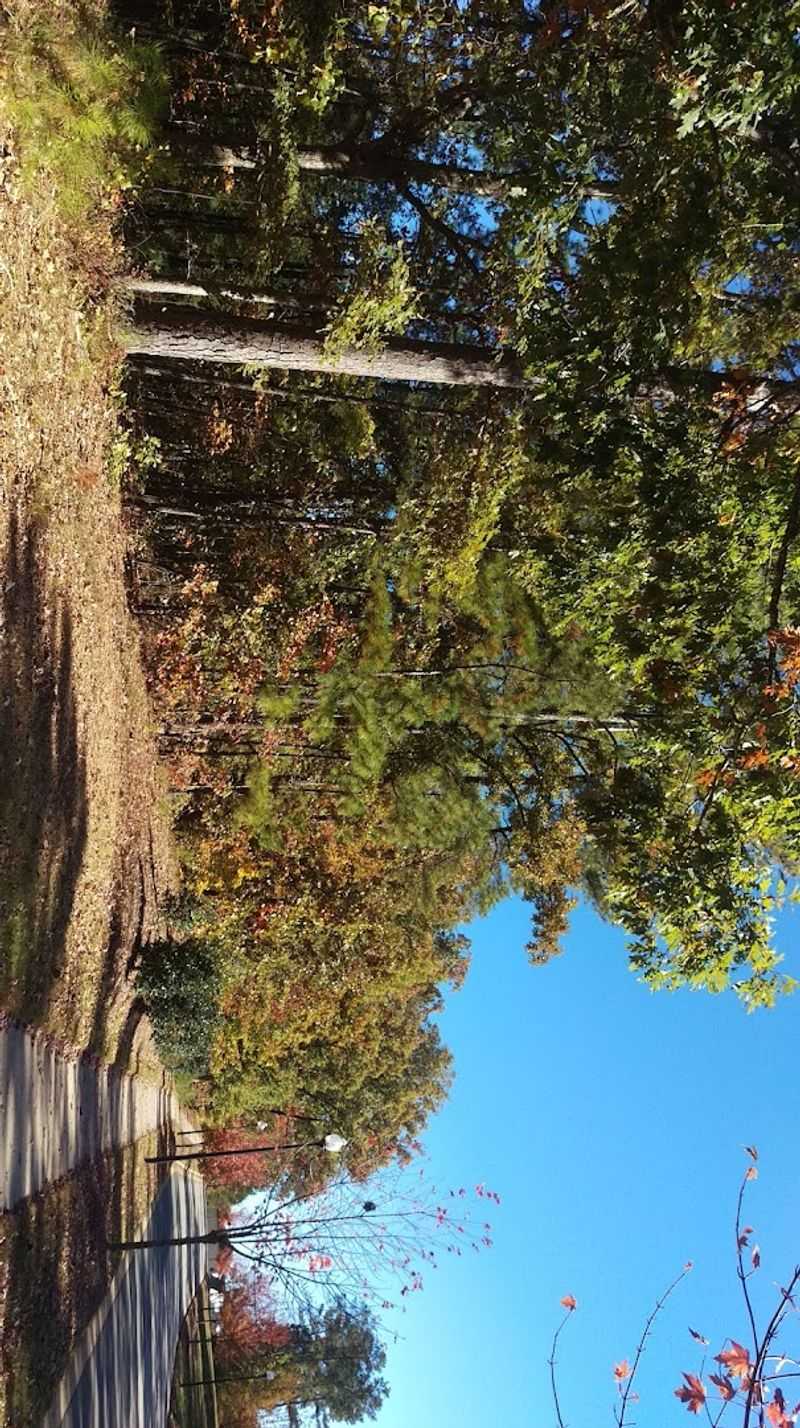
Holly Springs has survived more than most towns its size. During the Civil War, the town changed hands between Union and Confederate forces more than 60 times, which has to be some kind of exhausting record.
Despite all that back-and-forth, Holly Springs emerged with one of the best-preserved collections of antebellum architecture in the entire state.
The Marshall County Courthouse anchors a downtown square that genuinely looks like a movie set. Dozens of historic homes, many listed on the National Register of Historic Places, line the surrounding streets.
The Kate Freeman Clark Art Gallery, housed in a beautifully preserved building, displays an impressive collection of early 20th-century paintings that most visitors completely overlook.
Rust College, one of the oldest historically Black colleges in the country, is located here and adds significant historical depth to any visit. Holly Springs is the kind of town that rewards slow walking, careful looking, and a willingness to read every historical marker you pass.
15. Windsor Ruins
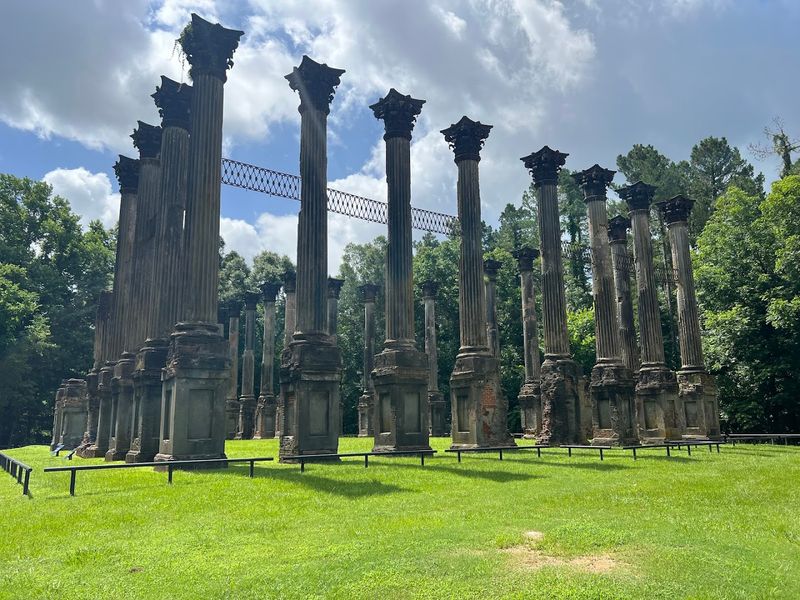
Standing in front of the Windsor Ruins for the first time is one of those experiences that genuinely stops you mid-sentence. Twenty-three massive Corinthian columns rise from an overgrown clearing in rural Claiborne County, all that remains of what was once the largest antebellum mansion in Mississippi.
The main house burned in 1890, and nature has been slowly reclaiming the site ever since.
The ruins are free to visit and accessible year-round, though the dirt road leading in can get muddy after rain. Sunrise and sunset visits are particularly dramatic, with light filtering through the columns in ways that feel almost cinematic.
Photographers make pilgrimages here from across the country for exactly that reason.
Windsor Ruins appears in the novel “Roots” and has been used as a filming location multiple times. Combining this stop with a visit to nearby Port Gibson makes for a perfect, affordable history-packed day.
Bring bug spray, wear comfortable shoes, and prepare to be genuinely awestruck.
16. Canton
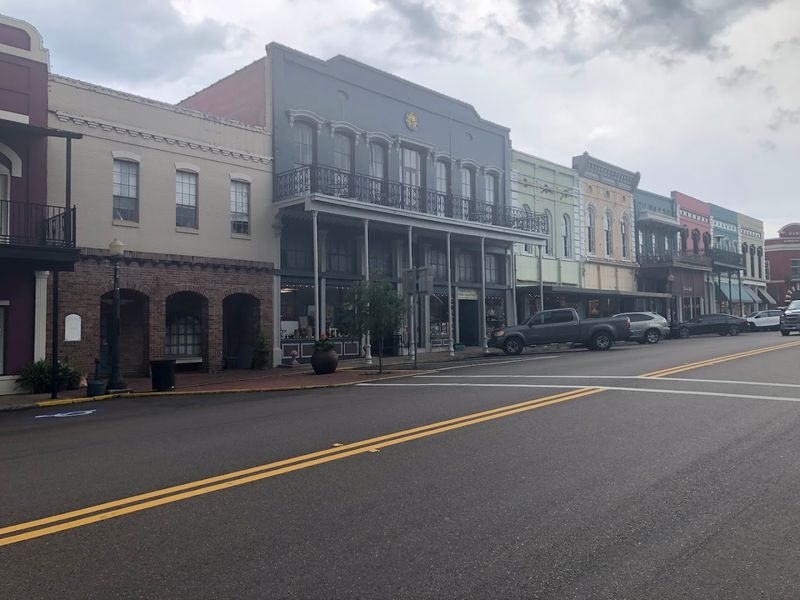
Canton’s courthouse square is one of those places that looks almost too perfect to be real. The Madison County Courthouse, a stunning example of Greek Revival architecture, sits at the center of a square lined with antique shops, local restaurants, and historic storefronts that have barely changed in decades.
Film crews have clearly noticed, because Canton has appeared in movies including “A Time to Kill” and “My Dog Skip.”
The Canton Flea Market, held twice a year on the courthouse grounds, draws thousands of shoppers from across the region and is genuinely one of the best outdoor markets in the South. Even outside market days, the square is worth a visit for the architecture alone.
Several antique shops carry remarkable finds at prices that will make you wish you had brought a bigger car.
The town’s connection to the civil rights movement is also significant and documented at the Canton Civil Rights Museum. Canton packs a surprising amount of substance into a very compact and walkable footprint.
17. Laurel
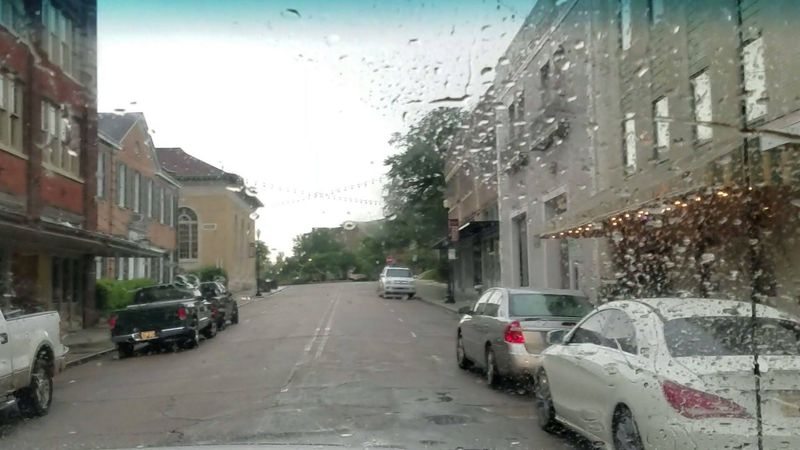
Laurel was a town with good bones and a complicated future until Ben and Erin Napier showed up on HGTV’s “Home Town” and started restoring it one gorgeous old house at a time. The show turned Laurel into a destination, but the town’s real charm was always there waiting to be rediscovered.
The historic downtown is legitimately beautiful, filled with restored buildings that now house local boutiques, bakeries, and coffee shops.
The Lauren Rogers Museum of Art is one of Mississippi’s hidden treasures. Founded in 1923, it houses an impressive collection of American and European paintings, Japanese baskets, and Native American silver that would feel at home in a major city museum.
Admission is free, which feels almost criminal given the quality of the collection.
Scotsman General Store, opened by the Napiers themselves, is a popular stop for locally made goods and gifts. Laurel has a warm, welcoming energy that makes it easy to spend an entire day wandering without any particular agenda.
That is Southern hospitality working exactly as advertised.
Share this story