 Unearth The Voyage
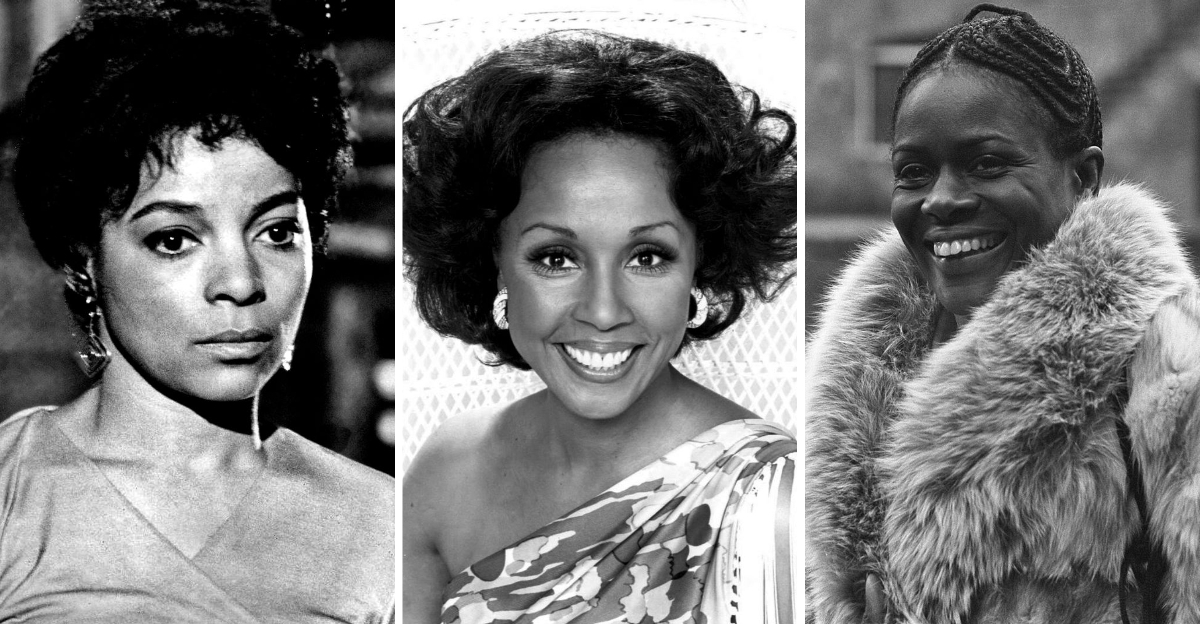
Hollywood has been shaped by trailblazing African-American actresses whose talent and persistence opened doors and raised standards. This list highlights 17 performers whose work changed the industry, from groundbreakers of the studio era to today’s award winners and franchise leaders.
You will see how each pushed representation forward, built lasting careers, and influenced what stories get told. Explore their impact, role by role, and moment by moment.
1. Alfre Woodard
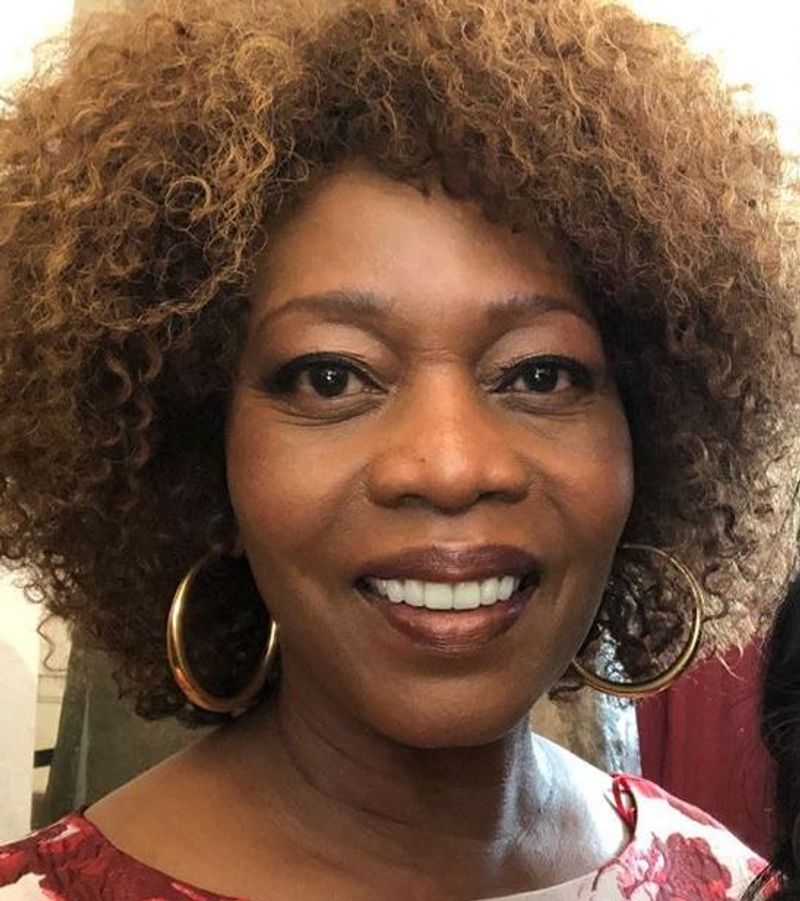
Alfre Woodard is a master of precision who elevates every project she touches. From Cross Creek and Passion Fish to 12 Years a Slave and Clemency, she locates a character’s heartbeat with astonishing clarity.
Her presence reshapes scenes, shifting rhythms with a glance or breath, and directors trust her to hold emotional center.
Woodard has also expanded opportunities through advocacy and producing. She mentors emerging artists and supports Black theatre, recognizing that pipelines begin long before casting.
Television work in Hill Street Blues, Desperate Housewives, and Luke Cage shows effortless movement between tones and formats.
Her impact rests in enduring excellence that forced critics and studios to recalibrate standards for supporting roles. You feel attention sharpen when she appears, because stakes suddenly feel real.
By insisting on craft first and visibility second, Woodard changed how audiences understand authority, grief, and resilience onscreen, making room for generations to follow.
2. Taraji P. Henson
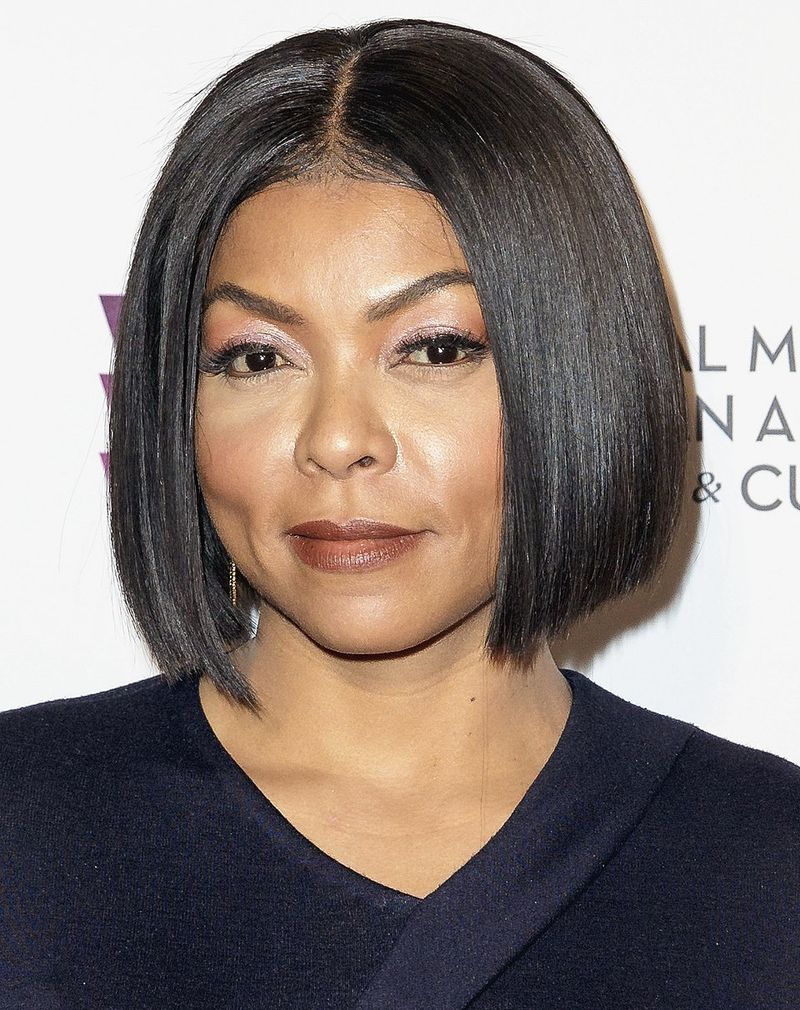
Taraji P. Henson blends charisma with ferocity, creating characters you cannot ignore.
Her Oscar nominated turn in The Curious Case of Benjamin Button revealed dramatic depth, while Empire’s Cookie Lyon became a cultural touchstone. In Hidden Figures, she honored Katherine Johnson with crisp intelligence and quiet fire, widening mainstream appetite for true Black STEM stories.
Henson’s comic timing and emotional accessibility let audiences track sharp pivots from humor to heartbreak. She prioritizes roles that center Black women’s ambition and vulnerability without apology.
That combination has shifted what executives consider broadly relatable and commercially viable.
Offscreen, Henson champions mental health initiatives within Black communities, building infrastructure through her foundation. She speaks about therapy access and stigma with direct, practical language.
The result is an artist whose influence extends from ratings and awards to public health conversations, proving that visibility can deliver tangible support and systemic change.
3. Angela Bassett
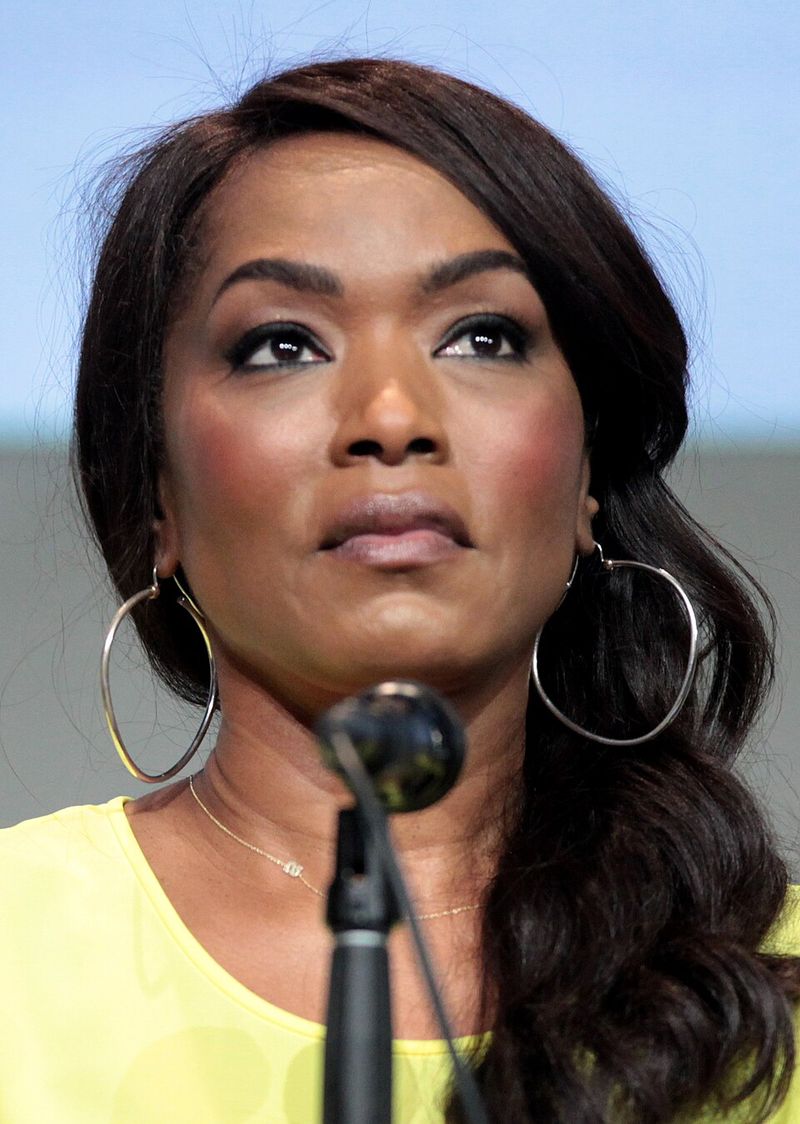
Angela Bassett embodies power and poise, setting a gold standard for biographical and genre roles. What’s Love Got to Do with It announced her as a force, and later performances in Black Panther and Wakanda Forever deepened that legacy.
She commands the frame with physical precision and emotional control, redefining the modern queen archetype.
Bassett consistently champions complex portrayals of Black womanhood in mainstream spaces. She pairs discipline with warmth, letting audiences feel history and hope coexisting.
Her awards trajectory, including an Oscar nomination for Wakanda Forever, signaled a long overdue shift toward recognizing superhero films as performance showcases.
Behind the scenes, Bassett supports inclusive crews and mentorship initiatives. She chooses collaborators who match ambition with integrity, helping sustain careers beyond her own.
When you watch her work, you see a clear throughline: excellence as practice, legacy as responsibility, and representation treated as both art and architecture.
4. Regina King
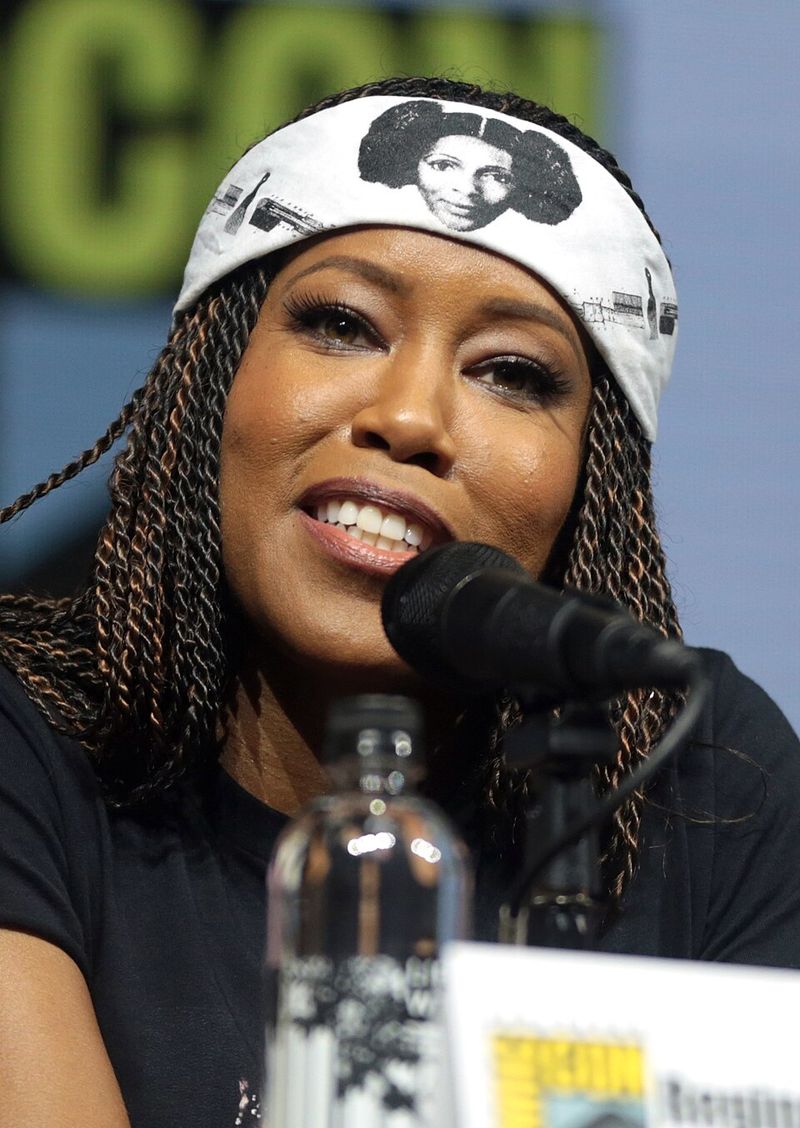
Regina King has moved from beloved sitcom star to Oscar winning powerhouse and acclaimed director. If Beale Street Could Talk highlighted her delicacy and strength, while Watchmen let her lead a daring, socially engaged blockbuster series.
She brought gravitas to Sister Night, turning genre into a vehicle for American history.
King’s directing in One Night in Miami shows a careful ear for dialogue and ensemble dynamics. She creates collaborative sets and builds trust, expanding opportunities for actors who might be overlooked.
That dual mastery changes how studios weigh risk when hiring Black women for top creative roles.
Her public voice is steady and practical about craft, pay equity, and representation. You can feel intention in every project choice, aligning story with impact.
King demonstrates that longevity comes from curiosity and discipline, and her career has opened credible paths from child acting to serious filmmaking leadership.
5. Octavia Spencer
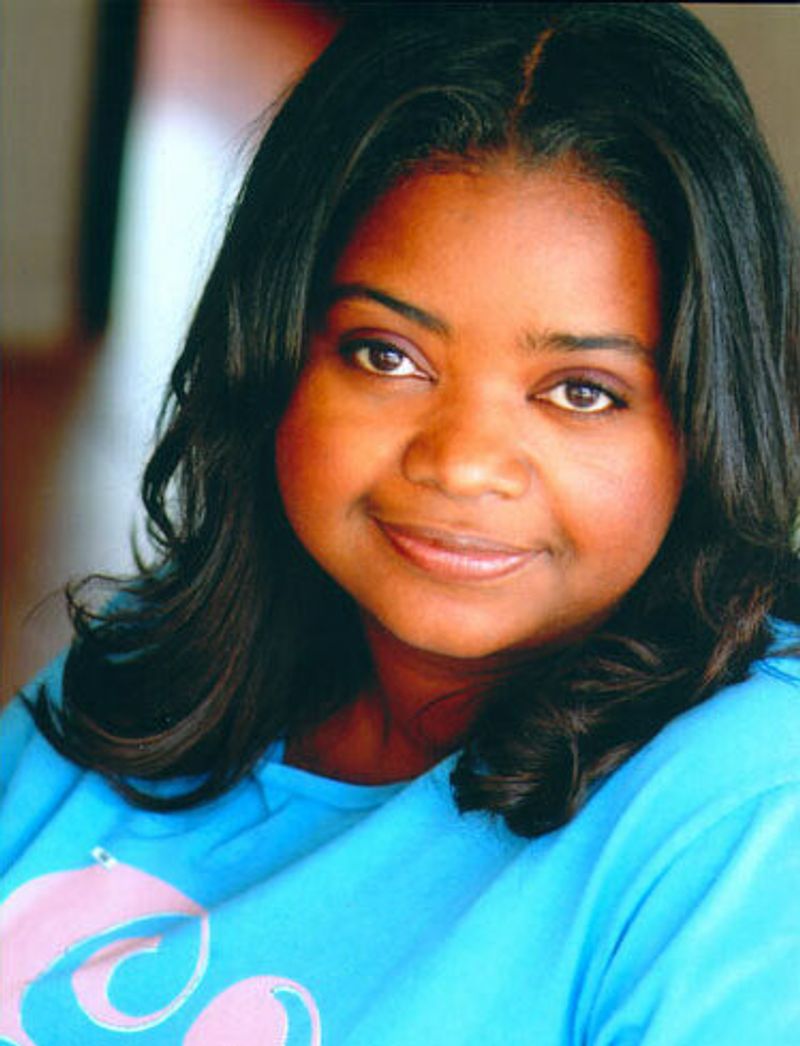
Octavia Spencer is known for grounded honesty that turns supporting roles into anchors. The Help brought her an Oscar, but Hidden Figures and The Shape of Water displayed range across tone and genre.
She invests every character with practical intelligence, allowing dignity and humor to coexist without sentimentality.
Spencer’s producing work helps place underrepresented stories into the marketplace. She backs projects that balance commercial appeal with moral clarity, and she spots material that lets emerging talent shine.
Audiences trust her taste, which gives leverage when pitching inclusive narratives to cautious buyers.
In interviews, she frames advocacy as logistics, discussing budgets, schedules, and hiring with refreshing specificity. That approach demystifies power for newcomers and builds sustainable pathways.
Watching her career, you see proof that consistent craft and behind the scenes leadership can move studios toward better, broader storytelling.
6. Lupita Nyong’o
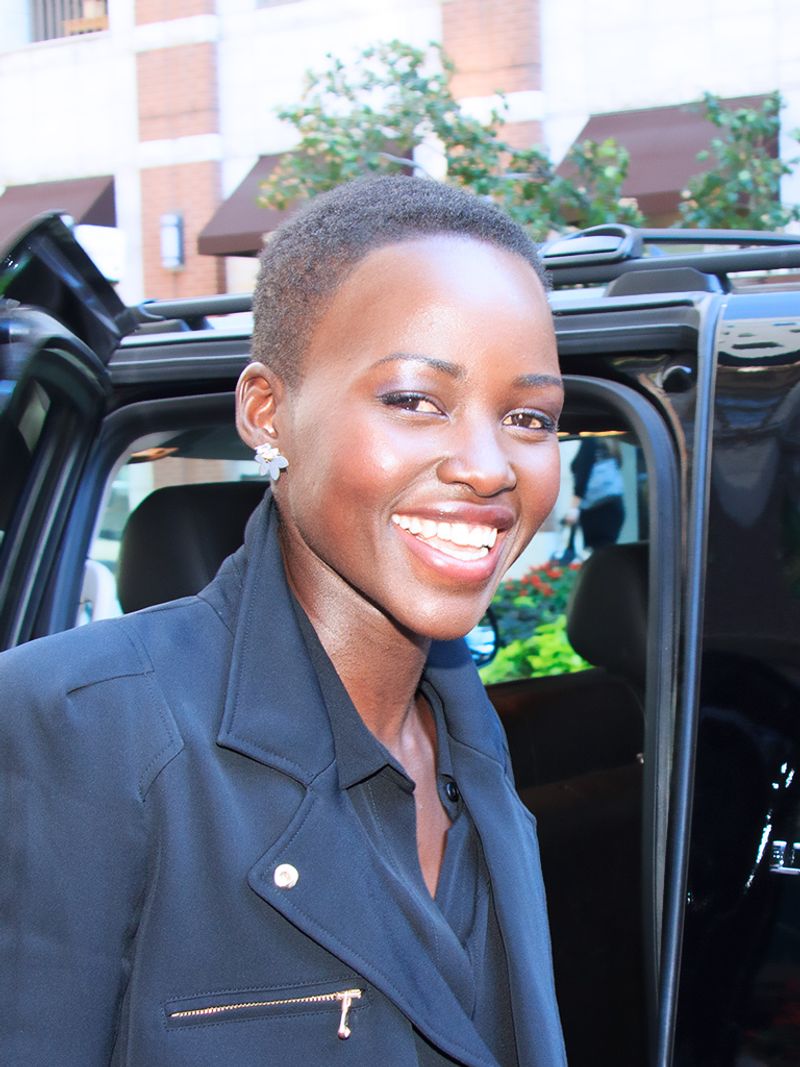
Lupita Nyong’o arrived with an Oscar winning debut in 12 Years a Slave, immediately setting a high bar. She followed with genre versatility in Us, where dual roles showcased technical control and physical storytelling.
As Nakia in Black Panther, she balanced spy craft cool with emotional clarity, advancing a global blockbuster rooted in African futurism.
Nyong’o is deliberate about collaborators and material, choosing projects that honor culture while entertaining broad audiences. She expands visibility through children’s literature and documentary work, highlighting representation for younger readers and global histories.
Red carpet fashion becomes an extension of artistry, celebrating African designers and craftsmanship.
Her presence signals rigor, elegance, and curiosity, inviting studios to invest in stories beyond familiar templates. You feel precision in her movement and voice, making small details carry weight.
Nyong’o proves that star power can coexist with experimentation, and that international perspectives enrich Hollywood’s creative core.
7. Whoopi Goldberg
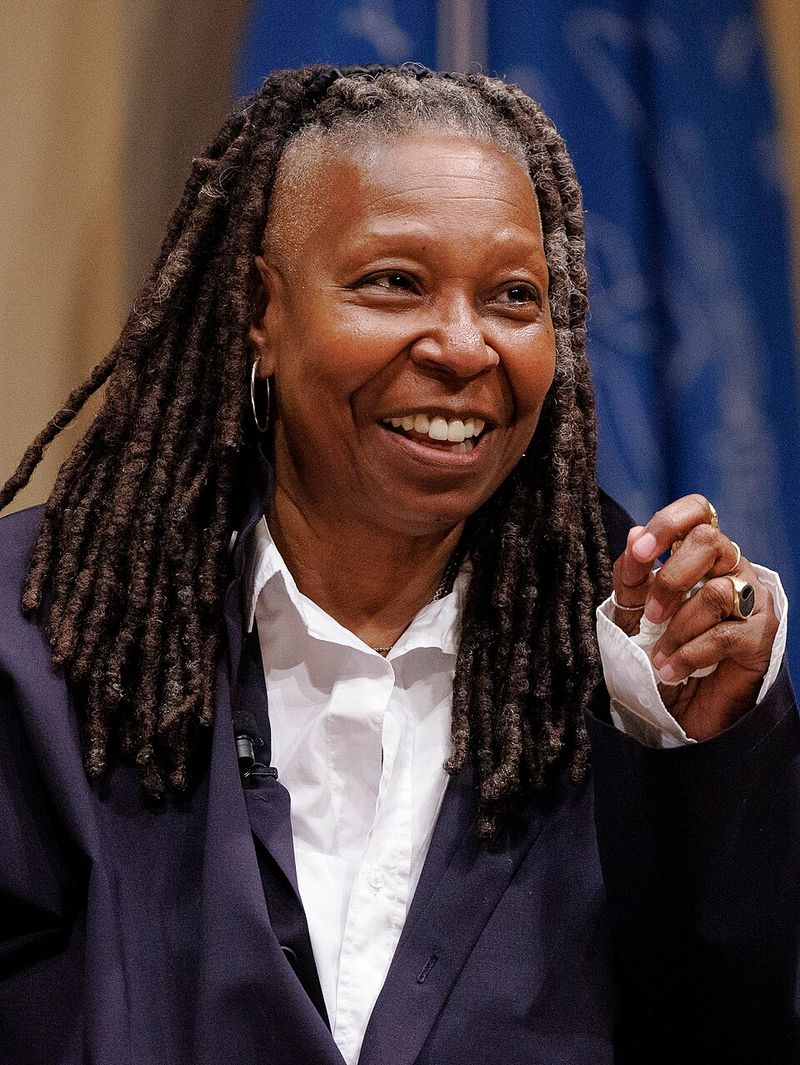
Whoopi Goldberg is a rare EGOT who has shaped comedy, drama, and daytime conversation. The Color Purple revealed raw dramatic skill, while Ghost delivered an Oscar winning supporting turn that mixed humor with heart.
Sister Act proved she could carry global hits and redefine a family friendly star template.
Goldberg’s stand up and Broadway roots inform timing and audience rapport. As a longtime co host of The View, she normalizes a Black woman’s authority in mainstream discourse.
That daily visibility influences public memory as much as film roles, sustaining relevance across decades.
She also produces and mentors, helping diversify crews and creative leadership. Industry peers credit her for pragmatic support and unvarnished advice.
Goldberg’s career shows that longevity comes from range, candor, and a willingness to meet audiences where they are while nudging the conversation forward.
8. Phylicia Rashad
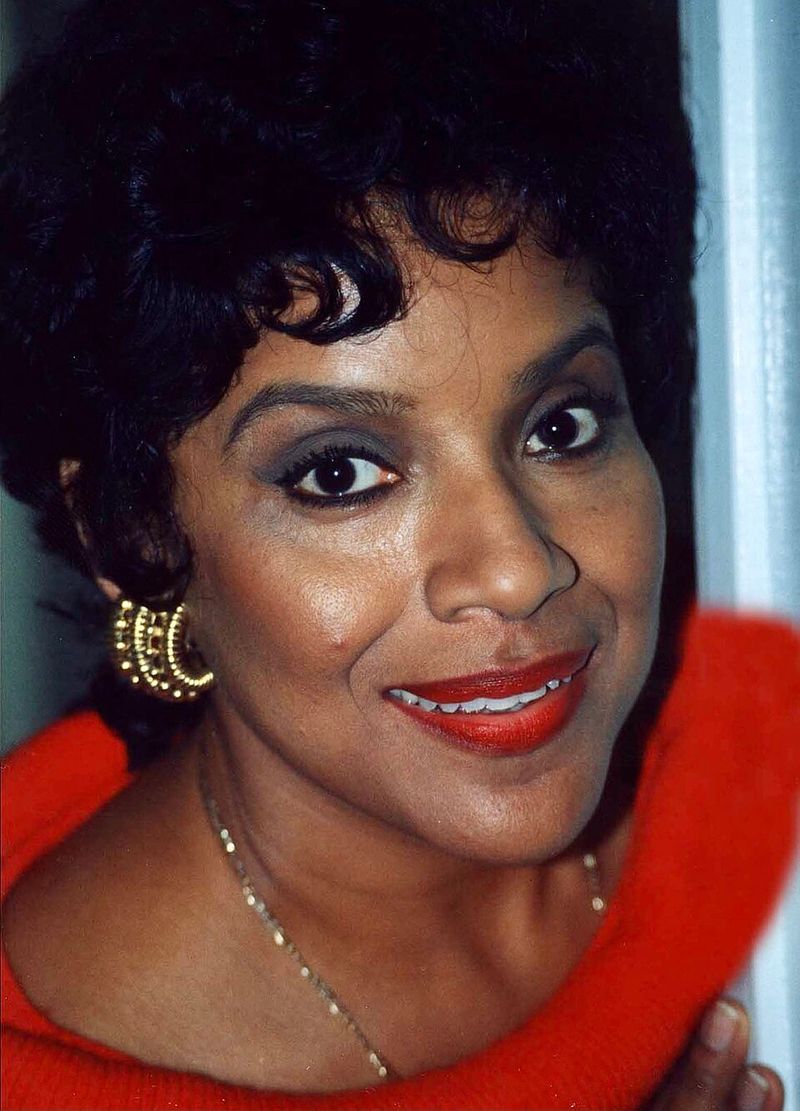
Phylicia Rashad became a cultural fixture as Clair Huxtable, pairing warmth with rigor and professional excellence. She continued shaping theatre and screen with commanding elegance, earning a Tony for A Raisin in the Sun.
Her mentorship and administrative leadership in arts education extend influence far beyond performance.
Rashad’s screen presence models competence without coldness, making intelligence feel welcoming. She helped redefine the TV mother as a modern professional, changing expectations for family narratives.
Later roles maintain that careful balance of grace and steel, reminding viewers that subtlety endures.
Offstage, she advocates for training, craft, and institutional support for young artists. You sense teacherly precision in interviews and direction.
Rashad’s legacy is a blueprint for sustained artistry built on preparation, respect for text, and a deep belief that representation starts with everyday excellence.
9. Halle Berry
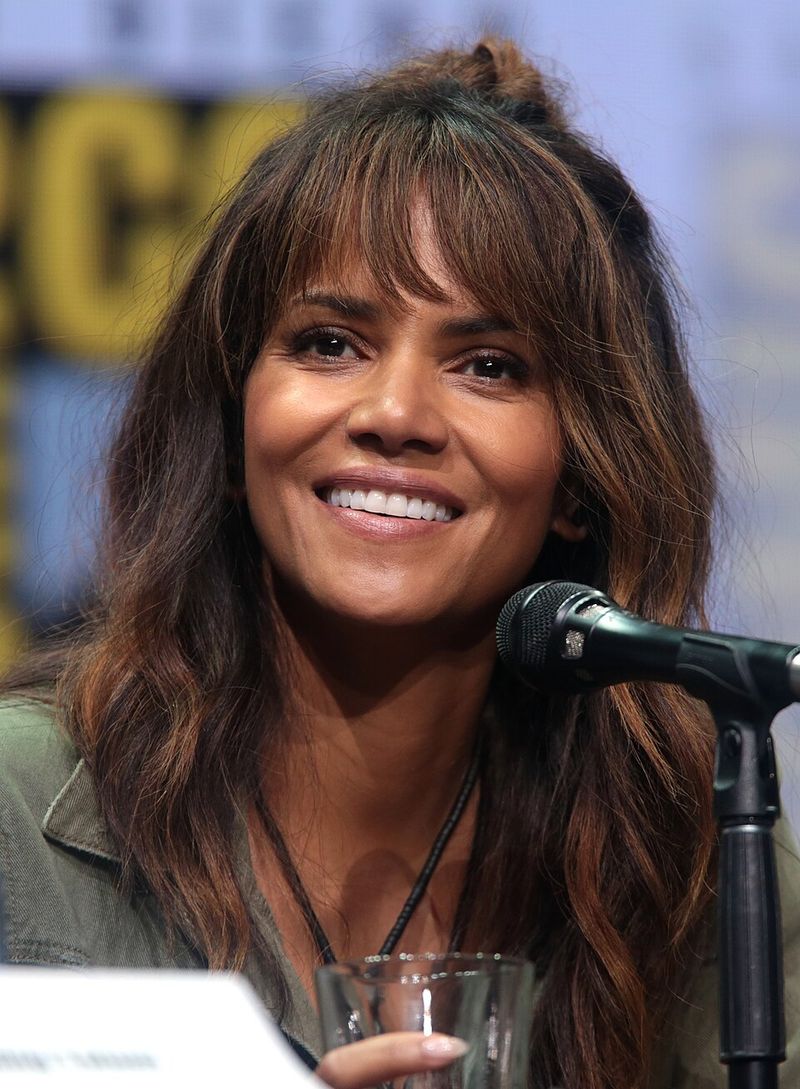
Halle Berry broke a barrier as the first Black woman to win the Best Actress Oscar for Monster’s Ball. Before and after, performances in Jungle Fever, Losing Isaiah, and Die Another Day displayed range across drama and action.
She leveraged star power to secure pay, roles, and creative control in spaces that once shut doors.
Berry’s career includes producing and directing, notably with Bruised, which showcased her grit behind the camera. She moved the conversation about Black women leading commercial action films from novelty to normal.
That persistence influences casting and funding decisions across the industry.
In public, Berry talks about resilience, preparation, and the realities of aging in Hollywood. She continues pushing genre boundaries with discipline and curiosity.
The net effect is a career that pairs barrier breaking headlines with ongoing, hands on work to broaden who gets to lead and for how long.
10. Kerry Washington
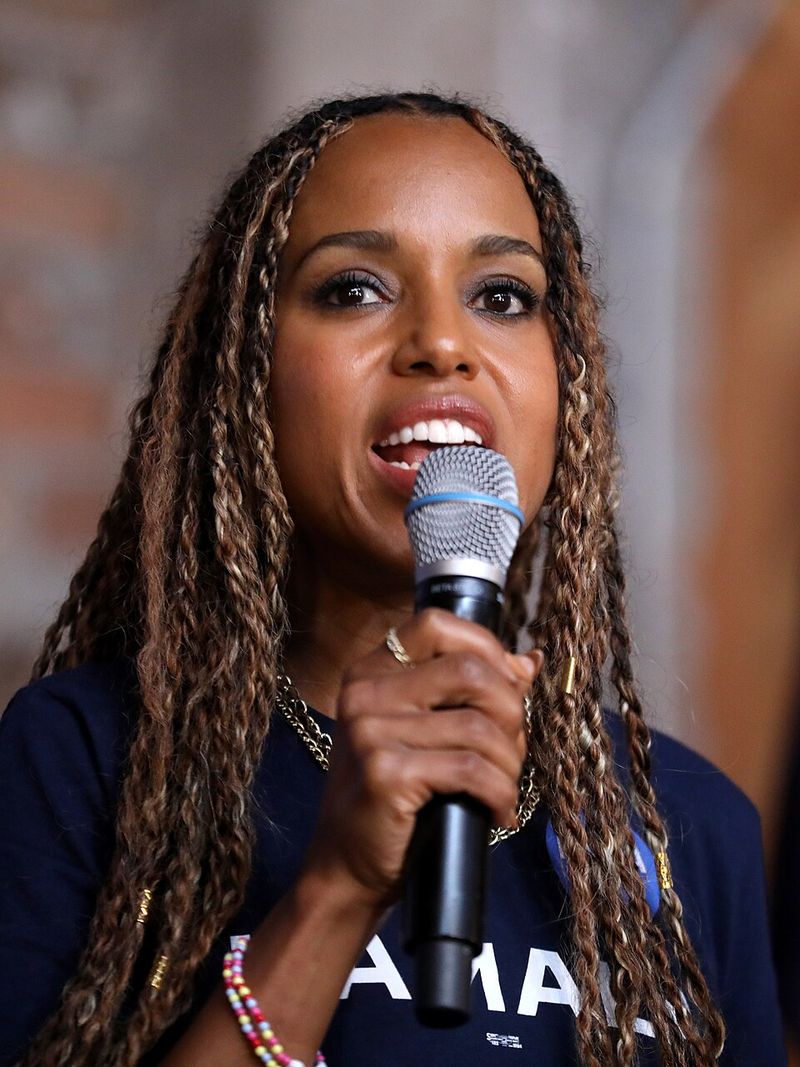
Kerry Washington redefined primetime intrigue as Olivia Pope in Scandal, making a complex Black woman the engine of a network phenomenon. She fused style, vulnerability, and ruthlessness, bringing cinematic energy to television pacing.
That success revived interest in political dramas led by women of color.
Beyond acting, Washington produces through Simpson Street, championing inclusive writers and directors. She aims for socially resonant projects that still engage broad audiences, from Confirmation to Little Fires Everywhere.
Her advocacy around voting rights pairs platform with action, turning fandom into civic participation.
Washington’s craft emphasizes micro expressions and calibrated speech, keeping viewers leaning in. You can track decisions in her eyes, which makes high stakes plotting feel human.
She shifted expectations for fashion, leadership, and negotiation on set, modeling executive artistry for a new generation.
11. Dorothy Dandridge
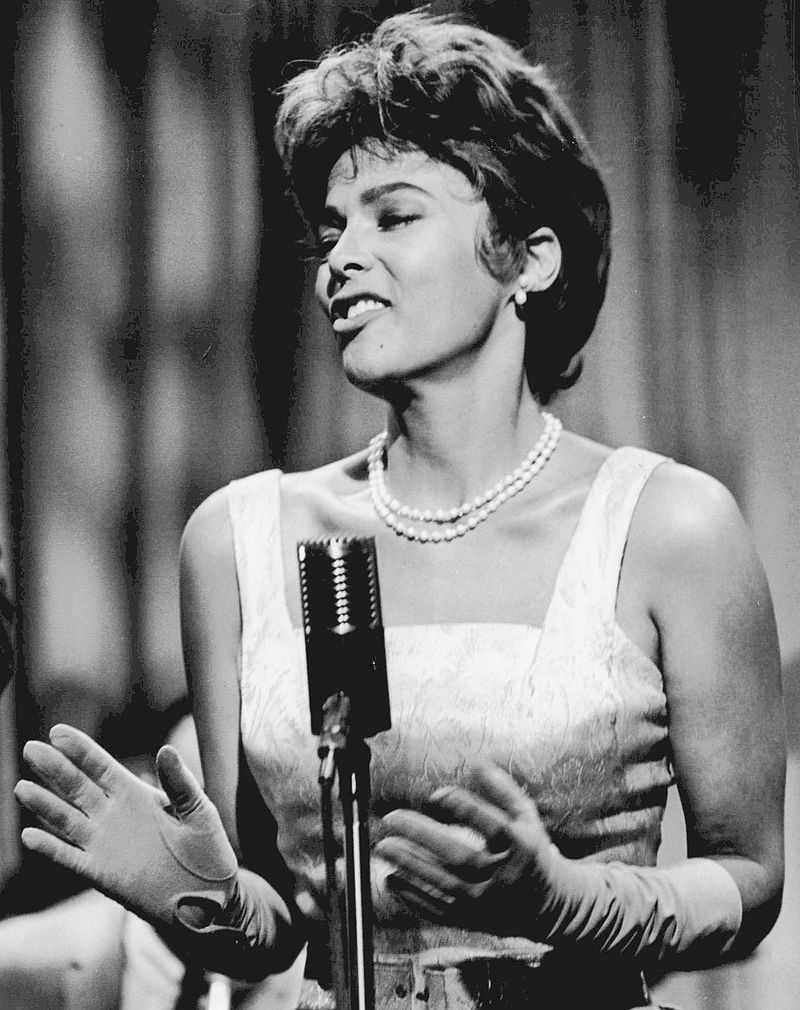
Dorothy Dandridge was a mid century pioneer who challenged studio limitations with talent and presence. As the first Black woman nominated for a Best Actress Oscar for Carmen Jones, she forced Hollywood to acknowledge star caliber beyond segregated casting.
Her musical and dramatic skills fused into a sophisticated screen persona.
Dandridge faced systemic barriers, including restricted roles and discriminatory contracts. Yet her visibility shifted public imagination about who could lead a major studio film.
She collaborated with top musicians and filmmakers, mapping a path later artists would expand.
Her legacy rests on courage and craft under pressure, and on the doors her visibility nudged open. When you revisit her work, you see a performer negotiating style, sexuality, and respectability politics with rare finesse.
She laid groundwork that later generations could build upon with greater agency and support.
12. Viola Davis
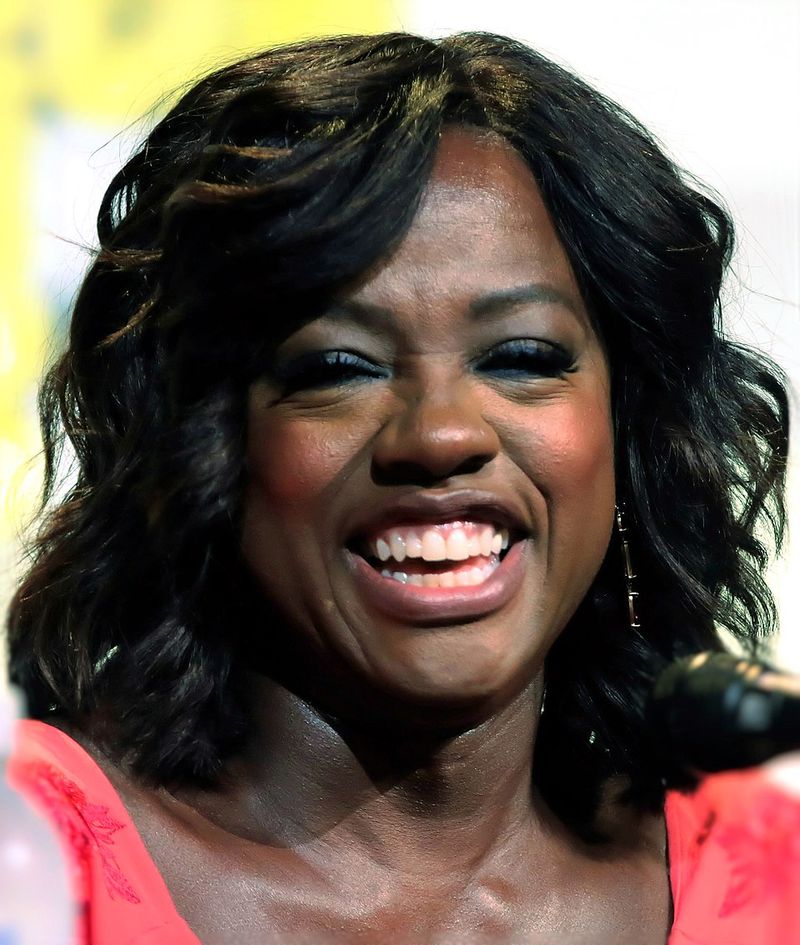
Viola Davis combines classical technique with raw emotional force, making small moments unforgettable. Doubt announced a formidable talent, and Fences delivered an Oscar winning master class in grief and resolve.
On television, How to Get Away with Murder gave her a complex antihero, expanding representation in legal thrillers.
Davis is vocal about opportunity gaps, pay equity, and the need for sustained roles across ages. Her production company develops stories that center Black women with specificity rather than tokenism.
She refuses scarcity mindsets, pushing studios toward better budgets and marketing.
Watching Davis, you feel craft meeting courage. She locates the physical truth of a character, then builds language around it.
Her career has shifted norms for awards recognition and leading roles, proving audiences will follow depth and difficulty when artists and marketers commit together.
13. Jennifer Hudson
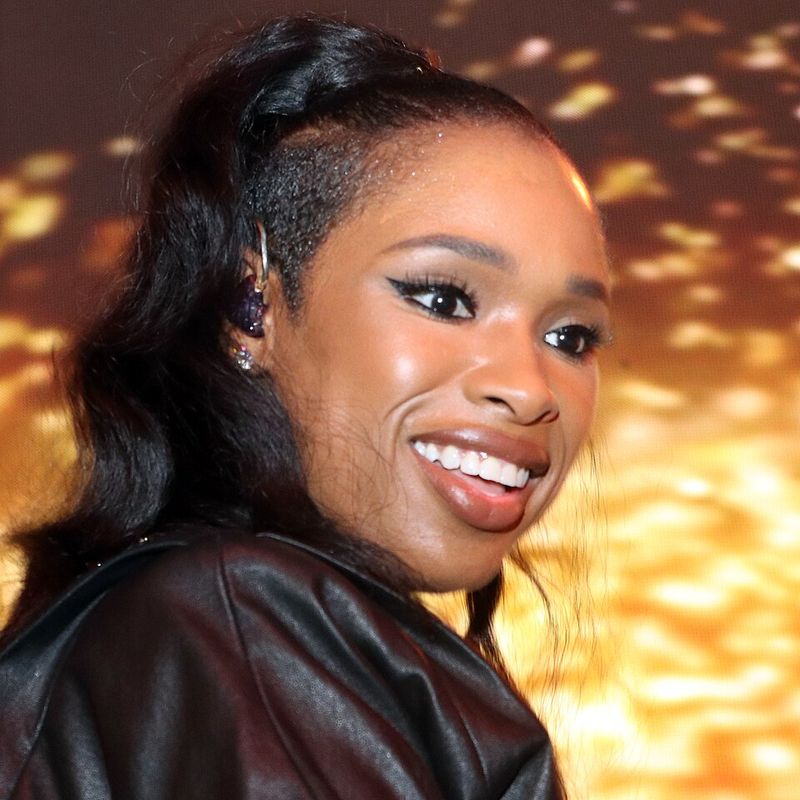
Jennifer Hudson transformed from reality TV standout into an Oscar winning actor with Dreamgirls. Her voice anchors performances, but she also brings steady screen presence and emotional clarity.
Later turns in Respect and Broadway work showed continued growth, honoring musical legends while claiming her own lane.
Hudson is an EGOT, a rare distinction that underscores versatility and work ethic. She leverages platform to champion music education and community programs.
Producing ventures broaden impact, helping shepherd projects that spotlight underrepresented narratives.
Her appeal blends accessibility with star wattage, inviting wide audiences without sacrificing craft. You hear intention in phrasing and see it in grounded character choices.
Hudson’s trajectory proves that talent shows can launch durable, serious careers when paired with discipline, mentorship, and smart, values aligned opportunities.
14. Diahann Carroll
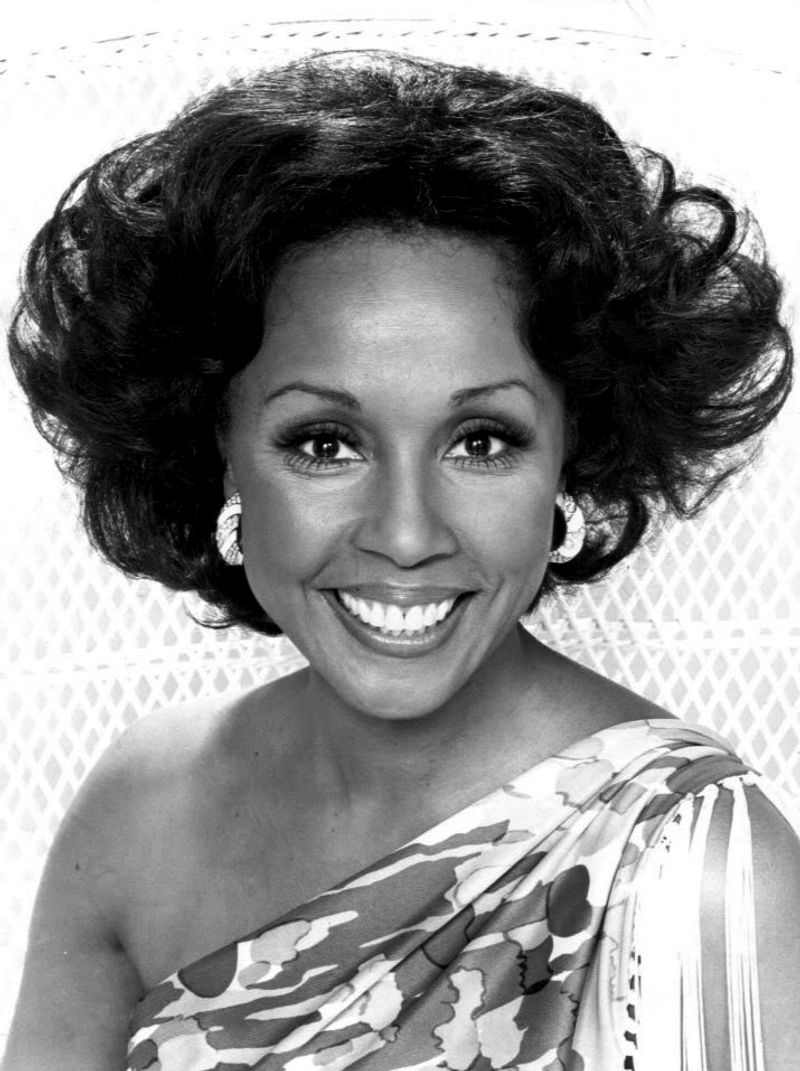
Diahann Carroll made history with Julia, one of the first American TV series to star a Black woman in a non stereotyped professional role. She balanced glamour and precision, later earning acclaim on stage and in films like Claudine.
Carroll’s presence communicated sophistication and independence at a time of narrow images.
She negotiated with studios for creative respect and wardrobe standards that dignified character. That insistence influenced costume and narrative choices across television.
Guest arcs on Dynasty reintroduced her to new audiences, reinforcing longevity and reinvention.
Carroll mentored younger performers and spoke openly about the business side of sustainability. You can trace today’s leading roles for Black women in TV dramas back to her early breakthroughs.
Her legacy is both artistic and infrastructural, living in contracts, character bibles, and the expectations of viewers.
15. Hattie McDaniel
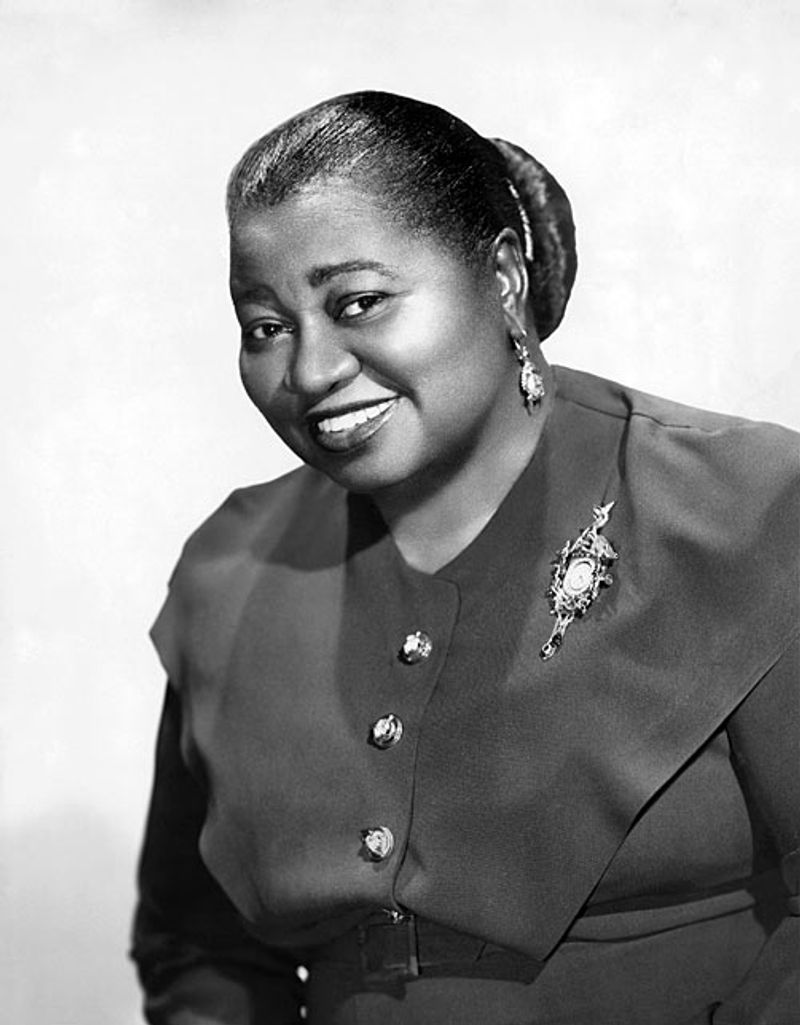
Hattie McDaniel became the first Black person to win an Academy Award for Gone with the Wind. Working within a segregated industry, she navigated typecast roles while advocating for better parts and fair treatment.
Her win was groundbreaking yet complicated by Jim Crow realities that limited mobility and reception.
McDaniel defended her choices with practicality, emphasizing employment and visibility during restricted times. She also fought housing discrimination in Los Angeles, showing courage beyond the screen.
Her radio work and stage performances revealed range that the studio system often obscured.
Today, her legacy prompts necessary conversation about representation, strategy, and survival. You can honor her trailblazing status while acknowledging constraints she challenged.
McDaniel’s journey opened doors, and later artists expanded those openings into careers with greater control and narrative dignity.
16. Ruby Dee
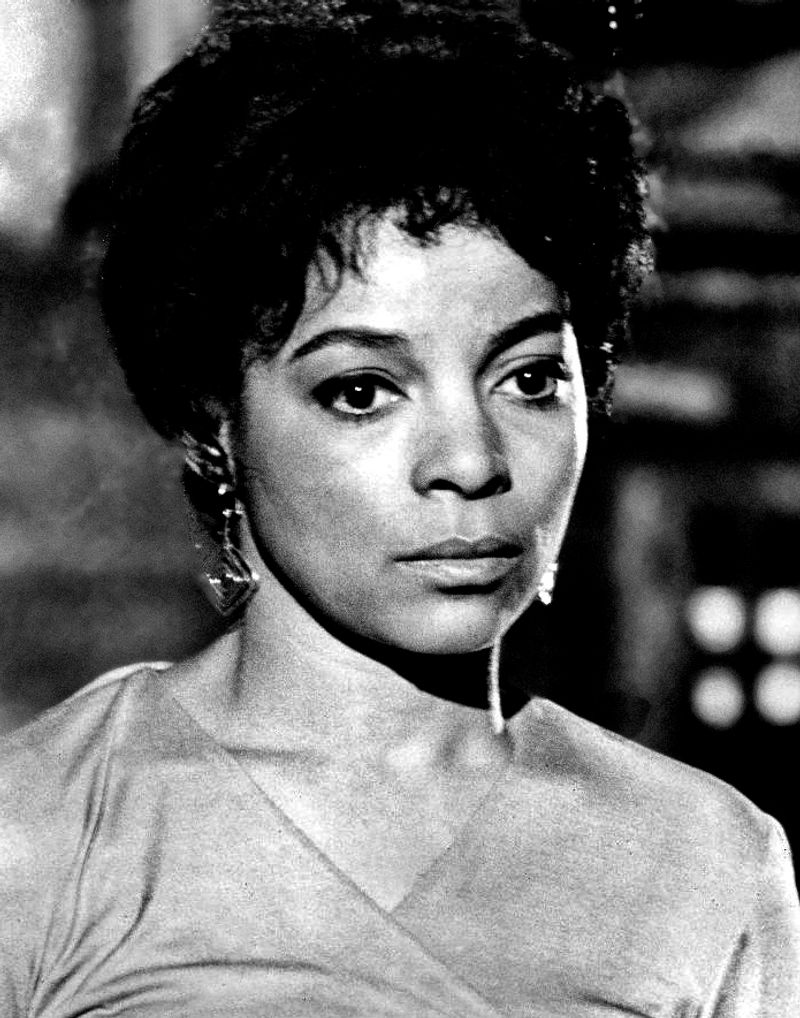
Ruby Dee was a fierce artist and activist whose career spanned stage, film, and television. A Raisin in the Sun showcased her luminous precision, and later work in Do the Right Thing connected generations.
She partnered with Ossie Davis on art and civil rights, merging craft with community action.
Dee’s performances carry verbal music and moral clarity, never didactic but always purposeful. She brought intelligence to every role, whether intimate domestic scenes or charged public speeches.
That consistency built trust with audiences and collaborators alike.
Her activism included organizing, writing, and public speaking that pushed for labor and racial justice. You feel the throughline between rehearsal and rally, between line reading and lived experience.
Dee helped define the artist citizen model, proving impact grows when creative excellence meets sustained civic engagement.
17. Cicely Tyson
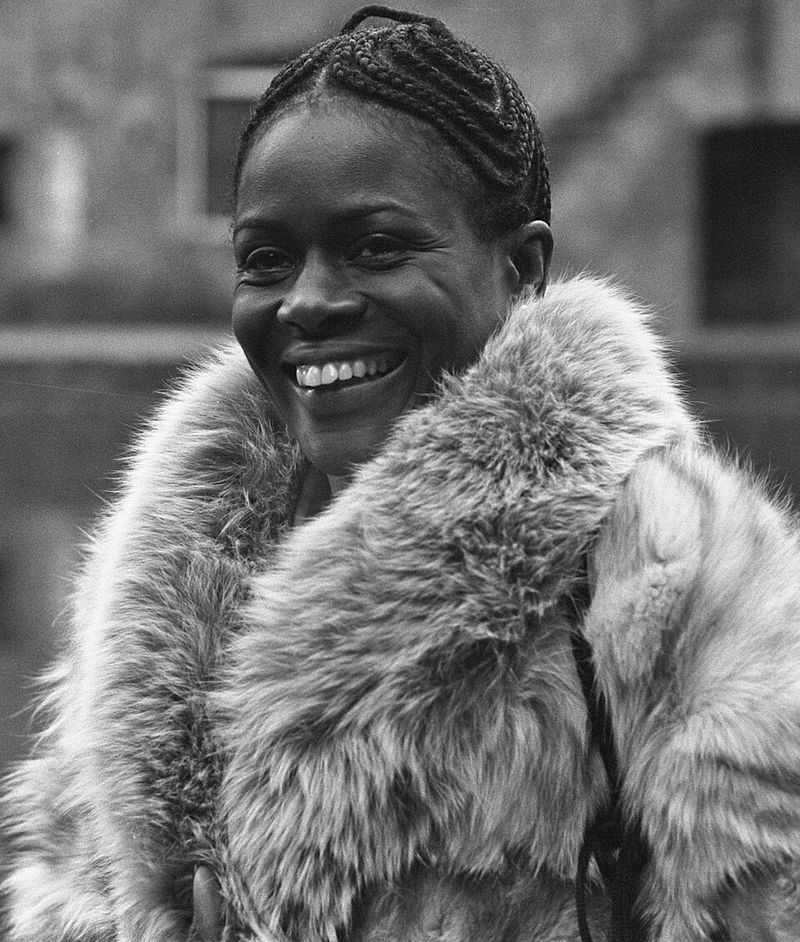
Cicely Tyson’s later career reaffirmed the standards she set early on. Appearances in How to Get Away with Murder and The Trip to Bountiful revival introduced her gravitas to new viewers.
She demonstrated how aging on screen can be rendered with vitality, depth, and agency.
Tyson continued choosing roles that honored everyday Black life, avoiding caricature. She spoke about patience and principle, and how refusing certain scripts shapes the culture.
Those decisions helped build a canon where future actors could find roles worthy of their training.
Her memoir contextualized decades of choices within a broader fight for respect. You can sense the discipline behind every pause and gesture.
Tyson’s enduring influence is a living syllabus on integrity in practice, reminding Hollywood that representation is built one principled yes and no at a time.



