 Unearth The Voyage

Baby Boomers grew up in a time when certain traditions felt permanent, woven into the fabric of everyday American life. From Sunday dinners with the whole family to handwritten thank-you notes, these customs shaped how people connected, worked, and played. But as technology advanced and society changed, many of these once-solid traditions began to fade away, leaving Boomers wondering what happened to the world they once knew.
1. Sunday Family Dinners at Home

Every Sunday, without fail, grandparents, parents, and kids gathered around one table for a home-cooked meal. Conversation flowed freely, stories were shared, and everyone knew their place at the table. It was more than just eating; it was about connection and tradition.
After World War II, these weekly gatherings became a cornerstone of American family life. Mothers often spent hours preparing roasts, casseroles, and pies. The smell of cooking filled the house, and nobody dared miss dinner without a good reason.
Fast-forward to today, and those weekly rituals have largely disappeared. Dual-income households mean less time for elaborate meal prep. Kids have soccer practice, parents work late, and takeout has become the new normal. What once felt permanent now feels like a distant memory for many families across America.
2. The Handwritten Thank-You Note

Receiving a gift meant one thing was certain: you had to write a thank-you note. Not an email, not a text, but an actual handwritten card that showed effort and appreciation. Parents drilled this rule into children from an early age, making it as automatic as saying please and thank you.
Boomers learned that proper etiquette required acknowledging every birthday gift, wedding present, job interview, and dinner invitation with pen and paper. The ritual took time but demonstrated respect and gratitude in a tangible way.
Nowadays, a quick text or emoji often replaces those carefully crafted notes. Some people skip acknowledgments altogether, assuming the sender knows they are grateful. While communication has become faster, something personal and meaningful was lost when handwritten notes became rare relics of a bygone era.
3. Department Stores as Social Hubs

Back when Boomers were young, going to the department store was an event, not just a chore. Families dressed up to visit Sears, JCPenney, or Montgomery Ward, where they could buy everything from appliances to clothing. These stores were gathering places where neighbors ran into each other and chatted in the aisles.
Department stores offered more than merchandise. They had lunch counters, portrait studios, and catalog desks where people ordered items for home delivery. Shopping was a social activity that could take up an entire Saturday afternoon.
Then came big-box retailers, online shopping, and changing consumer habits. Iconic stores closed their doors one by one, leaving empty buildings and fading memories. What Boomers assumed would always be there vanished, replaced by clicks and doorstep deliveries that lack the human connection of those old shopping trips.
4. Watching the Same TV Shows at the Same Time
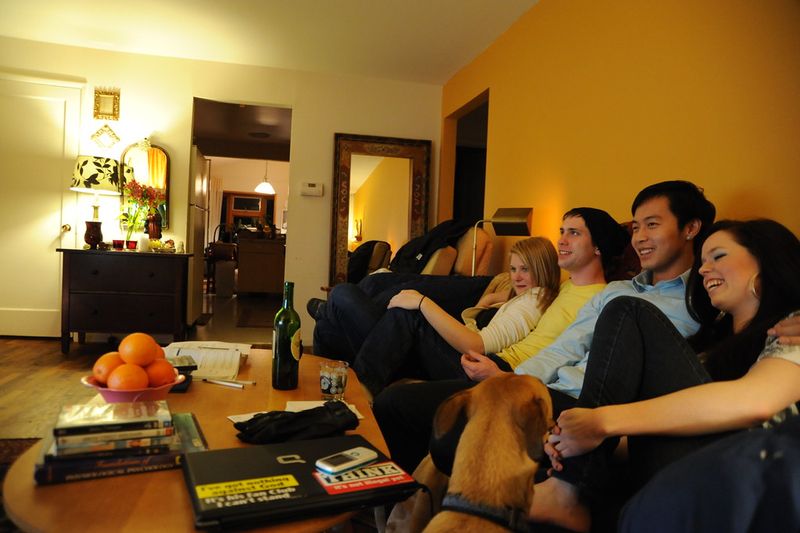
There was something magical about knowing millions of people were watching the same show at the exact same moment. When a season finale aired or a president gave a speech, everyone tuned in together. The next day at school or work, those shared moments became conversation starters.
Network television created cultural touchstones that united the nation. Moon landings, major sporting events, and popular sitcoms brought Americans together in ways that felt powerful and binding. Missing an episode meant waiting for reruns or never knowing what happened.
Streaming services changed everything by putting viewers in control of when and what they watch. While convenient, this shift ended the collective experience Boomers cherished. Water-cooler conversations about last night’s episode have become rare, replaced by spoiler warnings and fragmented viewing schedules that keep people on different timelines.
5. Door-to-Door Salesmen

A knock at the door could mean many things: an Avon lady with cosmetics, a Fuller Brush man with household goods, or an encyclopedia salesman promising knowledge for your children. These visitors were expected, welcomed, and often trusted members of the community.
Door-to-door sales represented a legitimate business model that thrived for decades. Families made major purchases this way, from vacuum cleaners to insurance policies. Salespeople built relationships with customers, returning year after year to the same neighborhoods.
Today, that same knock triggers suspicion rather than curiosity. Stricter solicitation laws, safety concerns, and the rise of online shopping killed this once-common practice. What Boomers remember as normal neighborly commerce now seems intrusive and outdated, a relic of simpler times when opening your door to strangers felt perfectly safe and reasonable.
6. Kids Playing Outside Until Dark

When streetlights flickered on, that was the signal to head home. Until then, Boomer kids roamed freely through neighborhoods, riding bikes, climbing trees, and inventing games with whatever they found. Parents rarely worried about where their children were, trusting the community to keep them safe.
Summers meant endless outdoor adventures with minimal adult supervision. Kids knocked on friends’ doors, formed impromptu baseball games, and explored their surroundings with independence that seems unimaginable today. Scraped knees and dirty clothes were badges of a day well spent.
Modern childhood looks drastically different, shaped by safety concerns and digital entertainment. Parents face judgment for letting kids play unsupervised, and many children prefer screens to outdoor exploration. The freedom Boomers took for granted has been replaced by structured activities and constant oversight, fundamentally changing what childhood means.
7. Cash as the Primary Form of Payment

Wallets bulged with bills and change because cash ruled everyday transactions. Whether buying groceries, paying for gas, or settling restaurant tabs, people reached for paper money first. Credit cards existed but were reserved for special occasions or emergencies, not routine purchases.
Boomers learned to budget by physically dividing cash into envelopes for different expenses. Seeing and touching money made spending feel more real and helped people track where their dollars went. Banks cashed paychecks every Friday, and people carried enough cash to last the week.
The shift toward a cashless society caught many Boomers off guard. Digital payments, mobile apps, and contactless cards have made physical currency almost obsolete in some places. While convenient, this transformation eliminated the tangible connection to money that once helped people manage their finances more carefully and thoughtfully.
8. Lifetime Employment with One Company
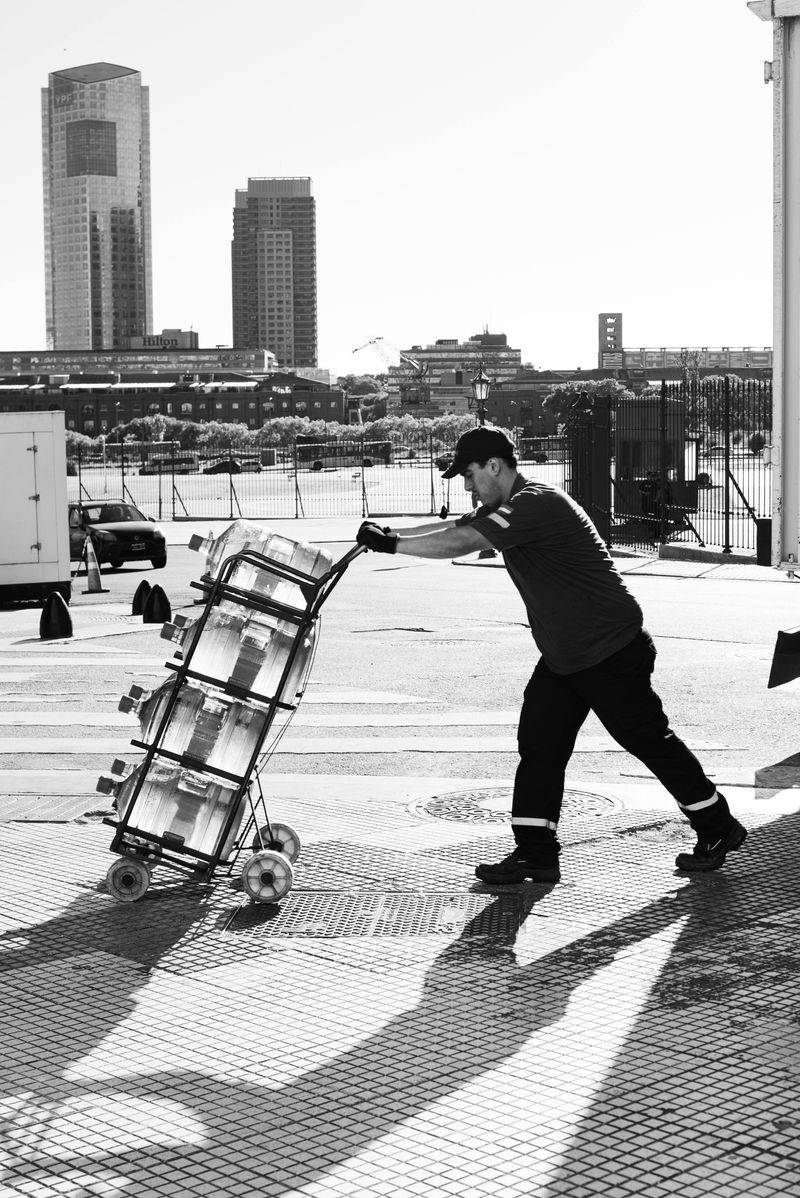
Loyalty meant something different in the postwar economy. Workers expected to join a company after school and stay until retirement, climbing the ladder slowly but surely. In return, employers offered pensions, job security, and a sense of belonging that made careers feel like family.
Boomers watched their parents receive gold watches after 40 years of service, and they expected the same trajectory. Changing jobs frequently was viewed negatively, suggesting instability or poor work ethic. Long-term employment was the path to middle-class stability and respect.
Corporate restructuring in the 1980s and 1990s shattered this social contract. Layoffs, outsourcing, and the disappearance of pensions made lifetime employment a fantasy rather than an expectation. Younger generations now job-hop strategically, seeking better opportunities rather than waiting for rewards that may never come from a single employer.
9. Printed Newspapers Every Morning

Coffee brewing and newspaper rustling were the soundtrack of morning routines across America. Families relied on printed papers for news, weather, sports scores, and classified ads. Reading the paper was a ritual, with different family members claiming their favorite sections first.
Newspapers provided more than information; they offered a sense of community connection. Local papers covered neighborhood events, school activities, and town politics in detail. Job seekers scoured the classifieds, and bargain hunters circled sale ads with red pens.
Digital media gradually made daily print delivery obsolete for most households. Why wait for morning news when updates arrive instantly on phones? Newspapers struggled to adapt, with many shutting down or going online-only. The physical experience of reading a paper over breakfast became a luxury rather than a daily necessity for most Americans.
10. Formal Dress for Air Travel

Flying was once an occasion that demanded your Sunday best. Men wore suits and ties, women donned dresses and heels, and children dressed as if attending church. Air travel represented luxury and sophistication, reserved for special trips and important business, not casual weekend getaways.
Airlines treated passengers like VIPs, serving multi-course meals on real china and offering attentive service throughout flights. The airport experience felt elegant rather than stressful, with spacious lounges and unhurried boarding processes. Dressing up matched the occasion’s importance.
Budget airlines and mass air travel changed everything, making flying accessible but far less glamorous. Comfort replaced formality as passengers began wearing sweatpants and flip-flops on planes. What Boomers experienced as a special event became routine transportation, losing the elegance and excitement that once made air travel feel extraordinary and memorable.
11. Phone Books in Every Home
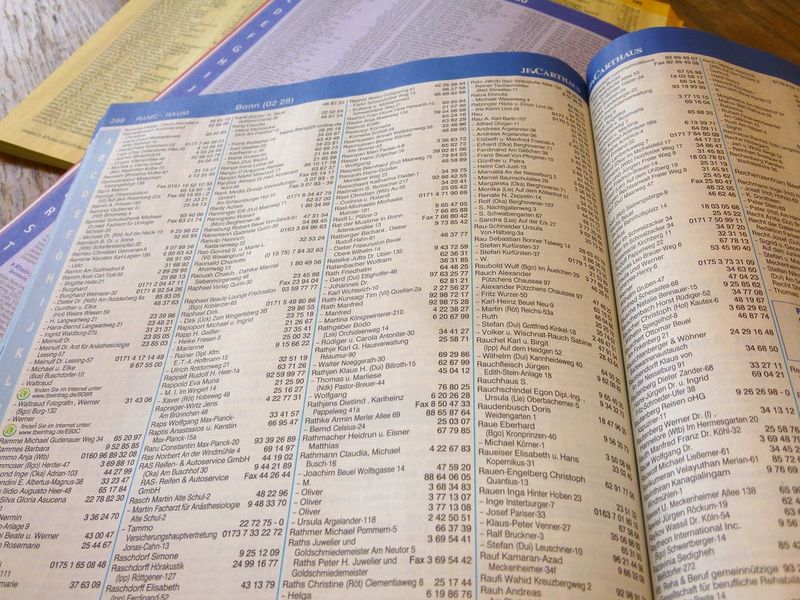
That hefty Yellow Pages thud on the doorstep signaled the arrival of an essential household tool. Need a plumber, restaurant recommendation, or business address? The answer sat on a shelf or kitchen counter, pages worn from frequent use. Everyone knew how to navigate those thin, yellow-tinged pages.
Phone books connected communities by listing every resident and business in the area. People looked up friends’ addresses, compared service providers, and discovered new businesses just by browsing. The white pages and Yellow Pages were indispensable references that every household depended on regularly.
Search engines made phone books instantly obsolete, offering faster, more current information with a few keystrokes. Printed directories became wasteful rather than useful, with most going straight to recycling bins. The tradition Boomers assumed would continue indefinitely disappeared within a single generation, replaced by digital convenience.
12. Drive-In Movie Theaters
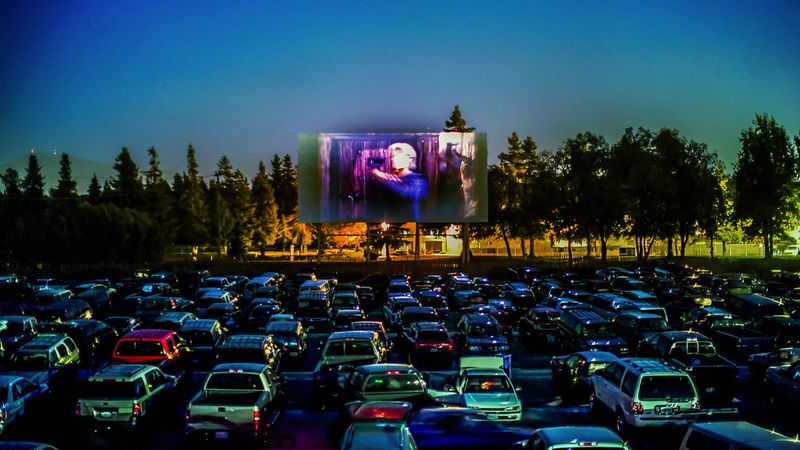
Summer nights at the drive-in were pure magic. Families piled into cars with blankets and snacks, backing into spots facing the giant screen. Speakers hung on windows, and the smell of popcorn drifted through warm evening air as previews began. It was entertainment and social event rolled into one.
Drive-ins flourished during the 1950s and 1960s, offering affordable family fun and date-night privacy. Double features kept people entertained for hours, and concession stands did booming business. These outdoor theaters became beloved community gathering spots that defined an era.
Rising land costs, unpredictable weather, and the convenience of home entertainment gradually closed most drive-ins. VCRs and later streaming services gave people movie access without leaving home. What Boomers cherished as a permanent fixture of American culture became a rare novelty, with only a handful surviving as nostalgic throwbacks.
13. Polite, Live Customer Service by Default
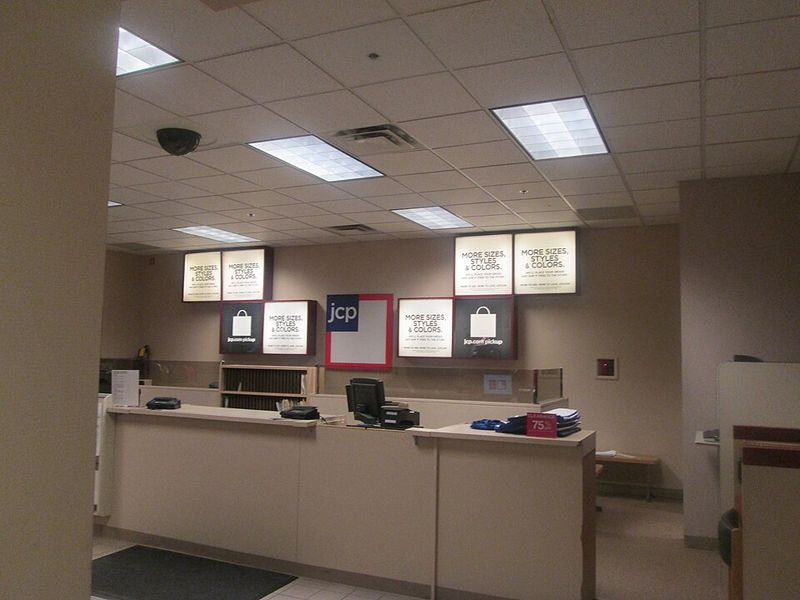
Calling a business meant talking to an actual person who could help solve your problem. Customer service representatives answered phones promptly, knew their products, and treated callers with courtesy. Complicated issues got resolved through conversation, not automated menus and endless hold music.
Companies valued human interaction as essential to customer satisfaction and loyalty. Training programs taught employees to be helpful and professional. Getting a real person on the line was standard, not a luxury or special privilege reserved for premium customers.
Automation and outsourcing transformed customer service into frustrating mazes of recorded options. Press one for this, press two for that, and maybe eventually reach someone who may or may not speak clearly or have authority to help. Boomers never imagined the personal touch would become so rare and difficult to access in business transactions.
14. Community Parades and Civic Events
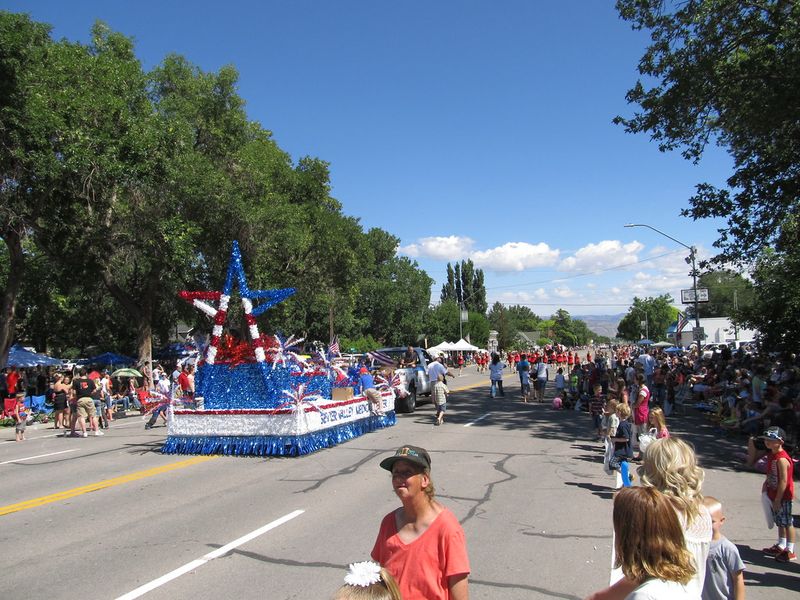
Memorial Day parades, Fourth of July celebrations, and town festivals brought entire communities together in celebration. Main streets filled with marching bands, decorated floats, and neighbors waving from sidewalks. These events strengthened civic pride and gave people reasons to gather beyond their individual households.
Local organizations invested time and resources into making these events special. Veterans marched proudly, school groups performed, and businesses sponsored activities. Attendance was expected, and families planned their schedules around these important community traditions that marked the seasons.
Declining participation and funding have made many community events smaller or nonexistent. People have more entertainment options and busier schedules, making civic gatherings feel optional rather than essential. The social anchors Boomers relied on to build community connections have weakened significantly, leaving some towns without the traditions that once united neighbors.
15. Home Ownership as a Universal Goal
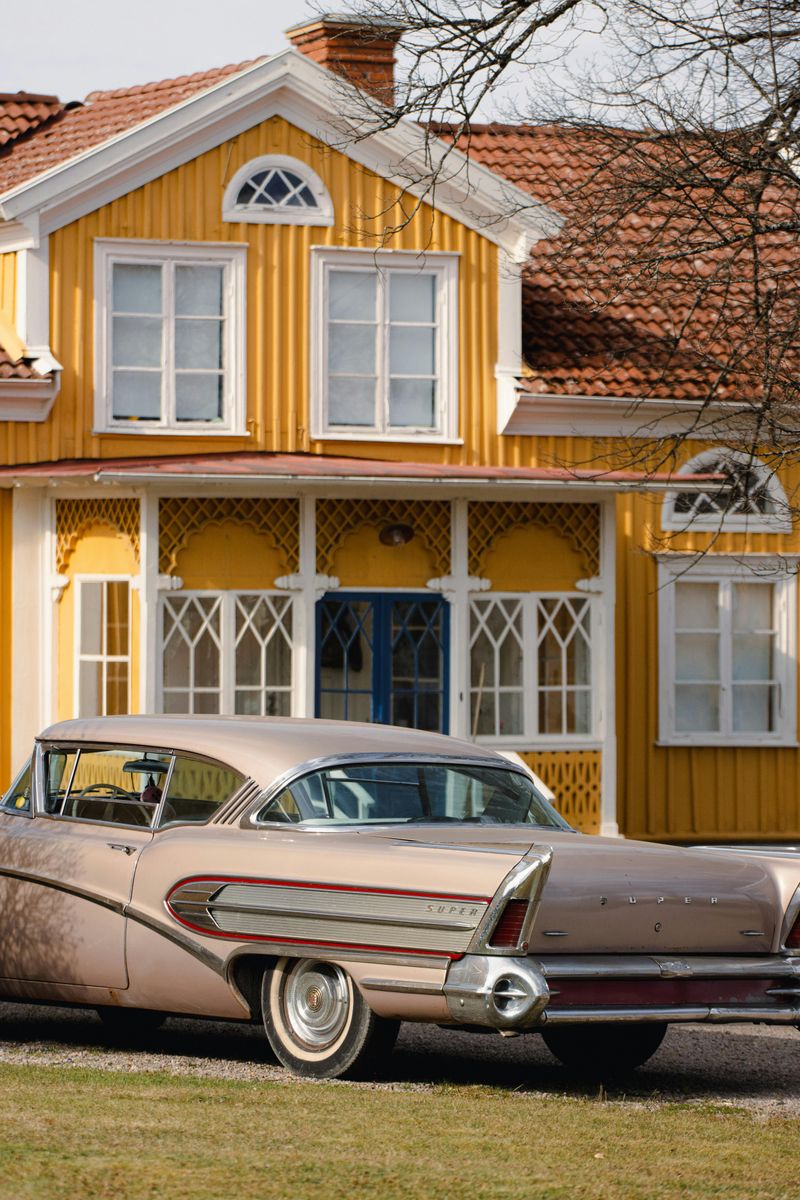
Owning a home represented the American Dream, an achievable milestone for most working adults. Boomers grew up expecting to buy houses, raise families, and build equity. Mortgages were accessible, prices were reasonable relative to incomes, and homeownership felt like a natural adult accomplishment.
Parents encouraged children to save for down payments and build credit for that inevitable home purchase. Renting was viewed as temporary, something young people did before settling down. Neighborhoods filled with owner-occupied homes created stability and investment in community well-being.
Skyrocketing housing costs, stagnant wages, and crushing student debt have made homeownership increasingly unattainable for younger generations. Many people now rent indefinitely, unable to save enough for down payments or qualify for mortgages. The universal expectation Boomers held has become a privilege rather than a standard milestone of adulthood.
16. Children Following Their Parents’ Lifestyle Path
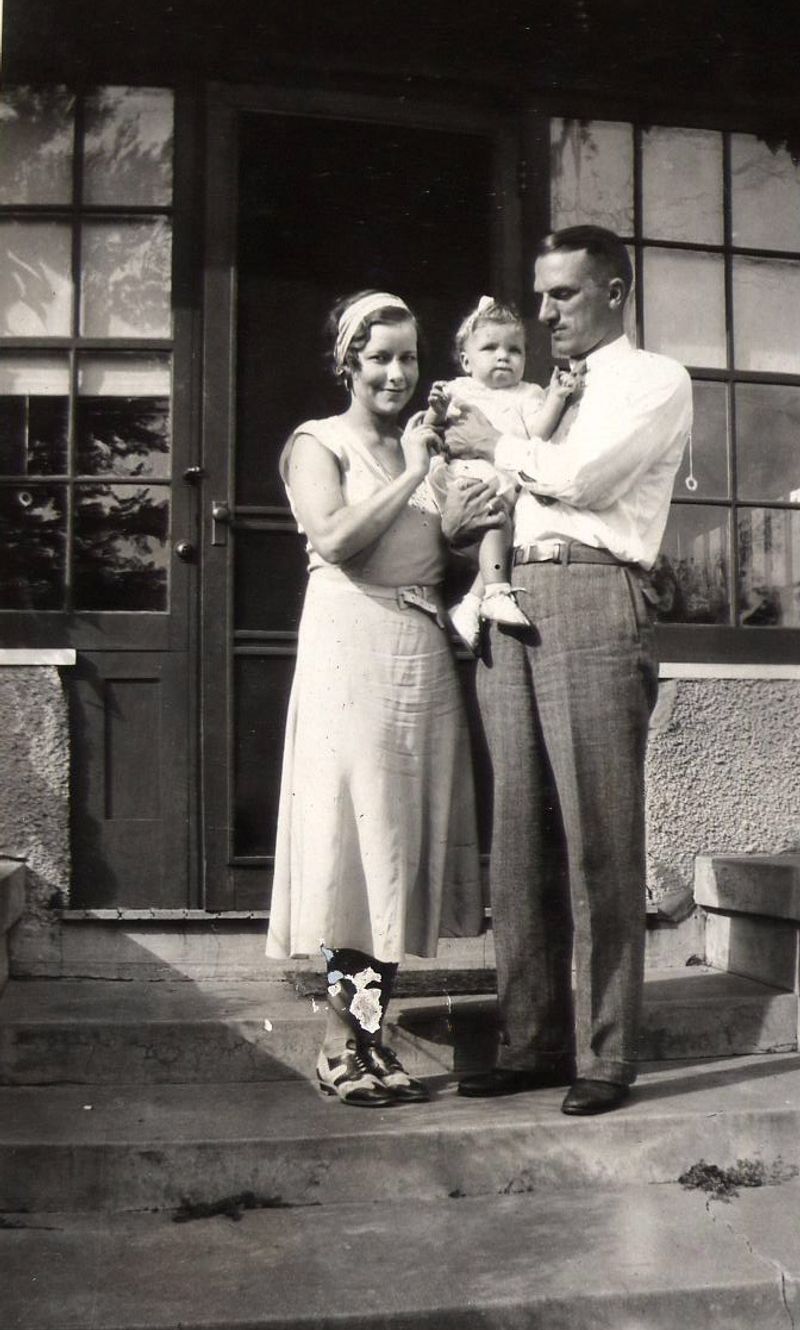
Sons often followed fathers into the same trades, professions, or even specific companies. Daughters learned homemaking from mothers, preparing to replicate similar domestic lives. Staying in the same town, attending the same churches, and maintaining family traditions felt natural and expected across generations.
This continuity provided comfort and predictability. Parents could guide children based on their own experiences, and extended families remained geographically close. Values, careers, and lifestyles passed down reliably, creating stable communities where everyone knew their neighbors’ families for decades.
Economic changes, educational opportunities, and shifting values disrupted this pattern dramatically. Children now scatter across the country pursuing careers their parents never imagined. Different beliefs, lifestyles, and priorities create generation gaps that would have shocked Boomers’ parents. The assumed continuity vanished, replaced by diversity and independence that redefined family expectations completely.
17. Trust in Institutions by Default
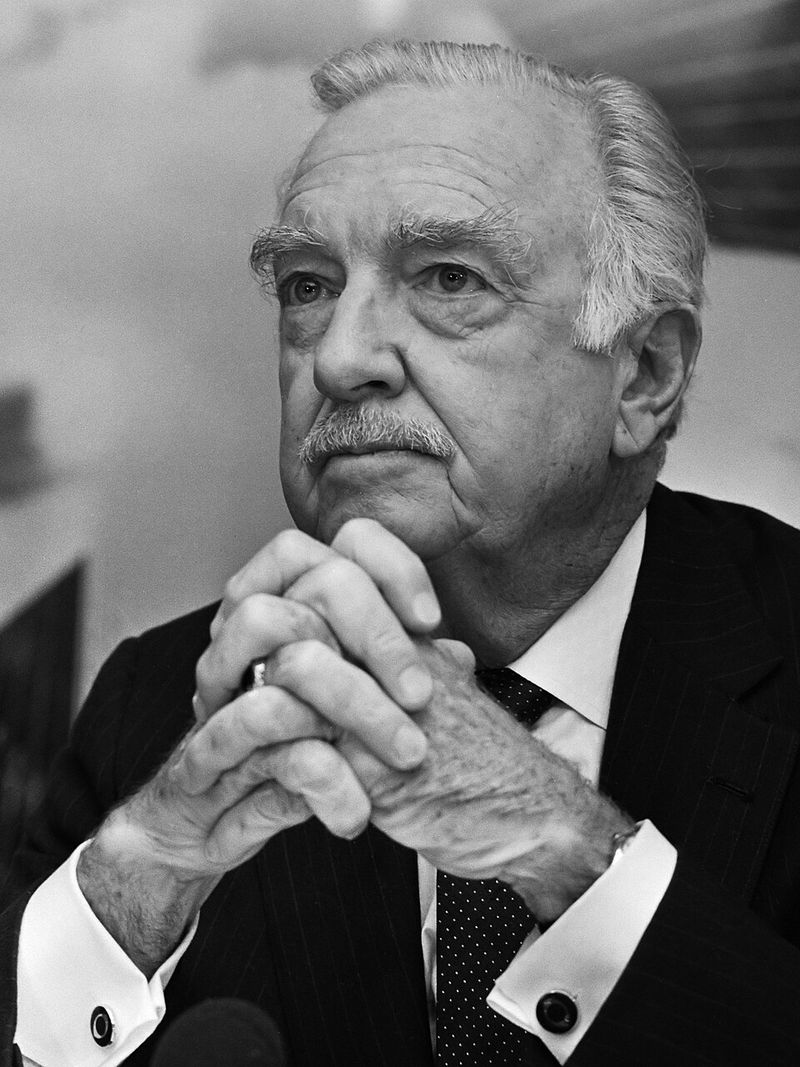
Boomers grew up believing what newscasters reported, trusting government officials, and respecting corporate leaders. Institutions earned default trust rather than having to prove themselves constantly. When Walter Cronkite spoke, people listened and believed. Authority figures commanded respect simply by virtue of their positions.
This era represented peak confidence in American systems and leadership. Government agencies, media outlets, and major corporations seemed stable, honest, and working for the public good. Questioning authority was unusual; trusting the system was normal and expected behavior.
Scandals, corporate misconduct, and media fragmentation shattered that automatic trust. Younger generations approach institutions with skepticism, demanding transparency and accountability that Boomers never thought necessary. The assumption that leaders and organizations deserved trust simply because of their status disappeared, replaced by doubt and verification that would have seemed cynical and unnecessary decades ago.



