 Unearth The Voyage
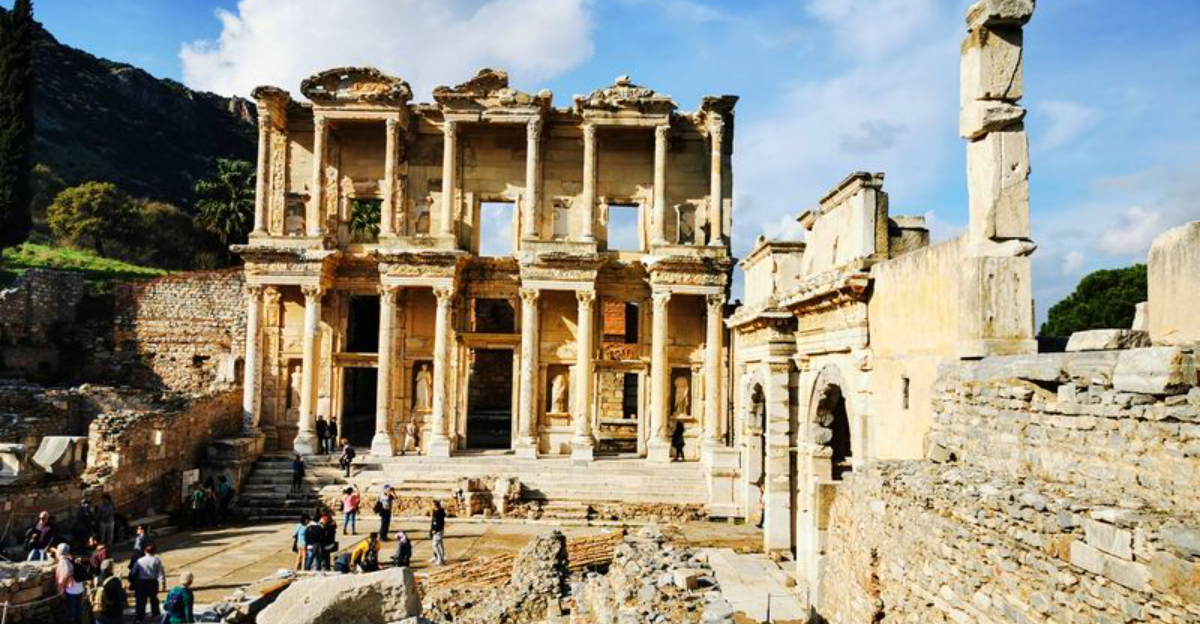
Time travel is closer than you think. Around the world, ancient cities still hum with life, inviting you to wander streets where empires rose and rituals endure.
You can sip coffee beside temples, bike along millennia-old walls, and watch sunsets over monuments carved from living rock. Ready to step into history without leaving the present behind?
Rome, Italy — The Eternal City
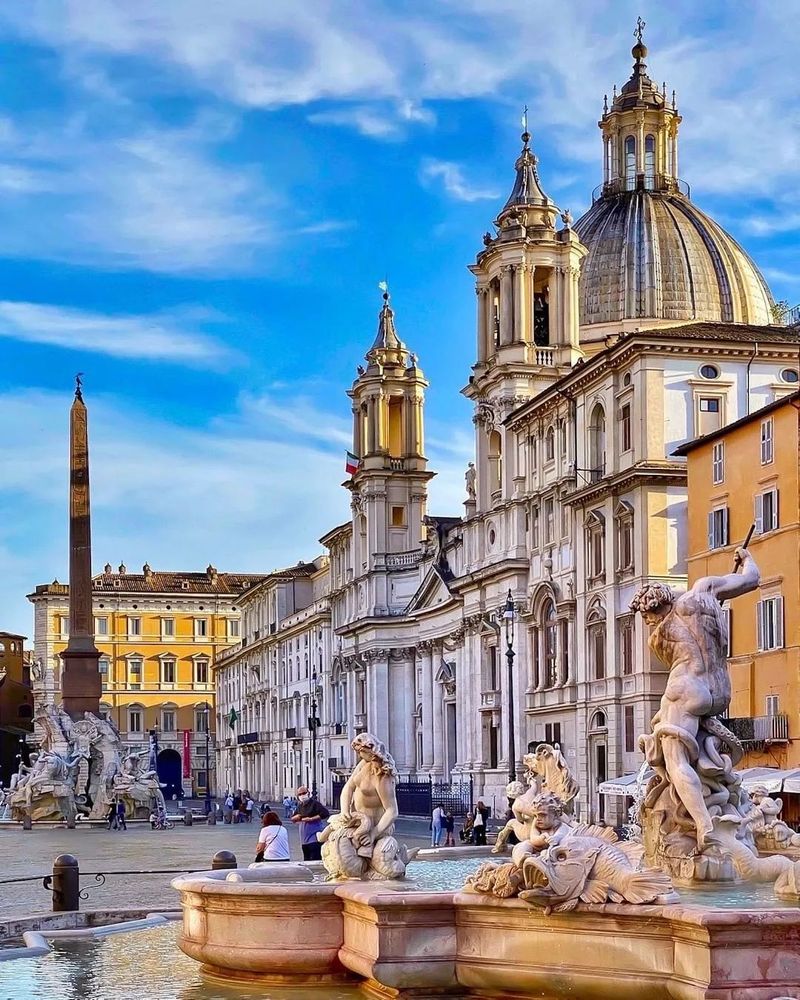
Walk Rome and the centuries walk with you. The Colosseum looms ahead while scooters buzz past ancient stones, a perfect snapshot of a city that never paused.
You can trace a route from the Roman Forum to the Pantheon, then pause for espresso where emperors once plotted.
Every piazza feels like a stage set built on layers of time. Basilica domes punctuate the skyline, and marble fragments peek from modern sidewalks.
Step into the Pantheon and feel cool air swirl beneath that vast oculus, a reminder of engineering that still humbles science.
By night, trattorias glow beside ruins, and conversations drift across cobbles worn by legions and lovers. Museums hold masterpieces, but the streets are the real gallery here.
Follow your curiosity, toss a coin in Trevi, and let Rome show how a living city can keep its ancient heart beating.
Athens, Greece — Birthplace of Western Civilization
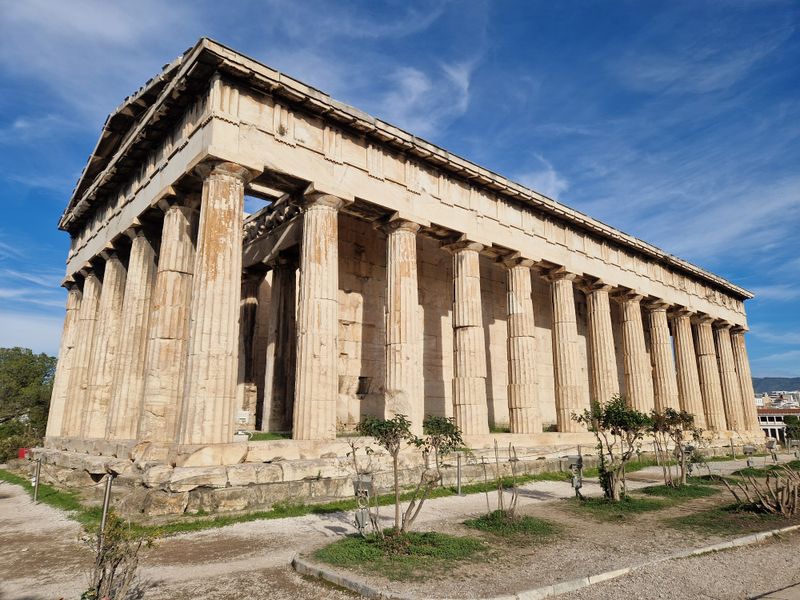
Athens greets you with marble brilliance and urban buzz. The Acropolis crowns the city, its columns catching Mediterranean light while cafes chatter below.
Climb the hill and watch the Parthenon glow, then descend to neighborhoods where history and street art share the same walls.
In Plaka and Monastiraki, Byzantine chapels sit near Ottoman remnants and flea markets. You drift between eras with a few steps, tasting souvlaki before ducking into a quiet courtyard church.
Galleries and the Acropolis Museum stitch context to every shard and statue.
Cycle the ancient promenade, pause at the Agora, and imagine debates that shaped democracy. At sunset, rooftop bars frame the Acropolis like a promise.
Athens is not a postcard but a conversation, and you are invited to add your voice to the city’s timeless chorus.
Jericho, West Bank — World’s Oldest Continuously Inhabited City
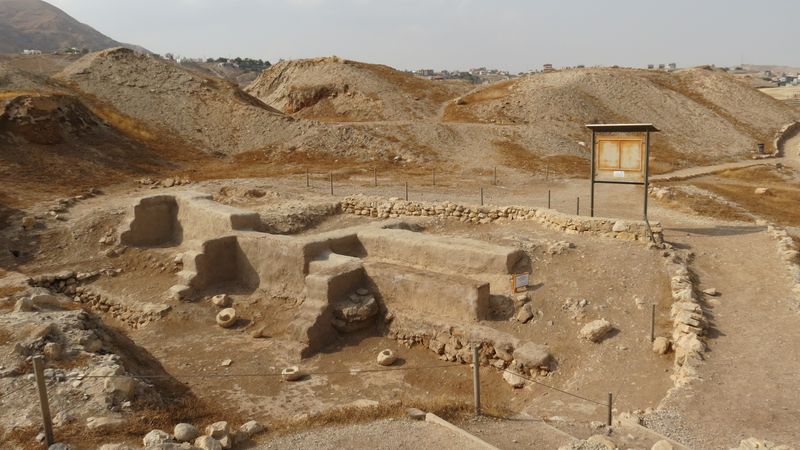
Jericho stretches time farther than most minds can hold. At Tell es-Sultan, you peer into trenches that reveal Neolithic walls and early urban planning.
The desert breeze carries dates and dust while guides point out layers older than stories you learned in school.
Here, fortifications predate many myths, and the chronology runs deep. Wander palm-lined streets to modern cafes, then circle back to stone towers that challenge the timeline of cities.
You move from Bronze Age echoes to present-day rhythms within minutes.
Sunlight fades over the Jordan Valley, and the landscape turns gold. Jericho is gentle, ancient, and surprisingly intimate, asking you to slow down and look closely.
Stand on the mound, let silence gather, and feel how human settlement learned to become a city right beneath your feet.
Plovdiv, Bulgaria — Europe’s Timeless Urban Heart
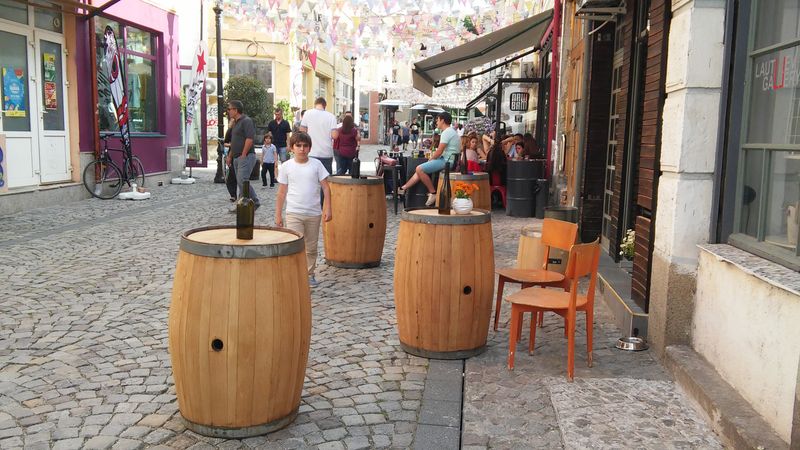
Plovdiv is where eras stack like books on a shelf. You can sit in a Roman theater still used for concerts and look across rooftops painted by sunrise.
The Old Town climbs the hills with wooden mansions, cobbles, and courtyards whispering Ottoman, Byzantine, and Thracian tales.
Art spills into the streets in Kapana, where cafes and galleries spark modern conversations. Just around the corner, ancient paving stones keep their patient shine.
Plovdiv’s scale helps you wander easily, shifting centuries with every turn.
Order banitsa, trace mosaics, and follow music drifting through alleyways. This is a city that performs its history daily without getting stuck in it.
Leave with color on your shoes, dust on your palms, and a feeling that Europe’s timeline fits neatly into a single walkable afternoon.
Kyoto, Japan — Ancient Capital with Modern Energy
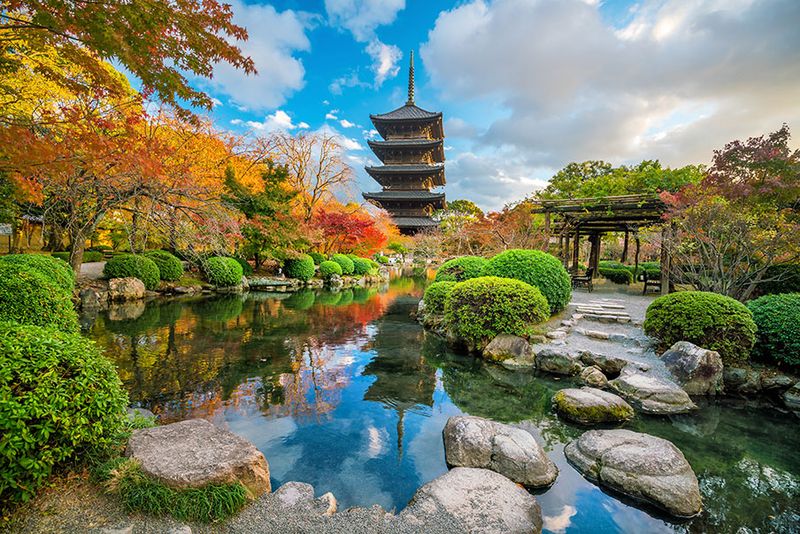
Kyoto’s calm has a heartbeat. Shrines whisper beneath cedar eaves while trains glide past with clockwork grace.
You wander from a tea ceremony to a minimalist cafe, then duck into an alley where lanterns swing and geta clack on stones.
Fushimi Inari’s torii tunnel draws you uphill, orange gates framing every step like film stills. In Gion, time slows as silhouettes move softly along wooden facades.
Temples cradle moss gardens that teach you how to notice the quiet.
Yet Kyoto is not a museum. Artisans tweak traditions, chefs remix kaiseki, and students bike past pagodas like it is the most natural thing.
Come for heritage, stay for harmony, and leave with a rhythm you will try to recreate long after the journey ends.
Varanasi, India — Timeless Spirit on the Ganges
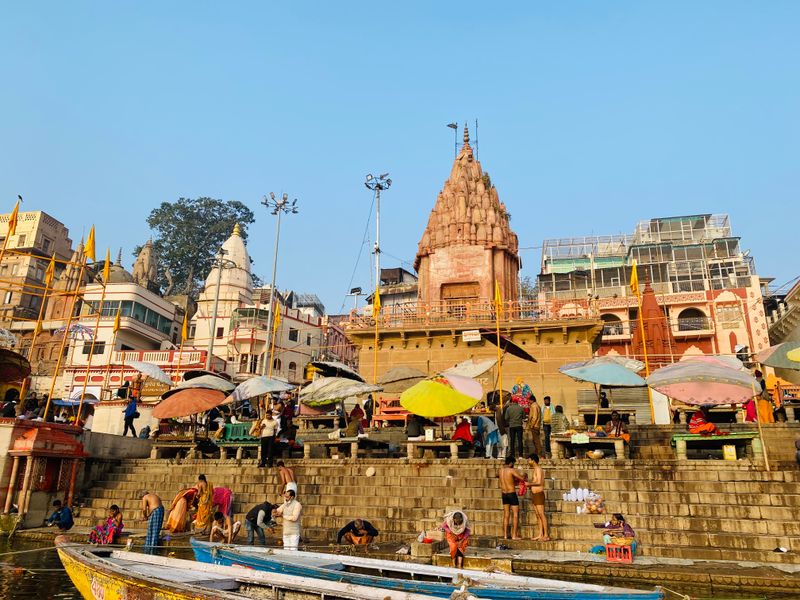
Dawn in Varanasi feels eternal. Boats drift across saffron light while bells ring from the ghats.
You watch prayers curl into the sky as the river carries stories older than most nations.
Alleys twist behind the waterfront, lined with shrines and shops selling garlands, brass, and sweets. Every corner reveals another ritual, another rhythm that keeps time differently.
Step carefully and let the city show you how devotion threads through daily life.
By evening, the aarti turns the riverfront into flame and song. Pilgrims, students, and travelers gather without fuss, sharing space like it was always meant to be shared.
Varanasi leaves you quiet, reflective, and grateful for a place where the sacred and ordinary breathe together.
Delphi and Corinth, Greece — Athens’ Ancient Neighbors
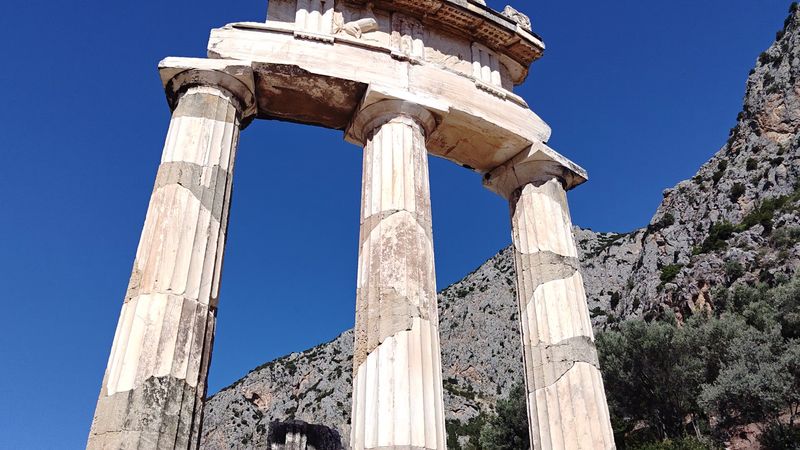
Delphi sits like a prophecy etched into stone. The theater hugs the mountain while columns trace the sacred way upward.
You stand where oracles once murmured, feeling wind and history speak in the same breath.
Down the coast, Corinth tells a different story of trade and ambition. Its agora sprawls, and the Acrocorinth rises like a stone ship.
Walk the ruins and you can almost hear merchants haggling beneath carved pediments.
Both sites are easy day trips from Athens, yet each unfurls a complete world. Pair them to round out your sense of classical Greece beyond the capital.
You will come back to Athens changed, carrying mountain silence and marketplace echoes in your pocket.
Ephesus, Turkey — Marble Streets and Library Façades
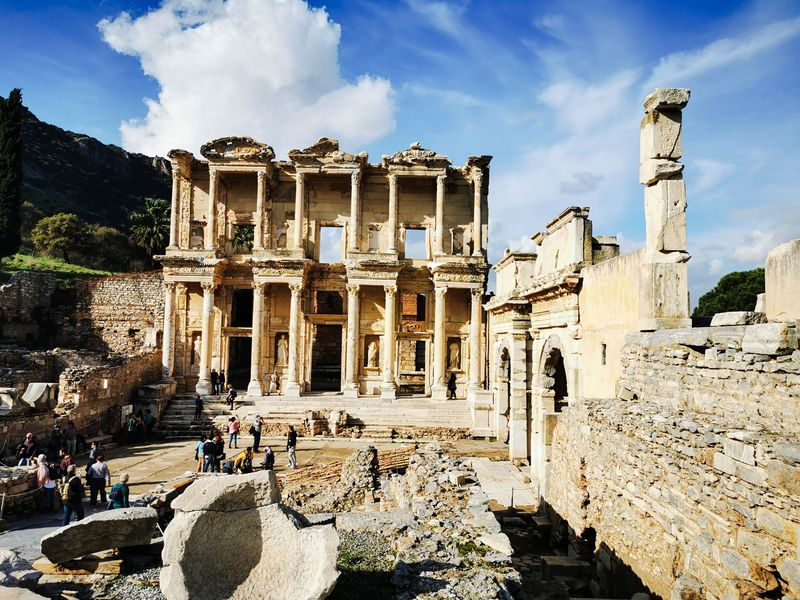
Ephesus lets you stroll a Roman city without guessing its shape. Marble streets gleam, grooves from chariots etched like signatures.
The Library of Celsus rises theatrical and precise, a façade that still plays to the crowd.
In the great theater, stand center stage and clap to hear your echo bounce back. Temples, bathhouses, and latrines reveal a city built for public life.
Everywhere, inscriptions and statues tell you who lived, traded, and dreamed here.
When the sun lowers, stone turns honey colored and shadows lengthen. Sit on a step and imagine sandals tapping past, the smell of spice and sea in the air.
Ephesus connects your feet to the classical world so clearly you will walk away taller.
Petra, Jordan — Rose-Red City Carved in Stone
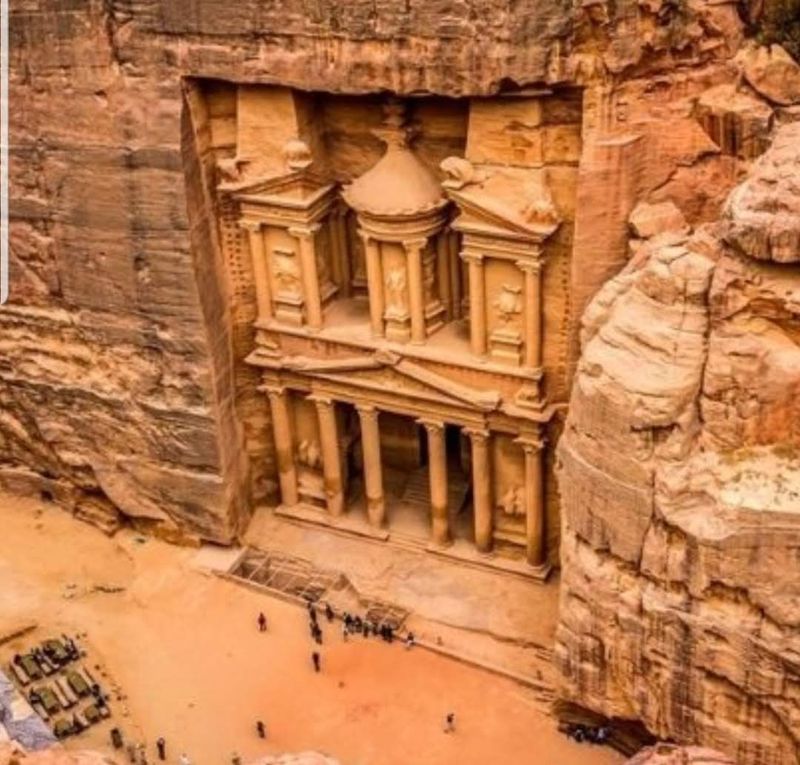
The Siq narrows, your heartbeat rises, and then the Treasury appears like a secret revealed. Petra feels impossible, a city carved more than built.
Chisel marks linger on walls that glow rose-red under changing light.
Beyond the famous façade, pathways unfold to tombs, temples, and the high place of sacrifice. Climb to the Monastery and look out over a rugged horizon that once funneled caravans.
You are walking the stone memory of a trading empire.
As dusk falls, the canyons hold the day’s warmth. Sit quietly and the rock seems to breathe, patient and watchful.
Petra will follow you home in your shoes, in your lungs, in the new way you measure space and silence.
Pompeii, Italy — A City Frozen in Time
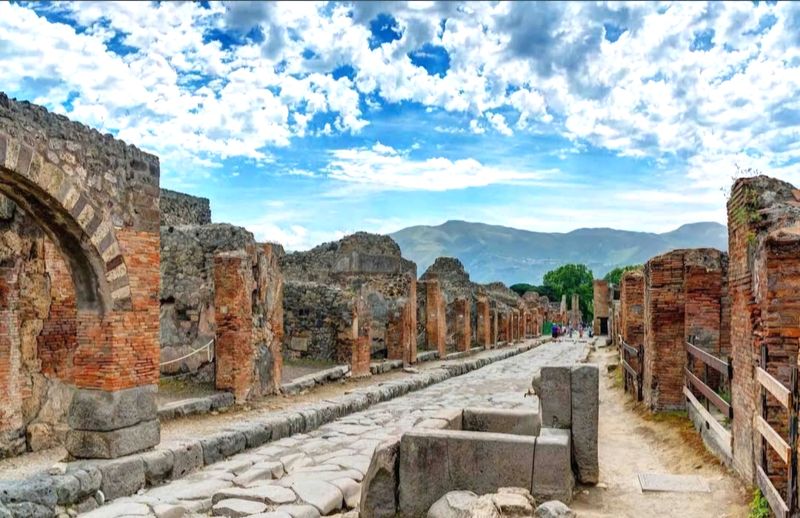
Pompeii is time interrupted. Streets wear ruts from carts, frescoes keep their color, and kitchens sit ready for meals that never came.
You walk through doorways and feel the suddenness of ash and silence.
Guides point out bakeries, bathhouses, and villas where mosaics shine like new. Plaster casts remind you these were neighbors, not names in a book.
The detail is overwhelming, a slice of Roman life preserved by catastrophe.
Look toward Vesuvius and the lesson sharpens. Beauty and danger shaped this place, and both remain visible.
You will leave with gratitude for the ordinary moments you often miss, and a deeper respect for history’s fragile threads.
Cusco, Peru — Inca Capital Reborn
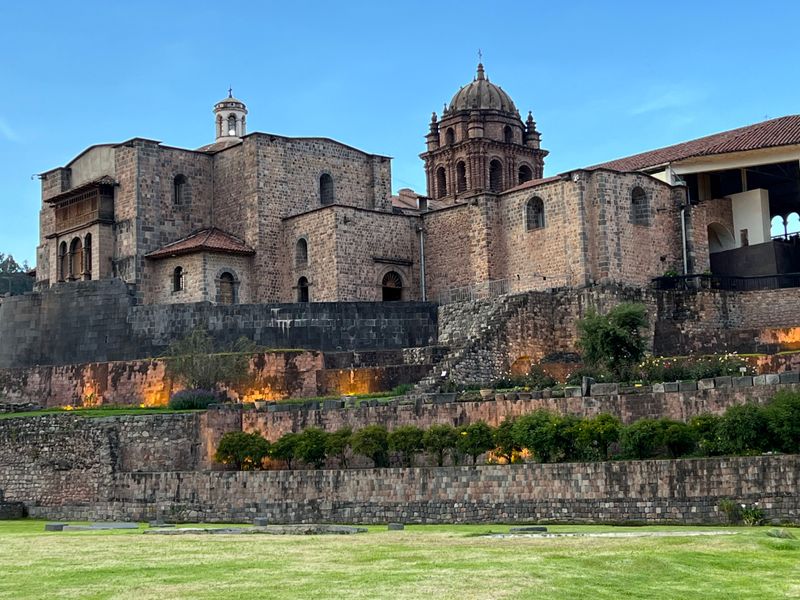
Cusco feels carved from the mountains. Inca stonework forms the base of colonial walls, a handshake between eras that still holds.
You can trace perfect joints with a fingertip and feel how precision becomes poetry.
Plazas pulse with music, markets, and the scent of roasted corn. Museums and nearby sites like Sacsayhuaman thread context into every stroll.
The altitude slows your steps, which is fine, because corners here deserve extra time.
As evening gathers, the city glows gold and blue, Andean light doing its best work. Cusco turns visitors into wanderers, and wanderers into listeners.
Stay long enough and you will hear the empire breathing through bells, footsteps, and friendly greetings.
Luxor, Egypt — Nile’s Ancient Capital
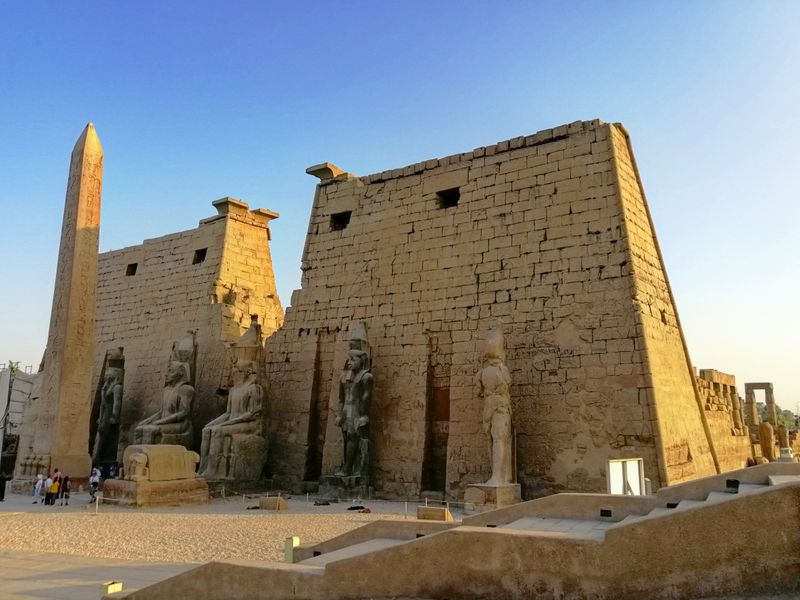
Luxor is monumental in every sense. Karnak’s forest of columns lifts your gaze until the sky feels like a ceiling.
Along the Nile, temples glow while feluccas trace elegant curves on the water.
Walk the Avenue of Sphinxes and imagine processions threading ritual through daily life. Cross to the West Bank for tombs that dazzle with color and myth.
Guides weave stories that turn hieroglyphs into voices you can almost hear.
Modern Luxor thrives beside this grandeur, markets bustling and tea glasses clinking. You balance awe with comfort, history with hospitality.
Leave at sunset, pockets sandy, mind ringing with the scale of human devotion and craft.
Xi’an, China — Silk Road Metropolis
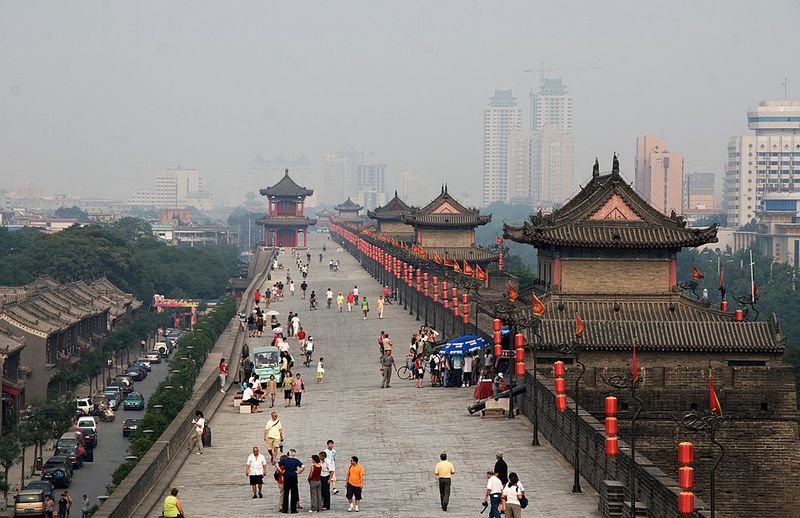
Xi’an wears its history like armor. You can bike the ancient city wall and look down at tangled streets that once fed the Silk Road.
Pagodas and towers rise between glassy new builds, a conversation across centuries.
Visit the Terracotta Army for a chorus of silent soldiers, then return to night markets where cumin and chili perfume the air. It is easy to sample noodles, dumplings, and history in a single evening.
Everywhere, signage helps you map dynasties onto neighborhoods.
At sunset, the wall turns copper and the city hums. Xi’an feels practical and grand, a place that gets tomorrow done without letting yesterday fade.
You will leave full, pedaling memory alongside momentum.
Arequipa, Peru — Colonial-Era Ancient Core
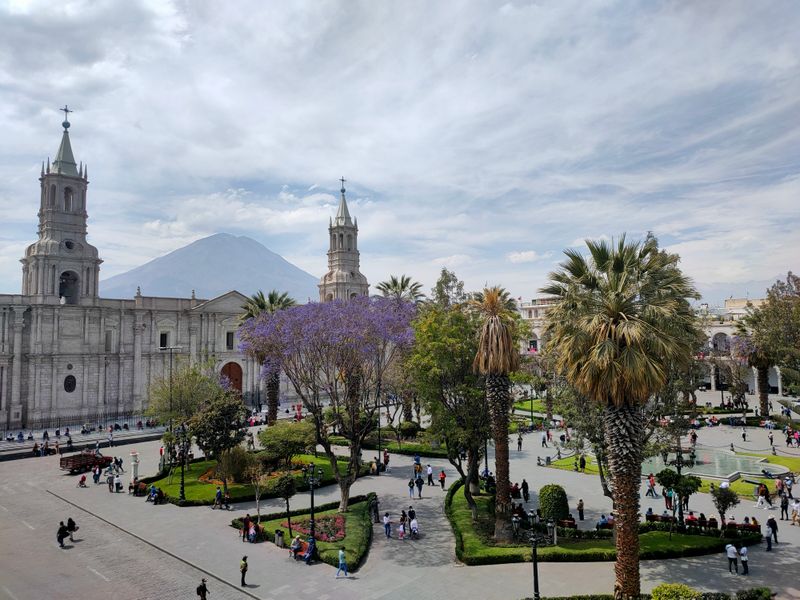
Arequipa shines white under the watch of volcanoes. The historic center glows with sillar stone, intricate facades casting lacy shadows.
You step into courtyards that feel cool and timeless, then out to plazas alive with conversation.
Santa Catalina Monastery is a city within the city, a maze of painted lanes and sunlit cloisters. Its colors vibrate against the Andean sky, inviting slow exploration.
Cafes nearby pour excellent coffee as if hospitality were a craft.
Though younger than some, Arequipa’s continuity is palpable. Indigenous and Spanish influences braid into architecture and daily life.
Walk at dusk when the stone turns pink and you will understand how a city can be both delicate and enduring.
Bagan, Myanmar — Temple City Across Centuries
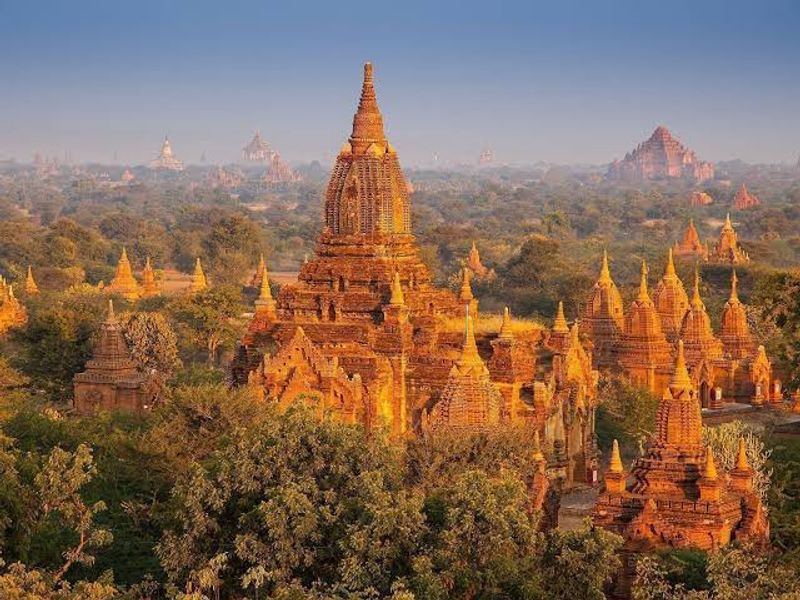
Bagan spreads like a dream across the plains. Thousands of temples rise through mist as the sun paints everything gold.
You can wander by e-bike, foot, or balloon, tracing lines between spires that have watched centuries turn.
Climb permitted terraces for wide horizons, then duck into cool interiors where murals whisper teachings. Farmers pass with quiet purpose, reminding you this sacred landscape is also home.
The rhythm is gentle, the scale humbling.
Respect the site’s fragility and let stillness be your guide. Sunrise and sunset feel like ceremonies you simply attend by being present.
Bagan shows how devotion can build a city without walls, and how time can be counted in light.
Varanasi’s Living Ghats — Timeless Urban Rituals
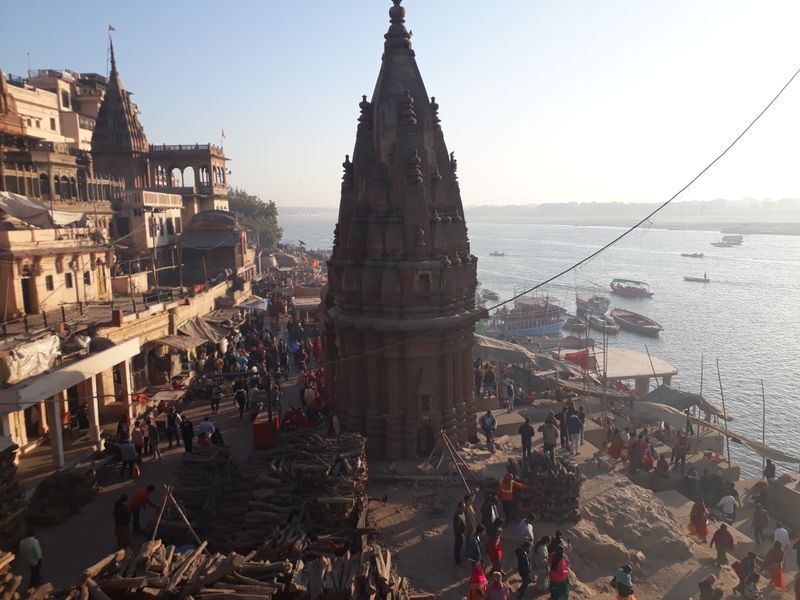
The ghats are Varanasi’s living rooms. Steps lead you from city to river, where bathing, prayer, laundry, and laughter share the same space.
You move gently among ceremonies that are both personal and communal.
Morning offers soft chants and saffron light, evening ignites lamps that drift like stars on water. Priests guide rituals while children chase kites overhead.
It feels ordinary and miraculous at once, a cadence that never lost its beat.
Walk with respect, ask before photographing, and linger where incense thins into breeze. The ghats teach patience and presence better than any classroom.
Leave with river sounds stitched into your memory and a calmer way to stand in the world.
Florence’s Historic Heart — Medieval Renaissance Continuity
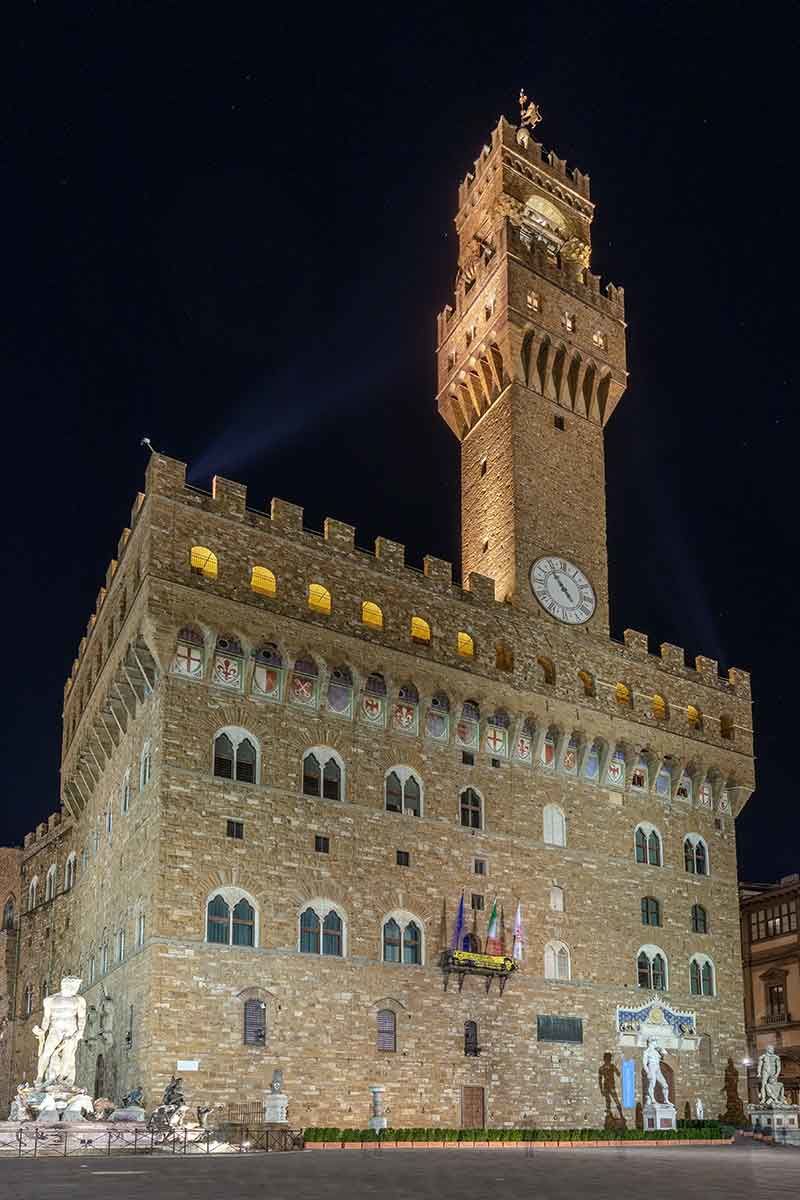
Florence feels handcrafted. The Duomo anchors streets that twist like ribbon between stone workshops and gelato counters.
You cross the Ponte Vecchio and understand how art and commerce have shared this river for centuries.
Museums dazzle, but the city itself is the gallery. Frescoes peek from chapels, courtyards hide perfect proportions, and bell towers keep time with practiced grace.
Everywhere, craft still matters and shows in small details.
Walk early to hear the city stretch awake, or late when façades glow. Florence may be younger than Rome or Athens, yet its core holds history with rare tenderness.
You leave with color on your tongue and perspective sharpened by beauty.



