 Unearth The Voyage
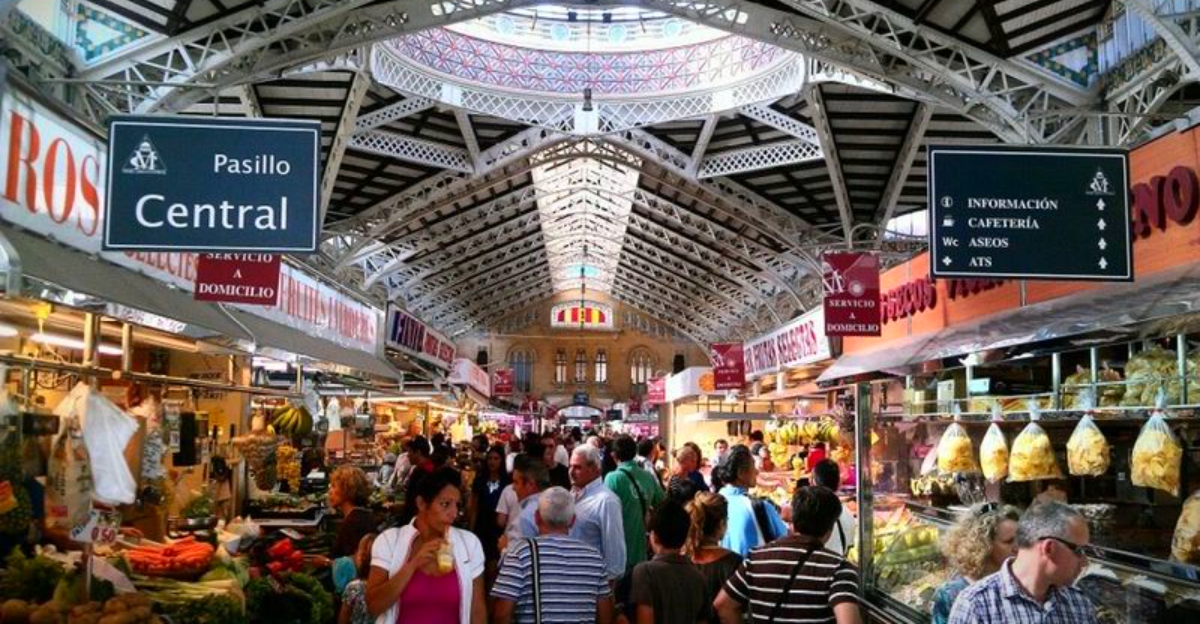
Europe’s food markets are more than just places to eat — they’re cultural hubs where history, tradition, local produce, and social life collide in one delicious celebration. From grand historic halls to vibrant street stalls, these markets reflect each region’s culinary identity and give travelers a window into authentic daily life.
Below are 17 of the most memorable food market experiences across Europe that every lover of food, culture, and travel should explore.
Borough Market – London, UK
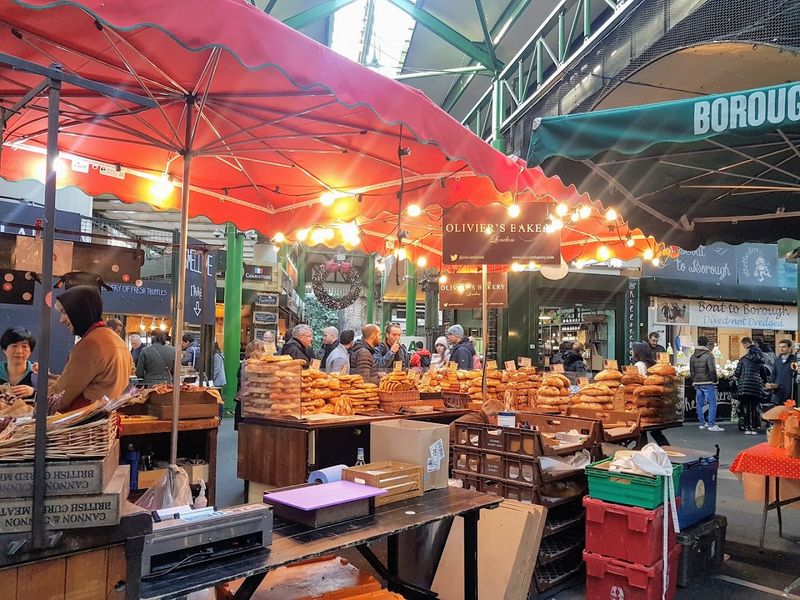
Step under the Victorian railway arches of Borough Market and your nose immediately takes charge — smoky meats, warm pastries, and briny oysters all compete for attention. Open since at least 1276, this is one of the oldest food markets in Britain, and it still feels like a living, breathing piece of London history.
Foodies, chefs, and curious tourists all rub shoulders here on a daily basis.
The stall variety is genuinely staggering. You can grab a fresh Scotch egg, sample single-origin chocolate, pick up a wedge of aged cheddar, or chase it all down with a craft beer from a local brewery.
Seasonal produce is a big deal here — expect asparagus in spring and hearty root vegetables come autumn.
Borough Market sits just minutes from London Bridge, making it easy to combine with a walk along the Thames. Arrive early on weekdays to avoid the biggest weekend crowds.
Prices can run a little high, but the quality almost always justifies the spend. Many vendors offer free samples, so even a budget visit can turn into a satisfying feast.
La Boqueria – Barcelona, Spain
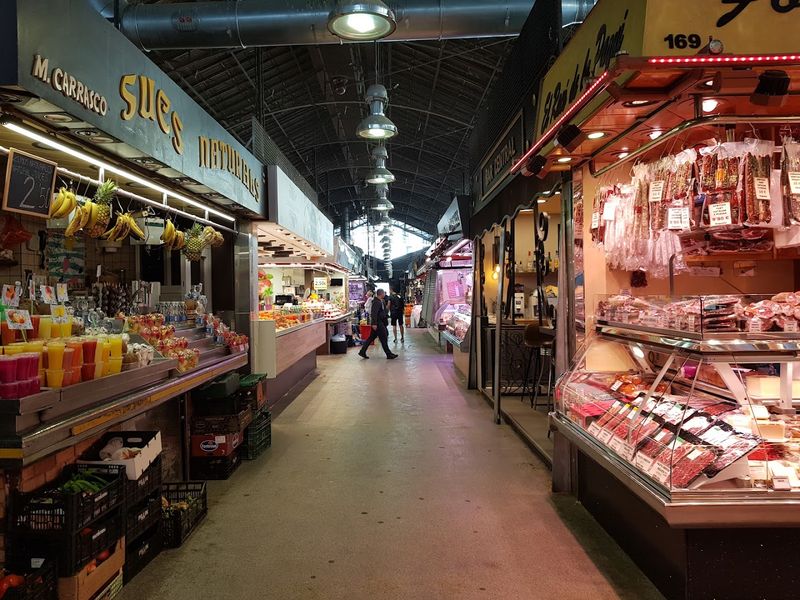
Bright pyramids of tropical fruit, glistening whole fish, and curtains of jamón hanging from iron hooks — La Boqueria hits you like a full-color painting the moment you step inside. Located just off La Rambla, this market has been feeding Barcelona since the 13th century.
That’s a lot of paella ingredients.
Tapas bars tucked between the stalls are perfect for a quick bite. Perch on a stool at one of the tiny counters and order grilled squid or a plate of local cheeses while the market buzzes around you.
Fresh-squeezed juice stalls offer colorful cups of tropical blends for just a euro or two — a bargain by any standard.
Mornings are the best time to visit, when local chefs shop alongside early-rising tourists and the produce is at its freshest. Afternoons get noticeably more crowded, and some stalls shift into tourist mode with inflated prices.
Sticking to the market’s outer edges often leads to the most authentic — and affordable — finds. La Boqueria is touristy, yes, but it earns its fame every single day with sheer sensory overload.
Naschmarkt – Vienna, Austria
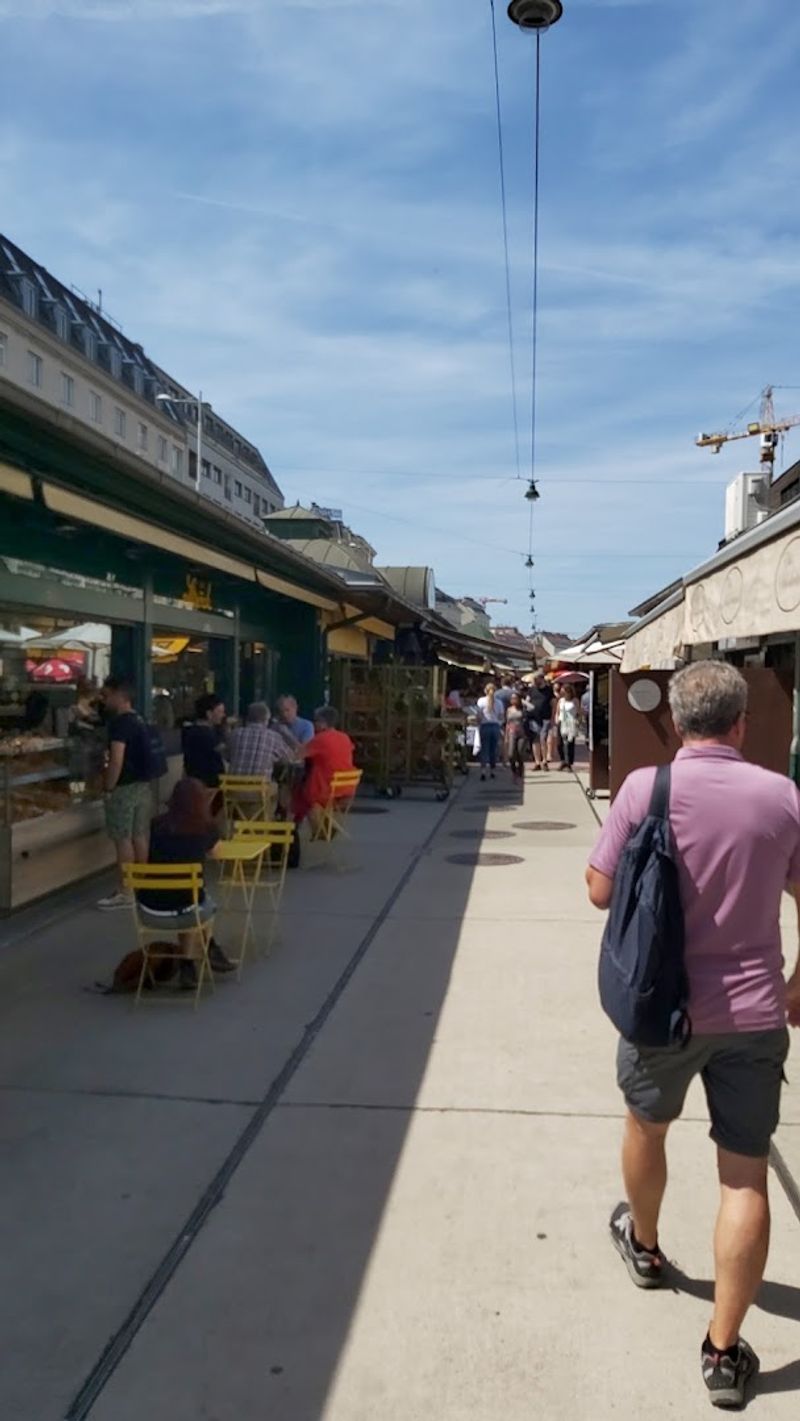
Stretching nearly two kilometers along the Wienzeile, Vienna’s Naschmarkt is the kind of place where you plan to spend an hour and somehow lose an entire morning. Over 100 permanent stalls line both sides of the market, selling everything from Austrian cheeses and pickled vegetables to Middle Eastern spices and fresh-baked flatbreads.
The cultural mix alone makes this place worth visiting.
On Saturdays, the market expands dramatically to include a popular flea market at its western end, where vintage furniture, old vinyl records, and antique curiosities join the food vendors. It turns a food run into an all-day adventure.
Locals treat it as a weekly ritual — coffee in hand, canvas bag over the shoulder.
Grab a seat at one of the outdoor restaurant sections and order a plate of mezze or a traditional Viennese sausage with mustard. The atmosphere shifts depending on the time of day: calm and local in the early morning, lively and international by midday.
Naschmarkt is also wheelchair-accessible and easy to navigate on foot. Whether you are shopping for dinner ingredients or just grazing your way through the stalls, this market delivers every single time.
Mercado de San Miguel – Madrid, Spain
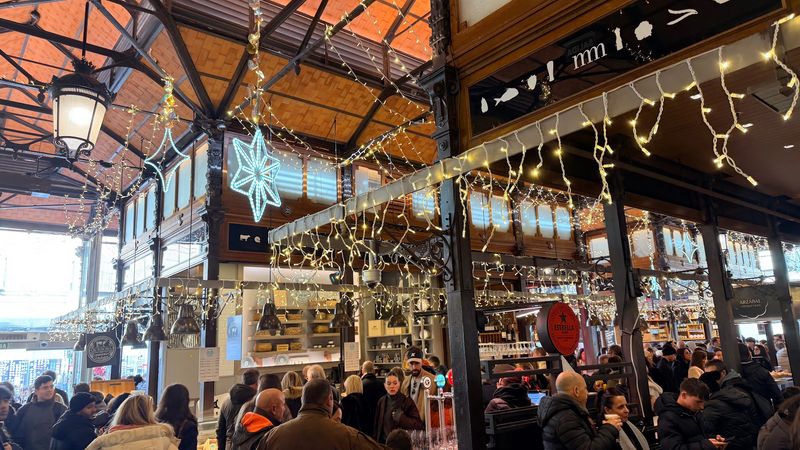
Built in 1916 and wrapped in a stunning iron-and-glass shell, Mercado de San Miguel looks more like a cathedral than a market — and honestly, food this good deserves the architecture. Located steps from Plaza Mayor in the heart of Madrid, this is where the city comes to graze, socialize, and celebrate good eating.
It is as much a social event as it is a shopping trip.
Pintxos, fresh oysters, jamón ibérico, local wines, and artisanal vermouths are just a few of the things you can sample while wandering between the stylish stalls. Most vendors operate on a standing-bar model, which keeps things lively and encourages you to try one more thing before you leave.
Spoiler: you always try one more thing.
Visiting in the evening is a particularly good idea, when the market fills with locals enjoying post-work snacks and glasses of Spanish wine. Prices are higher than a typical grocery market, but the quality and atmosphere more than compensate.
Mercado de San Miguel is the kind of place that converts even skeptical eaters into devoted fans of Spanish cuisine. Give yourself at least two hours to do it proper justice.
Time Out Market Lisboa – Lisbon, Portugal
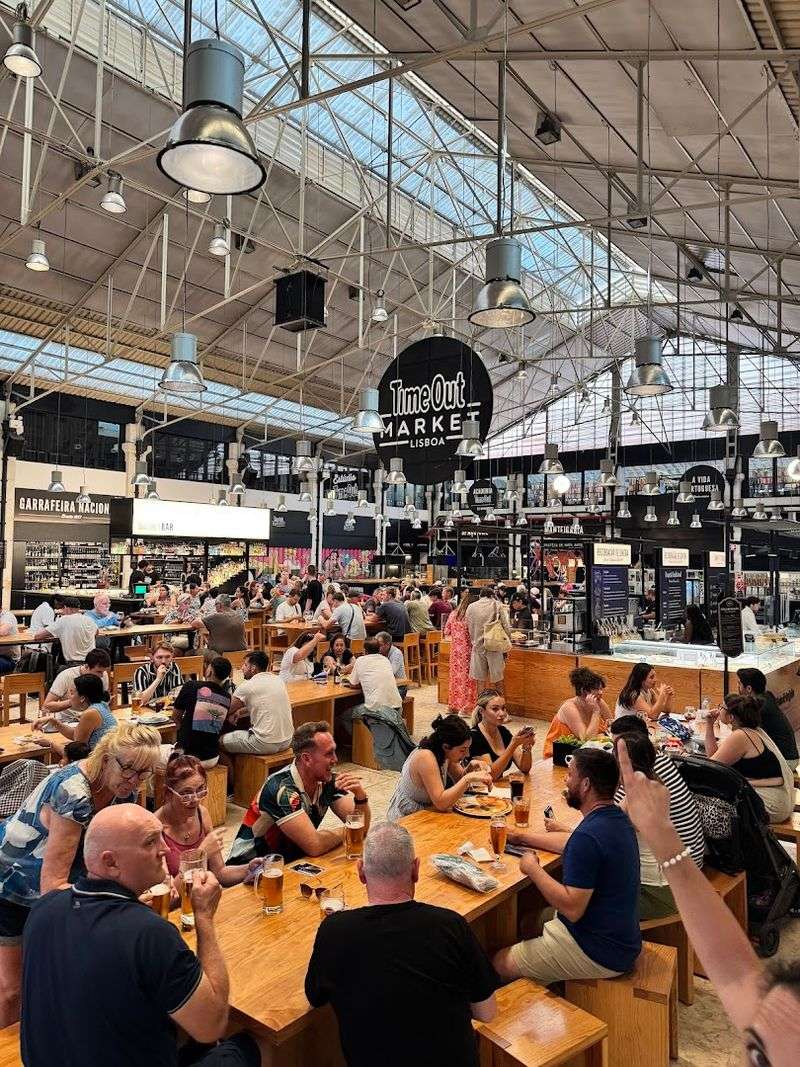
When a magazine decides to open a food hall, the result is either inspired or disastrous — Time Out Market Lisboa is firmly in the inspired category. Housed inside the historic Mercado da Ribeira building along the Tagus River, this curated food hall launched in 2014 and quickly became one of Lisbon’s most visited destinations.
The concept is simple: bring the city’s best chefs and food vendors under one roof.
From bacalhau (salt cod) dishes and fresh clams to custard tarts and artisan ice cream, the range here covers all corners of Portuguese cuisine. Several stalls are helmed by chefs who have earned Michelin recognition, which means quality is taken seriously even in a casual, buzzy setting.
Long communal wooden tables fill the central hall, and the social energy is contagious — strangers share benches, compare plates, and swap recommendations. The market is open until midnight, making it equally good for a late lunch or a relaxed dinner after sightseeing.
Grab a glass of local vinho verde and settle in. Prices are fair for the quality, and the variety means even picky eaters will find something to love here without any compromise.
Great Market Hall – Budapest, Hungary
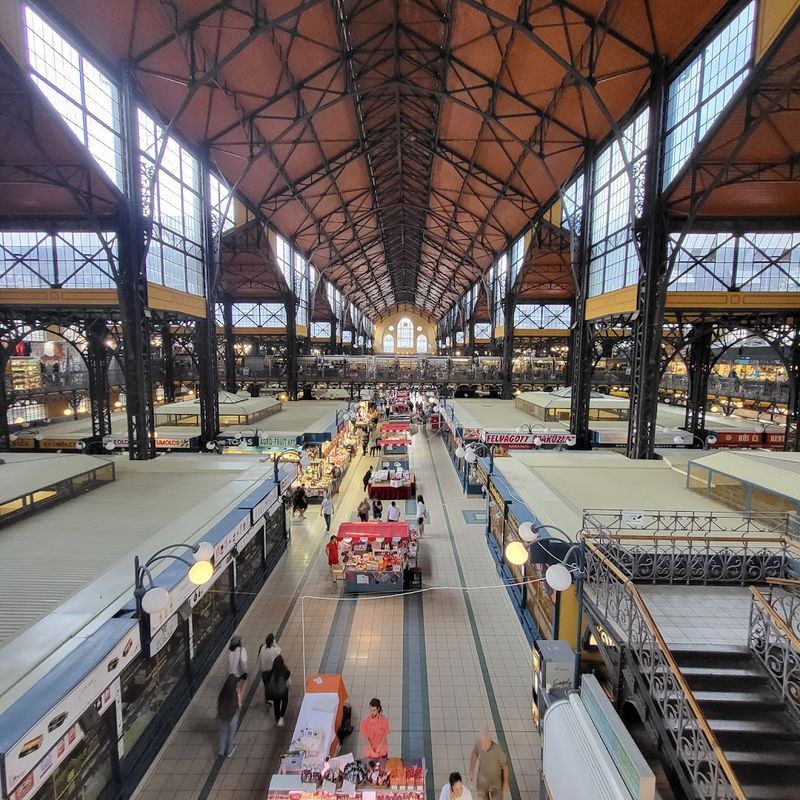
Nicknamed the “iron cathedral,” Budapest’s Great Market Hall is the kind of building that makes you stop and stare before you even think about eating. Its neo-Gothic facade and colorful Zsolnay-tiled roof are spectacular from the outside, and the cavernous interior is just as impressive.
Built in 1897, this is Hungary’s largest and oldest covered market.
Ground-floor stalls are stacked with fresh produce, Hungarian salamis, pickles, and every variety of paprika imaginable — sweet, hot, smoked, and everything in between. Paprika is basically Hungary’s national spice, and the selection here will make a home cook very happy.
Vendors are generally friendly and patient with curious tourists who want to smell before they buy.
The upper floor is where the food court action happens, with stalls serving langos (deep-fried dough topped with sour cream and cheese), goulash soup, and stuffed cabbage. Folk embroidery and traditional crafts are also sold upstairs, making it a great spot for picking up souvenirs with actual cultural meaning.
The market sits at the end of Vaci Street, so it pairs naturally with a walking tour of central Budapest. Arrive hungry and leave with bags full of good things.
Mercato Centrale – Florence, Italy
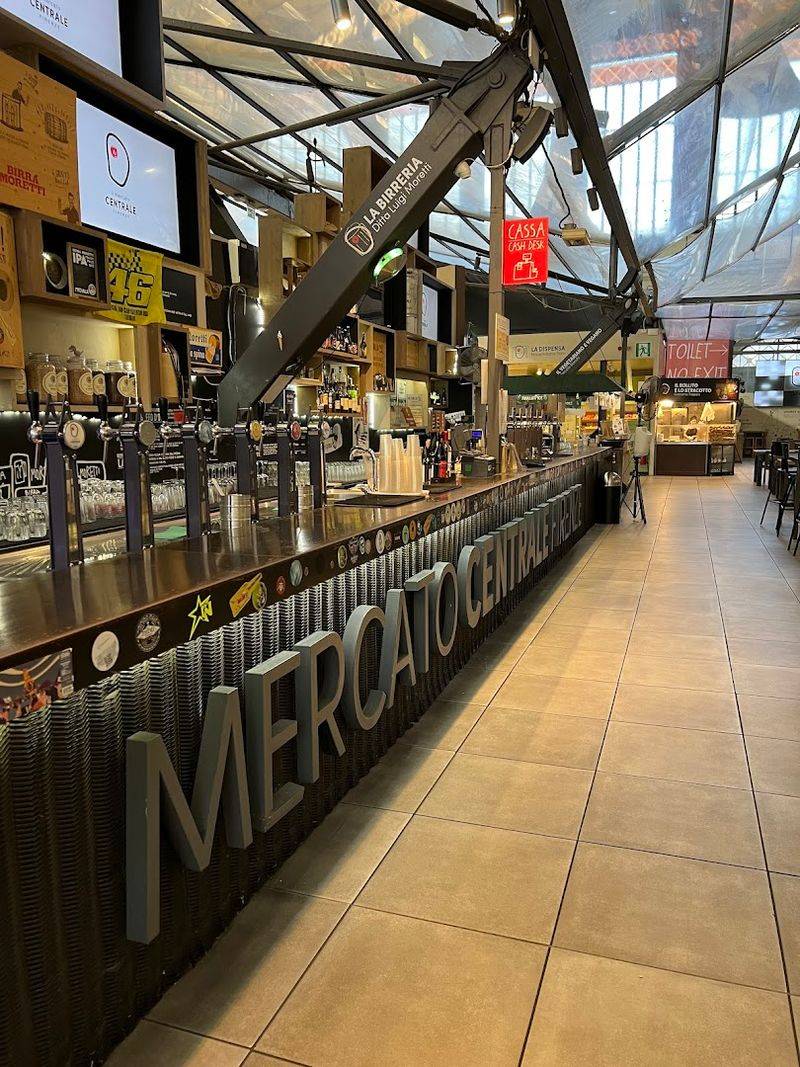
Florence’s Mercato Centrale operates on two very different but equally rewarding levels — literally. The ground floor is a classic Italian produce market, bursting with fresh vegetables, meats, fish, and wheels of aged Parmigiano.
Upstairs, things get sleek and modern, with an open-plan food hall where talented chefs serve up Tuscan specialties from dedicated stations.
Fresh pasta made in front of you, hand-stretched pizza, truffle-laced dishes, and scoops of proper Florentine gelato are all on offer up top. The upstairs hall operates seven days a week from morning until midnight, making it one of the most flexible dining options in the city.
Grab a glass of Chianti and watch the kitchen action — it is genuinely entertaining.
The market is located in the San Lorenzo neighborhood, close to the famous Duomo, making it a natural stop during a day of sightseeing. Budget travelers will find the upstairs prices reasonable compared to many Florence restaurants, with generous portions and no pressure to rush.
The ground floor is best visited in the morning when local chefs shop for the day’s ingredients. Mercato Centrale manages to feel both authentically Italian and refreshingly modern at the same time — a tricky balance it pulls off brilliantly.
Mercat Central – Valencia, Spain
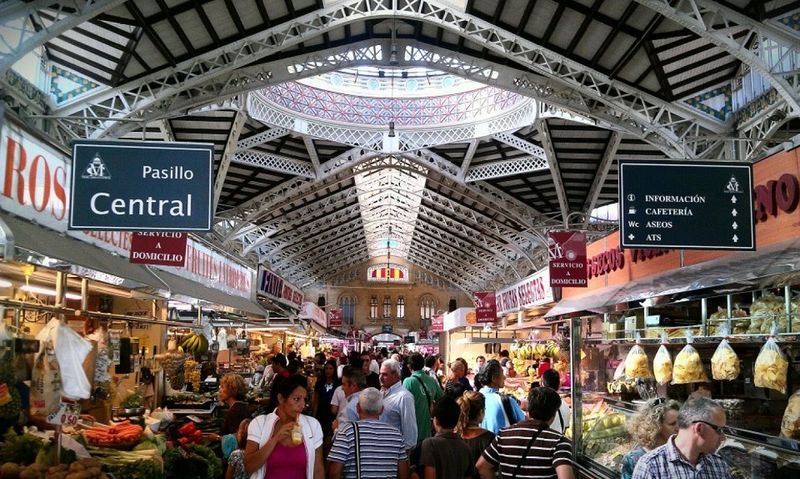
Valencia’s Mercat Central is possibly the most beautiful food market building in all of Europe — and that is not an exaggeration. Completed in 1928, the Art Nouveau structure features an enormous ceramic dome, stained-glass windows, and ornate ironwork that would look at home in an art museum.
The fact that it also sells the freshest seafood in Spain is a remarkable bonus.
With over 1,000 stalls spread across nearly 8,000 square meters, this is one of the largest covered markets on the continent. Fresh fish, local oranges, paella ingredients, artisan cheeses, cured meats, and horchata — a traditional Valencian drink made from tiger nuts — are all easy to find.
Locals shop here daily, which keeps the quality consistently high and the atmosphere authentically Spanish.
The market sits in Valencia’s historic center, directly across from the Lonja de la Seda silk exchange, another UNESCO-listed landmark. Combining both into a single morning visit is a brilliant use of time.
Arrive before noon for the best selection of fresh produce and seafood. Prices are very reasonable, especially compared to tourist-heavy market areas in other Spanish cities.
Mercat Central is the full package: gorgeous architecture, incredible food, and real local life happening all around you.
St George’s Market – Belfast, UK
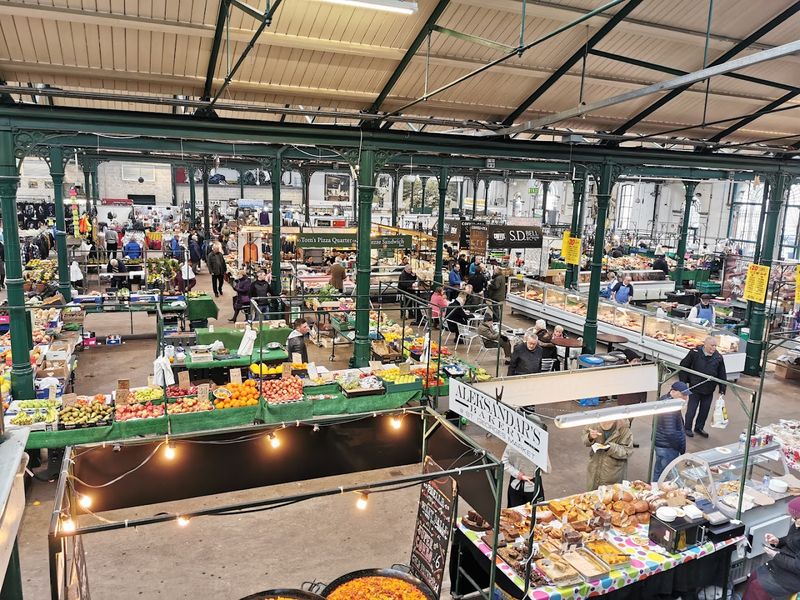
There are markets where you shop, and then there are markets where you genuinely feel at home. St George’s Market in Belfast falls firmly into the second category.
Open since 1896, this Victorian covered market has survived a turbulent century and emerged as one of Northern Ireland’s most cherished community spaces. The Friday and Saturday morning sessions are the ones to catch.
Fresh seafood from the Irish coast, warm soda bread straight from the oven, farmhouse cheeses, and hearty stews fill the stalls with irresistible smells. Local producers take real pride in what they bring to market, and conversations with vendors often come with recipes and personal stories attached.
That kind of warmth is genuinely hard to manufacture.
Live musicians regularly set up near the entrance, filling the hall with traditional Irish folk music that adds an extra layer of atmosphere to the whole experience. The market also hosts a Sunday session focused more on antiques and vintage items, but food stalls are still present.
Belfast’s city center is compact and walkable, so St George’s fits naturally into a broader day of exploring. Entry is free, most stalls accept card payments, and the vibe is relaxed enough that even slow browsers are made to feel very welcome.
Marché des Enfants Rouges – Paris, France
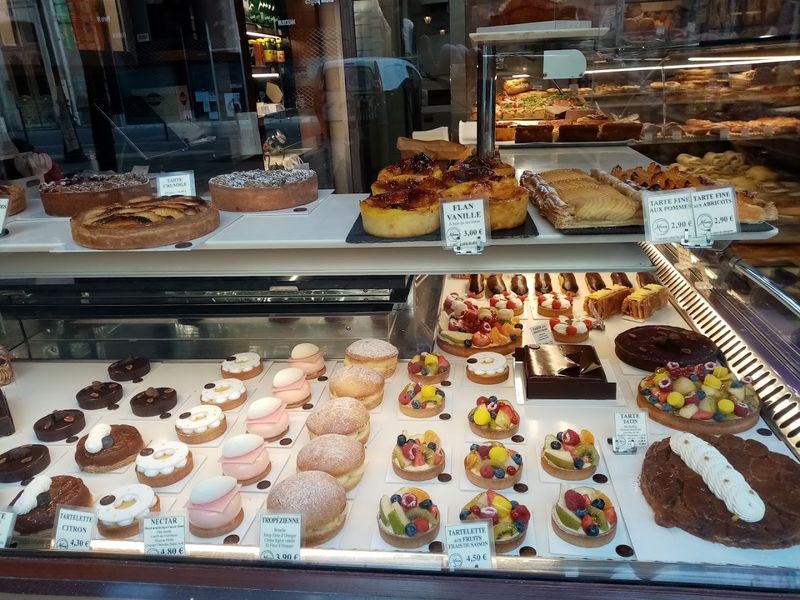
Dating back to 1615, Marché des Enfants Rouges holds the title of Paris’s oldest covered market — and it wears that distinction with quiet confidence rather than tourist-trap flair. Tucked into the Marais neighborhood, it feels like a secret that half of Paris already knows but nobody wants to advertise too loudly.
The name, translated as “market of the red children,” refers to a nearby 16th-century orphanage whose residents wore red uniforms.
What makes this market genuinely special is its extraordinary culinary diversity packed into a surprisingly small space. Classic French cheese and charcuterie boards sit alongside Moroccan tagine counters, Japanese bento stalls, Lebanese mezze spreads, and Italian antipasto selections.
Lunch here is an international event without the airfare.
Seating is limited and communal, which means you might end up sharing a table with a local Parisian on their lunch break — arguably the best possible outcome. The market is open Tuesday through Sunday, with Wednesday and Saturday mornings being particularly lively.
Prices are moderate by Paris standards. Marché des Enfants Rouges rewards visitors who take their time, explore every corner, and resist the urge to order from the very first stall they see.
Patience here is absolutely delicious.
Mercado da Ribeira (Lisbon) – Portugal
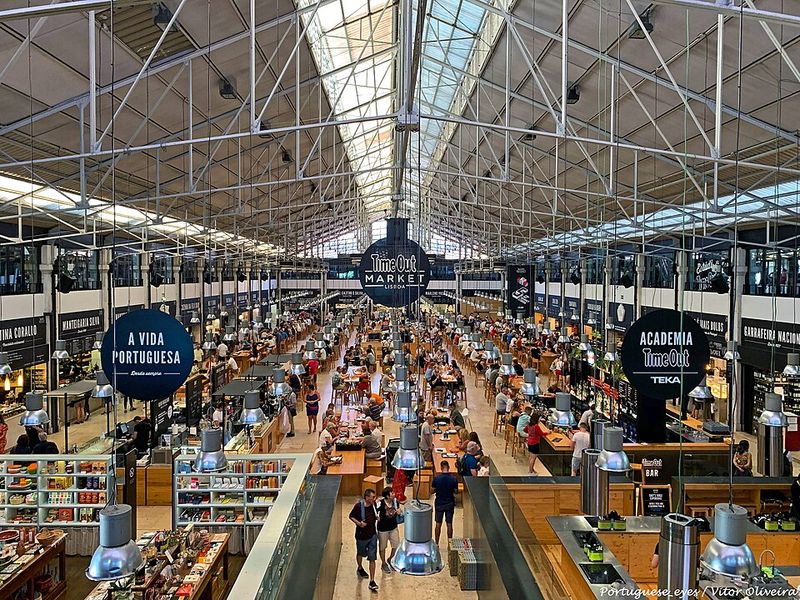
While the Time Out food hall grabs most of the headlines, the traditional half of Mercado da Ribeira is quietly doing what it has always done — selling fresh, local food to the people of Lisbon with zero fanfare and plenty of character. This section of the market operates as a classic produce hall, open in the mornings when the city’s chefs and home cooks arrive to do their daily shopping.
Fresh fish from the Atlantic, seasonal Portuguese fruit, leafy vegetables, and regional cheeses are the main attractions. Vendors have often worked the same stalls for decades, and that continuity gives the market a grounded, unhurried energy that feels increasingly rare.
Picking up ingredients here for a self-catered picnic along the Tagus riverbank is one of Lisbon’s great simple pleasures.
The market building itself is a beautiful 19th-century iron structure right on the waterfront, and the exterior alone is worth a photograph or two. Visiting early — ideally before 10am — gives you the best selection and the most authentic atmosphere before the tourist foot traffic picks up.
Prices are genuinely local, which means genuinely affordable. Mercado da Ribeira’s traditional section is proof that the best market experiences are often the quietest ones.
Albert Cuyp Market – Amsterdam, Netherlands
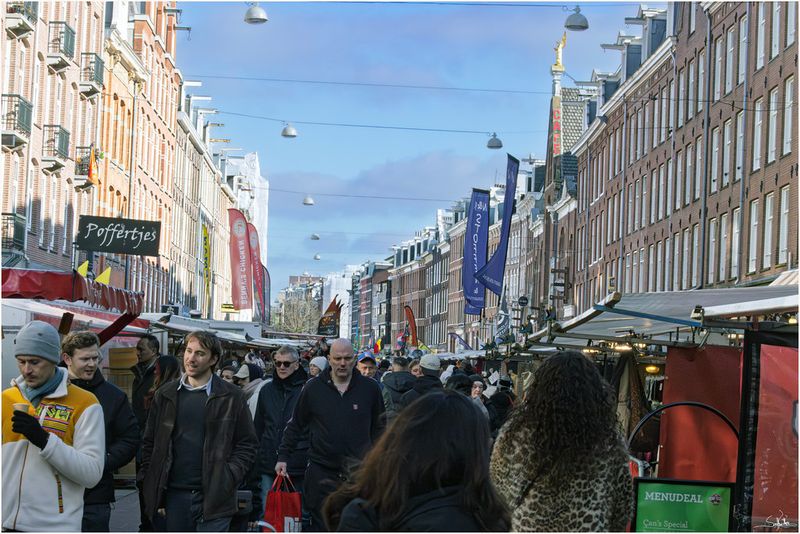
Raw herring eaten standing up with chopped onion and pickles — that is the unofficial initiation rite of Albert Cuyp Market, and it is more delicious than it sounds. Amsterdam’s largest and most beloved street market runs daily through the De Pijp neighborhood, stretching for nearly a kilometer of stalls, smells, and sidewalk chaos in the best possible sense.
Dutch classics dominate the food section: thick stroopwafels pressed fresh on the waffle iron, enormous wheels of Gouda and Edam cheese, fresh poffertjes (tiny fluffy pancakes dusted with powdered sugar), and paper cones of hot fries with mayonnaise. International stalls weave in between, offering Surinamese roti, Turkish gözleme, and fresh-squeezed juices from a dozen fruits.
The market has been running since 1904, and it remains genuinely local — a place where Amsterdam residents do their weekly shopping rather than a polished tourist attraction. Prices are very reasonable, and the atmosphere is casual and inclusive.
Cyclists weave past at the edges, vendors call out their deals in Dutch and English, and the whole scene hums with authentic city energy. Visiting on a weekday avoids the biggest crowds.
Albert Cuyp Market is Amsterdam at its most real and most enjoyable.
Mercado de la Ribera – Bilbao, Spain
Officially recognized as Europe’s largest covered food market by the Guinness World Records, Mercado de la Ribera in Bilbao is not the kind of place that undersells itself — and it has absolutely no reason to. Spread across three floors along the Nervion River in the city’s old town, this Art Deco building is as impressive architecturally as it is gastronomically.
The stained-glass facade alone stops people mid-stride.
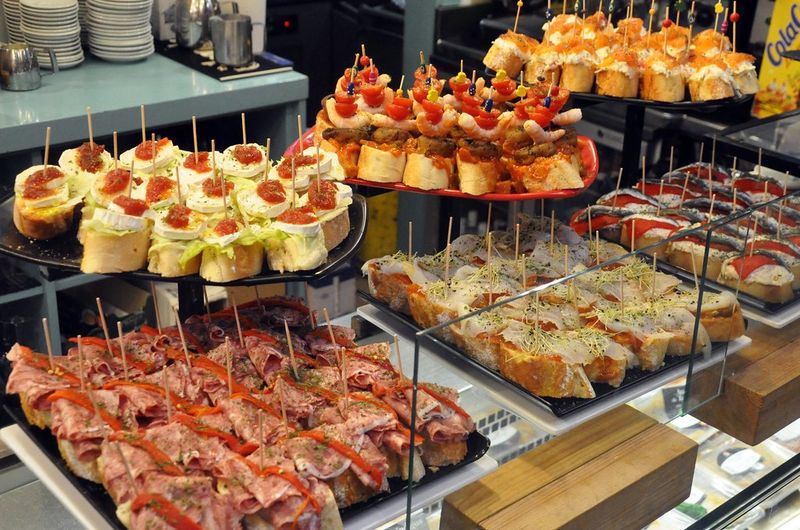
Fresh fish and shellfish from the Basque coast dominate the ground floor, with vendors proudly displaying spider crabs, anchovies, and sea bream on gleaming ice beds. Upstairs you will find butchers, cheese sellers, fruit vendors, and pintxos bars where you can prop up the counter with a glass of txakoli wine and a plate of Basque bites.
The food culture here is serious and deeply local.
The Ribera market is located in the Casco Viejo, Bilbao’s atmospheric old quarter, making it easy to combine with a walk through the narrow medieval streets. Morning visits reward you with the freshest fish and the most animated vendor-customer exchanges.
Bilbao is often overlooked in favor of Barcelona or Madrid, but its food culture — anchored by this extraordinary market — is every bit as compelling and far less crowded.
Viktualienmarkt – Munich, Germany
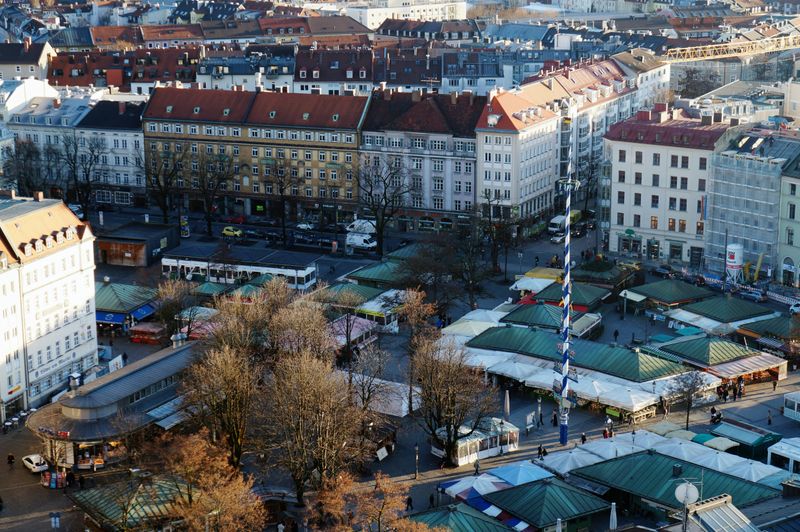
Right in the middle of Munich, just a short walk from the famous Marienplatz, Viktualienmarkt has been feeding the city since 1807. That makes it older than many countries.
Today it operates six days a week as an open-air market with over 140 permanent stalls, and it manages to feel both historic and completely alive at the same time. The maypole at its center is hard to miss.
Bavarian white sausages, crusty pretzels, artisan honeys, seasonal mushrooms, fresh flowers, and an almost overwhelming variety of cheeses fill the stalls. A permanent beer garden sits at the heart of the market, where locals enjoy a liter of local brew alongside their market purchases — a very Munich approach to lunch that is worth adopting immediately.
Viktualienmarkt is particularly magical during seasonal transitions. Spring brings fresh asparagus and strawberries; autumn delivers wild mushrooms and hearty root vegetables; and the weeks before Christmas transform the area into a festive wonderland.
Prices reflect the market’s central location and quality focus, but the free samples and generous vendor personalities help soften the blow. Spending a slow morning here, coffee in hand, watching Munich wake up around you, is one of the city’s most underrated pleasures.
Markthal – Rotterdam, Netherlands
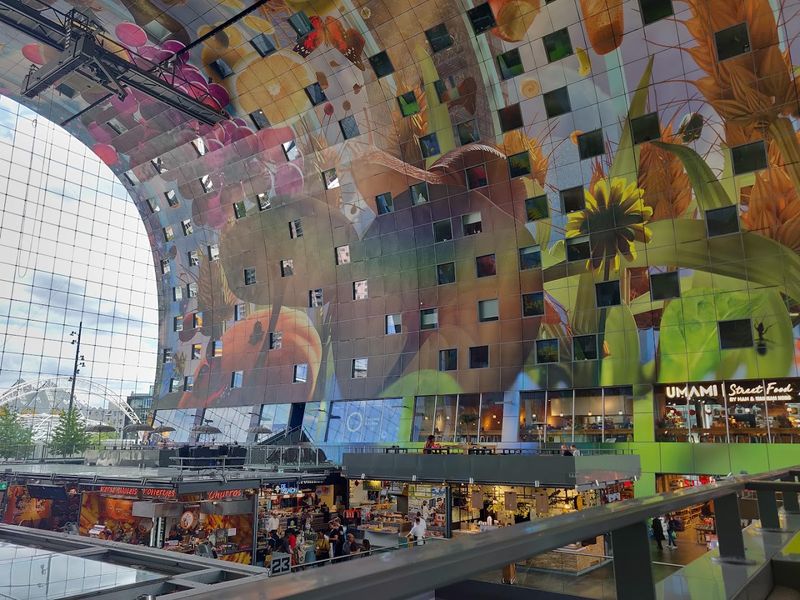
Imagine a horseshoe-shaped building where the ceiling is a 11,000-square-meter painting of giant fruits, vegetables, and insects, and inside the arch sits one of the Netherlands’ best food markets. That is Markthal in Rotterdam, and it opened in 2014 to immediate international attention — and completely justified wonder.
The artwork alone, titled “Horn of Plenty,” is worth the visit before you even look at a single food stall.
Dutch cheeses, fresh bread, seafood, olives, spices, and international street food fill the stalls below. Casual eateries serving everything from sushi to stroopwafel ice cream sandwiches are scattered throughout, and the market connects directly to a large underground supermarket for practical grocery shopping.
It is efficient, beautiful, and delicious all at once.
Rotterdam itself is a city of bold modern architecture — it was heavily rebuilt after World War II — and Markthal fits that design-forward identity perfectly. The market is open daily and stays lively well into the evening, making it suitable for both lunch and dinner visits.
Parking is available underground, and it is well connected by public transport. Markthal is the rare example of a market that feels genuinely innovative without sacrificing the warmth and human energy that makes food markets worth visiting in the first place.
Reffen – Copenhagen, Denmark
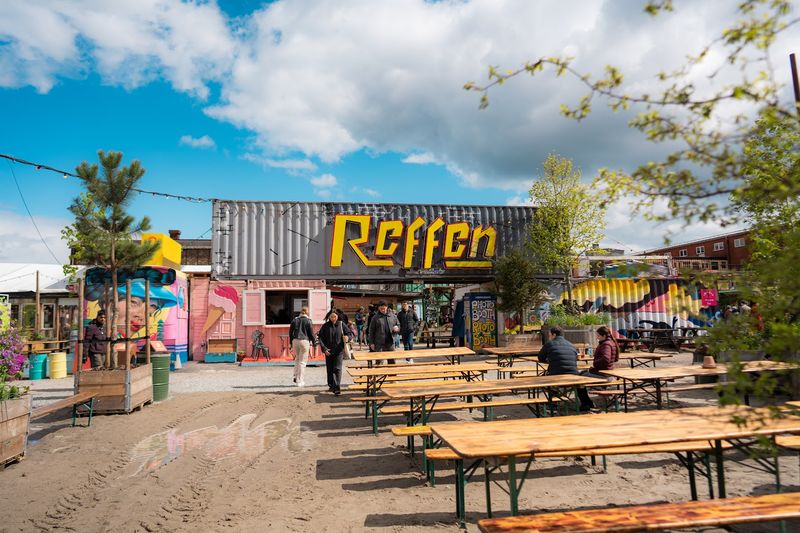
Built from stacked and repurposed shipping containers along Copenhagen’s Refshaleoen waterfront, Reffen looks like it was designed by someone who wanted a food market to also function as a very cool Instagram backdrop. But beyond the photogenic exterior, this place is seriously committed to good food, sustainable values, and a community-first atmosphere.
It opened in 2017 and has already become a Copenhagen institution.
The vendor lineup changes seasonally, but you can typically find everything from traditional Danish smørrebrød and pickled herring to Korean fried chicken, wood-fired pizza, and inventive vegan dishes. The emphasis on small, independent food entrepreneurs gives every stall a distinct personality and genuine passion behind the counter.
Nobody here is phoning it in.
Outdoor picnic tables and waterfront benches fill with Copenhageners on warm evenings, and the harbor views are genuinely lovely as the sun sets over the water. Reffen operates from late spring through early autumn, so timing your visit matters — check the website before planning a trip in the off-season.
Entry is free, and most stalls are priced affordably by Copenhagen standards. The creative, relaxed vibe here feels like the future of food markets: sustainable, diverse, community-driven, and just fun enough to keep you coming back for one more round.
Portobello Road Market – London, UK
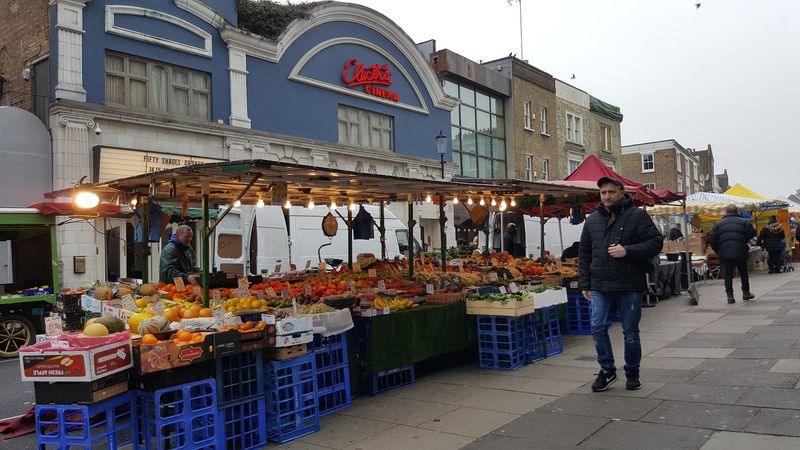
Portobello Road is famous for its antiques, but anyone who walks past the food stalls without stopping is making a serious mistake. Stretching through Notting Hill, this market runs on Saturdays in full force, mixing vintage furniture dealers and retro clothing rails with excellent artisan food vendors who hold their own against the more famous London markets.
The street itself, lined with pastel-painted Victorian houses, is one of the most photogenic in the entire city.
British pork pies, sourdough loaves, fresh oysters, organic cheeses, churros, Caribbean jerk chicken, and handmade fudge are among the food highlights that appear regularly along the stalls. Grazing as you walk is not just acceptable here — it is practically the expected way to experience the market.
Each block brings a new smell and a new temptation.
The market has been running in various forms since the 1860s, and its longevity reflects how deeply embedded it is in the local community. Film fans will recognize the street from the 1999 movie Notting Hill, which only adds a layer of charm to an already charming location.
Arrive before 11am for the best food selection and a more relaxed atmosphere. Portobello Road proves that a great market does not need to specialize — sometimes the best experiences come from happy, hungry wandering.



