 Unearth The Voyage
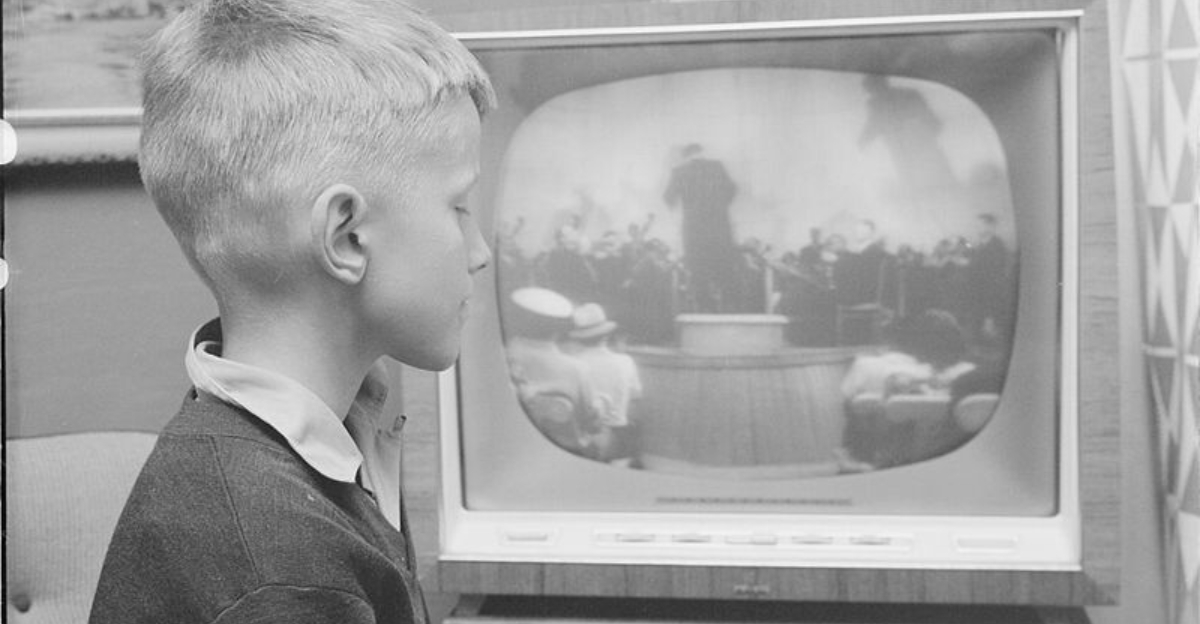
Growing up in 1971 was an adventure, but it wasn’t always a carefree one. Between the nightly news showing war footage, playground rumors about monsters and mysterious disappearances, and TV movies that turned ordinary situations into nightmares, American kids had plenty to worry about.
The world felt bigger, stranger, and sometimes scarier than adults let on. These are the fears that stuck with a generation – the ones that made bedtime harder and the woods behind the house feel a whole lot more ominous.
Nuclear War
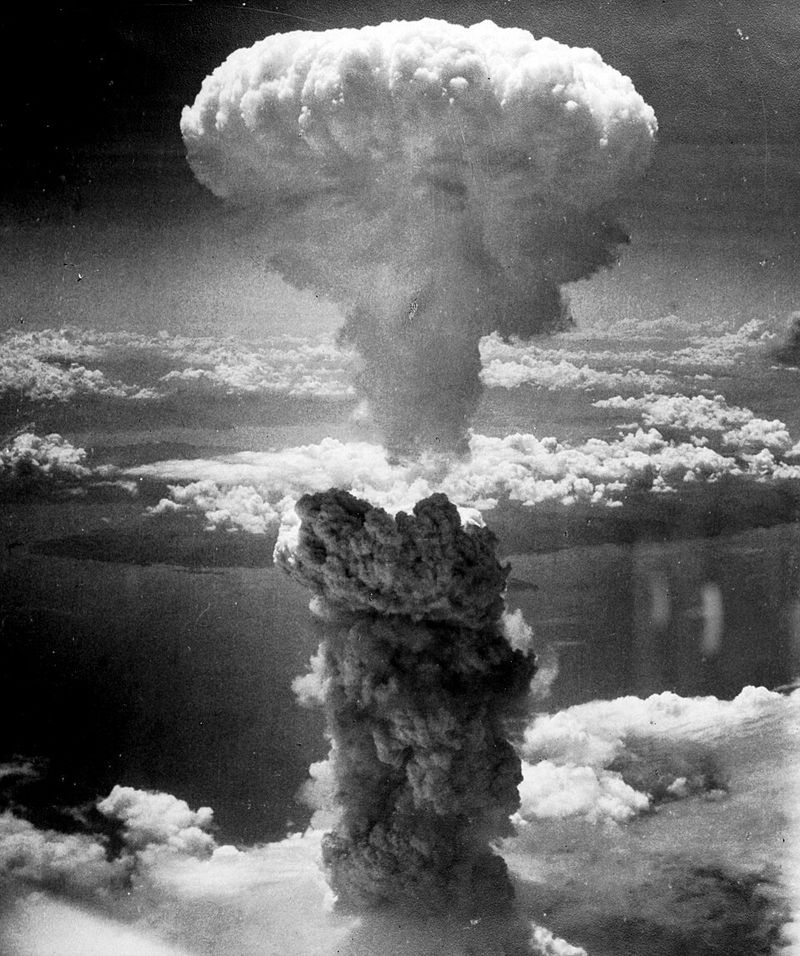
Back when the Cold War wasn’t just a history lesson but an everyday reality, the fear of nuclear war hung over American life like a storm cloud that never quite broke. Kids in 1971 hadn’t grown up too far removed from classroom duck-and-cover drills, and many schools had only recently phased them out.
Air raid sirens still dotted city rooftops, a silent reminder that the threat wasn’t entirely gone.
The news didn’t help. Coverage of U.S.-Soviet tensions, nuclear testing, and arms negotiations kept the topic alive at kitchen tables across the country.
Even if parents tried to shield younger children from the details, the anxiety filtered through – in hushed adult conversations, in the serious faces on the television screen, in the way a distant rumble of thunder could make a kid’s heart skip a beat.
What made this fear especially heavy was how real it was. It wasn’t a monster under the bed or a ghost in the attic.
The bomb actually existed. Adults were actually worried.
Children picked up on that undercurrent of genuine dread without always having the words to name it. Some kids drew pictures of mushroom clouds in their notebooks.
Others quietly wondered whether their town would be a target. For a generation raised in the shadow of Hiroshima and the Cuban Missile Crisis, nuclear war wasn’t a distant concept – it was a fear baked into the culture itself, impossible to fully ignore no matter how sunny the afternoon felt.
The Vietnam War on the Evening News
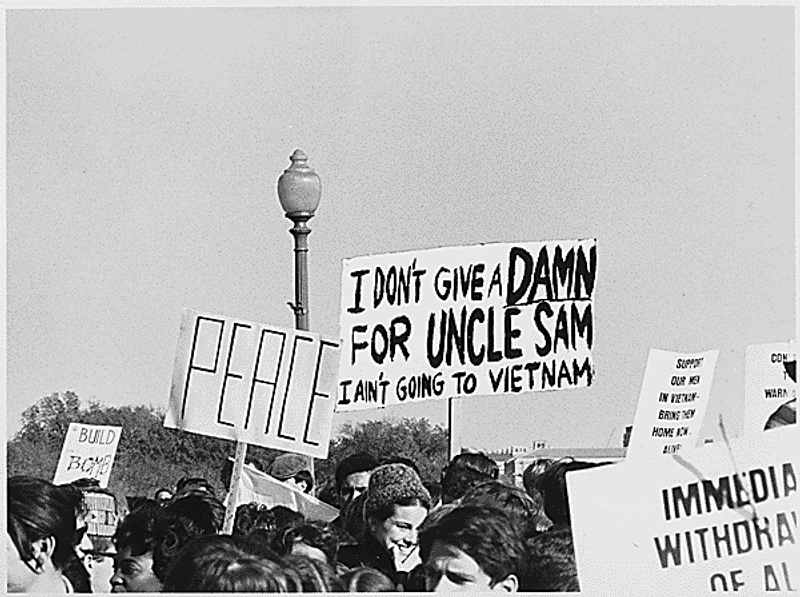
Younger kids in 1971 weren’t old enough to be drafted, but that didn’t mean the Vietnam War left them untouched. Every evening, the television brought the conflict directly into the living room – combat footage, casualty counts, and grieving families played out in vivid color right before bedtime.
There was no parental control button, no algorithm shielding children from difficult content. If the TV was on, kids watched.
Many had personal connections to the war that made it even harder to process. An older brother, a neighbor’s son, a cousin – someone in almost every community was serving or had already come home changed.
Funerals happened. Gold star flags appeared in windows.
Children sensed the weight of it even when nobody sat them down to explain.
The anti-war protests added another layer of confusion. Kids saw adults shouting in the streets, sometimes clashing with police, clearly furious about something enormous.
When the world’s grown-ups seemed divided and frightened, children naturally absorbed that unease. Some kids started asking questions their parents struggled to answer honestly.
Others simply went quiet, carrying a low-level worry they couldn’t quite put into words. The war wasn’t a faraway thing happening to strangers – it was the lead story every night at six o’clock, and for millions of American children in 1971, it was the first time they understood that the world could be a genuinely dangerous place that even adults couldn’t fix quickly or cleanly.
The Lingering Shadow of the Manson Murders
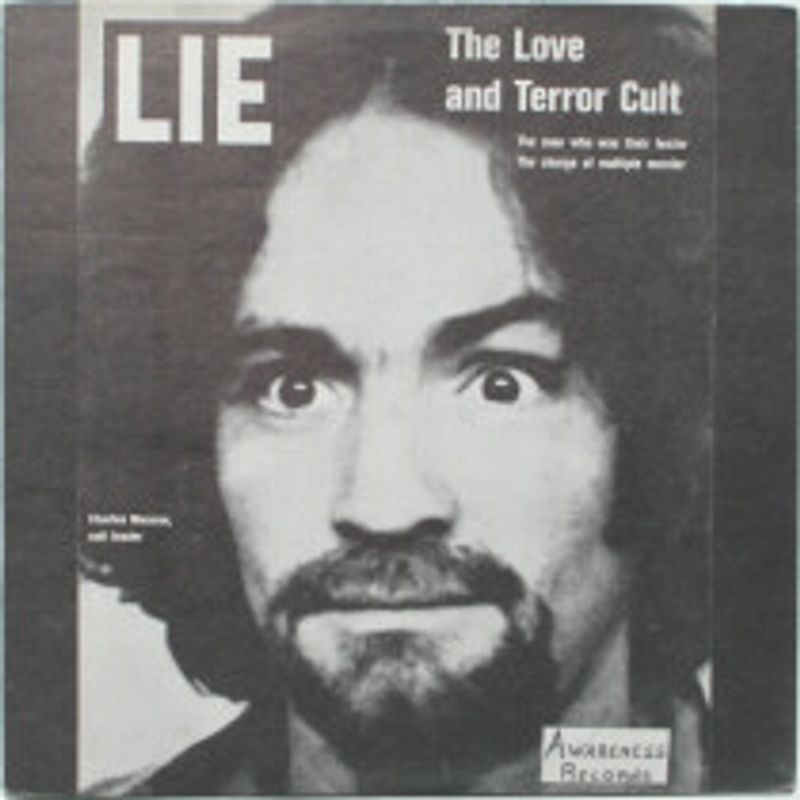
By 1971, the Tate-LaBianca murders were two years in the rearview mirror, but the cultural shock hadn’t faded. Charles Manson’s trial had wrapped up just months earlier, in January 1971, keeping the story fresh in newspapers and on television.
Adults talked about it in lowered voices. Magazines ran cover stories.
The idea that a group of ordinary-looking people could commit such horrific acts in quiet suburban homes shook something loose in the American psyche.
Children absorbed this anxiety without always understanding the details. What they picked up was the feeling – the sense that the world wasn’t as safe as it looked.
If it could happen in a nice neighborhood in Los Angeles, couldn’t it happen anywhere? That creeping thought made locked doors feel more important, made strangers seem more suspicious, made the dark a little darker.
For older kids who caught more of the news coverage, the Manson story introduced something particularly unsettling: the idea that evil didn’t always look like a monster. It looked like a person.
A neighbor. Someone who smiled.
That realization – that danger could be invisible and ordinary – was harder to shake than any ghost story. Parents who tried to reassure their children sometimes found the words coming out hollow, because they were quietly rattled too.
The Manson case didn’t just frighten people in 1969. It left a long, slow-burning anxiety that colored the early 1970s with a particular shade of suburban dread that kids felt even when they couldn’t name it.
The Bermuda Triangle
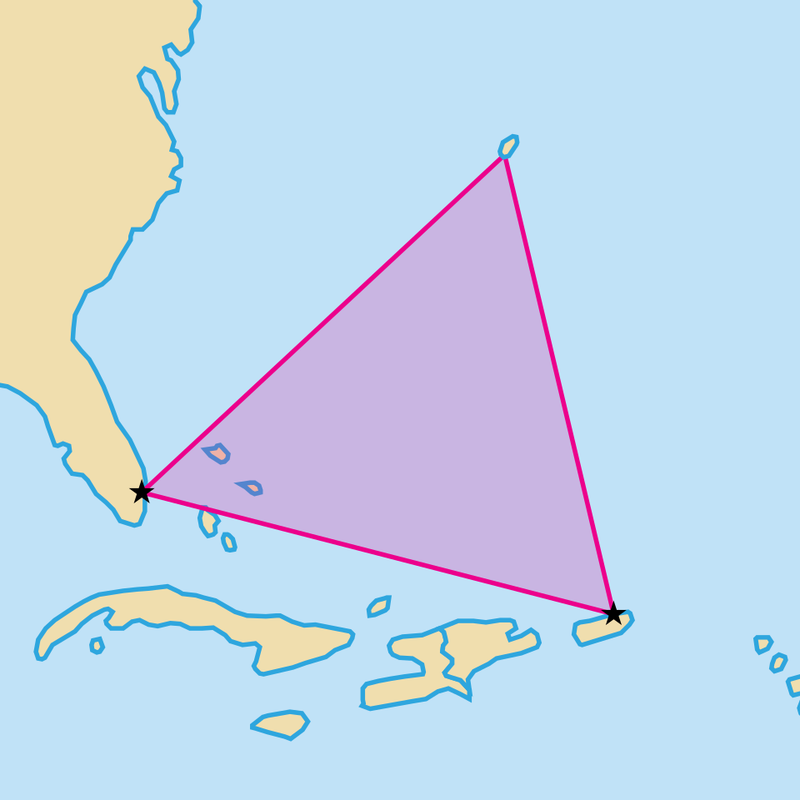
Few mysteries captured the imagination of early 1970s kids quite like the Bermuda Triangle. Books about mysterious disappearances were flying off library shelves, and television specials treated the phenomenon with a breathless seriousness that made it feel absolutely real.
An NBC TV movie dramatizing the strange events of that stretch of ocean aired around this time, cementing the Bermuda Triangle as one of the era’s most talked-about mysteries.
The fear wasn’t just about boats and planes vanishing. It was about the unknown – about the idea that the ocean could simply swallow people whole, without explanation, without a trace.
For kids who loved adventure stories and imagined themselves as future pilots or sailors, the Bermuda Triangle threw a wrench into those daydreams. What was the point of exploring the world if part of it could erase you from existence?
Playground conversations turned the Triangle into something almost supernatural. Kids swapped theories – aliens, underwater cities, time portals, sea monsters.
The speculation was half thrilling and half genuinely frightening. Even kids who lived nowhere near the Atlantic coast felt the unease, because the Bermuda Triangle represented something universal: the terrifying possibility that some things simply don’t have answers.
Adults couldn’t explain it. Scientists argued about it.
That lack of certainty was its own kind of horror. For a generation that grew up trusting that science could solve everything, the Bermuda Triangle was a humbling, slightly terrifying reminder that maybe it couldn’t – and that was unsettling enough to keep kids up at night.
Bigfoot
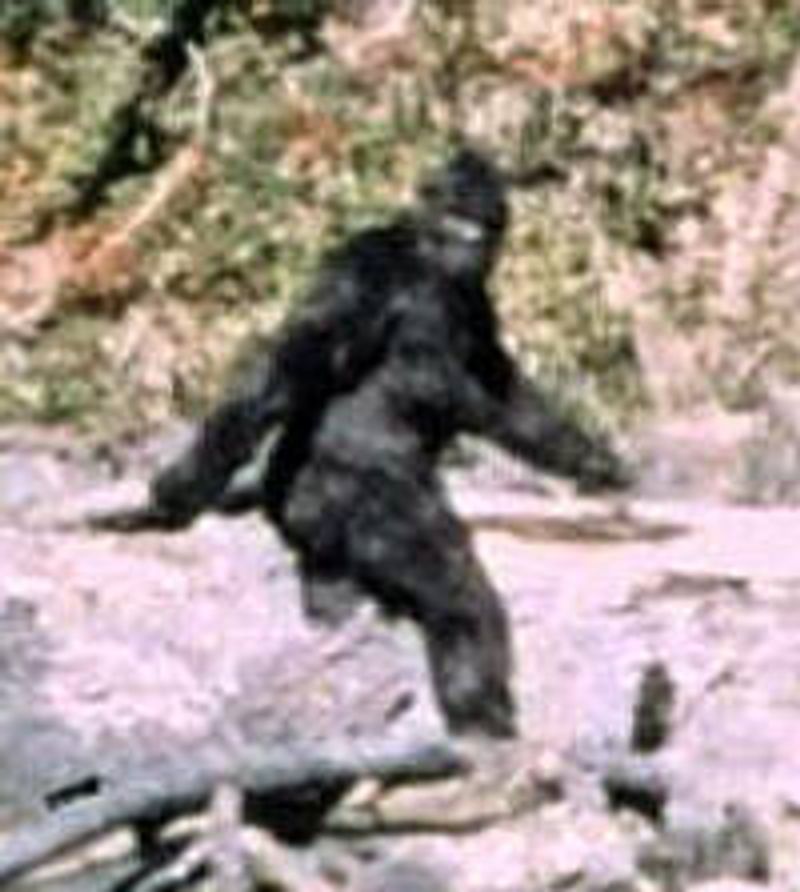
Bigfoot was everywhere in the early 1970s, and not just in the Pacific Northwest where the legend originated. The famous Patterson-Gimlin footage from 1967 was being replayed on television news segments and documentary specials, giving kids a blurry, unsettling look at what supposedly lurked in the forests of America.
Reports from hikers and campers kept rolling in, and each one got breathless coverage that treated the creature as a genuine possibility rather than a tall tale.
For kids who lived near wooded areas – or even just near a patch of trees behind the neighborhood – Bigfoot wasn’t an abstract fear. It was the thing that might be standing just beyond the treeline when the porch light didn’t quite reach.
The creature’s sheer size in the stories made it more terrifying than any fairy tale monster. This wasn’t a small goblin hiding under a bridge.
This was something enormous, something that left massive footprints, something that witnesses described as fast and unpredictable.
The 1972 film The Legend of Boggy Creek was just around the corner, but even before that cinematic fuel hit the fire, the Bigfoot craze had already taken root in the imagination of American kids. Summer camping trips suddenly came with a new layer of anxiety.
Snapping twigs in the dark weren’t just wildlife anymore. They might be something bigger.
That particular blend of thrill and genuine fear – the kind that made kids both want to look and desperately not want to – was pure 1971 childhood energy in a nutshell.
Getting Lost in a Shopping Mall
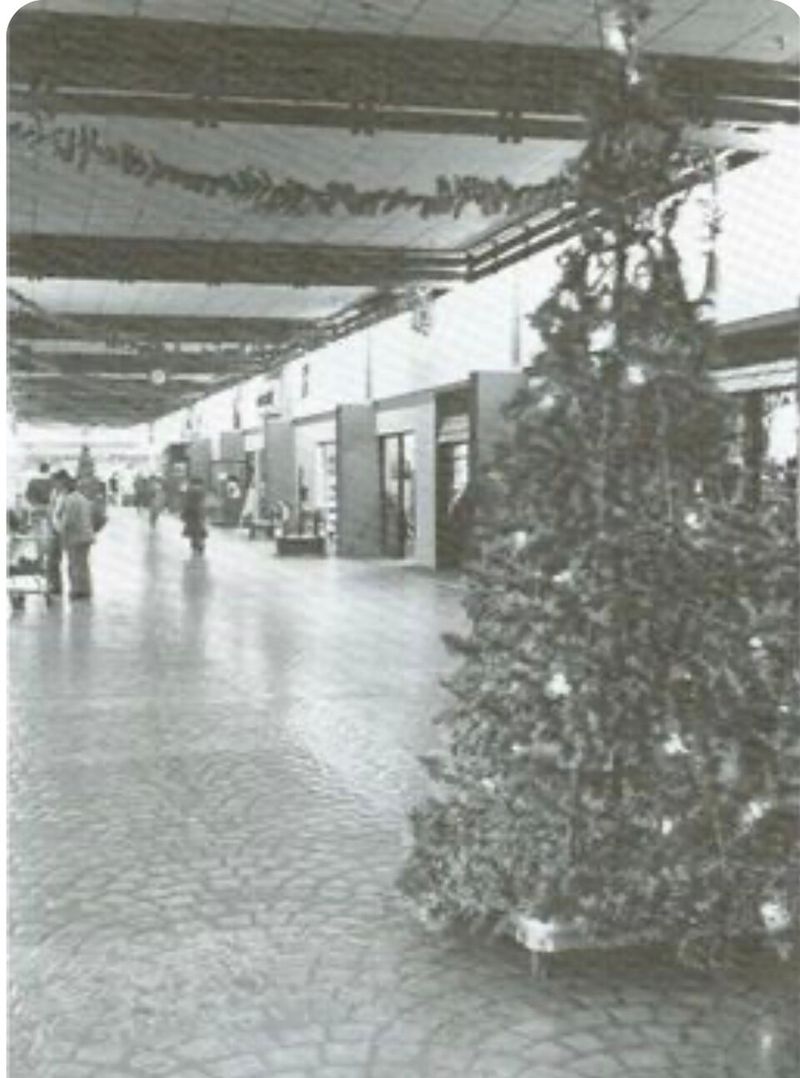
Suburban mall culture was booming in 1971, and for many American families, a trip to the mall was a genuine weekly event. These massive indoor spaces were exciting – full of new smells, bright lights, and more stores than any Main Street could offer.
But they were also genuinely disorienting, especially for small children who couldn’t see over the crowd and had no landmarks to navigate by.
Getting separated from a parent in a crowded mall was one of those fears that didn’t need any media amplification – it happened to real kids regularly enough that almost everyone had either experienced it personally or knew someone who had. The moment of realizing Mom wasn’t right behind you anymore, that the familiar hand was gone, that every direction looked the same – that was a specific, stomach-dropping panic that no amount of reassurance could fully prevent.
Malls of the early 1970s didn’t have the same security infrastructure or public address systems that later became standard. There was no obvious place to go, no clear protocol for a lost child, no friendly mall security officer stationed at every corridor.
Kids were often told to stay by a fountain or a specific store entrance if they got lost, but in the moment, those instructions vanished. The sheer scale of these new commercial spaces – something that felt thrilling in theory – became genuinely overwhelming when a child was suddenly alone in the middle of one.
It was a very modern fear for a very modern era, born directly from the suburban expansion of the early 1970s.
Horror Made-for-TV Movies
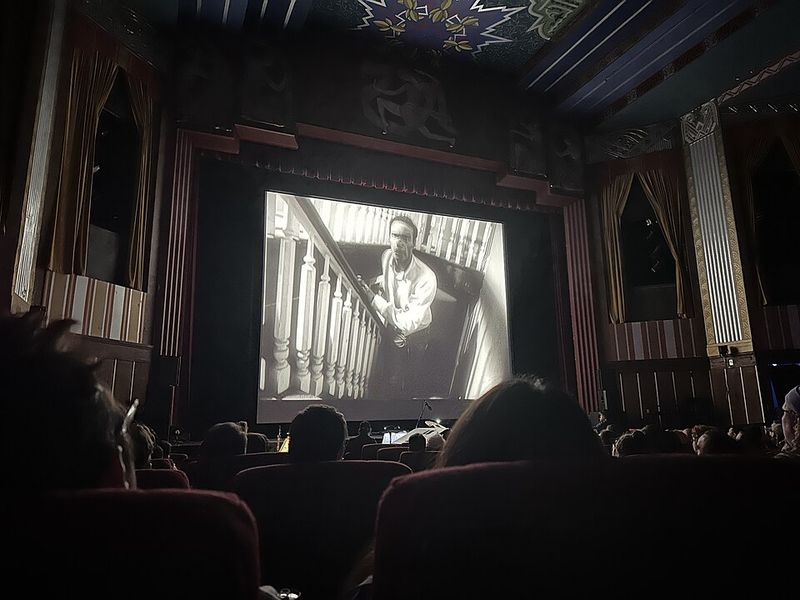
Steven Spielberg’s Duel aired on ABC in November 1971, and it terrified a generation of American viewers who thought a TV movie about a truck couldn’t possibly be that scary. It was.
The film turned something as mundane as highway driving into a relentless nightmare, and it proved that horror didn’t need a castle or a vampire to work. Everyday settings could be just as frightening – sometimes more so, because they were places kids actually recognized.
Made-for-TV movies were a relatively new format in 1971, and networks were experimenting with how dark they could go. Late-night horror broadcasts, hosted by campy but genuinely eerie figures, brought classic monster films and newer psychological thrillers into living rooms across the country.
The accessibility was part of what made them scary – you didn’t have to sneak into a theater. The horror came to you, right after the family sitcoms ended.
For kids who stayed up past their bedtime or caught glimpses of these films while parents watched, the images lingered in a particular way. A menacing truck.
A faceless threat. An ordinary house turned dangerous.
These weren’t the Universal monsters of their parents’ childhood – familiar, almost comforting in their predictability. These were new fears, grounded in the real world, and they had a way of following kids into their own bedrooms afterward.
Checking under the bed felt different after watching something that made the driveway seem threatening. That’s the specific, lasting power of good horror, and 1971 had plenty of it.
Witches and Occult Panic
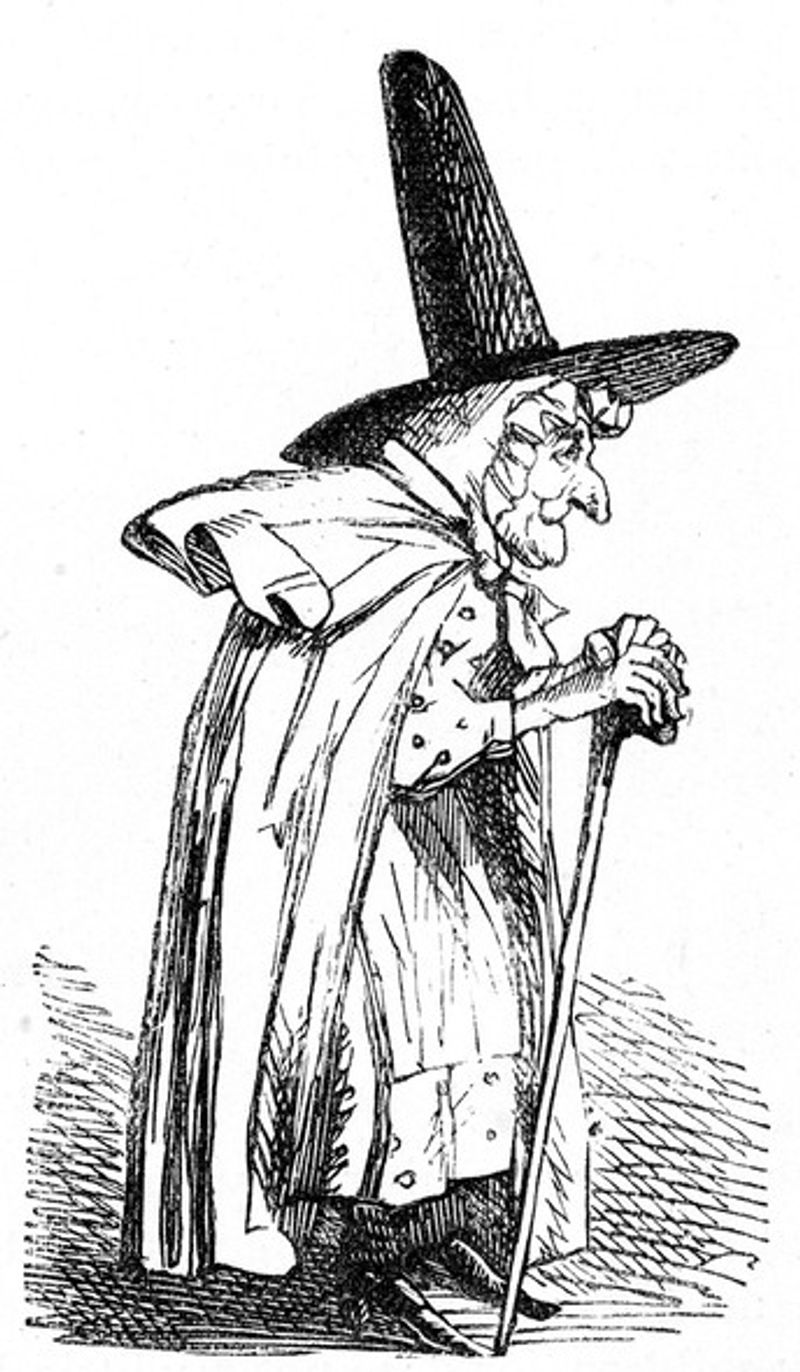
The early 1970s had a complicated relationship with the occult. Films like Rosemary’s Baby had already planted seeds of unease in the cultural soil, and the Manson murders – with their quasi-mystical overtones – kept those seeds watered.
By 1971, adult conversations about cults, satanic imagery, and strange religious movements were more common than they’d been a decade earlier, and children absorbed the ambient anxiety without always understanding its source.
Witches in 1971 weren’t just Halloween decorations. They were connected, in the minds of many American adults, to real-world threats – to cults, to dangerous groups, to the sense that something dark was moving through the culture.
Kids heard fragments of these conversations and filled in the gaps with imagination, which almost always made things worse. A neighbor who kept odd hours, a strange symbol spotted somewhere, a rumor whispered at recess – these became evidence of something sinister lurking nearby.
Television didn’t help separate fantasy from fear. Supernatural-themed shows and specials treated occult topics with just enough seriousness to blur the line between entertainment and genuine threat.
Kids who grew up watching Bewitched knew witches could be funny and harmless, but the cultural moment of 1971 kept nudging that image toward something darker. The fear wasn’t always specific – it was more of a general unease about invisible forces that adults seemed to take seriously.
When grown-ups whispered about something, children paid attention, even if they only caught every third word. That partial understanding had a way of becoming something scarier than the full story ever could have been.
Quicksand
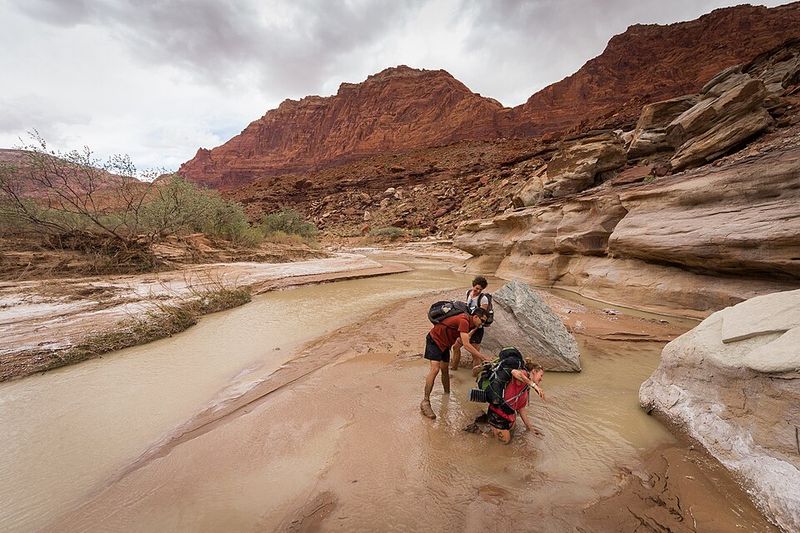
Ask anyone who grew up watching television in the early 1970s, and they’ll tell you: quicksand seemed like a serious, legitimate outdoor hazard. Adventure shows, jungle serials, and reruns of programs like Gilligan’s Island featured quicksand with remarkable frequency, treating it as a routine danger that any explorer might stumble into on any given afternoon.
The slow, inevitable sinking. The desperate grab for a vine or a branch.
The racing clock as the victim disappeared inch by inch.
Kids who watched these shows genuinely worried about quicksand in a way that seems almost charming in retrospect. Some avoided certain patches of mud or soft ground with real conviction.
Others made their friends promise to throw them a rope if it ever happened. The fear wasn’t irrational given the information they had – television presented quicksand as a genuine threat, and there was no internet to quickly debunk it.
What made the quicksand fear particularly interesting was how specific and visual it was. Unlike nuclear war or kidnapping, which were abstract and enormous, quicksand was a physical, sensory fear.
You could almost feel the pull of it, the cold wet weight closing around your legs. That vividness made it stick.
Even kids who lived in cities with no swamps or jungles anywhere nearby worried about it, because the television had made it feel universal. It’s one of those wonderfully specific fears that marks a generation – a shared cultural anxiety that makes perfect sense in context and almost none at all outside of it.
Plane Hijackings
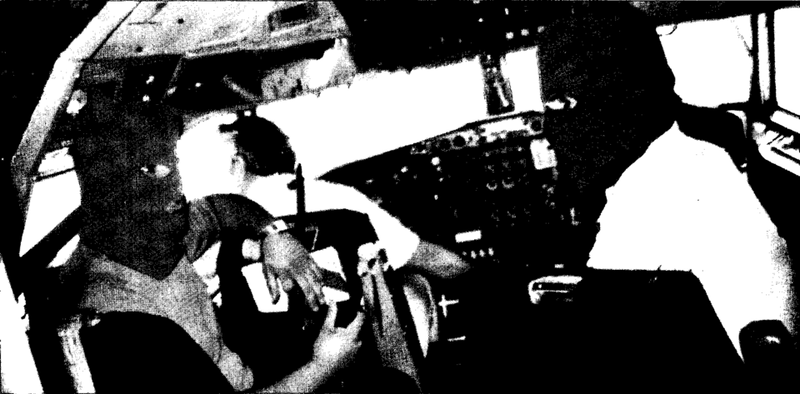
Between 1968 and 1972, the United States experienced a dramatic spike in airline hijackings – so many that the era was sometimes called the “golden age of hijacking,” though there was nothing golden about it for the people involved. News coverage of these events was extensive and detailed, and for American families who flew or even just watched the news, the idea that someone could take over a plane with a weapon and redirect it to Cuba or demand a ransom became a genuinely frightening reality.
For kids, the fear of hijacking had a particular quality because air travel was still relatively new and exciting for many families. Flying was supposed to be an adventure, a special event.
The hijacking stories turned that excitement into something edged with anxiety. What if it happened on your flight?
What would you do? Where would you end up?
The questions didn’t have reassuring answers, and that open-endedness made the fear linger.
Parents who tried to explain the situation often made it worse by accident, because the honest answer was that hijackings were genuinely happening and nobody had fully figured out how to stop them yet. Metal detectors at airports weren’t yet standard in 1971 – that security measure was still being implemented.
The vulnerability was real. For a child boarding a plane with their family, the news coverage of recent hijackings was impossible to entirely push aside.
It turned every flight into a small act of courage, whether kids admitted it or not.
School Corporal Punishment
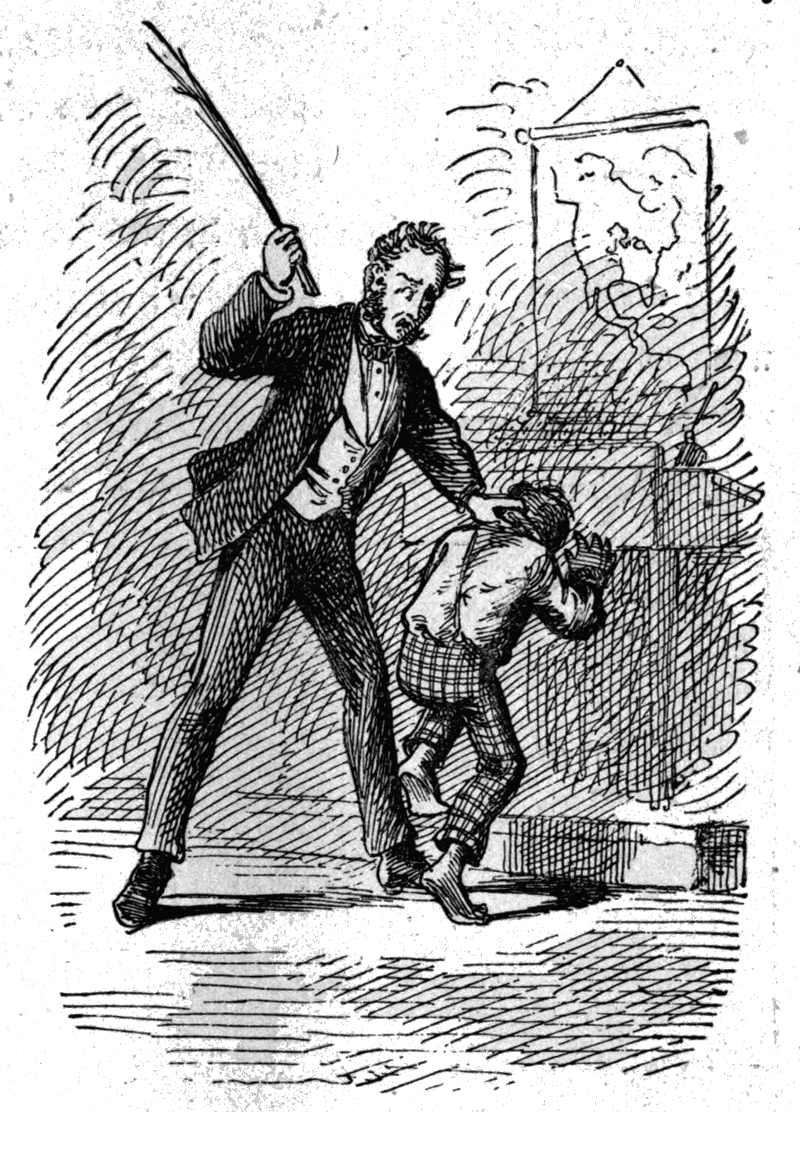
The principal’s office was not a metaphorical threat in 1971. In many American states, corporal punishment was not only legal in schools but actively practiced, and kids knew it.
Being sent to the principal could mean more than a stern lecture or a call home to parents – it could mean a paddle, a ruler, or some other physical consequence that left a mark both literal and psychological.
This fear shaped classroom behavior in ways that are hard to fully appreciate from a modern perspective. Kids didn’t just worry about getting in trouble in the abstract way that implies a time-out or a lost privilege.
They worried about physical pain, about humiliation in front of peers, about the walk down the hallway that everyone would see and everyone would know. The anticipation was often described as worse than the punishment itself.
Teachers held enormous authority in this environment, and most kids didn’t question it – not because they didn’t feel the injustice of it sometimes, but because questioning authority in 1971 came with its own risks. Parents generally sided with the school.
The system was designed to reinforce compliance, and for many children it worked, but it also generated a specific kind of low-grade dread that followed them through every school day. Doing anything that might attract the wrong kind of attention felt genuinely risky.
That wariness – that constant self-monitoring – was its own psychological cost, one that most kids of the era carried without ever discussing it out loud.
Urban Legends on the Playground
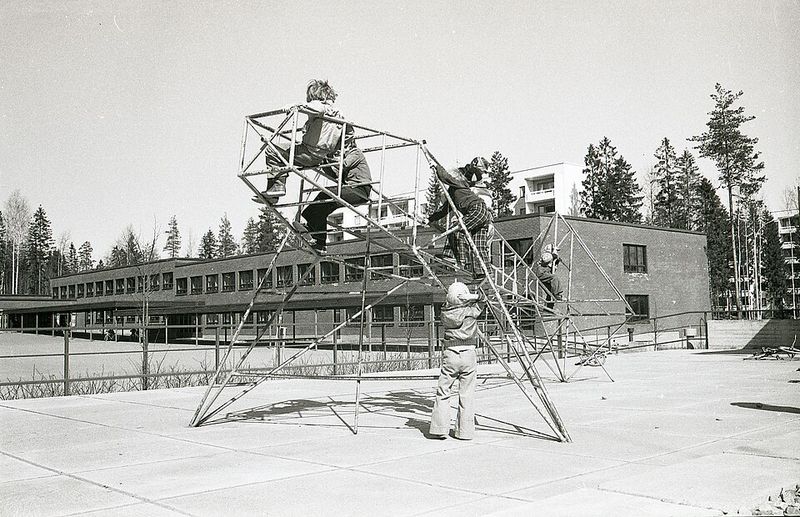
Before the internet could fact-check anything, the playground was the primary distribution network for terrifying stories, and in 1971 it was running at full capacity. The Hook – a story about an escaped mental patient with a hook for a hand terrorizing teenagers at a lovers’ lane – was already a classic.
The vanishing hitchhiker, the babysitter and the phone calls from inside the house, the killer in the backseat – these stories circulated through schools and neighborhoods with the speed and enthusiasm that memes would later achieve online.
What made playground urban legends so effective was the personalization. The story was never set somewhere vague and distant.
It always happened to a friend of a friend, a cousin’s neighbor, someone just a couple of towns over. The proximity made it feel real.
Kids who heard these stories at recess spent the bus ride home replaying the details, testing the logic, and usually concluding that it could absolutely happen to them.
Parents mostly dismissed these stories as silly, which paradoxically gave them more power. If adults weren’t taking it seriously, maybe they just didn’t know.
Maybe the kid who told the story had information the grown-ups didn’t have. That gap between childhood knowledge and adult dismissal was where urban legends thrived.
They were a form of secret wisdom passed from kid to kid, a way of processing fears about violence and vulnerability in a format that was simultaneously entertaining and genuinely unsettling. In 1971, with no Wikipedia to consult, these stories had a remarkably long shelf life.
The Woods Behind the Neighborhood
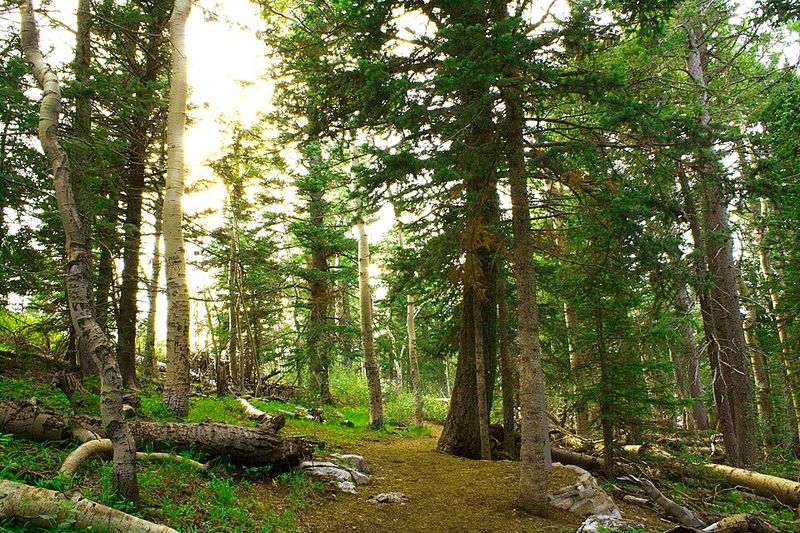
Suburban expansion in the early 1970s created a very specific landscape: new housing developments carved out of former farmland or forest, leaving ragged edges of undeveloped woodland pressed right up against the backyards of brand-new ranch houses. Those woods were thrilling in the afternoon and genuinely ominous after dark – a combination that proved irresistible and terrifying in equal measure for neighborhood kids.
The woods represented everything unknown. They were outside the adult supervision zone, beyond the reach of porch lights, full of sounds that didn’t have obvious explanations.
News stories about escaped convicts, missing persons, and mysterious creatures gave those sounds new significance. A snapping branch wasn’t just a deer anymore – it might be something worse.
Kids who had been following the Bigfoot coverage knew that something large and unidentified had supposedly been spotted in forests not entirely unlike this one.
There was a social dimension to the fear as well. Daring each other to go deeper into the trees after sunset was a rite of passage, a test of nerve that almost every group of neighborhood kids enacted at some point.
The ones who made it to the old creek or the abandoned structure at the back of the property came home with stories that took on legendary status. The ones who turned back had their own stories – about what they heard, what they thought they saw, what made them decide that whatever was back there could stay back there.
Either way, the woods behind the neighborhood left a mark that lasted well into adulthood.
Falling Asleep After the Evening News
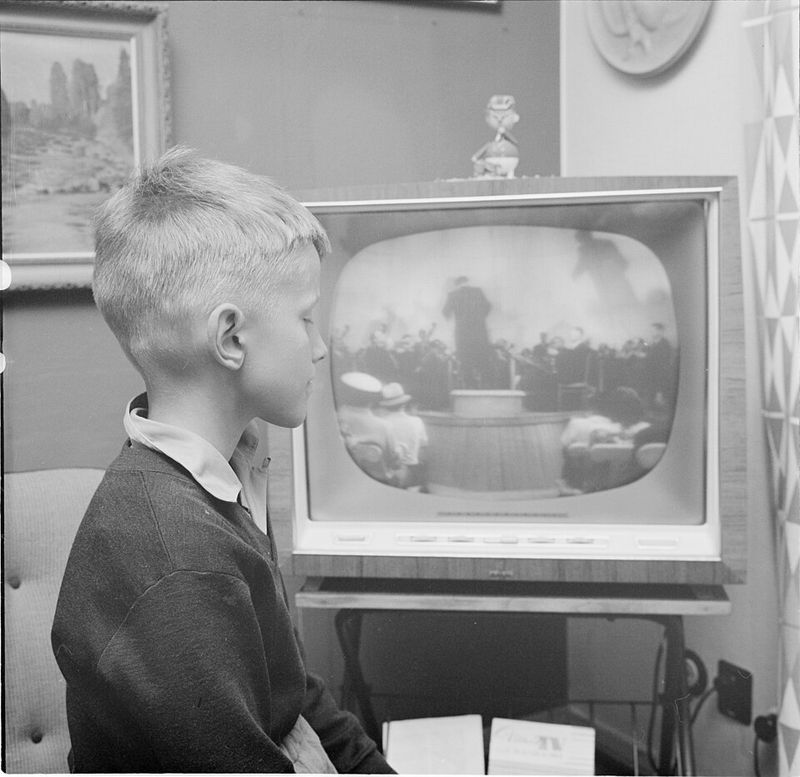
The evening news in 1971 was not designed with children in mind, and it showed. Walter Cronkite and his counterparts delivered the day’s events in straightforward, unfiltered terms – combat footage from Vietnam, reports of protests turning violent, crime stories from major cities, political scandals that adults discussed in worried tones.
Children who were half-awake on the living room floor, supposedly watching something else, absorbed all of it.
The problem with the news as a source of childhood fear wasn’t that it was dishonest – it was that it was completely honest, in a way that children’s developing minds weren’t equipped to contextualize. A story about a murder in a city three states away registered as immediate danger.
A report about a plane crash felt like a warning about the family’s upcoming trip. Without the cognitive tools to assess risk and distance, every bad news story became personally relevant.
Bedtime after the news had its own particular quality in 1971. The house was quiet, the lights were out, and the images from the broadcast had nowhere to go except into the imagination.
Kids who should have been drifting off to sleep were instead replaying footage, trying to make sense of adult conversations they’d only partially heard, wondering about things that had no reassuring answers. That specific dread – the post-news bedtime anxiety – was one of the most common and least discussed childhood experiences of the era.
It was the kind of fear that didn’t have a name, just a feeling, and it visited millions of American kids every single night.



