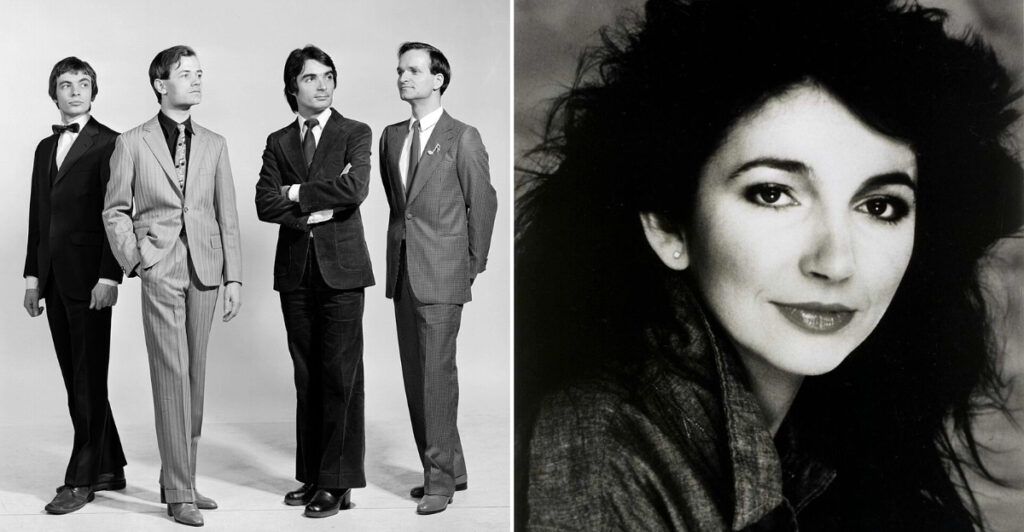
Some songs arrive exactly when the world needs them. Others show up early, confuse everyone, and quietly reshape music history from the margins. From the mid-1950s through the mid-1980s, a remarkable string of recordings introduced production methods, lyrical ideas, and musical structures that mainstream audiences would not fully understand or embrace until years later. Artists like Brian Wilson, Kraftwerk, and Kate Bush were not simply making music for their moment.
They were mapping out territory that entire genres would later claim as their own. This list looks at 17 recordings that pushed well beyond the boundaries of their era, explaining what made each one so unusual, why it mattered, and how its influence spread across decades of music that followed.
1. Good Vibrations – The Beach Boys (1966)
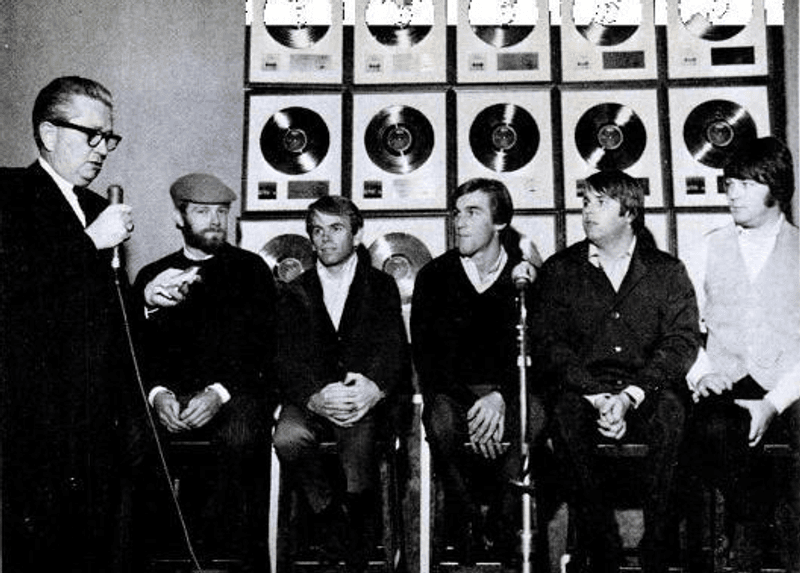
Brian Wilson spent over six months and accumulated more than 90 hours of recorded tape just to finish this single. Rather than recording a song from start to finish, he captured short fragments across multiple studios, then spliced them together using a modular approach that predated digital audio editing by decades.
The Electro-Theremin, layered harmonies, and orchestral arrangements were stitched together with remarkable precision. Many producers now consider this one of the earliest examples of modern studio composition, and its recording method directly influenced how pop albums would be constructed for generations afterward.
2. Tomorrow Never Knows – The Beatles (1966)
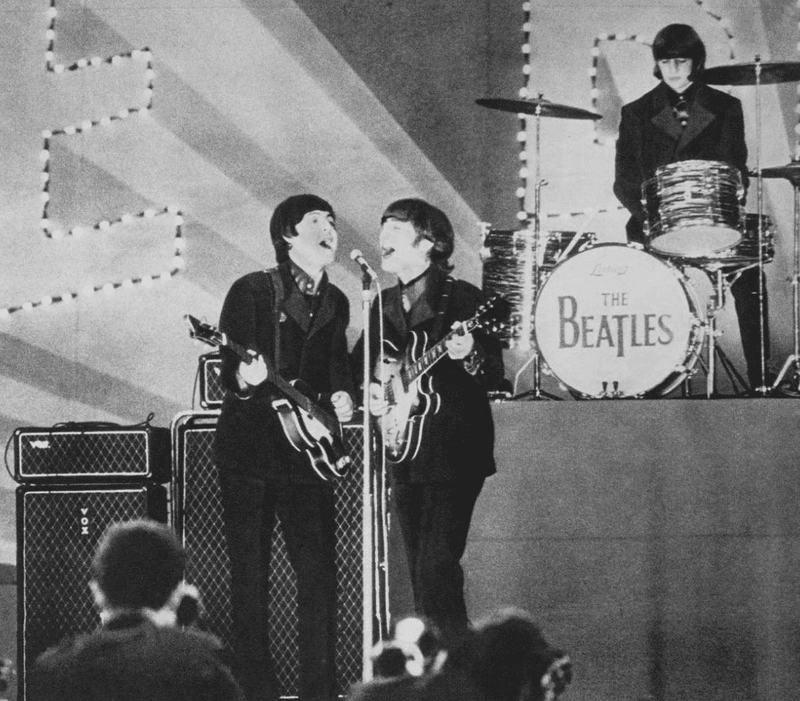
Recorded before a single other track on Revolver, this song was built on tape loops, backward guitar, a tambura drone, and John Lennon’s vocal fed through a rotating Leslie speaker cabinet. The band had no interest in reproducing it live and treated the studio itself as the final instrument.
Its production drew directly from musique concrete and avant-garde composition techniques that most pop listeners had never encountered. Electronic music, ambient music, and sampling would all develop similar ideas years later, but this recording had already charted that territory in April 1966.
3. I Feel Love – Donna Summer (1977)
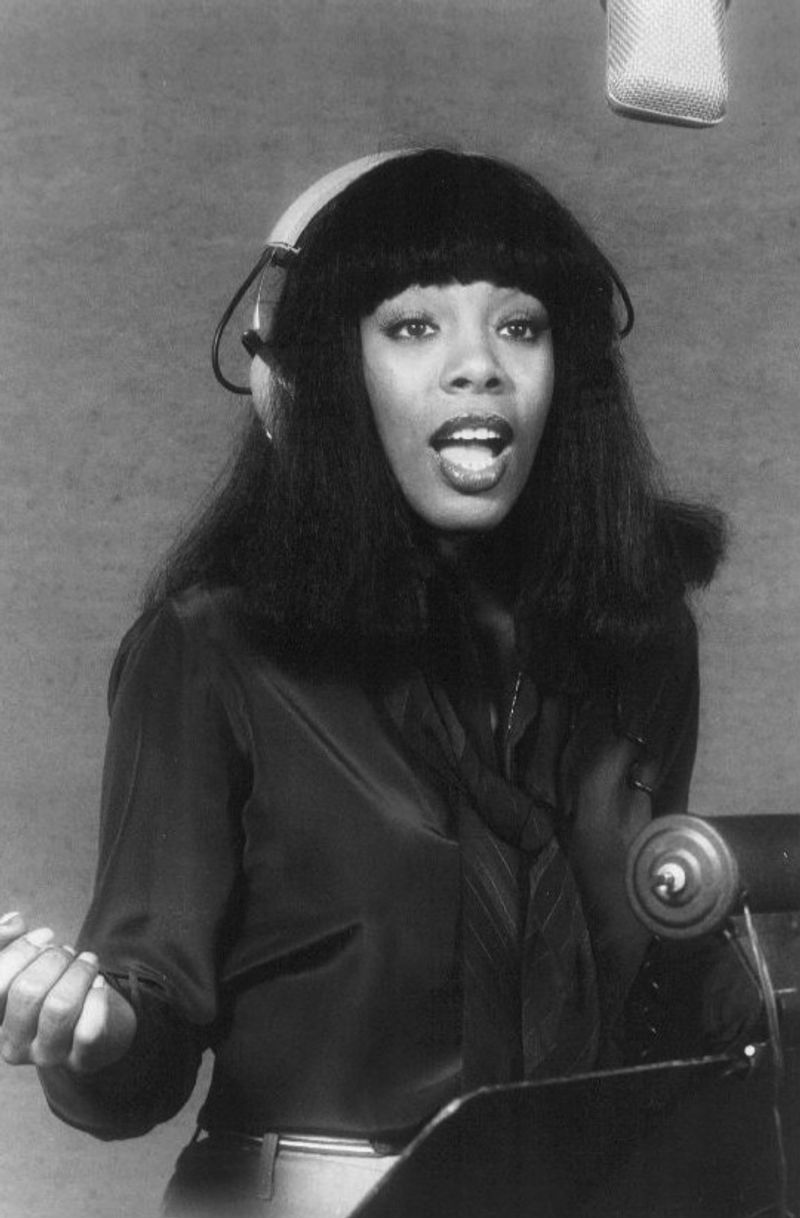
Producer Giorgio Moroder made a deliberate choice to strip out the lush orchestral arrangements that defined disco and replace them entirely with a Moog synthesizer. Engineer Robbie Wedel developed a method to sync the synthesizer to a 16-track recorder using a reference pulse, enabling perfectly timed layered sequences.
Brian Eno reportedly said upon hearing it that it would change club music for the next 15 years, a prediction that actually underestimated its reach. House, techno, and trance music all trace direct lines back to the pulsing, mechanical architecture of this 1977 track.
4. Venus in Furs – The Velvet Underground (1967)
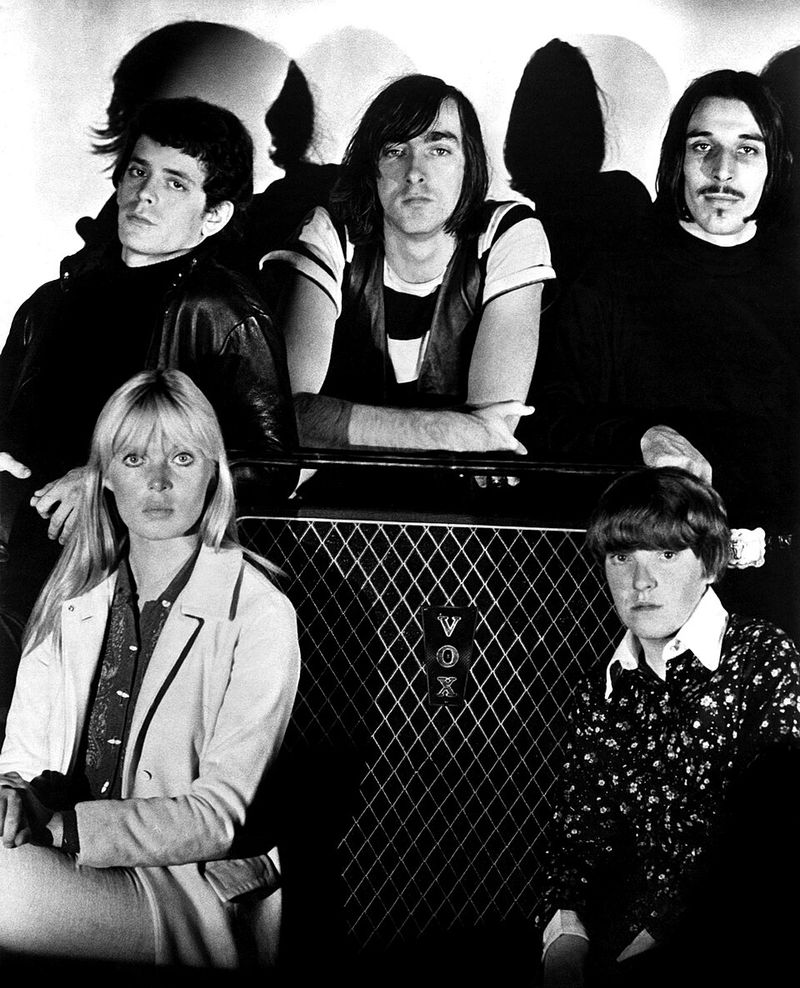
Most American rock songs in 1967 were built around clean guitar tones and verse-chorus structures. This track replaced guitar with a droning viola played by John Cale, set against a slow, repetitive rhythm that felt closer to a hypnotic chant than a pop song.
The subject matter was equally unconventional, drawing from a 19th-century novel and treating taboo themes with a flat, documentary tone rather than shock or judgment. Post-punk, gothic rock, and noise rock musicians cited it repeatedly as a direct influence, recognizing in it a blueprint for music that rejected commercial compromise.
5. Walk on the Wild Side – Lou Reed (1972)
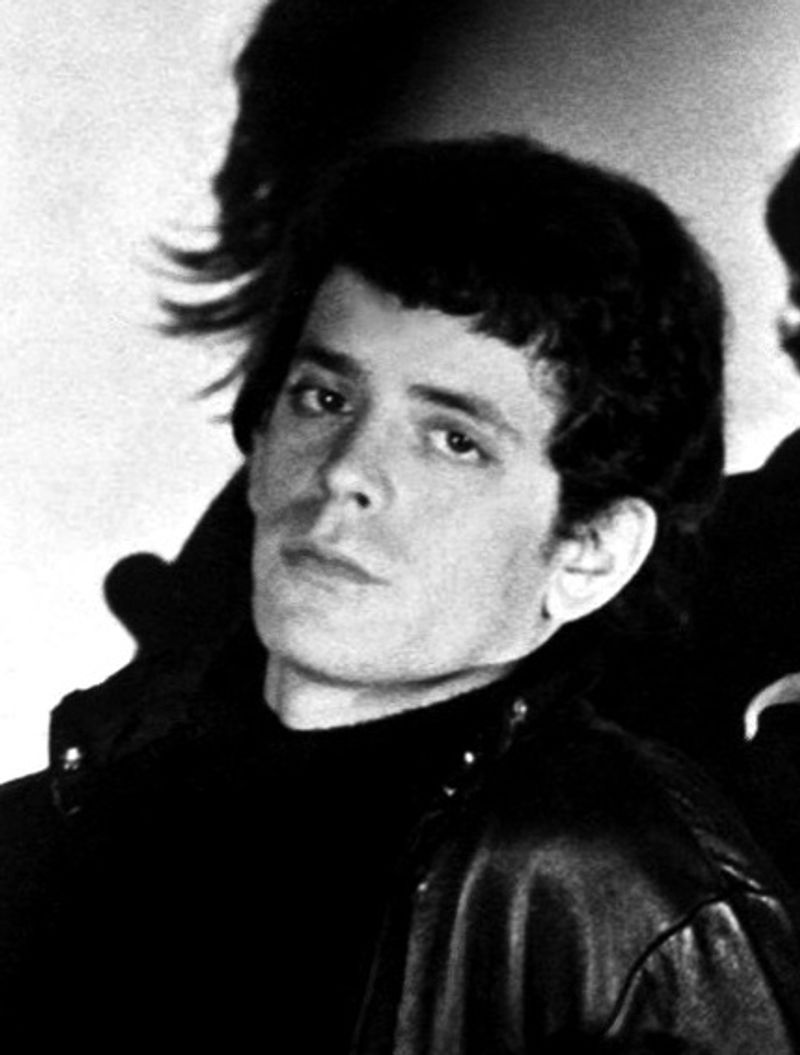
Lou Reed wrote this song as a series of character sketches drawn from real people at Andy Warhol’s Factory, including transgender performers, drag artists, and others living well outside mainstream culture. The lyrics named these individuals directly, treating their lives with matter-of-fact respect at a time when mainstream pop avoided such subjects entirely.
Herbie Flowers’ double bass line gave the song an easygoing groove that helped it slip past radio censors who apparently missed the lyrical content. Its conversational storytelling style influenced indie rock and alternative singer-songwriters for decades, proving that pop songs could carry complex, human-centered narratives.
6. See Emily Play – Pink Floyd (1967)
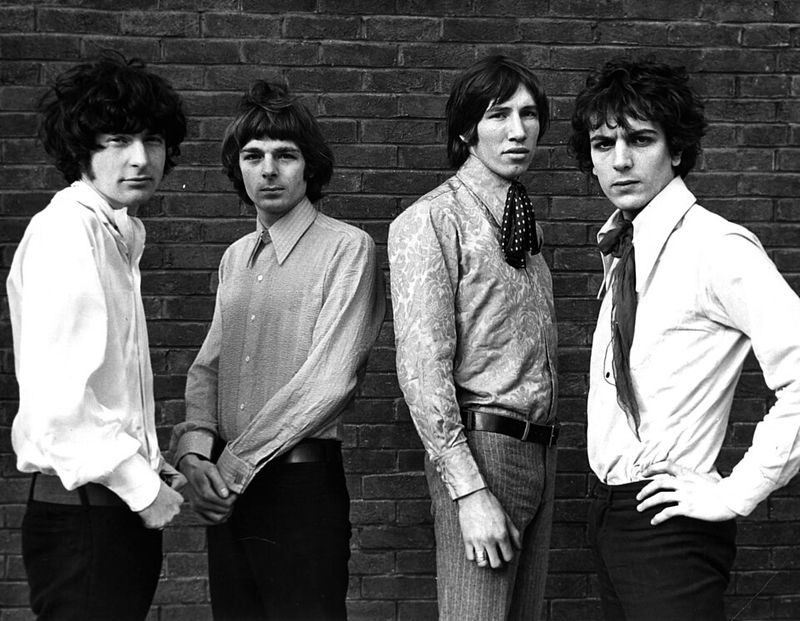
Syd Barrett wrote this single before Pink Floyd had released a debut album, yet it already contained tape effects, dreamlike lyrics, and arrangements that had no real equivalent in British pop at the time. The production treated the studio as a creative space rather than simply a place to capture a live performance.
Barrett’s approach to melody and structure was genuinely unusual, favoring mood and imagery over conventional hooks. The song helped establish psychedelic rock as a distinct genre in the UK and pointed directly toward the expansive, studio-driven sound that Pink Floyd would develop through the following decade.
7. Autobahn – Kraftwerk (1974)
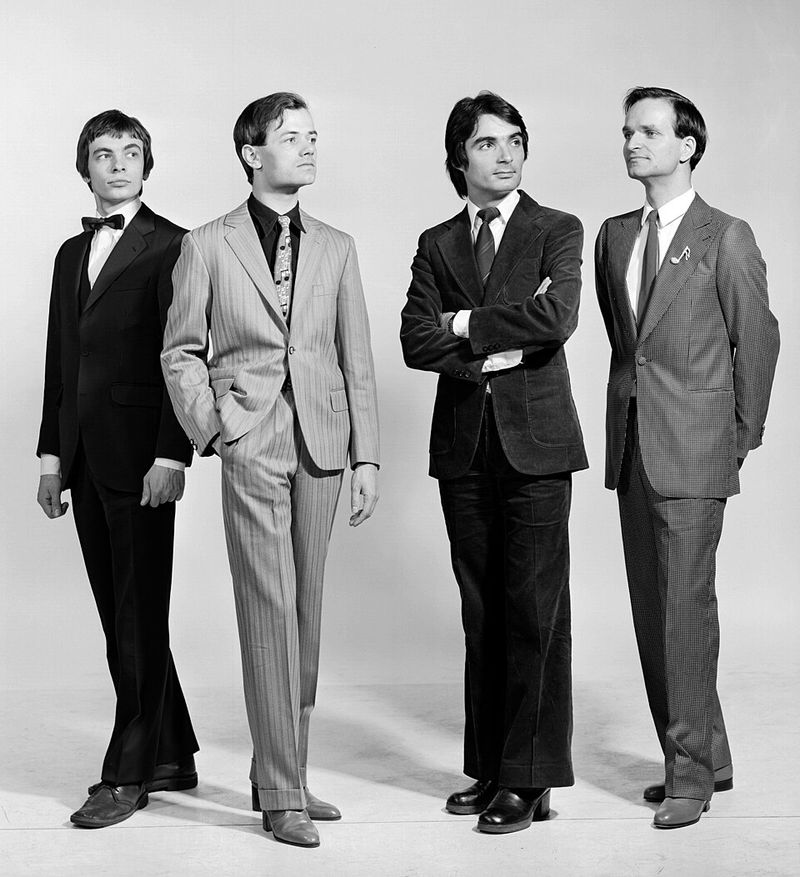
When Ralf Hutter and Florian Schneider released this 22-minute track in 1974, most rock musicians still viewed synthesizers as novelty instruments rather than serious compositional tools. Kraftwerk built the entire piece around repetitive electronic rhythms, sequenced melodies, and machine-like precision, with no traditional band arrangement underneath.
The track became a surprise chart success in multiple countries and is now described as a Big Bang moment for electronic music. Its structural approach shaped synth-pop, electro, techno, and hip-hop production, and artists from David Bowie to Daft Punk have acknowledged the direct debt they owe to this recording.
8. Heroin – The Velvet Underground (1967)
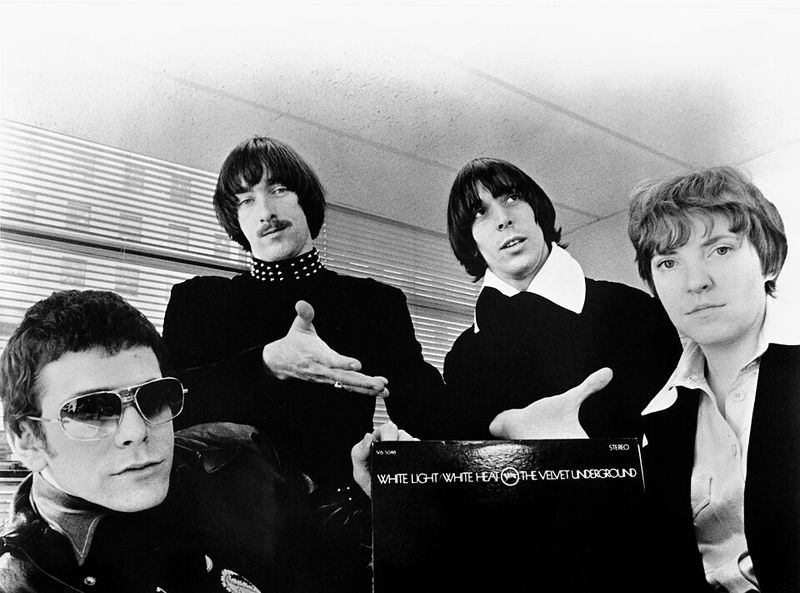
Rather than presenting addiction as either glamorous or cautionary, this song built its emotional weight through musical structure alone. The tempo shifts from slow and sparse to frantic and dense, mirroring internal states without relying on theatrical production techniques.
Lou Reed’s lyrics maintained a flat, observational tone that felt closer to literature than rock songwriting, and the band’s refusal to moralize was genuinely radical for 1967. Punk, alternative rock, and underground music all drew from its uncompromising directness, and its influence on honest, unflinching lyricism continues to be felt across independent music today.
9. Baba O’Riley – The Who (1971)
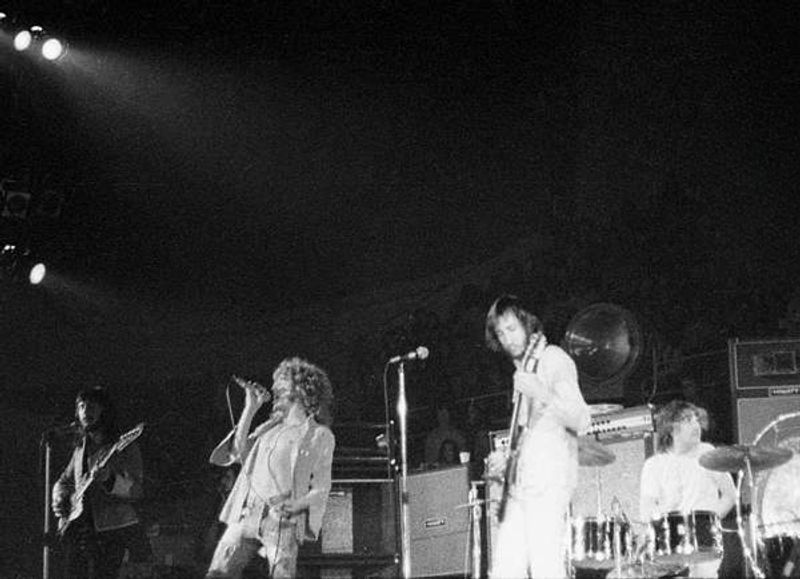
Pete Townshend programmed the opening synthesizer sequence using an early organ and tape system, creating a repeating pattern that ran independently of the band. Digital sequencing would not become widely available for another decade, making this one of the earliest examples of programmed sequences in mainstream rock music.
The combination of that electronic foundation with hard rock drums, electric guitar, and acoustic violin created a layered texture that felt genuinely new in 1971. The track anticipated the growing intersection of rock and electronic music and remains a reference point for how synthesizers can anchor a song rather than simply decorate it.
10. The End – The Doors (1967)
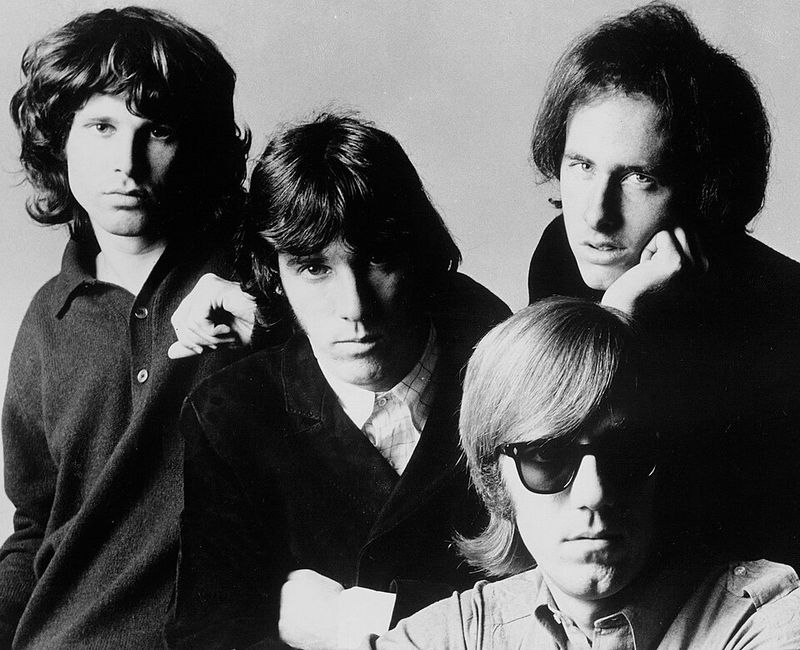
Originally written about a relationship ending, this track evolved through months of live performances at the Whisky a Go Go into a nearly 12-minute piece that bore little resemblance to conventional rock radio formats. The Doors regularly extended their songs during live sets, using repetition and improvisation to build intensity.
Musically, the song drew from Indian modal structures, with Robby Krieger’s guitar lines hovering over a D drone that recalled raga-based composition. Its theatrical scope and philosophical lyrical approach helped define art rock and psychedelic rock, and it is regularly cited as an early influence on gothic rock and experimental music of the 1970s.
11. Sympathy for the Devil – The Rolling Stones (1968)
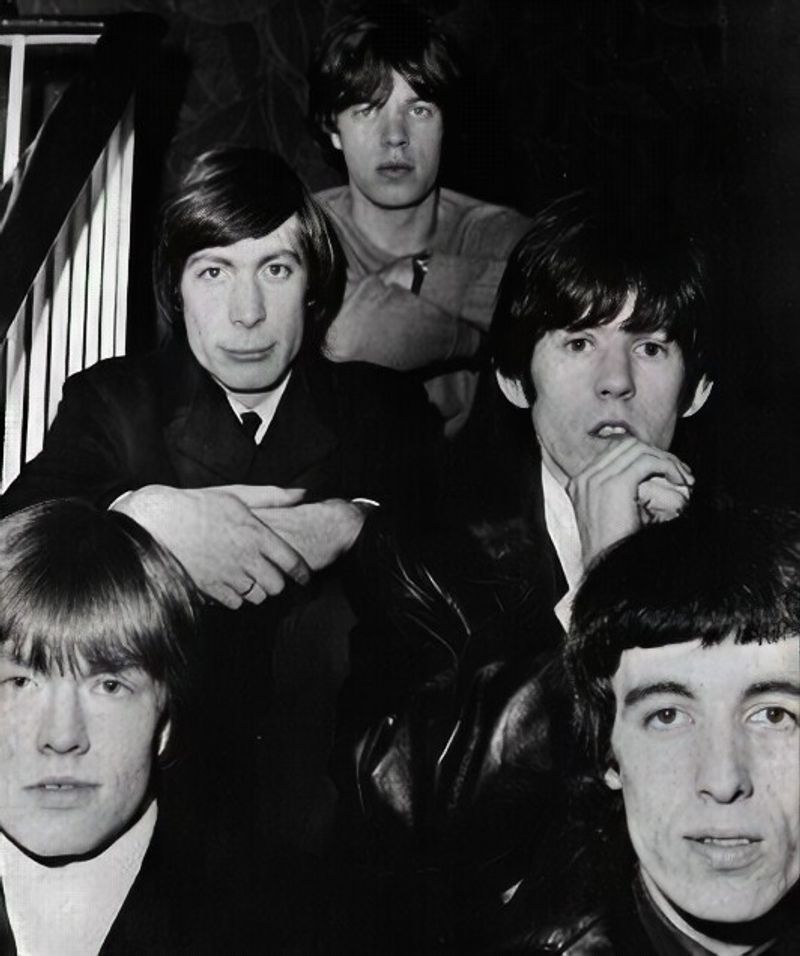
Mick Jagger originally wrote this as a quiet folk song in the style of Bob Dylan, but Keith Richards pushed for a complete structural overhaul. The result replaced a standard rock backbeat with a complex samba-influenced rhythm featuring congas, shekere, maracas, and a cowbell played by multiple musicians simultaneously.
The lyrics took a first-person perspective from a philosophical narrator who claimed responsibility for key moments in world history, a bold and unusual storytelling choice for mainstream rock. The song’s layered percussion and narrative ambition expanded the range of what rock music could address, influencing countless bands that followed in the 1970s and beyond.
12. Being for the Benefit of Mr. Kite! – The Beatles (1967)
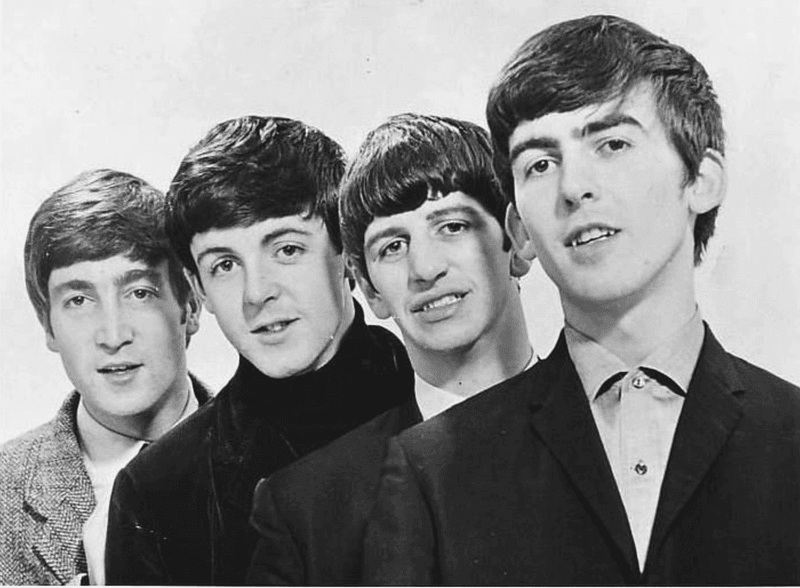
John Lennon based this song on a Victorian circus poster he purchased at an antique shop, then asked producer George Martin to make it actually sound like a Victorian circus. Martin accomplished this by recording hours of fairground organ music, cutting the tapes into small pieces, throwing them in the air, and reassembling them at random.
The resulting collage created a sonic texture that had no equivalent in 1967 pop music. That process of chopping, randomizing, and layering recorded audio directly foreshadowed sampling and digital audio manipulation, techniques that would become central to music production starting in the 1980s.
13. Heroes – David Bowie (1977)
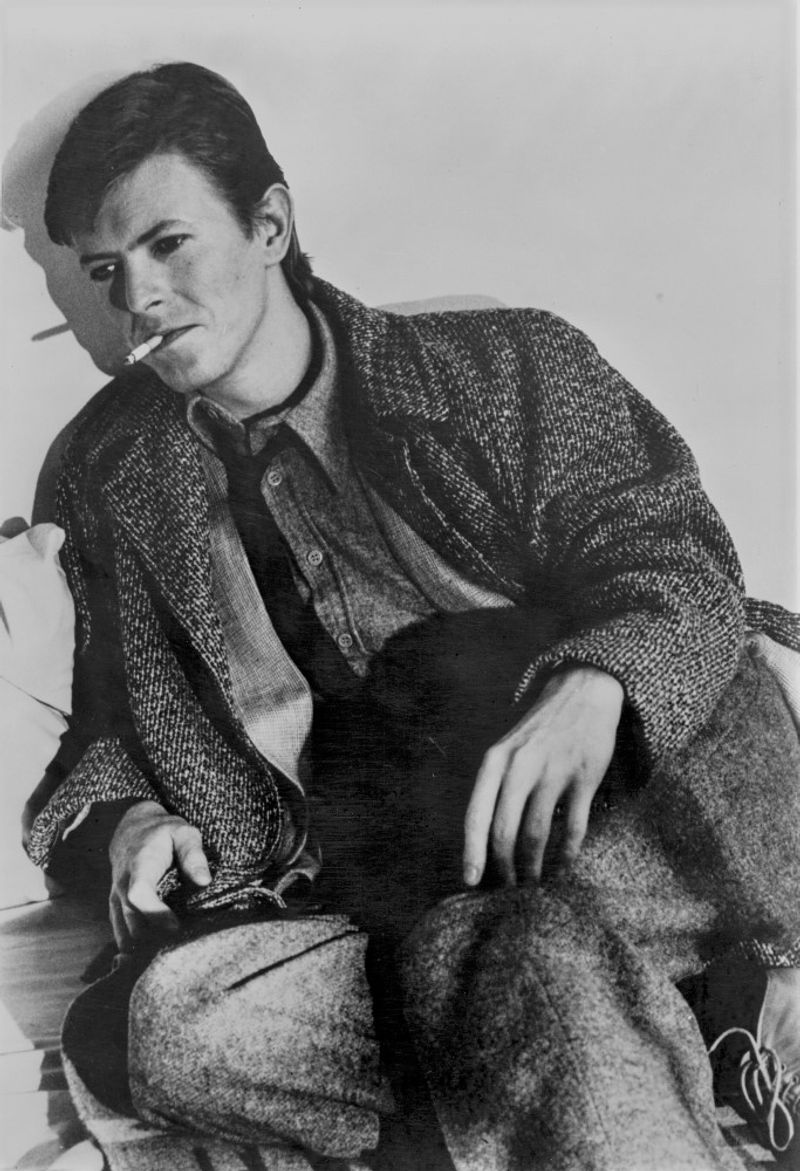
Recorded in Berlin with producer Brian Eno, this track was built using an unconventional layering method where three guitar amplifiers were placed at increasing distances from Robert Fripp’s guitar, each picked up by a different microphone and mixed separately. The result created an expanding, atmospheric guitar texture unlike standard rock production.
Eno’s ambient production philosophy kept the arrangement spacious and emotionally restrained, which made the song feel larger than its parts. New wave, dream pop, post-rock, and alternative music all absorbed its approach to atmosphere and restraint, and the track has been covered and referenced more frequently with each passing decade.
14. Strawberry Fields Forever – The Beatles (1967)
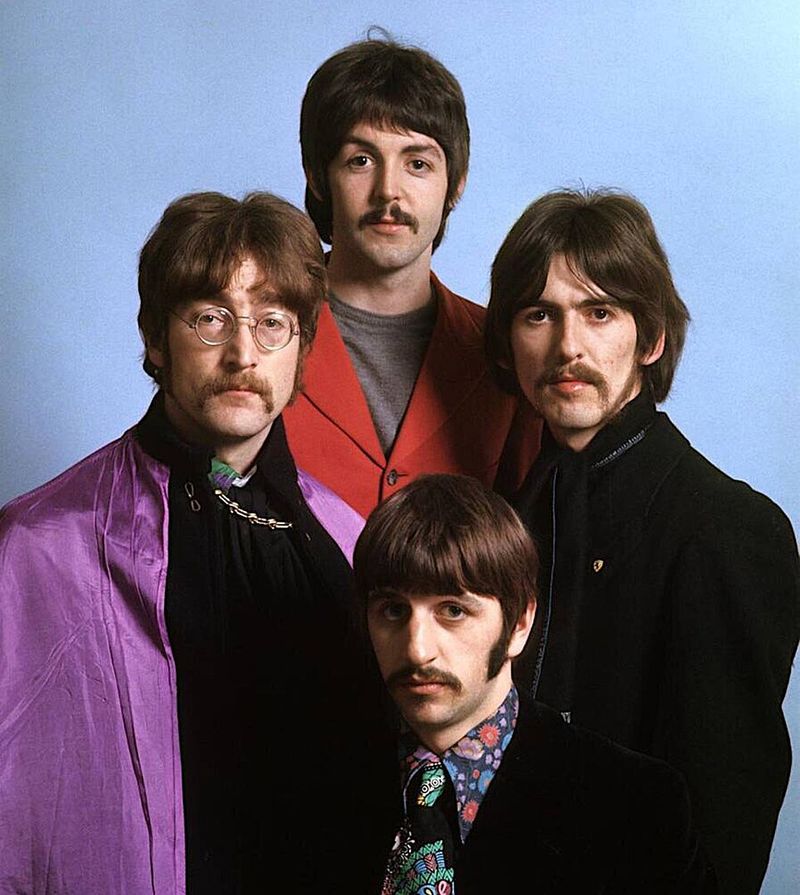
John Lennon recorded three entirely separate versions of this song over five weeks, each with a different tempo and key. Producer George Martin and engineer Geoff Emerick joined two of these incompatible versions by adjusting playback speeds until the pitch and tempo aligned closely enough to splice together seamlessly.
The result was a recording that could not have existed without deliberate studio manipulation, and it signaled a permanent shift in how albums could be made. The Mellotron intro, the slowed vocal, and the layered arrangement all contributed to a sound that influenced the psychedelic genre and demonstrated that studio technology itself could be a compositional tool.
15. White Rabbit – Jefferson Airplane (1967)
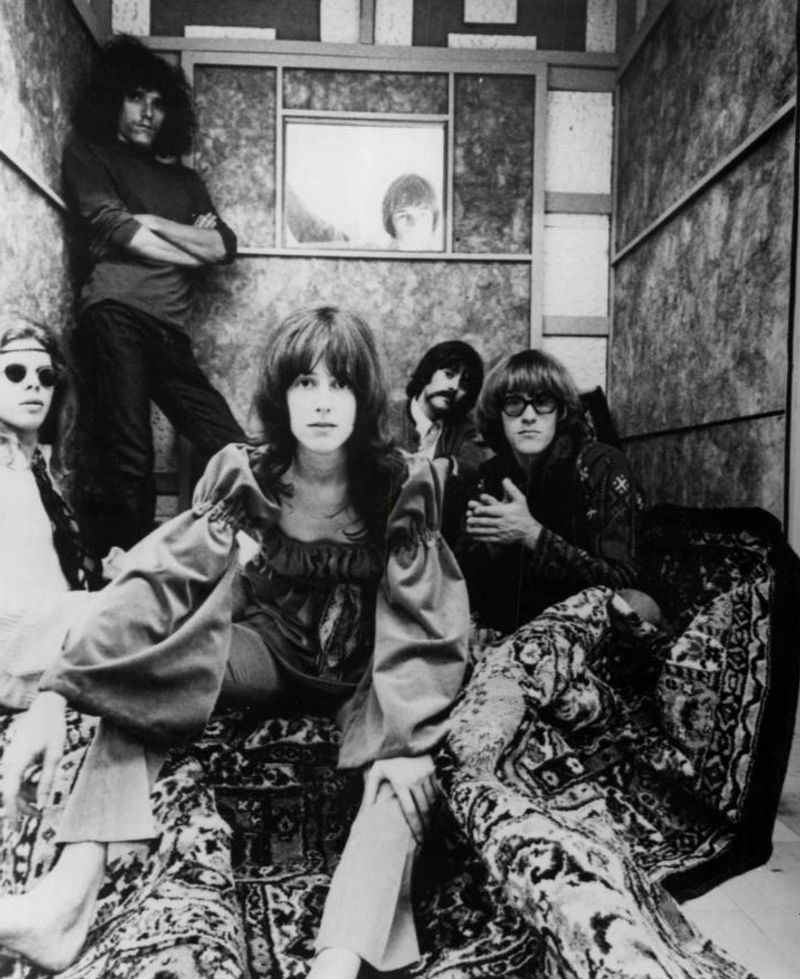
Grace Slick wrote this song after spending time reading Lewis Carroll’s Alice books and noticing how frequently the stories involved a child being instructed to consume substances that altered her size and perception. The lyrical argument that classic literature had already explored altered states was pointed and deliberate, not accidental.
Musically, the arrangement borrowed from a Spanish bolero structure, with a steadily building rhythm that created tension across the entire track rather than releasing it through a traditional chorus. Its bold symbolic content and unconventional structure helped define psychedelic rock while influencing later alternative artists who valued lyrical intelligence alongside sonic ambition.
16. Planet Rock – Afrika Bambaataa & Soulsonic Force (1982)
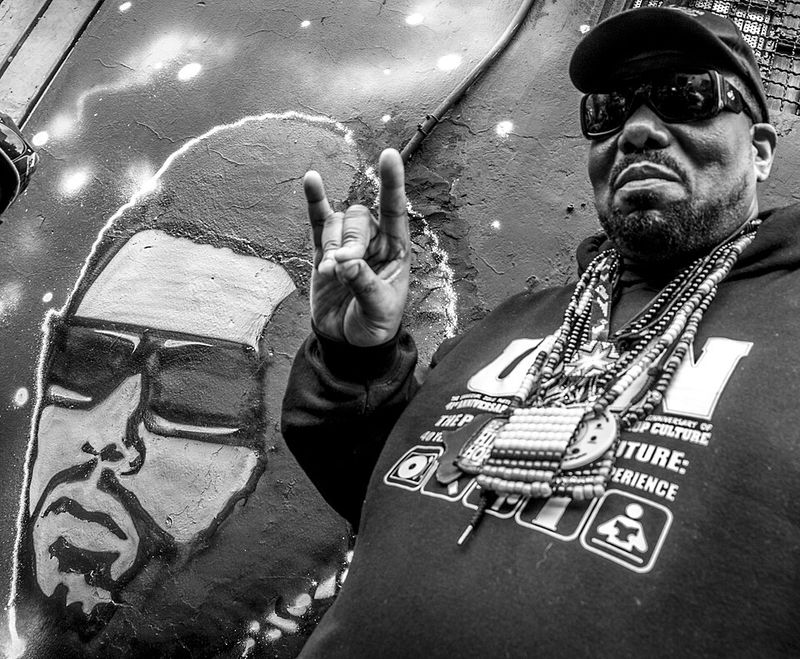
Afrika Bambaataa built this track by directly sampling the melodic sequence from Kraftwerk’s 1981 recording Trans-Europe Express and pairing it with a Roland TR-808 drum machine pattern that was already becoming central to hip-hop production. The combination fused European electronic music with New York street culture in a way that had not been attempted before.
The result essentially created electro as a distinct genre and became foundational to breakdancing culture, Miami bass, freestyle, and early techno. Its willingness to treat synthesizer music and hip-hop as compatible rather than separate traditions opened a creative direction that producers worldwide would follow for the next four decades.
17. Running Up That Hill (A Deal with God) – Kate Bush (1985)

Kate Bush used a Fairlight CMI sampler and synthesizer to build an arrangement that sounded nothing like conventional mid-1980s pop production. The track centered on a concept of two people trading places to understand each other’s perspective, and the production matched that emotional complexity with layered, shifting instrumental textures.
When the song was licensed for use in the Netflix series Stranger Things in 2022, an entirely new generation encountered it and pushed it back into global charts nearly four decades after its release. That second wave of popularity confirmed what many musicians already knew: the original recording had been built to last well beyond its own era.
Share this story