 Unearth The Voyage
Some places chase trends, then there are the steak temples that simply keep doing what works. This list rounds up time-honored rooms where the menu reads like a promise and the cooks still trust their old-school playbook.
Expect dry-aged porterhouse carved with quiet confidence, prime rib rolling out on silver carts, and sides that never needed a facelift. Ready to meet the institutions that treat recipes like family heirlooms and tradition like a house rule you will gladly follow?
1. Old Homestead Steakhouse – New York, NY (1868)
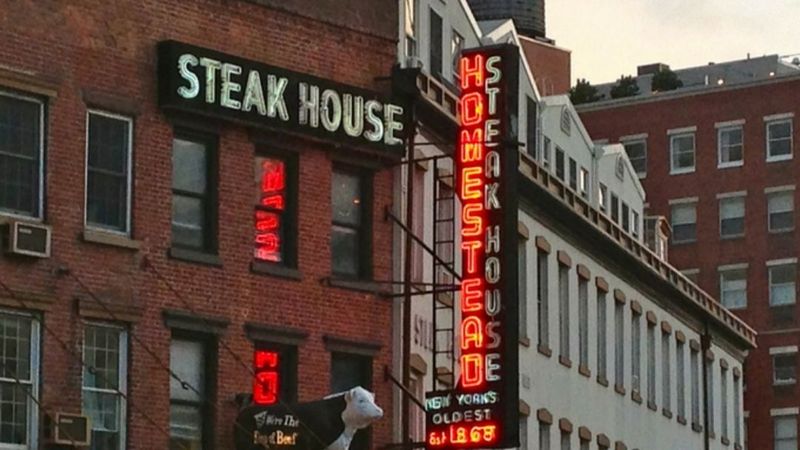
Longevity has a look, and Old Homestead wears it like a well-cut suit. The Meatpacking District icon still builds its reputation on mammoth dry-aged porterhouse, seasoned with restraint and cooked to straightforward perfection.
Staff steer you toward cuts by weight, not fuss, and the menu leans on baked potatoes, creamed spinach, and wedge salad sized for sharing. Nothing reads like a novelty item, which keeps first-timers calm and regulars loyal.
Tables fill with multi-generational groups, business diners, and celebration crews that know exactly what will arrive. Reservations are smart, and the pacing favors a proper sit-down rather than a sprint.
The kitchen holds to time-tested searing methods and confident resting, avoiding modern gadgetry. Sauces stay in the supporting cast, letting that house aging do the talking.
Service remains classic New York: brisk, unflappable, and oddly charming once you lean in. You will leave discussing cut size, not garnish.
The room’s framed history nudges conversation toward earlier visits and famous patrons. By dessert, the only surprise is how little changed, which feels like the whole point.
2. Keens Steakhouse – New York, NY (1885)
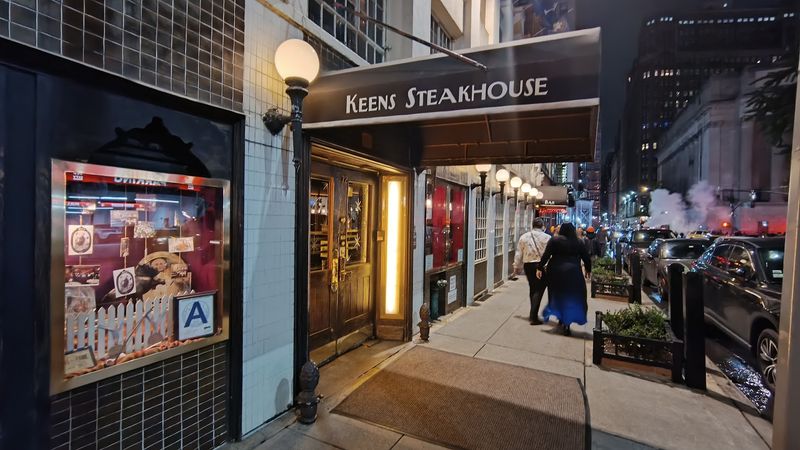
The ceiling at Keens does the introductions with a constellation of clay pipes that tells you tradition lives here. Beneath them, the famous mutton chop anchors a menu that has barely budged since actors made this place their canteen.
Steaks arrive with minimal adornment, while sides keep close to the 19th century script. The menu layout reads tidy and chronological, and the staff know the backstory without turning it into a lecture.
Regulars order the chop like a reflex, and newcomers quickly follow suit. The room’s nooks make almost every table feel like a favorite booth.
Cooking leans on old-school broilers and a calibrated rest that locks in consistency. The kitchen trusts time and heat more than flourishes.
Expect a steady cadence of courses and a clear recommendation on doneness. Bread service and classic salads arrive with the same rhythm guests remember.
Keens preserves its past through discipline, not nostalgia, which explains the still-strong lines at peak hours. The recipe book is protected by practice, and the result is a meal that proves stability can be thrilling.
3. Peter Luger Steak House – Brooklyn, NY (1887)
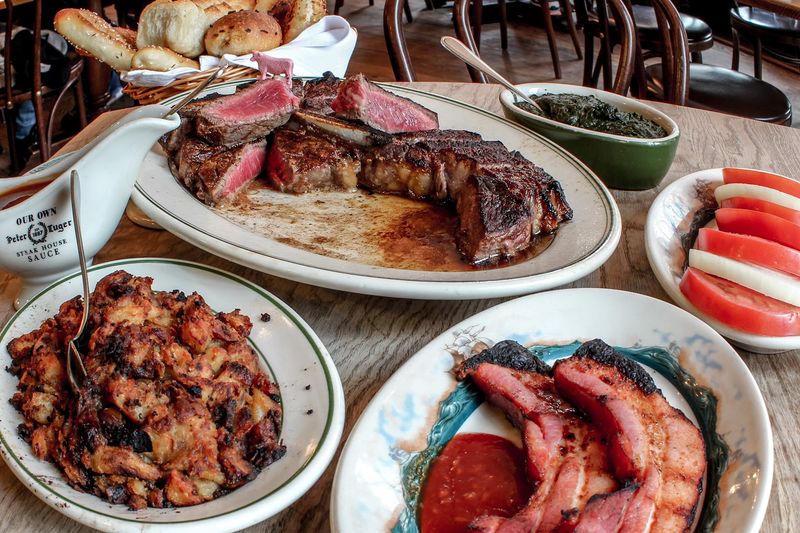
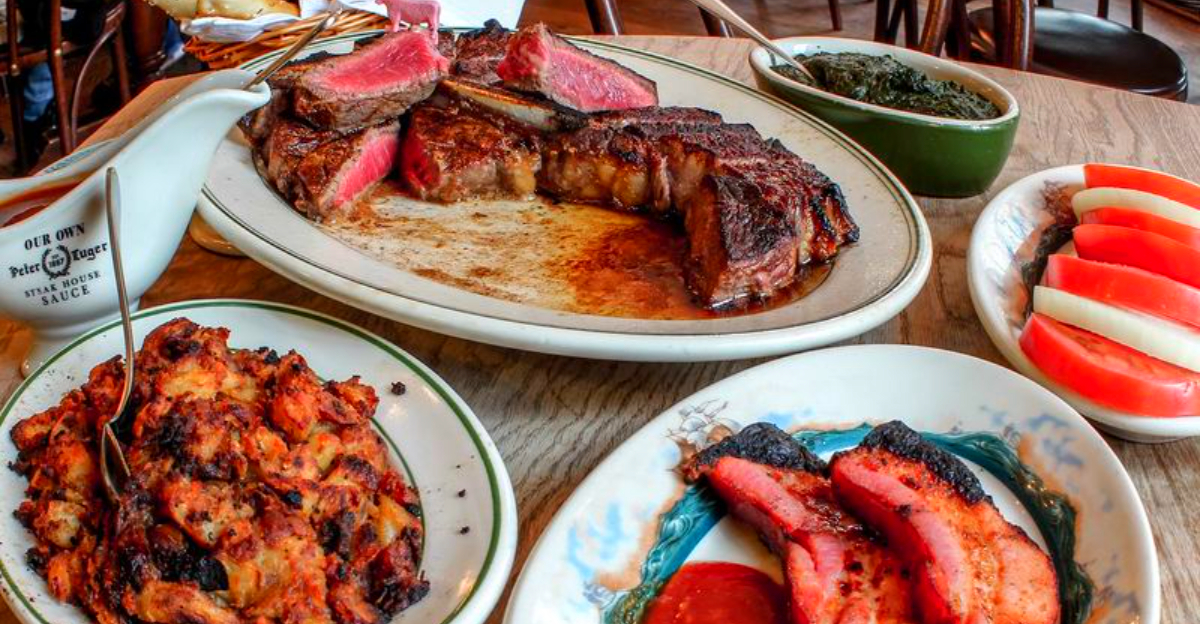
Cash, confidence, and a sizzling platter define the Peter Luger routine. The dry-aged porterhouse for two lands on a tilted plate, juices corralled, carving handled with sharp economy.
Menus are brief and the steak sauce is practically a household brand, though regulars seldom need it. Sides keep close to the blueprint: German potatoes, creamed spinach, thick-cut bacon to start.
Servers call orders by cut and temperature like a precise drill. The dining room’s wood and hum of conversation create a lived-in cadence that favors groups.
The kitchen relies on deep aging, ferocious broilers, and a rest period that stays consistent across turns. Every variable seems measured against tradition.
Reservations can feel like a sport, but off-peak lunches reward patience. Credit cards remain a discussion point, so plan ahead.
Luger’s reputation rides on repetition done well, and that is exactly what arrives. By the final bite, the only update you will notice is the date on the calendar, not the recipe in the back.
4. Buckhorn Exchange – Denver, CO (1893)
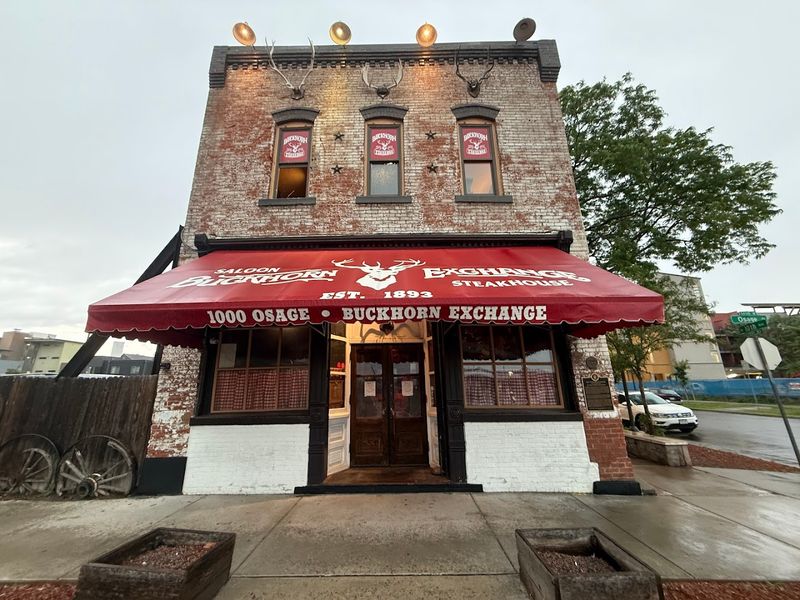
History hangs on the walls at Buckhorn Exchange like a museum with table service. The kitchen keeps steaks and game under a steady hand, using the dependable house rub that predates current trends.
Menus still list cuts alongside a few frontier nods, and service explains portions with precision. Guests study the walls between bites, treating the room like an exhibit with side dishes.
Table pacing suits families and curious travelers alike. The staff does not oversell, which keeps the focus on the plate.
Steaks cook over reliable heat with timing drilled by repetition. Game selections rotate in a quiet orbit around the core technique rather than novelty.
The layout stacks cozy tables and a lively bar area without stealing attention from the main course. Portions remain generous and plating stays unpretentious.
Teddy Roosevelt stories surface, but the real takeaway is consistency. Buckhorn proves a long memory can guide a kitchen as effectively as a modern gadget, and dinner ends with a nod to the same recipes that brought you in.
5. St. Elmo Steak House – Indianapolis, IN (1902)
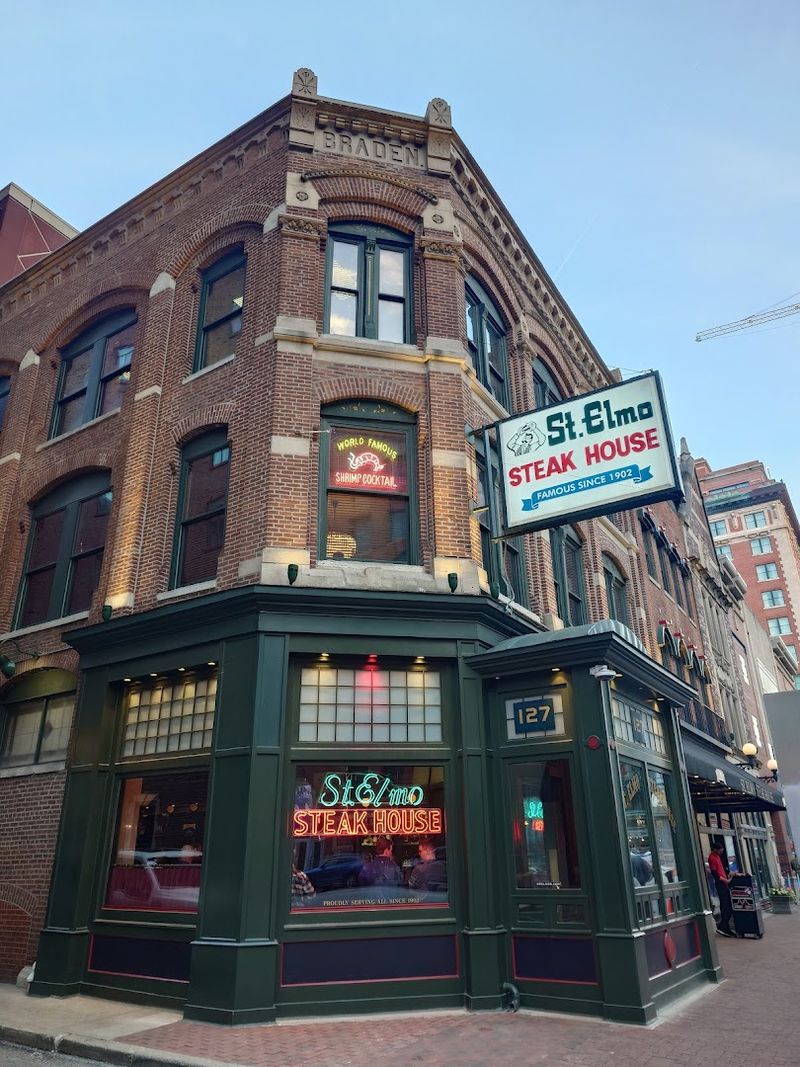
The menu at St. Elmo reads like a challenge accepted the moment the shrimp cocktail arrives. That fiery starter sets a tone the steaks meet with calm, dry-aged confidence.
The dining room follows the original saloon footprint, refined but unmistakably heritage. Servers map out cuts and sizes with a practiced script that makes ordering easy.
Regulars come for the predictable sequence: starter with heat, steak on heavy plates, traditional sides queued behind. Tableside touches appear in measured ways that feel studied rather than showy.
Cooking methods rely on careful charring and consistent resting, and temperatures hit the mark without debate. The kitchen tracks timing like a metronome.
Expect crowds around game days and conventions, yet the pacing rarely slips. Reservations smooth the process and allow for a slower finish.
St. Elmo’s legacy is not a museum piece. It is a living routine capable of turning repeat visits into a comfortable ritual, anchored by recipes the team continues to guard without tinkering.
6. Cattlemen’s Steakhouse – Oklahoma City, OK (1910)
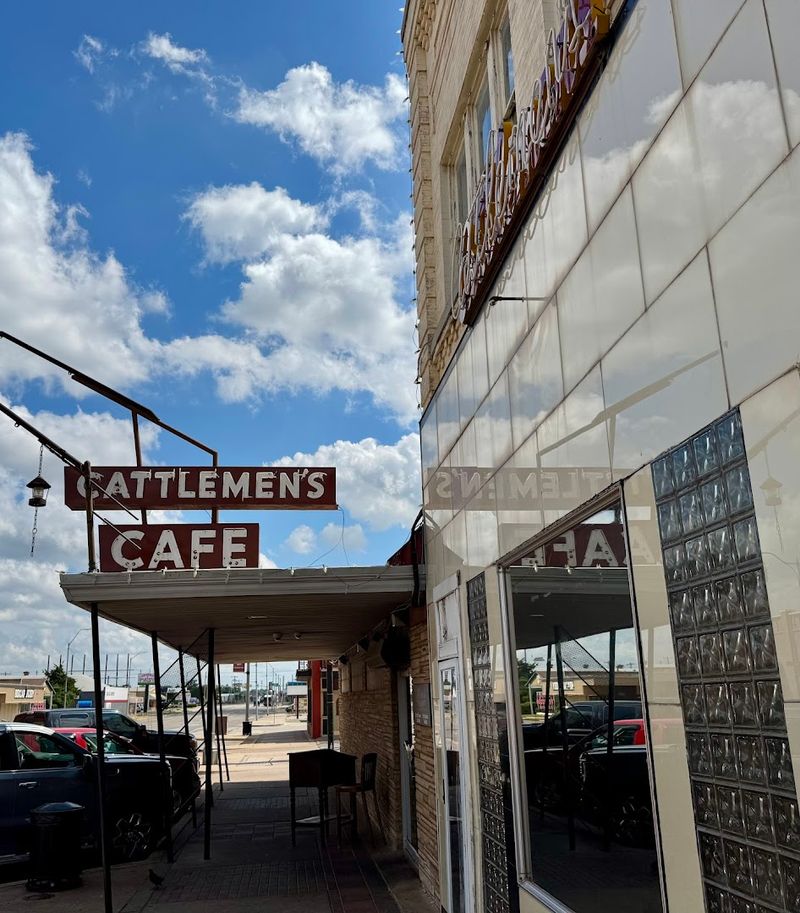
Deals once closed over coffee now close over prime rib at Cattlemen’s. The Stockyards dining room blends ranch lore with a menu that never traded its cowboy-era seasoning.
Prime cuts come in straightforward sizes, served with baked potatoes, salad, and a roll that belongs in the starter rotation. Specials nod to ranch hands and politicians who still show up for the same plates.
Service moves with a steady trot, checking temperatures and refills on cue. No speechmaking, just efficient guidance toward the classics.
The kitchen keeps to high-heat searing and reliable roasting for the rib, then carves clean. Sauces stay optional instead of mandatory.
Expect early crowds and weekend lines that prove routine can be magnetic. The booths hold families, travelers, and regulars who know the servers by name.
Cattlemen’s does not audition new identities. It delivers the same conversation-starting beef that first drew headlines, holding to recipes that still feel current simply by being correct.
7. Jess & Jim’s Steakhouse – Kansas City, MO (1938)
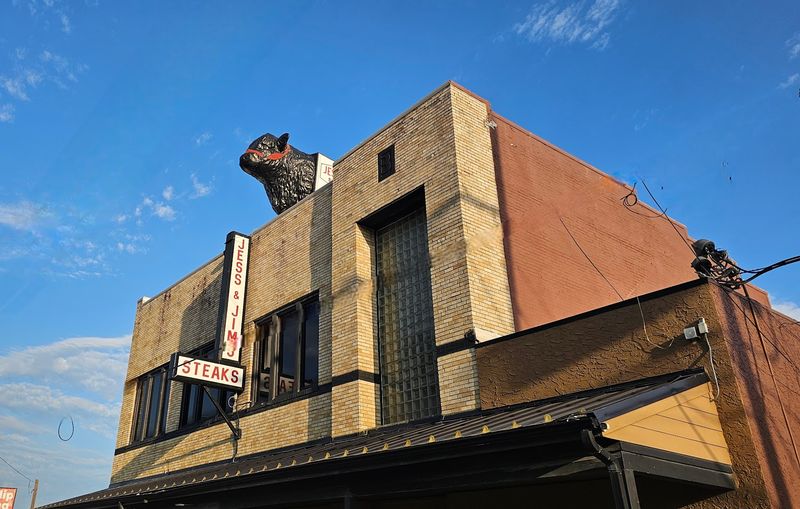
Portions speak first at Jess & Jim’s, where the steaks arrive with serious width. The family-run approach shows in cuts that feel handpicked and in a menu that looks remarkably familiar to longtime guests.
Choices lean bold and unadorned, with sides arranged like a toolbox that always works. Servers deliver dry humor alongside accurate doneness checks.
The room draws locals celebrating milestones and travelers chasing Kansas City beef credentials. Seating ranges from no-nonsense tables to booths that make sharing easy.
Technique remains old-school: high heat, careful rest, and a simple salt-forward approach. Fancy reductions rarely appear because they are not needed.
Expect the kind of pacing that invites conversation but never neglects the steak. The staff steers newcomers toward signature cuts without pressure.
Jess & Jim’s keeps its identity by trimming away flash. The formula rewards anyone who values a plate that looks like the picture in their head and tastes like a promise kept.
8. Gene & Georgetti – Chicago, IL (1941)
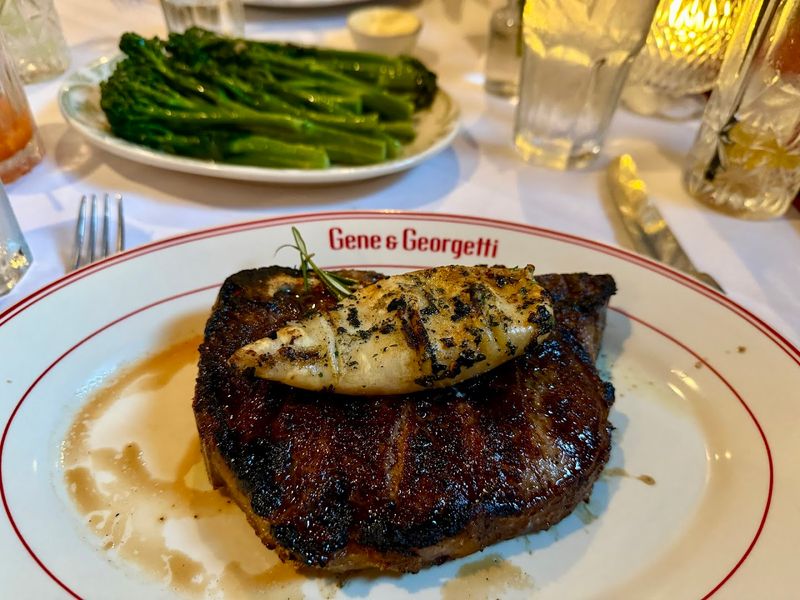
Chicago’s original power move still includes a steak at Gene & Georgetti. The Italian-leaning menu pairs dry-aged cuts with classics like sausage and peppers and a few pastas that never left the lineup.
Servers choreograph pacing so the steak stays the headliner without sidelining old favorites. Regulars mix a salad and a side like muscle memory.
Tables cluster close, giving the room a quick, confident rhythm. The framed photos testify to decades of regulars and visiting boldface names.
Broilers run hot, seasoning stays simple, and the kitchen checks temperatures with quiet precision. The technique is direct rather than decorative.
Expect efficient service that treats big orders and quick lunches with equal seriousness. Cuts arrive exactly as described, no surprise garnishes.
Gene & Georgetti resists reinvention by delivering the same core experience since 1941. The recipes act like a compass, pointing straight at the steak.
9. Murray’s Steakhouse – Minneapolis, MN (1946)
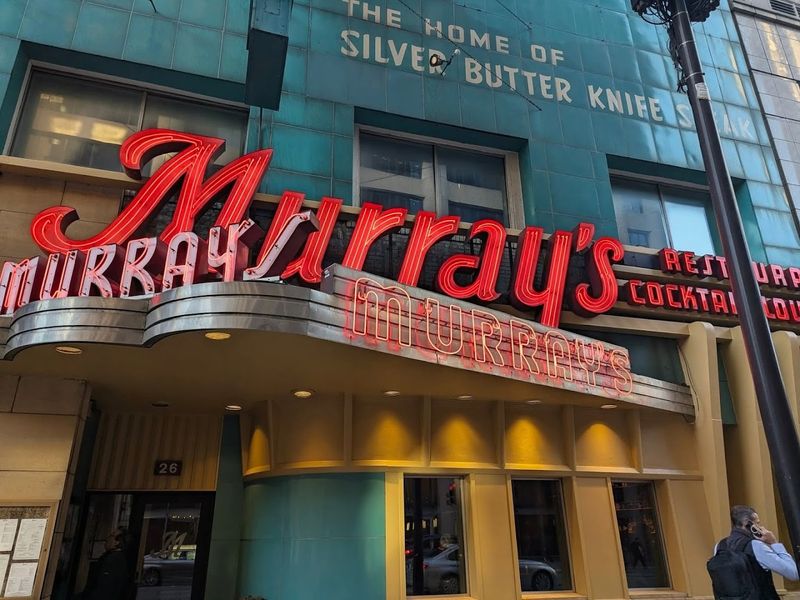
Silverware gets star billing at Murray’s with the Silver Butter Knife Steak. The carving ceremony turns the table into a stage where technique outshines theatrics.
The menu holds steady around aged beef, shrimp cocktails, salads, and potatoes handled in traditional ways. Servers guide you to the signature cut with the calm of experts.
Booths feel midcentury without leaning into kitsch. The sequence of courses keeps timing tight around the star attraction.
Back of house technique centers on patient broiling and a butter finish that defines the house style. Temperatures land with admirable accuracy, aided by resting discipline.
Expect a crowd that mixes date nights with longtime fans celebrating repeats. The room absorbs groups easily while maintaining a low murmur of conversation.
Murray’s remains itself by protecting its methods more than its marketing. The result is a meal that demonstrates why one knife can carry a brand when the recipe stays the same.
10. The Pine Club – Dayton, OH (1947)
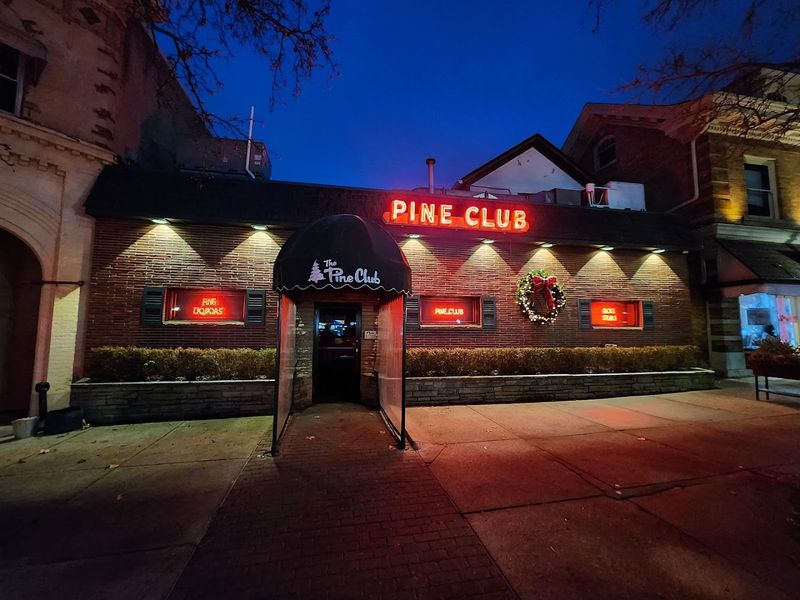
Cash still rules at The Pine Club, proof that some policies age as well as prime beef. Walnut panels line a room that values directness over decoration.
The menu stays simple: robust steaks, potatoes, and greens with an almost stubborn consistency. Servers outline rules and options clearly and keep things moving.
Regulars know the order of operations by heart and treat the no-reservations system like a local sport. Tables turn, but nobody gets rushed off their plate.
In the kitchen, high heat and a strict rest produce repeatable results night after night. Seasoning remains restrained so the beef carries the conversation.
Expect straightforward plating and portions that continue Dayton’s tradition of value. The cash-only detail becomes a talking point rather than a hurdle.
The Pine Club proves reliability can be an atmosphere all its own. You leave with a sense that the same steak would greet you tomorrow, and that is exactly why people return.
11. House of Prime Rib – San Francisco, CA (1949)
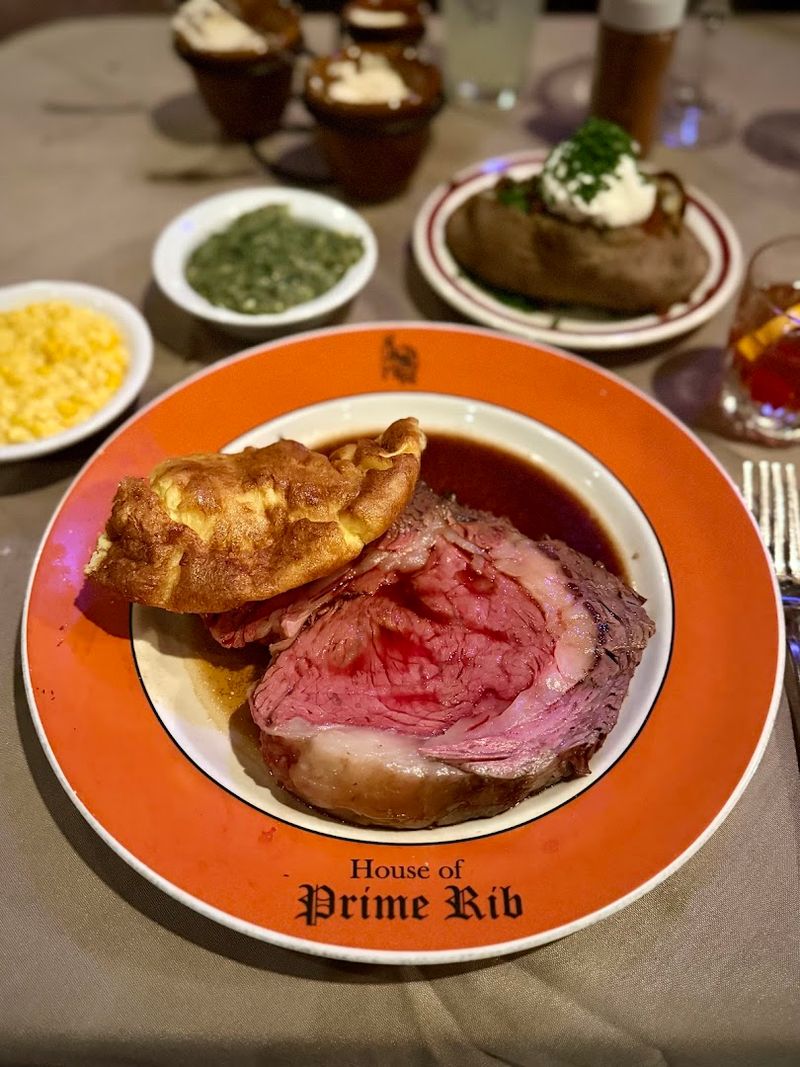
A cart announces dinner at House of Prime Rib before a word is said. Silver domes glide to the table and a carver slices portions to order right in front of you.
The menu is practically a single-subject thesis with sides that never change: Yorkshire pudding, creamed spinach, baked potato, and salad. Choices boil down to cut size and doneness.
Servers orchestrate refills and condiments with a predictable rhythm that keeps the room humming. Guests pace themselves around the carts like a ceremony.
The kitchen supports the show with steady roasting cycles and careful holding. Everything funnels toward that moment of carving and plating.
Expect full books weeks ahead and a line of eager diners comparing cut names. The dining room handles the flow like muscle memory.
House of Prime Rib survives by keeping focus narrow and execution broad. The recipe is not just preserved, it is performed.
12. Bern’s Steak House – Tampa, FL (1956)
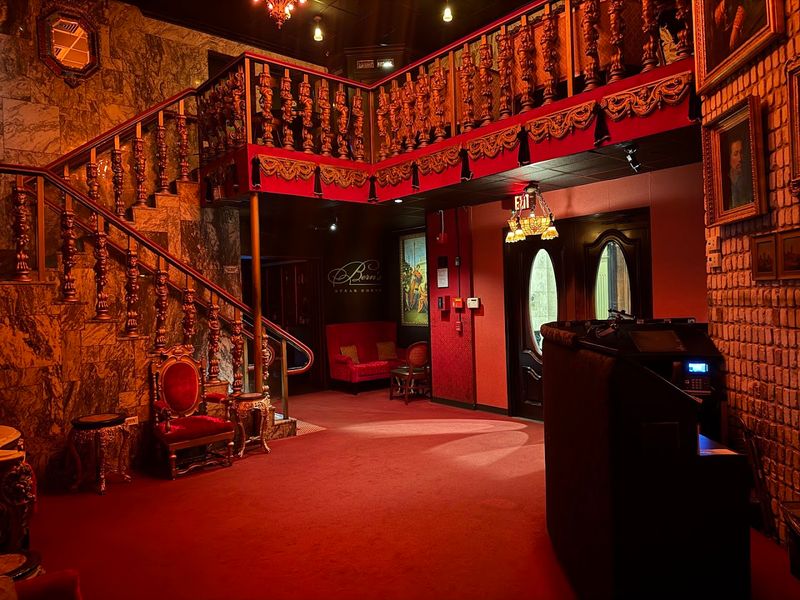
Scale defines Bern’s, starting with an in-house aging program that operates like a behind-the-scenes engine. The dining room channels that precision into custom-cut steaks and a service style that treats timing as a craft.
Menus read large, yet the core stays familiar: steaks by weight, classic sides, and a post-meal stop in the dessert room. Staff handle details with a calm that borders on choreographed.
Guests compare cuts and aging notes like seasoned regulars by the end of the night. Tours of the back rooms reinforce the method-first philosophy.
Cooking draws on broilers hot enough to stamp in consistency across sizes. Resting and trimming stay exact, which keeps temperatures true to order.
Expect a long visit structured around multiple courses and a finale that feels built-in. The pace never drifts because the machine runs tight.
Bern’s proves tradition can scale without losing its edge. The recipes remain recognizable even as the operation operates at an impressive clip.
13. The Golden Steer – Las Vegas, NV (1958)
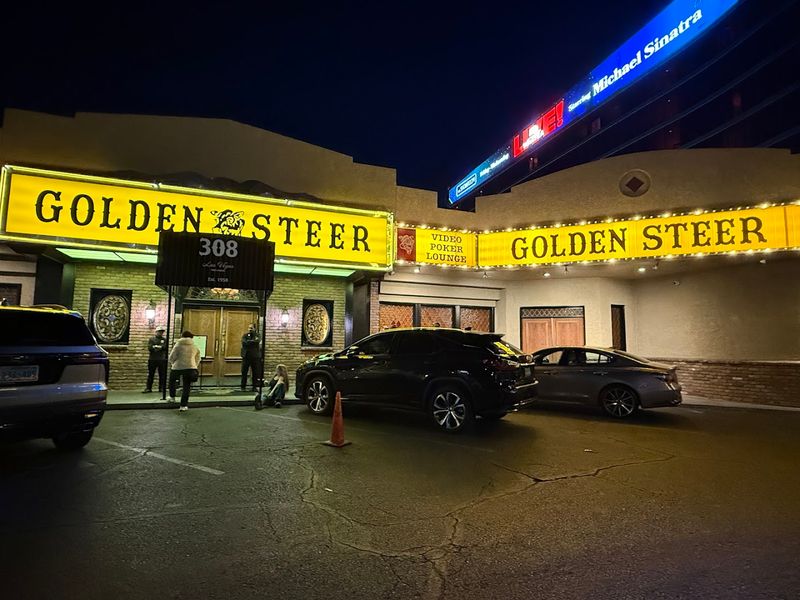
Booths at The Golden Steer look ready for a photo, yet the menu keeps its eyes on the plate. Prime rib and steaks headline with sides that have outlived fads up and down the Strip.
Servers glide through courses with names and stories of past regulars. The seating map includes tables dedicated to legends, which sparks conversation without slowing service.
The kitchen relies on high-heat broilers and disciplined seasoning. Carving is clean, and portions lean generous in a way Las Vegas understands.
Expect a steady flow of celebrations alongside travelers checking a classic off their list. Reservations secure the more storied booths, though every table gets equal attention.
Menus balance nostalgia with clarity, using familiar cuts and preparations that resist updates. Bread, salad, and potato play their long-running roles.
The Golden Steer stays in character by honoring what built its reputation. Guests leave talking about the same dishes people praised decades ago, which is exactly the idea.
14. Gage & Tollner – Brooklyn, NY (1874, revived)
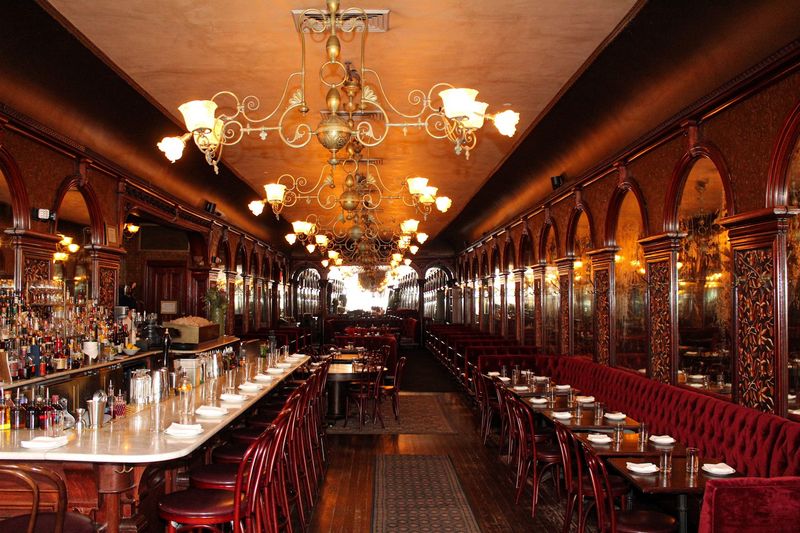
Restoration here means recipes get their seats back, not a new costume. Gage & Tollner revives turtle soup, chops, and heritage cuts inside a room that looks freshly polished without rewriting history.
The menu draws clean lines between appetizers and mains with familiar sides in supporting roles. Staff guide guests through the old names like trusted archivists.
Tables feel celebratory without tipping into theater. The spacing honors the room’s original layout while meeting modern comfort.
Cooking sticks to time-honored broiling and pan methods, respecting the muscle of traditional cuts. Nothing reads like a pilot program.
Expect a crowd that includes old-timers returning and newcomers testing classics for the first time. Reservations help, as prime hours fill quickly.
The revival works because the kitchen keeps the center of gravity on proven dishes. The result is a restaurant that feels both returned and continuous.
15. Delmonico’s – New York, NY (1837, continuous lineage)
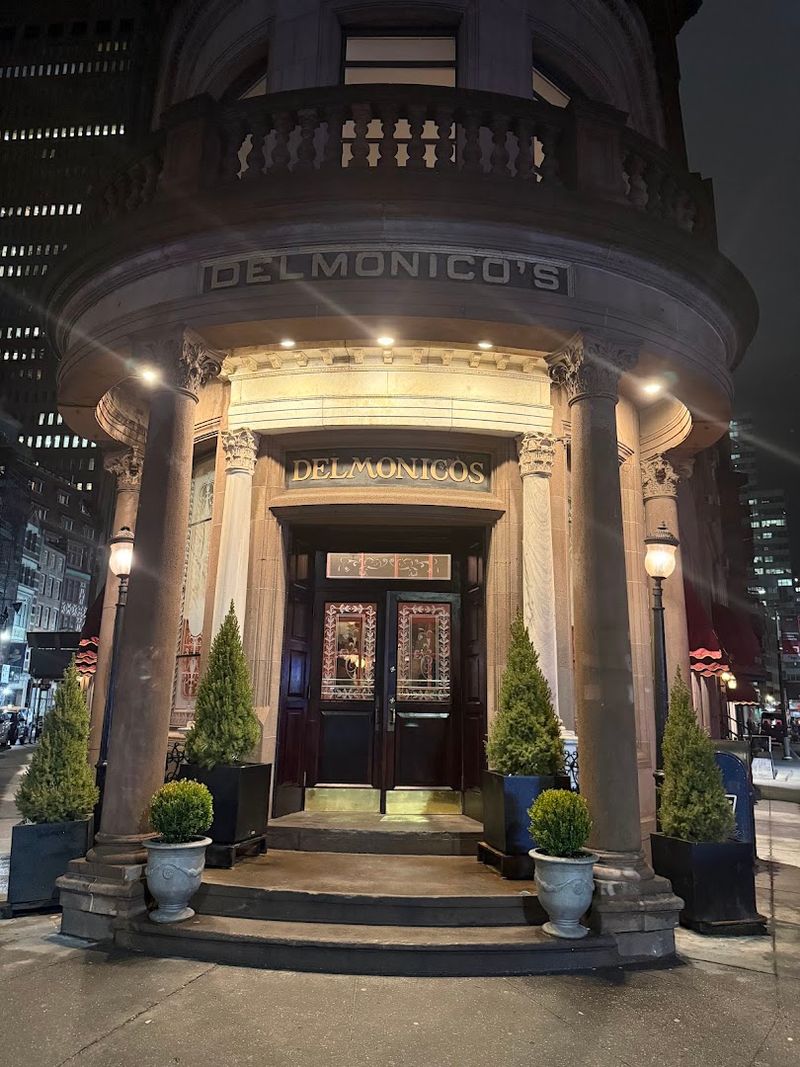
Menus all over America owe footnotes to Delmonico’s. The house that standardized a namesake steak still pairs heritage cuts with creamed spinach and potatoes served the way regulars expect.
Servers tell the story briskly, then focus on the task of getting temperatures exact. The room balances ceremony with a practical rhythm that keeps courses moving.
Tables mix business, celebrations, and curious first-timers. The seating plan gives both corners and center stage their turn.
In the kitchen, a disciplined sear, precise basting, and rest hold the line. Sauces remain classic, not ornamental detours.
Expect clear menu headings that make navigation quick. The signature steak is still the compass point, with familiar sides aligning around it.
Delmonico’s sustains influence by staying legible. The recipe book serves more like a constitution than a scrapbook, and dinner proves it.
16. Lowake Steak House – Rowena, TX (1951)
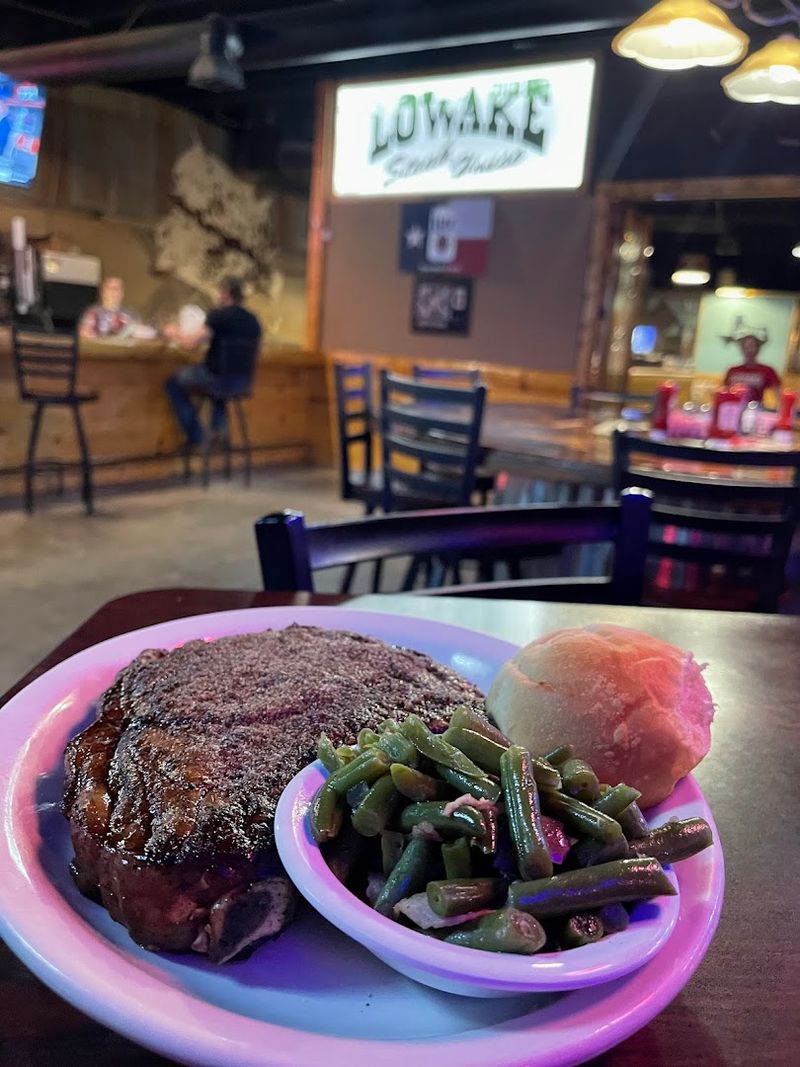
A long drive turns into a short decision at Lowake Steak House. The small-town setting frames steaks that have kept their Texas-sized reputation for decades without tweaks.
The menu lists generous cuts and straightforward sides that read like a local playbook. Staff deliver portions with the relaxed confidence of people who have done this for years.
Seating lines up family tables and two-tops without pretense. The flow encourages groups to settle in and compare cuts by the ounce.
In back, the approach sticks to hot grills, simple seasoning, and patient rest. The priority stays on width, weight, and accuracy over garnish.
Expect road-trippers and regulars trading route tips between bites. Prices reflect value more than theater, which keeps return visits steady.
Lowake’s charm is its refusal to perform reinvention. The recipes operate like reliable landmarks, guiding the meal straight to the finish every time.
17. Tom’s Steak House – Melrose Park, IL (1952)
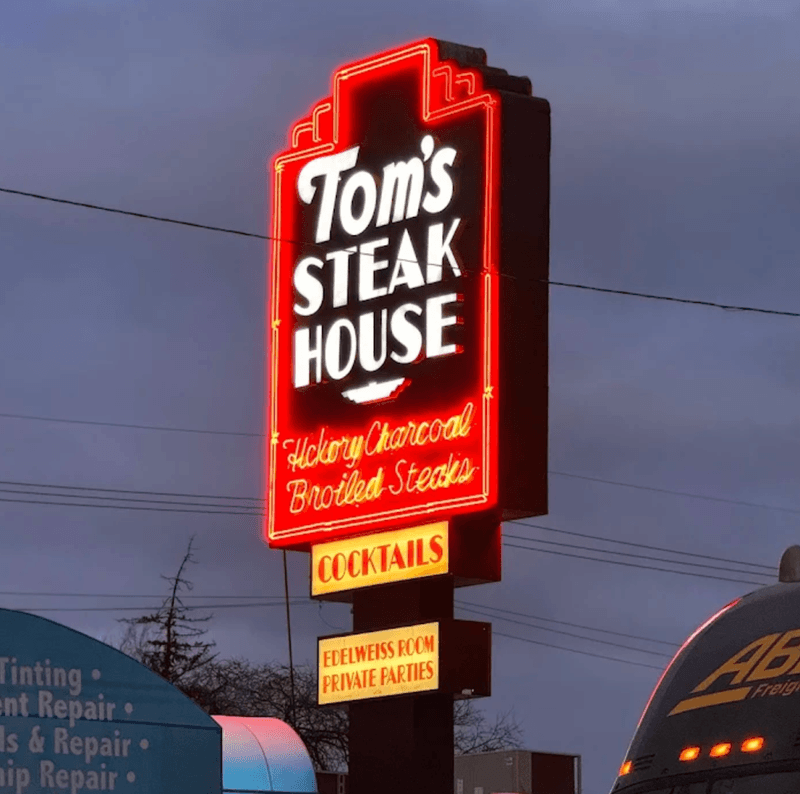
Charcoal sets the agenda at Tom’s Steak House. The cooking method stays front and center, just as it did when the doors first opened in the 1950s.
Menus present familiar cuts, a crisp salad, and potatoes done the way regulars expect. Servers speak fluently about timing off the grill so plates land together.
The room looks comfortably retro without costume. Booths hold couples and families who know this playbook by heart.
Back of house, the crew manages live heat like a craft, translating ember behavior into consistent doneness. Seasoning remains spare and deliberate.
Expect clean plating and a pace that respects conversation. Specials rotate gently without touching the core lineup.
Tom’s succeeds by letting charcoal do the storytelling. The recipes remain steady, which keeps the focus where it belongs: on a steak that tastes exactly like the photo in your memory.



