The American West Coast is one of the few places where dramatic mountains meet the Pacific Ocean in truly spectacular fashion. From rugged fishing villages and windswept beaches to alpine communities tucked among towering peaks, these towns capture the incredible diversity of California, Oregon, and Washington.
Whether you are planning a scenic road trip or a quick weekend escape, each destination on this list delivers a unique mix of ocean views, ancient forests, and jaw-dropping mountain landscapes. Pack your bags, because the West Coast is calling.
Cannon Beach, Oregon
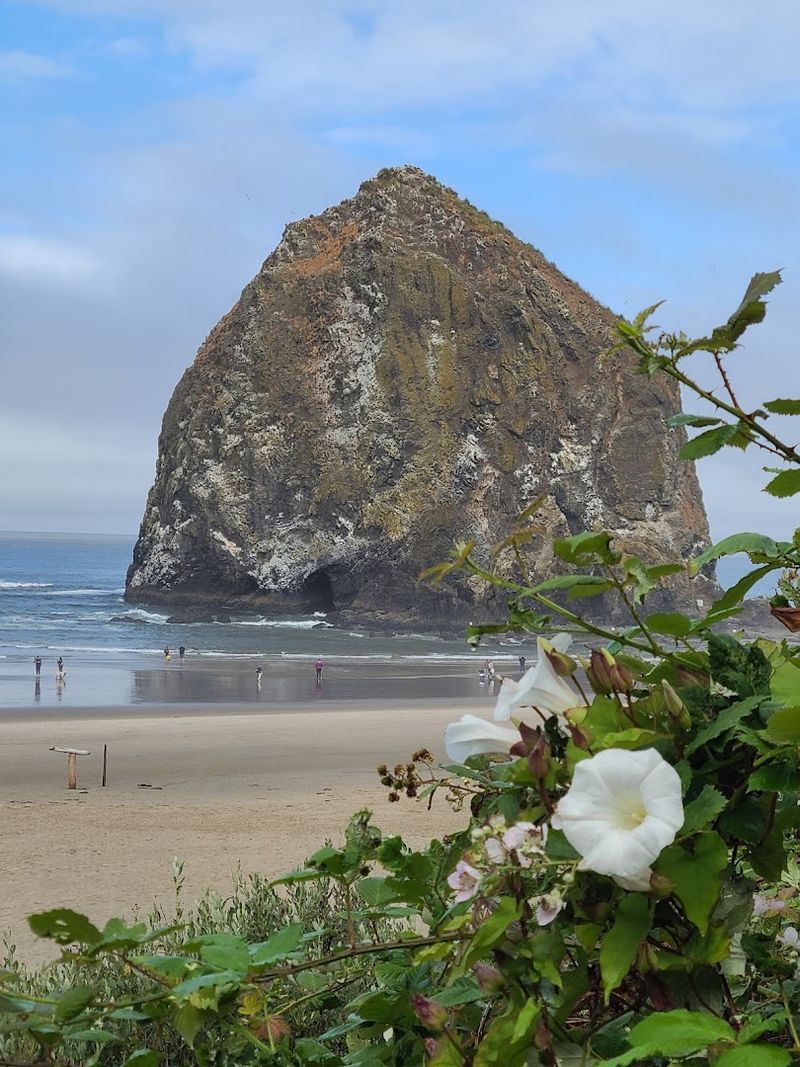
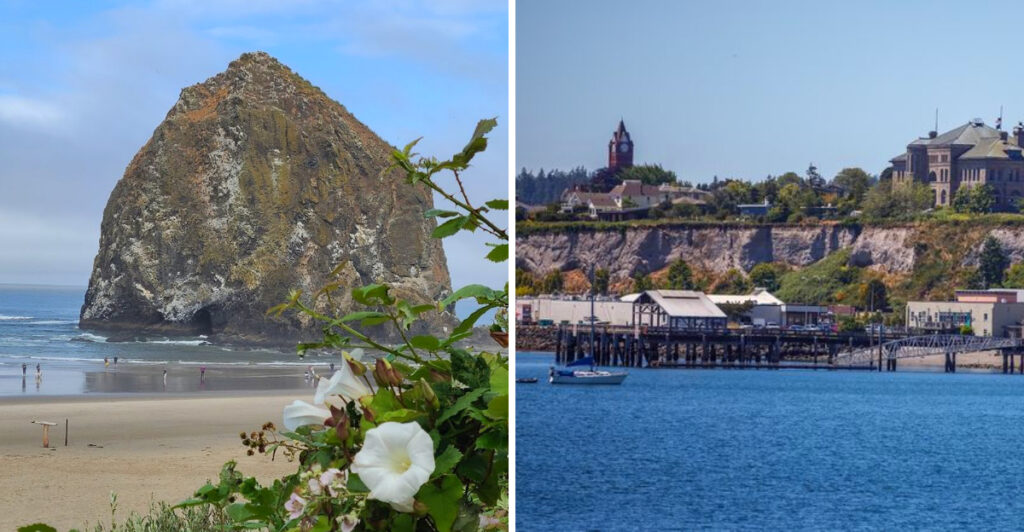
Standing at the base of Haystack Rock feels like stepping into a painting that someone forgot to finish. This 235-foot sea stack juts dramatically from the Pacific surf and serves as the undisputed symbol of Cannon Beach, one of Oregon’s most beloved coastal towns.
Tide pools around the rock are home to sea stars, hermit crabs, and colorful anemones that kids and adults find equally fascinating.
Beyond the beach, the town itself is a charming collection of art galleries, boutique shops, and cozy cafes where clam chowder is practically a food group. The nearby Oregon Coast Range offers forested hiking trails that reward visitors with sweeping views over the Pacific.
Ecola State Park, just minutes away, delivers some of the most breathtaking coastal panoramas in the entire Pacific Northwest.
Cannon Beach hosts a popular Sandcastle Contest every summer that draws thousands of visitors and some seriously impressive sand sculptures. Spring and fall shoulder seasons offer fewer crowds while keeping the dramatic weather and moody skies that make this coastline so photogenic.
Bring a good rain jacket regardless of the season.
Carmel-by-the-Sea, California
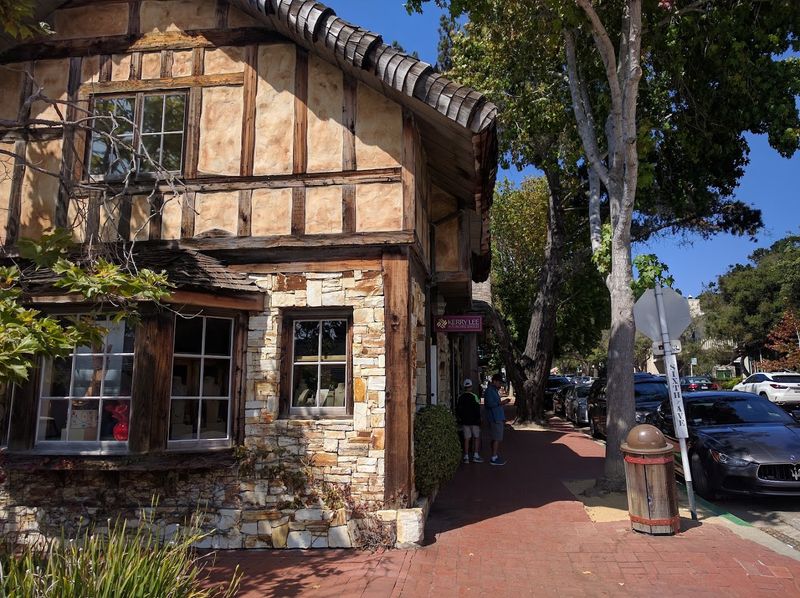
Carmel-by-the-Sea looks like someone took a European fairy tale and relocated it to the California coast, complete with storybook cottages, flower-filled gardens, and a white-sand beach that glows in the afternoon sun. This tiny Monterey Peninsula village has no street addresses, which means mail gets picked up at the post office and locals actually know their neighbors.
The town even famously elected Clint Eastwood as its mayor back in 1986.
Art galleries line the narrow streets, showcasing everything from watercolor seascapes to bold abstract sculptures. The nearby Santa Lucia Mountains provide a stunning green backdrop and excellent hiking opportunities through Los Padres National Forest.
Point Lobos State Natural Reserve, just south of town, is widely considered one of the most beautiful spots on the entire California coast.
Carmel Beach itself is dog-friendly and allows bonfires at certain times of year, making sunset visits feel wonderfully laid-back. The town has strict rules against chain restaurants and neon signs, which keeps the atmosphere refreshingly old-world and unhurried.
Come hungry, because the local restaurant scene punches well above its small-town weight.
Leavenworth, Washington
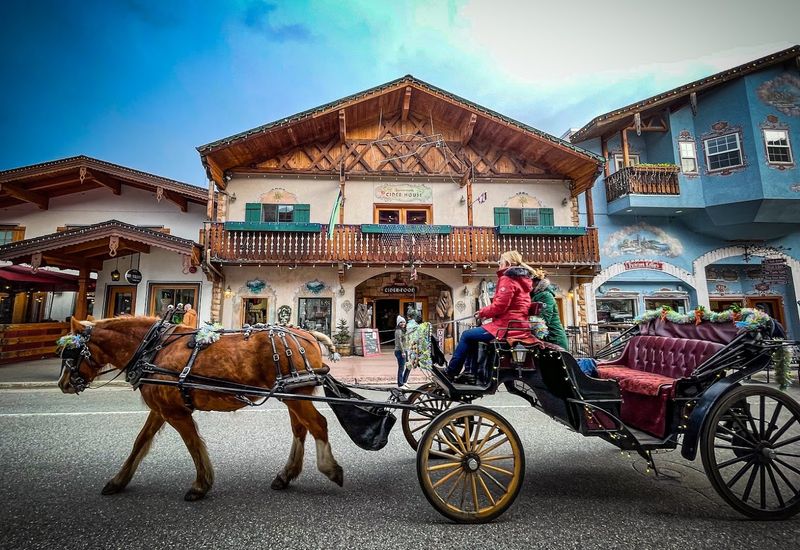
Somewhere in the Cascade Mountains of Washington, a town decided to become Bavaria and honestly pulled it off beautifully. Leavenworth transformed itself in the 1960s from a struggling railroad town into a full-blown Bavarian village complete with alpine architecture, lederhosen-wearing shop owners, and an Oktoberfest celebration that draws visitors from across the Pacific Northwest.
The Wenatchee River runs right through town, adding a scenic soundtrack to the whole experience.
Summer brings hikers, kayakers, and mountain bikers who use Leavenworth as a base for exploring the surrounding Cascade wilderness. The area offers hundreds of miles of trails ranging from gentle riverside walks to challenging summit climbs with panoramic views.
Winter transforms the town into a snow-globe fantasy, with Christmas lights, horse-drawn sleigh rides, and ski resorts just a short drive away.
Rock climbing enthusiasts consider the Icicle Canyon area near town to be one of Washington’s premier climbing destinations. The local food scene leans heavily into German sausages, pretzels, and Bavarian-style beers, though you can absolutely find excellent Pacific Northwest cuisine too.
Leavenworth manages to be both delightfully kitschy and genuinely spectacular at the same time.
Mendocino, California
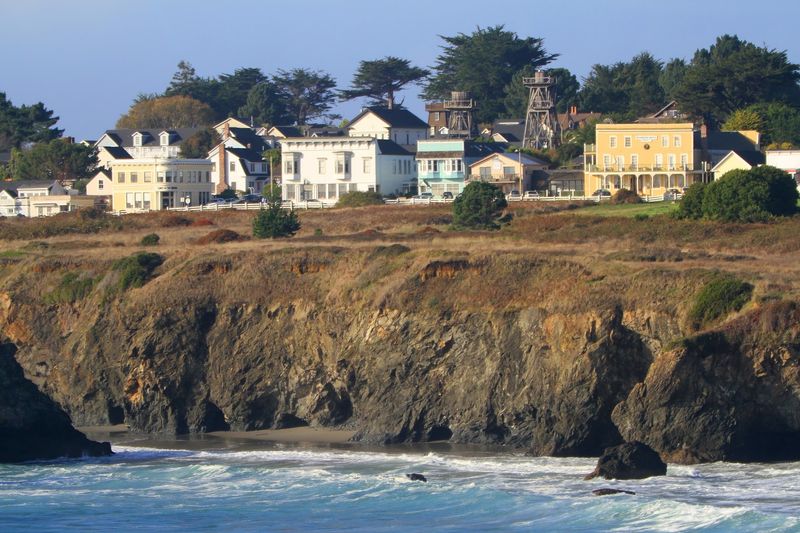
Perched on a headland above the crashing Pacific, Mendocino looks like a New England fishing village that somehow drifted all the way to the California coast and decided to stay. Victorian water towers, weathered wooden storefronts, and wild coastal gardens give this town a character that feels completely unlike anywhere else in the state.
HBO’s murder mystery series “Murder, She Wrote” famously used Mendocino as its fictional Maine setting for over a decade.
The Mendocino Headlands State Park wraps around the town like a natural frame, offering windswept clifftop trails with views of sea arches, blowholes, and migrating gray whales during winter months. Inland, the Russian Gulch and Van Damme State Parks shelter groves of towering coastal redwoods that feel ancient and humbling.
Pygmy forests of stunted cypress and pine trees grow in the area due to unusual soil conditions.
The town’s arts community is vibrant and long-established, with galleries, theater performances, and a celebrated summer music festival drawing creative visitors year-round. Local restaurants take full advantage of the surrounding farmland and fishing waters, serving exceptional seasonal menus.
Mendocino rewards slow travelers who want to wander, breathe salt air, and genuinely disconnect.
Port Angeles, Washington
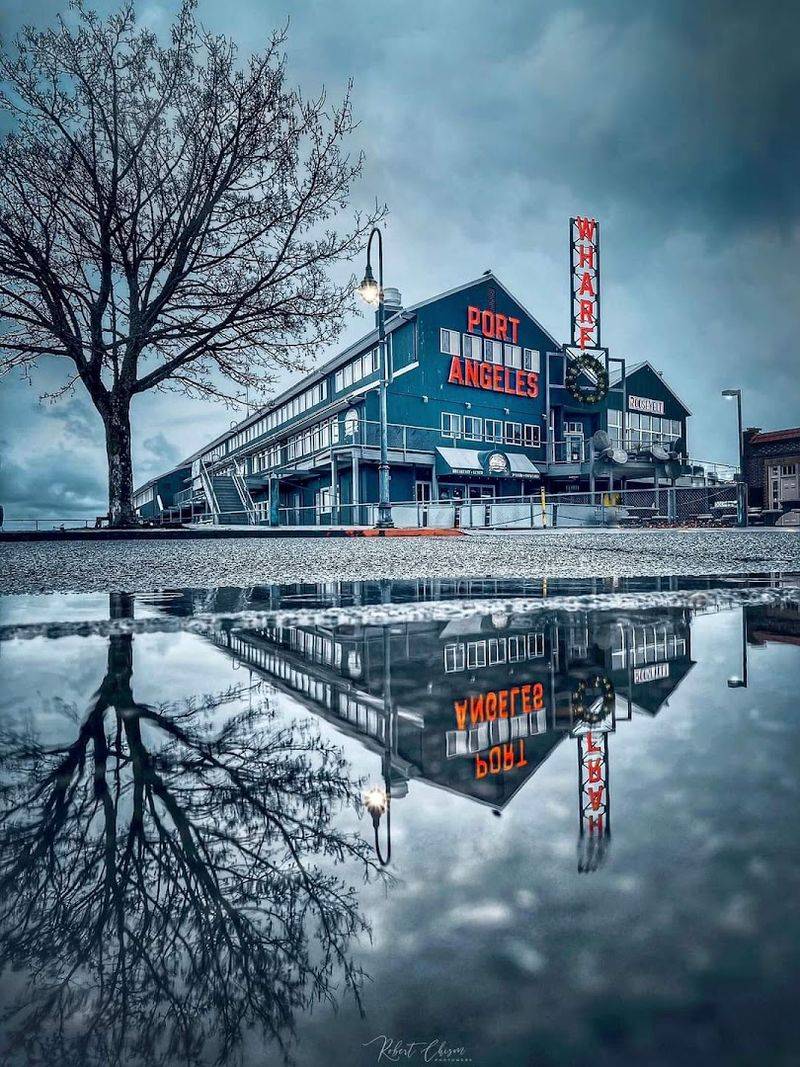
Few towns in America can claim a backyard quite like Port Angeles, which sits between the glacier-capped Olympic Mountains and the sparkling Strait of Juan de Fuca with casual confidence. This working port city serves as the primary gateway to Olympic National Park, one of the most ecologically diverse national parks in the entire country.
Within a single day trip, visitors can hike through temperate rainforests, walk a wild Pacific beach, and climb into alpine meadows filled with summer wildflowers.
Hurricane Ridge, located just 17 miles south of downtown, offers some of the most accessible mountain scenery in Washington. In winter, a small ski area operates on the ridge, while summer brings deer, marmots, and breathtaking views of the Olympic peaks.
The Elwha River, recently restored after the removal of two major dams, is experiencing a remarkable ecological comeback that wildlife enthusiasts find genuinely exciting.
Port Angeles also serves as a ferry departure point to Victoria, British Columbia, adding an international dimension to any visit. The downtown waterfront has been steadily revitalized with restaurants, breweries, and a maritime museum worth exploring.
Travelers who skip Port Angeles in favor of more glamorous destinations are genuinely missing out.
Astoria, Oregon
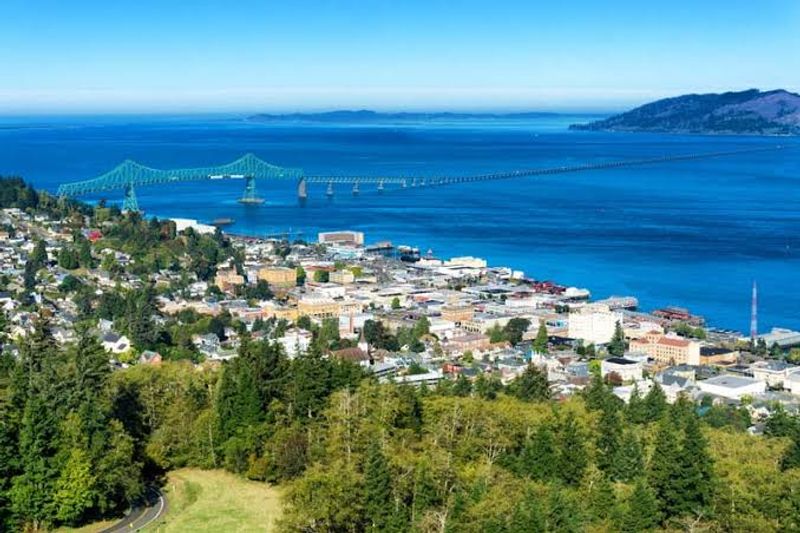
Astoria sits at the exact spot where the mighty Columbia River finally surrenders to the Pacific Ocean, which gives the town a geographic drama that matches its colorful history. Founded in 1811, it holds the distinction of being the oldest American settlement west of the Rocky Mountains, and its Victorian-era hillside neighborhoods still reflect that pioneering character.
The Astoria Column, a painted monument atop Coxcomb Hill, offers panoramic views over the river, ocean, and surrounding forested mountains.
The waterfront has transformed from a purely industrial zone into a lively stretch of breweries, restaurants, and the excellent Columbia River Maritime Museum. Sea lions frequently haul out on the East Mooring Basin docks, providing free entertainment and considerable noise year-round.
The town’s quirky personality and genuine authenticity have attracted filmmakers for decades, most famously as the shooting location for the 1985 classic “The Goonies.”
Fort Stevens State Park, located just west of town, protects the only military installation in the continental United States to receive hostile fire since the War of 1812. Nearby Fort Clatsop is where Lewis and Clark spent their miserable but historic 1805 winter.
Astoria rewards curious visitors who enjoy history, craft beer, and spectacular river sunsets in equal measure.
Big Bear Lake, California
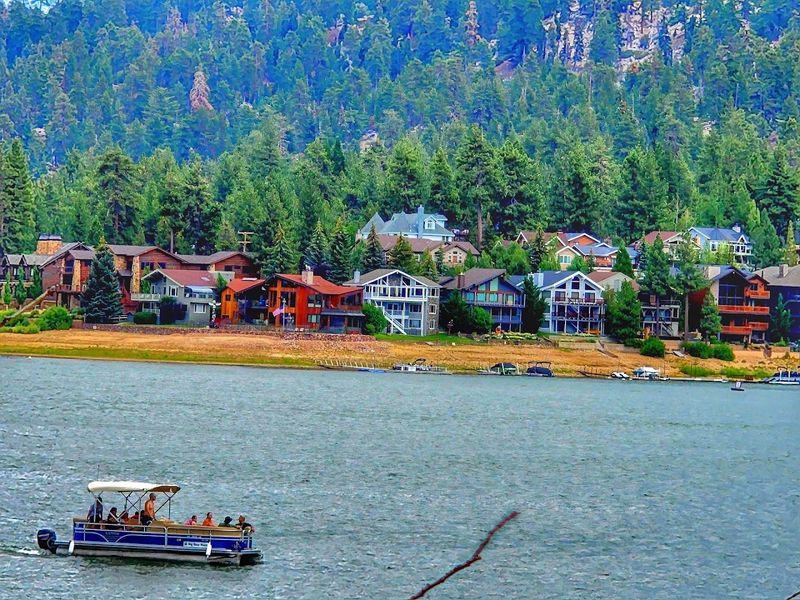
Just two hours from Los Angeles traffic and chaos, Big Bear Lake sits at 6,752 feet elevation like a refreshing cold splash of mountain reality. Southern California’s favorite alpine escape delivers pine forests, a genuine lake, actual seasons, and a village atmosphere that feels remarkably far removed from the sprawling metro area below.
The lake itself stretches nearly nine miles long and offers fishing, kayaking, paddleboarding, and sailing throughout the warmer months.
Winter transforms Big Bear into a ski destination with two separate resorts, Snow Summit and Bear Mountain, operating on adjacent slopes above town. The combined terrain makes it the most popular ski area in Southern California, drawing enthusiastic crowds every weekend from December through March.
Cross-country skiing and snowshoeing trails thread through the San Bernardino National Forest for those who prefer quieter mountain experiences.
The village area has evolved considerably in recent years, with farm-to-table restaurants, craft breweries, and boutique accommodations complementing the older souvenir shops and diners. Hiking in summer reveals wildflower meadows, sweeping ridgeline views, and occasional encounters with mule deer and black bears.
Big Bear proves that Southern California residents need not drive far to find genuine mountain magic.
Bandon, Oregon
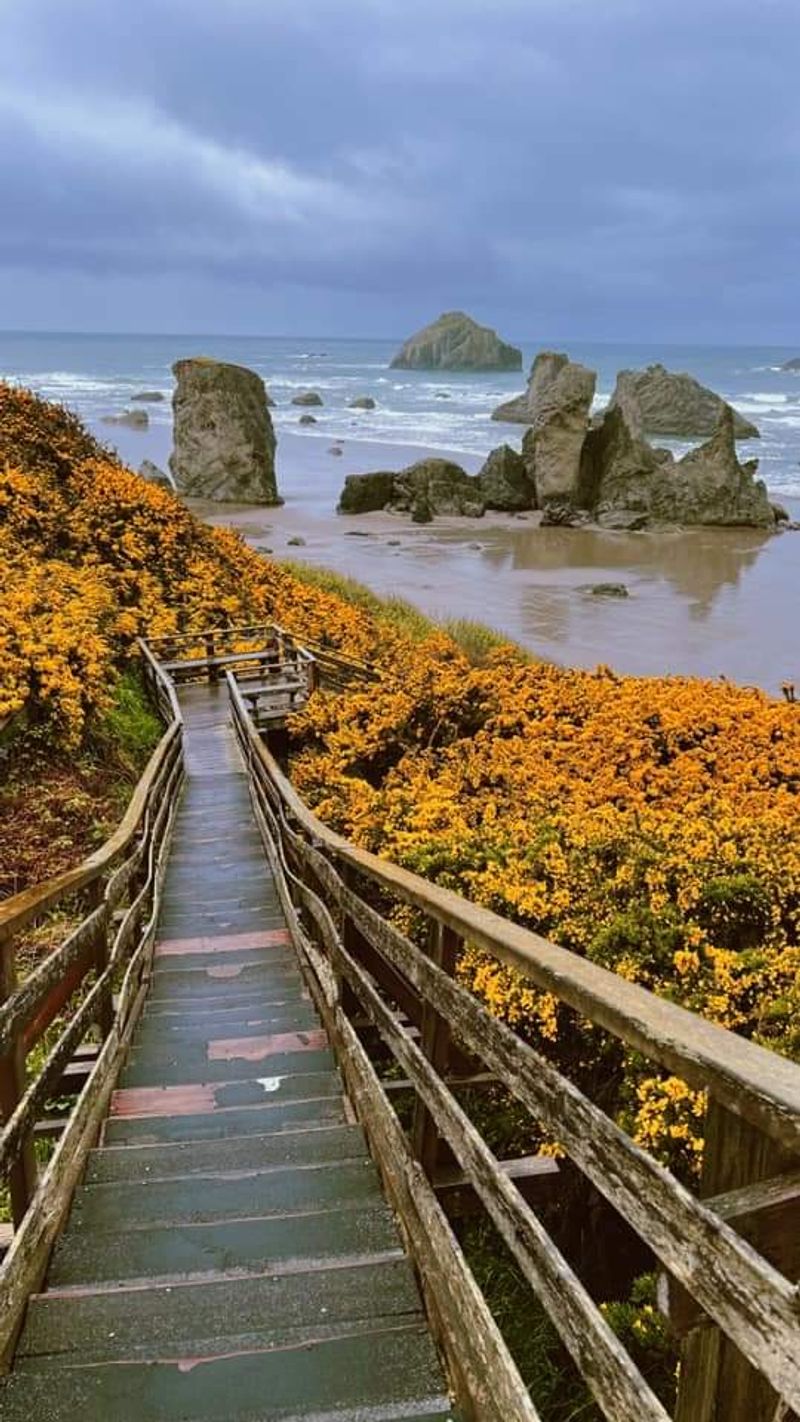
Walking Bandon’s beach at low tide feels like exploring another planet, one decorated with enormous sea stack sculptures that rise from the Pacific in shapes that seem almost deliberately artistic. Face Rock, Table Rock, and dozens of other formations create one of the most dramatic shorelines anywhere on the Oregon coast, drawing photographers and sunset-chasers in equally large numbers.
Local legend claims Face Rock is actually a young woman turned to stone by an evil ocean spirit, which seems fitting given how haunting the scenery looks at dusk.
Beyond the famous beach, Bandon has quietly developed a reputation as one of the world’s premier golf destinations. Bandon Dunes Golf Resort operates five championship courses on the coastal headlands, attracting serious golfers from across the globe who make pilgrimages specifically to play here.
The rugged setting along the Pacific bluffs makes the courses as visually stunning as they are challenging.
The charming Old Town area offers fresh cranberries, local seafood, and handmade fudge alongside galleries and independent shops. Bandon is actually one of Oregon’s largest cranberry-producing regions, with bogs visible from the highway in fall when they turn brilliant red.
This town rewards visitors who appreciate both natural drama and genuinely good food.
Port Townsend, Washington
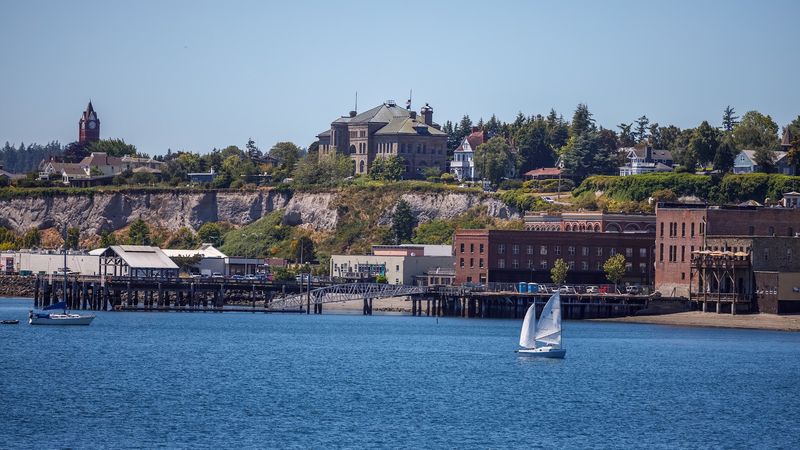
Port Townsend is essentially a Victorian-era time capsule that someone forgot to update, and the town is absolutely better for it. Built during a 19th-century real estate boom that ultimately never fully materialized, the town was left with an extraordinary collection of well-preserved Victorian mansions, brick commercial buildings, and waterfront warehouses that modern developers never got around to demolishing.
The National Historic Landmark designation protects this architectural treasure trove today.
Positioned where Puget Sound meets the Strait of Juan de Fuca, Port Townsend offers stunning water views in almost every direction, with the Olympic Mountains rising dramatically to the southwest. Fort Worden State Park, a former military installation at the edge of town, provides beaches, trails, a marine science center, and the distinctive concrete gun batteries of Artillery Hill.
The park also served as the filming location for the 1982 film “An Officer and a Gentleman.”
The arts community here is genuinely thriving, with Centrum Foundation hosting world-class music workshops and festivals throughout the summer. Wooden boat enthusiasts consider Port Townsend a pilgrimage destination thanks to the Northwest Maritime Center and its celebrated annual Wooden Boat Festival.
Few towns this small pack this much personality, history, and natural beauty into one tidy package.
Avalon, California
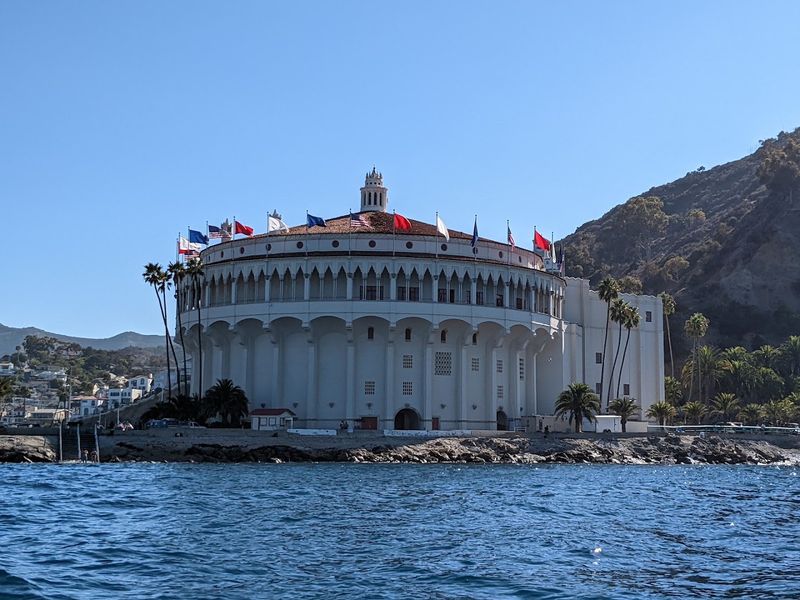
Twenty-two miles off the Southern California coast, Avalon exists in its own unhurried dimension where golf carts outnumber cars and the water is so clear you can see the bottom from a glass-bottomed boat. Santa Catalina Island’s only incorporated city has been charming visitors since the early 1900s, when chewing gum magnate William Wrigley Jr. purchased the island and transformed it into a resort destination.
The iconic Art Deco Casino building, built in 1929, still anchors the harbor and hosts concerts, dances, and a fascinating museum.
The surrounding waters teem with garibaldi fish, leopard sharks, and kelp forests that make Catalina one of California’s top scuba diving and snorkeling destinations. Island foxes, a species found nowhere else on earth, trot through town with the confidence of locals who know they own the place.
More than 88 percent of the island is permanently protected as a nature preserve managed by the Catalina Island Conservancy.
Hiking trails climb through chaparral-covered hills with views stretching to the mainland on clear days. Zip-lining, kayaking, parasailing, and guided jeep tours round out the adventure options for energetic visitors.
Avalon manages to feel simultaneously like a Southern California beach town and a Mediterranean island escape.
White Salmon, Washington
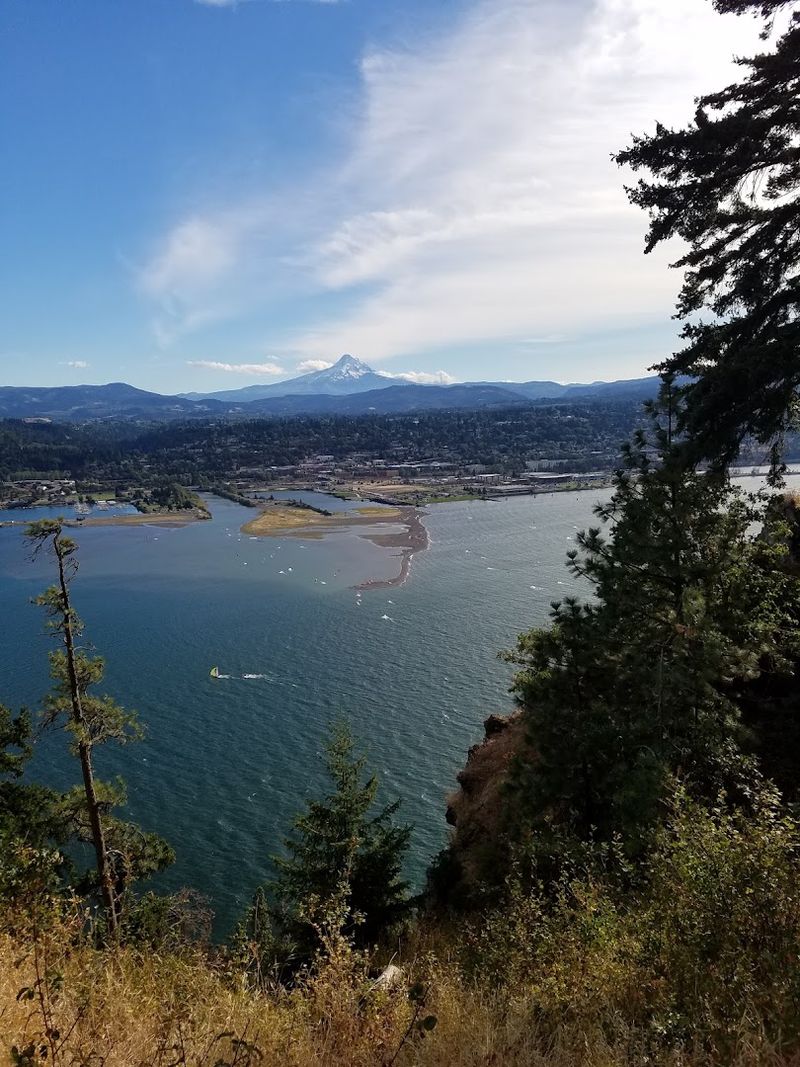
Perched on a basalt bluff above the Columbia River, White Salmon offers one of the most spectacular unobstructed views of Mount Hood available anywhere in Washington State, and the mountain is not even technically in Washington. This small, unpretentious town sits directly across the gorge from Hood River, Oregon, connected by a single bridge and separated by a state line that locals seem to treat as a minor suggestion.
The surrounding landscape of waterfalls, forested canyons, and volcanic peaks is genuinely world-class.
The White Salmon River, which tumbles down from the slopes of Mount Adams through a dramatic basalt canyon, is considered one of the finest whitewater kayaking and rafting rivers in the Pacific Northwest. Guided raft trips through the canyon are popular from spring through summer, offering Class III and IV rapids alongside stunning geological scenery.
The river’s spring Chinook salmon run has also recovered significantly in recent years following dam removal efforts.
Mount Adams, Washington’s second-highest volcanic peak, looms to the north and offers challenging climbing routes as well as gentler hiking in the surrounding wilderness area. The Gorge wine country extends through this region, with small wineries producing excellent cool-climate varietals.
White Salmon is the kind of town that outdoor enthusiasts discover and then immediately start telling all their friends about.
Sequim, Washington
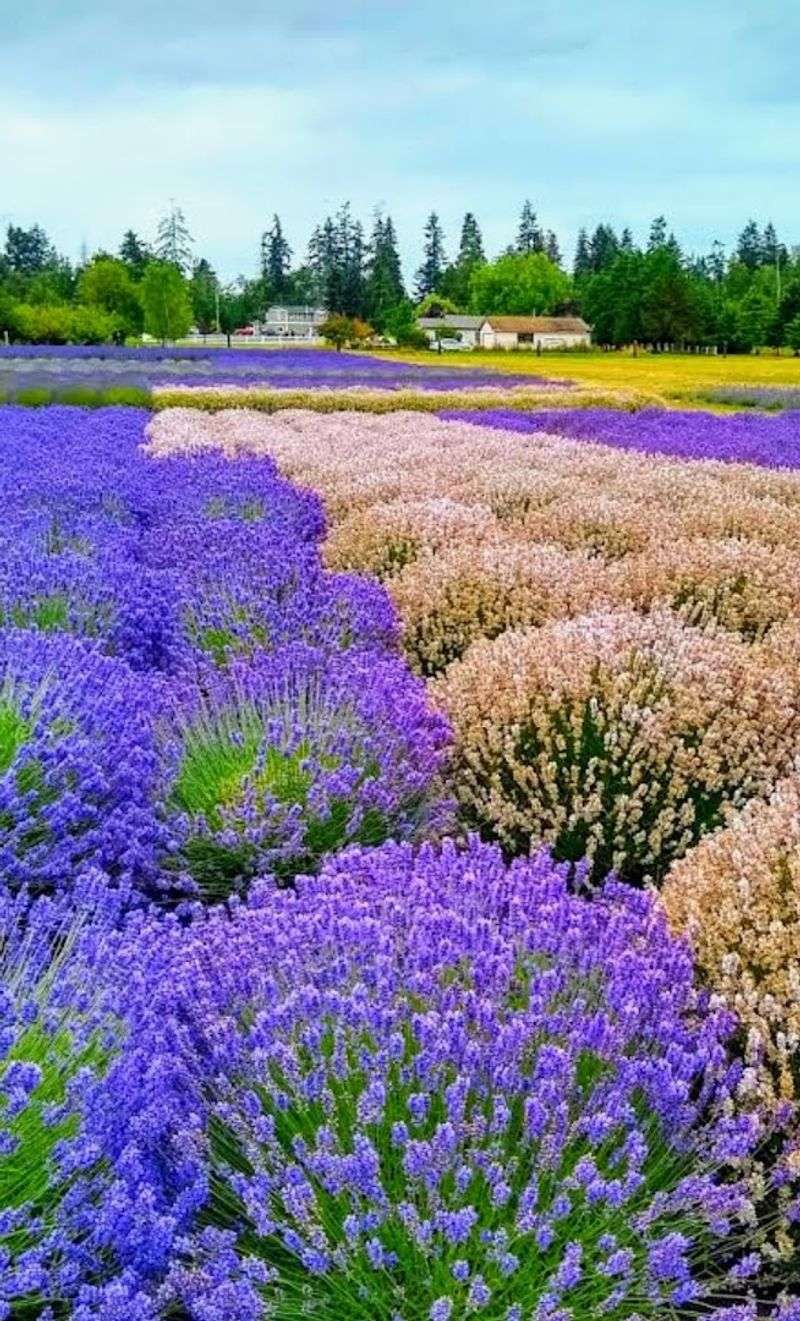
Sequim somehow managed to convince the Pacific Northwest to give it its own microclimate, sitting in a rain shadow created by the Olympic Mountains that receives only about 16 inches of annual rainfall while surrounding areas soak up over 100 inches. This quirk of geography makes Sequim the sunniest spot on the Washington coast, which explains why lavender grows here in such extraordinary abundance.
Every July, the Lavender Festival transforms the area into a fragrant purple paradise that draws visitors from across the country.
The Dungeness Spit, the longest natural sand spit in the United States, stretches nearly six miles into the Strait of Juan de Fuca just north of town. Walking the full length of the spit to the historic Dungeness Lighthouse is a rewarding half-day adventure with harbor seal sightings virtually guaranteed.
The Dungeness National Wildlife Refuge surrounding the spit protects critical habitat for shorebirds, waterfowl, and migrating species.
Olympic National Park’s Hurricane Ridge is accessible within 45 minutes of downtown, offering dramatic mountain scenery without requiring a full day of driving. The town’s local dining scene leans heavily on fresh Dungeness crab, a regional specialty that tastes best eaten overlooking the water.
Sequim is proof that the best-kept secrets sometimes hide in plain sight.
Laguna Beach, California
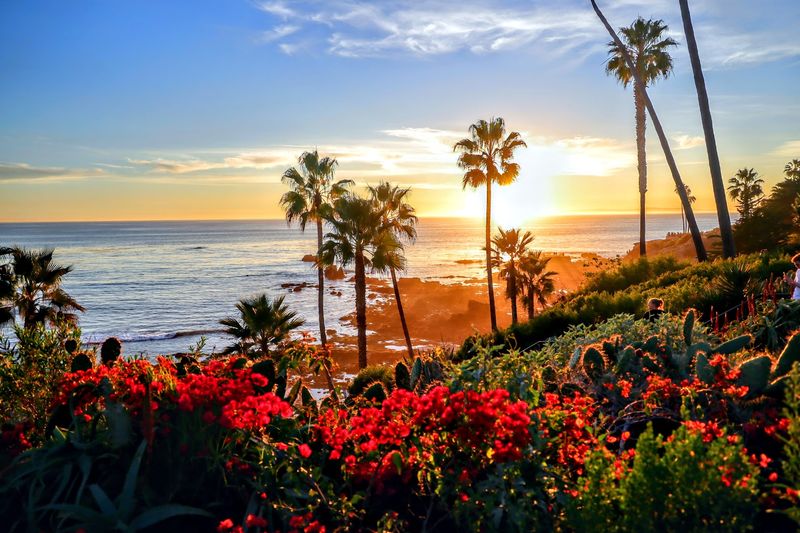
Laguna Beach has been collecting artists since the early 1900s, and honestly, the scenery makes the obsession completely understandable. More than 30 public beaches, hidden coves, dramatic sandstone cliffs, and crystal-clear tide pools create a natural gallery that inspired California’s plein air painting movement over a century ago.
The town’s commitment to arts is so deep that it hosts the famous Pageant of the Masters every summer, where local residents actually pose as living recreations of famous artworks.
The seven miles of coastline include everything from wide family-friendly strands to intimate pocket beaches accessible only by scrambling down narrow trails. Crystal Cove State Park borders the northern edge of town and adds protected tide pools, historic beach cottages, and backcountry canyon trails to the mix.
Snorkeling around the underwater park offshore reveals kelp forests, garibaldi fish, and the occasional curious harbor seal.
Aliso and Wood Canyons Wilderness Park offers over 30 miles of hiking and mountain biking trails through chaparral-covered hills just minutes from the beach. The contrast between ocean swimming in the morning and ridge-top hiking in the afternoon is something Laguna Beach makes effortlessly possible.
Few places in Southern California balance natural beauty, cultural richness, and outdoor adventure quite this well.
Hood River, Oregon
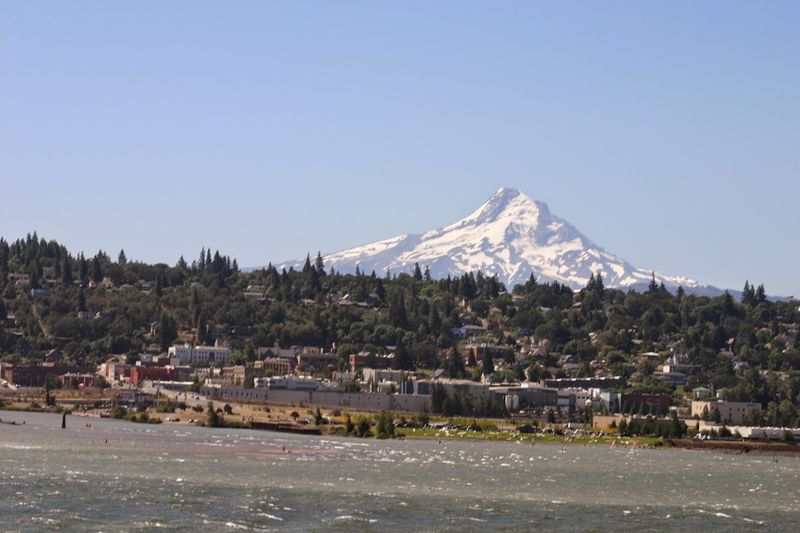
On any given summer afternoon, the Columbia River at Hood River looks like a windsurfing and kiteboarding convention decided to move outdoors permanently. Steady winds funneled through the Columbia River Gorge create near-perfect conditions that have made Hood River the windsurfing capital of the world, attracting elite athletes and weekend warriors from across the globe.
The town has embraced this identity enthusiastically, building a waterfront park and event site that hums with activity from spring through fall.
Towering above it all, Mount Hood’s snow-capped volcanic cone provides a backdrop so picturesque it almost looks digitally enhanced. Timberline Lodge, perched at 6,000 feet on the mountain’s south slope, offers year-round skiing on the Palmer Snowfield, making it one of the few places in North America where ski season never truly ends.
The Historic Columbia River Highway winds through the gorge connecting Hood River to Portland via a series of spectacular viewpoints and waterfall pullouts.
The Hood River Valley below the mountain is blanketed with apple and pear orchards that produce exceptional fruit sold at roadside stands throughout harvest season. The local craft beer and wine scenes have exploded in recent years, with Full Sail Brewing and dozens of Columbia Gorge wineries competing for visitor attention.
Hood River packs an almost unreasonable amount of adventure into a very small town.
Cambria, California
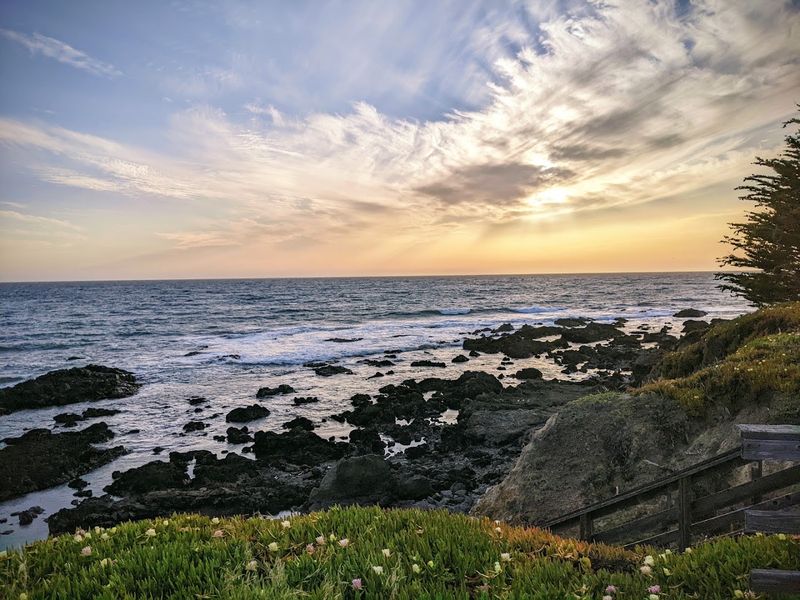
Cambria occupies a sweet spot on California’s Central Coast where Monterey pine forests meet the rocky Pacific shoreline in a collision of green and blue that photographers have been chasing for decades. This unhurried village of about 6,000 residents sits just five miles south of the elephant seal rookery at Piedras Blancas, where thousands of enormous marine mammals haul out to molt, nurse pups, and generally behave in wonderfully chaotic ways.
Watching elephant seals from the free viewing platforms there is one of California’s most memorable wildlife encounters.
Hearst Castle, William Randolph Hearst’s legendary hilltop estate, sits just north of town and remains one of the most visited historic sites in California. The opulent mansion filled with European art, Neptune pools, and Hollywood history draws visitors who find the sheer excess of it both fascinating and slightly absurd.
Highway 1 north and south of Cambria delivers some of the most dramatic coastal driving in the world.
The village itself is divided into two distinct areas: the Pines, with a more residential character, and the East Village, where galleries, restaurants, and boutiques cluster along Burton Drive. Moonstone Beach, a boardwalk-accessible stretch of coast, offers excellent tide pooling and agate hunting at low tide.
Cambria rewards visitors who slow down enough to actually notice what surrounds them.
Ouray, Colorado
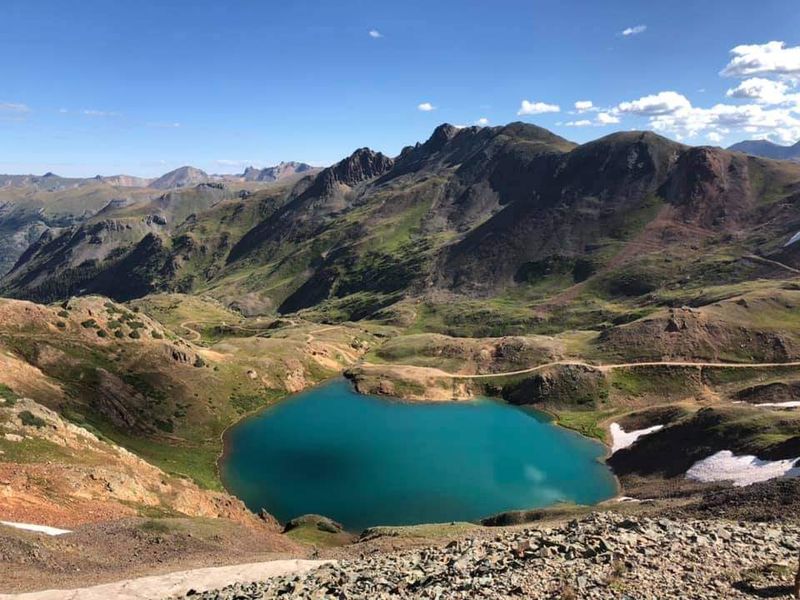
Tucked into a box canyon so steep and narrow that the San Juan Mountains essentially form walls on three sides, Ouray makes most mountain towns look like they are barely trying. Often called the Switzerland of America, this Colorado gem sits at 7,800 feet elevation and is completely encircled by peaks topping 13,000 and 14,000 feet.
The sheer verticality of the surrounding landscape gives Ouray a drama that is difficult to fully convey in photographs, though photographers certainly keep trying.
The Ouray Ice Park, located in the Uncompahgre Gorge just south of town, is the world’s first public ice climbing park, drawing climbers from across the globe every winter to scale frozen waterfalls in a spectacular natural setting. During summer, the same gorge offers hiking trails past cascading waterfalls and through wildflower-filled meadows.
The Million Dollar Highway, one of America’s most thrilling mountain roads, connects Ouray to Silverton and Durango through passes that will make even experienced mountain drivers grip the wheel a little tighter.
Ouray Hot Springs Pool, fed by natural geothermal springs, provides a deeply satisfying reward after a day of hiking or climbing in the surrounding mountains. The Victorian-era downtown is beautifully preserved with excellent restaurants, independent shops, and historic hotels.
While technically not a West Coast town, Ouray represents the mountain town ideal at its absolute finest.
Point Reyes Station, California
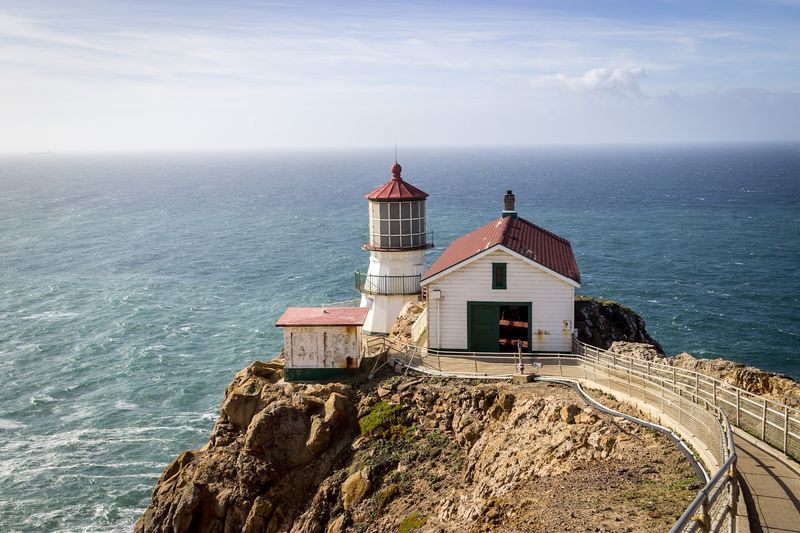
Point Reyes Station is the kind of town that makes you want to cancel your return plans about 20 minutes after arriving. This small community of fewer than 900 residents serves as the unofficial gateway to Point Reyes National Seashore, one of the most ecologically rich and geologically fascinating landscapes on the California coast.
The San Andreas Fault runs directly through the area, and the famous 1906 earthquake shifted the land here by over 20 feet in a matter of seconds.
The national seashore itself is extraordinary in its diversity, encompassing dramatic coastal cliffs, pristine beaches, ancient Bishop pine forests, and rolling pastoral grasslands where herds of tule elk roam freely. Drakes Beach and Limantour Beach offer wild, uncrowded Pacific shorelines that feel genuinely remote despite being an hour from San Francisco.
Whale watching from the lighthouse at the tip of the Point Reyes Peninsula is exceptional during gray whale migration season from December through April.
Back in town, the local food scene is surprisingly sophisticated, anchored by the beloved Cowgirl Creamery cheese shop and a Saturday farmers market that draws food lovers from the Bay Area. Oyster farms in Tomales Bay produce outstanding shellfish served at local restaurants just hours after harvesting.
Point Reyes Station offers big wilderness rewards with a pleasantly small-town personality.
Share this story