 Unearth The Voyage
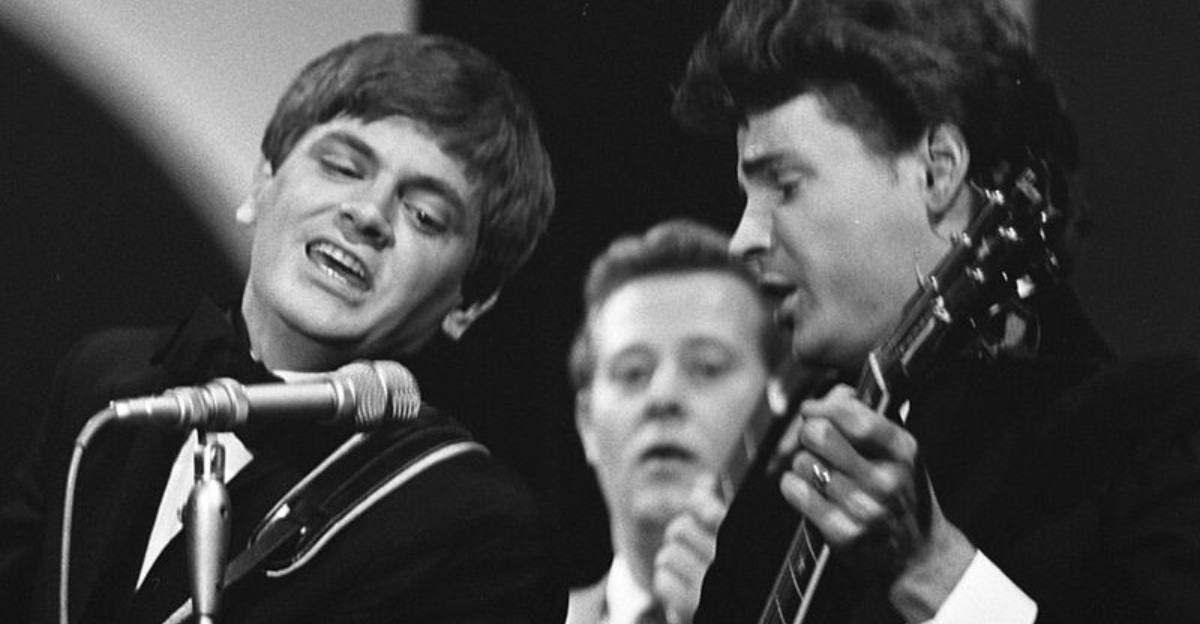
Nashville became a recording capital because harmony groups and duos kept changing what country music could be. Across the 1920s, the Nashville Sound era of the 1950s, the arena-country boom of the 1980s, and the crossover rush of the 2000s, these acts pushed producers, radio, and audiences in new directions.
Some tightened family harmonies, some polished country for pop listeners, and others dragged the genre back toward grit when it got too glossy. Keep reading and you can trace how Music City built its identity one chorus, one format shift, and one unforgettable partnership at a time.
1. The Carter Family
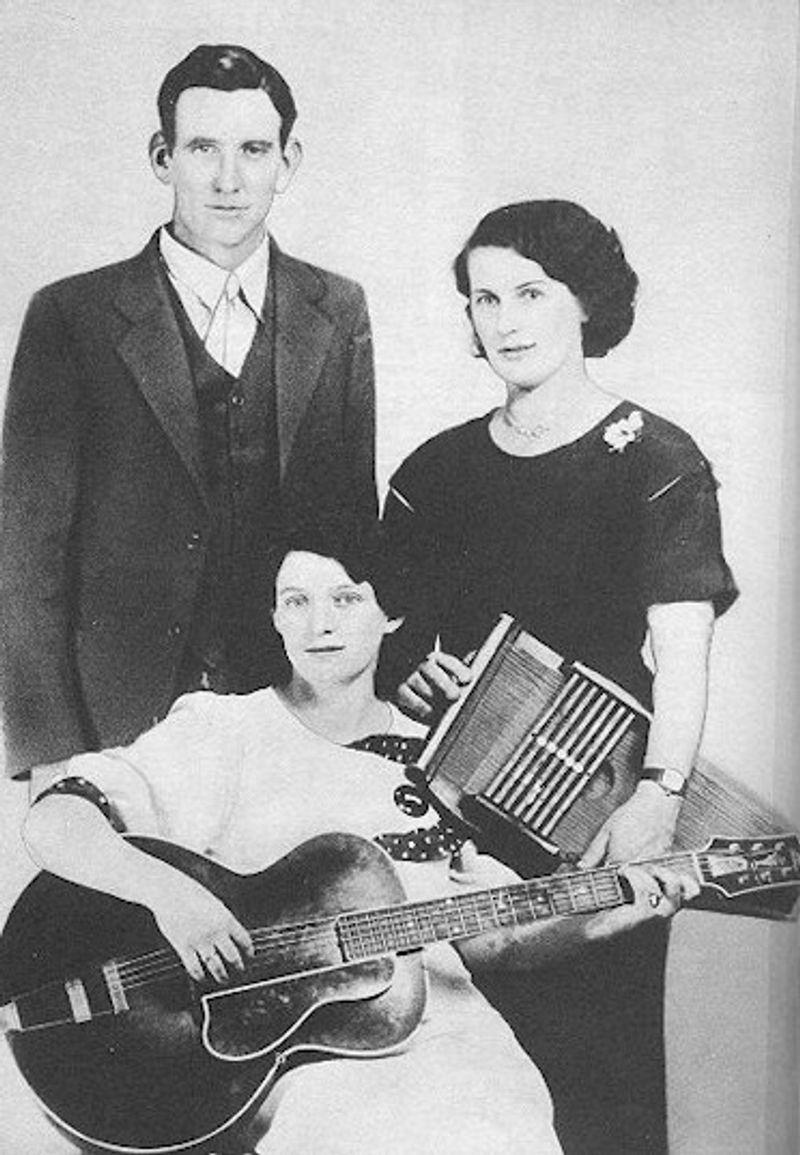
Before country music had an industry handbook, this family was already writing it in public. The Carter Family recorded in Bristol in 1927, and those sessions became a cornerstone for commercial country music, introducing listeners to A.P. Carter, Sara Carter, and Maybelle Carter.
Their songs drew from hymns, ballads, and regional traditions, but the real breakthrough was how clearly they presented them on record. Maybelle’s guitar method, later called the Carter Scratch, let melody and rhythm travel together, and that approach shaped generations of Nashville players and studio arrangements.
Just as important, they proved that everyday stories could sell records without fancy packaging. When Nashville later developed its publishing houses, radio programs, and recording habits, it leaned heavily on a model the Carters had already tested: family harmony, memorable phrasing, and songs built to last beyond a single season.
2. Flatt & Scruggs
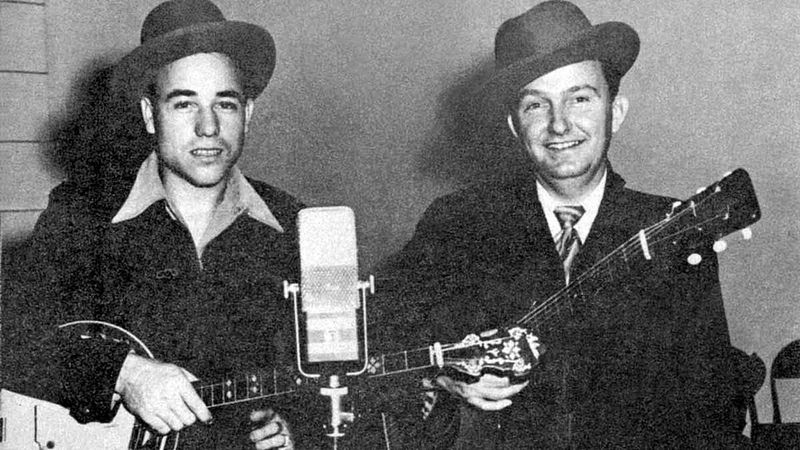
If speed, precision, and ambition needed a house band, this duo would have been first in line. Lester Flatt and Earl Scruggs helped move bluegrass from regional circuits into national view after leaving Bill Monroe’s band, and their recordings turned instrumental drive into a major commercial force.
Scruggs’s three-finger banjo style became one of the most copied techniques in American music, while Flatt’s guitar and steady vocal delivery kept the songs grounded. Their success on records, radio, television, and film proved that Nashville could market high-skill traditional music without stripping away its character.
That mattered because the city was always balancing commerce and heritage. Flatt & Scruggs gave pickers, producers, and publishers a template for how virtuosity could still reach broad audiences, and their visibility helped keep bluegrass tied to Nashville’s larger story instead of being treated as a distant cousin outside the main family photo.
3. The Everly Brothers
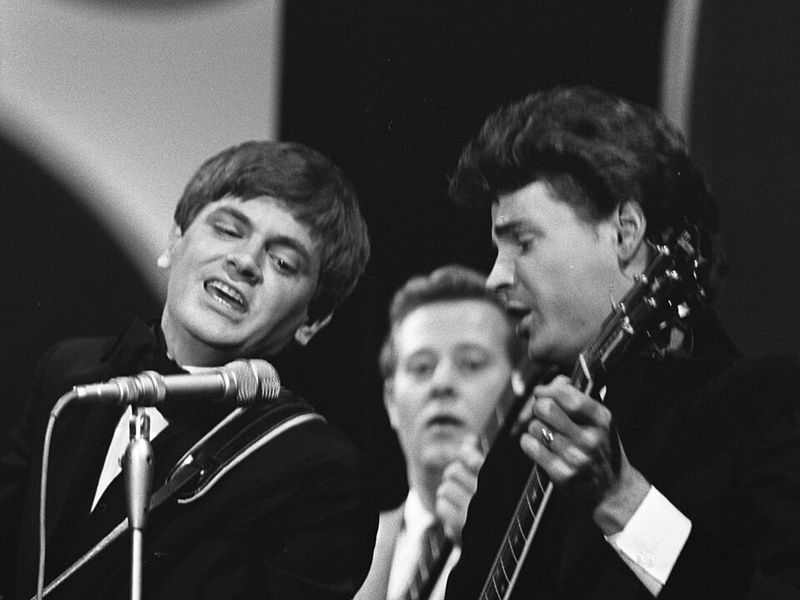
The line between country and early rock got much thinner the moment these brothers hit the radio. Don and Phil Everly drew from Kentucky roots, Nashville songwriting, and teenage market instincts to create harmonies that felt both familiar and newly streamlined for the late 1950s.
Working with songs by writers such as Felice and Boudleaux Bryant, they cut hits including Bye Bye Love and Wake Up Little Susie, records that sat comfortably between formats. Their vocal blend influenced country duos, pop acts, and rock bands, which is why their Nashville connection reaches far beyond one genre label.
They also helped prove that youth appeal did not require abandoning country DNA. As Nashville searched for ways to stay commercially nimble, the Everlys showed how polished production, concise songwriting, and sibling harmony could travel widely without losing the directness that made country music durable in the first place.
4. Alabama
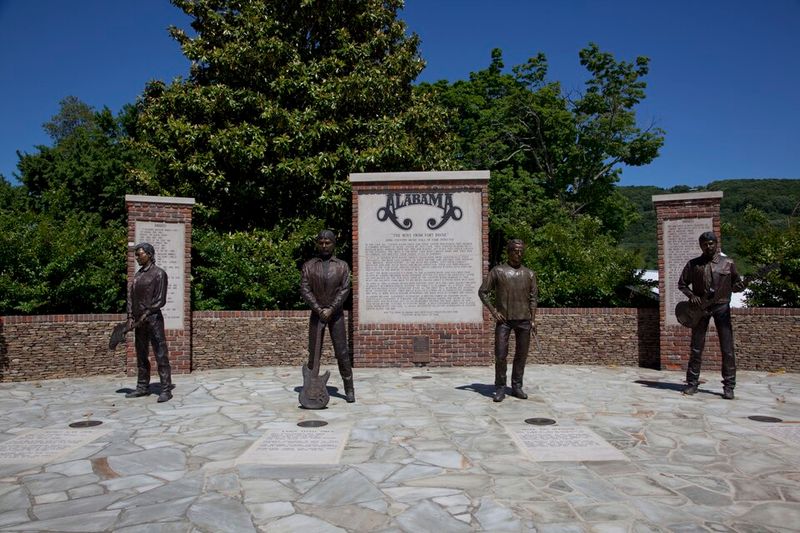
Country music stopped acting small once Alabama started filling very large rooms. Formed by cousins Randy Owen, Teddy Gentry, and Jeff Cook, with drummer Mark Herndon later in the lineup, the group exploded in the early 1980s and changed what mainstream country success looked like.
They mixed Southern rock energy, strong choruses, polished production, and band-centered branding at a time when solo acts often dominated the format. Hit after hit on country radio made Nashville labels rethink scale, merchandising, touring, and the commercial power of acts that looked like full-fledged bands rather than temporary backing units.
Their impact reached past chart numbers. Alabama helped normalize a bigger concert business, a smoother studio sound, and a wider audience that included suburban listeners who might not have followed older country styles closely, giving Nashville one of its clearest examples of how to go national without leaving country entirely behind.
5. Brooks & Dunn
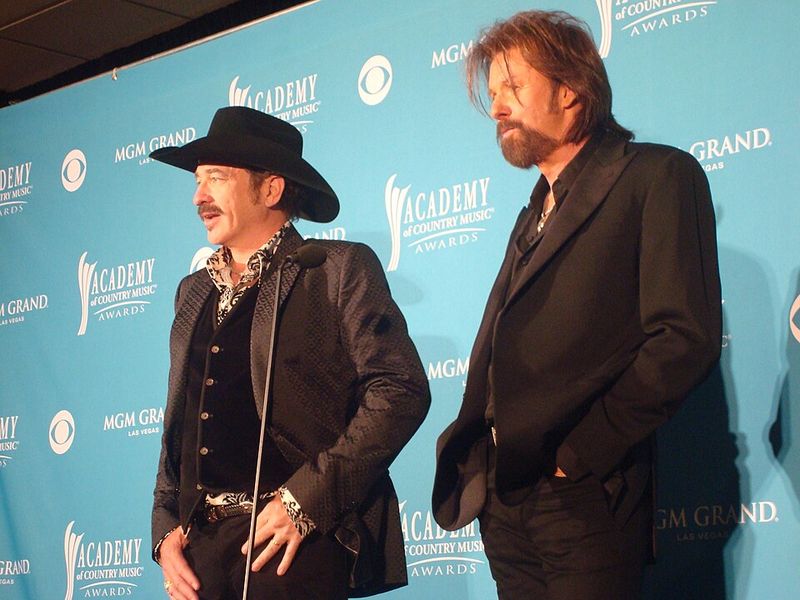
The 1990s country boom did not just happen on its own, and this duo was one reason why. Kix Brooks and Ronnie Dunn teamed up in 1988, blending Dunn’s powerhouse vocals with Brooks’s stage sense and songwriting instincts, then proceeded to dominate country radio for more than a decade.
Their catalog balanced rowdy honky-tonk material, polished ballads, and just enough rock attitude to feel current without abandoning format expectations. Songs like Brand New Man, Neon Moon, and Boot Scootin’ Boogie gave Nashville a blueprint for music that could sell records, fill arenas, and still satisfy listeners who wanted traditional country signposts.
They also arrived when line dancing, music video rotation, and big-label marketing were all reinforcing one another. Brooks & Dunn understood that moment perfectly, and their success pushed producers and executives toward a sound that was louder, cleaner, and more commercially aggressive while still anchored by songs audiences could recognize within seconds.
6. The Oak Ridge Boys
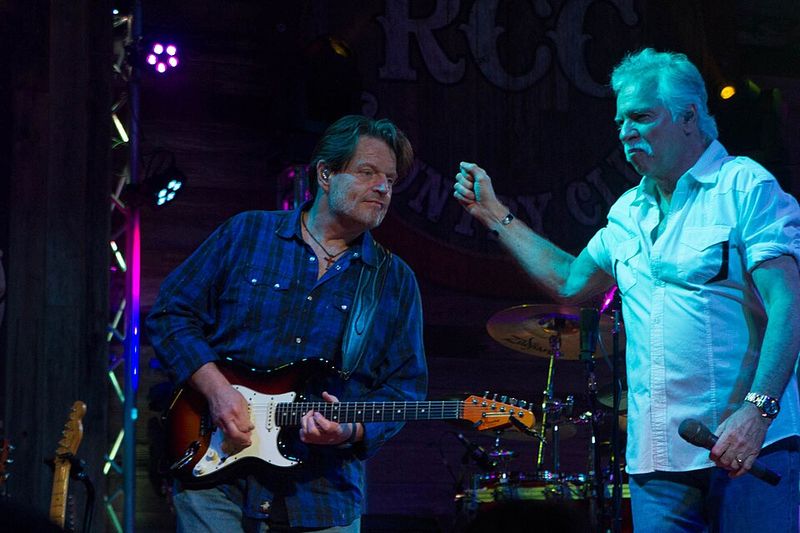
Some groups arrive with a signature so obvious that one syllable can identify the whole act. The Oak Ridge Boys began in gospel music before moving more decisively into country, and that background gave them a vocal architecture that stood out immediately on Nashville records.
By the late 1970s and early 1980s, songs such as Elvira and Bobbie Sue made them radio staples, thanks to tight arrangements, memorable bass lines, and a style that balanced novelty with professionalism. They proved that country audiences would embrace a group sound that was polished and playful, provided the singing remained first-rate.
Their career also mirrors Nashville’s habit of absorbing adjacent traditions and turning them into mainstream country assets. Gospel discipline, quartet structure, and personality-driven performance all fed into the Oak Ridge Boys formula, and that formula helped keep vocal groups commercially relevant during years when the industry might easily have leaned even harder toward solo acts.
7. Montgomery Gentry
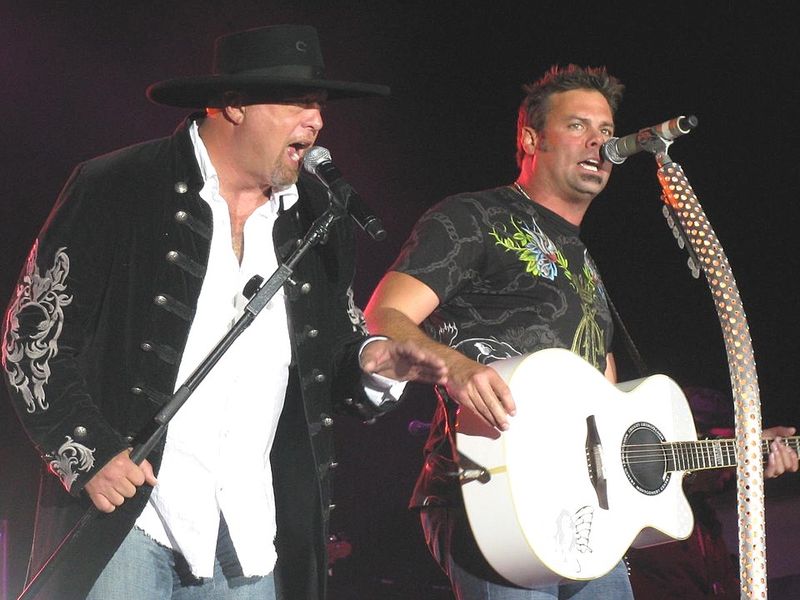
The polished side of country radio got a deliberate jolt when this duo arrived. Eddie Montgomery and Troy Gentry broke through in the late 1990s with a tougher image, louder guitars, and a working-class tone that gave Nashville a different answer to increasingly sleek production trends.
Their hits, including Hillbilly Shoes and Something to Be Proud Of, connected with listeners who wanted contemporary country to keep some rough edges. They were not revivalists in a museum sense, but they did remind labels and programmers that attitude, regional identity, and straightforward themes still had commercial value in a crowded market.
Montgomery Gentry also helped widen the lane for acts that blended Southern rock energy with country storytelling. In the broader arc of Nashville history, they represent a recurring correction: whenever the format risks becoming too smooth, an act emerges to put some grit back into the conversation and remind everybody that polish is not the same thing as personality.
8. Sugarland

Not every major country duo follows the expected script, and Sugarland made that point quickly. Jennifer Nettles and Kristian Bush emerged in the 2000s with songwriting that leaned confessional, arrangements that welcomed pop scale, and enough personality to stand apart in a very crowded Nashville field.
Tracks such as Baby Girl, Stay, and All I Want to Do showed how contemporary country could be emotionally direct without sounding timid. Nettles brought commanding vocals, Bush contributed musical flexibility and writing craft, and together they helped open more space for theatrical phrasing and crossover-ready choruses on mainstream country radio.
Their success also reflected changes in audience habits during the digital era, when genre boundaries were becoming more negotiable. Sugarland fit that moment neatly, giving Nashville a duo that could speak to traditional country listeners, adult pop fans, and award-show voters all at once, which is a trick the industry never minds repeating.
9. Lady A (formerly Lady Antebellum)
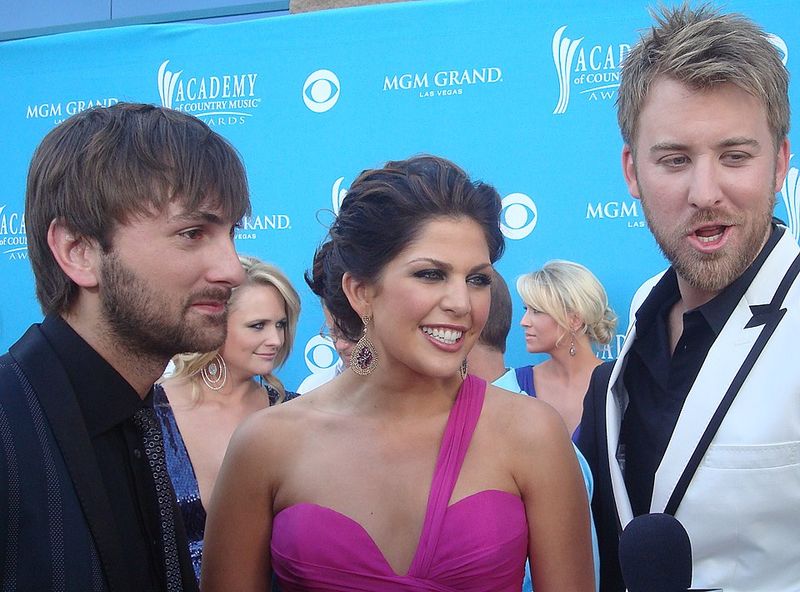
By the late 2000s, Nashville had fully entered the age of crossover calculation, and this trio thrived there. Lady A blended male-female harmonies, smooth production, and broad-appeal songwriting into a radio formula that connected strongly with both country and pop audiences.
Songs like Need You Now became huge because they were built with precision: accessible melodies, conversational lyrics, and arrangements that felt contemporary without completely dropping country markers. Their rise showed how much Nashville had changed since the rougher, fiddled-forward eras of earlier decades, with major labels now aiming confidently at multi-format success.
They also helped normalize a sleek, emotionally immediate style that influenced many acts who followed. Whether listeners loved that shift or argued about it endlessly in comments sections, the commercial effect was undeniable, and Lady A became part of the story of how Nashville expanded its audience by smoothing edges, sharpening hooks, and trusting the power of highly engineered harmony.
10. Little Big Town
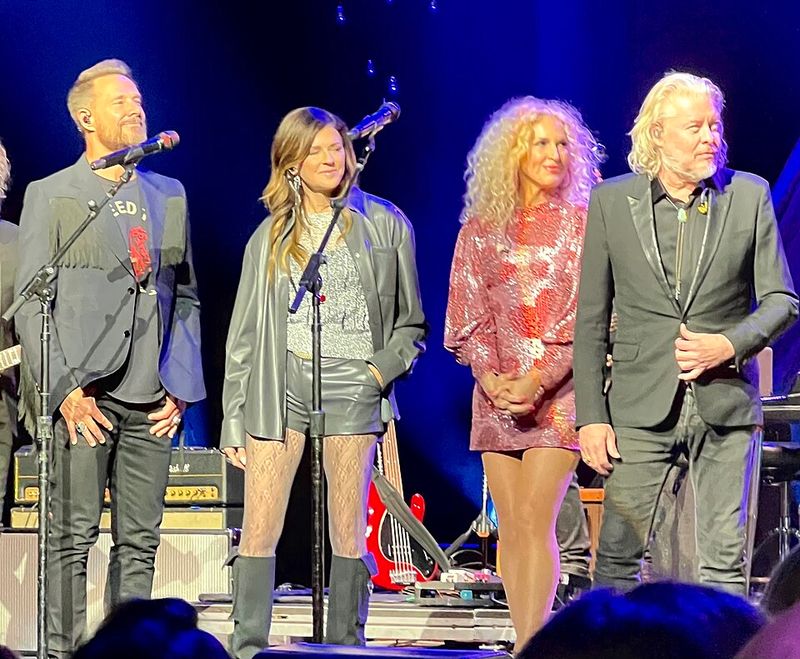
Four-part harmony is not supposed to feel this modern, yet this group made it seem effortless. Little Big Town formed in the late 1990s, endured industry setbacks, and then became one of Nashville’s most respected vocal groups by pairing intricate ensemble singing with material that could be playful, reflective, or sharply contemporary.
When songs like Boondocks, Pontoon, and Girl Crush hit, they showed a group unafraid of current production choices but still committed to harmony as the main event. That matters in Nashville, where many trends come and go, but voices arranged with real care still signal ambition and musicianship.
Their importance is larger than a list of hits. Little Big Town proved that groups could survive label turbulence, evolve artistically, and remain commercially relevant without flattening their identity into a generic radio product, which is probably why musicians admire them so much and why their presence in modern country feels steadier than many faster-burning trends.
11. Dixie Chicks (The Chicks)
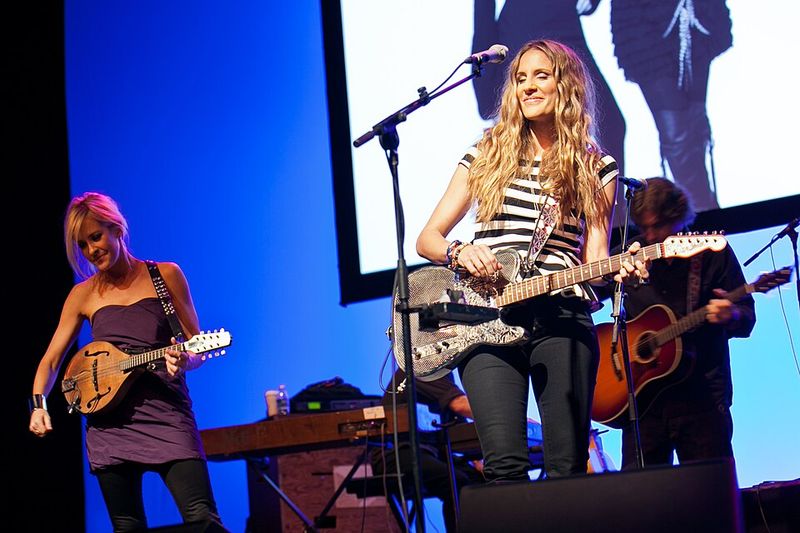
Rules were made, tested, and occasionally annoyed by this trio’s success. The Chicks fused bluegrass technique, country structure, pop accessibility, and sharp personality into a powerhouse act that transformed late 1990s and early 2000s country music.
Albums such as Wide Open Spaces and Fly sold in enormous numbers, helped by elite musicianship and songs that centered female perspectives without apology. Their arrangements reminded Nashville that instrumental skill still mattered, while their visual confidence and mass appeal pushed the industry to think bigger about how country groups could look, sound, and market themselves.
Their broader impact was musical and cultural, even when public debate tried to overshadow the records. Long after those headlines faded, the more durable legacy remained clear: they expanded the commercial possibilities for female groups, kept acoustic precision in the mainstream, and proved that country audiences would reward ambition when it arrived with strong songs and unmistakable identity.
12. Rascal Flatts
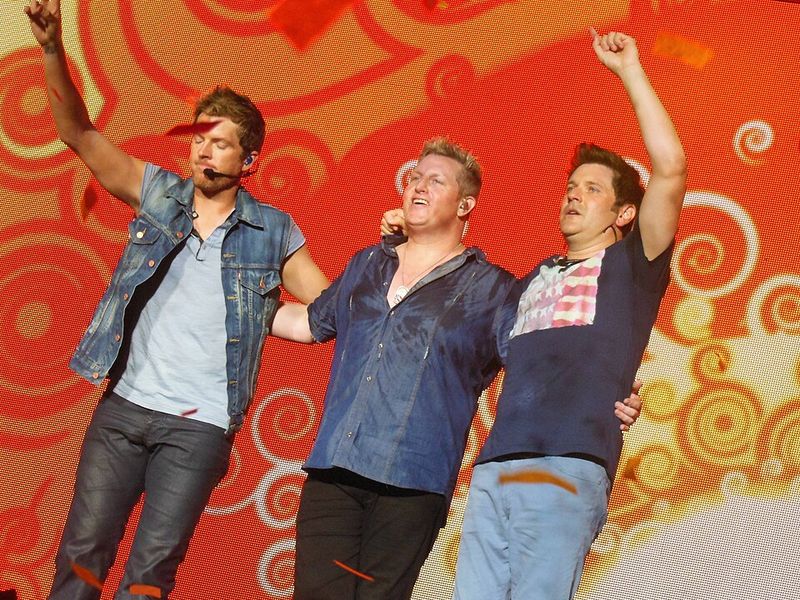
Country radio in the 2000s had a very polished center, and this trio occupied it with confidence. Rascal Flatts combined Gary LeVox’s strong lead vocals with glossy production, hook-heavy songwriting, and an accessible emotional style that fit perfectly into the CD and early download era.
Hits such as Bless the Broken Road, What Hurts the Most, and Life Is a Highway turned them into one of Nashville’s biggest commercial engines. Their records leaned toward pop structures and contemporary arrangements, helping redefine what many listeners expected from mainstream country during a period when crossover was no longer a side mission but part of the main business plan.
Critics sometimes debated the level of country grit in their sound, which is really another way of saying they were influential. Rascal Flatts helped move Nashville further toward a sleek national market, and their success showed that sentiment, technical polish, and broad-format appeal could be every bit as powerful as twang.
13. Dan + Shay
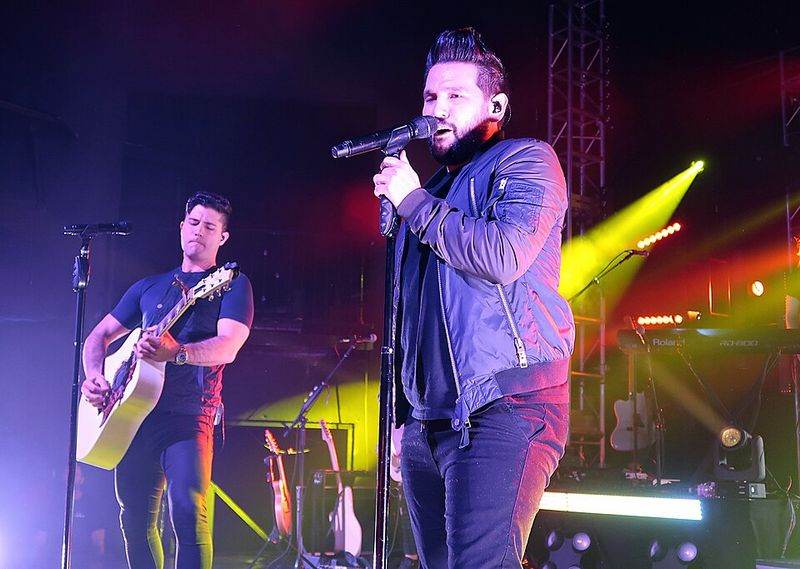
Streaming-era country needed acts that could move between playlists easily, and this duo understood the assignment. Dan Smyers and Shay Mooney built a sleek, melodic sound that leaned into pop craftsmanship while keeping just enough country framing to stay anchored in Nashville’s mainstream.
Singles such as Tequila and Speechless thrived because they were engineered for repeat listening: clean hooks, emotional clarity, and production choices that fit modern radio and digital platforms. Their work reflects a city increasingly shaped by songwriting camps, data-aware marketing, and a willingness to borrow from pop’s structural discipline without fully leaving country branding behind.
That shift bothers some traditionalists, but it undeniably expanded Nashville’s reach. Dan + Shay became key figures in an era where crossover was not an occasional bonus but a central strategy, and their success shows how the city’s definition of country continues to stretch as technology, audience habits, and commercial expectations keep changing.
14. Florida Georgia Line
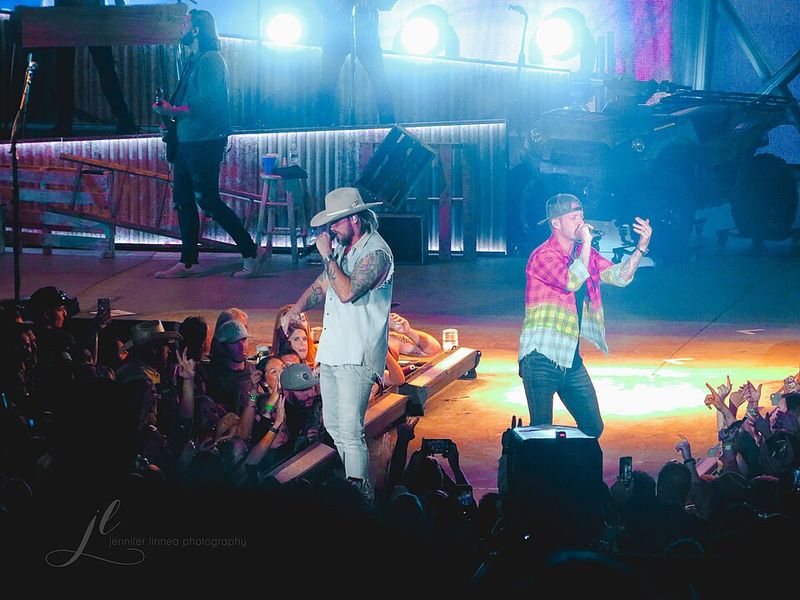
The debate arrived almost as fast as the hits, which is usually a sign that something big has changed. Florida Georgia Line broke through in the 2010s with a hybrid of country, rock, hip-hop-inflected phrasing, and highly compressed pop production that came to define the bro-country era.
Cruise became a landmark success, not just a single, because it showed how streaming, remixes, and youth-oriented branding could reshape Nashville’s commercial priorities. Their music pushed country radio toward loop-ready hooks, contemporary beat structures, and a more aggressively casual image that some listeners embraced immediately and others discussed with visible concern.
Either way, their influence was substantial. Florida Georgia Line altered how labels scouted talent, how songs were written for radio, and how country was marketed to younger audiences, proving once again that Nashville evolves not through polite committee meetings but through records that force the whole business to decide what it can accept and what it wants next.
15. The Highwaymen
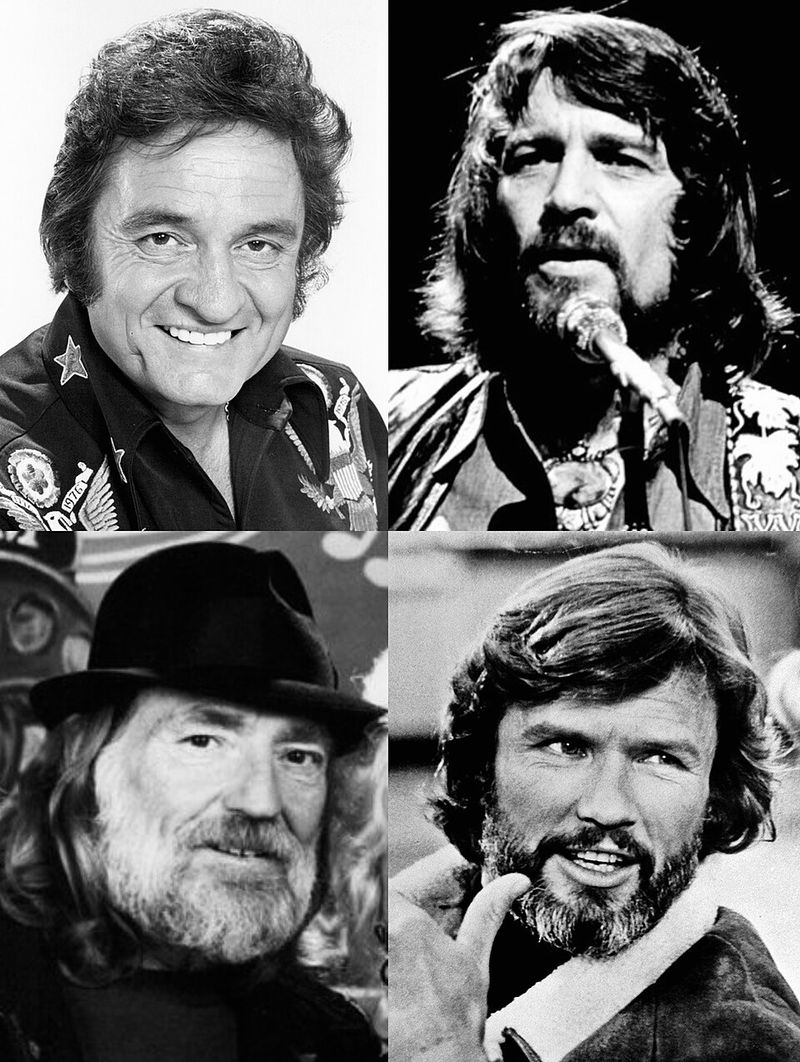
Sometimes a supergroup works because the personalities are enormous and the songs are sturdy enough to handle them. The Highwaymen united Johnny Cash, Waylon Jennings, Willie Nelson, and Kris Kristofferson, giving Nashville and the wider country world a collaborative statement from artists already central to its history.
Though closely linked with outlaw country, the group mattered in Nashville because it reminded the industry that established voices could still command attention outside standard label formulas. Their recordings and tours emphasized songwriting, character, and interpretive authority, all traits that can get buried when commercial trends move too quickly toward polish and demographic targeting.
They also carried a useful historical message: country music’s past was not a museum wing but an active resource. By joining forces, the Highwaymen connected older traditions of narrative writing and individualism to a late twentieth-century market, showing that legacy acts could still shape the conversation rather than simply appear at anniversaries and wave politely from the side.
16. Old Dominion
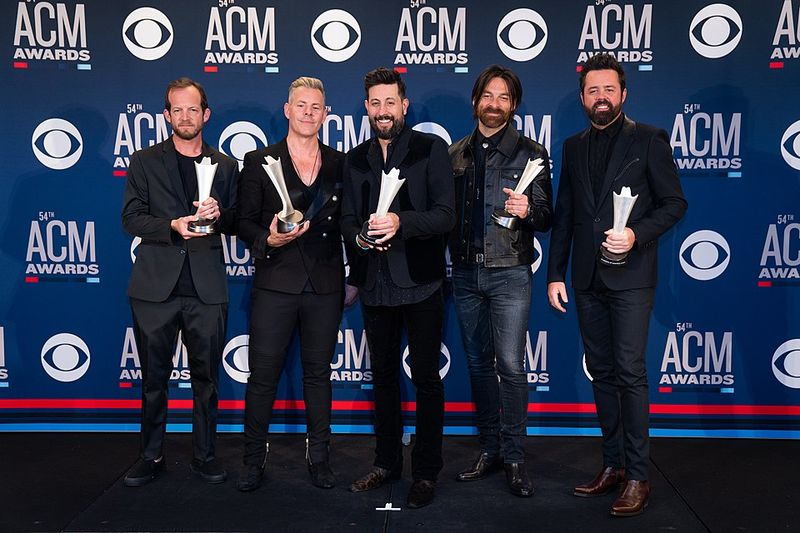
Modern Nashville runs heavily on songwriting, and this band arrived with deep credentials in exactly that department. Old Dominion built their reputation as writers before becoming stars themselves, which helps explain why their songs often feel structurally tight, conversational, and engineered for quick connection.
They emerged in the 2010s with a style that blended relaxed humor, pop-aware production, and country framing that rarely tried too hard to prove authenticity. That approach turned tracks like Break Up with Him and One Man Band into major hits, while also reflecting a newer Nashville culture where writer-performers can shape radio from both sides of the studio glass.
The band’s significance lies in how neatly they represent current Music City economics. Their success depends on craft, branding, and cross-genre flexibility, yet the songs still carry enough regional wit and melodic ease to register as country, which is a very Nashville solution to the constant question of how contemporary the genre can become before somebody starts another argument.
17. Brothers Osborne
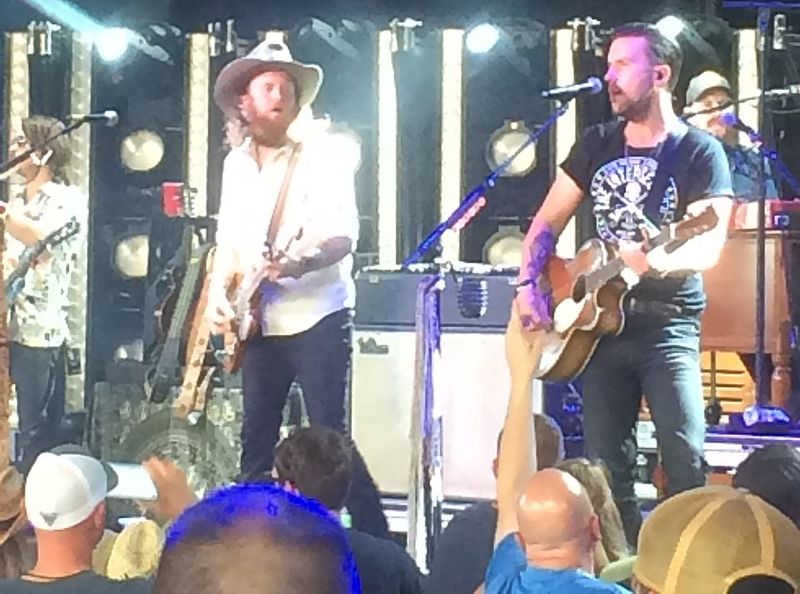
At a time when mainstream country could feel overly airbrushed, this duo brought back some welcome irregular edges. Brothers Osborne, made up of T.J. and John Osborne, entered the scene with strong musicianship, bluesy guitar work, and a writing style that nodded to classic country without pretending the calendar had stopped.
Songs like Stay a Little Longer and It Ain’t My Fault stood out because they sounded lived-in and contemporary at once. Nashville has always needed acts that can bridge heritage and modern production, and the Osborne brothers did that while maintaining enough personality to avoid sounding like a focus-group compromise in expensive boots.
Their rise also signaled that there was still room on country radio for instrumental flair and bolder textures. In the larger story of Nashville, they represent a recurring instinct to rebalance the format, pulling it slightly back toward roots, band chemistry, and individual style whenever the mainstream starts leaning too far into uniformity.



