 Unearth The Voyage
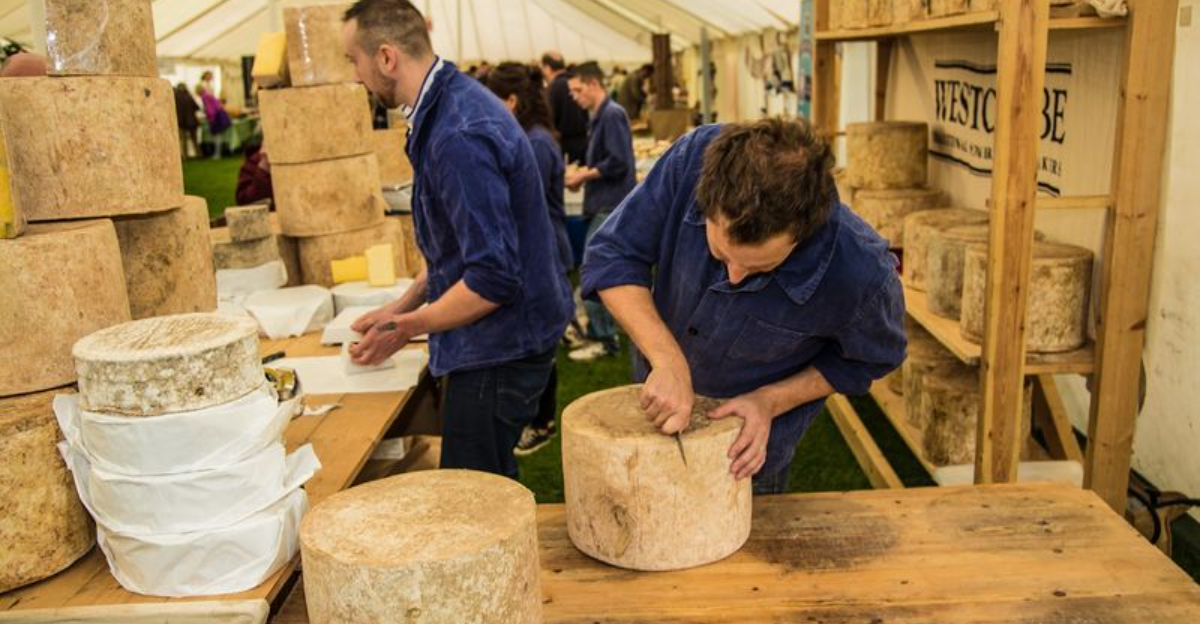
If cheese makes your heart sing, Europe is basically your dream continent. From ancient limestone caves to sun-drenched alpine meadows, the Old World has been perfecting the art of cheesemaking for thousands of years.
Every region has its own proud traditions, secret techniques, and mouthwatering flavors just waiting to be discovered. Pack your appetite and a good appetite — this cheese tour of Europe is one you will never forget.
Normandy, France
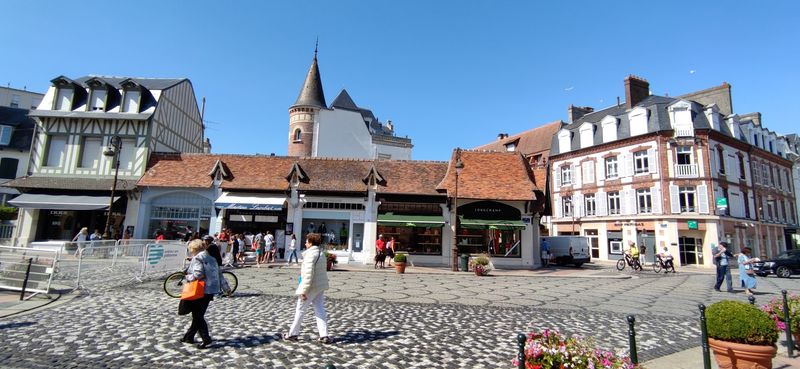
Crack open a round of Camembert and you are basically holding Normandy in your hands. This lush, green region in northern France is the birthplace of one of the world’s most adored soft cheeses, and visiting here feels like stepping into a living dairy museum.
Small family farms dot the countryside, where cows graze on rich grass that gives the milk — and the cheese — an unmistakably creamy, buttery character.
Many farms welcome visitors for guided tours, letting you watch the careful hand-ladling process that makes authentic Camembert so special. The experience often ends with a tasting paired with local hard cider, which cuts through the richness perfectly.
Markets in towns like Livarot and Vimoutiers overflow with regional cheeses, fresh bread, and enthusiastic producers happy to share their stories.
Normandy also produces Livarot and Pont-l’Eveque, two other celebrated washed-rind cheeses worth seeking out. The region’s coastline, apple orchards, and historic villages make it far more than just a cheese stop — it is a full sensory experience.
Cheese lovers who skip Normandy are honestly missing out on one of France’s most rewarding food adventures.
Roquefort-sur-Soulzon, France
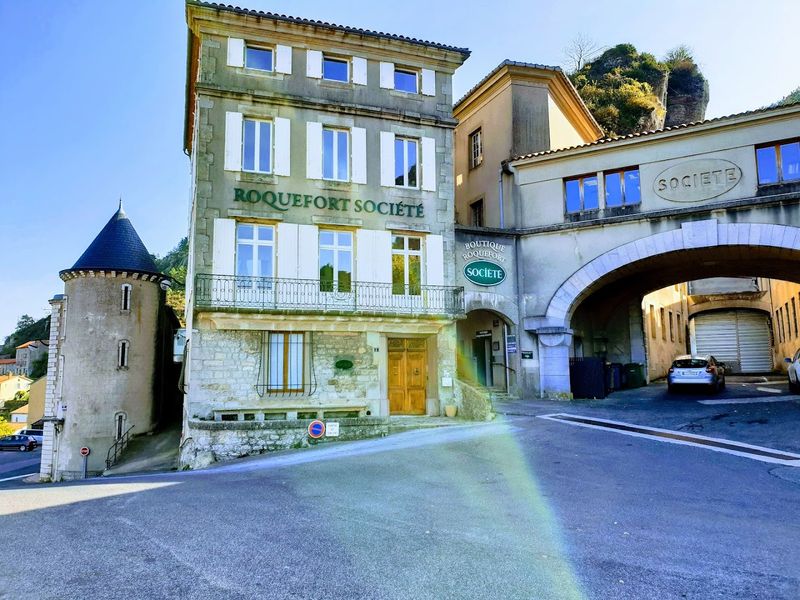
Deep beneath a tiny French village, something magical and slightly funky is happening. Roquefort-sur-Soulzon sits atop a network of natural limestone caves called fleurines, where the cool, damp air creates the perfect conditions for aging Roquefort — one of the world’s oldest and boldest blue cheeses.
This village has fewer than 700 residents, yet it produces a cheese recognized across the entire globe.
Tours of the caves are genuinely fascinating. You walk through chilly underground corridors, spotting enormous wheels of cheese resting on oak shelves while natural air currents do their slow, mysterious work.
Guides explain how the Penicillium roqueforti mold creates those striking blue-green veins and sharp, complex flavors that make Roquefort so distinctive and unforgettable.
After the tour, tasting rooms let you sample different aging stages alongside regional Sauternes wine, a classic pairing that balances the cheese’s saltiness beautifully. The surrounding Aveyron countryside is rugged and scenic, adding drama to the whole visit.
Roquefort is officially a protected cheese under French law, meaning what you taste here is the genuine article — bold, crumbly, and absolutely worth traveling for. Cheese enthusiasts consistently call this one of Europe’s most memorable stops.
Loire Valley, France
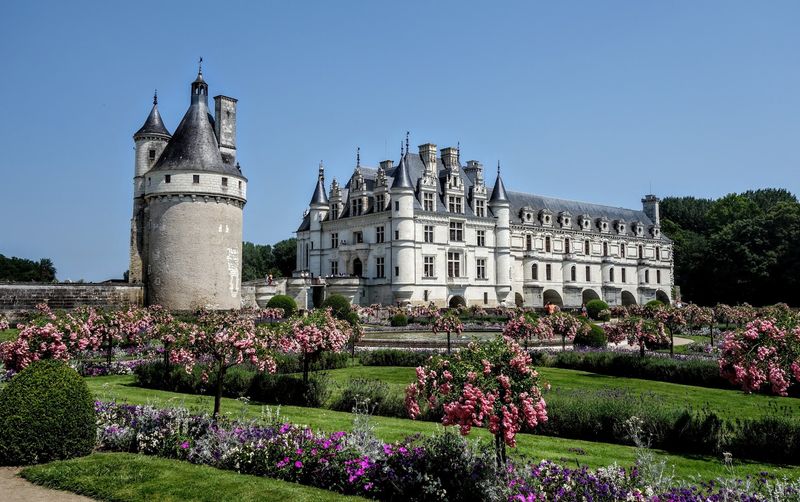
Most people know the Loire Valley for its fairytale castles and world-class wines, but cheese lovers have their own very good reason to visit. The valley is home to some of France’s finest goat cheeses, including Crottin de Chavignol, Selles-sur-Cher, and Valençay — each with its own distinct shape, texture, and personality.
The region’s mild climate and abundant wildflowers give the goats excellent grazing, which translates directly into complex, nuanced flavors in every bite.
Local markets are a highlight, especially in smaller towns where cheesemakers set up stalls and chat openly about their craft. Selles-sur-Cher, with its striking ash-dusted rind and creamy interior, is particularly photogenic and pairs brilliantly with a crisp Sancerre from the same region.
It is the kind of food-and-wine harmony that makes you understand why French cuisine is celebrated worldwide.
Several producers offer workshops where visitors can try hand-molding their own fresh goat cheese — a surprisingly tricky and very enjoyable experience. The Loire Valley’s cheese culture feels intimate and personal compared to larger, more commercial destinations.
Whether you are wandering a village market or sitting outside a farmhouse with a glass of white wine, this valley delivers quiet, delicious magic at every turn.
Gruyères, Switzerland
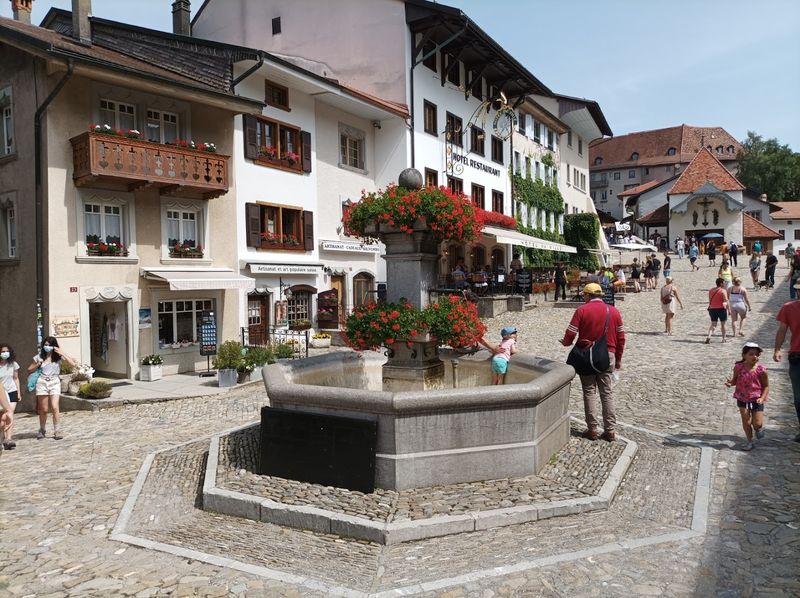
Walking into Gruyères feels like someone turned the charm dial up to eleven. This perfectly preserved medieval hilltop town in Switzerland is not only gorgeous — it is the birthplace of Gruyère, one of the world’s most beloved hard cheeses.
The name is legally protected, meaning only cheese made in this specific region can carry the Gruyère label. That exclusivity makes visiting the source feel genuinely special.
La Maison du Gruyère, located just below the old town, offers excellent guided tours where you can watch cheesemakers at work through large viewing windows. The process is surprisingly theatrical — enormous copper vats, careful curd-cutting, and the satisfying press of fresh wheels into molds.
Tastings at the end let you compare young, semi-aged, and fully aged versions, each with noticeably different flavors and textures.
After your cheese education, head up into the old town for a traditional fondue lunch at one of the cozy restaurants that practically invented the dish. The Alpine scenery surrounding Gruyères is breathtaking, especially in summer when the meadows are bright green and wildflowers are everywhere.
Cheese, history, mountains, and fondue — honestly, what more could anyone ask for? This town earns its place on every cheese lover’s bucket list without even trying.
Alkmaar, Netherlands
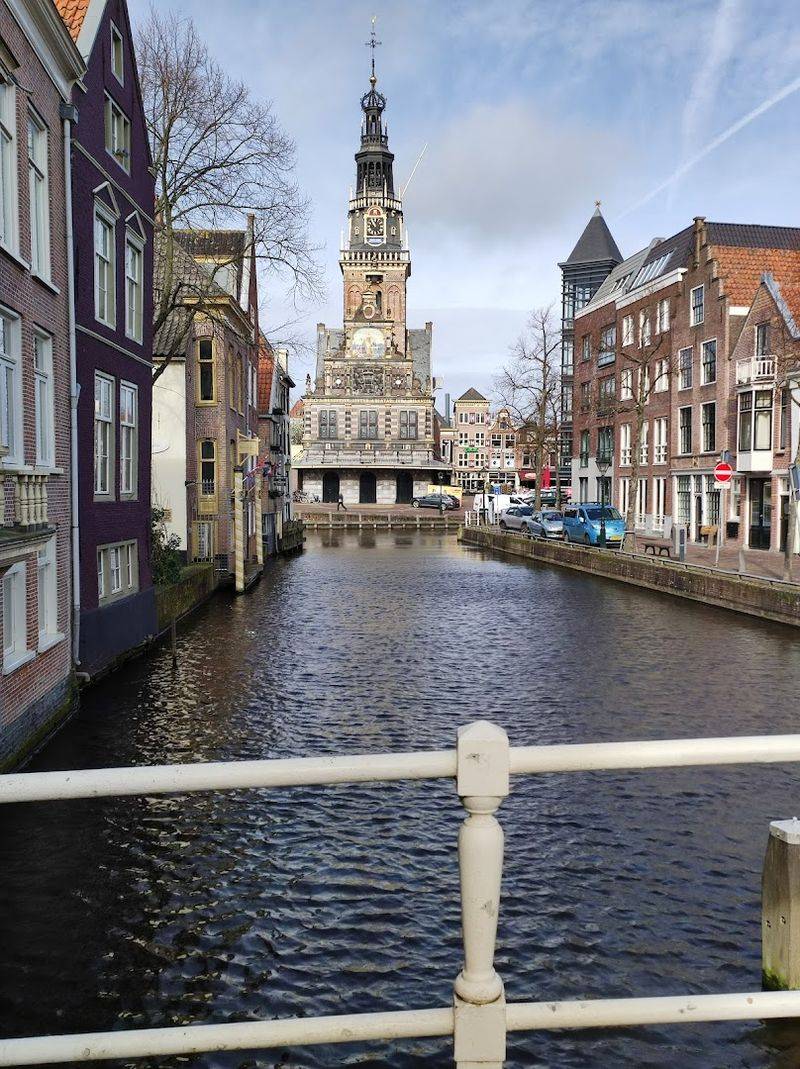
Every Friday morning from April through September, the central square of Alkmaar transforms into one of the most theatrical food markets in all of Europe. Cheese porters dressed in white uniforms and colorful guild hats carry enormous yellow wheels on wooden stretchers across the cobblestones, performing a ceremony that dates back to the 17th century.
It is part market, part performance, and entirely captivating to watch.
The Alkmaar cheese market is technically a ceremonial tradition now rather than a working trade event, but that takes nothing away from the spectacle. Buyers still inspect and slap the wheels in the traditional way, and the weighing house still functions as it has for centuries.
Surrounding stalls sell fresh local cheeses, stroopwafels, and Dutch treats that make lingering very easy.
Beyond market day, the town itself is charming — full of canals, historic architecture, and excellent cheese shops where you can sample everything from young Gouda to aged Edam. The Dutch Cheese Museum, housed inside the old weighing house, adds historical context to what you are tasting.
Alkmaar is a relatively compact city, making it easy to combine a cheese market visit with a relaxed afternoon of canal-side wandering and snacking. Highly recommended for first-time visitors to the Netherlands.
Gouda, Netherlands
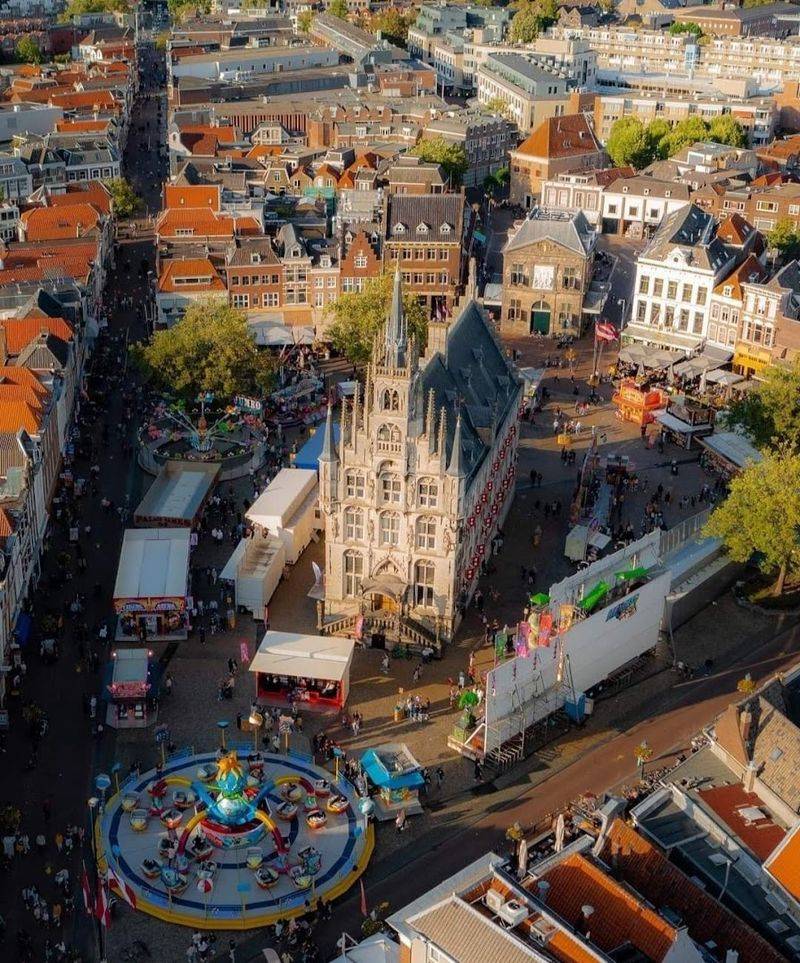
Yes, the cheese really is named after this city — and yes, Gouda is every bit as charming as the cheese itself. Situated along the Hollandsche IJssel river, this compact Dutch city has been a center of cheese trade since the Middle Ages, when farmers from surrounding regions would bring their wheels here to be weighed and sold.
The tradition lives on today in the form of a lively Thursday morning cheese market held from April through August.
Local cheese shops are the real stars of any Gouda visit. Owners here take aging seriously, offering wheels that range from mild and rubbery young Gouda to deeply caramelized, crystalline aged versions that practically shatter when cut.
The older the Gouda, the more intense and butterscotch-like the flavor — a revelation if you have only ever tried the supermarket variety.
The historic town hall, the old weighing house, and the scenic canals make Gouda a genuinely beautiful place to spend a day. Stroopwafels — those thin caramel-filled Dutch wafers — were also invented here, so your sweet tooth is covered too.
Pairing an aged Gouda with a local craft beer while sitting beside a canal is the kind of simple pleasure that stays with you long after the trip ends.
Emmental Valley, Switzerland
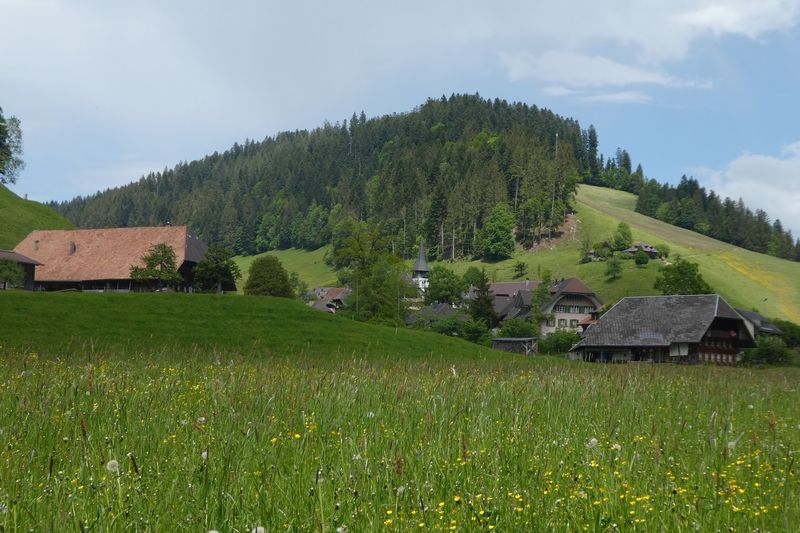
Those famous holes have a name — they are called eyes — and the Emmental Valley is where you go to find out exactly how they get there. Switzerland’s Emmental region is a landscape of gentle green hills, timber farmhouses, and dairy cows that look almost too picturesque to be real.
The cheese produced here has been imitated around the world, but nothing quite matches the nutty, slightly sweet flavor of the genuine article made in this valley.
Farm visits are a highlight of any Emmental trip. Many local dairies welcome guests to watch the morning cheese-making process, which involves heating large copper vats of fresh milk and carefully controlling bacterial cultures that eventually produce those signature bubbles — and thus, the eyes.
Tasting fresh Emmental alongside hearty rye bread and local butter is a simple pleasure that feels deeply satisfying.
The valley also offers excellent hiking trails that wind past working farms, allowing you to pick up cheese directly from producers along the way. It is the Swiss version of a cheese trail, and it works beautifully.
The town of Burgdorf makes a good base, with its medieval castle and weekly markets adding cultural texture to what is already a wonderfully food-focused region. Pack comfortable shoes and an empty stomach.
Parma, Italy
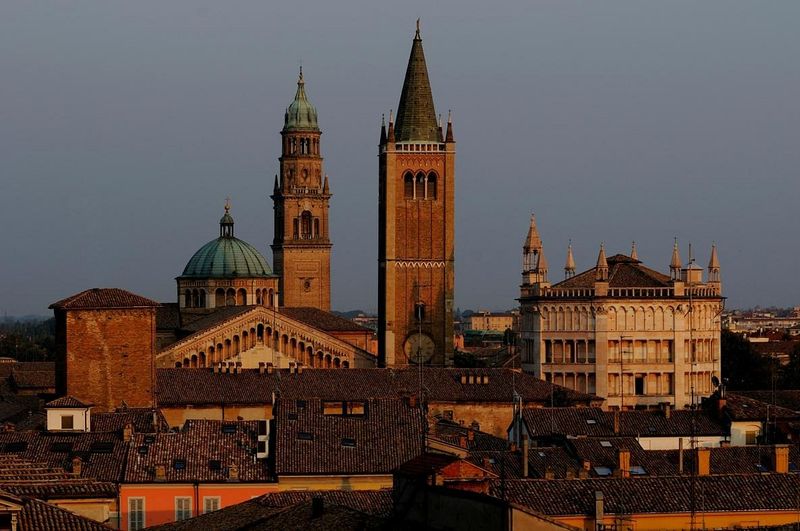
There is a reason Parmigiano-Reggiano carries the nickname King of Cheeses — and spending a day in Parma will make that title feel completely justified. This northern Italian city is at the center of one of the world’s most strictly regulated food traditions.
Every wheel of true Parmigiano-Reggiano must be made within a specific geographic zone, aged for a minimum of 12 months, and inspected before it earns its official fire-branded rind.
Factory tours in the Parma area are genuinely impressive. You watch workers handle enormous wheels — each one weighing around 40 kilograms — with practiced precision, turning and brushing them as they age for up to 36 months.
Breaking open a freshly cracked wheel reveals a grainy, crystalline interior with an aroma that is rich, savory, and impossible to describe without simply eating it.
Parma’s broader food culture is extraordinary. The city is also the home of Prosciutto di Parma, so pairing thin slices of cured ham with shards of aged Parmigiano is basically a local art form.
Restaurants here use the cheese in everything from pasta to dessert, showcasing its remarkable versatility. Street markets and specialty food shops make it easy to bring home a proper wedge for your own kitchen adventures.
Piedmont, Italy
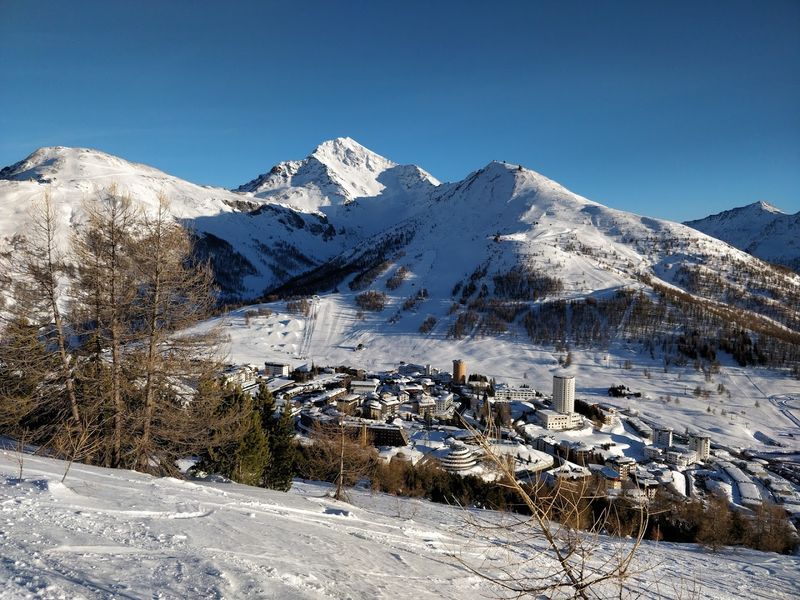
Piedmont is the kind of region that quietly spoils you for everywhere else. Tucked into Italy’s northwestern corner beneath the Alps, it is responsible for some of Italy’s most celebrated foods — Barolo wine, white truffles, and a lineup of extraordinary cheeses that most visitors have never even heard of.
Gorgonzola gets top billing internationally, but locals will eagerly introduce you to Castelmagno, Bra, Murazzano, and Robiola, each with its own distinct character and story.
The town of Bra hosts Cheese, one of Europe’s largest biennial cheese festivals organized by the Slow Food movement. When it runs, the streets fill with producers from across Italy and beyond, offering tastings, talks, and workshops that attract serious food enthusiasts from around the world.
Even outside festival years, the Langhe and Monferrato hills are dotted with small farms where you can arrange private tastings directly with producers.
Pairing Piedmontese cheese with local Barolo or Barbera wine is an experience that border on transformative. The region’s rolling hills, medieval hilltop towns, and autumn fog create an atmosphere that feels almost cinematic.
Cheese here is not just food — it is a cultural statement, a connection to centuries of agricultural tradition that Piedmontese people are deeply and justifiably proud of.
Bregenzerwald, Austria
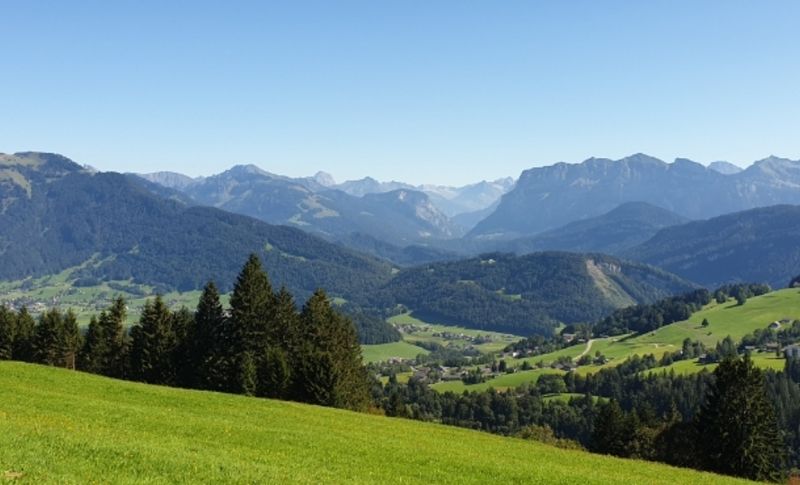
Austria does not always get the cheese credit it deserves, but Bregenzerwald is here to change that. This mountainous region in the Vorarlberg province is home to the KäseStrasse — literally the Cheese Road — a curated route connecting over 200 producers, restaurants, and farms that celebrate alpine dairy culture.
It is one of the most thoughtfully designed cheese tourism experiences in all of Europe, and it rewards slow, curious travelers enormously.
The cheeses here are largely alpine-style, made from milk produced by cows that graze on high mountain pastures in summer. That seasonal grazing gives the milk a distinctive richness and complexity that factory-produced cheese simply cannot replicate.
Bergkäse — mountain cheese — is the regional specialty, firm and nutty with a depth of flavor that builds as you chew.
Visiting in summer means you can hike up to alpine huts where cheesemakers work during the grazing season, producing small batches of cheese in traditional copper kettles over wood fires. It is a genuinely moving experience to taste something made that morning at that altitude.
The Bregenzerwald landscape is also stunning, with wooden villages, rushing streams, and mountain panoramas that make the whole trip feel like a reward in itself. Pack layers — the air up there is refreshingly crisp.
Asturias, Spain
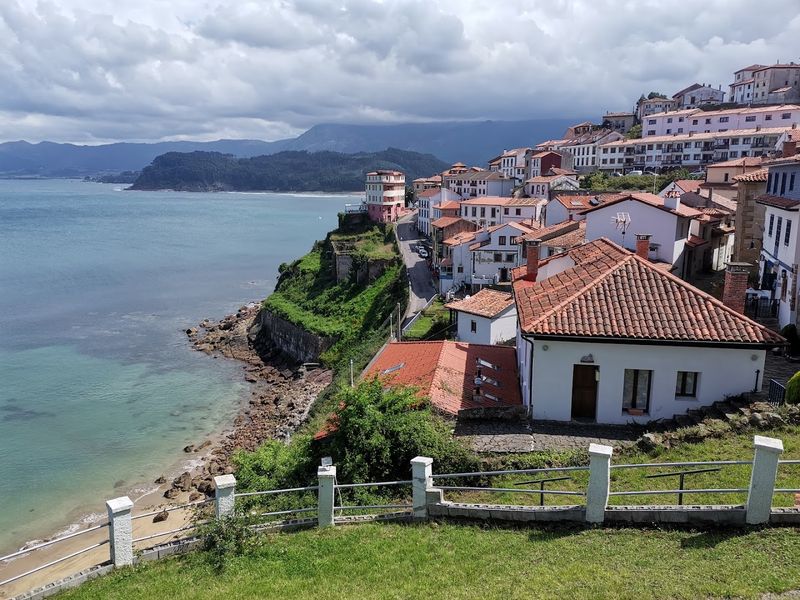
Forget everything you think you know about Spanish food for a moment, because Asturias is playing a completely different game. This rugged, rain-soaked region in northern Spain is sometimes called Green Spain — and its intensely verdant landscape is the key to understanding why its cheeses are so extraordinarily good.
Lush pastures fed by Atlantic rainfall produce milk with a richness and depth that translates directly into flavor.
Cabrales is the region’s most famous cheese, a raw-milk blue aged in natural mountain caves where humidity and wild molds work their slow magic. The result is pungent, powerful, and utterly addictive — a cheese that commands attention.
The village of Arenas de Cabrales hosts an annual cheese fair in late August where enormous wheels are auctioned for remarkable prices, and the atmosphere is festive and community-driven.
Beyond Cabrales, Asturias produces Gamoneu, Afuega’l Pitu, and several other regional varieties that rarely make it beyond Spain’s borders. Pairing them with Asturian sidra — the local still cider poured dramatically from a height to aerate it — is a ritual that feels both ancient and deeply satisfying.
The coastline, mountains, and medieval villages make Asturias a genuinely spectacular destination even before you factor in the cheese.
Emmental & Lake Lucerne Trails, Switzerland
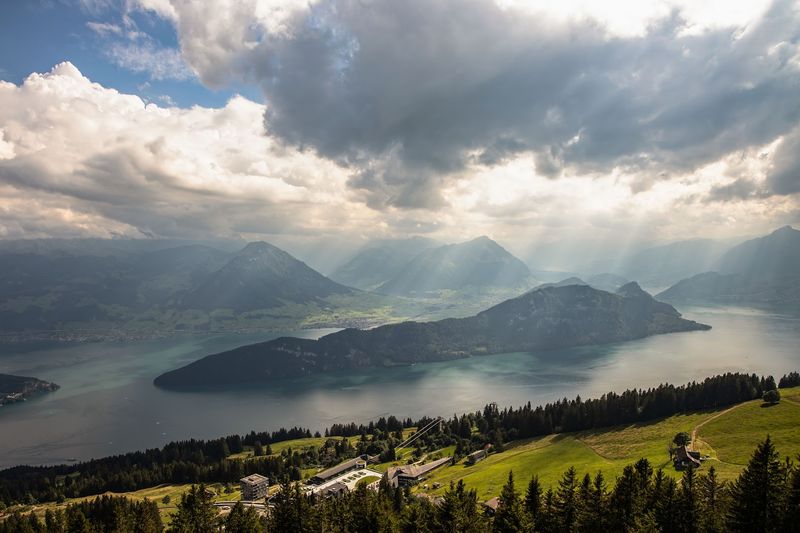
Switzerland has figured out something that most countries have not — that hiking and cheese tasting are basically the perfect combination. The trails around the Bernese Oberland and Lake Lucerne region weave through some of the most jaw-dropping alpine scenery on Earth, and conveniently, many of them pass directly by working alpine dairies where fresh cheese is available to taste and buy.
It is fitness and indulgence rolled into one very satisfying package.
Alpkäse — cheese made during the summer months on high mountain pastures — is the prize worth seeking on these trails. Its flavor is intensely grassy, slightly floral, and far more complex than anything you will find in a supermarket.
Each farm has its own subtle recipe variations, meaning no two tastings are exactly alike. Some huts sell cheese by the slice alongside dark bread and a cold drink, making them ideal rest stops.
The Lake Lucerne area adds another dimension entirely. Boat trips across the lake connect villages that host small markets and festivals celebrating seasonal cheese production.
The combination of mountain air, crystal-clear water, and excellent dairy products makes this trail system one of Switzerland’s most underrated experiences for food travelers. Even non-hikers can access many dairy farms by cable car or scenic mountain railway, so there is genuinely no excuse not to visit.
Cheddar Gorge, England
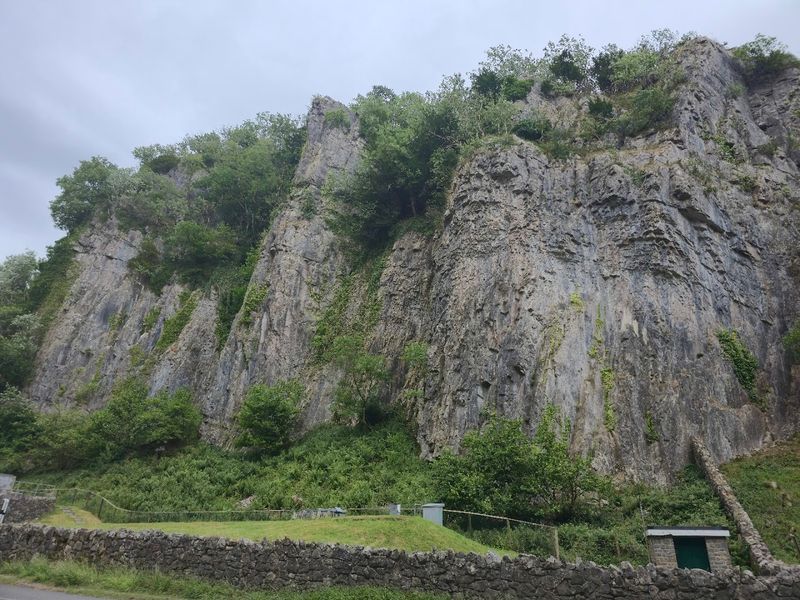
Long before Cheddar became the world’s most popular cheese style, it was being aged in the cool, damp caves of a dramatic limestone gorge in Somerset, England. Cheddar Gorge is a genuinely spectacular natural formation — towering cliffs, winding roads, and ancient caves that have been used for cheese aging since at least the 12th century.
Standing at the base of those cliffs while eating a chunk of properly aged Cheddar is a moment that puts everything in satisfying perspective.
The Cheddar Gorge Cheese Company is the only remaining producer still making cheese in the gorge itself, using traditional unpasteurized milk and cloth-bound aging methods that produce a far more complex flavor than most commercially available Cheddar. Tours of the facility show you the entire process, and the tasting room lets you compare young, mature, and extra-mature versions side by side.
The difference is remarkable and educational.
The surrounding village of Cheddar offers additional shops, a cave museum, and seasonal markets that fill out a pleasant day trip. Somerset is also great cider country, and pairing a mature Cheddar with a local farmhouse cider is a combination that has been working brilliantly for centuries.
The gorge itself deserves a proper walk — the clifftop views are extraordinary and the whole area rewards unhurried exploration.
Tuscany, Italy
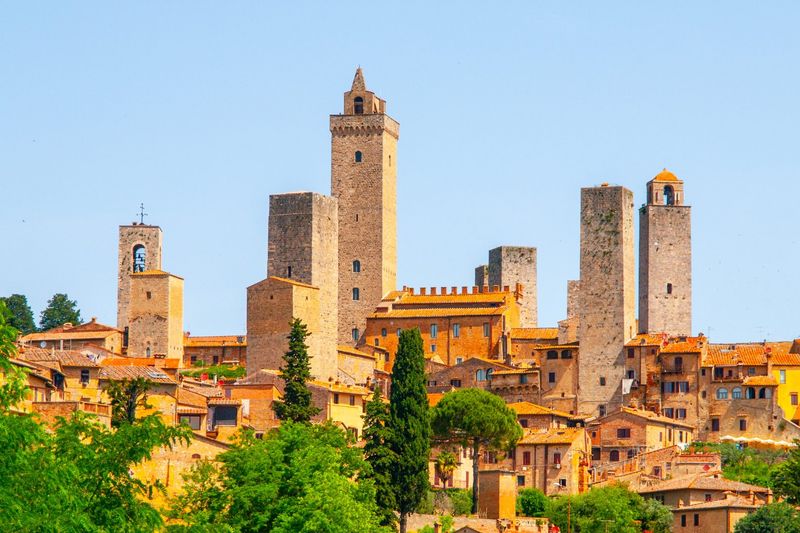
Tuscany’s reputation for beauty is so well established that it almost overshadows the food — almost. The region’s rolling hills, medieval hilltop towns, and golden light are genuinely stunning, but the pecorino cheeses made from local sheep’s milk are equally worthy of your attention.
Pecorino Toscano is firm, slightly tangy, and wonderfully versatile, ranging from young and mild to aged and deeply savory depending on how long it has been left to mature.
Farm visits in the Crete Senesi and Maremma areas offer intimate tastings where producers walk you through the differences between fresh, semi-aged, and fully aged versions. Paired with a drizzle of local Tuscan olive oil and a thick slice of unsalted bread, even the simplest pecorino becomes something memorable.
Some farms also produce ricotta from the leftover whey — light, creamy, and best eaten the same day it is made.
Pienza, a tiny UNESCO-listed town in southern Tuscany, has built its entire identity around pecorino. Its main street is lined with cheese shops where owners age wheels on wooden shelves visible right through the window.
The annual Fiera del Cacio cheese festival in September draws visitors from across Europe for tastings, games, and celebrations. Tuscany gives you beauty and flavor in equal measure — a genuinely hard combination to resist.
Loire Valley, France (Markets & Workshops)
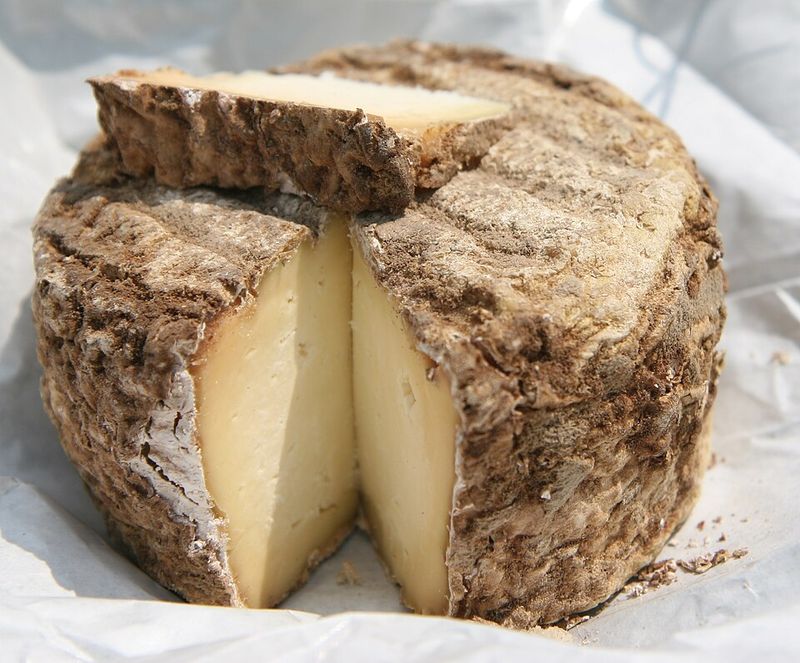
There is a big difference between eating great cheese and actually making it with your own hands — and the Loire Valley offers both experiences with equal enthusiasm. Beyond its celebrated markets and tasting events, the region has developed a network of hands-on workshops where visitors can try their hand at crafting fresh goat cheese from scratch.
Spoiler: it is harder than it looks, and infinitely more rewarding.
Workshops typically run for a couple of hours and walk you through the steps of warming milk, adding cultures and rennet, ladling curds into molds, and salting the finished product. Instructors are usually working producers who mix technical knowledge with relaxed, good-humored teaching styles.
You leave with a small container of cheese you made yourself, which tastes inexplicably better than anything you could buy.
The market side of the Loire Valley is equally compelling. Weekly markets in towns like Amboise, Tours, and Chinon bring together producers selling everything from fresh chèvre to aged Sainte-Maure de Touraine wrapped in straw.
The combination of market browsing, workshop participation, and vineyard visits makes the Loire Valley one of the most well-rounded food tourism destinations in France. Wine and goat cheese from the same valley — paired together on a sunny afternoon — is a combination that genuinely needs no improvement.
European Cheese Festivals
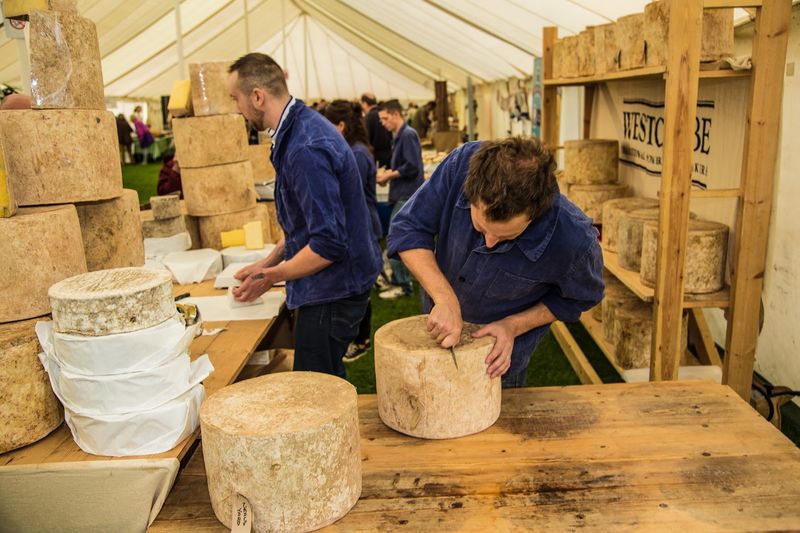
Timing your European trip around a cheese festival is one of the smartest moves any food-focused traveler can make. Across the continent, dedicated cheese events bring together hundreds of producers, affineurs, and enthusiasts in one place, creating a concentrated celebration of dairy culture that would take months to replicate through individual farm visits.
Switzerland’s Olma fair, France’s Salon du Fromage, and the Netherlands’ various regional markets are among the highlights worth planning a trip around.
What makes festivals special is access — you get to taste rare, small-production cheeses that never appear in shops or restaurants outside their home region. Producers travel specifically to share their work with new audiences, and the atmosphere encourages conversation, sampling, and genuine connection between makers and visitors.
Workshops and competitions add structure and entertainment throughout the day.
Many festivals also feature music, local food pairings, and cultural performances that turn a cheese event into a full community celebration. Children are often catered for too, with cheesemaking demonstrations and interactive activities that make the whole thing family-friendly.
For serious cheese lovers, attending even one major European festival shifts your understanding of how vast and varied the continent’s dairy traditions truly are. Check festival calendars before booking flights — some events happen only once every two years and sell out early.
Local Artisan Routes & Markets Everywhere
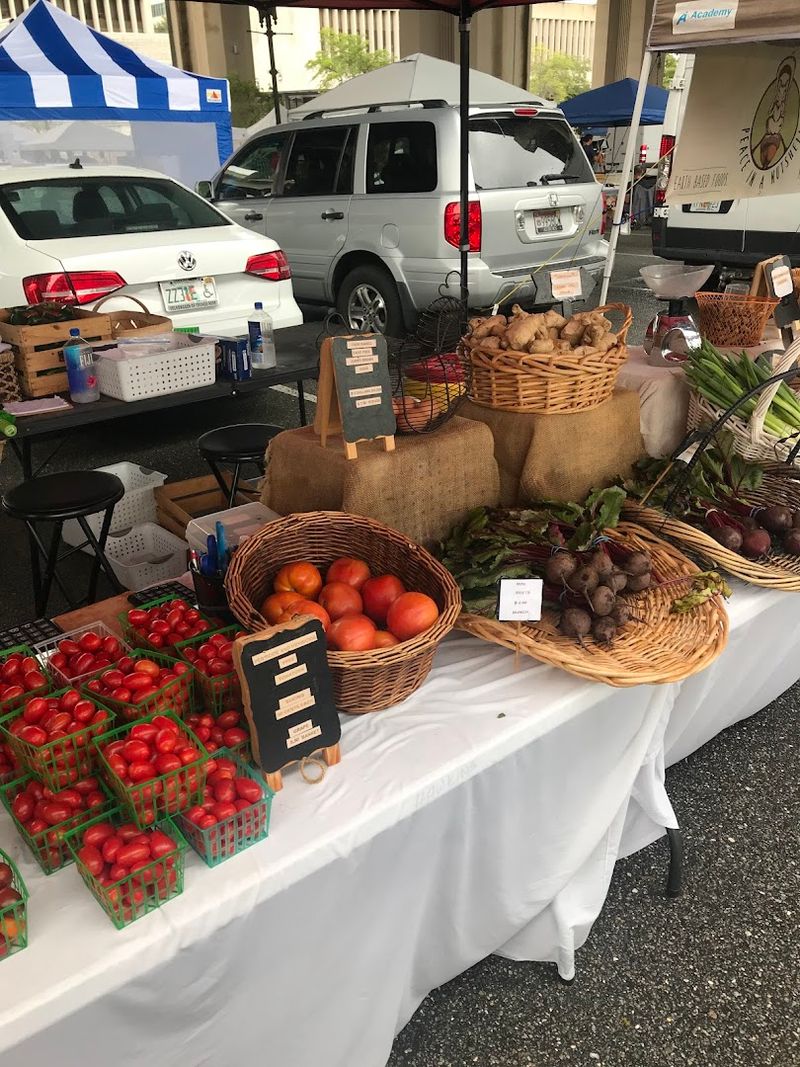
Some of the best cheese experiences in Europe happen nowhere near the famous names. Poland’s Oscypek — a smoked sheep’s milk cheese from the Tatra Mountains — is extraordinary and almost unknown outside the country.
Slovenia’s Karst region produces aged Kraški sheep cheese that rivals anything from France or Italy. Romania, Slovakia, and the Basque Country all have thriving artisan cheese cultures that reward curious travelers willing to wander off the well-worn tourist trail.
Artisan cheese routes — like Poland’s Oscypek Trail or Austria’s KäseStrasse — connect farms, markets, and tasting rooms into navigable journeys that double as scenic road trips. These routes are designed for slow travel, encouraging you to stop, chat with producers, and understand the agricultural landscape behind what you are eating.
The cheeses you find this way often carry stories that make them taste even better.
Weekly village markets across rural Europe are another goldmine. A Saturday morning market in a small French, Spanish, or Italian town will routinely feature local cheesemakers selling directly from their farms, often at prices that would seem impossibly low by city standards.
The key is showing up early, bringing cash, and being willing to try something unfamiliar. Europe’s lesser-known cheese regions are not a consolation prize — they are a discovery waiting to happen.



