 Unearth The Voyage
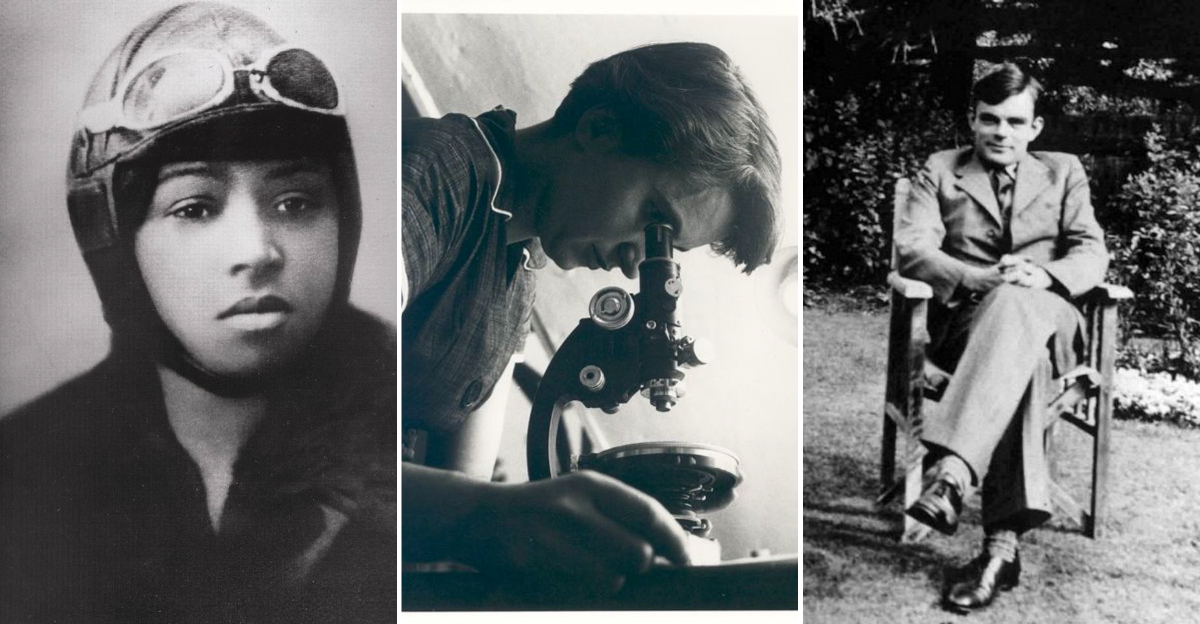
History rarely files its paperwork neatly. Whole lives that shaped science, civil rights, computing, and culture were once sidelined by politics, secrecy, or marketing that favored safer stories.
You will meet innovators whose work powered electricity, flight, and the digital age, as well as organizers and researchers whose names nearly vanished while their ideas quietly ran the world. Keep reading to see how attention moves, how credit gets reassigned, and how sharp details can restore people who almost slipped out of view.
1. Nikola Tesla
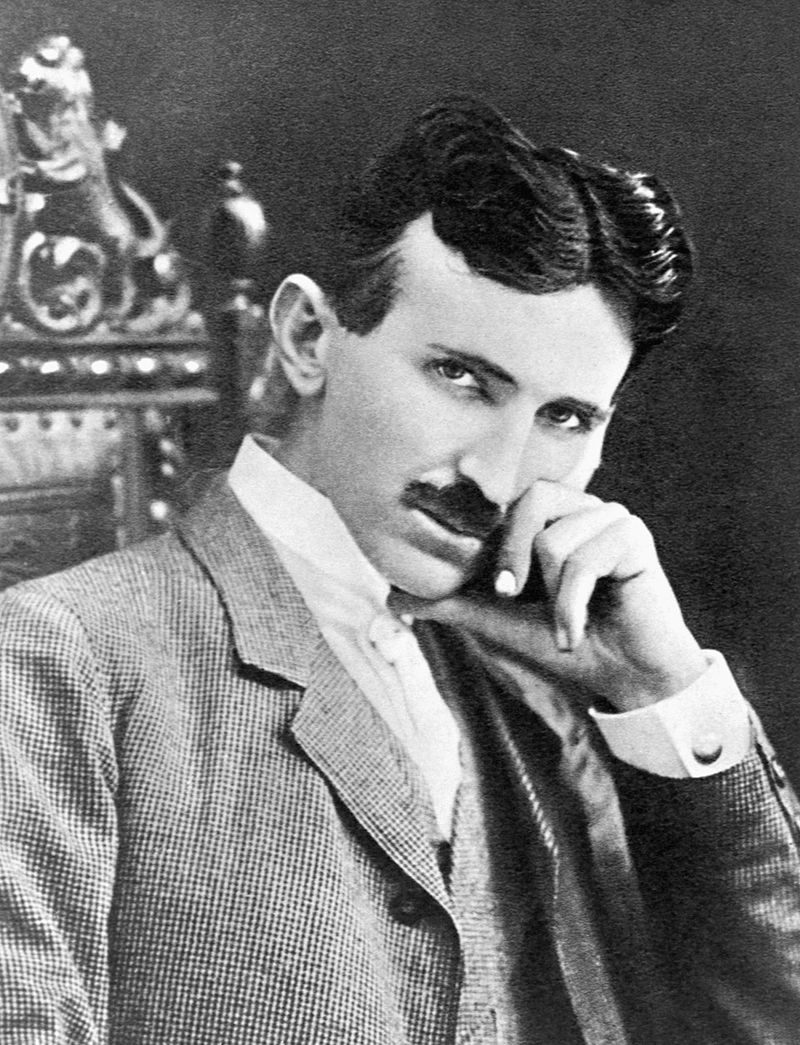
Credit can be a slippery thing, and few careers slid out of view like the mind behind alternating current. Nikola Tesla dazzled investors with wireless dreams in the 1890s, then watched funding evaporate as utility empires backed safer, metered infrastructure.
By the 1901 Wardenclyffe project, his laboratory debts ballooned, patents lapsed, and rivals shaped narratives that cast him as brilliant but impractical. He still produced innovations in polyphase motors, radio components, and remote control, yet newspaper caricatures reduced achievements to eccentric publicity.
As the 1920s favored corporate research labs, independent tinkerers lost oxygen, and Tesla’s archive fragmented across creditors, storage rooms, and rumor. Only later did historians connect his AC systems to the modern grid, trace radio disputes with Marconi, and reassess the showman as a disciplined theorist.
2. Rosalind Franklin
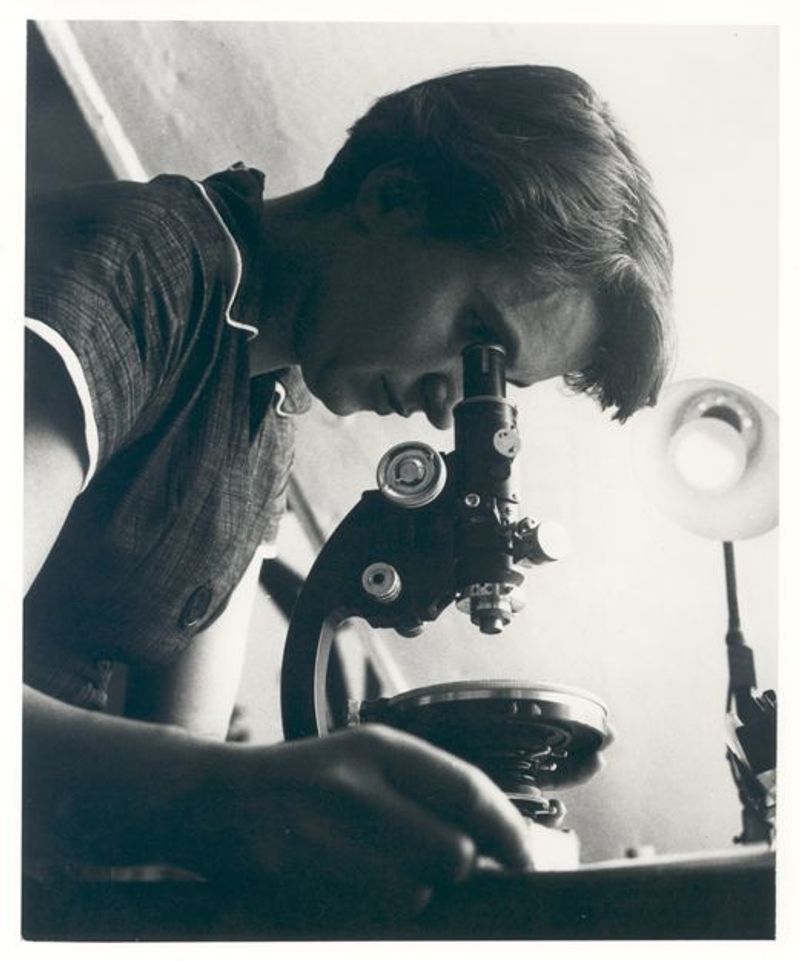
Recognition sometimes hinges on a photograph, and one picture defined a century of biology. Rosalind Franklin’s meticulous X-ray crystallography yielded Photo 51 in 1952, a clear diffraction pattern that indicated DNA’s helical structure and precise dimensions.
Working at King’s College London, she refined B-form DNA data, controlled humidity, and sharpened measurements that made modeling possible. Her notebooks trace cautious conclusions, rejecting premature claims while colleagues elsewhere raced to assemble a double helix.
The image and parameters informed Watson and Crick, who published in 1953 with a model matching Franklin’s measured symmetry and pitch. Credit lines prioritized theory over experiment, and her death in 1958 closed the door on a Nobel she could not share.
3. Ignaz Semmelweis
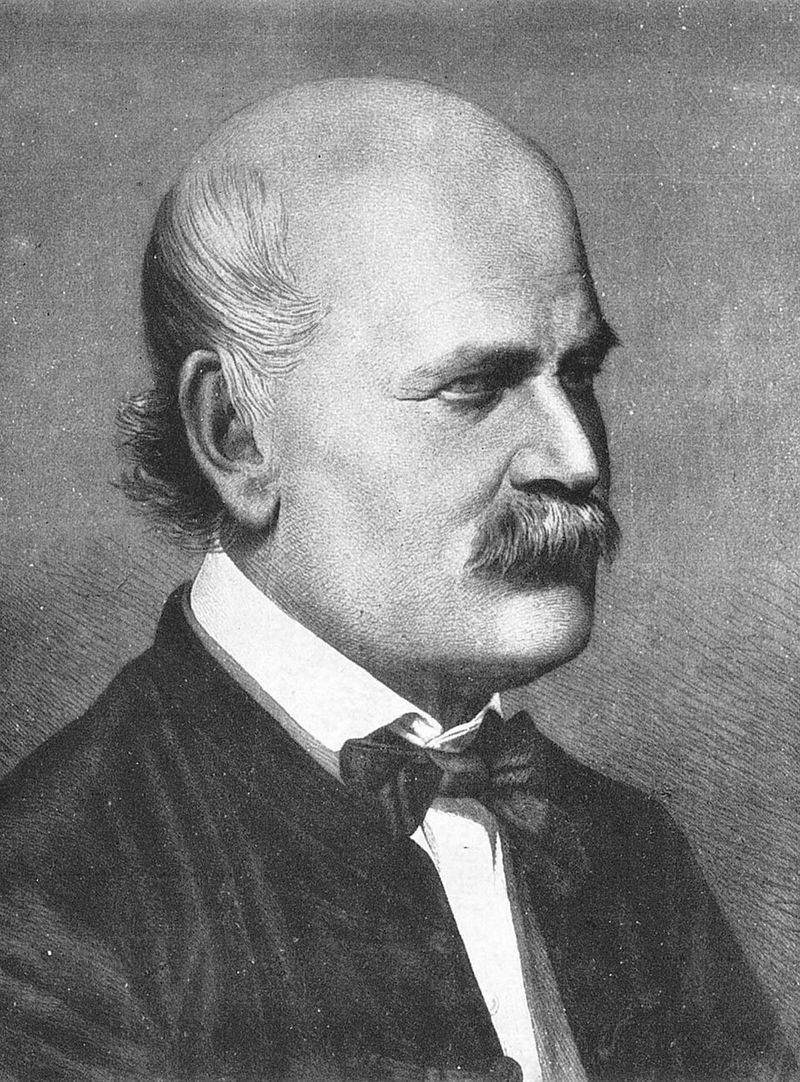
Sometimes the right idea arrives before the culture is ready to hold it. In 1847, Ignaz Semmelweis linked physicians’ unwashed hands to fever in maternity clinics, comparing outcomes between autopsy-connected wards and midwife-run units.
He mandated chlorinated lime handwashing and recorded dramatic drops in infections. The data were clear, yet professional pride, incomplete germ theory, and institutional friction blunted adoption.
Semmelweis struggled to publish in a persuasive format, and critics framed his policy as an accusation rather than a procedural fix. By the time Pasteur and Lister popularized microbial explanations and antiseptic practice, the behavioral blueprint had already been tested in Vienna.
His legacy now lives in every sink outside a patient room and in checklists that standardize routine hygiene.
4. Hedy Lamarr
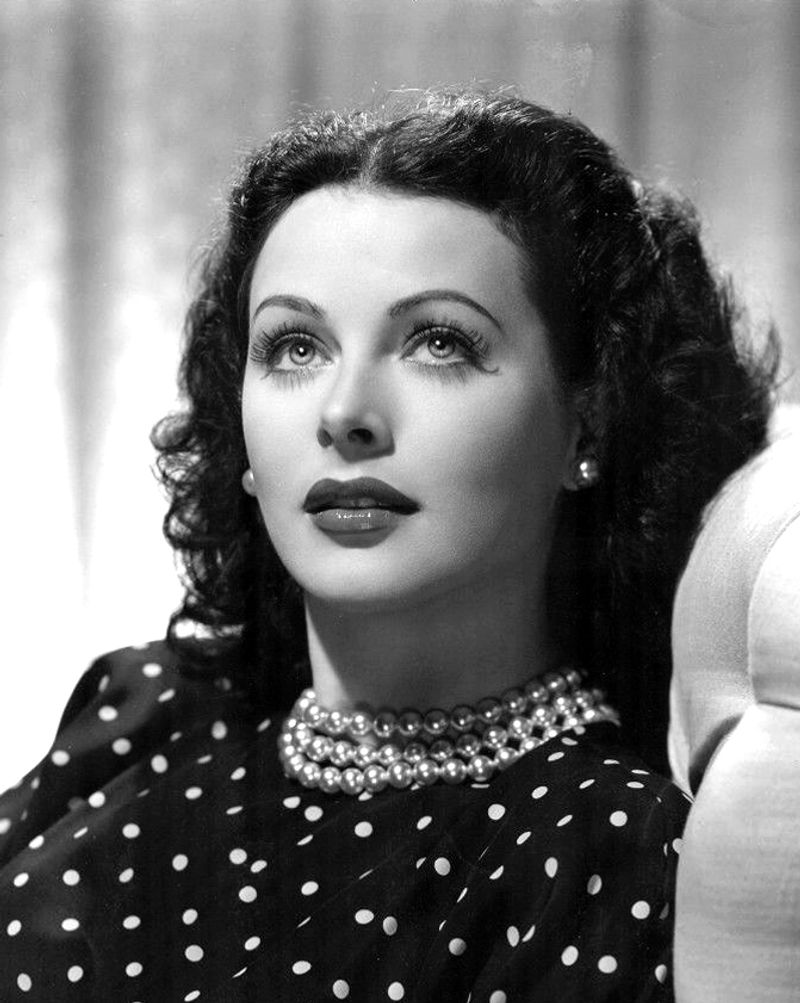
Movie posters overshadowed the patent number, and that is where the story hides. Hedy Lamarr, celebrated on screen, co-devised a frequency-hopping scheme with George Antheil in 1941 to foil signal jamming for torpedo guidance.
The design synchronized transmitter and receiver across rapidly shifting frequencies using a coded sequence. Naval adoption lagged due to hardware constraints and institutional skepticism toward unconventional sources.
Decades later, spread-spectrum principles became foundational for Wi-Fi, Bluetooth, and cellular protocols using hopping or direct-sequence methods. The patent expired before commercial payoffs, but the intellectual footprint expanded as consumer radios learned to share crowded airwaves.
5. Alan Turing
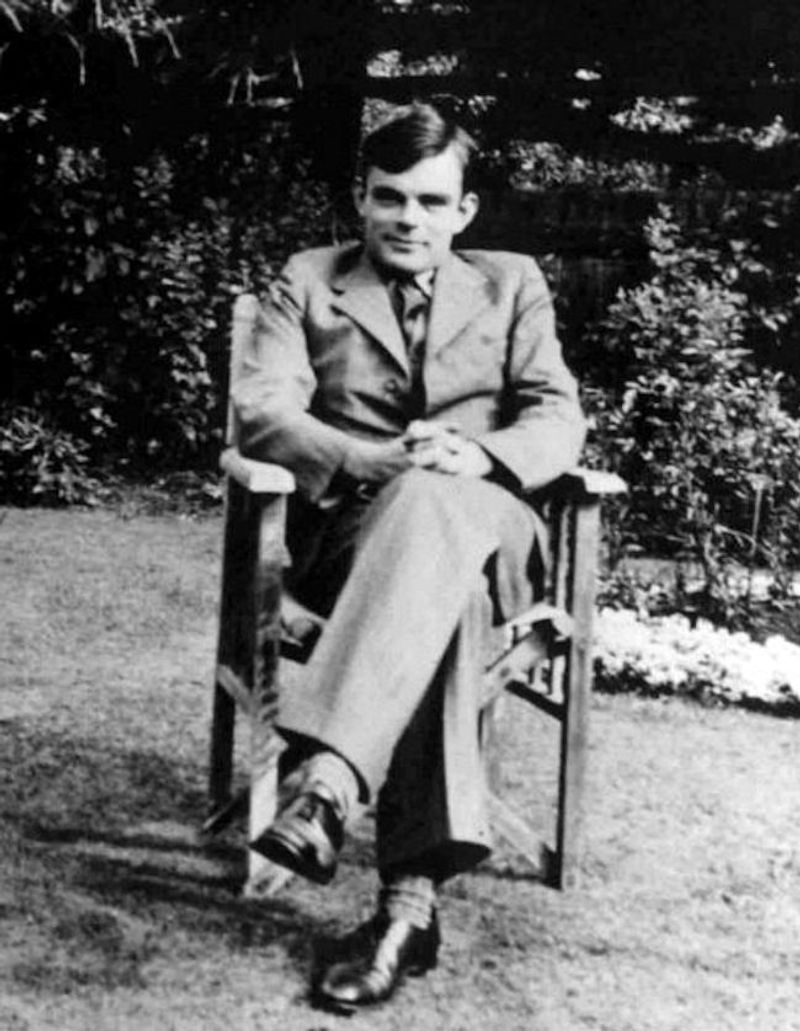
Secrecy can dim even the brightest equations. Alan Turing developed theoretical frameworks for computation in 1936, then applied logic to codebreaking work at Bletchley Park that shortened conflict and reshaped cryptanalysis.
Classified constraints kept his contributions underground for decades while others built public reputations on visible projects. His bombe refinements, statistical methods, and vision for programmable machines seeded a discipline before departments carried the name.
Postwar, Turing explored morphogenesis and machine intelligence, outlining tests for behavior under questioning rather than mystical consciousness. Institutional prejudice cut short open collaboration and muted recognition during pivotal years of electronic design.
Releases of archival material later clarified authorship and scope, positioning him as a principal architect of modern computing. Every time you consider complexity, decidability, or algorithmic limits, you are following paths first mapped by a mathematician whose file folders were once locked.
6. Claudette Colvin
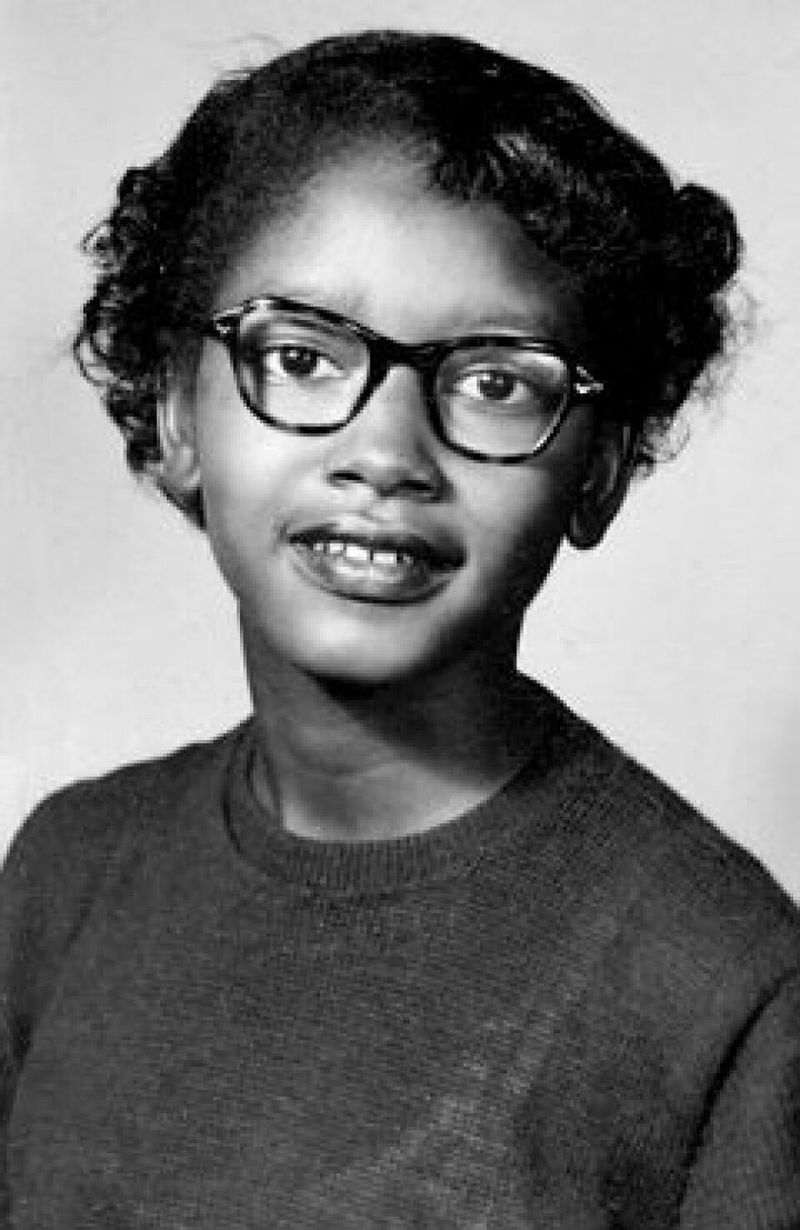
Movements are made of moments that do not all make the posters. At fifteen in March 1955, Claudette Colvin refused to surrender her bus seat in Montgomery, months before Rosa Parks drew national focus.
Her arrest fed the legal strategy that became Browder v. Gayle, the case that ended bus segregation in 1956.
Community leaders, weighing optics, centered other figures while Colvin balanced school, work, and courtrooms.
The selective spotlight hid key testimony that grounded constitutional arguments in lived practice. Later historians and educators restored her place as an early catalyst whose resolve carried risk without ceremony.
When you study civil rights, include the timeline that shows policy change building through layered acts of refusal. Colvin’s story reminds you that courage often appears in ordinary schedules long before speeches and cameras arrive.
7. Ada Lovelace
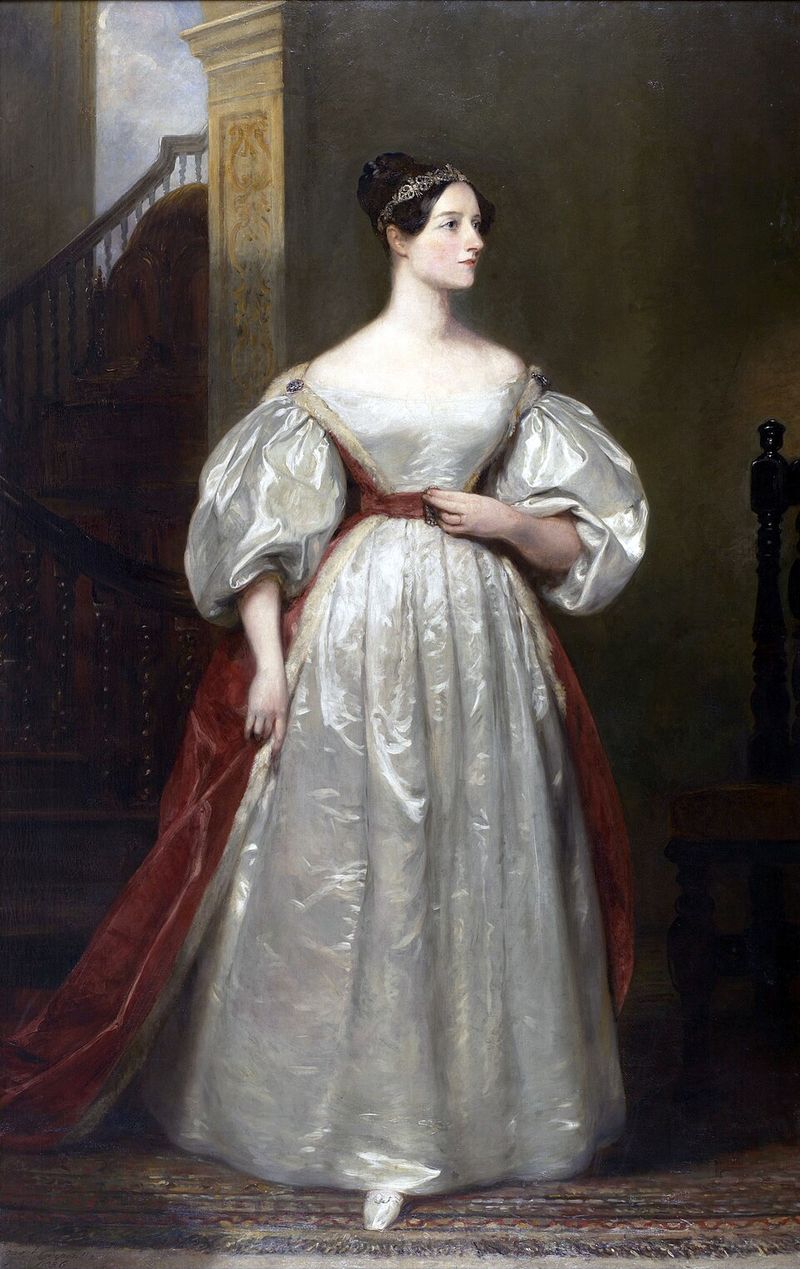
Before computers had screens, they had footnotes that read like blueprints. Ada Lovelace’s 1843 Notes on the Analytical Engine extended Luigi Menabrea’s work and described how general-purpose calculation could manipulate symbols beyond numbers.
Her famous Note G sketched a method to compute Bernoulli numbers, often labeled the first algorithm intended for a machine. She anticipated conditional logic and the idea that engines could handle music or text with proper encodings.
For decades, she was framed as a muse rather than a methodical thinker, and Babbage’s unfinished hardware muted impact. Twentieth century computing revived credit as historians and engineers recognized the conceptual leap.
Today, pedagogy cites her to highlight early software thinking and interdisciplinary curiosity. When you hear that coding translates ideas into operations, you are repeating lessons she wrote in margins that pointed straight at the future.
8. Bayard Rustin
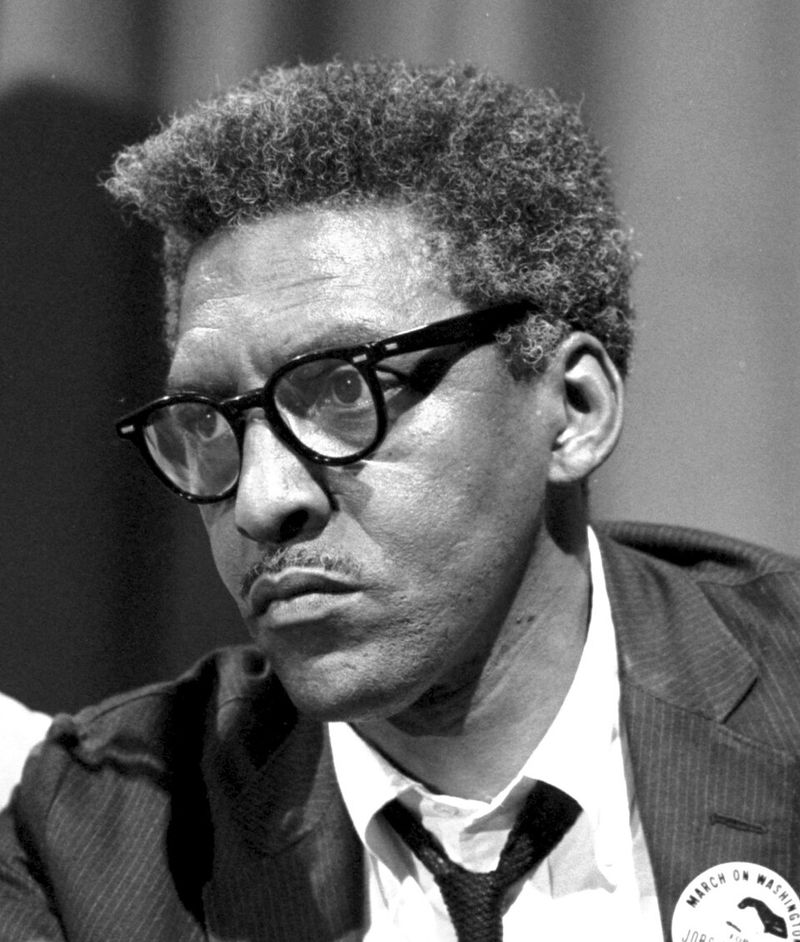
Some architects build platforms you stand on without ever seeing their blueprints. Bayard Rustin trained organizers, scheduled buses, and coordinated unions to stage the 1963 March on Washington with remarkable discipline.
He fused Gandhian nonviolence with labor strategy, honing workshops that taught participants how to de-escalate and stay focused on policy goals. Public-facing roles were limited by prejudice and political calculus, which kept his name quieter than his influence.
Policy footprints are the best measure of reach, and his mentoring shaped campaigns that continued through the decade. Archival releases, documentaries, and posthumous honors have since placed him alongside the movement’s most effective planners.
When you examine how large crowds move with precision, trace the flow back to training, logistics, and trust. Rustin’s craft shows how durable coalitions depend on calendars as much as speeches.
9. Henrietta Lacks
Modern biomedicine runs on cells that never clock out. Henrietta Lacks’s tissue sample, taken in 1951 and propagated as HeLa, enabled standardized experiments across vaccines, cancer biology, and space-exposed cultures.
HeLa’s hardiness let labs compare results across continents, building a common platform for replication before open data was a slogan. For years, the donor’s identity remained obscured, and families saw research headlines without context or consent.
As ethics frameworks matured, institutions adopted clearer standards for privacy, communication, and community benefit. Recognition efforts linked her name to advances that touched nearly every medical syllabus.
If you use a product tested on immortalized lines, you are seeing echoes of that first culture dish. The conversation now includes equity, transparency, and respect, giving credit to a woman whose story traveled far beyond its origin.
10. Stanislav Petrov
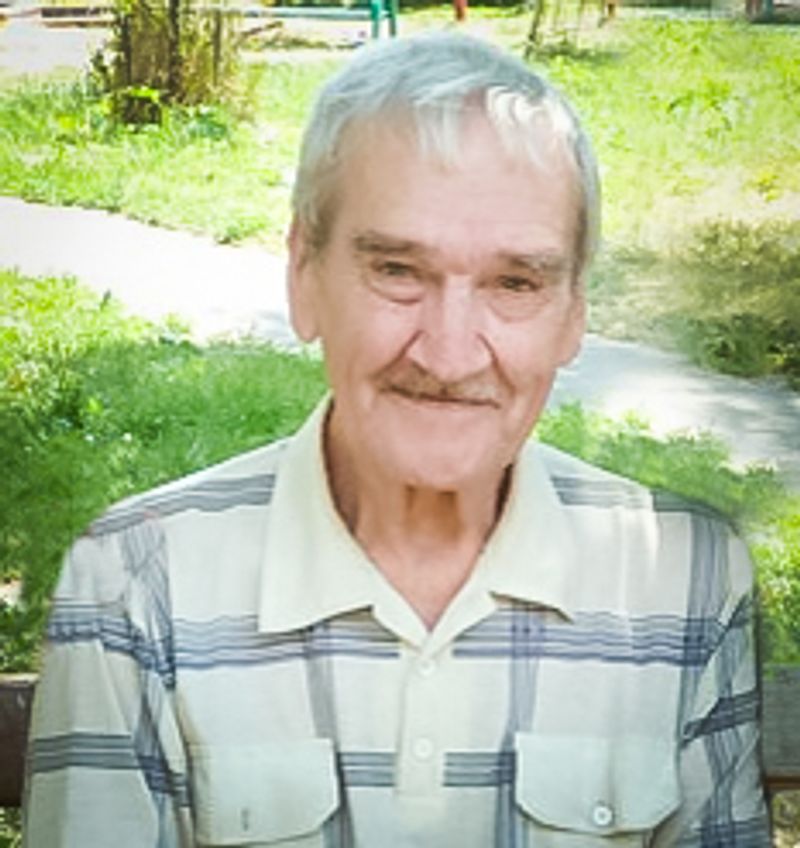
Judgment sometimes looks like doing less than the procedure demands. In September 1983, Stanislav Petrov assessed satellite reports that indicated incoming launches and concluded the signal fit a false positive pattern.
He weighed system behavior, recent satellite deployment, and geopolitical incentives, then resisted escalation while confirming data through other channels. Reports later credited his restraint with preventing a catastrophic miscalculation during a period of heightened alert.
His role stayed obscure due to classification and institutional reluctance to highlight flaws in strategic systems. When documents surfaced, international awards followed, framing him as a case study in critical thinking under pressure.
The lesson travels well into any field that runs on alerts and dashboards. If you manage risk, you already practice Petrov’s craft: know your instruments, know their limits, and keep a human in the loop.
11. Lise Meitner
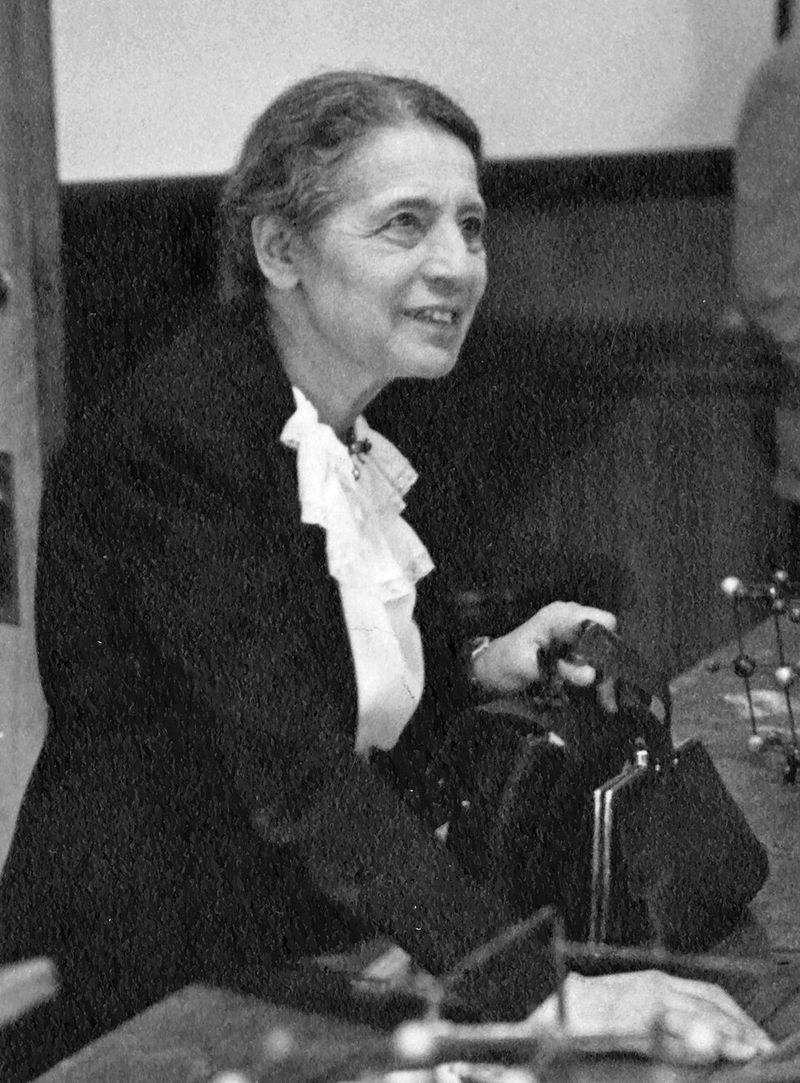
Physics often assigns credit to the moment the camera clicked, not the year of calculation. Lise Meitner interpreted experimental anomalies in 1938 as nuclear fission, applying liquid drop models to explain startling energy release.
Working in exile, she collaborated by letter with Otto Hahn, whose paper reported results without the theoretical framing she supplied. The later Nobel recognized chemistry, skipping the physics that made sense of the fragments.
Meitner continued research, taught, and mentored, building a lineage that kept her influence alive when headlines favored singular heroes. Over time, citations and biographies restored the joint nature of discovery.
When you survey twentieth century science, look for the theorist who turned scattered clues into a mechanism. Her story shows how border crossings, both political and disciplinary, can blur recognition long after the math stands firm.
12. Katherine Johnson
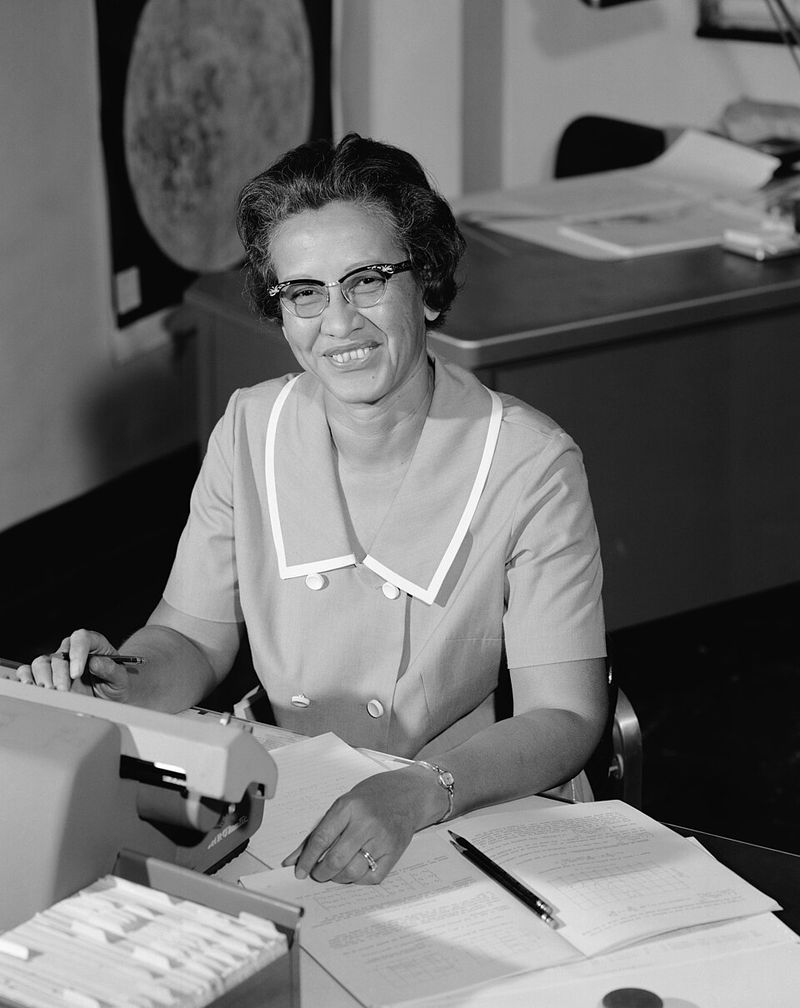
Trajectories need quiet precision before rockets get headlines. Katherine Johnson computed launch windows, reentry paths, and rendezvous math for Mercury and Apollo, validating machine output when astronauts wanted human confirmation.
Her work at NASA grew from West Area Computing through the Space Task Group, where clear notation met deadlines that could not slip. Reports listed teams, and public credit drifted toward pilots and hardware.
Late career honors and a feature film finally placed her analytical labor at the center of mission success. She demonstrated that good modeling blends geometry, iterative checking, and communication engineers can act on.
If you trust navigation software today, you share the habit she perfected: turn physics into steps, then verify. The page of calculations that looks ordinary is exactly where extraordinary reliability is built.
13. Bessie Coleman
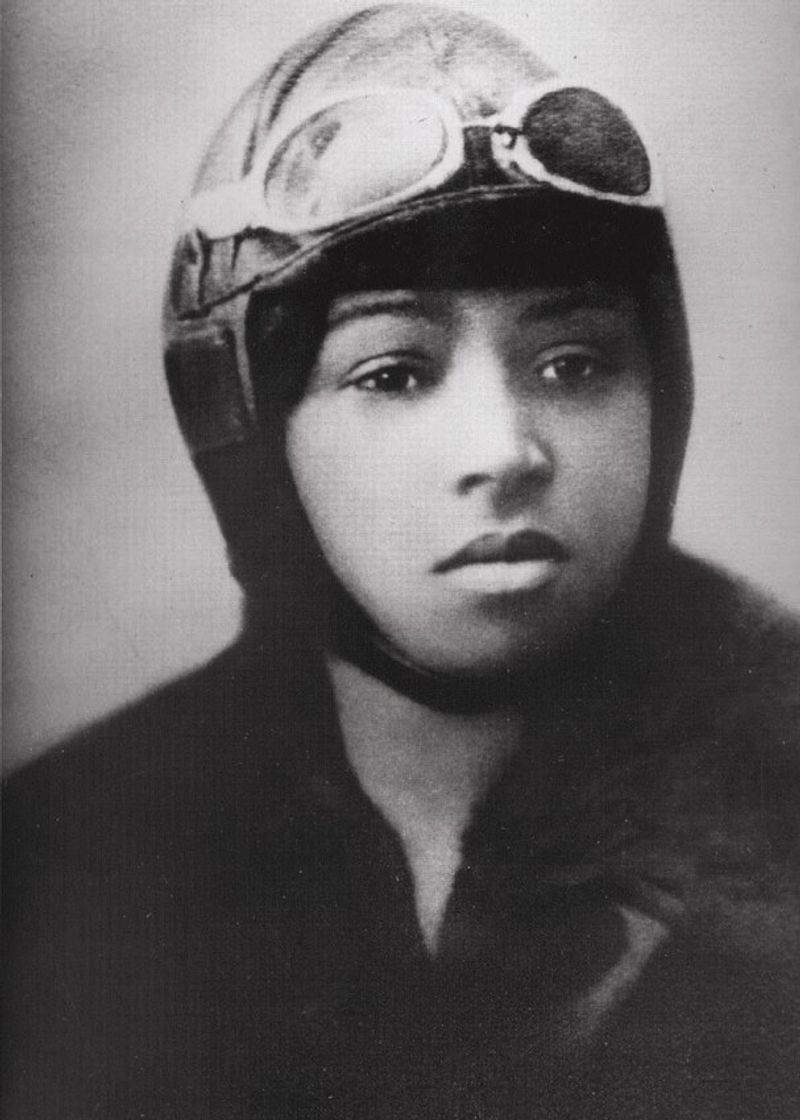
Licenses can be passports to stories that might otherwise close their gates. Bessie Coleman earned her pilot’s license in France in 1921 after American schools refused her, then toured with aerobatic demonstrations that built audiences and aspirations.
She saved to buy planes, promoted flight schools, and argued for inclusive training in a field that still counted few women of any background. Coverage faded after headline circuits moved on, and archives scattered details across regional papers.
Later pilots traced mentorship lines to her example, crediting the visibility that normalized a different cockpit. Aviation museums and scholarships revived her name, anchoring it to access rather than spectacle alone.
When you see diverse crews in modern aviation, you are looking at ladders she insisted be built. Her achievements are not trivia; they are infrastructure for opportunity, assembled one crowd and one lesson at a time.
14. Simo Häyhä
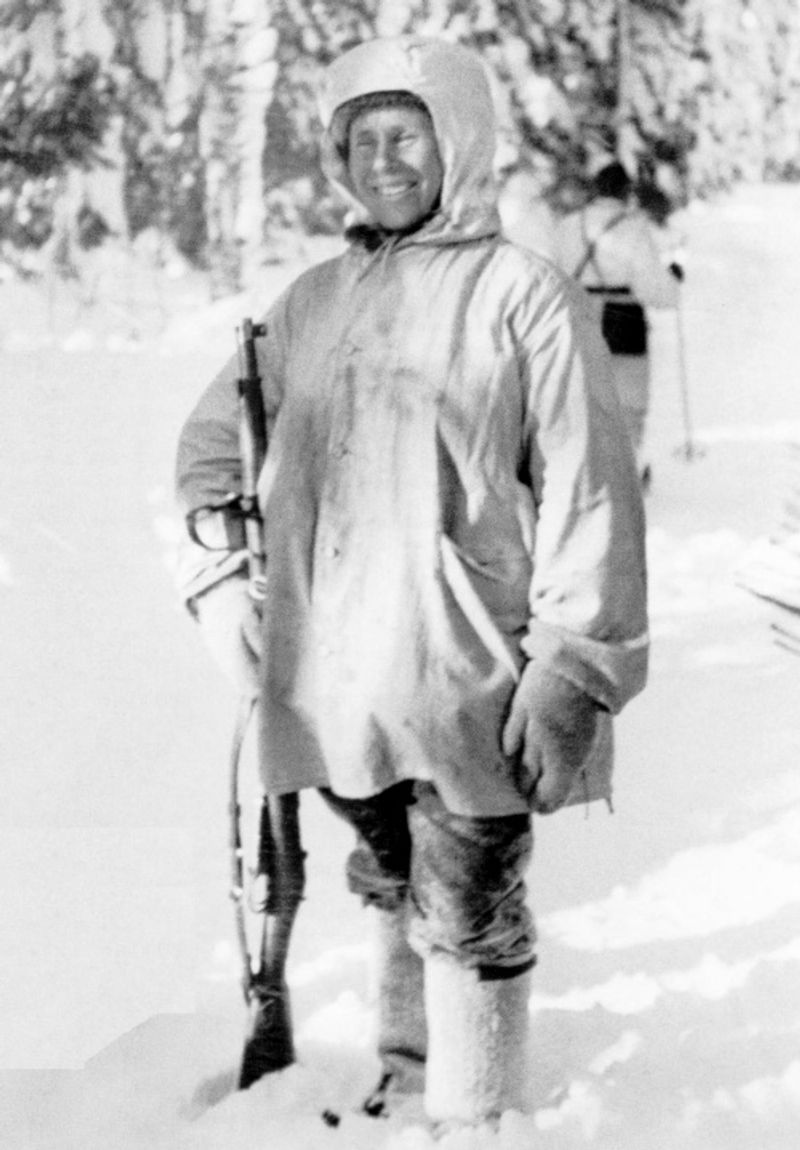
Statistics can eclipse the person who lived behind them. Simo Häyhä, a Finnish marksman during the 1939 to 1940 Winter War, became a symbol of skill, patience, and fieldcraft under extreme conditions.
He preferred simple equipment, adjusted positions frequently, and relied on careful observation rather than elaborate optics. After service, he returned to rural life and avoided public promotion, letting sparse interviews stand for a complex experience.
Because numbers drew attention, context sometimes fell away, turning a disciplined soldier into legend. Historians later emphasized training, terrain literacy, and small unit tactics that shaped outcomes beyond individual exploits.
15. Nellie Bly
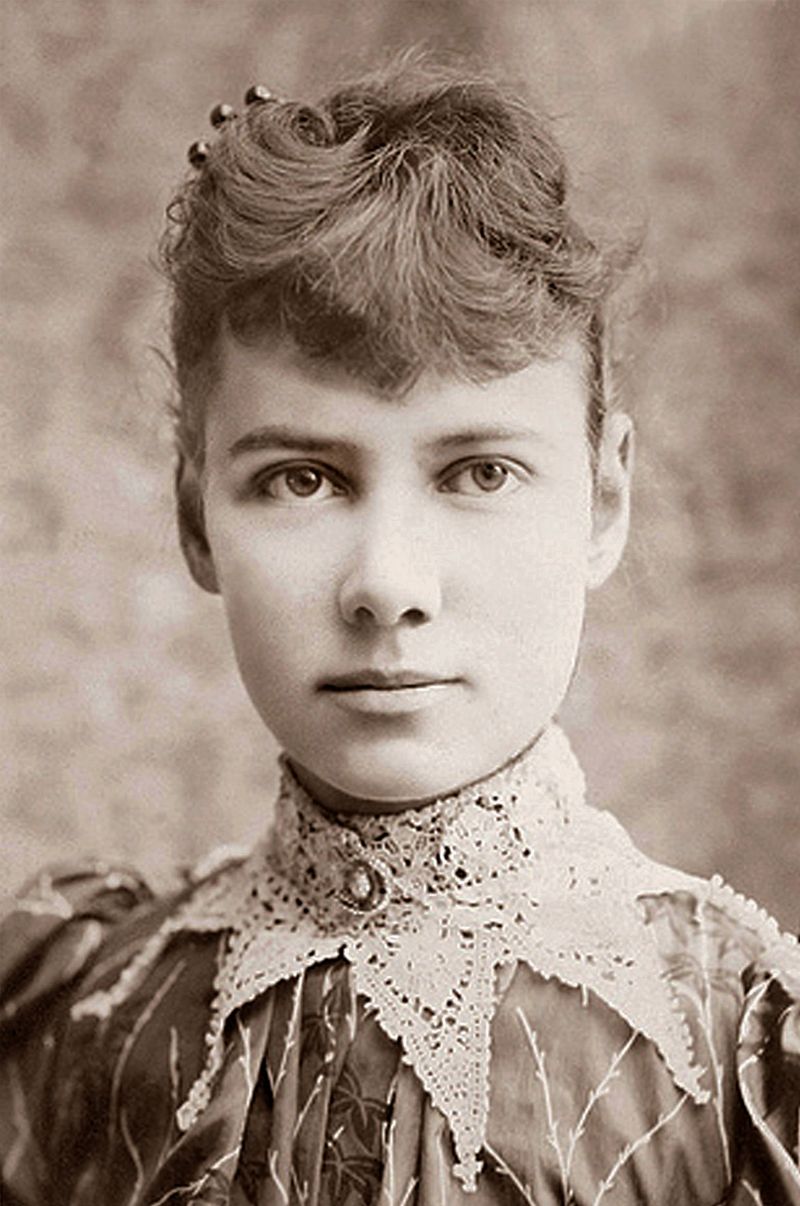
Deadlines rarely include instructions for changing an industry. Nellie Bly’s undercover reporting on asylum conditions in 1887 set a new bar for investigative methodology and policy impact, prompting reforms and budget scrutiny.
She later circled the globe in 72 days, turning logistics and self-promotion into a test of media reach. Editors celebrated stunts, but the sustained significance was process: verification, immersion, and follow-through after publication.
Her career illustrates how journalism’s tools expanded beyond official statements to direct observation. For decades, that shift blended into routine practice, leaving the pioneer less visible than the technique.
16. Fritz Haber
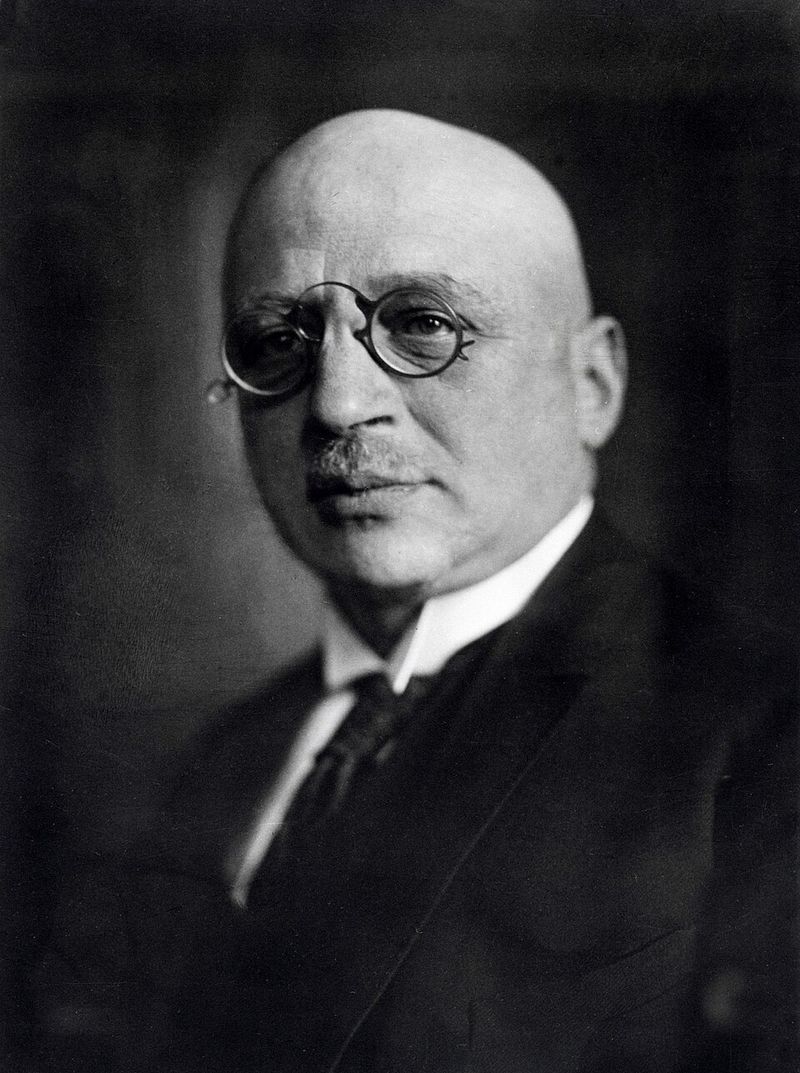
Some breakthroughs feed the world before they enter textbooks. Fritz Haber and Carl Bosch scaled ammonia synthesis in the early 1900s, fixing nitrogen to produce fertilizers that transformed agriculture and supported rapid urban growth.
The process stabilized yields and decoupled food supplies from limited natural deposits. Industrial chemistry gained a template for high-pressure engineering that influenced energy, plastics, and materials design.
Haber’s career carried controversies that often overshadowed his agricultural legacy, complicating public memory. Over time, analyses separated the chemical methods from policy choices, allowing a clearer picture of scientific consequences.
17. Mary Anning
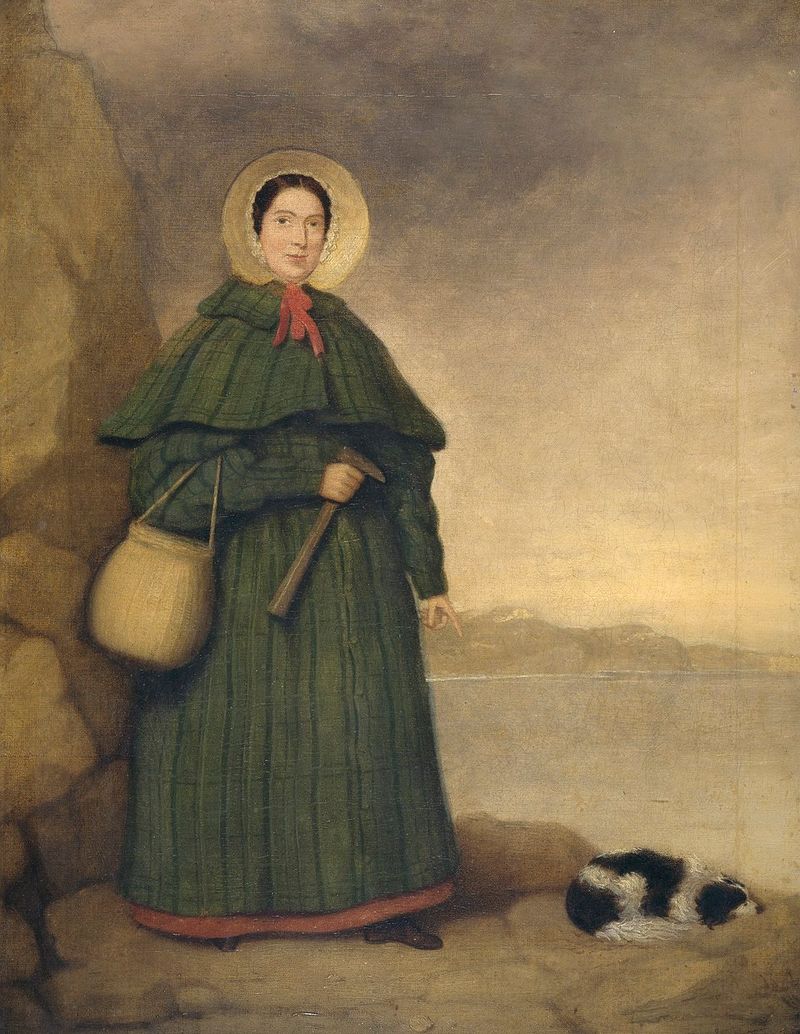
Scientific revolutions sometimes begin with a careful walk along a cliff. Mary Anning collected, prepared, and sold fossils from Lyme Regis in the early 1800s, documenting ichthyosaurs, plesiosaurs, and belemnites with meticulous notes.
Buyers published descriptions under their own names while class and gender norms limited society memberships. Yet her specimens supplied crucial evidence for extinction and geological time, adjusting how scholars read strata.
Over the years, museum labels changed to include her authorship and field expertise. Biographers and paleontologists now place her among foundational figures whose cataloging discipline anchored theory.



