Booking a hotel room in certain cities can feel like handing over your wallet and watching it cry. Across the globe, a select group of destinations consistently demand premium nightly rates, and the reasons are not always obvious. Strong business travel, packed event calendars, strict limits on new hotel construction, and year-round tourism all push prices into territory that makes budget travelers nervous. The cities on this list are not just expensive because they can be.
They are expensive because millions of people want to be there, and the hotel industry knows it. From compact European capitals with centuries-old building restrictions to booming Asian megacities riding a tourism wave, these destinations represent the current top tier of global accommodation costs. Budget carefully, book early, and prepare yourself for what comes next.
1. London, England, United Kingdom
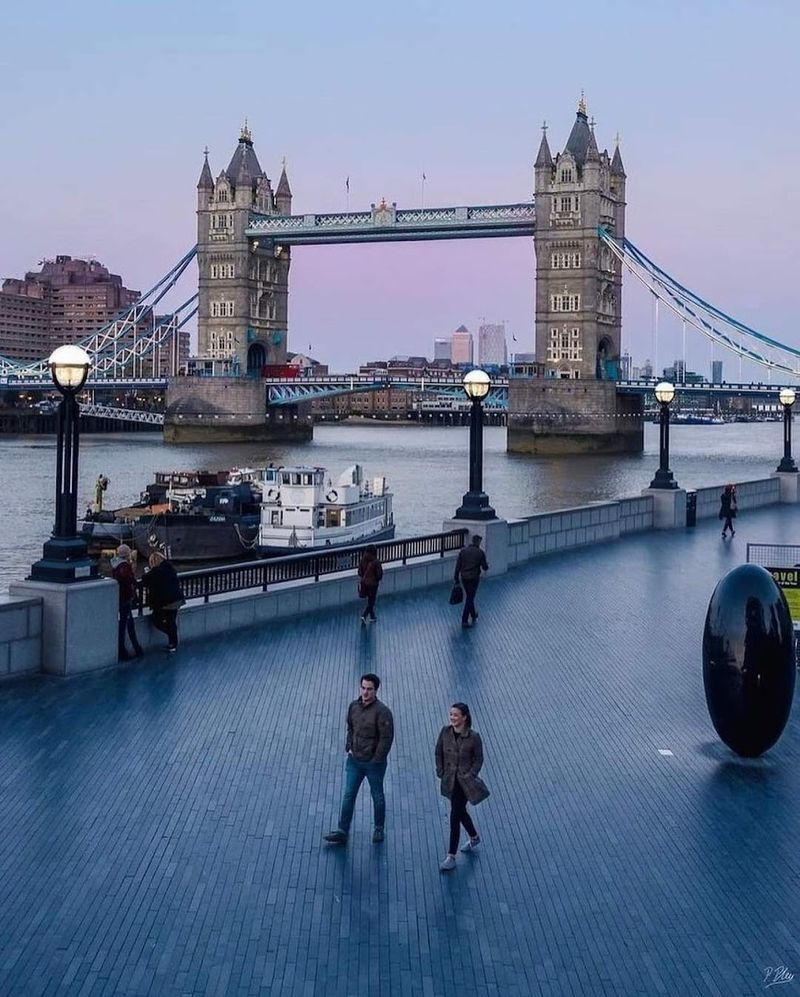
No city on Earth combines royal pageantry, cultural depth, and eye-watering hotel bills quite like London. Average nightly rates hit a record monthly high of around £234 in July 2025, with luxury properties in Mayfair and Kensington starting well above £500 per night.
Demand stays relentless because London never really has an off-season. Business travelers, tourists chasing Buckingham Palace and the British Museum, and concert-goers all compete for the same limited pool of central hotel rooms.
Major events like Wimbledon and high-profile music tours push prices even higher during specific weeks. Booking three to four months in advance is a practical strategy, not just a suggestion, for anyone hoping to find a rate that does not cause immediate regret.
2. New York City, New York, United States

Manhattan has never been shy about charging what it wants, and recent data confirms the city is leaning further into that habit. The average hotel room hit $417 per night in September 2024, a figure that made even seasoned business travelers do a double-take.
Part of the pressure comes from an unusual source: roughly 135 hotels have been repurposed as migrant shelters, removing about 11 percent of available inventory from the regular market. Add a crackdown on short-term rentals, surging group travel, and occupancy rates climbing toward 82 percent, and the math gets uncomfortable fast.
Brooklyn and Queens offer slightly more breathing room than Midtown, but even those neighborhoods have seen steady rate increases. Flexibility with dates remains the single most effective tool for finding a manageable price.
3. Paris, France

Paris set a spectacular pricing benchmark during the 2024 Olympics, when 3-star hotels averaged $685 per night and 5-star properties reached $1,607. Those figures were extreme, but they revealed just how much demand Paris can generate when the right event arrives.
Outside major events, the city still commands strong rates. Spring and summer bring millions of visitors chasing the Louvre, Notre-Dame, and the Seine-side neighborhoods that make Paris one of the most photographed cities on the planet.
Hotels near the top landmarks charge a clear location premium, and that premium rarely disappears entirely. Travelers who shift their stay by even a few metro stops from the most famous squares often find meaningfully lower rates without sacrificing much in terms of convenience or atmosphere.
4. Zurich, Switzerland
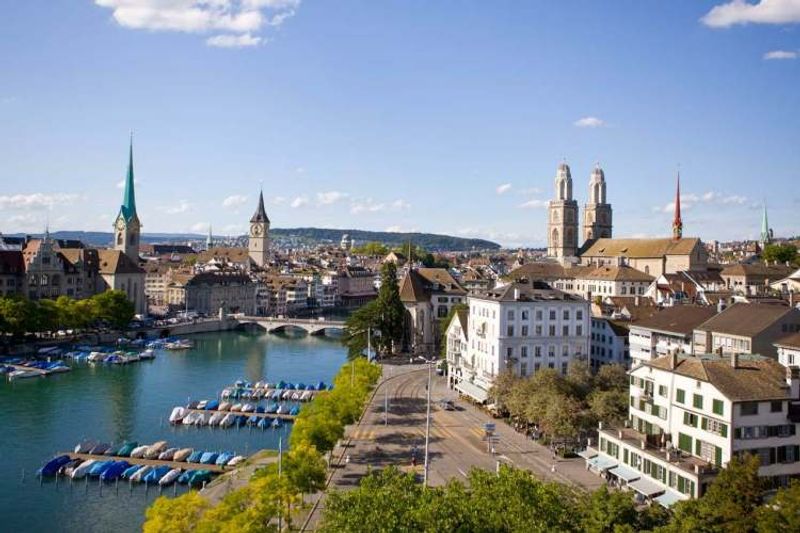
Switzerland’s largest city charges premium prices with the same calm confidence it brings to everything else. Average hotel costs in Zurich currently sit between CHF 250 and CHF 350 per night, with luxury properties pushing well past CHF 800 for a standard room.
The city’s role as a global financial center means business travel stays strong throughout the year, keeping occupancy healthy even when leisure tourism slows. Limited developable land in the historic center and strict building regulations have kept new hotel supply extremely tight.
Budget travelers are not entirely shut out, but options below CHF 150 per night are rare and typically require booking well in advance. Visiting during shoulder months like November or early March can shave meaningful amounts off the nightly bill without sacrificing much of what makes Zurich worth the trip.
5. Boston, Massachusetts, United States
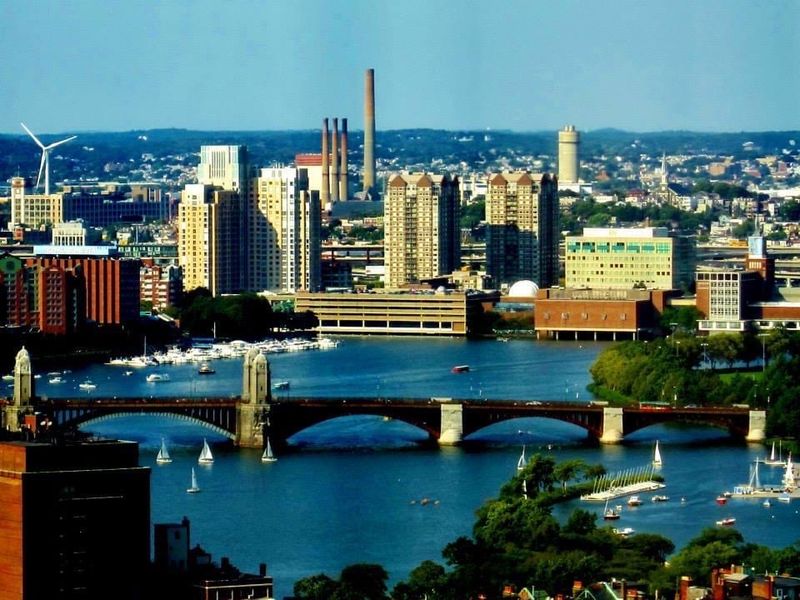
Boston has quietly built one of the most resilient and expensive hotel markets in the United States. The 12-month average daily rate reached a historic peak of $230 in early 2025, driven by a combination of university demand, major medical conferences, and steady group travel.
Supply constraints are a significant factor here. New hotel deliveries between 2022 and 2024 were minimal, and growth projections for 2025 remain roughly 70 percent below the ten-year average. Fewer new rooms entering the market means existing properties face less pressure to compete on price.
City-wide occupancy has held in the low 80 percent range, which gives hoteliers considerable confidence in maintaining strong rates. Historic neighborhoods like Beacon Hill and the Seaport District remain particularly expensive, but booking directly with hotels occasionally unlocks modest savings.
6. Milan, Lombardy, Italy
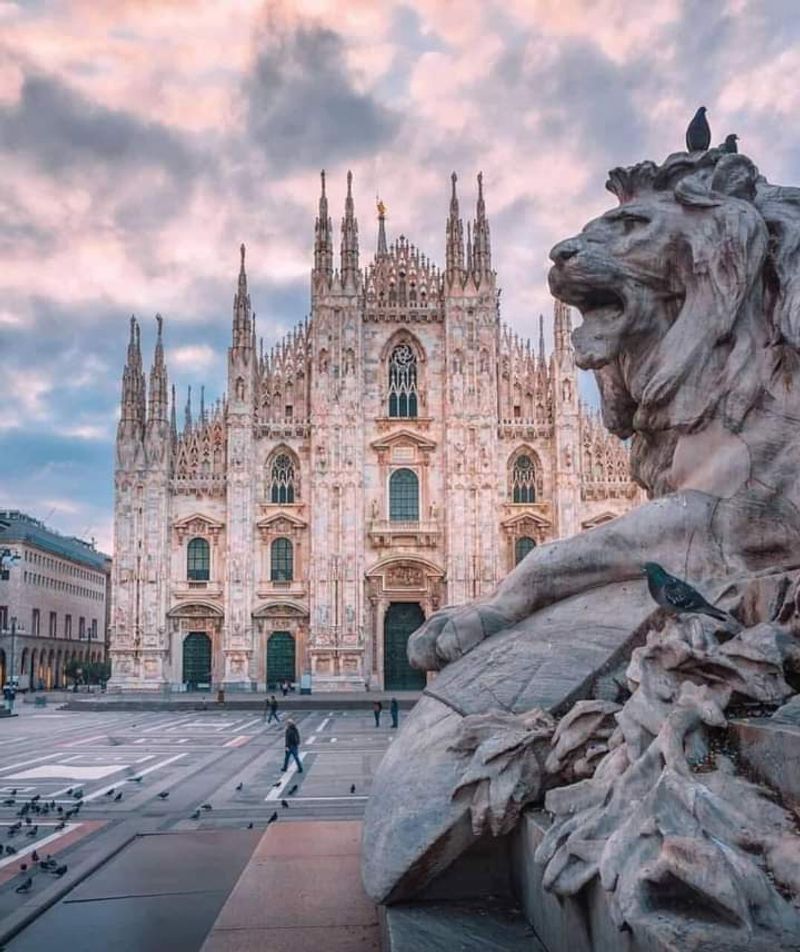
Fashion Week alone would be enough to keep Milan’s hotels perpetually expensive, but the city piles on with international trade shows, luxury business events, and a tourism draw that never fully quiets down. Average double room rates currently sit around $473 per night according to recent booking platform data.
The extremes are genuinely striking. During peak weekends at the end of 2025, 5-star properties have been quoted at nearly $1,800 per night, while even 3-star options averaged over $237. February is consistently the most expensive month, with average rates climbing toward $675.
Travelers who can visit in November, traditionally the cheapest month, will find rates considerably lower while still enjoying the Duomo, the Brera art district, and the city’s celebrated restaurant culture. Booking well outside event windows is the clearest path to a manageable bill.
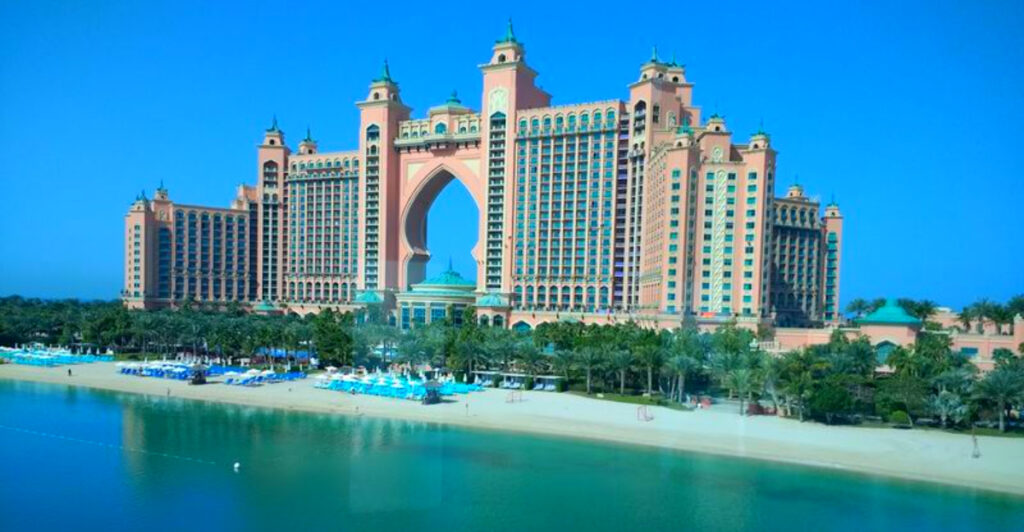
7. Dubai, United Arab Emirates
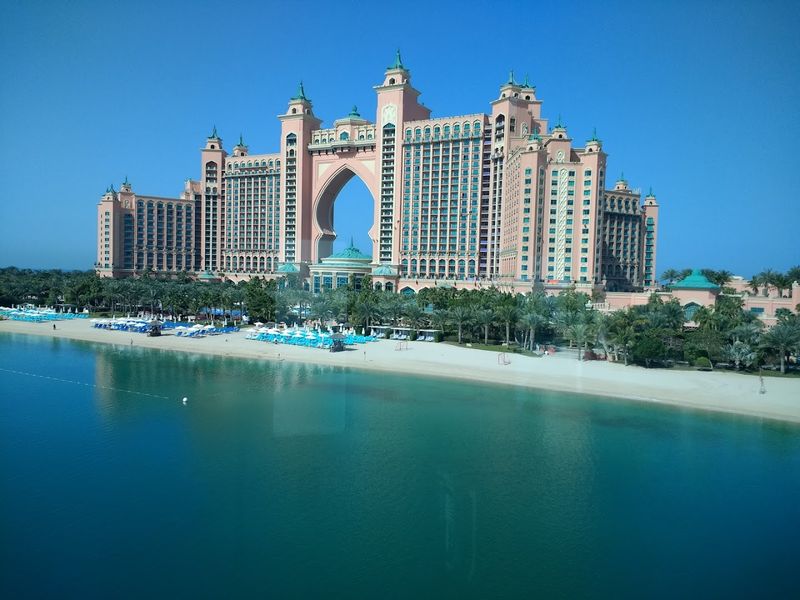
Dubai has more luxury hotel rooms per square kilometer than almost anywhere on Earth, yet prices remain firmly elevated. Average daily rates for 5-star properties hit $288 in 2024, and projections for 2025 point toward a 6.5 percent increase across the board.
The city’s strategy of attracting ultra-high-net-worth travelers, major international events, and year-round tourism has created sustained demand that a large hotel inventory alone cannot fully absorb. Occupancy is forecast to reach 81 percent in 2025, a figure that supports continued rate discipline from operators.
Mid-range options do exist, with some properties averaging around $132 to $247 per night depending on location and booking timing. Staying slightly outside the Marina or Downtown core can bring prices down without requiring a significant sacrifice in transportation or access to the city’s main attractions.
8. Amsterdam, Netherlands
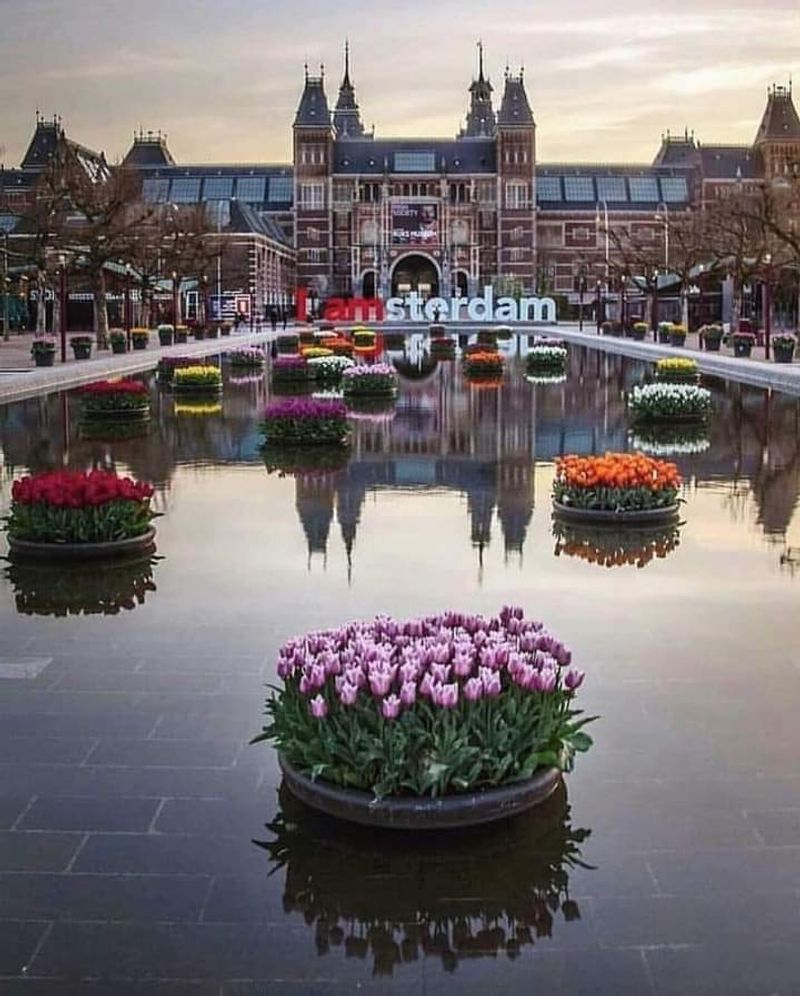
Amsterdam has essentially locked itself into high hotel prices by design. The city council has banned all new hotel construction after the city surpassed its self-imposed tourism cap of 20 million overnight stays, reaching 23.7 million. No new rooms means no relief for travelers hoping competition might soften rates.
On top of frozen supply, Amsterdam raised its tourist tax in early 2024 from 7 percent plus a flat fee to 12.5 percent of the room rate. The combined tax burden on hotels has reached 33.5 percent, costs that are reliably passed along to guests through higher nightly prices.
Citywide occupancy averaged 75.7 percent in 2024, a healthy figure that keeps hoteliers comfortable holding firm on rates. Travelers visiting for the Rijksmuseum, the canal district, or cycling culture should expect to budget generously and book as early as possible.
9. Rome, Lazio, Italy
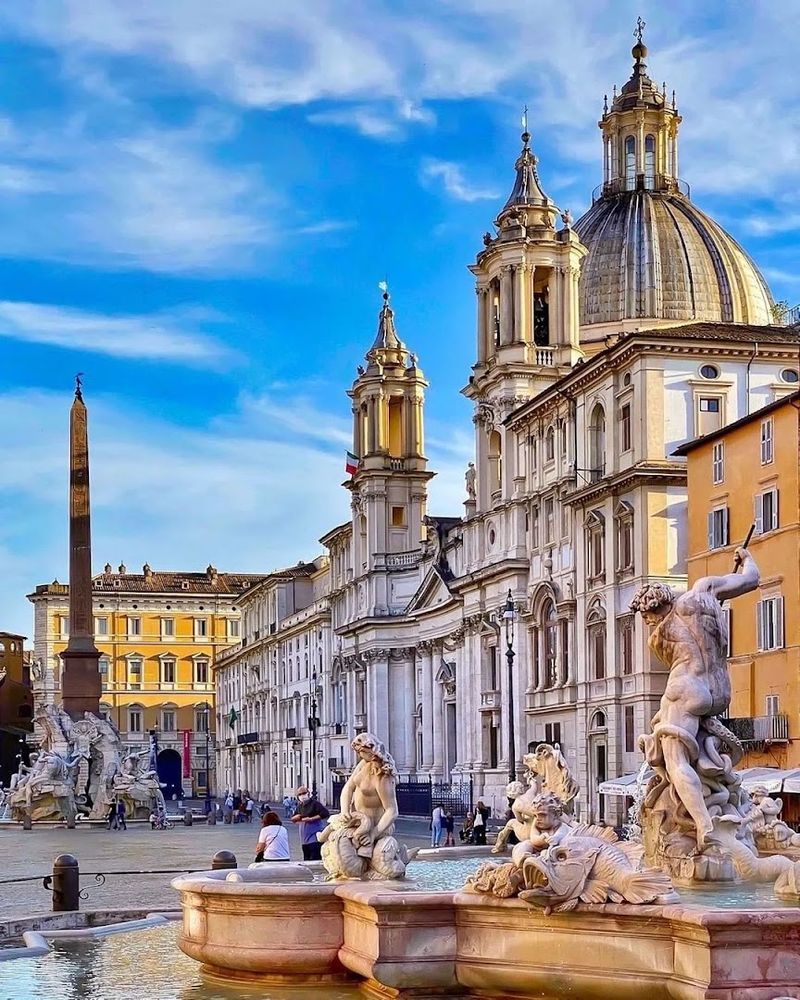
Rome’s 2025 Jubilee Year is adding serious pressure to an already tight accommodation market. Church officials and city planners expect an additional 15 million visitors between December 2024 and January 2026, and hotels near the Vatican and city center are responding with price increases of 30 to 50 percent above normal rates.
Even outside Jubilee-related demand, Rome has consistently commanded strong hotel prices. Mid-range boutique stays typically run around $193 per night, while luxury options approach $396, plus a nightly city tax that can add up to $11 for premium properties.
Travelers planning visits in 2026 should note that bookings made 90 or more days in advance have jumped 23 percent, signaling that early reservation habits are becoming essential rather than optional in Rome’s current market.
10. Vienna, Austria
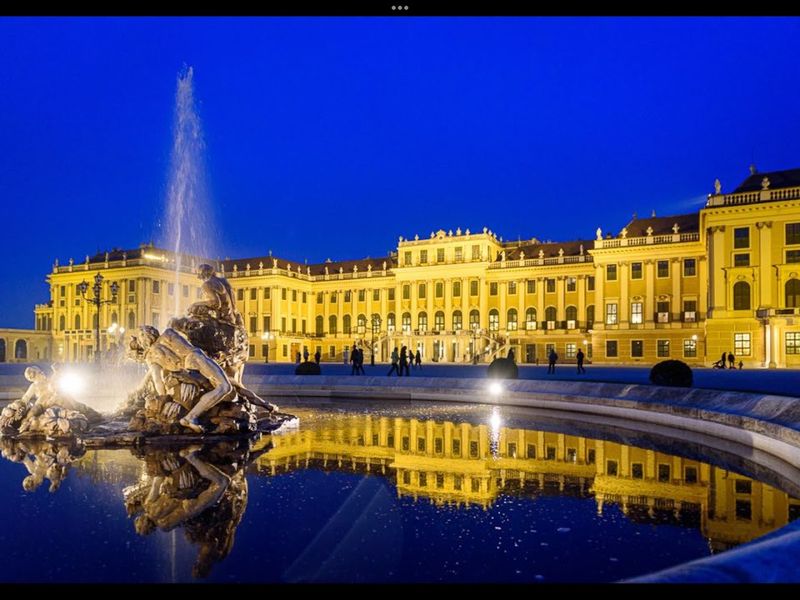
Vienna quietly posted a record 18.9 million overnight stays in 2024, a 9.3 percent jump from the previous year, with nearly 80 percent of arrivals coming from international markets. That kind of demand keeps hotel rates healthy in a city already known for charging well for its imperial grandeur.
The Innere Stadt remains the most expensive district, with properties close to the Stephansdom, the Kunsthistorisches Museum, and the Staatsoper commanding clear premiums. Hotel values in the city rose 3.2 percent in euro terms during 2024.
One complicating factor for travelers is that Vienna added over 17 percent more hotel supply between 2019 and 2024, which has kept RevPAR slightly below 2019 levels in real terms. That dynamic offers a minor silver lining: prices are high but not quite as extreme as pure demand figures might suggest.
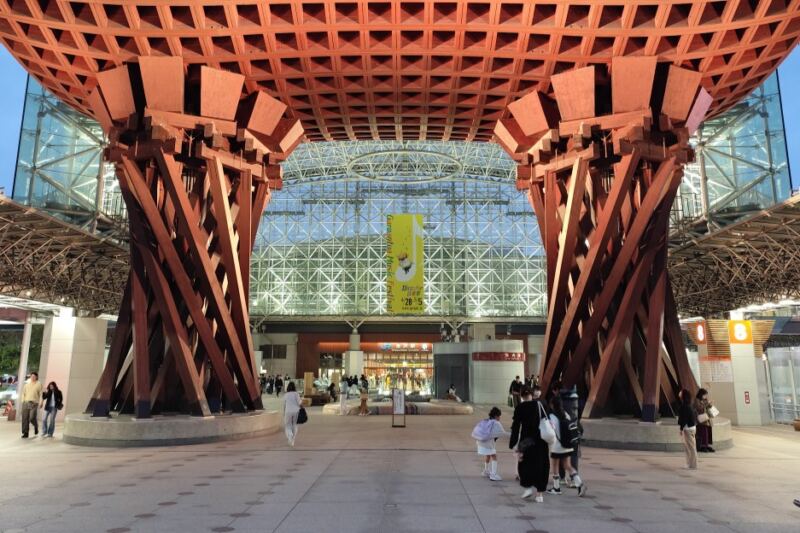
11. Tokyo, Japan

Japan welcomed a record 42.7 million international visitors in 2025, and Tokyo absorbed a significant share of that influx. The result has been a sharp rise in hotel prices, with 4-star properties seeing rate increases of 14 percent and 5-star accommodations approaching 800 euros per night by mid-2025.
A weaker yen has made Japan more accessible for travelers holding dollars or euros, which paradoxically drives more visitors to book, increasing demand and pushing rates upward simultaneously. Neighborhoods like Ginza and Shinjuku see particularly strong pricing pressure throughout the year.
The overall Tokyo hotel market grew 12.3 percent compared to 2024, a figure that underscores how quickly this city has moved from affordable Asian destination to genuine global luxury market. Booking several months ahead and considering neighborhoods slightly outside the main tourist cores can help manage costs.
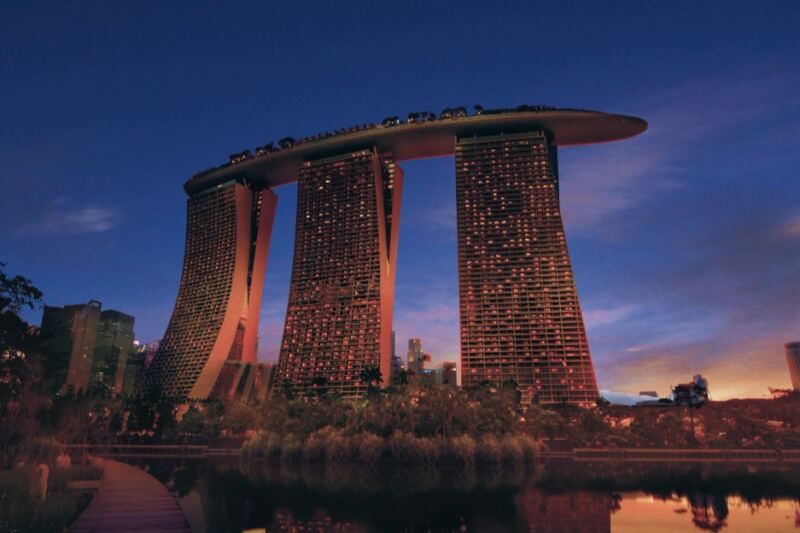
12. Singapore
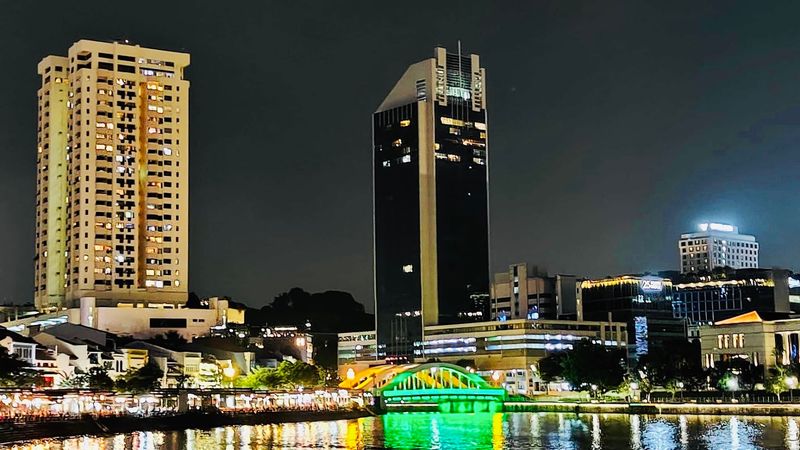
Singapore runs its tourism strategy on a quality-over-quantity model, and hotel pricing reflects that philosophy precisely. The Average Room Rate reached $276 in 2024, a 1.4 percent increase from the previous year, with occupancy sitting at a strong 81.8 percent.
Luxury properties dominate the market, capturing nearly 48 percent of the hospitality sector in 2025. International visitor arrivals climbed to 16.53 million in 2024, and tourism receipts for the first three quarters of 2025 reached SGD 23.9 billion, a 6.5 percent increase from 2024.
The city-state’s position as a global business hub, combined with major events and government-backed tourism initiatives, keeps demand consistently firm. Limited new supply adds further upward pressure on rates, making early booking and flexible date selection the most reliable tools for cost-conscious travelers.
13. Hong Kong
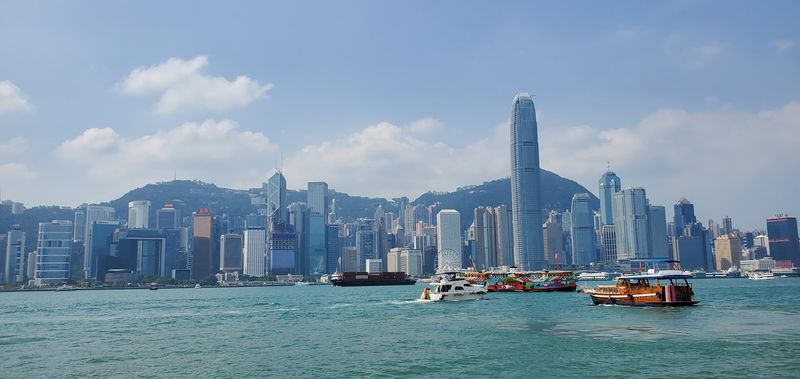
Hong Kong’s hotel market reflects the city’s broader real estate reality: space is scarce, demand from business and leisure travelers is persistent, and prices climb accordingly. Standard rooms in mid-range 3- and 4-star properties typically fall between HK$900 and HK$1,500 per night, roughly $115 to $192 USD.
Premium properties in prime districts push significantly higher, particularly during trade fairs, Chinese public holidays, and major financial events that draw executives from across Asia. The reintroduction of a hotel room tax in 2024 added further upward pressure on rates for higher-category properties.
Average prices vary considerably by source and timing, ranging from around $120 to $299 per night for a standard double room. Travelers flexible enough to avoid peak festival and trade fair periods will find the market noticeably more manageable without giving up the city’s famous skyline views or street market experiences.
14. Edinburgh, Scotland, United Kingdom

Edinburgh holds the distinction of being the most expensive city in the UK for a New Year’s Eve hotel stay, with an average room rate of £481 recorded in 2024. That figure alone tells you something important about how aggressively this compact Scottish capital prices its limited accommodation stock.
August is the most extreme month, when the Edinburgh Festival Fringe draws hundreds of thousands of visitors and luxury hotels command between £400 and £800 or more per night. A Taylor Swift tour stop in June 2024 pushed rates up 22 percent in a single month, demonstrating how sensitive the market is to individual events.
Strict historic preservation rules limit new hotel construction in the Old Town, keeping supply tight year-round. Booking four to six months ahead for any summer visit is not excessive caution; it is simply the practical reality of visiting one of Britain’s most popular cities.
15. Dublin, Ireland

Dublin has developed a hotel pricing problem that its own tourism industry openly acknowledges. Average double room rates currently sit around $330 per night, with February, the most expensive booking month, pushing typical prices toward $464. The city simply does not have enough rooms for the number of people who want to stay there.
A shortage of new hotel supply combined with strong demand from international visitors, business travelers, and a lively events calendar has created a market where even modest properties feel comfortable charging premium rates. Trinity College, the city’s walkable historic core, and a well-regarded food scene keep visitor numbers consistently high.
Short weekend breaks to Dublin now routinely require a generous accommodation budget. Travelers who can visit in December, historically the cheapest month at around $129 per night, will find the most financial breathing room while still experiencing the city’s considerable character.
16. Barcelona, Catalonia, Spain
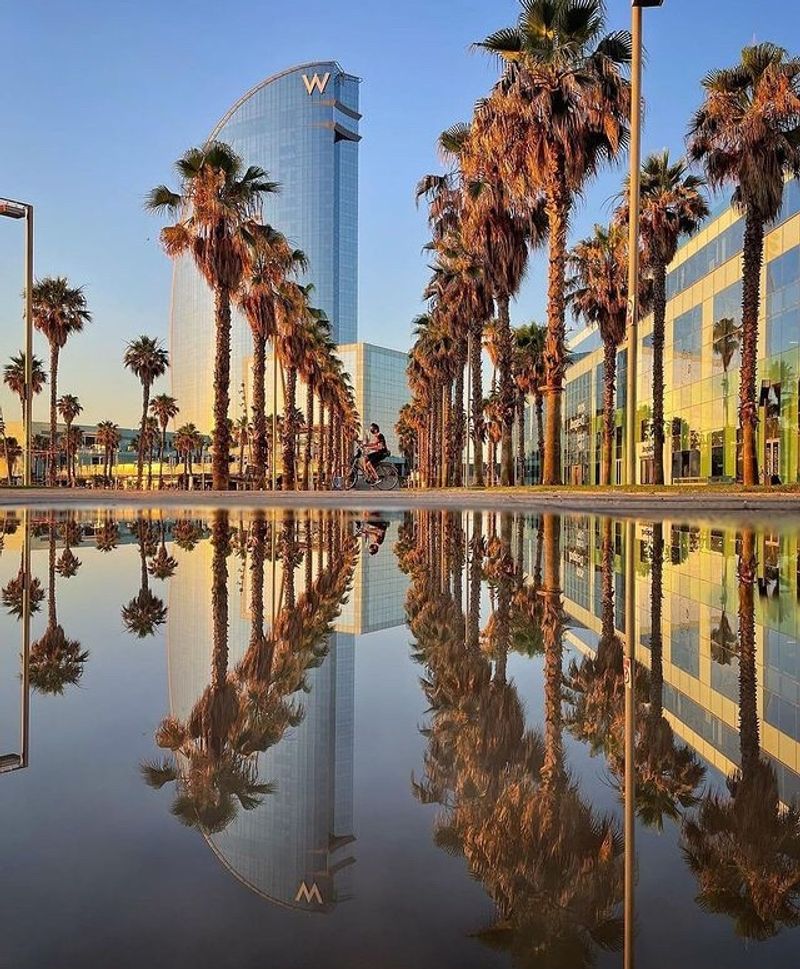
Barcelona’s hotels recorded an all-time high average room rate of 195 euros in 2024, a 16 percent increase from the previous year and 45 euros more per night than in 2019. The city achieved that milestone even as total overnight stays dipped slightly, confirming that the market is shifting toward higher-spending visitors rather than chasing volume.
Events like the Mobile World Congress and the America’s Cup brought a wave of business and premium leisure travelers who support stronger pricing. Catalonia also doubled its tourist tax in recent years, with the levy projected to generate up to 200 million euros in 2025, a cost that ultimately filters through to hotel bills.
Occupancy held at 82 percent in 2024, giving operators little incentive to discount. Travelers targeting the Gothic Quarter or waterfront neighborhoods during peak summer months should prepare for rates that reflect Barcelona’s status as one of Europe’s most consistently in-demand destinations.
17. San Francisco, California, United States
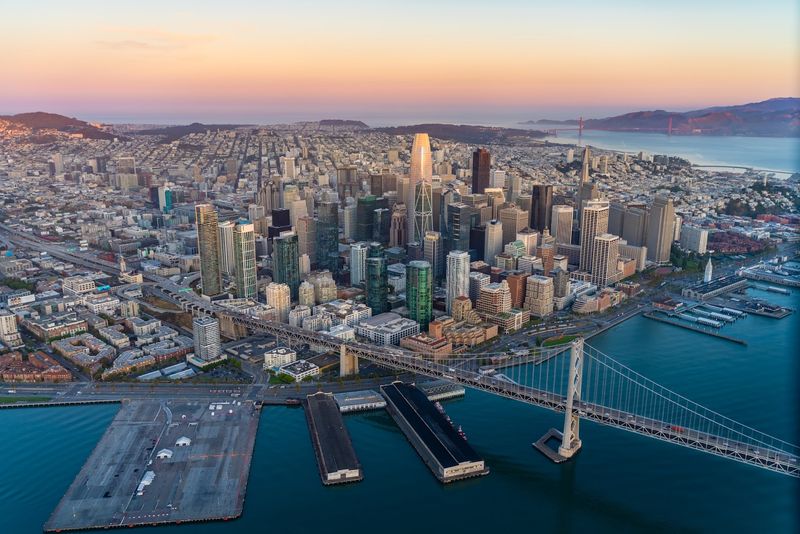
San Francisco presents a genuinely unusual case on this list. The city’s hotel market was described as “brutal” in 2024, with average daily rates falling 6.3 percent to $227.50 and occupancy dropping to 62.9 percent, well below the 2019 benchmark. Yet it still ranks among America’s most expensive places to book a room.
The reasons behind the 2024 softening include a drop in conventions, slower international tourism recovery, and reputational headwinds around urban safety. Despite those pressures, the city’s baseline costs remain high because of its expensive real estate, operating costs, and a business travel base anchored in the technology sector.
Recovery signals are building. A growing AI industry, an improved convention calendar, and major upcoming events including the 2026 Super Bowl and FIFA World Cup matches are expected to push rates upward again. Hotel supply growth is projected at just 0.8 percent over the next four years, limiting any price relief from new inventory.
Share this story