 Unearth The Voyage
History is full of episodes that read like scripts you would expect from a clever screenwriter, not a dusty archive. From impulsive thefts and audacious escapes to administrative blunders that reshaped institutions, the past keeps surprising anyone willing to look closely.
You will meet people who improvised under pressure, governments that tried out unusual ideas, and communities that adapted faster than they were expected to. Keep reading and you will pick up concrete details, turning points, and smart context that make each episode memorable without needing special effects.
1. The Man Who Stole the Mona Lisa
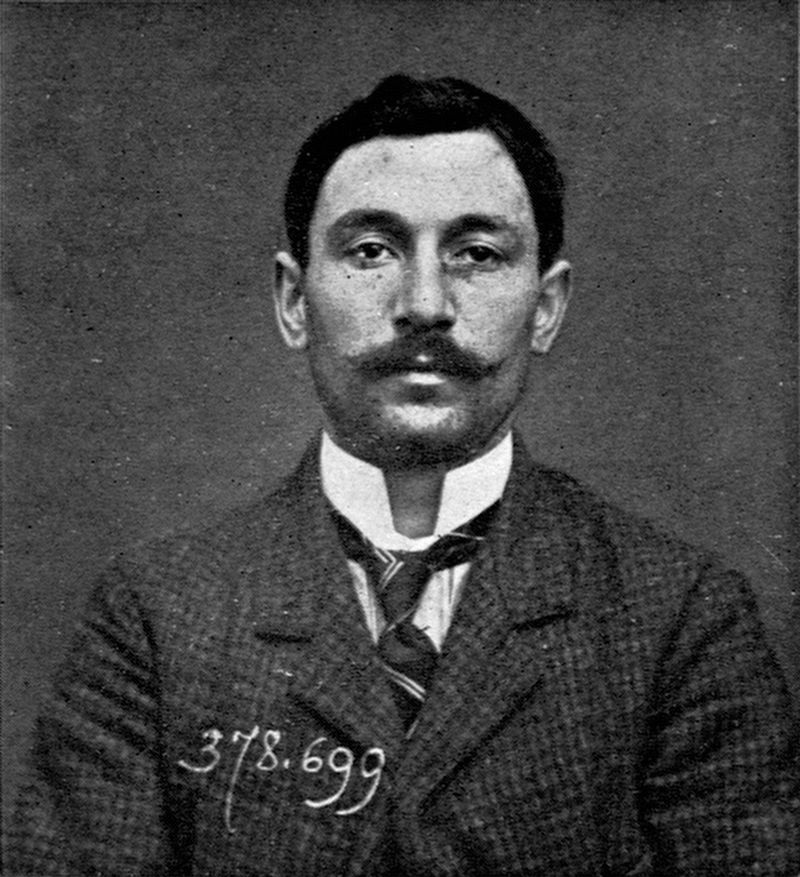
A janitor with nerves of steel treated the Louvre like a casual workplace. In 1911, Vincenzo Peruggia lifted the Mona Lisa off the wall, hid it in a toolbox, and walked out a side door.
For two years, authorities chased rumors across Europe while newspapers inflated the mystery and made the painting a celebrity. When Peruggia tried to sell it in Florence, he argued he was returning Italian heritage, a claim that sparked debates about nationalism, museums, and art security.
Security protocols changed afterward, from uniformed guards to numbered inventories and tighter loan procedures worldwide. That quiet Monday reshaped how galleries think about risk, and you still benefit every time a label, camera, or barrier stops trouble before it starts.
2. The CIA’s Secret Cat Spy

Only a bureaucracy could imagine espionage with whiskers and a battery pack. In the 1960s, the CIA explored wiring a house cat with microphones and transmitters, hoping it could drift near targets without raising suspicion.
The program reflected Cold War urgency, when agencies funded experimental surveillance before microelectronics made smaller options routine. Technical hurdles included shielding, power, training, and the simple independence of cats that ignore scripts.
Although the project faded, it previewed later debates about covert tech, ethical lines, and whether clever concepts justify unpredictable field performance. When you see compact recorders, tiny sensors, and policy rules about consent, remember a feline footnote that nudged intelligence services toward tools that rely less on animal cooperation and more on miniaturized circuits.
3. The Real-Life “Catch Me If You Can”
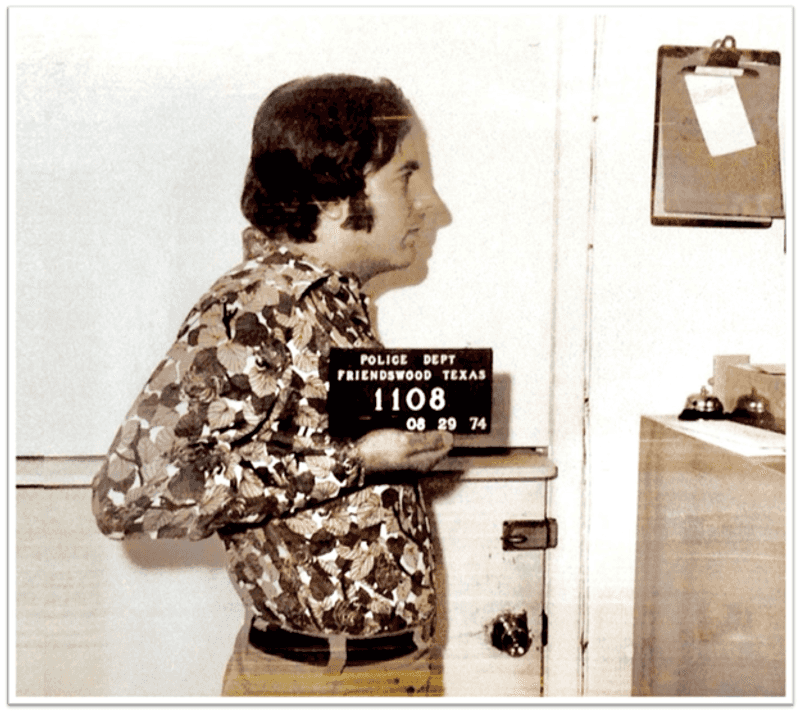
Charm met bureaucracy and kept finding the unlocked door. Frank Abagnale Jr. posed as a pilot, doctor, and lawyer before turning 21, traveling widely and floating on forged checks that exploited processing delays.
His maneuvers revealed gaps in identity verification, from airline jumpseat policies to credential checks that trusted letterhead over proof. Banks learned to tighten clearing cycles, and travel industries adopted photo IDs and standardized badges.
After capture, Abagnale later advised on fraud prevention, showing how institutions can learn from their own soft spots. If you enjoy smooth mobile deposits and layered authentication, you are watching the legacy of a youthful improviser whose antics pushed paperwork into the modern era of verification, audits, and systems that actually cross-check claims.
4. The Siege Where the Defenders Were Already Dead
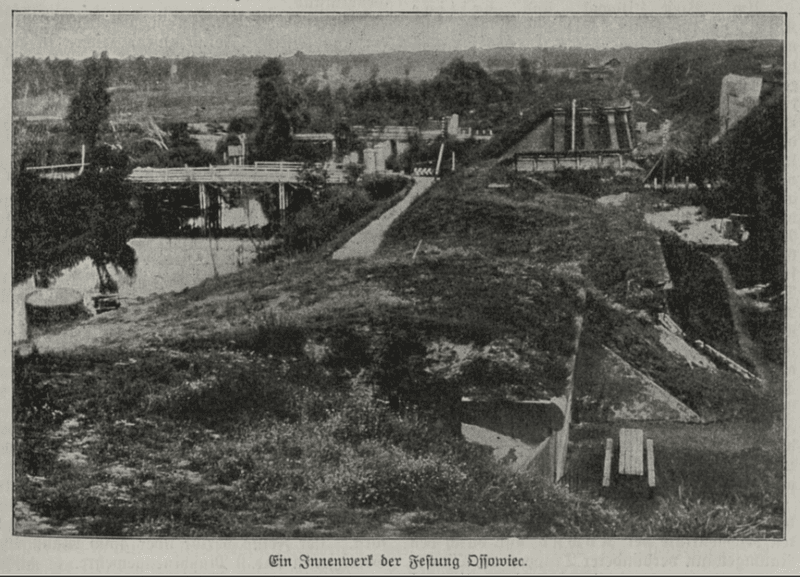
Nothing in the manual prepared either side for a counterattack that defied expectation. In 1915 at Osowiec Fortress, a gas assault met defenders who regrouped and advanced despite severe injuries and confusion.
The episode entered legend as the Attack of the Dead Men, a phrase that newspapers amplified while armies studied chemical defense. It accelerated distribution of protective gear, training drills, and better communication under duress.
Strategists updated assumptions about morale, timing, and the limits of new weapons when logistics lag. If you examine later World War I operations, you can trace improved masks, decontamination routines, and artillery coordination to field lessons learned from a moment when determination and preparation briefly outpaced a frightening technology.
5. The Woman Who Became a Pope (Maybe)
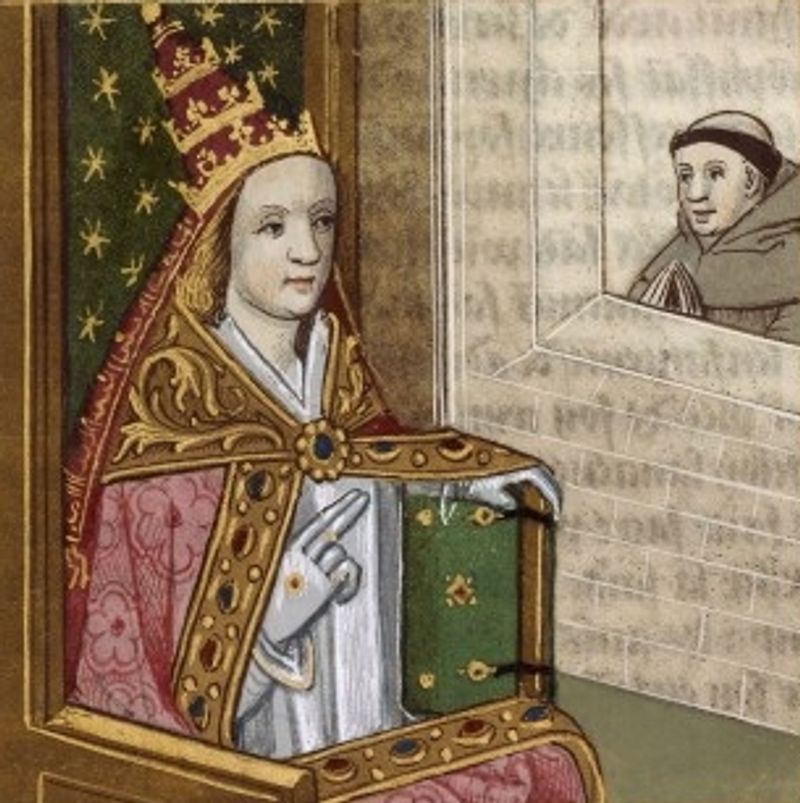
Medieval rumor can travel farther than a royal courier. The legend of Pope Joan describes a scholar who disguised herself, rose through church ranks, and was revealed during a public procession.
Chroniclers disagree about dates, sources, and motives, and later historians probed whether satire or polemic hardened into lore. The story shaped debates about institutional transparency, education access, and who could hold authority when records were inconsistent.
Whether literal or allegorical, the tale influenced art, pamphlets, and discussions of succession rituals. When you see careful papal ceremonies and documentation standards, consider how even doubtful narratives pressure institutions to clarify processes, preserve archives, and reduce the space where rumor substitutes for governance.
6. The Prisoner Who Became a War Hero
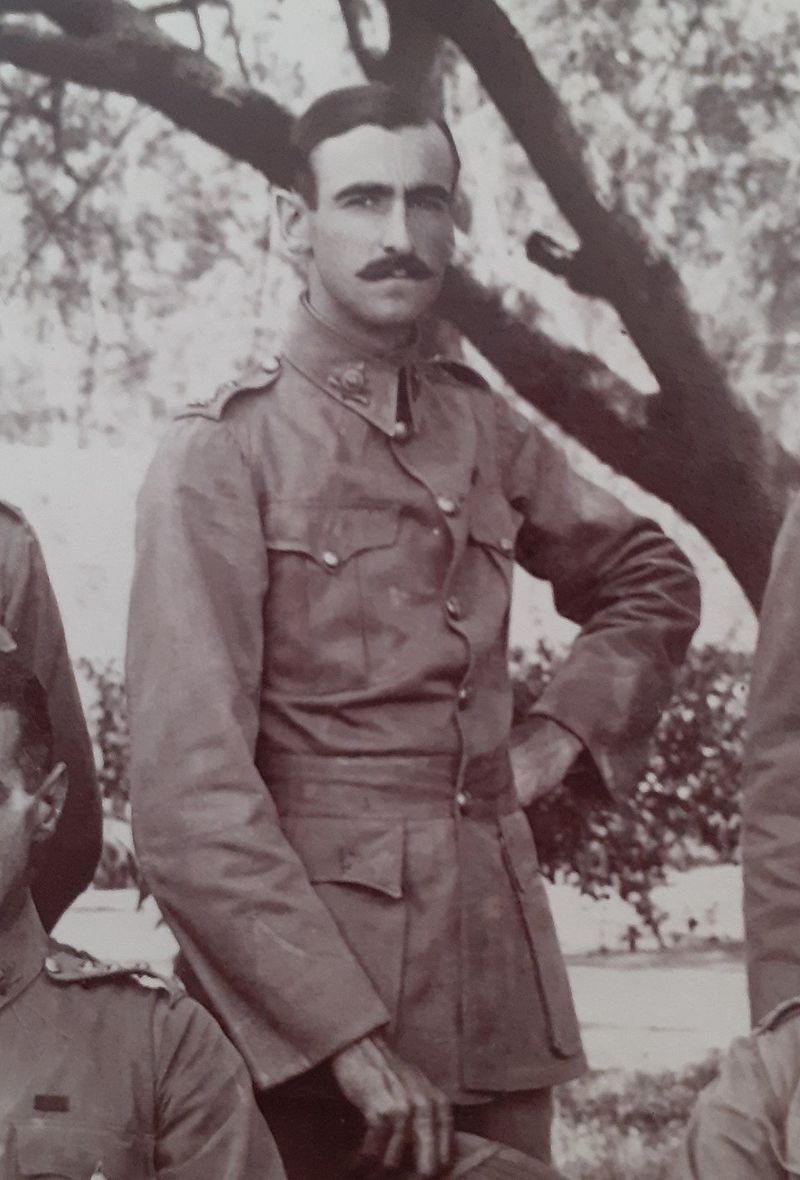
Some résumés read like dispatches stapled together. Adrian Carton de Wiart served across decades, endured crashes, captivity, and grave injuries, yet kept returning to the front with stubborn calm.
He represented an era when imperial officers moved between theaters, adapting to new technologies and tactics as warfare changed from cavalry to trenches and radios. His memoir added measured wit to a career that could have been summarized by medical charts alone.
Decorations and appointments reflected not just courage but administrative trust in someone who handled chaos. If you look at leadership training that values initiative, resilience, and clear reporting, you will spot echoes of a soldier whose persistence became a model for practical resolve rather than spectacle.
7. The Emperor Who Declared War on the Ocean
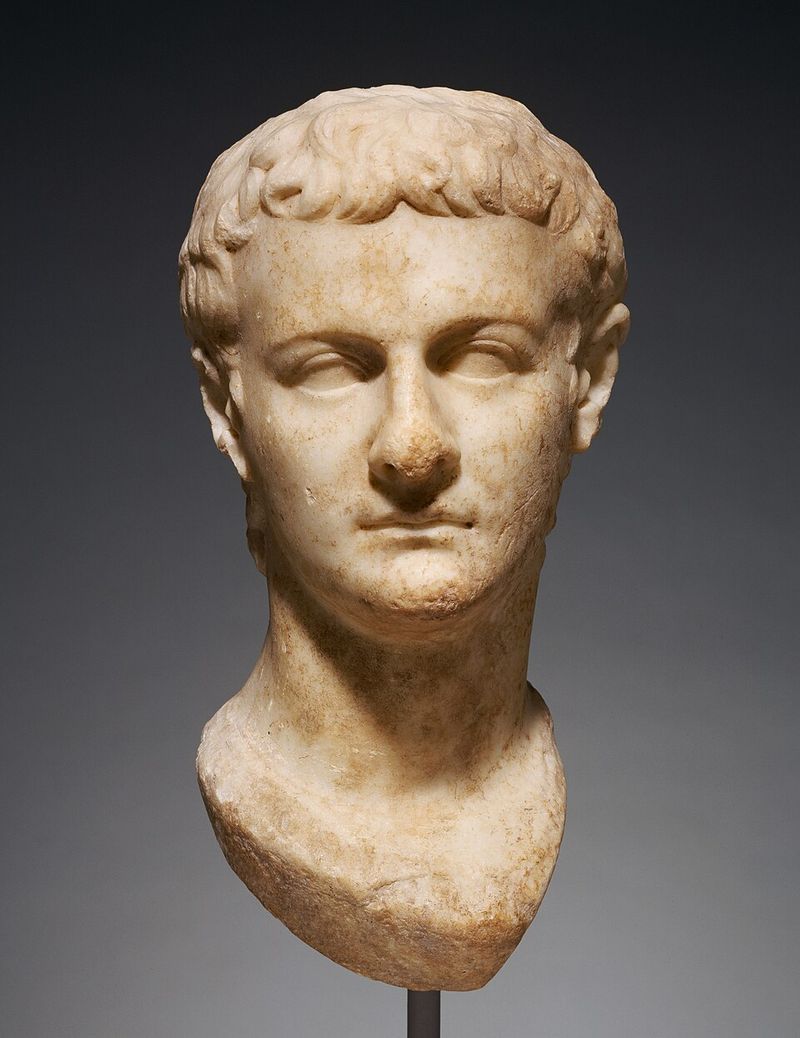
Imperial theater can look strange when the paperwork survives without the director’s notes. Caligula reportedly ordered troops to gather seashells as spoils after a campaign that met no conventional enemy.
Ancient sources disagree about intent, whether symbolism, satire aimed at generals, or a demonstration of absolute authority. The episode persisted because it captured how image management influenced Roman politics and how historians interpret spectacle when archives are slim.
Subsequent emperors balanced ceremony with results to keep legions loyal and the Senate compliant. If you read later reforms on pay, veteran settlements, and staged triumphs, you can see the continuous effort to channel attention, frame outcomes, and make rituals do administrative work beyond applause.
8. The Balloon Escape From East Germany
Domestic sewing machines joined the Cold War toolkit. In 1979, two families stitched a balloon from household fabric, calculated lift with careful math, and rode a narrow window of weather across a guarded border.
The plan required meteorological data, burner design, and secrecy within a society built on informants. Their success highlighted the limits of walls when ordinary tools and patience can outthink routine patrol patterns.
The story encouraged broader conversations about exit controls, surveillance, and how innovation grows when restrictions squeeze harder. When you spot later migration policies that stress both technology and diplomacy, you are seeing policymakers who learned that determination plus physics can challenge fences more quietly than speeches ever will.
9. The Woman Who Survived a 33,000-Foot Fall
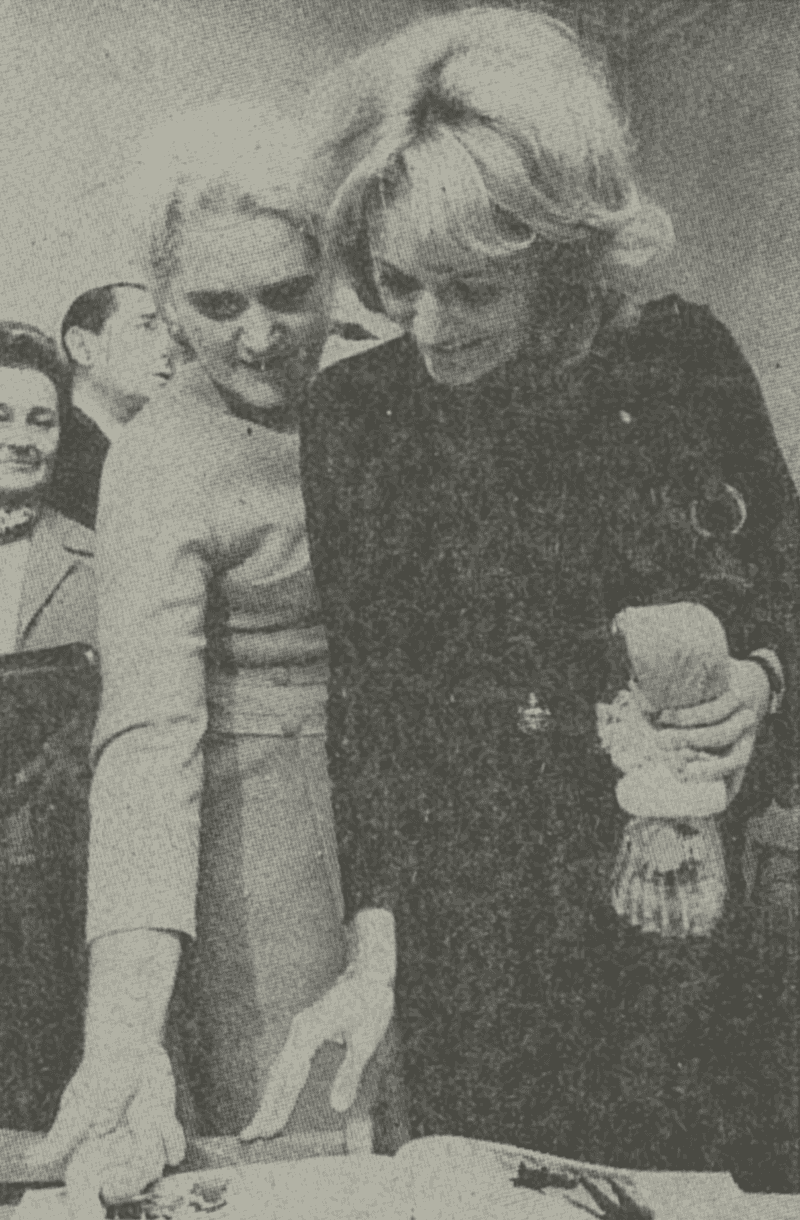
Defying arithmetic does not happen often, yet records keep this case tidy. In 1972, flight attendant Vesna Vulovic became known for surviving an extreme fall, and investigators later debated specific altitudes and circumstances.
The account drew attention to aircraft design, seat placement, and emergency response coordination in rough terrain. Medical teams studied recovery, while aviation authorities updated training around structural failures, passenger positioning, and community rescue networks.
Media condensed a complicated file into a headline, but the long view focused on safety layers that work when chance intervenes. If you notice reinforced cabin fittings and standardized briefings, you are observing lessons that reach beyond one person’s ordeal into everyday aviation practices you experience without a second thought.
10. The Soldier Who Captured an Entire Army
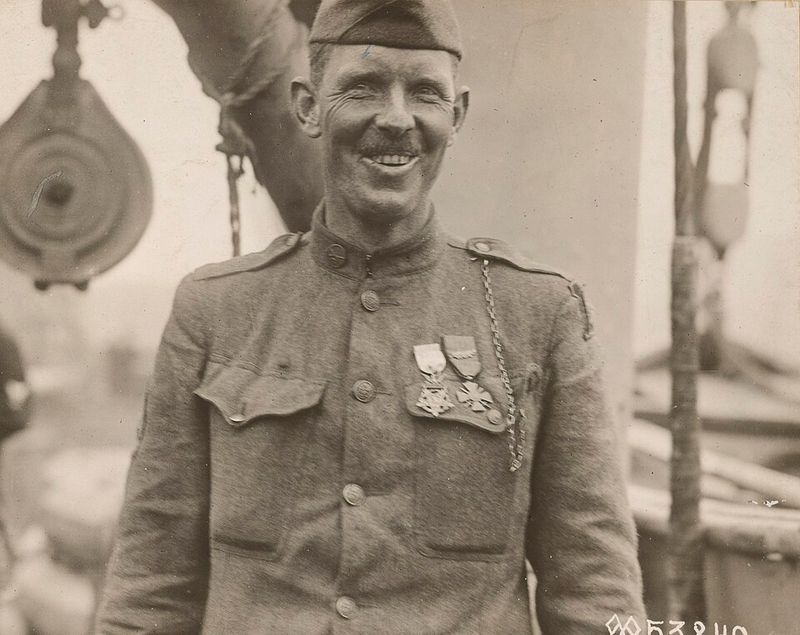
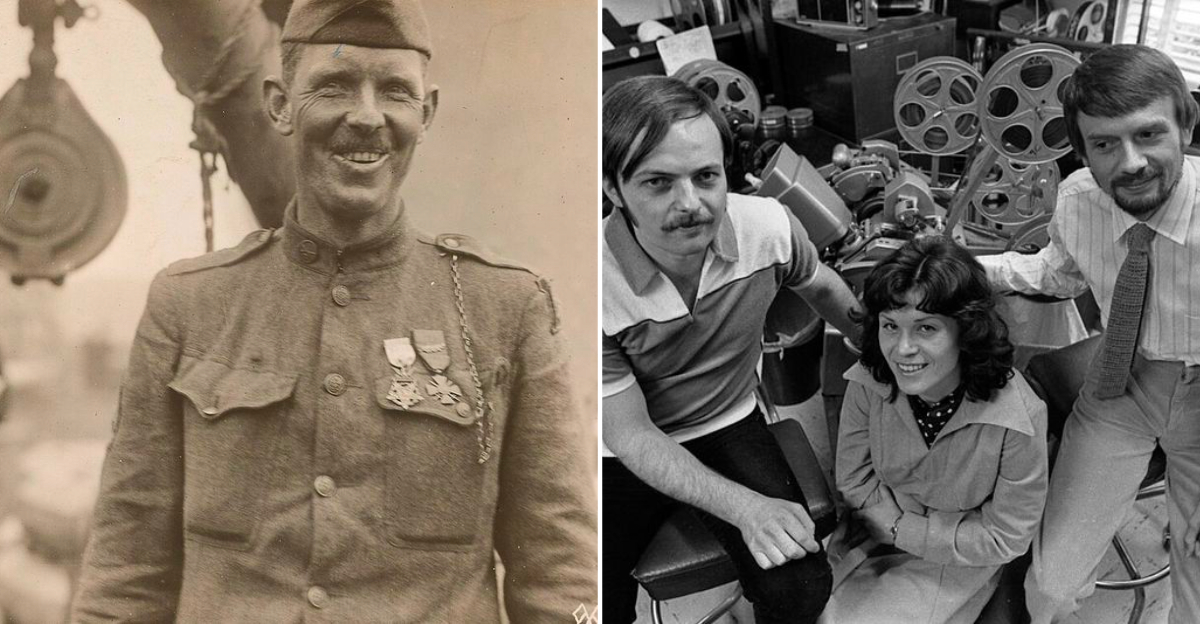
Sometimes initiative outruns a battle map. In 1918, Alvin York moved through machine gun positions, used marksmanship and swift decisions, and compelled a large group of opponents to lay down arms.
Reports credited training, terrain reading, and calm under pressure rather than spectacle. The episode later inspired film and recruiting narratives, but the practical legacy emphasized small unit tactics, fire control, and the value of noncommissioned leadership.
After the war, communities highlighted education, public service, and veterans’ employment, building a civic story around responsibility. If you examine manuals on squad movement and disciplined aim, you will find echoes of a day when preparation met circumstance and demonstrated how individual choices can reduce chaos for everyone nearby.
11. The Town That Fought Off Pirates
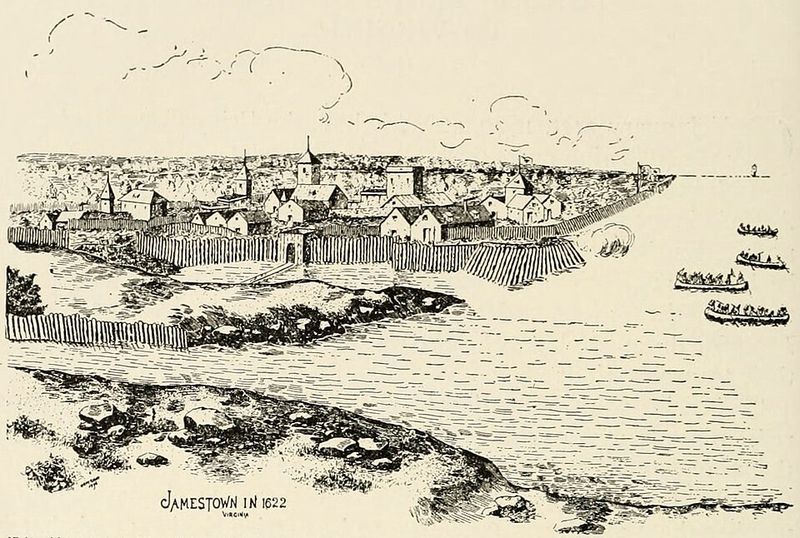
Frontier communities often doubled as neighborhood watch programs with crops. In 1622, raiders tested Jamestown’s defenses, and the settlement coordinated lookout posts, supply protection, and improvised fortifications to repel trouble.
The incident underscored how trade, diplomacy, and local governance intertwined along the river. Colonists refined patrol schedules, improved stockades, and recorded inventories so shortages would not cascade after a scare.
As maritime commerce expanded, colonies learned to balance openness for merchants with readiness for opportunists. If you have ever toured a reconstructed palisade or seen museum notes on militia musters, you are seeing the paperwork side of survival, where lists, drills, and shared labor hold ground against headlines that prefer cannon smoke.
12. The Man Who Survived a Nuclear Explosion by Accident
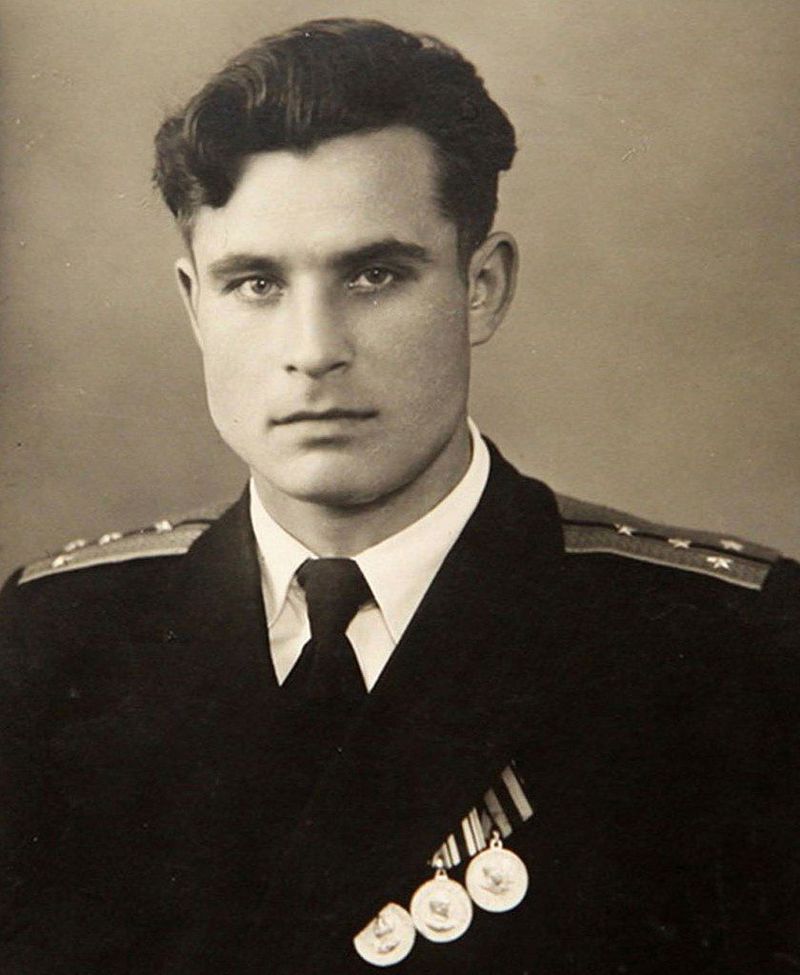
Sometimes the coolest head in the room holds no spotlight until decades later. During the Cuban Missile Crisis, submarine officer Vasili Arkhipov declined to approve a nuclear torpedo launch amid confused signals and stress.
Soviet protocol on that boat required multiple consents, and his refusal preserved space for diplomacy to work. Historians later treated the moment as a study in procedure, communication, and the value of dissent inside rigid hierarchies.
Navies refined escalation controls, fail-safes, and verification steps so heat never overrides policy again. When you read about two-person rules, independent confirmations, and deliberate chains, you are seeing practical safeguards that trace back to a quiet decision that favored time, clarity, and the possibility of dialogue over irreversible moves.
13. The Lost Colony That Vanished Overnight
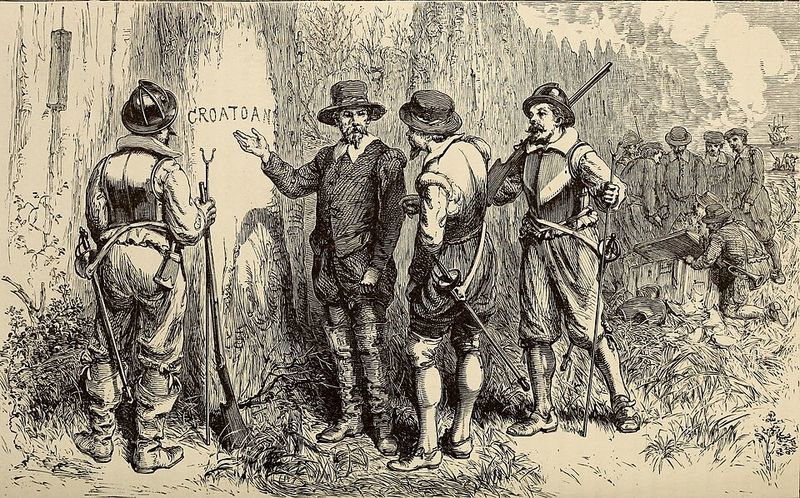
One carved word turned a mystery into a geography lesson. In 1587, the Roanoke colonists disappeared from their settlement, leaving a clue that pointed toward Croatoan and possible relocation.
Archaeologists and historians have sifted through shards, maps, and oral histories, debating whether integration with nearby communities explained the silence. The case sharpened methods for analyzing soil, trade goods, and migration patterns with less speculation and more interdisciplinary evidence.
Later colonies carried heavier documentation habits, from ledgers to standardized reports that travel better than rumors. If you follow digs and archival releases today, you will notice how a single ambiguous marker pushed researchers to connect coastal routes, supply problems, and choices that small groups make under uncertain leadership.
14. The Explorer Who Got Lost for Years
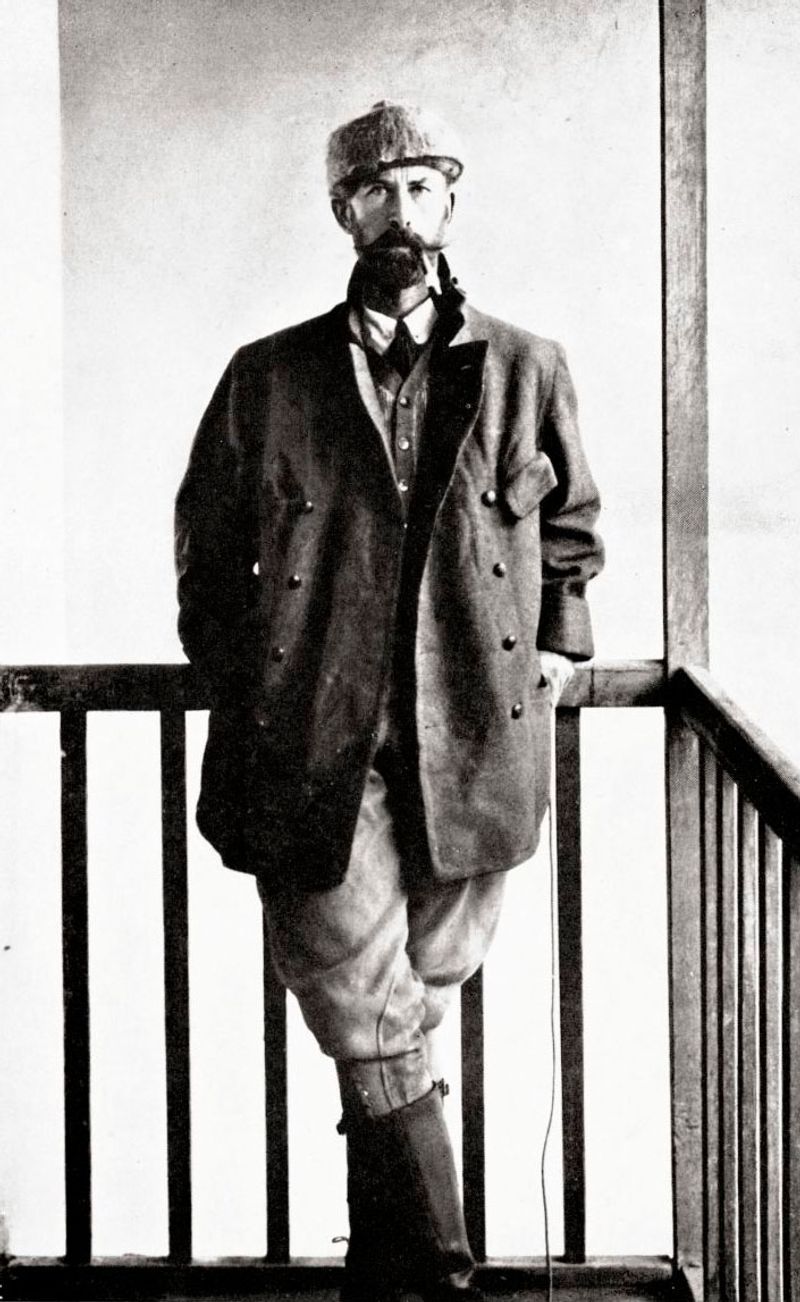
Ambition can turn a dotted line into a compass magnet. In 1925, Percy Fawcett headed into the Amazon pursuing a city he called Z, blending cartography, rumor, and fragments from earlier travelers.
When the trail went silent, the absence fueled books, expeditions, and debates about evidence standards in exploration. Scholars later examined mapping errors, colonial assumptions, and the rich archaeological record of real Amazonian urbanism that satellite surveys began to reveal.
The dream did not produce the city he imagined, but it raised better questions about what counts as proof. If you watch modern fieldwork coordinate GPS, local knowledge, and careful permits, you are seeing exploration trade romance for method while still honoring the curiosity that launches difficult journeys.
15. The Man Who Lived on a Remote Island for 16 Years
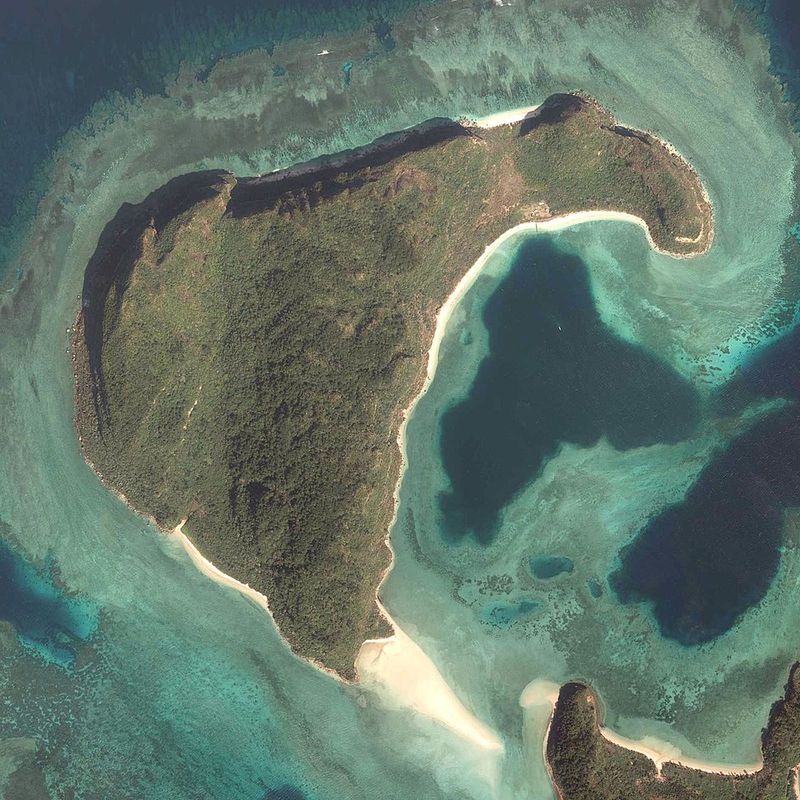
Minimalism took a literal turn on a tiny speck of land. Masafumi Nagasaki chose isolation on a deserted Okinawan island, maintaining routines, simple structures, and a philosophy that modern complexity needed fewer levers.
Authorities periodically checked on health and regulations, balancing autonomy with safety standards. The story raised questions about consent, access rights, disaster preparedness, and how local governments weigh individual preference against environmental rules.
Public curiosity often tried to turn his lifestyle into a symbol, yet the daily facts remained practical. If you have ever considered off-grid living, this case highlights permits, supply planning, weather awareness, and the slow maintenance that keeps independence functioning long after the first headline drifts out of view.
16. The Heist That Took 24 Minutes
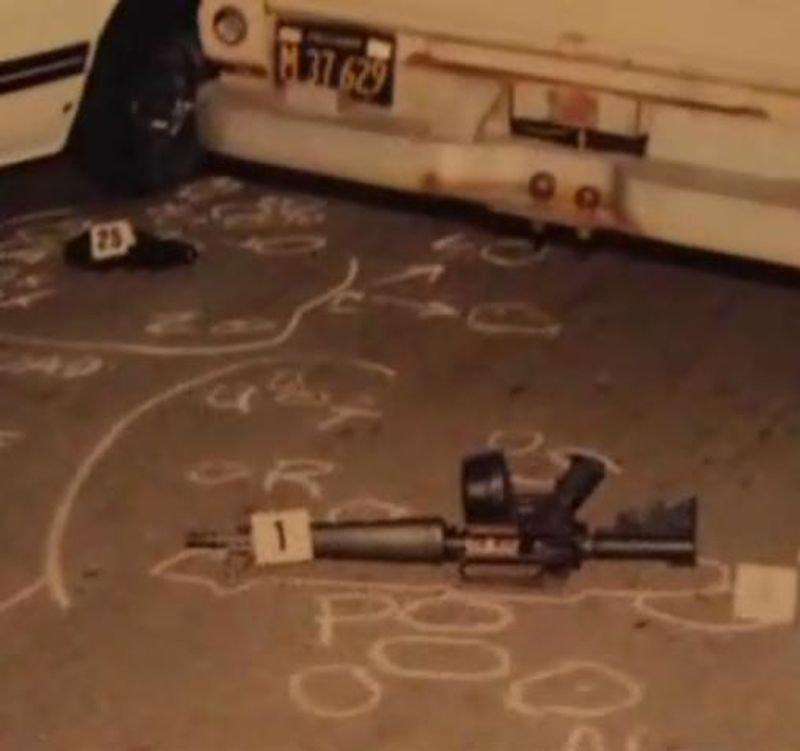
Tactical improvisation met live television and forced policy updates. In 1997, two robbers in North Hollywood used body armor and automatic weapons, pushing local officers into a lengthened firefight that stressed equipment limits.
Afterward, departments reviewed patrol rifles, ammunition, body armor standards, and training for coordinated response under urban constraints. Manufacturers and lawmakers discussed sourcing rules and how to align street readiness with legal boundaries.
Media replay turned the incident into familiar footage, but the operational legacy mattered more. If you notice standardized active response drills, improved communication between units, and better protective gear in routine patrols, you are looking at a city lesson that migrated into national playbooks one procurement meeting at a time.
17. The Gold Rush That Started a Global Stampede
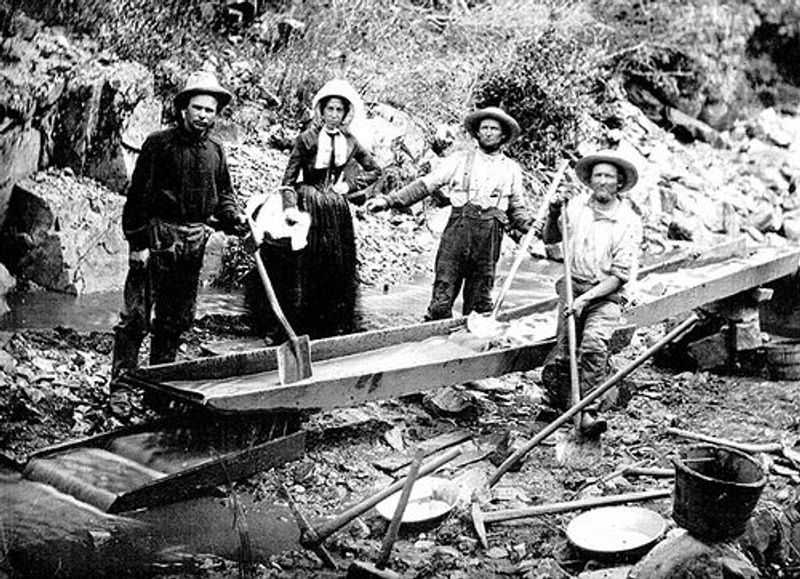
An accidental discovery redrew calendars and job titles. In 1848, news of California gold accelerated migration from Latin America, Europe, China, and the eastern United States, creating boomtowns and a market that needed everything from picks to legal clerks.
The rush produced statehood debates, infrastructure from roads to ports, and environmental changes that regulators later tried to manage. Merchants often profited more reliably than miners, as supply chains learned to feed sudden demand with price tags that followed scarcity.
When the surface gold thinned, the region kept growing on agriculture, finance, and technology. If you compare population charts and railroad timetables, you can see how a glittery rumor matured into durable institutions that still shape how the West organizes opportunity, risk, and capital.



