 Unearth The Voyage
Europe is packed with history, art, and jaw-dropping architecture that has shaped the entire world. From ancient ruins to towering castles, the continent holds some of the most legendary landmarks ever built.
Whether you are a history buff, an architecture fan, or simply someone who loves to travel, these sites will leave you speechless. Get ready to explore 17 must-see European landmarks that belong on every traveler’s bucket list.
Eiffel Tower — Paris, France
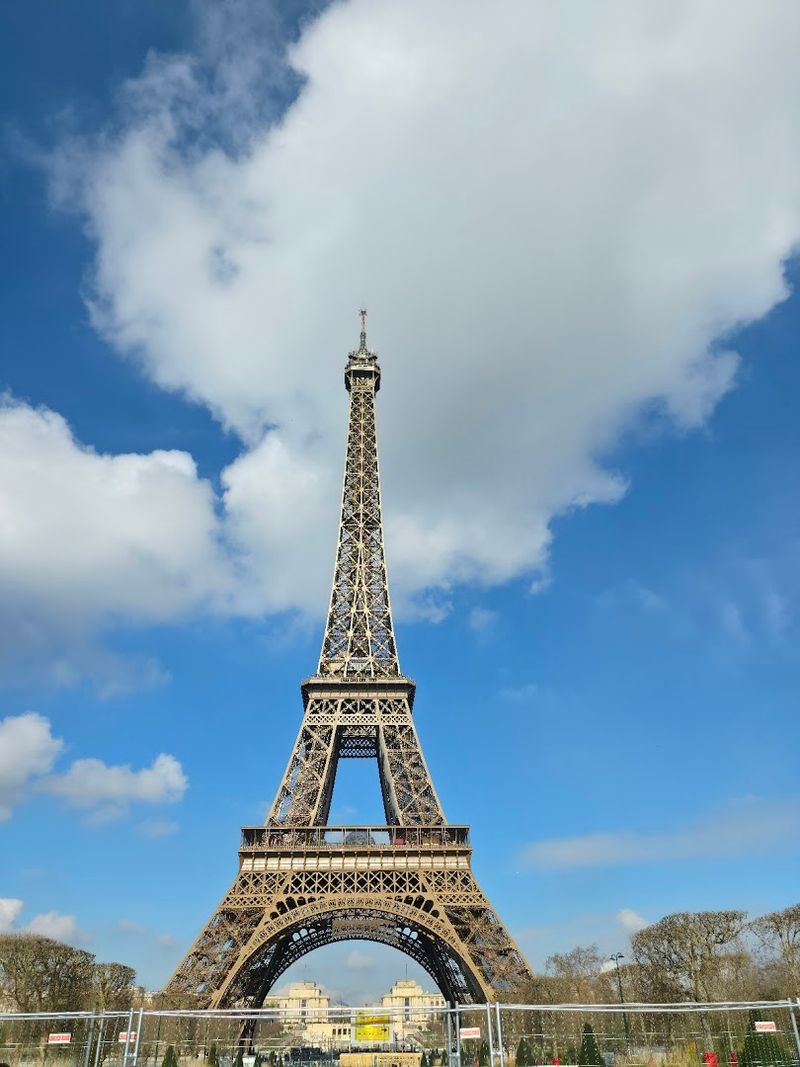
Few structures in the world can stop a crowd the way the Eiffel Tower does. Standing over 1,000 feet tall in the heart of Paris, this iron giant was built in 1889 for the World’s Fair and was originally meant to be temporary.
Lucky for us, it never came down.
Every year, around seven million people visit this iconic tower, making it one of the most visited paid monuments on the planet. You can take an elevator or climb the stairs to reach the observation decks, where the views of Paris stretch out in every direction like a living postcard.
At night, the tower puts on a spectacular light show every hour, sparkling with thousands of twinkling lights. Grab a crepe from a nearby stand, find a spot on the Champ de Mars lawn, and watch the show.
Visiting during sunset is especially magical and worth planning your day around.
Colosseum — Rome, Italy
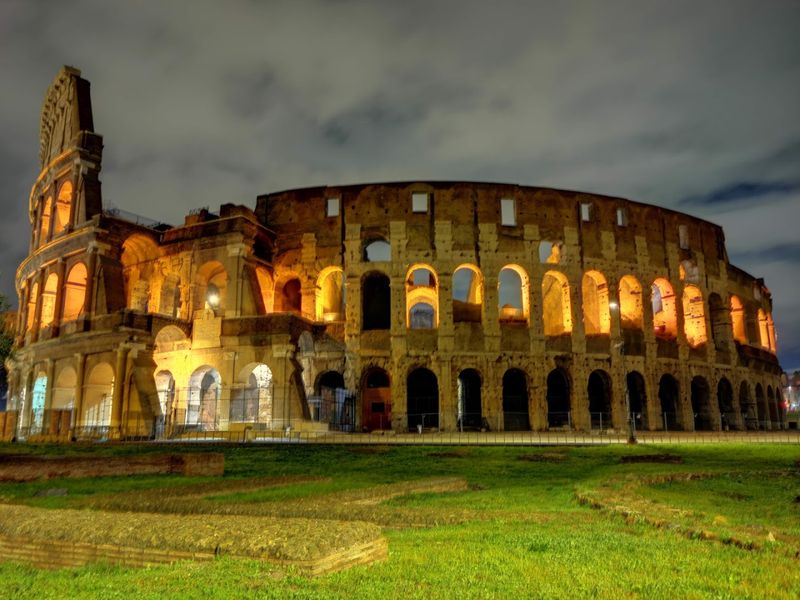
Walk through the entrance of the Colosseum and you can almost hear the roar of 50,000 spectators echoing off the ancient stone walls. Completed around AD 80, this massive amphitheater hosted gladiator battles, animal hunts, and dramatic public spectacles that kept Roman crowds entertained for centuries.
The engineering behind the Colosseum was astonishing for its time. It had 80 entrances, an underground network of tunnels, and could even be flooded for mock naval battles.
Architects still study its design today as a masterpiece of ancient construction.
Booking tickets in advance is strongly recommended because lines at the door can stretch for hours. Consider a guided tour to fully appreciate the layers of history buried within the walls.
Early morning visits offer cooler temperatures and fewer crowds, giving you a more personal connection with one of the ancient world’s most breathtaking achievements.
Sagrada Família — Barcelona, Spain
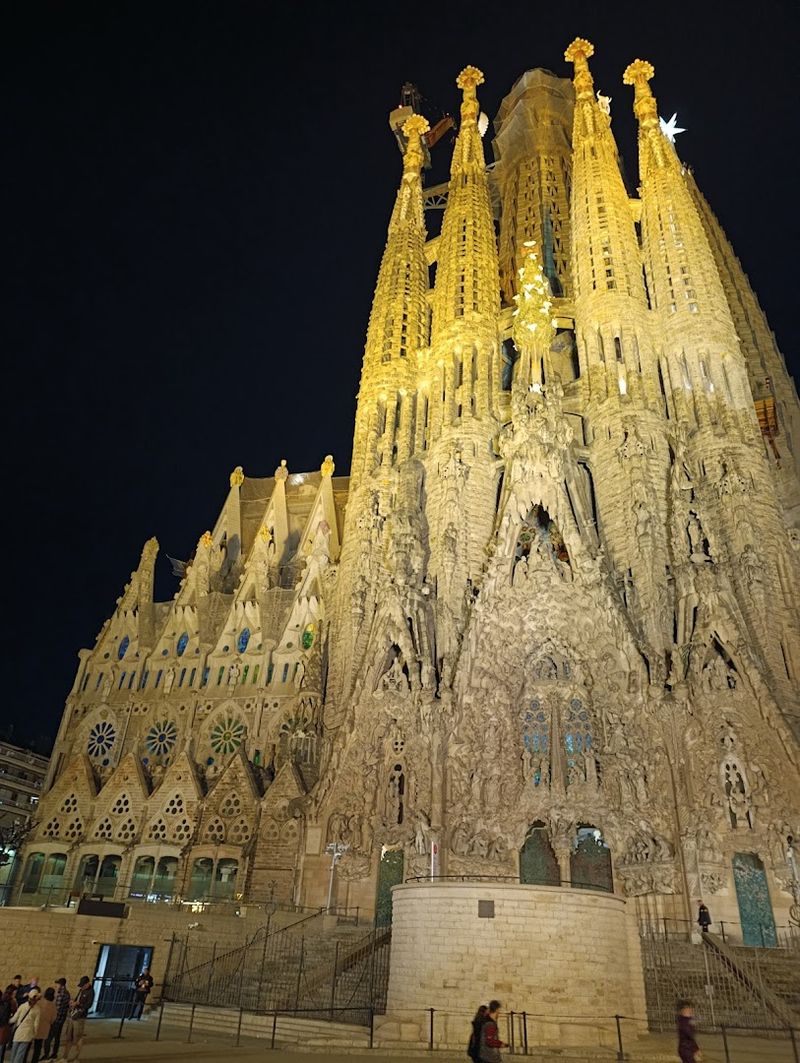
Construction started in 1882, and the Sagrada Familia is still not finished — and honestly, that is part of what makes it so fascinating. Antoni Gaudi’s masterpiece in Barcelona is unlike any other church on Earth, blending Gothic architecture with organic, nature-inspired shapes that look more like a forest than a building.
Step inside and the light filtering through stained glass windows turns the interior into a kaleidoscope of color. The columns branch upward like trees, and every surface is covered in symbolic detail that rewards a slow, curious eye.
It is genuinely one of those places where photographs fail to capture the full experience.
Tickets sell out weeks in advance, so planning ahead is essential. Choosing a timed entry slot in the morning helps avoid the midday rush.
The towers are climbable via elevator, offering incredible aerial views of Barcelona’s grid-like streets below. Whether you are religious or not, the Sagrada Familia will leave you genuinely awestruck.
Stonehenge — Wiltshire, England
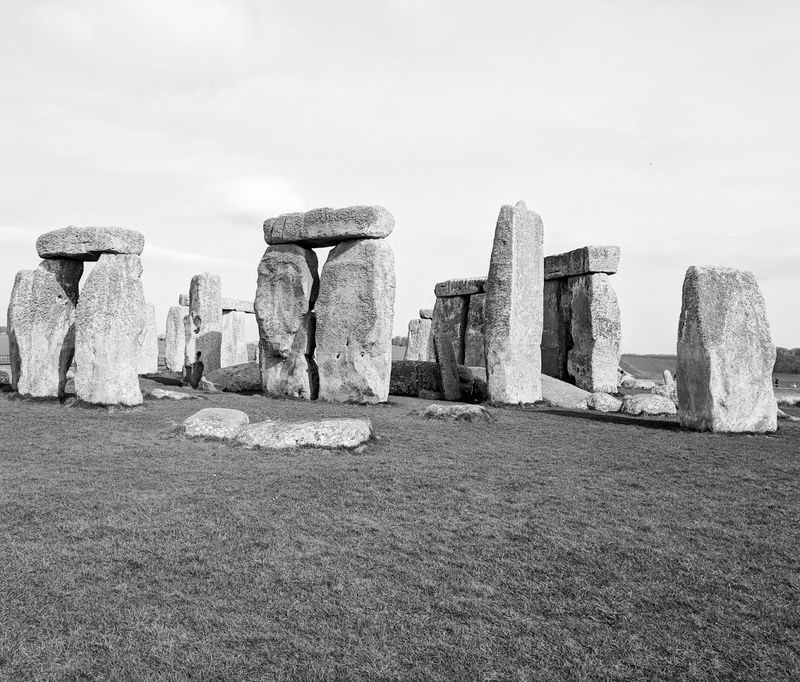
Nobody knows exactly why ancient people dragged enormous stones across hundreds of miles to build Stonehenge, and that mystery is exactly what makes it so captivating. Estimated to be over 4,000 years old, this prehistoric circle in Wiltshire has puzzled historians, archaeologists, and curious travelers for generations.
The largest stones weigh up to 25 tons each. The fact that they were moved without wheels, cranes, or modern tools makes the whole thing almost unbelievable.
Researchers believe the site was used for ceremonies, burial rituals, and possibly tracking the movements of the sun and stars.
During the summer and winter solstices, the rising sun aligns perfectly with the stones, drawing crowds of people who come to witness the spectacle. The visitor center nearby provides excellent exhibits that help put the history into context.
Visiting at dawn or dusk gives the stones a moody, dramatic atmosphere that daytime photos rarely capture. Stonehenge is proof that ancient people were far more clever than we sometimes give them credit for.
Acropolis of Athens — Greece
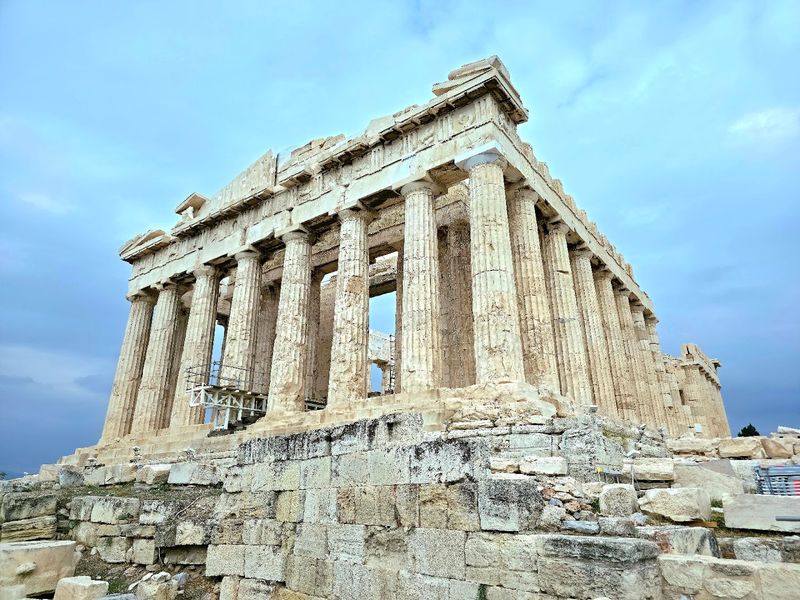
Climbing the rocky hill toward the Acropolis feels like walking straight into a history book. Perched high above Athens, this ancient citadel has watched over the city for more than 2,500 years, and its crown jewel — the Parthenon — remains one of the most photographed buildings on Earth.
The Parthenon was built to honor Athena, the goddess of wisdom, and its architects used clever optical tricks to make the columns appear perfectly straight when viewed from the ground. It was a temple, a treasury, and a symbol of Athenian power all at once.
Even in its partially ruined state, it commands serious respect.
Wear comfortable shoes because the marble pathways can be slippery, especially after rain. The Acropolis Museum at the base of the hill is a brilliant companion to the site, housing original sculptures and artifacts in stunning modern galleries.
Visiting in the early morning before the heat builds is the smartest move, especially during summer months when temperatures in Athens can soar well past comfortable.
Big Ben and the Houses of Parliament — London, England
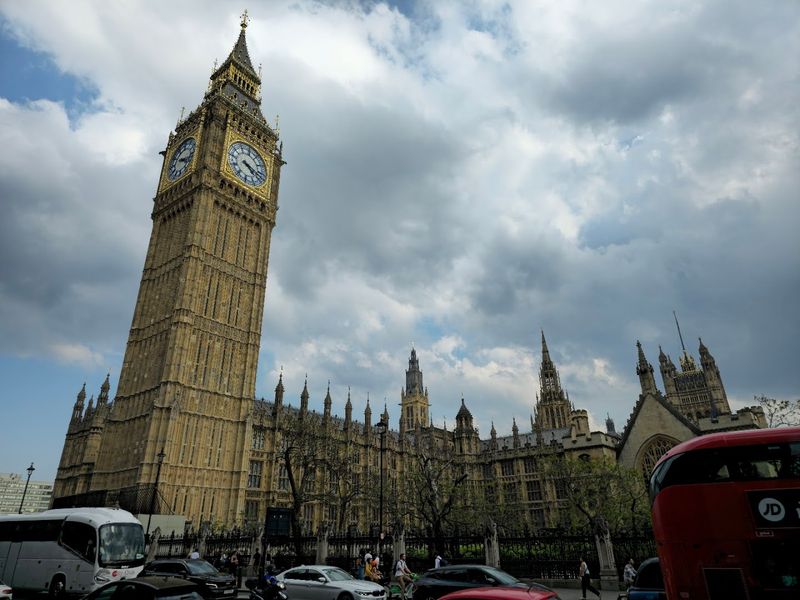
That deep, resonant bong from Big Ben has been marking the hours in London since 1859, and hearing it in person feels genuinely different from hearing it on television. The clock tower, officially known as the Elizabeth Tower, rises above the Palace of Westminster along the banks of the River Thames.
Technically, “Big Ben” refers to the massive 13-ton bell inside the tower rather than the tower itself — a fun fact to drop on anyone you visit with. The Gothic Revival architecture of the surrounding Parliament buildings is equally impressive, with ornate stonework that takes hours to fully appreciate up close.
Westminster Bridge offers one of the best views of the entire complex, especially at golden hour when the warm light catches the stonework beautifully. Parliament Square nearby is filled with statues of famous historical figures, making it a fascinating open-air history lesson.
If you want to go inside the Parliament building, public tours are available during recess periods. This iconic stretch of riverbank is one of the most photographed spots in the entire world for very good reason.
Leaning Tower of Pisa — Pisa, Italy
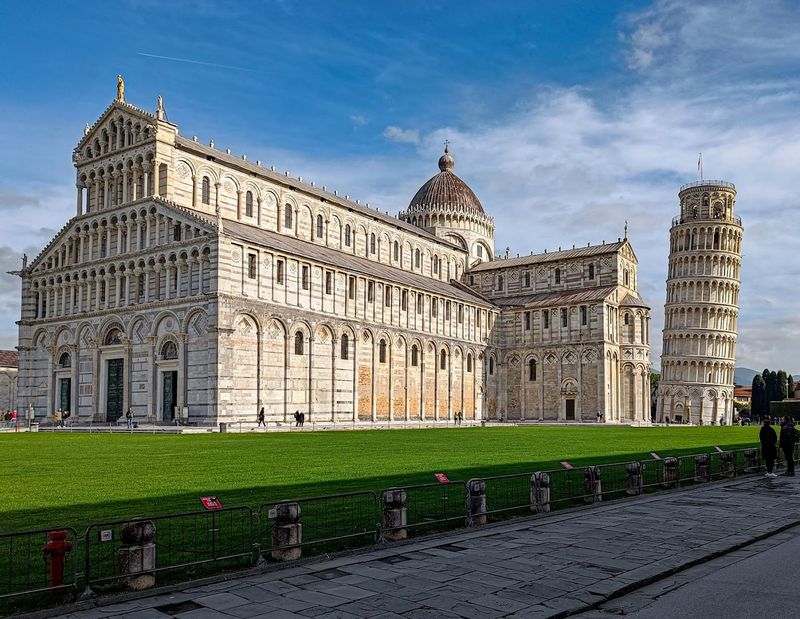
The Leaning Tower of Pisa has been tilting for over 800 years, and somehow that engineering blunder turned into one of the most famous tourist attractions in the world. Construction began in 1173, and the soft ground on one side caused the tilt to start almost immediately.
Engineers have spent centuries trying to keep it from toppling over completely.
The tower is actually a freestanding bell tower for the nearby Pisa Cathedral, which is equally stunning and often overlooked by visitors rushing for the classic “holding up the tower” photo. The entire Cathedral Square, known as the Piazza dei Miracoli, is a UNESCO World Heritage Site worth exploring slowly.
Climbing the 294 steps to the top of the tower is an experience in itself — the spiral staircase leans with the building, creating a genuinely disorienting sensation. The views from the top are surprisingly lovely, stretching across the rooftops of Pisa.
Arrive early in the morning to beat the crowds and the heat. The tower leans at roughly four degrees, which sounds small until you are actually standing next to it.
Neuschwanstein Castle — Bavaria, Germany
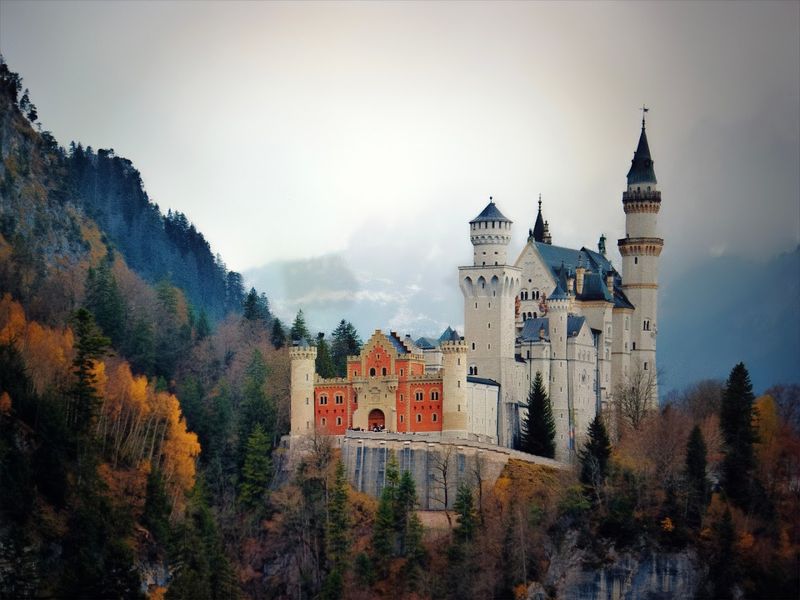
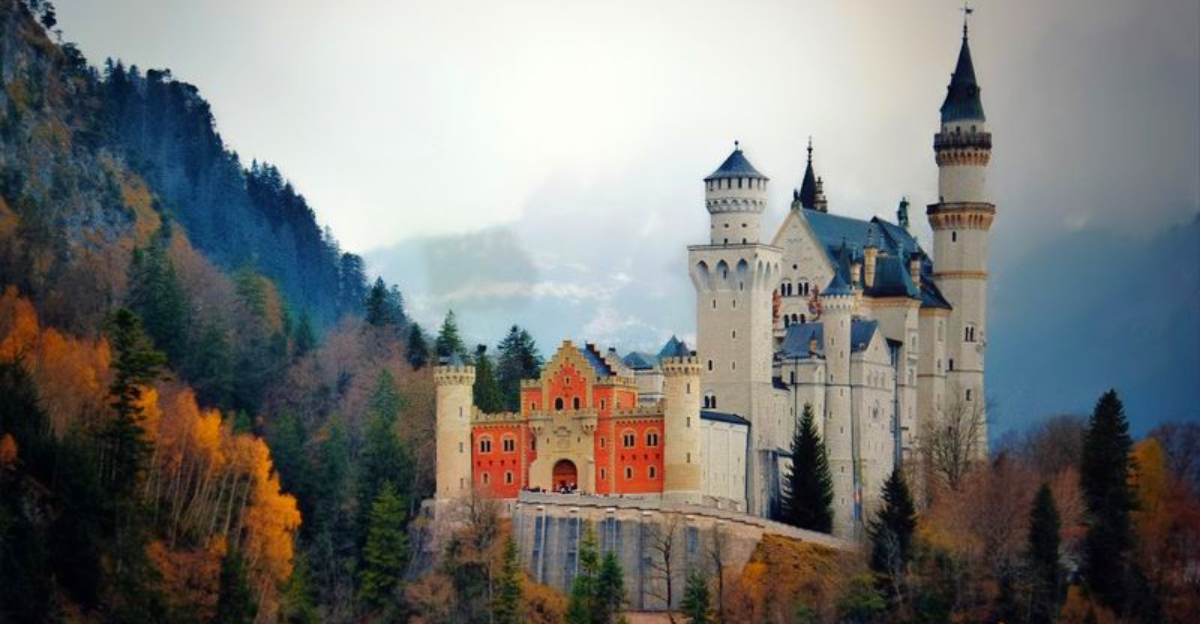
Neuschwanstein Castle looks so perfect it almost seems fake, like a movie set dropped into the Bavarian Alps. King Ludwig II commissioned the castle in 1869 as a personal retreat, and his obsession with fairy tales and medieval romance is visible in every turret and painted wall.
It reportedly inspired the design of Sleeping Beauty’s Castle at Disneyland.
Ludwig barely got to enjoy his creation — he died under mysterious circumstances in 1886, just days after being removed from power. The castle was opened to the public shortly after his death, and it has been drawing millions of visitors annually ever since.
The irony that his private escape became one of the world’s busiest tourist spots is hard to miss.
The hike up to the castle is steep but absolutely worth it, especially in autumn when the surrounding forests blaze with orange and red. The Marienbrucke bridge nearby offers the most iconic panoramic view of the entire castle.
Book tickets online well in advance because they sell out fast. Inside, the lavishly decorated rooms feel like walking through a storybook.
Brandenburg Gate — Berlin, Germany
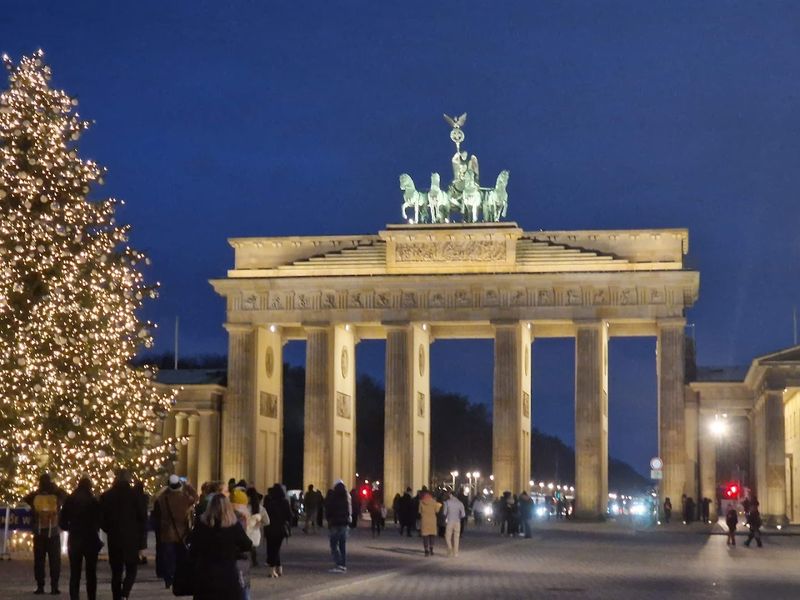
Standing in front of the Brandenburg Gate, it is hard not to feel the weight of history pressing in from all sides. Built in 1791 as a symbol of peace, this neoclassical monument became one of the most powerful symbols of division during the Cold War when the Berlin Wall ran right past it, cutting it off from both East and West.
When the Wall fell in 1989, the Brandenburg Gate became the backdrop for one of the most emotional celebrations in modern history. Crowds flooded the square, and the gate transformed overnight from a symbol of separation into a symbol of reunification.
That shift in meaning makes it one of the most layered landmarks in all of Europe.
Today, Pariser Platz surrounding the gate is a lively public space filled with street performers, cafes, and curious visitors from around the world. The gate looks magnificent at night when it is lit up against the dark sky.
Visiting on a weekday morning offers a calmer experience compared to weekends. The Reichstag building with its famous glass dome is just a short walk away and pairs perfectly with a Brandenburg Gate visit.
Charles Bridge — Prague, Czech Republic
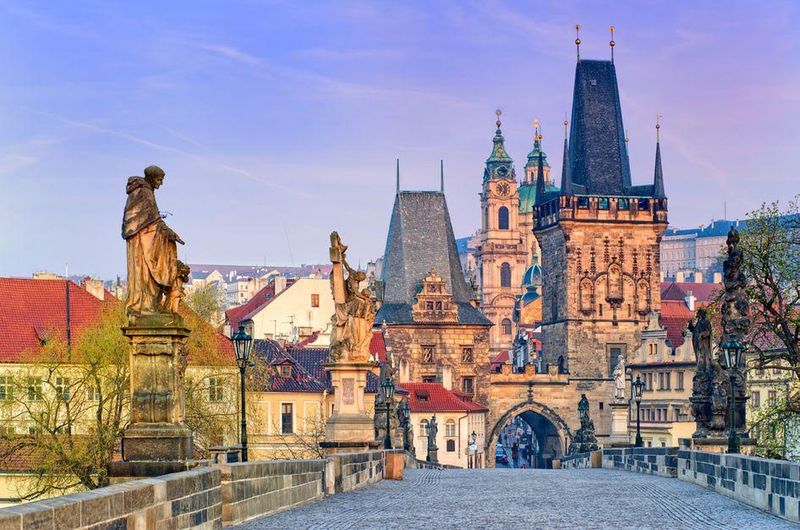
Early morning on Charles Bridge, with mist rising off the Vltava River and the city still quiet, is one of those travel moments that stays with you forever. Built in the 14th century under King Charles IV, this stone bridge stretches 516 meters across the river and connects Prague’s Old Town with the historic Mala Strana district.
Lining both sides of the bridge are 30 Baroque statues of saints, each with its own story and legend. The statue of St. John of Nepomuk is said to bring good luck when you touch the bronze plaque beneath it, and the polished surface proves that millions of people have believed the legend.
Street musicians often set up along the bridge, adding a soundtrack to the already cinematic scenery.
Midday brings heavy foot traffic and tourist groups, so arriving at sunrise is the smartest strategy for getting those dreamy, crowd-free photographs. Prague Castle looms dramatically above the far end of the bridge, and the combination of castle, river, and statues creates a skyline unlike anywhere else in Europe.
Charles Bridge is genuinely one of the most atmospheric places on the continent.
St. Peter’s Basilica — Vatican City
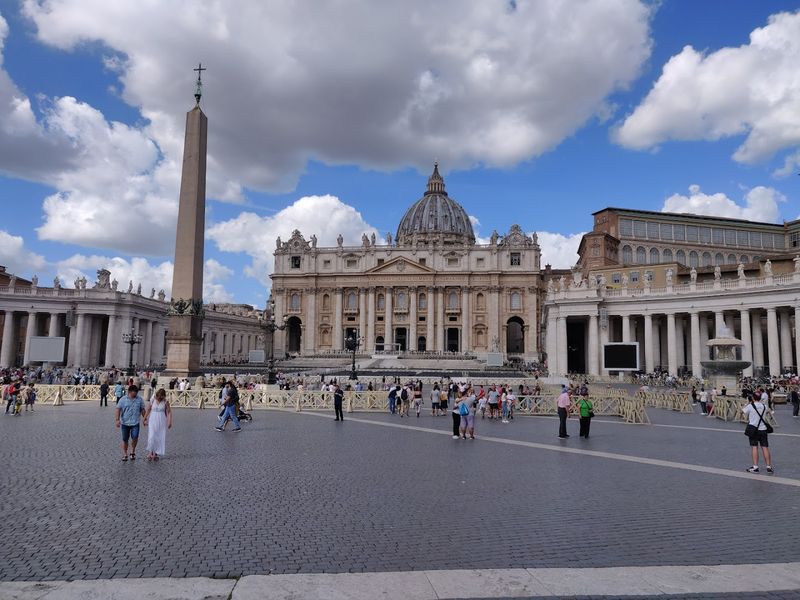
The sheer scale of St. Peter’s Basilica is something no photograph fully prepares you for. Standing in St. Peter’s Square and looking up at Michelangelo’s enormous dome, you start to understand why this building took over 120 years to complete.
It is the largest church in the world and the spiritual heart of the Roman Catholic faith.
Inside, the basilica holds an almost overwhelming collection of Renaissance and Baroque masterpieces. Michelangelo’s Pieta — a marble sculpture of Mary holding the body of Jesus — is one of the most breathtaking works of art you will ever see in person.
The bronze baldachin canopy above the main altar, designed by Bernini, is nearly 30 meters tall and still manages to look delicate.
Climbing to the top of the dome is an option for the energetic, involving either an elevator partway or 551 steps all the way up. The panoramic views over Vatican City and Rome are extraordinary.
Dress codes are strictly enforced — shoulders and knees must be covered to enter. Arriving early in the morning helps you experience the interior with far fewer crowds pressing around you.
Alhambra — Granada, Spain
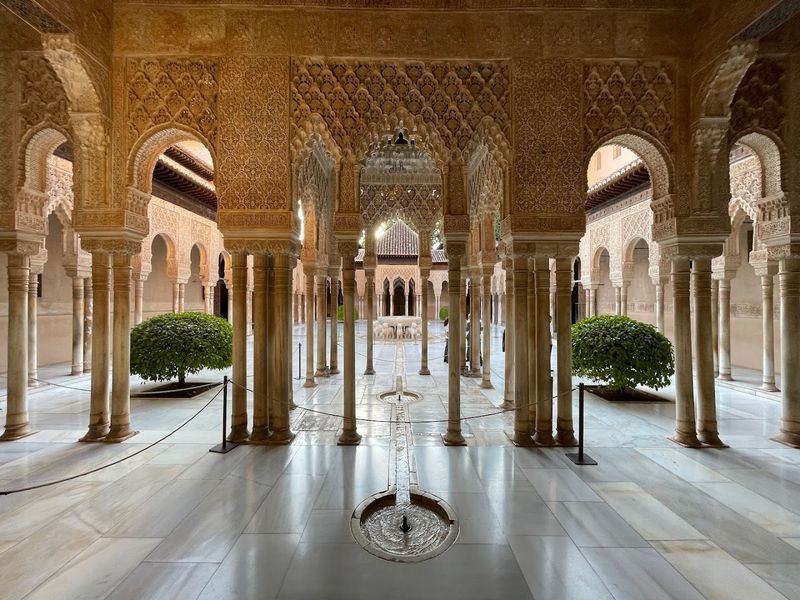
No amount of travel photos can capture the sensory experience of stepping inside the Alhambra. The sound of running water through carved marble fountains, the sight of geometric tile patterns covering every surface, and the scent of orange blossoms drifting in from the gardens — it all hits at once in the most wonderful way.
Built by Moorish rulers in the 13th and 14th centuries, the Alhambra sits on a hilltop overlooking Granada and the Sierra Nevada mountains beyond. The Nasrid Palaces within the complex are the crown jewel, featuring some of the finest examples of Islamic architecture anywhere in the world.
Every arch, every ceiling, every wall tells a story of extraordinary craftsmanship.
Tickets are strictly limited each day to protect the site, and they often sell out months in advance. Booking as early as possible is not optional — it is absolutely necessary.
The Generalife gardens adjacent to the palaces offer a peaceful, fragrant escape with terraced flower beds and shaded walkways. Visiting in spring when the roses are blooming adds another layer of beauty to an already stunning experience.
The Alhambra is genuinely one of Europe’s most unforgettable places.
Buckingham Palace — London, England
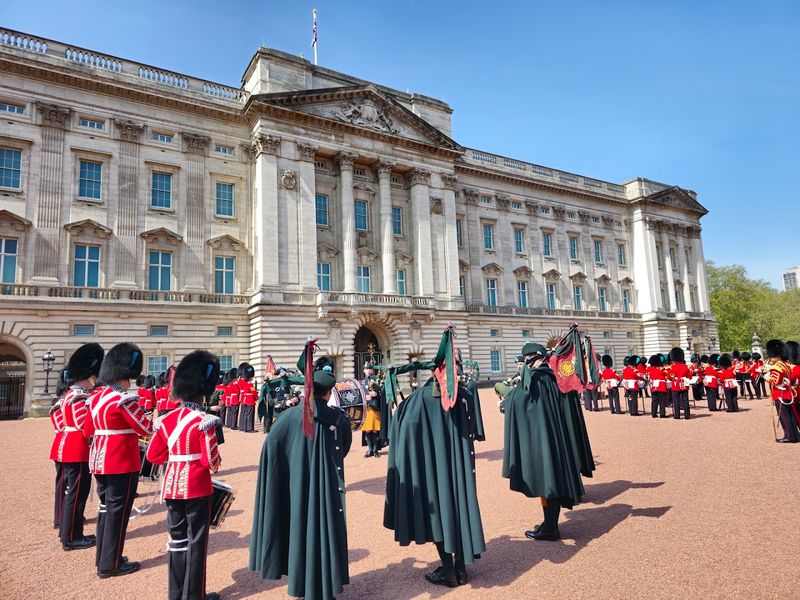
Buckingham Palace has been the official home of British monarchs since Queen Victoria moved in back in 1837, and the building radiates a kind of stately grandeur that you feel even from the iron gates outside. The palace has 775 rooms, including 19 state rooms, 52 royal and guest bedrooms, and 78 bathrooms — not exactly a cozy cottage.
The Changing of the Guard ceremony outside the palace gates is one of London’s most beloved spectacles. Soldiers in bright red tunics and tall bearskin hats march with military precision while a band plays everything from classical marches to surprisingly modern pop songs.
It runs most days and is completely free to watch, making it one of the best value shows in the city.
During summer, parts of the palace open to the public while the royal family is away, giving visitors a rare peek inside the lavishly decorated state rooms. The adjacent St. James’s Park is a gorgeous green escape perfect for a post-palace picnic.
The Victoria Memorial fountain directly in front of the palace makes for a great photo opportunity. This corner of London never seems to lose its regal magnetism.
Blue Mosque — Istanbul, Türkiye
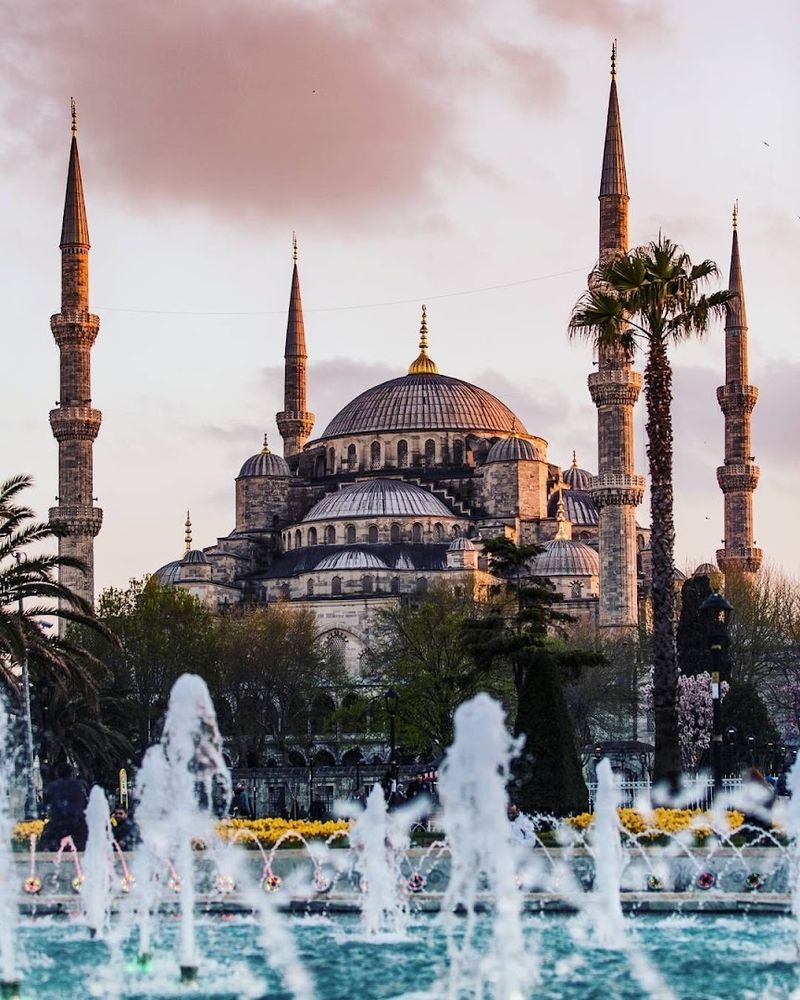
Six slender minarets pierce the Istanbul skyline around the Blue Mosque, a detail so unusual that it caused genuine controversy when the mosque was built in the early 1600s — at the time, only the mosque in Mecca had six minarets, and matching that number was considered a bold move. Sultan Ahmed I, who commissioned the mosque, was just 19 years old when construction began.
The nickname “Blue Mosque” comes from the more than 20,000 hand-painted blue Iznik tiles covering the interior walls and domes. Natural light pours through 260 windows, making the blue tones shift and shimmer throughout the day.
The overall effect inside is genuinely breathtaking — hushed, cool, and impossibly beautiful.
The mosque is still an active place of worship, so visitors must remove shoes, cover their heads and shoulders, and enter only during non-prayer times. Modest dress is not just requested — it is required.
Arriving just after prayer time gives you the best chance of a calm, crowd-light visit. The Hagia Sophia stands directly across the square, making this area of Istanbul one of the most historically rich neighborhoods you can walk through anywhere in Europe or Asia.
Trevi Fountain — Rome, Italy
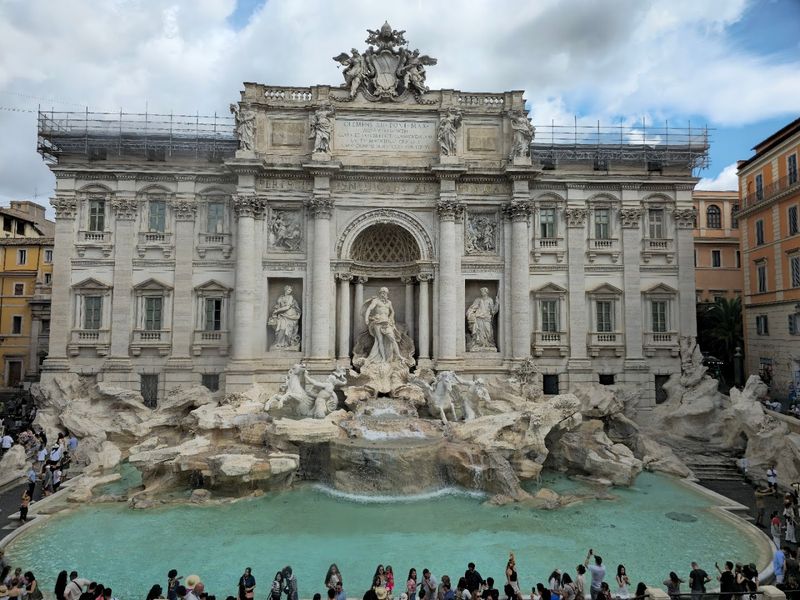
Tucked into a narrow intersection of Roman streets, the Trevi Fountain announces itself with the sound of rushing water long before you see it. Turning the corner and suddenly facing this enormous Baroque masterpiece — 26 meters tall and 49 meters wide — is one of those classic travel surprises that never gets old no matter how many times you have seen it in photos.
The fountain was completed in 1762 and marks the end point of an ancient Roman aqueduct that has been supplying fresh water to the city for over 2,000 years. The central figure of Neptune, god of the sea, rides a chariot pulled by sea horses, commanding the whole scene with theatrical flair.
Every detail was designed to impress, and it absolutely succeeds.
Tossing a coin over your left shoulder with your right hand into the fountain is the famous tradition that supposedly guarantees a return trip to Rome. Around 1.5 million euros worth of coins are collected from the fountain each year, with proceeds going to a local charity.
Visiting after midnight dramatically reduces the crowd and the golden lights reflecting on the water make the whole scene feel almost dreamlike.
Mont-Saint-Michel — Normandy, France
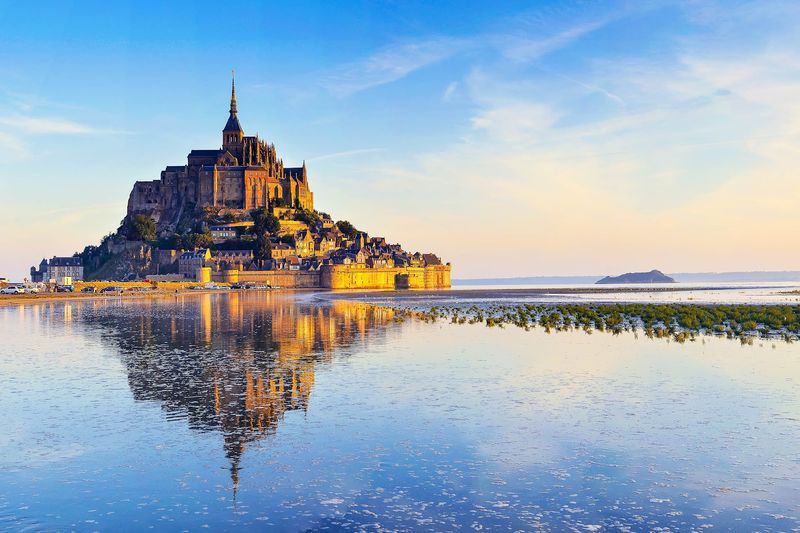
Rising like a medieval mirage from the tidal flats of Normandy, Mont-Saint-Michel is one of those places that genuinely looks too dramatic to be real. The island sits just off the French coast, connected to the mainland by a narrow causeway, and its silhouette — a jumble of medieval buildings climbing toward a Gothic abbey at the top — has been inspiring travelers for centuries.
The tides around Mont-Saint-Michel are among the fastest and most extreme in Europe, sometimes rushing in at speeds faster than a person can run. At high tide, the island becomes completely surrounded by water.
At low tide, it sits on a vast expanse of sand and mudflats that stretch to the horizon in every direction. The transformation happens twice a day and is worth timing your visit around.
The village inside the walls is packed with restaurants, souvenir shops, and steep cobblestone streets that wind upward toward the abbey. The abbey itself, perched at the very top, offers panoramic views over the bay that are simply extraordinary.
Starting the climb early in the morning before tour groups arrive makes the whole experience far more atmospheric. Mont-Saint-Michel has been a pilgrimage destination since the 8th century, and its pull has never weakened.
Florence Cathedral (Duomo) — Florence, Italy
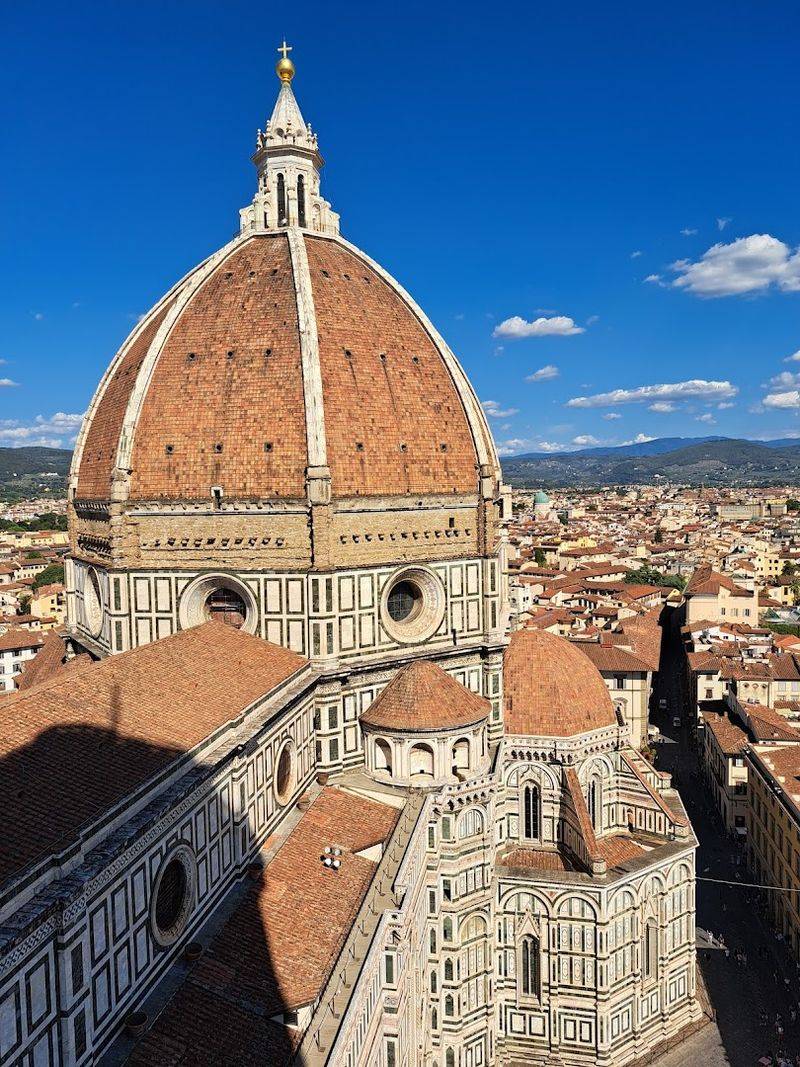
Filippo Brunelleschi completed the dome of the Florence Cathedral in 1436, and the engineering world has been marveling at it ever since. At the time of construction, nobody had built a dome that large since ancient Rome, and Brunelleschi invented entirely new techniques to make it possible — without any external scaffolding, which was considered completely impossible by his peers.
The exterior of the cathedral is a feast for the eyes, covered in panels of white, green, and pink marble arranged in geometric patterns that catch the Florentine sunlight beautifully. The adjacent Giotto’s Bell Tower and the Baptistery of San Giovanni complete a trio of buildings that make this piazza one of the most architecturally rich public spaces in all of Europe.
Climbing the 463 steps to the top of the dome is a must-do experience. The views over Florence’s terracotta rooftops, with the surrounding Tuscan hills rolling in the distance, are absolutely unforgettable.
Inside the dome, Vasari’s enormous Last Judgment fresco wraps around the interior ceiling in vivid, dramatic detail. Book your climb tickets in advance because slots fill up quickly.
The cathedral itself is free to enter, making it one of the great bargains of European travel.



