 Unearth The Voyage
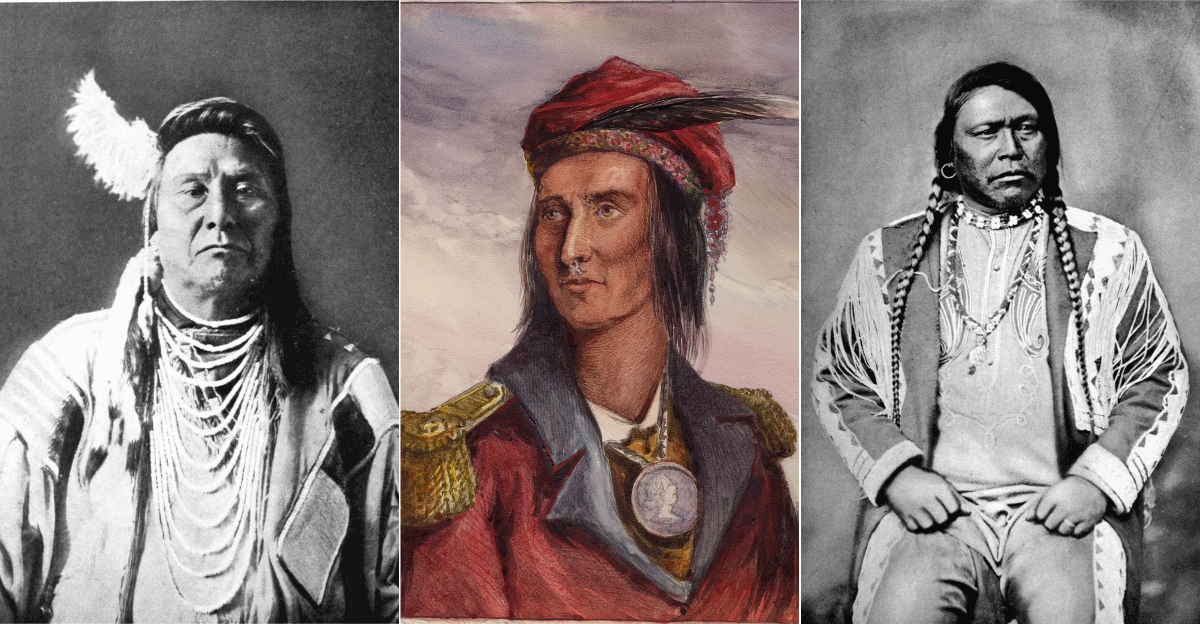
Native American leaders have shaped the story of resistance and survival across centuries. Their courage, vision, and determination carved out spaces of dignity against overwhelming odds.
From battlefield commanders to eloquent diplomats, these figures remind us that leadership comes in many forms and leaves echoes that never fade.
1. Sitting Bull (Hunkpapa Lakota)
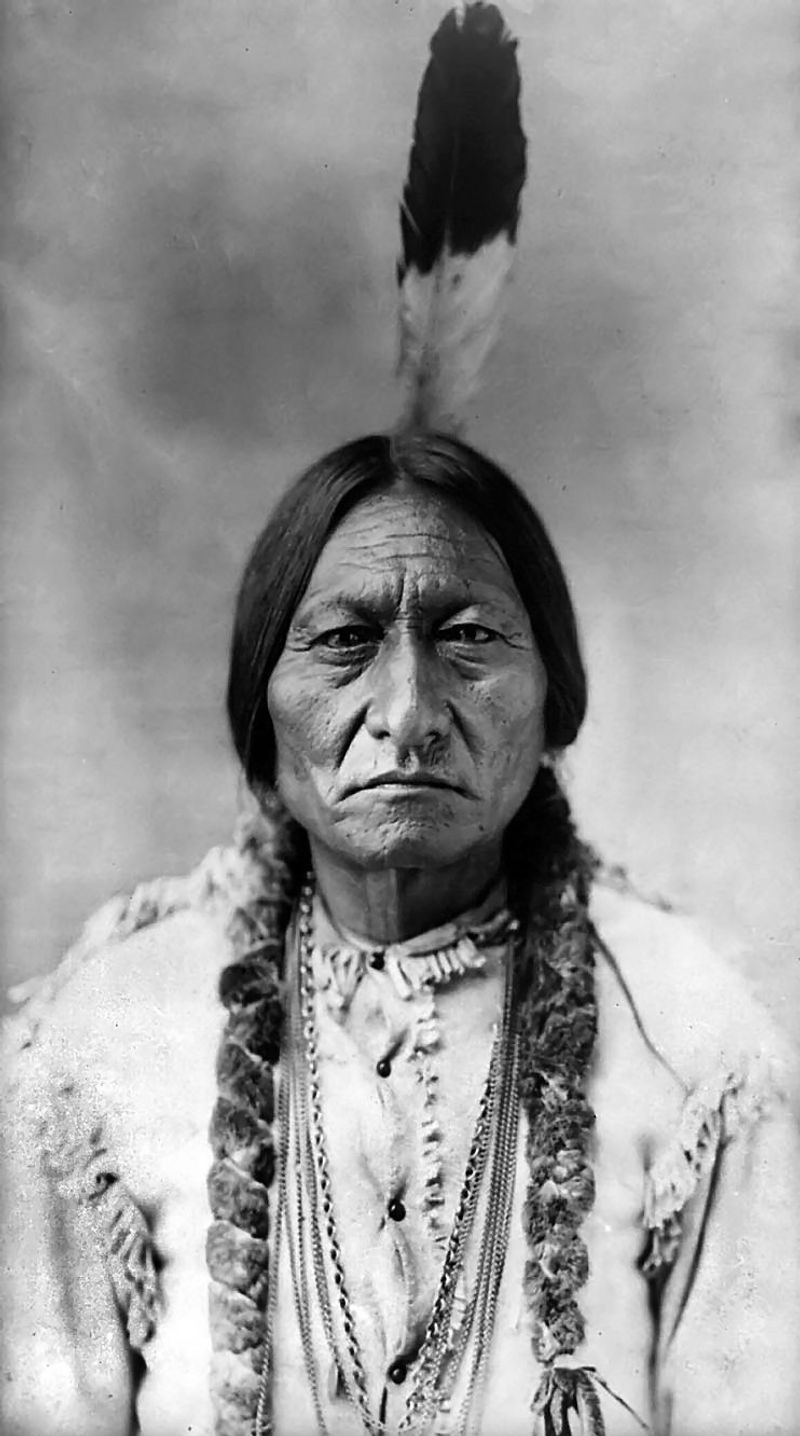
A holy man before he became a war leader, Sitting Bull guided his people through one of the most turbulent periods in Plains history. His vision before the Battle of the Little Bighorn foretold the defeat of Custer’s forces, cementing his spiritual authority.
He refused reservation life for years, leading his band into Canada. Eventually, he returned and became a symbol of resilience, even joining Buffalo Bill’s Wild West show to support his people financially.
2. Crazy Horse (Oglala Lakota)
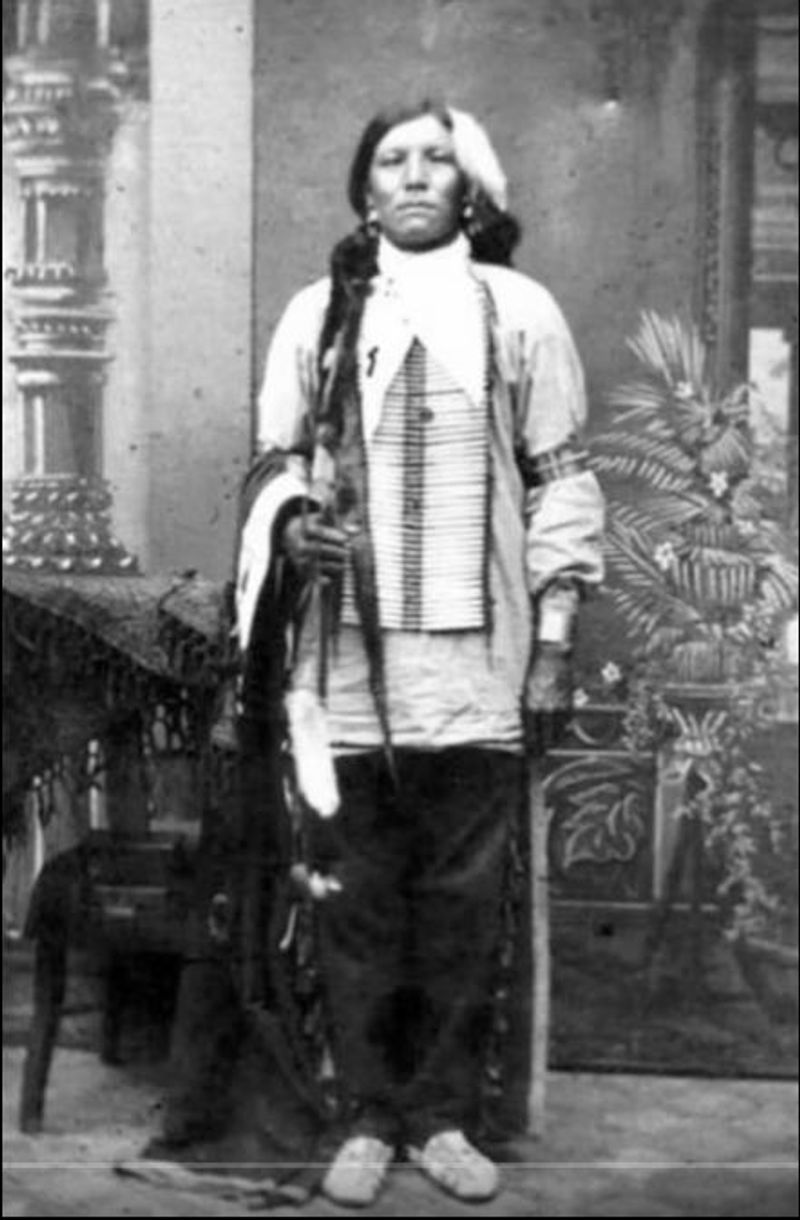
Known for his battlefield brilliance, Crazy Horse never signed a treaty or allowed his photograph to be taken. His humility and fierce independence made him a legend among the Lakota.
He played a central role at the Rosebud and Little Bighorn, outmaneuvering U.S. forces with daring tactics. Tragically, he was killed while in custody at Fort Robinson in 1877, a martyr to the cause of freedom.
His spirit remains unbroken in memory.
3. Geronimo (Chiricahua Apache, Bedonkohe)
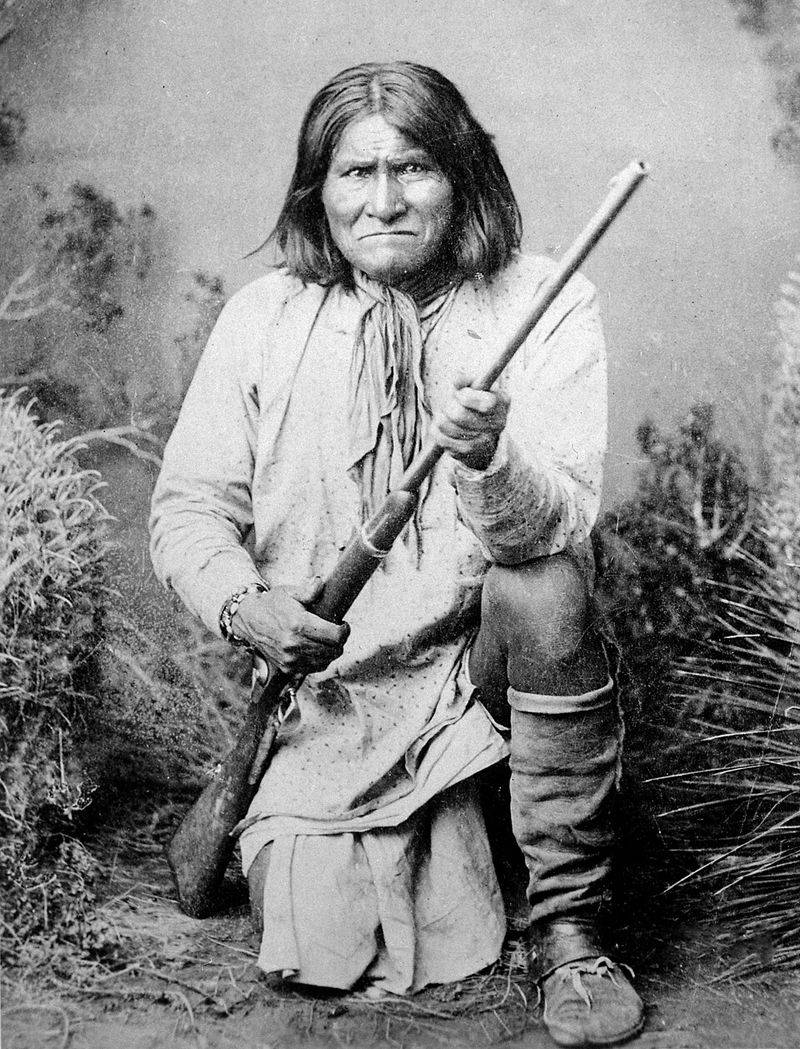
Geronimo’s name became synonymous with Apache resistance after Mexican soldiers murdered his family. Fueled by grief and rage, he led raids across the Southwest with unmatched ferocity and cunning.
His final surrender in 1886 marked the end of organized Apache resistance. Even in captivity, he remained a symbol of defiance, appearing at public events and dictating his autobiography before his death in 1909.
4. Chief Joseph (Nez Perce)
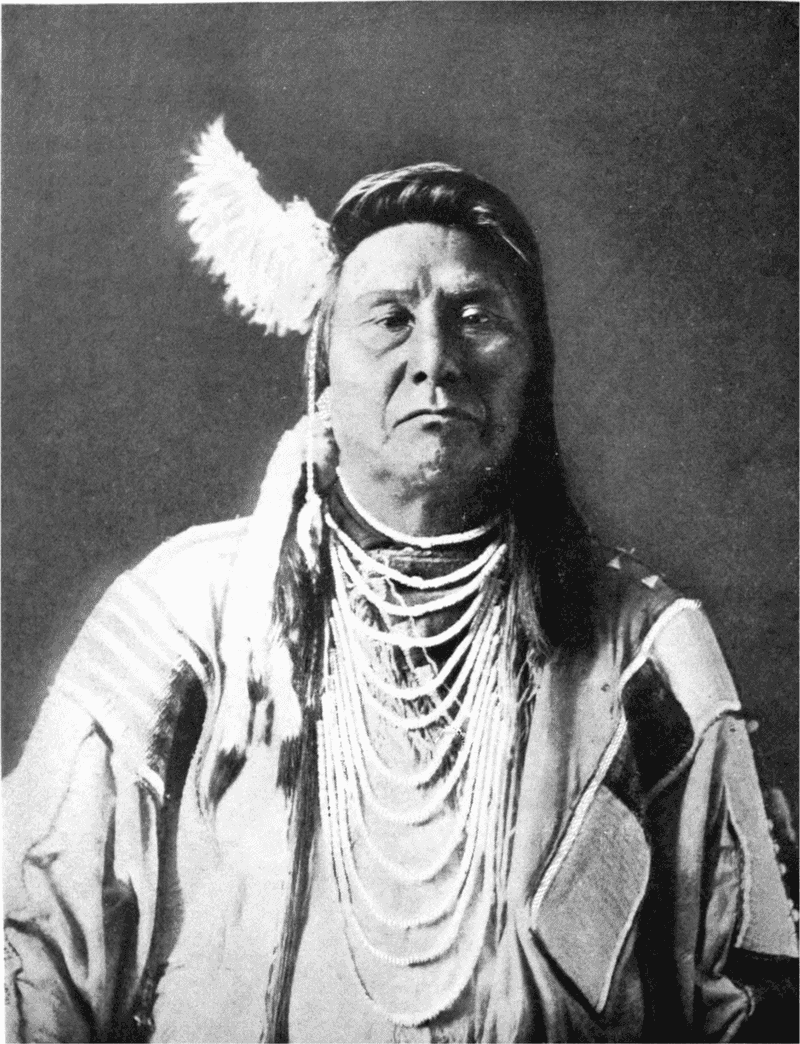
When the U.S. government tried to force the Nez Perce onto a reservation, Chief Joseph led his people on a 1,170-mile retreat toward Canada. The journey was a masterpiece of strategy and endurance, evading multiple Army units.
Just forty miles from the border, they were surrounded and forced to surrender. His speech, ending with the words “I will fight no more forever,” became one of history’s most poignant declarations.
5. Tecumseh (Shawnee)
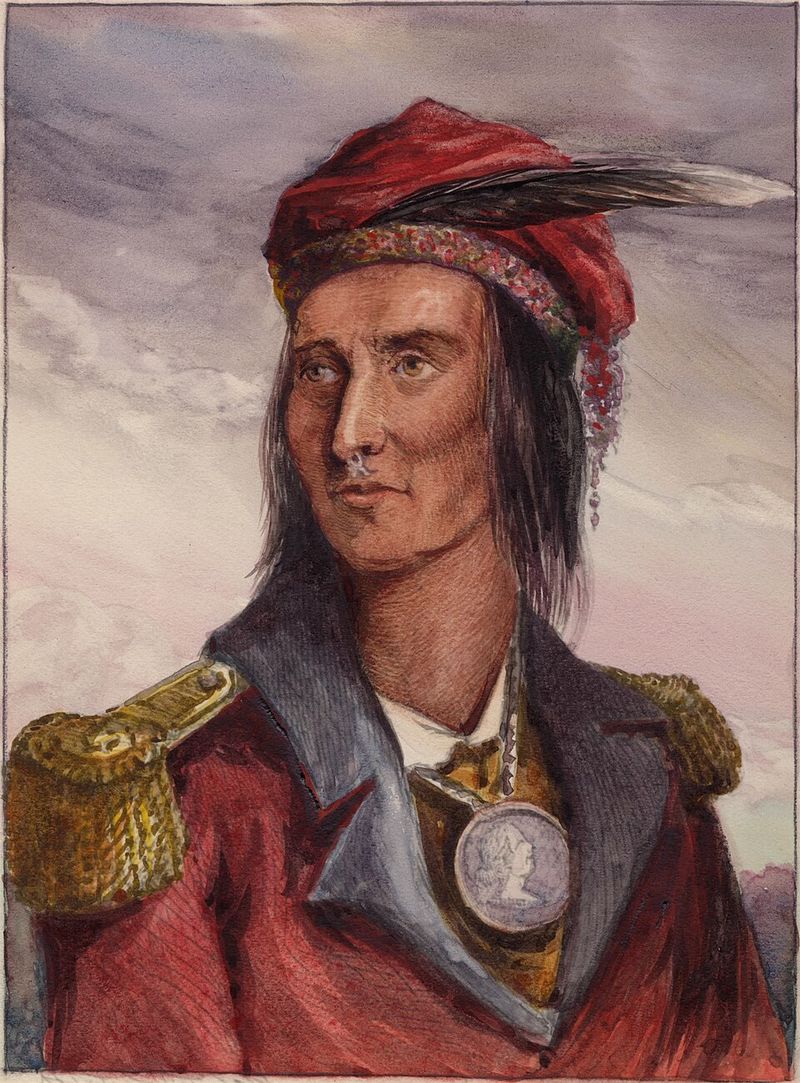
Tecumseh dreamed of uniting all Native tribes east of the Mississippi into a single confederacy strong enough to resist American expansion. Charismatic and strategic, he traveled thousands of miles to rally support from the Great Lakes to the Gulf Coast.
He allied with the British during the War of 1812, hoping their victory would secure Native lands. His death in 1813 at the Battle of the Thames shattered the confederacy and opened the floodgates of westward expansion.
6. Black Hawk (Sauk)
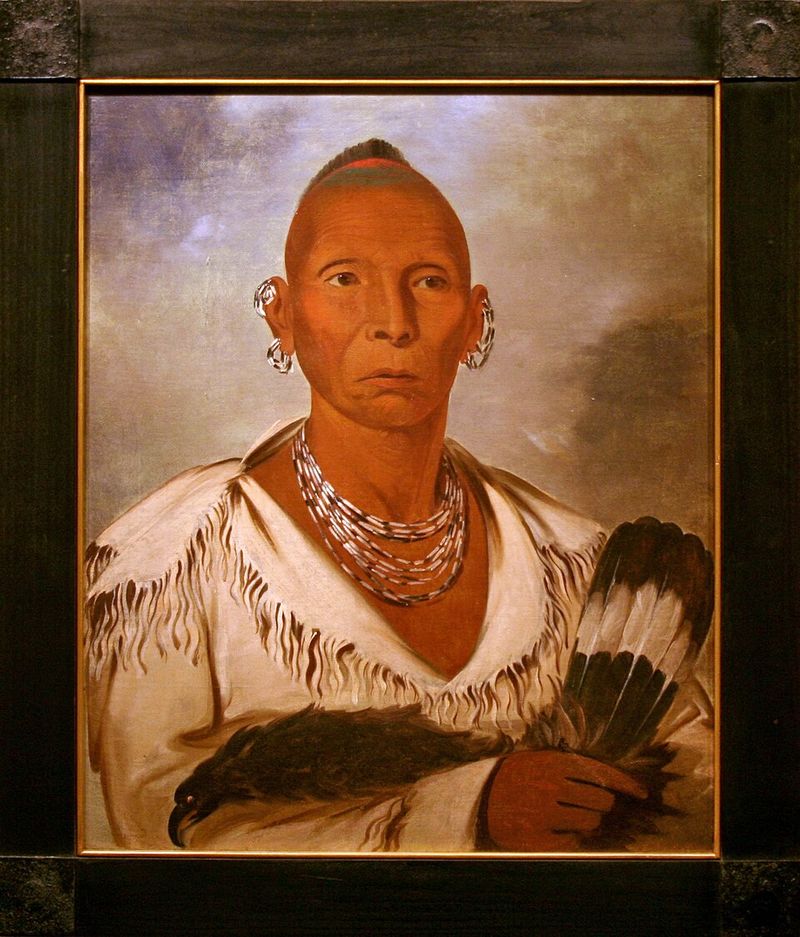
Black Hawk refused to accept treaties he believed were fraudulent, leading his band back across the Mississippi in 1832 to reclaim ancestral lands. What followed became known as the Black Hawk War, a brief but brutal conflict.
Outnumbered and pursued relentlessly, his people were massacred at the Bad Axe River. Black Hawk was captured and paraded through eastern cities, where he spoke eloquently about injustice before being allowed to return home.
7. Red Cloud (Oglala Lakota)
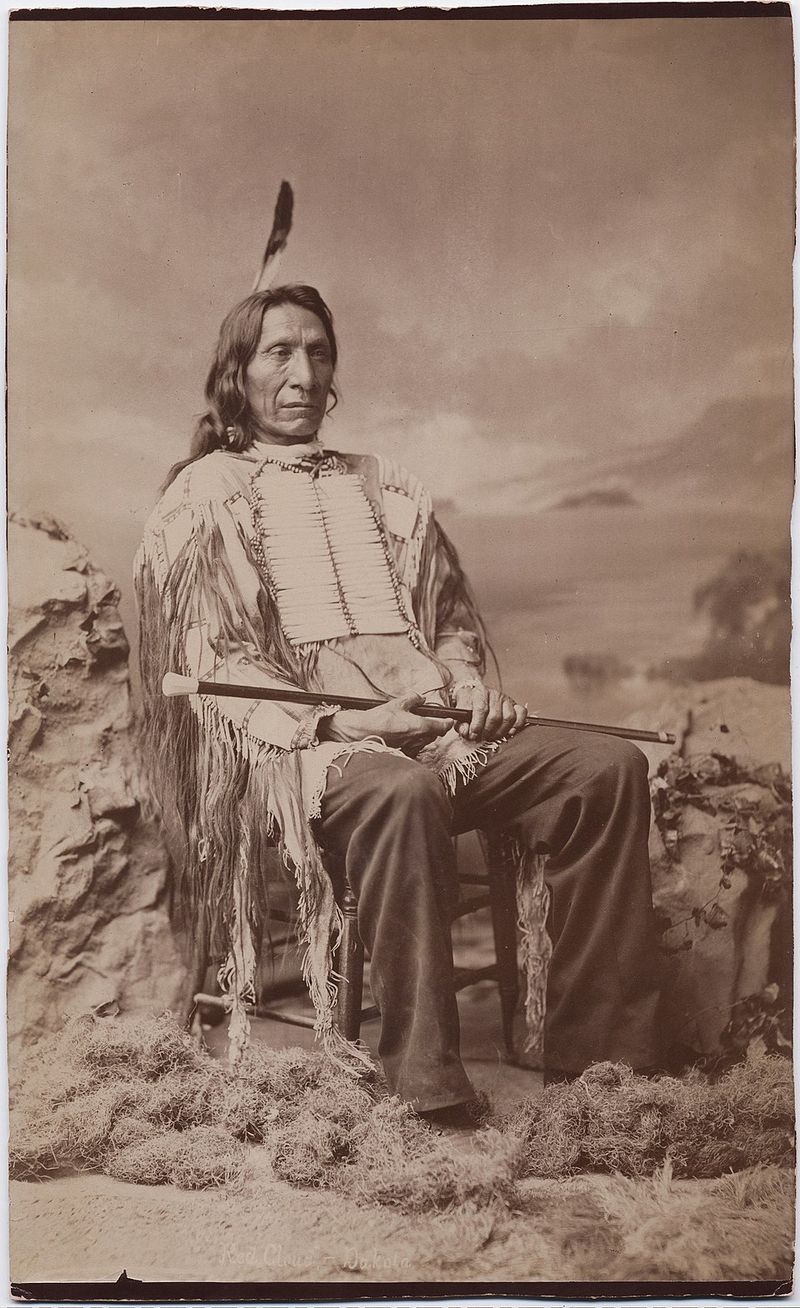
Red Cloud orchestrated the only war the United States officially lost to Native forces, closing the Bozeman Trail and forcing the abandonment of forts in Lakota territory. His strategic brilliance combined military pressure with diplomatic savvy.
After signing the 1868 Fort Laramie Treaty, he shifted to political leadership, advocating for his people in Washington. Though criticized by some for compromise, he navigated impossible choices to preserve Lakota survival and dignity.
8. Osceola (Seminole)
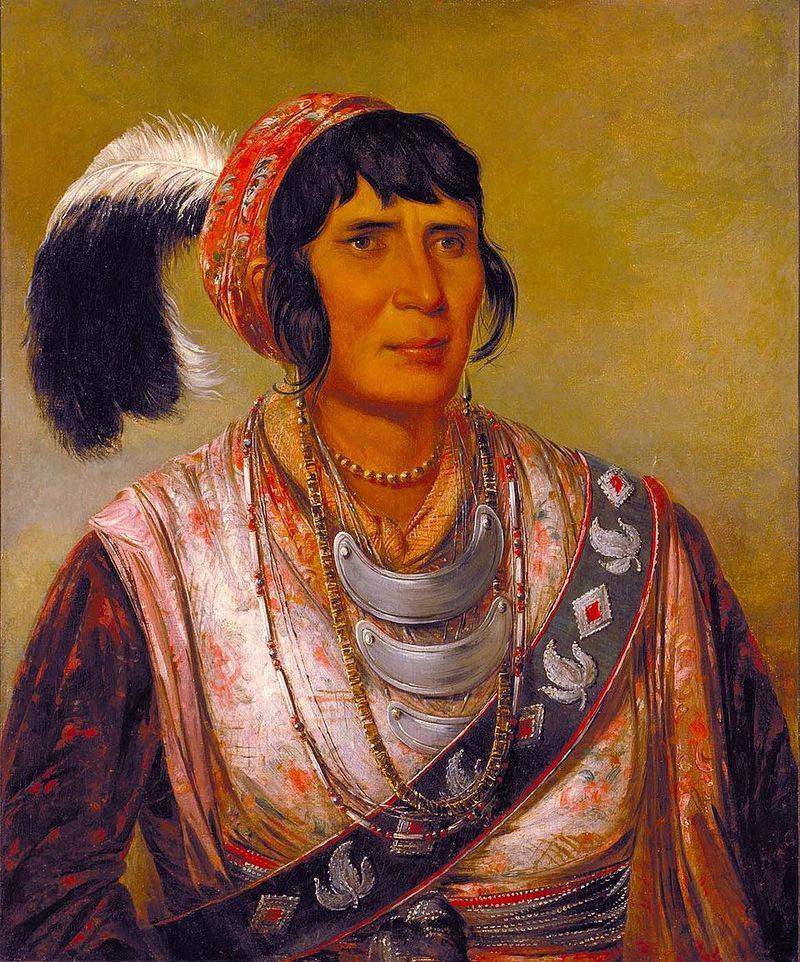
Osceola rose to prominence during the Second Seminole War, refusing to relocate his people to Oklahoma. His guerrilla tactics in Florida’s swamps frustrated the U.S.
Army for years, making him a symbol of unyielding resistance.
Betrayed under a flag of truce in 1837, he was imprisoned at Fort Moultrie, where he died three months later. His defiance inspired the Seminole to continue fighting, making it the longest and costliest Native American war in U.S. history.
9. Pontiac (Ottawa/Odawa)
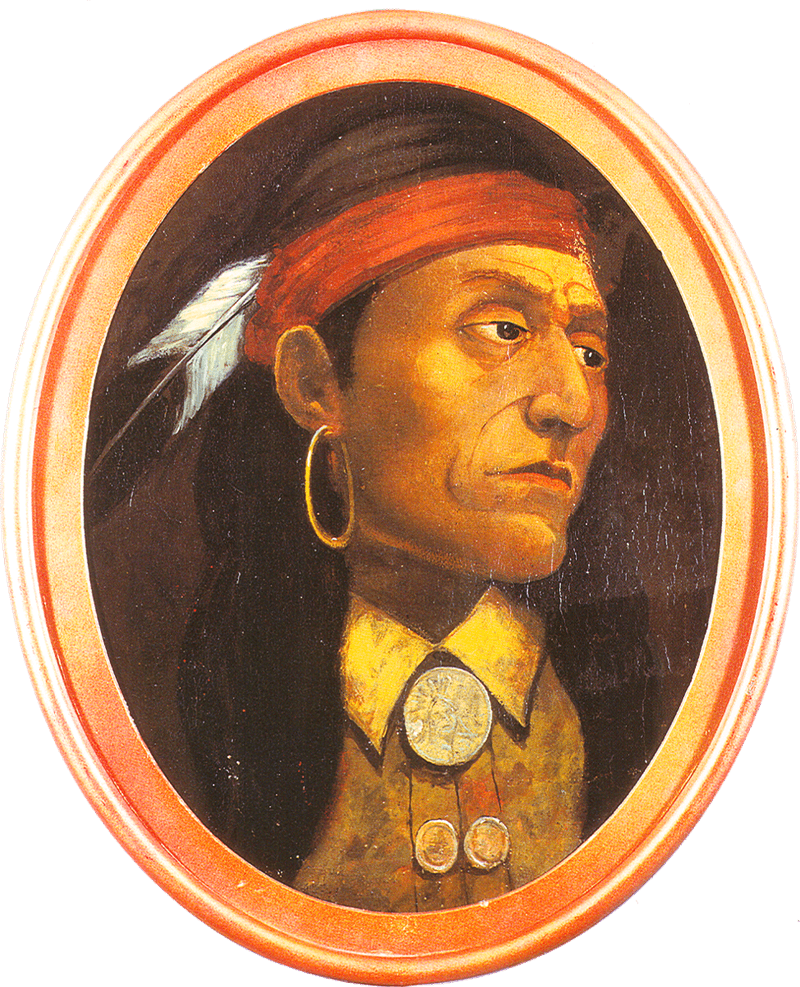
Pontiac united multiple tribes in the Great Lakes region to resist British occupation after the French and Indian War. His coordinated attacks captured eight forts in 1763, shocking colonial authorities and sparking a crisis.
Though the uprising ultimately failed, it forced Britain to issue the Proclamation of 1763, temporarily halting westward expansion. Pontiac was assassinated in 1769, but his legacy as an intertribal organizer influenced leaders like Tecumseh decades later.
10. Massasoit / Ousamequin (Wampanoag)
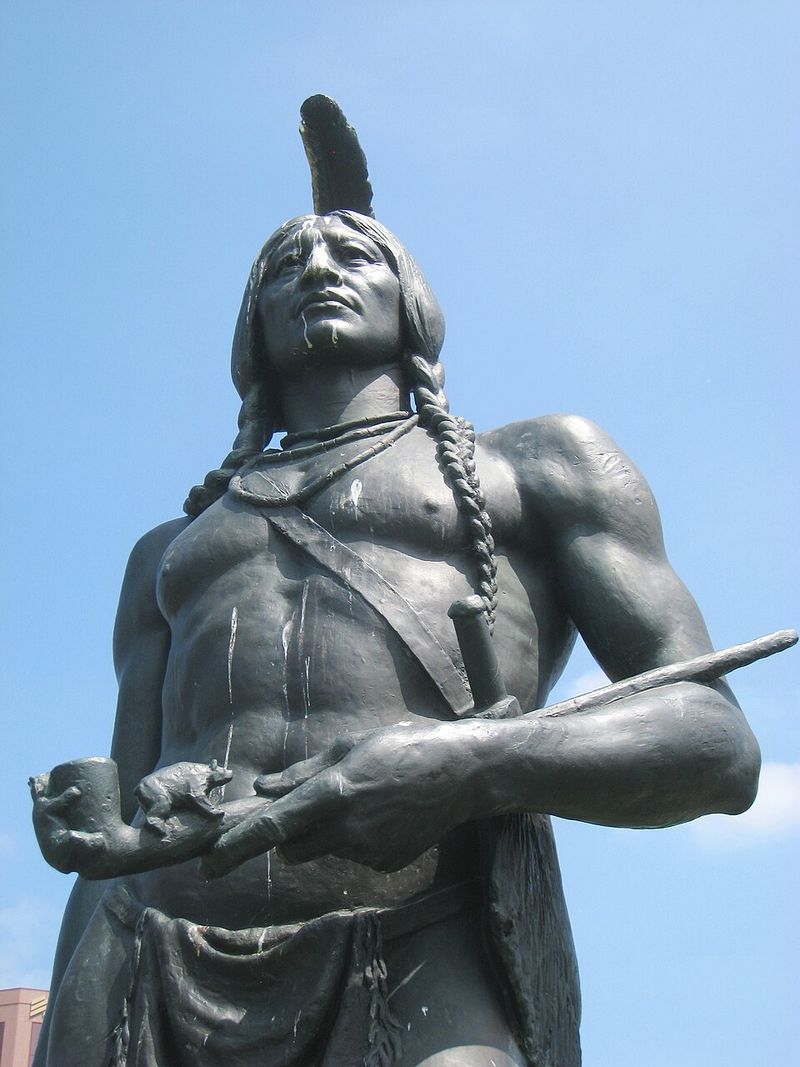
Massasoit’s 1621 peace treaty with Plymouth Colony secured decades of stability for both groups. His diplomatic skill balanced Wampanoag interests with the reality of European arrival, buying time for his people to adapt.
The alliance held throughout his lifetime, though it crumbled after his death. His son Metacom, known as King Philip, would later lead a devastating war against the colonists.
Massasoit’s legacy remains complex, embodying both pragmatism and the painful compromises of survival.
11. Tenskwatawa “The Prophet” (Shawnee)
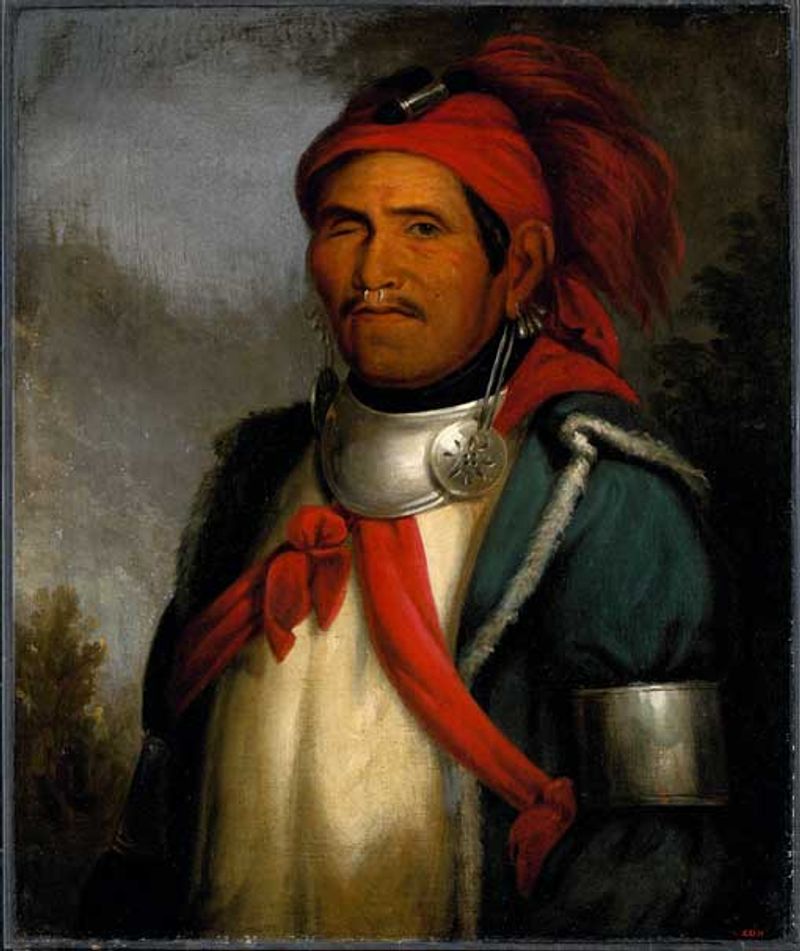
Tenskwatawa’s spiritual visions called for Native people to reject European goods, alcohol, and customs, returning to traditional ways. His message spread like wildfire across the frontier, drawing thousands to Prophetstown in Indiana.
His brother Tecumseh provided the political and military framework for the movement. Though defeated at the Battle of Tippecanoe in 1811, Tenskwatawa’s revival laid the spiritual foundation for pan-tribal resistance, proving that cultural renewal could be as powerful as any weapon.
12. Chief Seattle / siʔaɬ (Duwamish & Suquamish)
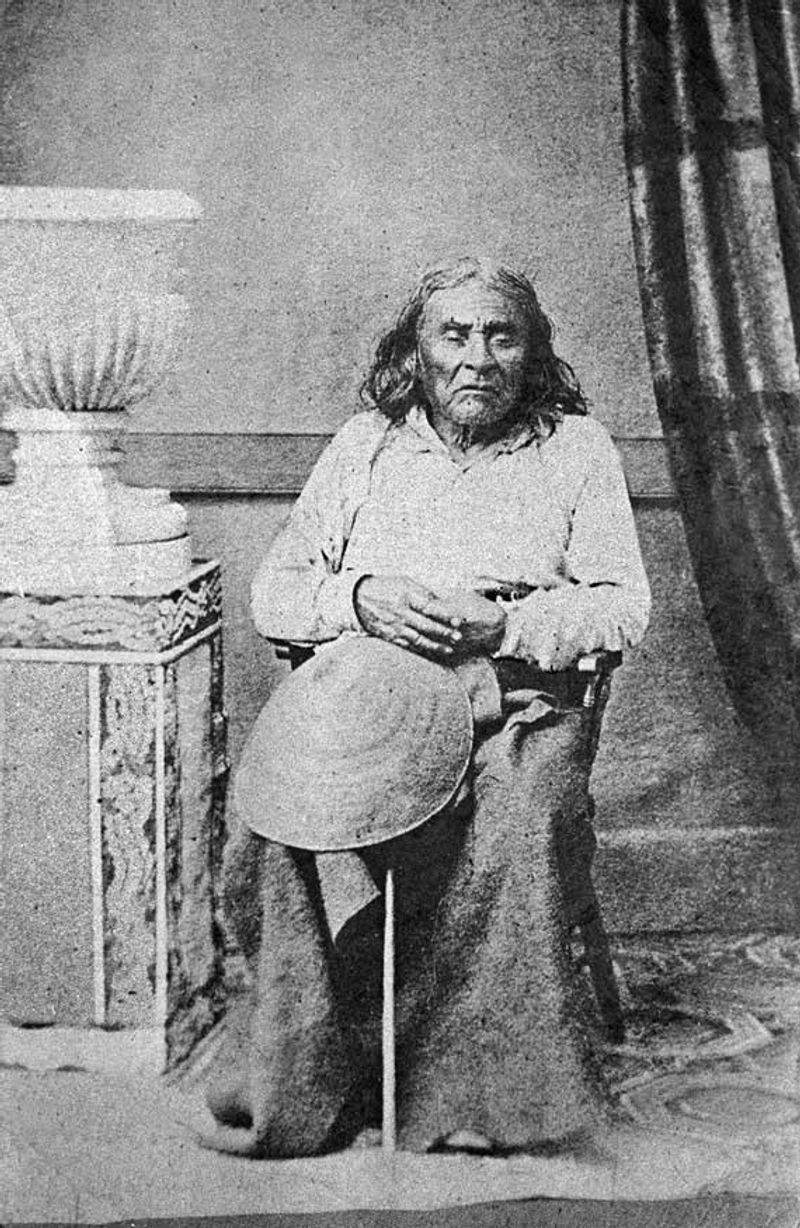
Chief Seattle navigated the arrival of white settlers in Puget Sound with a mix of diplomacy and pragmatism. His 1854 speech, whether accurately recorded or not, became an enduring statement on environmental stewardship and cultural loss.
The city of Seattle bears his name, though the relationship between his people and the city remains complicated. His descendants continue to fight for federal recognition of the Duwamish tribe, a struggle that echoes his own efforts to secure a place for his people.
13. Wilma Mankiller (Cherokee Nation)
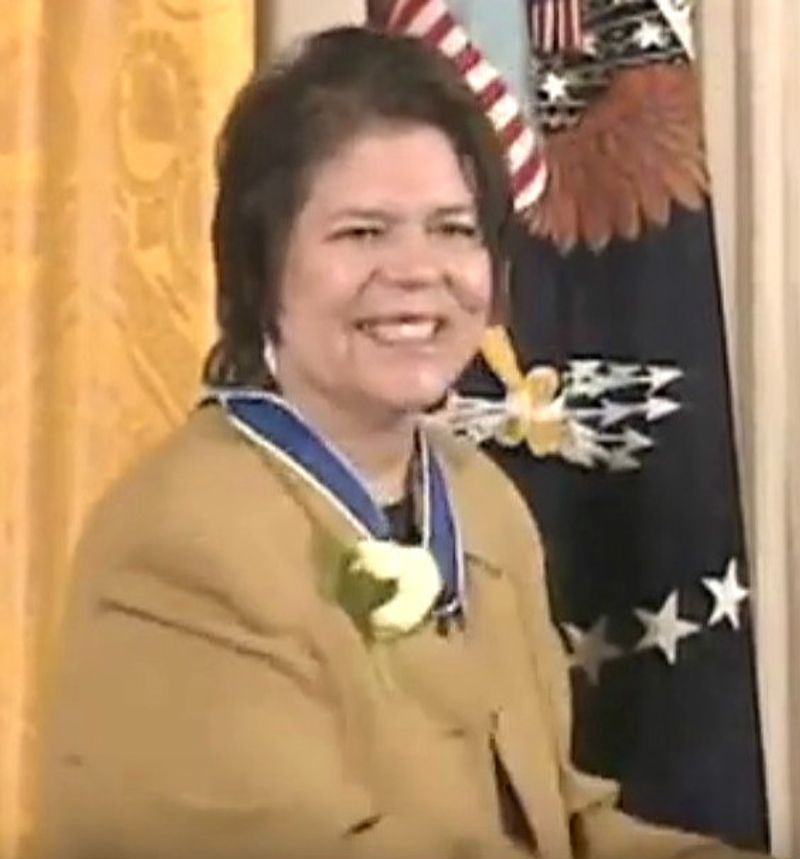
Wilma Mankiller shattered barriers in 1985 when she became the first woman elected Principal Chief of the Cherokee Nation. Her leadership focused on healthcare, education, and economic development, transforming the nation’s infrastructure and self-sufficiency.
She championed community-driven solutions and cultural preservation, proving that effective governance could honor tradition while embracing progress. Her tenure redefined what leadership looked like, inspiring Indigenous women across the continent and beyond.
Her legacy lives on in every girl who dreams of leading.
14. Lozen (Apache)
Lozen was a warrior, medicine woman, and strategist who fought alongside her brother Victorio and later Geronimo. She possessed an uncanny ability to sense enemy movements, a gift that saved Apache lives countless times during raids and escapes.
She chose the warrior’s path over marriage, earning respect in a male-dominated role. Captured with Geronimo in 1886, she was sent to Florida and Alabama, where she died in captivity.
Her courage remains a testament to Apache resilience and the power of women in resistance.
15. Chief Ouray (Ute, Tabeguache/Uncompahgre)
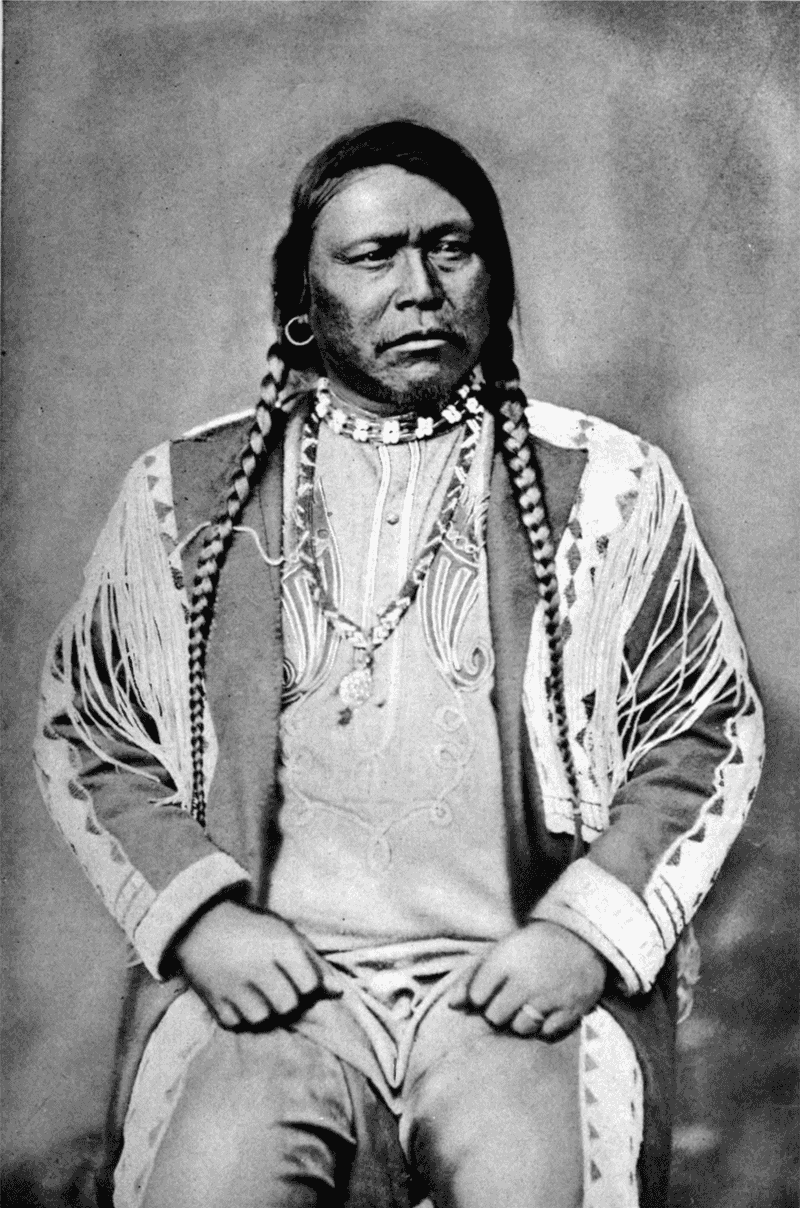
Ouray mastered multiple languages and used his diplomatic skills to negotiate treaties that preserved Ute lands longer than many thought possible. He understood the futility of prolonged war and sought to secure the best terms for his people through negotiation.
His efforts delayed but could not prevent the loss of Ute territory. He died in 1880, exhausted by the struggle to balance resistance with survival.
His legacy is one of tragic pragmatism, a leader who did his best in an impossible situation.
16. Nanyehi / Nancy Ward (Cherokee)

Nanyehi earned the title Beloved Woman after displaying extraordinary courage in battle, giving her a voice in Cherokee council decisions. She used her influence to advocate for peace and diplomacy with settlers, believing coexistence was possible.
She warned settlers of impending attacks and worked to spare captives, earning respect on both sides. Her efforts to bridge cultures ultimately failed as land pressures mounted, but her vision of peace and her political leadership remain inspirational to Cherokee women today.
17. Red Jacket / Sagoyewatha (Seneca)
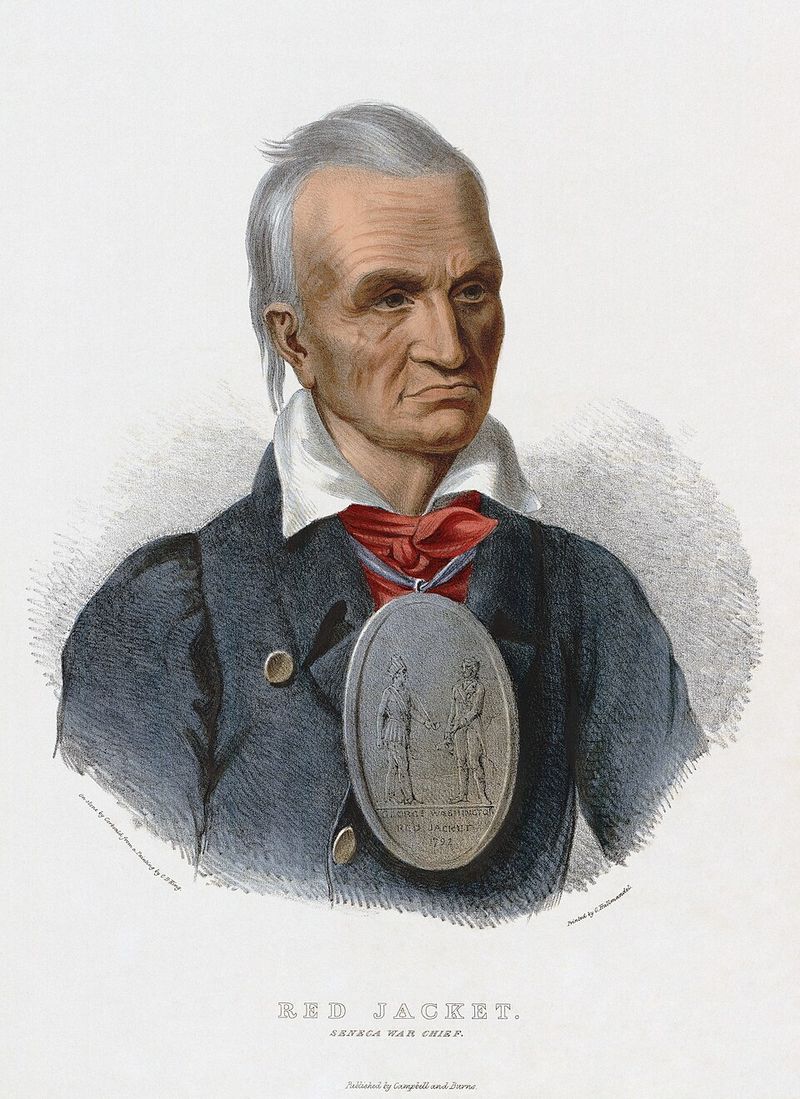
Red Jacket’s oratory skills were legendary, his speeches defending Seneca land and sovereignty echoing through treaty councils and courtrooms. He argued passionately against Christian missionaries, insisting the Seneca had their own spiritual traditions and needed no conversion.
His eloquence could not stop the tide of land loss, but it preserved Seneca dignity and identity during a period of intense pressure. He died in 1830, a symbol of resistance through words, proving that language could be as powerful as any weapon in the fight for survival.



