 Unearth The Voyage
Some of the most breathtaking places in America aren’t on the typical tourist maps. They’re tucked away in mountain valleys, hidden along quiet coastlines, and nestled inside desert landscapes that most people drive right past.
These 17 spots prove that the best adventures are often the ones you have to seek out yourself. Pack your bags, because these magical destinations are waiting to be discovered.
Isle Royale National Park, Michigan
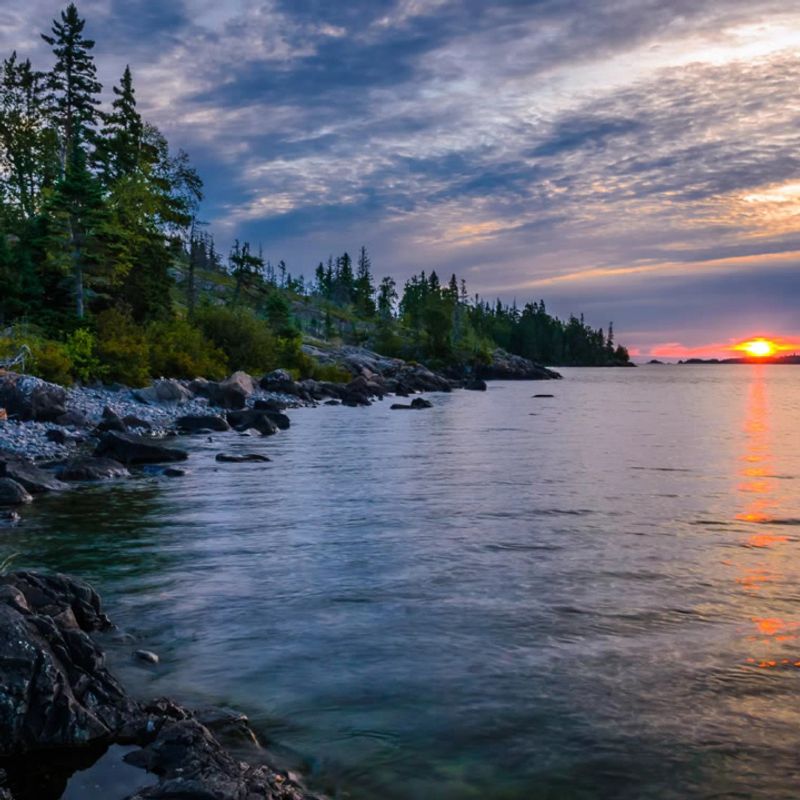
Getting to Isle Royale already feels like an adventure before you even step foot on land. Reachable only by boat or seaplane, this remote island park sits in the middle of Lake Superior and holds the title of one of the least visited national parks in the entire country.
That alone makes it pretty special.
Moose wander through the forests here like they own the place — because, honestly, they kind of do. Wolves roam the island too, making it one of the few places where you can witness a true predator-prey relationship in the wild.
No roads connect this island to the mainland, so the quiet is almost startling at first.
Hikers and kayakers who make the trip are rewarded with pristine trails, glassy lakes, and a deep sense of solitude that is nearly impossible to find anywhere else. There are no fast food restaurants, no cell service, and no distractions.
Just you, the wilderness, and the occasional loon calling across the water at dusk. If true disconnection is what you are after, Isle Royale delivers it completely.
Valley of Fire State Park, Nevada
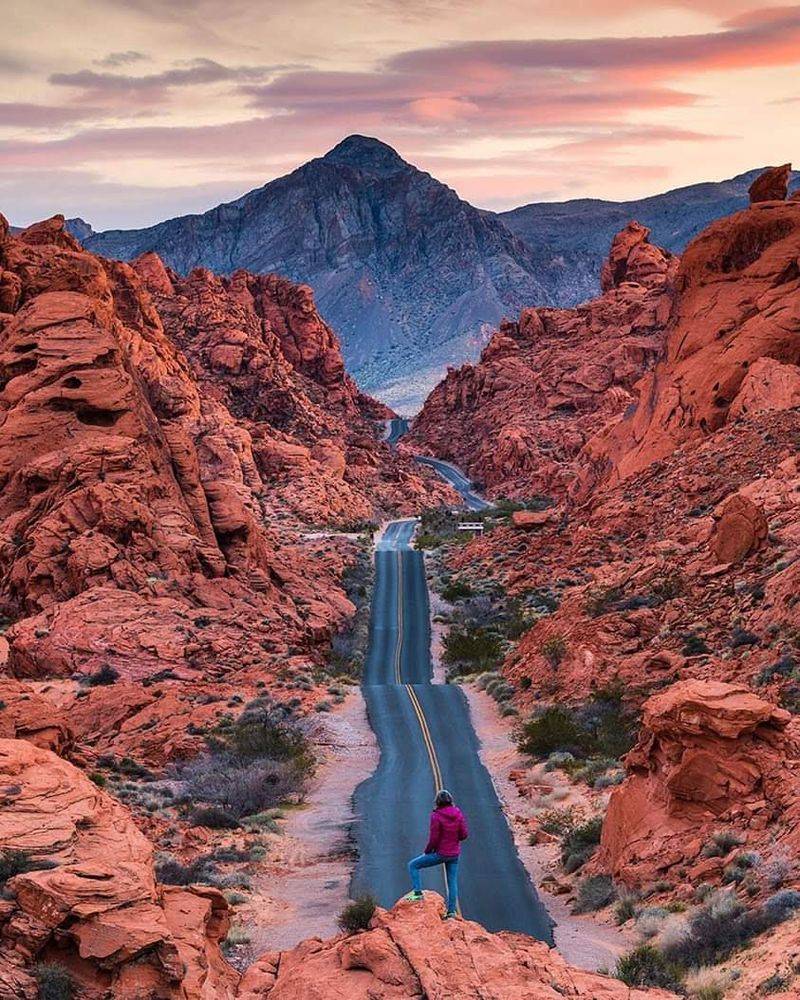
Just 50 miles from the neon chaos of Las Vegas, Valley of Fire looks like a film set for a sci-fi movie — except it is completely real. Blazing red sandstone formations twist and stack into shapes that seem almost too dramatic to believe.
The name is not an exaggeration; on a sunny afternoon, the rocks genuinely appear to be on fire.
Ancient petroglyphs etched by the Ancestral Puebloans thousands of years ago cover some of the rock walls here. Standing in front of them feels like reading a message from another era.
Photographers absolutely love golden hour here, when the warm light turns everything into a molten painting.
Despite sitting so close to one of the busiest tourist cities in America, Valley of Fire stays refreshingly uncrowded. Most Las Vegas visitors never bother making the short drive, which means you can wander through the surreal landscape with plenty of breathing room.
Sunrise hikes are especially rewarding, with cool temperatures and soft pink light washing over the formations. Bring plenty of water, wear sturdy shoes, and prepare to feel very small in the most wonderful way possible.
Apostle Islands, Wisconsin
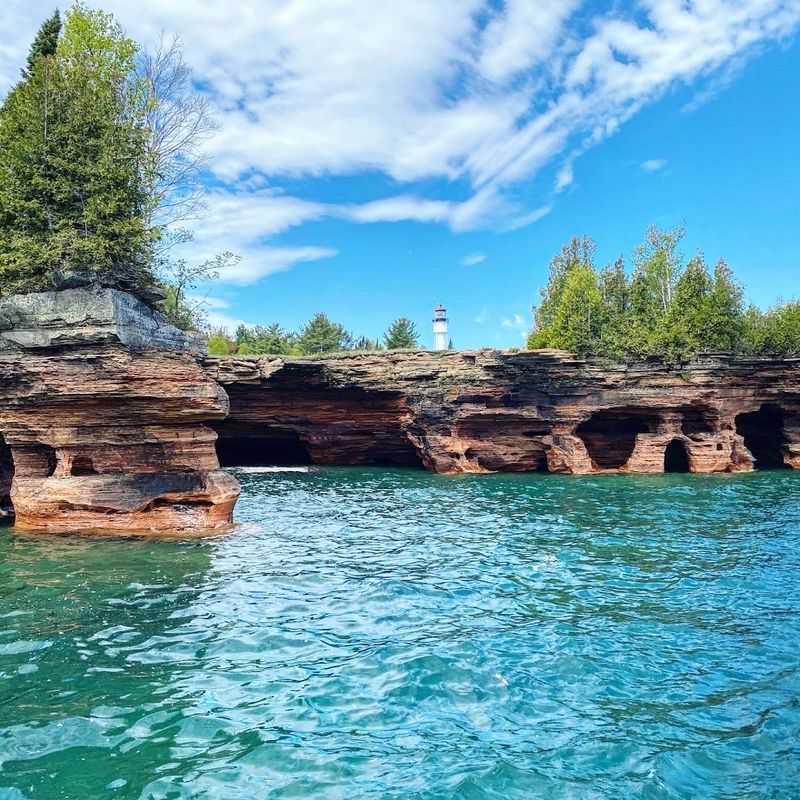
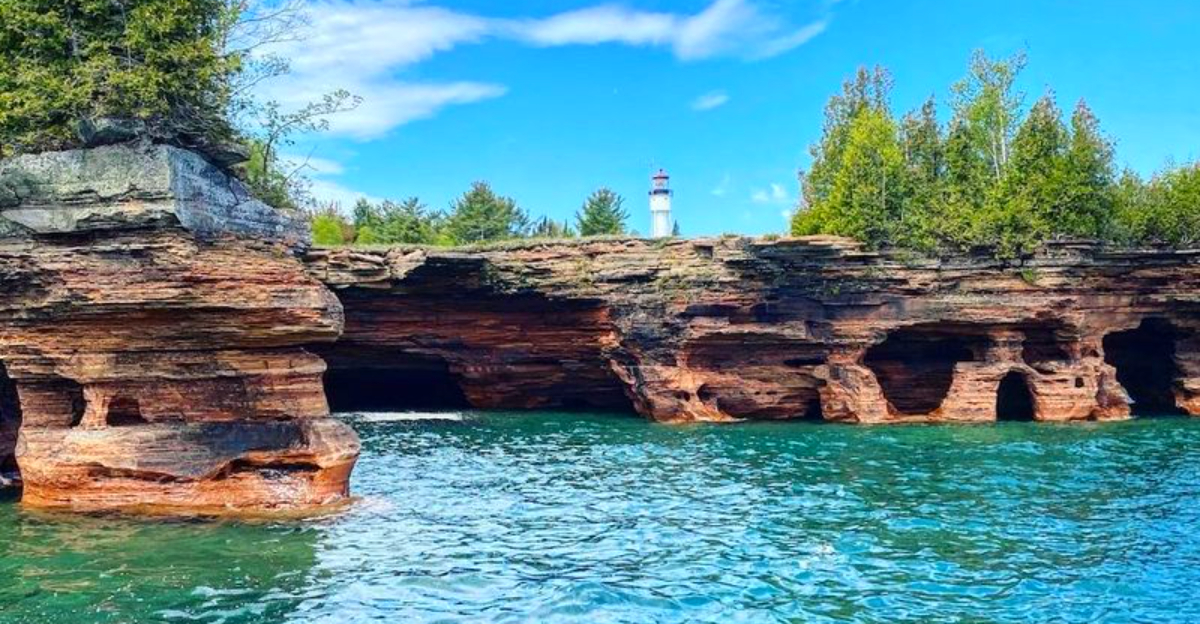
Frozen waterfalls dripping from sandstone cave ceilings — that is the kind of scene that greets winter visitors to the Apostle Islands. Located along the southern shore of Lake Superior in northern Wisconsin, this collection of 22 islands is a year-round destination that transforms completely with the seasons.
Most people have never even heard of it, which makes visiting feel like a real find.
Summer brings kayakers paddling through sea caves carved by centuries of waves, while autumn paints the forested islands in rich golds and reds. When winter arrives and the lake freezes, a completely different landscape emerges.
Ice formations coat the cave walls in shimmering curtains, drawing visitors who hike across the frozen lake to reach them.
Historic lighthouses dot the islands, some dating back to the 1800s, adding a layer of maritime history to the natural beauty. Camping on the islands during summer puts you right in the middle of everything — loons calling at night, clear skies full of stars, and morning mist rolling off the water.
Whether you come in July or January, the Apostle Islands guarantee a memory that sticks with you long after you get home.
Eureka Springs, Arkansas
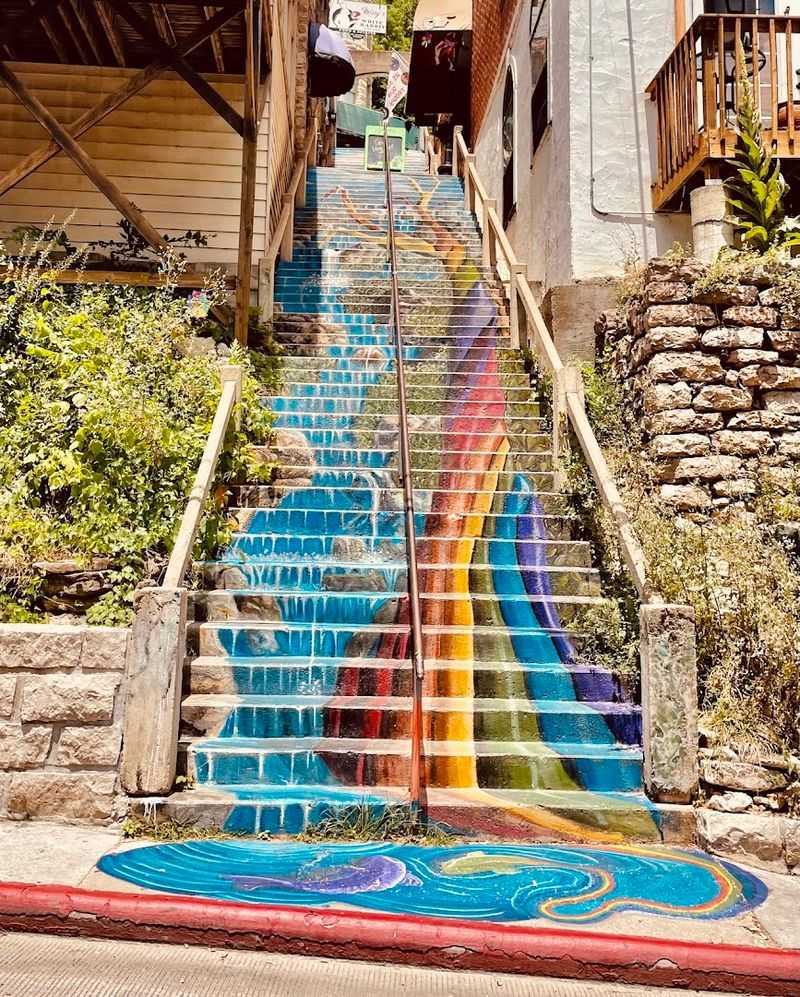
Eureka Springs does not follow a grid — its streets spiral and climb up the Ozark Mountains in directions that seem to make no logical sense, and that is exactly part of the charm. This tiny Arkansas town has been confusing and delighting visitors since the 1880s, when people flocked here for the supposedly healing natural springs.
Today the springs are mostly gone, but the magic absolutely remains.
Victorian architecture lines the hilly streets, painted in soft pastels and decorated with ornate details that make every block feel like a scene from a storybook. Local artists, musicians, and craftspeople have settled here over the decades, giving the town a creative energy that feels genuine rather than manufactured.
Quirky shops, independent galleries, and cozy restaurants fill the historic downtown.
The surrounding Ozark Mountains offer excellent hiking, with trails winding through dense forests and past clear streams. A tram tour through town is a fun way to get oriented without getting hopelessly lost on the winding roads.
Halloween in Eureka Springs is legendary — the town leans fully into its spooky reputation with ghost tours and haunted attractions. It is the kind of place that makes you wonder why you had never heard of it before.
Solvang, California

Windmills, wooden shoes, and fresh Danish pastries — welcome to Solvang, California, a town that committed so hard to its Danish heritage that it genuinely feels like you have been teleported to Scandinavia. Founded in 1911 by Danish immigrants looking for a familiar home in an unfamiliar land, this small Santa Ynez Valley village has kept its cultural identity alive and thriving for over a century.
The architecture here is the first thing that grabs your attention. Half-timbered buildings with thatched rooftop details, hand-painted signs, and decorative windmills line the main streets.
Bakeries overflow with aebleskiver — round Danish pancake balls dusted with powdered sugar — and the smell alone is enough to stop you in your tracks.
Solvang sits in the heart of California wine country, so pairing a pastry breakfast with a winery visit later in the day is a completely reasonable plan. Horse-drawn streetcar rides through town add an old-fashioned touch that kids and adults both enjoy.
The Hans Christian Andersen Museum pays tribute to the beloved Danish storyteller, adding a fairy-tale layer to an already whimsical destination. Solvang proves that you do not need a passport to experience a different culture.
Great Sand Dunes National Park, Colorado
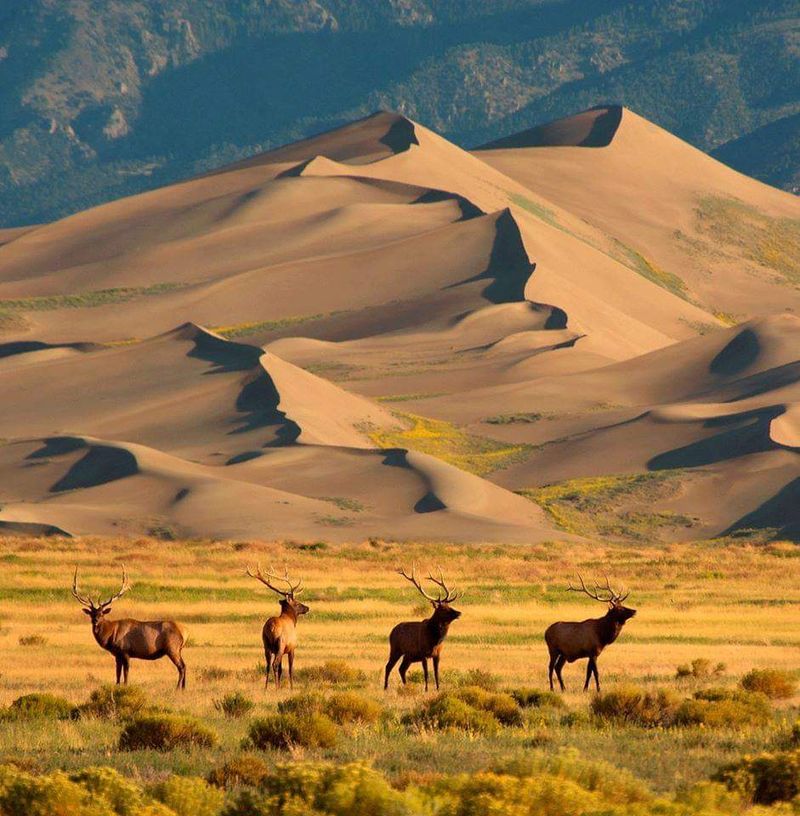
Standing at the base of North America’s tallest sand dunes while snow-capped mountains loom behind them is the kind of visual that makes your brain do a double take. Great Sand Dunes National Park in southern Colorado presents one of the most unexpected landscapes in the entire country.
Nothing quite prepares you for the moment the dunes come into view for the first time.
The dunes reach heights of over 700 feet, and climbing them is both exhausting and exhilarating. Sandboarding down the steep faces is popular with younger visitors and anyone willing to look slightly ridiculous in the name of fun.
A shallow creek called Medano Creek flows at the base of the dunes in spring and early summer, creating a natural wading spot that feels almost tropical against the desert backdrop.
Stargazing here is exceptional, as the park is designated as an International Dark Sky Park. On a clear night, the Milky Way stretches across the sky in a way that most city dwellers have simply never experienced.
Wildlife including black bears, elk, and pronghorn roam the surrounding grasslands and forests. The combination of ecosystems packed into one park makes every visit feel like exploring multiple destinations at once.
Cumberland Island, Georgia
Wild horses wander across the beach here as if they have never seen a tourist in their lives — and honestly, thanks to strict visitor limits, they probably have not seen many. Cumberland Island, Georgia’s largest barrier island, allows fewer than 300 visitors per day, which keeps the experience feeling genuinely wild and unhurried.
Reaching the island requires a ferry ride from the small town of St. Marys, adding to the sense of arrival.
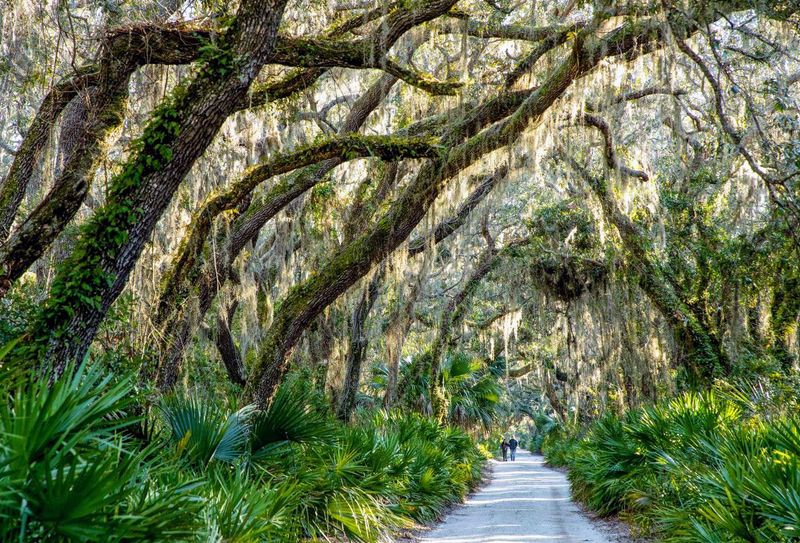
The island’s maritime forest is draped in Spanish moss, creating cathedral-like canopies along the unpaved trails. Ruins of the Carnegie family’s Dungeness mansion sit quietly in the trees, slowly being reclaimed by nature in the most hauntingly beautiful way.
Armadillos, loggerhead sea turtles, and white-tailed deer share the island with those lucky enough to visit.
Camping on Cumberland Island is one of the most memorable outdoor experiences on the East Coast. Falling asleep to the sound of ocean waves with zero light pollution overhead is a luxury that money alone cannot buy — it requires planning ahead and booking a campsite well in advance.
Day visitors can also explore the beaches and trails, but staying overnight gives you the island almost entirely to yourself after the ferry leaves.
North Cascades National Park, Washington
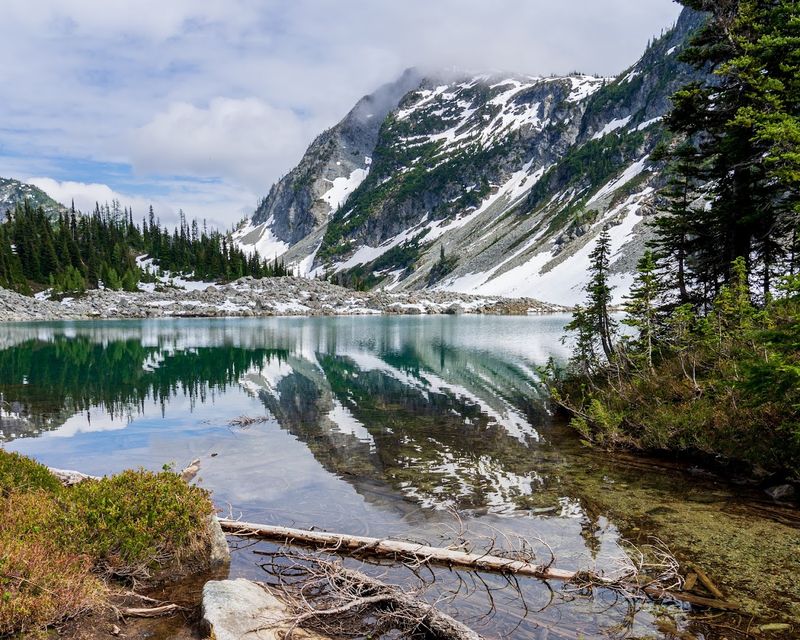
More glaciers exist within North Cascades National Park than anywhere else in the contiguous United States outside of Alaska — over 300 of them, tucked among peaks so dramatic they look almost hand-drawn. Yet somehow, this Washington state gem consistently flies under the radar while nearby Olympic and Mount Rainier National Parks get all the attention.
Their loss is your gain.
The park’s remote location along the North Cascades Highway means fewer crowds and longer stretches of trail where you might not see another person for hours. Turquoise glacial lakes reflect the jagged peaks above them with almost mirror-like precision, particularly at Diablo Lake, which gets its vivid color from glacial rock flour suspended in the water.
Wildlife encounters are common on quieter trails — black bears, mountain goats, and even the occasional gray wolf have been spotted by patient hikers. The drive through the park alone, known as the North Cascades Scenic Highway, is worth the trip even if you never leave your car.
Ross Lake stretches along the highway corridor, offering kayaking and fishing in a setting of almost absurd natural beauty. For anyone who loves mountains but dislikes crowds, North Cascades is the answer.
Marfa, Texas

Somewhere in the high desert of West Texas, a small town of fewer than 2,000 people became one of the most talked-about art destinations in the world — and nobody fully agrees on how it happened. Marfa started gaining attention in the 1970s when minimalist artist Donald Judd moved there and began installing massive permanent art pieces in the landscape.
The art world followed, and Marfa has been quietly fascinating ever since.
The Marfa Lights are the town’s most mysterious attraction. These unexplained glowing orbs appear near the horizon on certain nights east of town, and scientists have been arguing about their origin for decades.
Whether they are natural atmospheric phenomenon, reflections, or something stranger, watching them from the official viewing platform with a group of equally puzzled strangers is genuinely entertaining.
The town itself has an almost cinematic quality — wide streets, adobe buildings, and an unhurried pace that feels rare in modern America. Excellent restaurants, independent bookshops, and design-forward hotels exist here alongside the empty desert landscape.
Prada Marfa, a fake Prada store permanently installed in the middle of nowhere on Highway 90, perfectly captures the town’s sense of humor. Marfa rewards curious travelers who appreciate the strange and the beautiful.
Jekyll Island, Georgia
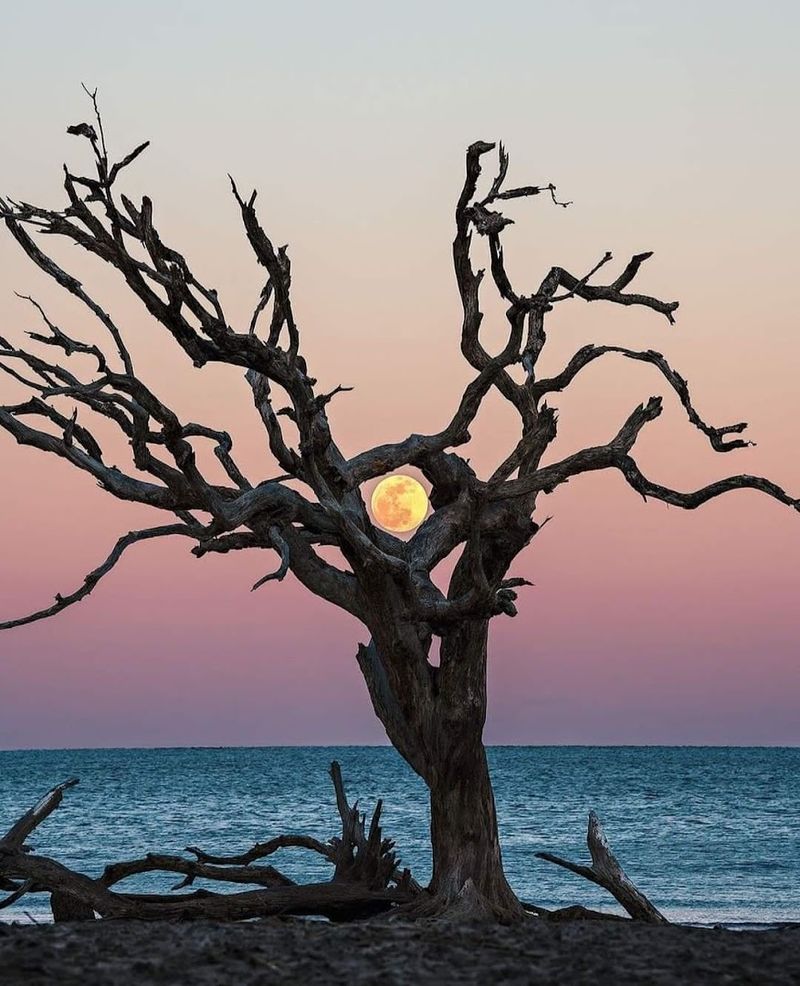
Driftwood Beach looks like something from a dream — or possibly a ghost story. Rows of ancient, bleached tree skeletons stand and lie across the sand, their twisted forms frozen in time by the shifting shoreline.
Jekyll Island’s most iconic spot has been photographed countless times, but seeing it in person, especially at sunrise, hits differently than any image can capture.
Jekyll Island has an interesting history beyond its beaches. In the late 1800s and early 1900s, it served as a private winter retreat for some of America’s wealthiest families, including the Rockefellers and Vanderbilts.
Their beautifully restored cottages and clubhouse now make up the Jekyll Island Historic District, offering a peek into Gilded Age excess.
The island’s bike trail network stretches for over 20 miles, winding through maritime forest and along the coast, making it easy to explore without a car. Sea turtle nesting season runs from May through October, and the island’s conservation program allows visitors to witness nest monitoring up close on organized tours.
The overall pace here is slow and deliberate, with no chain hotels or big commercial strips disrupting the natural scenery. Jekyll Island feels like a place that genuinely resisted the urge to become something louder than it needed to be.
Blue Lakes, Colorado
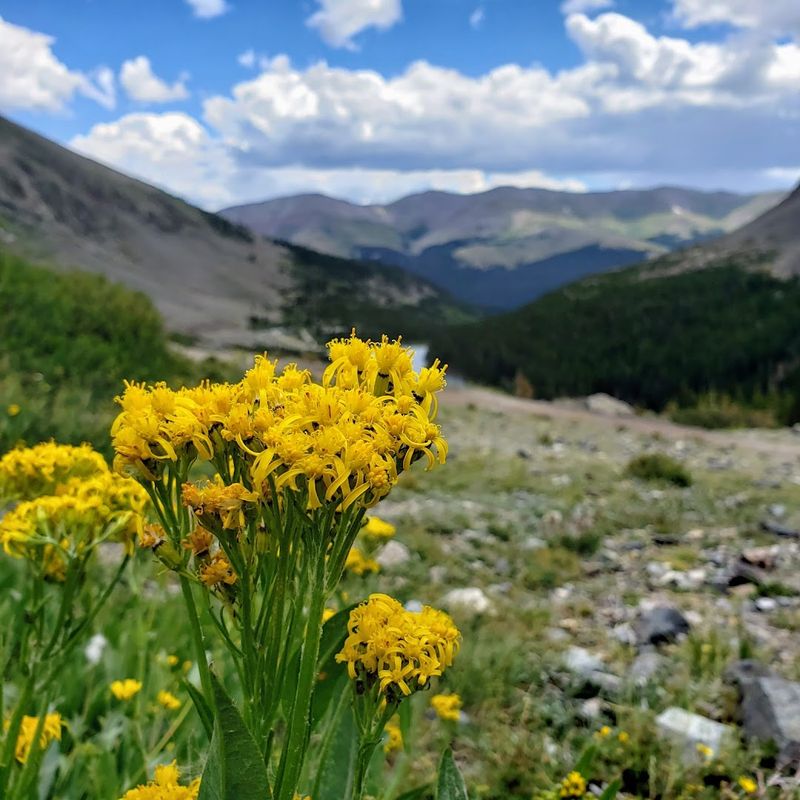
The color of Blue Lakes is the kind of thing that makes hikers stop mid-step and just stare. Sitting in a glacially carved basin in the San Juan Mountains near Ridgway, Colorado, these alpine lakes glow with an almost electric blue-green hue that seems too vivid to be natural.
Spoiler: it is completely natural, and it is even more striking in person than in photos.
The trailhead sits at around 9,400 feet, and the hike climbs steadily through spruce forests and open meadows before revealing the lower lake. Continuing upward leads to the middle and upper lakes, each one more dramatic than the last, with towering peaks of the Mount Sneffels Wilderness rising all around.
Wildflowers blanket the meadows in summer, turning the hike into a slow-moving sensory experience.
Because reaching the lakes requires a moderately challenging hike of about four miles round trip to the lower lake, casual visitors tend to stay away. That effort keeps the crowds manageable and the atmosphere serene.
Early morning visits reward hikers with glassy reflections on the water before afternoon winds ripple the surface. Autumn brings golden aspen groves to the lower trail, making the hike a completely different and equally beautiful experience late in the season.
Cache River State Natural Area, Illinois
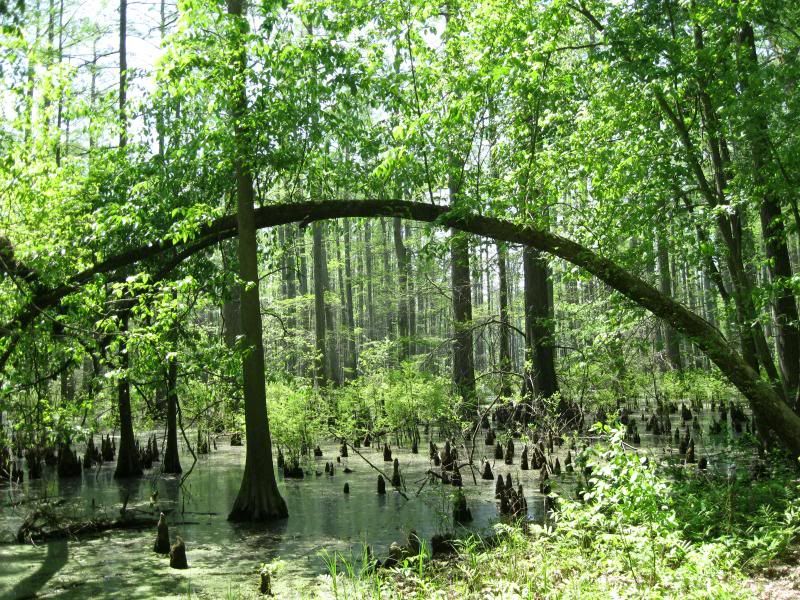
Most people picture cornfields and flat plains when they think of Illinois — not ancient cypress swamps draped in an eerie, cathedral-like silence. Cache River State Natural Area in the southern tip of the state holds some of the oldest trees in North America, including bald cypress trees that are over 1,000 years old.
Standing beside one of these giants, with its massive flared trunk rising from black water, is genuinely humbling.
The wetland ecosystem here is designated as a Wetland of International Importance, a distinction shared with some of the most significant natural areas on the planet. It provides critical habitat for migratory birds, making it a serious destination for birdwatchers who come from across the country during spring and fall migrations.
Over 200 bird species have been recorded here.
Kayaking or canoeing through the flooded forest is the most atmospheric way to experience Cache River. Paddling between cypress knees and under low-hanging branches while herons stand motionless in the water nearby is an experience that feels completely removed from the rest of Illinois.
Boardwalk trails offer a drier option for those who prefer to keep their feet above water. Either way, Cache River delivers a genuine surprise for anyone who assumed Illinois had nothing wild left to offer.
Cambria, California
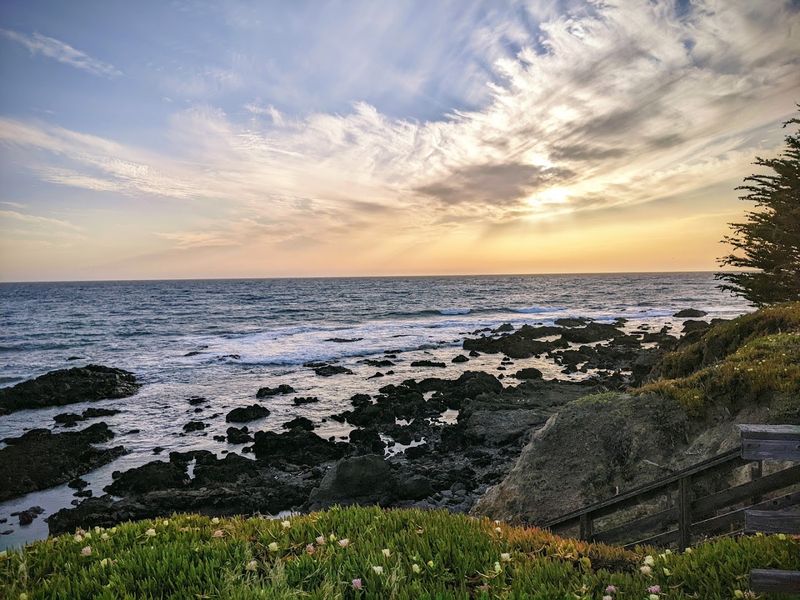
Cambria sits on California’s Central Coast like a well-kept secret that the locals would very much prefer to keep that way. Perched on Highway 1 between San Simeon and San Luis Obispo, this small town trades the busy energy of bigger coastal destinations for something quieter and more genuine.
The coastline here is raw and dramatic, with rocky bluffs, sea stacks, and crashing surf that photographers obsess over.
Moonstone Beach is the main draw, a stretch of shoreline named for the smooth moonstones and sea glass that wash up with the waves. Walking the boardwalk trail that runs along the bluff above the beach is one of those simple pleasures that reminds you why California coastline is so celebrated in the first place.
Elephant seals haul out on the nearby beaches seasonally, creating a wildlife spectacle that requires zero hiking to witness.
The town itself is filled with independent galleries, wine tasting rooms, and restaurants sourcing local seafood and produce. Nitt Witt Ridge, a quirky folk art structure built over decades by a local eccentric using found materials, adds an unexpected cultural stop to the visit.
Cambria attracts people who have already seen the California highlights and are ready for something a little more thoughtful and unhurried.
Ithaca, New York
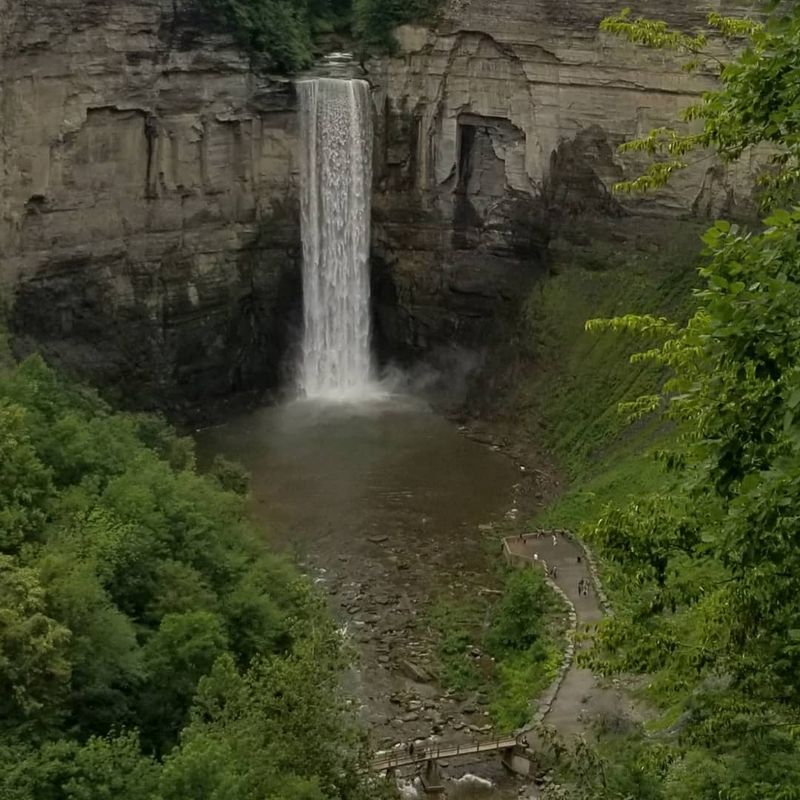
“Ithaca is gorges” reads the local bumper sticker, and yes, it is a pun — but it is also completely accurate. The area around Ithaca, New York contains more than 150 waterfalls within a 10-mile radius of downtown, a concentration of natural beauty that would be remarkable anywhere in the world.
The gorges that cut through the landscape are deep, dramatic, and accessible on trails that wind right alongside the cascading water.
Buttermilk Falls, Taughannock Falls, and the trails of Robert H. Treman State Park each offer their own version of waterfall magic.
Taughannock Falls drops 215 feet — taller than Niagara Falls — into a wide amphitheater of stone walls. Swimming holes at the base of several falls are popular on summer days, turning a hike into a full afternoon adventure.
Cornell University and Ithaca College bring a lively, intellectual energy to the town, supporting a food scene, arts community, and music culture that punches well above the city’s modest size. The Ithaca Farmers Market on the waterfront is a Saturday institution, with local produce, crafts, and live music in a beautiful outdoor setting.
Ithaca manages to be a college town, a nature destination, and a genuine community all at once, which is a combination that is harder to pull off than it sounds.
Saranac Lake, New York
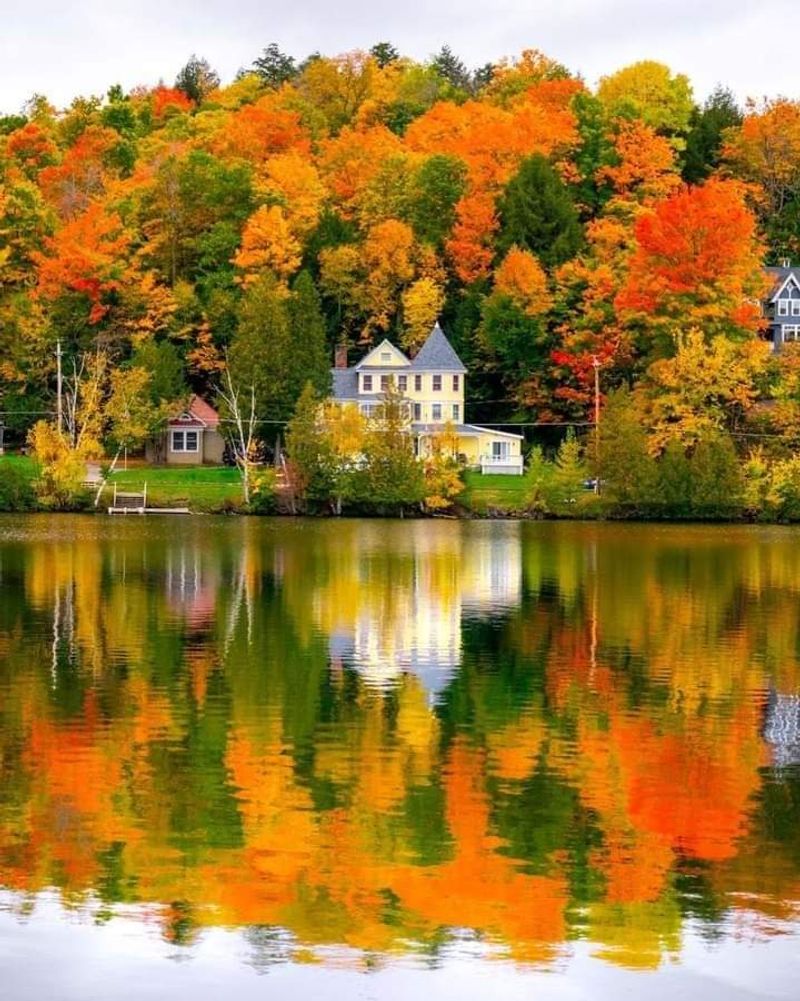
There is a particular kind of quiet that exists on an Adirondack lake in the early morning, when mist hangs just above the water and the only sound is a distant loon. Saranac Lake sits at the heart of this experience, offering a small-town atmosphere surrounded by over six million acres of protected Adirondack wilderness.
It is the kind of place that feels like it belongs to a slower, more sensible era.
The town itself has genuine character, with a historic downtown, locally owned restaurants, and a community that clearly loves where it lives. The Saranac Lake Winter Carnival, held every February, is one of the oldest winter festivals in the eastern United States, featuring an ice palace built entirely by volunteers each year.
That kind of community investment in celebration says a lot about the spirit of the place.
Paddling the interconnected waterways of the St. Regis Canoe Area, just north of town, is considered one of the finest canoe camping experiences in the Northeast. Dozens of primitive campsites on lake islands can only be reached by water, creating a backcountry experience that feels remote without requiring extreme skill or fitness.
Hiking trails in the surrounding High Peaks region satisfy those who prefer elevation. Saranac Lake rewards visitors who slow down enough to actually notice where they are.
St. Simons Island, Georgia
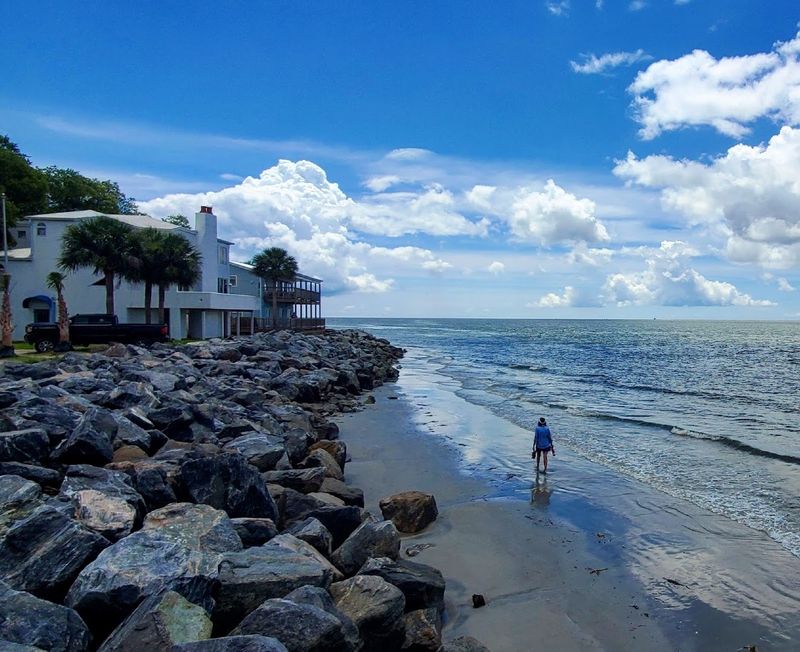
The live oak trees on St. Simons Island have been growing for centuries, and walking beneath their arching, moss-draped branches feels like passing through something ancient and unhurried. This barrier island off the Georgia coast has a personality entirely different from the flashier beach destinations nearby — quieter, more rooted, and deeply charming in a way that builds on you slowly rather than hitting you all at once.
The island’s beaches are uncrowded compared to Florida’s coastline just to the south, and the village area has a genuine small-town feel with independent shops, seafood restaurants, and a historic lighthouse dating back to 1872. Fort Frederica National Monument preserves the ruins of an 18th-century British fort, adding a layer of colonial history to the natural scenery.
Biking is one of the best ways to explore the island, with flat paths winding through neighborhoods shaded by those magnificent oak canopies. East Beach draws surfers when swells roll in, while the calmer pier area suits families looking for a relaxed afternoon of fishing and pelican watching.
St. Simons has been quietly recognized by travel writers as one of the most underrated coastal destinations in the American Southeast, yet it somehow keeps its low-key character intact. Some places just know how to stay themselves.
Ouray, Colorado
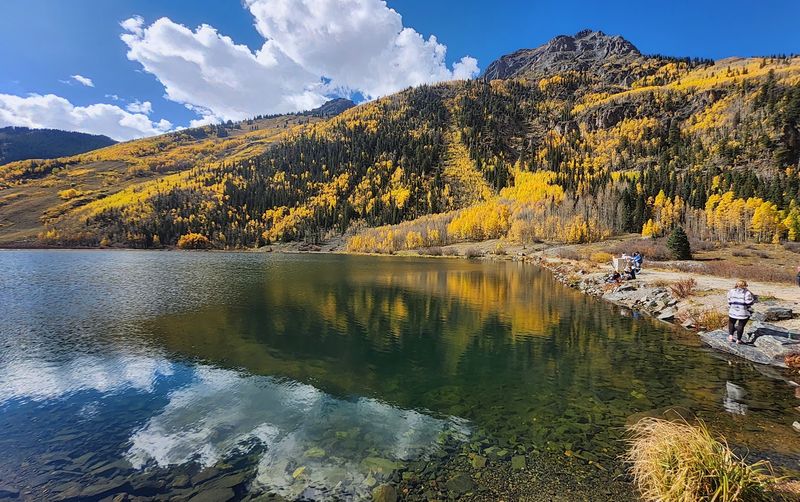
Ouray is the kind of town that makes you pull over the car, roll down the window, and just look. Sitting at 7,792 feet in a tight box canyon ringed by the San Juan Mountains, this Colorado gem earns its nickname — the Switzerland of America — without even trying.
Waterfalls spill down the canyon walls in summer, and the whole scene has an almost theatrical quality that feels designed rather than natural.
The Ouray Ice Park draws climbers from around the world every winter, when the canyon walls are artificially and naturally frozen into towering pillars of ice. Watching skilled climbers pick their way up these formations from the viewing walkway above is thrilling even for people who have zero interest in attempting it themselves.
The park is free to access and runs through the canyon just below town.
Hot springs have been flowing here since long before the town existed, and the Ouray Hot Springs Pool offers a soak with mountain views that ranks among the most enjoyable experiences in Colorado. The Million Dollar Highway, stretching south from Ouray toward Silverton, is one of the most spectacular — and occasionally terrifying — mountain drives in the country.
Narrow lanes, sheer drop-offs, and breathtaking scenery make every mile memorable. Ouray stays small by choice, and that restraint is exactly what makes it so remarkable.



