Italy has a coastline that refuses to play it cool. From the wild cliffs of Sardinia to the sun-bleached shores of Sicily, the country is packed with beaches that genuinely compete for the title of most jaw-dropping.
I have spent more time than I care to admit researching, visiting, and daydreaming about Italian beaches, and narrowing it down to 17 was genuinely painful. Whether you are after turquoise coves, dramatic rock formations, or a classic town beach with great pasta nearby, this list has something worth booking a flight for.
Spiaggia dei Conigli, Lampedusa
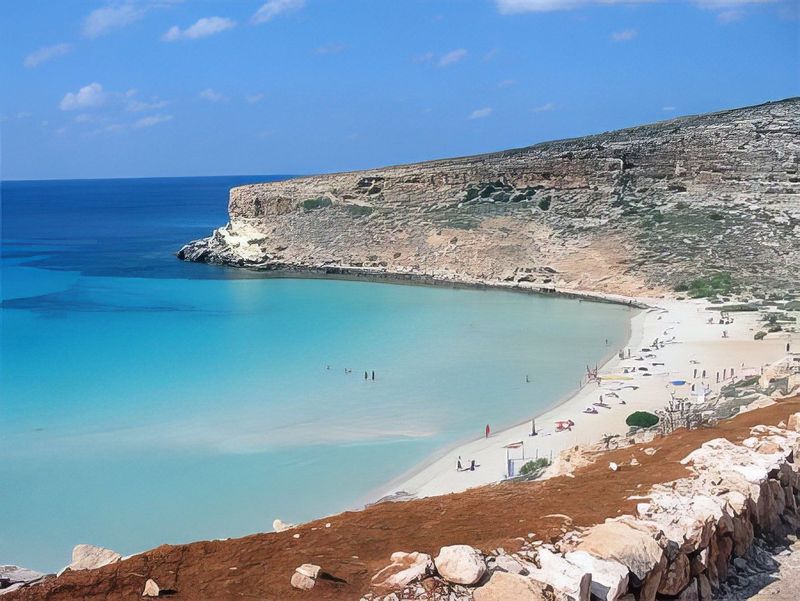
Voted one of the world’s best beaches more than once, Spiaggia dei Conigli sits on Lampedusa, a tiny island closer to Tunisia than to Rome. The pale sand and shallow turquoise water look almost too good to be real, but trust me, they are absolutely real.
This beach is part of a protected nature reserve, which means summer visits require advance online booking. Far from being a hassle, that rule is exactly what keeps it from turning into a crowded mess.
Loggerhead sea turtles nest here, and the conservation effort is genuine.
Getting down to the beach involves a walk, so bring water, sunscreen, and decent footwear. The view from above the bay is genuinely stunning, with the water glowing like a blue lantern.
If you only visit one beach in southern Italy, this is a very strong argument for making it this one.
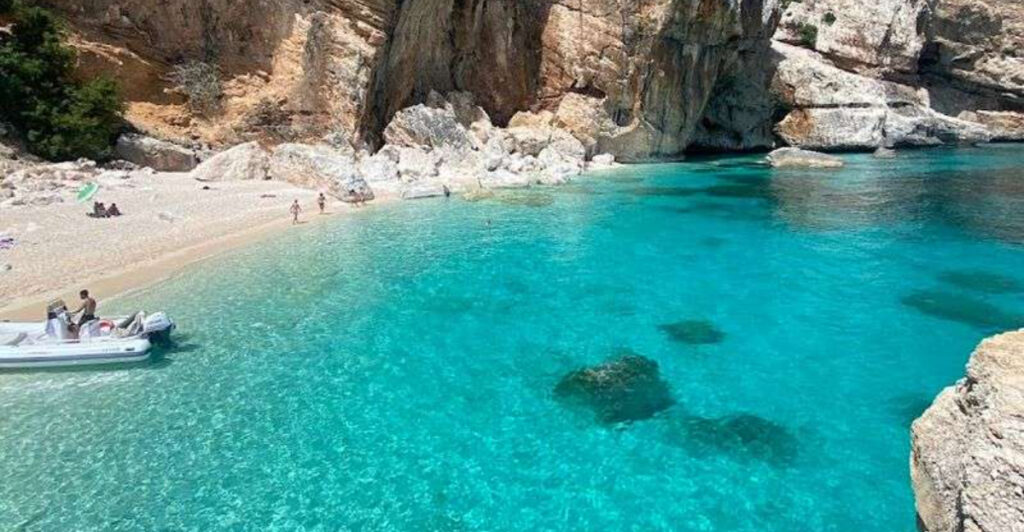
Cala Goloritzè, Baunei, Sardinia
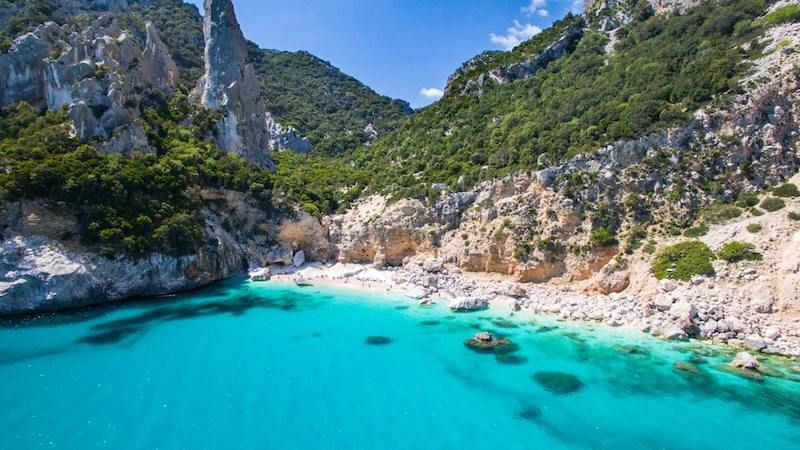
There is a rock pinnacle at Cala Goloritzè that shoots straight up from the cliff like nature decided to show off. This beach on Sardinia’s Gulf of Orosei is one of those places that makes you wonder why anyone bothers with ordinary holidays.
Reaching it is part of the experience. Most visitors hike down from the Golgo Plateau, and access is regulated to protect the landscape.
Boats can cruise past and admire the view, but landing directly on the beach is restricted, which keeps it refreshingly unspoiled.
The natural arch alone is worth the trek. Cala Goloritzè is a UNESCO-nominated site, and the limestone cliffs, clear water, and wild atmosphere earn every bit of that recognition.
This is firmly a beach for travelers who like their coastline dramatic, their legs slightly tired, and their photos completely unfiltered.
La Pelosa, Stintino, Sardinia
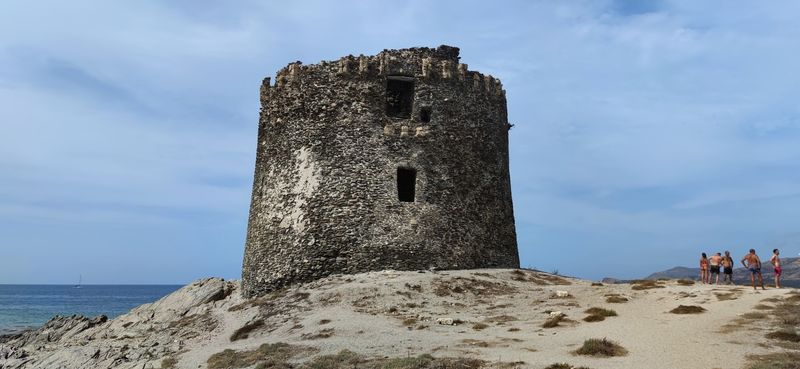
La Pelosa has one of those views that makes people stop mid-sentence. The water is so shallow and so brilliantly turquoise that first-time visitors often assume the photos have been edited.
They have not.
Because the beach is both fragile and wildly popular, access is capped during peak season and online booking is required. Visitors also follow rules to protect the dunes, including placing a mat under towels to stop sand erosion.
It sounds fussy until you see how beautiful the place still is because of those rules.
The old Aragonese tower sitting offshore gives the whole scene a distinctly cinematic quality. La Pelosa delivers that classic postcard moment that Sardinia is famous for, but planning ahead is non-negotiable in July and August.
Book early, arrive on time, and you will leave with photos that embarrass every other beach you have ever been to.
Cala Mariolu, Baunei, Sardinia
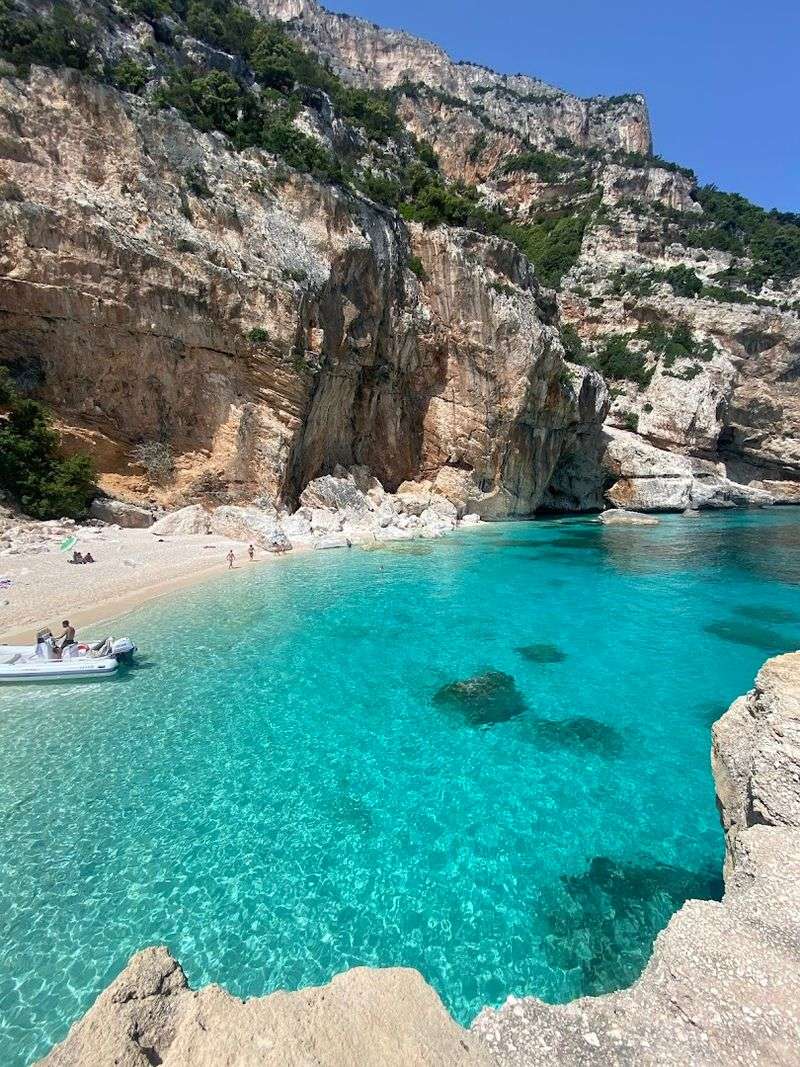
Forget sand. Cala Mariolu does things differently, with a shore made of tiny white and pink pebbles that make the water look almost unnaturally clear.
It is one of those beaches where you keep checking the photos afterward because you cannot quite believe the color was real.
Most visitors arrive by boat from Cala Gonone, Santa Maria Navarrese, or Arbatax, which is by far the easiest option. Hiking in is possible but genuinely tough, so unless you are an experienced trail walker with solid footwear, the boat is the smarter call.
The surrounding cliffs and rock formations give Cala Mariolu a sheltered, almost secret quality. Snorkeling here is excellent, and the underwater visibility matches what you see from above.
Summer crowds are real, so arriving early or visiting in late September can make a significant difference to how the whole day feels.
Cala Luna, Gulf of Orosei, Sardinia
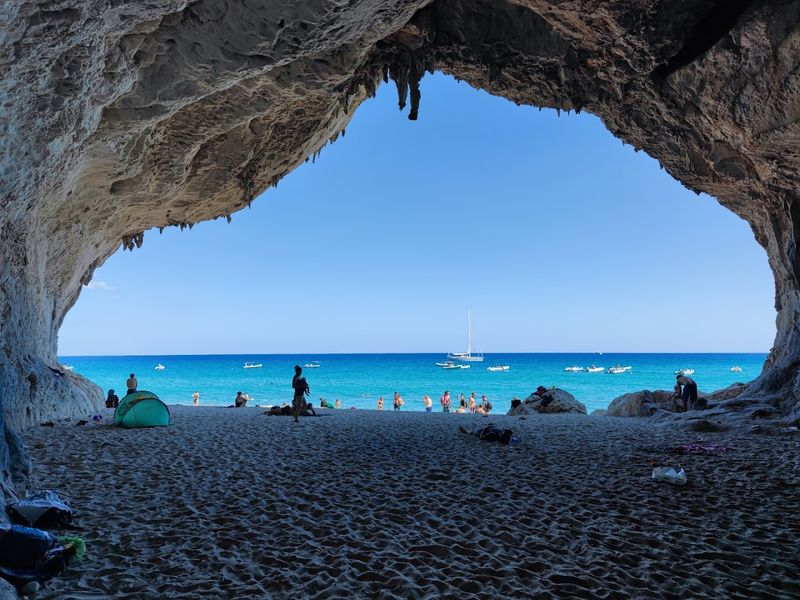
Cala Luna has sea caves. That already puts it in a different league from most beaches.
Tucked between Dorgali and Baunei on Sardinia’s east coast, this long crescent beach is framed by limestone cliffs and natural caves that provide shade and a genuinely dramatic backdrop.
Getting here by boat from Cala Gonone is the most popular option, and for good reason. The approach from the water gives you a view of the full bay that is hard to top.
Hiking in from Cala Fuili is also possible, but the trail is challenging and better suited to confident walkers.
Cala Luna manages to feel both wild and accessible, which is a rare combination on this rugged stretch of coastline. The water is clear, the setting is theatrical, and the caves provide natural shade when the afternoon sun gets serious.
It is the kind of beach that makes you rearrange your entire itinerary.
Cala Brandinchi, San Teodoro, Sardinia
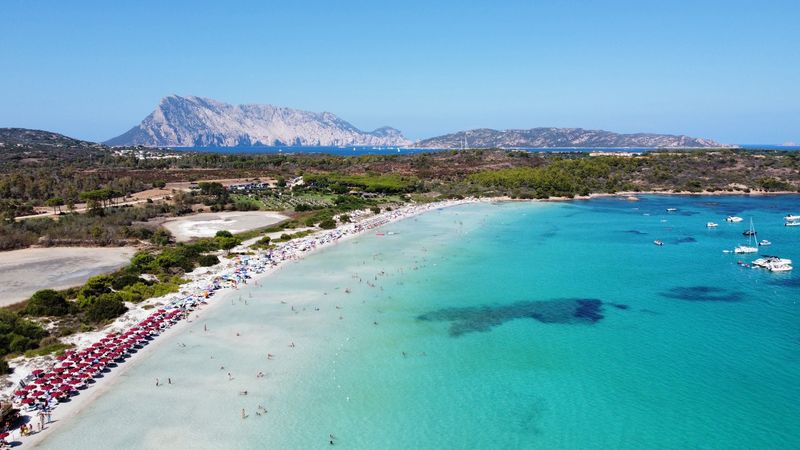
People call Cala Brandinchi “Little Tahiti,” and honestly, the nickname holds up. The sand is pale, the water is shallow and absurdly clear, and the island of Tavolara sits in the distance like a natural piece of set design.
Located near San Teodoro in northeastern Sardinia, this beach is a genuine crowd-pleaser for families. The shallow water stretches far out from the shore, making it calm, safe, and perfect for anyone who prefers wading to swimming.
Services are nearby, though the beach fills up quickly during July and August.
What makes Cala Brandinchi stand out from other popular Sardinian beaches is how approachable it is. No difficult hike, no boat transfer, no complicated booking system.
Just exceptional water and soft sand with a view that punches well above its effort level. Sometimes the easiest option really is the best one.
Tuerredda, Teulada, Sardinia
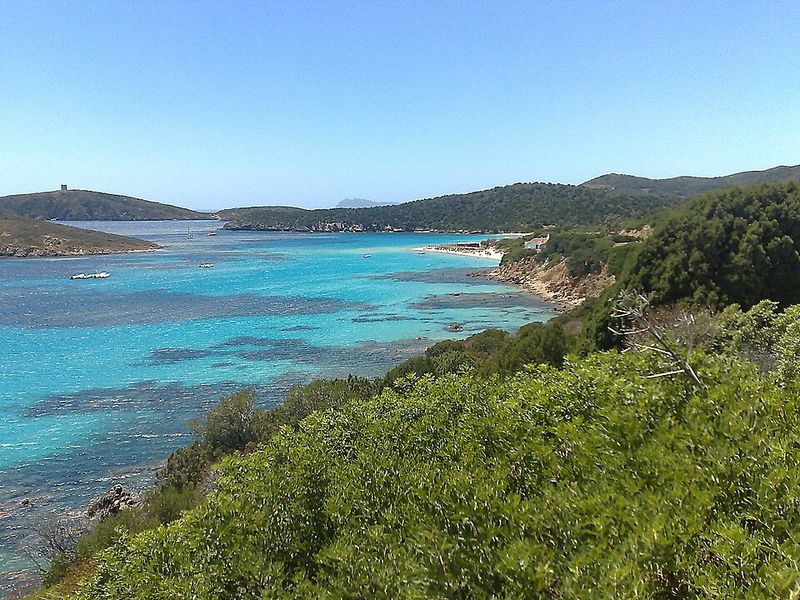
Southern Sardinia does not get the same hype as the east coast, but Tuerredda is quietly making a very convincing case for a rethink. Set between two capes near Teulada, this bay has pale sand, calm clear water, and a small island offshore that gives the whole scene a polished, almost theatrical look.
Access is managed during summer to prevent overcrowding, so checking availability before you go is genuinely important, especially in July and August. The good news is that the restrictions exist to keep the beach in excellent condition, and it shows.
Tuerredda is a strong option if you are based near Chia or Cagliari and want a beach that rewards a bit of planning. The water is consistently calm, the setting is beautiful, and the southern Sardinia coast in general feels less rushed than the more famous stretches further north.
Worth every bit of the drive.
Baia dei Turchi, Otranto, Puglia
The name translates to “Bay of the Turks,” a nod to a 15th-century Ottoman landing that is now mostly remembered by the beach’s name and a few local history books. These days, the only invasion happening here is from Italian families with coolers and umbrellas.
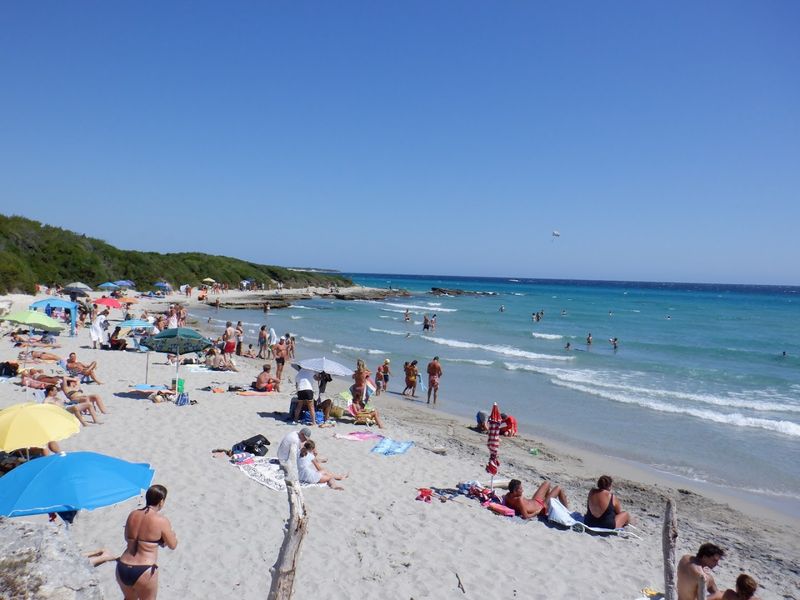
Baia dei Turchi sits inside a protected coastal area north of Otranto in the heel of Italy’s boot. The Adriatic water is clear, the beach has sandy sections, and the natural scrub behind the shore keeps it feeling less developed than many popular spots along the Salento coast.
Visitors park nearby and walk through the nature area to reach the water, which adds a pleasant ten-minute buffer between the car park and the beach. Otranto itself is a beautiful town worth a full afternoon, so combining the two makes for an excellent day out in Puglia.
San Vito Lo Capo Beach, San Vito Lo Capo, Sicily
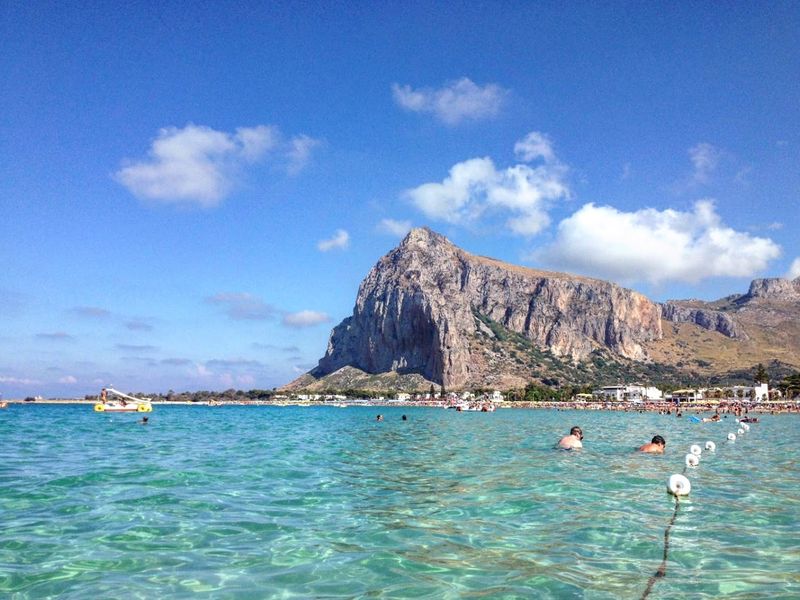
San Vito Lo Capo is the kind of Sicilian town that makes you want to cancel your return flight. The beach is long, the sand is pale and fine, and Monte Monaco rises sharply behind the town like a geological exclamation point.
Unlike many of Italy’s most beautiful beaches, this one is genuinely easy to enjoy. Restaurants, bars, and hotels are right there, which makes it an excellent choice for families or anyone who wants great swimming without sacrificing a cold drink and a decent lunch.
The couscous festival held here every September is also absolutely worth planning around.
The nearby Zingaro Nature Reserve adds serious value to a stay in San Vito Lo Capo. Smaller coves, walking trails, and quieter swimming spots are just a short drive away.
It is a beach town that offers both convenience and access to wilder coastal scenery, which is a genuinely useful combination.
Tropea Beach, Tropea, Calabria
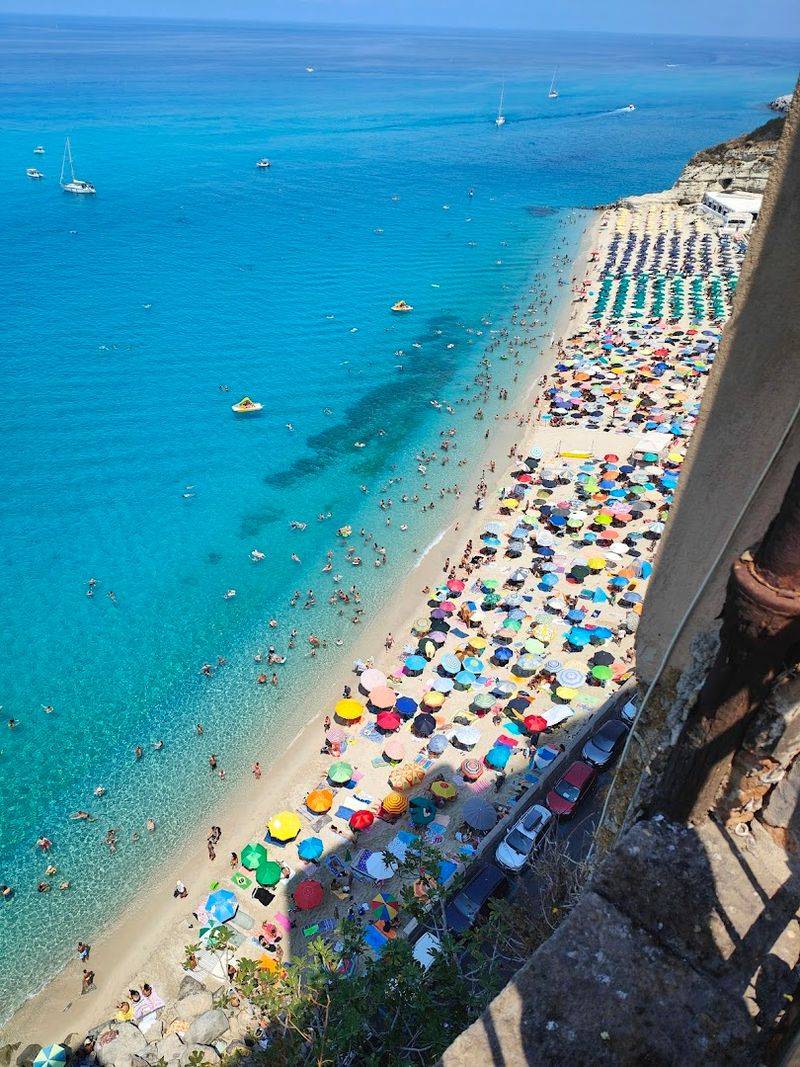
Tropea is basically showing off. The town sits on a sandstone cliff high above the Tyrrhenian Sea, and the Sanctuary of Santa Maria dell’Isola rises from a rocky promontory like something from a film set.
The beach below has clear blue water and a backdrop that other Italian towns would absolutely be jealous of.
One of the best things about Tropea is how much you can pack into a single day. Swim in the morning, walk up into the old town for lunch, browse the famous red onion stalls in the afternoon, and watch the sunset from the cliff edge.
That is a very solid Thursday in Calabria.
The water is typically clear and calm, and the beach has both free and paid sections. Tropea is best for travelers who want sea, history, and food all within walking distance of each other.
Calabria in general is underrated, and Tropea is its most photogenic argument.
Cala Rossa, Favignana, Sicily
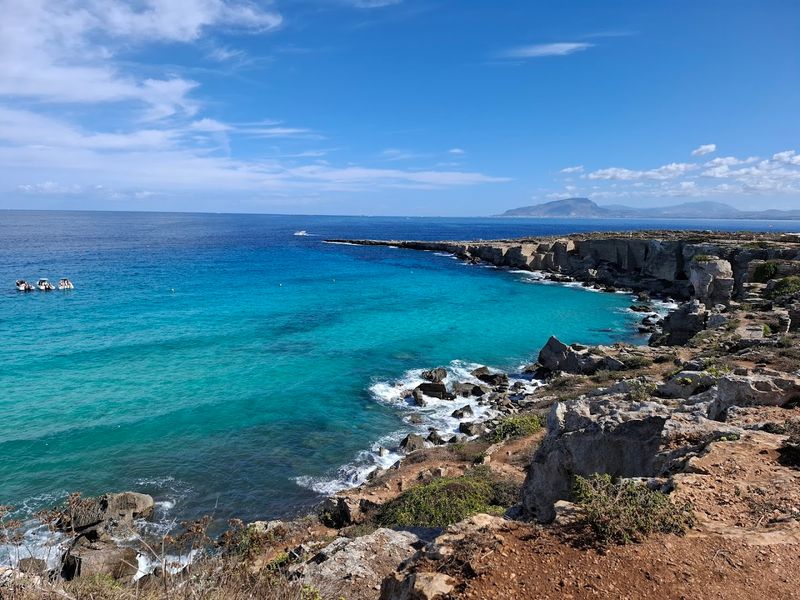
Cala Rossa does not have sand, and it absolutely does not care. This rocky cove on Favignana, the largest of the Egadi Islands off western Sicily, has water so intensely blue it looks like someone turned up the saturation on the whole bay.
The name means “Red Cove,” a reference to the old tuna fishing that once happened here, a tradition that has mostly faded but left behind a rich local history. Today, visitors come for the swimming and snorkeling, both of which are exceptional thanks to the clear water and interesting underwater terrain.
Water shoes are a smart move given the rocky shore. Most people reach Cala Rossa by bike, scooter, or boat while exploring Favignana, which is a small enough island to cover comfortably in a day.
The whole Egadi archipelago is one of Sicily’s most underrated coastal destinations, and Cala Rossa is its standout moment.
Scala dei Turchi, Realmonte, Sicily
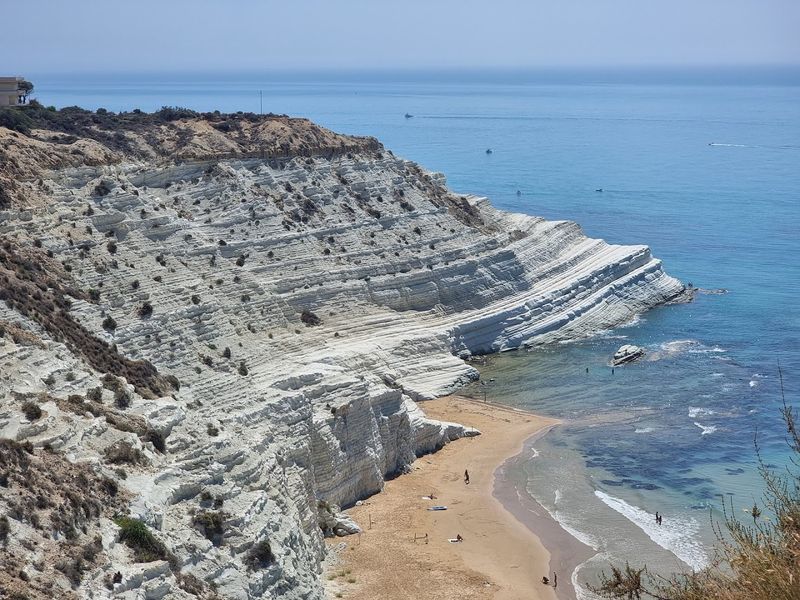
Scala dei Turchi looks like someone carved a giant white staircase into the cliff face and then forgot to explain why. The brilliant white marl formations near Realmonte are one of Sicily’s most recognizable landmarks, and they glow almost luminously against the blue sea below.
Access to the cliff area is now ticketed and time-slotted, which is a significant change from the free-for-all it used to be. The restrictions exist because years of unrestricted foot traffic were genuinely damaging the rock.
The nearby beach area still lets you appreciate the view without walking directly on the white surface.
Agrigento and its famous Valley of the Temples are close by, making Scala dei Turchi an easy addition to a broader Sicilian itinerary. It is a strong choice for travelers who like their beach days seasoned with a bit of geology and a lot of dramatic scenery.
Sicily keeps delivering.
Baia del Silenzio, Sestri Levante, Liguria
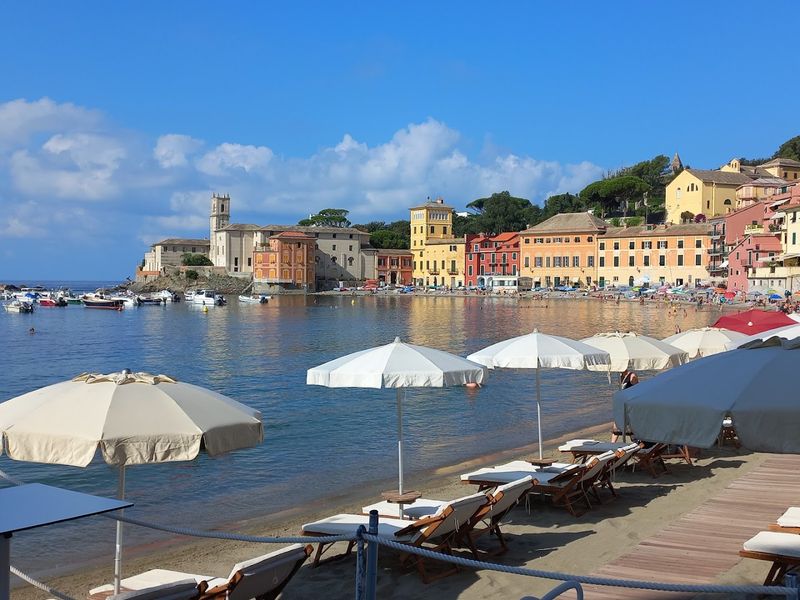
The Bay of Silence earned its name honestly. Tucked beside pastel-colored buildings in Sestri Levante on the Ligurian coast, this small bay has a calm, unhurried quality that feels genuinely restorative, especially after a day navigating Italy’s busier tourist spots.
Hans Christian Andersen was apparently so taken with Sestri Levante that he named it his favorite Italian town. The town now holds an annual fairy tale festival in his honor, which is either charming or wonderfully extra depending on your perspective.
Either way, the bay is as pretty as advertised.
Baia del Silenzio is not a wild or secluded beach, and that is exactly the point. You swim, you dry off, you walk into the old town for a focaccia, and you watch the light change over the water from a cafe.
It is the Italian Riviera doing what it does best, which is making ordinary afternoons feel quietly perfect.
Cala Violina, Scarlino, Tuscany
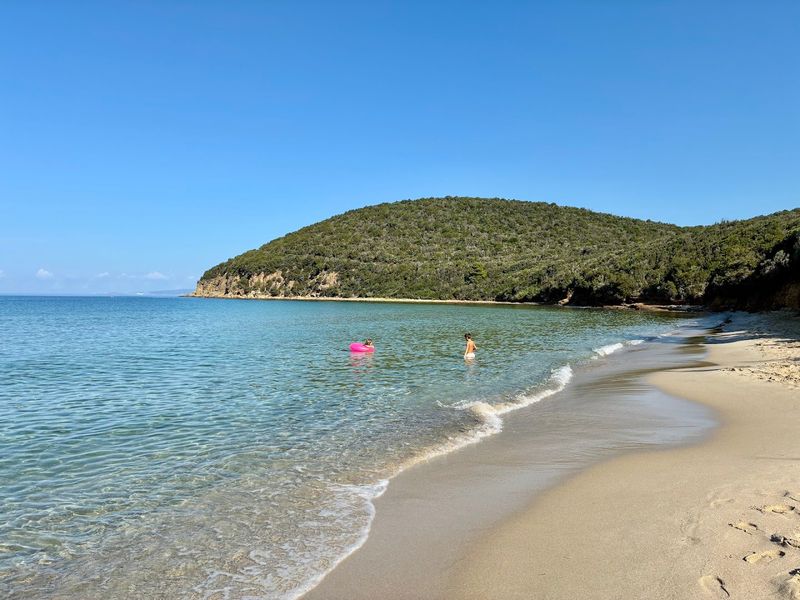
Cala Violina gets its name from the soft sound the pale sand makes underfoot, a faint, almost musical squeak that has been compared to a violin. It is either the most poetic beach name in Italy or the most elaborate excuse to charge an entry fee.
Probably both.
Located inside the Scarlino nature reserve in the Maremma area of Tuscany, this beach has clear water, thick Mediterranean greenery, and a genuinely natural feel. Daily visitor numbers are capped during summer, and booking ahead is required.
You also reach it on foot or by bicycle, which keeps the atmosphere calm and the sand surprisingly clean.
Tuscany is not usually the first region people think of for beaches, but the Maremma coast consistently surprises visitors. Cala Violina is the standout example, offering a protected natural setting that feels more like Sardinia than mainland Tuscany.
That is a very welcome surprise for anyone who shows up expecting vineyards.
Spiaggia delle Due Sorelle, Sirolo, Marche
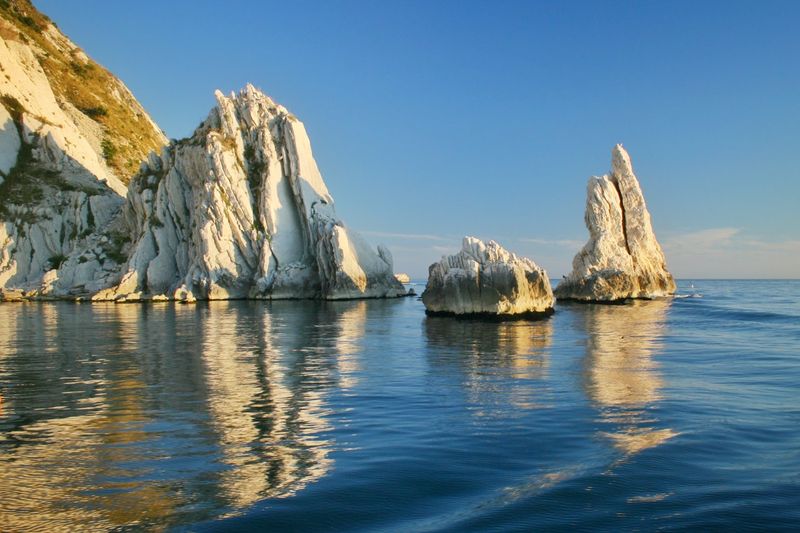
Two white rock stacks rise from the Adriatic like siblings refusing to be separated, which is exactly how Spiaggia delle Due Sorelle, the Beach of the Two Sisters, got its name. It is the defining image of the Conero Riviera and one of the most dramatic beach views on Italy’s Adriatic coast.
Here is the catch: you cannot walk to it. Land access is blocked for safety reasons, so the only way to reach the beach is by boat.
In summer, regular boat services depart from Numana and Sirolo, making it straightforward enough once you know the drill.
The Conero promontory behind the beach is a regional park, and the whole area has a rugged, unspoiled quality that the Adriatic coast does not always get credit for. Due Sorelle rewards the effort with dramatic cliffs, clear water, and a beach that genuinely earns its reputation as the Marche coast’s most iconic spot.
Marina di Alberese, Maremma, Tuscany
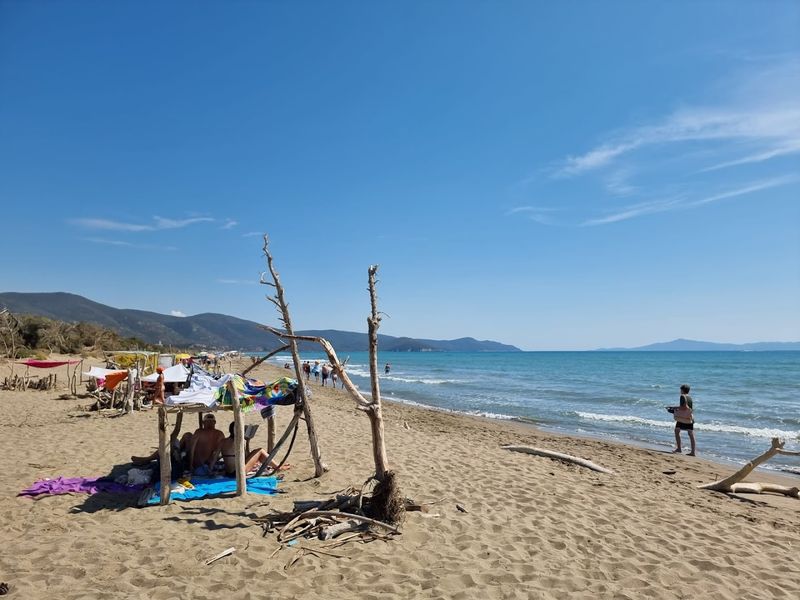
Marina di Alberese is what beaches looked like before beach clubs, sunbed rentals, and overpriced cocktails arrived and ruined everything. This long, natural shoreline inside the Maremma Regional Park has dunes, driftwood, pinewoods, and a genuinely wild quality that is increasingly rare along the Italian coast.
There are no rows of umbrellas here. This is a beach for people who actually like nature, which means walking, cycling, and stretches of sand where you can spread out without negotiating with a stranger’s towel.
Seasonal access rules and shuttle services apply, so checking the park’s website before visiting is genuinely useful.
The Maremma is one of Tuscany’s most underrated areas, full of cowboys, wild horses, and coastline that has not been developed into oblivion. Marina di Alberese fits that spirit perfectly.
It is a beach that asks very little of you and gives back an afternoon of quiet, open space that feels surprisingly hard to find in modern Italy.
Spiaggia di Sansone, Portoferraio, Elba
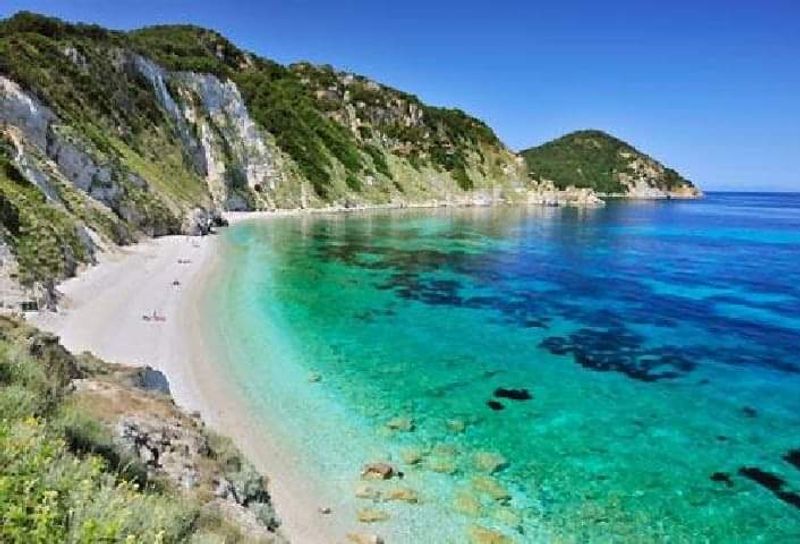
White pebbles, clear water, and an underwater landscape so bright it looks like someone tiled it. Spiaggia di Sansone near Portoferraio is one of Elba’s most striking beaches, and it earns that status without needing a single grain of sand to do it.
Napoleon was exiled to Elba in 1814, and while history does not record whether he visited Sansone, it is hard to believe he would have complained if he had. The beach is small, the setting is sheltered, and the snorkeling is genuinely excellent thanks to the clear water and interesting rocky bottom.
Parking is limited and fills quickly in high season, so arriving early is the single most useful piece of advice anyone can give you here. Water shoes are worth packing for the pebbly shore.
Sansone is the kind of beach that rewards the slightly earlier alarm and punishes the lie-in, which is a fair trade for water that good.
Share this story