 Unearth The Voyage
Rock history loves its legends. The Beatles.
Zeppelin. Nirvana.
You hear those names everywhere. But the real plot twist is this: some of the bands that shaped rock the most barely get mentioned.
They built new sounds from scratch, kicked off whole scenes, and lit the spark for artists who later became household names. Their fingerprints are all over modern music, even if most people couldn’t name them.
1. The Velvet Underground – The blueprint for punk and alternative rock
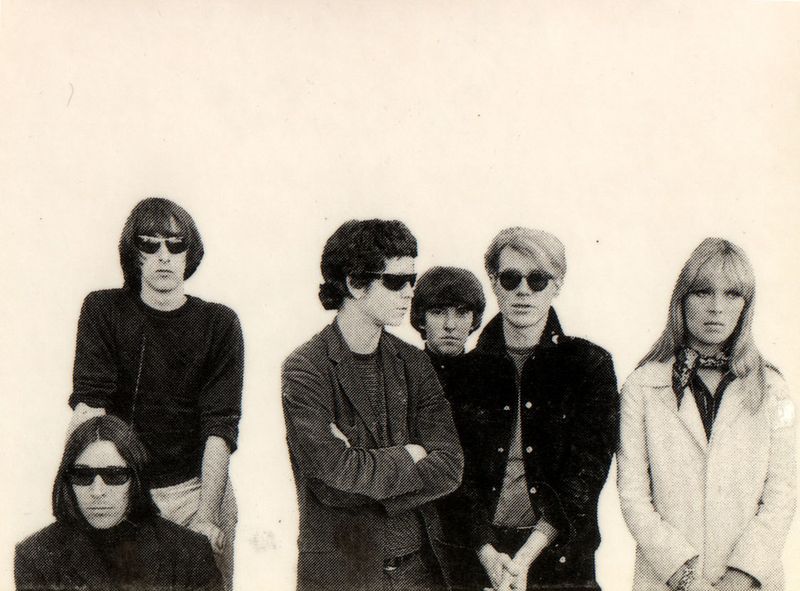
Brian Eno once said that hardly anyone bought The Velvet Underground’s first album, but everyone who did started a band. That quote captures their strange power perfectly.
Working with artist Andy Warhol in New York’s underground scene, they made music that sounded nothing like the flower-power optimism dominating the late 1960s.
Lou Reed wrote songs about street life, addiction, and the city’s darker corners with unflinching honesty. The band’s droning, feedback-heavy sound felt dangerous and real.
Their willingness to explore uncomfortable subjects opened doors for generations of artists who wanted to make music about actual life, not just teenage romance.
Punk bands in the 1970s worshipped them. Alternative rockers in the 1980s and 1990s built entire careers on their template.
Yet The Velvet Underground never had a hit single or filled stadiums. They played small clubs and recorded albums that confused critics at the time.
Their influence exploded after they broke up. Bands like R.E.M., Sonic Youth, and countless indie rockers studied their records like textbooks.
The Velvet Underground proved you could make challenging, artistic rock music without compromising your vision for commercial success.
2. The Stooges – The chaos that helped define punk’s DNA
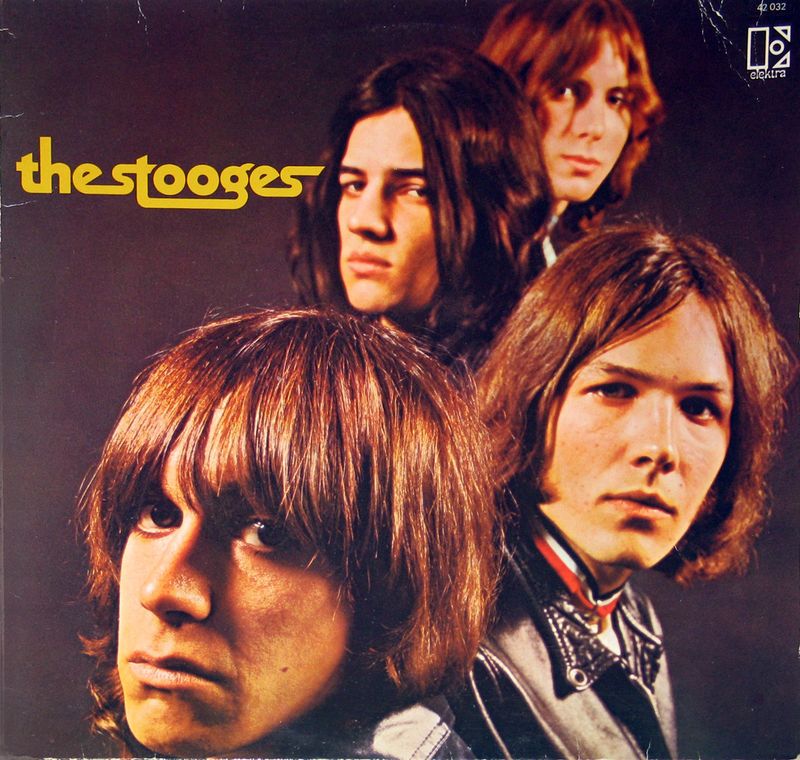
Before punk rock had a name, The Stooges were already living it. Iggy Pop rolled in broken glass onstage, smeared peanut butter on his chest, and dove into crowds with reckless abandon.
Their music hit even harder than their performances, with grinding guitars and primal rhythms that rejected everything polished about late-1960s rock.
Detroit spawned this monster in 1967. While hippies preached peace and love, The Stooges channeled boredom, frustration, and raw teenage energy into songs like “I Wanna Be Your Dog” and “Search and Destroy.” Their first two albums flopped commercially but became sacred texts for future punks.
The band’s stripped-down approach influenced everyone from the Ramones to the Sex Pistols. They proved rock didn’t need fancy solos or complex arrangements.
Three chords played with enough attitude could shake the world. Their willingness to fail spectacularly, to look ridiculous, to push boundaries until they snapped made them heroes to outsiders everywhere.
Critics initially dismissed them as talentless noise-makers. Decades later, those same critics recognize The Stooges as pioneers who redefined what rock could be.
Their chaos wasn’t random; it was revolutionary, clearing space for punk’s explosive arrival.
3. Big Star – The band that helped define power pop (and influenced indie later)
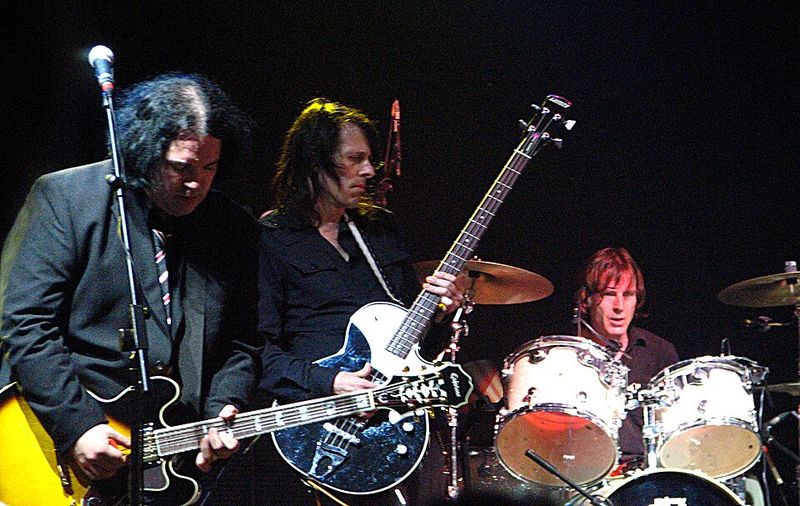
Memphis in the early 1970s gave birth to something magical and doomed. Big Star crafted perfect pop-rock songs with ringing guitars, heartfelt lyrics, and melodies that stuck in your brain for days.
Their albums sounded timeless from the moment they were recorded. Almost nobody bought them.
Distribution problems killed their commercial chances. Radio stations never played their singles.
The band fell apart after just three albums, leaving behind music that seemed destined for obscurity. But those records kept circulating among musicians and hardcore music fans who recognized something special.
By the 1980s and 1990s, Big Star had become legendary. R.E.M., The Replacements, and countless indie bands cited them as major influences.
Their jangly guitar sound and bittersweet songwriting became templates for alternative rock. Songs like “September Gurls” and “Thirteen” finally got the recognition they deserved, decades late.
What makes their story particularly tragic is how close they came. The talent was obvious.
The songs were brilliant. Everything else just failed to connect.
Yet their influence proves that great music eventually finds its audience, even if it takes twenty years and happens after the band is gone.
4. Can – Krautrock pioneers who opened the door to experimental rock and beyond
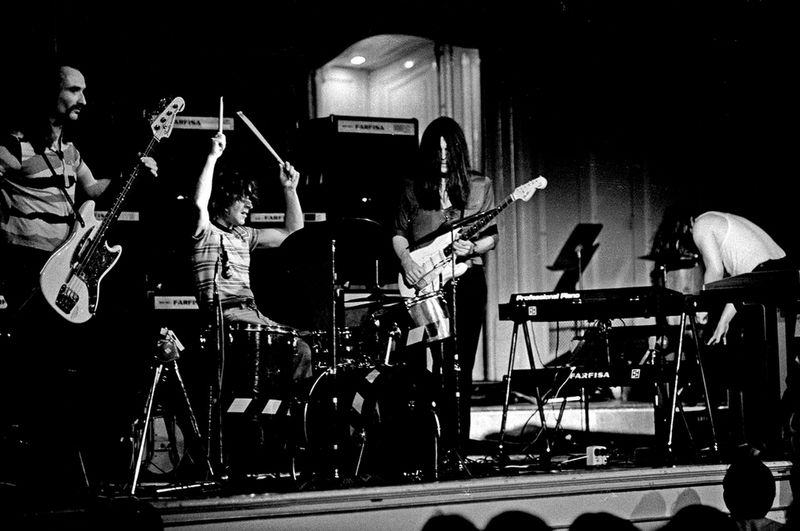
Germany’s Can assembled in Cologne in 1968, bringing together classically trained musicians, a rock drummer, and various experimental vocalists. They created hypnotic, groove-based music that could stretch a single idea across twenty minutes without ever getting boring.
Their sound combined rock, funk, electronic experimentation, and avant-garde classical influences into something completely new.
Bassist Holger Czukay studied under classical composer Karlheinz Stockhausen. Keyboardist Irmin Schmidt brought similar credentials.
Yet they wanted to make rock music, not academic exercises. The tension between their training and their instincts produced albums like “Tago Mago” and “Ege Bamyasi” that still sound futuristic decades later.
Can’s approach to recording was revolutionary. They improvised for hours, then edited the best moments into songs.
This technique influenced electronic music producers and post-rock bands who work similarly today. Their rhythms and textures showed up everywhere from post-punk to ambient music to hip-hop.
Radiohead, The Fall, and countless electronic artists cite Can as crucial influences. Yet they never achieved mainstream success outside Germany.
Their willingness to follow ideas wherever they led, regardless of commercial potential, made them pioneers whose innovations still ripple through modern music.
5. Captain Beefheart & His Magic Band – Avant-garde rock that influenced punk and experimental scenes
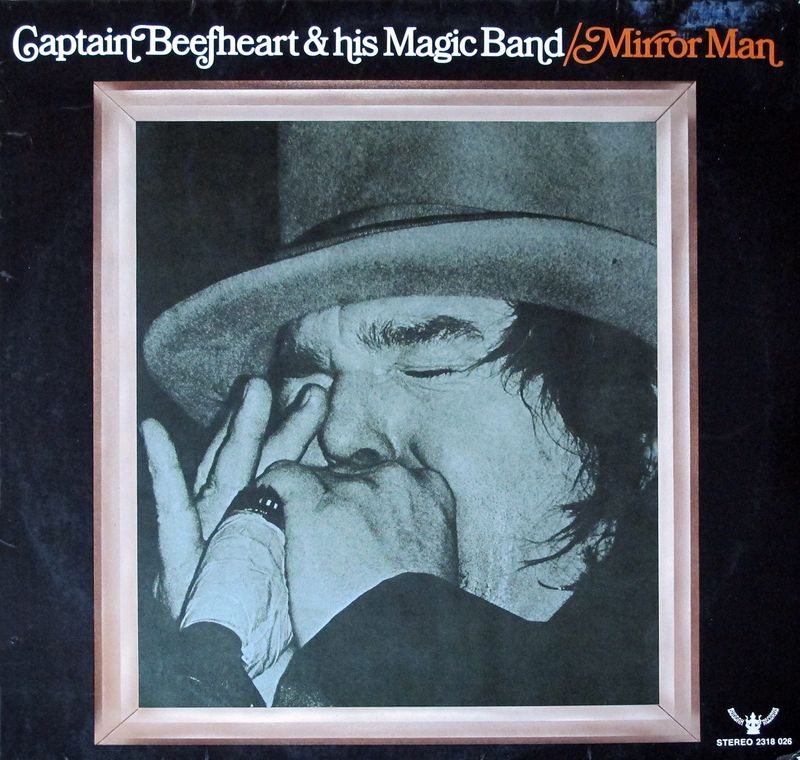
Don Van Vliet adopted the name Captain Beefheart and created some of the strangest, most challenging rock music ever recorded. His 1969 album “Trout Mask Replica” sounds like blues, free jazz, and rock thrown in a blender and reassembled by someone who’d never heard music before.
It’s deliberately difficult, intentionally weird, and absolutely brilliant.
Beefheart’s approach to making music ignored conventional rules about melody, rhythm, and structure. He pushed his band through grueling rehearsals to achieve his vision of organized chaos.
The result influenced punk’s rejection of musical virtuosity and experimental rock’s willingness to challenge listeners.
Frank Zappa produced “Trout Mask Replica” and recognized Beefheart as a true original. Critics initially hated the album.
Many still find it unlistenable. But musicians heard something revolutionary in its fractured rhythms and surreal poetry.
Tom Waits, PJ Harvey, and countless experimental artists cite Beefheart as crucial to their development.
His later albums explored different territories, from accessible blues-rock to increasingly abstract soundscapes. Throughout his career, Beefheart never compromised his artistic vision for commercial success.
He proved that rock music could be art in the truest sense, challenging and rewarding in equal measure, appealing to minds rather than just bodies.
6. The 13th Floor Elevators – Early psychedelic rock’s darker, wilder edge
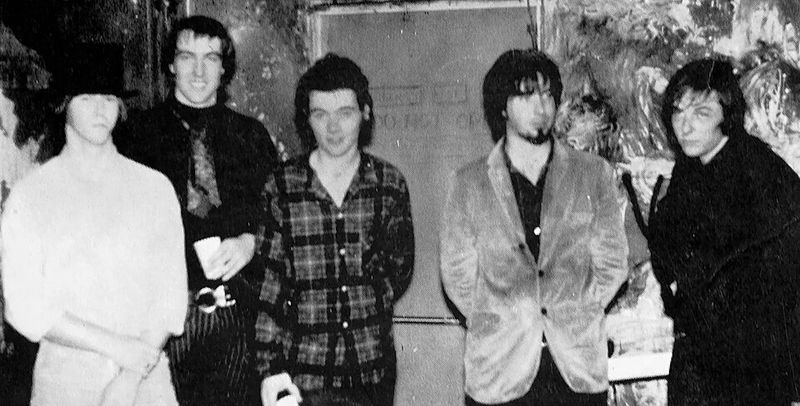
Austin, Texas in 1965 spawned something genuinely psychedelic before the term became a marketing category. The 13th Floor Elevators weren’t just influenced by LSD; they openly promoted it as a path to higher consciousness.
Their music matched that mission with swirling guitars, Roky Erickson’s wild vocals, and an electric jug that created otherworldly sounds.
“The Psychedelic Sounds of the 13th Floor Elevators” arrived in 1966, arguably the first true psychedelic rock album. While San Francisco bands would soon dominate the psychedelic scene with flower-power optimism, the Elevators brought Texas garage rock’s raw energy to their mind-expanding mission.
Their sound was darker, weirder, more genuinely strange than most hippie rock.
Legal troubles and mental health issues destroyed the band by 1969. Erickson’s subsequent struggles became legendary, adding a tragic dimension to their story.
But their influence spread through underground rock. Punk bands loved their raw intensity.
Psychedelic revivalists in the 1980s studied their albums carefully.
Songs like “You’re Gonna Miss Me” became garage rock classics. Their willingness to truly embrace psychedelia’s experimental possibilities, rather than just its commercial aspects, made them pioneers.
The Elevators proved psychedelic music could be dangerous and challenging, not just pretty and pleasant.
7. MC5 – The loud, political spark that paved the way for punk (and more)
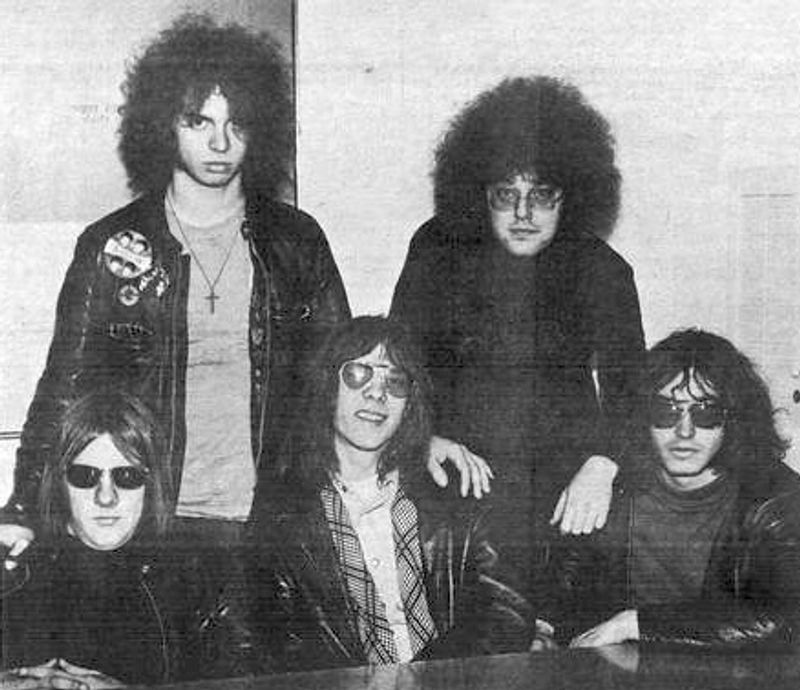
Detroit’s MC5 combined radical politics with ear-splitting rock music in the late 1960s. Their live album “Kick Out the Jams” captured their explosive energy and confrontational attitude.
They aligned with the White Panther Party, promoting revolution through rock and roll. Their shows were events, happenings, protests disguised as concerts.
The band’s sound was raw and powerful, guitars cranked to maximum volume, John Sinclair’s political rhetoric between songs. They wanted to use rock music to change society, not just entertain teenagers.
This combination of artistic and political radicalism made them dangerous and exciting.
Record labels didn’t know what to do with them. Their first album got censored for profanity.
Their politics made them targets for law enforcement. The band imploded by 1972, having released just three albums.
But those records became foundational texts for punk rock.
The Clash, The Stooges, and countless punk bands absorbed MC5’s lesson that rock music could be politically charged and musically aggressive simultaneously. Their influence extended beyond music into punk’s entire aesthetic and attitude.
MC5 proved that rock and roll could be revolutionary, that loud guitars and political consciousness weren’t contradictory. They paid the price for being ahead of their time, burning bright and fast before fading into legend.
8. Pere Ubu – Avant-garde postpunk that proved “weird” could be the future

Cleveland’s industrial landscape birthed Pere Ubu in 1975, and their music reflected that environment’s harsh beauty. Singer David Thomas’s warbling vocals combined with dissonant guitars, synthesizer squeals, and unconventional rhythms to create something genuinely unsettling.
They took punk’s energy and twisted it into art-rock experiments that challenged every listener.
Their early singles and debut album “The Modern Dance” established them as post-punk pioneers before that term existed. While other bands moved from punk toward more accessible new wave, Pere Ubu went deeper into experimental territory.
Their songs had structures, but they felt like they might collapse at any moment.
The band’s willingness to sound deliberately ugly and uncomfortable influenced generations of experimental rockers. Sonic Youth, Pixies, and countless indie bands learned from Pere Ubu that weirdness could be powerful and that conventional song structures were optional.
Thomas’s dramatic, theatrical vocal style proved you didn’t need to sing pretty to communicate emotion.
Pere Ubu never achieved commercial success, but they’ve maintained a cult following for decades. Their influence appears in alternative rock’s more adventurous corners, in bands willing to prioritize artistic vision over accessibility.
They demonstrated that post-punk could evolve into something strange and beautiful rather than just becoming new wave or returning to conventional rock.
9. The Replacements — The bridge from punk intensity to alternative rock’s heart
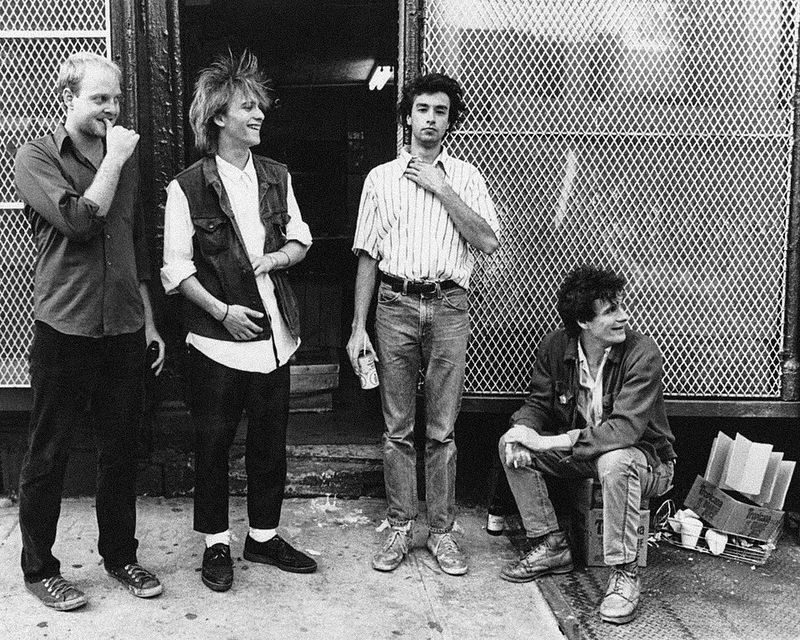
Minneapolis spawned The Replacements in 1979, and they spent the next decade creating the template for alternative rock. Starting as sloppy punk rockers, they gradually incorporated country, soul, and classic rock influences while maintaining punk’s emotional honesty.
Paul Westerberg’s songwriting captured teenage confusion and adult disappointment with equal skill.
Their progression from the raw “Sorry Ma, Forgot to Take Out the Trash” to the more polished “Let It Be” showed how punk energy could mature without losing its power. Westerberg wrote songs about real life, about being stuck in boring jobs, about relationships falling apart, about dreams deferred.
His lyrics felt personal and universal simultaneously.
The band’s chaotic live shows became legendary. They might play brilliantly or drunkenly stumble through covers of obscure songs.
This unpredictability made them exciting and frustrating, keeping them from mainstream success while building devoted following. Major labels courted them, but commercial breakthrough remained elusive.
Their influence on 1990s alternative rock was massive. Bands like Nirvana, The Goo Goo Dolls, and countless others absorbed The Replacements’ lesson that you could combine punk’s attitude with melodic songwriting and emotional vulnerability.
They proved alternative rock could be both tough and tender, that admitting weakness took more courage than pretending invincibility.
10. The Fall – The post-punk machine that never stopped mutating

Mark E. Smith formed The Fall in Manchester in 1976 and led them through constant lineup changes until his death in 2018.
The only constant was Smith’s sneering vocals and uncompromising vision. The band released over thirty albums, each one recognizably The Fall yet different from everything before it.
Smith’s approach to rock music was relentlessly confrontational and endlessly inventive.
The Fall’s sound combined punk energy with experimental repetition, working-class observations with abstract poetry, and rockabilly with electronic experimentation. Smith’s lyrics were often incomprehensible but always compelling, delivered in his distinctive Manchester accent with maximum attitude.
He fired band members constantly, treating The Fall as his personal vehicle for musical exploration.
Their influence spread through post-punk and alternative rock. Pavement, LCD Soundsystem, and countless others borrowed from The Fall’s approach to rhythm and Smith’s confrontational vocal style.
Yet The Fall remained cult figures, too weird and too British for American mainstream success, too uncompromising for easy categorization.
What made The Fall special was their refusal to repeat themselves or chase trends. Each album explored different musical territories while maintaining Smith’s distinctive vision.
They proved that a band could evolve constantly without losing identity, that commercial success wasn’t necessary for artistic significance, and that stubborn individuality could sustain a career across four decades.
11. Love – The band behind Forever Changes, a later-canonized masterpiece
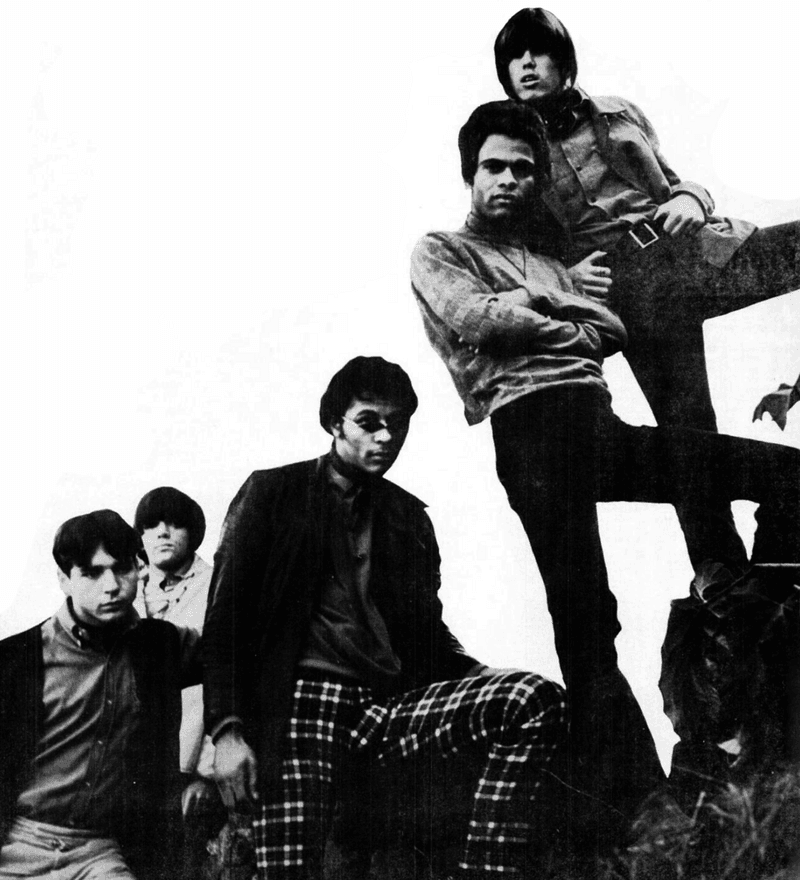
Arthur Lee led Love through Los Angeles’s psychedelic scene in the mid-1960s, creating music that defied easy categorization. Their 1967 album “Forever Changes” combined folk-rock, psychedelia, orchestral arrangements, and Lee’s cryptic lyrics into something timeless.
The album flopped commercially upon release, confusing audiences expecting typical hippie rock.
Love was one of the first racially integrated rock bands, with African American Lee leading a mostly white group. Their music reflected Los Angeles’s darker undercurrents rather than flower-power optimism. “Forever Changes” captured a moment when the 1960s dream was souring, its beauty tinged with melancholy and paranoia.
The album’s reputation grew slowly over decades. Critics eventually recognized it as a masterpiece, one of the greatest albums of the 1960s.
Bands from The Damned to Mazzy Star cited it as influential. Its orchestral arrangements and Lee’s poetic lyrics showed psychedelic rock could be sophisticated and emotionally complex.
Lee’s later career was troubled, including prison time and failed reunions. But “Forever Changes” ensured Love’s legacy.
The album proved that commercial failure didn’t equal artistic failure, that some music takes time to find its audience. Its belated recognition demonstrated how critical consensus can shift, turning forgotten albums into acknowledged classics decades after their creators gave up hope.
12. Funkadelic – Psychedelic funk-rock that blew up the boundaries of Black rock
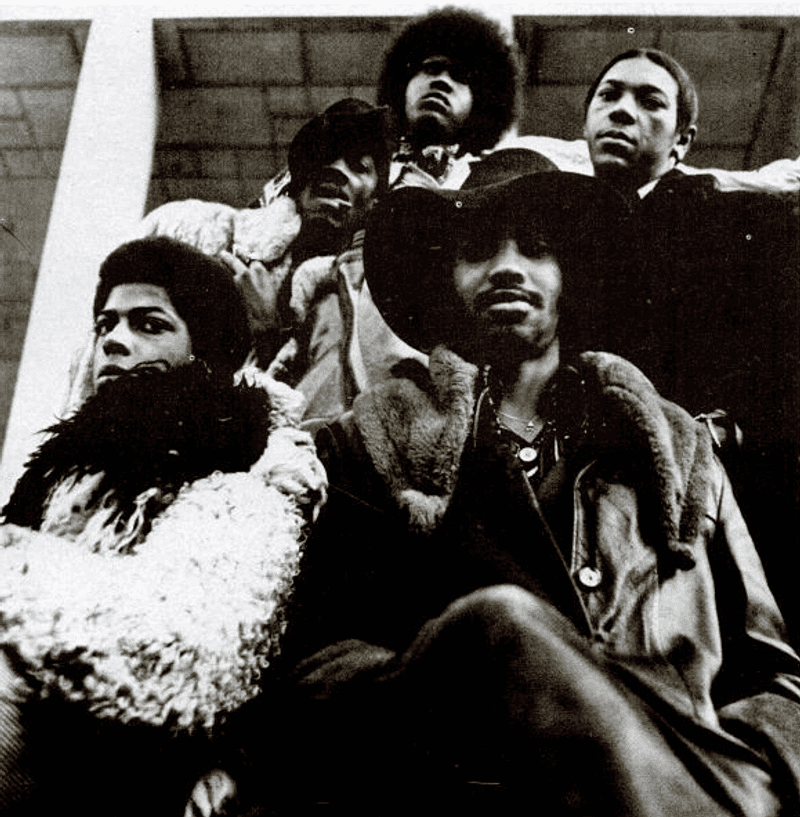
George Clinton transformed his vocal group Parliament into the funk-rock monster Funkadelic in the late 1960s. While Parliament kept making dance-oriented funk, Funkadelic explored heavy rock, psychedelia, and social commentary.
Their music was loud, weird, and uncompromising, proving Black rock could be as experimental and heavy as anything white rockers were doing.
Albums like “Maggot Brain” featured extended guitar solos by Eddie Hazel that rivaled Jimi Hendrix for emotional power and technical skill. Clinton’s lyrics addressed racism, politics, and consciousness expansion with humor and insight.
Funkadelic’s sound was massive, incorporating elements of James Brown’s funk, Sly Stone’s rock, and acid rock’s experimental spirit.
The band’s influence on hip-hop through sampling is well-documented, but their impact on rock is underappreciated. Living Colour, Red Hot Chili Peppers, and Primus all absorbed Funkadelic’s lesson that funk and rock could merge powerfully.
Their willingness to get heavy and weird influenced alternative rock’s more adventurous practitioners.
Funkadelic challenged assumptions about what Black rock music could be. They refused to stay in any lane, mixing genres freely and creating something entirely their own.
Their concerts were legendary spectacles. Clinton’s vision of funk as liberation, both musical and social, made Funkadelic more than just a band but a movement.
13. The Mothers of Invention – Zappa’s crew that expanded what rock albums could contain
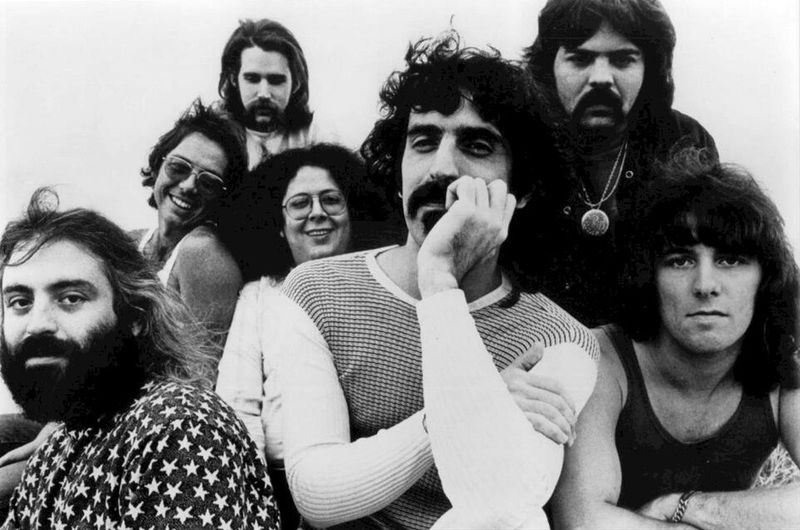
Frank Zappa assembled The Mothers of Invention in Los Angeles in 1964, gathering musicians who could execute his complex, satirical compositions. Their 1966 debut “Freak Out!” was one of rock’s first double albums, mixing doo-wop parodies, avant-garde experimentation, and social satire.
It announced Zappa as a major force and rock music as capable of sophisticated commentary.
The Mothers’ music was intentionally challenging. Zappa incorporated jazz, classical, and electronic music elements into rock frameworks.
His lyrics mocked hippie culture, suburban conformity, and American politics with equal venom. He demanded technical excellence from his musicians while maintaining rock’s rebellious spirit.
Zappa’s influence spread through progressive rock, punk, and experimental music. His DIY approach to recording and distribution inspired independent musicians.
His refusal to compromise artistically showed that rock could be intellectually serious without losing its sense of humor. Bands from Captain Beefheart to Phish absorbed different aspects of his approach.
The Mothers never achieved mainstream success despite Zappa’s prolific output and growing reputation. His music was too weird, too satirical, too demanding for mass audiences.
But serious musicians recognized his genius, and his catalog influenced countless artists who wanted to push rock’s boundaries. Zappa proved rock albums could be art objects, complex and rewarding, demanding active listening rather than passive consumption.
14. Golden Earring – Far more than ‘Radar Love’: a long-running Dutch rock force
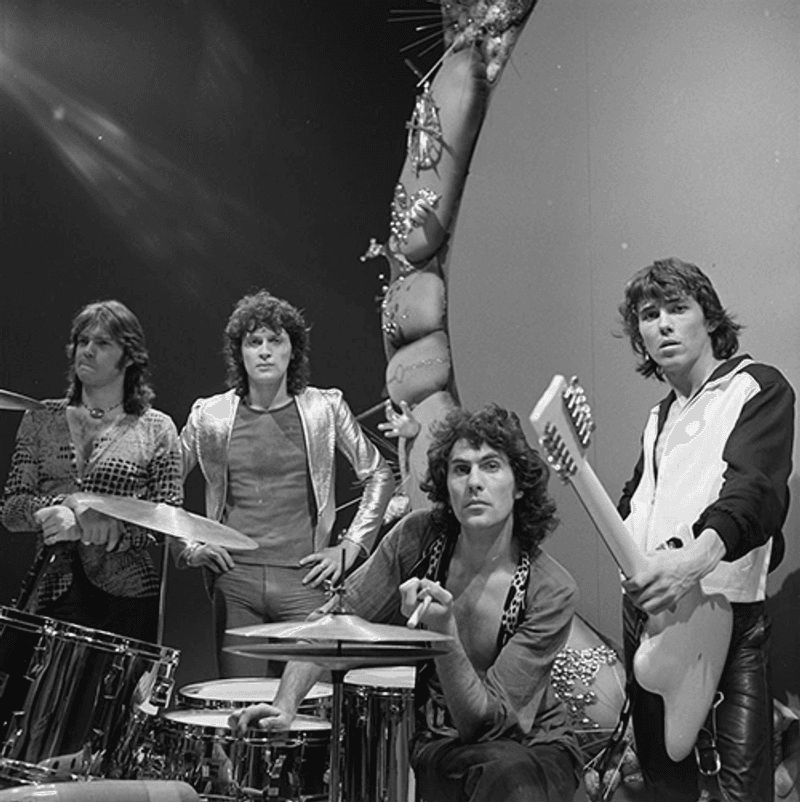
Most Americans know Golden Earring only for “Radar Love,” their 1973 hit about nighttime driving that became a classic rock radio staple. That single’s success obscured the band’s remarkable longevity and consistent output.
Formed in The Hague in 1961, they became the Netherlands’ most successful rock export, maintaining the same core lineup for decades.
Golden Earring’s career in Europe was substantial, with numerous hit albums and singles spanning from the 1960s through the 2000s. They explored progressive rock, hard rock, and new wave without losing their identity.
Songs like “Twilight Zone” showed they could create atmospheric, radio-friendly rock that still had edge and intelligence.
Their influence on European rock was significant, proving that non-British and non-American bands could sustain long careers without relocating to London or Los Angeles. They maintained artistic integrity while achieving commercial success in their home market.
Younger Dutch and European rock bands looked to Golden Earring as proof that local success was possible and valuable.
The band’s story challenges American-centric rock history. Golden Earring sold millions of records and played massive shows across Europe while remaining largely unknown in the United States beyond one song.
Their career demonstrates that rock history is bigger and more diverse than English-speaking countries often acknowledge, with parallel stories of influence and innovation happening worldwide.
15. The Zombies – British Invasion brilliance that helped redefine the album format
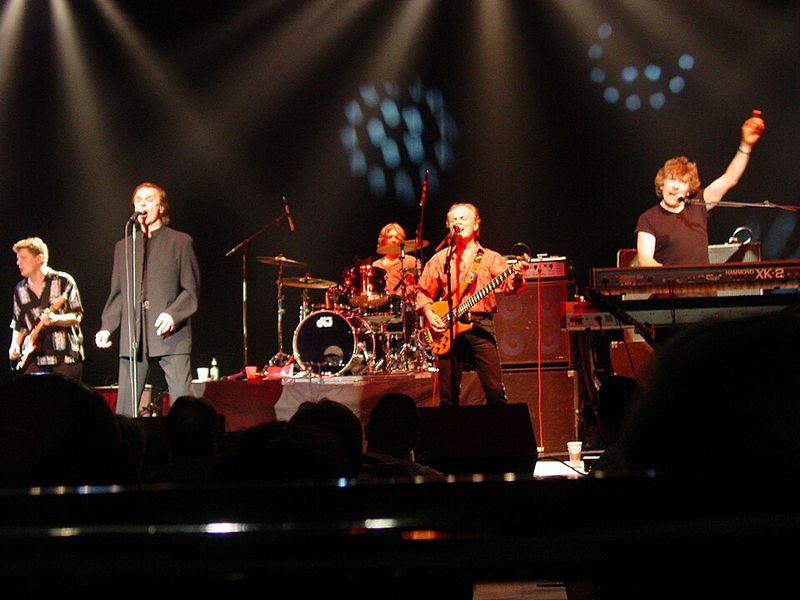
The Zombies emerged from England’s St. Albans in 1961, achieving early success with “She’s Not There” and “Tell Her No.” Those singles showcased Colin Blunstone’s distinctive voice and Rod Argent’s jazz-influenced keyboards, setting them apart from other British Invasion bands. But their real masterpiece came as they were breaking up.
“Odessey and Oracle” appeared in 1968, recorded after the band decided to split but before they actually did. The album featured baroque pop arrangements, complex harmonies, and sophisticated songwriting that pointed toward rock’s artistic future.
It flopped initially, becoming another casualty of poor promotion and bad timing.
Years later, “Odessey and Oracle” gained recognition as one of the 1960s’ greatest albums. Its influence on power pop and alternative rock became clear as musicians discovered it.
The album’s combination of pop accessibility and artistic ambition showed that rock albums could be cohesive artistic statements rather than just collections of singles and filler.
“Time of the Season” eventually became a hit in America, but by then The Zombies had disbanded. Their story became another tale of a band ahead of its time, creating music whose full impact wouldn’t be felt for decades.
The album’s belated success proved that great art eventually finds appreciation, even when initial audiences miss the point entirely.
16. Hüsker Dü – Hardcore speed + melody that set the stage for ’90s alt-rock
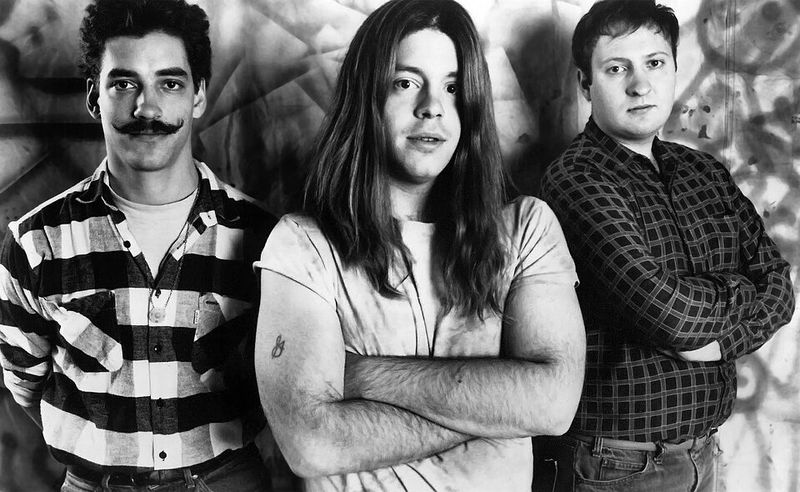
Minneapolis’s Hüsker Dü started as a hardcore punk band in 1979, playing fast and loud like their contemporaries. But songwriters Bob Mould and Grant Hart gradually introduced melody, complexity, and emotional depth to their music.
This evolution created something new: hardcore’s intensity combined with pop song structures and personal lyrics that went beyond punk’s typical subjects.
Their double album “Zen Arcade” in 1984 was ambitious and sprawling, a concept album in hardcore punk format. It proved punk could handle long-form artistic statements.
Subsequent albums like “New Day Rising” and “Flip Your Wig” refined their approach, creating catchy songs that still hit with hardcore’s force.
Hüsker Dü’s influence on 1990s alternative rock was enormous. Nirvana, Pixies, and countless grunge and indie bands absorbed their lesson that melody and aggression weren’t contradictory.
Their willingness to be emotionally vulnerable while maintaining punk credibility opened doors for alternative rock’s more introspective tendencies.
The band imploded in 1988, torn apart by substance abuse and interpersonal conflicts. But their catalog remained influential, studied by musicians who wanted to combine punk energy with melodic songwriting.
Hüsker Dü demonstrated that hardcore could evolve without losing its power, that punk’s emotional honesty could extend beyond anger to sadness, confusion, and hope.
17. The Cramps – Psychobilly progenitors who turned rockabilly + punk into a cult universe
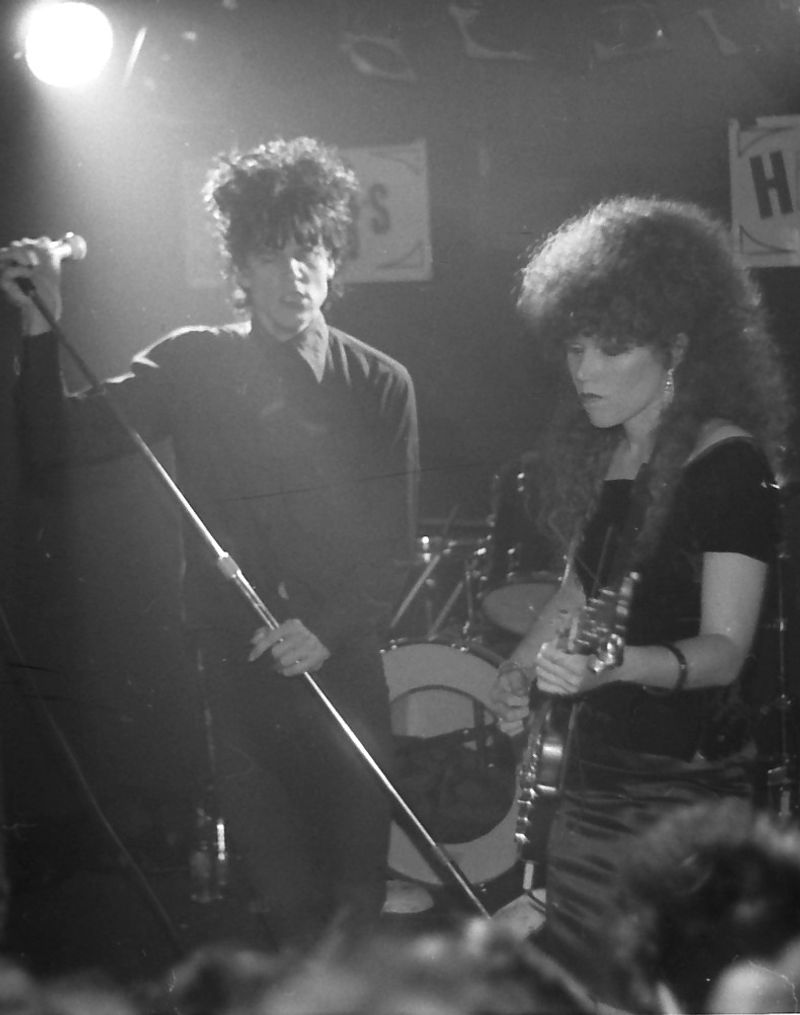
Lux Interior and Poison Ivy formed The Cramps in New York in 1976, creating a sound and aesthetic that mixed 1950s rockabilly, horror movies, and punk attitude. They called it psychobilly, though their version was darker and weirder than the term suggests.
Interior’s manic stage presence and Ivy’s minimalist guitar created something simultaneously retro and futuristic.
The Cramps worshipped obscure 1950s rock and roll, rockabilly, and early rock’s wildest moments. But they filtered these influences through punk’s energy and gothic sensibility.
Their songs referenced B-movies, trash culture, and sexual themes with humor and menace. They proved that punk’s Year Zero approach was too limiting, that rock history offered raw materials for something new.
Their influence spread through underground music. Gothic rock, garage punk revival, and alternative rock’s weirder corners all borrowed from The Cramps’ aesthetic.
They inspired countless bands to explore rock’s pre-Beatles history and to embrace camp, horror, and sexuality as valid artistic subjects.
The Cramps maintained their vision for decades, never compromising for commercial success. Interior’s death in 2009 ended the band, but their cult following remained devoted.
They proved that staying true to a weird vision could sustain a career, that underground success was success enough, and that rock and roll’s primal energy could be accessed through reverence for its wildest origins.



