 Unearth The Voyage
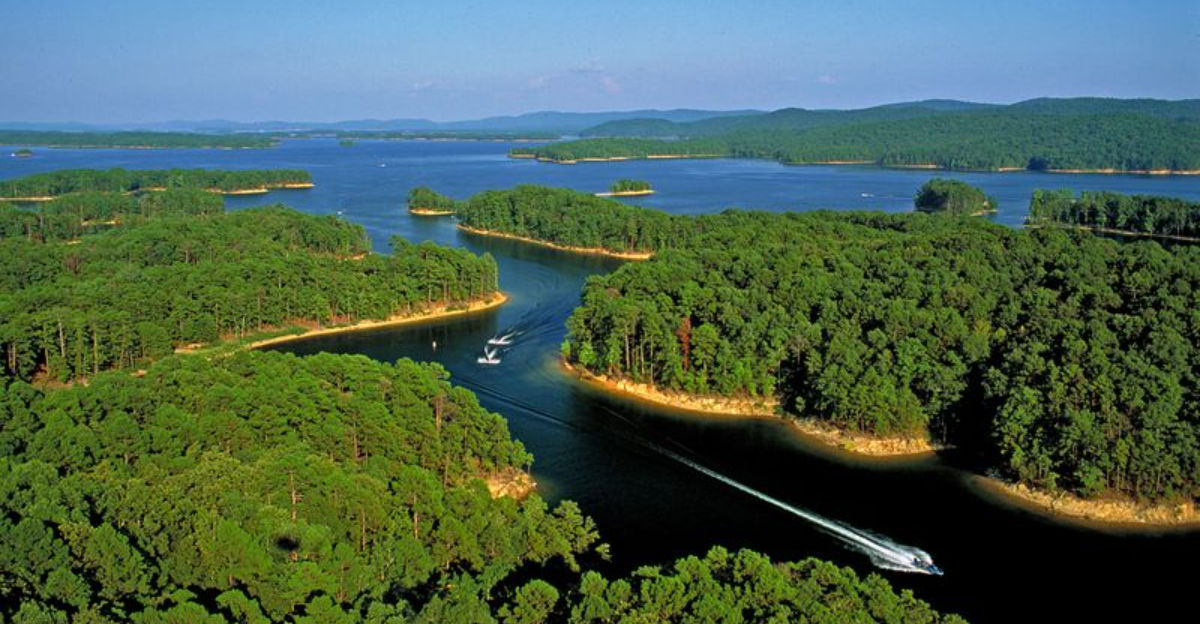
Sometimes the best thing you can do for your soul is find a lake, sit down, and let the world carry on without you. The U.S. is packed with busy tourist traps, but tucked between mountains, forests, and wide-open skies are lakeside towns so peaceful they almost feel like secrets.
I stumbled onto one of these spots by accident a few years back, and it completely changed how I think about travel. These 17 lakeside escapes are the real deal: quiet, beautiful, and blissfully far from the noise.
Grand Lake, Colorado
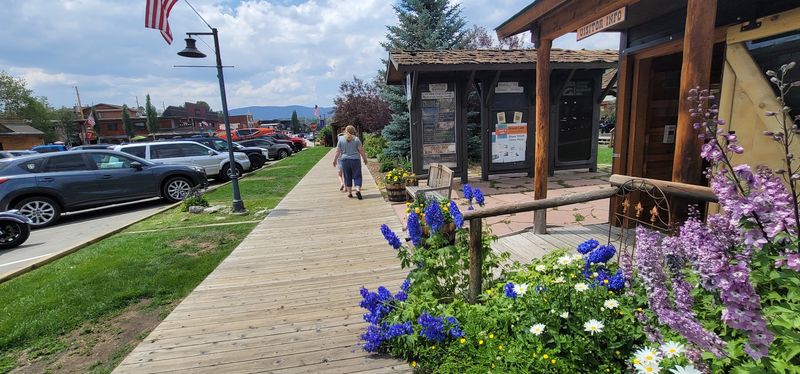
Grand Lake sits at the edge of Rocky Mountain National Park, which means it has one of the most dramatic backyards in the entire country. The town itself is tiny, charming, and refreshingly low-key.
Wooden boardwalks line the main street, and local shops sell hand-carved souvenirs that beat anything you would find at a highway gift shop.
The lake is Colorado’s largest natural lake, and it stays cold enough to keep the crowds thin even in summer. Kayaking here feels almost surreal, with glacier-carved peaks looming overhead.
Fishing is popular too, and the locals take it seriously.
Fall is genuinely spectacular, when aspen trees turn the surrounding hills gold and orange. Lodging options range from cozy cabins to small lakeside inns.
Grand Lake rewards the kind of traveler who is happy doing absolutely nothing at all, and proud of it.
Rangeley, Maine
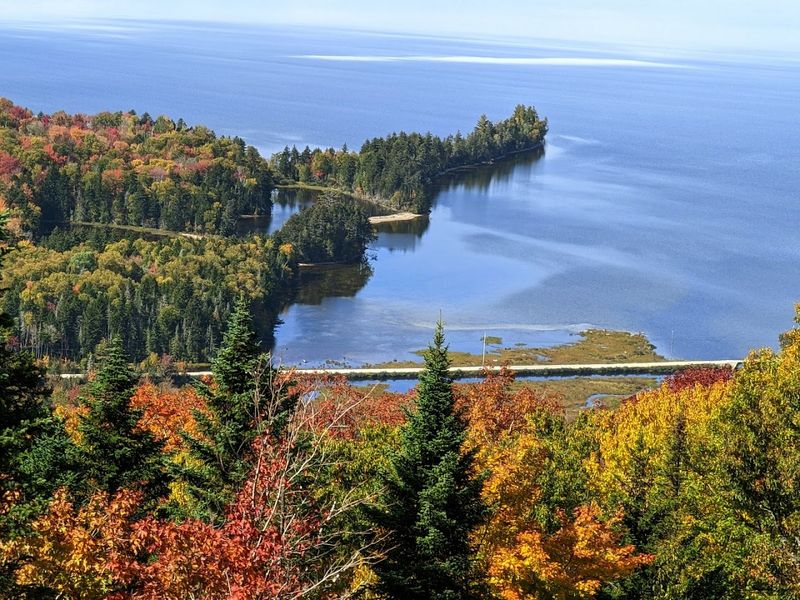
Rangeley, Maine, is the kind of place where the air smells like pine trees and the Wi-Fi is just bad enough to force you to relax. Nestled in the western Maine highlands, this small town sits beside Rangeley Lake, a wide, gorgeous body of water surrounded by dense forest.
It looks like a painting someone forgot to frame.
The town has a long history as a sportsman’s retreat, drawing fly fishermen and hunters since the 1800s. That heritage still shows in the local culture, which is proudly rugged and refreshingly unhurried.
Snowmobiling in winter draws a loyal crowd, but summer is when the lake truly shines.
Rangeley also sits near the Appalachian Trail, so hikers pass through regularly. Grab a slice at one of the local diners and chat with a thru-hiker about life choices.
You might leave feeling very wise, or very adventurous.
Ely, Minnesota
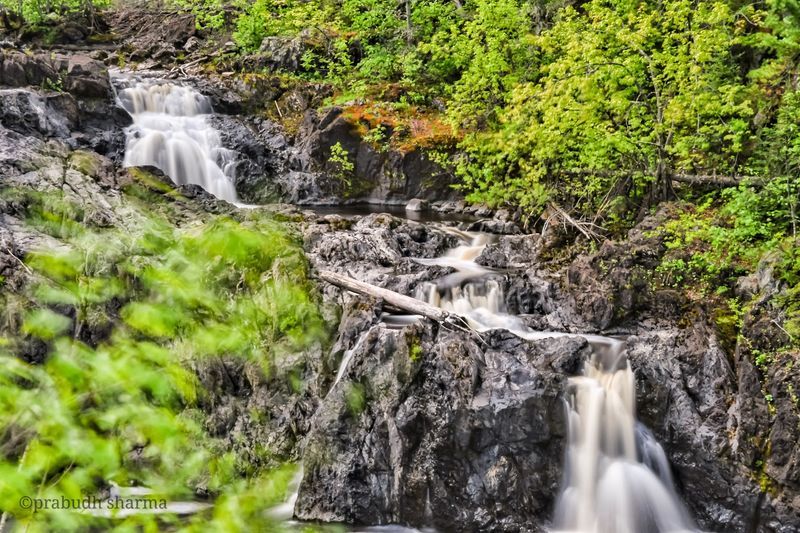
Ely is the gateway to the Boundary Waters Canoe Area Wilderness, one of the most protected and paddle-friendly places in North America. Over a million acres of interconnected lakes and rivers sit just outside of town, and the only way to explore most of it is by canoe.
No motors allowed, which is exactly the point.
The town itself has a scrappy, outdoorsy personality. Outfitters line the main street, and everyone seems to own a canoe or know someone who does.
Black bears occasionally stroll through, which keeps things interesting. Wildlife sightings here are not a bonus feature; they are practically guaranteed.
Winter transforms Ely into a frozen wonderland where sled dog racing is a legitimate cultural event. The International Wolf Center is based here and offers genuinely fascinating exhibits.
Ely is not just a place to visit; it is a place that quietly changes your definition of what a good trip looks like.
Sandpoint, Idaho
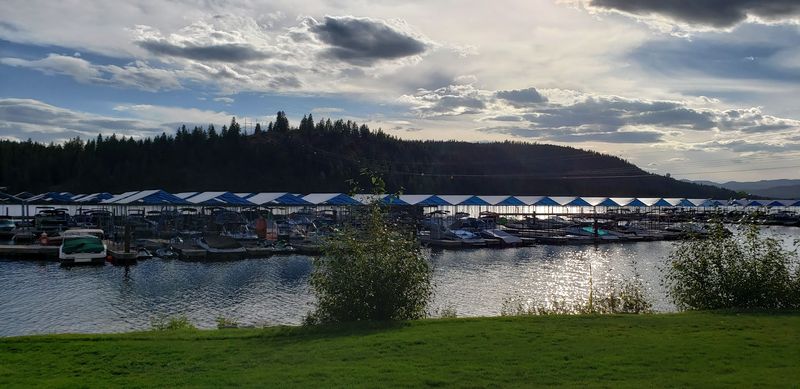
Sandpoint sits on the northern tip of Lake Pend Oreille, which is not only fun to say but also one of the deepest lakes in the United States. The lake stretches over 43 miles and plunges to depths of nearly 1,200 feet.
The U.S. Navy actually used it to test submarines during World War II, so the lake has credentials.
The town has a surprisingly vibrant arts scene for somewhere this remote. Galleries, live music venues, and a beloved independent bookstore give Sandpoint a cultural punch well above its population size.
The Saturday farmers market is worth the trip alone.
Schweitzer Mountain Resort sits just above town, making Sandpoint a rare year-round destination. Skiing in winter, paddleboarding in summer, and excellent coffee in every season.
I have never met anyone who visited Sandpoint and did not immediately start planning a return trip. It has that effect on people.
Saranac Lake, New York
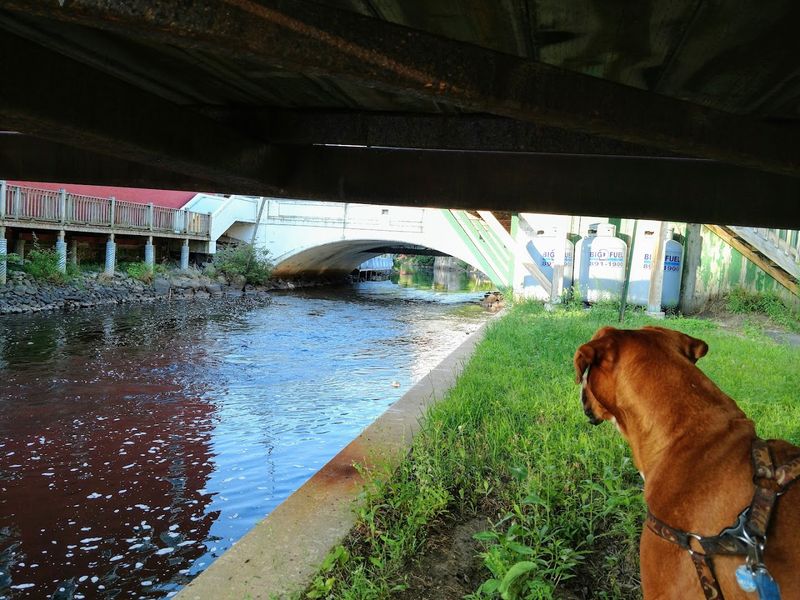
Saranac Lake sits deep in the Adirondack Mountains of upstate New York, surrounded by a chain of lakes that practically beg to be explored by canoe. The town has a fascinating history as a tuberculosis treatment hub in the late 1800s, when doctors prescribed fresh mountain air as medicine.
Turns out, they were not entirely wrong.
Today the town channels that same healing energy into outdoor recreation and creative community life. The annual Winter Carnival, one of the oldest in the country, features an ice palace built entirely by volunteers.
It is exactly as magical as it sounds.
The village itself has a walkable, welcoming downtown with local restaurants and quirky shops that feel genuinely independent. Paddling the Saranac Lakes chain is a classic multi-day adventure for those who want to earn their relaxation.
For everyone else, a rented kayak and a good book on the dock works just fine.
Cooper Landing, Alaska
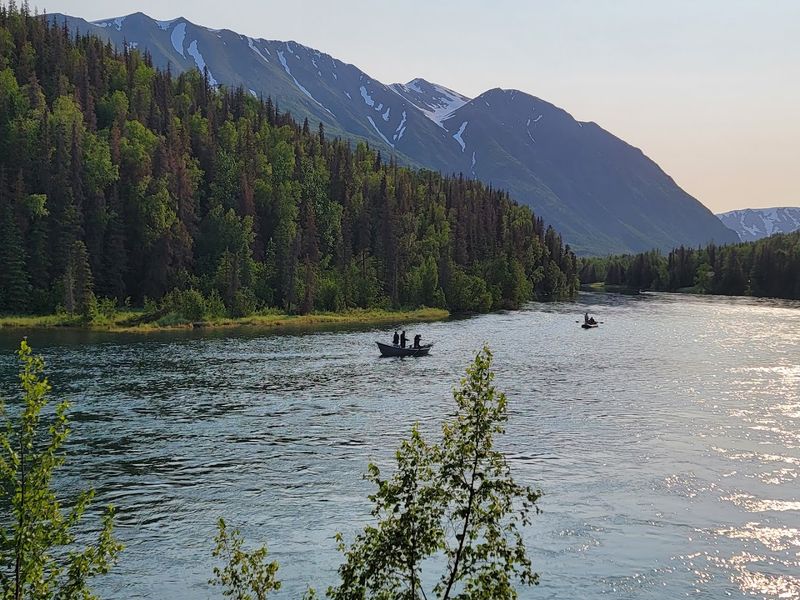
Cooper Landing is less a town and more a beautiful interruption along the Kenai Peninsula Highway. With a population hovering around 300, it barely registers on a map, but the scenery is so absurdly good it feels unfair to the rest of the country.
The Kenai River runs right through it, glacier-fed and an almost impossible shade of turquoise.
Salmon fishing here is legendary. Serious anglers come from around the world to fish the Kenai, and the river does not disappoint.
Guided fishing trips book up months in advance, so plan accordingly unless you enjoy disappointment.
Kenai Lake sits nearby, offering kayaking with mountain views that belong on a postcard. Moose sightings along the road are common enough to be casual but still thrilling every single time.
Cooper Landing proves that the best escapes are sometimes the ones you almost drove past without stopping. Pull over.
Always pull over.
Joseph, Oregon
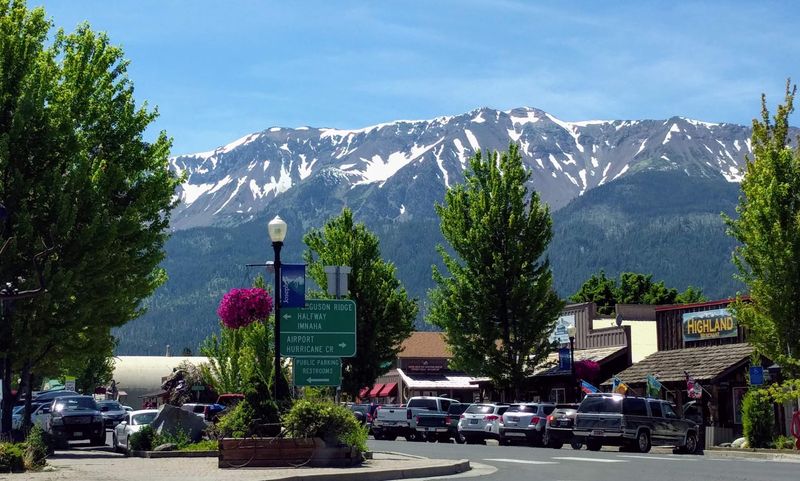
Joseph, Oregon, is named after Chief Joseph of the Nez Perce, and the town carries that history with genuine respect and thoughtful storytelling. Wallowa Lake sits just south of town, cradled by dramatic glacier-carved peaks that look borrowed from the Swiss Alps.
The locals call this area Little Switzerland, and after one look, you completely understand why.
The town has become a surprising hub for bronze sculpture, with foundries and galleries that attract serious art collectors alongside casual browsers. Walking the main street feels like an outdoor museum, with sculptures posted at every turn.
It is one of the more unexpected cultural experiences in the Pacific Northwest.
The Wallowa Lake Tramway takes riders to the top of Mount Howard for panoramic views that are genuinely jaw-dropping. Camping near the lake is peaceful and well-organized.
Joseph rewards slow travel: the kind where you linger over coffee, wander without a plan, and somehow leave feeling completely restored.
Wolfeboro, New Hampshire
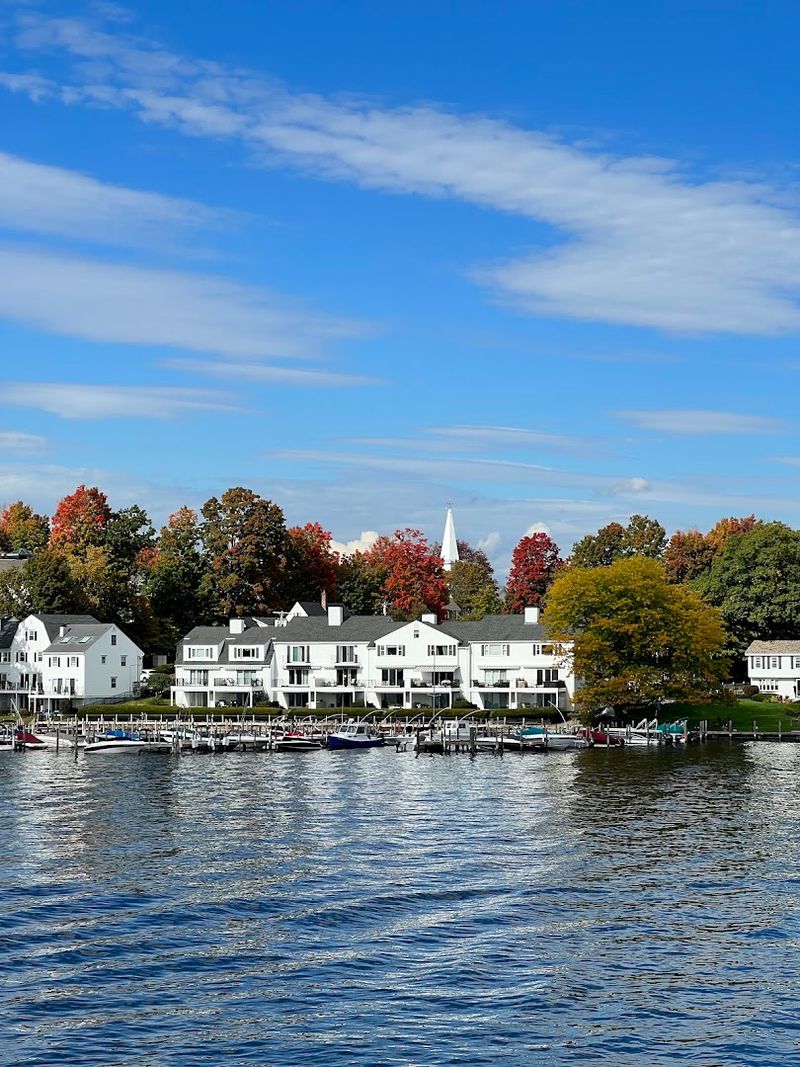
Wolfeboro proudly calls itself the oldest summer resort town in America, a title it has held since 1763. That is not a typo.
People have been coming here to escape the heat and slow down for over 250 years, which means this town has had a lot of practice at being charming. It shows at every corner.
Lake Winnipesaukee is the star of the show, stretching 72 square miles and dotted with islands that invite exploration by boat. The town waterfront is lively in summer, with sailboats, ice cream shops, and families who look suspiciously relaxed.
The Winnipesaukee Scenic Railroad runs along the shoreline and is worth every penny of the ticket price.
Downtown Wolfeboro has a classic New England feel, with white-steepled churches and independent boutiques that have been there for decades. Fall foliage season turns the surrounding hills into a color riot.
Wolfeboro is the lakeside equivalent of a warm hug from someone who has known you for years.
Lake Junaluska, North Carolina
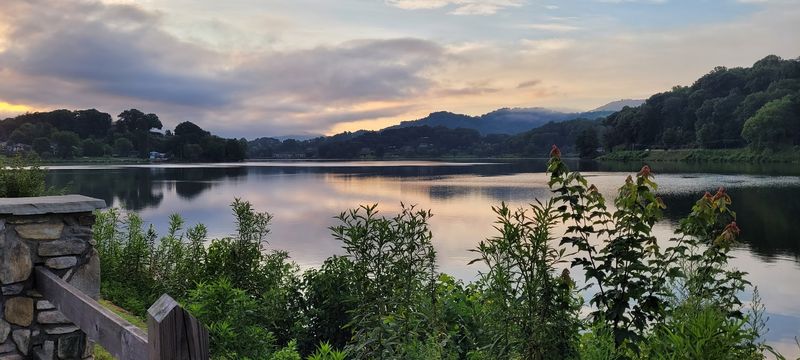
Lake Junaluska is a quiet gem tucked into the Blue Ridge Mountains of western North Carolina, and it has a calm that feels almost deliberate. Originally built as a Methodist retreat in the early 1900s, the community around the lake has maintained a peaceful, unhurried atmosphere that makes it stand out from noisier mountain destinations nearby.
Asheville gets all the press, but Junaluska gets the peace.
The lake itself is small enough to walk around in about an hour, which makes it perfect for an evening stroll. A paved path circles the entire shoreline, passing gardens, chapels, and benches placed at suspiciously perfect scenic spots.
Ducks patrol the water with the confidence of locals who know they own the place.
Nearby Waynesville offers great dining and shopping if you need a change of scenery. The surrounding mountains provide excellent hiking for all fitness levels.
Lake Junaluska is ideal for anyone who wants beauty without the crowds or the traffic.
Greenville, Maine
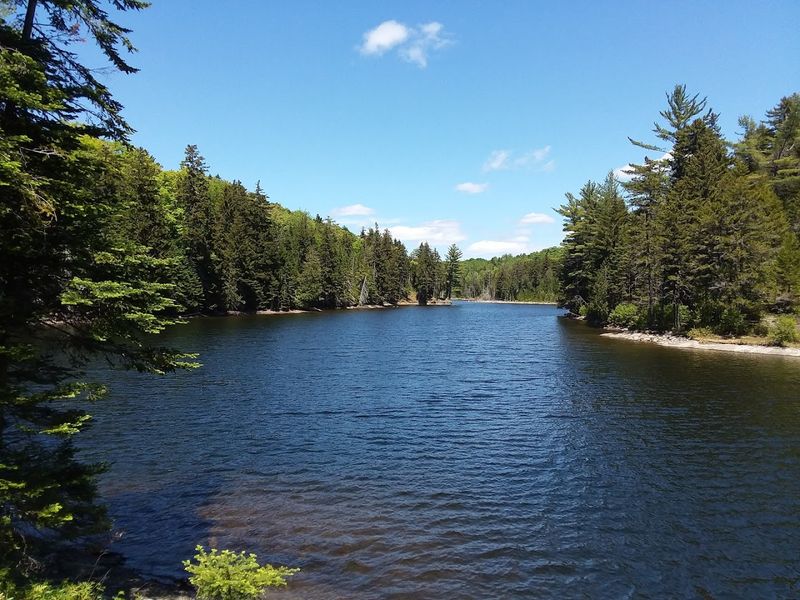
Greenville sits at the southern tip of Moosehead Lake, the largest lake east of the Mississippi, and it wears that distinction with appropriate pride. The town is small, rugged, and about as far from a tourist trap as you can get while still having a gas station.
Seaplanes take off from the lake regularly, which somehow never gets old to watch.
Moosehead Lake is not just big; it is spectacular. Islands, coves, and miles of undeveloped shoreline make it a kayaker’s fantasy.
The lake also lives up to its name: moose sightings are genuinely frequent, especially near marshy inlets at dawn. Bring binoculars and patience in roughly equal measures.
The Moosehead Lake region has a deep logging history, and the local museum tells that story well. Winter brings snowmobilers and ice fishermen who treat the frozen lake like a highway.
Greenville is raw, real Maine, without the lobster-roll kitsch of the coast.
Bigfork, Montana
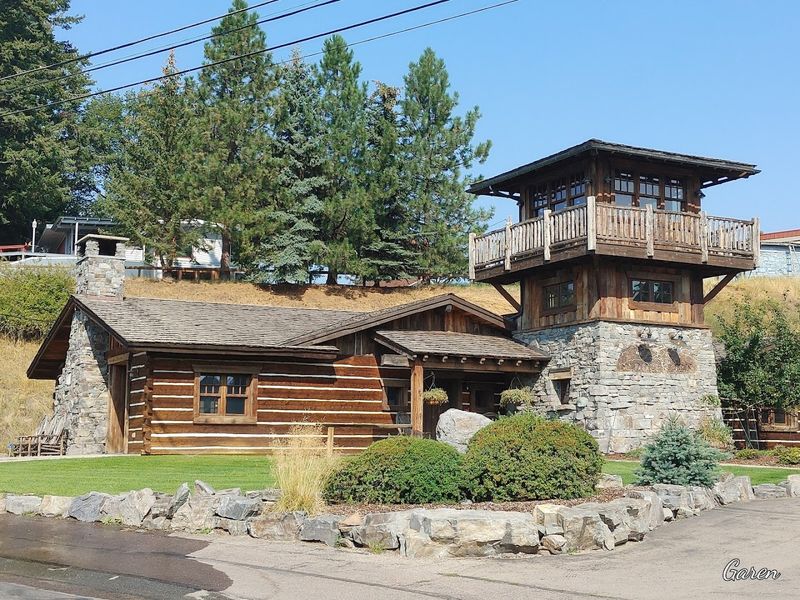
Bigfork is a tiny village on the northeastern corner of Flathead Lake, the largest natural freshwater lake west of the Mississippi. The lake is so clear you can see the bottom in many spots, which is either beautiful or slightly unsettling depending on how you feel about depth.
The water is cold, clean, and a shade of blue that photographers love and cameras struggle to capture accurately.
The village punches well above its weight culturally. The Bigfork Summer Playhouse has been staging professional theater productions since 1960, drawing audiences from across the region.
Art galleries and excellent restaurants line the main street, giving Bigfork a sophisticated edge without the attitude.
Wild Horse Island sits in the middle of Flathead Lake and is accessible only by boat. It is home to wild horses, bighorn sheep, and bald eagles, which is a sentence that should make anyone want to rent a kayak immediately.
Bigfork is Montana at its most quietly brilliant.
McCall, Idaho
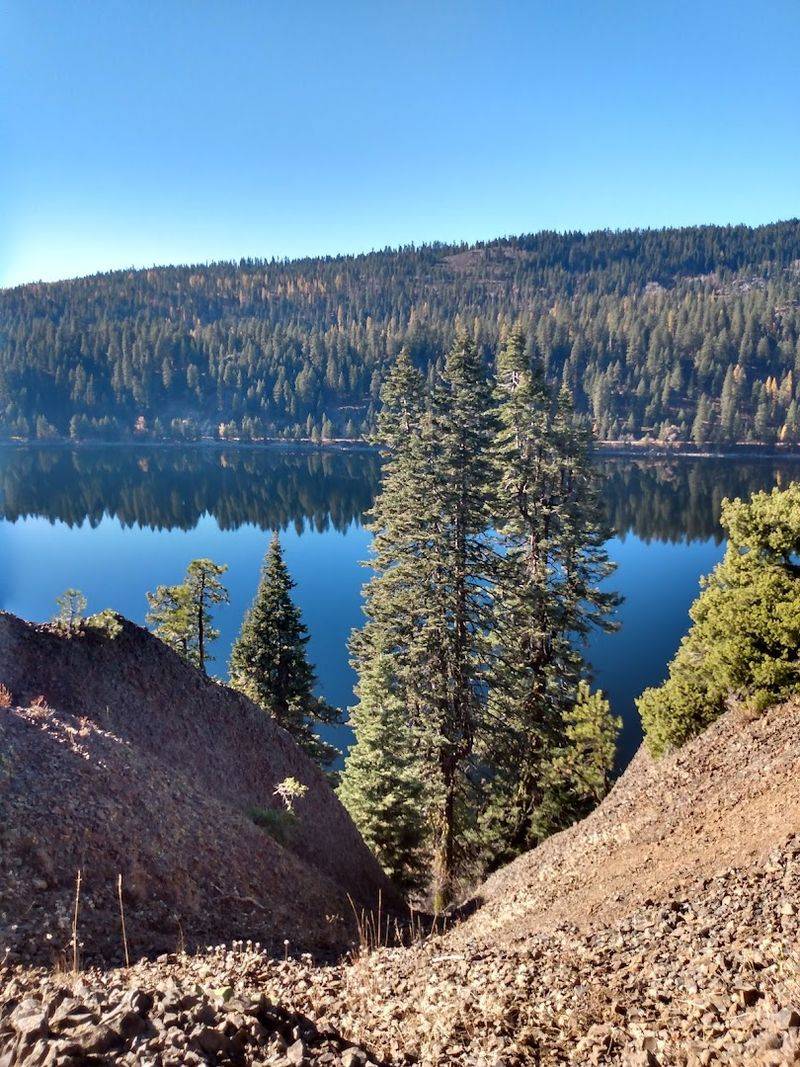
McCall sits on the southern shore of Payette Lake in central Idaho, and it has the kind of natural setting that makes you briefly reconsider all your life choices. The lake is strikingly clear and cold, fed by mountain snowmelt, and ringed by ponderosa pines that smell incredible in the heat of summer.
Good luck leaving on schedule.
The town is well-loved by Boise residents who make the two-hour drive for weekends, but it never feels overrun. Payette Lake offers excellent swimming, paddleboarding, and fishing in summer.
In winter, Brundage Mountain Resort serves up solid skiing with far shorter lift lines than the famous Idaho resorts to the north.
McCall’s Winter Carnival in January is one of the best regional festivals in the Pacific Northwest, featuring massive snow sculptures that take teams weeks to build. The downtown has independent restaurants, a proper bookstore, and a laid-back energy that is easy to fall into.
McCall is the kind of town you visit once and talk about for years.
Lake Ouachita, Arkansas
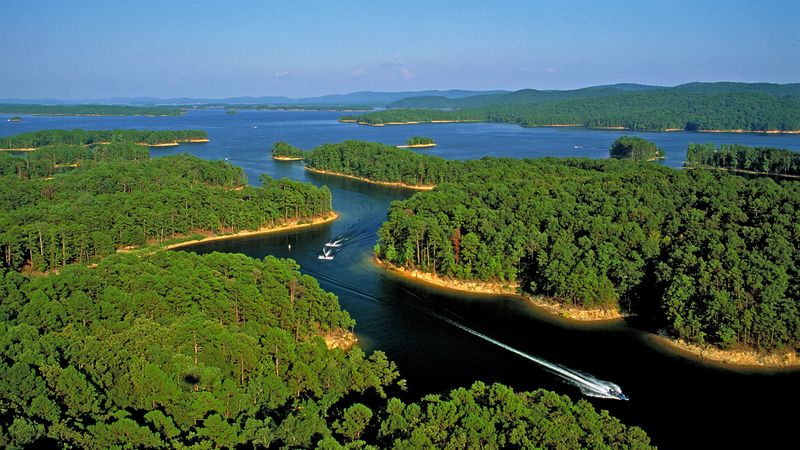
Lake Ouachita is one of the cleanest lakes in the entire United States, and Arkansas is not shy about mentioning it. The water is so clear that snorkeling and scuba diving are popular activities, which is not something most people expect from a landlocked southern state.
Surprise is part of the appeal here.
The lake covers over 40,000 acres and is surrounded by the Ouachita National Forest, meaning development is minimal and nature is very much in charge. Houseboating is a popular way to explore the countless coves and inlets scattered across the shoreline.
Renting a houseboat for a long weekend is genuinely one of the better decisions a person can make.
Hot Springs, Arkansas, sits about 25 miles away and offers a fascinating contrast with its historic bathhouses and lively downtown. But Lake Ouachita itself is the draw, quiet and strikingly beautiful in all four seasons.
This is the kind of lake that makes people wonder why they ever went anywhere else.
Bayfield, Wisconsin
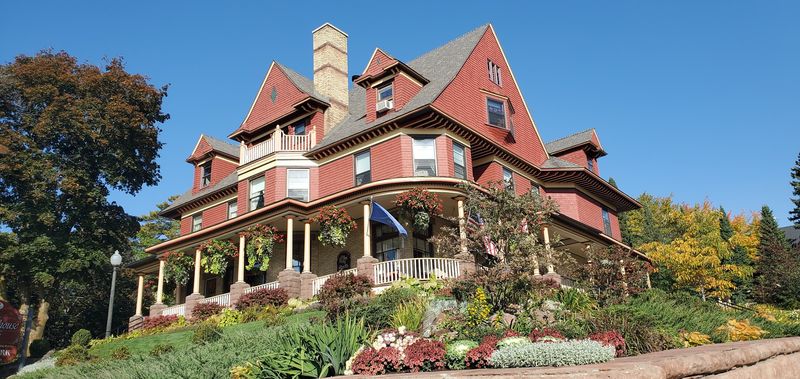
Bayfield is perched on a hillside above Lake Superior, looking out over the Apostle Islands like it owns the view, and honestly, it kind of does. The town is small, walkable, and lined with Victorian-era buildings that give it a storybook quality.
Apple orchards surround the town and produce some of the best cider you will ever encounter at a roadside stand.
The Apostle Islands National Lakeshore is the main attraction, offering sea kayaking, sailing, and access to stunning sea caves carved into the sandstone cliffs. In winter, when Lake Superior freezes solid enough, the ice caves become one of the most extraordinary natural sights in the Midwest.
Timing a visit around that requires patience, but the payoff is remarkable.
Bayfield has a strong fishing heritage and an equally strong arts community, which is a combination that tends to produce excellent restaurants. The ferry to Madeline Island runs regularly in summer.
Bayfield is Lake Superior’s best-kept secret, though word is getting out.
Whitefish, Montana
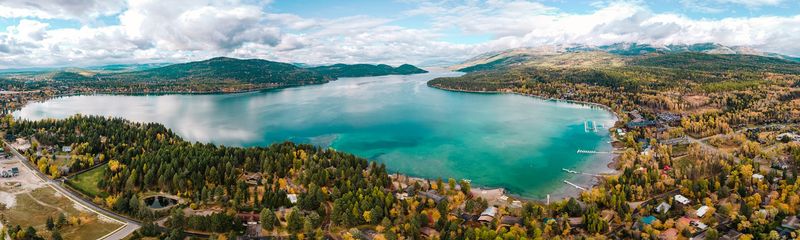
Whitefish has the rare distinction of sitting next to both a gorgeous lake and one of the most famous national parks in America. Glacier National Park is less than an hour away, which means Whitefish functions as a brilliant base camp with excellent restaurant options.
Going-to-the-Sun Road is one of the most scenic drives in North America, and Whitefish puts you close enough to take it seriously.
Whitefish Lake is calm, warm enough for summer swimming, and surrounded by trails that connect to the broader Flathead National Forest. The town itself has a well-developed downtown with craft breweries, farm-to-table dining, and a farmers market that runs weekly in summer.
It is outdoorsy without being aggressively so.
Whitefish Mountain Resort dominates the winter season, drawing skiers and snowboarders to one of Montana’s best mountain experiences. The resort village at the base has a cozy, European alpine feel.
Whitefish earns its reputation as one of the most livable and visitable small towns in the entire West.
Lake Chelan, Washington
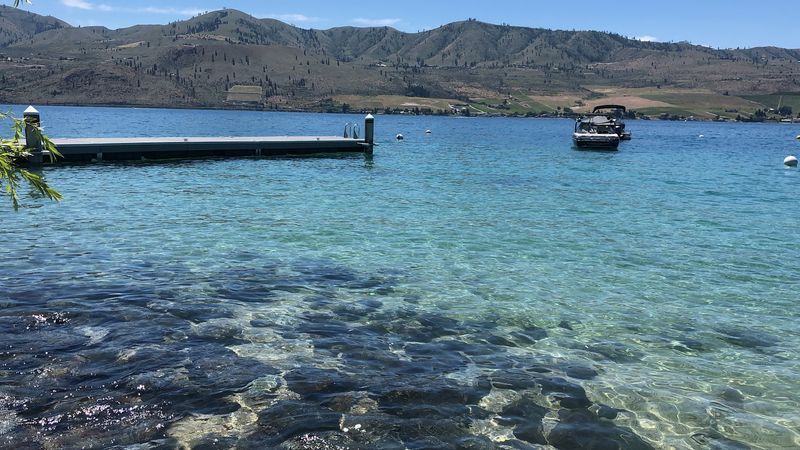
Lake Chelan is 55 miles long, up to 1,500 feet deep, and sits in a landscape that somehow combines desert hills with alpine glaciers. The contrast is striking and slightly bizarre in the best possible way.
This is eastern Washington, where the rain shadow of the Cascades keeps the hills golden and dry while the lake stays impossibly blue and cold.
The town of Chelan at the southern end is lively in summer, with water parks, wineries, and a busy marina. For a completely different experience, take the passenger ferry to Stehekin, a remote community at the northern end that has no road access.
Stehekin is one of the most genuinely isolated communities in the lower 48 states, and a day trip there is unforgettable.
Apple and pear orchards surround the lake, and farm stands along the roads sell fruit that tastes like it was picked minutes ago. Lake Chelan rewards visitors who stay long enough to figure out its personality.
It takes about half a day, and then you never want to leave.
Lake Lure, North Carolina
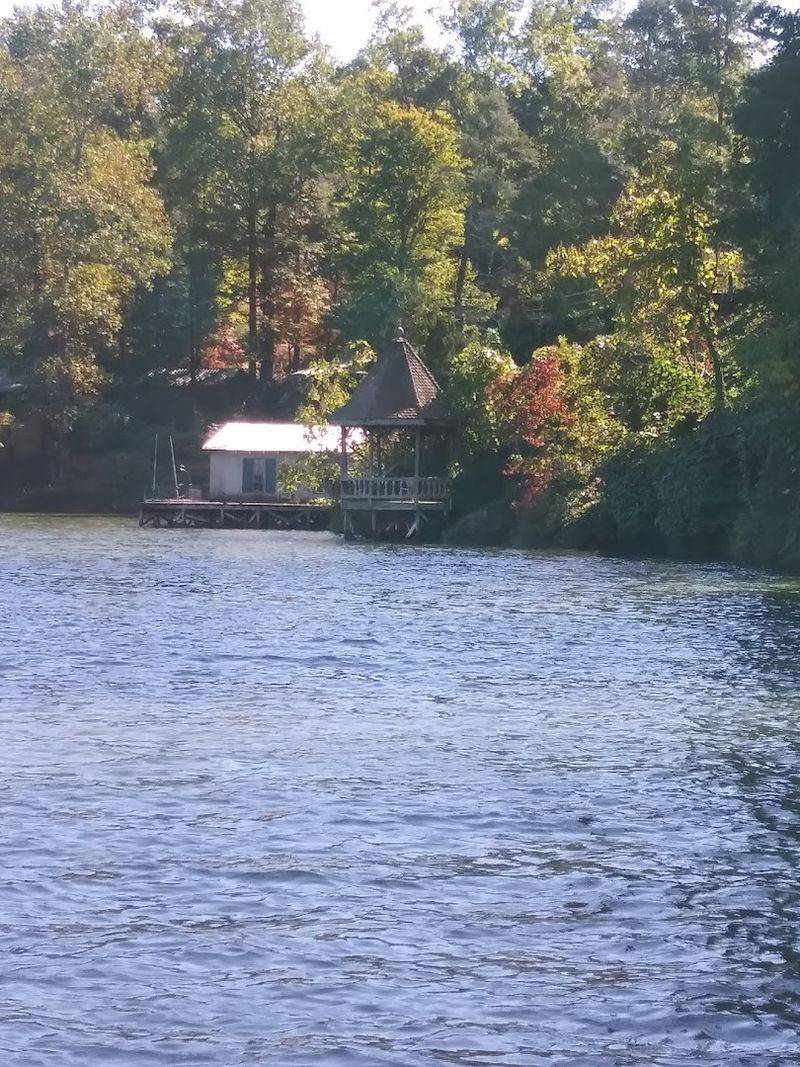
Lake Lure has one of the most cinematic settings in the American South, which is not a coincidence given that Dirty Dancing was filmed here in 1987. The lake sits at the base of Chimney Rock, a dramatic granite formation that towers over the water and gives the whole valley a theatrical quality.
Nobody puts Lake Lure in a corner.
The lake was actually man-made in the 1920s, carved out of the Rocky Broad River by developers who clearly had excellent taste. At just 720 acres, it is intimate enough to feel personal rather than overwhelming.
Pontoon boat rentals, paddleboarding, and swimming are the main summer activities, and none of them require special skills or advance planning.
Chimney Rock State Park offers hiking trails with views that stretch for miles across the Blue Ridge Mountains. The town has a handful of good restaurants and a retro resort feel that is genuinely endearing rather than dated.
Lake Lure is small, beautiful, and more than a little bit magic.



