Nineteen seventy-eight was a year when popular music refused to stay in its lane. Disco ruled the charts, punk rattled the establishment, and a new wave of artists began blurring every boundary in between. What emerged was a remarkably diverse collection of songs that captured something harder to define than genre: a certain attitude, a particular sharpness, a sound that felt unmistakably of its moment. The 17 tracks collected here span funk, rock, new wave, soul, and arena anthems, yet each one carried that same quality of cool that made 1978 one of the most musically interesting years of the decade.
Whether you lived through it or discovered these songs decades later, they still hold up as documents of a culture in creative overdrive. Read on to find out why each one still matters.
1. Le Freak by Chic

Few songs in the history of recorded music were born from a more ironic moment of rejection. On New Year’s Eve 1977, Chic founders Nile Rodgers and Bernard Edwards were turned away from Studio 54 despite a personal invitation from Grace Jones. Rather than walk away empty-handed, they retreated to Rodgers’ apartment and channeled their frustration into a song.
The original chorus was considerably less radio-friendly than what audiences eventually heard. A quick revision transformed the outburst into “Freak Out,” flipping the song from a complaint into a celebration. Released on September 21, 1978, it reached number one on the Billboard Hot 100 and became Atlantic Records’ biggest-selling single at the time.
2. Baker Street by Gerry Rafferty
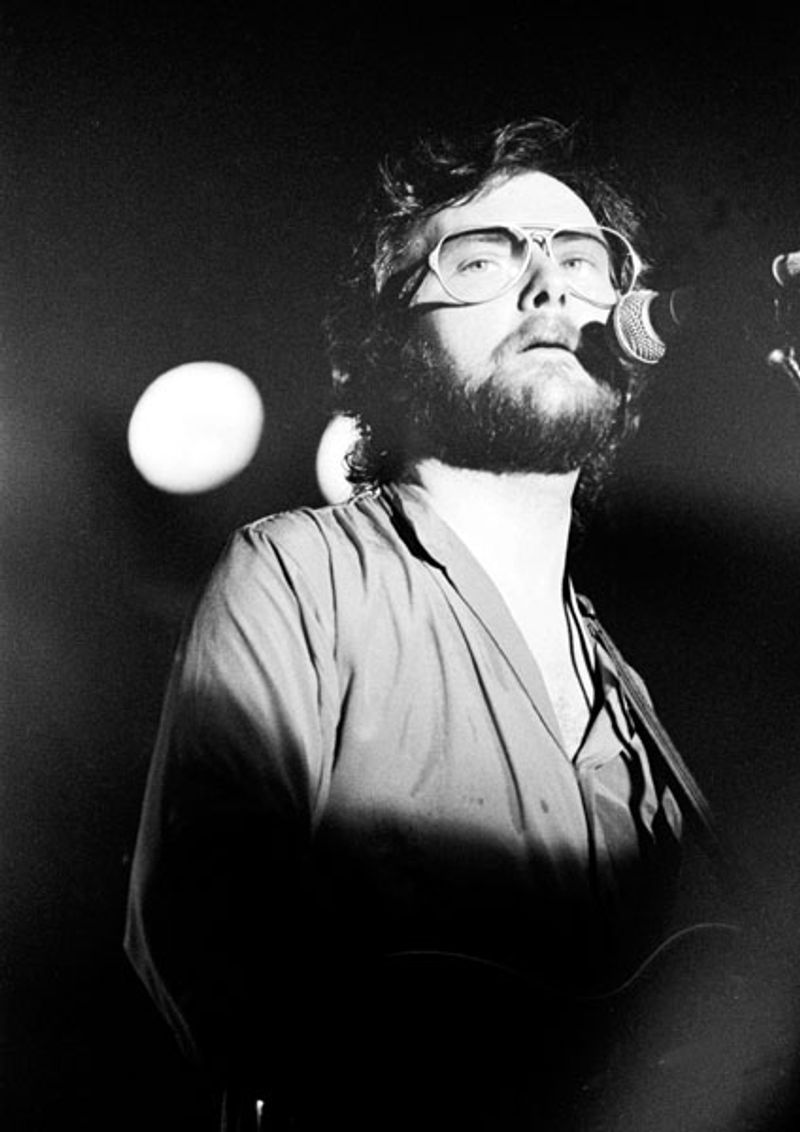
Three years of legal battles and enforced silence preceded Gerry Rafferty’s return to music, and the resulting frustration poured directly into his most celebrated work. Released on February 3, 1978, “Baker Street” drew from the weariness of his frequent trips between London and Scotland during the Stealers Wheel contract disputes. He often stayed near the actual Baker Street, and the street’s name stuck.
Session musician Raphael Ravenscroft performed the saxophone riff that would redefine the instrument’s role in pop music, reportedly earning just £27 for the session. The track reached number two on the US Billboard Hot 100 and won the 1979 Ivor Novello Award for Best Song Musically and Lyrically, cementing Rafferty’s legacy.
3. September by Earth, Wind & Fire
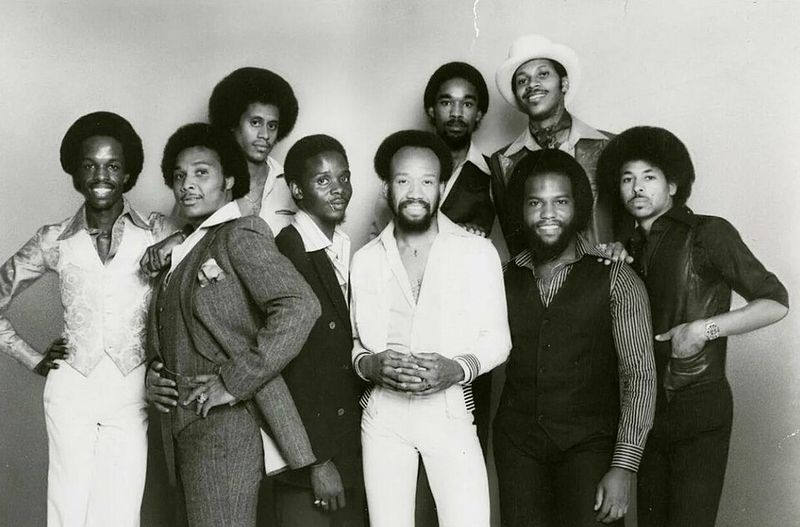
Al McKay developed the initial music sequence that anchored “September,” building a four-measure groove over a circle of fifths in A major that felt instantly celebratory. Co-writer Allee Willis long maintained that the “21st night of September” was chosen purely because the syllables fit the melody. That explanation held for decades until Maurice White’s widow revealed in 2018 that September 21 was the original due date for White’s son, Kahbran, a private detail he embedded in the song as a secret message.
Released November 18, 1978, the track topped the US Billboard Hot R&B Songs chart and reached number eight on the Hot 100. It was added to the Library of Congress National Recording Registry in 2018, confirming its status as a document of genuine cultural significance.
4. One Nation Under a Groove by Funkadelic
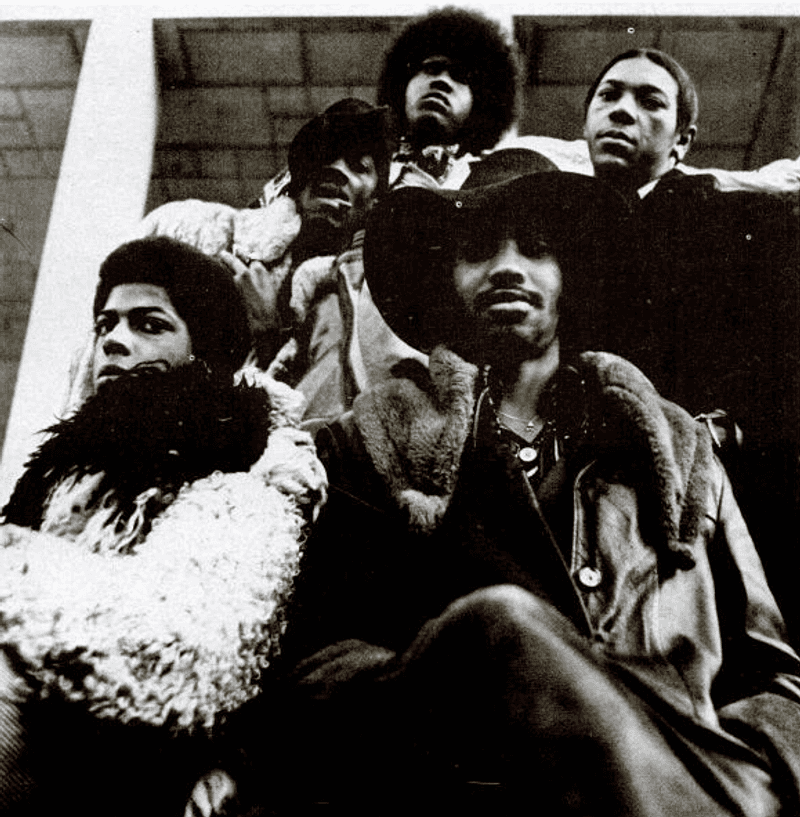
George Clinton designed “One Nation Under a Groove” as a direct challenge to the music industry’s habit of sorting artists by race and genre. The lyrics asked pointedly why a funk band couldn’t play rock, and why a jazz band couldn’t play dance music. These were not rhetorical questions; they were a declaration that the P-Funk collective intended to ignore every boundary drawn around them.
Released September 22, 1978, the single spent six weeks at number one on the Billboard Soul chart, the longest run of any chart-topper that year. The album achieved platinum certification and reached number 16 on the Billboard 200. The iconic “One Nation Under a Groove” flag, debuted at the Chicago Funk Festival in August 1978, became a lasting symbol of the collective’s philosophy of unity through music.
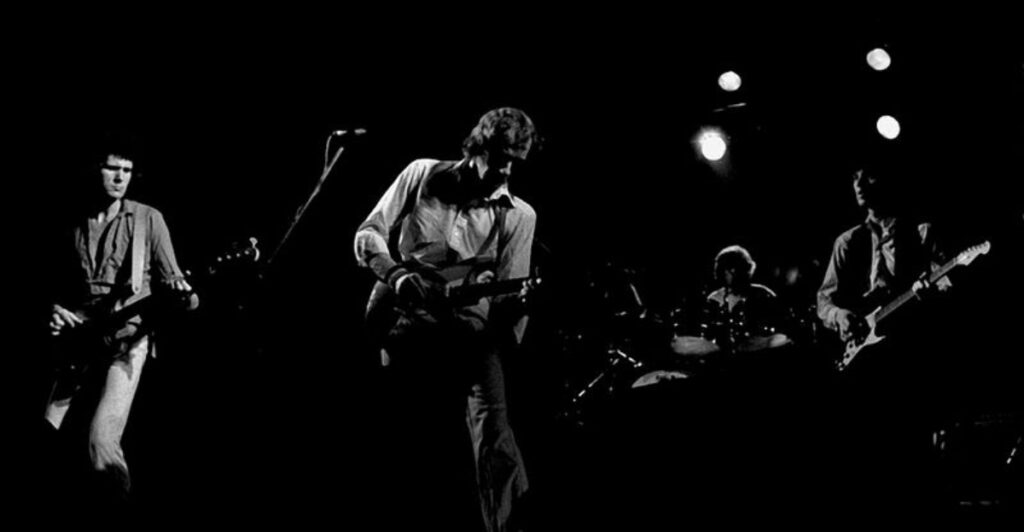
5. Sultans of Swing by Dire Straits
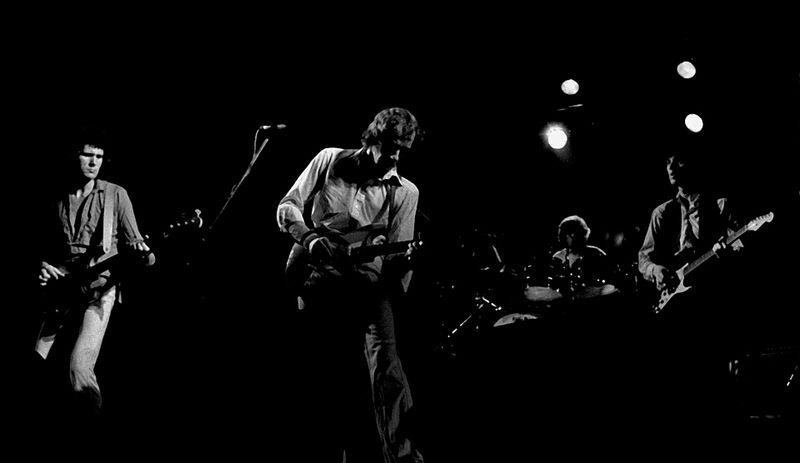
Mark Knopfler found his song in the most unlikely of classrooms: a nearly empty London pub where a Dixieland jazz band performed for almost no one. The band’s singer closed the set with the completely sincere declaration, “We are the Sultans of Swing,” and Knopfler walked away with a title and a story worth telling. His first Fender Stratocaster, acquired in 1977, gave the song its distinctive voice.
A demo version caught the attention of BBC Radio London DJ Charlie Gillett, who championed it relentlessly. The song eventually peaked at number four on the US Billboard Hot 100 and helped propel the debut album to number two in America, an extraordinary achievement for a band no one had heard of a year earlier.
6. Because the Night by Patti Smith Group
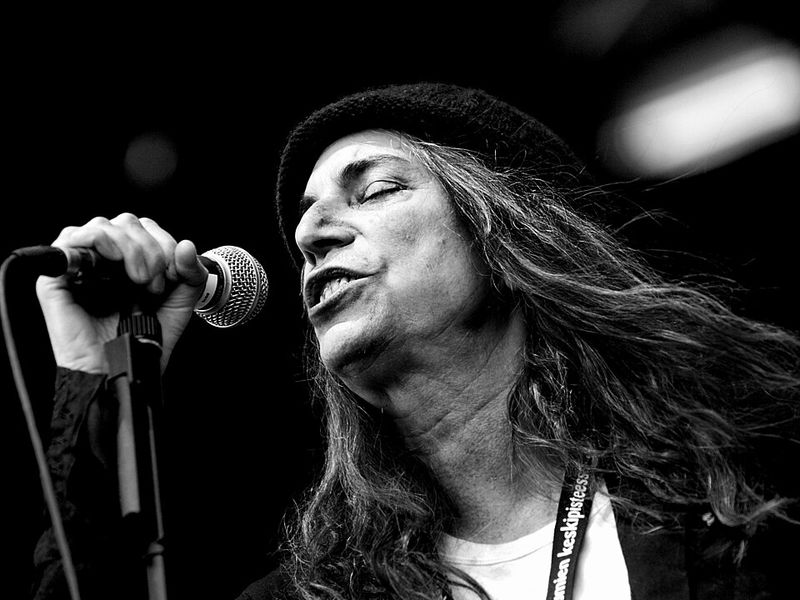
Bruce Springsteen started writing “Because the Night” in 1976 and then set it aside, unable to finish lyrics that felt out of place on “Darkness on the Edge of Town.” Producer Jimmy Iovine, working simultaneously on both Springsteen’s album and Patti Smith’s “Easter,” obtained a cassette of the unfinished demo and passed it along to Smith. She wrote her verses in a single night while waiting anxiously for a long-distance call from her boyfriend, Fred “Sonic” Smith.
Released March 2, 1978, the track peaked at number 13 on the US Billboard Hot 100 and number five in the UK, becoming Smith’s only Top 40 single. It contributed to her 2007 Rock and Roll Hall of Fame induction and remains the best-known song in her catalog by a significant margin.
7. Roxanne by The Police
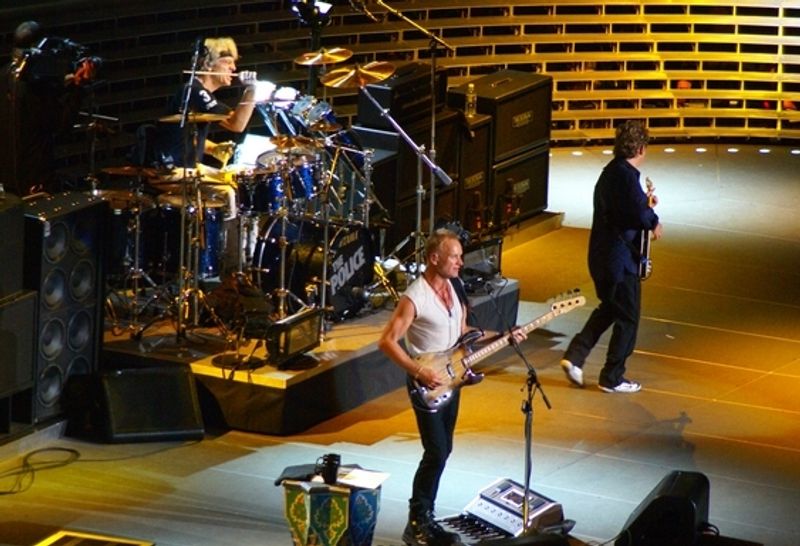
Sting wrote “Roxanne” in October 1977 while the band stayed at a rundown Paris hotel near the city’s red-light district. The song’s title came from a lobby poster advertising Edmond Rostand’s play “Cyrano de Bergerac,” a romantic story involving unrequited devotion to a woman named Roxanne. What began as a bossa nova idea was reshaped by Stewart Copeland into something closer to a tango, and Andy Summers added the guitar parts that gave it its distinctive texture.
The UK release in April 1978 barely registered, but a North American re-release in early 1979 pushed it to number 32 on the US Billboard Hot 100. The BBC initially banned the track, a decision A&M Records cleverly used as promotional material. It was later inducted into the Grammy Hall of Fame in 2008.
8. Pump It Up by Elvis Costello & The Attractions
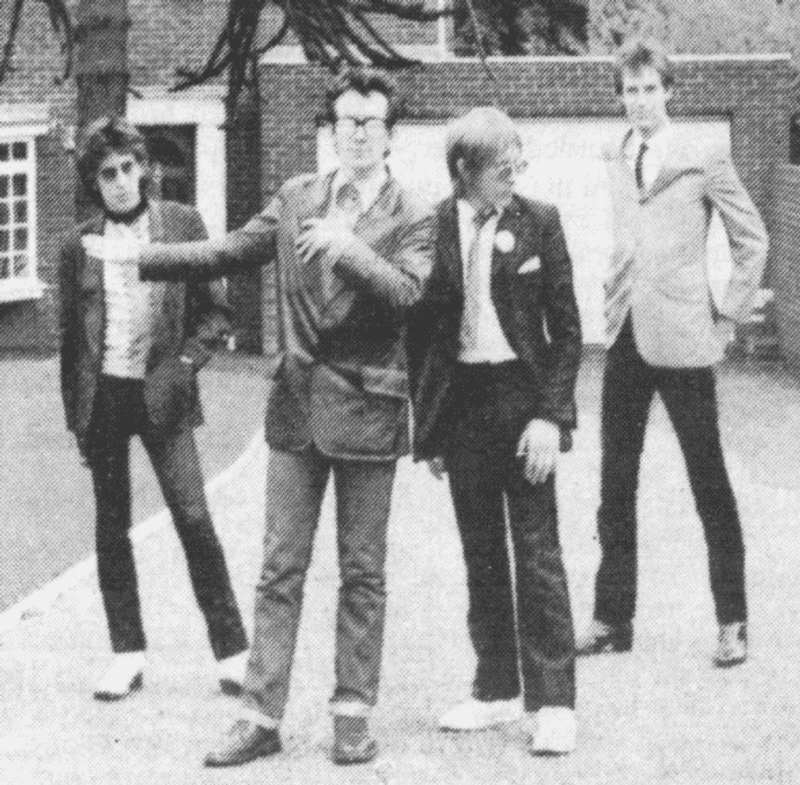
Elvis Costello wrote “Pump It Up” on a hotel fire escape in Newcastle, reflecting on the rock and roll excess he observed during the Stiffs Live Tour. The song was built as a deliberate satire of hedonism, questioning what happens when indulgence replaces any genuine purpose. He openly acknowledged borrowing the song’s rhythmic structure from Bob Dylan’s “Subterranean Homesick Blues,” stating plainly that you take broken pieces of another thrill and make a brand new toy.
Released June 10, 1978, the track reached number 24 on the UK Singles Chart. Its drum pattern directly inspired The Knack’s 1979 hit “My Sharona.” The album “This Year’s Model” peaked at number four in the UK and helped define the new wave genre as something sharp, intelligent, and deliberately uncomfortable to dismiss.
9. Take Me to the River by Talking Heads
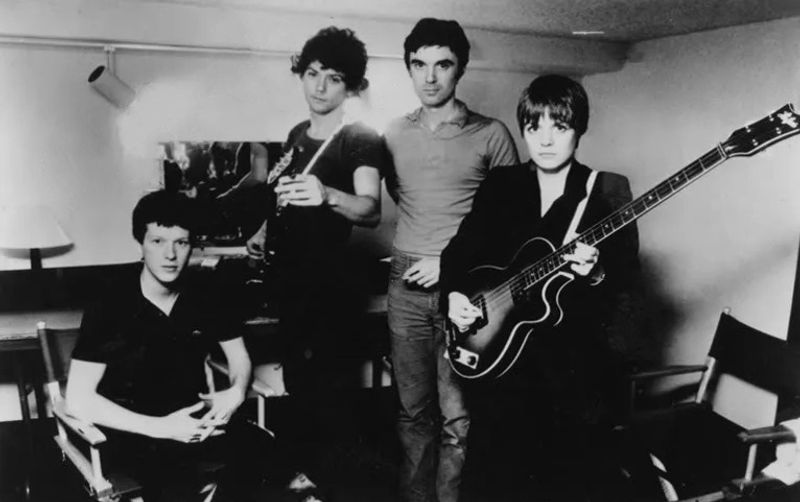
Al Green and Mabon Hodges wrote “Take Me to the River” in 1974 as a soul track rooted in themes of baptism and spiritual release. Talking Heads’ decision to cover it on their 1978 album “More Songs About Buildings and Food” surprised listeners who associated the band with cerebral art-rock, not Southern soul. Producer Brian Eno reportedly suggested they play the song as slowly as possible without losing the groove, a subtle instruction that changed everything.
The single reached number 26 on the US Billboard Hot 100 in February 1979, becoming the band’s highest-charting single to that point. The cover earned them their first appearance on “American Bandstand” and introduced their idiosyncratic sound to a mainstream audience that would not have found them otherwise.
10. Werewolves of London by Warren Zevon
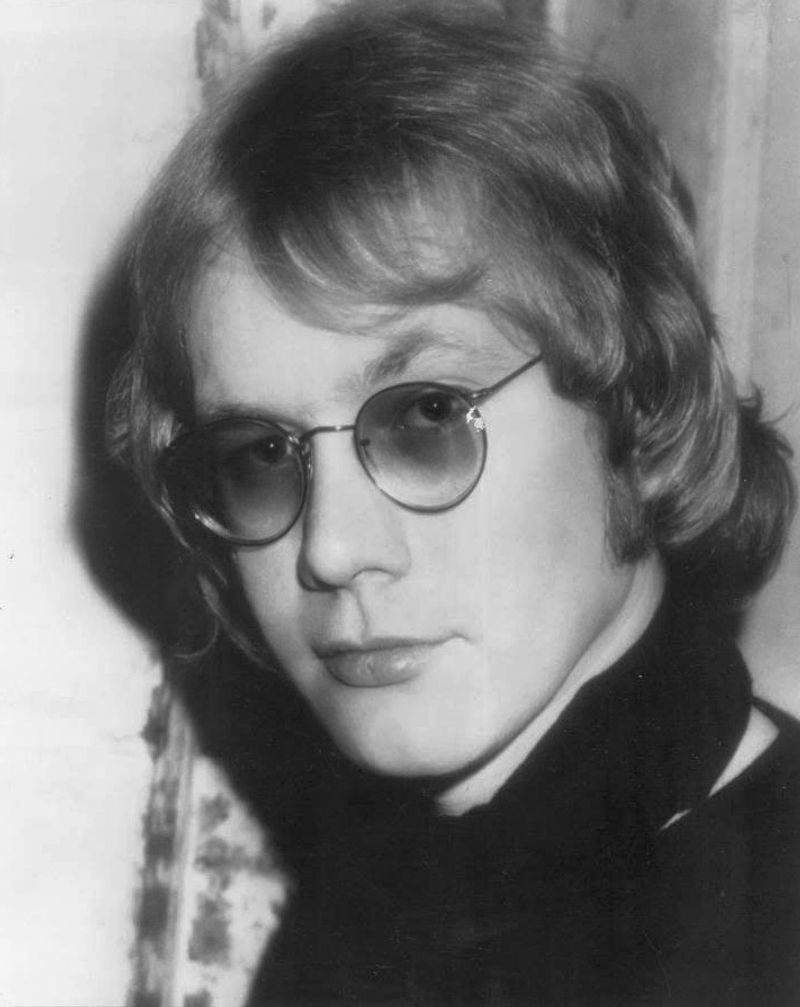
Phil Everly of the Everly Brothers planted the seed for this song in 1975 as a joke, suggesting Warren Zevon adapt the title of a 1935 horror film into a song and dance craze. Zevon, along with collaborators LeRoy Marinell and Waddy Wachtel, reportedly wrote the lyrics in 15 minutes. Zevon himself called it “a dumb song for smart people,” and none of them initially believed it had commercial potential.
Getting the track to work in the studio proved far more difficult than writing it, requiring multiple musician configurations before Fleetwood Mac’s Mick Fleetwood and John McVie provided the rhythm section that finally clicked. Released in March 1978, the song peaked at number 21 on the US Billboard Hot 100 and later gained a second life when sampled by Kid Rock in his 2008 hit “All Summer Long.”
11. My Life by Billy Joel
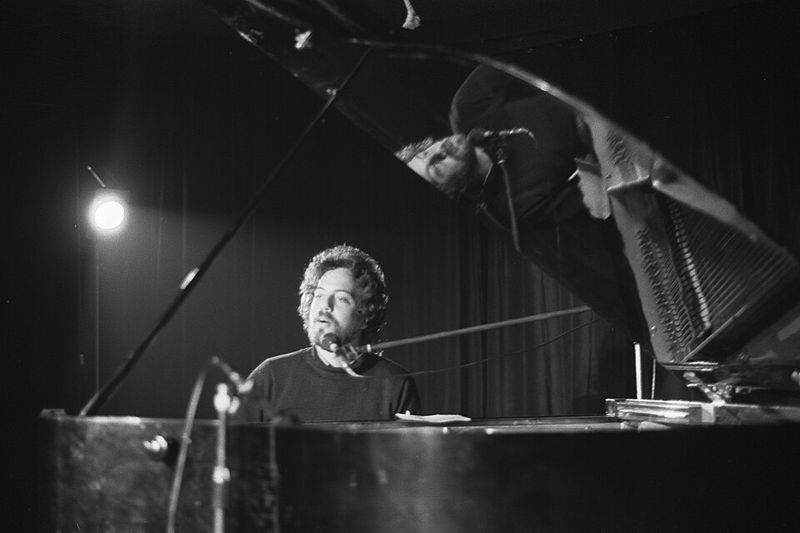
Billy Joel drew on a very specific story when writing “My Life”: his friend Tony Lawrence left a stable East Coast job to pursue stand-up comedy in California. Joel saw that decision as a bold act of self-determination and shaped the song around it, landing on a chorus that functioned as a declaration rather than a request. The result was one of the most direct statements of personal independence in mainstream pop songwriting of the decade.
Released in late October 1978, the track peaked at number three on the US Billboard Hot 100. The album “52nd Street” became Joel’s first number one on the Billboard 200 and won the Grammy for Album of the Year. A re-recorded version later served as the theme for ABC’s sitcom “Bosom Buddies,” starring a then-unknown Tom Hanks.
12. Hot Blooded by Foreigner
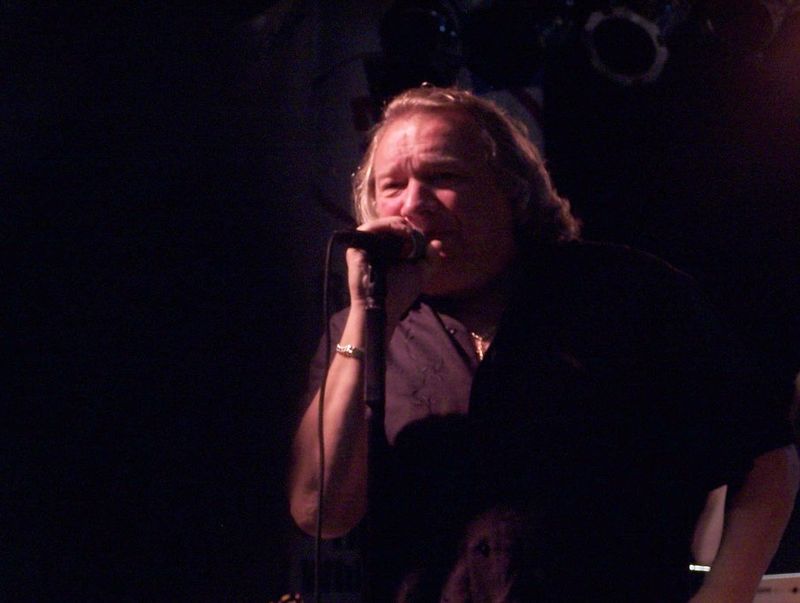
Mick Jones developed the central guitar riff for “Hot Blooded” during apartment jam sessions, and the track’s energy never really calmed down from there. Lou Gramm wrote lyrics he described as tongue-in-cheek, framing the song as a humorous take on the difficulty of meeting people on the road after shows had wrapped and audiences had gone home. The result was one of the defining guitar-driven anthems of arena rock’s peak commercial period.
Released in June 1978 as the lead single from “Double Vision,” the track reached number three on the US Billboard Hot 100. Rapper Tone Loc later sampled its guitar riff in the 1989 hit “Funky Cold Medina.” In 2024, Foreigner performed the song at their Rock and Roll Hall of Fame induction ceremony, bookending a career that began with this track’s remarkable commercial run.
13. Miss You by The Rolling Stones
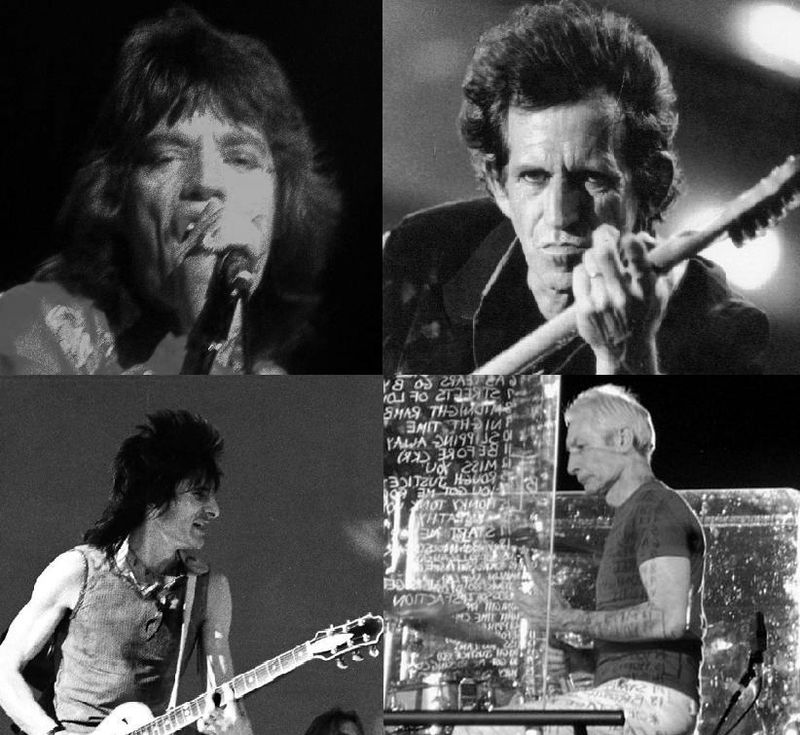
The Rolling Stones entering disco territory felt audacious in 1978, but the band’s time spent in New York nightclubs made the move feel entirely natural. Mick Jagger and Charlie Watts were regular visitors to Studio 54, and those experiences shaped the track’s undeniable four-on-the-floor pulse. Bill Wyman crafted the bassline after studying club recordings and refining his approach over time.
Released in May 1978 as the lead single from “Some Girls,” the song became the Stones’ eighth and final US number one, displacing Andy Gibb from the top spot in August. An extended disco mix remixed by Bob Clearmountain marked the band’s first official dance remix, with some copies pressed on pink vinyl. “Rolling Stone” later named it among the 500 Greatest Songs of All Time.
14. Double Vision by Foreigner
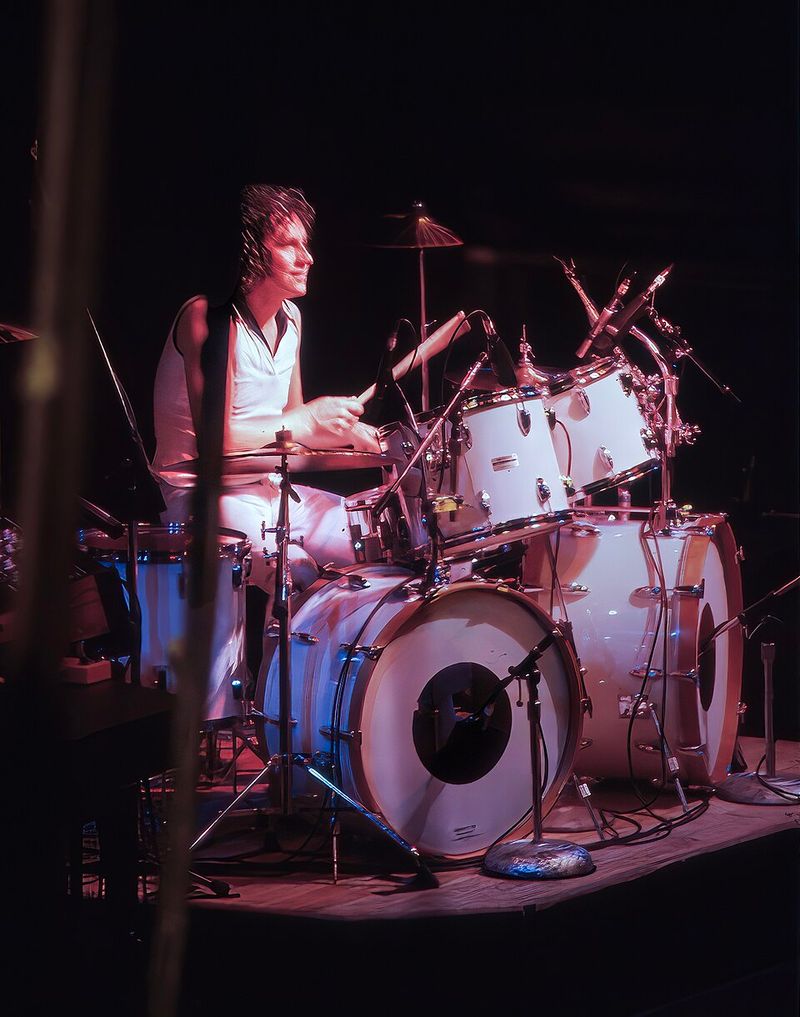
The title of “Double Vision” came from a National Hockey League playoff game in 1978. Lou Gramm, an avid hockey fan, was watching New York Rangers goaltender John Davidson take a puck to the head and heard announcers repeat the phrase “double vision” to describe his injury. Gramm and Mick Jones translated that very specific moment into a song that many listeners assumed was about intoxication or romantic obsession.
Released as the second single from the “Double Vision” album in September 1978, the track peaked at number two on the US Billboard Hot 100, blocked from the top spot by Donna Summer’s “MacArthur Park.” The album itself became Foreigner’s best-selling record, achieving 7x platinum certification in the US and reaching number three on the Billboard 200, solidifying the band’s arena rock dominance.
15. Life’s Been Good by Joe Walsh
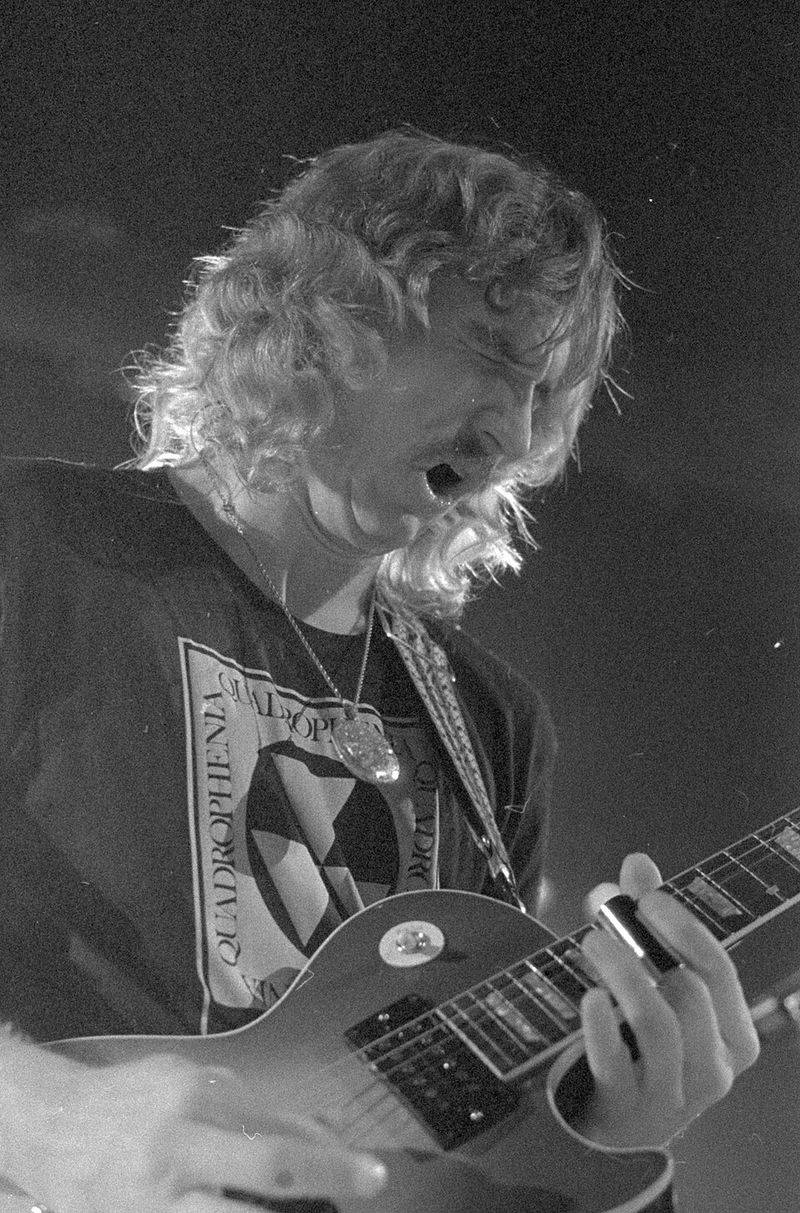
Joe Walsh built “Life’s Been Good” from a collection of autobiographical observations about rock star excess, most of which were either directly true or inspired by people around him. The line about losing his license was actually about losing his wallet. The hotel-trashing imagery drew from time spent with Keith Moon of The Who. Walsh packaged these vignettes into a satirical meditation on fame, delivering them with a deadpan wit that made the absurdity land harder than any outright critique would have.
Released in May 1978 and appearing on both the “FM” soundtrack and his solo album “But Seriously, Folks…,” the track peaked at number 12 on the US Billboard Hot 100. The 1979 Rolling Stone Record Guide called it possibly the most important statement on rock stardom made in the late seventies, a verdict that still holds up reasonably well.
16. Blue Collar Man (Long Nights) by Styx
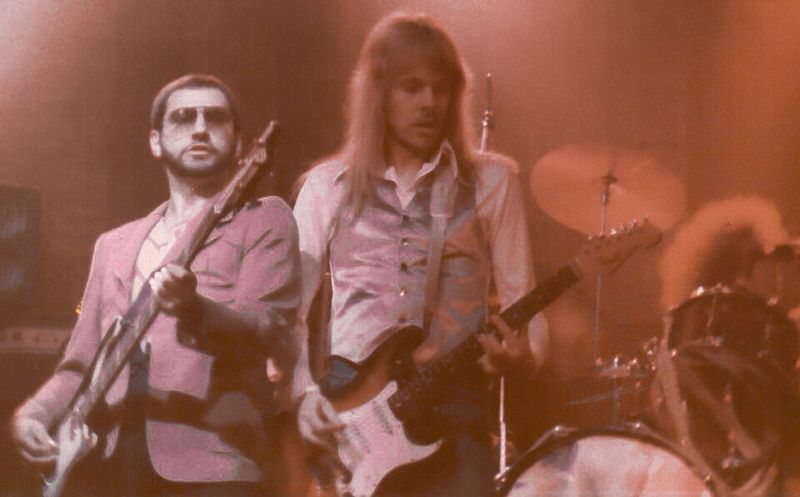
Tommy Shaw wrote “Blue Collar Man (Long Nights)” after watching his friend Pete lose his railroad job and endure the indignity of unemployment lines. Shaw, who came from a working-class background himself, understood the particular frustration of someone who wanted to work and found no one willing to give him the chance. The song’s main guitar riff came to Shaw during a deep-sea fishing trip in Maui, where the rhythm of breaking waves lodged itself in his memory.
The track also began life as a soundcheck jam during the “Grand Illusion” tour, giving it an unusually lived-in quality for a studio recording. Released in September 1978, it reached number 21 on the US Billboard Hot 100 and helped push “Pieces of Eight” to triple-platinum certification. The song remains a fixture in Styx’s live set, particularly resonant during periods of widespread economic uncertainty.
17. Shame by Evelyn “Champagne” King
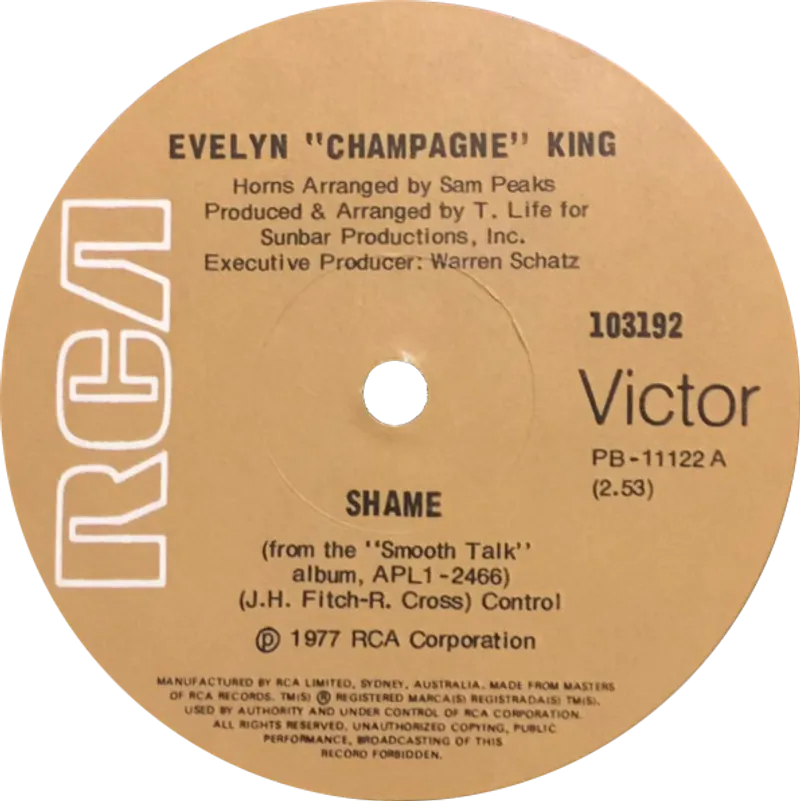
Evelyn King was discovered at age 15 while cleaning offices at Philadelphia International Records’ Sigma Sound Studios. Producer Theodore “T. Life” Life overheard her singing in a washroom and immediately began coaching her toward a recording contract. Her nickname “Champagne” was added because her actual name was considered too mature for someone her age, a detail that now reads as quietly ironic given the authority in her voice.
The extended 12-inch remix of “Shame,” created by DJs Al Garrison and David Todd, became the hit version after gaining heavy club and radio play from January 1978 onward. The track reached number one on the US Billboard Hot R&B Songs chart and number nine on the Hot 100. It was inducted into the Dance Music Hall of Fame in 2004 and remains a bona fide disco standard.
Share this story