 Unearth The Voyage

Some American rivalries go well beyond sports and show up in everyday life. Across the country, neighboring cities and regions compete over food, identity, culture, and which place does it better.
These matchups are shaped by history, geography, and long-standing local pride. They show up in debates over pizza styles, college allegiances, coastal vs inland living, and even how people define their state.
What makes them worth exploring is how personal they get. This list takes you through the places where the competition never really fades.
1. Boston, MA vs. New York, NY

Nothing starts a regional debate faster than putting Boston and New York in the same sentence. This rivalry runs on more than sports, because residents also compare accents, public transit, pace, food, and which city has the sharper personality.
Boston leans on Revolutionary history, compact neighborhoods, and an underdog edge that somehow coexists with immense confidence. New York answers with sheer scale, global influence, and the belief that if something matters, it probably happened there first.
You can hear the contest in jokes about clam chowder, bagels, baseball, and who handles winter with greater dignity. Neither city is interested in second place, and that is exactly why this long-running feud stays lively, petty, funny, and strangely impressive year after year.
2. Minneapolis vs. St. Paul, MN
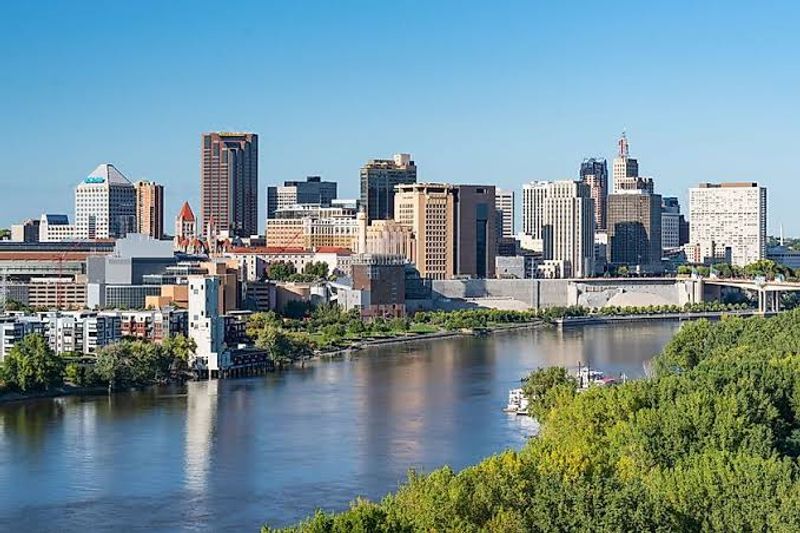
The phrase Twin Cities sounds cooperative, but Minneapolis and St. Paul keep score with quiet determination. They share a metropolitan label while defending very different reputations, and locals know the contrast is the whole point.
Minneapolis gets tagged as bigger, shinier, and more corporate, with taller buildings and a stronger pull in business and nightlife. St. Paul counters with political importance, older architecture, steadier neighborhoods, and a talent for acting unbothered while absolutely keeping receipts.
The rivalry stays friendly enough for cross-town visits, yet every conversation about culture, downtown energy, or which side has more character can turn competitive fast. You do not need a scoreboard here, because the bragging rights are built into everyday introductions, directions, and hometown loyalty.
3. Dallas vs. Fort Worth, TX
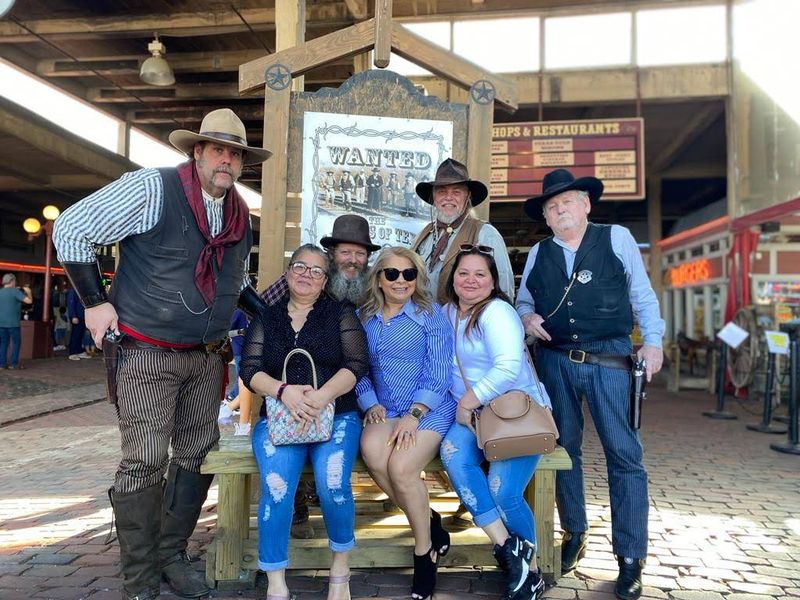
Big hats are not required for this argument, but strong opinions definitely are. Dallas and Fort Worth sit close together on the map, yet each city guards its identity like a state fair trophy.
Dallas projects polish, glass towers, major business, and a love of being seen as ambitious and current. Fort Worth answers with stockyards history, western heritage, renowned museums, and a steady insistence that substance beats flash every single time.
That difference fuels endless local teasing about authenticity, sophistication, traffic, and who actually understands Texas best. Visitors may bundle them into one metro area, but locals rarely do.
Mention one city while standing in the other, and you may trigger a master class in civic branding delivered with a smile and absolutely no hesitation.
4. San Francisco vs. Los Angeles, CA

California keeps plenty of internal drama, and San Francisco versus Los Angeles is the headliner. This rivalry stretches far beyond mileage, pulling in culture, politics, industry, architecture, and each city’s preferred version of self-importance.
San Francisco likes to claim brains, walkability, and a history of protest, innovation, and dense urban character. Los Angeles responds with scale, entertainment power, global reach, and a sprawling confidence that says influence does not need your approval.
People compare weather, transit, creativity, neighborhood identity, and which place feels more genuinely Californian, as though the state only has room for one symbolic capital. The truth is both cities dominate in different ways, which only keeps the contest going.
Nothing settles a rivalry quite like two places refusing to need settling.
5. Charleston vs. Columbia, SC
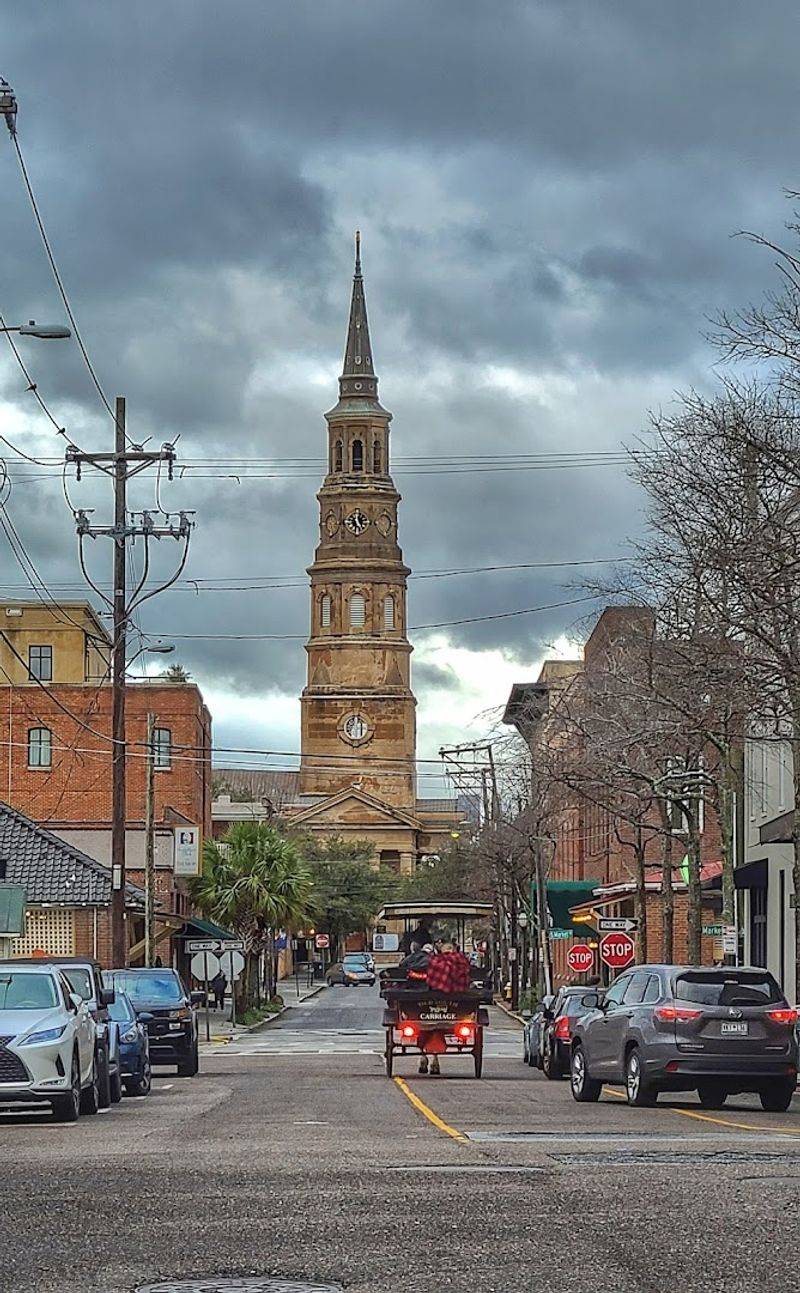
South Carolina splits its pride in a particularly sharp way when Charleston and Columbia enter the chat. One city sells history and postcard beauty, while the other runs government, college energy, and the practical business of being the capital.
Charleston leans on preserved streets, tourism clout, and a reputation for polished charm that reaches far beyond the state. Columbia counters with political relevance, a central location, and the kind of daily influence that comes from hosting lawmakers, agencies, and a major university.
That tension creates a classic argument over symbolism versus power. Ask which city best represents South Carolina, and you will quickly hear competing cases about culture, progress, tradition, and who gets overlooked.
The rivalry stays civil, but nobody mistakes it for casual.
6. Portland vs. Seattle (ME edition)
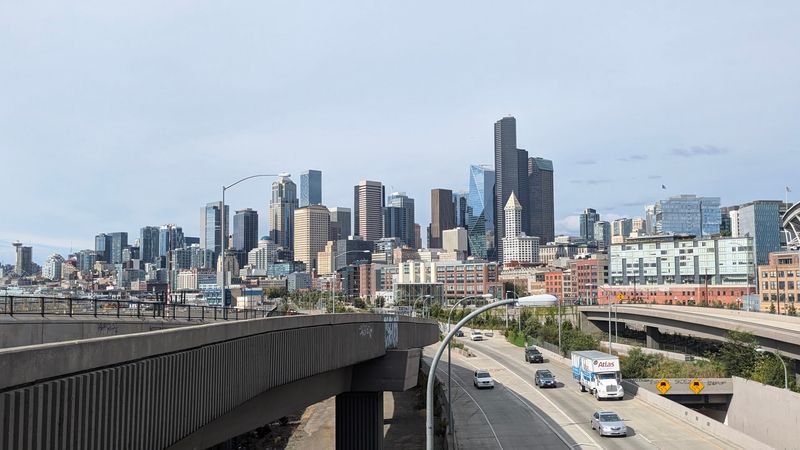
This one surprises outsiders, which makes it even more fun for locals. Portland and Seattle in Maine do not have West Coast size, but they still compete over culture, coastline identity, and who deserves the stronger claim on regional relevance.
Portland enters with restaurants, tourism, cruise traffic, and the confidence of a small city that knows people are paying attention. Seattle, a much smaller Washington County town, carries local pride rooted in fishing heritage, maritime life, and the refusal to be overshadowed by a bigger name.
The rivalry is less about constant direct clashes and more about symbolism inside a state where community identity matters deeply. People compare authenticity, visibility, and whose coastal story feels more genuinely Maine.
Small places can hold very big opinions, and that is exactly the point here.
7. Ann Arbor vs. East Lansing, MI

College rivalries rarely stay on campus, and Ann Arbor versus East Lansing proves it every year. What starts with football and basketball quickly expands into academics, town identity, alumni loyalty, and endless statewide debate.
Ann Arbor carries the University of Michigan brand, a nationally visible profile, and a reputation for prestige that some people admire and others love to challenge. East Lansing, home to Michigan State, answers with a strong land-grant tradition, enormous school spirit, and a chip-on-the-shoulder confidence that rarely backs down.
The competition spills into bars, living rooms, workplaces, and family gatherings where colors practically count as declarations. Residents compare campuses, research, traditions, and who has the more grounded personality.
In Michigan, picking a side can feel less like a preference and more like inherited law.
8. Chapel Hill vs. Durham, NC
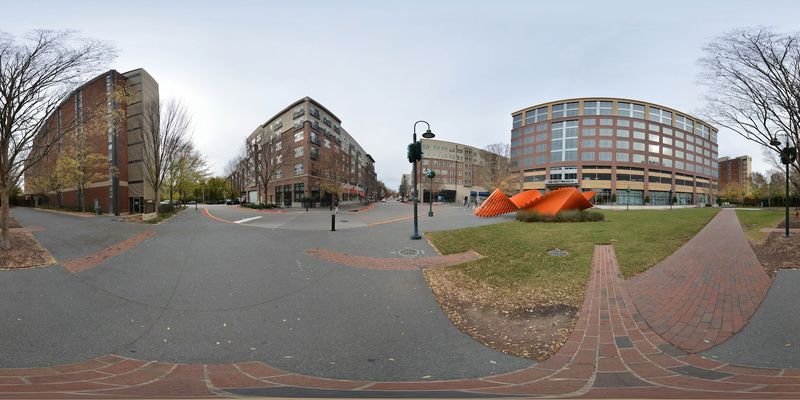
Few neighboring towns can turn basketball into a full civic identity quite like these two. Chapel Hill and Durham have a rivalry that reaches past the court and into how each place sees itself.
Chapel Hill leans on the University of North Carolina, classic college-town status, and a polished image tied closely to tradition. Durham counters with Duke, a history of reinvention, growing urban energy, and a determination to define itself as more than Chapel Hill’s rival across the county line.
Because the schools carry such strong brands, local identity gets wrapped up in every season and every result. Yet the tension also shows up in conversations about culture, development, and which community feels more dynamic.
Around here, blue is never just blue, and everyone already knows what you mean.
9. Oxford vs. Starkville, MS

Saturday in Mississippi can turn neighborly conversation into a strategic exchange of talking points. Oxford and Starkville are separated by miles, but the rivalry between Ole Miss and Mississippi State closes that distance fast.
Oxford carries literary cachet, a famous square, and the swagger of a town that knows visitors find it memorable. Starkville answers with agricultural roots, Mississippi State pride, and a practical, loyal self-image that treats flashier branding as optional at best.
The competition shapes weekends, wardrobes, and the rhythm of local businesses when game days arrive. Residents compare campus traditions, academic strengths, and which town offers the stronger sense of belonging.
You do not need to attend either university to feel the rivalry, because in Mississippi it spills neatly into family ties and hometown conversation.
10. Boulder vs. Fort Collins, CO

Colorado has room for mountains, bikes, and a surprising amount of one-upmanship. Boulder and Fort Collins are both college towns with outdoorsy reputations, which is exactly why they keep measuring themselves against each other.
Boulder has the University of Colorado, the Flatirons, and a national reputation for wellness, startups, and high-achieving lifestyle branding. Fort Collins brings Colorado State, a more relaxed old-town core, and a strong case for being the more approachable, less self-serious version of the same state dream.
Locals debate affordability, authenticity, breweries, cycling culture, and which city balances growth with livability more effectively. The similarities make the rivalry sharper, not softer.
When two places appeal to the same kind of person, every difference gets promoted to headline status, and civic pride becomes a very active hobby.
11. Scranton vs. Wilkes-Barre, PA
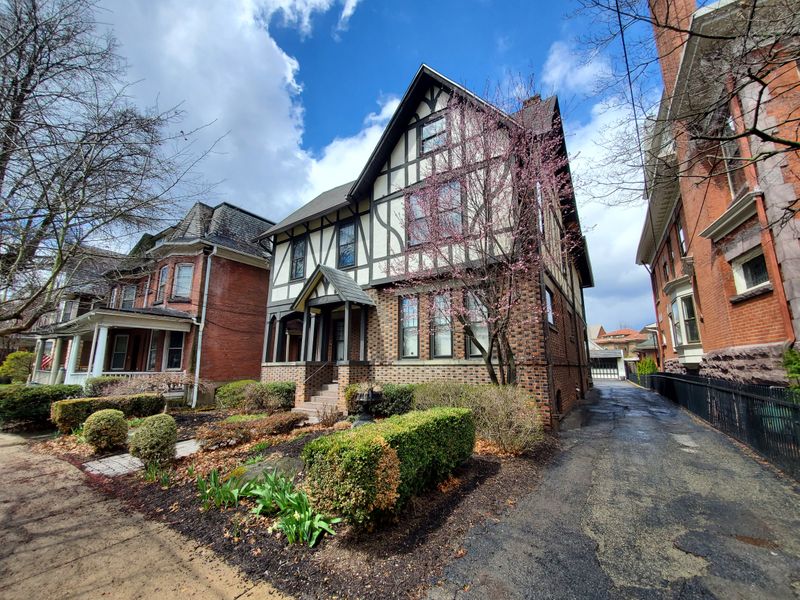
Northeastern Pennsylvania has a rivalry that runs on proximity, memory, and stubborn local pride. Scranton and Wilkes-Barre sit close enough to compare almost everything, which means they usually do.
Scranton often claims the stronger name recognition, helped by its industrial history, downtown institutions, and a cultural footprint that stretches beyond the region. Wilkes-Barre counters with its own economic importance, civic identity, and a determination not to play supporting role in a shared valley narrative.
The competition shows up in discussions about jobs, downtown momentum, schools, and which city best represents the area’s past and future. Sports add fuel, but they are not the whole story.
When neighboring cities have overlapping histories and separate egos, the rivalry becomes part geography lesson, part family argument, and fully persistent.
12. Provo vs. Salt Lake City, UT
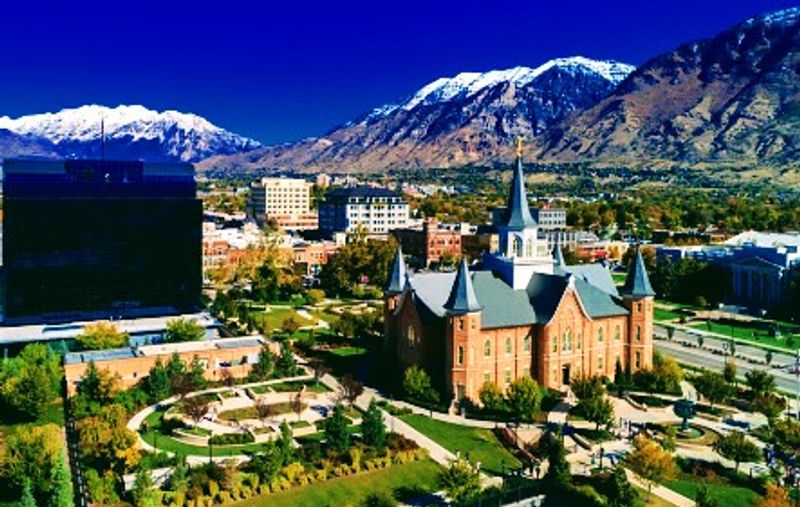
Utah keeps one of its clearest contrasts on the Wasatch Front. Provo and Salt Lake City represent different rhythms, different reputations, and very different ideas about what daily life should look like.
Provo is closely tied to Brigham Young University, family-centered routines, and a fast-growing economy that often presents itself as polished and purposeful. Salt Lake City offers the capital’s political weight, a broader urban culture, and a more varied social landscape that many residents see as the state’s most outward-facing side.
That split fuels recurring debates about values, growth, nightlife alternatives, public image, and who really sets Utah’s direction. The rivalry is not always loud, but it is remarkably durable.
In conversations about culture and identity, these cities often function like competing summaries of the same state.
13. Santa Fe vs. Albuquerque, NM
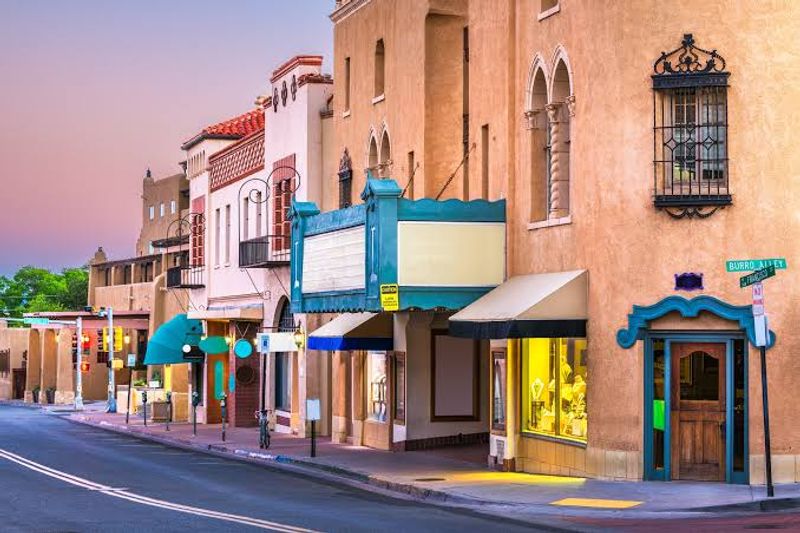
New Mexico’s internal debate gets colorful fast when Santa Fe and Albuquerque come up. Each city claims a special hold on the state’s identity, and neither seems eager to share the title.
Santa Fe points to its adobe architecture, art markets, government role, and carefully preserved image as a cultural capital with deep roots. Albuquerque answers with size, economic influence, diverse neighborhoods, and the argument that everyday New Mexico is better represented by a larger working city than a curated capital.
Residents compare authenticity, affordability, creativity, traffic, and whose version of local culture feels more honest. Tourists may favor one for galleries and the other for convenience, but locals make the case in far more personal terms.
This rivalry works because both cities are essential, and both know it.
14. Madison vs. Milwaukee, WI
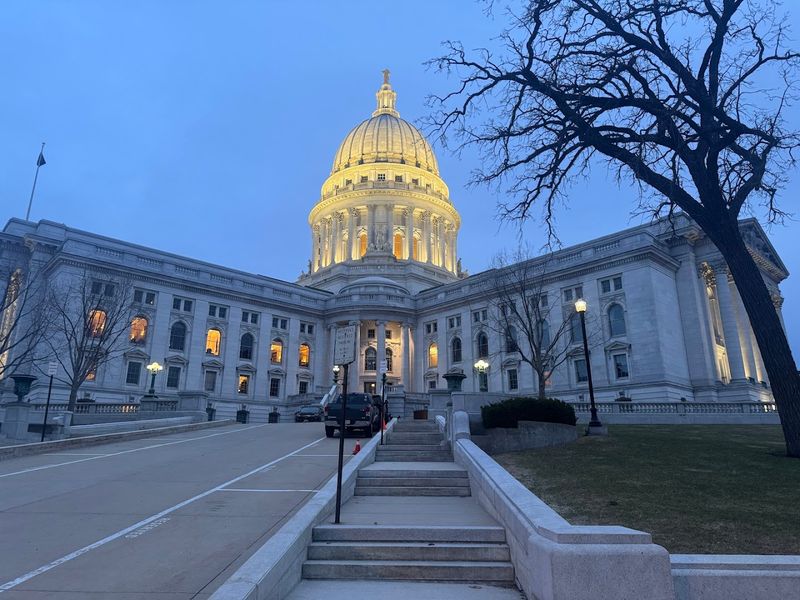
Wisconsin can turn a city comparison into a full policy seminar with side jokes. Madison and Milwaukee have distinct roles in the state, and that difference keeps the rivalry active.
Madison brings the state capitol, the University of Wisconsin, and a reputation for progressive politics shaped by students, government, and a compact downtown. Milwaukee counters with bigger-city scale, industrial heritage, major cultural institutions, and the steady claim that it does more of the state’s heavy lifting than it gets credit for.
The tension shows up in debates about funding, influence, sports, transit, and which place better reflects Wisconsin beyond campaign brochures. Madison can seem self-satisfied, Milwaukee can seem underappreciated, and both descriptions come straight from locals.
That is usually how you know a rivalry has settled in for the long haul.
15. Boise vs. Twin Falls, ID

Idaho’s growth story has sharpened more than housing prices. Boise and Twin Falls increasingly represent two different visions of where the state is heading, and that creates plenty of friction.
Boise stands as the capital, population center, and magnet for newcomers, startups, and statewide attention. Twin Falls answers with southern Idaho pride, a strong regional identity, and skepticism toward the idea that Boise should automatically define what matters most across the state.
People compare growth, cost of living, infrastructure, political influence, and which community still feels closer to Idaho’s core character. Boise gets accused of changing too fast, while Twin Falls can frame itself as steadier and less impressed by hype.
The rivalry is not ancient, but it fits a classic pattern: rapid change makes local pride much louder.
16. Key West vs. Miami, FL
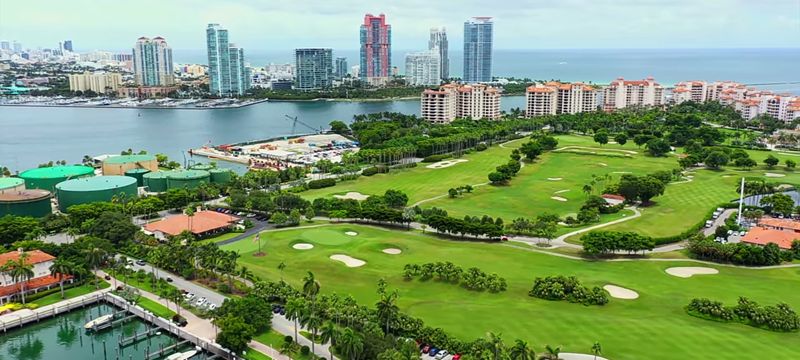
Florida knows how to stage a contrast, and Key West versus Miami delivers one with flair. One place prides itself on island independence, while the other operates like a global city that expects attention.
Key West trades on remoteness, eccentric local identity, and the idea that being at the end of the road creates a culture all its own. Miami counters with international influence, major business, big events, and a pace that makes smaller places seem determinedly separate by choice.
The rivalry comes alive in debates about authenticity, tourism, development, and who gets to define the southern tip of Florida in the public imagination. Key West likes being quirky and self-contained.
Miami likes being impossible to ignore. Put those instincts side by side, and civic comparison becomes practically automatic.
17. Anchorage vs. Fairbanks, AK
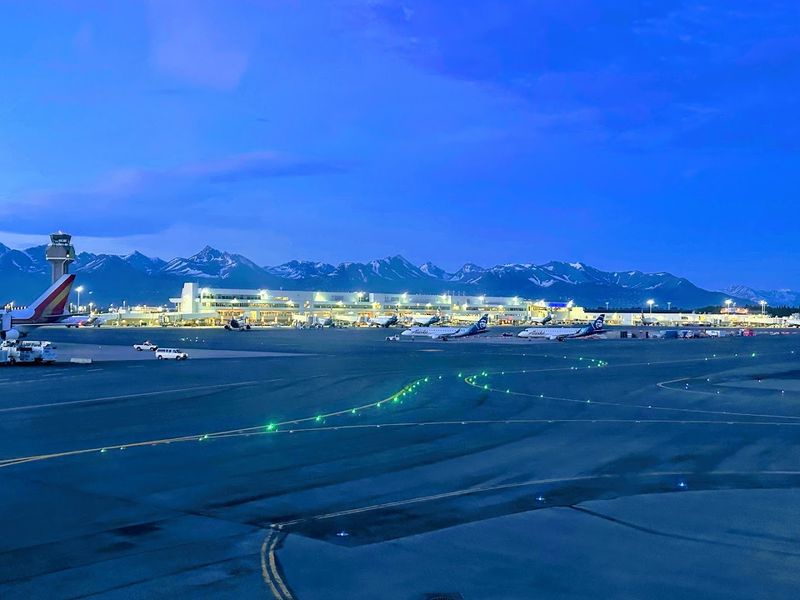
In Alaska, rivalry arrives wearing practical boots and carrying strong opinions about climate. Anchorage and Fairbanks are the state’s best-known urban centers, and they rarely miss a chance to compare lifestyles.
Anchorage has the larger population, the main transportation role, and a more connected feel for residents who want city services with mountain access nearby. Fairbanks answers with interior grit, university influence, military ties, and a durable reputation for taking winter more personally and handling it more confidently.
People argue about weather toughness, cost of living, outdoor access, politics, and which city gives you the truest Alaska experience. Anchorage can look too polished to some, while Fairbanks can seem proudly rough around the edges.
That contrast keeps the rivalry alive, playful, and deeply rooted in everyday identity.



