 Unearth The Voyage
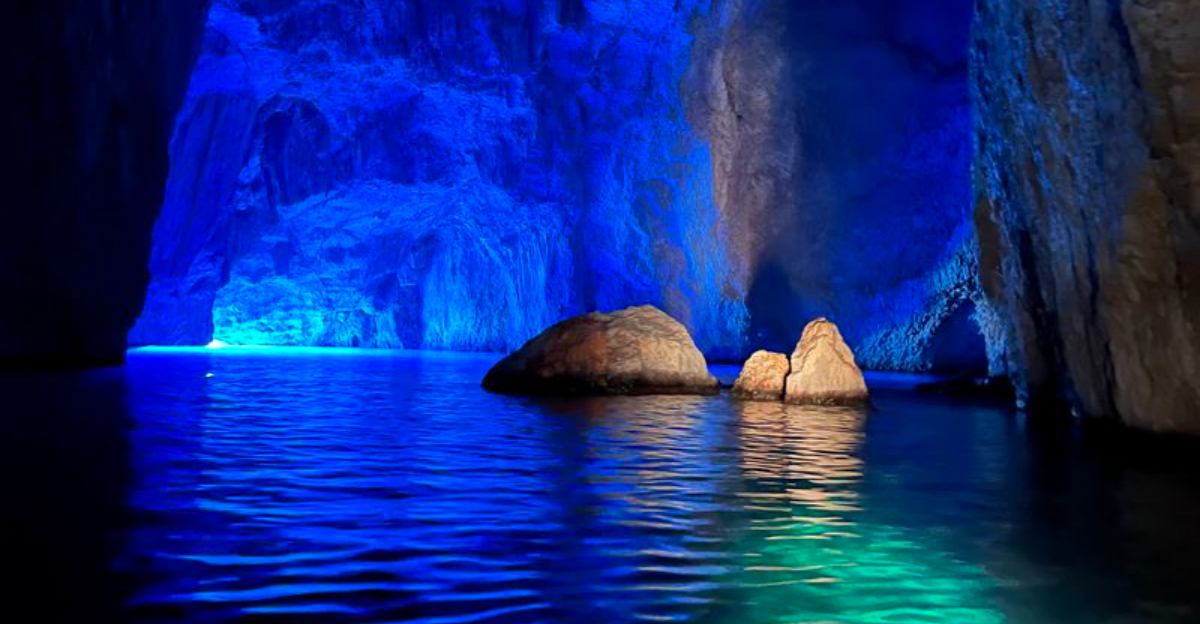
Nature has spent millions of years carving some of the most breathtaking underground wonders along coastlines around the world. Sea caves form when powerful waves crash against rocky cliffs, slowly hollowing out chambers that glow with colored light, echo with ocean sounds, and hide secret beaches inside.
From the electric blue waters of Mediterranean grottoes to the towering arches of the Pacific coast, these natural masterpieces offer adventure seekers and beach lovers alike a chance to witness geology at its most spectacular.
Blue Grotto — Capri, Italy
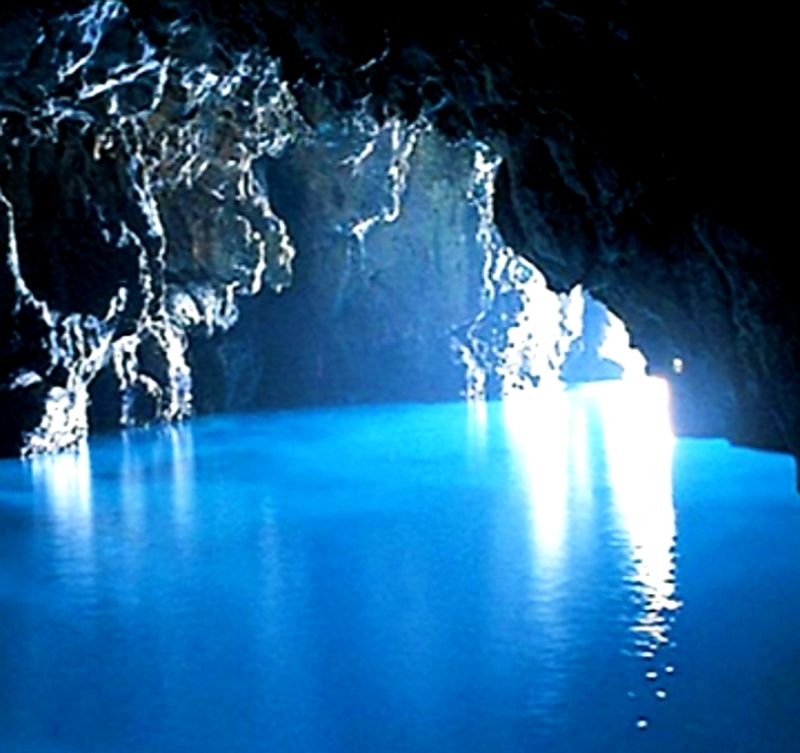
Sunlight filtering through underwater openings creates an almost magical electric blue glow that has mesmerized visitors to Capri’s Blue Grotto for centuries. The Grotta Azzurra earned its fame not just from its luminescent waters but from the surreal experience of entering this hidden chamber.
Small rowboats ferry travelers through a narrow entrance barely four feet high, requiring everyone to lie flat as the boat slips inside. Once within, the cavern opens into a cathedral-like space where the water shimmers with an otherworldly blue radiance.
Ancient Romans used this grotto as a personal swimming pool, and statues recovered from its depths now rest in museums. The cave measures about 60 meters long and 25 meters wide, with a ceiling reaching up to 14 meters in places.
Timing your visit matters tremendously since the grotto closes during rough seas or high tide. Morning hours typically offer the calmest conditions and the most intense blue coloration.
The entire boat ride inside lasts only about five minutes, but those moments create memories that linger far longer. This iconic sea cave represents the perfect blend of natural wonder and cultural history, making it an essential Mediterranean bucket list experience.
Benagil Cave — Algarve, Portugal
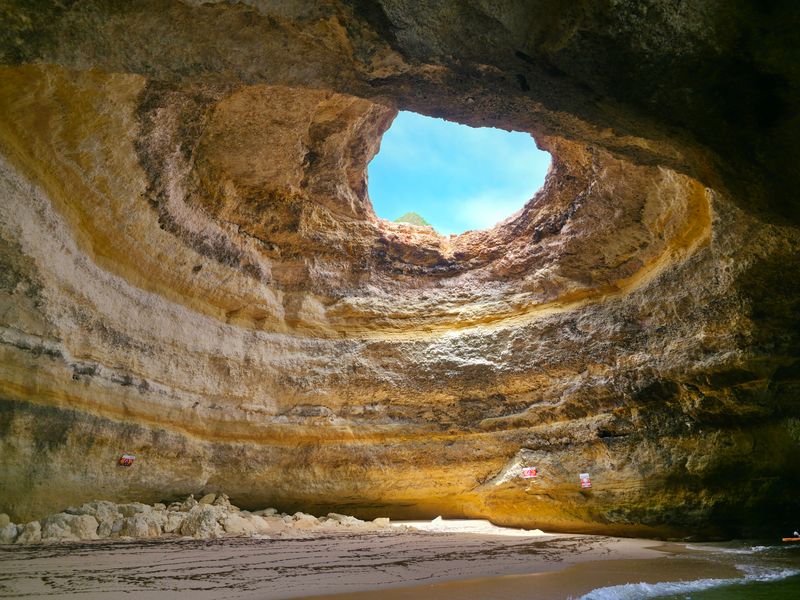
A natural skylight punctures the roof of this enormous limestone cavern, creating one of Portugal’s most photographed coastal wonders. Benagil Sea Cave looks like something from a fantasy novel, with golden sunlight streaming through the circular opening onto a hidden beach inside.
The dome-shaped chamber formed over thousands of years as Atlantic waves carved away softer rock layers, leaving behind this architectural marvel. Getting there requires planning since the cave sits along a stretch of coast without road access.
Most visitors book kayak tours from nearby Benagil Beach or join boat excursions that cruise along the Algarve’s dramatic cliff-lined shore. The paddle or boat ride itself becomes part of the adventure, passing smaller grottoes and rock formations along the way.
Recent conservation efforts have introduced visitor limits to protect the fragile ecosystem inside. The sandy interior beach offers just enough room for small groups to land and gaze up at the sky through the natural oculus.
Photographers love the interplay of light and shadow, especially during golden hour when warm tones enhance the amber-colored rock. Despite increasing popularity, Benagil Cave maintains its power to inspire awe with every visit.
Fingal’s Cave — Scotland
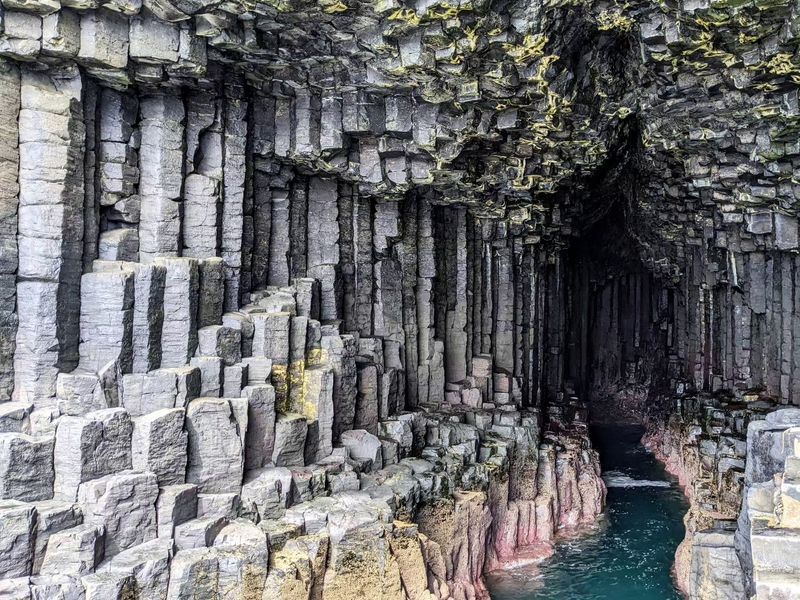
Hexagonal basalt columns rise like organ pipes from the sea, forming one of Scotland’s most extraordinary geological formations. Fingal’s Cave on the Isle of Staffa emerged from ancient volcanic activity that created these perfectly geometric rock pillars millions of years ago.
Waves then sculpted the columns into a soaring natural cathedral that amplifies every sound of the crashing surf. The cave’s acoustic properties inspired composer Felix Mendelssohn to write his famous Hebrides Overture after visiting in 1829.
Standing inside feels like entering a giant musical instrument, with each wave creating haunting echoes that reverberate through the 227-foot-deep chamber. The rhythmic booming of water against rock has enchanted poets, artists, and travelers for generations.
Reaching Fingal’s Cave requires a boat journey from the Isle of Mull, weather permitting. Atlantic conditions can be unpredictable, so tours often get canceled during stormy periods.
When seas cooperate, visitors can walk along a natural basalt pathway at the cave’s entrance or venture inside if conditions allow. The combination of geometric precision and raw natural power makes this sea cave feel both ancient and otherworldly.
Scottish legend claims the cave was built by the giant Fingal as part of a causeway to Ireland.
Waiahuakua Cave — Kauai, Hawaii, USA
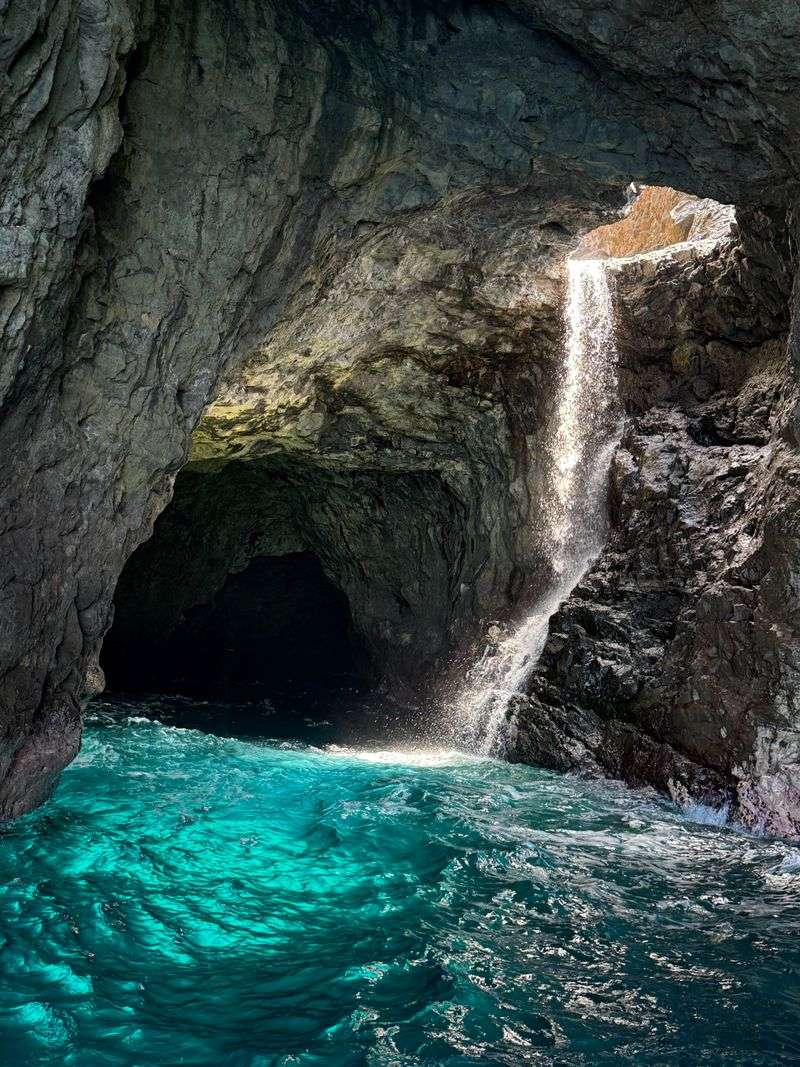
Waterfalls plunge through the ceiling of this immense cavern, creating a scene straight from an adventure film along Kauai’s legendary Na Pali Coast. Waiahuakua Cave, also known as Double Door Cave, ranks among the longest sea caves on Earth, stretching deep into the emerald-cloaked cliffs.
Its two openings frame dramatic views of the Pacific Ocean and the towering pali (cliffs) that define this roadless wilderness. Accessing this remote wonder requires either a challenging kayak journey or a boat tour along the coast.
The Na Pali waters can be rough, with swells and currents demanding respect and proper planning. During calmer summer months, experienced kayakers paddle from Ke’e Beach, camping overnight at designated spots and exploring the cave during their multi-day adventure.
Inside, the cave extends far enough that darkness swallows the back reaches. The waterfall that sometimes cascades through the roof depends on recent rainfall in the mountains above.
Seabirds nest in crevices along the walls, and Hawaiian monk seals occasionally haul out on rocks near the entrance. Ancient Hawaiians knew these caves well, using them for shelter and as spiritual sites.
Today, the combination of geological grandeur and tropical beauty makes Waiahuakua an unforgettable bucket list destination.
Phang Nga Bay Caves — Phuket, Thailand
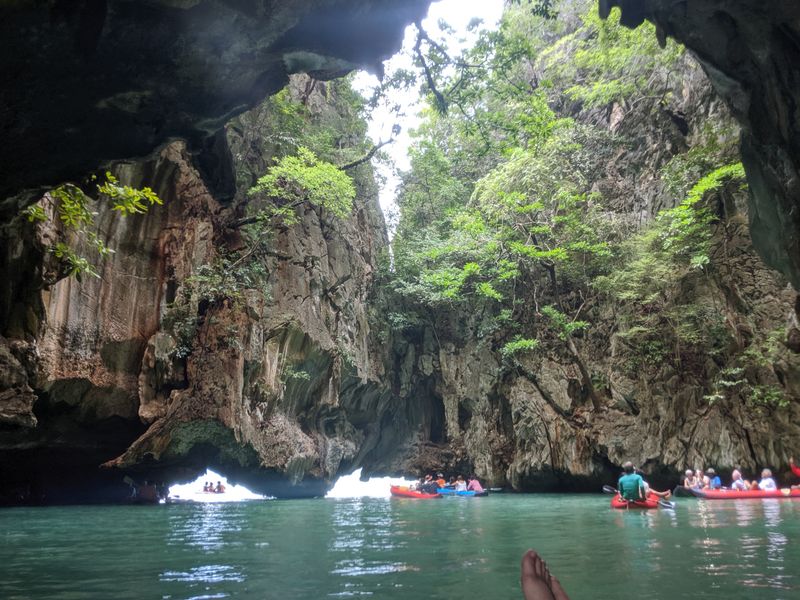
Limestone towers jut from jade-green waters like ancient sentinels guarding hidden lagoons and secret caves throughout Phang Nga Bay. This protected national park near Phuket features dozens of sea caves carved into karst formations that have become Thailand’s most iconic coastal scenery.
Paddling a kayak through low-ceilinged tunnels that open suddenly into enclosed lagoons feels like discovering lost worlds. James Bond fans recognize these dramatic landscapes from The Man with the Golden Gun, which filmed scenes around the famous needle-shaped rock now called James Bond Island.
But the real magic happens when exploring the lesser-known caves that honeycomb the bay. At low tide, kayakers can squeeze through narrow passages into hidden hongs—collapsed cave systems open to the sky but surrounded by vertical cliffs.
Local guides navigate the complex tidal schedules, knowing exactly when each cave becomes passable. Inside these grottoes, the water glows with reflected light, and the silence feels profound despite being relatively close to busy tourist areas.
Mangrove roots dangle from cave ceilings, and small ecosystems thrive in the filtered sunlight. Organized tours from Phuket or Krabi make visiting easy, though independent kayakers can rent boats from nearby villages.
The combination of adventure and natural beauty makes Phang Nga Bay essential for cave enthusiasts.
Playa de las Catedrales — Galicia, Spain
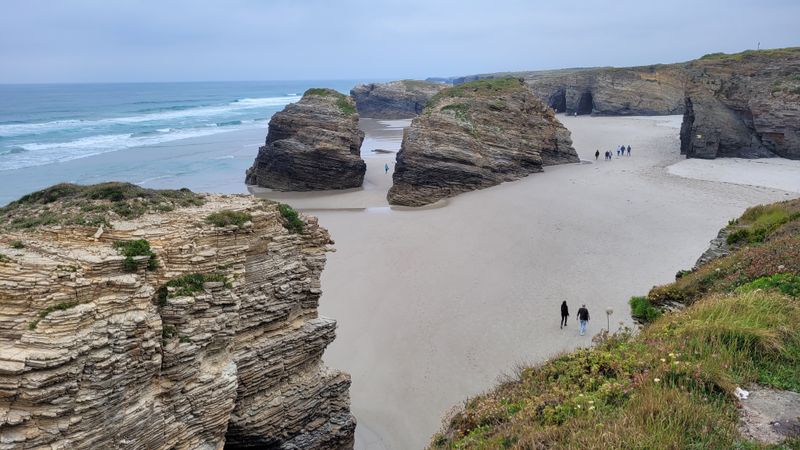
Gothic arches sculpted entirely by waves rise from the sand like the ruins of some ancient cathedral built by the sea itself. Playa de las Catedrales—the Beach of the Cathedrals—stretches along Spain’s northern coast in Galicia, where the Atlantic Ocean has carved soaring stone vaults into the cliffs.
Walking beneath these natural flying buttresses at low tide feels like exploring a roofless medieval church. Timing is everything at this remarkable beach since the caves and arches only become accessible when the tide retreats.
During high tide, waves crash against the cliff base, completely submerging the formations. Visitors must check tide tables and obtain free permits during peak summer months when crowds flock to witness this geological wonder.
The largest arches stand over 30 meters tall, their smooth curves and dramatic proportions inspiring comparisons to Gothic architecture. Smaller caves tunnel through the rock, creating passageways and chambers that invite exploration.
The interplay of light, shadow, and reflected water creates constantly changing patterns on the stone surfaces. Local legend suggests that ancient druids performed ceremonies in these natural temples.
Whether or not that’s true, the spiritual quality of the space feels undeniable. Photographers arrive at sunset when golden light illuminates the arches, creating some of Spain’s most striking coastal imagery.
Sea Lion Caves — Oregon, USA
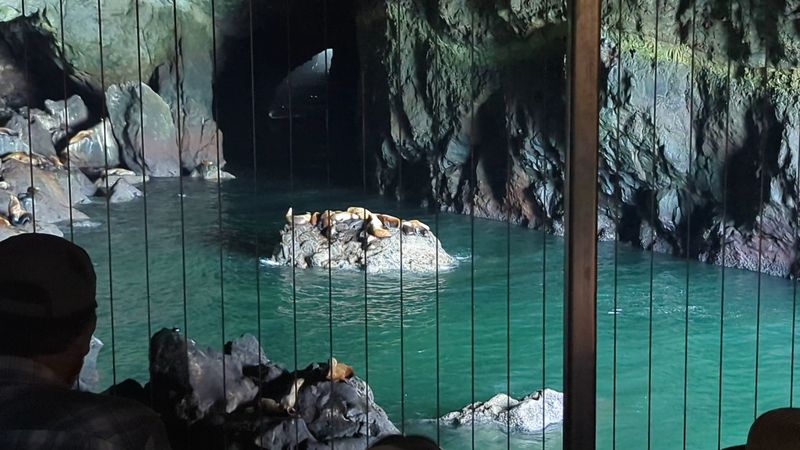
Barking echoes through America’s largest sea caves as hundreds of wild Steller sea lions gather in this natural amphitheater along Oregon’s rugged coast. Unlike most sea caves that require boats or kayaks, visitors here descend via elevator through 208 feet of rock to reach a viewing area overlooking the massive chamber.
The experience combines geological wonder with up-close wildlife encounters that change with the seasons. During fall and winter, the caves fill with sea lions seeking shelter from Pacific storms.
Bulls weighing up to 2,500 pounds haul out on rocky ledges while cows nurse pups in the relative safety of the cavern. The cacophony of barks, bellows, and grunts creates an unforgettable soundtrack.
In summer, many sea lions prefer basking on rocks outside the cave entrance, though some always remain inside. The cave itself measures 125 feet high and about 2 acres in area—roughly the size of a football field.
Natural light filters through the entrance, illuminating the churning surf below. The smell can be intense, a reminder that this is first and foremost a wild animal habitat.
Discovered in 1880, the caves have welcomed curious visitors for over a century. The facility operates year-round, offering reliable viewing regardless of weather or tide conditions.
Cathedral Cove — Coromandel, New Zealand
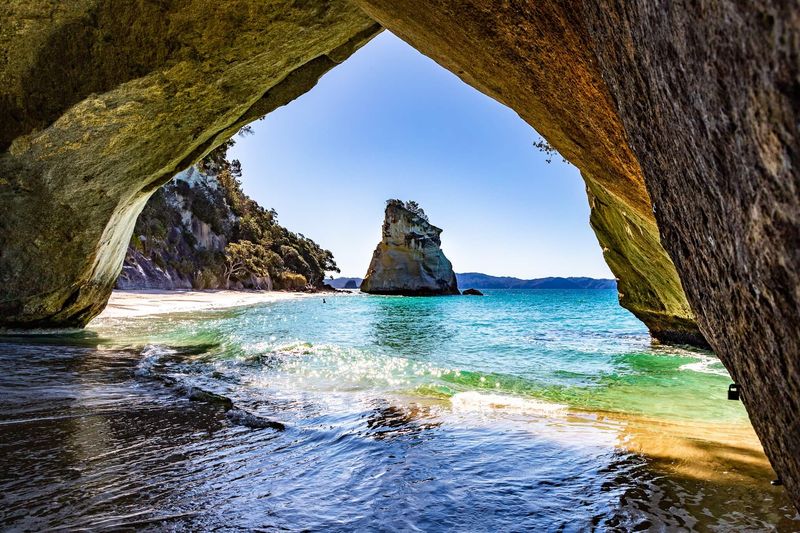
A towering natural archway frames one of New Zealand’s most photographed beaches, creating a portal between two pristine coves on the Coromandel Peninsula. Cathedral Cove earned its name from the church-like proportions of the main arch, which rises dramatically from the white sand beach.
The cavern carved through the headland connects two beautiful bays, allowing visitors to walk through solid rock from one paradise to another. Getting there requires a scenic 30-minute walk from the Hahei Beach parking area, descending through native coastal forest before emerging at the cove.
The trail winds past smaller caves and rock formations, building anticipation for the main attraction. During summer, the path can get crowded, but the payoff remains worth every step.
Once at the beach, the clear water invites swimming and snorkeling among colorful fish and underwater rock gardens. Kayakers often paddle in from Hahei, exploring the numerous sea caves that dot this coastline.
The massive arch provides welcome shade during hot days, and its smooth walls show the patient work of centuries of wave action. Nearby, smaller caves and alcoves offer exploration opportunities at low tide.
The combination of geological drama and tropical beauty makes Cathedral Cove a must-visit destination for anyone traveling New Zealand’s North Island.
Neptune’s Grotto — Alghero, Italy
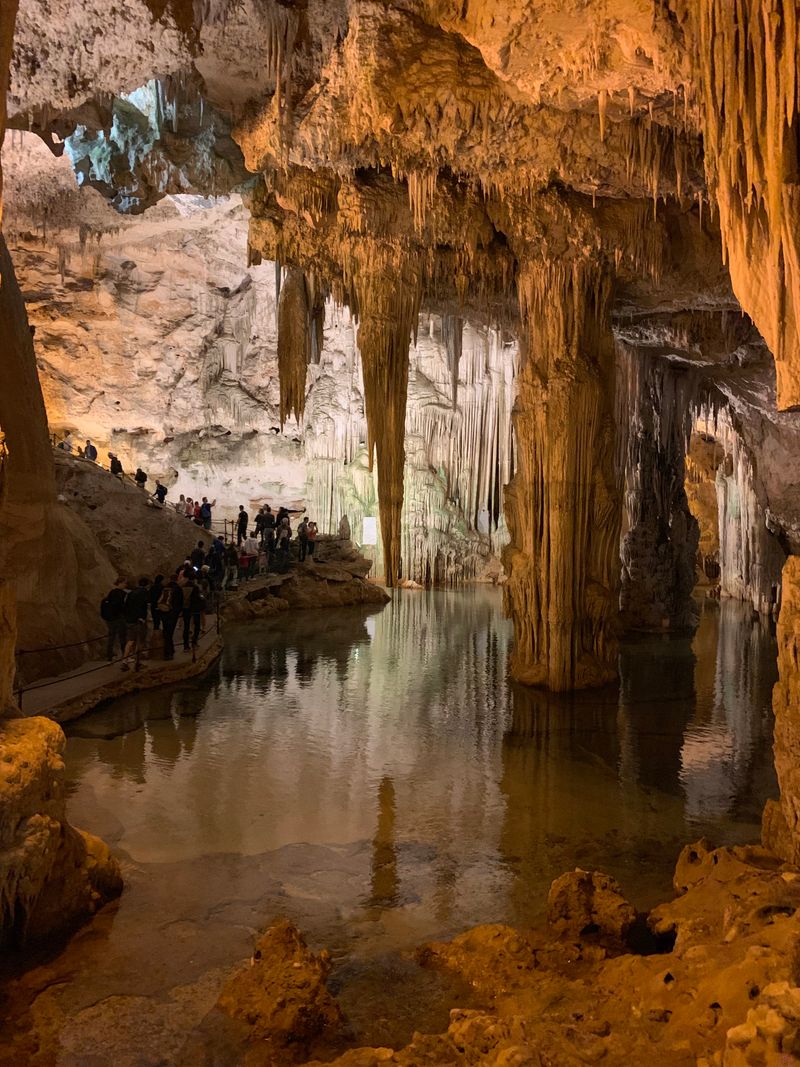
Stalactites drip from the ceiling like frozen waterfalls in this stunning sea cave that burrows deep into Sardinia’s coastal cliffs near Alghero. Neptune’s Grotto (Grotta di Nettuno) combines the drama of sea caves with the delicate beauty of underground limestone formations.
The cave system extends nearly 2,500 feet into the rock, featuring chambers filled with mineral deposits that have grown for millions of years. Two routes lead to the grotto’s entrance: a boat ride across the Mediterranean or a descent down the 654-step Escala del Cabirol stairway carved into the cliff face.
The stairs wind dramatically down the rock wall, offering spectacular views of the coastline before reaching the cave entrance at sea level. Inside, guided tours lead visitors along walkways through illuminated chambers where stalactites and stalagmites create otherworldly landscapes.
The largest chamber contains a saltwater lake called Lago La Marmora, where mineral formations reflect in the still water like a underground mirror. The temperature inside remains constant year-round, creating conditions perfect for the slow growth of limestone features.
Some formations resemble organ pipes, while others look like frozen curtains or delicate straws. Ancient peoples knew of the cave, but modern exploration only began in the 1950s when pathways made it accessible to visitors.
Nereo Cave — Sardinia, Italy
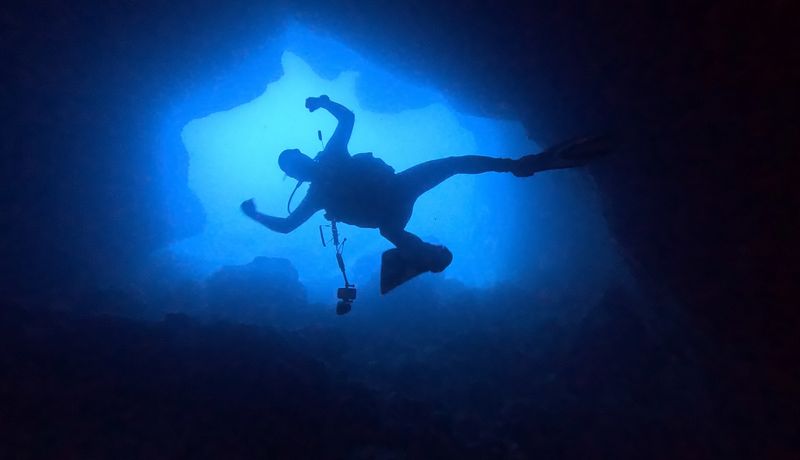
Multiple entrances pierce the underwater cliff face, leading into one of the Mediterranean’s most extensive marine cave systems. Grotta di Nereo lies near Alghero on Sardinia’s northwestern coast, stretching over 300 feet into the rock with chambers large enough to accommodate small boats.
The cave takes its name from Nereus, the ancient Greek sea god, a fitting tribute to this underwater realm. Scuba divers consider Nereo Cave a premier destination, with passages decorated by vibrant red coral, sponges, and sea fans.
The underwater visibility often exceeds 100 feet, allowing divers to appreciate the cave’s scale and the marine life that thrives in its sheltered waters. Boat tours can enter the main chamber, where the ceiling arches high overhead and light filters through multiple openings.
The cave formed through a combination of karst erosion and sea level changes over millennia. As glaciers melted and oceans rose after the last ice age, the Mediterranean gradually flooded these limestone chambers.
Today, the interplay of fresh and salt water creates unique conditions that support diverse ecosystems. Archaeologists have discovered evidence of ancient human use, including pottery fragments and other artifacts.
The cave’s protected status helps preserve both its natural beauty and historical significance. Whether explored by dive tank or boat, Nereo Cave offers an unforgettable journey into Sardinia’s hidden maritime world.
Kastellorizo Blue Cave — Greece
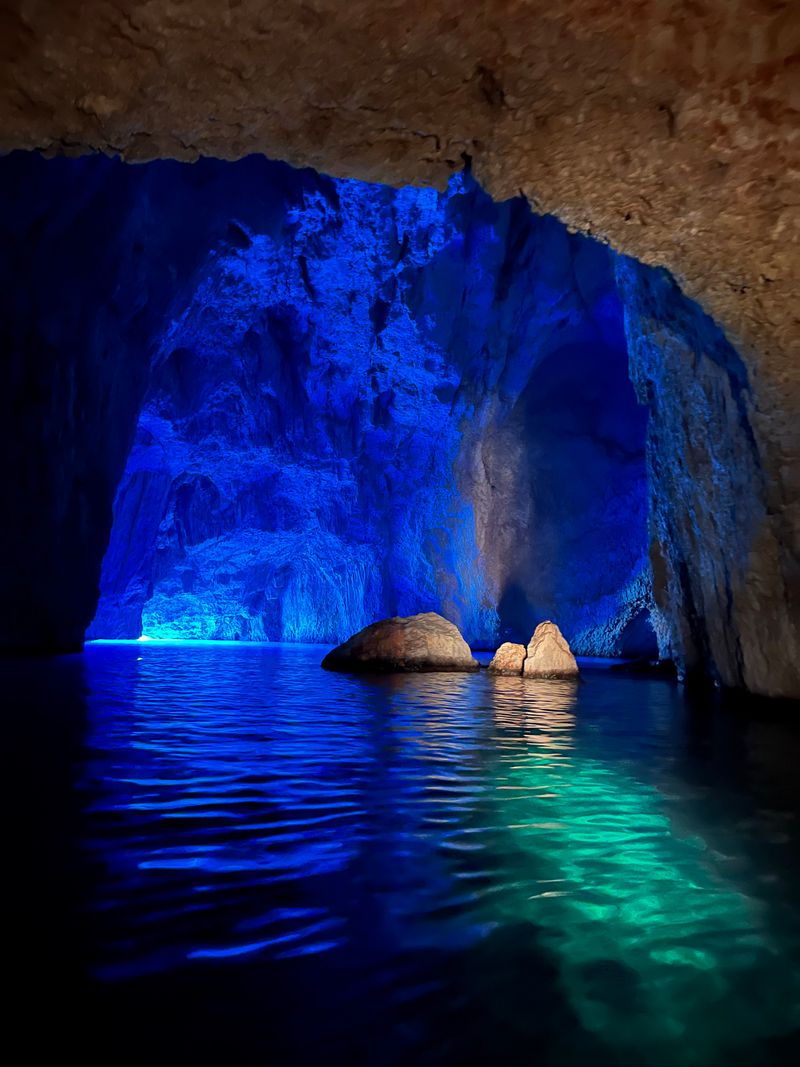
Electric blue water glows with an intensity that seems impossible, transforming this remote Greek sea cave into a natural light show. The Blue Cave of Kastellorizo rivals Italy’s Blue Grotto for sheer luminescence, though far fewer tourists make the journey to this distant Aegean island.
Located just a few miles from Turkey’s coast, Kastellorizo remains one of Greece’s most isolated inhabited islands. Boat trips from the island’s colorful harbor take visitors to the cave entrance, where captains expertly navigate into the grotto during calm conditions.
Inside, the water radiates with fluorescent blue light created by sunlight refracting through the sea and reflecting off the white sandy bottom. The effect intensifies in the morning when the sun angle creates optimal conditions.
The cave chamber extends about 130 feet deep and 115 feet wide, with a vaulted ceiling that amplifies the light show. Swimming in the glowing water feels surreal, as if floating in liquid neon.
Local legends speak of the cave as a sacred place where ancient Greeks made offerings to Poseidon. Kastellorizo’s remote location means fewer crowds and a more intimate experience compared to more famous Mediterranean grottoes.
The island itself rewards exploration, with neoclassical houses painted in vibrant colors lining the harbor and excellent seafood tavernas serving fresh catches.
Apostle Islands Sea Caves — Lake Superior, USA
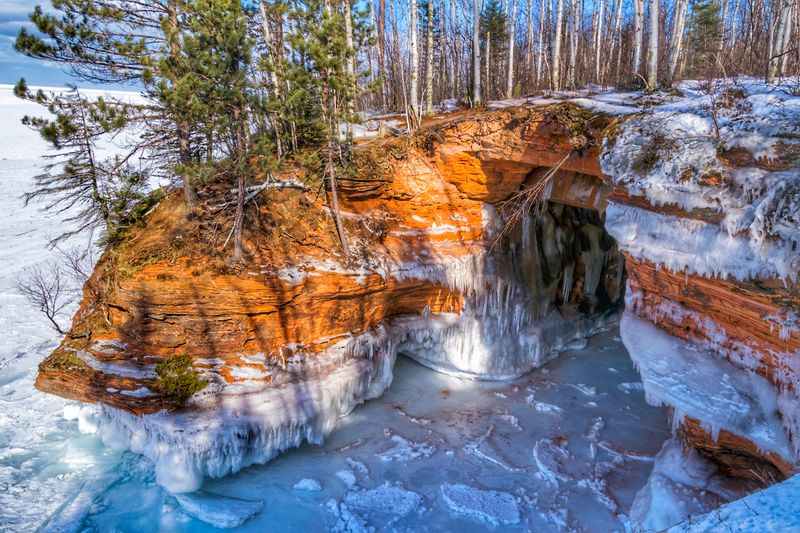
Red sandstone cliffs have been carved into honeycomb chambers and soaring arches by Lake Superior’s powerful waves, creating mainland sea caves that rival any ocean formation. The Apostle Islands National Lakeshore in Wisconsin features miles of cave-riddled shoreline that transforms dramatically with the seasons.
In summer, kayakers paddle through the arched passages, marveling at the layered rock patterns and the play of light on water. Winter brings an even more spectacular transformation when the caves freeze into crystalline wonderlands.
Icicles grow into massive columns, waterfalls freeze mid-cascade, and ice formations create delicate curtains and chandeliers throughout the chambers. When conditions permit safe ice coverage, visitors can walk across the frozen lake directly to the caves, experiencing them from an entirely different perspective.
The sandstone here dates back hundreds of millions of years, its reddish color coming from iron oxide deposits. Wave action has exploited weaknesses in the rock, creating the dramatic arches and passageways visible today.
Some caves extend deep into the cliffs, while others form shallow alcoves perfect for exploring. The caves remain accessible year-round, though winter visits depend on ice conditions and safety assessments.
Summer kayaking offers the most reliable access, with outfitters in nearby Bayfield providing rentals and guided tours for paddlers of all skill levels.
Playa Cuevas de Mármol — Chile
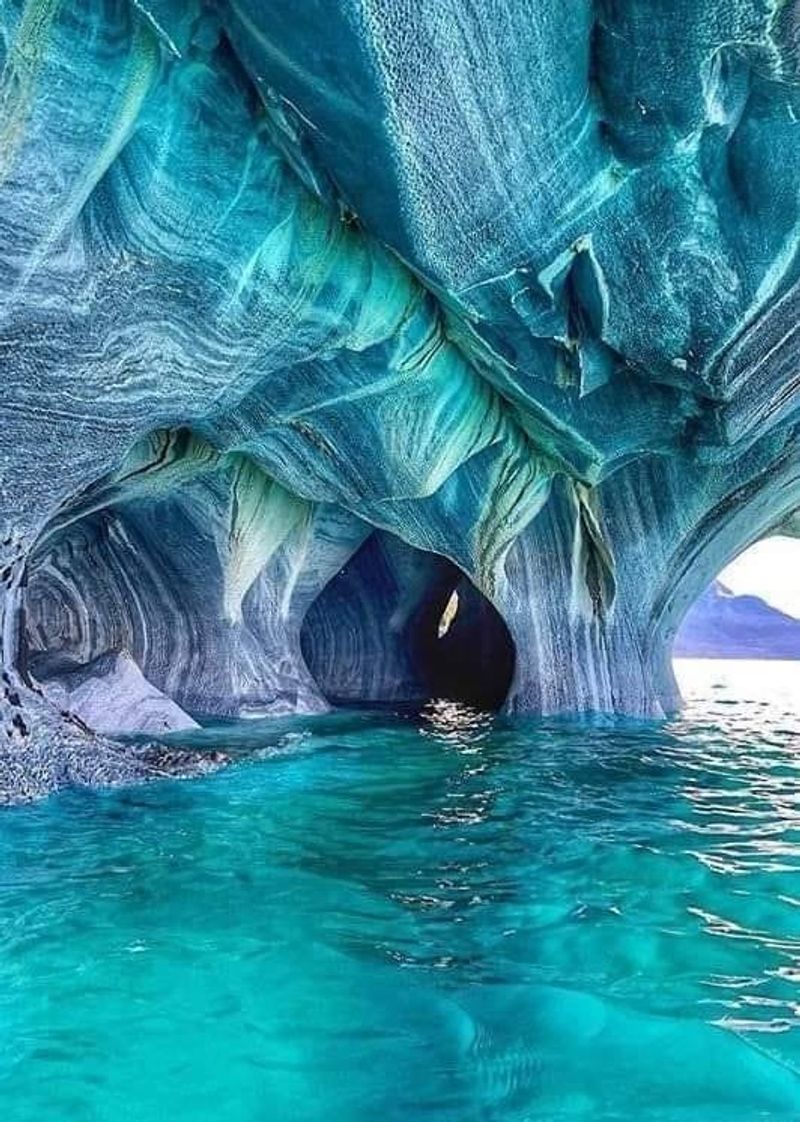
Swirling patterns of blue, white, and gray marble create a psychedelic underground gallery where nature has painted with stone. The Marble Caves (Cuevas de Mármol) line the shores of General Carrera Lake in Chilean Patagonia, carved from solid calcium carbonate by thousands of years of wave action.
The result resembles abstract art frozen in rock, with smooth curves and vivid color patterns that seem almost too perfect to be natural. Boat tours launch from the small town of Puerto Río Tranquilo, crossing the glacial lake’s turquoise waters to reach the caves.
The lake itself contributes to the visual spectacle, its distinctive color coming from glacial flour—fine rock particles suspended in the water. When sunlight hits the marble walls, the reflected colors create an otherworldly blue glow throughout the chambers.
Three main formations make up the site: the Capilla (Chapel), the Catedral (Cathedral), and the Cuevas (Caves). Each offers different perspectives on the marble formations, with some passages so narrow that boats barely squeeze through.
The water level fluctuates with seasons, changing which chambers remain accessible and altering the appearance of the marble patterns. Visiting requires planning since the region sits far from major cities in one of Patagonia’s most remote areas.
The journey rewards adventurous travelers with one of South America’s most unique geological wonders.
Smoo Cave — Scotland
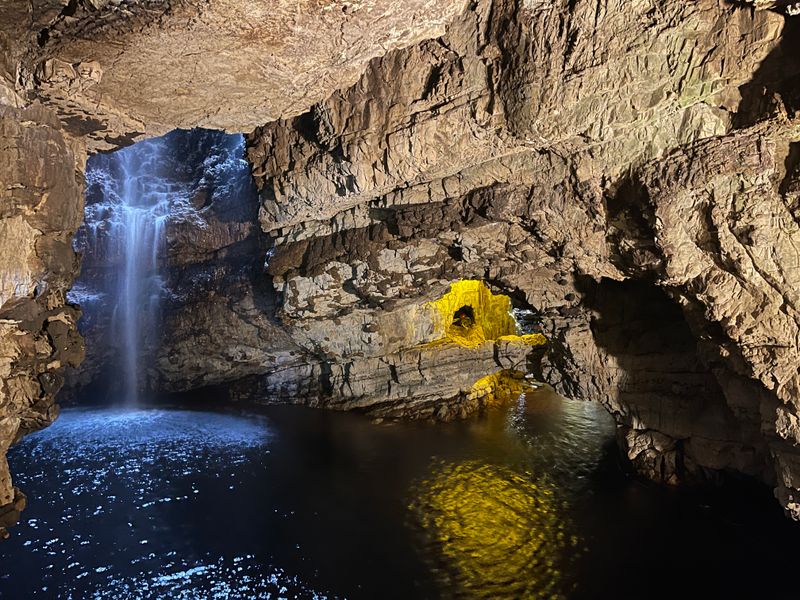
A waterfall thunders through the roof of this massive chamber where seawater meets fresh in one of Scotland’s most unusual cave systems. Smoo Cave near the village of Durness in the far north Highlands combines two different types of caves in one spectacular site.
The outer chamber formed through marine erosion as Atlantic waves carved into limestone cliffs, while the inner chambers developed from freshwater dissolving the rock from above. The entrance yawns 50 feet high and nearly as wide, large enough that visitors can walk straight in without climbing or crawling.
Natural light illuminates the first chamber, revealing smooth walls and a floor that floods with seawater at high tide. A wooden walkway leads deeper into the cave, where the Allt Smoo stream plunges through a hole in the ceiling, creating a dramatic 80-foot waterfall into a pool below.
The cave’s name likely comes from the Norse word “smuga,” meaning hole or hiding place—a reminder of Viking influence in northern Scotland. Archaeological evidence suggests people used the cave for thousands of years, finding shelter in its dry chambers.
During the 18th century, the cave gained a sinister reputation as a hideout for smugglers and supposedly a murderer who disposed of victims in the waterfall. Today, visitors can explore the outer chambers freely, while guided tours venture into the inner flooded passages by inflatable boat.
Playa Navagio & Shipwreck Coves — Zakynthos, Greece
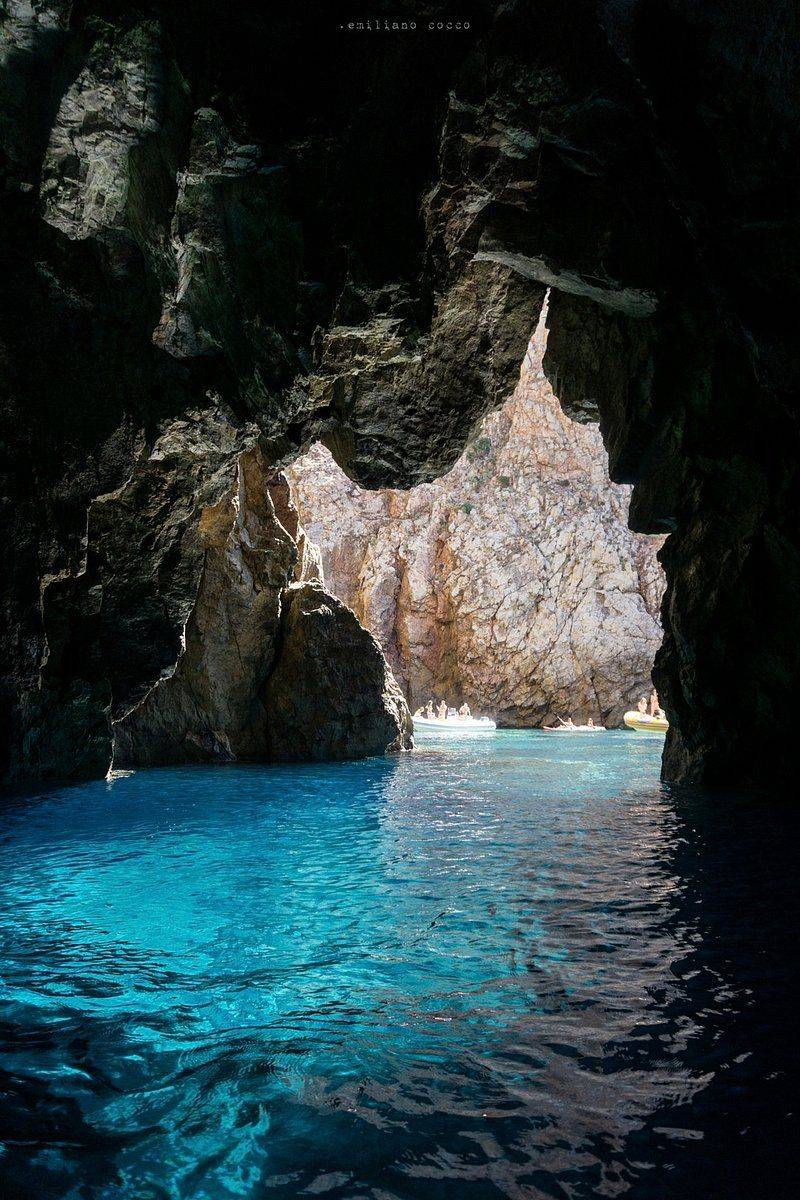
Towering limestone cliffs embrace a pristine white sand beach where a rusted shipwreck rests like a monument to adventure gone wrong. Navagio Beach, also called Shipwreck Beach, has become one of Greece’s most iconic images, but the sea caves carved into the surrounding cliffs deserve equal attention.
These grottoes dot the coastline around the famous cove, offering exploration opportunities in waters that glow with every shade of blue. The shipwreck itself—the remains of a smuggler’s vessel that ran aground in 1980—provides the beach’s main claim to fame.
However, boat tours that circle the area reveal numerous caves and arches sculpted into the karst limestone cliffs. Some caves are large enough for boats to enter, while others form shallow alcoves where swimmers can explore at water level.
The cliffs rise nearly 650 feet straight from the sea, creating a dramatic amphitheater around the beach. Access by land is impossible due to the sheer rock faces, so all visitors arrive by boat from nearby ports.
The enclosed cove creates exceptionally calm, clear water perfect for swimming and snorkeling among the caves. Morning visits offer the best light for photography and fewer crowds, though the beach and caves attract visitors throughout the day.
The combination of the famous shipwreck, pristine beach, and hidden grottoes makes this one of the Ionian Sea’s most memorable destinations.
Caves of Phra Nang — Krabi, Thailand
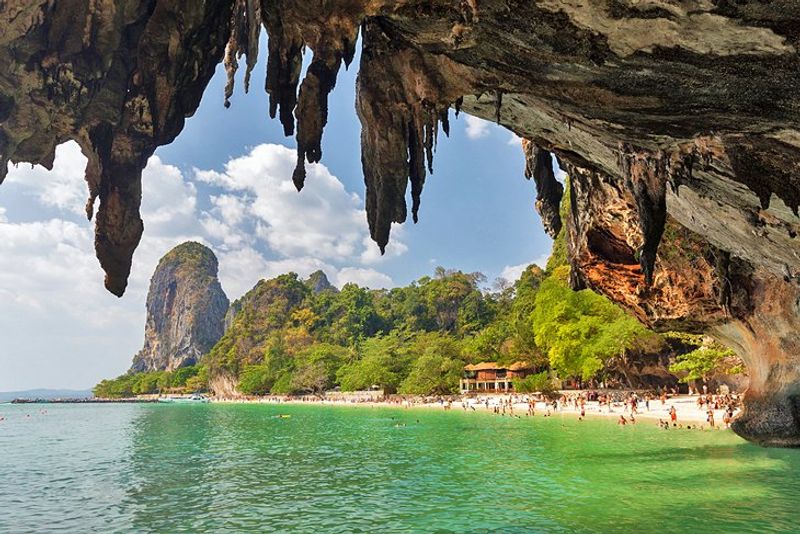
Limestone pinnacles soar skyward around a beach where locals leave offerings to a mythical princess in a sacred cave shrine. Phra Nang Beach, accessible only by boat near Railay in Krabi Province, features some of Thailand’s most dramatic coastal scenery.
Sea caves carved into the karst formations create grottoes that range from tiny alcoves to chambers large enough for kayakers to explore. The most famous cave houses a shrine to the spirit of a drowned princess (Phra Nang means “Princess”) where fishermen leave carved wooden phalluses as offerings for safe passage and good catches.
Beyond this cultural curiosity, the caves around Phra Nang offer excellent opportunities for exploration, especially during low tide when more chambers become accessible. The beach itself curves in a perfect crescent of golden sand backed by jungle and cliffs.
Rock climbers scale the limestone walls while kayakers paddle between caves and around the headlands. The water stays shallow and calm inside the bay, making it ideal for swimming and snorkeling.
Small fish dart through the clear water, and the occasional monitor lizard patrols the beach. Longtail boats ferry visitors from nearby Ao Nang or Railay East, the journey itself offering views of the stunning coastline.
Sunset brings golden light that illuminates the cliffs and transforms the caves into warm-hued chambers perfect for photography and quiet contemplation.
Blue Cave — Biševo, Croatia
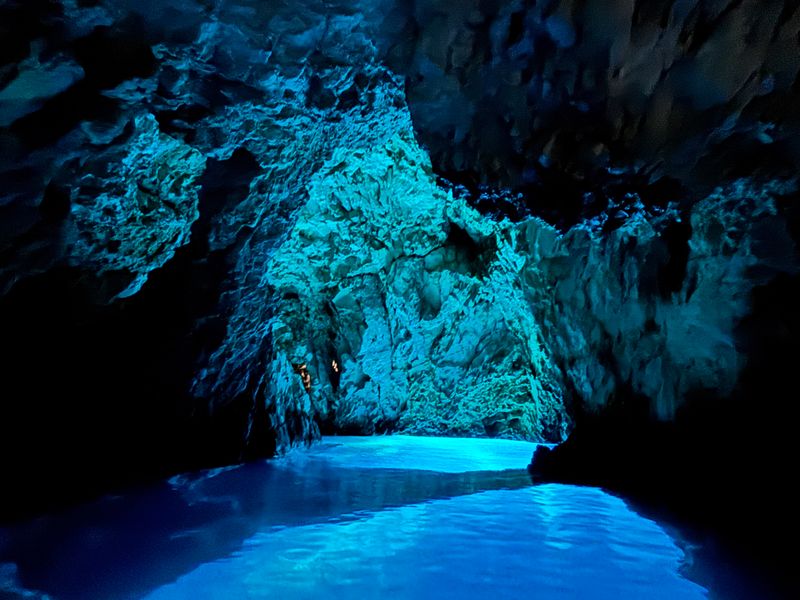
Silvery blue light fills this Adriatic grotto with an ethereal glow that rivals the Mediterranean’s most famous sea caves. The Blue Cave (Modra špilja) on the small island of Biševo near Vis creates its magical illumination through a similar phenomenon to Italy’s Blue Grotto.
Sunlight enters through an underwater opening and reflects off the white seafloor, filling the chamber with shimmering blue and silver light. The cave measures about 80 feet long and 50 feet wide, with a vaulted ceiling that amplifies the light effect.
Boat tours from Vis or nearby islands bring visitors to a small artificial entrance blasted in 1884 to improve access. The original natural entrance remains underwater, serving as the light source that creates the cave’s signature glow.
Timing matters enormously since the best illumination occurs between 11 AM and noon on sunny days when the sun angle perfectly aligns with the underwater opening. During these magic hours, the entire cave glows with an intensity that photographs struggle to capture.
Objects submerged in the water appear silver due to the light refraction, adding to the supernatural atmosphere. Biševo remains relatively undeveloped compared to more famous Croatian islands, preserving a sense of discovery despite the cave’s popularity.
The island hopping journey through the Dalmatian archipelago to reach the Blue Cave becomes part of the adventure.



