 Unearth The Voyage
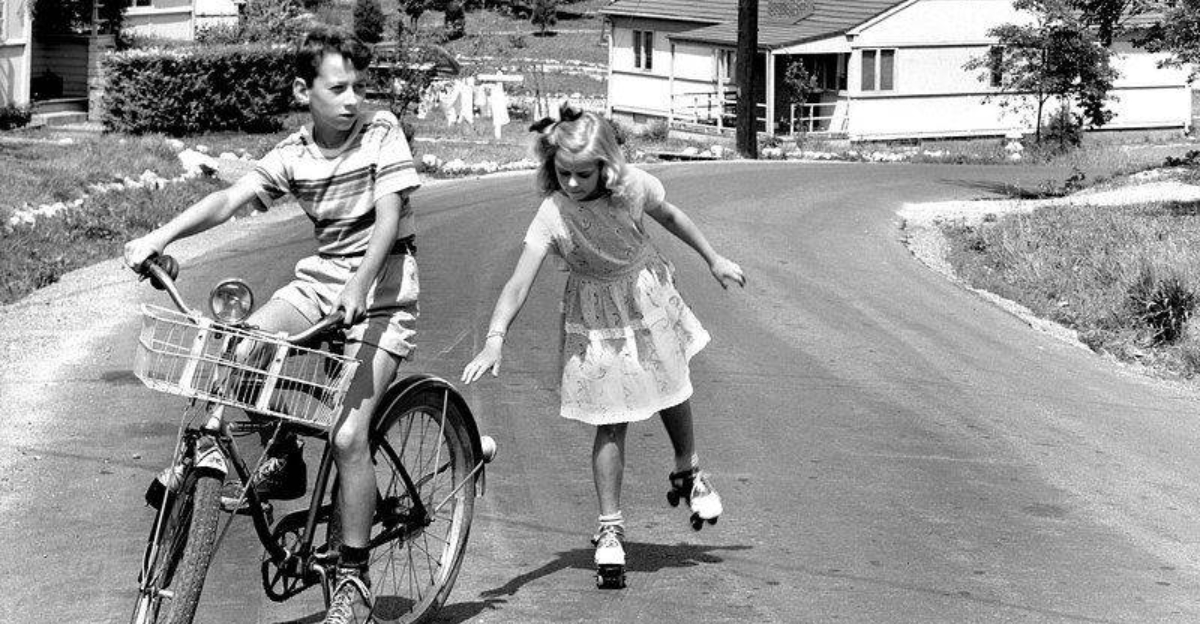
Growing up as a Baby Boomer meant living in a world that looks almost unrecognizable compared to today. Kids spent their days outside without constant supervision, relied on landlines and handwritten letters to stay connected, and had to get creative when boredom struck since screens and the internet were nowhere to be found.
These everyday experiences shaped a generation in ways that seem wild and nearly impossible to imagine for anyone born in the digital age.
1. No Digital Distractions: Kids had to entertain themselves without smartphones, tablets, or video games.
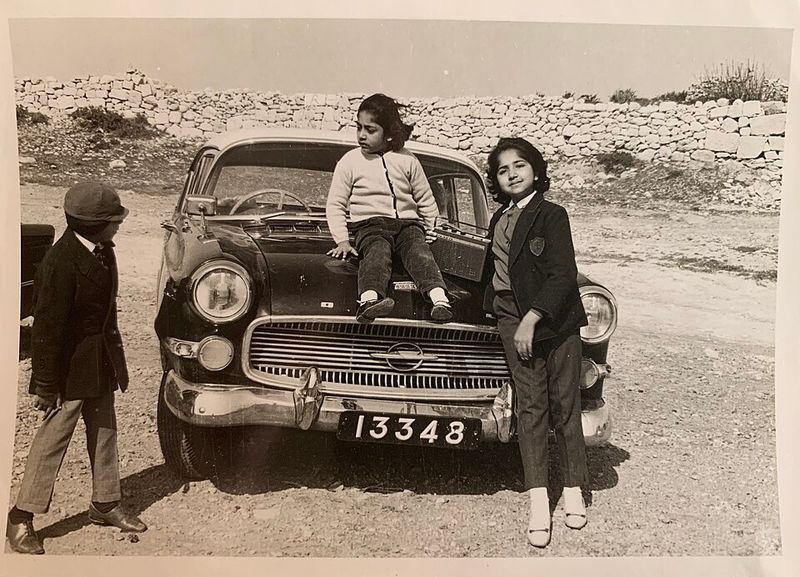
Boredom was a regular companion for Boomer kids, but it sparked incredible creativity. Without a screen to swipe or a game to download, children had to invent their own fun using whatever they could find around the house or yard.
A cardboard box could become a spaceship, a stick turned into a sword, and a blanket draped over chairs made the perfect secret fort.
Parents rarely stepped in to organize activities or offer entertainment options. Kids were expected to figure things out on their own, which meant they became experts at improvisation.
Whether it was creating elaborate imaginary worlds, playing pretend for hours, or building contraptions from household junk, the lack of digital distractions meant their minds were always busy.
This kind of independence built problem-solving skills and resilience in ways that structured screen time never could. Boomer children learned early on that fun did not come from a device but from their own imagination and effort.
Looking back, many remember those screen-free days as some of the most adventurous and fulfilling times of their childhood, even if it felt frustrating in the moment.
2. Limited TV Options: With only a few channels and no cable or streaming, rewatching the same shows was the norm.
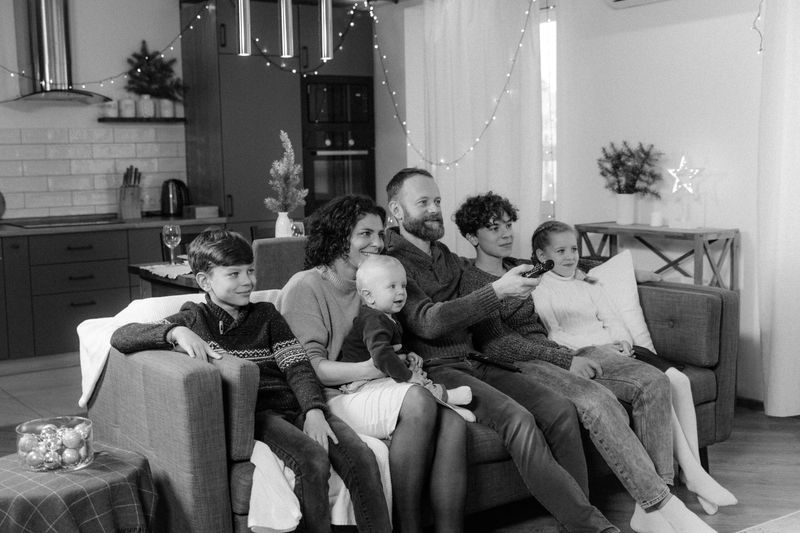
Television in the Boomer era meant gathering around a bulky set with rabbit ear antennas and hoping for a clear picture. Families had access to just three or four major networks, and programming was limited to specific time slots.
If you missed your favorite show, there was no rewind button or on-demand option—you simply had to wait for a rerun, which might not come for months.
Saturday mornings were sacred for kids, filled with cartoons that aired only once a week. Everyone watched the same programs because there were so few choices, which created a shared cultural experience that brought neighborhoods and classrooms together.
Conversations on Monday morning often revolved around what everyone saw over the weekend.
Adjusting the antenna to get a better signal was a regular chore, and static or snow on the screen was just part of the viewing experience. There were no streaming services, no binge-watching, and certainly no skipping commercials.
Watching TV required patience, planning, and a willingness to sit through whatever was on, making it a completely different experience from the endless entertainment options available today.
3. Endless Outdoor Play: Children roamed the neighborhood unsupervised, inventing games and exploring freely.
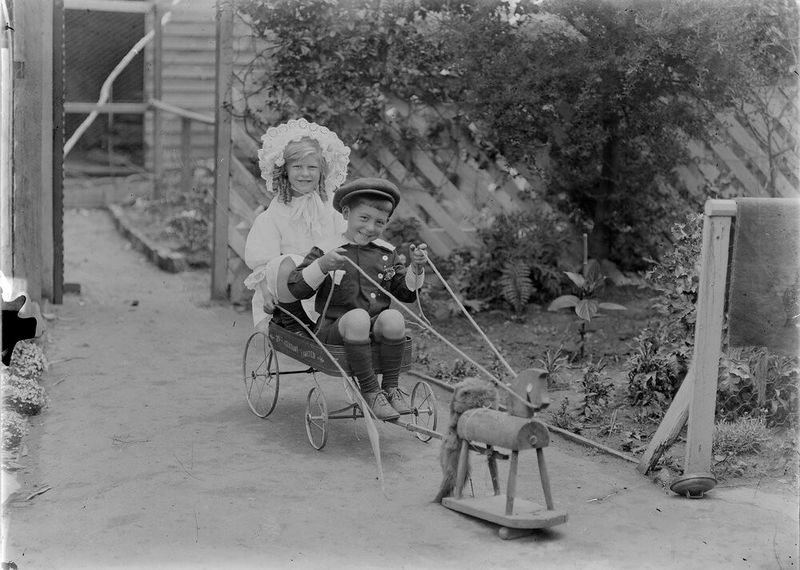
Freedom defined childhood for Baby Boomers, who spent entire days outside without parental oversight. After breakfast, kids would head out the door and not return until the streetlights came on or they heard their mom calling them home for dinner.
There were no cell phones to check in, no GPS trackers, and no scheduled playdates, just pure, unstructured exploration.
Neighborhoods became vast playgrounds where children invented games like kick the can, hide and seek, and elaborate pretend scenarios that could last for hours. They climbed trees, built forts in the woods, rode bikes for miles, and discovered hidden corners of their communities.
The sense of adventure and independence was unmatched, and kids learned to navigate social dynamics, settle disputes, and create their own rules without adult intervention.
This level of unsupervised play would seem shockingly risky by today’s standards, where parents often keep close tabs on their children at all times. But for Boomers, it was just normal life.
That freedom taught self-reliance, courage, and the ability to entertain oneself, qualities that many believe are harder to develop in the more controlled environments kids experience now.
4. Landline Communication: Without cell phones, arranging plans meant using payphones or waiting for home calls.
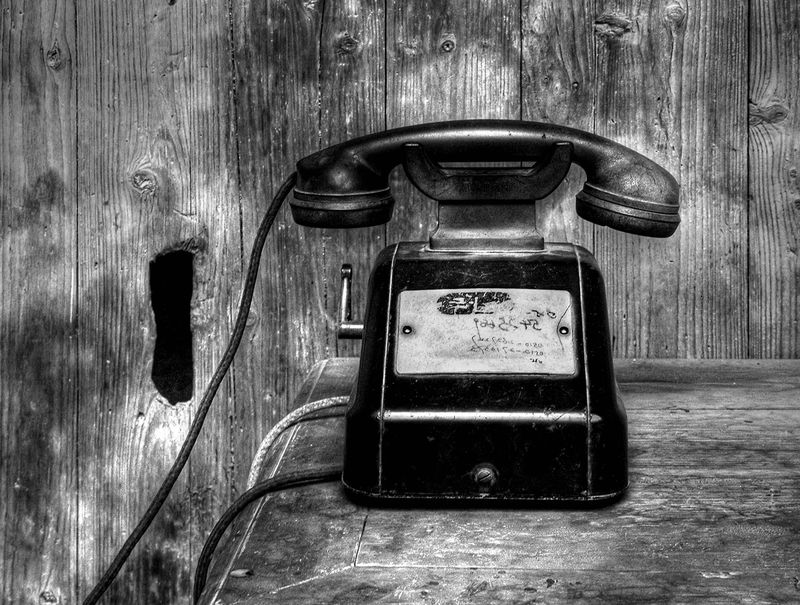
Making plans with friends required actual effort and coordination in the Boomer era. If you wanted to invite someone over or organize a group outing, you had to call their house using a rotary or push-button landline phone.
There was no texting, no instant messaging, and no way to reach someone unless they were physically at home to answer.
Payphones were lifelines when kids were out and about, offering a way to call home or check in with friends. You needed a pocketful of coins to make a call, and if the line was busy or no one picked up, you were out of luck.
Many Boomer kids memorized important phone numbers by heart because there was no contact list to rely on.
Phone etiquette was also a big deal—calling too early or too late was considered rude, and if a parent answered, you had to politely ask to speak to your friend. Conversations were often brief because tying up the family phone line for too long could mean missing other important calls.
The whole process required patience, planning, and a level of social skill that texting simply does not demand today.
5. Handwritten Letters: Keeping in touch required writing and waiting weeks for a reply via snail mail.
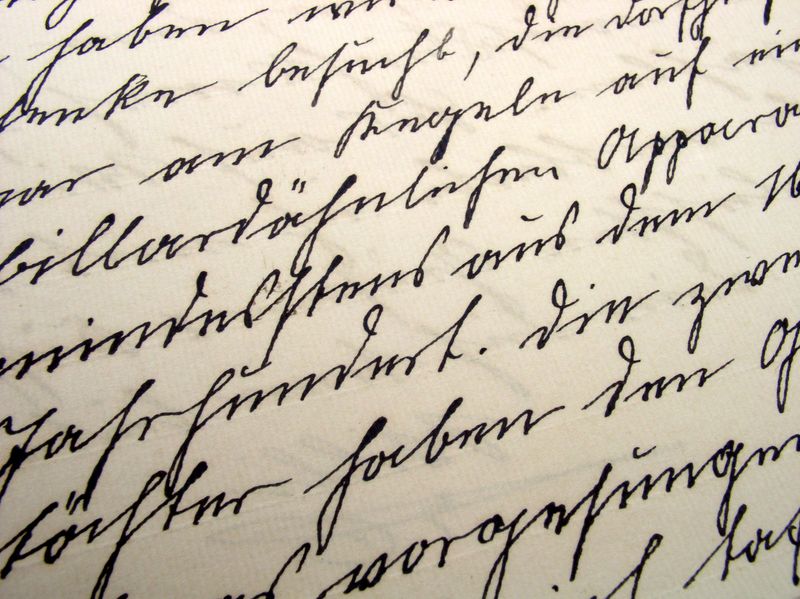
Staying connected with distant friends or relatives meant sitting down with pen and paper to write a letter. There was no email, no instant messaging, and certainly no social media to keep you updated on someone’s life.
You had to think carefully about what you wanted to say, write it out neatly, address an envelope, add a stamp, and drop it in the mailbox.
The waiting game was the hardest part—responses could take days or even weeks depending on how far the letter had to travel. Checking the mailbox became a daily ritual filled with anticipation, hoping to see a handwritten envelope with your name on it.
Receiving a letter felt special and personal in a way that a quick text message never could.
Handwritten correspondence taught patience and the value of thoughtful communication. People took time to craft their words, share stories, and express emotions in ways that felt more deliberate and meaningful.
Today, the idea of waiting weeks for a reply seems almost unbearable, but for Boomers, it was just how relationships were maintained across distances. The slower pace made each letter feel like a treasured keepsake worth saving.
6. Analog Photography: Capturing memories meant using film cameras and waiting for photos to be developed.
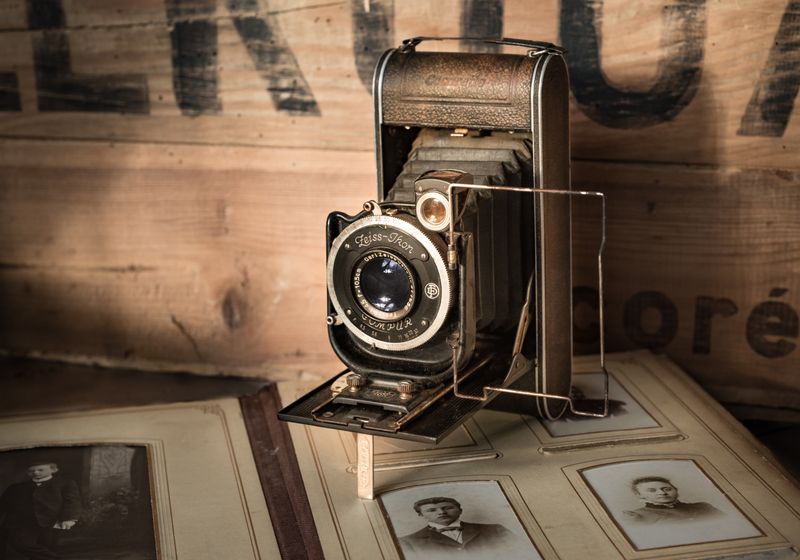
Photography in the Boomer years was a careful and deliberate process. Cameras used rolls of film that held only a limited number of shots, usually 24 or 36 exposures, so every picture had to count.
There was no screen to preview the image, no delete button, and no way to know if the shot turned out well until the film was developed.
After finishing a roll, you had to take it to a photo lab or drugstore and wait days or even weeks to get your prints back. The anticipation was thrilling—opening that envelope of developed photos felt like unwrapping a gift.
Sometimes the pictures were blurry, overexposed, or featured someone blinking, but those imperfect moments became cherished memories anyway.
Film and developing costs meant that photography was reserved for special occasions like birthdays, holidays, and vacations. You could not snap endless selfies or take hundreds of photos in one afternoon like people do now.
Each picture was precious and intentional, and photo albums were carefully curated collections of life’s biggest moments. The analog process made photography feel more meaningful and less disposable than the instant digital images we take for granted today.
7. DIY Entertainment: With no internet tutorials or apps, creativity was the go-to for building forts, treehouses, or backyard adventures.
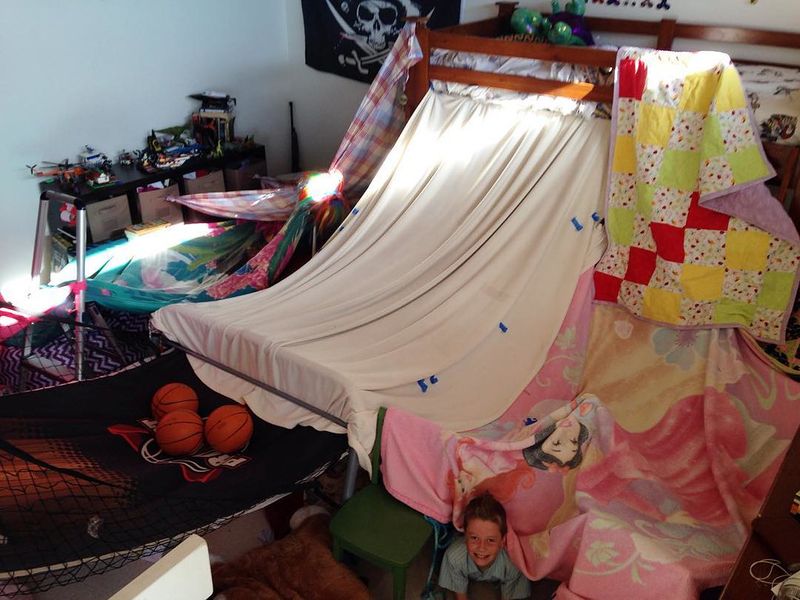
When boredom struck, Boomer kids did not turn to YouTube tutorials or Pinterest boards for ideas, they just grabbed whatever materials they could find and started building. Forts made from blankets and furniture, treehouses hammered together with scrap wood, and elaborate backyard obstacle courses were all created through trial, error, and pure imagination.
There were no step-by-step guides or instructional videos to follow. Kids learned by doing, figuring out what worked and what did not through hands-on experimentation.
A failed fort that collapsed halfway through construction was not a disaster, it was a lesson in engineering and an opportunity to try a different approach.
Parents rarely got involved in these projects, which meant kids had complete creative control. They learned to use basic tools, solve structural problems, and work together to bring their visions to life.
The sense of accomplishment that came from building something with your own hands was incredibly rewarding. These DIY adventures taught resourcefulness, teamwork, and the confidence to tackle challenges without needing an expert to show them the way.
The lack of instant answers made the process more meaningful and the results more satisfying.
8. Library Research: Homework meant visiting libraries and flipping through encyclopedias instead of quick online searches.
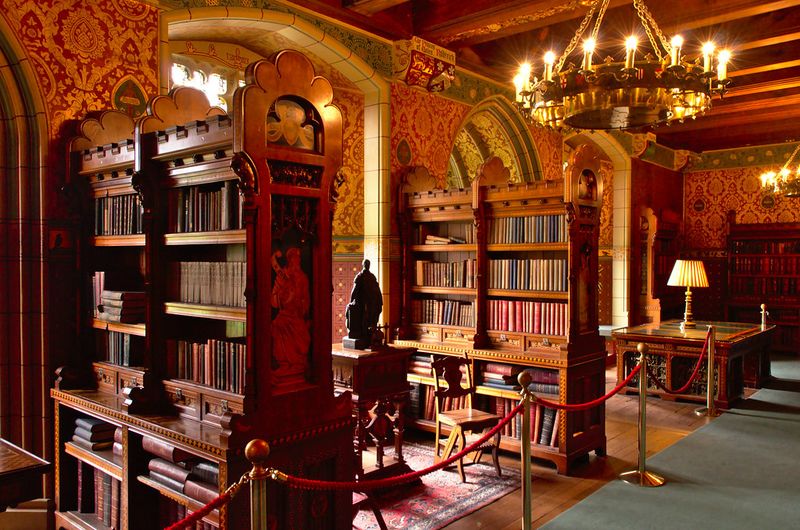
Completing a school assignment required a trip to the library, where towering shelves of books held all the information you needed. There was no Google to type a question into and get an instant answer.
Instead, students had to search through card catalogs, locate the right section, and flip through heavy encyclopedias or reference books to find relevant facts.
Research was a slow and methodical process that demanded patience and focus. You could not copy and paste information, you had to read, take notes by hand, and organize your findings into a coherent report.
Librarians became essential guides, helping students navigate the Dewey Decimal System and track down obscure sources.
The library was a quiet, focused environment where learning felt deliberate and intentional. There were no pop-up ads, no distracting notifications, and no endless rabbit holes of information to get lost in.
Students developed critical thinking skills by evaluating sources and synthesizing information from multiple texts. While modern search engines have made research faster and more convenient, the library experience taught Boomers discipline, resourcefulness, and a deep respect for the effort it takes to truly understand a topic.
Those skills shaped how they approached learning throughout their lives.
9. Limited Music Sources: Listening to music was all about vinyl records, radio, or mixtapes – not streaming playlists.
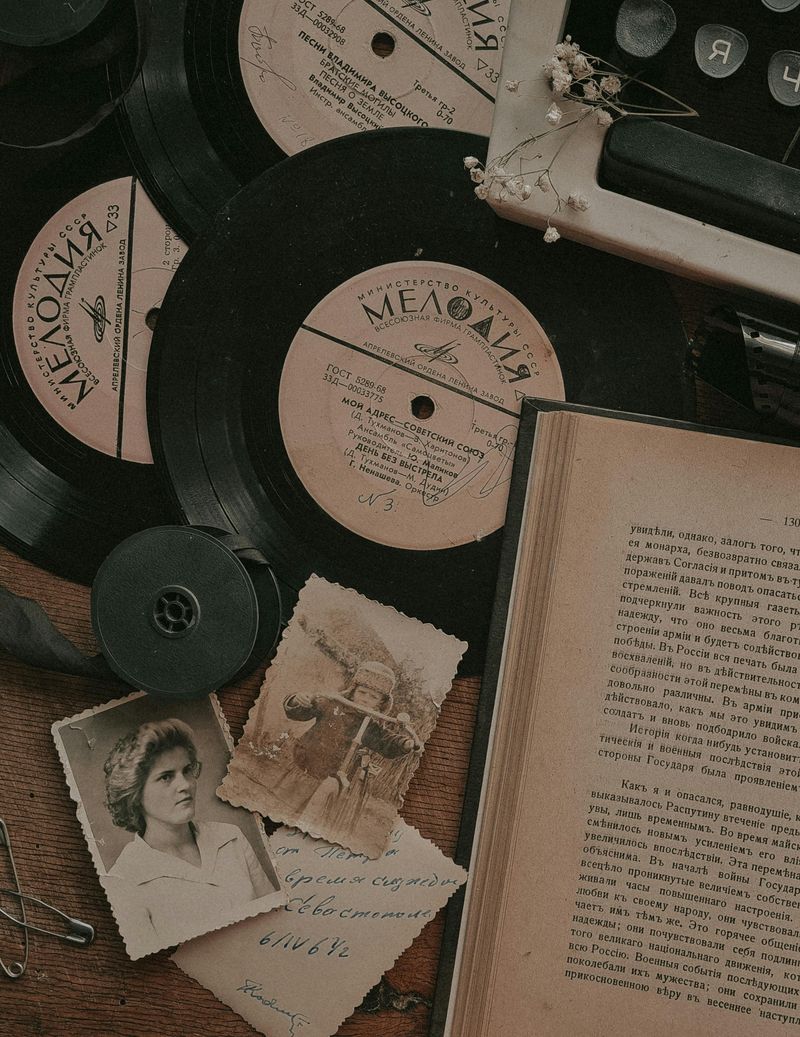
Music was a tangible, physical experience for Baby Boomers. Vinyl records were the primary way to listen to albums, and owning a record collection was a point of pride.
Each album had to be carefully placed on a turntable, the needle gently lowered, and the sound quality depended on how well the record was maintained. Scratches and warps were common, adding character to the listening experience.
Radio was the other major source of music, with DJs curating playlists and introducing new hits. If you heard a song you loved, you had to wait and hope it would play again so you could record it on a cassette tape.
Making a mixtape was an art form, requiring hours of waiting by the radio with your finger on the record button, ready to capture the perfect song.
There were no streaming services offering millions of songs at your fingertips, no skipping tracks you did not like, and no algorithm suggesting what to listen to next. Music felt more special because accessing it required effort, money, and patience.
Albums were listened to in full, from start to finish, allowing listeners to appreciate the artist’s intended flow. The ritual of playing a record or making a mixtape created a deeper connection to the music.
10. No Instant Information: Getting answers required asking an adult or looking through a physical encyclopedia.

Curiosity in the Boomer era could not be satisfied with a quick internet search. If a child had a question about history, science, or geography, they had to ask a parent, teacher, or librarian for help.
If no adult knew the answer, the next step was pulling out a heavy encyclopedia volume and flipping through pages until the right entry was found.
Encyclopedias were expensive investments that families displayed proudly on bookshelves. These multi-volume sets contained summaries of thousands of topics, but the information was often limited and could become outdated quickly.
Still, they were the best resource available, and kids learned to use indexes and cross-references to track down what they needed.
The process of seeking answers was slower and more deliberate, which meant that learning felt like a journey rather than a quick transaction. Children developed patience and persistence, knowing that finding information required effort and sometimes a bit of luck.
The lack of instant answers also meant that some questions went unanswered for days or even weeks, which only made the eventual discovery more satisfying. This slower pace of information gathering shaped how Boomers approached learning and problem-solving throughout their lives.
11. Manual Video Recording: Home movies were shot on bulky camcorders with limited recording time and no instant playback.

Capturing family moments on video was a rare and special event during the Boomer years. Home movie cameras were large, heavy, and expensive, often reserved for major occasions like birthdays, holidays, and vacations.
These cameras used reels of film that had to be carefully loaded and could only record a limited amount of footage before needing to be changed.
There was no screen to review what you had just filmed, no way to delete a bad take, and no instant playback. Once the film was shot, it had to be sent away for processing, which could take weeks.
Families would gather around a projector to watch the footage on a screen or blank wall, making movie night a special event filled with anticipation and excitement.
Recording video required planning and skill—you had to frame the shot carefully, manage lighting, and hope that everything turned out well. Mistakes were permanent, and film was too expensive to waste on casual recordings.
As a result, home movies captured only the most important moments, making each one feel precious and irreplaceable. The effort involved in creating and watching these videos made them treasured keepsakes that families revisited for years, unlike the endless disposable videos recorded on smartphones today.
12. Simple, Local Shopping: Retail was confined to local stores, with limited product choices compared to today’s online abundance.
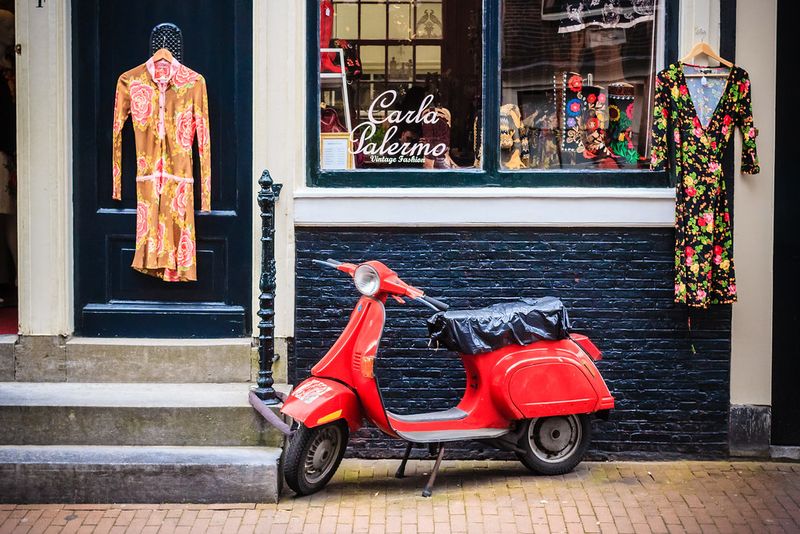
Shopping in the Boomer era meant visiting brick-and-mortar stores in your local downtown or neighborhood strip mall. There was no Amazon, no online ordering, and no next-day delivery.
If you needed something, you had to physically go to the store, browse the limited selection available, and hope they had what you were looking for in stock.
Product variety was much smaller than what we see today. Stores carried a handful of brands and options, and if something was out of stock, you either had to wait for it to be restocked or settle for an alternative.
There were no customer reviews to read, no price comparisons across multiple websites, and no way to research a product before buying it.
Shopping was a social experience that involved interacting with store clerks, asking questions, and making decisions on the spot. Families often made a day of it, visiting multiple stores and stopping for lunch or ice cream.
The slower pace and limited options meant that purchasing decisions were more thoughtful and deliberate. People learned to appreciate what they had and make do with fewer choices, which fostered a sense of contentment and gratitude that feels rare in today’s world of endless consumer options and instant gratification.
13. No GPS or Digital Maps: Navigating meant using paper maps and asking for directions, often leading to unexpected detours.
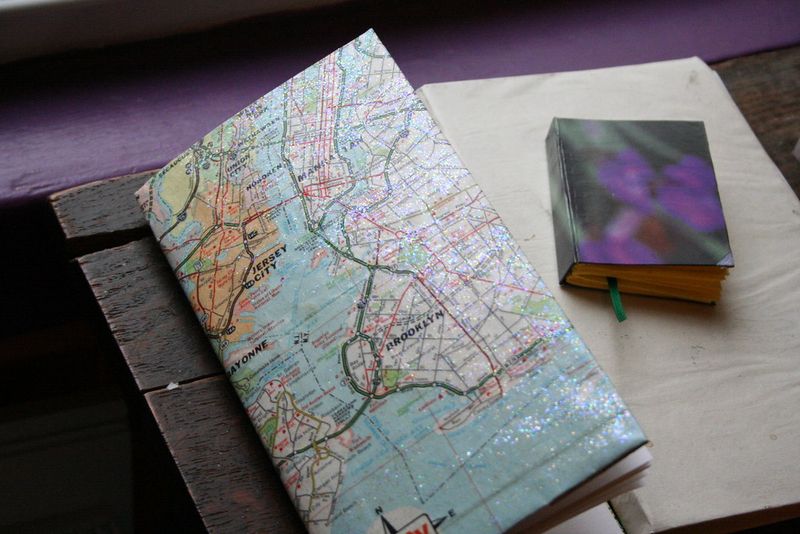
Getting from point A to point B required real navigational skills in the Boomer years. There were no GPS devices, no smartphone apps, and no voice telling you to turn left in 500 feet.
Instead, families relied on folded paper maps that were notoriously difficult to refold and road atlases kept in the glove compartment for longer trips.
Before leaving for a destination, someone had to study the map, plot the route, and memorize key turns and landmarks. If you got lost along the way, your only options were to pull over and consult the map again or stop at a gas station to ask for directions.
Getting lost was a common occurrence, and unexpected detours often turned into adventures or frustrations depending on the situation.
Navigating without digital assistance taught spatial awareness, problem-solving, and the ability to stay calm under pressure. Road trips felt more spontaneous and exploratory because there was always a chance you might take a wrong turn and discover something unexpected.
While GPS has made travel infinitely easier and more efficient, it has also removed much of the adventure and self-reliance that came with old-fashioned map reading. For Boomers, figuring out how to get somewhere was just part of the journey.
14. Fewer Safety Nets: Boomers often played outside unsupervised, learning to fend for themselves in ways that seem risky now.
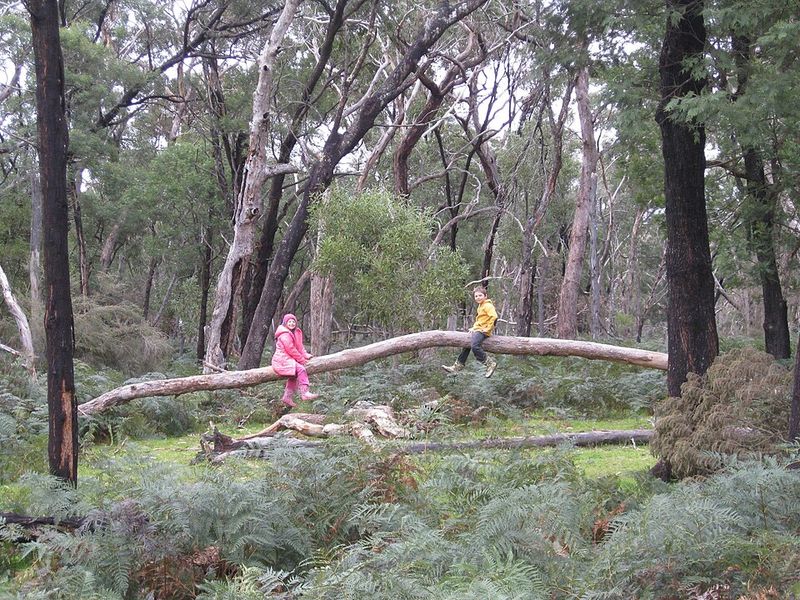
Safety standards for children were vastly different during the Boomer generation. Kids rode bikes without helmets, played on metal playground equipment that got scorching hot in the summer, and climbed trees without anyone worrying about liability or injuries.
Parental supervision was minimal, and children were expected to handle minor scrapes, bruises, and conflicts on their own.
There were no helicopter parents hovering over every activity, no childproofing every corner of the house, and no constant monitoring through apps or tracking devices. Kids learned through experience, which sometimes meant getting hurt, making mistakes, and figuring out how to recover.
This hands-off approach built resilience and self-reliance, teaching children to assess risks and make decisions independently.
Seat belts were not always required, car seats were practically nonexistent, and riding in the back of a pickup truck was considered perfectly acceptable. Playgrounds featured tall slides, merry-go-rounds that spun dangerously fast, and seesaws that could launch kids into the air.
While these conditions would be considered reckless by today’s standards, Boomers look back on them as character-building experiences that taught toughness and independence. The lack of safety nets meant kids had to be more aware and responsible for their own well-being.
15. Analog Homework: Everything was done by hand on paper, from writing essays to doing math calculations.
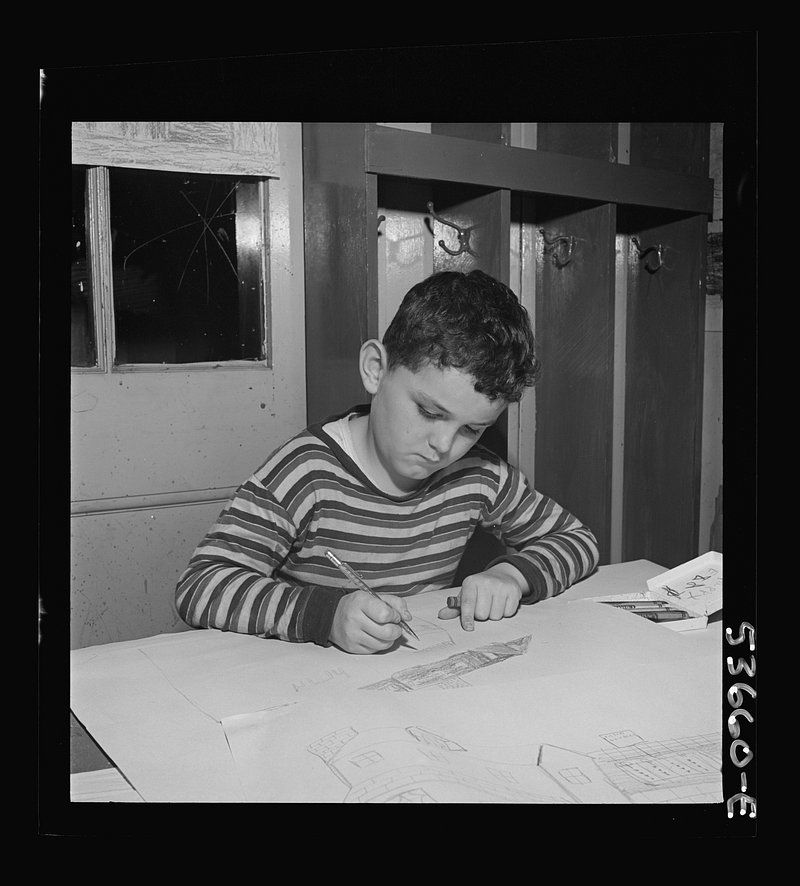
Homework in the Boomer era was a completely manual process. There were no computers, no word processors, and no calculators allowed in most classrooms.
Every essay had to be written by hand in neat cursive or printed letters, and any mistake meant erasing carefully or starting over on a fresh sheet of paper. Messy handwriting or smudged ink could result in lower grades, so penmanship was taken seriously.
Math assignments required showing all work step-by-step using pencil and paper. Students had to memorize multiplication tables, perform long division manually, and double-check their calculations without the help of a calculator.
Slide rules were sometimes used for more complex computations, but even those required skill and practice to operate correctly.
Typing assignments meant using a manual or electric typewriter, which was loud, cumbersome, and unforgiving. There was no backspace key, mistakes had to be corrected with white-out or correction tape, and retyping entire pages was common.
The analog nature of homework taught attention to detail, patience, and the importance of getting things right the first time. While modern technology has made schoolwork faster and more efficient, the hands-on approach of the Boomer era instilled discipline and a strong work ethic that shaped how they tackled challenges throughout life.
16. Limited Communication Tools: Without texting or email, coordinating group play or outings required face-to-face or landline chats.
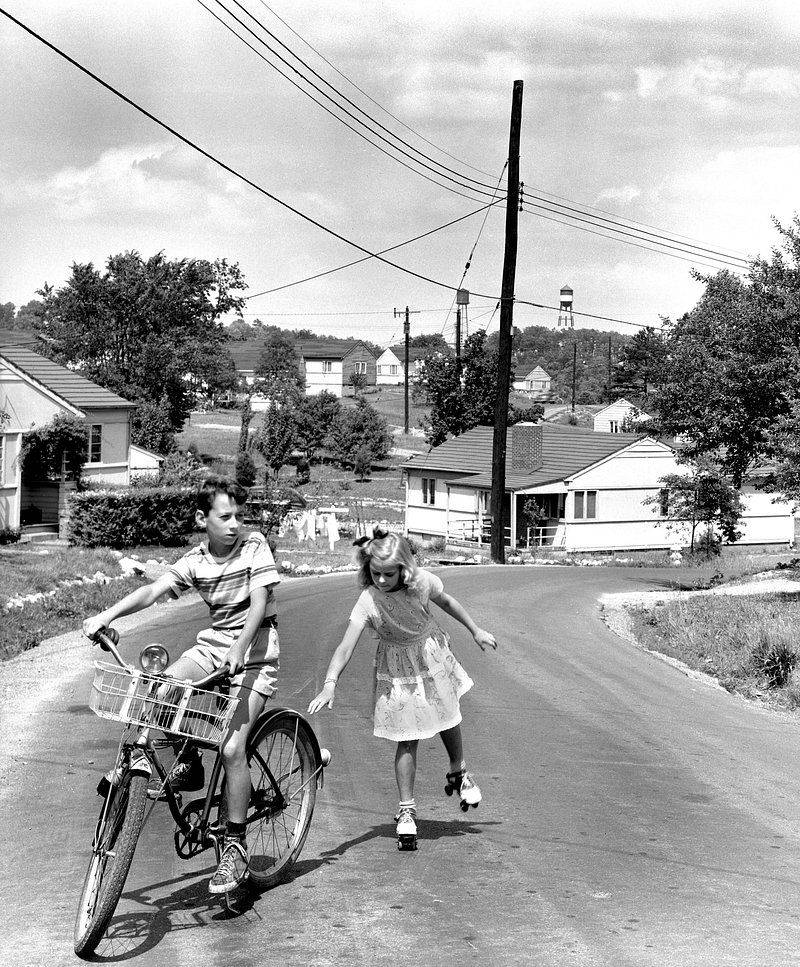
Organizing a group activity was a logistical challenge for Boomer kids. There was no group chat, no mass text, and no way to instantly notify everyone about a change of plans.
If you wanted to get friends together for a game of baseball or a bike ride, you had to call each person individually on the phone or go knock on their door.
Coordinating schedules required patience and flexibility. If someone was not home when you called or stopped by, you had no way to reach them until you tried again later.
Plans were often loose and spontaneous, with kids showing up at a designated time and place and hoping everyone else got the message. Miscommunications were common, but they were just part of the experience.
Face-to-face communication was the default, which meant kids developed strong interpersonal skills and learned to read body language and social cues. Conversations happened in real time without the buffer of a screen, making interactions more immediate and authentic.
While modern technology has made coordinating plans infinitely easier, it has also reduced the amount of in-person communication that builds strong social skills. For Boomers, the effort required to organize group activities made the time spent together feel more valuable and intentional.
17. Unfiltered News: Information came only from newspapers, radio, or evening TV news – no constant online updates.
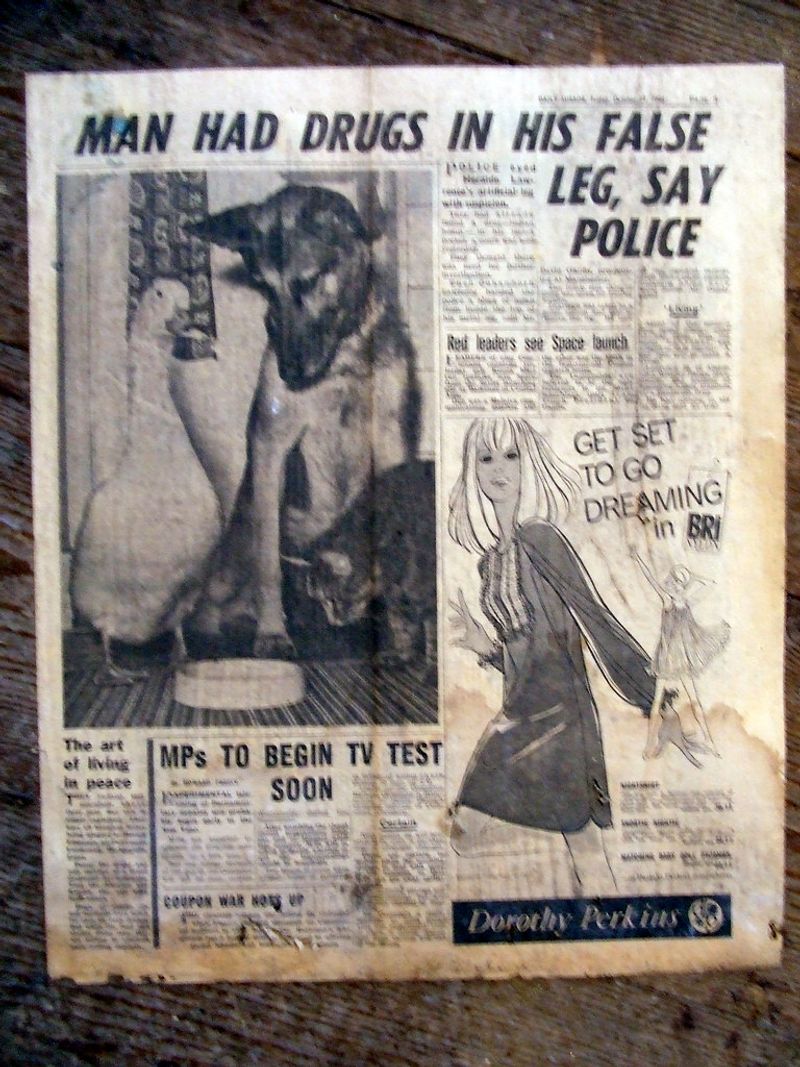
News consumption in the Boomer era was a scheduled, limited activity. Families gathered around the television at specific times to watch the evening news, which aired once or twice a day and lasted only 30 minutes.
There were no 24-hour news channels, no social media feeds, and no constant stream of breaking news alerts. Information was delivered in a structured, curated format by trusted anchors and journalists.
Newspapers were the primary source of detailed news coverage, delivered to doorsteps every morning. People read the paper over breakfast or during their commute, absorbing information at a slower, more deliberate pace.
Radio provided updates throughout the day, but even those were limited compared to the endless flow of information available now.
The lack of constant news meant that people were less anxious and overwhelmed by current events. They received updates at set times and then went about their day without being bombarded by notifications and opinions.
News felt more factual and less sensationalized because there was no competition for clicks or ratings around the clock. While staying informed required more effort, the slower pace allowed people to process information more thoughtfully and form their own opinions without the noise of constant commentary.
This measured approach to news shaped how Boomers understood and engaged with the world around them.



