 Unearth The Voyage
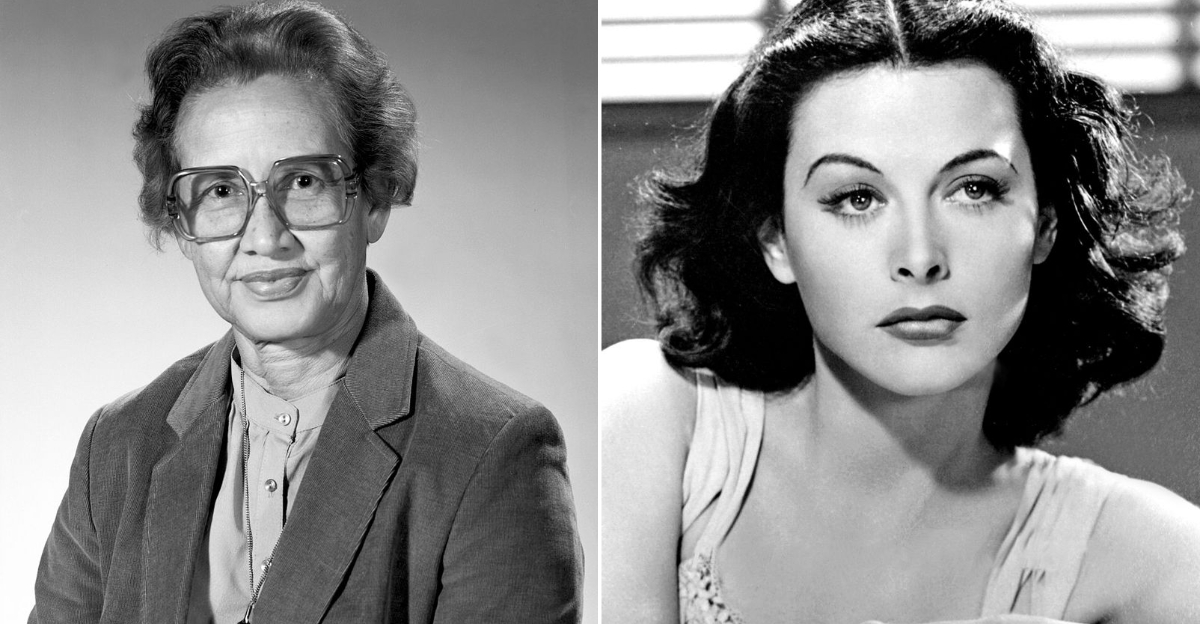
History books have a bad habit of leaving out some of the most brilliant, daring, and world-changing people who ever lived. Spoiler: a lot of them were women.
From cracking the code of DNA to commanding pirate fleets, these women did things that would make your jaw drop. Get ready to meet the women who shaped our world while history looked the other way.
Hypatia of Alexandria
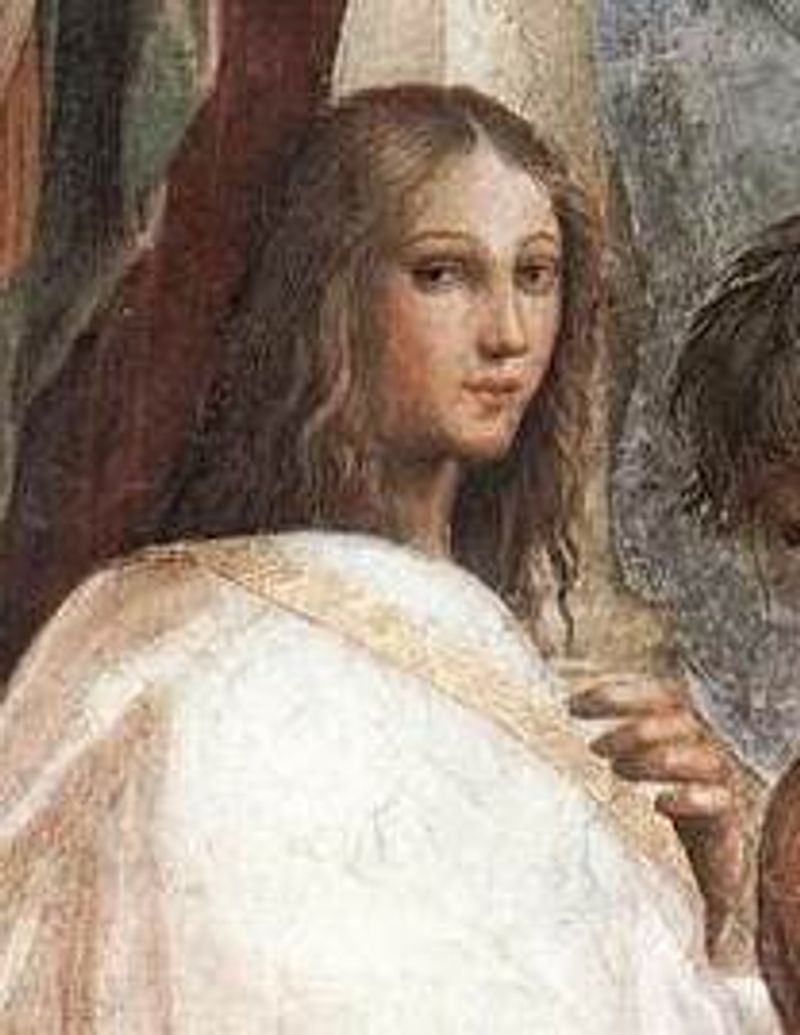
The ancient world had rock stars too, and Hypatia was one of them. Born in Alexandria around 360 CE, she became the city’s go-to brain for math, philosophy, and astronomy.
Students traveled from across the Mediterranean just to hear her teach. She was that good.
Hypatia is the earliest female mathematician we know about in real, meaningful detail. She edited major mathematical texts and led public lectures at a time when most women were expected to stay quietly at home.
She did not stay quietly anywhere.
Her story ends tragically. In 415 CE, a violent mob murdered her during a period of brutal political and religious conflict in Alexandria.
History nearly swallowed her whole after that. But here she is, centuries later, still being talked about.
Not bad for someone the history books kept trying to forget.
Mary Anning: Fossil Rockstar
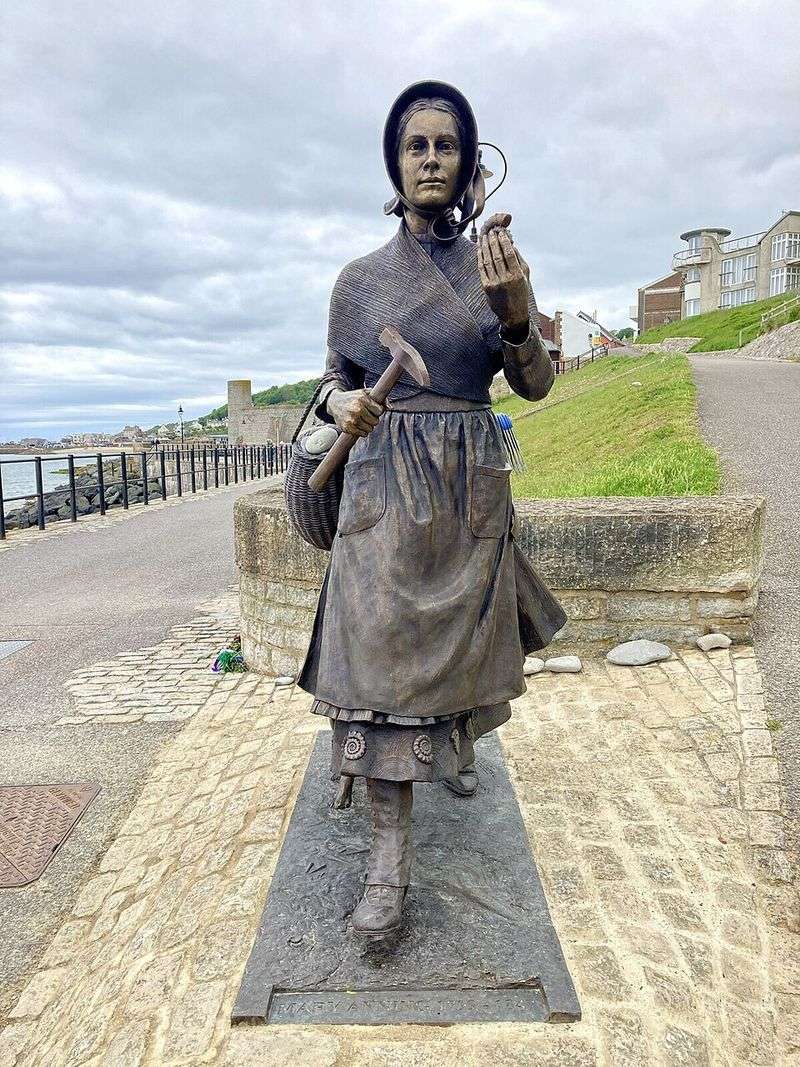
Mary Anning spent her days hammering at cliffs on the English coast, and what she pulled out of those rocks changed science forever. Working at Lyme Regis in the early 1800s, she helped uncover the first ichthyosaur skeleton recognized by science, with the skull found in 1811 and the full skeleton excavated by 1812.
She was a teenager.
Anning was working class, had no formal education, and was a woman in a field dominated by wealthy gentlemen scientists. Those gentlemen would buy her fossils, publish papers about them, and sometimes forget to mention her name.
Classic.
The Natural History Museum now openly credits her role in transforming our understanding of prehistoric life. Paleontology as we know it owes a serious debt to a woman who taught herself geology from cliff faces.
She even inspired the tongue twister about selling seashells. The least history could do.
Ada Lovelace: First Programmer
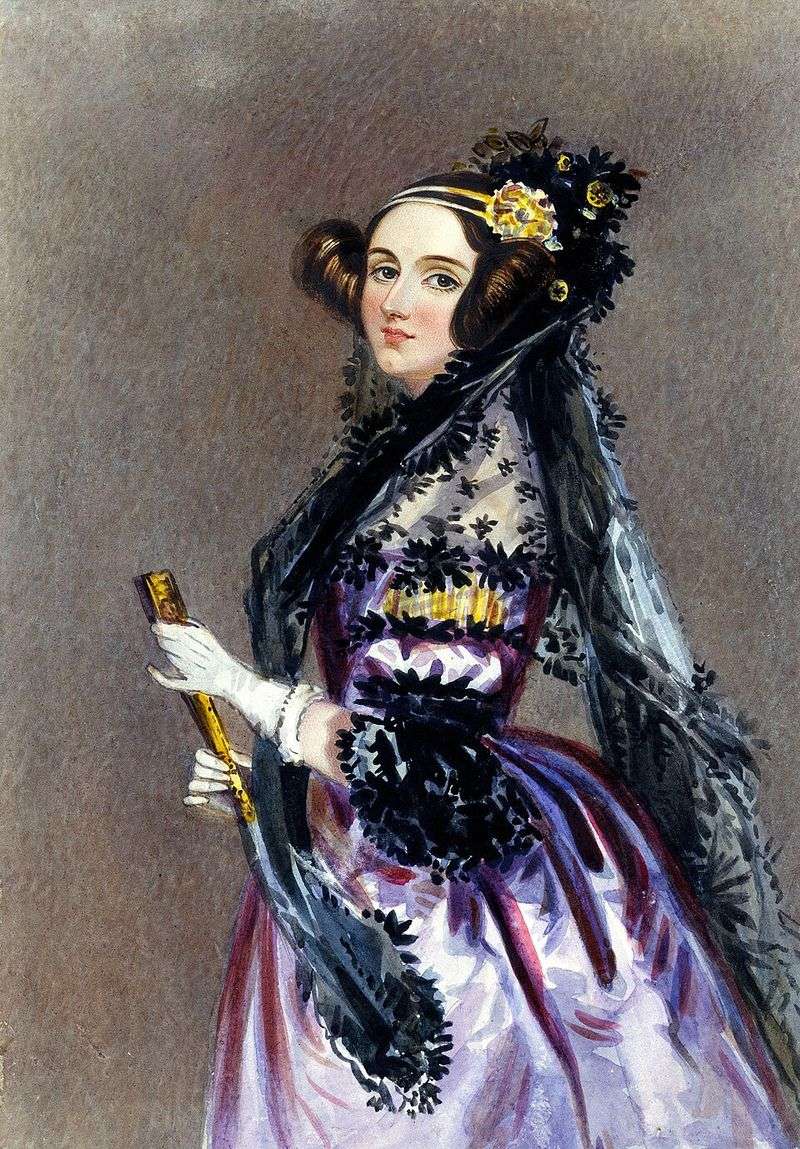
Every time you use a computer, you are, in a roundabout way, living inside Ada Lovelace’s vision. In 1843, she wrote detailed notes on Charles Babbage’s Analytical Engine and included what many historians consider the first computer program ever written, an algorithm for calculating Bernoulli numbers.
That alone would be enough. But Lovelace went further.
She argued that the machine could work on more than just numbers, that it could process symbols, compose music, and handle complex tasks. In 1843.
While most people thought it was just a fancy calculator.
She died at only 36, and her work was largely forgotten for over a century. When computing pioneers rediscovered her notes in the 20th century, they were stunned.
The U.S. Department of Defense later named a programming language Ada in her honor.
She never got to see computers, but she absolutely saw computing.
Ida B. Wells: Truth Teller
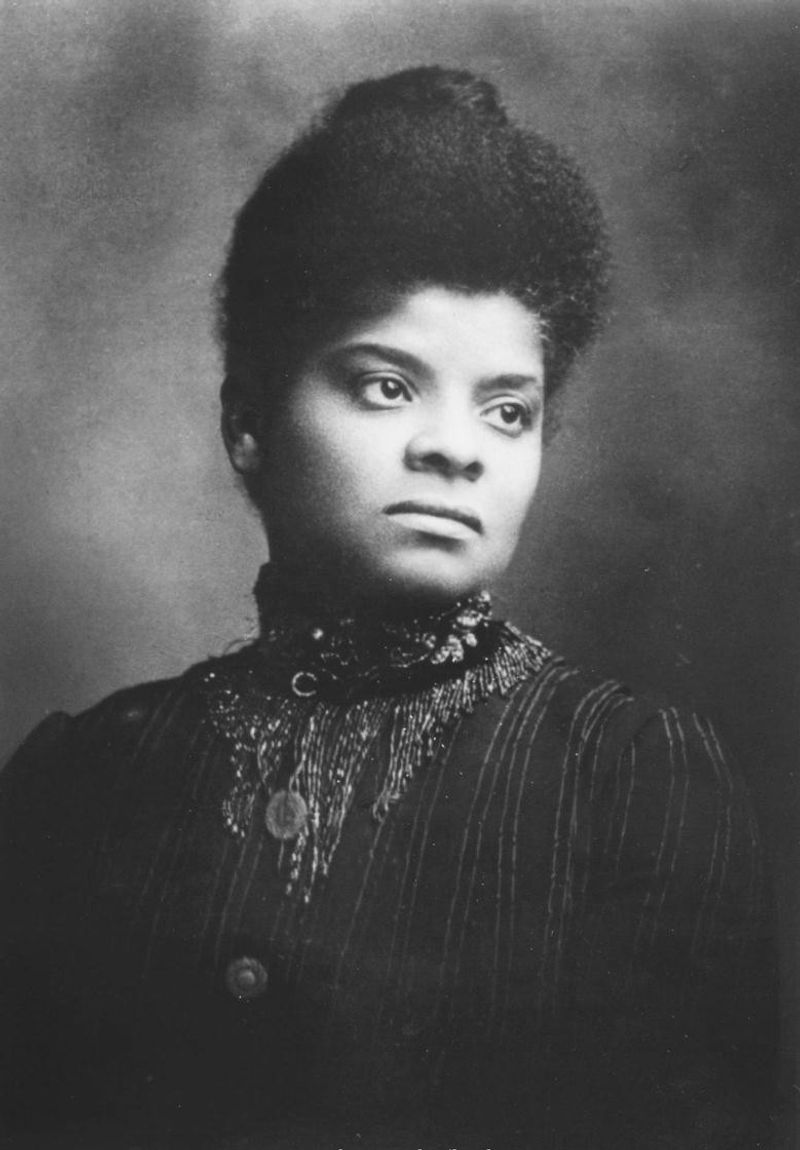
Ida B. Wells was not interested in staying quiet while injustice happened around her.
In the 1890s, she launched one of the most important anti-lynching campaigns in American history, using journalism as her weapon of choice. Her 1895 publication, A Red Record, documented racial violence with cold, hard facts at a time when that took real courage.
Wells was also a co-founder of the NAACP, though her relationship with the organization later grew complicated. That complexity is part of what makes her so real and fascinating.
She was not a symbol. She was a person with sharp opinions and a sharper pen.
I once read that her printing press was destroyed by a mob trying to silence her. She bought another one.
That tells you everything about Ida B. Wells.
History kept trying to erase her name, and she kept writing it back in ink that would not wash out.
Hedy Lamarr: Glamour and Genius
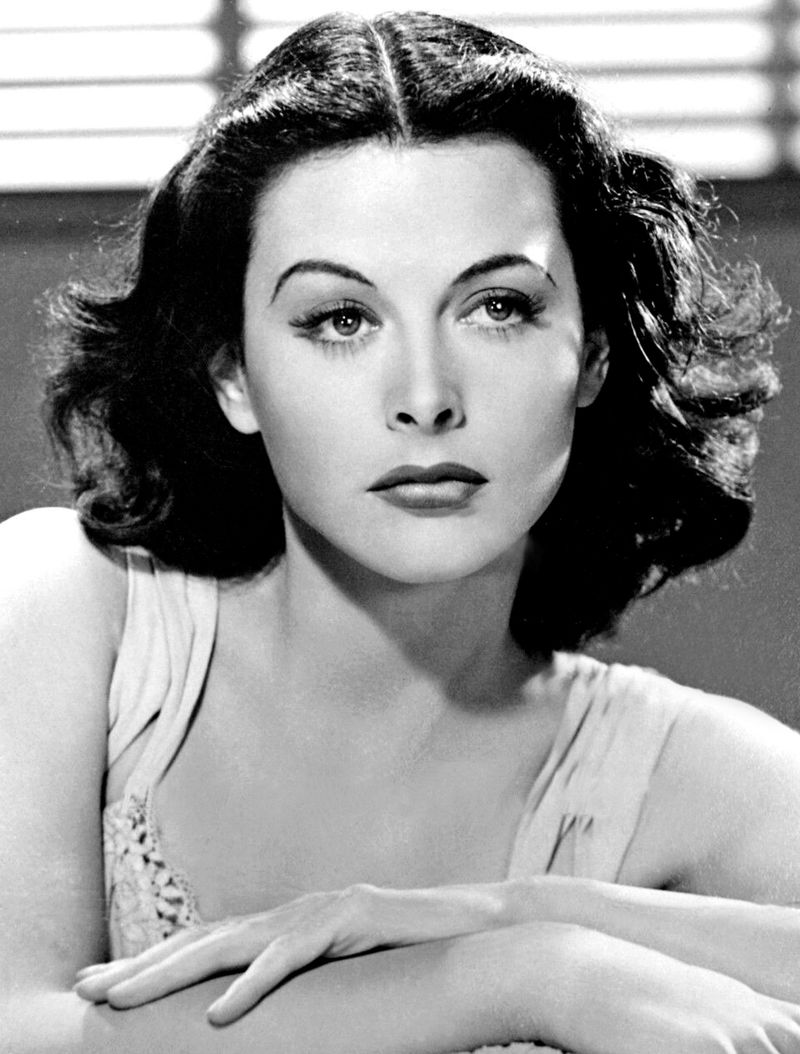
Hedy Lamarr was one of Hollywood’s biggest stars in the 1940s. She was also quietly co-inventing the technology that would eventually make your Wi-Fi work.
Not a combination you expect on a Tuesday.
Together with composer George Antheil, Lamarr developed a frequency-hopping communication system designed to make radio-guided torpedoes harder for enemies to jam. They received a U.S. patent for it in 1942.
The Navy did not adopt it during World War II, possibly because nobody took a movie star’s engineering seriously enough.
Decades later, the core concept became foundational to modern wireless communications, including Bluetooth and spread-spectrum technology used in cell phones. By the time the tech world caught up to what she had done, her patent had long expired.
She received no royalties. She did eventually receive an Electronic Frontier Foundation Pioneer Award in 1997, at age 82.
Better late than never, tech world.
Rosalind Franklin: The Real MVP of DNA
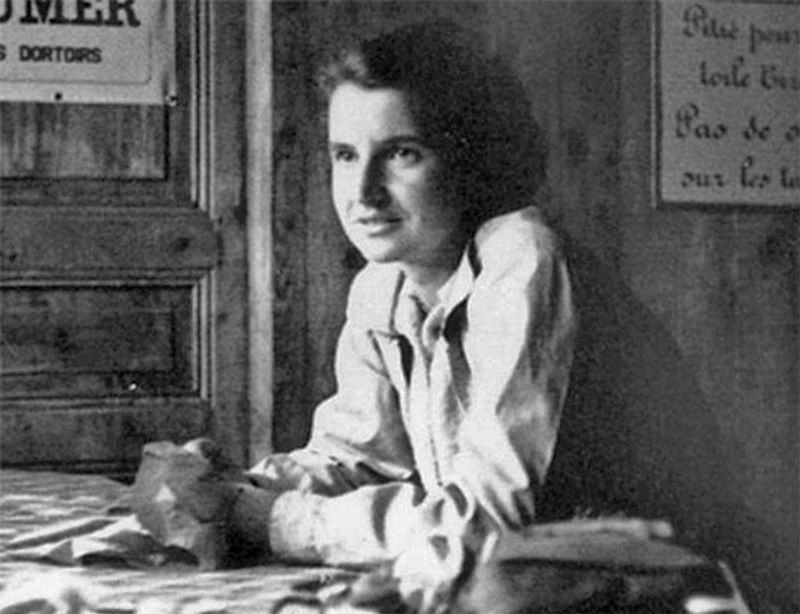
Photograph 51 is one of the most important images in the history of science. It is an X-ray diffraction image of DNA, produced by Rosalind Franklin and her student Raymond Gosling in May 1952 at King’s College London.
It became a key piece of evidence for understanding DNA’s double helix structure.
Here is the uncomfortable part. Franklin’s data was shared with Watson and Crick without her knowledge or full consent.
They used it to build their famous model. When Watson, Crick, and Wilkins received the 1962 Nobel Prize for the discovery of DNA’s structure, Franklin was not mentioned.
She had died of cancer in 1958, at just 37.
Nobel Prizes are not awarded posthumously, so the timing is often cited as a factor. But many scientists argue she deserved far more credit during her lifetime.
Science has been slowly correcting the record ever since. Slowly.
Katherine Johnson: Human Computer
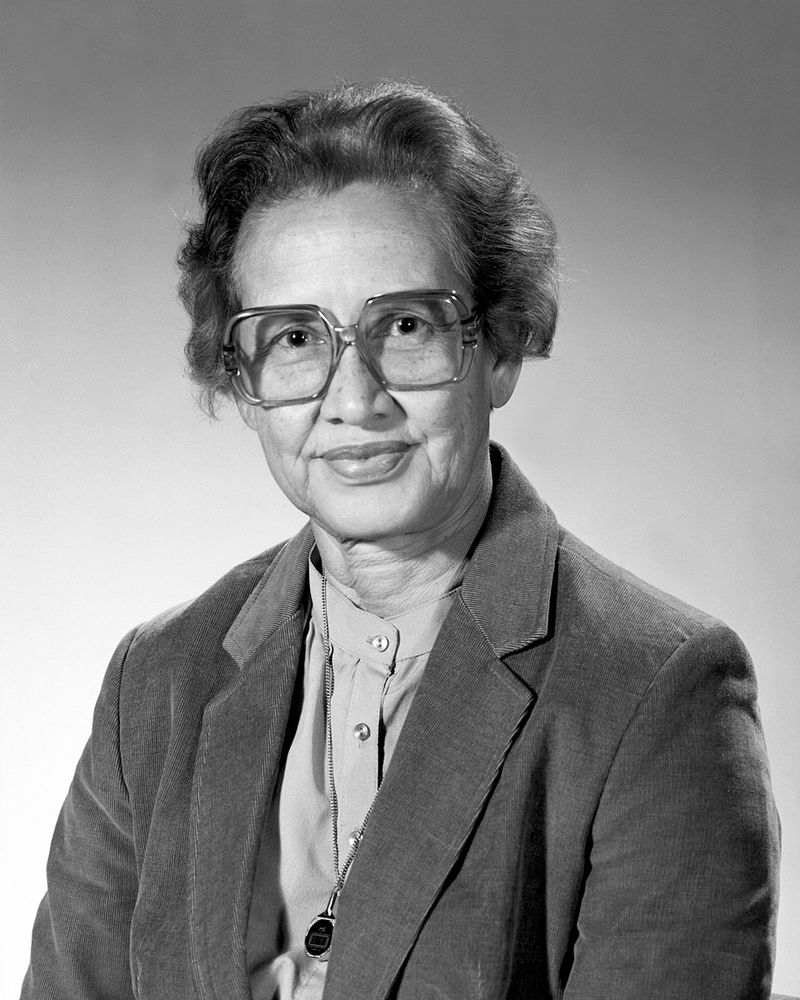
Before NASA trusted its computers, it trusted Katherine Johnson. As a mathematician at NASA, she calculated trajectories for some of the most critical missions in space history, including Apollo 11, the mission that landed humans on the moon.
Her backup navigation charts were considered essential safety tools.
She also did crucial calculations for early Project Mercury milestones. Astronaut John Glenn reportedly refused to fly unless Johnson personally verified the computer’s orbital calculations.
That is the kind of trust you earn by being exceptionally good at your job.
For decades, her contributions were barely known outside NASA’s walls. The 2016 film Hidden Figures brought her story to a much wider audience, and in 2015 she received the Presidential Medal of Freedom.
NASA named a computational research facility after her in 2017. She passed away in 2020 at 101 years old, having lived long enough to finally get some of the credit she always deserved.
Noor Inayat Khan: Spy and Heroine
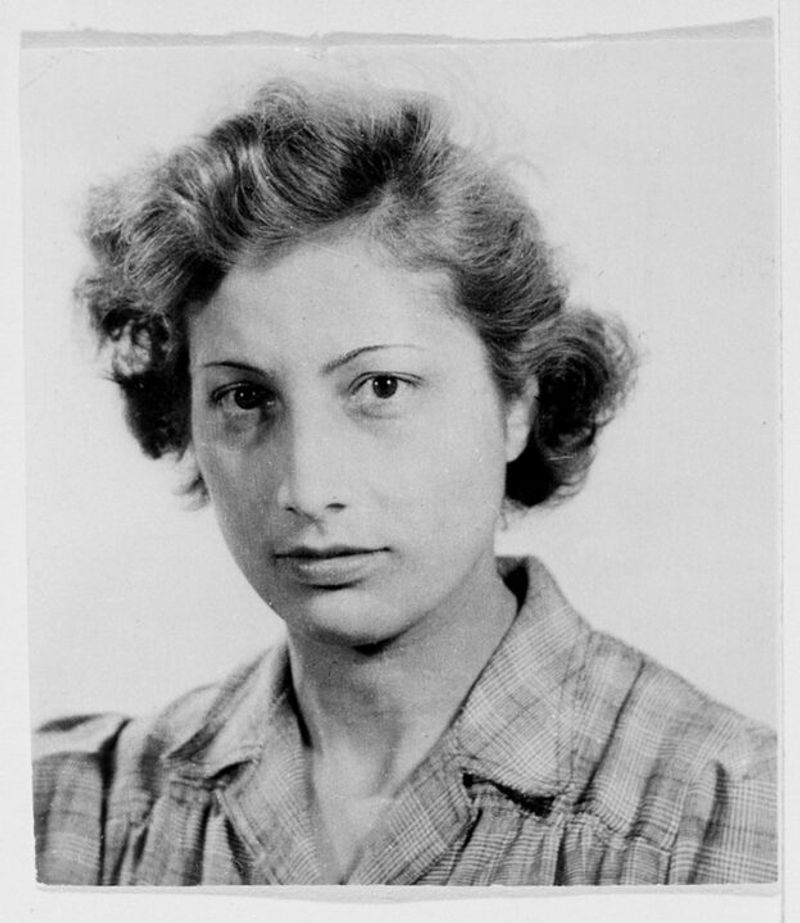
Noor Inayat Khan was a children’s book author before she became a wartime spy. That sentence is not a joke.
She wrote a book of Jataka tales for children, and then she went to Nazi-occupied France as a Special Operations Executive wireless operator. She contained multitudes.
As the last remaining SOE radio operator in Paris after her colleagues were captured, she kept transmitting intelligence back to Britain under extraordinary danger. She was eventually captured in October 1943.
Even under imprisonment and torture, she refused to give up her secrets or her colleagues.
She was executed at Dachau concentration camp in September 1944. Her last recorded word was reported to be “Liberte.” Noor was awarded the George Cross, Britain’s highest civilian honor, posthumously.
She was 30 years old. A children’s book author turned spy who held the line alone deserves way more than a footnote in history.
Irena Sendler: Smuggler of Hope
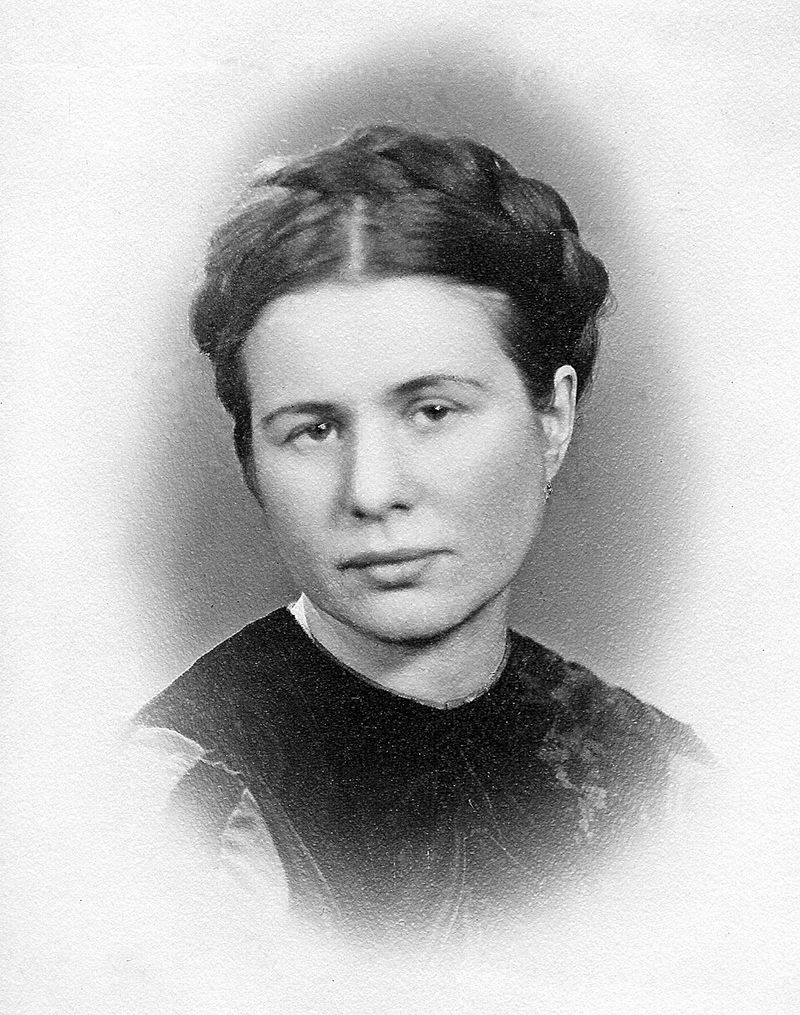
Irena Sendler smuggled children out of the Warsaw Ghetto in toolboxes, coffins, and potato sacks. She was a social worker, and she used every tool available to her to save lives during one of history’s darkest chapters.
Her network, operating under the Żegota organization, is credited with rescuing around 2,500 Jewish children.
She kept coded records of each child’s real identity, buried in jars in a neighbor’s garden, hoping to reunite families after the war. The Nazis captured and tortured her in 1943.
She still did not give up the names. She later escaped, and kept working.
For decades, Irena Sendler’s story was nearly unknown outside Poland. A group of Kansas high school students researching a class project in 1999 helped bring her story to international attention.
She was nominated for the Nobel Peace Prize in 2007. She deserved it.
History should have found her much sooner.
Chien-Shiung Wu: The Queen of Physics
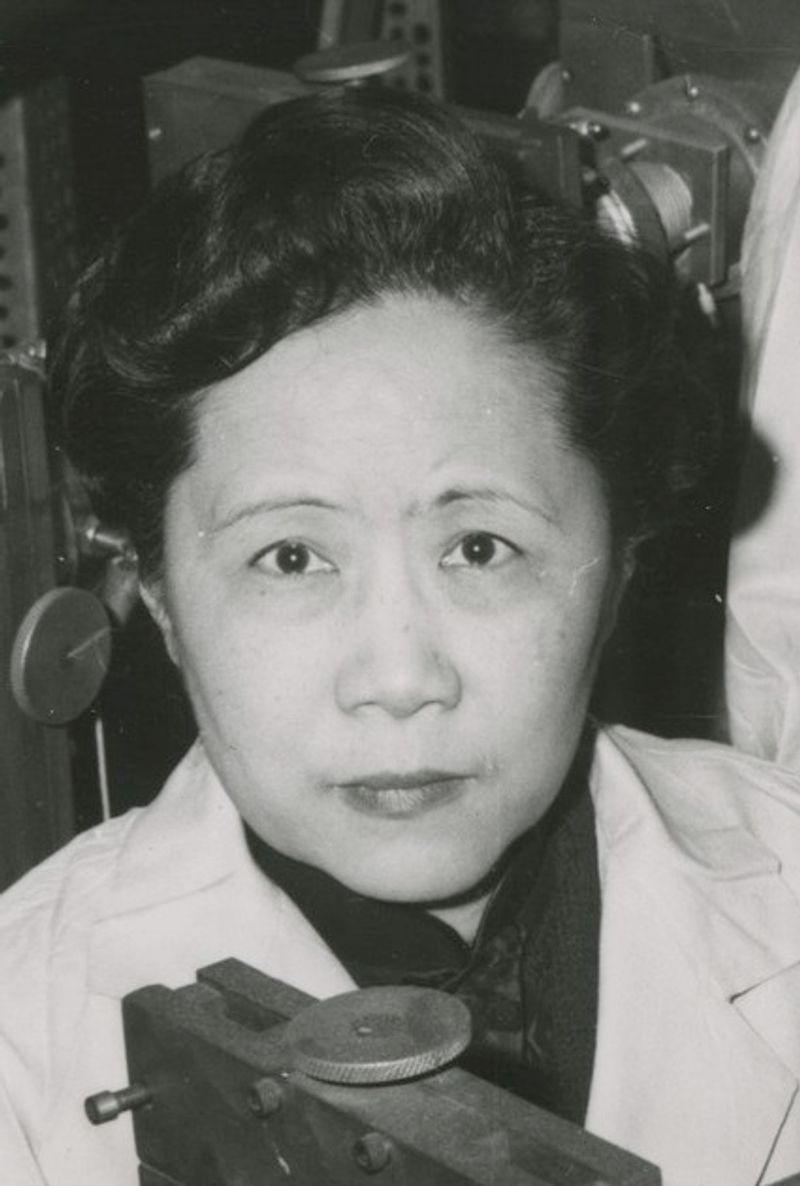
Two physicists, Lee and Yang, had a bold theory: that the law of parity conservation, a foundational principle of physics, might be wrong. Everyone in the field was skeptical.
So they asked Chien-Shiung Wu to test it, because if anyone could run the experiment right, it was her.
In 1956, Wu designed and executed a brilliant experiment using radioactive cobalt-60 at extremely low temperatures. The results were clear: parity was violated.
Lee and Yang’s theory was confirmed. It was a landmark moment in physics history.
Here is the part that stings. In 1957, Lee and Yang received the Nobel Prize in Physics for the theory.
Wu, who actually proved it with her hands and her brilliance, was not included. The American Physical Society has since highlighted her central role in the experimental proof.
She later received the first Wolf Prize in Physics in 1978. Physics owed her, and physics knew it.
Marsha P. Johnson: Liberation Icon
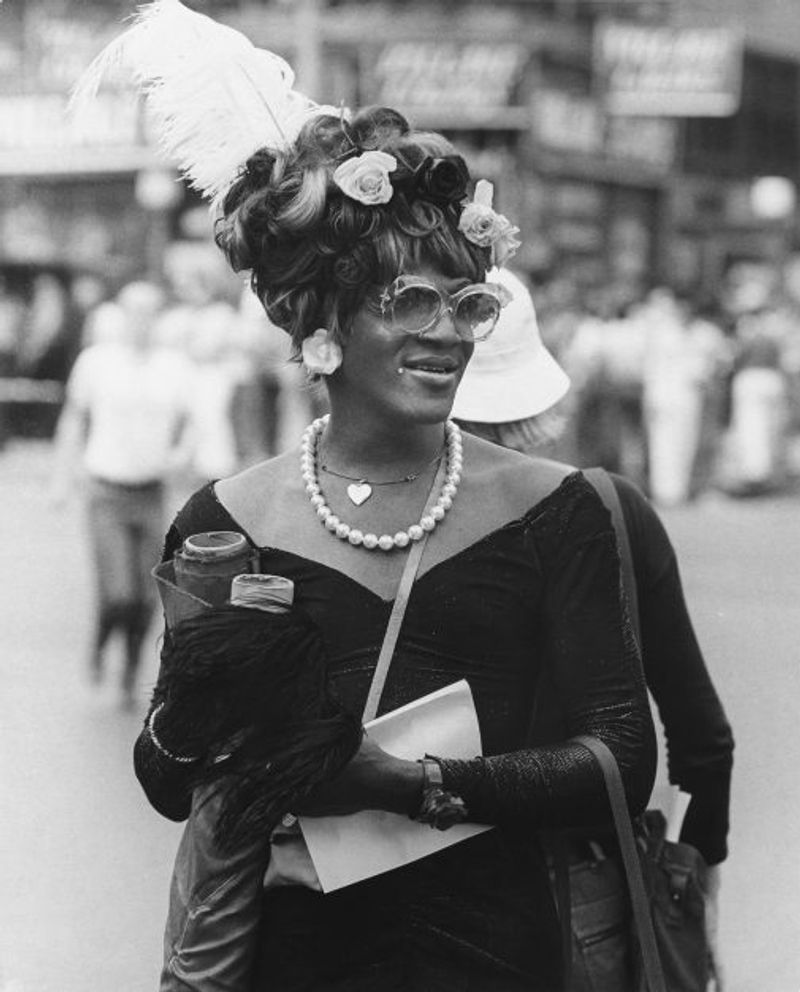
Marsha P. Johnson once said the P stood for “Pay it no mind,” which is honestly the most legendary response to a nosy question ever recorded.
She was a Black transgender activist, performer, and community builder who became one of the most recognizable figures of the LGBTQ liberation movement.
She is documented as a participant in the 1969 Stonewall uprising, a pivotal moment in LGBTQ history. Exactly what she did that specific night is debated by historians, but her long-term impact as an organizer is not up for debate at all.
She co-founded STAR, an organization that provided shelter and support for homeless LGBTQ youth in New York City.
Marsha spent decades showing up for her community with joy, resilience, and fierce advocacy. She passed away in 1992.
A statue honoring her was unveiled in Greenwich Village in 2019. It was long overdue, but the neighborhood finally got it right.
Wangari Maathai: Tree by Tree
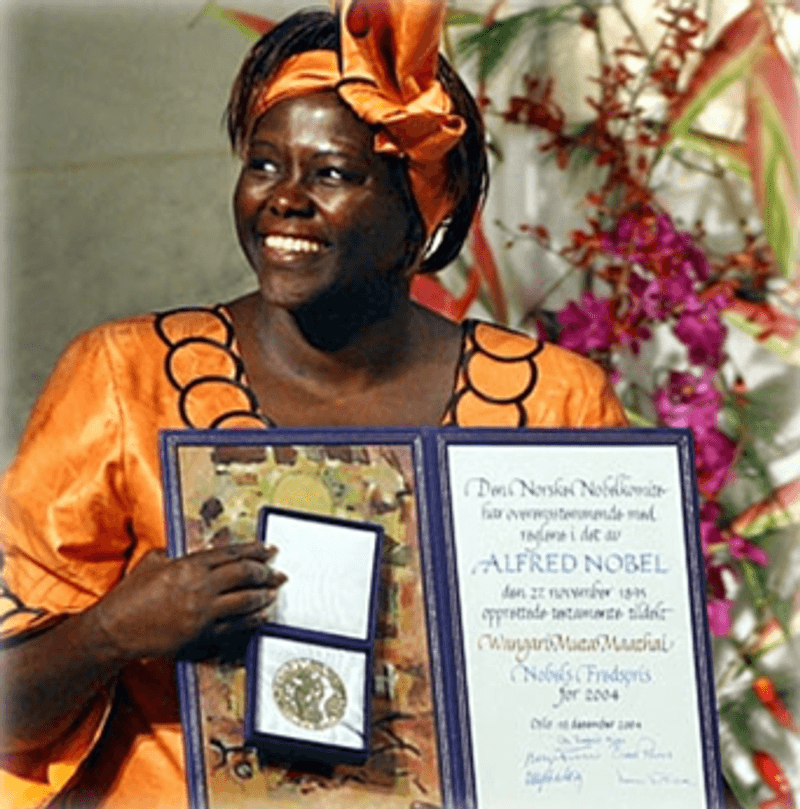
Wangari Maathai looked at deforested Kenyan land, looked at women struggling without firewood and clean water, and decided that planting trees was a revolutionary act. She was absolutely right.
In 1977, she founded the Green Belt Movement, which linked environmental conservation directly with women’s rights and civic empowerment.
By the early 21st century, the movement had planted around 30 million trees across Africa. Thirty million.
That is not a typo. She also organized women to resist authoritarian policies, which got her arrested more than once.
She wore that like a badge of honor.
In 2004, Wangari Maathai became the first African woman to receive the Nobel Peace Prize. The committee specifically cited the connection between environmental sustainability and democratic governance.
She proved that environmental work and human rights work are the same fight. Every tree her movement planted was also a vote for dignity.
Kenya’s landscape literally changed because of her.
Sophie Scholl: Leaflets Against Evil
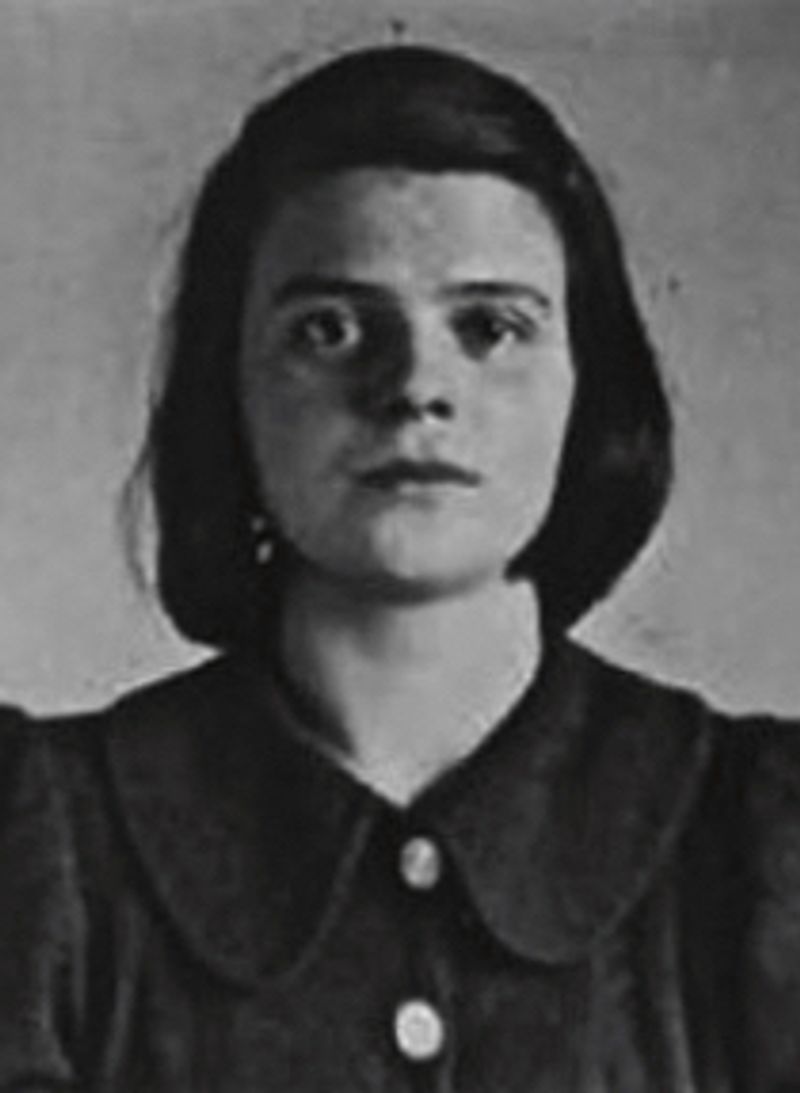
Sophie Scholl was 21 years old when she was executed for handing out anti-Nazi leaflets. Read that again.
Twenty-one years old, and she had already decided that silence in the face of evil was not an option she was willing to take.
She was a core member of the White Rose, a resistance group based at the University of Munich. The group printed and distributed leaflets urging German citizens to resist Nazi rule, arguing that the regime was criminal and morally bankrupt.
On February 18, 1943, Sophie and her brother Hans were caught distributing leaflets at the university.
Four days later, on February 22, 1943, Sophie Scholl was executed by guillotine. The judge who sentenced her reportedly said her crime was not being broken by the regime.
She was not broken. She is now one of the most celebrated figures of German resistance history, with schools and streets named in her honor across the country.
Bessie Coleman: She Flew to Outrun Racism
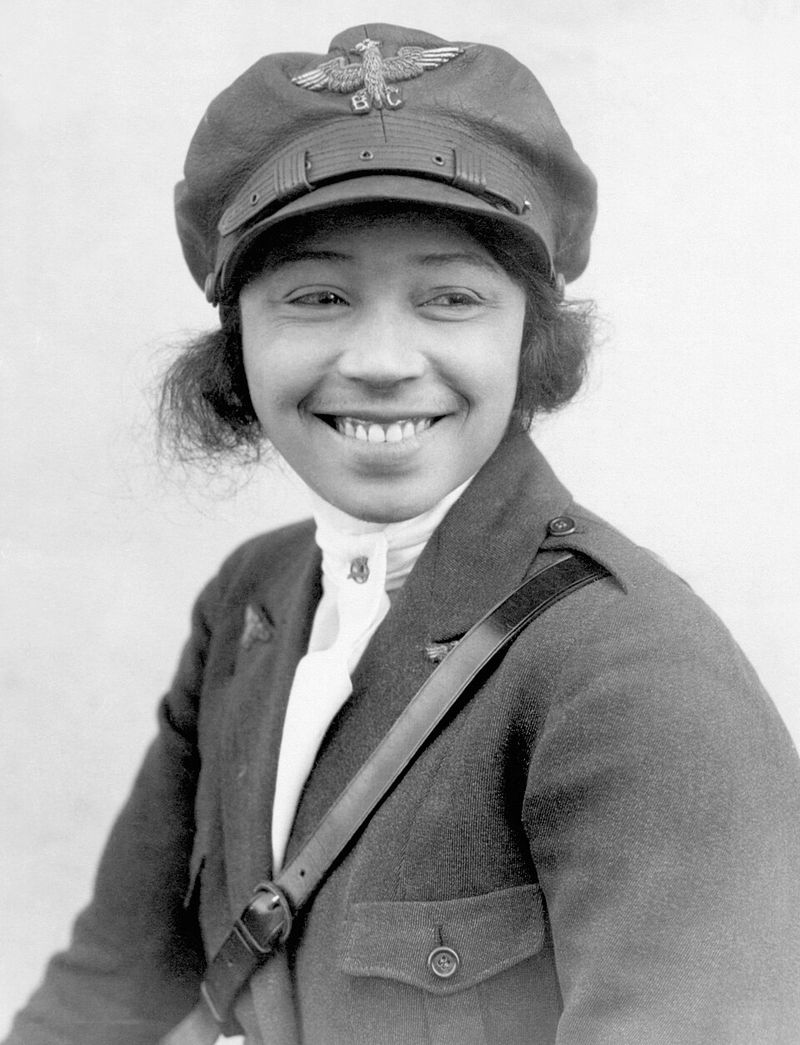
American flight schools would not accept Bessie Coleman because she was Black and a woman. Her response?
She taught herself French, moved to France, and earned an international pilot’s license in 1921. Problem-solving at its finest.
The Smithsonian’s Air and Space Museum has highlighted the centennial recognition of that achievement, and rightly so. Coleman became the first African American woman to hold a pilot’s license, and she did it while navigating racism so entrenched that an entire country’s aviation system was working against her.
She returned to the United States and performed in air shows, drawing massive crowds. She refused to perform at venues that required segregated audiences.
She used her cockpit as a platform, literally and figuratively. She died in a plane accident in 1926 at 34, before she could open the flight school for Black students she had been planning.
The dream did not die with her. Others carried it forward.
Valentina Tereshkova: Solo in Space
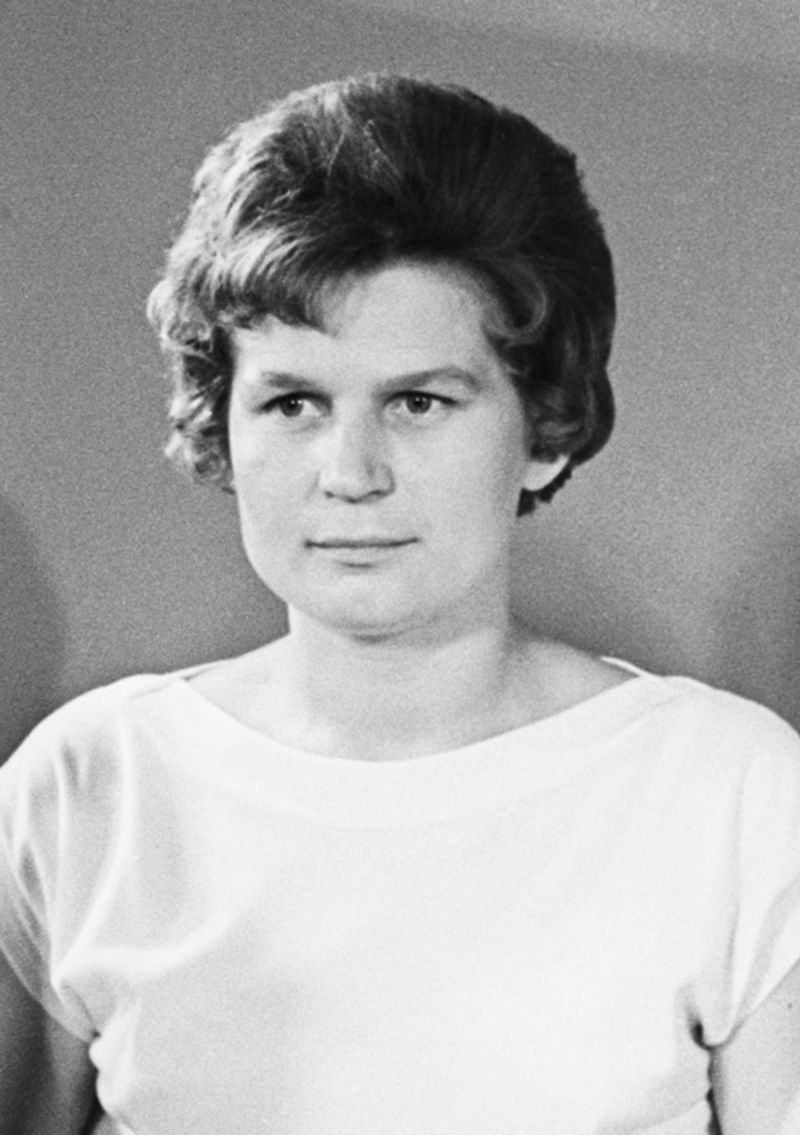
On June 16, 1963, Valentina Tereshkova launched into space aboard Vostok 6. She completed 48 orbits of Earth in approximately 71 hours.
She remains, to this day, the only woman in history to have flown a solo space mission. That record has stood for over 60 years.
She was a textile factory worker and amateur parachutist before being selected for the Soviet space program. She had no pilot training before her selection, which makes her achievement even more striking.
The Soviet Union was making a political point, but Tereshkova made a human one.
She later became a politician and continued to be a public figure in Russia for decades. She even reportedly asked to be sent on a one-way mission to Mars in her 70s.
That level of enthusiasm for space travel should be mandatory in all astronaut applications. History gave her one orbit of fame.
She deserved the whole solar system.
Mary Seacole: The Forgotten Nurse
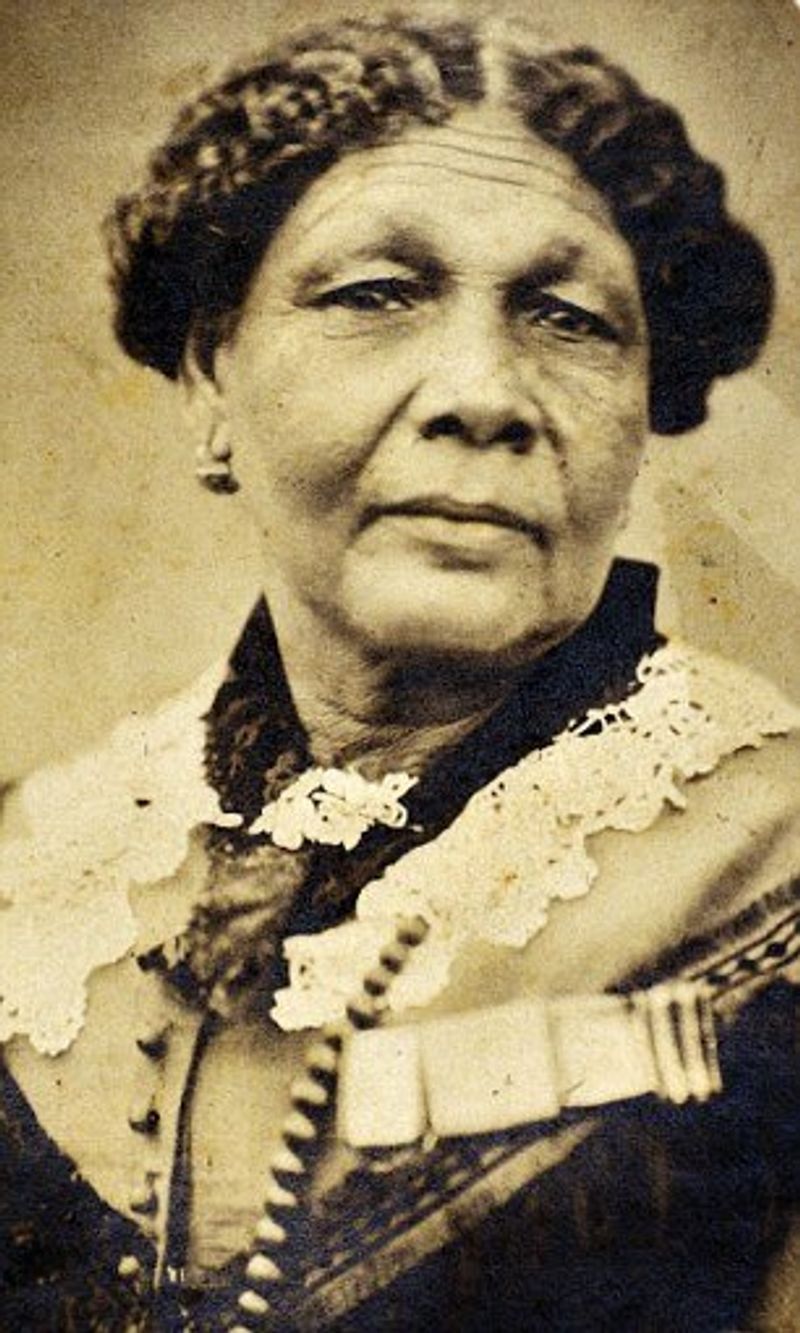
While Florence Nightingale was getting all the history-book glory, Mary Seacole was out near the Crimean front setting up her own hotel and medical supply operation, patching up British soldiers, and doing it all without official support. She funded the whole thing herself.
Seacole was a Jamaican businesswoman and “doctress” who had applied to serve as a nurse through official British channels and was turned down, almost certainly due to racism. So she sailed to Crimea on her own and opened the British Hotel near Balaclava, providing food, supplies, and medical care to soldiers who called her “Mother Seacole.”
She wrote a bestselling autobiography, Wonderful Adventures of Mrs. Seacole in Many Lands, in 1857. Then history quietly forgot about her for about a century.
Britannica notes that despite major public recognition in her lifetime, she fell into obscurity afterward. A statue of her was finally erected outside St. Thomas’ Hospital in London in 2016.
Annie Jump Cannon: Star Sorter
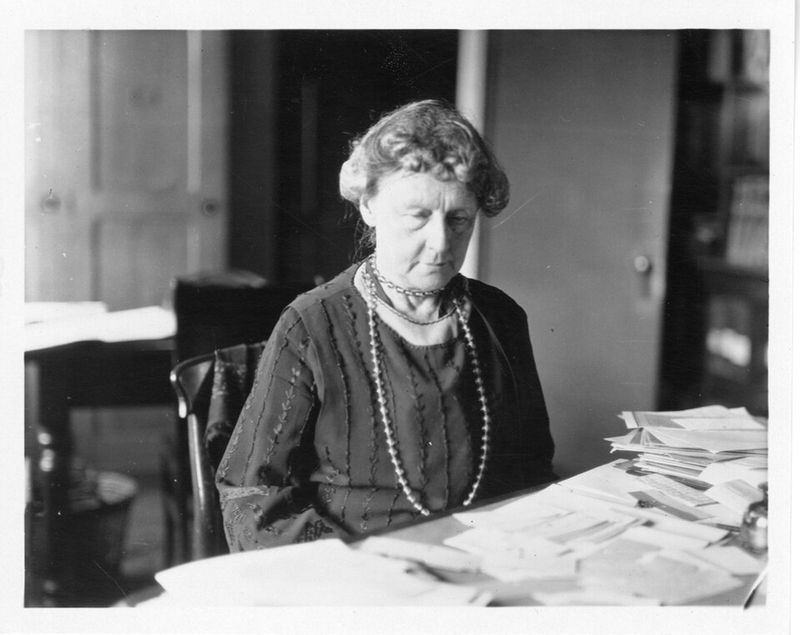
Annie Jump Cannon classified more stars than any human being in history. That is not a slight exaggeration for dramatic effect.
That is just a fact. Working at the Harvard College Observatory in the early 20th century, she developed the Harvard spectral classification system, the O-B-A-F-G-K-M sequence still taught in astronomy classes today.
She could classify stars at a rate of around three per minute by examining photographic plates. Over her career, she catalogued hundreds of thousands of stars.
The work she and the Harvard Computers (a team of women doing astronomical calculations) produced shaped modern stellar catalogs in ways that are still felt in astronomy research today.
The National Women’s History Museum highlights her foundational role in stellar classification. She was the first woman elected an officer of the American Astronomical Society and received an honorary doctorate from Oxford in 1925.
History called her a “computer.” She was actually building the foundation of modern astrophysics, one star at a time.



