 Unearth The Voyage
Some of America’s most memorable architecture hides far from the biggest skylines, waiting in towns where church towers, adobe walls, carved stone, and stained glass quietly steal the whole show. This list is for anyone who likes history with their road trips, design with their detours, and a little architectural bragging rights when the photos start piling up on their phone.
You will find Spanish colonial chapels, Gothic Revival landmarks, a glass sanctuary in the Ozarks, and a red-rock church that looks almost too dramatic to be real, each one rooted in the local story rather than dropped in as decoration. Keep reading and you will get eighteen towns worth the trip, plus the churches that make them unforgettable, one steeple, bell tower, dome, and adobe curve at a time.
1. Santa Fe, New Mexico
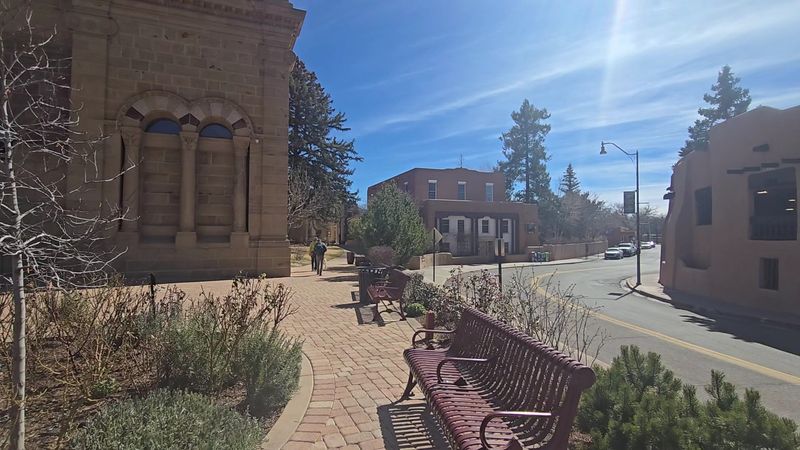
History shows off early in Santa Fe, where church architecture looks fully at home beside adobe homes and mountain light. San Miguel Chapel is the headline act here, often cited as one of the oldest churches in the United States, and its thick walls, simple facade, and wooden beams prove that restraint can be far more impressive than flash.
The town rewards slow looking, because the churches reflect centuries of Spanish colonial influence mixed with local building traditions. You can pair San Miguel with Loretto Chapel for its famous spiral staircase, then wander nearby streets where faith, craft, and regional design seem to have signed a long-term agreement.
Santa Fe does not need oversized monuments to make its point. It already has character in every curve, corner, and sunbaked wall.
2. Charleston, South Carolina
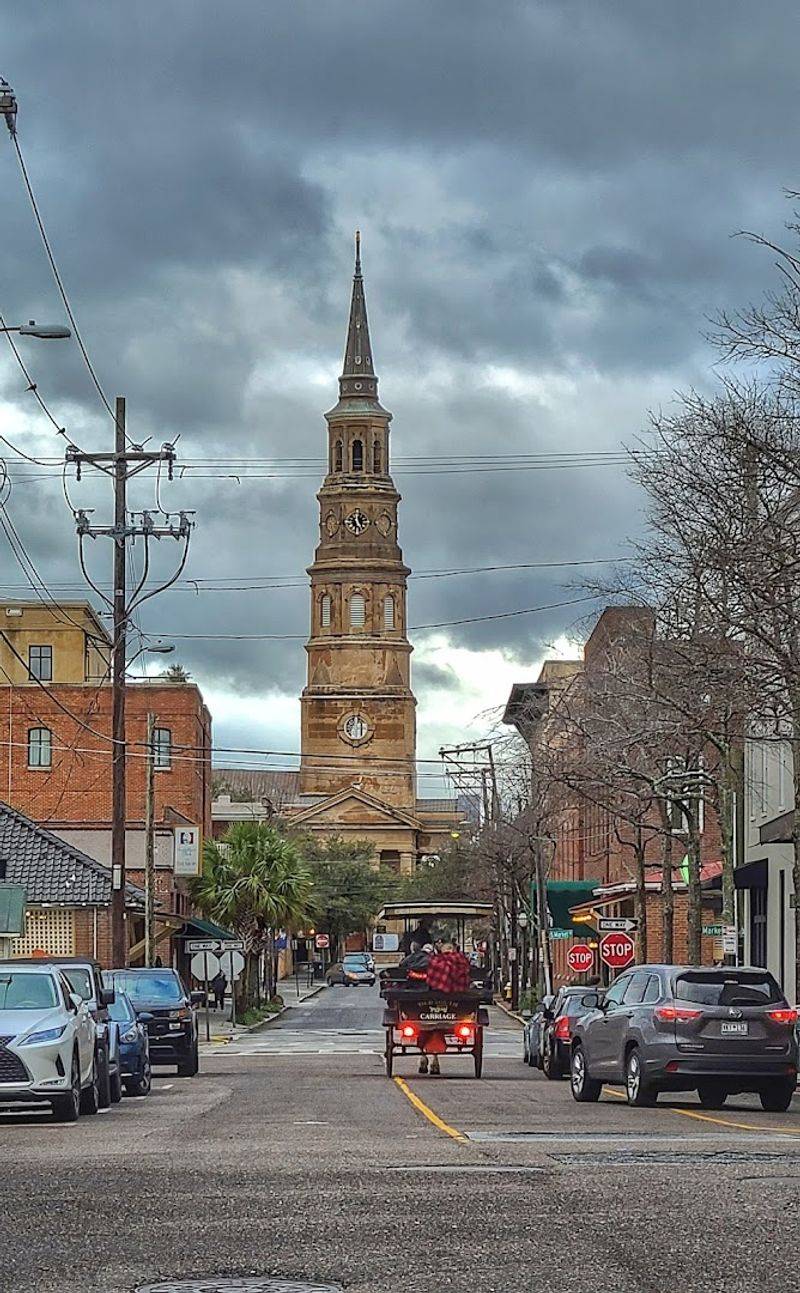
Charleston wastes no time reminding you why it earned the nickname Holy City. Steeples punctuate the skyline across the historic center, and St. Michael’s Church stands out with its white tower, colonial pedigree, and a long history tied closely to the life of the city.
Architecturally, Charleston offers variety without losing cohesion, which is not easy for a town with so many famous facades competing for attention. Circular Congregational Church, French Huguenot Church, and several other landmarks give you Gothic, Georgian, and distinctive local interpretations within a walkable area that feels curated by a very organized historian.
These churches are not background scenery. They help define the city’s profile, shape its streets, and give every wandering route a built-in point of interest.
3. New Orleans, Louisiana
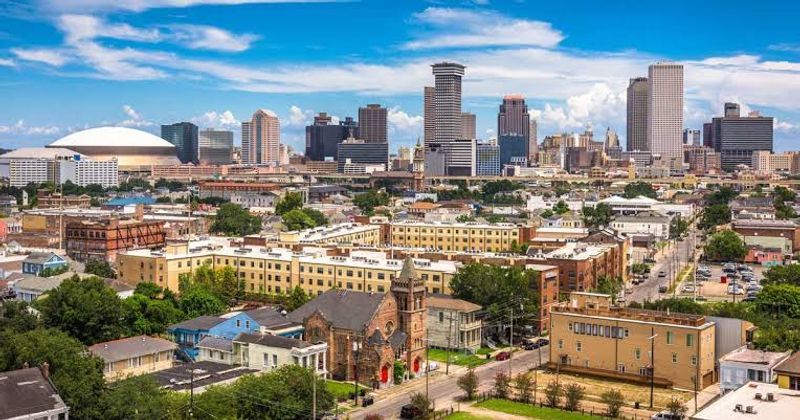
Few church backdrops can compete with Jackson Square, and New Orleans knows it. St. Louis Cathedral rises above the French Quarter with three spires and a commanding presence that has made it one of the most recognizable church buildings in the country.
The appeal here goes beyond one famous facade, because the city’s religious architecture reflects French, Spanish, Creole, and American influences layered over centuries. That mix gives local churches a visual richness that feels rooted in the place rather than polished into sameness, and it rewards anyone willing to look up between courtyard walls and historic corners.
New Orleans is often praised for culture, food, and music, but its churches deserve equal billing. They anchor public spaces, preserve history, and quietly hold their own against one very charismatic city.
4. Savannah, Georgia
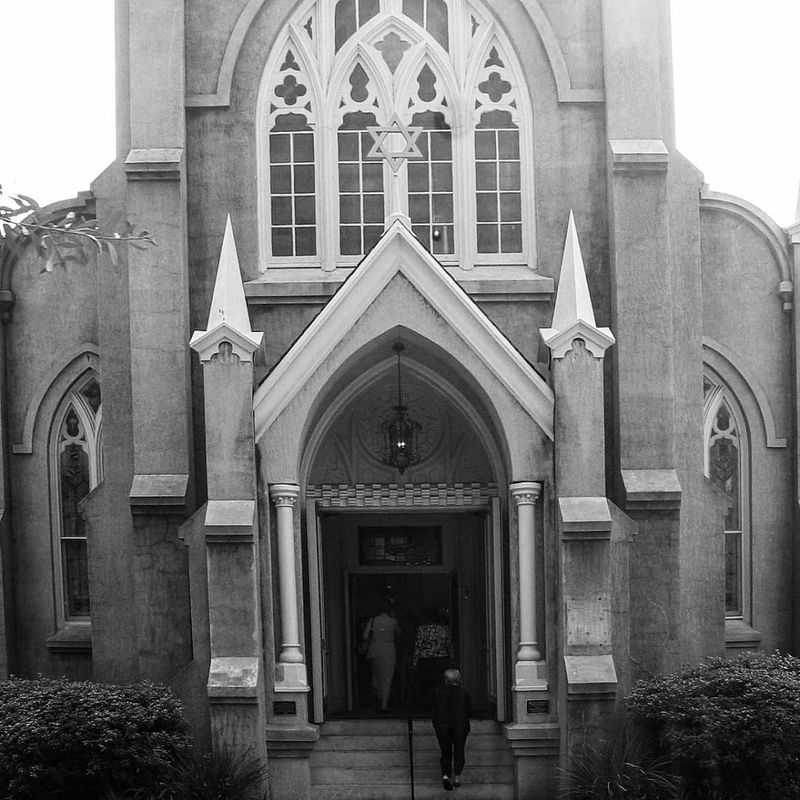
Savannah plays a strong hand with leafy squares, elegant streets, and churches that look prepared for a standing ovation. The Cathedral Basilica of St. John the Baptist is the star, with twin spires, French Gothic Revival design, and an interior so detailed it makes a simple stop turn into a longer visit.
What works especially well in Savannah is the setting, because the churches feel woven into the town rather than placed beside it. Historic congregations appear near parks and residential blocks, creating a rhythm of steeples, brick, and old-growth shade that makes casual exploration unusually rewarding.
The city’s architecture already has plenty of fans, but its churches add vertical drama and historical depth without trying too hard. Savannah keeps things graceful, and these sacred landmarks are a big reason the whole town looks so well edited.
5. Eureka Springs, Arkansas
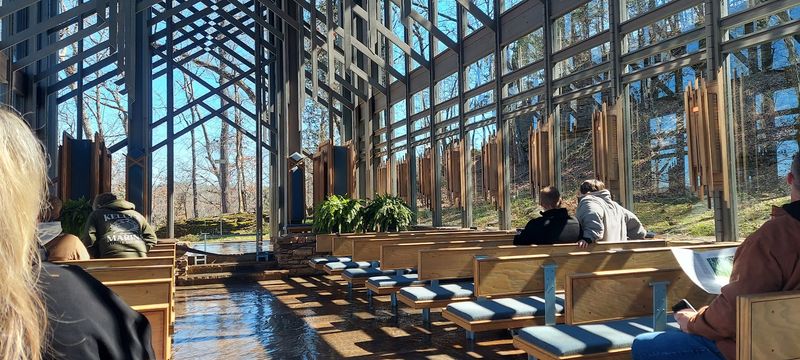
Glass steals the spotlight in Eureka Springs, and that is not a sentence many towns can claim. Thorncrown Chapel is the reason, a striking structure of wood and thousands of square feet of glass designed by E.
Fay Jones, set among the Ozarks with a form that feels precise, airy, and unforgettable.
The town already has a quirky Victorian personality, so this chapel adds a fascinating contrast instead of repeating what is around it. Its narrow frame, repeated trusses, and transparent walls create one of the most distinctive church designs in America, and visitors often leave impressed by how modern architecture can still feel deeply respectful of place.
Eureka Springs earns its spot through originality as much as beauty. If many churches impress with age, Thorncrown proves a newer landmark can still stop a traveler right in their tracks.
6. St. Augustine, Florida
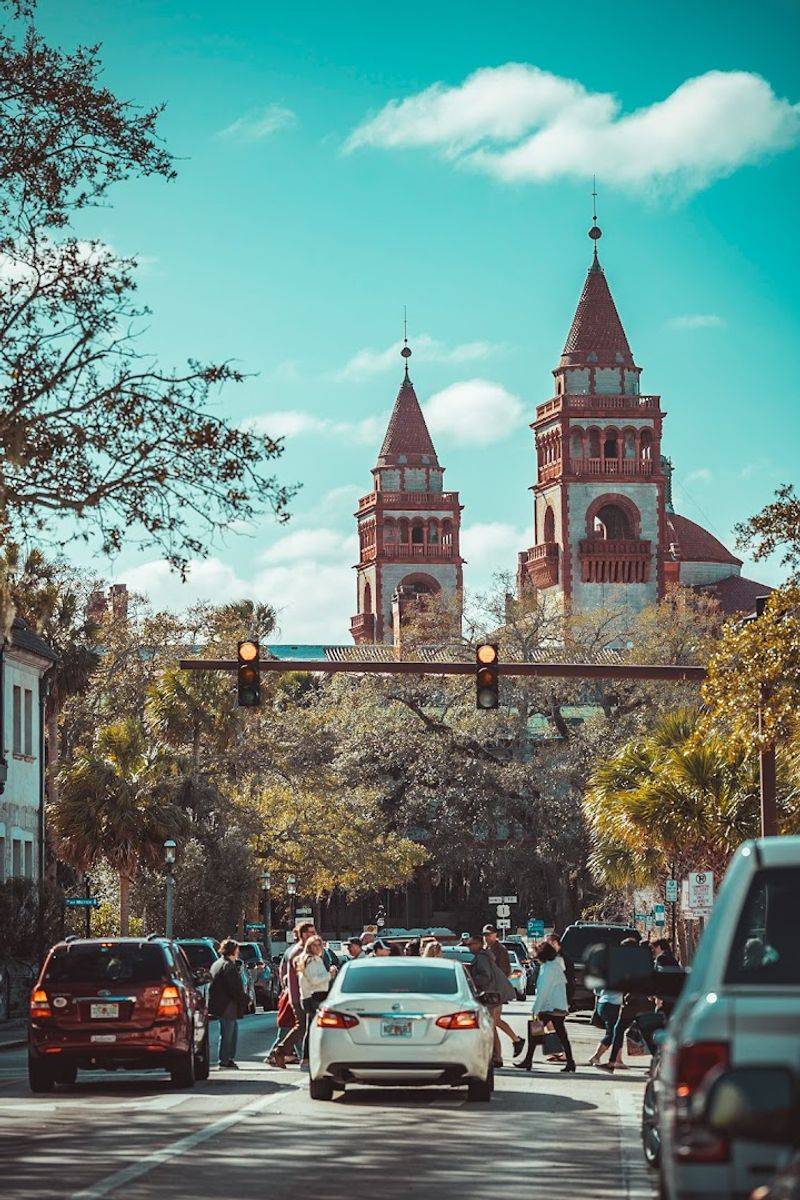
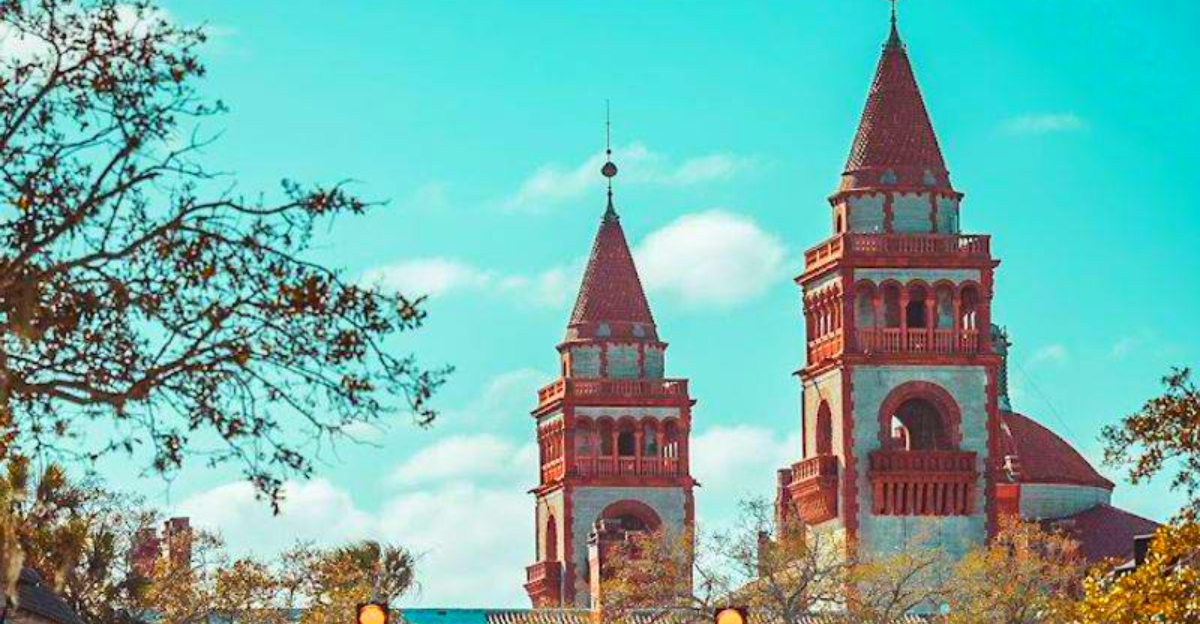
Age wins the opening round in St. Augustine, a town that wears its centuries-old past with remarkable confidence. Its churches are part of that appeal, especially Memorial Presbyterian Church, where the grand dome, carved details, and Renaissance Revival design make it look ready for a history textbook cover.
This town’s religious architecture reflects Spanish roots, Gilded Age ambition, and plenty of careful preservation. Cathedral Basilica of St. Augustine adds another strong stop with elegant interior details and a prominent place in the historic district, making church-hopping feel less like homework and more like a very smart travel plan.
The best part is how naturally these buildings fit the city grid. In St. Augustine, old stone, palm-lined streets, and sacred spaces seem to agree on everything.
7. Sedona, Arizona
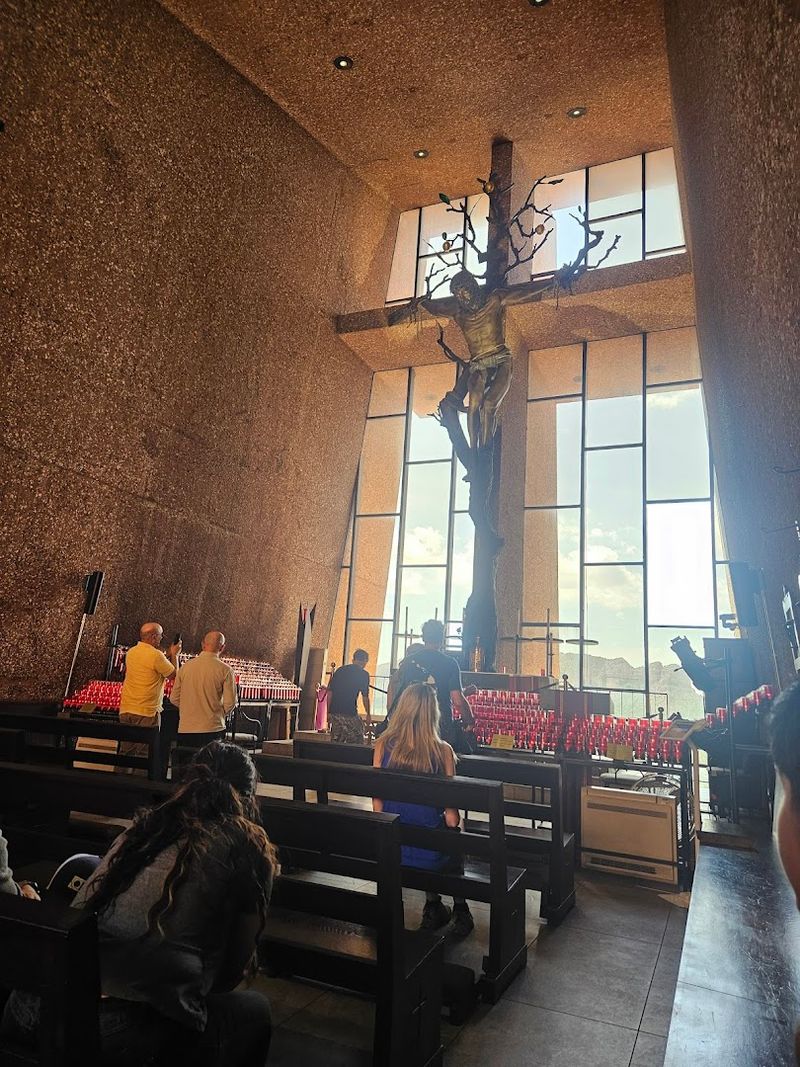
Sedona goes dramatic without apologizing, and its signature church follows suit. The Chapel of the Holy Cross appears set directly into the red rocks, using a bold modern design and towering cross-shaped window to create a landmark that is part architecture, part location masterstroke.
This is one of those churches that benefits from both distance and close inspection, because the overall silhouette is memorable while the engineering story is equally interesting. Built in the 1950s and positioned high above the valley, it offers a clear example of how sacred architecture can respond to a striking landscape without copying older styles just for comfort.
Sedona has no shortage of famous views, yet this chapel still commands attention. That is impressive company to keep, and it earns its place through confidence, design discipline, and sheer visual presence.
8. Galena, Illinois
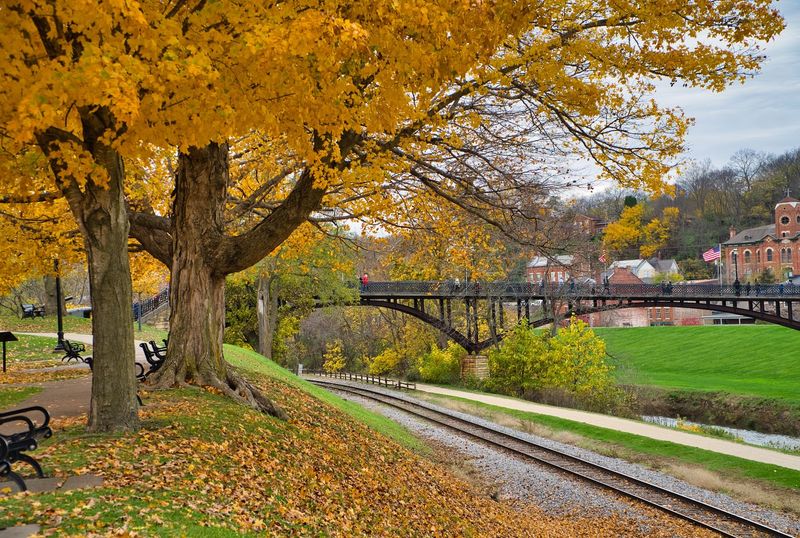
Galena looks like it saved the nineteenth century and kept it in remarkably good order. Its churches fit that preserved character beautifully, especially Grace Episcopal Church, a hilltop landmark with Gothic Revival lines, sturdy stone construction, and the kind of profile that makes the town’s historic streets feel even more complete.
The appeal is not just visual, though the architecture certainly carries its share of the workload. Galena’s religious buildings connect directly to the town’s prosperous past, when lead mining and river trade helped fund impressive public structures that still define the local landscape today.
Grace Episcopal, with its elevated position and refined details, is the standout, but it also works as part of a larger ensemble of civic and residential preservation. Galena understands continuity, and its churches help prove that old-fashioned grandeur can age with real dignity.
9. Natchitoches, Louisiana
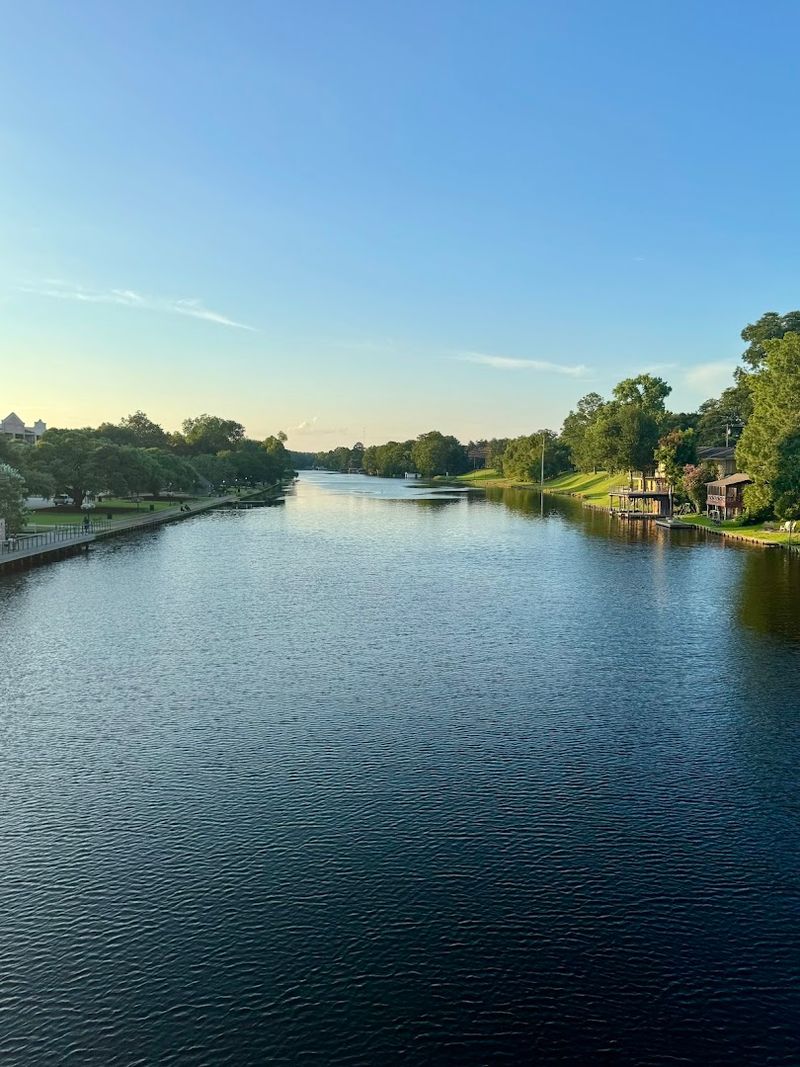
Natchitoches brings serious historical credentials before you even reach the first church door. As one of Louisiana’s oldest towns, it carries French and Creole influences with unusual clarity, and its churches reflect that layered heritage through age, form, and local tradition rather than empty nostalgia.
Religious buildings here contribute to the town’s elegant streetscape and reinforce its long cultural continuity along the Cane River region. Immaculate Conception Church is among the places that help define the town, offering visitors a chance to see architecture tied closely to community history instead of isolated as a tourist prop.
That distinction matters, because Natchitoches feels lived-in and earned. The churches are beautiful, yes, but they are also woven into a larger story of settlement, regional identity, and preservation that makes the town more than just a pretty stop on a map.
10. Bethlehem, Pennsylvania
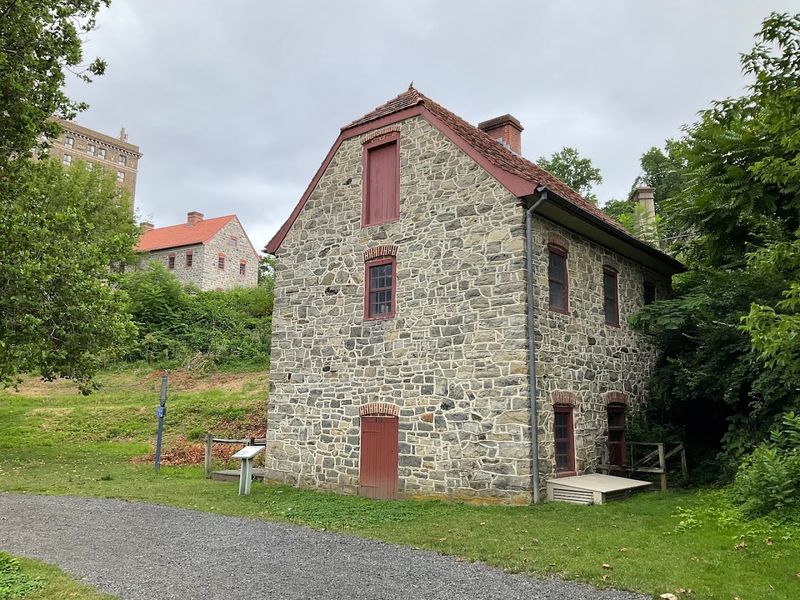
Bethlehem proves that church beauty does not always need towers, ornament, or theatrical flourishes. Founded by Moravians in the eighteenth century, the town is known for churches with simpler lines, balanced proportions, and a calm visual confidence that lets history do the talking.
The Central Moravian Church and related historic structures give the town a distinct identity rooted in faith, craftsmanship, and planning. Instead of chasing grandeur for its own sake, Bethlehem’s churches emphasize clarity and tradition, which makes them feel especially authentic in a country where many sacred buildings aim for maximum spectacle.
That restraint is part of the charm. You come away noticing how well the architecture supports the town’s deeper story, and how powerfully a modest design can work when every detail is purposeful, preserved, and still central to community life.
11. Carmel-by-the-Sea, California
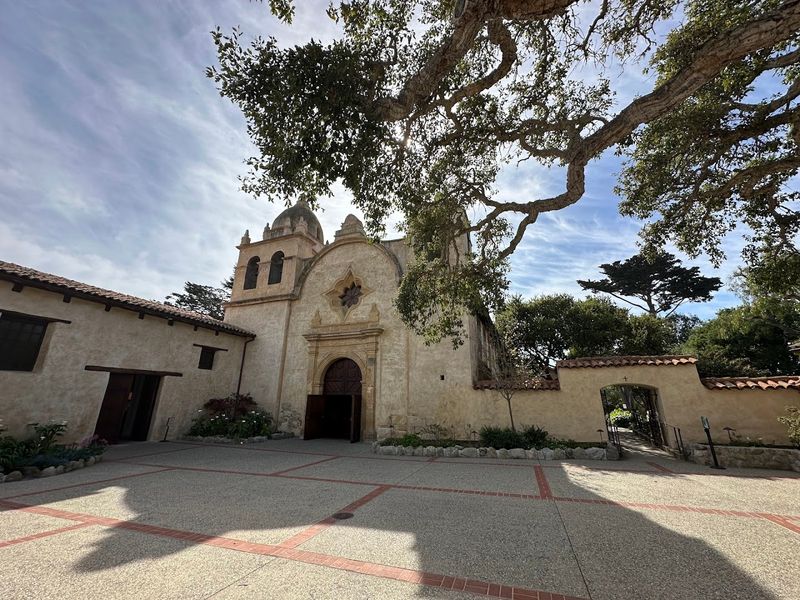
Carmel-by-the-Sea has plenty of charm to spare, yet its most important church landmark still manages to stand apart. Carmel Mission Basilica carries the town’s architectural story back to the Spanish mission era, with its bell tower, clean stucco forms, and beautifully maintained grounds anchoring local history.
This church matters not only because it is attractive, but because it is foundational to the region’s development and identity. Visitors can appreciate the mission complex for its preserved architecture, museum elements, and strong sense of continuity, all while enjoying a setting that feels more intimate than many California landmarks with similar fame.
Carmel often gets attention for cottages, galleries, and coastal scenery, but the mission gives the town historical weight. It is the kind of place that quietly turns a leisurely visit into something more memorable and informed.
12. Harpers Ferry, West Virginia
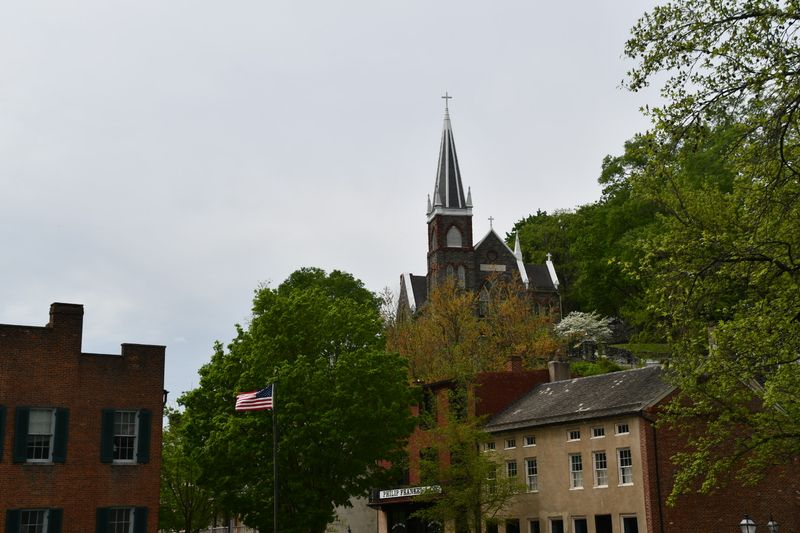
Perched above town like it knows it has the best seat, St. Peter’s Roman Catholic Church gives Harpers Ferry one of its defining views. The church’s elevated position, dark stone exterior, and pointed Gothic Revival details make it a focal point in a place already crowded with history.
Harpers Ferry is known for dramatic geography and major historical events, so architecture has to work harder here to command attention. This church succeeds by pairing a strong silhouette with a location that frames the surrounding town and landscape in a way few religious buildings can match.
It is memorable in photographs, but it also rewards the climb in person because the structure feels integral to the town’s layout rather than simply decorative. Harpers Ferry offers many reasons to visit, and St. Peter’s gives the skyline a serious finishing touch.
13. Taos, New Mexico
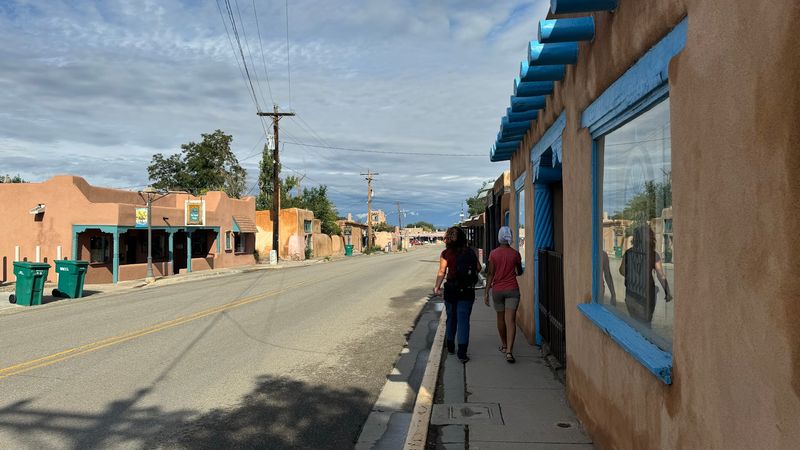
Taos has one of America’s most photographed churches, and frankly, the building has earned the attention. San Francisco de Asís Mission Church is famous for its adobe massing, sculpted contours, and earthy simplicity, creating a profile so distinctive that artists and photographers have been fascinated for generations.
The church reflects the blending of Spanish and Indigenous traditions that shapes much of northern New Mexico’s visual identity. Rather than relying on decoration, it makes its impact through form, material, and the way it sits within the landscape and community, which gives it unusual authority despite its modest scale.
Taos as a whole values art and heritage, and this church brings those threads together in a single landmark. It feels historical without becoming stiff, beautiful without trying to be flashy, and deeply connected to the town around it.
14. Cape May, New Jersey
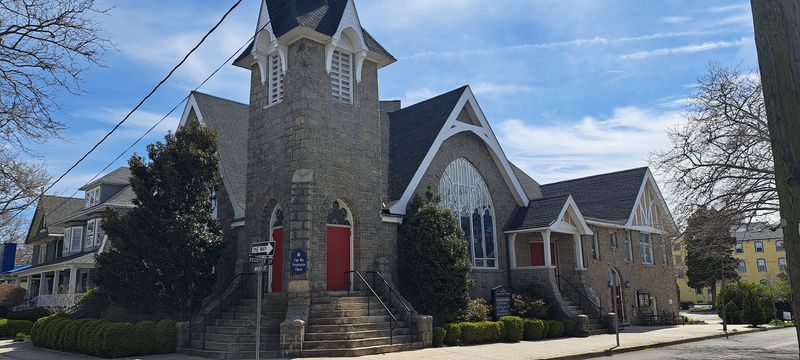
Cape May dresses up beautifully, and its churches keep pace with the rest of the town. Known for Victorian architecture, this coastal destination includes religious buildings that echo the same attention to decorative detail, proportion, and preservation that make the local streets so consistently appealing.
Churches here may not dominate the national conversation the way some larger landmarks do, but that is part of the pleasure. They contribute to a broader architectural harmony, adding towers, trim, and historic continuity to a town already admired for its nineteenth-century building stock and compact walkability.
In other words, Cape May is not offering one church and calling it a day. It offers a full setting where sacred architecture feels like an organic part of the experience, making each block look thoughtfully assembled rather than accidentally charming.
15. Alexandria, Virginia
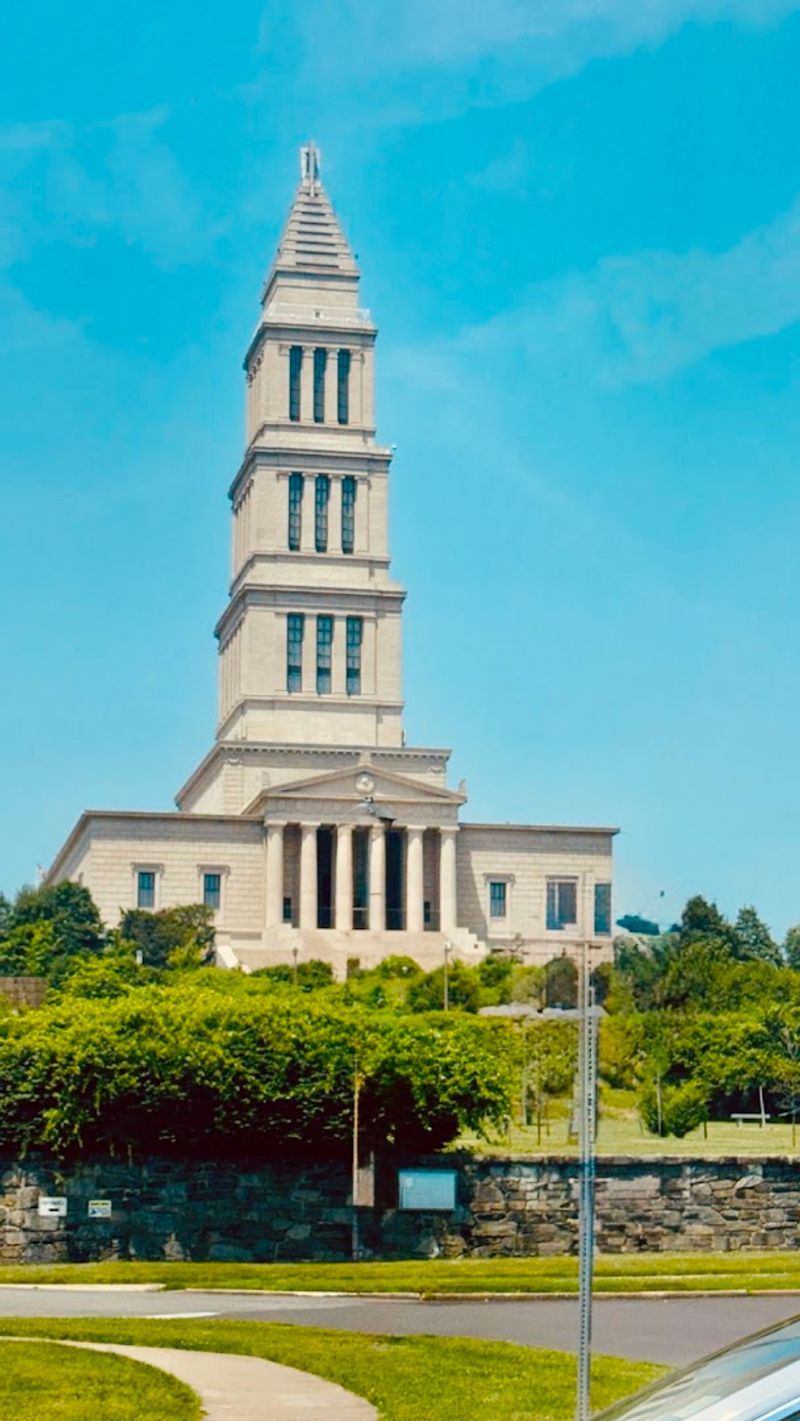
Colonial pedigree gets real in Alexandria, where church history intersects directly with the early American story. Christ Church is the best-known example, a handsome eighteenth-century landmark whose brick exterior, white steeple, and associations with George Washington give it both visual appeal and serious historical weight.
Old Town Alexandria already excels at presenting a coherent streetscape, and churches like this help anchor that identity. The architecture is elegant without unnecessary fuss, fitting neatly into a district where preservation tends to feel lived-in rather than staged, which makes a visit more engaging than a checklist stop.
You are not just seeing an old building here. You are seeing a structure that has remained part of the town’s civic and cultural fabric for centuries, still contributing style, context, and a powerful sense of continuity to every nearby block.
16. Sitka, Alaska
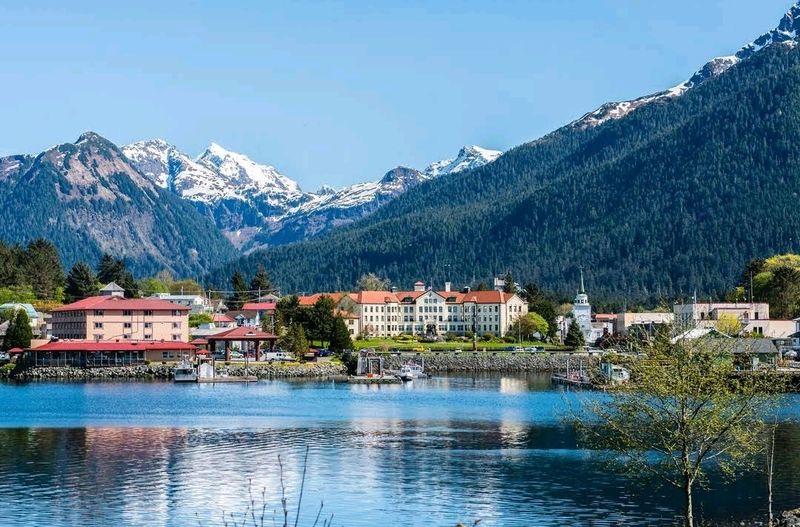
Sitka changes the architectural conversation immediately, because few American towns present church design quite like this. St. Michael’s Cathedral, with its Russian Orthodox character, distinctive dome, and crisp profile, reflects the town’s layered cultural history in a way that feels specific, rare, and instantly recognizable.
The building stands as a reminder that American church architecture is not limited to the styles more common in the lower forty-eight. In Sitka, religious design tells a story about Russian influence, local identity, and the town’s position in a broader historical exchange, giving visitors something far more interesting than a standard postcard church.
The setting certainly helps, but the cathedral does the heavy lifting on its own merits. It offers a strong silhouette, an unusual design tradition, and a visual identity that makes Sitka stand apart on any list like this.
17. Dubuque, Iowa
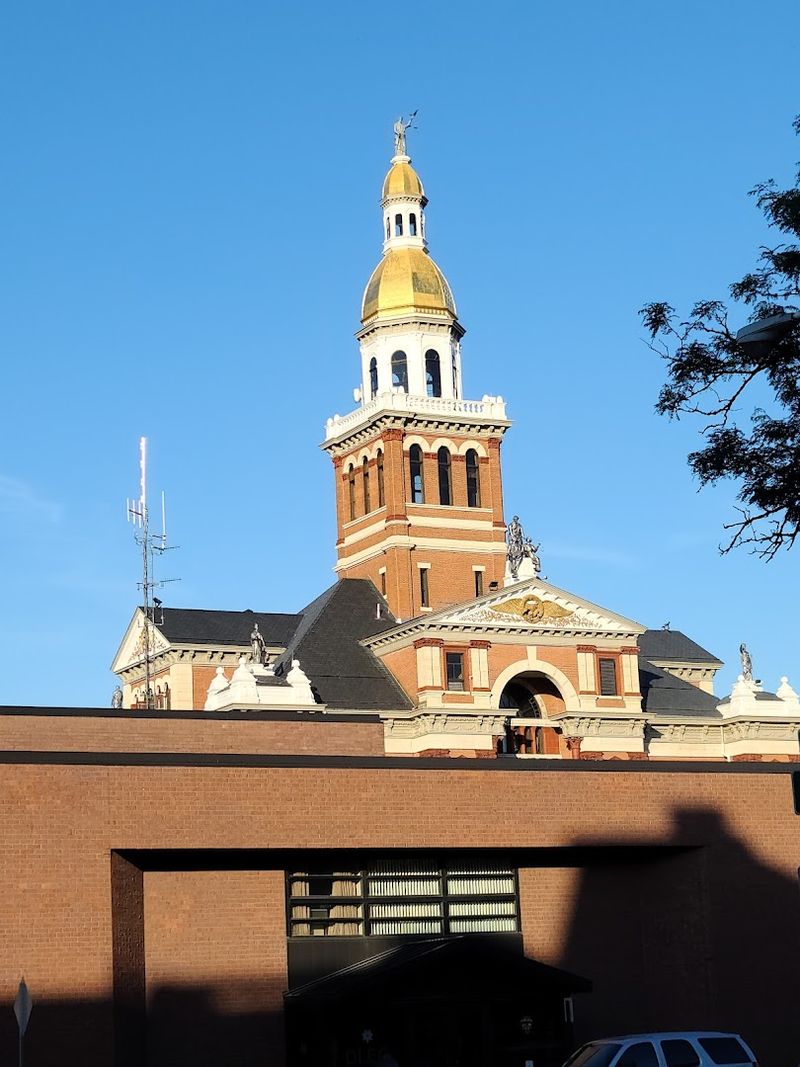
Dubuque is ready with Gothic Revival flair, and it uses it well. St. Luke’s United Methodist Church is a standout, with its tall tower, stone construction, and detailed design giving the Mississippi River town a landmark that looks confident, substantial, and fully at ease with its historic surroundings.
The city’s topography and older building stock help church architecture make a stronger impression than it might elsewhere. In Dubuque, these structures contribute to a layered urban landscape shaped by commerce, immigration, and nineteenth-century ambition, and St. Luke’s captures that story through craftsmanship rather than excess.
It is the kind of church that improves the entire streetscape simply by being there. For travelers who enjoy places where architecture still has civic pride, Dubuque delivers a church that is both beautiful on its own and essential to the town’s visual identity.
18. Key West, Florida
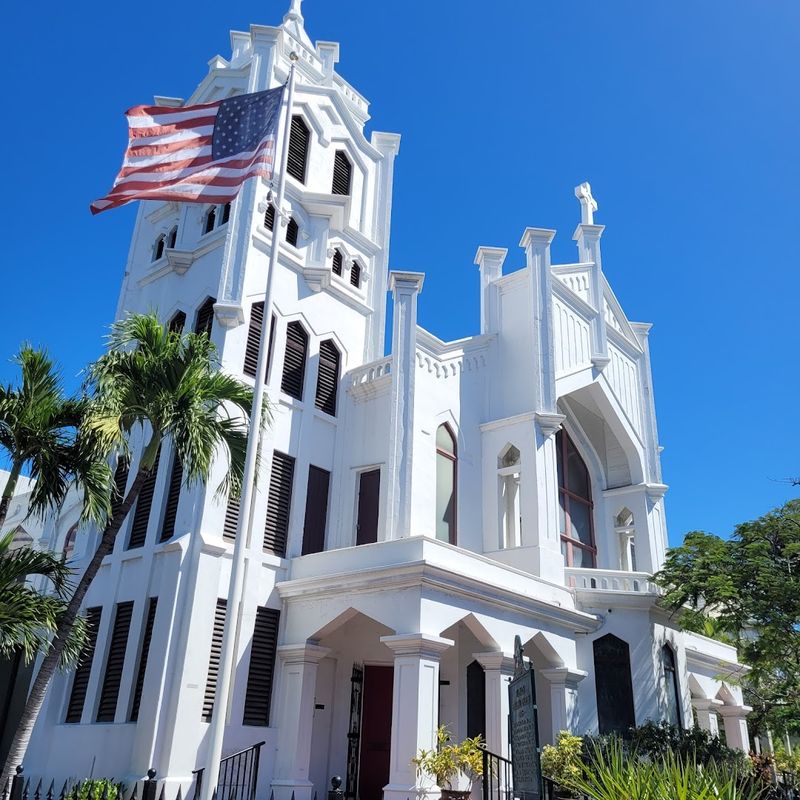
Key West brings tropical personality to nearly everything, and its churches are no exception. St. Mary Star of the Sea stands out for blending Caribbean and American influences, giving the island town a religious landmark that fits the local setting while still carrying a formal, historic presence.
Part of the charm here is contrast, because the church offers a composed architectural counterpoint to the town’s famously relaxed streets and colorful buildings. That balance makes it more memorable, not less, and it shows how sacred architecture can adapt to regional conditions without losing dignity or purpose.
Key West is often praised for atmosphere, but its built history deserves a closer look. Churches like this one add depth to the town’s identity and remind visitors that behind the easygoing image is a place shaped by migration, craftsmanship, and long-standing community traditions.



