 Unearth The Voyage
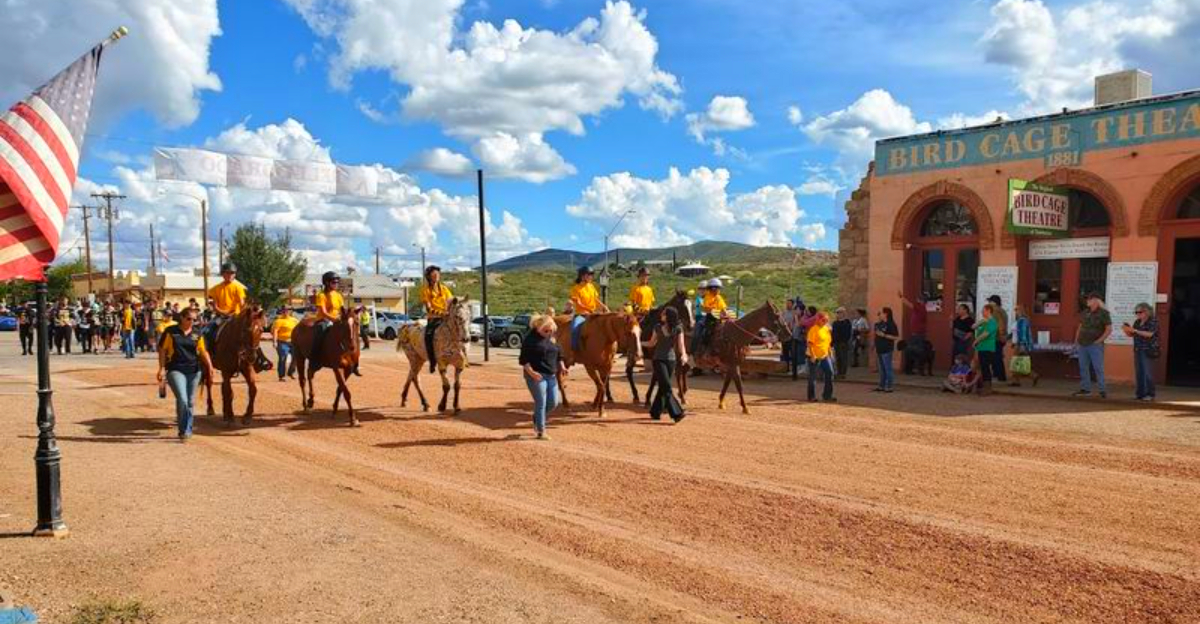
Some American towns became famous for reasons no textbook fully explains. Think mining booms that ended in chaos, court cases that drew national attention, or a fire that has been burning underground for decades.
This list covers 18 places where real events left a lasting mark. You will find towns built on silver and copper wealth, communities shaped by scandal and speculation, and locations that turned local legends into lasting identities.
Some are carefully preserved, others feel stuck in time, and a few still carry unresolved stories. Each one shows how small towns can hold outsized histories that are stranger and more complicated than expected.
1. Salem, Massachusetts
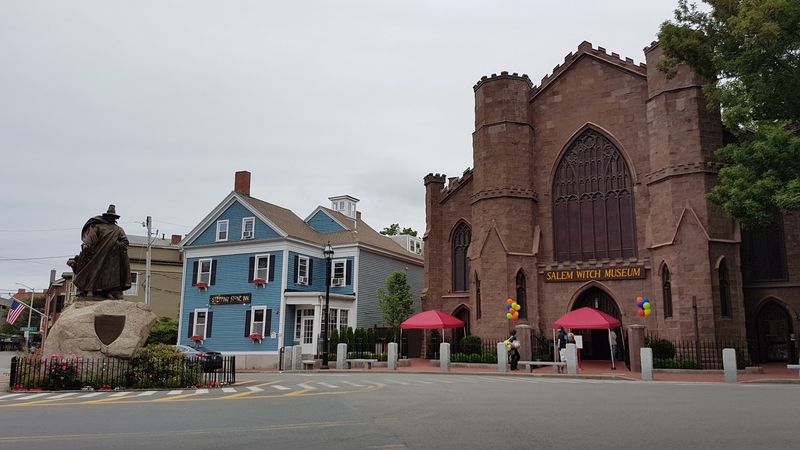
Few towns in America carry a past as instantly recognizable as Salem. The 1692 witch trials made the town a permanent shorthand for panic, suspicion, and the danger of letting fear outrun evidence.
What makes Salem especially interesting is that its story did not freeze in one grim chapter. You can explore memorials, museums, and old homes tied to the trials, then pivot to the port city’s maritime history, which once made Salem one of the country’s busiest trading centers.
That mix gives the place unusual depth. Yes, visitors arrive for the witch-trial connection, especially in October, but the smartest way to see Salem is as a town that learned how to interpret a painful past while also reminding you it was never only one event.
2. Deadwood, South Dakota
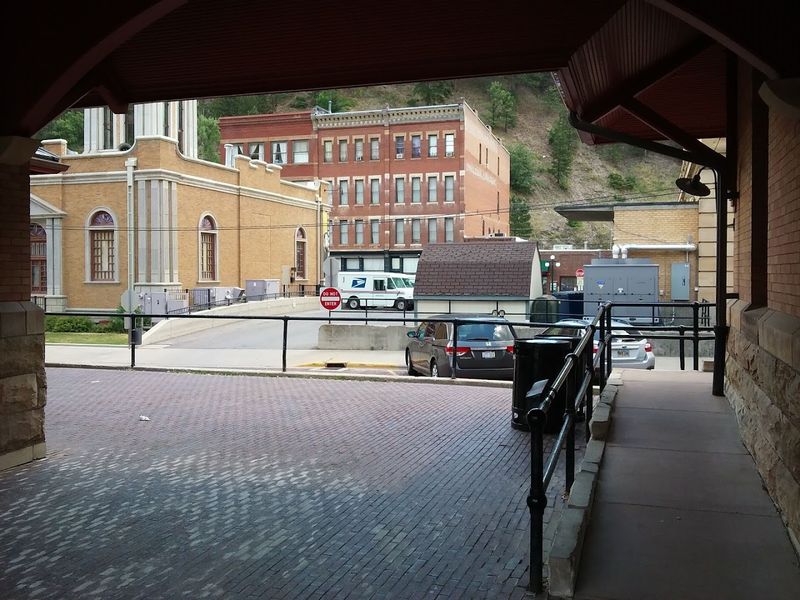
Deadwood sounds invented by a screenwriter, but the place earned its reputation the hard way. Born from the Black Hills gold rush in the 1870s, it filled quickly with prospectors, entrepreneurs, card players, and lawmen trying to keep pace with money moving faster than common sense.
The town’s celebrity roster helped seal the legend. Figures like Wild Bill Hickok and Calamity Jane still loom large here, yet the broader backstory is about a settlement that grew before formal systems could catch up, then slowly reshaped itself into a lasting community.
Today, preserved hotels, museums, and Main Street buildings make Deadwood feel surprisingly readable. You are not just looking at a western set piece.
You are seeing how a gold camp with rough edges became one of the country’s most durable frontier stories.
3. Centralia, Pennsylvania
Some towns make headlines once, and Centralia never really stopped. An underground coal fire ignited in 1962 and gradually transformed this Pennsylvania community into one of the strangest places on the American map.
As the fire spread beneath streets and properties, most residents relocated, and much of the town was cleared away. What remains is a sparse landscape, a few roads, scattered traces of the old layout, and a backstory that feels almost impossible until you start reading the official timeline.
Centralia’s story is less about ghost-town theatrics than long-term consequence. Visiting the area today is a lesson in environmental history, civic decisions, and the stubbornness of a problem hidden underground, where it continued reshaping daily life long after the first emergency passed.
4. Roswell, New Mexico
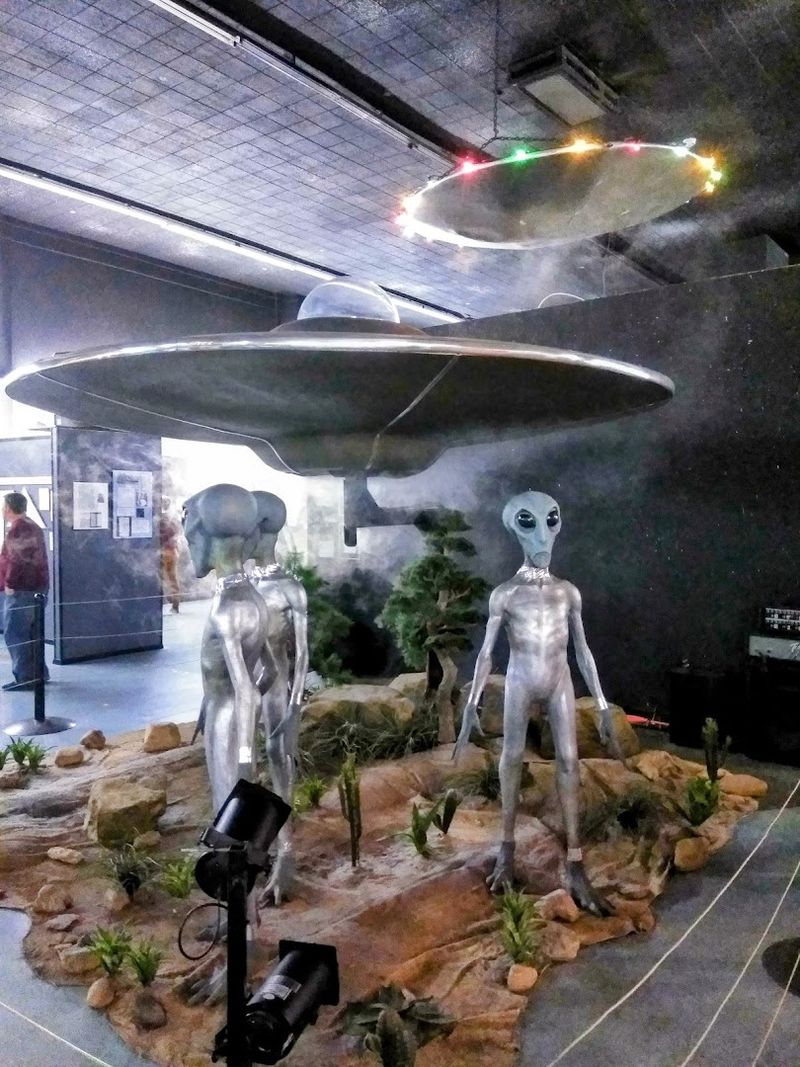
Roswell turned one disputed 1947 incident into a full civic identity, and honestly, that takes commitment. Reports about unusual debris outside town sparked decades of speculation, official statements, reversals, and enough theories to keep souvenir shops very busy.
The clever part is how Roswell built a tourism engine around uncertainty. You can visit the International UFO Museum, spot alien murals downtown, and watch the town balance Cold War history, military connections, and pop culture with a straight face and a wink.
Even if you are firmly on team skeptical, Roswell is fun because it understands the assignment. The backstory matters, but so does the way the town chose to package mystery, debate, and desert-road curiosity into something visitors can actually explore without needing a telescope.
5. Eureka Springs, Arkansas
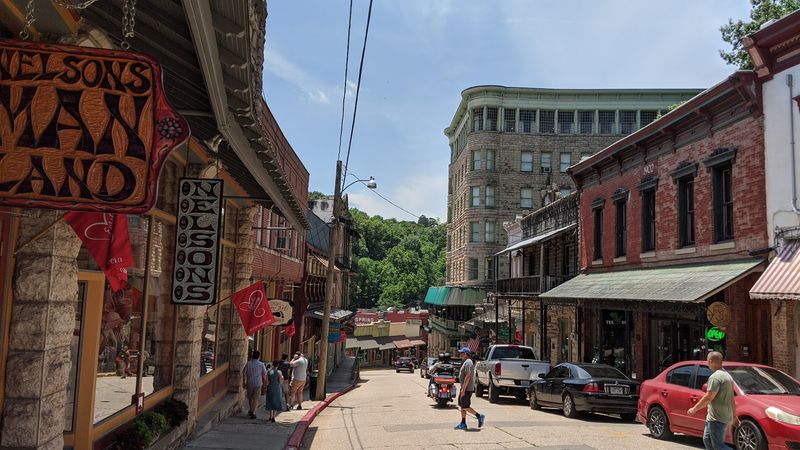
Eureka Springs looks like a town designed by a committee that refused to accept flat land. Built into the Ozark hills, it grew in the late nineteenth century after natural springs were promoted as health attractions, drawing visitors, investors, and a fast-rising hospitality industry.
Its unusual layout is part of the appeal. Streets curve, stairways connect odd corners, and Victorian buildings seem tucked wherever the terrain allowed, giving the town a shape that feels more improvised than planned.
That quirkiness helped it survive when many resort towns lost momentum.
Eureka Springs also picked up a reputation for spirituality, eccentric residents, and preservation-minded revival. Today you get a layered destination where healing-water marketing, grand old hotels, hillside engineering, and a proudly unconventional streak all share the same compact map.
6. Tombstone, Arizona
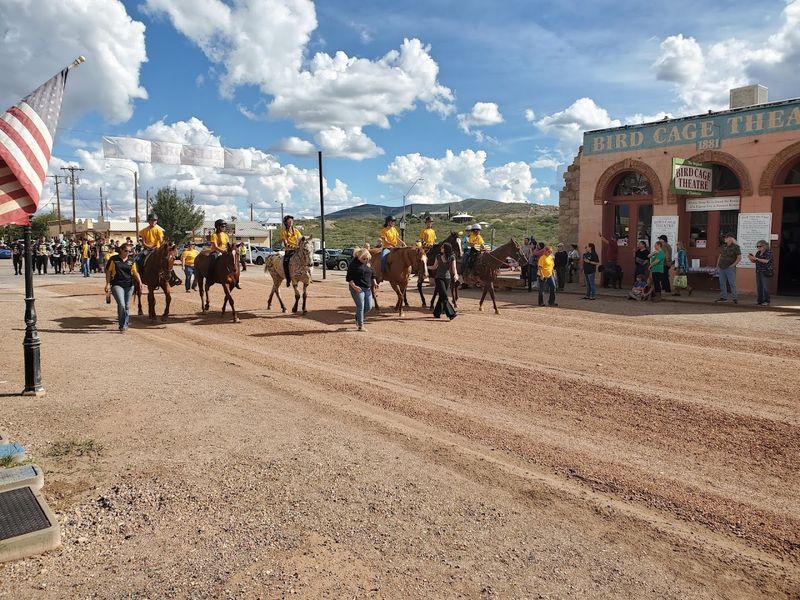
Here is a town that picked a wonderfully dramatic name and then somehow lived up to it. Tombstone boomed after silver was found in 1877, drawing miners, merchants, gamblers, and a long list of ambitious characters who treated rules like polite suggestions.
You can still trace that rowdy chapter along Allen Street, where preserved facades, the Bird Cage Theatre, and the courthouse museum keep the story grounded in real places rather than dusty myth. The famous gunfight near the O.K.
Corral may dominate postcards, but the bigger tale is about sudden wealth, civic growth, and nonstop reinvention.
Today, Tombstone leans into its legend with confidence. Visit for the staged showdowns if you like, but stay for the layered history that proves this desert town was much more than one headline moment.
7. Skagway, Alaska
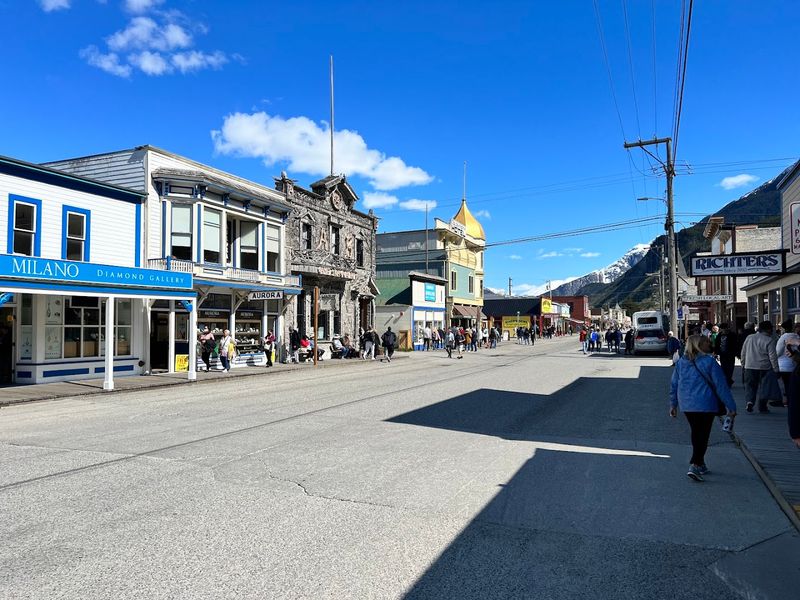
Skagway began as a tiny coastal stop and then got mobbed by the Klondike Gold Rush. In 1897 and 1898, thousands of stampeders surged through town on their way north, turning it into a crowded, chaotic gateway where supplies, ambition, and opportunists all changed hands fast.
That pressure produced one of its most memorable villains, Jefferson Randolph Smith, better known as Soapy Smith, whose scams flourished until local resistance caught up with him. The town’s wild reputation came from more than one colorful figure, though.
Skagway was a logistical bottleneck with serious stakes.
Today, boardwalk-style streets, restored buildings, and the White Pass and Yukon Route Railroad help explain why Skagway mattered. It was never just a backdrop for prospectors.
It was the filter every dream had to pass through before the real climb began.
8. Bodie, California
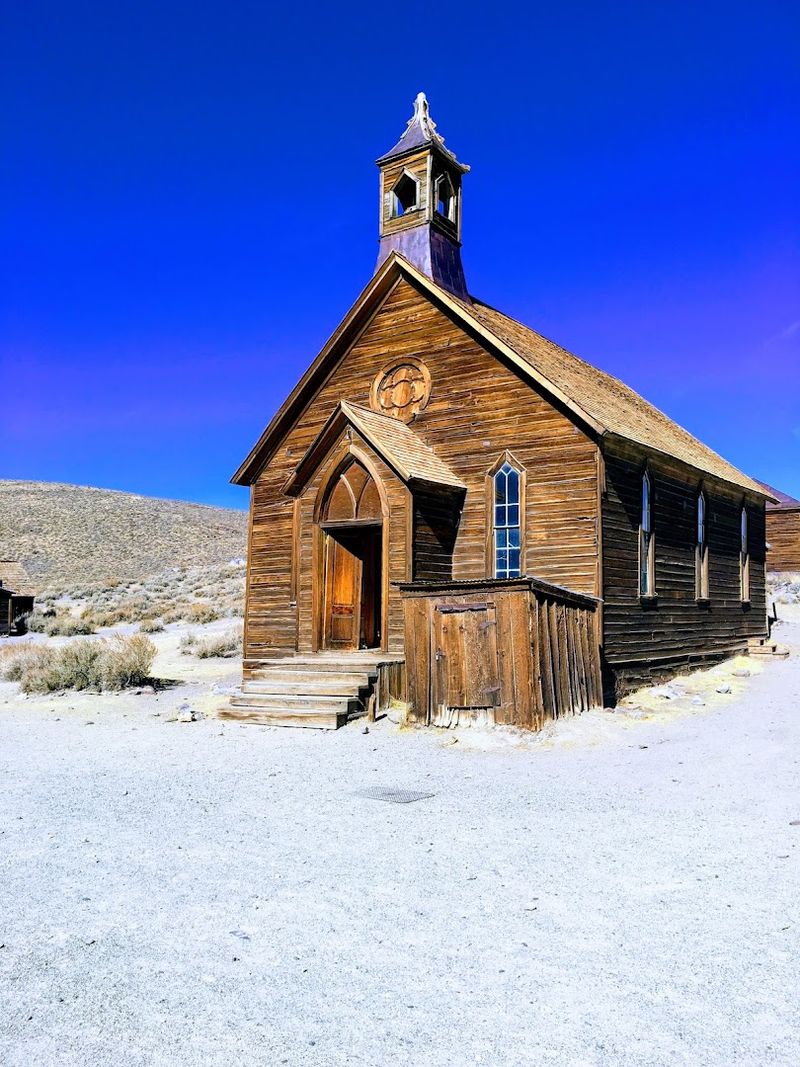
Bodie is the rare ghost town that still feels organized enough to tell on itself. After gold was discovered nearby in 1859, the settlement eventually exploded into a busy mining center with mills, boardinghouses, shops, and a reputation for rough behavior that followed it for decades.
Its decline came almost as dramatically as its rise. Fires, falling production, and shifting opportunity emptied the place, but enough structures remained that Bodie later became a state historic park preserved in what officials call arrested decay.
That phrase may be the most accurate tourism slogan in California.
You can peer into homes, businesses, and public buildings left with objects still in place, which gives Bodie an unusual credibility. Rather than rebuilding the past into something tidy, the town lets you see how boomtown confidence can stall and stay visible for generations.
9. Jerome, Arizona
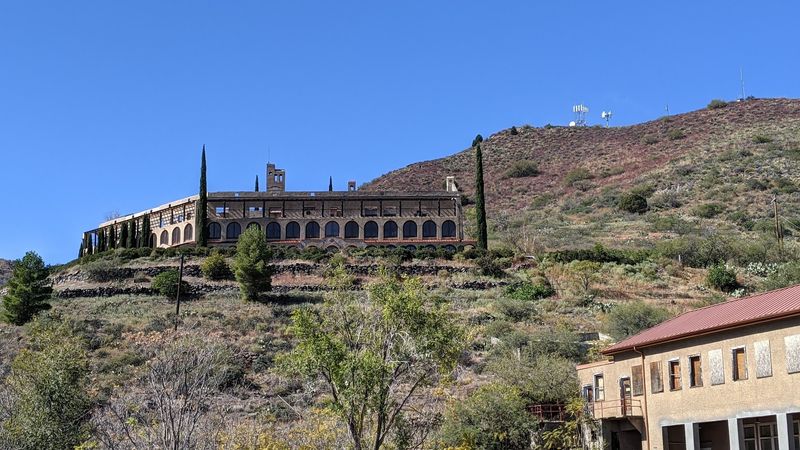
Perched on Cleopatra Hill, Jerome looks like it decided gravity was merely a suggestion. The town grew fast on copper mining wealth, and by the early twentieth century it had packed workers, businesses, and a famously unruly nightlife into an improbably steep mountainside setting.
People once called it the Wickedest Town in the West, which is a hard nickname to ignore. Yet Jerome’s most interesting chapter may be what happened after the mines slowed.
Population dropped, buildings emptied, and the place drifted toward ghost-town status before artists and preservationists helped revive it.
That second act gives Jerome unusual charm. You can still see mining infrastructure, historic hotels, and layered architecture clinging to the hillside, but the town no longer relies only on old notoriety.
It survives because reinvention became just as important as copper.
10. Point Pleasant, West Virginia
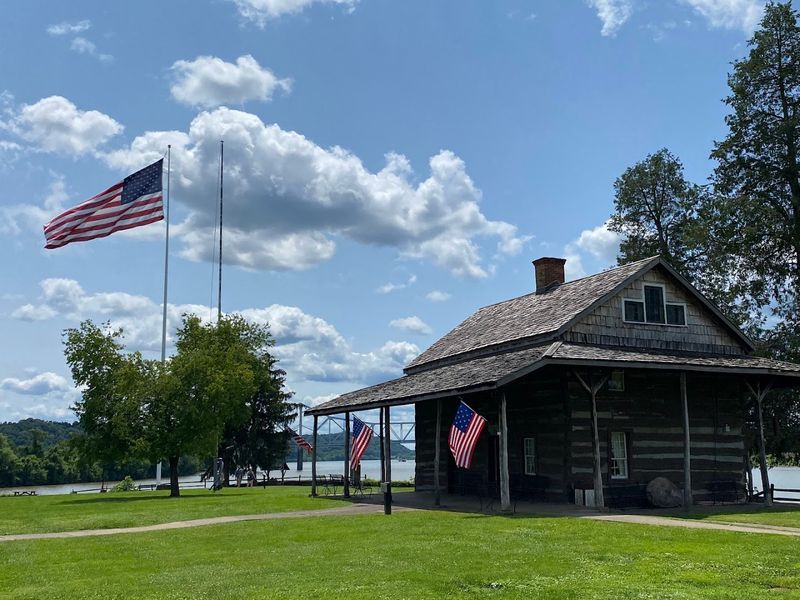
Point Pleasant has a local legend so durable it earned its own statue. Reports of a winged creature called Mothman surfaced in the 1960s, and the story never really left, turning this river town into a meeting point for folklore, tourism, and sincere curiosity.
The creature tale gets most of the attention, but Point Pleasant has older layers too. It sits near the site of an important 1774 conflict and developed as a strategic river settlement, so the town’s reputation rests on more than one unusual chapter.
That gives the place real historical range.
Today, the Mothman Museum and annual festival embrace the weird with zero embarrassment. I appreciate that confidence.
Point Pleasant understands that people come for the mystery, then discover a deeper backstory involving frontier history, river commerce, and a very memorable local mascot.
11. St. Augustine, Florida
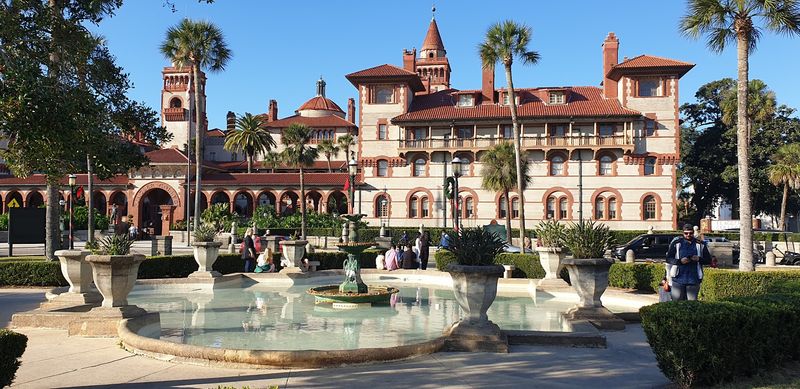
Age is St. Augustine’s ultimate brag, and the town uses it well. Founded by the Spanish in 1565, it is widely recognized as the oldest continuously occupied European-established settlement in what is now the United States, which is a serious head start in the storytelling business.
Its backstory is packed with imperial competition, fort construction, shifting control, and layered architecture. Castillo de San Marcos anchors the narrative, but the streets, courtyards, and colonial-era buildings around it show how many powers and priorities shaped daily life over centuries.
What keeps St. Augustine lively is that the history is not trapped behind glass. You can move from Spanish foundations to Gilded Age hotels and modern shops within a short walk, which makes the town feel less like a museum and more like a very old place still making plans.
12. Galveston, Texas
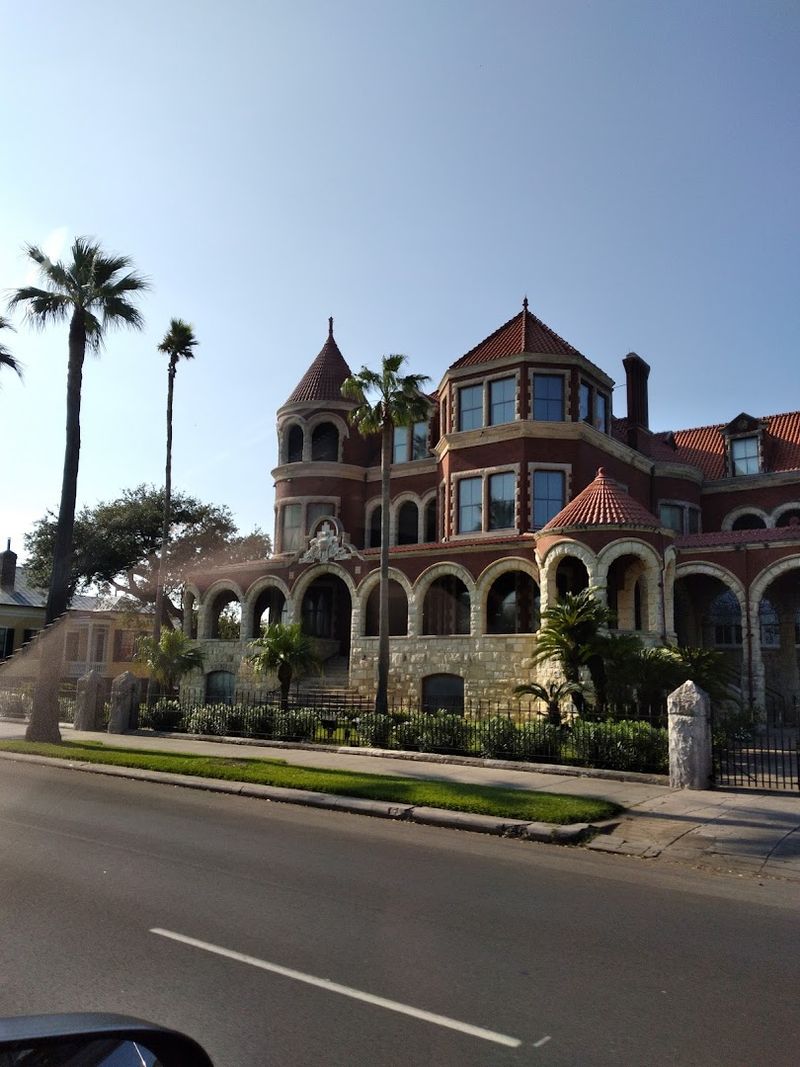
Galveston has reinvented itself so many times it could teach a master class in persistence. During the nineteenth century, it grew into one of Texas’s most important ports, a bustling center for trade, immigration, finance, and architecture that made the island city feel unusually cosmopolitan.
Then came the 1900 hurricane, which permanently reshaped Galveston’s future and forced an extraordinary engineering response. The city raised grades, built a seawall, and rebuilt with determination that still defines its civic identity.
That practical resilience is every bit as compelling as the Victorian houses.
Today, the Strand Historic District, grand homes, and port activity keep the past visible without making the city feel frozen. Galveston’s wild backstory is not only about disaster and recovery.
It is about ambition, adaptation, and a place that refused to surrender its significance.
13. Bisbee, Arizona
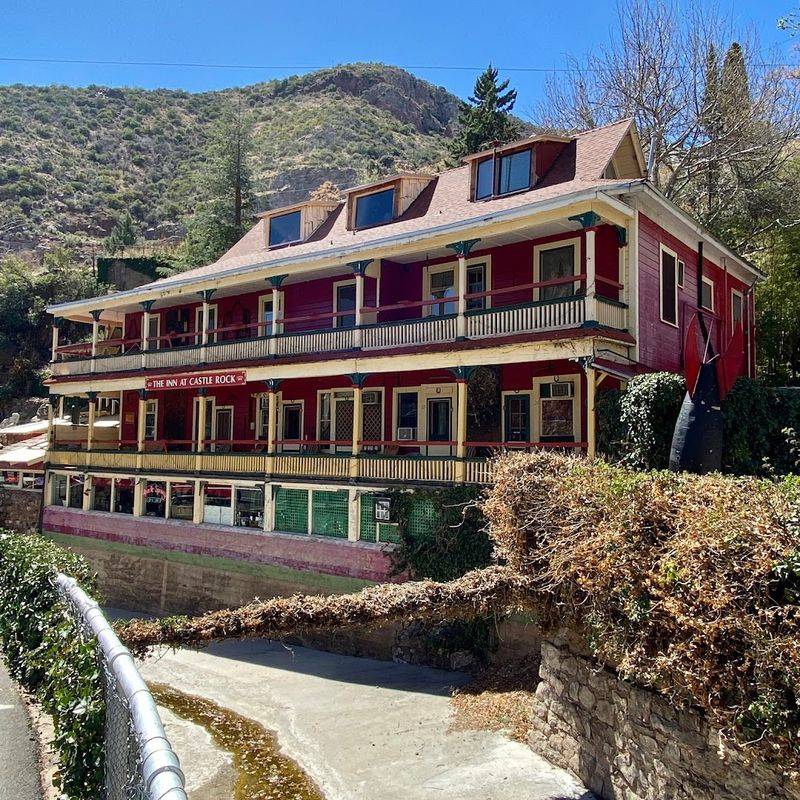
Bisbee climbed a canyon, covered itself in mining history, and then developed an artsy streak just to keep things interesting. Founded as a copper-mining town in the Mule Mountains, it quickly became one of the richest mineral sites in the world and built a surprisingly dense community on steep terrain.
That setting shaped everything. Buildings stacked up hillsides, stairways became practical routes, and neighborhoods formed around the realities of extraction, labor, and cross-border commerce.
Later, when mining faded, Bisbee avoided total collapse by leaning into preservation, culture, and its delightfully offbeat personality.
Today, the town feels both historic and improvisational. Old commercial blocks, mine tours, murals, and hillside homes all fit together in a way that should not work nearly as well as it does.
Bisbee’s backstory is industrial, political, and proudly unconventional, which suits it perfectly.
14. Harpers Ferry, West Virginia
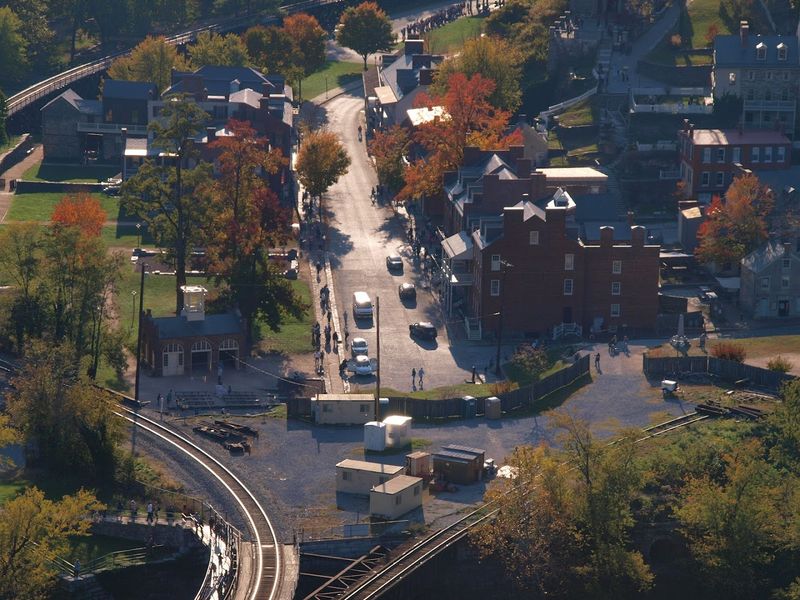
Harpers Ferry sits at the meeting of rivers and somehow also at the meeting of major American storylines. Its compact size is almost misleading, because this small town played outsized roles in industry, transportation, abolition, and the Civil War era.
The event most people remember is John Brown’s 1859 raid on the federal armory, a dramatic attempt to spark a larger uprising against slavery. That moment alone would secure Harpers Ferry a place in history, but the town’s strategic location had already made it a manufacturing and transportation hub.
What you see today is a place where geography explains nearly everything. The streets, surviving buildings, and surrounding heights reveal why so many groups considered it important.
Harpers Ferry does not need embellishment. Its backstory is already dense, consequential, and remarkably easy to read on foot.
15. Virginia City, Nevada
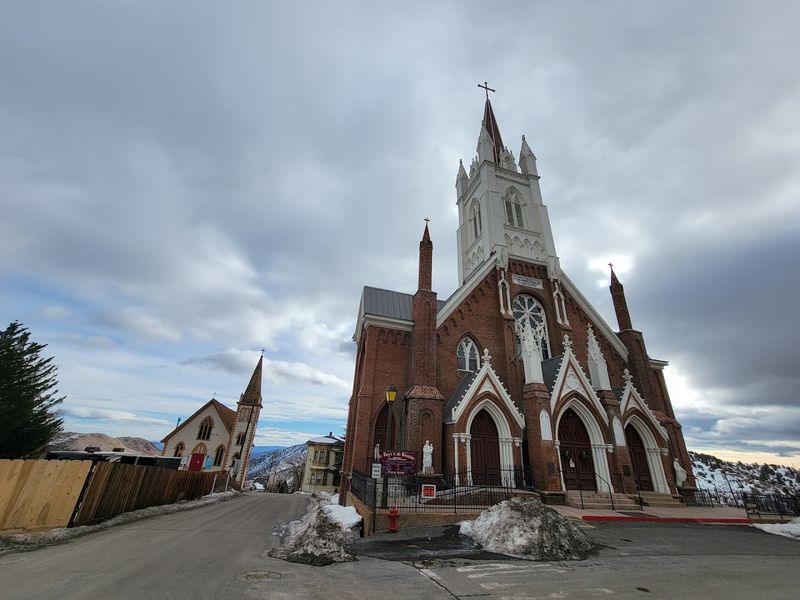
Virginia City struck silver at exactly the right moment to become a legend. The discovery of the Comstock Lode in 1859 transformed this Nevada settlement into a mining powerhouse, pulling in investors, engineers, merchants, and dreamers at a pace that made the whole region look suddenly negotiable.
Money from the mines shaped western finance and journalism, and even a young Samuel Clemens spent time here before becoming Mark Twain. That detail alone gives the town literary bragging rights, but the larger story is about technological innovation and spectacular speculation built on underground wealth.
Modern visitors get a place that still reads clearly as a mining town, with boardwalks, preserved storefronts, and headframes above the slopes. Virginia City feels theatrical, yet the history underneath it is very concrete.
Silver changed the West here, and the evidence still stands.
16. Sleepy Hollow, New York
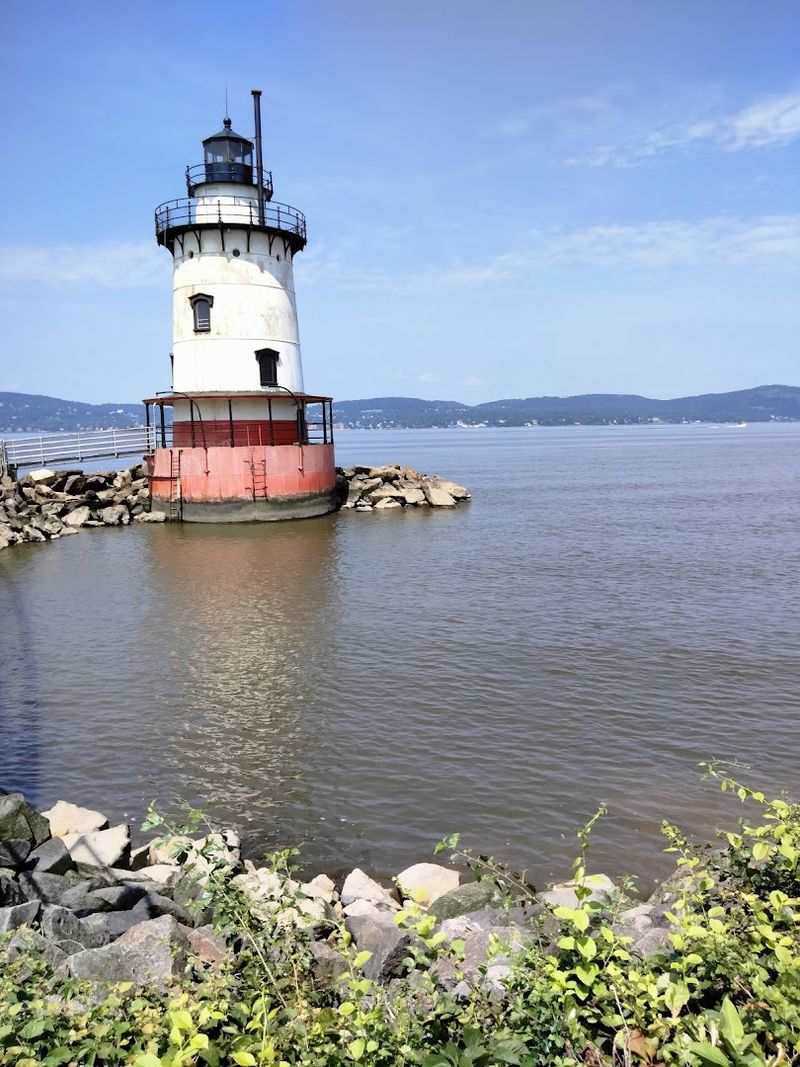
Sleepy Hollow had the good fortune to get famous through fiction and then keep a fascinating real history anyway. Washington Irving’s 1820 tale gave the village an instantly recognizable identity, with the Headless Horseman doing more for tourism branding than most marketing teams ever could.
But the place is not only a literary footnote. The village, formerly known as North Tarrytown, sits in a Hudson River corridor shaped by Dutch colonial history, early industry, and old estates.
Sleepy Hollow Cemetery adds another layer, linking major historical figures to the same landscape visitors know from the story.
What makes a trip fun is the overlap between myth and place. You can see the Old Dutch Church, trace Irving-era references, and still get a broader picture of regional history.
Sleepy Hollow proves that a famous legend can coexist with an impressively substantial past.
17. New Harmony, Indiana
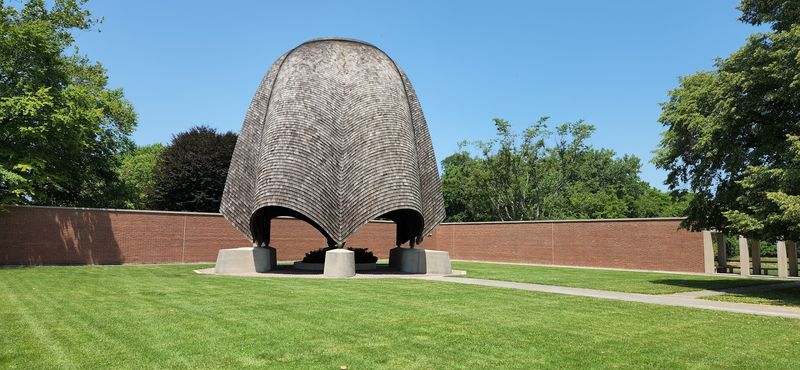
New Harmony aimed higher than most towns by trying to redesign society itself. In the early nineteenth century, it became the site of two major utopian experiments, first under the Harmonists and later under social reformer Robert Owen, who hoped the community could model a better future.
That is a lot of expectation for one Indiana town, and naturally the results were complicated. The communal visions struggled, but the settlement still became associated with education, science, and progressive thinking in ways that outlasted the original experiments.
Failure, in this case, was oddly productive.
Today, New Harmony feels thoughtful rather than flashy. Historic structures, planned spaces, and interpretive sites show how much intention was built into the place from the start.
Its wild backstory comes from ambition on a civic scale, which is rarer and more interesting than ordinary frontier drama.
18. Guthrie, Oklahoma
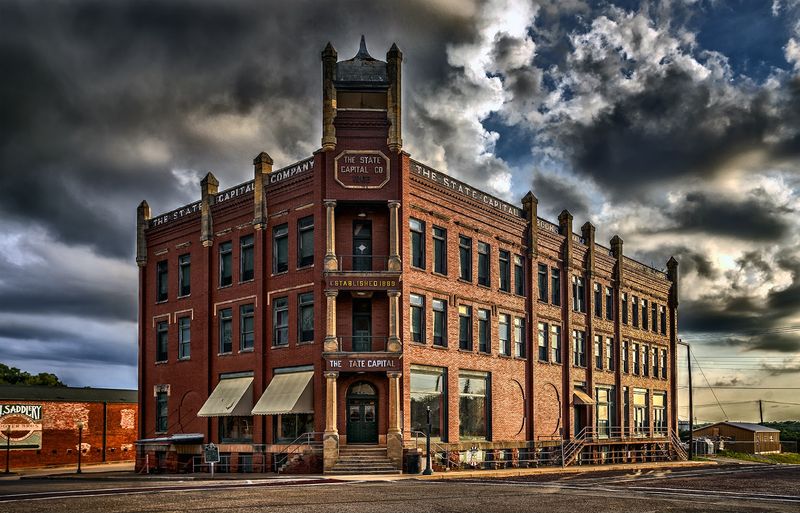
Guthrie basically sprinted into existence during the 1889 Land Run, which is a dramatic way to start any town biography. Within hours, this central Oklahoma settlement filled with claim seekers, businesses, officials, and enough urgency to create a capital city out of near instant momentum.
For a time, Guthrie served as the territorial capital, and that status helped produce its unusually grand downtown. Victorian and Romanesque buildings still line the streets, making the city one of the best preserved collections of territorial-era architecture in the country.
Ambition clearly ordered extra brickwork here.
Although Oklahoma City eventually took the capital title, Guthrie kept the visual evidence of its early importance. That makes visiting especially rewarding.
You can read the political and economic confidence right in the streetscape, which feels less like a faded relic and more like a paused opening act.



