Long before modern engineering, ancient civilizations created cities, temples, monuments, and sacred sites that continue to amaze visitors thousands of years later. These societies left behind architectural masterpieces that reveal their ingenuity, beliefs, and cultural achievements.
Today, travelers can still walk through many of these remarkable places and experience history firsthand. From towering pyramids to cliff-carved cities, the wonders of the ancient world are waiting to be explored.
Ancient Egyptians — Great Pyramid of Giza, Egypt
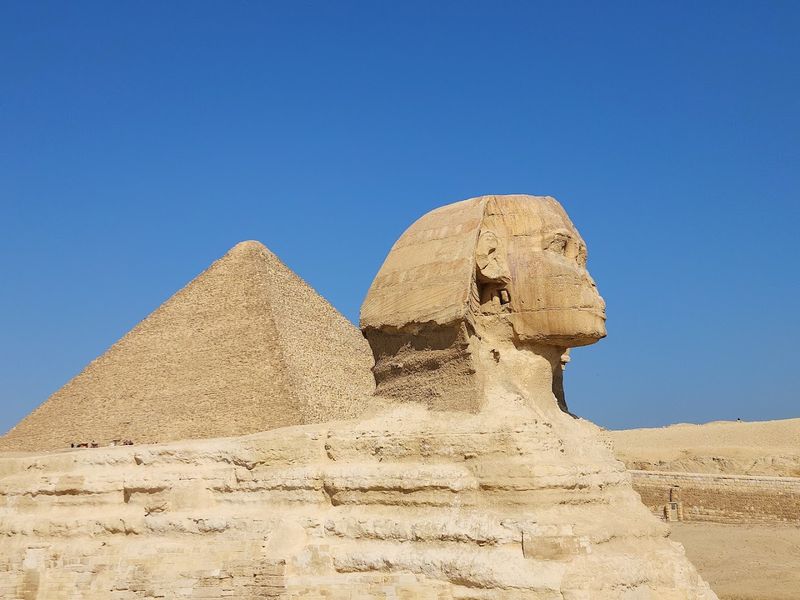
Standing for over 4,500 years, the Great Pyramid of Giza is the last surviving Wonder of the Ancient World, and it still has no plans to retire. Built for Pharaoh Khufu, it was constructed using an estimated 2.3 million stone blocks, some weighing up to 80 tons.
Nobody today is completely sure how ancient workers moved them into place.
The pyramid stands 138 meters tall, which made it the tallest human-made structure on Earth for nearly 4,000 years. Inside, narrow passages lead to burial chambers filled with mystery.
Hieroglyphics, hidden shafts, and sealed rooms continue to puzzle modern archaeologists and engineers.
Visitors to Giza can also explore the Great Sphinx, a massive limestone statue with a lion’s body and a human face. The nearby Pyramid of Khafre and Pyramid of Menkaure add to the breathtaking scale of the site.
Egypt opens these monuments to tourists year-round, making it one of the most accessible ancient wonders on the planet. If history had a greatest hits album, this would be track one.
Mesopotamians — Babylon, Iraq
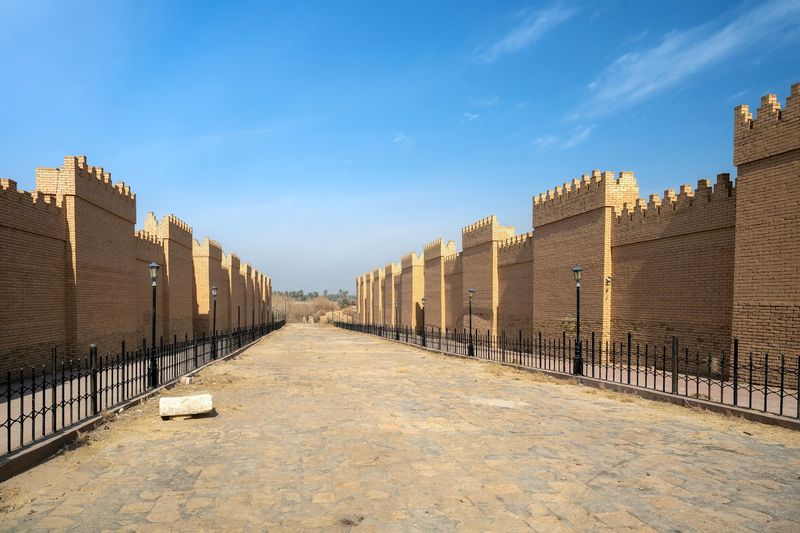
Imagine a city so legendary that its name became a synonym for grandeur itself. Babylon, located in modern-day Iraq, was one of the ancient world’s most powerful and sophisticated urban centers.
It served as the capital of the Babylonian Empire and was home to King Nebuchadnezzar II, who ruled around 600 BCE.
The city was reportedly home to the Hanging Gardens, one of the Seven Wonders of the Ancient World, though archaeologists still debate whether they actually existed. What is certain is that Babylon featured massive walls, grand temples called ziggurats, and the famous Ishtar Gate, decorated with vivid blue glazed bricks and dragons.
A reconstructed version of the gate now stands in the Pergamon Museum in Berlin.
Babylon sits about 85 kilometers south of Baghdad, and the site has seen ongoing excavation and preservation efforts. Visitors can walk through ancient streets and view the ruins of palaces and temples.
UNESCO designated it a World Heritage Site in 2019. Mesopotamia truly earned its nickname as the cradle of civilization, and Babylon was its proudest achievement.
Ancient Greeks — Acropolis of Athens, Greece
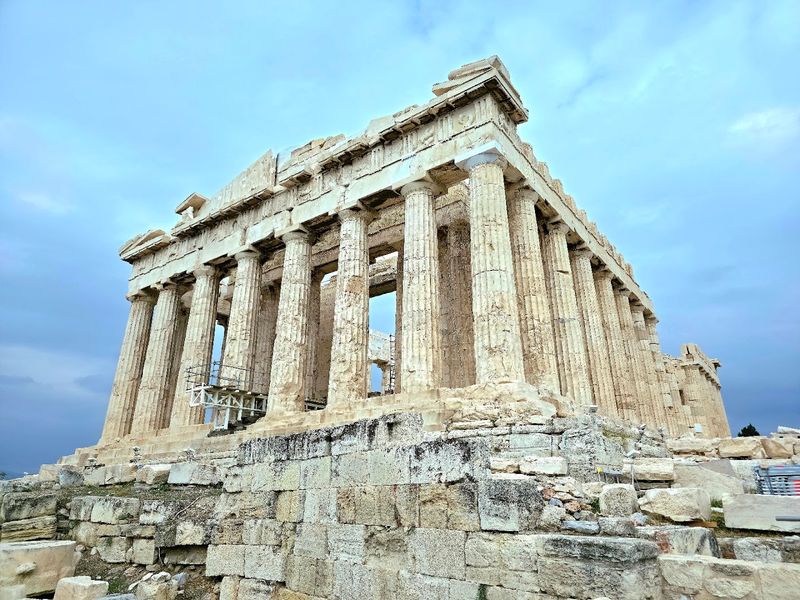
Perched high above Athens like a crown the city never takes off, the Acropolis is one of the most iconic landmarks in the entire world. Built primarily during the 5th century BCE, the hilltop complex includes several temples, with the Parthenon standing as its most celebrated structure.
It was dedicated to Athena, the Greek goddess of wisdom.
The Parthenon was constructed using a clever optical illusion technique. Its columns are slightly curved and tilted inward so that, to the human eye, the building looks perfectly straight.
Ancient Greek architects were essentially solving visual problems with math, which is honestly impressive for any era.
The Acropolis Museum, located at the base of the hill, displays thousands of artifacts recovered from the site. Visitors can see original sculptures, pottery, and carvings that once decorated the temples.
The museum also holds ongoing discussions about returning the Elgin Marbles, Greek sculptures currently housed in the British Museum in London.
Walking up the marble pathway to the Acropolis gives visitors a genuine sense of stepping into ancient history. Athens offers guided tours in multiple languages, making the experience accessible to travelers from around the world.
Ancient Romans — Colosseum and Forum, Italy
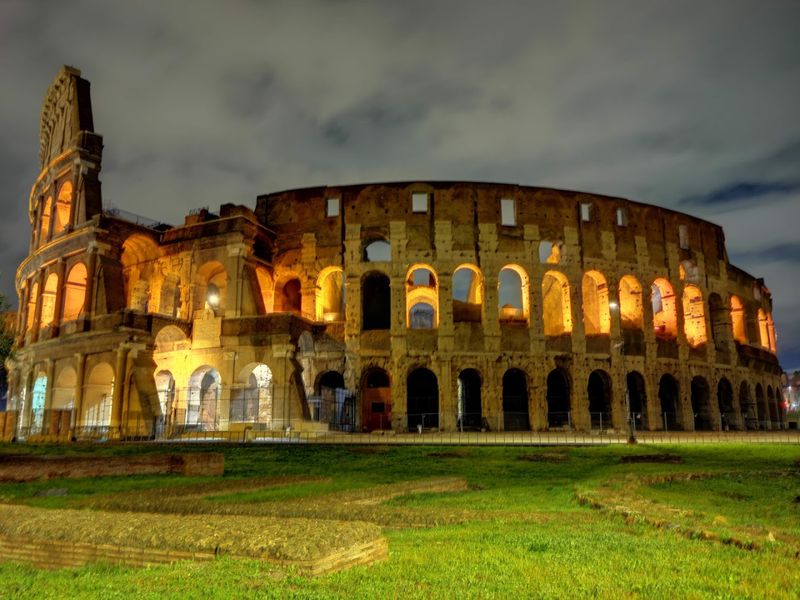
Rome was not built in a day, but the Colosseum alone took about eight years and the labor of tens of thousands of workers. Completed in 80 CE, it could hold between 50,000 and 80,000 spectators who came to watch gladiator battles, animal hunts, and public spectacles.
It remains the largest ancient amphitheater ever constructed.
Just a short walk from the Colosseum lies the Roman Forum, the beating heart of ancient Roman public life. This sprawling complex of temples, government buildings, and triumphal arches was where senators debated laws and citizens gathered for ceremonies.
Today visitors can wander through its ruins and imagine the noise and activity that once filled these spaces.
Rome also preserves the Pantheon, a remarkably intact temple with a 43-meter diameter dome that still holds the record as one of the largest unreinforced concrete domes in the world. Ancient Roman aqueducts stretch across the Italian countryside, some still partially standing after 2,000 years.
Italy offers a Rome Pass that gives travelers access to multiple ancient sites with one ticket. Few cities on Earth offer such a dense concentration of ancient wonders packed into a single, walkable urban area.
Inca Civilization — Machu Picchu, Peru
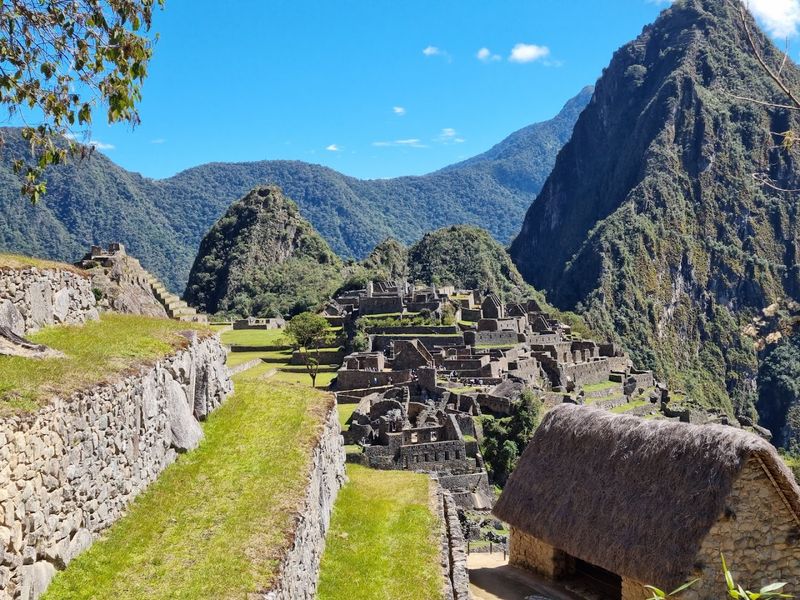
Tucked between two mountain peaks at 2,430 meters above sea level, Machu Picchu looks like it was designed by someone who really wanted to make geography work harder. Built in the 15th century by the Inca emperor Pachacuti, this mountain citadel was likely a royal estate and religious retreat.
It was abandoned during the Spanish conquest and remained largely unknown to the outside world until 1911.
What makes Machu Picchu especially astonishing is the precision of its stonework. The Incas cut massive granite blocks so perfectly that no mortar was needed to hold them together.
Some joints are so tight that not even a credit card can slide between the stones, a fact that engineers still find remarkable today.
The site includes temples, plazas, residential areas, and agricultural terraces carved into the steep mountain slopes. The Temple of the Sun and the Intihuatana stone, a carved granite pillar used as a solar calendar, are among the highlights.
Peru limits daily visitor numbers to protect the site from wear.
Travelers can reach Machu Picchu by train from Cusco or by hiking the famous Inca Trail. Either way, the first glimpse of the ruins through mountain mist is completely unforgettable.
Maya Civilization — Chichen Itza, Mexico
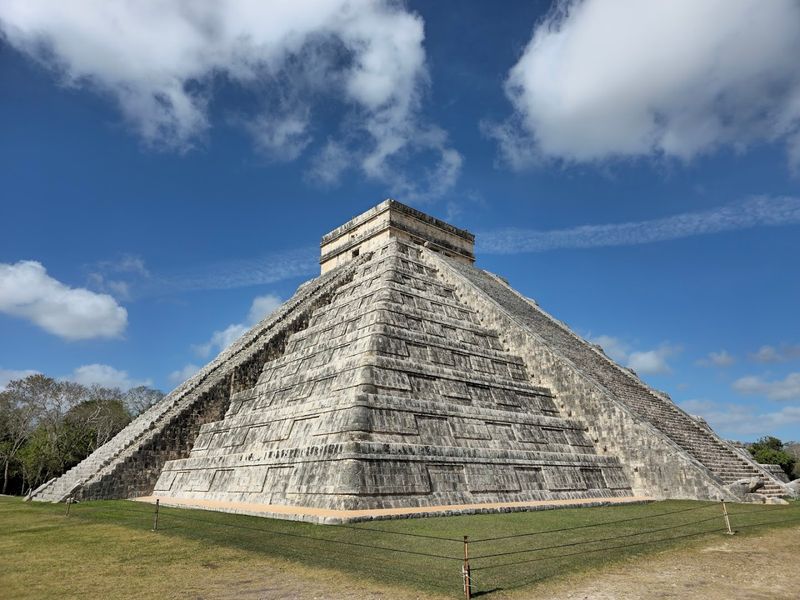
Twice a year, something extraordinary happens at Chichen Itza. During the spring and fall equinoxes, the setting sun casts a shadow along the staircase of the El Castillo pyramid that looks exactly like a serpent slithering down the steps.
The Maya built this effect deliberately, aligning the entire structure with astronomical precision. That is not architecture; that is showmanship.
El Castillo, also called the Temple of Kukulcan, rises 30 meters high and has 365 steps in total, one for each day of the solar year. The Maya were extraordinary astronomers and mathematicians who developed one of the most accurate calendar systems in the ancient world.
Their cities across Mexico and Central America reflect this deep connection between science and spirituality.
Beyond El Castillo, Chichen Itza includes the Great Ball Court, the largest ancient ball court in the Americas, where players competed in a ritual game with a rubber ball. The Temple of Warriors and the Sacred Cenote, a natural sinkhole used for offerings, are also must-see features of the site.
Located in the Yucatan Peninsula of Mexico, Chichen Itza is about two hours by bus from Cancun. It was named one of the New Seven Wonders of the World in 2007.
Khmer Empire — Angkor Wat, Cambodia
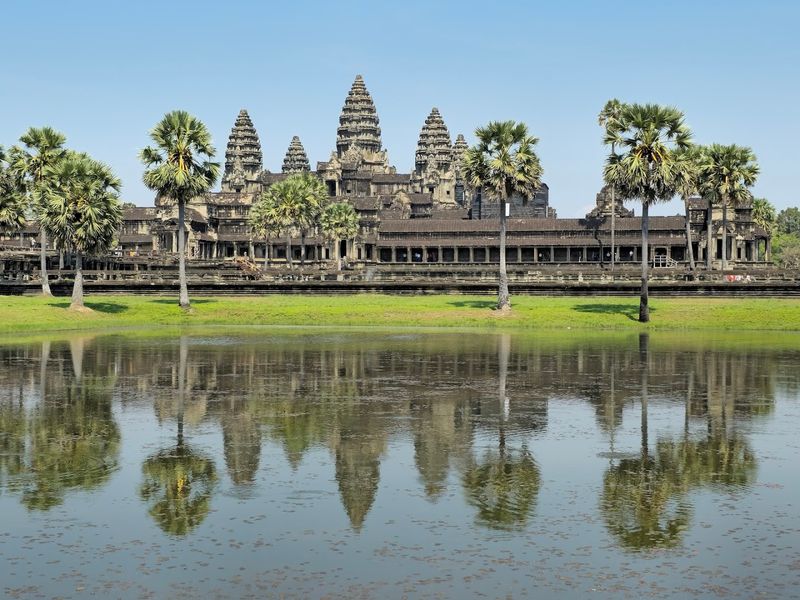
Angkor Wat is so important to Cambodia that it appears on the country’s national flag, which makes it possibly the most patriotically celebrated ancient monument in the world. Built in the early 12th century by King Suryavarman II, this Hindu temple complex was later converted to Buddhism and remains an active place of worship today.
It covers over 400 acres, making it the largest religious monument on Earth.
The temple’s five towers represent Mount Meru, the sacred home of the gods in Hindu cosmology. Intricate bas-relief carvings stretch for nearly 800 meters along the outer gallery walls, depicting scenes from Hindu mythology and historical battles.
Archaeologists estimate it took 300,000 workers and 6,000 elephants to construct the complex.
Surrounding Angkor Wat is the wider Angkor Archaeological Park, which includes dozens of other temples such as the mysterious Bayon, covered in giant stone faces, and Ta Prohm, where enormous tree roots have grown through the temple walls. The jungle-covered ruins of Ta Prohm became internationally famous after appearing in the film Tomb Raider.
Siem Reap, the nearest city, offers plentiful accommodation and guided tours. Visiting at sunrise, when the towers are reflected in the surrounding moat, is considered one of the most breathtaking experiences in all of Southeast Asia.
Nabataean Civilization — Petra, Jordan
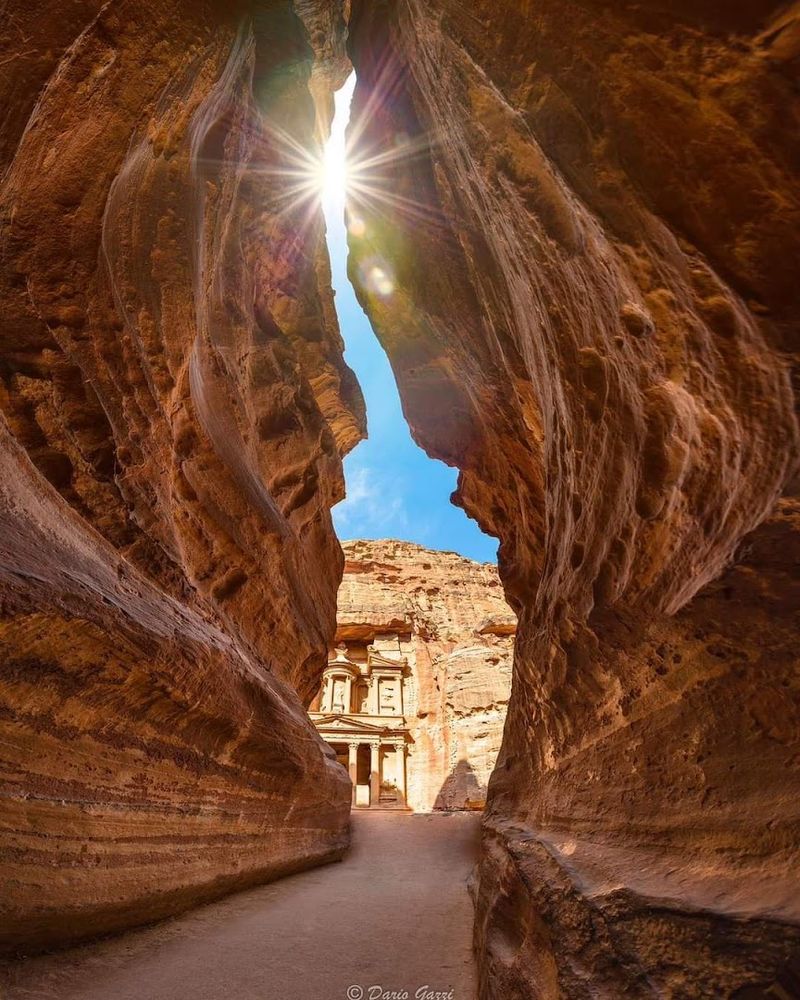
Walking through the narrow Siq canyon and suddenly seeing the Treasury carved into rose-red cliffs is one of travel’s most jaw-dropping moments. Petra, the ancient capital of the Nabataean Kingdom, was a thriving trade hub from around the 4th century BCE.
The Nabataeans were skilled merchants who controlled caravan routes connecting Arabia, Egypt, and the Mediterranean world.
The entire city was carved directly into sandstone cliffs, including temples, tombs, colonnaded streets, and even a theatre that seated 8,500 people. The famous Treasury, or Al-Khazneh, stands about 40 meters tall and was likely built as a royal tomb.
Its elaborate facade features columns, statues, and intricate decorative carvings that have survived remarkably well.
Petra also had an impressive water management system, with channels, pipes, and cisterns that collected and distributed water throughout the city. This engineering allowed tens of thousands of people to live in a desert environment.
The Nabataeans essentially solved water scarcity with ancient plumbing innovation.
Jordan’s Petra Archaeological Park is open year-round, and visitors often spend a full day exploring the site on foot or by horse. A night tour, where the Siq is lit by hundreds of candles, creates an atmosphere that feels genuinely magical and unlike anything else in the world.
Etruscan Civilization — Cerveteri, Italy
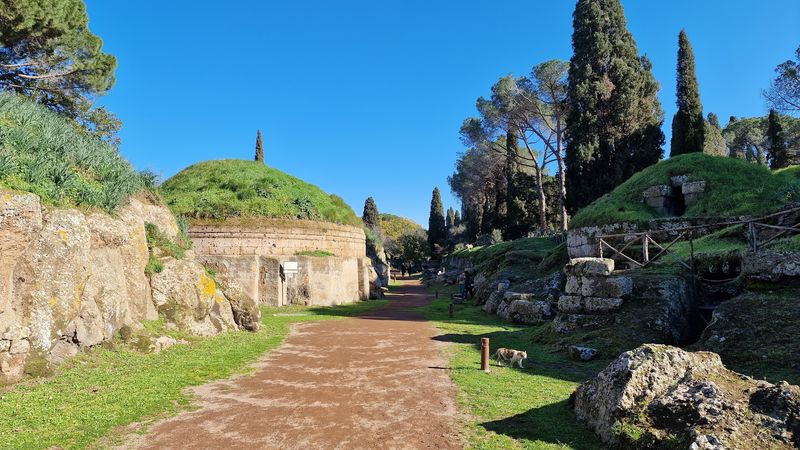
Before Rome became the dominant force in Italy, the Etruscans were already building cities, trading across the Mediterranean, and burying their dead in elaborate underground tombs. The Banditaccia Necropolis at Cerveteri, located about 45 kilometers northwest of Rome, is one of the largest and most complete Etruscan burial sites in existence.
It was designated a UNESCO World Heritage Site in 2004.
The necropolis contains thousands of tombs arranged like a city of the dead, complete with streets, squares, and neighborhoods. Many tombs were carved directly into volcanic rock and shaped like houses, reflecting the Etruscan belief that the afterlife closely mirrored everyday life.
Inside, archaeologists have found painted walls, furniture, pottery, and personal belongings left for the deceased.
Etruscan art and culture heavily influenced early Roman civilization. Their alphabet was adopted and adapted by the Romans, and many Roman religious practices have roots in Etruscan tradition.
Essentially, Rome borrowed a lot of its cultural DNA from the Etruscans without always giving credit.
The nearby National Etruscan Museum at Villa Giulia in Rome houses an outstanding collection of Etruscan artifacts, including jewelry, bronze sculptures, and painted ceramics. Together, Cerveteri and the museum offer a remarkably complete picture of this often-overlooked ancient civilization.
Ancient Persians — Persepolis, Iran
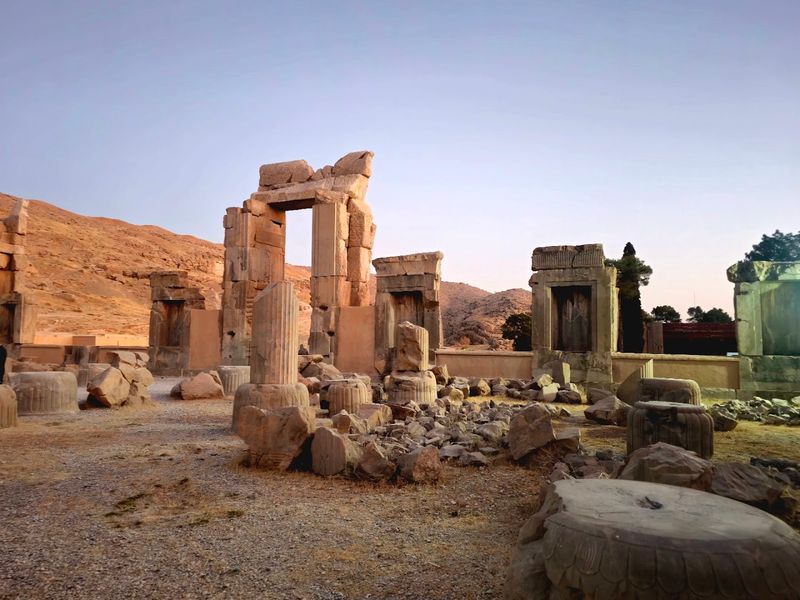
Persepolis was not just a capital; it was a statement. Built by Darius the Great around 518 BCE, this ceremonial city served as the showpiece of the Achaemenid Persian Empire, one of the largest empires the ancient world had ever seen.
Kings from across the empire traveled here to pay tribute and attend royal ceremonies on the Persian New Year.
The site sits on a raised stone platform covering about 125,000 square meters. Visitors today can walk up the famous double staircase decorated with carved reliefs showing processions of soldiers, servants, and delegates from 23 different nations bringing gifts to the Persian king.
These carvings are astonishingly detailed and well-preserved.
The Apadana Palace, the Throne Hall, and the Gate of All Nations are among the most impressive surviving structures. Towering columns, some still standing, give a sense of the enormous scale and elegance of the original buildings.
Alexander the Great burned Persepolis in 330 BCE, possibly in revenge for the Persian burning of Athens, which history considers a regrettable act of destruction.
Located near the city of Shiraz in southern Iran, Persepolis is accessible to international tourists. The site was designated a UNESCO World Heritage Site in 1979 and remains one of the most significant archaeological sites in the Middle East.
Ancestral Puebloans — Mesa Verde, United States
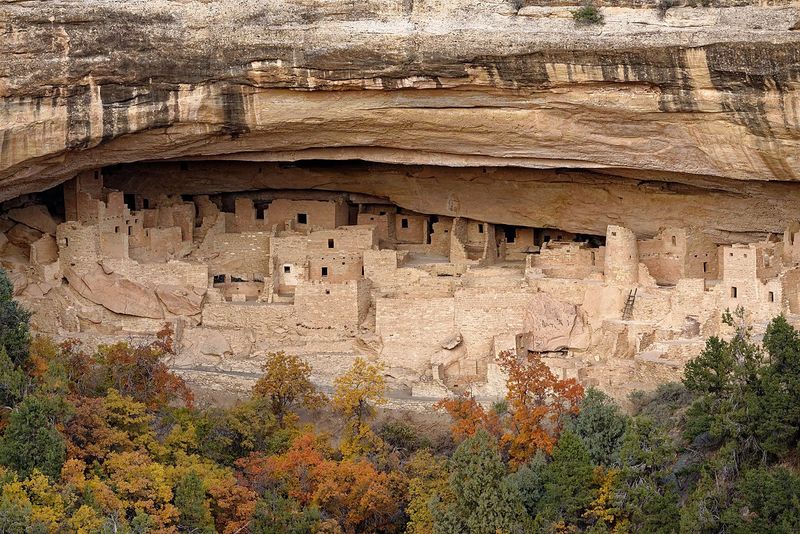
Tucked beneath sandstone overhangs in the cliffs of Colorado, the ancient dwellings of Mesa Verde look like they were built by people who took the concept of a mountain view very seriously. The Ancestral Puebloans, sometimes called the Anasazi, constructed these remarkable cliff villages between roughly 600 and 1300 CE.
Mesa Verde National Park preserves over 4,000 archaeological sites, including 600 cliff dwellings.
Cliff Palace is the largest cliff dwelling in North America, containing 150 rooms and 23 kivas, which are circular ceremonial chambers. It was home to approximately 100 people and required extraordinary engineering to build on nearly vertical rock faces.
Workers carried heavy stones and timber up and down the cliffs without metal tools or wheeled vehicles.
Archaeologists still debate why the Ancestral Puebloans abandoned Mesa Verde around 1300 CE. Leading theories point to a severe drought that lasted about 23 years, combined with social unrest.
Their descendants are believed to be the modern Pueblo peoples of New Mexico and Arizona, who continue to maintain cultural connections to these ancient sites.
Mesa Verde National Park in Colorado offers ranger-led tours of Cliff Palace and other dwellings. The park is open year-round, though some cliff dwelling tours are only available in summer.
It was the first national park in the United States created specifically to preserve human-made structures.
Ancient Chinese Civilization — Great Wall of China
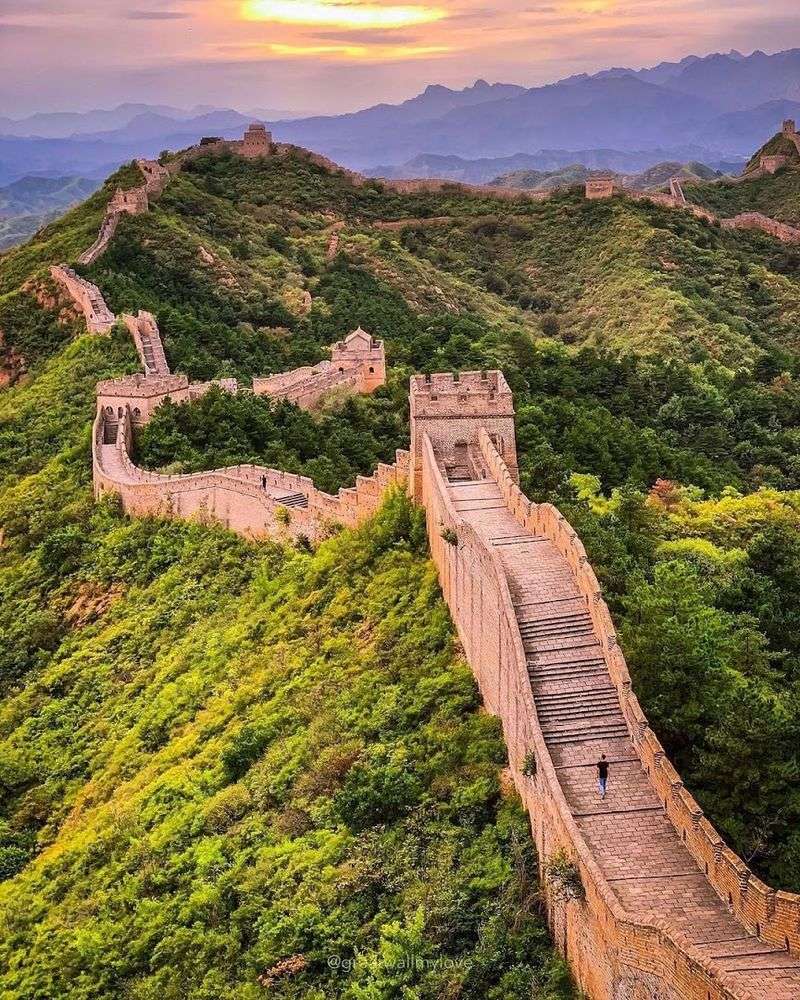
Stretching over 21,000 kilometers across mountains, deserts, and plains, the Great Wall of China is arguably the most ambitious construction project in human history. It was not built all at once; different Chinese dynasties added sections over roughly 2,000 years, with the most famous portions constructed during the Ming Dynasty between 1368 and 1644 CE.
The wall was designed to protect China from northern invasions and to control trade along the Silk Road.
Contrary to a popular myth, the Great Wall is not visible from space with the naked eye. What is visible, however, is the sheer brilliance of its construction across some of the most challenging terrain imaginable.
Watchtowers spaced at regular intervals allowed soldiers to communicate using smoke signals during the day and fire at night.
The Mutianyu and Badaling sections near Beijing are the most visited and are well-restored for tourists. Other sections, like Jiankou, remain wild and unrestored, offering a more adventurous hiking experience for those willing to navigate crumbling stone paths through dense forest.
UNESCO inscribed the Great Wall as a World Heritage Site in 1987. Millions of visitors climb its steep steps each year, many pausing at the top to catch their breath and appreciate just how extraordinary this ancient structure truly is.
Minoan Civilization — Knossos, Crete
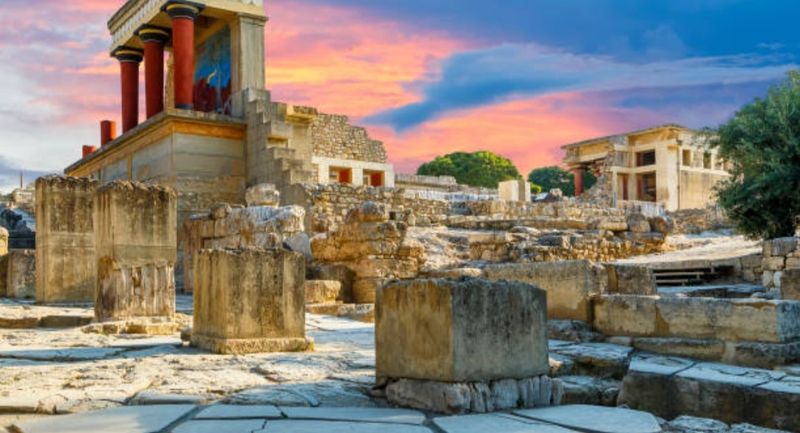
Europe’s oldest known advanced civilization flourished on the island of Crete about 4,000 years ago, and their main palace at Knossos is so sprawling and maze-like that it likely inspired the legend of the Labyrinth and the Minotaur. The Minoans, named after the legendary King Minos, built a sophisticated society with advanced plumbing, multi-story buildings, and vibrant artistic traditions long before ancient Greece rose to prominence.
The Palace of Knossos covers about 14,000 square meters and contains hundreds of rooms, including storerooms, workshops, throne rooms, and ritual spaces. Archaeologist Arthur Evans excavated and controversially reconstructed parts of the palace in the early 20th century, adding painted plaster columns and restored frescoes that give visitors a vivid sense of Minoan life.
Some historians debate how accurate his reconstructions are, but they undeniably make the site more visually striking.
Minoan frescoes are among the most beautiful ancient artworks ever discovered. They depict dolphins leaping through waves, young athletes vaulting over bulls, and elegant court scenes with women in elaborate dress.
These images suggest a culture that valued beauty, athleticism, and ceremony in equal measure.
Knossos is located just five kilometers south of Heraklion, Crete’s capital city. It is one of Greece’s most visited archaeological sites and pairs perfectly with a visit to the nearby Heraklion Archaeological Museum.
Hittite Empire — Hattusa, Turkey
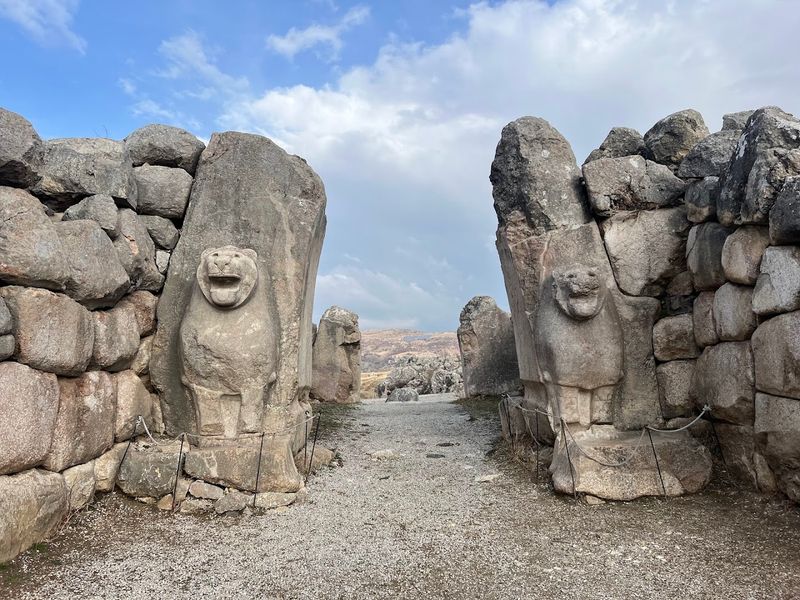
The Hittites were one of the ancient world’s great military powers, and their capital city of Hattusa, located in north-central Turkey, reflects that strength in every stone. Founded around 1600 BCE, Hattusa served as the center of an empire that stretched across Anatolia and into parts of the Middle East.
The Hittites famously fought Egypt to a standstill at the Battle of Kadesh in 1274 BCE, which led to one of history’s earliest known peace treaties.
The ruins of Hattusa cover a large area of rugged hillside terrain and include massive city walls stretching over six kilometers, monumental gateways decorated with carved lions and sphinxes, and a vast royal citadel. The Great Temple, dedicated to the storm god Teshub and the sun goddess Arinna, was the religious heart of the empire and remains partially standing.
One of the most significant discoveries at Hattusa was a large archive of clay tablets written in cuneiform script. These tablets revealed the Hittite language, their laws, religious rituals, and diplomatic correspondence, giving historians an extraordinary window into Bronze Age politics and culture.
Hattusa is located near the modern town of Boghazkoy in Turkey’s Corum Province. UNESCO declared it a World Heritage Site in 1986, and the site is open to visitors throughout the year.
Walking through the Lion Gate alone is worth the trip.
Ancient Carthaginians — Carthage, Tunisia
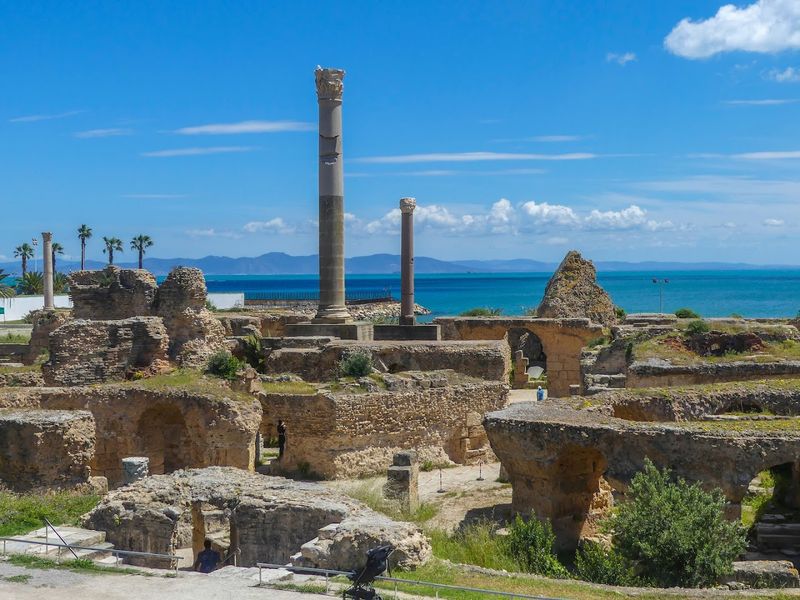
For centuries, Carthage made Rome genuinely nervous, and that is not a small accomplishment. Founded by Phoenician settlers around 814 BCE on the coast of modern-day Tunisia, Carthage grew into one of the Mediterranean world’s wealthiest and most powerful cities.
At its height, it controlled a vast network of trade routes and colonies stretching from North Africa to Spain and Sicily.
General Hannibal Barca, one of the greatest military commanders in history, came from Carthage. His audacious crossing of the Alps with war elephants during the Second Punic War remains one of the most daring military maneuvers ever attempted.
Despite nearly defeating Rome, Carthage was ultimately destroyed in 146 BCE after the Third Punic War, with Roman forces reportedly salting the earth so nothing would grow there again.
Today, visitors can explore the archaeological site of Carthage, which sits just 15 kilometers from Tunis. The ruins include the ancient Tophet sanctuary, the Antonine Baths (some of the largest Roman baths ever built, constructed after Rome rebuilt the city), Punic ports, and a museum filled with artifacts from both Carthaginian and Roman periods.
The site sits in a pleasant residential neighborhood overlooking the sea, giving it a surprisingly tranquil atmosphere. UNESCO recognized Carthage as a World Heritage Site in 1979, preserving its layered history for future generations.
Aksumite Civilization — Aksum, Ethiopia
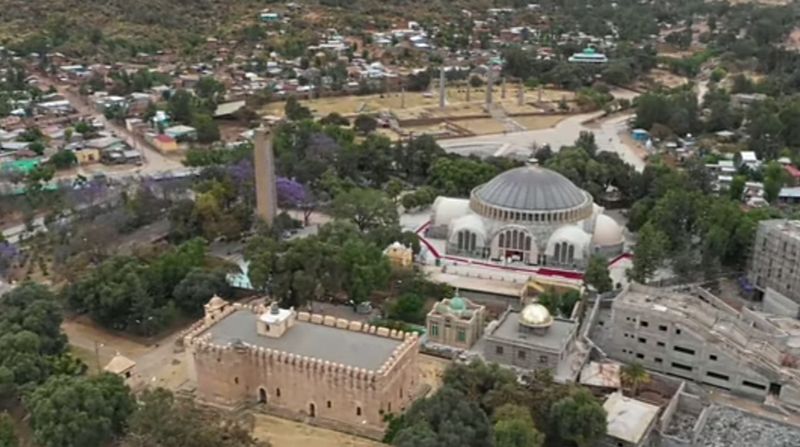
Standing in a field in northern Ethiopia, enormous carved granite obelisks rise from the earth like ancient exclamation points, marking the site of one of Africa’s greatest early civilizations. The Kingdom of Aksum flourished from roughly 100 to 940 CE and became one of the most powerful states in the ancient world, controlling trade routes connecting the Roman Empire, Arabia, and India through the Red Sea.
The Aksumites erected towering stelae, or obelisks, as funerary monuments over underground royal tombs. The largest one ever erected stands 33 meters tall and is believed to be the largest single stone structure ever raised in the ancient world.
It collapsed long ago, but the second-largest, standing 24 meters high, still towers over the city of Aksum today.
Aksum was also one of the earliest states to officially adopt Christianity, doing so in the 4th century CE under King Ezana. The city is home to the Church of Our Lady Mary of Zion, which many Ethiopian Christians believe houses the original Ark of the Covenant.
Whether or not that is true, the claim alone makes Aksum one of the most spiritually significant sites in all of Africa.
Ethiopia’s ancient city of Aksum is a UNESCO World Heritage Site and welcomes visitors year-round. The local museum houses artifacts, coins, and inscriptions that document the remarkable scope of Aksumite civilization.
Rapa Nui Civilization — Easter Island, Chile
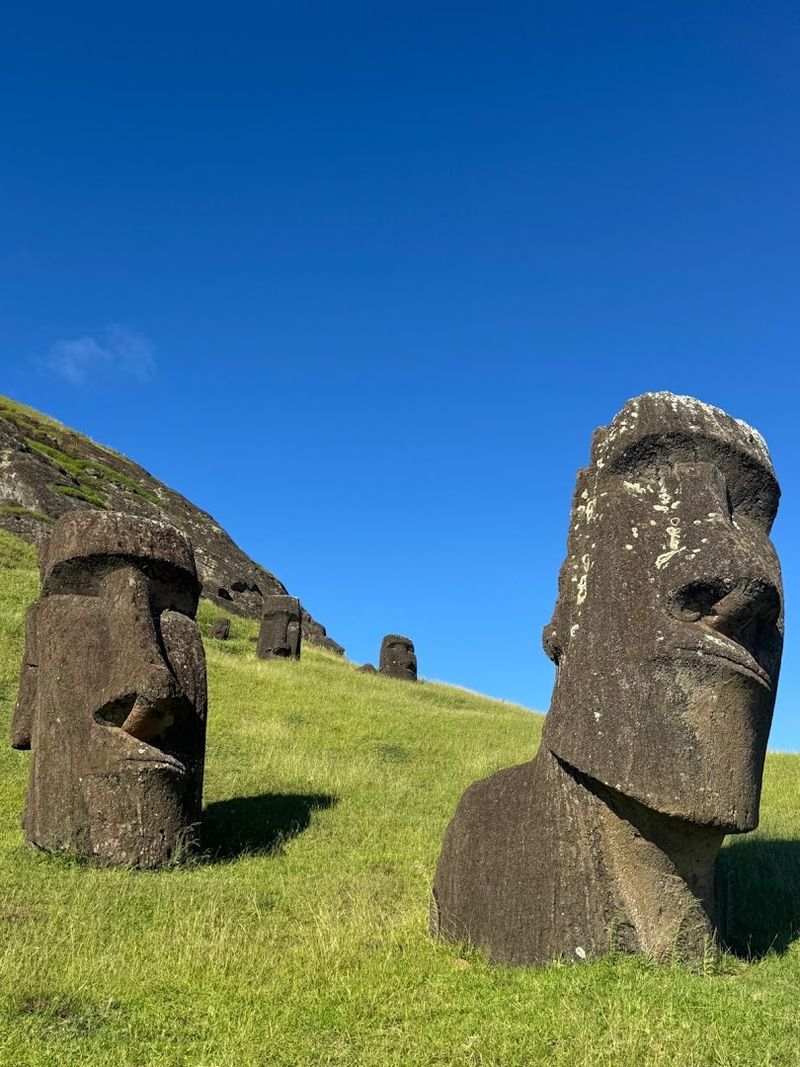
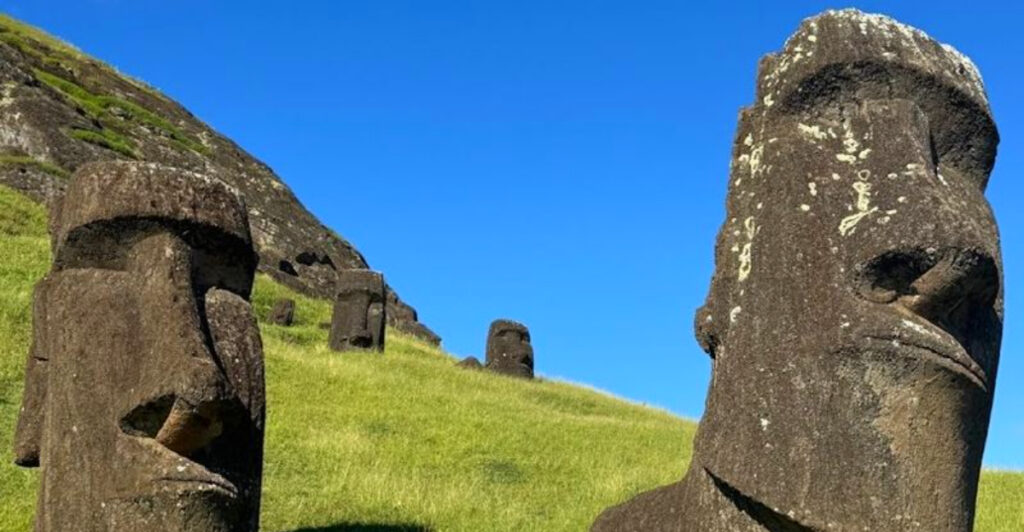
Somewhere in the middle of the Pacific Ocean, roughly 3,500 kilometers from the nearest continent, an isolated island is covered in hundreds of massive stone heads staring silently across the landscape. Easter Island, or Rapa Nui, is one of the most remote inhabited places on Earth, and its moai statues are among the most recognizable and mysterious structures in human history.
The Rapa Nui people carved and transported these colossal figures between roughly 1250 and 1500 CE.
There are 1,000 moai on the island, carved from compressed volcanic ash at a quarry called Rano Raraku. The tallest standing moai reaches nearly 10 meters and weighs around 75 tons.
How a relatively small island population moved these giants across rugged terrain without wheels or large animals remains one of archaeology’s most debated questions. Recent research suggests the statues were walked upright using ropes in a rocking motion.
Most moai originally stood on stone platforms called ahu, facing inland to watch over communities rather than gazing out to sea. Many were later toppled during a period of internal conflict on the island.
Restoration projects have re-erected several, including the impressive row of 15 at Ahu Tongariki.
Easter Island is a Chilean territory accessible by flight from Santiago. Visitors can explore multiple sites across the island, including the quarry where hundreds of unfinished moai still lie half-carved in the rock.
Gobekli Tepe Builders — Turkey
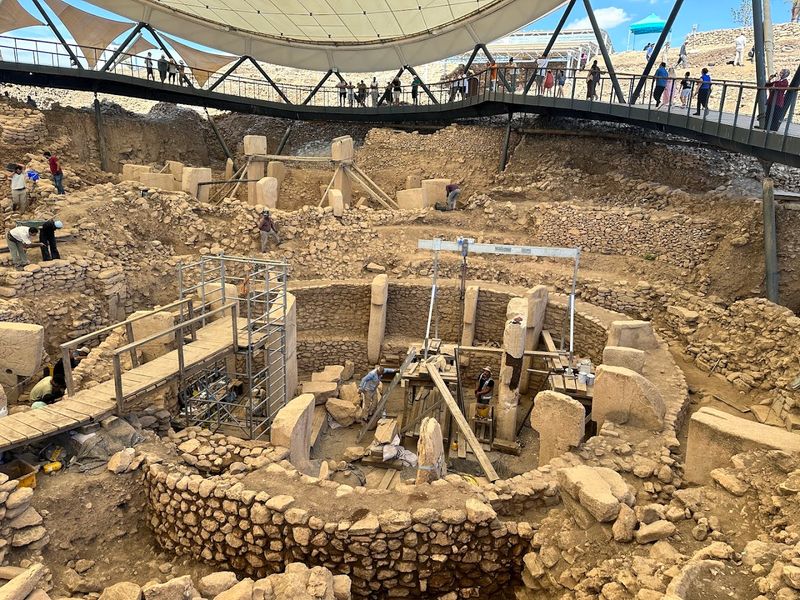
Everything historians thought they knew about early human society got a significant shake-up when Gobekli Tepe was discovered in southeastern Turkey in the 1990s. Dating back more than 11,000 years, this site predates Stonehenge by 6,000 years and the Egyptian pyramids by 7,000 years.
Most astonishing of all, it was built by hunter-gatherers, people who had not yet developed farming or permanent settlements.
The site consists of large circular enclosures filled with massive T-shaped limestone pillars, some standing up to 5.5 meters tall and weighing 10 to 20 tons each. Many pillars are decorated with carved reliefs of animals including foxes, scorpions, vultures, and wild boars.
The level of artistry and organized labor required suggests a far more complex social structure than previously assumed for this period of human history.
Archaeologist Klaus Schmidt, who led excavations at the site until his death in 2014, famously suggested that Gobekli Tepe was a temple built first, and that the need to gather and feed workers for its construction may have actually driven the development of agriculture nearby. That idea flipped the traditional story of civilization completely upside down.
Located near the city of Sanliurfa in Turkey, Gobekli Tepe is open to visitors and covered by a large protective shelter. It became a UNESCO World Heritage Site in 2018 and continues to be actively excavated, with archaeologists believing much of the site remains buried underground.
Share this story