 Unearth The Voyage
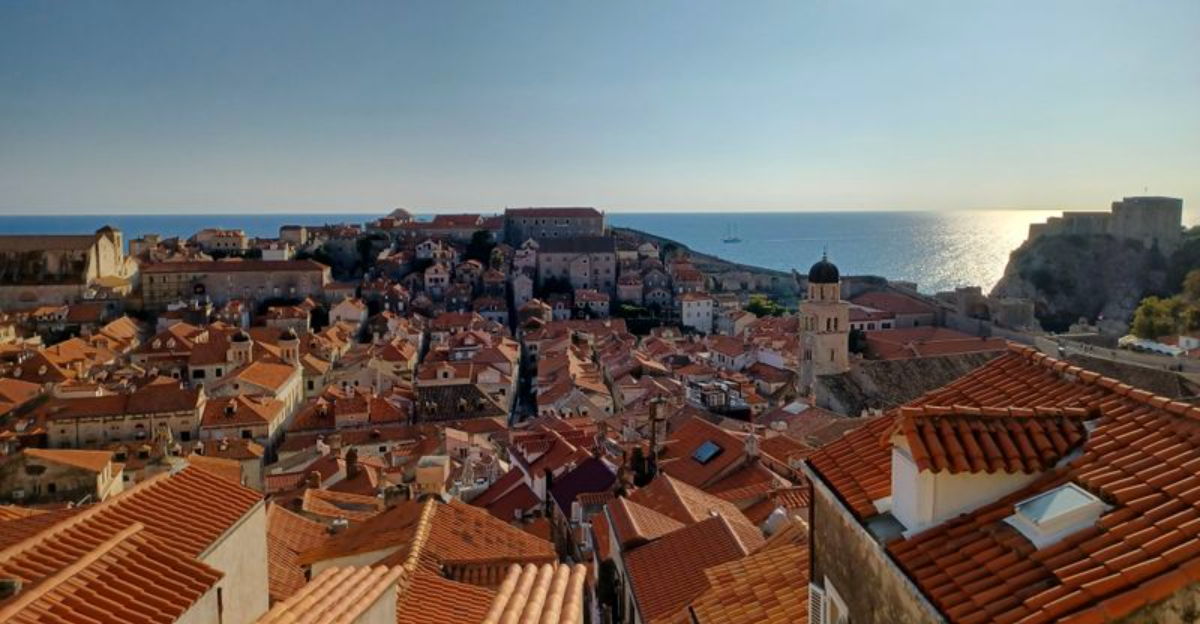
Southeastern Europe holds some of the continent’s most underrated wonders, where ancient history meets stunning natural beauty. The Balkans offer travelers a rich tapestry of medieval fortresses, crystal-clear lakes, and charming coastal towns that rival any European destination.
Whether you crave mountain adventures, seaside relaxation, or cultural exploration, this diverse region delivers unforgettable experiences at every turn.
Plitvice Lakes National Park, Croatia — A Water Wonder
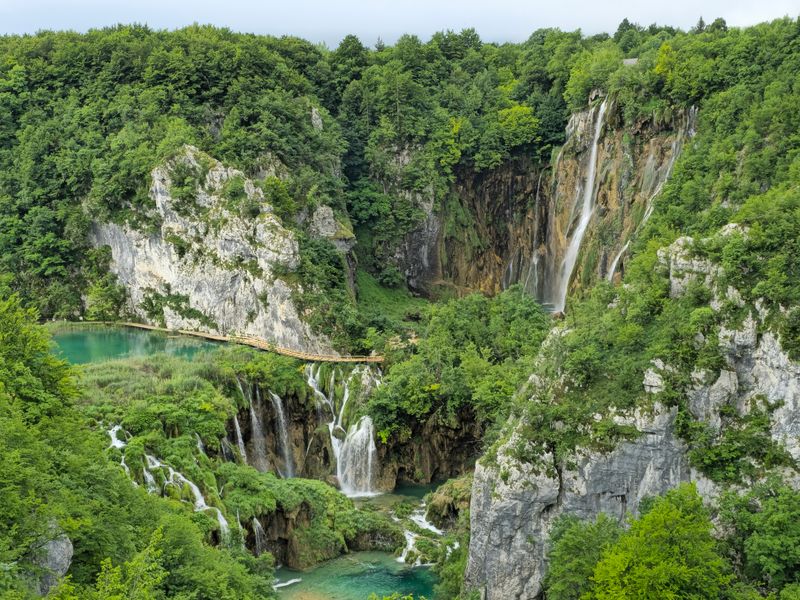
Imagine walking on wooden bridges suspended over crystal-clear turquoise lakes while waterfalls cascade all around you. That’s the magical reality of Plitvice Lakes, one of the Balkans’ most breathtaking natural treasures and a UNESCO World Heritage site.
The park’s beauty unfolds through carefully designed trails and walkways that weave through lush forests and over waters so clear you can see fish swimming below.
Every season transforms this landscape into something new and equally stunning. Spring brings emerald greens and rushing waters, summer offers perfect hiking weather, autumn paints the forest in fiery oranges and reds, and winter creates icy panoramas that look like frozen fairytales.
The park consists of sixteen terraced lakes connected by waterfalls, with colors ranging from azure to green to grey depending on mineral content and sunlight.
Trails range from easy two-hour walks to full-day adventures, making it accessible for all fitness levels. Electric boats ferry visitors across the largest lake, adding a peaceful element to the journey.
The serene paths invite travelers to slow down and enjoy nature’s rhythm, discovering why Plitvice consistently ranks among Europe’s most stunning national parks.
Kotor Bay & Old Town, Montenegro — Fjord-Like Majesty
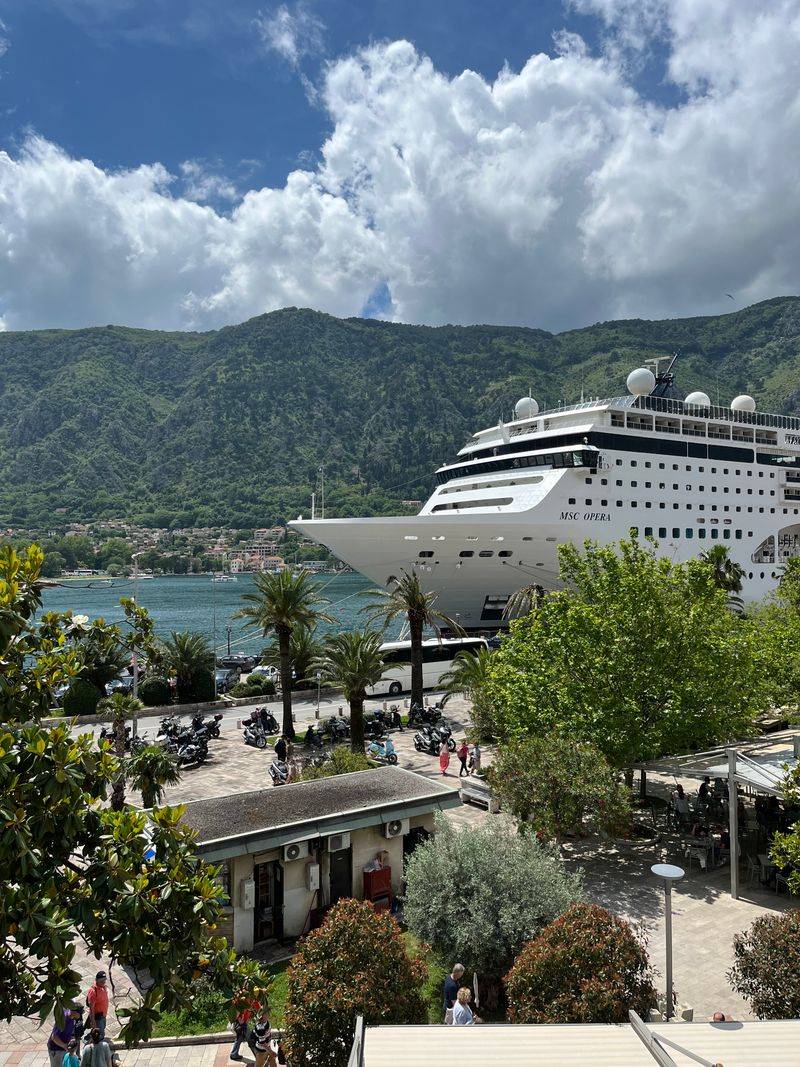
The Bay of Kotor blends dramatic coastal scenery with medieval heritage in a fjord-like landscape unlike anywhere else in the region. Steep mountains plunge directly into the deep blue bay, creating a dramatic backdrop for the fortified town of Kotor below.
This UNESCO World Heritage site enchants visitors with its labyrinth of winding alleyways, sun-drenched piazzas, and the impressive 12th-century St. Tryphon Cathedral.
Adventurous travelers can hike up to St. John’s Fortress, climbing 1,350 steps for mesmerizing views over the entire bay. The effort pays off with panoramic vistas that photographers dream about.
Boat trips from Kotor take visitors to nearby Perast, a charming baroque town, and the tiny island of Our Lady of the Rocks with its distinctive church.
The Old Town’s city walls snake up the mountainside in a zigzag pattern that’s especially photogenic at sunset. Cats roam freely throughout Kotor, considered good luck by locals, and you’ll find cat-themed souvenirs in many shops.
Waterfront restaurants serve fresh seafood and local wines while you watch cruise ships glide into the bay. The combination of coastal charm, historic fortifications, and mountain drama makes Kotor a quintessential Balkan treasure worth several days of exploration.
Lake Ohrid — North Macedonia’s Ancient Jewel
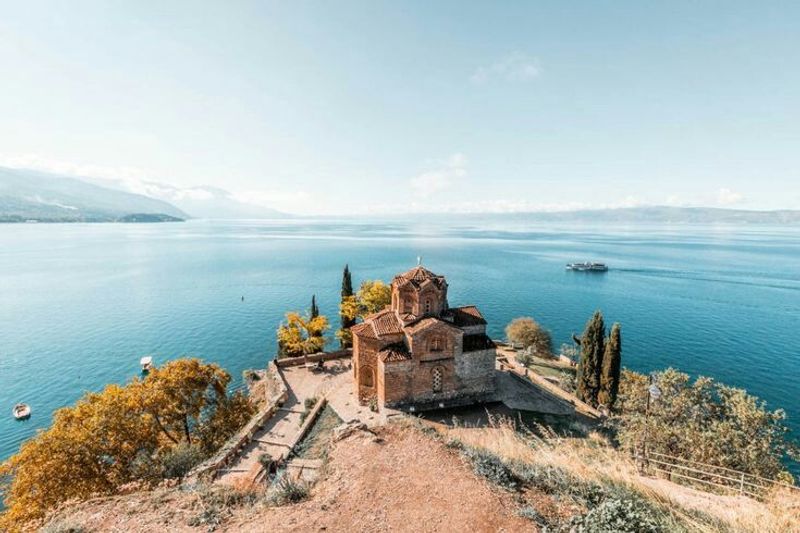
Straddling the border between North Macedonia and Albania, Lake Ohrid is one of Europe’s oldest and deepest lakes, with a history stretching back millions of years. The lake’s crystal-clear waters reflect surrounding mountains and medieval architecture, creating scenes that have inspired poets and painters for centuries.
UNESCO recognizes both the lake’s natural value and the cultural heritage of the lakeside town of Ohrid.
The town itself feels like an open-air museum, with Byzantine churches, ancient amphitheaters, and centuries-old lakeside promenades telling stories of past civilizations. St. John at Kaneo, a small church perched on a cliff above the water, offers one of the Balkans’ most photographed views.
The Church of St. Sophia contains remarkable frescoes dating back to the 11th century.
Beyond history, Lake Ohrid offers swimming, boating, and beach relaxation during warm months. The water stays remarkably clean due to underground springs feeding the lake.
Local restaurants serve Ohrid trout, a species found nowhere else on Earth. The region’s blend of Orthodox heritage and serene landscapes creates a peaceful yet deeply atmospheric travel experience.
Whether you’re a history buff, nature lover, or simply seeking tranquility, Lake Ohrid delivers an experience cherished by all who visit.
Dubrovnik, Croatia — The Pearl of the Adriatic
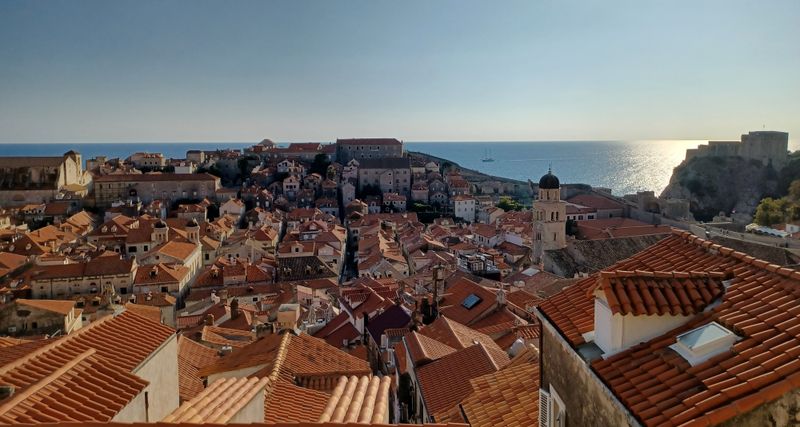
Perched dramatically on the Adriatic Sea, Dubrovnik’s ancient city walls create one of Europe’s most striking historical backdrops. This UNESCO World Heritage site features limestone streets winding through a compact Old Town filled with palaces, churches, and plazas that seem frozen in time.
The fortified walls themselves offer an unforgettable walk with panoramic views of the coastline and distant island specks dotting the horizon.
The marine-blue water creates a vivid contrast against the terracotta roofs, making every photo look like a postcard. Beyond its architectural splendor, Dubrovnik pulses with life through cultural festivals, seaside promenades, and restaurants serving fresh seafood caught daily.
Visitors can explore the historic Rector’s Palace, walk the polished marble of Stradun street, or ride the cable car to Mount Srđ for sunset views.
Game of Thrones fans will recognize many filming locations throughout the city. The mix of medieval charm and modern amenities keeps travelers enthralled long after their scenic rampart walk.
Whether you’re interested in history, photography, or simply soaking in Mediterranean beauty, Dubrovnik delivers an experience that justifies its nickname as the Pearl of the Adriatic.
Mostar — Icon of Resilience, Bosnia & Herzegovina
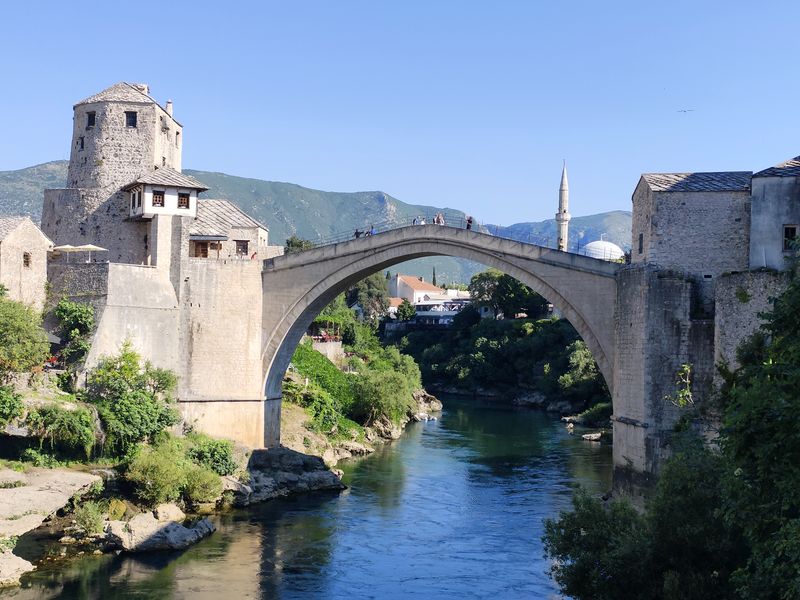
Mostar’s Stari Most, or Old Bridge, stands as a powerful symbol of unity and rebirth. Originally built in the 16th century by the Ottomans, this graceful single-arch bridge was destroyed during the 1990s conflict and painstakingly rebuilt using traditional methods.
Today, this UNESCO-listed landmark once again spans the emerald Neretva River, connecting communities and cultures.
Brave local divers leap from the bridge into the cold river below, a tradition that draws crowds during summer months. The Old Town surrounding the bridge features cobbled streets lined with workshops, bazaars, and cafés built on stone steps leading down to the water.
You can watch coppersmiths crafting traditional items using centuries-old techniques or sample Bosnian coffee served in distinctive copper pots.
The Koski Mehmed Pasha Mosque offers stunning views of the bridge and town from its minaret. Mostar’s beauty lies not just in its scenery but in how history and culture intertwine along its ancient streets and flowing waters.
The city represents resilience, showing how communities can rebuild and reconnect after devastating loss. Markets sell handmade carpets, jewelry, and textiles that make meaningful souvenirs.
Visiting Mostar means witnessing both the scars of recent history and the hope of renewal.
Sarajevo — A City Where East Meets West
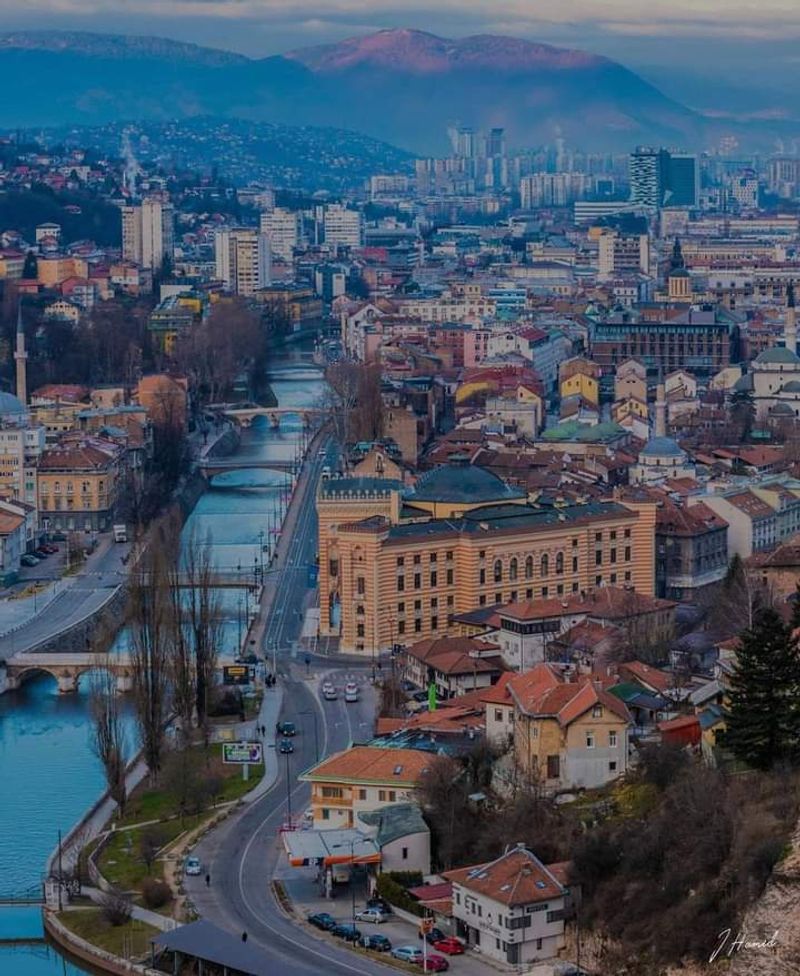
Walking through Sarajevo feels like traveling through different eras and cultures within a few city blocks. The historic core reflects a unique blend of Ottoman, Austro-Hungarian, and modern European influences that you won’t find anywhere else.
Mosques, Orthodox churches, Catholic cathedrals, and synagogues sit in close proximity, embodying centuries of coexistence that earned Sarajevo the nickname “Jerusalem of Europe.”
The bustling Baščaršija bazaar transports visitors back to Ottoman times with its copper craftsmen, traditional coffee houses, and the scent of ćevapi grilling over charcoal. The Latin Bridge marks the spot where Archduke Franz Ferdinand’s assassination sparked World War I, a moment that changed global history.
Museums throughout the city tell stories of both ancient heritage and recent struggles, including the moving Tunnel Museum.
Street cafés fill with locals enjoying Bosnian coffee, a ritual that involves conversation as much as caffeine. The surrounding mountains hosted the 1984 Winter Olympics, and you can still visit some of the venues, now weathered but historically significant.
Sarajevo’s artisan shops sell everything from traditional copperware to contemporary art. The city stands as a vibrant cultural crossroads where the call to prayer mingles with church bells, creating a soundtrack unique to this resilient capital.
Berat — Albania’s City of a Thousand Windows
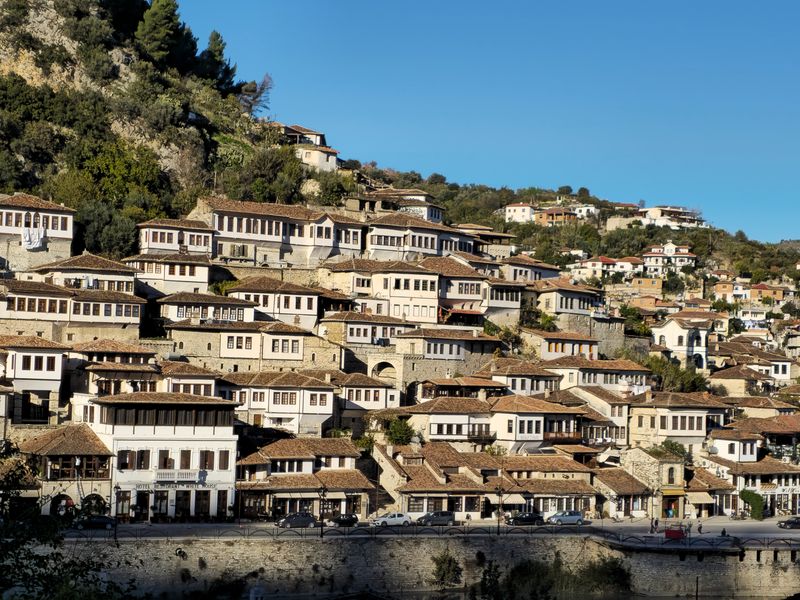
In central Albania, Berat enchants visitors with its distinctive whitewashed hillside houses and Ottoman-era architecture cascading toward the Osum River. The nickname “City of a Thousand Windows” comes from the numerous large windows adorning the traditional houses stacked up the hillside.
This UNESCO World Heritage site offers timeless charm and picturesque views that photographers adore.
Berat Castle crowns the hilltop, but unlike most fortresses, people still live within its ancient walls. Centuries-old churches and dwellings exist inside the fortress, creating a living museum of Byzantine and Ottoman pasts.
The Onufri Museum, housed in a former church, displays stunning religious icons painted by the master artist Onufri.
The Mangalem and Gorica quarters sit on opposite sides of the river, connected by an elegant stone bridge. Cobblestone lanes lined with cafés and craft shops invite visitors to linger and savor local heritage.
Albanian hospitality shines in Berat, where locals often invite travelers for coffee or raki. Traditional restaurants serve dishes like tavë kosi (baked lamb with yogurt) and fresh river trout.
The evening light transforms the white houses into a golden cascade, making sunset the perfect time to photograph this architectural wonder. Berat proves that Albania holds treasures equal to its more famous Balkan neighbors.
Hvar Island — Adriatic Sun & History, Croatia
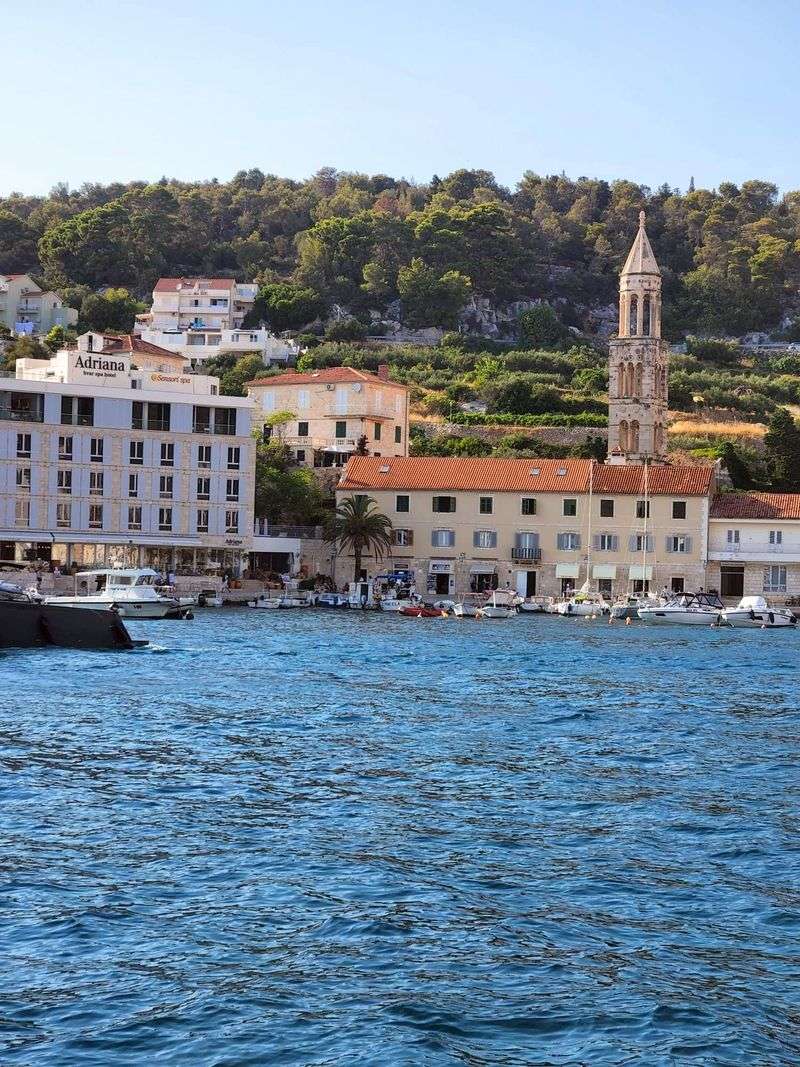
Hvar claims the title of Croatia’s sunniest island, averaging over 2,700 hours of sunshine annually. This Croatian gem combines sunny climate, historic harbor charm, and lavender-scented fields into one irresistible package.
The main town’s Venetian fortress offers panoramic views over a deep blue sea dotted with the Pakleni Islands, while the elegant main square buzzes with cafés and cultural life.
Beyond beaches and nightlife, Hvar’s rich past reveals itself in old churches, Renaissance palaces, and stone streets that hint at centuries of maritime heritage. The island prospered through Adriatic trade routes, and that wealth built the impressive architecture still standing today.
St. Stephen’s Cathedral dominates the main square with its distinctive bell tower.
Lavender fields bloom purple across the island’s interior during early summer, filling the air with fragrance. Local producers make lavender oil, honey, and soaps sold in town shops.
The Pakleni Islands, just offshore, offer secluded beaches and crystal-clear swimming spots reached by water taxi. Restaurants serve fresh seafood paired with local wines from vineyards that have produced grapes for over 2,400 years.
Whether you seek history, nature, beaches, or vibrant social scenes, Hvar delivers all of it bathed in abundant Mediterranean sunshine that keeps visitors coming back year after year.
Plovdiv — Bulgaria’s Cultural Capital
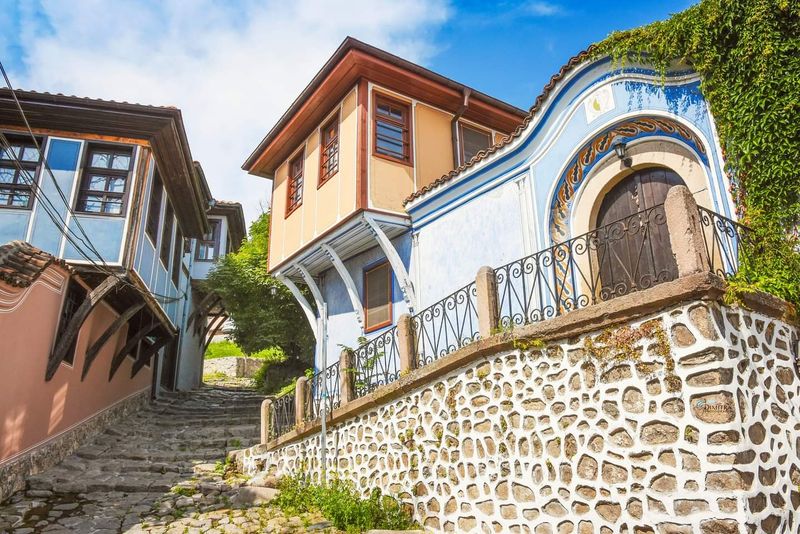
Plovdiv ranks among Europe’s oldest continuously inhabited cities, with archaeological evidence of settlement dating back 8,000 years. This Bulgarian cultural capital creates a living tapestry where Roman amphitheaters, medieval streets, and colorful Old Town houses from the Bulgarian National Revival period coexist beautifully.
Walking through Plovdiv feels like flipping through a history book where every era left its mark.
The restored Roman theater, built in the 1st century AD, still hosts performances with the city skyline as a backdrop. The Ancient Stadium lies partially excavated beneath the main pedestrian street, revealing the city’s layers of history.
The Old Town’s cobbled streets wind past houses painted in vibrant blues, yellows, and oranges, many now converted into galleries, museums, and bohemian cafés.
Nebet Tepe, one of Plovdiv’s original hills, offers panoramic city views and ancient fortification ruins. The city’s distinct neighborhoods each tell different stories, from the artistic Kapana district to the elegant main boulevard.
Named a European Capital of Culture in 2019, Plovdiv has embraced its heritage while fostering contemporary arts. The blend of Roman ruins, Ottoman mosques, and Bulgarian Revival architecture makes this city a cultural highlight of the Balkans that deserves more recognition among international travelers.
Brașov & Transylvania — Romania’s Gothic Heartland
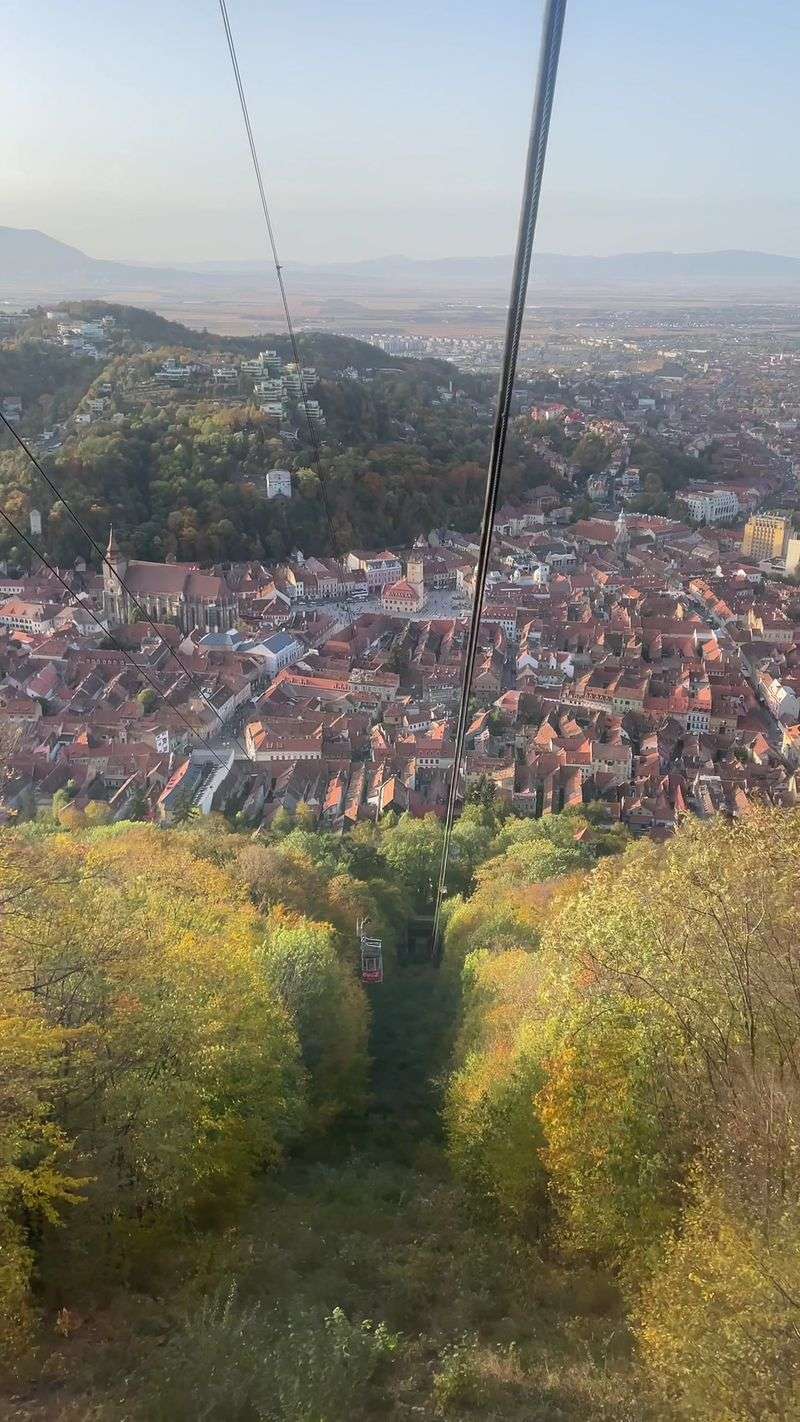
Nestled in the Carpathian Mountains, Brașov embodies Transylvanian history and Gothic charm with its medieval squares, fortified churches, and mountain backdrop. The Black Church, named after fire damage from a 17th-century blaze, stands as one of Eastern Europe’s most important Gothic monuments.
Its massive pipe organ and collection of Anatolian carpets make it worth extended exploration.
The Council Square forms the heart of Brașov, surrounded by colorful baroque buildings and cafés perfect for people-watching. Mount Tâmpa rises behind the city, accessible by cable car or hiking trail, with the Hollywood-style Brașov sign visible from town.
Nearby, Bran Castle perches atop forested ridges, legendary for its ties to Dracula lore despite Vlad the Impaler’s tenuous connection to the site.
The broader Transylvania region offers fortified Saxon churches, fairytale forests, and mountain trails that appeal to both history enthusiasts and outdoor explorers. Peleș Castle, one of Europe’s most stunning royal residences, sits just an hour away in Sinaia.
Traditional Romanian villages dot the countryside, where time seems to move slower and horse-drawn carts still share roads with cars. Brașov serves as the perfect base for exploring Transylvania’s mysterious beauty, medieval heritage, and natural wonders that inspired countless legends and stories.
Sofia — Bulgaria’s Historic Capital
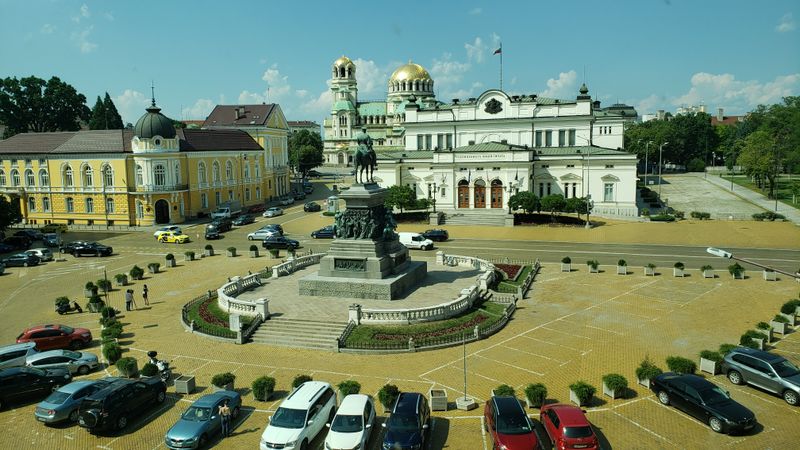
Sofia blends Roman ruins, Byzantine cathedrals, and Ottoman mosques amidst lively boulevards and lush parks, creating a capital city rich with layers of history. The golden-domed Alexander Nevsky Cathedral dominates the skyline, one of the world’s largest Eastern Orthodox cathedrals and a symbol of Bulgarian identity.
Inside, glittering mosaics and religious art create an atmosphere of reverence and beauty.
Ancient Serdica ruins sit exposed in the city center, where modern Sofia literally built around Roman remains rather than covering them. You can view 2,000-year-old streets through glass panels in metro stations.
The St. Sofia Church, dating to the 6th century, gave the city its name and represents some of the oldest Christian architecture in the region.
Vitosha Boulevard offers pedestrian shopping and dining, while Vitosha Mountain rises just outside the city, providing hiking in summer and skiing in winter. The covered market hall sells everything from fresh produce to traditional crafts.
Museums showcase Thracian gold, Socialist-era history, and contemporary Bulgarian art. Parks and gardens throughout Sofia provide green spaces where locals relax, play chess, and socialize.
The city’s affordable prices, combined with its historical richness and mountain backdrop, make Sofia an underrated European capital that rewards curious travelers with authentic experiences.
Kotor Fjord Coast — Montenegro’s Dramatic Coastline
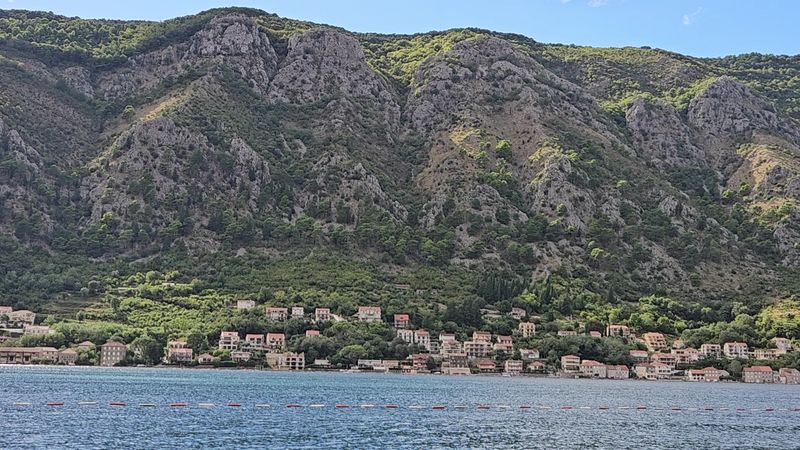
The entire Kotor Bay region extends beyond the famous town, offering fjord-like waters and hilltop settlements that create natural and cultural wonders at every turn. This serpentine bay, surrounded by limestone mountains plunging into the Adriatic, ranks among Europe’s most dramatic coastal landscapes.
The entire coastline deserves exploration, not just the main town of Kotor.
Perast, a baroque jewel of a town, features Venetian palaces and two picturesque islands just offshore. Our Lady of the Rocks, an artificial island with a distinctive church, holds fascinating legends about sailors creating the island stone by stone.
Risan, the bay’s oldest settlement, contains rare Roman mosaics depicting the god Hypnos.
The coastal road winds along the water’s edge, offering spectacular views around every curve. Small villages dot the shoreline, each with waterfront restaurants serving fresh fish and local wines.
The mountains provide hiking opportunities with rewarding views over the entire bay system. Ferry crossings at the bay’s narrowest point save driving time and offer unique perspectives from the water.
Coastal Montenegro combines Italian elegance, Slavic culture, and Mediterranean climate into something uniquely its own. The fjord-like geography creates microclimates and protected waters that have attracted sailors and settlers for millennia, making this coastline a masterpiece of nature and human history intertwined.
Skopje — North Macedonia’s Kaleidoscope Capital
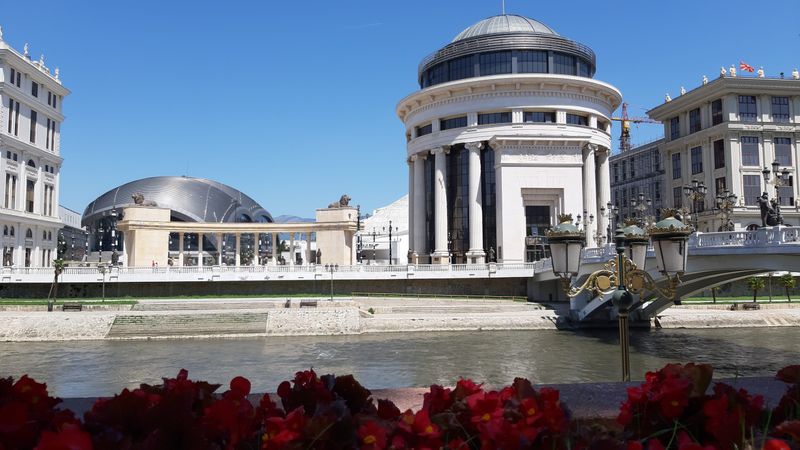
Skopje presents one of the Balkans’ most unusual cityscapes, mixing Ottoman bazaars with controversial modern monuments and fortress ruins within a compact area. The Old Bazaar, one of the largest Ottoman markets outside Turkey, buzzes with craftsmen, tea houses, and centuries-old mosques.
Narrow lanes reveal workshops where artisans practice traditional crafts passed down through generations.
Skopje Kale Fortress crowns a hill above the city, offering panoramic views and a peaceful escape from urban energy below. The fortress walls, dating back to the 6th century, have witnessed empires rise and fall.
The Stone Bridge connects the bazaar with the modern city center, where a controversial urban renewal project added dozens of neoclassical-style statues and buildings.
Mother Teresa, the Nobel Peace Prize winner, was born in Skopje, and her memorial house honors her legacy. The Millennium Cross atop Mount Vodno, visible from throughout the city, can be reached by cable car for sunset views.
Macedonian cuisine shines in traditional restaurants serving tavče gravče (baked beans), ajvar (pepper spread), and shopska salad. The city’s layered identity reflects its position at cultural crossroads, where East meets West in sometimes jarring but always interesting ways.
Skopje won’t appeal to everyone, but those seeking something different from typical European capitals will find it endlessly fascinating.
Novi Sad & Petrovaradin — Serbia’s Artistic Hub
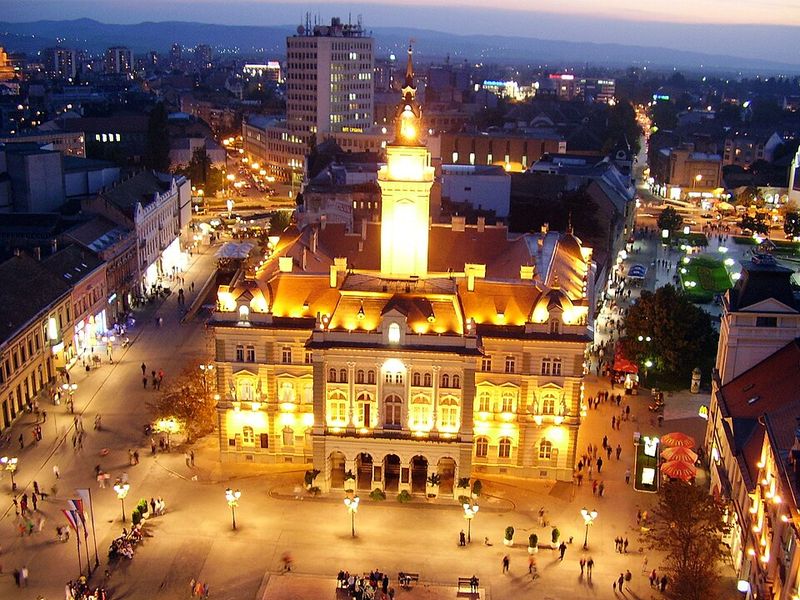
Novi Sad, Serbia’s second city, pulses with youthful energy, artistic creativity, and riverside charm along the Danube. The city earned the title of European Capital of Culture for 2022, reflecting its vibrant arts scene, music festivals, and cultural institutions.
Pedestrian streets in the city center feature Austro-Hungarian architecture, outdoor cafés, and galleries showcasing contemporary Serbian art.
Across the Danube, the massive Petrovaradin Fortress rises above the river, nicknamed the “Gibraltar of the Danube” for its strategic importance and impressive fortifications. Built by the Austrians in the 18th century, the fortress complex contains underground tunnels, museums, and artist studios.
The clock tower features a unique reversed clock face where the large hand shows hours and the small hand shows minutes, designed so boatmen on the river could easily read the time.
The fortress hosts EXIT Festival each summer, one of Europe’s largest music festivals, attracting international performers and tens of thousands of visitors. Views from the fortress walls span the Danube and Novi Sad’s skyline, especially beautiful during golden hour.
The city’s relaxed atmosphere, combined with cultural offerings and riverside location, makes Novi Sad a refreshing contrast to busier Balkan capitals. Serbian hospitality shines through friendly locals, excellent food, and affordable prices that let travelers enjoy more for less.
Corfu Town — Greek Island Gateway
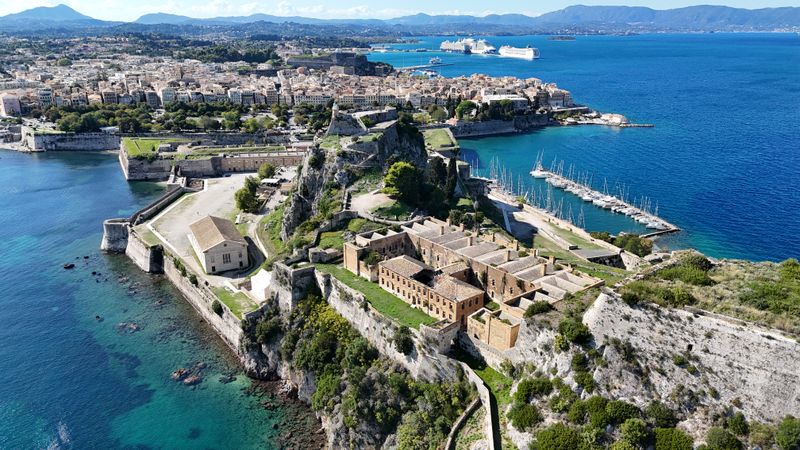
Though Greece sometimes falls outside strict Balkan definitions, Corfu shares cultural and historical ties with the region through centuries of Venetian rule, fortress walls, and seaside architecture. Corfu Town, a UNESCO World Heritage site, enchants with its elegant Italian-influenced buildings, arcaded streets, and twin fortresses guarding the harbor.
The Liston, an arcaded promenade inspired by Paris’s Rue de Rivoli, hosts cafés perfect for watching the world pass by.
The Old Fortress, built by the Venetians on a rocky peninsula, offers commanding views over the town and sea. The New Fortress, despite its name also dating to Venetian times, provides another perspective and houses occasional exhibitions.
Narrow lanes called kantounia wind through the old town, revealing hidden squares, churches, and neighborhood life.
Corfu’s strategic position in the Ionian Sea made it a prize fought over by empires, leaving layers of Greek, Venetian, French, and British influence. The Palace of St. Michael and St. George, built during British rule, now houses an Asian art museum.
Cricket, introduced by the British, is still played on the Esplanade, one of the few places in Greece where the sport survives. Beaches surrounding the island range from pebbled coves to sandy stretches, all lapped by turquoise waters.
Corfu represents a Mediterranean meeting point of cultures.
Zvečan Fortress — Kosovo’s Medieval Sentinel
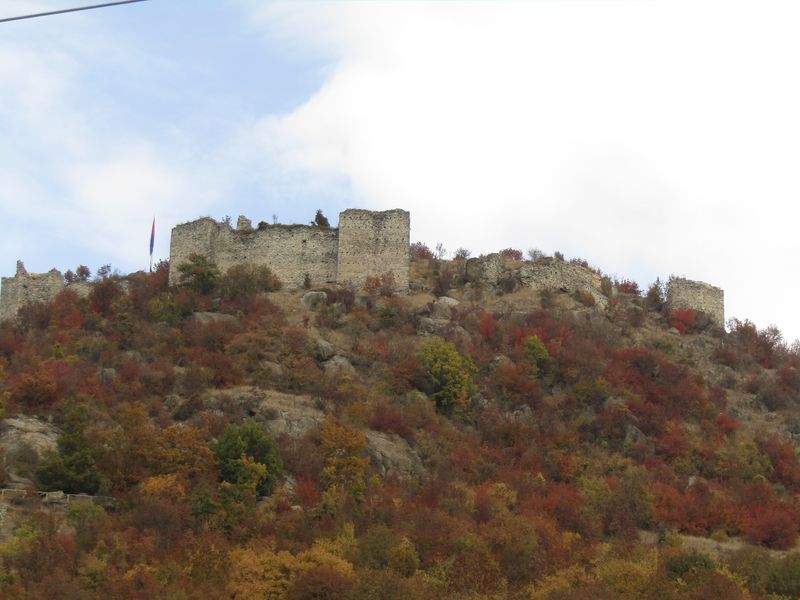
Perched dramatically above the Ibar River valley, Zvečan Fortress stands as one of the Balkans’ oldest and most atmospheric medieval fortifications. Dating back to the 11th century or earlier, these stone ruins offer sweeping views across northern Kosovo and into Serbia beyond.
The fortress represents centuries of strategic importance, changing hands between Serbian, Ottoman, and other powers throughout its long history.
Reaching the fortress requires a steep climb, but the effort rewards visitors with panoramic vistas and a palpable sense of history among the weathered stone walls. The ruins evoke a time when fortress defense meant survival, and hilltop positions provided crucial advantages.
Wildflowers grow between ancient stones in spring, while eagles sometimes circle overhead.
The fortress sits in a region with complex modern politics, so visitors should stay informed about current conditions before traveling. However, for history enthusiasts willing to venture off the beaten path, Zvečan offers authentic medieval atmosphere without tourist crowds.
The surrounding landscape of river valleys and rolling hills adds natural beauty to historical significance. Local guides can share stories of battles, sieges, and the fortress’s role in regional history.
Zvečan reminds us that the Balkans contain countless historical sites beyond the famous destinations, waiting for curious travelers to discover their stories and commanding views.
Krka National Park — Croatia’s Waterfall Wonderland
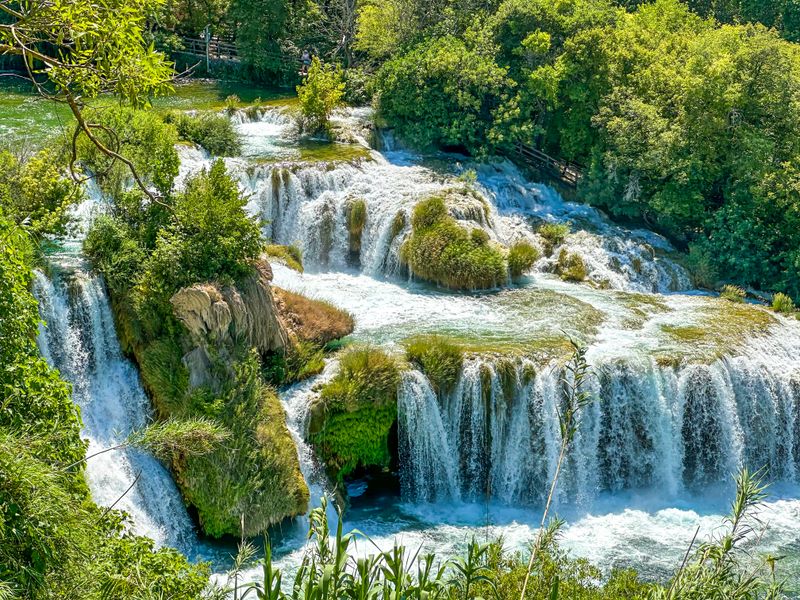
Krka National Park showcases nature’s artistry through cascading waterfalls and walks through emerald-green canyons along the Krka River. While less famous than Plitvice, Krka offers its own spectacular beauty with the advantage of allowing swimming near certain waterfalls during summer months.
Skradinski Buk, the park’s most famous cascade, features seventeen steps of travertine barriers creating a thundering waterfall spectacle.
Wooden walkways and bridges lead visitors through the park, offering close encounters with rushing water and lush vegetation. The walkways wind around and even behind some falls, providing unique perspectives and photo opportunities.
Visovac Island, accessible by boat, holds a 15th-century Franciscan monastery surrounded by serene lake waters.
The park’s upper section features Roški Slap, another impressive waterfall with old mills that once harnessed water power for grinding grain. These restored mills demonstrate traditional technology and add cultural context to natural beauty.
Swimming areas near Skradinski Buk let visitors cool off in refreshing river water, though this privilege depends on seasonal regulations. The park supports diverse wildlife including fish species and numerous birds.
Krka creates a nature-centric Balkan experience perfect for families, photographers, and anyone seeking peaceful time surrounded by water’s endless movement and sound. Less crowded than Croatia’s most famous park, Krka offers a more relaxed atmosphere for enjoying waterfall wonders.
Rila Monastery — Bulgaria’s Spiritual Retreat
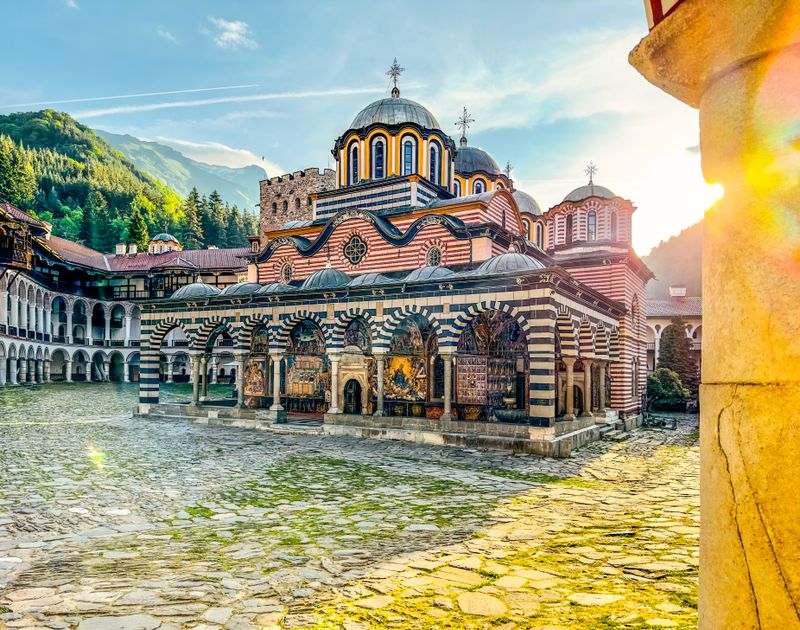
Hidden in the Rila Mountains at an elevation of 3,700 feet, Rila Monastery dazzles visitors with colorful frescoes, striped arches, and stone courtyards that create a spiritual and artistic masterpiece. Founded in the 10th century by St. Ivan of Rila, this UNESCO World Heritage site represents Bulgarian culture, faith, and resilience through centuries of foreign rule.
The monastery preserved Bulgarian language and traditions during Ottoman times, making it a symbol of national identity.
The monastery church features vibrant exterior frescoes depicting biblical scenes, saints, and even hellish punishments in vivid detail. Inside, more frescoes and an ornate iconostasis showcase Bulgarian religious art at its finest.
The monastery museum displays ancient manuscripts, liturgical items, and Rafail’s Cross, an incredibly detailed wooden cross carved with tiny biblical scenes.
Mountains surround the monastery complex, offering hiking trails through pristine forests and alpine meadows. The Rila Seven Lakes, a group of glacial lakes, lie higher in the mountains and can be reached by chairlift and hiking.
The peaceful courtyard, with its distinctive black-and-white striped arches, provides space for reflection away from modern life’s rush. Monks still live and worship here, maintaining centuries-old traditions.
The mountain backdrop and spiritual atmosphere make Rila Monastery a peaceful highlight of Balkan travel, where natural beauty and human devotion create something transcendent.



