 Unearth The Voyage
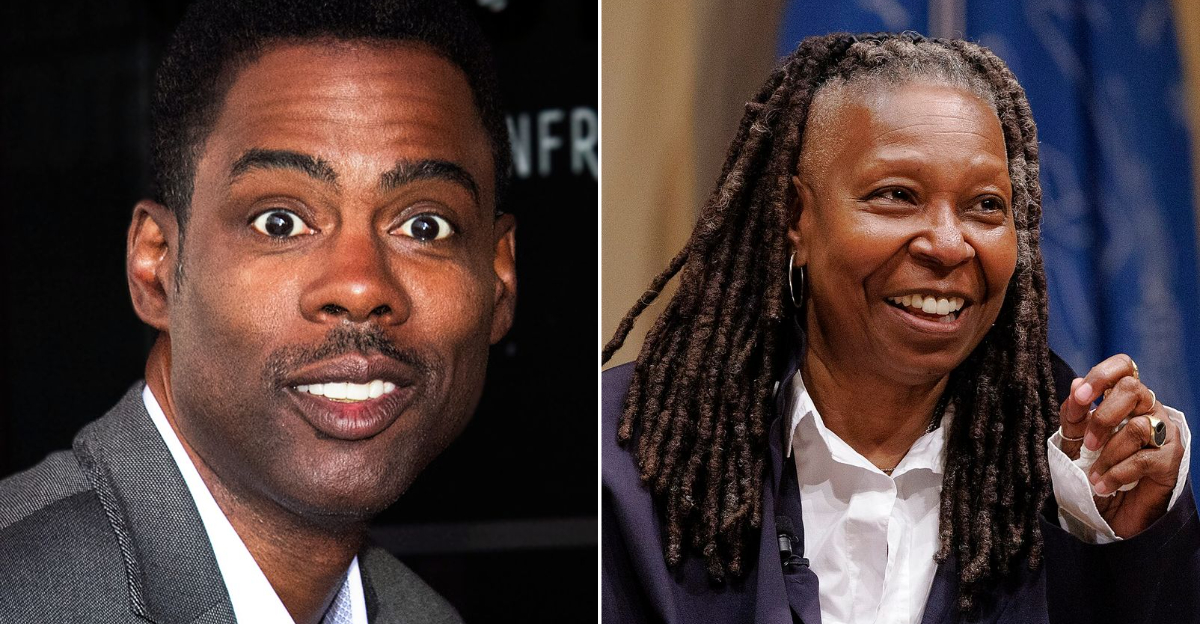
Comedy has always been a mirror to society, and nobody held that mirror steadier than Black comedians who transformed laughter into a powerful tool for change. From the Apollo stage to sold-out stadiums, these trailblazers didn’t just tell jokes.
They rewrote the rules, challenged the status quo, and made us think while we laughed until our sides hurt. Here are twenty comedians who didn’t just perform comedy but elevated it to an art form that changed entertainment forever.
Moms Mabley – Sharp truth in a house dress
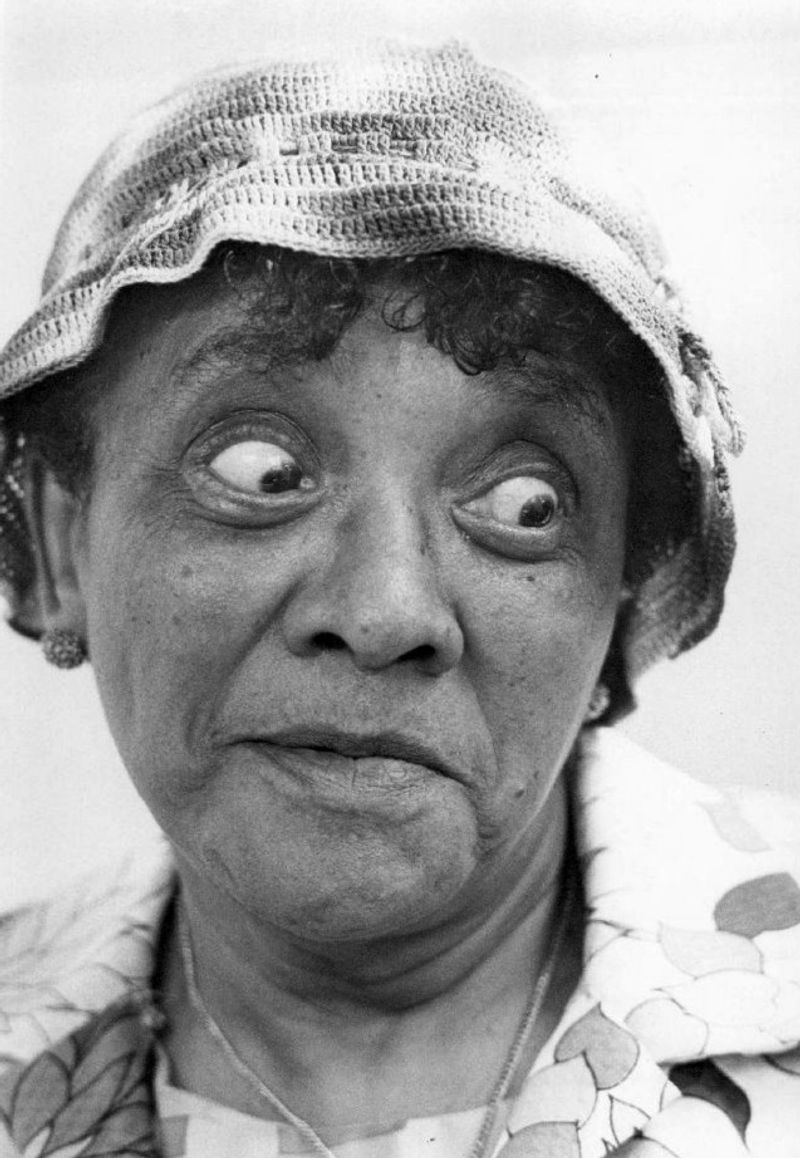
Start here, because the foundation matters. Moms Mabley was among the first women to headline the Apollo as a solo comic, using a gentle persona to fire off fearless social commentary.
She wore house dresses and missing-tooth grins like armor, disarming audiences before landing punches that left marks.
Born in 1894, she spent decades perfecting a character that let her say things other performers couldn’t touch. White audiences laughed at the funny old lady.
Black audiences heard every coded message about race, gender, and power hidden in plain sight.
Her act was deceptively simple. She’d shuffle onstage, complain about old men, then casually dismantle segregation with a punchline.
The contrast between her appearance and her razor-sharp material created space for truth-telling that felt revolutionary without ever seeming threatening.
Mabley recorded over twenty albums and influenced everyone from Whoopi to Wanda. She proved you didn’t need to shout to be heard.
Sometimes the most dangerous comedy comes wrapped in a smile and delivered by someone the establishment underestimated. That’s genius-level strategy dressed as folksy charm.
Flip Wilson – Hello, Geraldine
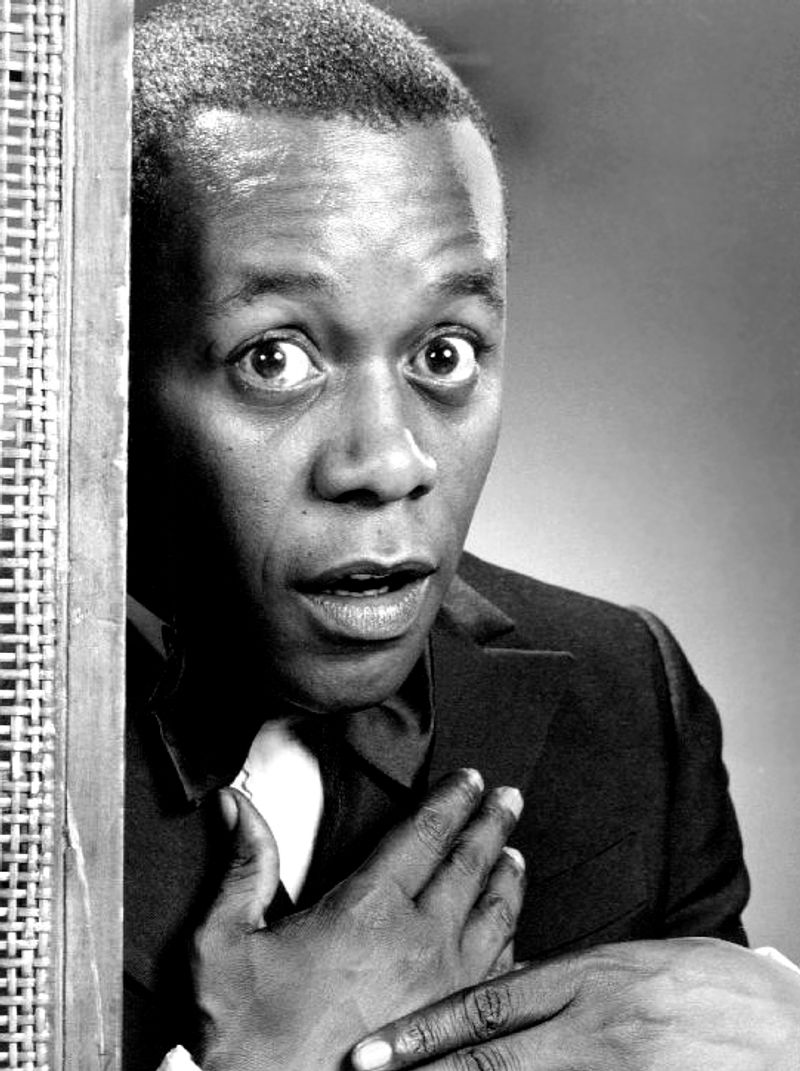
Prime time cracked its door and Flip kicked it open. The Flip Wilson Show became one of TV’s first ratings beasts led by a Black host, reshaping what network variety could be.
From 1970 to 1974, Thursday nights belonged to Flip, and America tuned in by the millions.
His character Geraldine became a cultural phenomenon. The sassy, independent woman with her catchphrase “The devil made me do it” wasn’t just funny.
She was subversive, flipping gender norms and racial stereotypes simultaneously while network executives counted their advertising dollars.
Wilson’s genius lay in making boundary-pushing comedy feel safe enough for living rooms across America. He brought on musical guests like The Jackson 5 and Aretha Franklin, creating a platform that celebrated Black excellence without apology.
His show won two Emmys and a Golden Globe.
Before Flip, variety shows were white territory with occasional Black guests. After Flip, the blueprint changed.
He proved a Black entertainer could own prime time, command top ratings, and do it with style that never compromised. That door he kicked open never fully closed again.
Dick Gregory – Civil rights with a mic
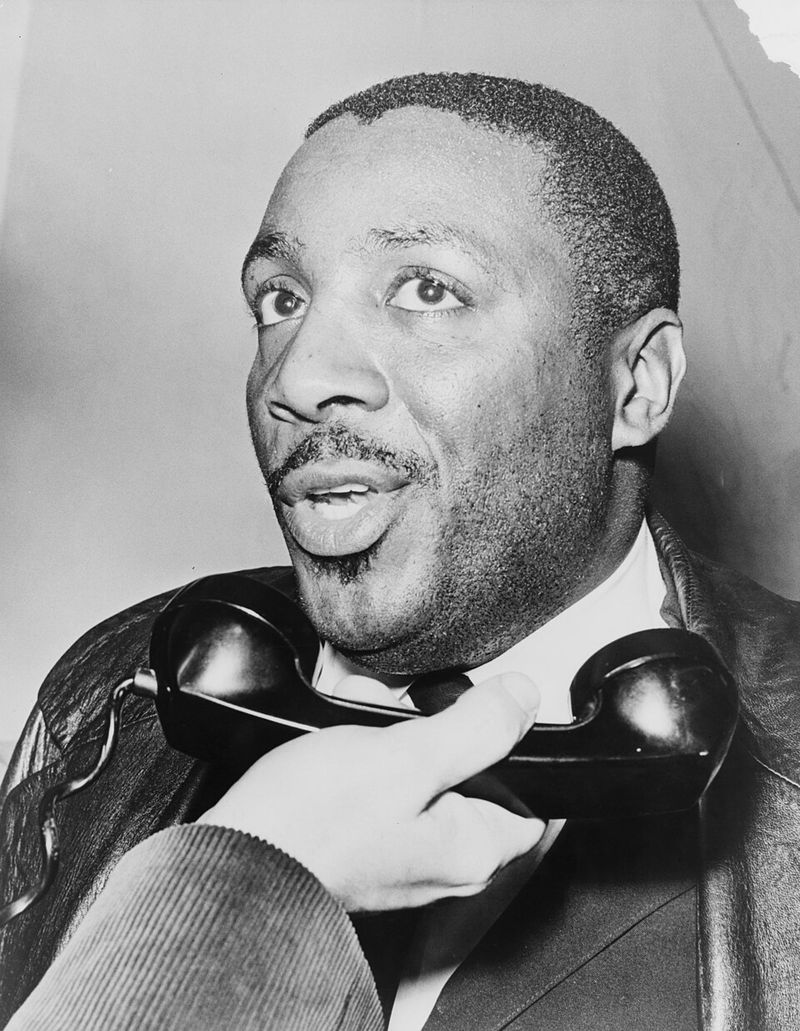
Gregory didn’t warm the room. He wired it with ideas.
He took razor satire into white clubs in the early 1960s and turned stand-up into activism in real time. His comedy wasn’t escapism but a wake-up call delivered with precision timing.
In 1961, he became the first Black comedian to successfully cross over to white audiences at the Playboy Club in Chicago. His material about segregation, poverty, and injustice made uncomfortable audiences laugh while forcing them to confront their complicity.
That’s not easy work.
Gregory walked away from a lucrative comedy career to focus on civil rights activism, running for president in 1968 and spending decades fighting for social justice. His comedy albums became historical documents, capturing the rage and hope of a movement through punchlines that cut deep.
He proved comedy could be a weapon against oppression. Every comedian who uses their platform to challenge power owes Gregory a debt.
He showed that making people laugh and making them think weren’t opposing goals but complementary ones. The mic became his megaphone for change.
Redd Foxx – Party records, major influence
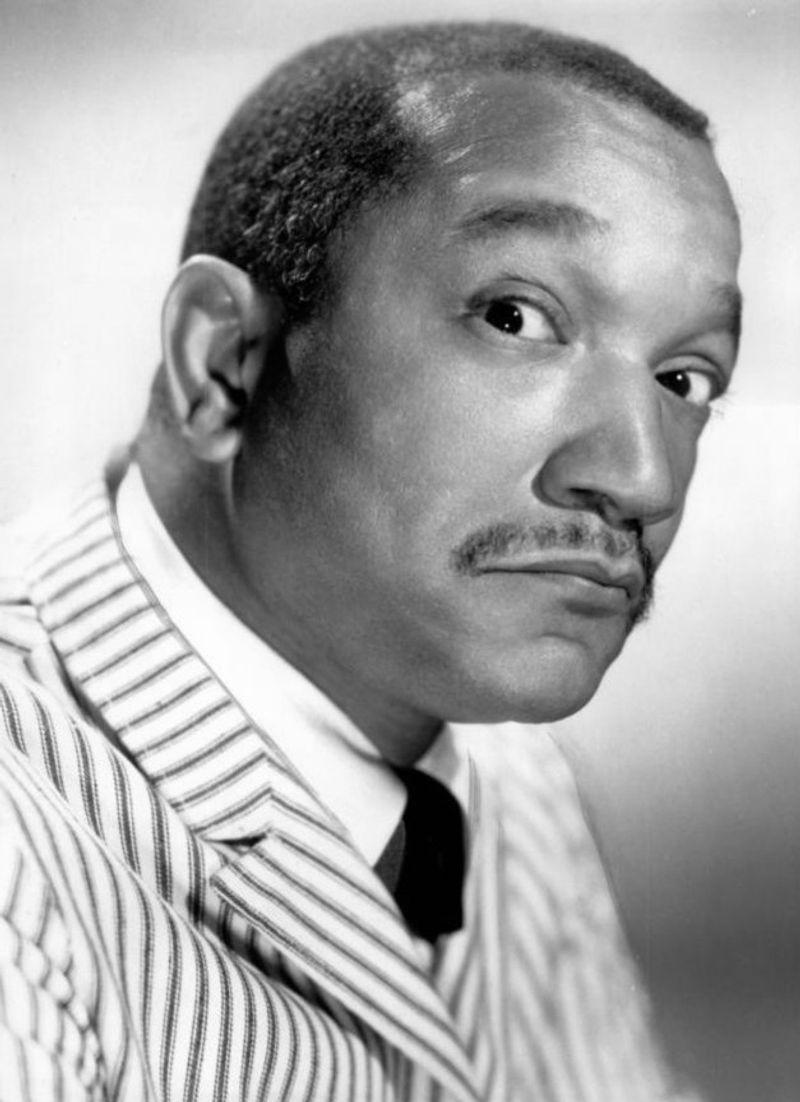
Before TV stardom, Redd sold blue comedy on vinyl like hotcakes, then became a household name with Sanford and Son. The swagger influenced generations.
His party records were legendary, raunchy, and sold over twenty million copies before most Americans knew his face.
Foxx worked the chitlin circuit for decades, perfecting a raw, adult style that spoke directly to Black audiences who wanted comedy without sanitization. His albums had titles that couldn’t be printed in family newspapers, and they flew off shelves in record stores that kept them behind the counter.
When Norman Lear cast him as Fred Sanford in 1972, network television got its first taste of Foxx’s genius. The show became a ratings juggernaut, and suddenly America’s living rooms welcomed a cantankerous junk dealer whose one-liners and physical comedy made him an icon.
The fake heart attacks became legendary.
Pryor, Murphy, and Rock all cite Foxx as a major influence. His willingness to push boundaries and his refusal to tone down his Blackness for mainstream acceptance paved roads others would travel.
Comedy lost a titan when he died in 1991, but his impact remains permanent.
Richard Pryor – The thermostat, not the thermometer
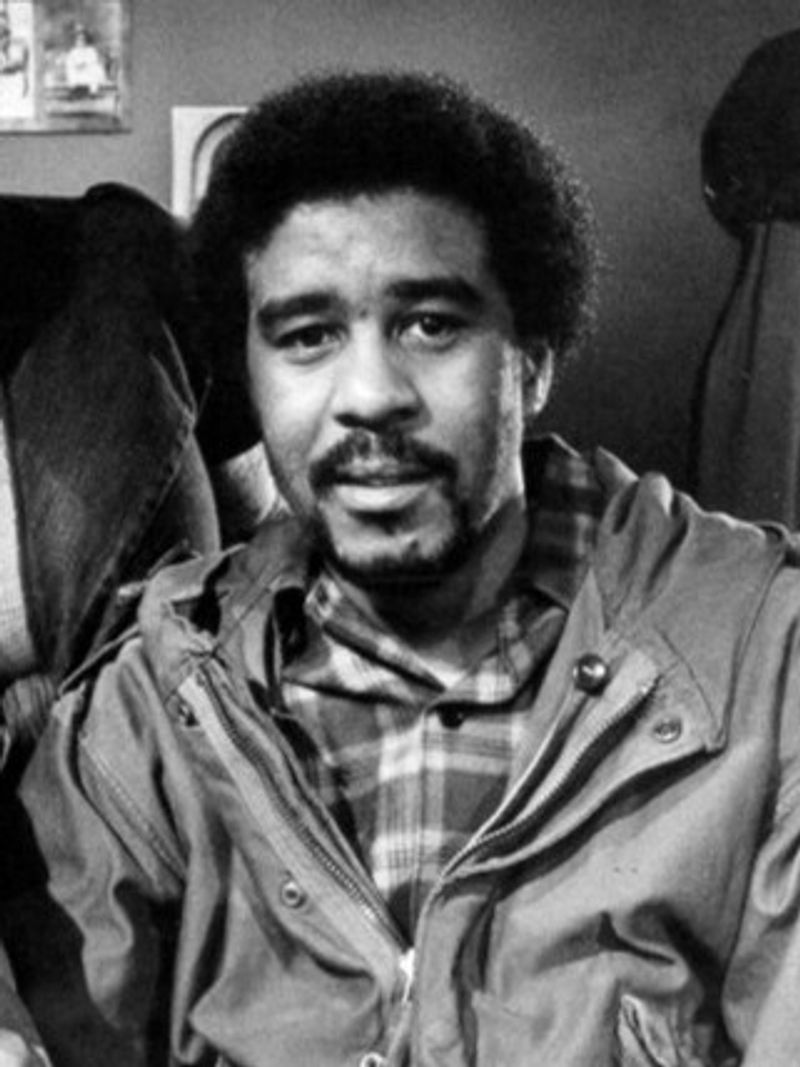
Pryor didn’t measure the room. He set the temperature.
Brutally honest, character-rich, and groundbreaking, he won a pile of Grammys while redefining stand-up’s voice. He transformed personal pain into universal truth, making audiences laugh at darkness they’d never confronted before.
His 1970s concert films remain masterclasses in comedic storytelling. Pryor inhabited characters with such precision that you forgot you were watching one man.
The wino, the preacher, the junkie, each voice distinct and fully realized. His physical comedy matched his verbal genius, every gesture purposeful.
He talked about race, addiction, relationships, and his own demons with a fearlessness that felt dangerous and necessary. When he set himself on fire freebasing cocaine in 1980, he came back and made jokes about it.
That’s either insane or transcendent, maybe both.
Five Grammys, an Emmy, and the first-ever Mark Twain Prize for American Humor cemented his legacy. But numbers don’t capture impact.
Every comedian working today exists in a world Pryor expanded. He showed that comedy could be art, therapy, and revolution simultaneously.
The GOAT conversation starts here.
Eddie Murphy – Red leather, rocket fuel
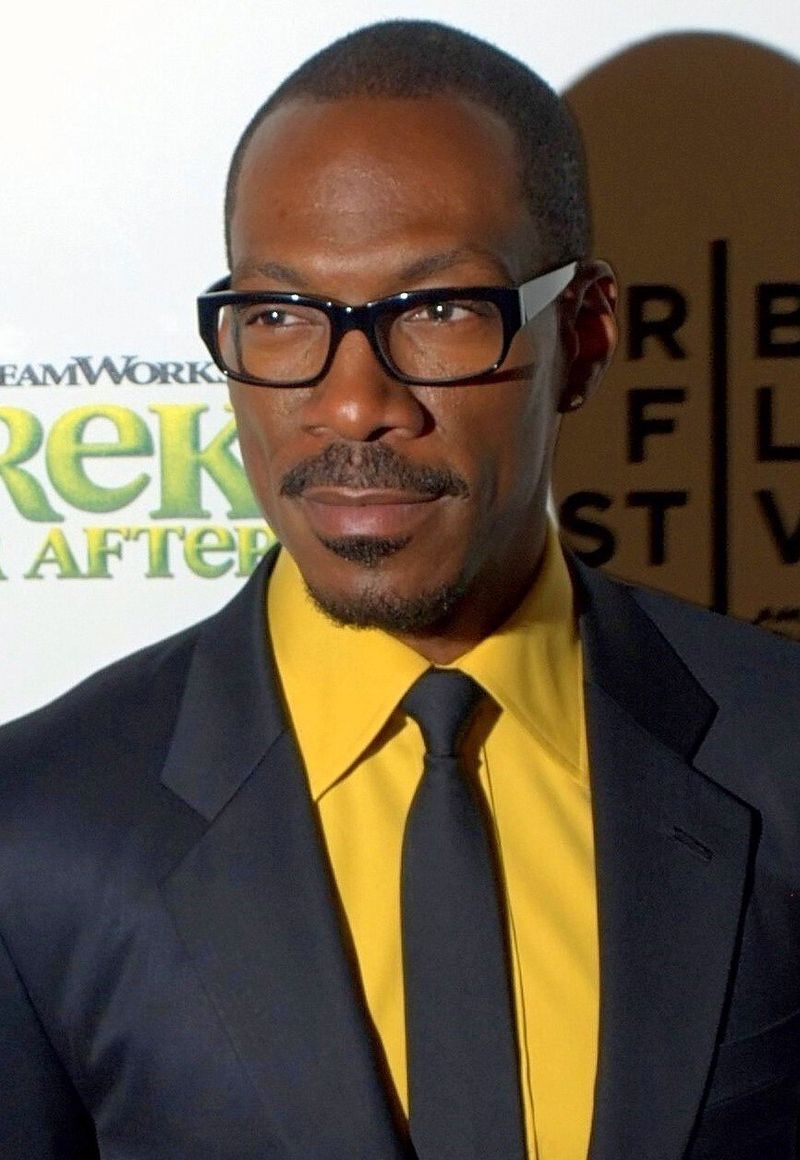
As a kid, I wore out a Delirious cassette. Murphy revived SNL, then blasted into stadium-size stand-up and box office dominance.
Raw remains the highest-grossing stand-up film. At nineteen, he joined Saturday Night Live and became the show’s lifeline during a rough patch.
His characters like Gumby, Buckwheat, and Mr. Robinson transformed SNL from floundering to must-see television. Then came the stand-up specials.
Delirious in 1983, filmed in that iconic purple suit, showcased a young comedian with movie-star charisma and killer timing. Raw followed in 1987, bigger and bolder.
Murphy’s film career exploded with 48 Hrs., Trading Places, and Beverly Hills Cop, making him the biggest box office draw of the 1980s. He moved seamlessly between stand-up, sketch comedy, and movies, conquering each medium with apparent ease.
The confidence was infectious and earned.
His influence on comedy is massive, but his impact on representation matters just as much. Murphy showed that a Black comedian could be a global superstar without compromise.
The red leather suit became iconic, but the talent inside it changed everything.
Whoopi Goldberg – One woman, many worlds
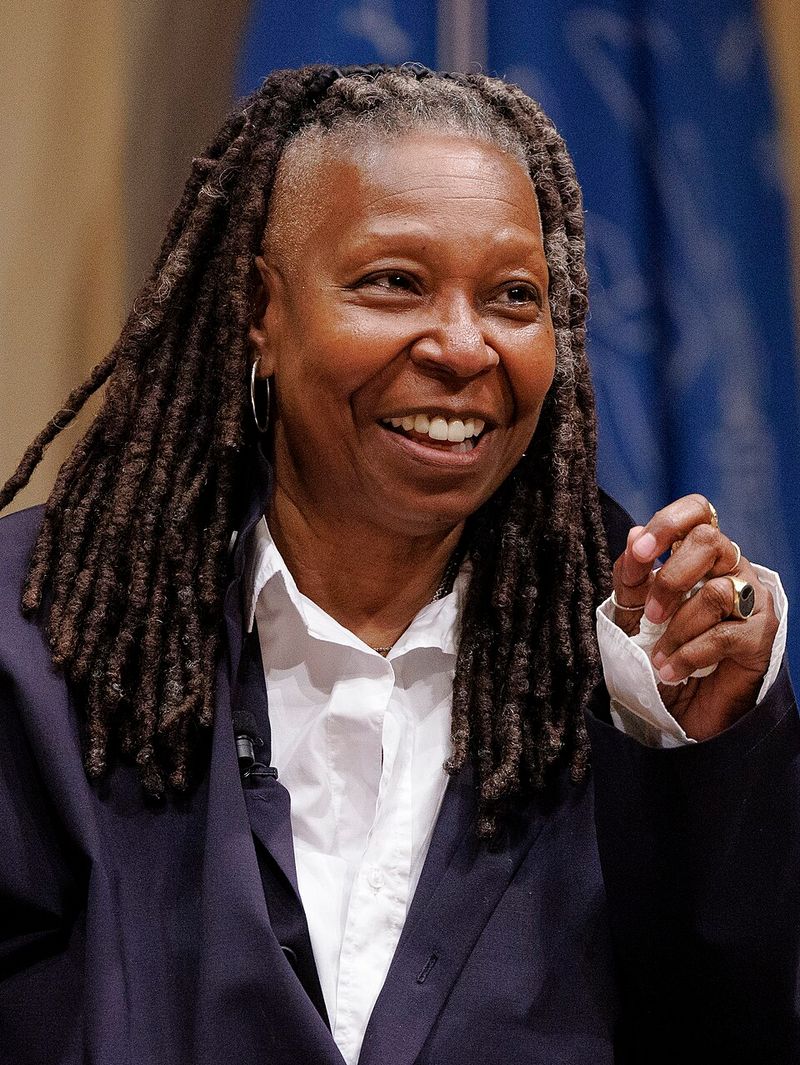
A one-woman Broadway show to Grammy-winning comedy album to EGOT status, Whoopi proved a solo storyteller could rule every room and medium. Her 1984 Broadway debut showcased characters that ranged from a valley girl to a disabled woman, each rendered with depth and humanity that transcended comedy.
Mike Nichols directed that show, recognizing genius when he saw it. The material tackled race, disability, and identity with humor that never felt cheap.
Goldberg’s ability to disappear into characters while maintaining sharp social commentary set her apart from every other solo performer working.
Steven Spielberg cast her in The Color Purple after seeing the show, launching a film career that included an Oscar for Ghost. She became the first Black woman to host the Academy Awards and one of only seventeen people to achieve EGOT status, winning an Emmy, Grammy, Oscar, and Tony.
Her comedy albums captured the raw power of her stage presence. The characters felt real because Goldberg invested them with truth.
She showed that comedy could be intimate and epic simultaneously, that one person with enough talent could fill any stage and connect with any audience.
Chris Rock – Bring the thunder
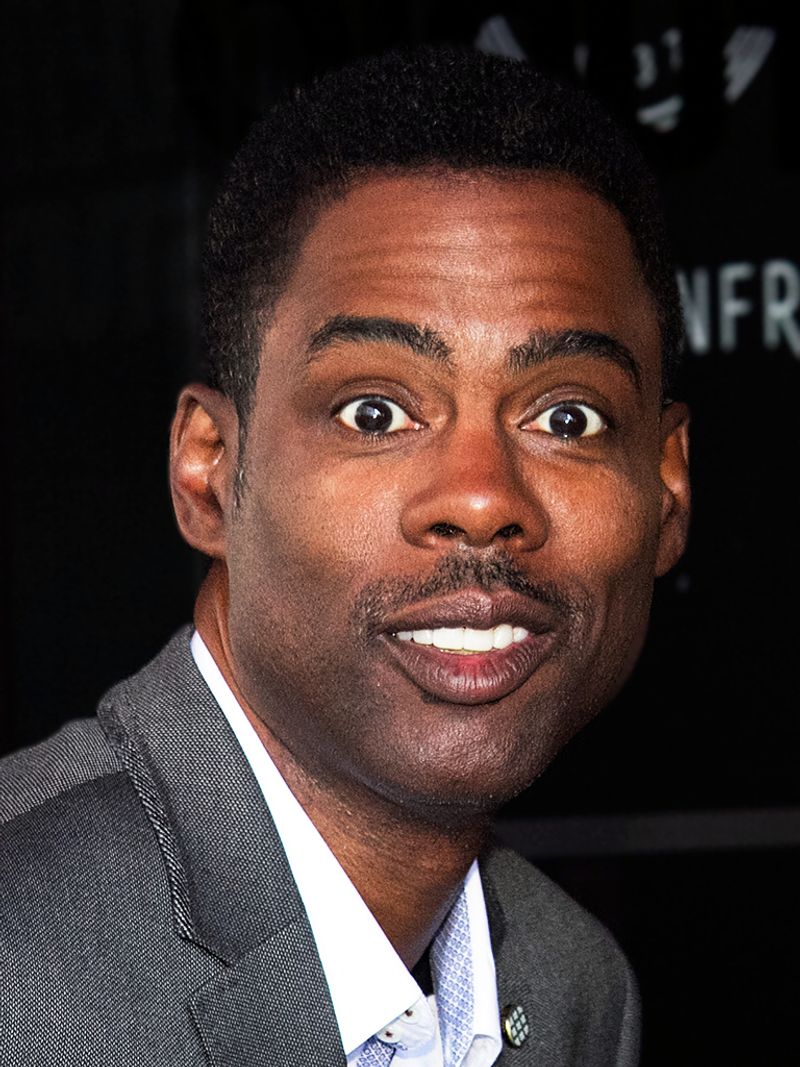
Bring the Pain in 1996 didn’t just hit. It detonated, vaulting Rock into elite status and setting a template for sharp, social stand-up on HBO.
That special changed comedy the way Thriller changed music videos, raising the bar so high that everyone else had to recalibrate.
Rock’s delivery was machine-gun rapid, his observations surgical. He tackled race, relationships, and politics with a perspective that felt fresh and urgent.
The bit about Black people versus certain other people became instantly controversial and endlessly debated, which was exactly the point.
Two Emmys for that special alone, plus three more Grammys for subsequent albums. Rock became the comedian other comedians studied, his cadence and structure dissected in green rooms worldwide.
He proved you could be commercially successful and intellectually rigorous simultaneously.
His influence extended beyond stand-up into film, television, and even hosting the Oscars twice. But it’s the stand-up that defines his legacy.
Rock took the social commentary torch from Pryor and Gregory and carried it into a new era, making audiences laugh while forcing them to confront uncomfortable truths. Thunder, indeed.
Dave Chappelle – Sketch show, cultural earthquake
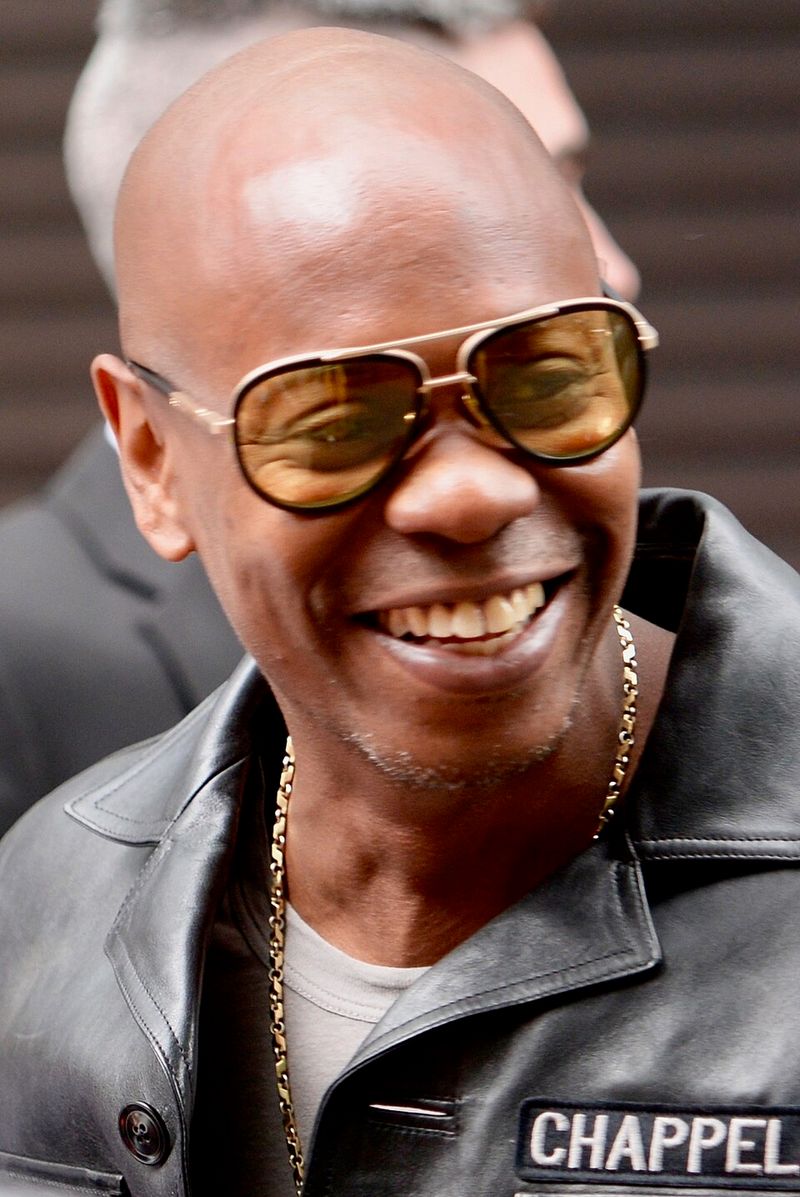
Chappelle’s Show fused sketch, music, and fearless satire that still echo across memes and playlists. The impact on TV comedy and hip-hop culture is permanent.
From 2003 to 2006, Wednesday nights became appointment television for anyone who wanted comedy that took risks.
The show’s sketches became cultural touchstones. Rick James, the racial draft, Clayton Bigsby, each one quotable and rewatchable.
Chappelle didn’t just make people laugh. He made them think about race, culture, and identity in ways that felt urgent and necessary, all wrapped in absurdist humor.
When Comedy Central offered him fifty million dollars for more seasons, he walked away, famously fleeing to Africa. That decision became as legendary as the show itself.
Chappelle later explained he felt the show’s message was being misunderstood, that some viewers laughed at the wrong things.
His return to stand-up brought multiple Grammy-winning Netflix specials that proved his genius hadn’t dimmed. Chappelle remains one of comedy’s most important voices, someone who refuses to compromise even when compromise would be more profitable.
The show’s legacy grows stronger every year, its sketches still referenced in daily conversation.
Keenen Ivory Wayans – In Living Culture
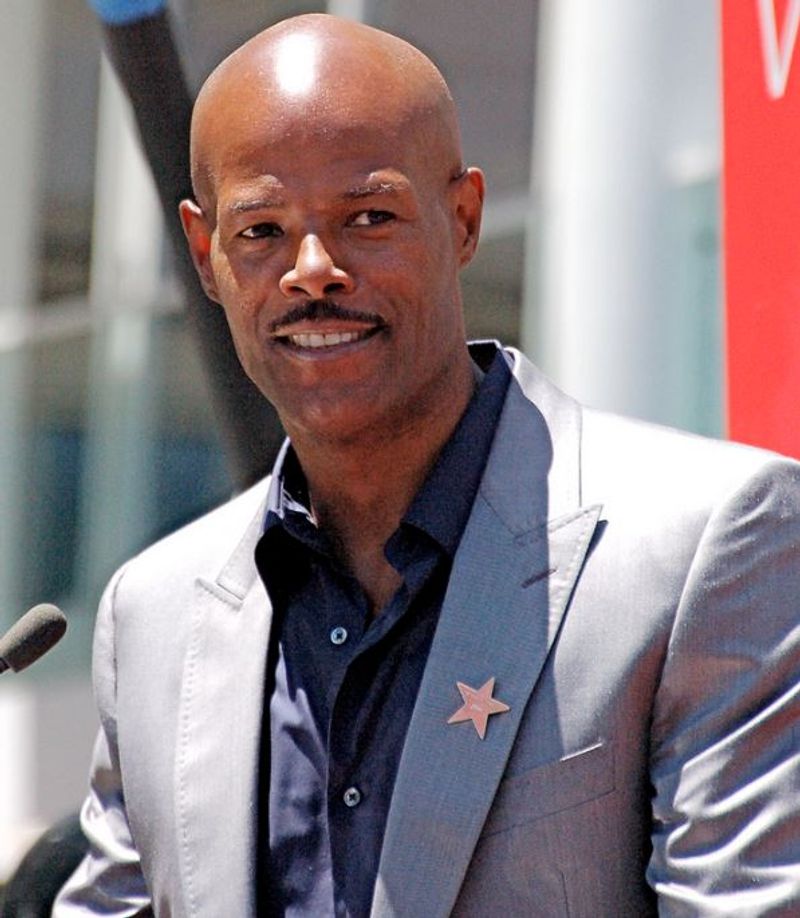
In Living Color didn’t just launch stars. It reprogrammed TV comedy and even nudged the Super Bowl halftime show into a bigger spectacle.
From 1990 to 1994, Fox’s sketch comedy series became a cultural phenomenon that made Sunday nights essential viewing.
Wayans created a show that celebrated Black culture without apology or explanation. The Fly Girls dance troupe featured a young Jennifer Lopez.
The cast included Jim Carrey before he was Jim Carrey, plus Jamie Foxx, David Alan Grier, and the entire Wayans family. Characters like Homey the Clown and Men on Film became instant classics.
The show’s Super Bowl counterprogramming in 1992 forced the NFL to rethink halftime entertainment. Instead of marching bands, they started booking major musical acts.
That’s cultural impact measured in policy changes. The show won an Emmy and influenced everything from SNL to Key & Peele.
Wayans proved that Black creators could produce mainstream hits without sanitizing their perspective. The show’s comedy was sharp, physical, and unafraid to tackle race, sexuality, and politics.
It launched careers, changed television, and showed that diversity wasn’t just good ethics but good business.
Bernie Mac – I ain’t scared of you
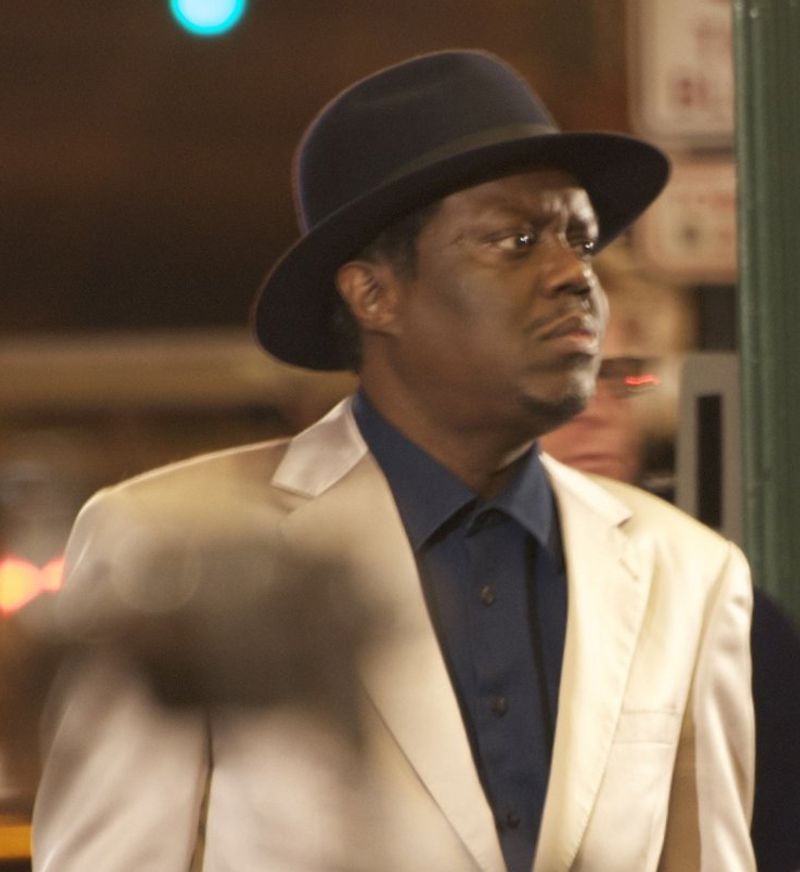
Onstage he was granite. The Original Kings of Comedy film cemented his legend and carried his voice to mainstream crowds that missed the clubs.
Mac’s delivery was thunderous, his presence commanding. When he said he wasn’t scared of you, you believed him completely.
The Kings of Comedy tour in 2000 became the highest-grossing comedy tour ever at that time. Spike Lee filmed it, and Mac’s segment stole the show.
His bit about disciplining kids with “I ain’t scared of you” became instantly iconic, quoted in households nationwide. His comedy felt like truth delivered with a sledgehammer.
The Bernie Mac Show ran from 2001 to 2006, winning a Peabody Award for its honest portrayal of Black family life. Mac played a fictionalized version of himself raising his sister’s three kids, and the show balanced comedy with real emotional stakes.
His direct-to-camera asides broke the fourth wall brilliantly.
Mac died too young in 2008 at fifty, but his legacy endures. His comedy was fearless and authentic, never pandering or softening for broader appeal.
He showed that you could be commercially successful while staying true to your voice. The granite never cracked.
Paul Mooney – The writer behind the roar
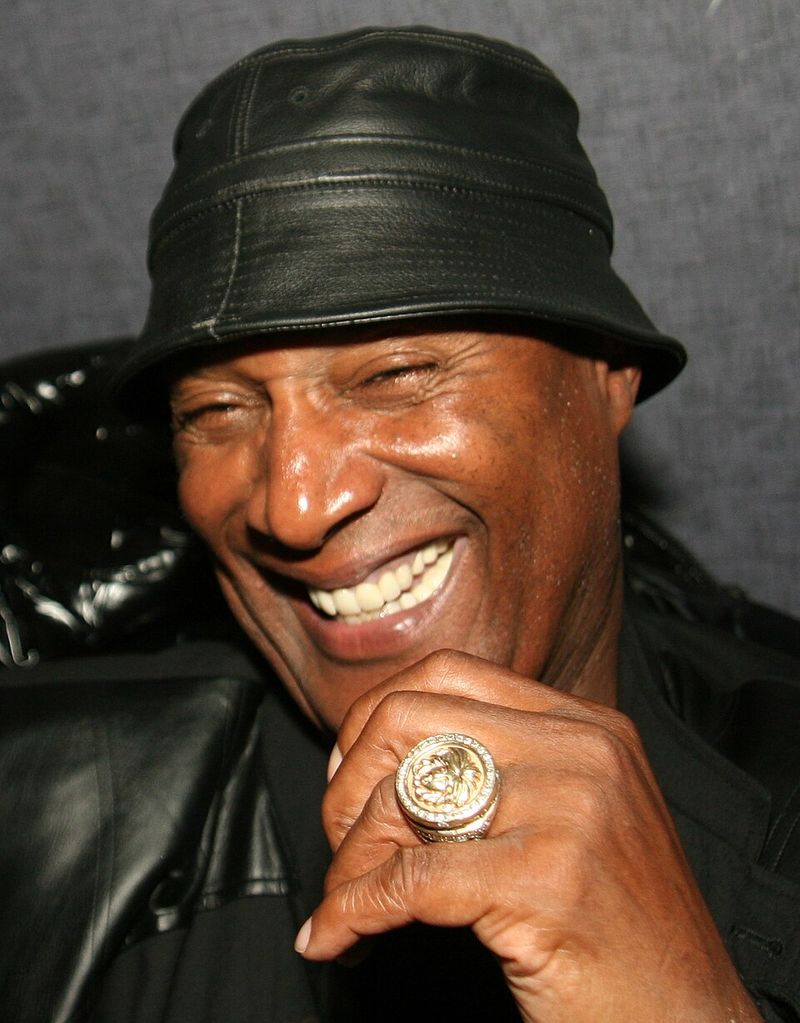
If you love Pryor, In Living Color, or Chappelle’s Show, you’ve felt Mooney’s pen. He wrote the hard truths others performed.
Mooney was the architect behind some of comedy’s most incendiary material, the writer who pushed boundaries while others got the spotlight.
He met Richard Pryor in the 1960s and became his head writer, crafting material for Pryor’s most groundbreaking work. Their collaboration produced some of comedy’s most important moments.
Mooney also wrote for Sanford and Son, Good Times, and In Living Color, shaping how Black comedy appeared on television.
His own stand-up was uncompromising, tackling race with a directness that made some audiences uncomfortable. Mooney didn’t care about comfort.
He cared about truth. His comedy albums and specials showcased a performer as sharp as the material he wrote for others.
Mooney’s influence on Chappelle was profound. He appeared regularly on Chappelle’s Show, including in the iconic “Ask a Black Dude” sketches.
When people praise comedy that doesn’t pull punches, they’re often praising Mooney’s sensibility, even if they don’t know his name. The writer behind the roar deserves his flowers.
Wanda Sykes – Jokes with backbone
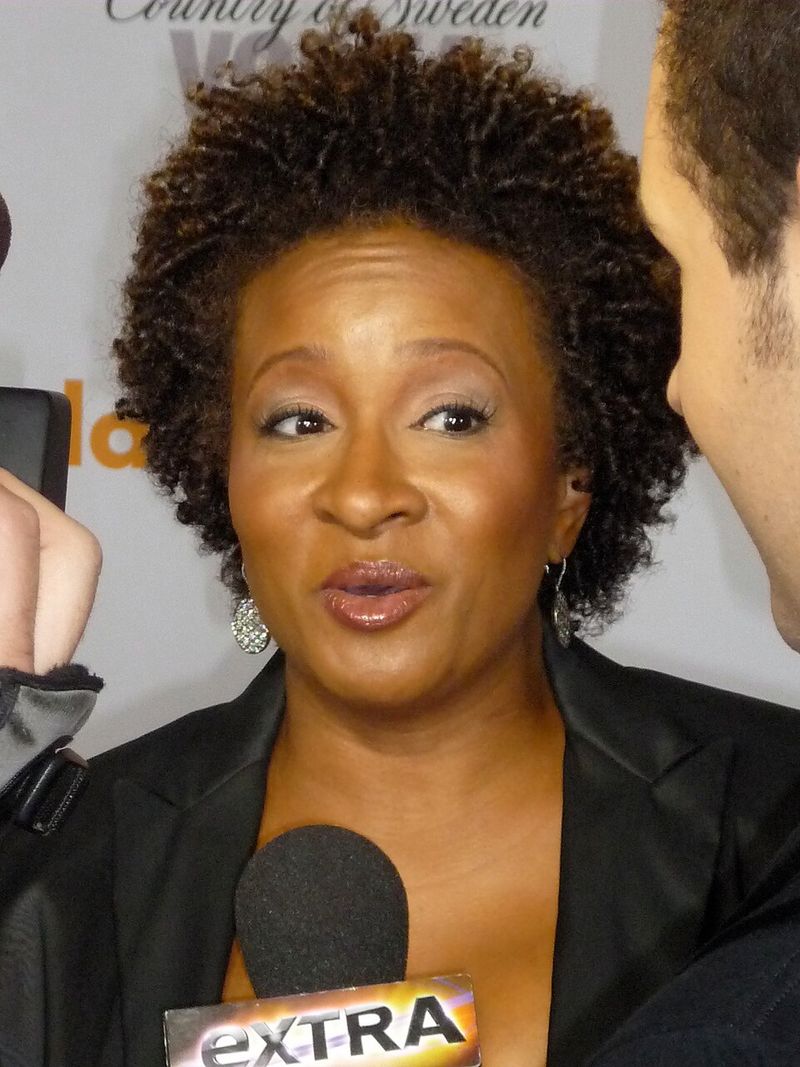
An Emmy-winning writer on The Chris Rock Show and a barrier-breaker onstage and off, Sykes made fearless wit feel effortless. Her comedy has always had spine, tackling politics, sexuality, and race with precision that never feels preachy, just smart and funny.
Sykes started as a writer, winning an Emmy for her work on Rock’s show before stepping into the spotlight herself. Her stand-up specials showcase a comedian completely comfortable in her own skin, willing to discuss anything from coming out publicly to political absurdities.
The confidence is magnetic.
She became one of the first openly gay Black female comedians in mainstream entertainment, and she refused to make it a big deal while also not hiding it. That balance takes skill.
Her comedy doesn’t rely on her identity but doesn’t shy away from it either.
Multiple stand-up specials, sitcoms, and scene-stealing supporting roles in films showcase her range. Sykes can deliver a punchline with a raised eyebrow that hits harder than other comics’ entire bits.
Her wit feels effortless because she’s put in decades of work making it look easy. That’s mastery disguised as casual brilliance.
Tiffany Haddish – Girls Trip to SNL history
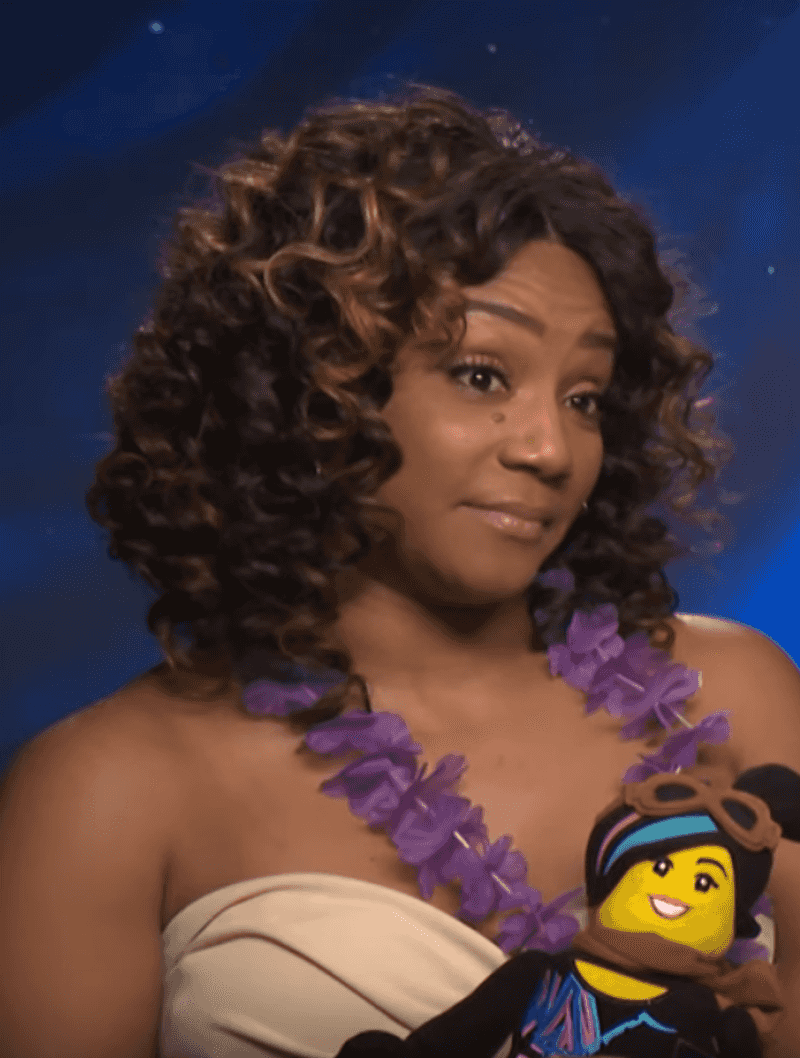
Haddish became the first Black female stand-up to host Saturday Night Live in 2017, then turned the moment into a masterclass in presence. That hosting gig came right after Girls Trip made her a breakout star, and she approached SNL with the energy of someone who’d waited her whole life for the opportunity.
Her opening monologue was personal and hilarious, discussing her foster care background and journey to stardom with humor that never felt bitter. She wore the same Alexander McQueen dress she’d worn to the Girls Trip premiere, turning it into a running joke about getting her money’s worth.
That’s relatable comedy gold.
Haddish’s stand-up specials showcase a comedian who survived homelessness and foster care to become one of entertainment’s brightest stars. Her comedy is autobiographical, raw, and optimistic despite the hardships she’s faced.
The laugh is never at her expense but at life’s absurdities.
She’s written a bestselling memoir, starred in films, and become a household name, all while maintaining the authenticity that made her special in the first place. Haddish proved that mainstream success doesn’t require sanding down your edges.
Sometimes those edges are what make you unforgettable.
Trevor Noah – Global lens, local punchlines
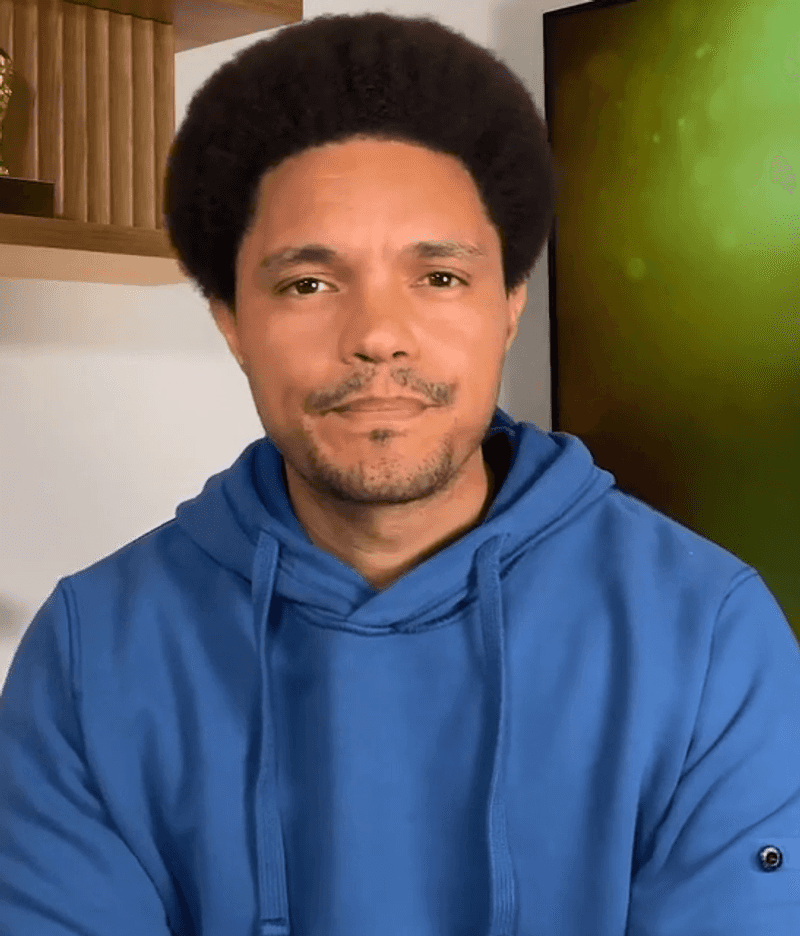
From Soweto stories to The Daily Show desk, Noah widened U.S. late night with a global voice and precise satire. Taking over from Jon Stewart seemed impossible, but Noah brought a perspective that made the transition feel like evolution rather than replacement.
Born in South Africa during apartheid to a Black mother and white father, Noah’s existence was literally illegal. His memoir Born a Crime became a bestseller, showcasing the storytelling ability that makes his comedy so compelling.
He brings an outsider’s clarity to American politics and culture.
His Daily Show tenure ran from 2015 to 2022, navigating Trump, pandemic, and social upheaval with satire that felt necessary. Noah’s stand-up specials blend his South African upbringing with observations about America, creating comedy that bridges cultures.
His accent impressions are legendarily precise.
Noah proved that late-night television could have an international perspective and still connect with American audiences. His comedy feels smarter because it draws from a wider frame of reference.
He left The Daily Show on his own terms, having expanded what late-night comedy could be. The global lens made local punchlines sharper.
Kevin Hart – From clubs to stadiums
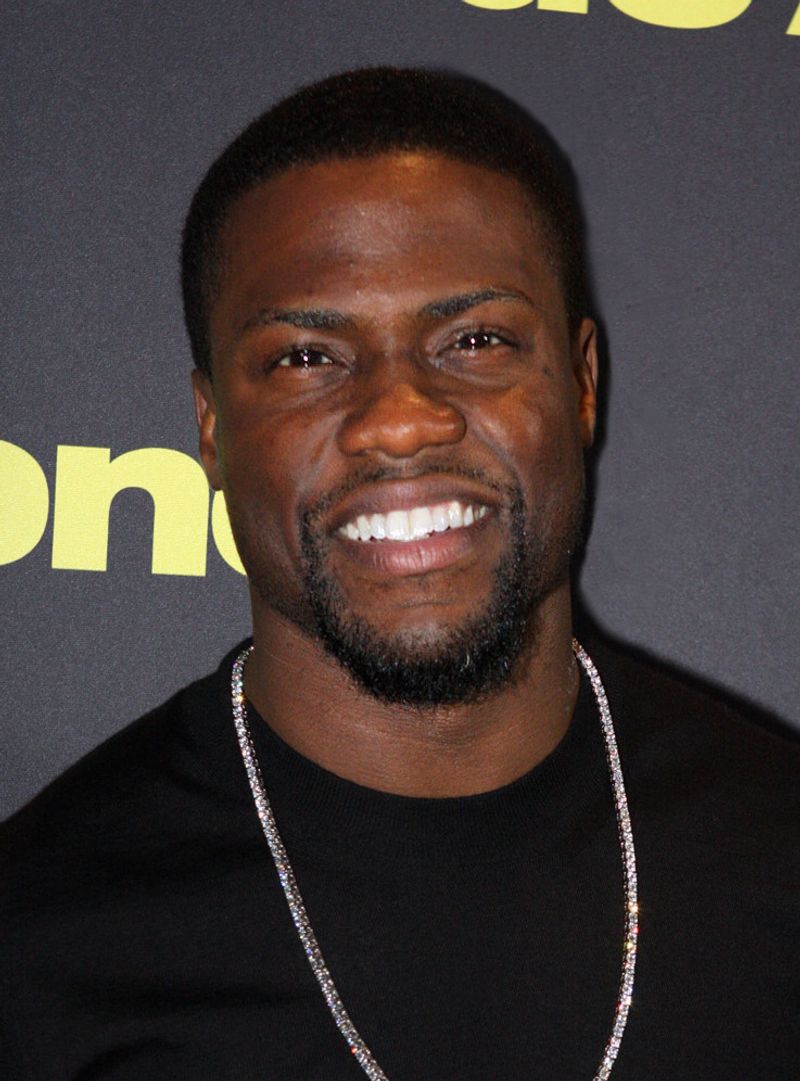
Hart’s tours scaled comedy to rock-concert size, with What Now reportedly topping all-time grosses and ticket sales for a stand-up tour. He turned stand-up into an arena sport, filling venues that musicians headline.
The hustle behind that success is as impressive as the punchlines.
Hart’s early career was rocky, with audiences literally booing him offstage. Instead of quitting, he studied comedy like a science, refining his material and persona until he found his voice.
That voice is high-energy, self-deprecating, and based on exaggerated stories from his real life.
His film career exploded alongside his stand-up, making him one of Hollywood’s most bankable stars. But Hart never abandoned stand-up, treating it as his foundation.
His social media presence is massive, and he’s built a multimedia empire that includes production companies and partnerships.
Critics sometimes dismiss Hart as too commercial, but numbers don’t lie. He’s sold more tickets than almost any comedian in history.
His work ethic is legendary, and his ability to connect with audiences across demographics is rare. Hart showed that comedy could scale to unprecedented levels without losing its essential intimacy.
That’s business savvy meeting genuine talent.
Garrett Morris – SNL’s first Black cast member
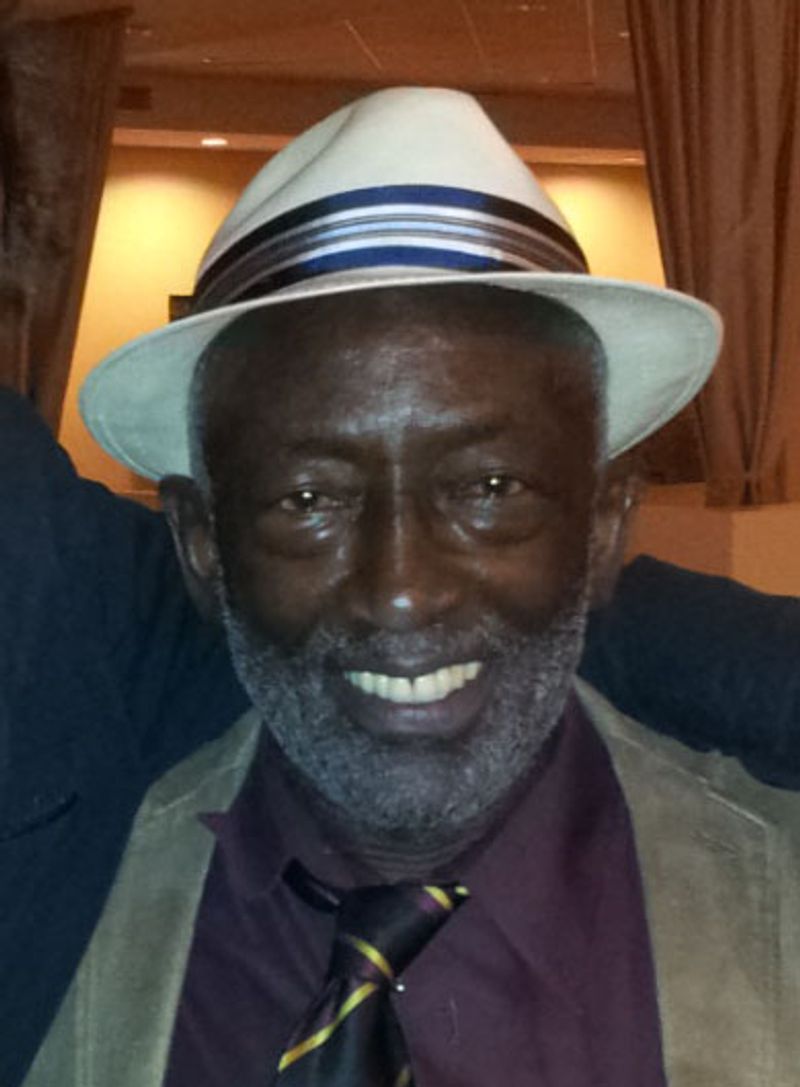
Day-one Not Ready for Prime Time Player. His presence on the original SNL broke a barrier and opened a pipeline.
When Saturday Night Live premiered in 1975, Morris was there, the only Black cast member among the original seven. That’s pressure most people can’t imagine.
Morris brought musical training and stage experience to a cast full of young comedians. His characters included Chico Escuela, the baseball player with limited English who became famous for “Baseball been berry berry good to me.” The character walked a fine line, and Morris navigated it with skill.
He also appeared in the recurring “News for the Hard of Hearing” sketches, shouting the Weekend Update headlines. Morris’s versatility showed in his ability to handle sketch comedy, musical numbers, and character work.
His presence made SNL more than a white comedy show from day one.
After SNL, Morris had a long career in television and film, including a memorable role on Martin. But his legacy as SNL’s first Black cast member remains his most significant contribution.
He opened a door that Eddie Murphy, Chris Rock, and Tracy Morgan would walk through. First means forever in history books.
Martin Lawrence – Host with the most
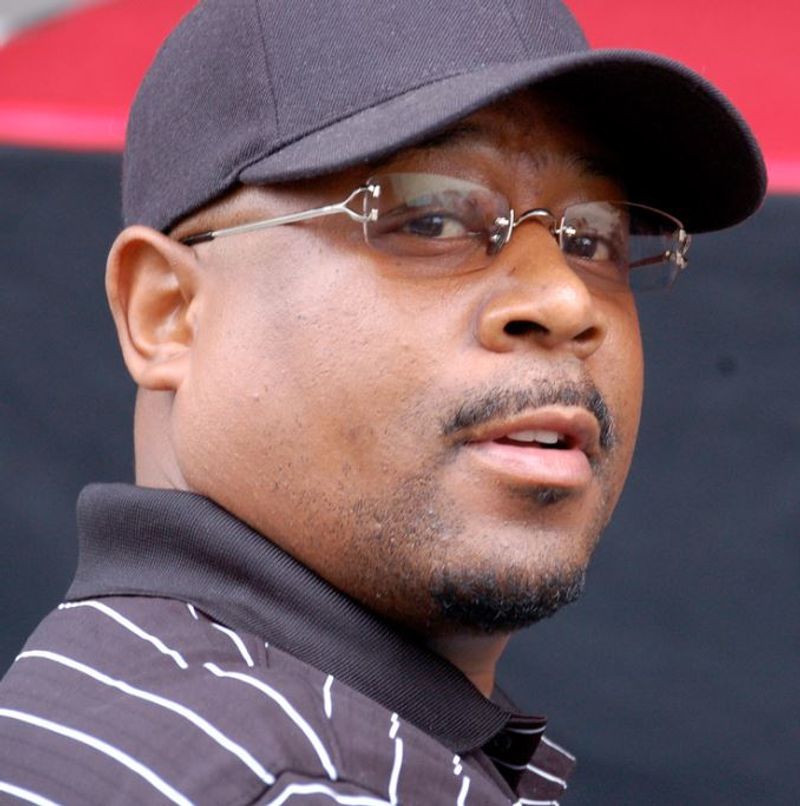
Def Comedy Jam’s mic master helped launch a generation and then headlined a 90s sitcom that stamped pop culture. Lawrence hosted HBO’s groundbreaking showcase from 1992 to 1993, introducing audiences to comics who would become stars.
His energy set the tone for shows that felt like events.
His opening monologues were performances in themselves, Lawrence working the crowd into a frenzy before bringing out the first comic. The show became a launching pad for careers, a place where raw, unfiltered Black comedy could thrive without network restrictions.
Lawrence was the perfect host for that moment.
Martin, his Fox sitcom, ran from 1992 to 1997 and became a cultural phenomenon. Lawrence played multiple characters, and catchphrases from the show entered everyday language.
The show’s success made Lawrence a superstar and proved Black sitcoms could dominate ratings without conforming to white expectations.
His film career included the Bad Boys franchise and other hits that showcased his range. Lawrence’s influence on 90s comedy is immeasurable.
He was everywhere, shaping how a generation laughed. The combination of Def Comedy Jam and Martin made him one of the decade’s most important comedic voices.



