 Unearth The Voyage
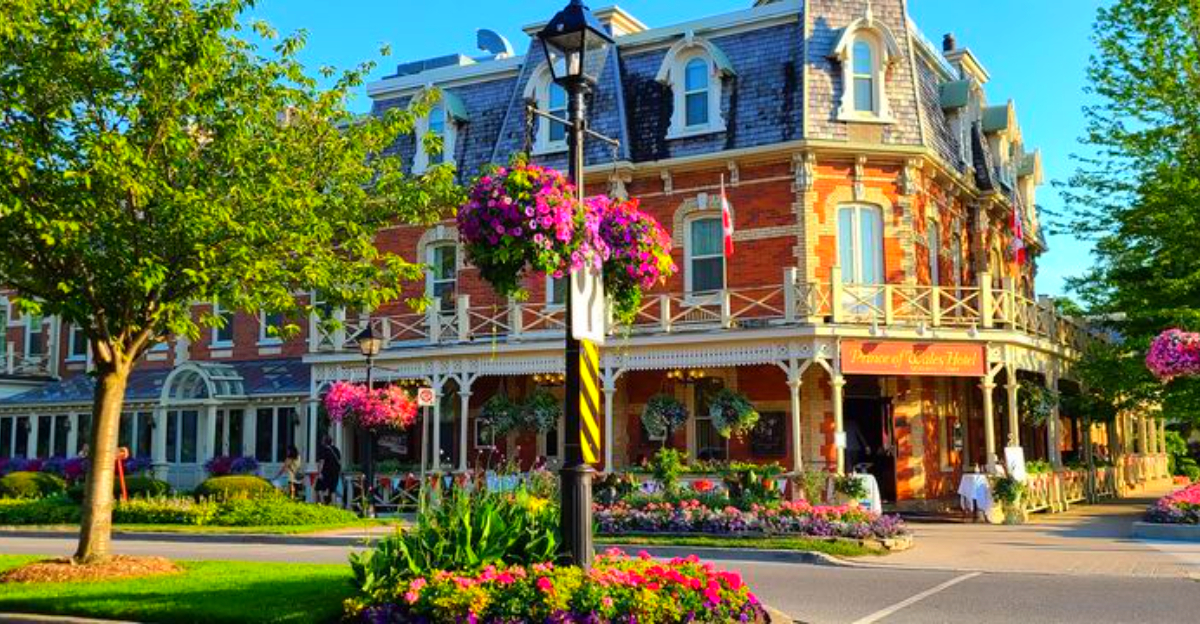
Canada’s small towns hold stories that textbooks skim past, from 19th century shipyards and prairie rail spurs to theater renaissances and inventive tourism that took off after the 1960s highway boom. You get a living timeline here, not a museum shelf, and it rewards curiosity about festivals, street plans, and why certain buildings still look like 1910.
Expect concrete details like company towns turned arts hubs, UNESCO citations that changed economies, and how local traditions found new audiences through media and road travel. If you enjoy understanding how culture actually moved from one decade to another, this road list hands you vivid dots to connect.
1. Banff, Alberta
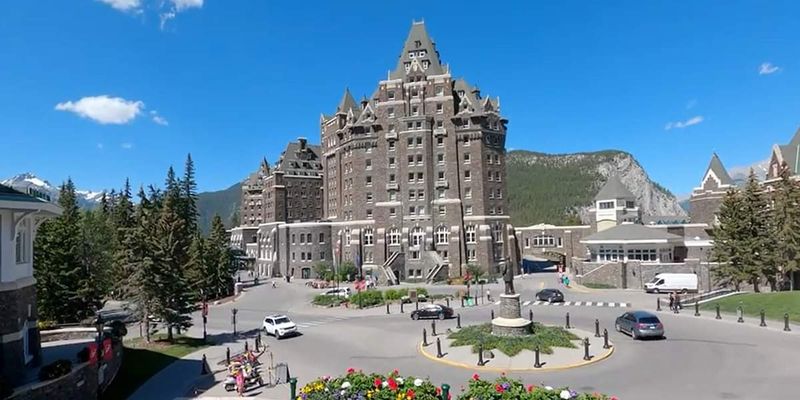
From spa town experiment to a national symbol
Railway strategy shaped this place long before the selfie era. You see decisions from the 1880s when the Canadian Pacific promoted hot springs tourism to fund transcontinental ambitions.
By 1930, national park status had tightened conservation rules while hotels marketed alpine health and modern leisure in the same brochure. Postwar road-building brought family travel, shifting itineraries from weeklong resort stays to flexible day trips.
Heritage storefronts reflect phases of design fashion, from rustic fieldstone to midcentury practicality. Museum exhibits explain wildlife policies and how photography altered visitor behavior after portable cameras spread in the 1920s.
2. Lunenburg, Nova Scotia
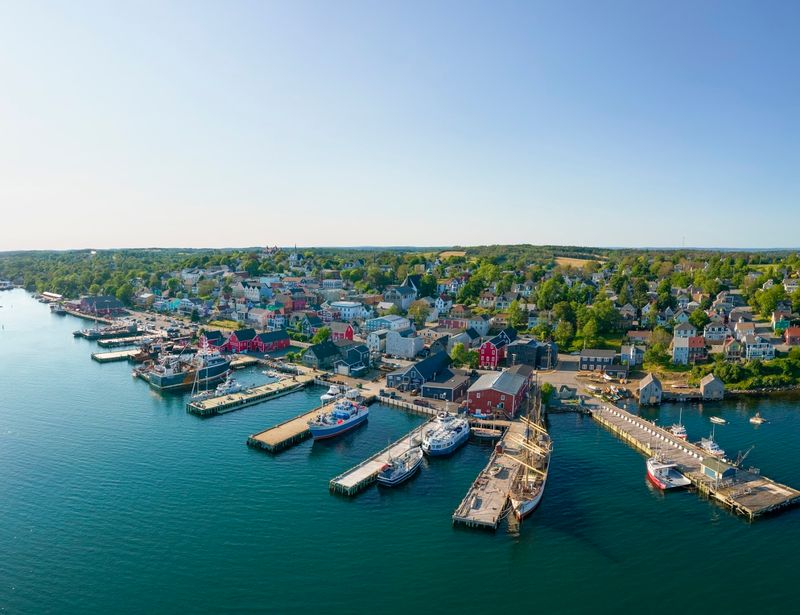
Shipwright geometry written on a hillside
The town’s orthogonal plan climbs the slope like a drafting diagram from the 1750s. You can spot British colonial town planning, Lutheran church histories, and merchant capital carved into painted clapboard.
UNESCO status in 1995 codified what locals already practiced through working yards and training programs. Maritime museums explain how boat design evolved with changing fisheries policy and global markets after the 1970s.
Heritage carpentry skills migrated into tourism economies, yet community boards still debate authenticity versus new materials. That tension created practical guidelines, allowing repairs while protecting profiles, window rhythms, and wharf alignments.
3. Tofino, British Columbia
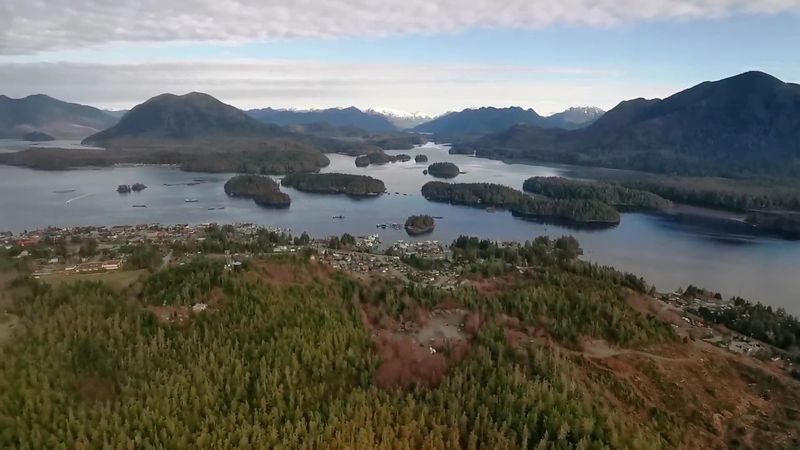
Edge-of-map living turned mainstream
Logging roads once made this place feel distant, and that distance shaped habits around resource work and practical shops. By the late 20th century, national park creation and improved highways changed demand curves.
Indigenous stewardship and contemporary art appear in galleries that foreground local histories and language revitalization. Small businesses learned seasonality math, balancing storm-watching months with summer crowds and environmental limits.
Municipal plans introduced zoning tuned to fragile shorelines. You can trace every new bylaw to a public meeting, a coastal study, or federal park coordination that set visitor behavior and signage rules.
4. Stratford, Ontario
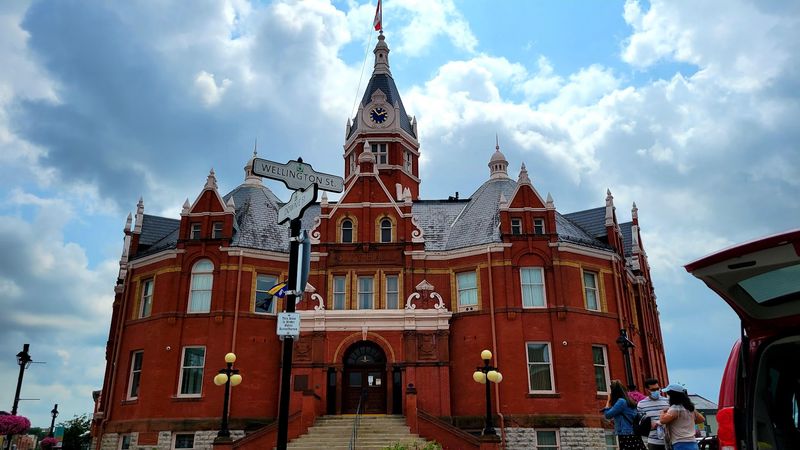
Elizabethan drama met 1950s civic hustle
A motivated town committee in 1952 turned factory layoffs into a cultural plan. The Stratford Festival launched in 1953 under a tent, proving that regional theater could anchor an economy.
Costume shops, carpentry studios, and rehearsal halls built career pipelines for technicians. Visitor logistics matured alongside staged history, shaping dining hours, pedestrian routes, and quiet streets during matinee windows.
Victorian facades stayed intact largely because theater cashflow validated preservation. You can see the feedback loop in grant applications, union training, and annual programming that keeps the repertory model resilient.
5. Baie-Saint-Paul, Quebec
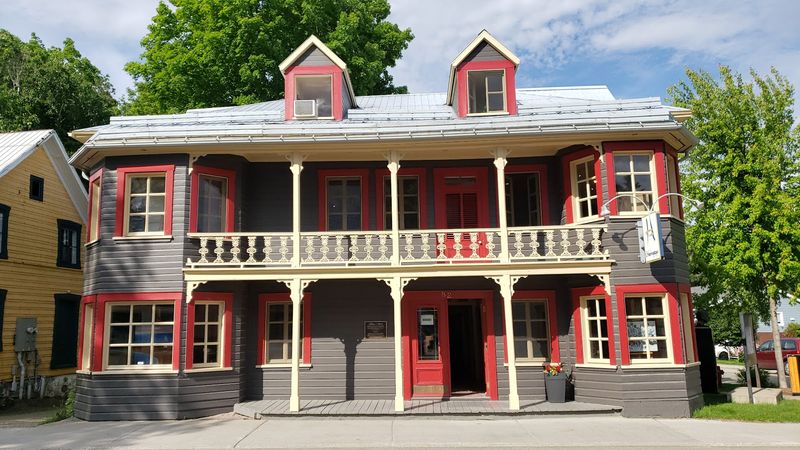
Paintboxes met river valleys and stayed
Modern Quebec art history regularly circles this town because artists gathered here in the early 1900s. The Charlevoix light drew sketching trips that later informed collectives, markets, and teaching studios.
When automobile travel expanded in the 1930s and 1950s, galleries learned to greet weekend collectors. Municipal events built steady calendars, coordinating with schools and cultural centers to stabilize off-season trade.
Heritage houses adapted into exhibition spaces without erasing vernacular forms. You can read the evolution in signage laws, curb design, and bilingual programming that keeps audiences broad without diluting local voice.
6. Niagara-on-the-Lake, Ontario
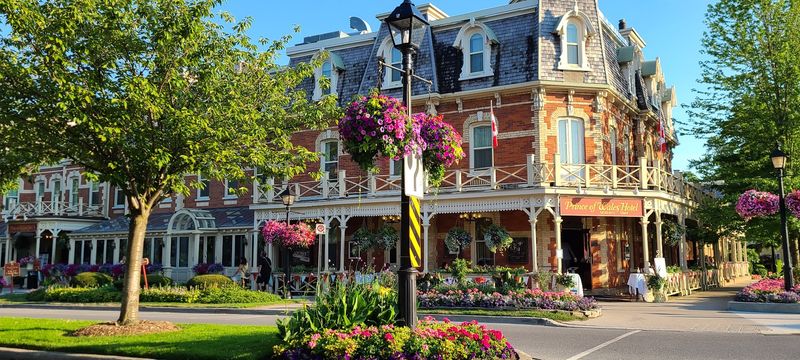
Stagecraft meets Loyalist-era planning
Town blocks tell a British colonial story through grid patterns, verandas, and civic sites rebuilt after early 19th century conflict. Instead of nostalgia fog, there is paperwork, bylaws, and careful restoration guided by heritage districts.
The Shaw Festival, founded in 1962, reframed tourism around repertory theater and literary conversation. That cultural pivot professionalized hospitality calendars, pulling shoulder-season visitors and training generations in stagecraft.
Interpretive plaques highlight 1812-era forts, early printing, and women’s civic organizations that shaped libraries and gardens. You can connect streetscapes with policy, seeing how preservation incentives balanced storefront commerce with strict façade standards.
7. Jasper, Alberta

Steel rails taught the itinerary. Timetables originally set the rhythm here, with the railway station as social and logistical anchor.
Early park architecture used standardized plans that balanced cost, durability, and scenic expectations.
After 1945, automobile patterns dispersed visitors across cabins and campgrounds. Town debates focused on growth boundaries and wildlife corridors, producing maps that now appear on visitor centers and trailheads.
Shops kept wooden fronts even as inventory modernized. You can link each design choice to federal park policy, insurance rules, and a public appetite for landscapes framed through postcards and guidebooks.
Today, Jasper still balances preservation with tourism, where careful planning protects the surrounding wilderness while welcoming travelers from around the world. The town’s layered history – railway roots, park policy, and modern stewardship – remains visible in every street, trail, and mountain view.
8. Mahone Bay, Nova Scotia
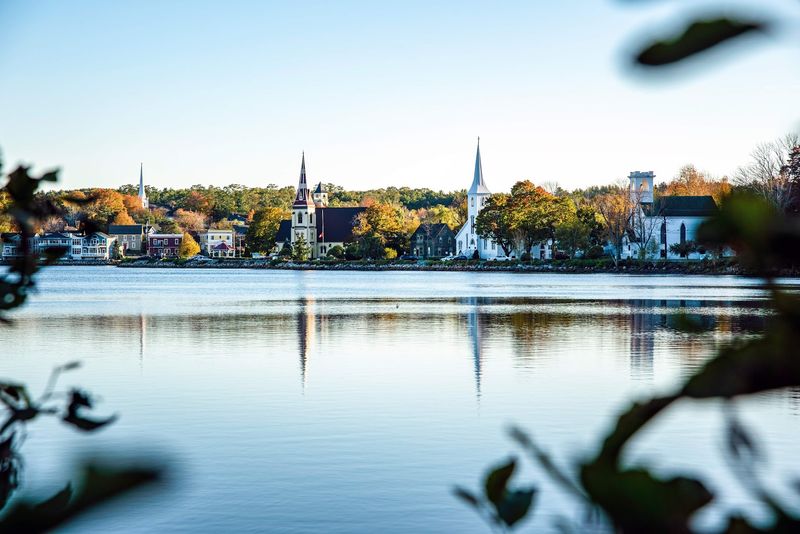
Three steeples became a brand, then a curriculum
The iconic skyline did more than anchor photos. It signaled religious diversity and community fundraising that maintained wooden craftsmanship across centuries.
When artisan markets expanded in the late 20th century, makers reused boatbuilding skills for furniture and fine work. Local councils supported façade grants, making wood restoration financially realistic for households and shops.
Exhibits trace privateer stories, settlement patterns, and trade with Atlantic ports. You walk through a streetscape where history class meets business plan, carefully explained on plaques and brochures.
9. Gananoque, Ontario
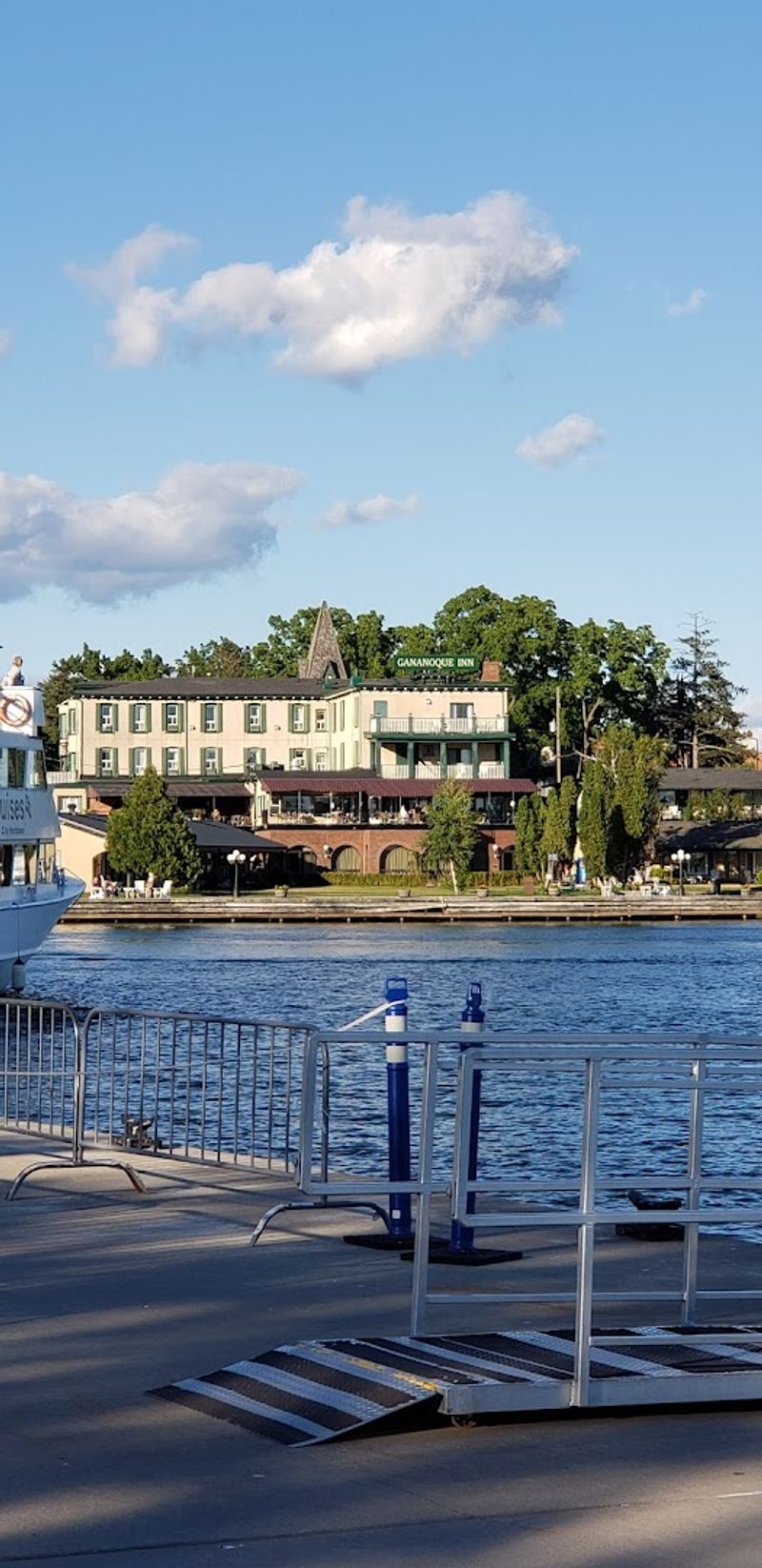
River archipelago made a tourism laboratory
Excursion boats once turned ticket windows into civic engines. As cameras shrank and highways improved, day trips multiplied and budgets shifted from hotels to flexible experiences.
Interpretive centers lay out Indigenous histories, trade routes, and early conservation. The waterfront retained industrial traces while adopting public space guidelines that favor walking loops and clear sightlines.
A heritage theater and small museums stabilize rainy-day itineraries. You can see the math in schedules, dock design, and brochure racks that merge natural spectacle with reliable town revenue.
10. Dawson City, Yukon
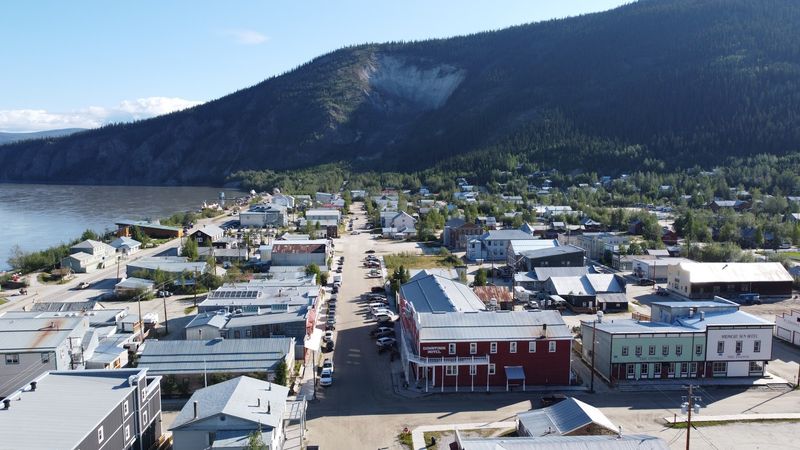
Fortunes accelerated urban planning in weeks
The 1898 rush produced a sudden grid, false fronts, and logistics that pushed freight, news, and supplies upriver. That velocity left documentation, from newspaper archives to meticulously photographed storefronts.
Preservationists stabilized structures on shifting ground with thoughtful engineering. Museums unpack labor systems, newspaper culture, and entertainment circuits that served the population spikes.
Seasonal arts organizations now animate those streets, translating archival material into performance and exhibits. You trace policy lessons about boom cycles, building codes, and how a frontier look became an educational resource.
11. St. Andrews-by-the-Sea, New Brunswick
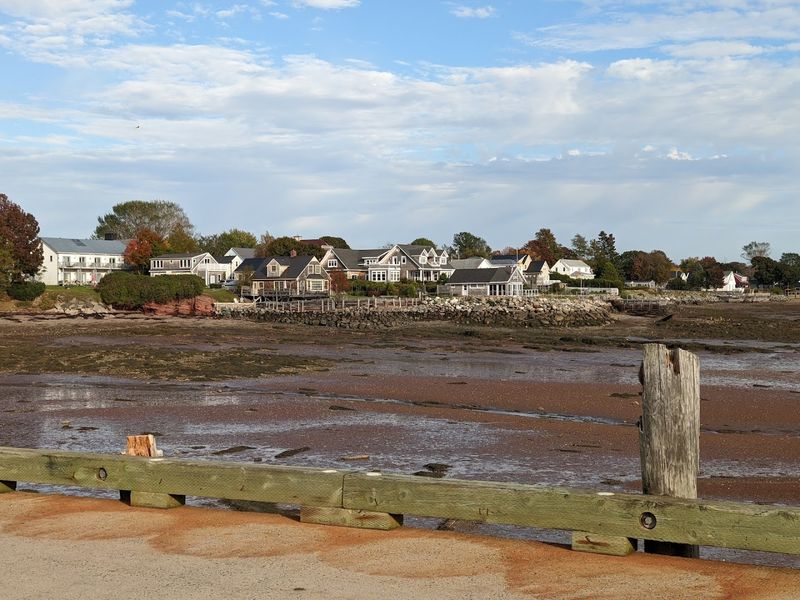
Victorian resort logic still explains the map
Early hoteliers pitched health, sea breezes, and structured leisure in brochures that doubled as town design. Gridded streets delivered promenades, while large verandas made social programming visible.
As travel patterns modernized, gardens, aquariums, and research centers replaced long-stay resort packages. You can read this in timetables, ticketing models, and shoulder-season classroom partnerships.
Heritage boards kept trim details and rooflines coherent without freezing innovation. The result is a study in incremental change, where meticulous maintenance funds ongoing interpretation rather than static display.
12. Canmore, Alberta
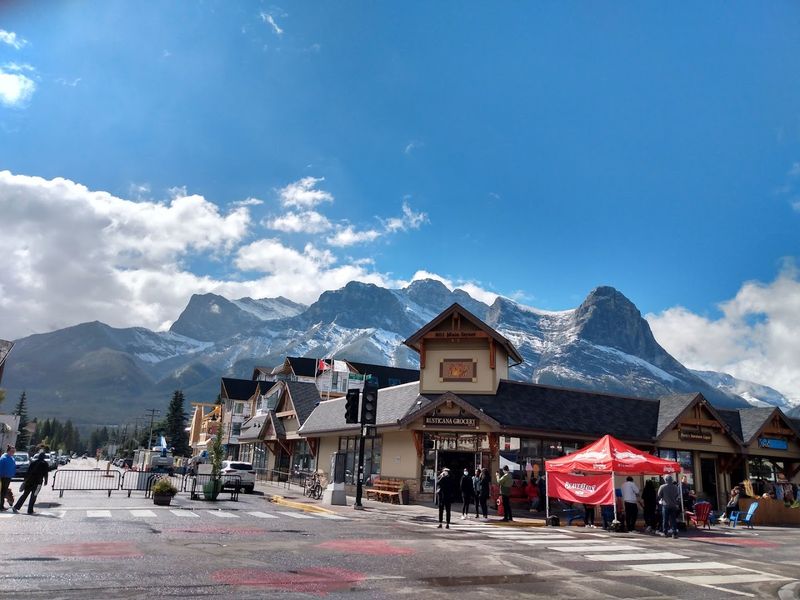
Coal shafts to craft studios is not a straight line
Mining set the first payrolls, leaving tipples, housing patterns, and union stories. When extraction wound down in the 1970s and 1980s, leaders leaned into recreation and small-scale manufacturing.
Adaptive reuse turned industrial footprints into community hubs. Trails mapped over service roads show how outdoor culture borrowed mining geometry, then layered signage, safety, and visitor services.
Regional collaboration brought arts funding and environmental guidelines. You can follow the policy trail from reclamation to zoning, revealing how a resource town recalibrated identity without erasing its record.
13. Tadoussac, Quebec
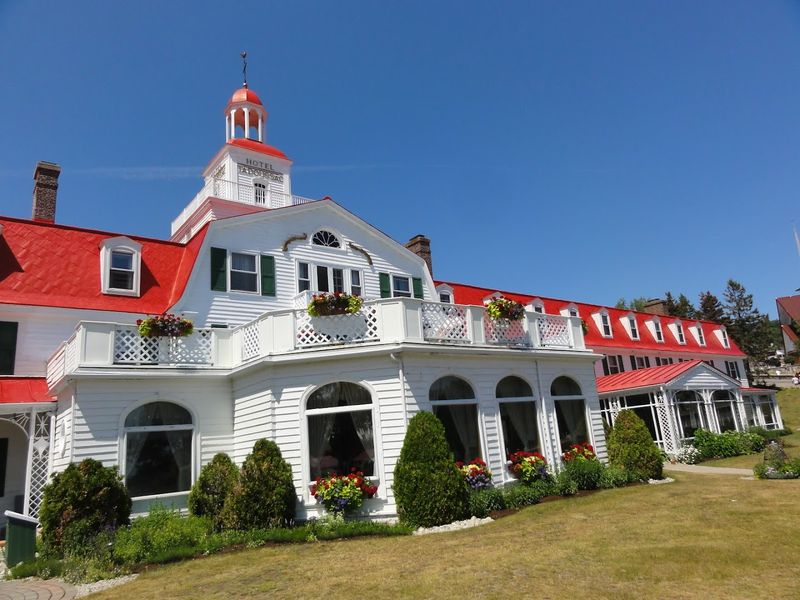
Confluences create durable meeting points
Centuries of travel converged here, first through Indigenous trade networks and later colonial posts. The small chapel and grand hotel mark different chapters that reuse the same geography.
Marine research shaped modern visitor behavior with strict viewing ethics and education. Wayfinding explains currents, migration science, and protections that guide tours and shoreline access.
Local history centers tie economic shifts to transport technologies, from canoes to ferries to highways. You gain a clear sense of timelines, institutions, and how scholarship feeds everyday decisions.
14. Nelson, British Columbia
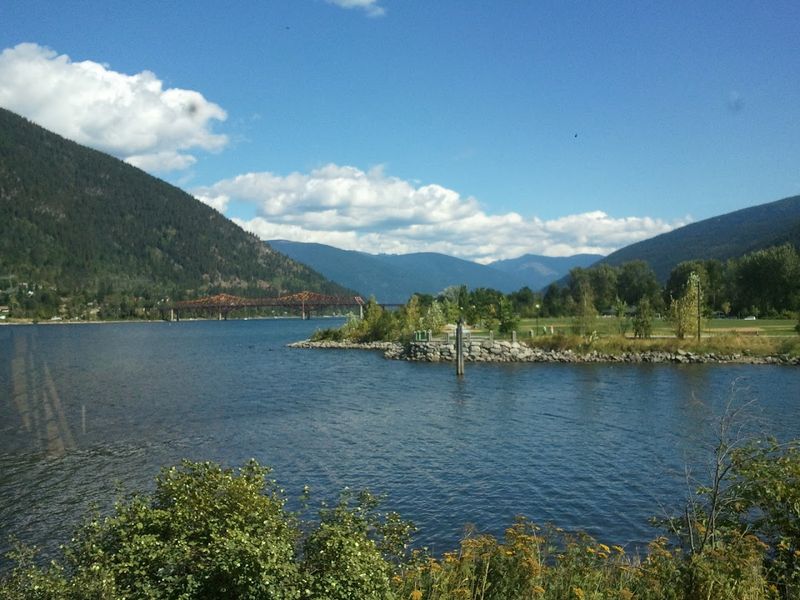
Counterculture met civic spreadsheets and made peace
Heritage brick from the mining era set a sturdy stage. Later decades brought students, artists, and activists who filled upper floors with studios and co-ops.
Municipal plans backed small retail and festivals while preserving streetcar stories. Building codes encouraged seismic upgrades, keeping façades intact and households safe.
Murals and maker spaces now document that layered evolution. You can walk block by block and spot how policy, creativity, and regional trade generated a durable downtown without erasing complexity.
15. Goderich, Ontario
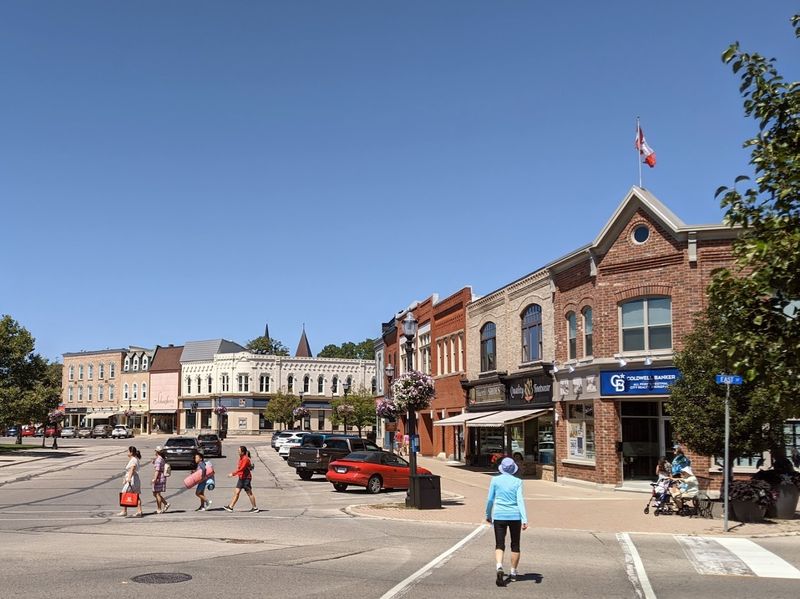
An octagon taught civic order
The Courthouse Square plan stands out in Ontario town design. Its radial streets guided storefront placement, traffic, and ceremonial life through fairs, markets, and public announcements.
Salt mining expanded the ledger in the 19th and 20th centuries, financing infrastructure and steady payrolls. Heritage designations later protected brickwork and cornices while allowing interior modernization.
Parks and museums connect local industry with community services. You get a concise lesson in planning theory translated into curb cuts, garden beds, and sightlines that keep the octagon readable.
16. Québec City (Vieux-Québec), Quebec
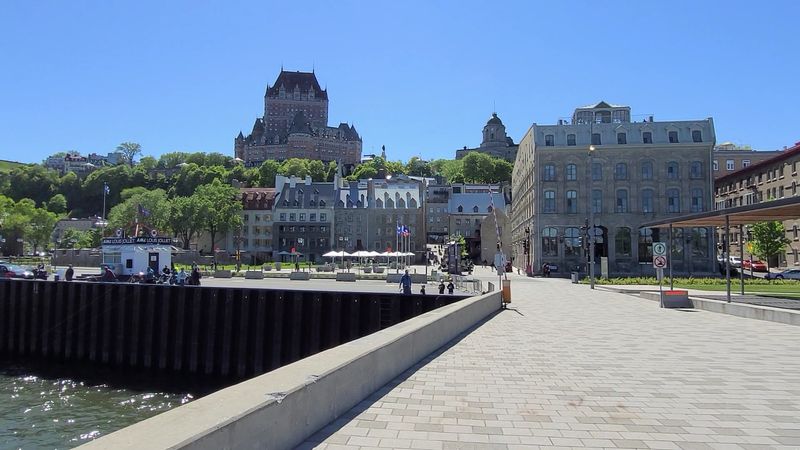
The only North American walled city north of Mexico traces 17th-century French military grids, with ramparts, bastions, and Château Frontenac framing colonial defense logic. Post-1759 Conquest, British overlays preserved stonework while adding barracks and market bylaws. 1985 UNESCO status locked façades, spawning restoration guilds that balance tourism with artisan trades.
Walk Petit-Champlain’s cobbles to link layered occupations via plaques on trade guilds, siege tactics, and how 20th-century hotels reframed forts as photo ops.
17. L’Anse aux Meadows, Newfoundland and Labrador
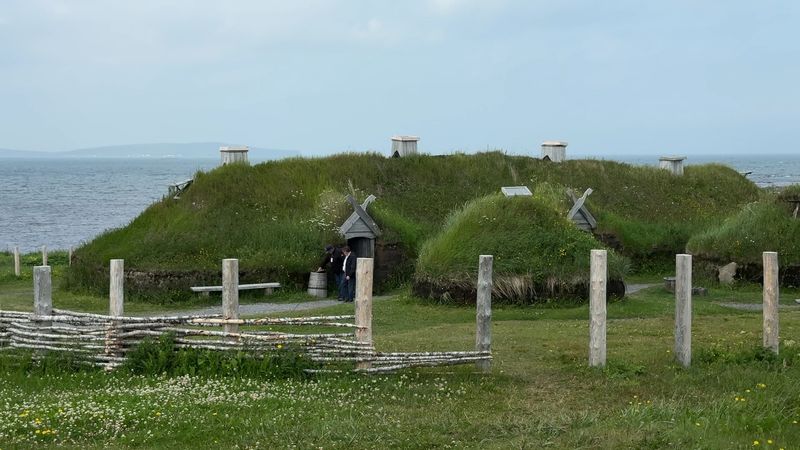
1978 UNESCO site (Canada’s first) reconstructs 11th-century Norse sod longhouses from archaeological digs, proving pre-Columbian European contact. Fishing outposts later layered Basque whalers and English planters, with interpretive trails mapping turf tech to modern ecology.
Parks Canada coordinates seasonal reenactments that teach boat-building and saga lore, turning remote bogs into classrooms. Drive the Viking Trail to connect digs with coastal Mi’kmaq histories and ferry views that echo ancient crossings.
18. Head-Smashed-In Buffalo Jump, Alberta
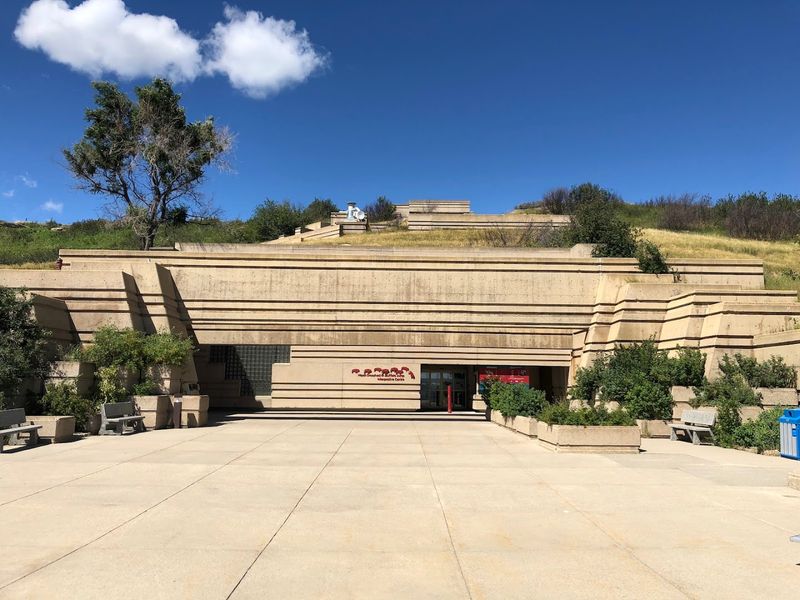
UNESCO 1981 for Indigenous drive-lane mastery, this cliff site’s layered bones reveal communal hunts predating pyramids. 19th-century ranching adapted the site into interpretive centers with multi-story windows over the jump. Exhibits trace oral histories to carbon dating, showing how hide trade funded tipis before cattle.
Pair with nearby drives through ranchlands where buffalo restoration echoes ancient corrals, blending archaeology with live prairie policy.



