Central America is having a serious moment, and it is not slowing down anytime soon. In 2025, the region welcomed 26 million visitors and generated at least $26 billion in economic impact, which means the world has officially taken notice.
From volcanic islands rising out of massive lakes to colonial cities that somehow look better every year, the destinations on this list are growing fast for very good reasons. Some of these places have seen booking increases of over 200% in recent years, which tells you everything you need to know about where travelers are heading next.
Whether you are planning your first Central American adventure or looking to swap your usual beach routine for something far more interesting, this list covers 18 spots that are absolutely worth adding to your radar right now.
1. San Salvador, El Salvador
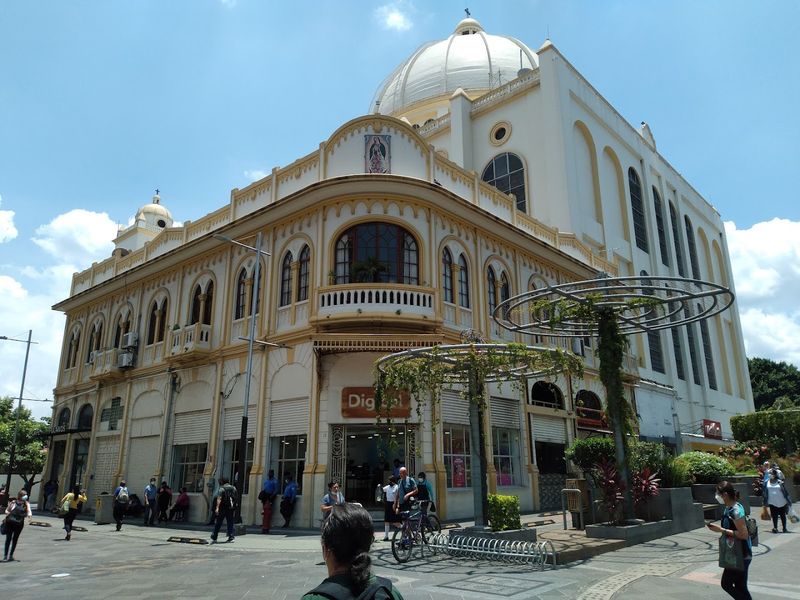
El Salvador’s capital city is officially the fastest-growing travel destination in Central America, and the numbers back that up completely. International arrivals hit 4.1 million in 2025, a 92% jump compared to pre-pandemic levels, and tourism revenues reached $3.6 billion, up over 215% since 2019.
San Salvador sits at the center of it all. The revitalized Historic Center features colorful murals, open plazas, and walkable streets that have attracted a wave of younger travelers and digital nomads.
The U.S. State Department now rates El Salvador as a Level 1 travel destination, the safest category available.
Add in easy access to Surf City beaches and the nearby Santa Ana Volcano, and it is easy to see why bookings keep climbing.
2. El Paredón, Guatemala
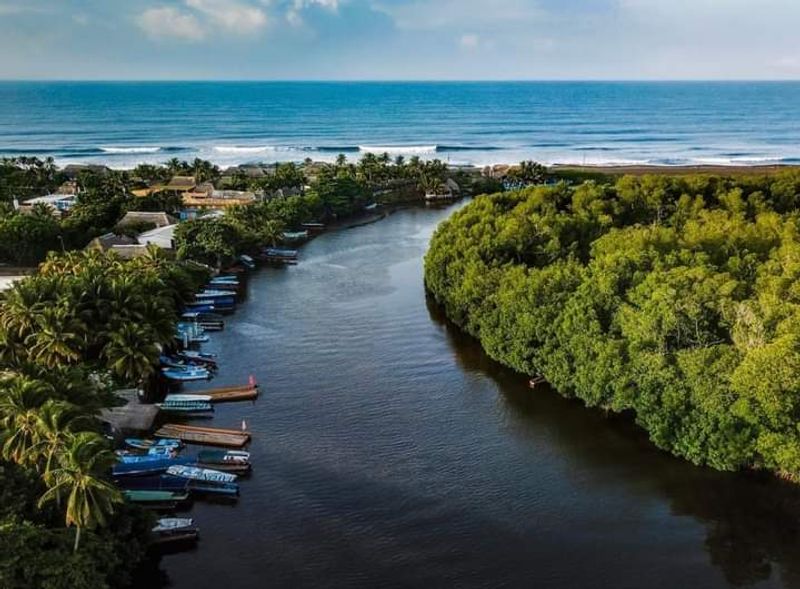
Not many places can go from “where is that?” to surf destination of the year without anyone seeing it coming, but El Paredón pulled it off quietly and confidently.
This former fishing village on Guatemala’s Pacific coast now attracts international surfers drawn to its long, uncrowded black sand beach and consistent waves. Eco-lodges built from local materials have replaced most of the old backpacker huts, and turtle conservation projects run alongside surf schools almost year-round.
The town still has that raw, unpolished character that travelers pay extra to find in more developed spots. Getting there requires a short boat crossing or a bumpy road, which, honestly, just adds to the appeal for the kind of traveler this place was made for.
3. Quepos, Costa Rica
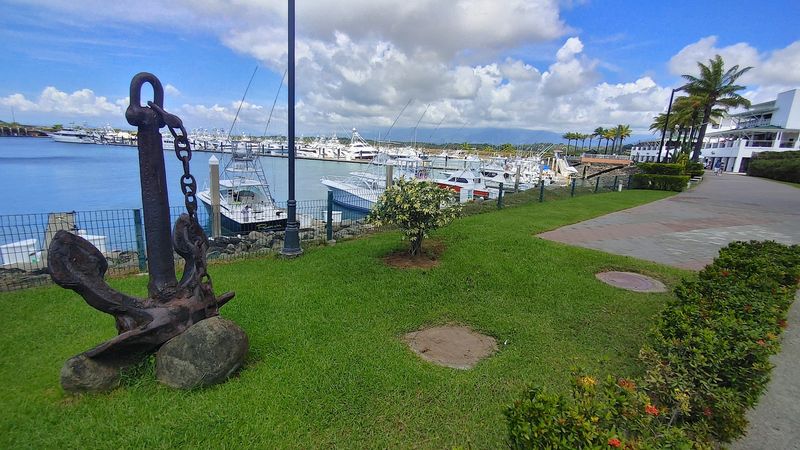
Bookings for Quepos jumped 278% in recent years, which puts it among the fastest-growing travel destinations in all of Costa Rica. The town itself is compact and unpretentious, but its location is extraordinary.
Quepos sits just minutes from Manuel Antonio National Park, where visitors can spot white-faced monkeys, sloths, and scarlet macaws on trails that lead directly to the beach. The park consistently ranks among the most visited in Costa Rica, and Quepos serves as the main base for everyone heading there.
A growing range of mid-range and boutique hotels has made the area more accessible to travelers who want comfort without the resort price tag. The marina also draws sport fishing enthusiasts from across North America every season.
4. Drake Bay, Costa Rica
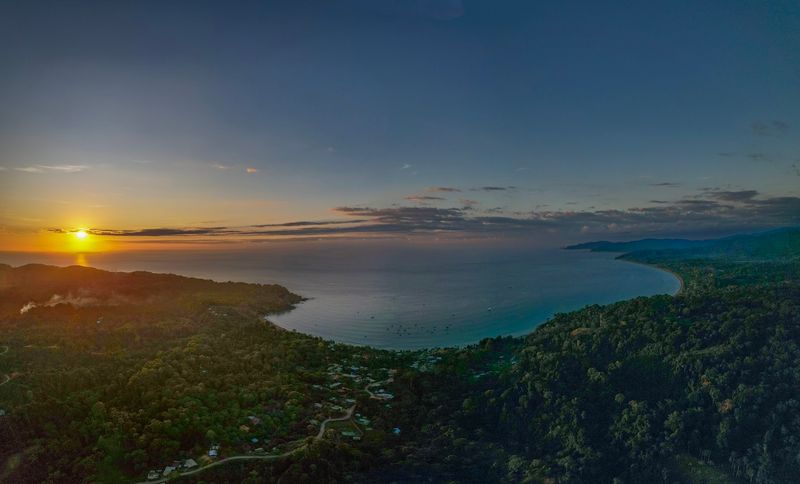
Getting to Drake Bay is not exactly a casual commute. Travelers either fly in on a small prop plane or take a boat from Sierpe, and that barrier is precisely what has kept it off the mass-tourism map for so long.
Bookings have surged 241% in recent years as word spreads about its role as the main gateway to Corcovado National Park, one of the most biodiverse places on the planet. Scientists have identified more species per square kilometer there than almost anywhere else on Earth.
Eco-lodges in the area are small, sustainable, and intentionally rustic. Guided hikes, whale watching tours, and snorkeling trips fill most visitors’ itineraries.
Drake Bay rewards the traveler who is willing to put in a little extra effort to get there.
5. Puerto Jiménez, Costa Rica
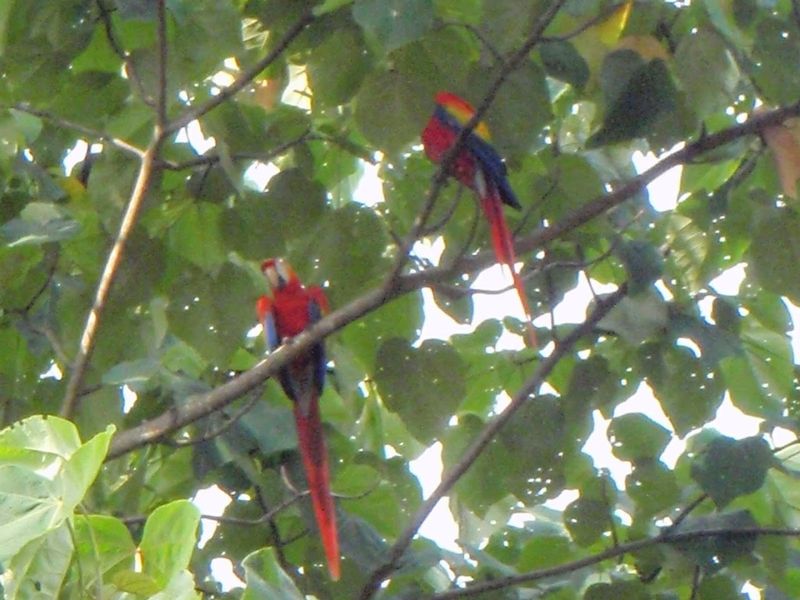
Puerto Jiménez has a reputation as the last real outpost before the wild takes over completely. Bookings have grown 120% in recent years, driven almost entirely by adventure travelers who want raw jungle access without the polished resort experience.
The town sits on the Osa Peninsula, which National Geographic once called the most biologically intense place on Earth. Scarlet macaws fly in large groups over the main street, and tapirs have been spotted wandering the outskirts of town at dawn.
Off-grid eco-lodges in the surrounding jungle offer solar power, composting toilets, and guided night walks as standard features. Puerto Jiménez works best for travelers who pack light, plan ahead, and have zero interest in a swim-up bar.
6. Uvita, Costa Rica
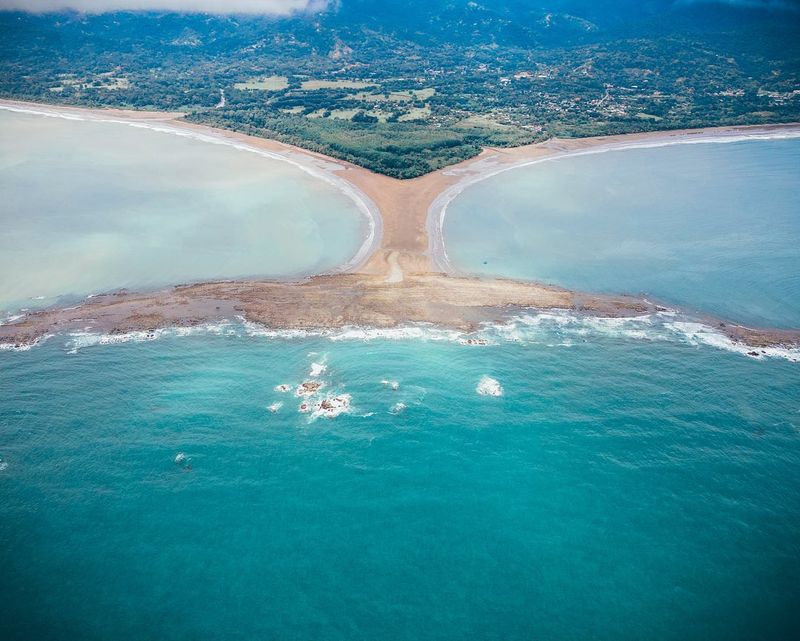
Uvita sits along Costa Rica’s southern Pacific coast and has built its entire identity around one remarkable natural feature: the whale tail. At low tide, a natural sandbar stretches into the ocean in the exact shape of a whale’s tail, visible from above at Marino Ballena National Park.
Humpback whales actually congregate in the waters here from August through October and again from December through April, making Uvita one of the few places in the world with two distinct whale watching seasons per year.
The town itself has grown considerably, with new eco-lodges, yoga retreats, and outdoor tour operators opening regularly. It attracts a mix of families, wellness travelers, and wildlife enthusiasts who want something more meaningful than a standard beach holiday.
7. Antigua, Guatemala
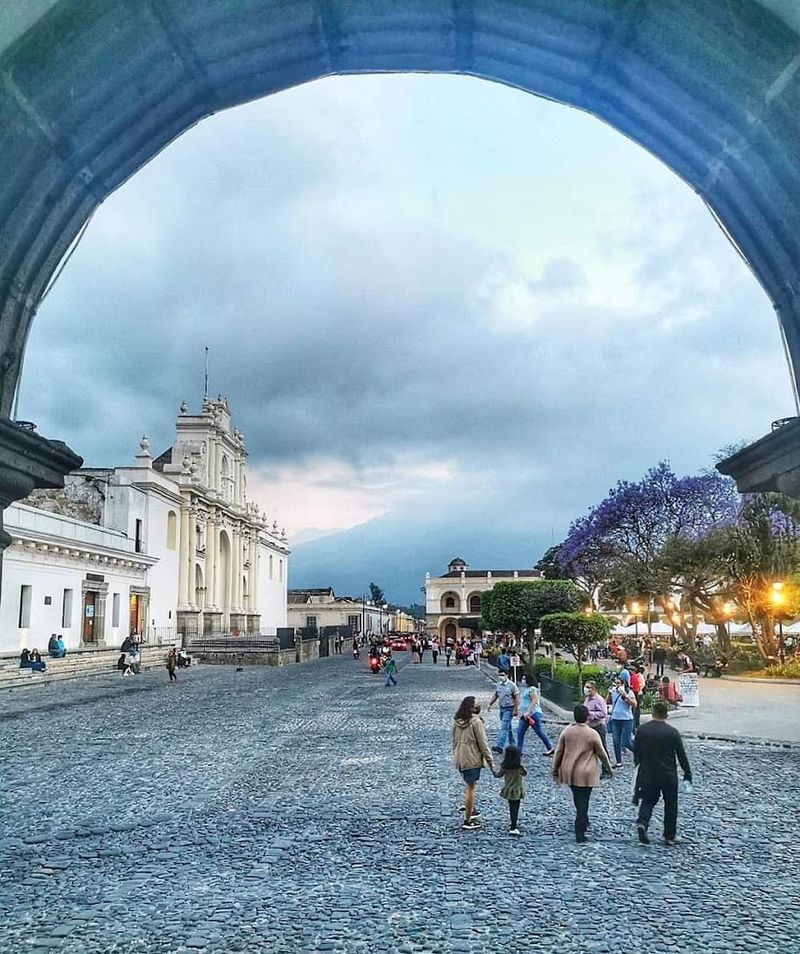
Few cities in the world can match Antigua’s combination of UNESCO-protected colonial architecture, active volcanoes on the horizon, and a coffee culture that rivals anything you would find in a major metropolitan city.
The city has seen a sharp rise in digital nomad visitors who come for the reliable infrastructure, walkable layout, and relatively low cost of living compared to other UNESCO World Heritage sites. Spanish language schools have operated here for decades, and many travelers extend their stays well beyond the original plan.
Antigua’s central park, flanked by a 16th-century cathedral and a palace, serves as the social hub of the city. Weekly markets, cooking classes, and volcano hikes to Pacaya or Acatenango fill out most visitors’ schedules without much effort.
8. Lake Atitlán, Guatemala
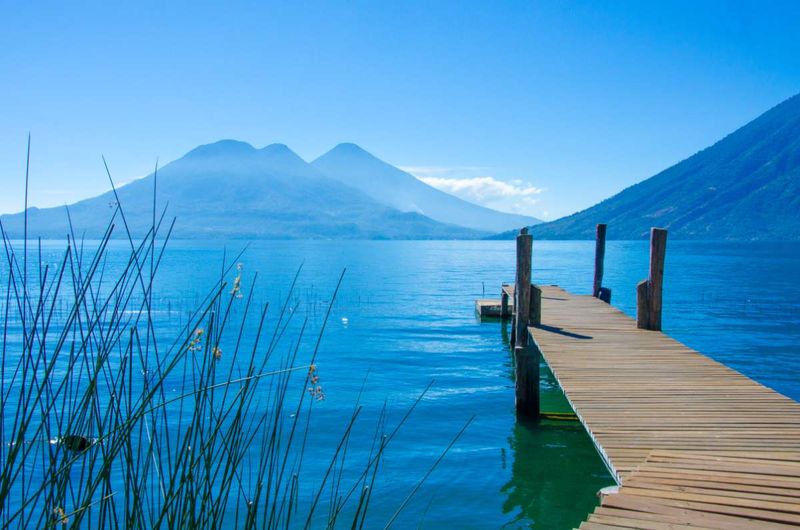
Three volcanoes ring the lake. Twelve indigenous villages dot the shoreline.
Dozens of wellness retreats have quietly set up shop in the hillside towns above the water. Lake Atitlán has been called one of the most beautiful lakes in the world for well over a century, and modern travelers are rediscovering exactly why.
San Marcos La Laguna has become the epicenter of the retreat scene, with yoga centers, meditation programs, and holistic therapy practices drawing visitors from across North America and Europe. San Pedro La Laguna remains the more social, backpacker-friendly option nearby.
Boat taxis connect all the villages throughout the day, making it easy to explore multiple towns in a single afternoon. Guatemala’s tourism sector is projected to grow by 52%, and Atitlán is pulling more than its share of that growth.
9. Roatán, Honduras
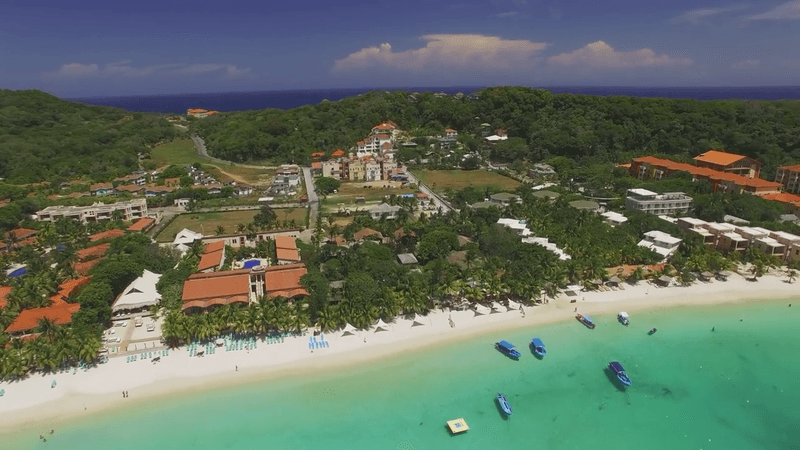
Roatán sits in the Caribbean Sea off the northern coast of Honduras and has one of the most accessible coral reef systems in the Western Hemisphere. The Mesoamerican Barrier Reef, the second-largest in the world, runs right along the island’s coast and draws divers and snorkelers from across the globe.
The hotel scene has diversified significantly in recent years, moving beyond the all-inclusive model to include boutique properties, overwater bungalows, and locally operated guesthouses. That shift has attracted a wider range of travelers beyond the cruise ship crowd that traditionally dominated the island.
West End and West Bay remain the most visited areas, but the eastern end of the island offers a quieter, less commercial experience for those who want to avoid the busier stretches. International flights have increased, making access easier than ever.
10. Utila, Honduras
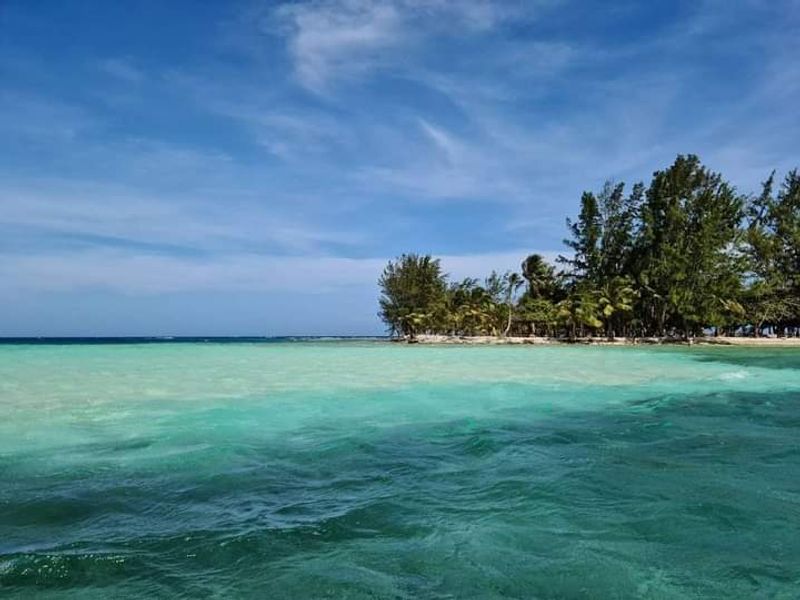
Utila has one of the most straightforward value propositions in all of Caribbean travel: world-class diving at a fraction of the cost you would pay almost anywhere else. The island sits about 30 kilometers off the Honduran coast and has built a strong reputation as one of the best places in the world to get a PADI certification on a budget.
Whale sharks pass through Utila’s waters regularly, particularly between March and April and again from October to November. The island itself is small enough to walk across in under an hour, which keeps the pace of life deliberately slow.
Backpackers and budget-conscious divers make up most of the visitor base, but a few more upscale guesthouses have opened in recent years. Utila is growing, but it has not lost its low-key island character yet.
11. Granada, Nicaragua
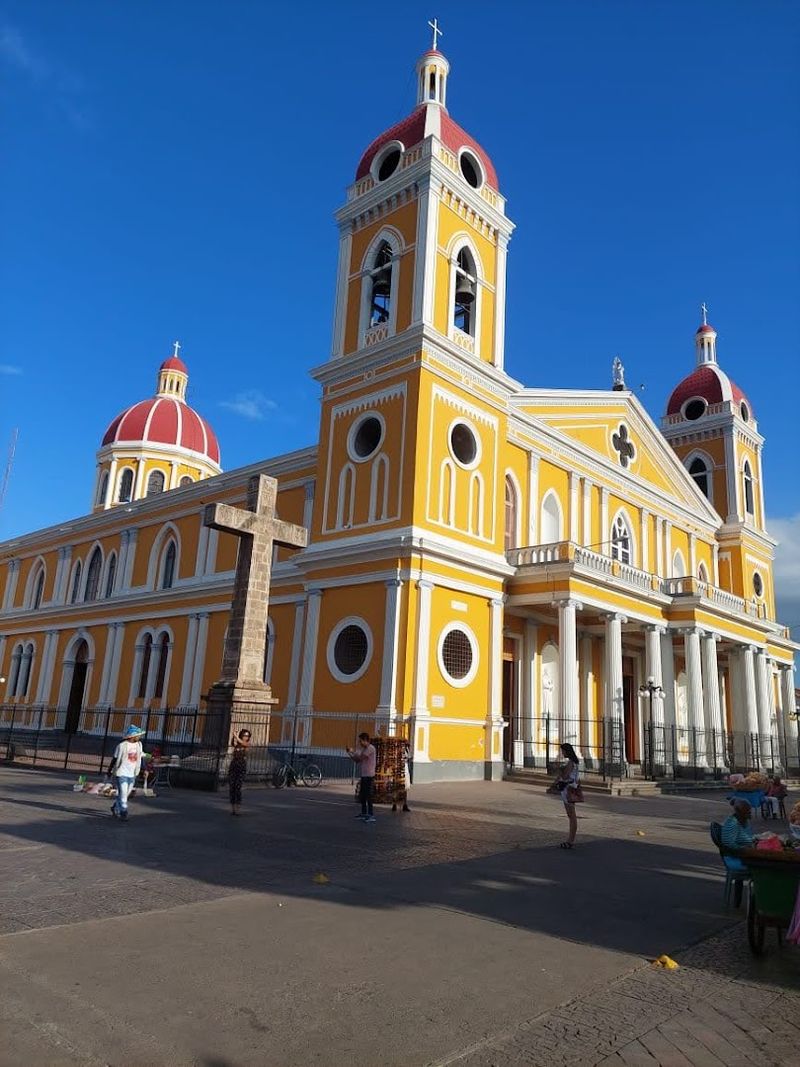
Granada holds the title of the oldest continuously inhabited European-founded city in mainland Americas, and it wears that history with considerable style. The streets are lined with brightly painted colonial buildings in yellow, turquoise, and coral, and the main cathedral overlooks a central park that locals and visitors share throughout the day.
Lonely Planet, Travel + Leisure, and Condé Nast Traveler have all placed Nicaragua on their recommended travel lists in recent years, and Granada consistently leads the cultural tourism charge. Artisan markets, horse-drawn carriage rides, and boat tours through the Isletas de Granada keep the activity calendar full.
Nearby Mombacho Volcano adds a hiking dimension that most colonial cities simply cannot offer. Granada is reasserting itself as one of Central America’s most photogenic and historically rich destinations.
12. San Juan del Sur, Nicaragua
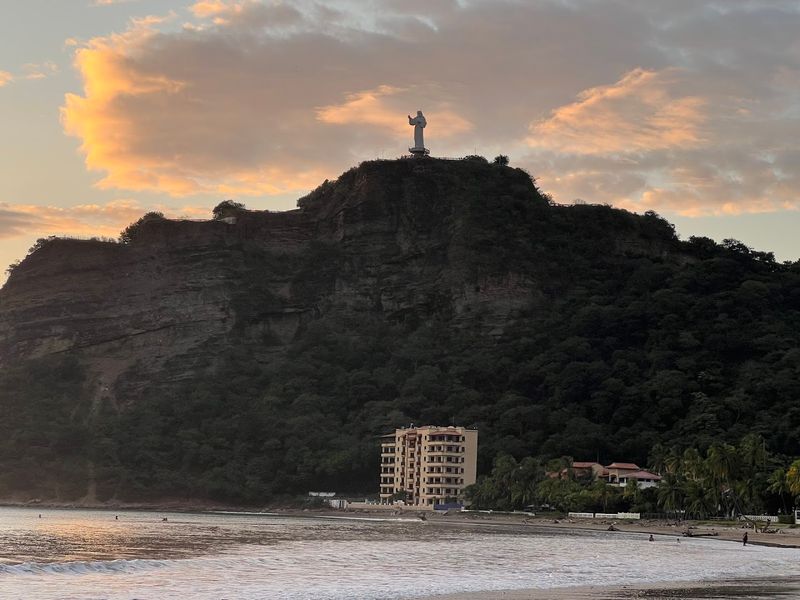
A giant Christ statue watches over the bay from a hilltop, and below it, San Juan del Sur has quietly transformed from a modest fishing port into one of Nicaragua’s most internationally recognized beach destinations.
The surf breaks here are consistent, the bay is calm enough for swimming, and a growing number of surf schools have made the area approachable for complete beginners. Improved road connections from Managua have cut travel time significantly, which has contributed directly to the uptick in visitor numbers.
Boutique hotels and small restaurants have replaced many of the older budget options along the main strip, reflecting a shift toward a slightly more polished traveler base. The Sunday Funday pool party circuit that made the town famous still operates, but the town now offers considerably more beyond that single tradition.
13. Bocas del Toro, Panama
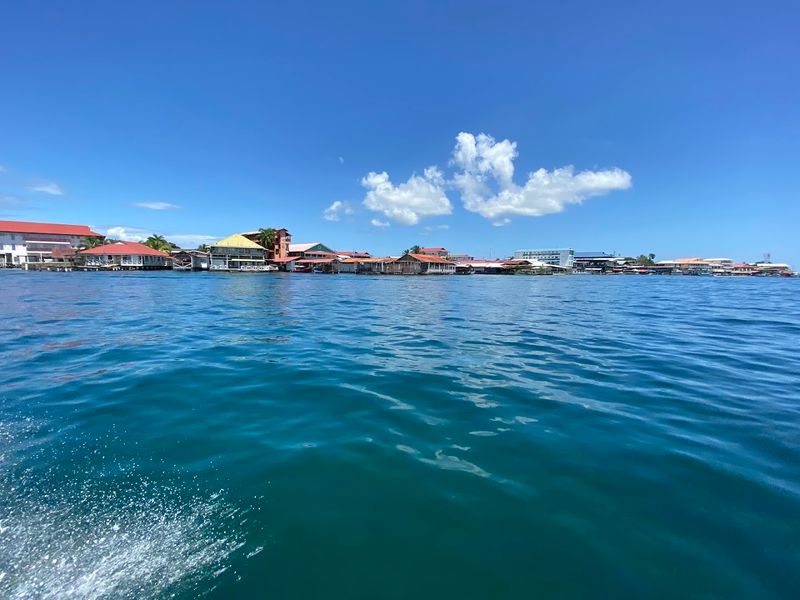
Panama’s Caribbean archipelago is the kind of place that makes people rethink their return flights. Bocas del Toro is a collection of islands and cays where overwater bungalows sit above turquoise water, and local water taxis serve as the primary form of public transportation.
The coral reefs surrounding the islands support impressive marine biodiversity, and snorkeling directly off the dock is a genuine option at many of the smaller guesthouses. Isla Bastimentos, the second-largest island in the group, contains a national marine park that protects both reef and rainforest within its boundaries.
The town of Bocas on Isla Colón is the main hub, with a laid-back Caribbean character and a growing restaurant scene. Tourism infrastructure has improved steadily, and new accommodation options continue to open across the archipelago each year.
14. Panama City, Panama
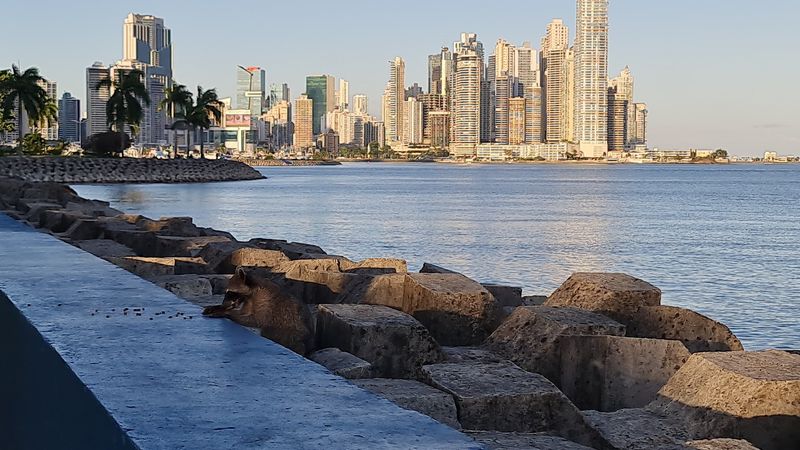
Panama City is the only capital city in the Americas where you can watch massive cargo ships pass through an engineering marvel from the 1900s while standing in a UNESCO World Heritage neighborhood. The Panama Canal and the historic Casco Viejo district exist just a short drive apart, and both are genuinely worth a full day each.
The city recorded millions of annual visitors in recent years, driven by a combination of business travel, transit tourism, and a growing number of leisure travelers who have discovered that Panama City offers far more than just a layover. The Radisson Riviera Panama opened in 2025, adding to a hotel market that already covers every budget category.
Casco Viejo has transformed into a vibrant neighborhood of boutique hotels, rooftop restaurants, and art galleries, all housed in restored colonial buildings.
15. Boquete, Panama
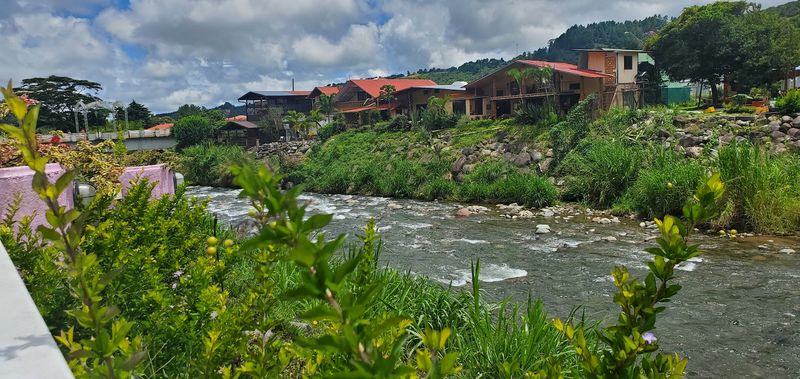
Boquete sits at about 1,000 meters above sea level in the Chiriquí Highlands, and the cooler temperatures alone make it feel like a completely different country from the tropical lowlands below. Coffee grown on the slopes surrounding the town is considered among the finest in the world, and several farms offer guided tours that walk visitors through the entire production process.
Hiking trails on Volcán Barú, the highest point in Panama, attract serious trekkers who want to reach the only spot in the country where both the Pacific Ocean and the Caribbean Sea are theoretically visible on a clear day. Lonely Planet named nearby Isla Palenque in Chiriquí one of the best places to travel in 2025.
A steady wave of retirees and remote workers has settled in Boquete, giving the town a surprisingly international and community-oriented character.
16. Placencia, Belize
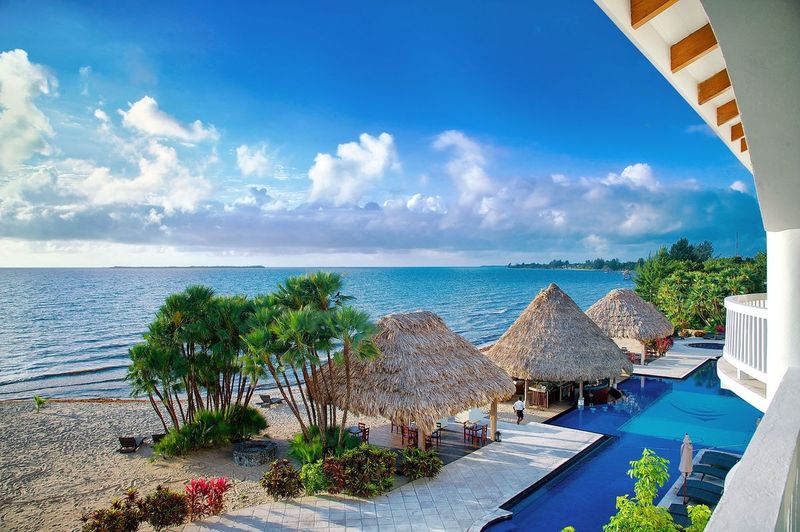
Placencia occupies a narrow peninsula on Belize’s southern coast, with the Caribbean Sea on one side and a large lagoon on the other. The main village sits at the tip of the peninsula and is connected by what the Guinness Book of World Records once recognized as the world’s narrowest main street, a concrete sidewalk barely wide enough for two people to pass each other.
The Belize Barrier Reef, the second-largest in the world, runs parallel to the coast and provides excellent snorkeling and diving conditions accessible by short boat ride. Boutique resorts have been opening at a consistent pace, replacing older budget properties and attracting a more upscale traveler base.
Manatees are frequently spotted in the lagoon, and whale shark encounters near Gladden Spit are available seasonally between March and June, drawing marine wildlife enthusiasts specifically to this stretch of Belizean coastline.
17. Punta Gorda, Belize
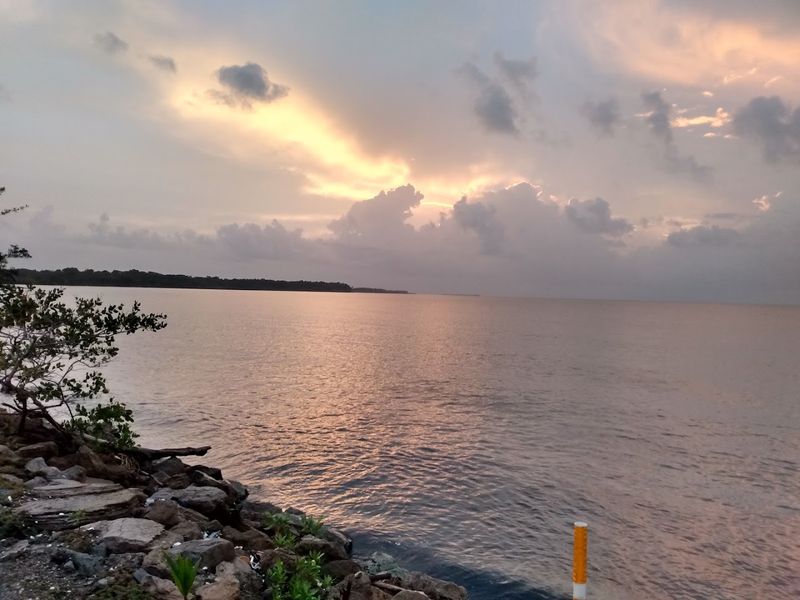
Most travelers fly past Punta Gorda on their way to Ambergris Caye, which means the town has managed to hold onto its authentic character longer than almost anywhere else in Belize. That is starting to change, and the travel industry is paying attention.
Punta Gorda serves as the gateway to the Toledo District, a region of rainforest, Maya ruins, and indigenous villages that offers a type of cultural immersion almost impossible to find in more developed parts of the country. The Lubaantun and Nim Li Punit archaeological sites are within day-trip distance and see only a fraction of the visitors that Tikal or Xunantunich receive.
Community-based tourism initiatives run by local Maya and Garifuna communities have created a network of homestays and guided experiences that funnel tourism revenue directly to residents. Punta Gorda rewards the traveler who prefers depth over convenience.
18. Ometepe Island, Nicaragua
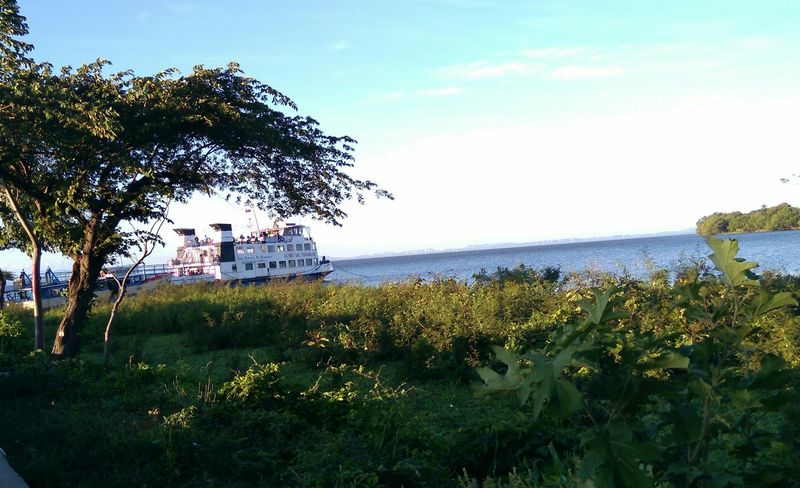
Two volcanoes rise directly out of the largest lake in Central America to form a single island connected by a narrow land bridge. Ometepe is one of the most visually striking destinations in the entire region, and its geological origin story is as dramatic as the landscape itself.
Concepción, the taller of the two volcanoes, is still active and can be climbed with a registered guide. Maderas, the older and more forested volcano, contains a crater lake at its summit that rewards the multi-hour hike with a genuinely surreal payoff.
Petroglyphs carved by pre-Columbian inhabitants appear throughout the island, and several small museums document the area’s indigenous history. Eco-traveler bookings have surged significantly in recent years as Ometepe gains recognition as one of Nicaragua’s most compelling and accessible natural destinations.
Share this story