 Unearth The Voyage
Some legends never fade, they just keep playing. These icons have crossed the 80 mark, yet their music still crackles with life and timeless influence. As you revisit their hits, you feel how their voices and instruments shaped entire eras and still guide new artists today. Settle in and rediscover why these names remain essential to your playlist.
1. Willie Nelson
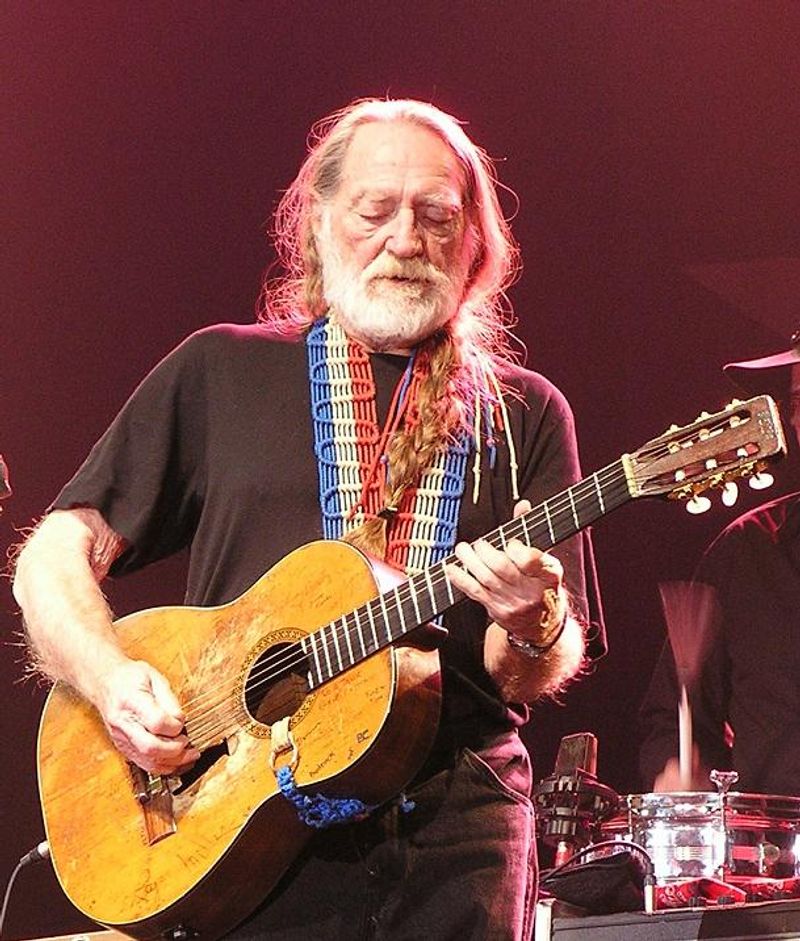
Willie Nelson carries the road in his voice, that dusty mix of grace and grit. You hear it in every note from his nylon-string guitar, Trigger, scarred like a diary of tours and late-night jams. Country, jazz, and blues swirl together as he leans behind the beat, turning simple melodies into conversations you feel deep inside.
From Red Headed Stranger to Stardust, he rewrote what country could be, tender and rebellious in the same breath. He helped invent outlaw country, yet he croons standards like a velvet whisper. You can almost smell campfire smoke when he sings, and somehow it makes life feel lighter.
He champions Farm Aid, friendship, and the freedom to be fully yourself. Keep an ear on those phrasings, those pauses, that winking wisdom. When Willie plays, time unspools gently, like a long highway at golden hour.
2. Bob Dylan
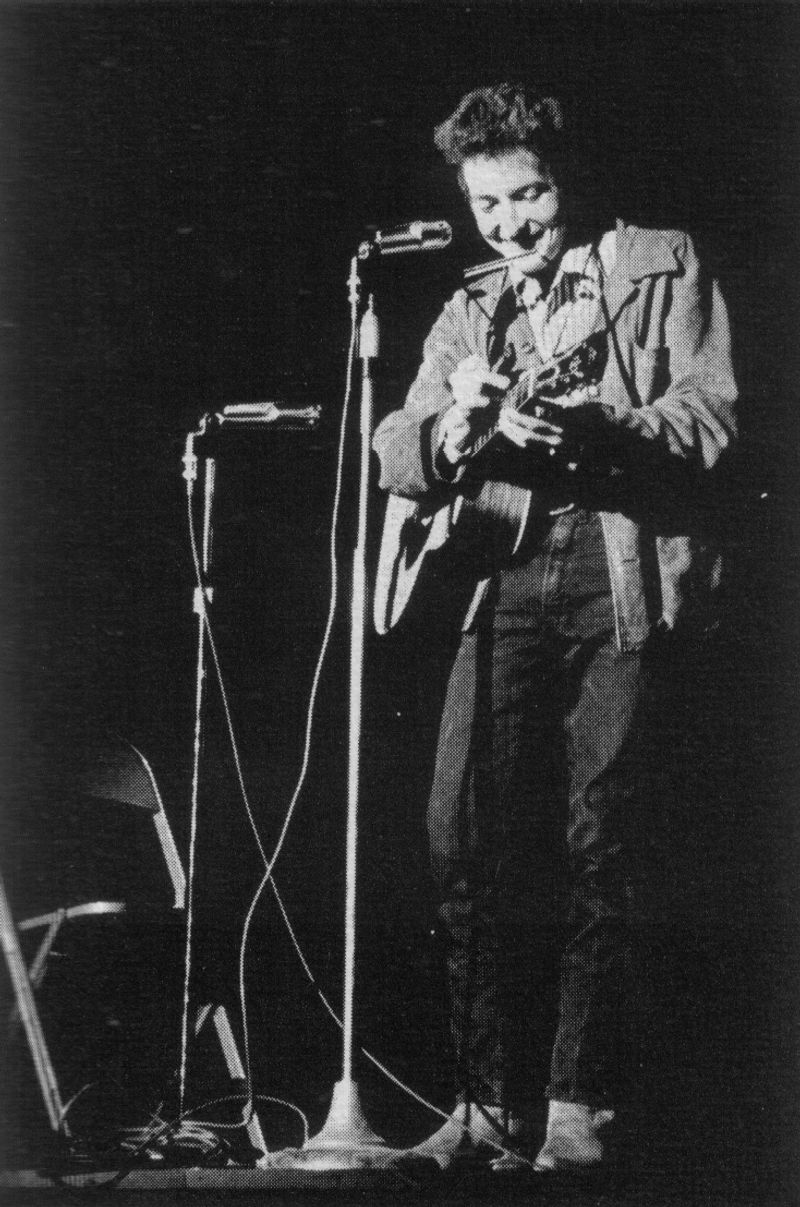
Bob Dylan made language bend, spark, and wander. You feel it when he tosses off a line that sounds like scripture and street talk at once. His voice, sandpaper and smoke, insists that melody can carry riddles and prophecy, and you lean in closer to follow.
From folk troubadour to electric firebrand, he reinvented himself with fearless curiosity. Highway 61 led to Blood on the Tracks, then Time Out of Mind, each era a fresh city in the same mysterious country. You learn the map by listening, then realize the map keeps changing.
He won a Nobel for literature, yet he keeps writing like a traveler packing light. You can hear lamp-lit notebooks rustle in every rhyme. When Dylan sings, the past and present trade places, and you find yourself walking beside him, chasing truth across a shifting horizon.
3. Paul Simon
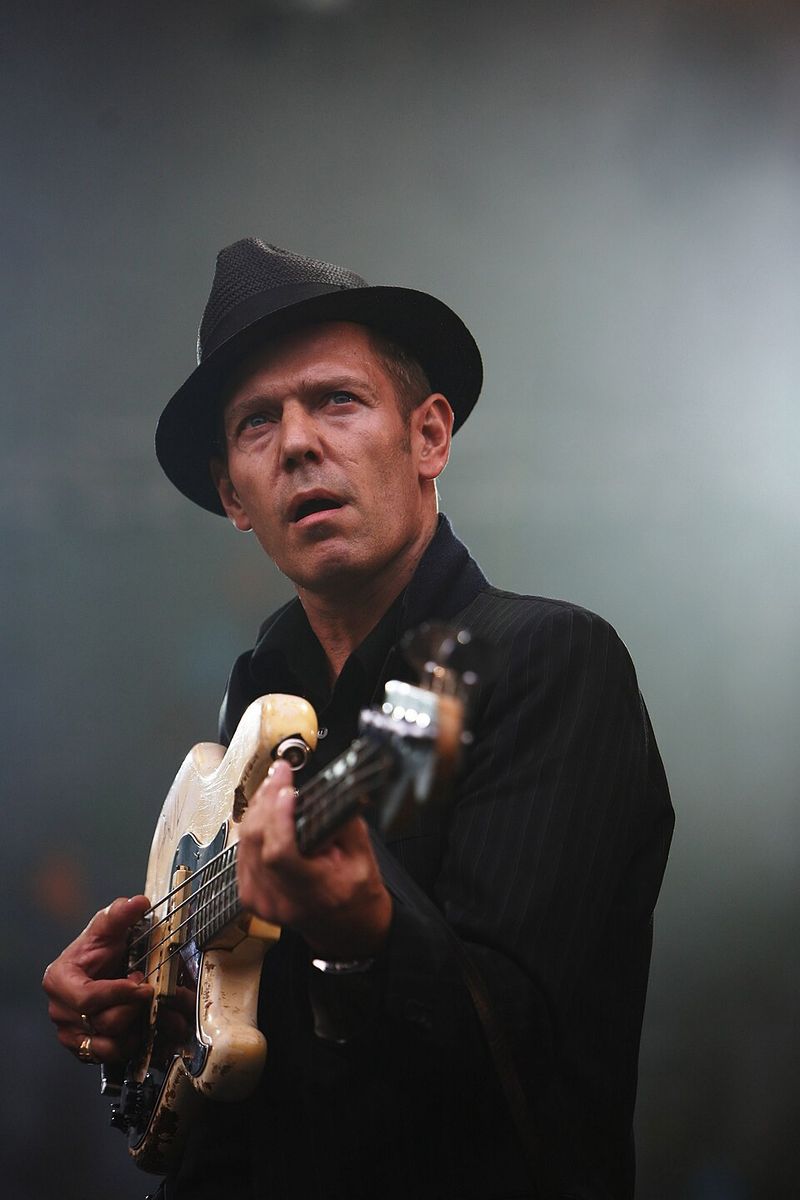
Paul Simon crafts songs like fine architecture, each line measured yet full of heart. You hear New York sidewalks and South African harmonies meeting in bright, surprising corners. His voice carries a calm curiosity, inviting you to notice the small miracles inside everyday life.
From Simon and Garfunkel to Graceland, he chased rhythms across continents without losing his gentle core. Percussion becomes conversation, basslines become streets you can walk. The choruses feel familiar by the second listen, like a friend who somehow understands your stories.
He writes with empathy, humor, and a cartographer’s sense of space. You follow because the journey feels kind and true. When the guitar picks a delicate figure, it unlocks a window, and suddenly the room fills with sunlight, footsteps, and the soft rattle of a distant train.
4. Frankie Valli

Frankie Valli’s falsetto floats like a silver ribbon over street-corner harmonies. You hear a city night in his phrasing, neon flicker and a cruising convertible. The Four Seasons made pop sparkle with drama, and those hooks still snap to attention in your memory.
Sherry, Big Girls Don’t Cry, and Can’t Take My Eyes Off You turned teenage rush into timeless melody. The rasp beneath the high notes adds character, a little human ache. You can almost feel the jukebox buttons clicking as the chorus rises.
Decades later, Jersey Boys turned his story into a sing-along history lesson. He kept touring, kept standing under lights that felt like home. When Frankie leans into a high note, you feel the years fold neatly, and suddenly you are right back on the corner, waiting for the song to start.
5. Neil Sedaka
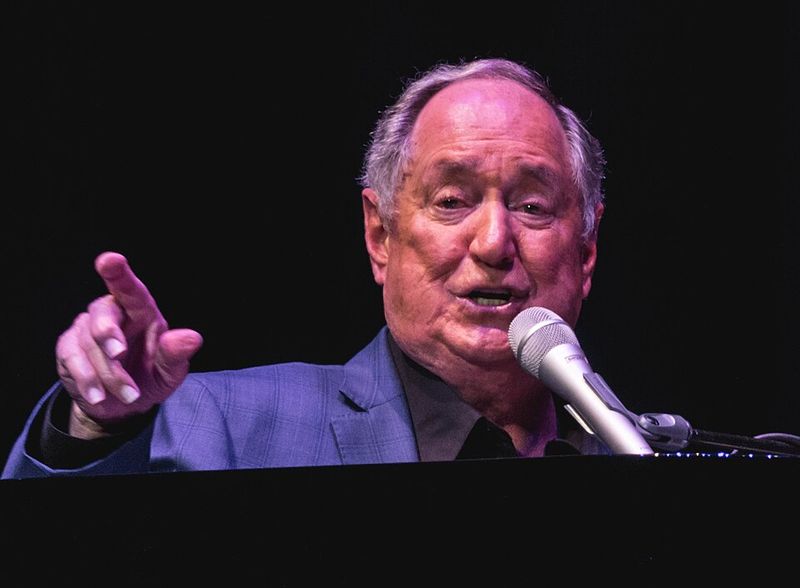
Neil Sedaka turned the Brill Building into a sunlit playground. His piano lines bounce with optimism, then land on notes that tug at your heart. You hear a craftsman at work, shaping choruses you can hum after one spin.
Breaking Up Is Hard to Do became a pop textbook in two tempos, bright and later bittersweet. That range shows his understanding of mood and memory. He writes like a friend who knows love can be glorious and complicated.
As a singer, songwriter, and survivor of shifting eras, he kept returning with new sparkle. You can feel Broadway polish and radio joy living together in his melodies. When Sedaka plays, the room lifts slightly, and you remember how a perfect piano hook can paste a grin across the day.
6. Nancy Sinatra
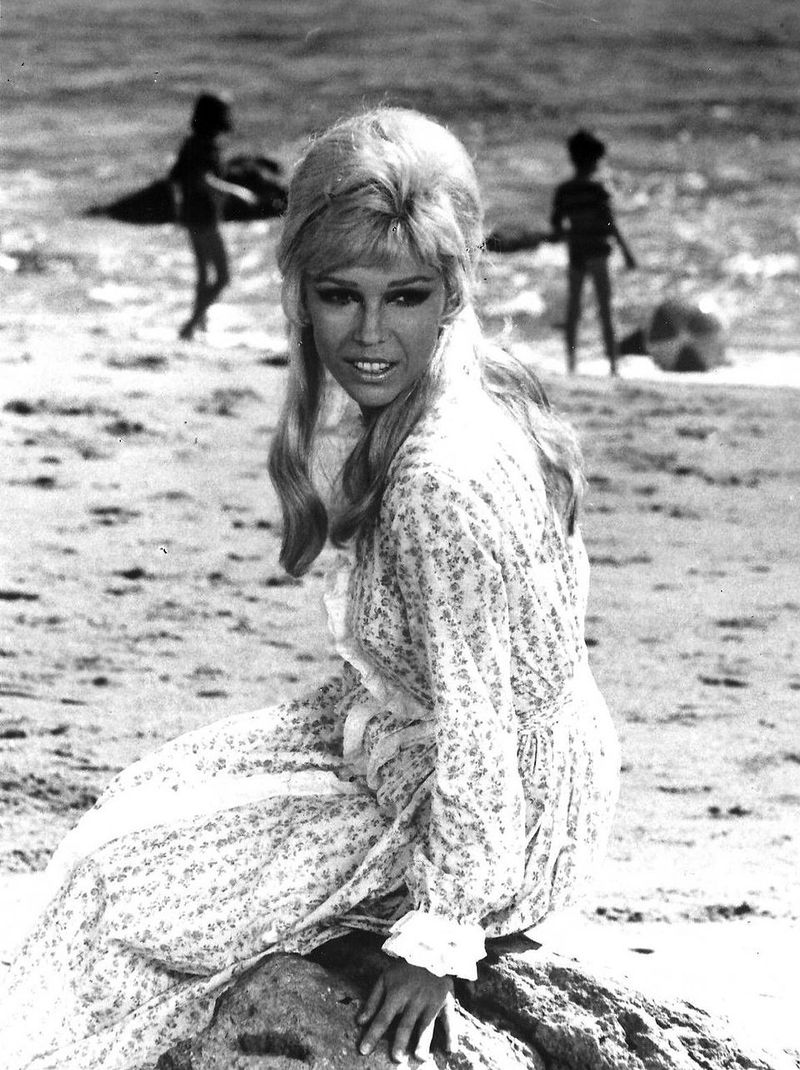
Nancy Sinatra walked into pop with a wink and a stomp. These Boots Are Made for Walkin’ gave swagger to the radio, a beat you feel in your shoulders. Her voice is cool as a movie close-up, playful but sharp.
She partnered with Lee Hazlewood for duets that sounded like desert film scenes. Echoes, baritone guitars, and a little mischief made those tracks feel iconic. You can hear sunglasses and sunlight in the mix, a stylish glide through dusty air.
Nancy turned attitude into melody, proving confidence can be catchy. You recognize the hooks instantly, yet there is always a sly detail hiding in the corners. When that bassline struts in, you straighten your posture without thinking, ready to follow wherever the story goes.
7. Smokey Robinson
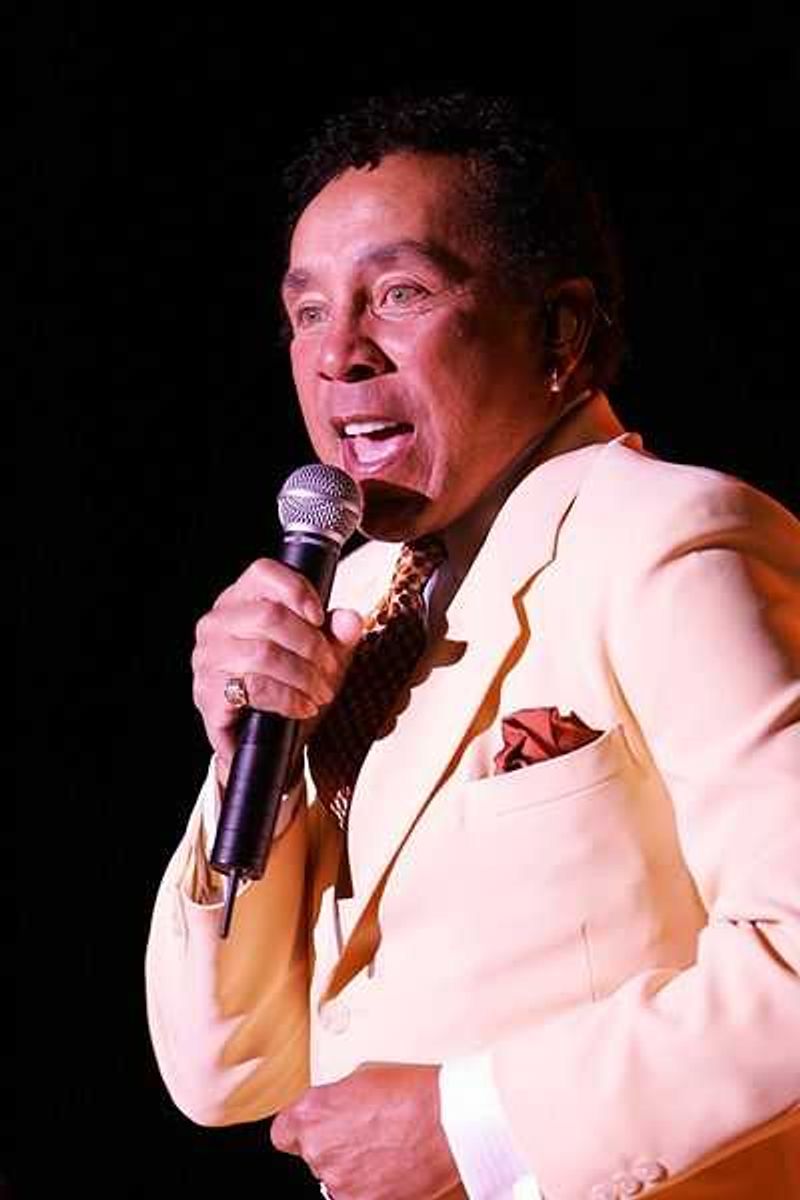
Smokey Robinson writes lyrics like silk threads, weaving romance into every line. His tenor glides, then shines with a gentle ache that feels honest. You listen and suddenly every hallway looks candlelit.
The Miracles defined Motown’s shimmer, while his songwriting touched countless voices. Tracks like The Tracks of My Tears and Cruisin’ show how melody can smile and cry at once. He guides the groove like a slow dance you never want to end.
As producer, arranger, and singer, he understands how space makes a song breathe. You hear the heart between the beats, the tender pause before a chorus. With Smokey, love songs feel like rooms you remember, painted in soft blue and gold.
8. Dionne Warwick
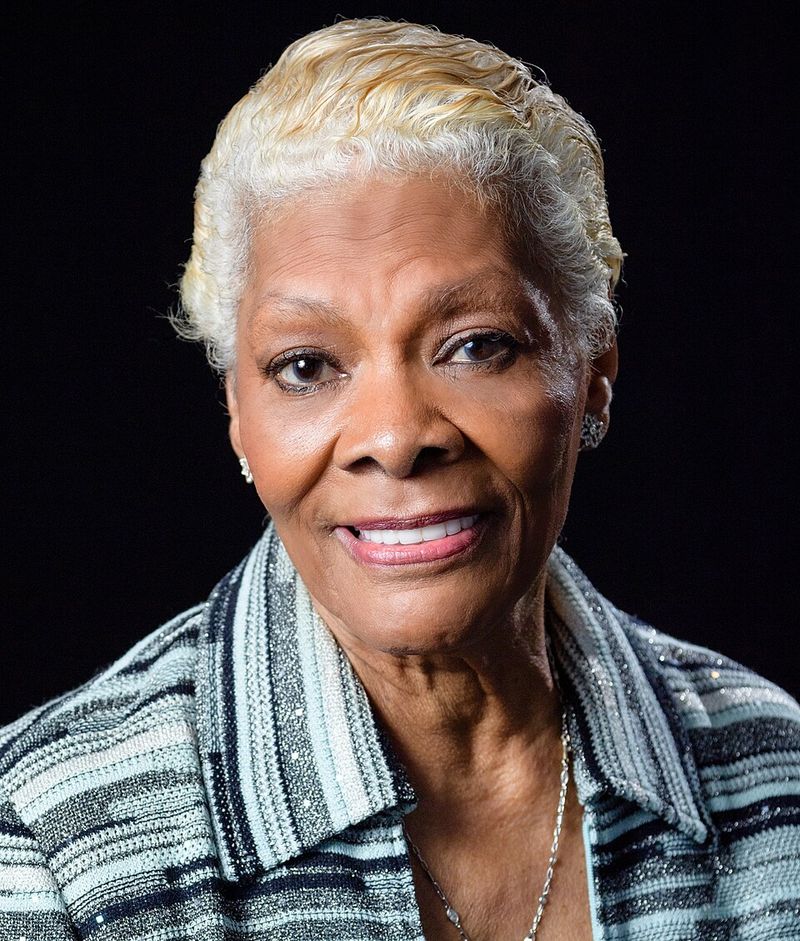
Dionne Warwick carries elegance in every syllable. Bacharach and David handed her melodies with elegant curves, and she traced them with effortless grace. You hear conversational phrasing that feels intimate, like a trusted friend giving advice.
Walk On By and I Say a Little Prayer unfurl like ribbon across a sunny room. The arrangements sparkle with flugelhorns and soft percussion. Her tone stays poised, then warms at just the right moment, inviting you closer.
Across decades, she navigated pop, soul, and adult contemporary without losing her center. You can feel a steady compass in her delivery, calm and tender. When Dionne sings, the room quiets as if the furniture is listening too, waiting for the last note to land.
9. Bill Medley

Bill Medley’s baritone is a velvet thundercloud. With the Righteous Brothers, he made blue-eyed soul glow with cathedral-sized emotion. You hear it instantly in You’ve Lost That Lovin’ Feelin’, a slow-burn confession that fills the air.
His voice carries weight without heaviness, strength folded into tenderness. Duets let that power bloom, harmonies rising like stained glass. You feel your chest loosen with every chorus, making space for the ache and the relief.
Beyond the hits, he kept the torch lit on stages everywhere. The songs never feel dated because the feelings never do. When Medley steps to the mic, time steadies, and the room learns how to breathe again.
10. David Gates
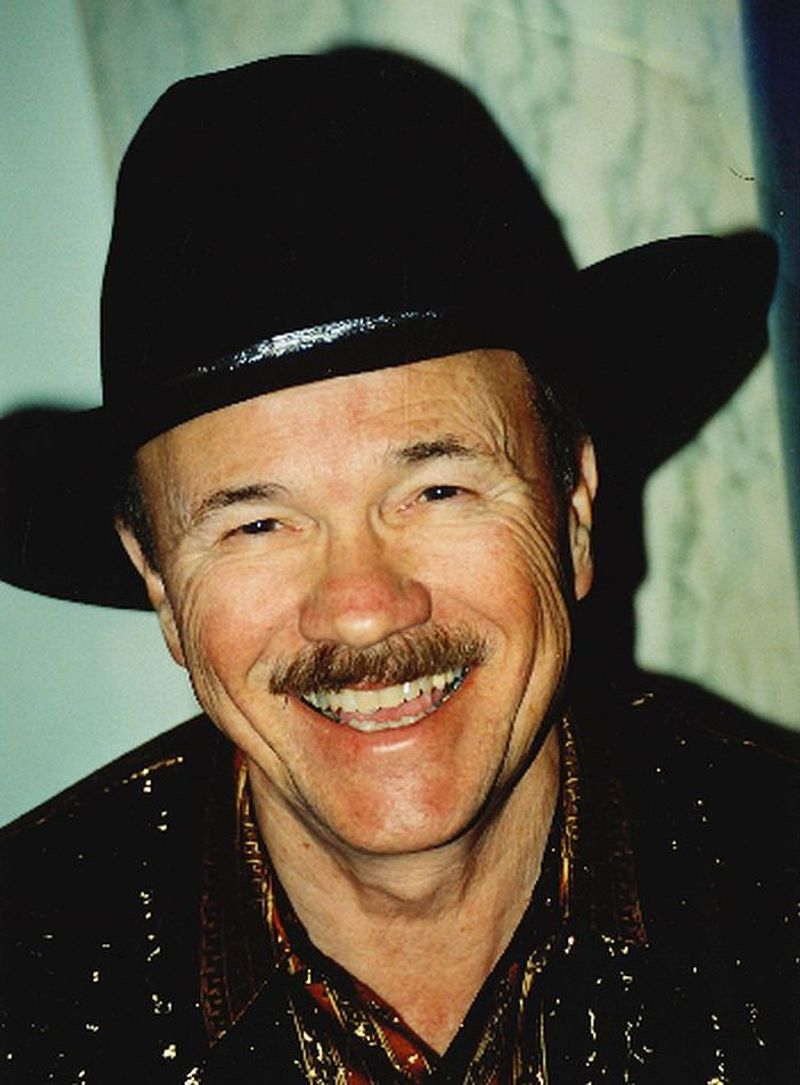
David Gates gave Bread its featherlight glow, a tender blend of melody and melancholy. Everything I Own and Make It with You feel like letters tucked into a favorite book. You hear patience in his voice, a careful kindness that lingers after the fade.
Arrangements drift like a soft breeze, acoustic guitars braided with strings. The tempos never hurry, trusting the lyric to land. You find yourself swaying without trying, as if the song already knows your heartbeat.
He wrote with clarity, leaving space for your memories to settle. You can walk right into those choruses and feel at home. When Gates sings, the world softens at the edges, and even complicated days seem a little more manageable.
11. Freddy Cannon
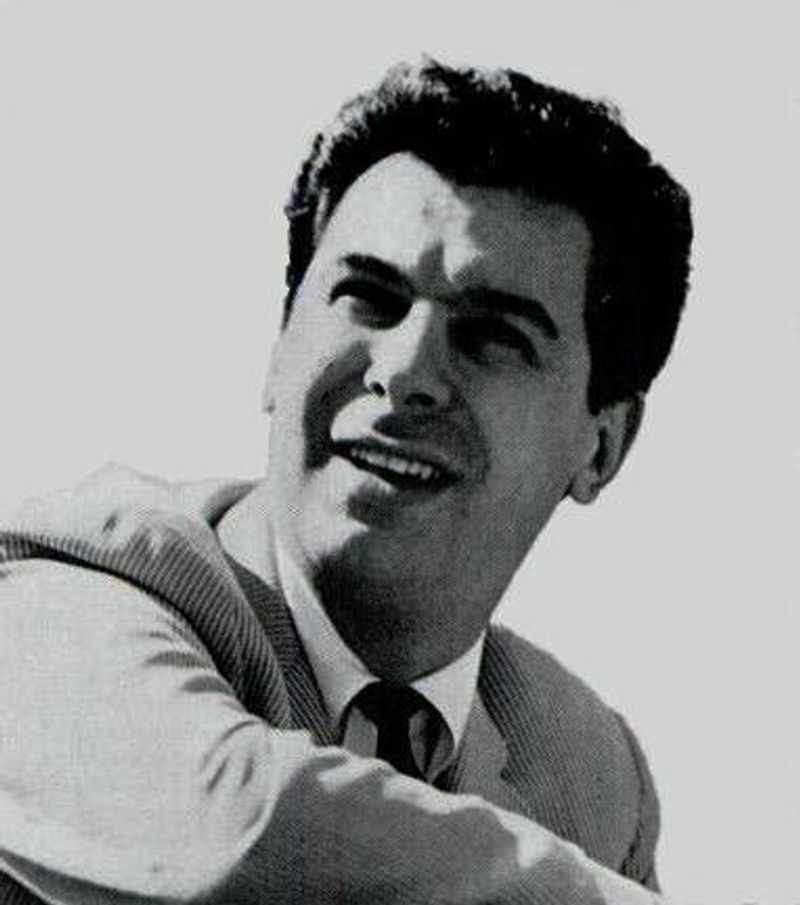
Freddy Cannon brought jump-and-shout energy to early rock and roll. Tallahassee Lassie and Palisades Park race forward like roller coasters, all handclaps and brass. You can practically feel the boardwalk under your feet when the chorus hits.
His vocals punch through the mix with cheerful urgency. The band cooks behind him, saxophones grinning, drums barely sitting still. It is the sound of teenagers bursting through a summer night, pockets full of tickets and hope.
Those records still crackle at parties, proof that fun ages well. You do not analyze these tunes so much as ride them. When Freddy counts it in, the room lights up, and suddenly everybody knows the moves.
12. Bobby Bare
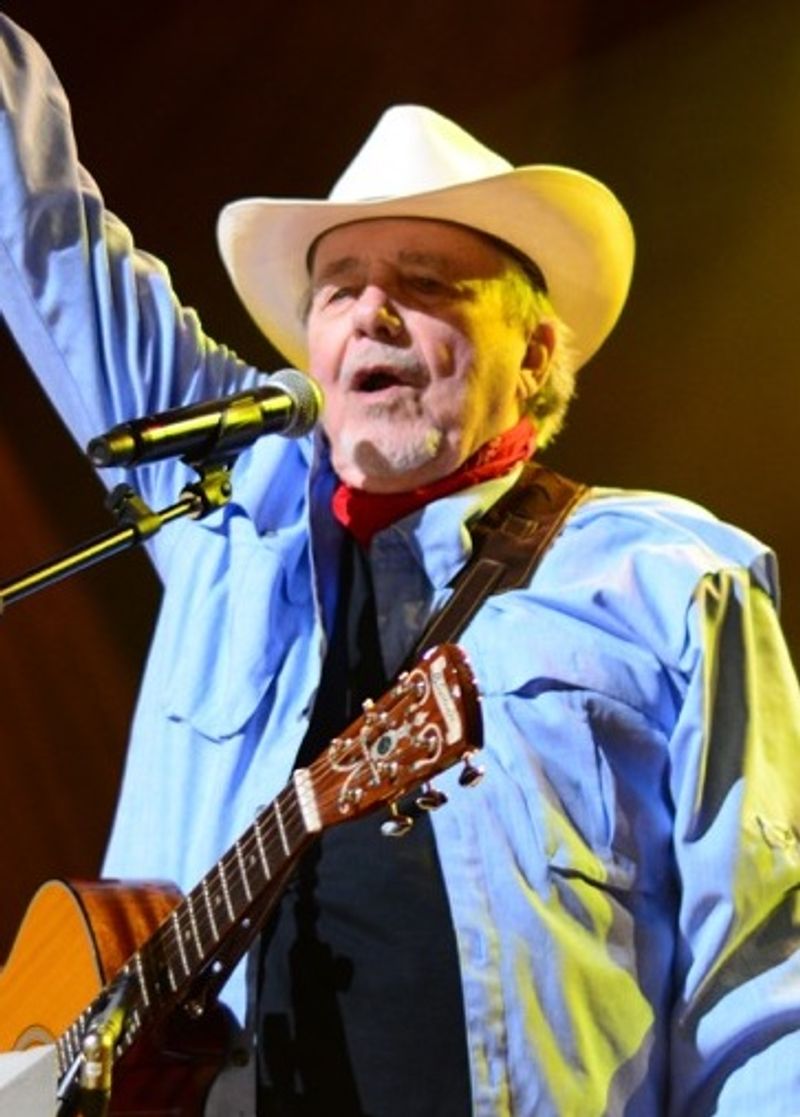
Bobby Bare sings like a front-porch storyteller, turning verses into campfire tales. Detroit City and 500 Miles Away from Home carry highway dust and homesick prayers. You feel understood because the songs do not pretend life is simple.
His delivery leans into narrative detail, letting characters breathe. The arrangements stay lean, guitars and fiddles framing the voice like wood and twine. You hear a friendly shrug in the choruses, a quiet nod that says keep going.
Across decades, he kept it honest, funny, and human. You get the sense that he values the story more than the spotlight. When Bare sings, it feels like neighbors leaning on a fence, trading truths as the sun goes down.
13. Buddy Guy
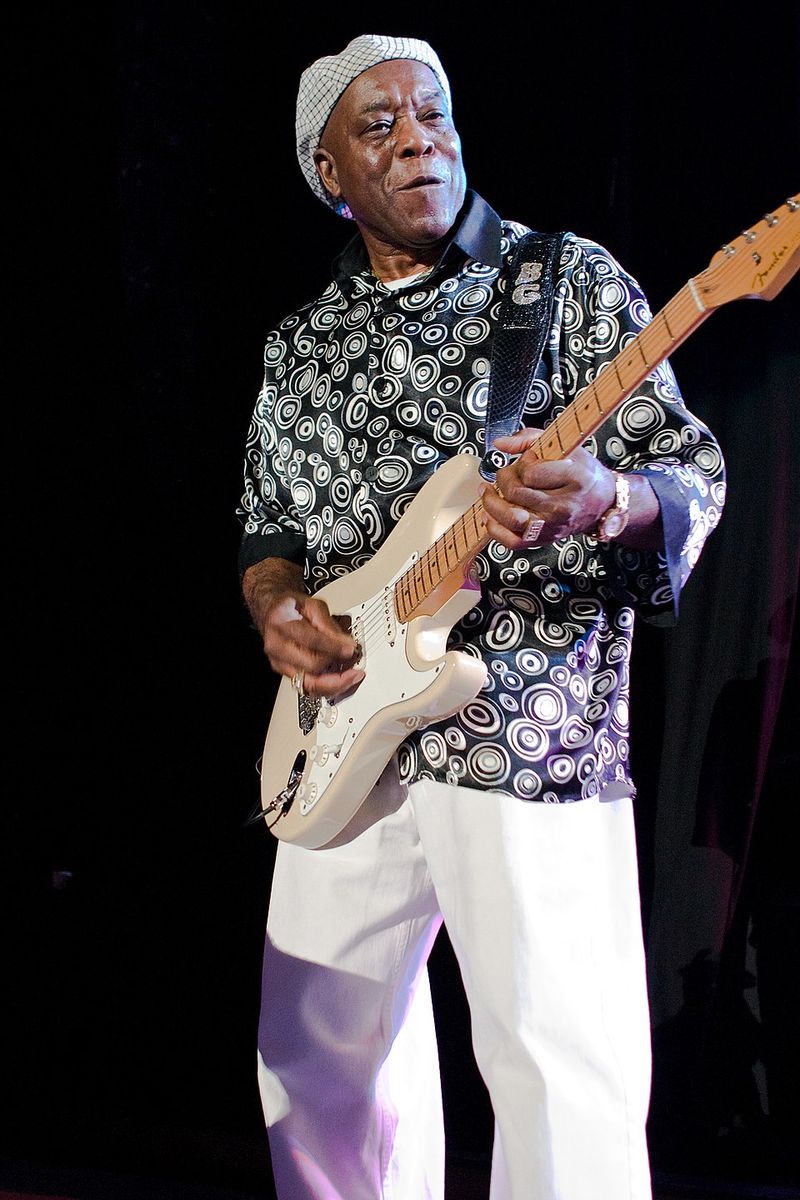
Buddy Guy plays guitar like lightning learning to laugh. Notes leap, sting, then melt into a sly smile. You feel the Chicago blues tradition crack open and pour fresh fire.
Onstage, he toys with silence, then detonates a phrase that makes the crowd shout back. His polka-dot Strat is a storyteller, bending history into raw electricity. You hear Muddy and Jimi shaking hands in every solo.
He mentors younger players while still stealing the show. The tone is ferocious yet joyful, proof that passion can age like fine oak. When Buddy leans into a bend, the world tilts, and you remember why live music matters.
14. Bobby Rush
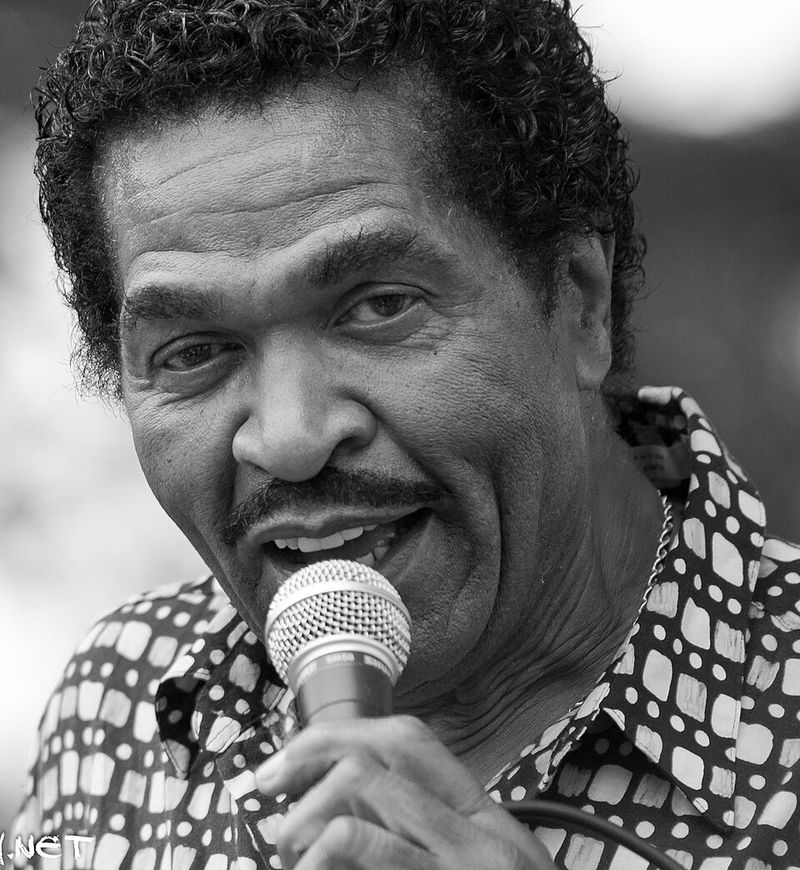
Bobby Rush is blues with a wink and a grin. His shows feel like neighborhood parties where the groove never quits. You hear swampy riffs and sly jokes weaving through the harmonica lines.
Chicken Heads became his signature strut, earthy and irresistible. He mixes funk, soul, and juke joint bounce until the dance floor gives up. The humor is part of the healing, a way to keep spirits high while telling the truth.
Even in his eighties, he tours with fire and kindness. You feel invited, not just entertained. With Bobby Rush, the blues celebrates survival, turning every chorus into a victory lap.
15. Charles Wright
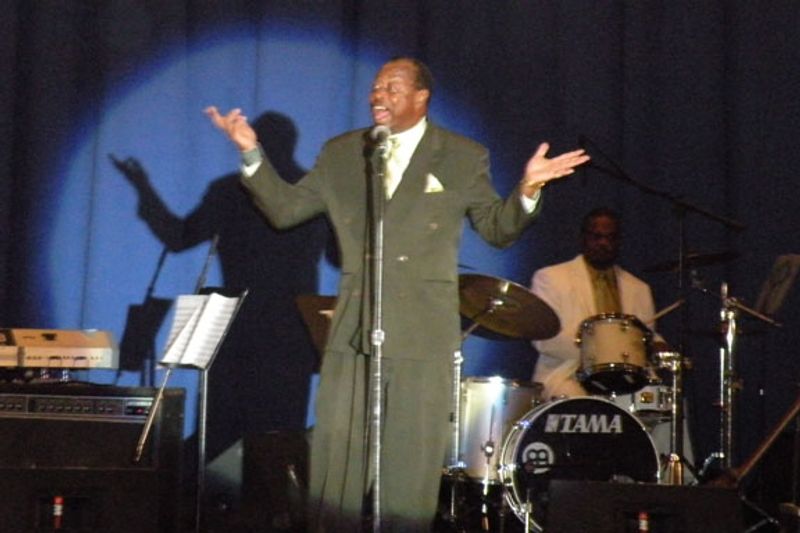
Charles Wright built grooves that feel like city blocks, stacked and pulsing. Express Yourself is a mantra set to funk, a reminder to move exactly how you feel. You hear Los Angeles sunshine baked into the rhythm guitar.
With the Watts 103rd Street Rhythm Band, he made community an instrument. Horns, clav, and drums talk to each other like neighbors on stoops. The result is joy that refuses to sit down.
That track keeps echoing through samples and dance floors. You join the conversation every time the beat drops. When Wright says express yourself, the message lands simple and true, and your shoulders answer before your mind does.
16. John Williams

John Williams writes themes that feel like constellations. You hear brass lift and strings race, and suddenly the room becomes a galaxy. His melodies plant flags in your memory, guiding emotions with elegant precision.
From Star Wars to Indiana Jones, he knows how to aim a trumpet line at your courage. The harmonies shimmer with classic Hollywood craft, updated with modern punch. Even quiet cues carry a heartbeat that nudges your imagination forward.
In concert, you feel the power of collective sound, a thousand tiny decisions becoming one story. He conducts like a gentle architect, shaping the arc you want to follow. When the final chord blooms, you are taller for a moment, ready for adventure again.
17. Herb Alpert

Herb Alpert turned trumpet into a smile you can hear. The Tijuana Brass blended mariachi colors with pop sparkle, crafting hooks that feel like sunshine on tile. You catch yourself humming before you notice.
Whipped Cream and Other Delights became a cultural wink, playful and impeccably arranged. The rhythms bounce with clean precision, yet the mood stays relaxed. It is music that makes a room friendlier within seconds.
As co-founder of A&M Records, he helped other artists bloom. You sense generosity in his tone, warm and welcoming. When Herb lifts the horn, the air brightens, and conversation suddenly has better rhythm.
18. Marshall Allen
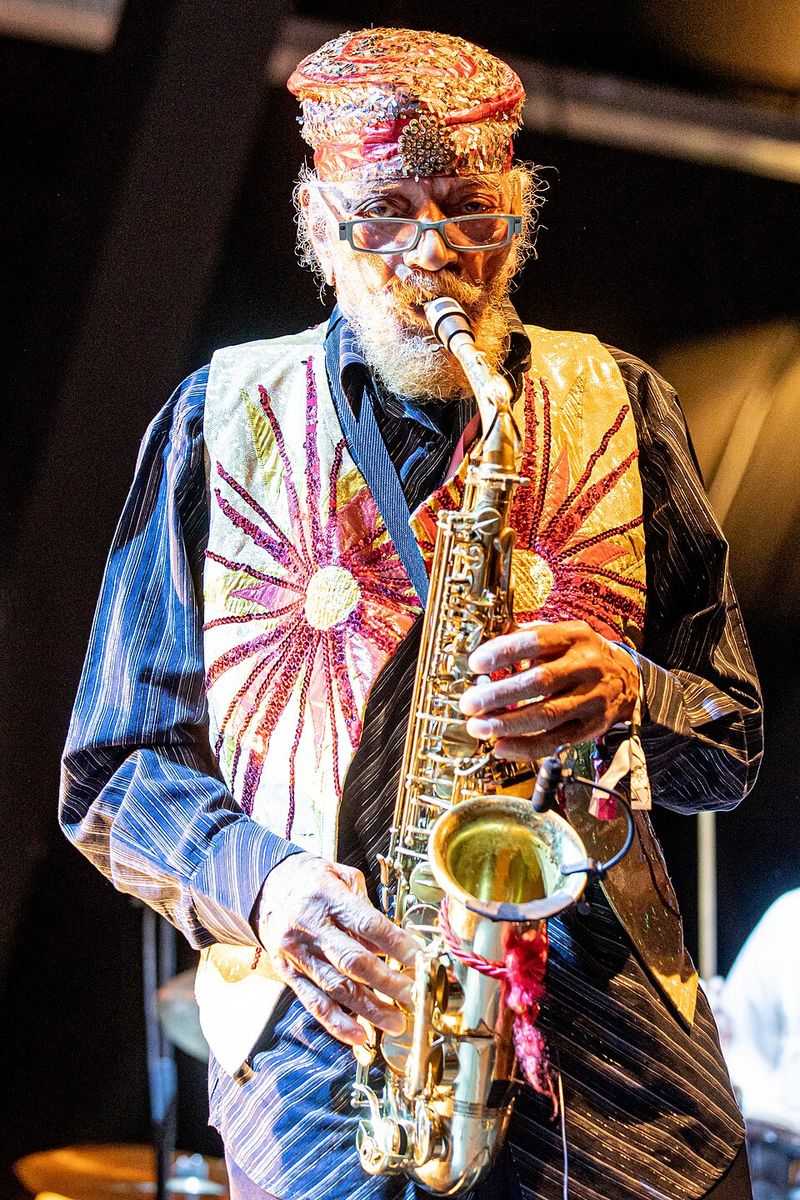
Marshall Allen steers the Sun Ra Arkestra like a comet captain. His alto sax can whisper, splinter, or sing, each phrase a jump to another planet. You feel the cosmos lean closer when the band begins.
He blends swing memory with outer-space electronics, including EWI blasts that paint the air. The costumes, chants, and polyrhythms create a theater of possibility. It is jazz as portal, community as starship.
Even now, he leads with curiosity and play. You are invited to travel, to listen with more courage than certainty. When Allen takes a solo, gravity loosens, and imagination gets the final word.



