War has a way of rewriting the menu, and the 1940s proved it with canned meats, powdered staples, and clever recipes built around ration books and military logistics. What started as practical fuel for service members and households under pressure ended up shaping diners, lunch counters, home kitchens, and even modern convenience foods.
Some of these dishes survived because they were cheap, some because they were filling, and a few because people genuinely liked them more than anyone expected. Keep reading and you will see how wartime necessity turned into recipes that still land on breakfast plates, supper tables, and comfort-food menus today.
1. Canned Corned Beef Hash
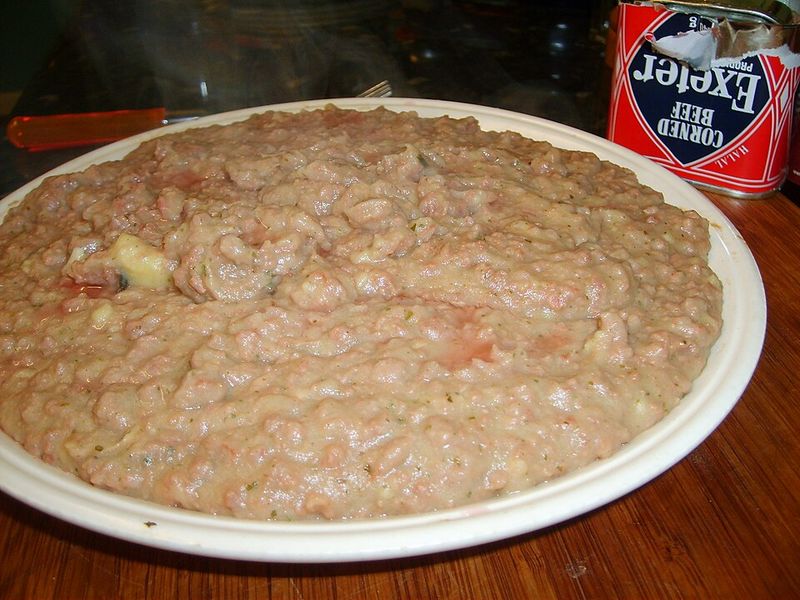
Open a can, hit a hot pan, and you have one of the war era’s most persistent meals. Corned beef hash fit military and civilian life during World War II because it combined preserved meat and potatoes into one compact, hearty dish.
That mattered in a period shaped by rationing, transport limits, and the constant need for food that could be stored and served fast. Hash also had another advantage: it welcomed leftovers, substitutions, and rough chopping without any complaint from the cook.
After the war, it slid comfortably into diner culture, where crisp edges and a side of eggs made it feel more special than its canned origins might suggest. People still make it today because it is filling, budget friendly, and deeply tied to the kind of no-nonsense cooking that values practicality just as much as flavor.
2. Navy Bean Soup
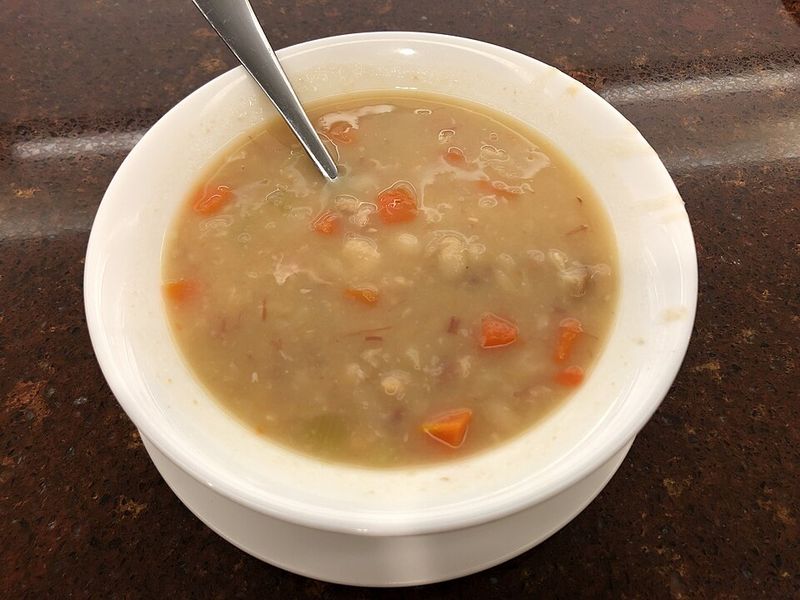
Some foods survive not by trendiness but by stubborn usefulness, and navy bean soup is a prime example. Beans were cheap, shelf stable, nutritious, and easy to cook in large quantities, which made them ideal for military kitchens during World War II.
The soup also had a longer institutional history, especially in naval settings and government dining rooms, so it already carried a reputation for feeding many people efficiently. Add onion, stock, and bits of pork or seasoning, and you had a meal that could be stretched without feeling skimpy.
Today, navy bean soup still appears in restaurants, church cookbooks, and weeknight meal rotations because it remains economical and dependable. It also connects modern cooks to a period when dried staples mattered enormously, and a pot of beans on the stove meant dinner was handled with very little waste or drama.
3. Powdered Egg Scramble
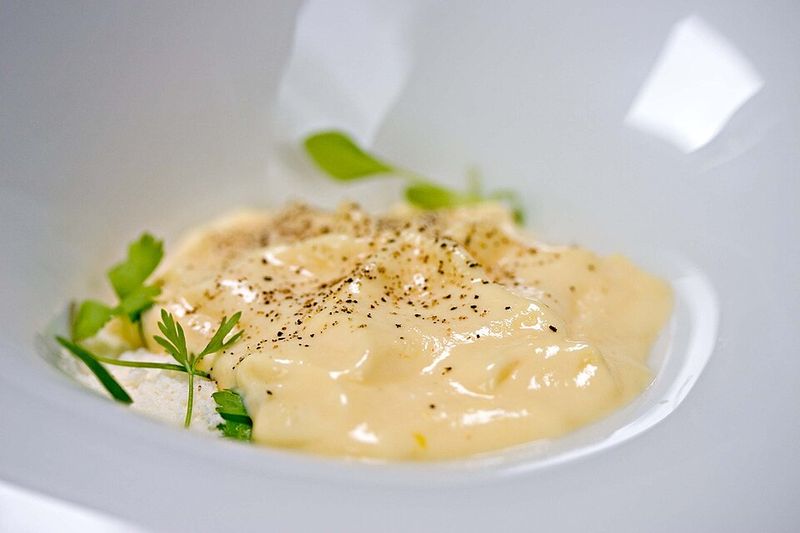
Nothing says wartime compromise quite like eggs that started as powder in a tin. During World War II, powdered eggs helped feed soldiers and civilians when fresh eggs were scarce, expensive, or too difficult to transport consistently.
They were not anyone’s dream breakfast, but they solved real supply problems and worked in mess halls, ships, camps, and ration-conscious kitchens. Reconstituted with water and cooked as a scramble, they offered protein and convenience, which mattered more than culinary applause.
The dish still exists today in camping packs, emergency food kits, institutional kitchens, and plenty of improvised breakfasts where shelf stability wins the argument. Modern versions are often better processed and easier to prepare, yet the basic idea remains unchanged: when freshness is uncertain, a powdered scramble can still step in and keep breakfast moving with admirable, if slightly unglamorous, efficiency.
4. Bologna Sandwiches
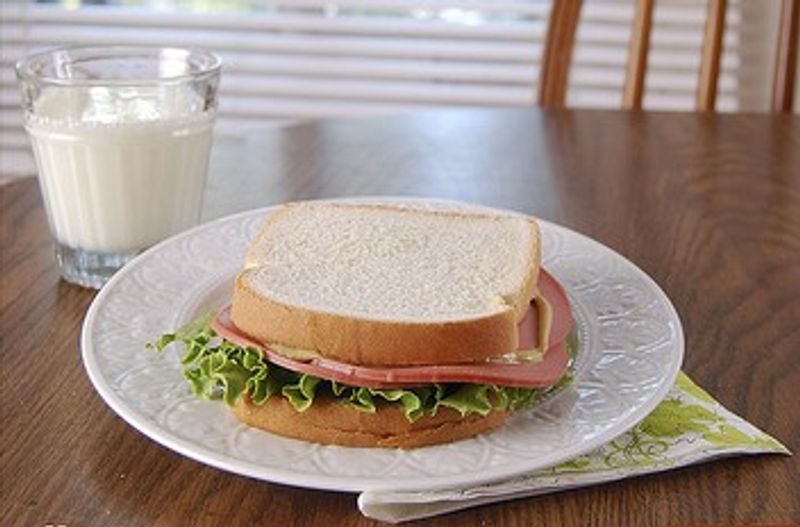
Some meals win history’s approval by being portable, plain, and ready in under a minute. Bologna sandwiches fit wartime life because processed lunch meats were easy to slice, easy to pack, and practical for quick meals on the move.
In military settings and on the home front, convenience counted for a lot. Bread, a few slices of bologna, maybe mustard if available, and lunch was settled without using much fuel, time, or imagination, which was sometimes exactly the point.
The sandwich never disappeared after the 1940s because it kept serving the same role in school lunches, factory breaks, road trips, and late-night kitchen raids. People still make it today out of habit, nostalgia, and budget sense, and its staying power says plenty about twentieth-century food culture: not every classic needs refinement when simple, affordable, and dependable already cover the job.
5. C-Ration Meat and Beans
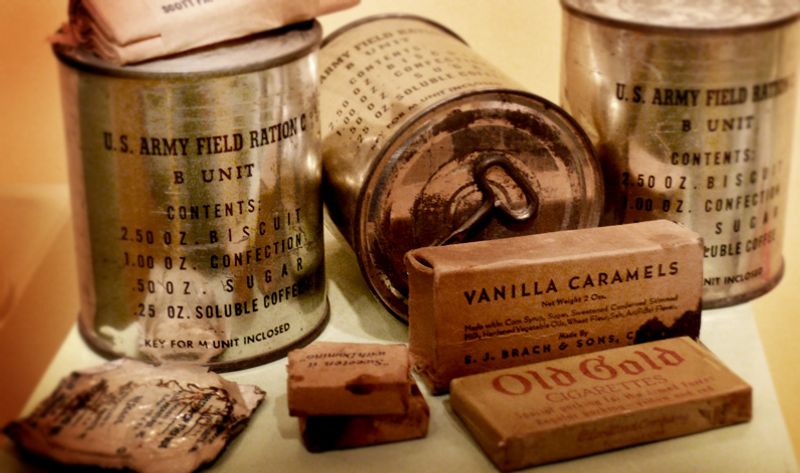
Inside countless cans sat one of the war’s most durable food ideas: meat and beans. U.S.
C-Rations, standard combat rations during World War II, often included hearty mains like beans with meat because they provided calories, protein, and relative convenience in one container.
These rations were designed for function first, supplying troops with portable meals that could withstand transport and storage under difficult conditions. They were not famous for elegance, but they were dependable, and that mattered far more when field feeding had to favor durability over flair.
Modern meat-and-bean stews owe plenty to that same logic, whether they appear in canned form, camp meals, or weeknight suppers. People still make versions today because beans stretch meat, the flavor is familiar, and one-pot practicality never really goes out of style, especially when dinner needs to be filling, inexpensive, and capable of feeding more than expected.
6. Spam and Eggs
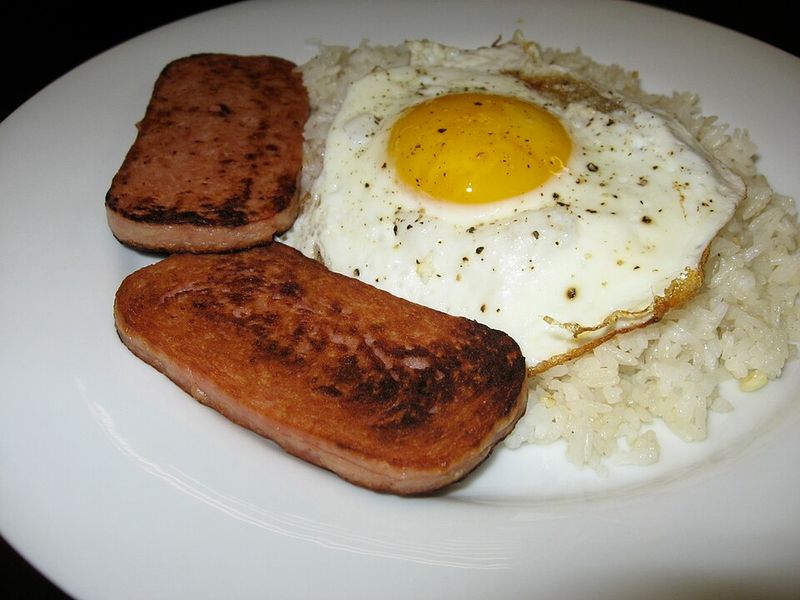
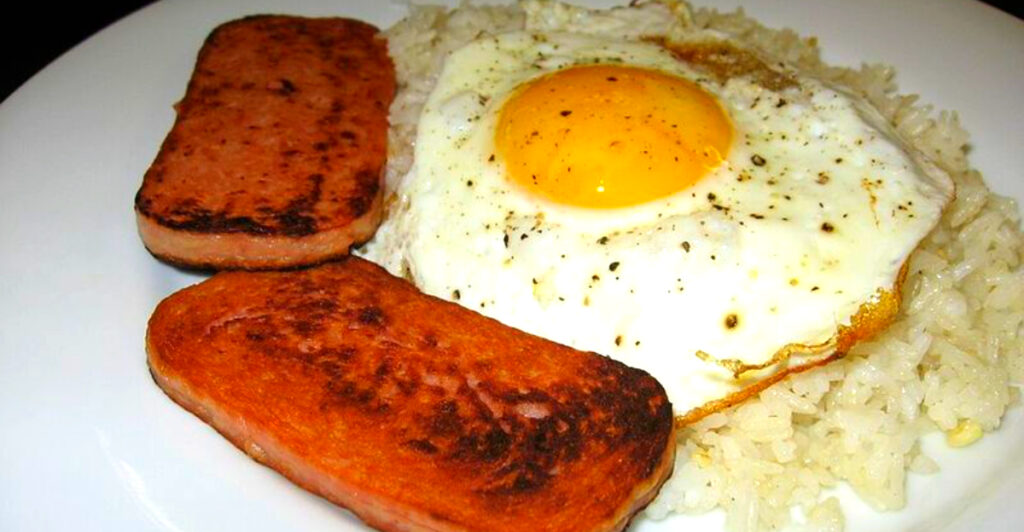
Few breakfasts tell the story of wartime adaptation faster than Spam and eggs. During World War II, Spam became a military staple because it traveled well, kept for long periods, and delivered protein without requiring refrigeration.
Fresh meat was harder to manage in camps and field kitchens, so canned pork products earned a permanent place on the plate. Soldiers met it overseas, families used it under rationing at home, and by war’s end it had become part of everyday cooking in the United States and beyond.
Today, people still fry Spam with eggs because it is quick, affordable, and oddly dependable. In Hawaii, where military supply chains helped spread its popularity, Spam remains especially beloved, but the dish also lives on in countless ordinary kitchens where breakfast still benefits from one can, one skillet, and zero fuss.
7. Rice and Gravy
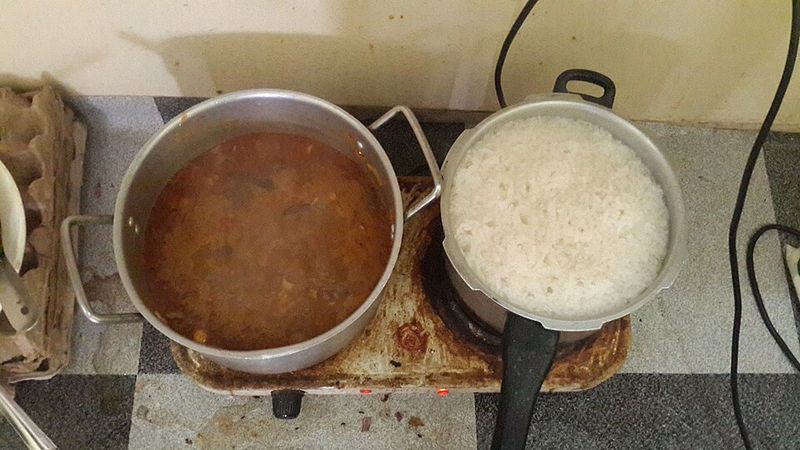
Sometimes the smartest wartime meal was also the plainest thing on the table. Rice and gravy worked because rice stored well, fed many people cheaply, and paired easily with drippings, stock, or whatever sauce a cook could manage.
It appeared in many forms across military contexts and regional home cooking, especially where rice was already a staple and gravy could stretch limited meat. The dish was less about culinary display than about turning small amounts of fat, broth, or pan juices into something that made a full plate feel possible.
That logic still holds up beautifully today. Rice and gravy remains common in Southern kitchens, cafeteria lines, and homes that appreciate straightforward comfort food, because it is inexpensive, adaptable, and satisfying without requiring a parade of ingredients, proving once again that wartime practicality often produced meals with far more staying power than anyone planning supply inventories probably expected.
8. Cornbread and Milk
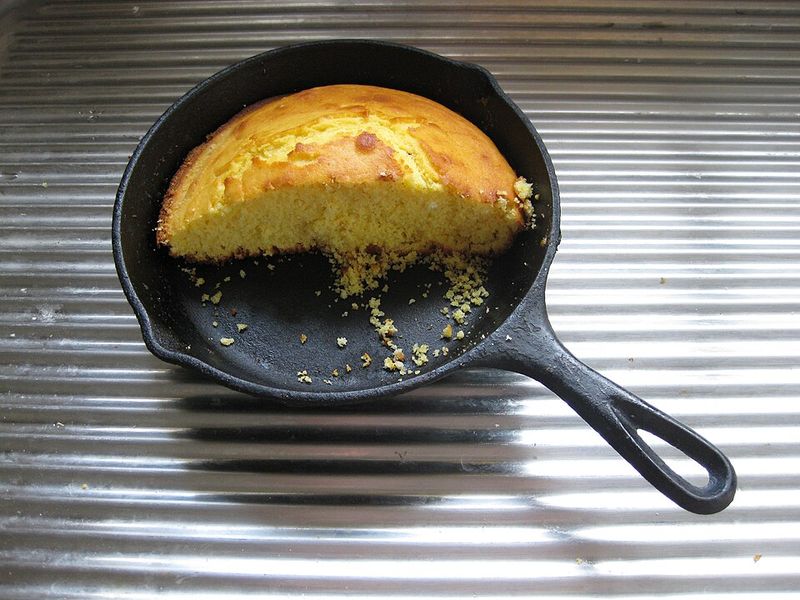
Humble foods often carry the longest memory, and cornbread with milk proves the point neatly. During World War II, simple combinations like this mattered because they relied on basic pantry staples and could fill people up without demanding scarce ingredients.
Cornmeal was affordable and widely available in many American households, particularly in the South, and milk turned a slice of bread into a more complete meal or snack. The pairing also reflected older regional food habits that wartime thrift made newly relevant for another generation.
People still eat cornbread and milk today for comfort, convenience, and family tradition, even if outsiders sometimes look puzzled at first glance. Its endurance comes from economy and familiarity rather than flash, and that is exactly why it belongs on this list: it bridged rural custom, ration-era practicality, and modern nostalgia with almost no need for reinvention.
9. Fried Potatoes and Onions
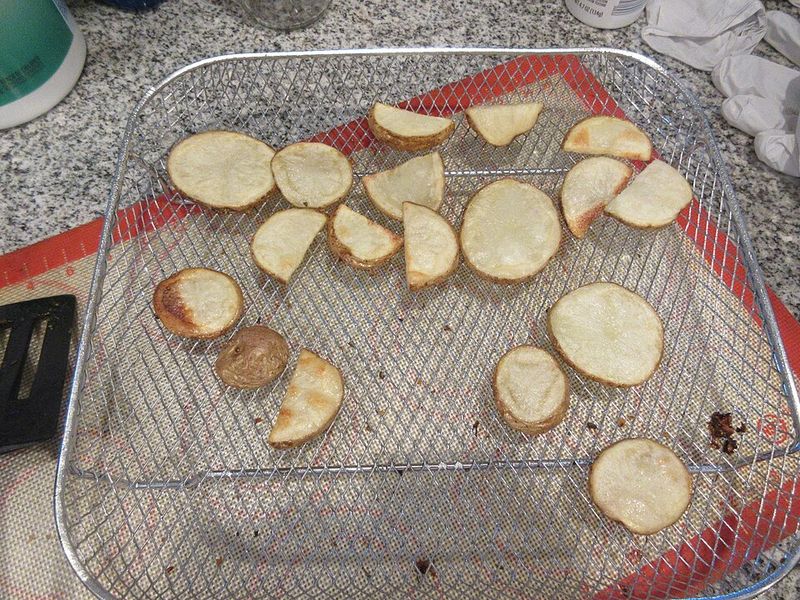
A skillet, a potato sack, and one onion could solve dinner more often than you might think. Fried potatoes and onions were common during World War II because both ingredients were inexpensive, available, and useful in military kitchens as well as at home.
The dish asked for very little technique and adapted easily to rationing. It could stand alone, stretch a small amount of meat, or sit beside eggs at breakfast, making it one of those practical preparations that crossed meal categories without any argument.
Today, it remains a favorite in diners, camping trips, and family kitchens because it is simple, filling, and endlessly adjustable. Some cooks add peppers, some add paprika, some insist on cast iron, but the core idea has barely changed since the 1940s: inexpensive staples browned in a pan can still carry a meal with admirable confidence and very little ceremony.
10. Liver and Onions
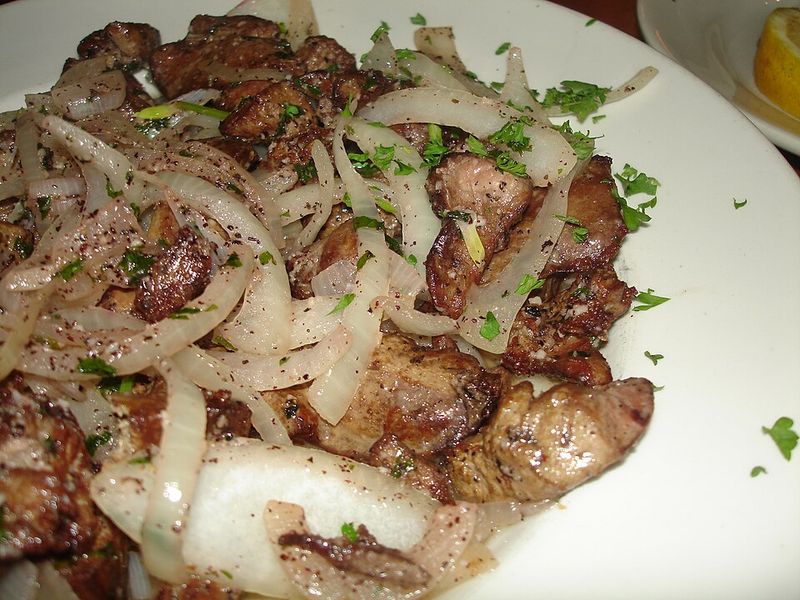
Few foods divide a table faster, yet liver and onions earned serious respect during the war years. Organ meats were promoted during World War II because they were nutritious, relatively economical, and useful in a time when rationing pushed cooks toward every edible option.
Government advice and household thrift both encouraged people to use cuts that might otherwise be overlooked. Liver provided iron and vitamins, onions added flavor, and the combination became a standard supper in homes trying to balance nutrition, budget, and limited access to prime cuts.
It still appears today in diners, old-school restaurants, and family kitchens where its loyal fans remain entirely unbothered by the skeptics. Whether you love it or avoid it, the dish survives as a direct link to a period when practical nutrition shaped menus in very visible ways, and unfashionable ingredients still received a fair hearing at dinner.
11. Creamed Chipped Beef on Toast (“SOS”)
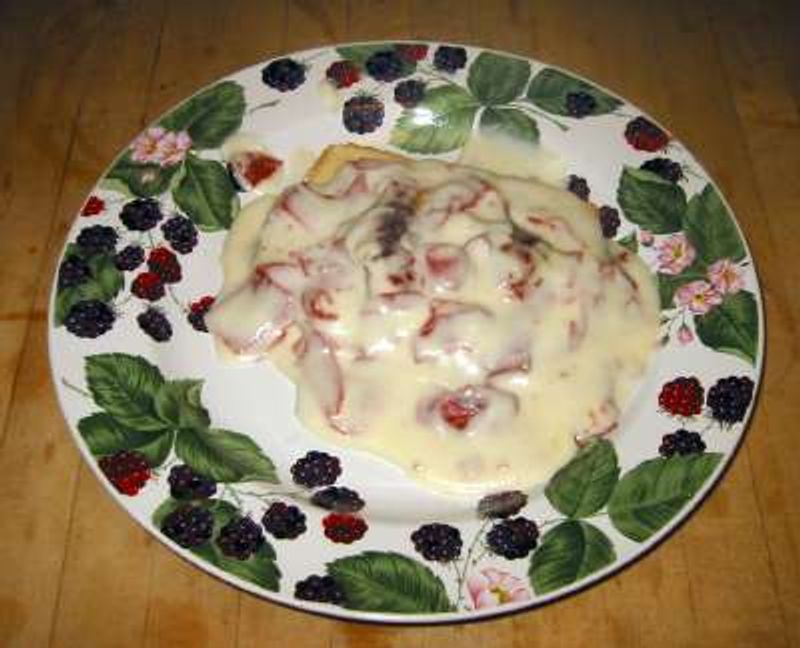
If any dish ever earned a nickname through sheer repetition, it was creamed chipped beef on toast. The meal appeared in military kitchens because dried beef stored well, white sauce stretched ingredients, and toast turned everything into a filling breakfast or supper.
Its famous initials were barracks humor at work, but the recipe itself was practical and efficient. Cooks could feed many people with pantry basics, and the result was rich enough to stick around in memory long after service ended.
Veterans brought the taste home, and families kept making it as an inexpensive comfort food. You still find versions in diners, community cookbooks, and home kitchens, usually with jarred dried beef, butter, flour, and milk, proving that a humble mess-hall classic can survive decades, teasing included, simply by being warm, cheap, and reliably satisfying.
12. Macaroni and Cheese
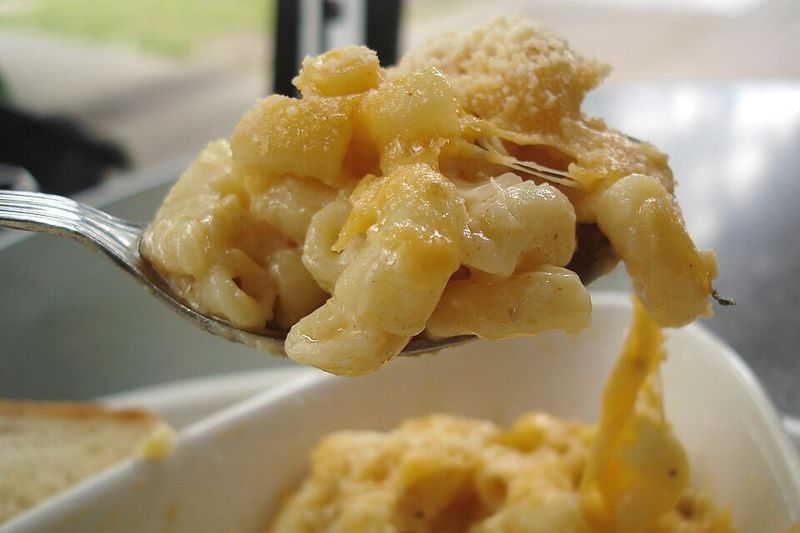
Convenience met thrift in a cardboard box, and macaroni and cheese never looked back. During World War II, boxed macaroni and cheese became especially attractive because it was affordable, filling, and easy to prepare with a short ingredient list.
Kraft had introduced its famous packaged version in the 1930s, but wartime rationing helped drive demand as families searched for inexpensive meatless meals. A little pasta and cheese sauce mix could feed several people, which made it an efficient answer to household budgeting under pressure.
After the war, the dish stayed popular because convenience foods had earned a permanent foothold in American kitchens. Today, macaroni and cheese exists in boxed, baked, gourmet, and cafeteria forms, yet its core appeal remains remarkably consistent: it is fast, comforting, adaptable, and tied to a wartime moment when pantry engineering quietly changed how many people cooked dinner.
13. Peanut Butter Sandwiches
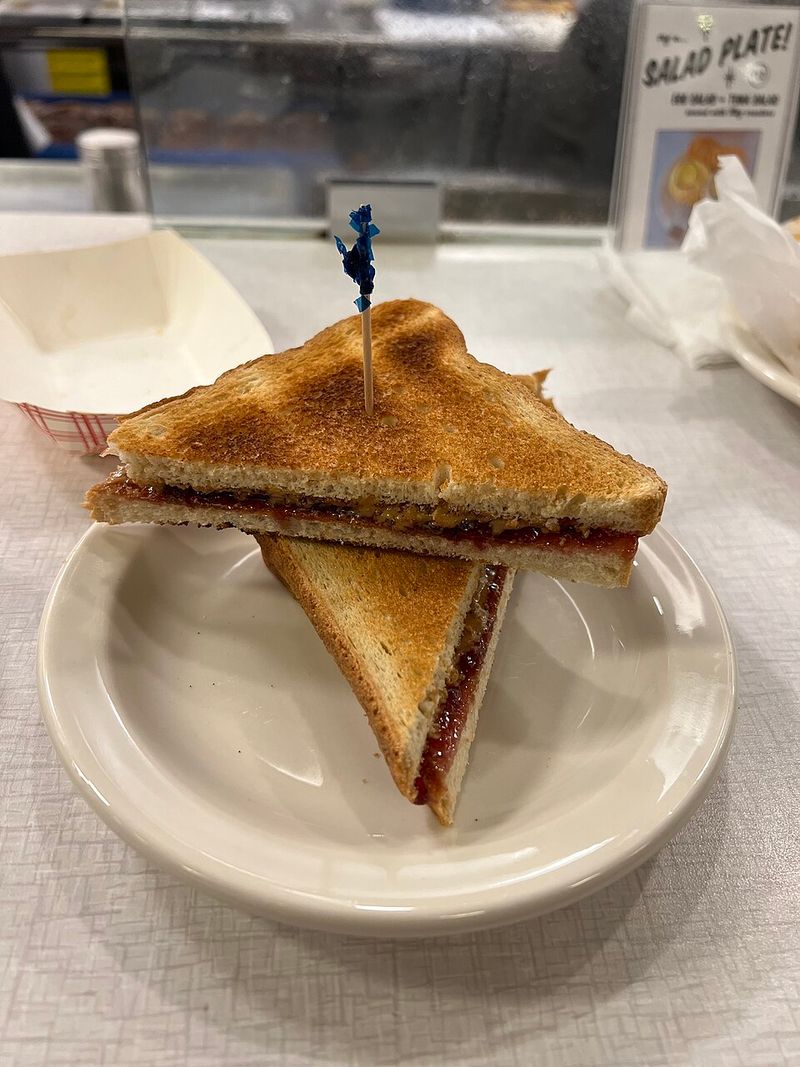
Spread, slice, close, done – few meals are more efficient than a peanut butter sandwich. Peanut butter was valued during World War II because it stored well, offered protein, and worked in quick meals for both military support settings and civilians managing rationed kitchens.
It did not require cooking, it paired easily with bread or crackers, and it was accessible to households looking for dependable calories without much preparation. That combination of convenience and nutrition helped cement it as a standard food for packed lunches and hurried meals.
The sandwich remains a fixture today because modern life still appreciates the same virtues. It shows up in lunchboxes, office kitchens, road-trip bags, and emergency snack plans, proving that wartime practicality often ages surprisingly well when it also happens to be inexpensive and familiar, with just enough flexibility for jelly, honey, banana, or nothing extra at all.
14. Vegetable Soup from Scraps
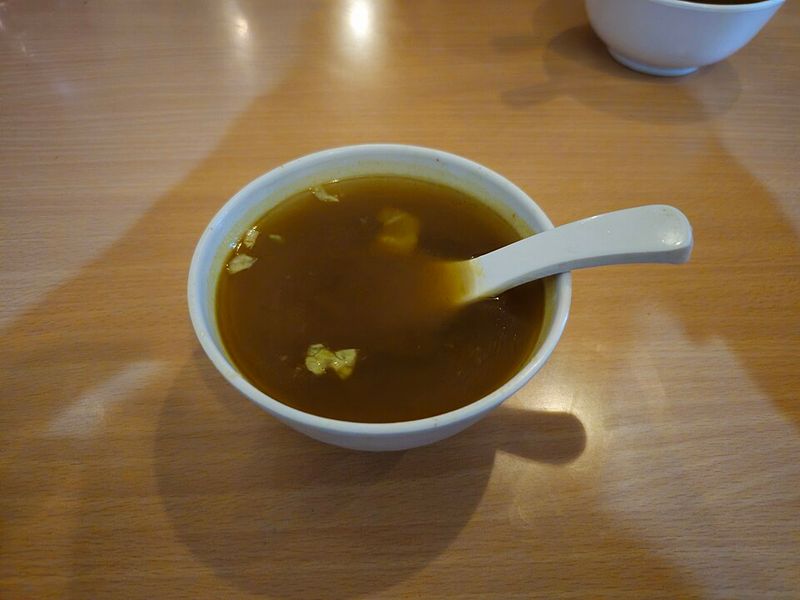
Resourcefulness had a soup pot, and it was usually full of bits that refused to go to waste. Vegetable soup from scraps became a wartime standby because rationing and careful budgeting pushed cooks to use peels, stems, leftover vegetables, and saved broth wisely.
The idea was simple: combine what remained, simmer it into something coherent, and turn odds and ends into an actual meal. Home economists promoted waste-reducing habits throughout the 1940s, and soups were one of the easiest ways to make thrift feel less like sacrifice.
That same method still guides many kitchens today, especially when a refrigerator contains small portions of carrots, celery, potatoes, or beans with no obvious future. Scrap soup endures because it is economical, adaptable, and quietly satisfying, and because modern cooks still appreciate the deeply sensible notion that dinner can begin with leftovers rather than a shopping list.
15. Biscuits and Gravy
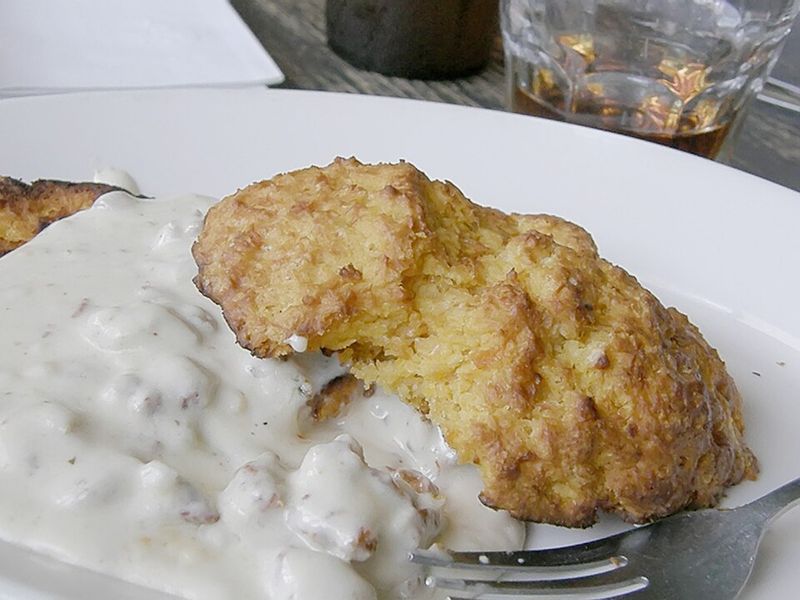
A plate of biscuits and gravy has never pretended to be delicate, and that is part of its appeal. During World War II, this Southern staple fit the moment because it was filling, relied on affordable basics, and could turn modest ingredients into a serious meal.
Flour, fat, milk, and biscuits were enough to create a breakfast that kept people going, whether on farms, in homes under rationing, or in regional military settings where familiar foods mattered. The gravy varied from kitchen to kitchen, but the principle stayed solid: stretch what you have and serve it hot over bread.
Today, biscuits and gravy remain a diner favorite and a weekend ritual in many households across the United States. The dish survives because it delivers comfort and practicality in equal measure, and because some recipes never need trend forecasting when they already know exactly how to fill a plate and hold attention.
16. Stewed Tomatoes with Bread
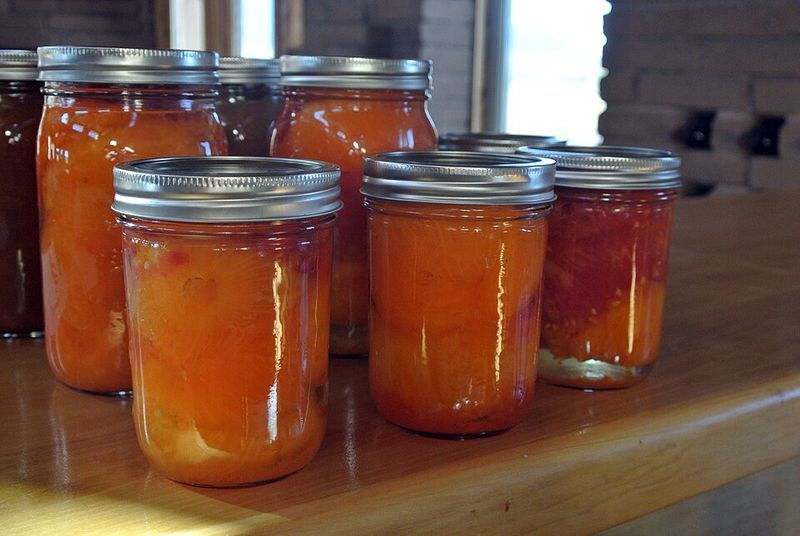
Pantry cooking rarely gets much applause, yet stewed tomatoes with bread held its own for good reason. During World War II, tomatoes in canned or preserved form were practical, affordable, and useful for creating a simple meal when fresh ingredients were limited.
Bread helped turn the dish from side to supper, soaking up the liquid and making a sparse table feel more complete. This kind of combination reflected wartime habits shaped by thrift, home preservation, and the determination to build meals from staples rather than from wishful thinking.
People still make versions today because the dish remains easy, inexpensive, and surprisingly comforting in its straightforwardness. It also survives through family traditions, especially in regions where tomato-based dishes and bread suppers were common, reminding you that not every enduring recipe needed a famous brand, a cookbook test kitchen, or much more than a pantry shelf.
17. Apple Brown Betty
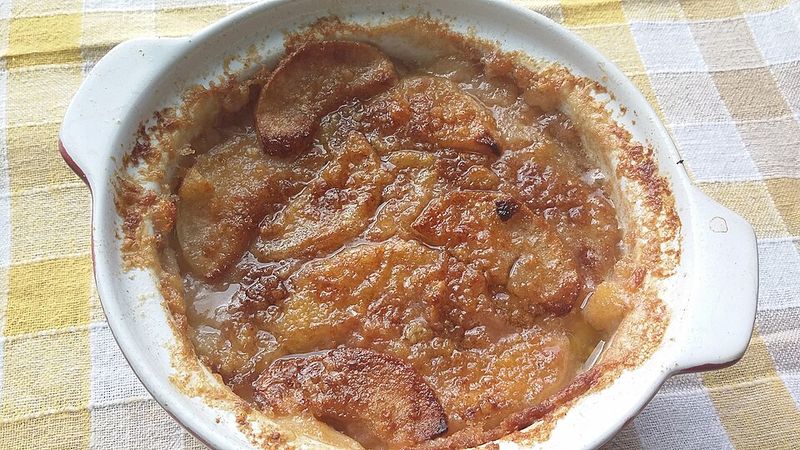
Dessert found a way, even when ration books were doing their best to keep things practical. Apple Brown Betty was popular during the World War II era because it used accessible ingredients like apples, breadcrumbs, butter, and limited sugar more efficiently than fussier sweets.
The recipe had older roots, but wartime cooking gave it renewed relevance. Stale bread could be repurposed, apples stored well, and the finished dessert felt homey without demanding rare ingredients, which made it exactly the kind of sensible treat that fit the moment.
It is still baked today because it sits in the sweet spot between thrift and comfort, with enough tradition to feel familiar and enough flexibility to welcome small updates. In a world full of elaborate desserts, Apple Brown Betty remains a reminder that practical baking can still earn a place on the table, especially when history already proved its usefulness.
18. Mulligan Stew
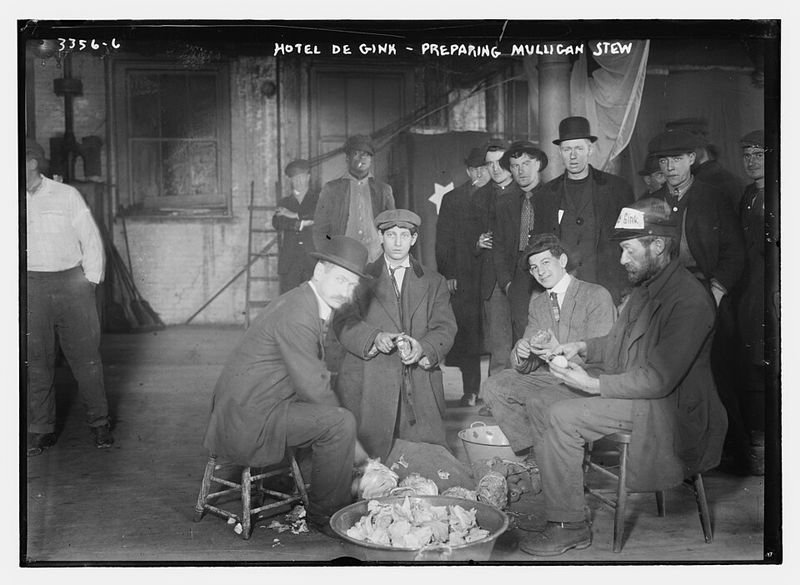
When a recipe’s main rule is use what you have, it tends to survive almost anything. Mulligan stew was less a fixed formula than a practical method, combining whatever meat, vegetables, and odds and ends were available into one pot.
That flexibility made it perfect for wartime conditions, when supply lines shifted, leftovers mattered, and cooks had to feed groups without wasting precious ingredients. The name had circulated earlier in American cooking, but the war years reinforced its reputation as a resourceful, filling meal for hard circumstances.
You can still see its spirit in today’s refrigerator-cleanout soups and stews, where strict recipes politely step aside. Mulligan stew lasts because it values thrift over fuss, welcomes substitutions without complaint, and turns scattered ingredients into dinner, which is exactly the sort of kitchen wisdom that remains useful long after ration books and field kitchens disappeared.
Share this story