Fame and talent don’t always come with a clean personal record. Some of the biggest names in music history carried secrets, struggles, and scandals that shocked fans around the world.
Behind the platinum albums and sold-out stadiums, there were stories of addiction, abuse, violence, and tragedy. This list takes a hard look at 18 music legends whose dark personal lives became just as famous as their songs.
R. Kelly – From R&B Royalty to Convicted Criminal
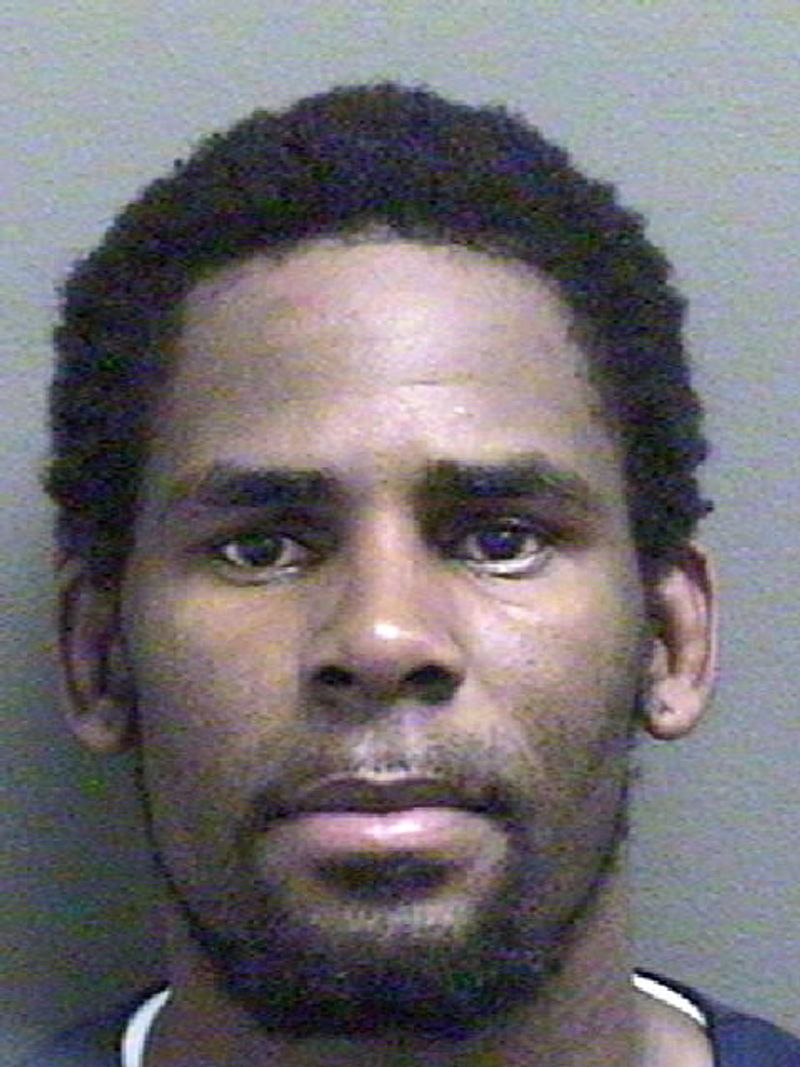
For a long time, R. Kelly was untouchable.
His voice was smooth, his hits were massive, and his fans were devoted. Songs like “I Believe I Can Fly” made him a household name.
But behind the music was a deeply troubling reality. Accusations of sexual abuse had followed him for years, and many victims spoke out publicly.
A 2019 documentary series finally pushed the story into the mainstream spotlight.
He was convicted in 2021 on federal racketeering and sex trafficking charges. More convictions followed in 2022.
He was sentenced to over 30 years in prison.
Looking back, the warning signs were there for years. The music industry stayed largely silent for too long.
His fall from grace became one of the most significant accountability moments in entertainment history, proving that talent never excuses abuse.
Jerry Lee Lewis – Rock ‘n’ Roll Genius Wrapped in Scandal
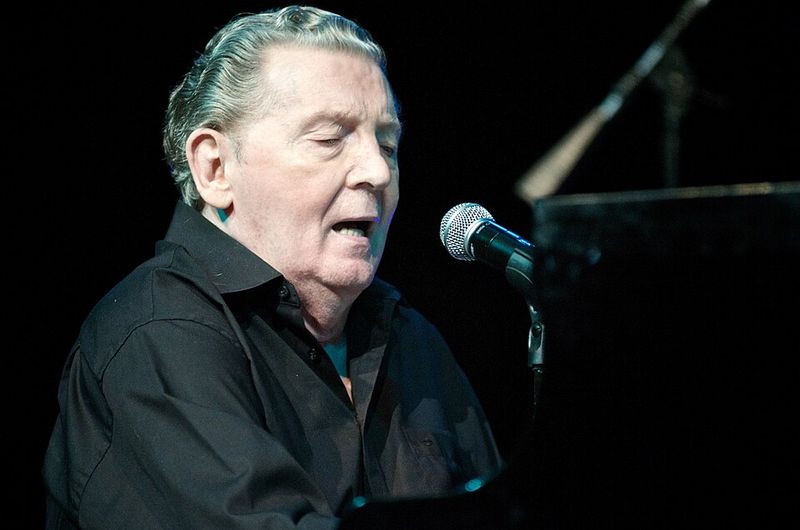
Jerry Lee Lewis could play piano like nobody else on earth. His performances were electric, chaotic, and unforgettable.
Fans called him “The Killer” for good reason.
Then in 1958, news broke that he had married his 13-year-old cousin, Myra Gale Brown. The backlash was immediate and career-crushing.
Radio stations dropped his music almost overnight.
He eventually rebuilt some of his reputation, pivoting to country music in the 1960s. But the scandal never fully left him.
It remained the defining controversy of his long, complicated life.
Lewis died in October 2022 at age 87. Even in obituaries, the marriage was mentioned prominently.
His story is a reminder that musical genius and deeply troubling personal decisions can exist in the same person, and that history rarely lets either side be forgotten.
Phil Spector – The Brilliant Producer Convicted of Murder
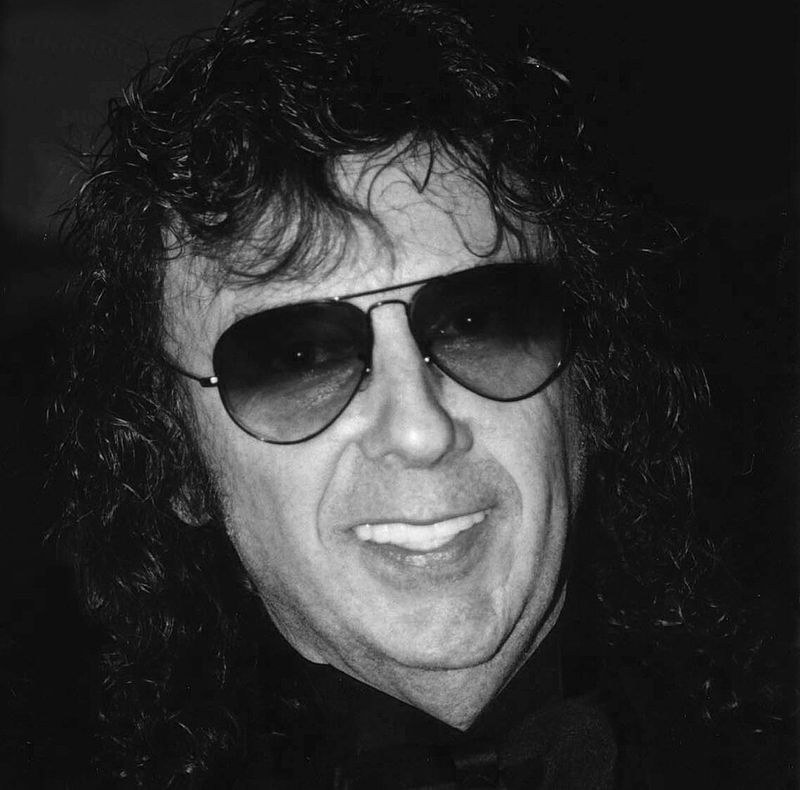
Phil Spector changed the sound of popular music forever. His “Wall of Sound” production technique influenced everyone from The Beatles to Bruce Springsteen.
He was genuinely a genius in the studio.
But outside the studio, Spector had a reputation for bizarre and frightening behavior. Multiple women came forward over the years with stories of him pulling weapons on them.
It was an open secret in the music industry.
In 2003, actress Lana Clarkson was found dead in his mansion. Spector claimed it was an accidental self-inflicted shooting.
The jury did not believe him.
He was convicted of second-degree murder in 2009 and died in prison in January 2021 at age 81. His legacy is permanently split between musical brilliance and a violent, disturbing personal life that ended in tragedy for an innocent woman.
Ike Turner – Rock Pioneer With a Violent Reputation
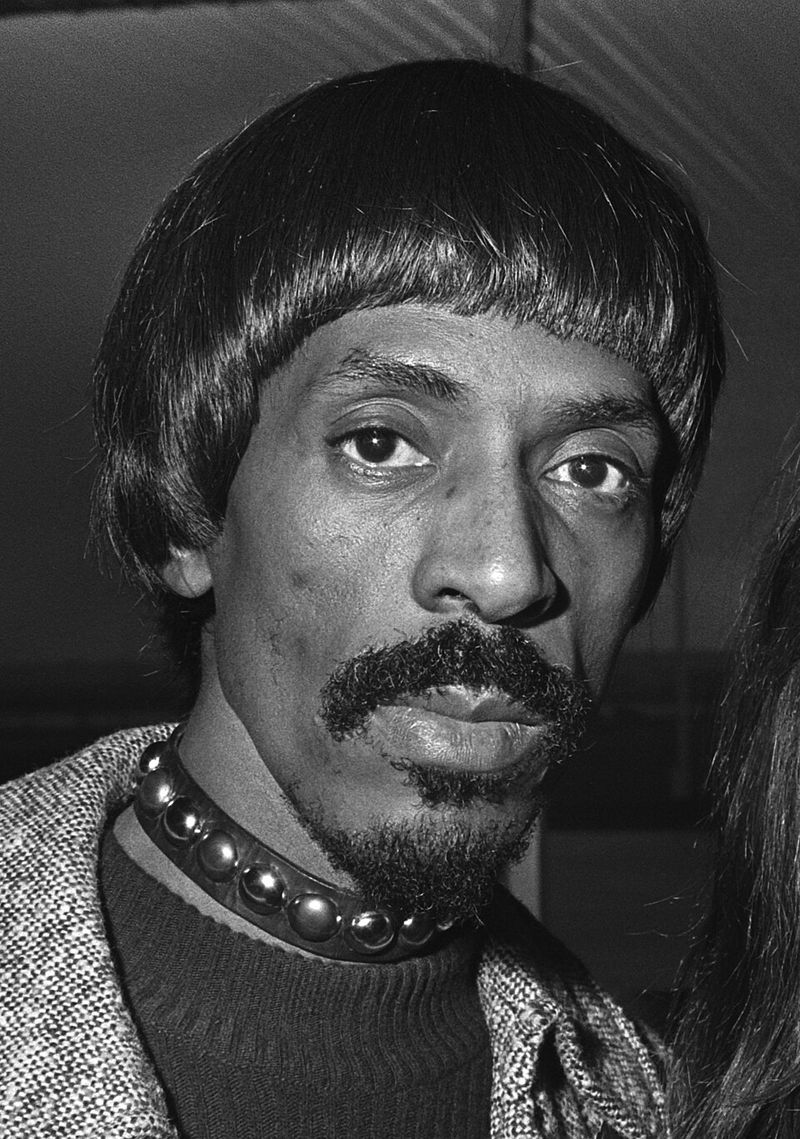
Ike Turner deserves real credit in music history. He helped pioneer early rock and roll and led one of the tightest live bands of his era.
The man had serious musical talent.
But Tina Turner’s 1986 autobiography changed everything. She described years of severe physical and emotional abuse at his hands.
Her story was harrowing, and audiences believed every word of it.
The 1993 biopic “What’s Love Got to Do with It” brought those revelations to an even wider audience. Ike became a symbol of domestic abuse in the music world.
His musical contributions were largely buried under the weight of his actions.
He died in 2007, never fully reconciling his public image. Tina Turner went on to become a global superstar on her own terms.
His story is a painful example of how abuse can define a legacy far more than any hit record ever could.
Gary Glitter – Glam Rock Star Destroyed by Criminal Convictions
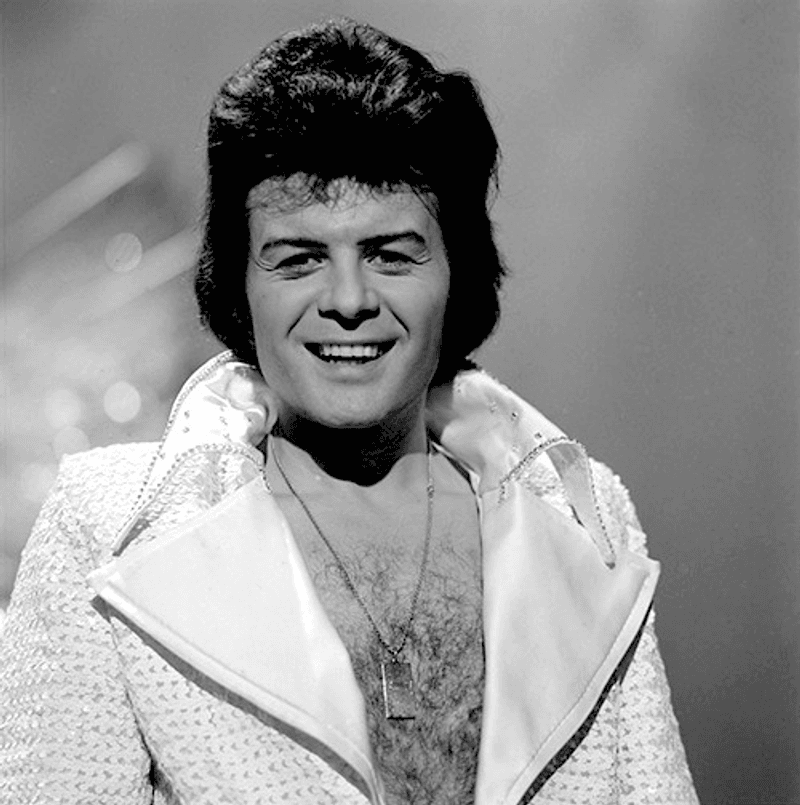
In the 1970s, Gary Glitter was a genuine pop phenomenon. His stomping glam rock anthems packed arenas, and kids everywhere sang along to “Rock and Roll Part 2.” He was all sequins and swagger.
The collapse of his reputation began in 1997 when a computer technician found child abuse images on his laptop. He pleaded guilty and was placed on the sex offenders register.
His career effectively ended that day.
Further convictions followed in Vietnam in 2006 and again in the UK in 2015, where he received a 16-year prison sentence for historical child sexual abuse offenses. The charges spanned decades.
His songs were quietly scrubbed from TV shows, films, and sports events. The NFL famously stopped using “Rock and Roll Part 2” at games.
His fall was total and deserved, a sharp reminder that a catchy chorus means nothing next to criminal behavior.
Sid Vicious – Punk Rock’s Most Self-Destructive Icon

Sid Vicious never really learned to play bass. That fact alone is kind of punk rock perfection.
He joined the Sex Pistols more for his look and attitude than any musical ability.
But the chaos was real and dangerous. His relationship with Nancy Spungen was a toxic spiral of heroin addiction and codependency.
In October 1978, Nancy was found stabbed to death in their New York hotel room. Sid was charged with her murder.
He never stood trial. He died of a heroin overdose in February 1979 at just 21 years old while out on bail.
Whether he killed Nancy remains officially unsolved.
His short, destructive life became the ultimate cautionary tale about the dark side of rock rebellion. I remember watching the documentary about him as a teenager and feeling genuinely unsettled.
Punk was supposed to be freedom, but Sid Vicious found only a very fast dead end.
XXXTentacion – A Rising Rap Star Surrounded by Controversy
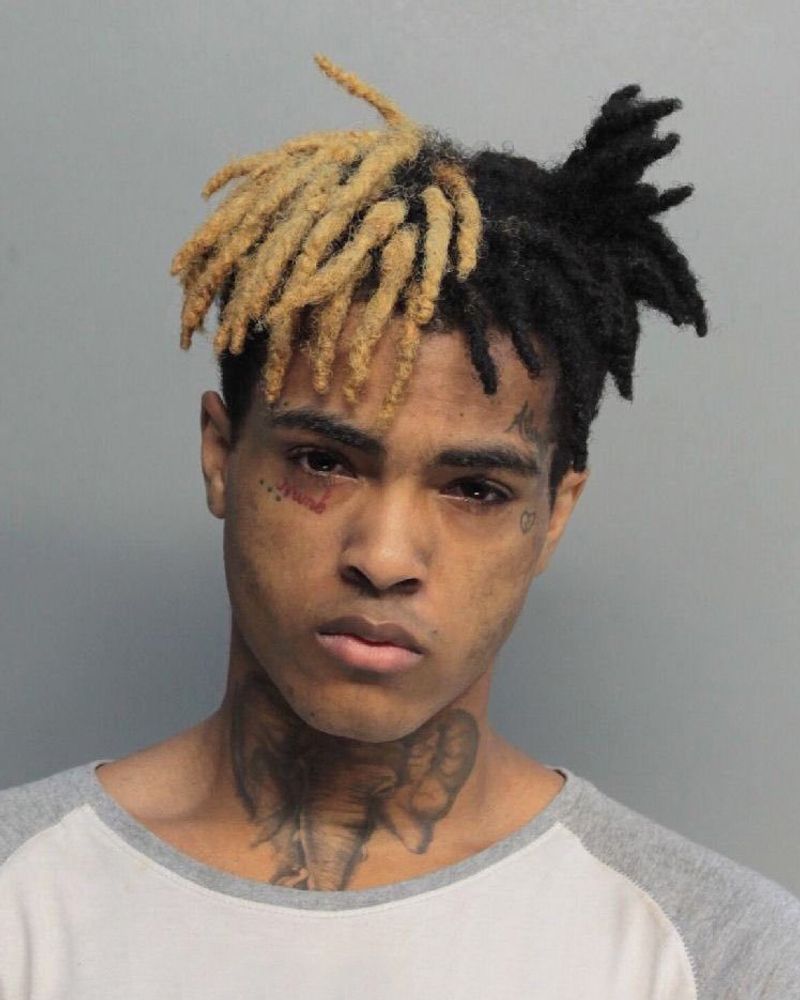
Few careers in recent memory launched as fast and burned as controversially as XXXTentacion’s. By his late teens, he had millions of streams and an equally large pile of legal troubles.
The kid was undeniably talented and genuinely disturbing at the same time.
He faced serious allegations of domestic abuse, false imprisonment, and aggravated battery against a former girlfriend. The details in the court documents were deeply troubling.
Many fans struggled to separate the art from the accusations.
Before his case went to trial, he was shot and killed in Florida in June 2018. He was only 20 years old.
His death sparked enormous grief and an equally enormous debate about accountability in music.
Posthumous albums topped charts. Fans mourned loudly.
Critics pointed to the unresolved abuse allegations. His story forced a real conversation about whether streaming numbers can coexist with moral responsibility toward victims.
Eazy-E – The Gangsta Rap Pioneer Who Lived the Lifestyle He Rapped About
Eazy-E was the real deal. As a co-founder of N.W.A, he helped build gangsta rap from the streets of Compton into a global cultural force.
His voice was distinctive, his delivery was sharp, and his hustle was relentless.
But his personal life carried the weight of the streets he rapped about. He had ties to gang culture and made choices that reflected the dangerous world his music described.
He was no Hollywood pretender playing tough.
In early 1995, he was diagnosed with AIDS and died just weeks later in March, at only 31. The speed of his decline shocked the entire music world.
He reportedly fathered seven children with six different women.
His death helped bring HIV awareness to communities that rarely discussed it openly. N.W.A was inducted into the Rock and Roll Hall of Fame in 2016, with his legacy firmly intact despite the complicated personal history.
Ol’ Dirty Bastard – Wu-Tang’s Wildest and Most Unpredictable Member
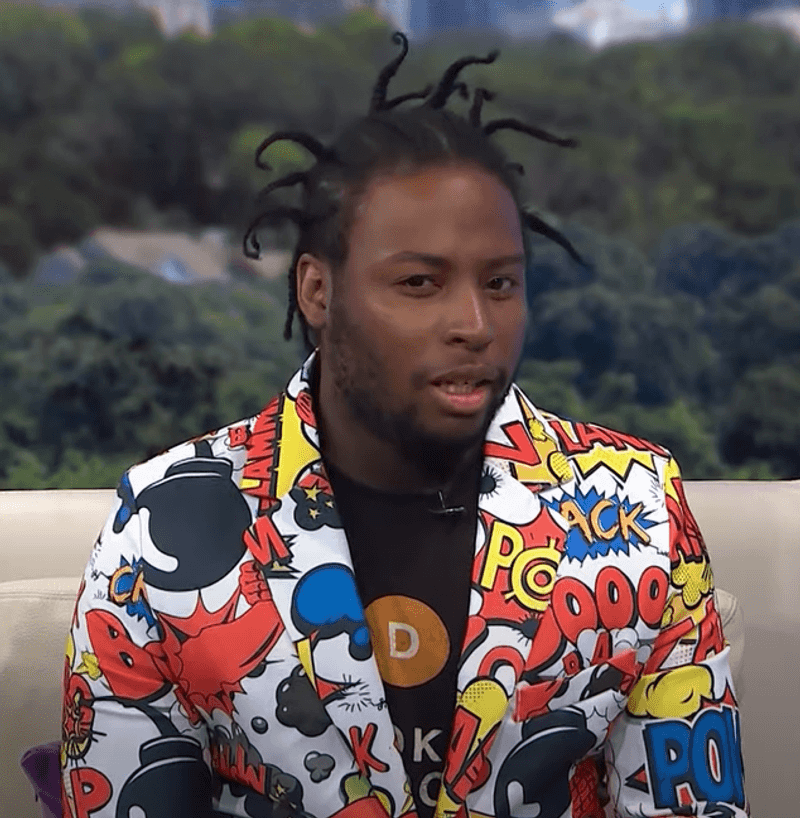
There was truly nobody like Ol’ Dirty Bastard. His rap style was unpredictable, his voice was unlike anything in hip-hop, and his public behavior kept tabloids permanently busy.
He was chaotic genius in human form.
His arrest record was genuinely impressive in the worst way. He was charged with attempted murder, drug possession, shoplifting, and dodging child support payments for his many children.
He once showed up to collect welfare benefits in a limousine, which is honestly kind of legendary.
He spent time in prison and was later placed in a rehab facility by Wu-Tang Clan. It seemed like things might stabilize.
Then in November 2004, he collapsed and died backstage at a Wu-Tang recording session. He was 35.
His death was caused by an accidental drug overdose. His wild life overshadowed a genuinely unique talent.
ODB remains one of hip-hop’s most fascinating and heartbreaking figures to this day.
Rick James – Funk Legend Consumed by Excess
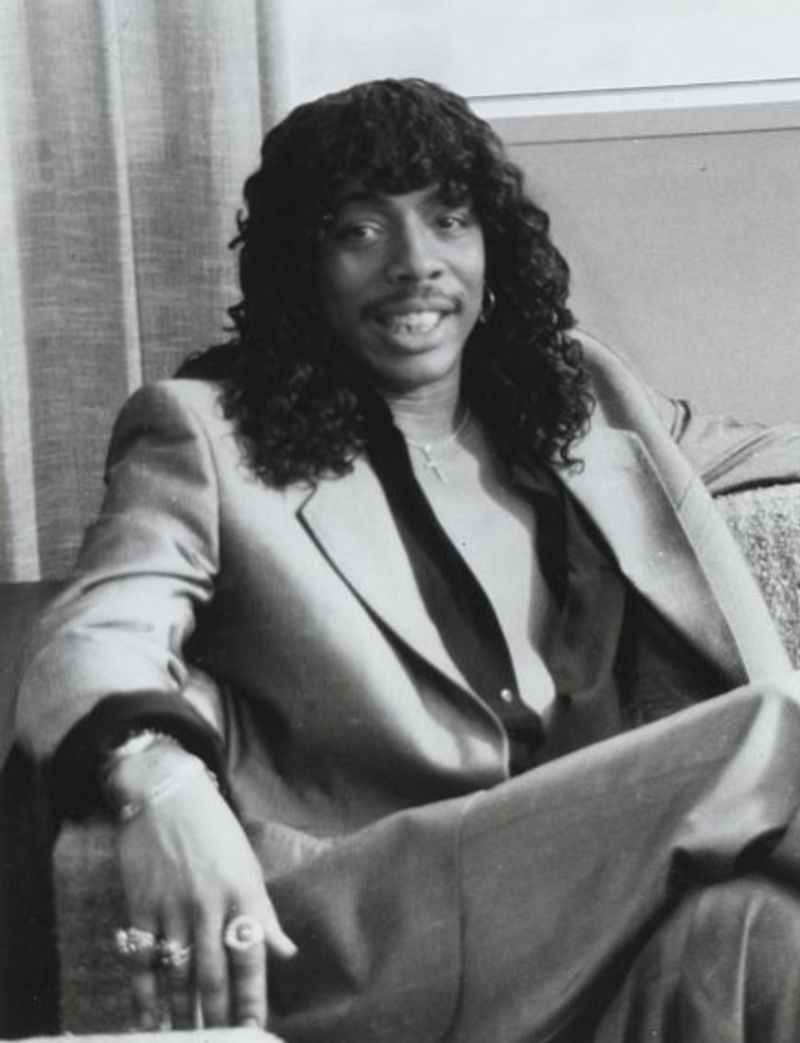
Rick James was pure showmanship. The man wrote “Super Freak,” wore his hair in braids before it was mainstream, and performed with more energy than most artists half his age.
He was genuinely one of funk’s greatest stars.
But his addiction to cocaine became the central story of his later years. In 1991, he and his girlfriend were charged with holding a woman captive and assaulting her over several days.
He served time in prison. Another similar assault charge followed after his release.
His memoir, published posthumously, described drug use so extreme it reads more like fiction than autobiography. He once claimed he smoked crack with Eddie Murphy, which Murphy denied.
The stories were wild whether true or not.
He died in August 2004 from heart failure. Nine different drugs were found in his system.
His talent was enormous, but his excesses were equally massive, a deeply sad ending for an undeniable musical force.
Michael Jackson – The King of Pop’s Complicated Legacy
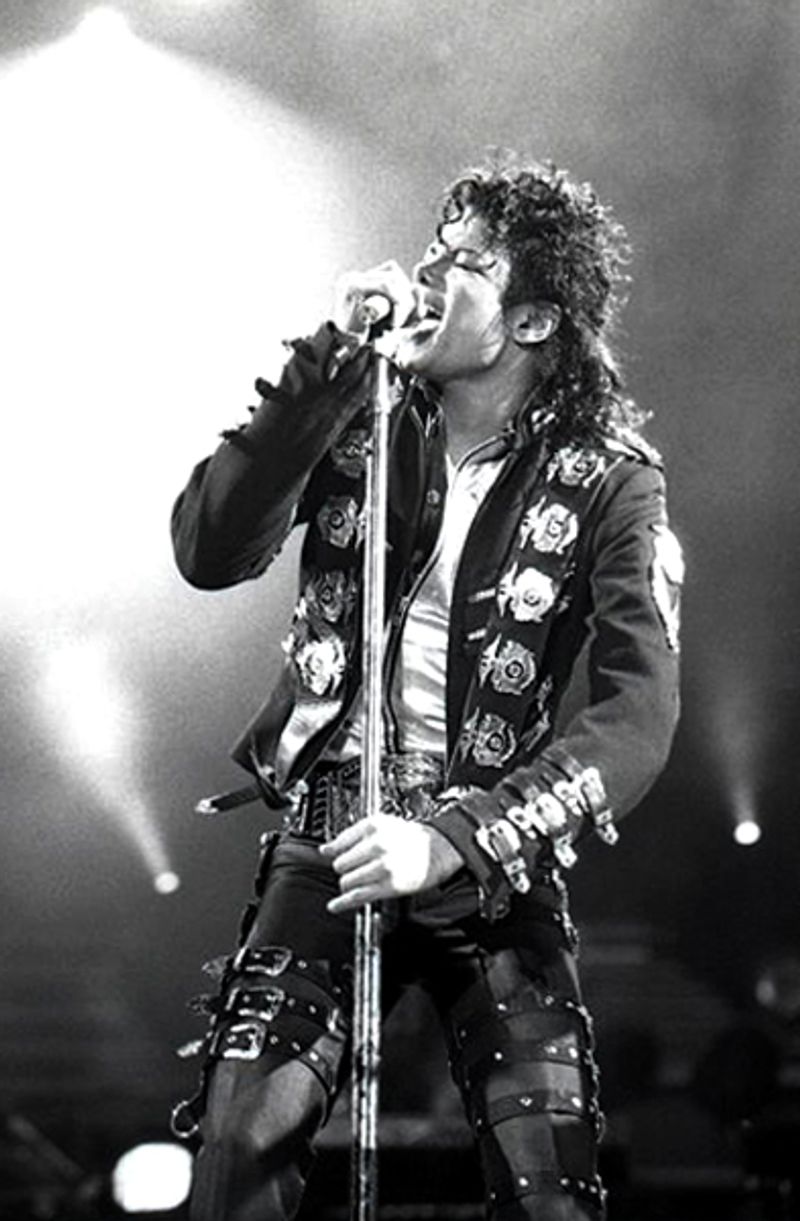
Michael Jackson’s talent was so extraordinary that it almost defies description. He redefined pop music, dance, and music videos simultaneously. “Thriller” alone changed the entertainment industry forever.
But his personal life generated controversy on a scale matching his fame. He faced child sexual abuse allegations in 1993 and again in 2003, when he was criminally charged.
He was acquitted on all counts in 2005 after a lengthy trial.
The 2019 documentary “Leaving Neverland” reignited the debate with detailed testimonies from two men who claimed abuse as children. Jackson’s estate strongly denied the allegations.
The public remains bitterly divided.
He died in June 2009 from acute propofol intoxication. His personal physician was convicted of involuntary manslaughter.
His music continues to dominate charts globally, but conversations about his legacy now always carry an uncomfortable weight that never fully lifts.
Whitney Houston – A Voice That Couldn’t Escape Personal Struggles
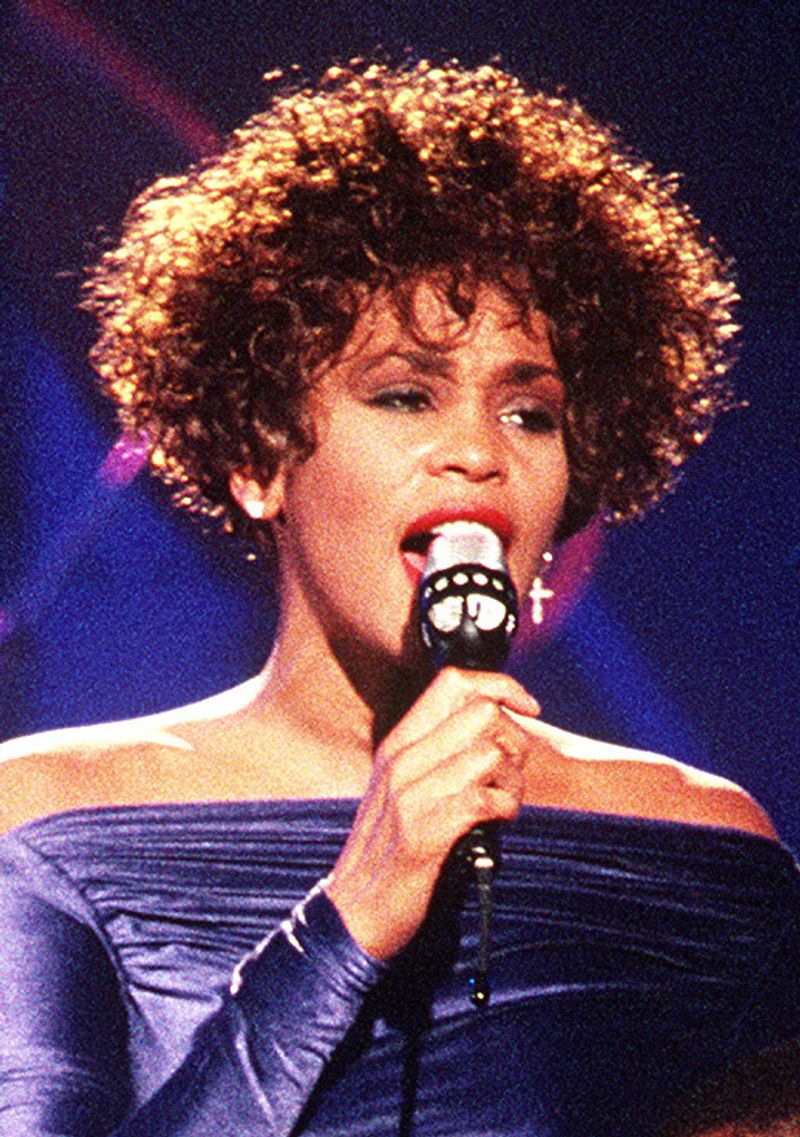
Whitney Houston had arguably the greatest pure singing voice of her generation. That is not hyperbole.
When she performed “I Will Always Love You,” she turned a country song into a global phenomenon with nothing but her voice.
Her marriage to Bobby Brown in 1992 became a tabloid fixture, with both parties openly struggling with substance abuse. A 2002 television interview showed a noticeably different Whitney, and fans were genuinely alarmed.
The decline was painful to watch.
She attempted multiple comebacks, including a 2009 album that sold well despite mixed reviews of her live performances. Her voice had changed.
The power was not fully there anymore.
She was found dead in a hotel bathtub in February 2012. The cause was accidental drowning due to cocaine use and heart disease.
She was 48. Her daughter Bobbi Kristina died under nearly identical circumstances just three years later.
Amy Winehouse – Soul Music’s Brilliant but Tragic Star

Amy Winehouse wrote songs about her own self-destruction with such honesty that it was almost uncomfortable to listen to. “Rehab” was catchy and clever and also a very real refusal to get help. She was warning us the whole time.
Her struggles with alcohol and drug addiction were relentlessly documented by the British tabloid press. Paparazzi photos of her looking unwell circulated constantly.
It felt exploitative then, and it feels worse looking back now.
Her 2006 album “Back to Black” is a genuine masterpiece. It won five Grammy Awards in 2008, a record for a British artist at the time.
The talent was never in question.
She died in July 2011 at her London home. The cause was accidental alcohol poisoning.
She was 27, joining the infamous “27 Club.” Her father Mitch has worked tirelessly since to keep her legacy alive and to promote addiction awareness in her name.
Kurt Cobain – Grunge’s Troubled Voice of a Generation

Kurt Cobain did not want to be the voice of a generation. He said so repeatedly, and the irony is that saying it so loudly made people love him even more.
His discomfort with fame was completely genuine.
He battled heroin addiction for years while fronting one of the most successful bands on the planet. His marriage to Courtney Love was turbulent and heavily scrutinized.
In 1994, a near-fatal overdose in Rome preceded his death by just weeks.
He was found dead at his Seattle home in April 1994. He was 27.
A shotgun and a suicide note were found at the scene. The note referenced Neil Young’s lyric about burning out rather than fading away.
Nirvana had sold tens of millions of records. Cobain had changed rock music permanently.
But the weight of all that fame, combined with addiction and depression, proved too heavy. His story remains one of rock’s saddest chapters.
Tupac Shakur – Hip-Hop Icon Caught Between Fame and Violence
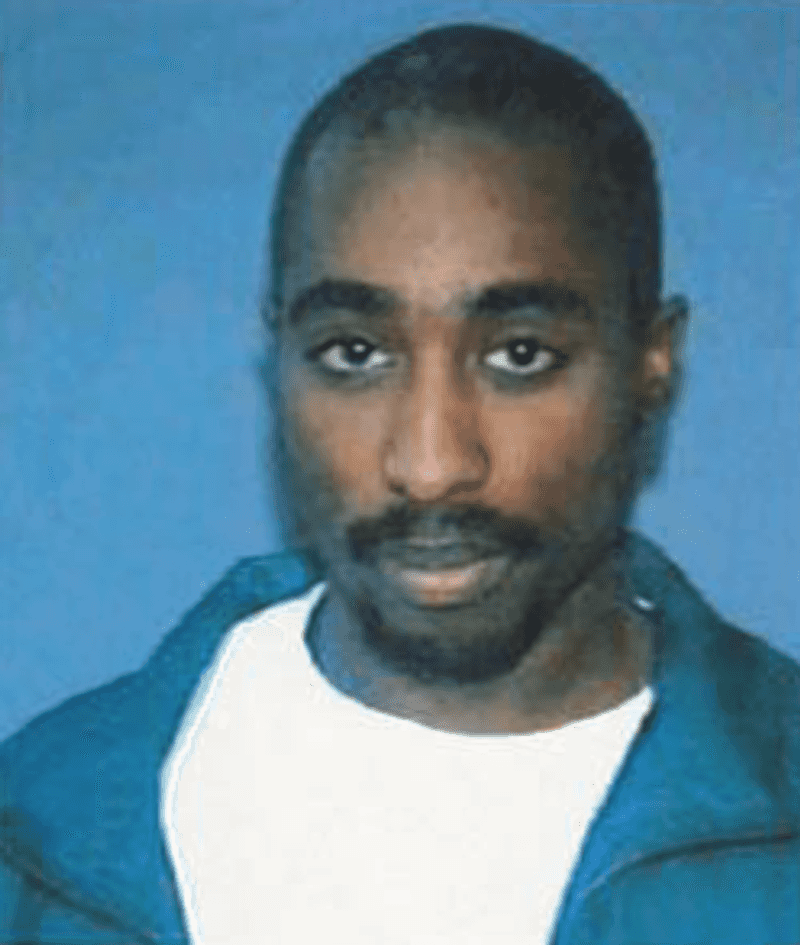
Tupac Shakur was one of the most gifted lyricists in hip-hop history. He could write about social injustice, love, street life, and mortality with equal power.
His catalog is genuinely remarkable for someone who only lived to 25.
But his personal life was a constant series of legal battles. He was convicted of sexual assault in 1994 and served nearly a year in prison.
He was also shot five times in a 1994 robbery, which he later blamed on rivals in the music industry.
The East Coast vs. West Coast feud between Bad Boy Records and Death Row Records escalated dangerously throughout 1995 and 1996. Both sides traded insults through music and interviews.
The tension was real and violent.
He was shot in a drive-by in Las Vegas in September 1996 and died six days later. No one was ever charged.
His murder remains unsolved, and the conspiracy theories surrounding it have never stopped circulating.
Jim Morrison – Rock Poet Lost to Chaos and Excess
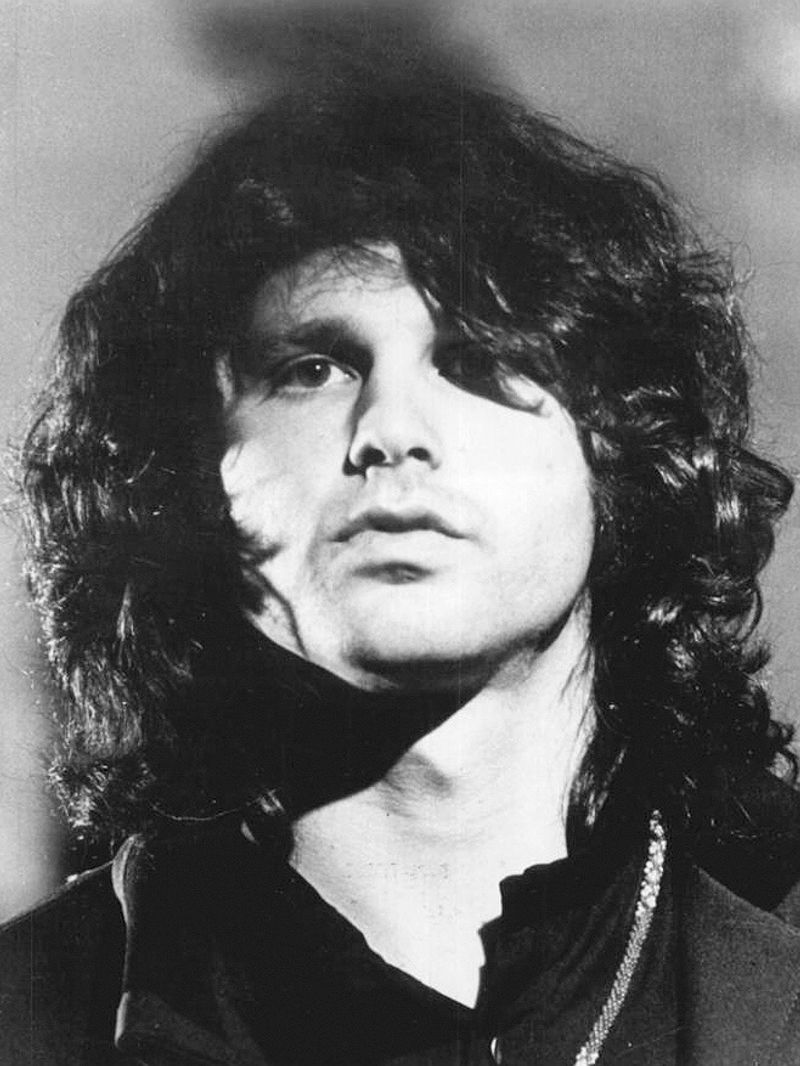
Jim Morrison was equal parts rock star and performance artist. He wrote poetry, quoted Nietzsche in interviews, and regularly showed up to concerts too drunk to perform.
His fans thought he was a genius. Concert promoters thought he was a nightmare.
His legal troubles included a 1969 Miami concert where he was charged with indecent exposure and profanity. He was convicted and appealed the verdict.
The legal battle followed him for the rest of his short life.
His drinking was legendary even by rock star standards. He reportedly consumed a bottle of whiskey a day toward the end of his life.
Friends described someone who seemed determined to self-destruct.
He died in Paris in July 1971 at age 27. The official cause was heart failure, though no autopsy was performed.
Theories about his death have circulated ever since. He is buried at Pere Lachaise Cemetery, one of the most visited graves in the world.
Lil Peep – Emo Rap Pioneer Haunted by Addiction
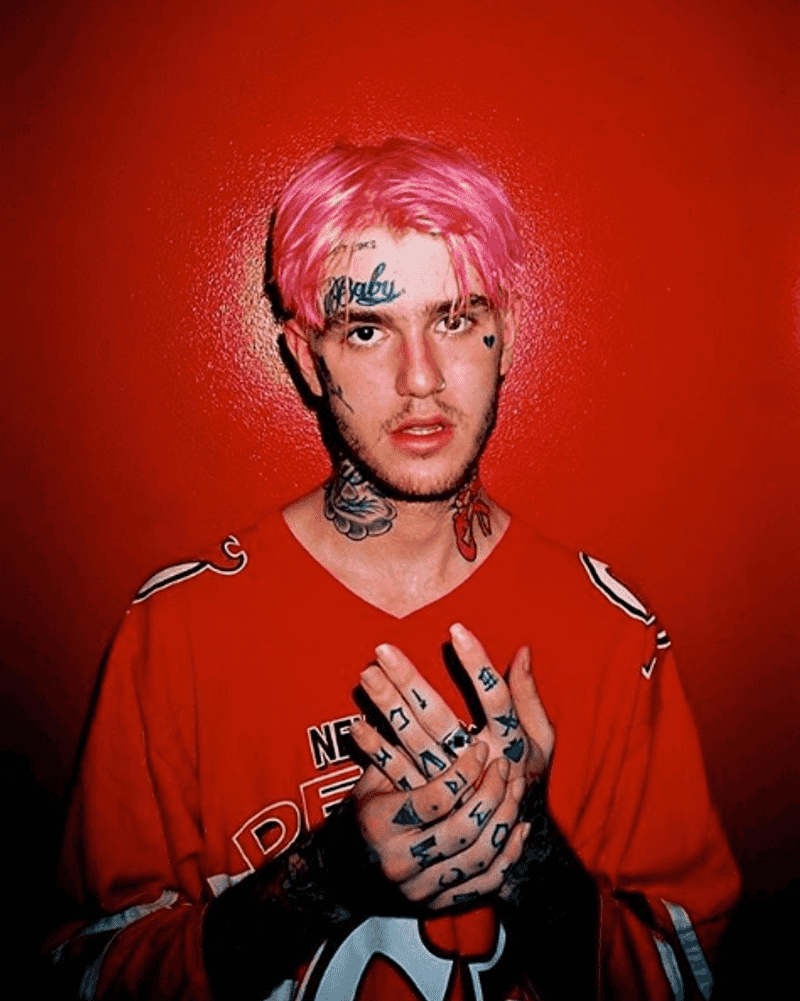
Lil Peep built his fanbase on radical emotional honesty. He sang about depression, heartbreak, and drug use without flinching.
For millions of young fans who felt the same way, his music was a lifeline.
He was a genuinely new kind of artist, blending emo, punk, and hip-hop in ways nobody had tried before. Record labels were circling.
A mainstream breakthrough felt inevitable. He was only 21 and already a cult icon.
In November 2017, he was found unresponsive on his tour bus before a show in Tucson, Arizona. He had taken a combination of drugs, including counterfeit pills laced with fentanyl.
He died before he could perform that night.
His death hit his fanbase devastatingly hard. Many of them had found comfort in his music specifically because he seemed to understand their pain.
Posthumous releases have kept his presence alive, but the loss of what he could have become remains genuinely heartbreaking.
Mac Miller – Beloved Rapper Whose Demons Played Out Publicly

Mac Miller was the kind of artist fans felt genuinely protective of. He was funny, self-aware, and deeply talented.
His music matured impressively with each album, and his honesty about mental health and addiction felt brave rather than performative.
His very public relationship with Ariana Grande ended in 2018, and he spoke openly about the heartbreak. In May 2018, he crashed his car into a pole while driving drunk and fled the scene.
The incident revealed how serious his struggles had become.
He died in September 2018 at his Los Angeles home. The cause was an accidental overdose involving fentanyl, cocaine, and alcohol.
He was 26. Three drug dealers were later convicted for their roles in supplying the fatal drugs.
His final album “Swimming” had been released just weeks before his death. It was widely praised as his most mature work.
The cruelty of the timing was not lost on anyone who loved his music.
Share this story