 Unearth The Voyage
Our planet is home to breathtaking landscapes that have formed over millions of years through the forces of nature. From towering waterfalls to vast canyons, these natural wonders remind us of Earth’s incredible power and beauty.
Many of these spectacular places are still accessible to travelers who want to witness their majesty firsthand. Whether you’re an adventure seeker or simply curious about the world’s most stunning locations, this list will inspire your next journey to some of the most remarkable places on Earth.
Grand Canyon — Arizona, USA
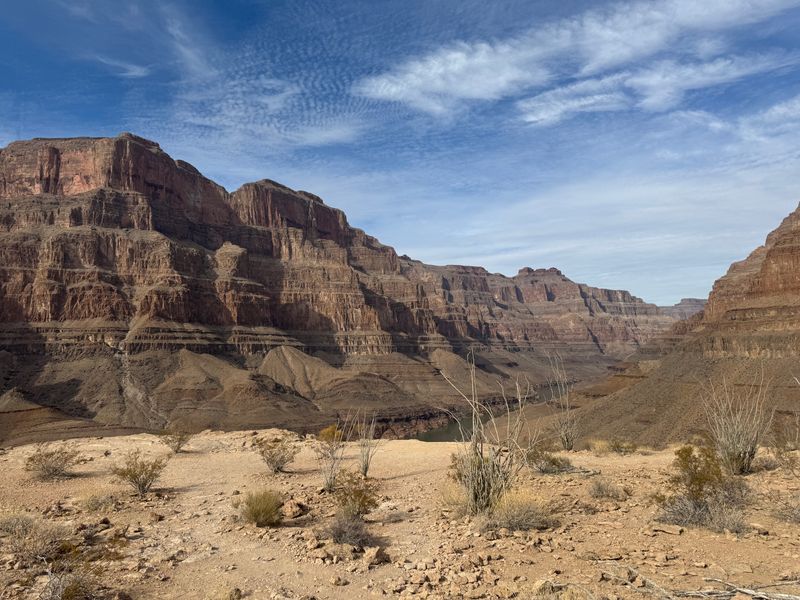
Carved over millions of years by the relentless flow of the Colorado River, this massive gorge stretches 277 miles across Arizona’s desert landscape. Its sheer size is almost impossible to grasp until you stand at the rim and peer down into the layered rock walls that drop more than a mile below.
Each layer of colorful stone tells a different chapter of Earth’s geological story, with some rocks dating back nearly two billion years. Visitors can explore the easily accessible South Rim, which offers stunning overlooks and well-maintained trails perfect for families.
For the more adventurous, hiking down into the canyon on paths like Bright Angel Trail provides an up-close look at the changing terrain.
Sunrise and sunset transform the canyon into a canvas of dramatic shadows and glowing colors, making it a favorite spot for photographers. Rafting trips along the Colorado River offer a completely different perspective from the bottom looking up.
Whether you visit for a few hours or spend days exploring, the Grand Canyon delivers an unforgettable experience that showcases nature’s raw power and beauty.
Victoria Falls — Zambia/Zimbabwe
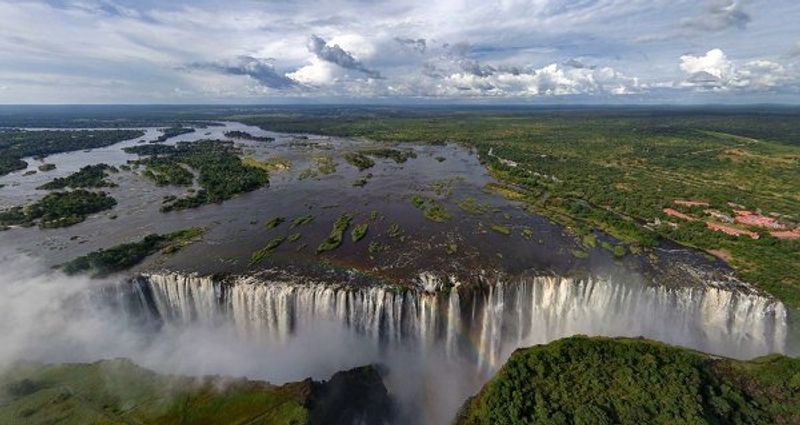
Local communities call it Mosi-oa-Tunya, which translates to “The Smoke That Thunders,” and once you witness the towering spray rising from the Zambezi River, you’ll understand why. This colossal waterfall plunges over a cliff that stretches nearly 1.7 kilometers wide, creating one of the most dramatic water spectacles anywhere on the planet.
During the rainy season from February to May, the falls reach their peak volume, sending massive amounts of water crashing down with thunderous force. The dry season offers clearer views and reveals hidden rock formations, plus the chance to swim in Devil’s Pool right at the edge of the falls for thrill-seekers.
Helicopter flights provide bird’s-eye views of the entire curtain of water, while guided walking tours along the gorge bring you close enough to feel the spray on your face.
Riverside safaris in the surrounding area let you spot elephants, hippos, and crocodiles in their natural habitat. The combination of powerful waterfalls, wildlife, and adventure activities makes this a bucket-list destination that engages all your senses at once.
Great Barrier Reef — Queensland, Australia
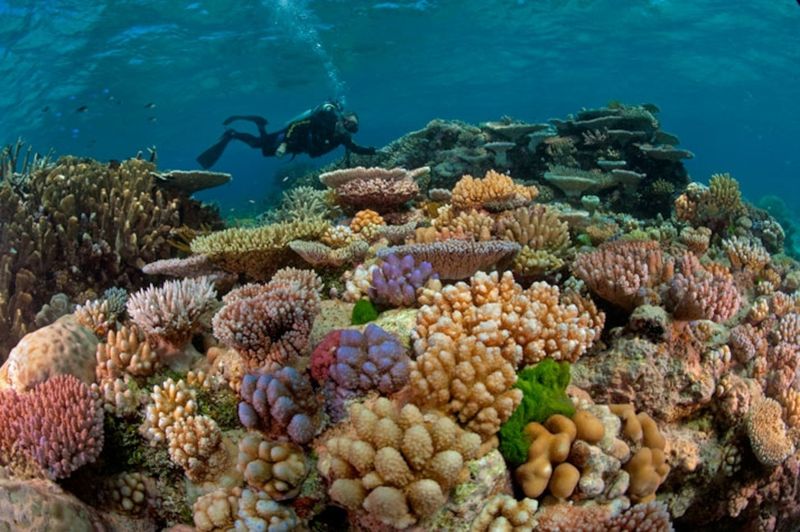
Stretching over 2,300 kilometers along Australia’s northeast coast, this massive coral reef system is so large it can be seen from space. Beneath the surface lies an explosion of color and life, with thousands of coral species creating homes for countless fish, sea turtles, rays, and marine mammals.
Snorkelers and scuba divers can explore shallow reefs teeming with bright parrotfish, clownfish hiding in anemones, and graceful manta rays gliding past. For those who prefer to stay dry, glass-bottom boat tours and eco cruises offer windows into this underwater paradise without getting wet.
Many tour operators emphasize conservation and education, helping visitors understand the delicate balance that keeps the reef alive.
Climate change and coral bleaching pose serious threats to this natural wonder, making conservation efforts more important than ever. Visiting responsibly means choosing eco-certified tours and following guidelines to protect the reef.
Despite these challenges, the Great Barrier Reef remains one of the most biodiverse ecosystems on Earth, offering an unforgettable glimpse into an alien-like world just below the ocean’s surface.
Aurora Borealis — Arctic Regions
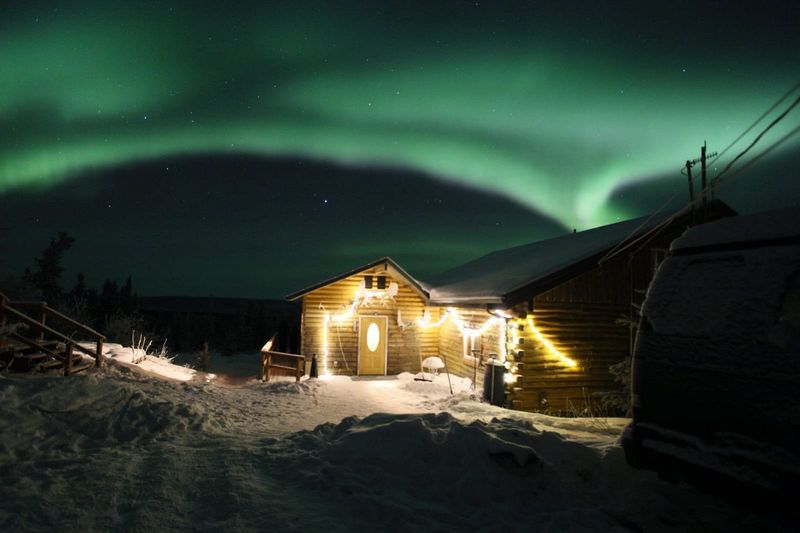
Dancing ribbons of green, purple, and pink light shimmer across the Arctic sky in one of nature’s most mystical performances. The Aurora Borealis happens when charged particles from the sun collide with gases in Earth’s atmosphere, creating an ethereal glow that seems almost magical.
Tromsø in Norway, Fairbanks in Alaska, and Yellowknife in Canada are some of the best locations to witness this spectacle, especially during winter months when nights are longest. Clear skies and minimal light pollution increase your chances of seeing the lights, so many tour operators take visitors to remote spots far from city glow.
Some tours even offer heated cabins or cozy lodges where you can wait comfortably while watching the sky.
Photographers love capturing the auroras, but seeing them with your own eyes creates a memory no camera can fully replicate. The lights often move and shift, creating patterns that feel alive and unpredictable.
Indigenous cultures have long told stories about the Northern Lights, adding layers of meaning to this already awe-inspiring natural phenomenon that connects us to the cosmos.
Iguazu Falls — Argentina/Brazil
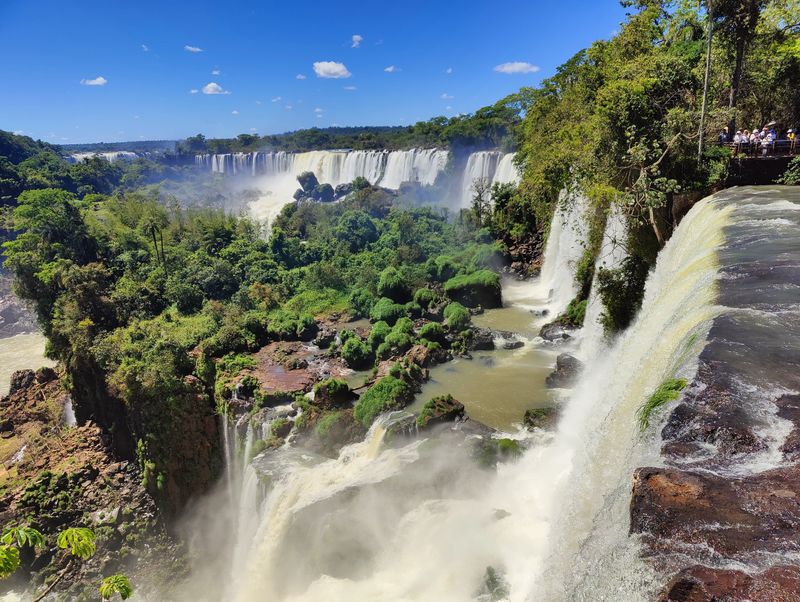
Nearly 300 individual waterfalls thunder across the border between Argentina and Brazil, creating a wall of water surrounded by lush subtropical rainforest. The roar is deafening, and the mist hangs in the air like a constant cloud, often forming rainbows that arc across the cascades.
Boardwalks wind through the forest and along the cliff edges, bringing you so close to the falls that you can feel the power of the water vibrating through the ground. Boat trips take adventurous visitors right into the spray zone, guaranteeing a soaking but thrilling experience.
From the Brazilian side, you get sweeping panoramic views of the entire waterfall system, while the Argentine side offers intimate walkways that lead directly to individual falls.
Wildlife thrives in the surrounding jungle, including colorful toucans, playful coatis, and fluttering butterflies that seem unbothered by the constant spray. Aerial viewpoints from helicopters or observation towers provide yet another perspective on this immense natural spectacle.
Iguazu Falls is a multi-sensory experience that engages sight, sound, and touch all at once, leaving visitors awestruck by its raw, untamed beauty.
Yosemite National Park — California, USA
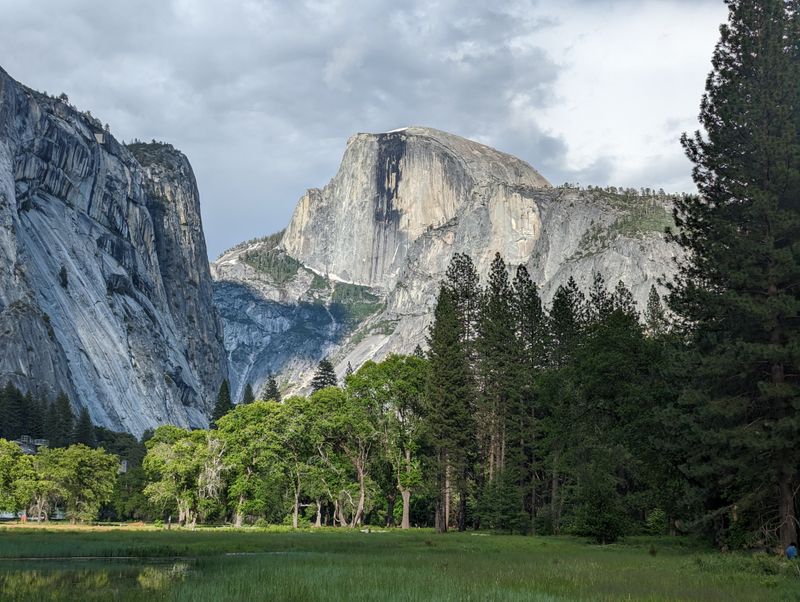
Towering granite cliffs like El Capitan and Half Dome dominate the skyline of this iconic California park, carved by ancient glaciers into dramatic shapes. Yosemite Falls, one of the tallest waterfalls in North America, plunges down in multiple tiers, especially impressive during spring snowmelt.
Hikers can tackle challenging trails to the top of Half Dome or enjoy easier walks through meadows filled with wildflowers and framed by mountain peaks. Giant sequoia groves, including the famous Mariposa Grove, feature some of the largest and oldest living trees on Earth.
Scenic drives like the Tioga Road wind through high-altitude landscapes dotted with alpine lakes and granite domes.
Rock climbers from around the world come to test their skills on El Capitan’s sheer vertical face, a challenge that can take days to complete. Wildlife sightings include black bears, mule deer, and the occasional bobcat, reminding visitors that this is truly wild country.
Yosemite’s combination of waterfalls, cliffs, forests, and meadows creates a landscape so stunning it has inspired artists, writers, and nature lovers for generations, cementing its place as one of America’s most treasured natural wonders.
Mount Everest / Everest Region — Nepal/China
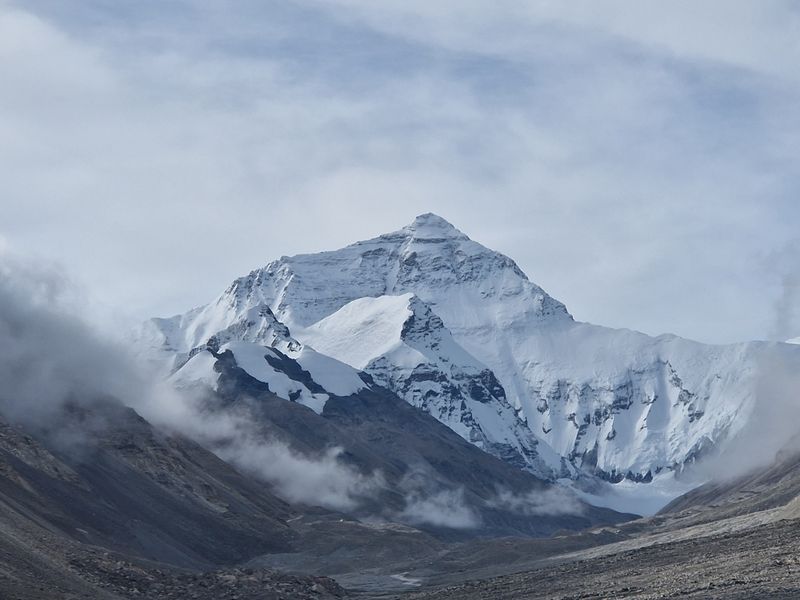
Standing at 29,032 feet, Mount Everest is the tallest mountain on Earth, a symbol of ultimate adventure and human determination. While reaching the summit requires elite mountaineering skills, serious preparation, and significant expense, the surrounding Everest region welcomes trekkers of varying abilities.
The trek to Everest Base Camp is one of the world’s most famous hiking routes, winding through Sherpa villages, suspension bridges, and Buddhist monasteries adorned with colorful prayer flags. Along the way, trekkers experience breathtaking views of Everest and neighboring peaks like Lhotse and Ama Dablam.
Teahouses provide warm meals and overnight shelter, making the journey accessible without requiring camping gear.
Sherpa culture enriches the experience, as local guides share stories, traditions, and knowledge passed down through generations. The thin air at high altitude challenges even experienced hikers, so proper acclimatization is essential to avoid altitude sickness.
Reaching Base Camp itself feels like a monumental achievement, surrounded by glaciers and towering ice walls. Whether you dream of summiting or simply want to witness the grandeur of the Himalayas up close, the Everest region offers an unforgettable journey into one of Earth’s most dramatic landscapes.
Halong Bay — Vietnam
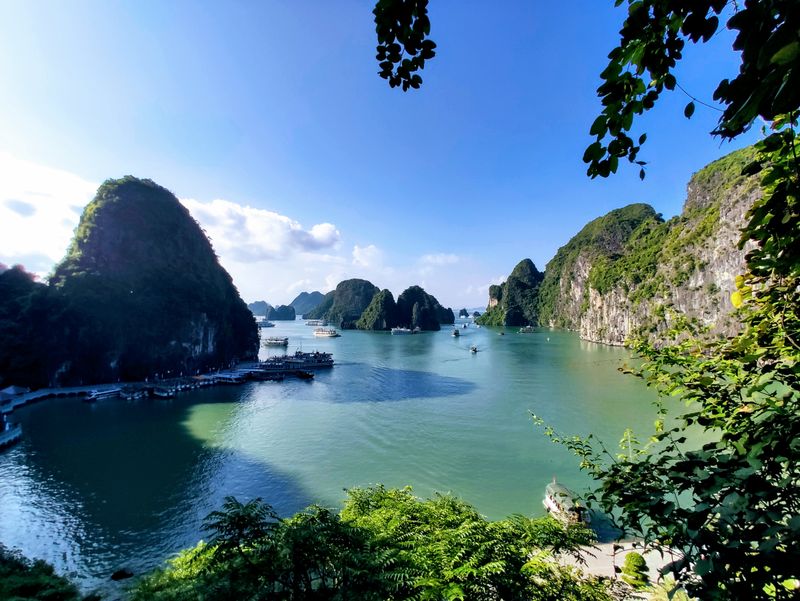
Thousands of limestone karsts rise dramatically from emerald-green waters, creating a seascape that feels like something out of a fantasy novel. Halong Bay’s unique geology formed over millions of years as the sea eroded softer rock, leaving behind these towering islands covered in jungle vegetation.
Traditional junk boats glide slowly through the bay, allowing passengers to soak in the serene beauty while exploring hidden caves and grottoes. Some caves feature massive stalactites and stalagmites, illuminated to highlight their otherworldly shapes.
Floating fishing villages dot the bay, where families live on houseboats and make their living from the sea.
Kayaking through narrow passages between karsts offers a more intimate way to explore secluded coves and quiet lagoons. Sunrise and sunset transform the bay into a painter’s palette of soft pinks, oranges, and purples reflecting off the calm water.
Overnight cruises let you wake up surrounded by this magical landscape, with the morning mist clinging to the karsts like a veil. Halong Bay’s combination of natural beauty, cultural heritage, and peaceful atmosphere makes it one of Southeast Asia’s most enchanting destinations, perfect for travelers seeking tranquility and wonder.
Salar de Uyuni — Bolivia
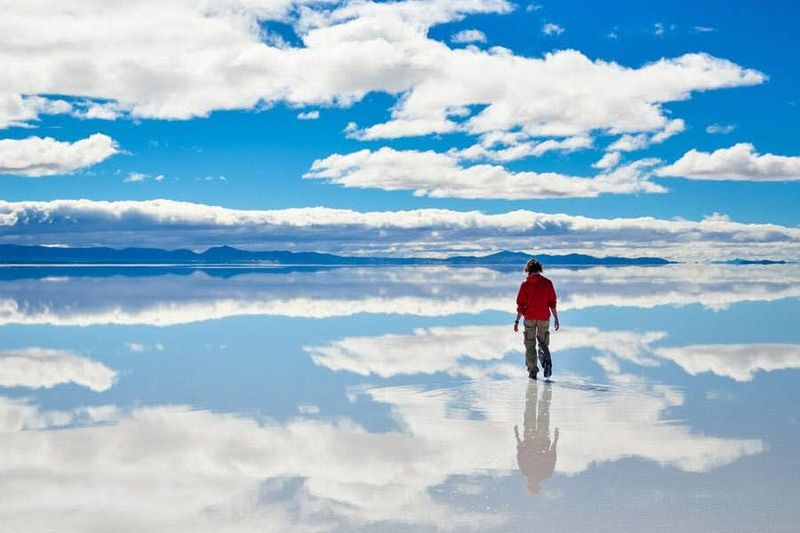
Covering over 10,000 square kilometers, the Salar de Uyuni is the largest salt flat on the planet, a surreal landscape that defies imagination. During the rainy season, a thin layer of water transforms the flat into the world’s largest natural mirror, reflecting the sky so perfectly that the horizon disappears.
Walking on this mirror feels like floating in the sky, with clouds both above and below your feet. Photographers flock here to capture mind-bending perspective shots and stunning reflections that look almost unreal.
In the dry season, the salt forms geometric patterns of hexagons that stretch endlessly in every direction, creating a stark white desert that feels alien.
The salt flat sits at high altitude on Bolivia’s altiplano, so visitors should prepare for cold temperatures and thin air. Tours often include visits to colorful lagoons, volcanic rock formations, and even flamingo colonies in nearby areas.
The Salar also contains significant lithium deposits, making it important for modern technology. Sunrise and sunset paint the sky in brilliant colors that reflect across the salt, creating moments of pure magic.
Whether you visit during wet or dry season, Salar de Uyuni delivers an experience unlike anywhere else on Earth.
Perito Moreno Glacier — Argentina
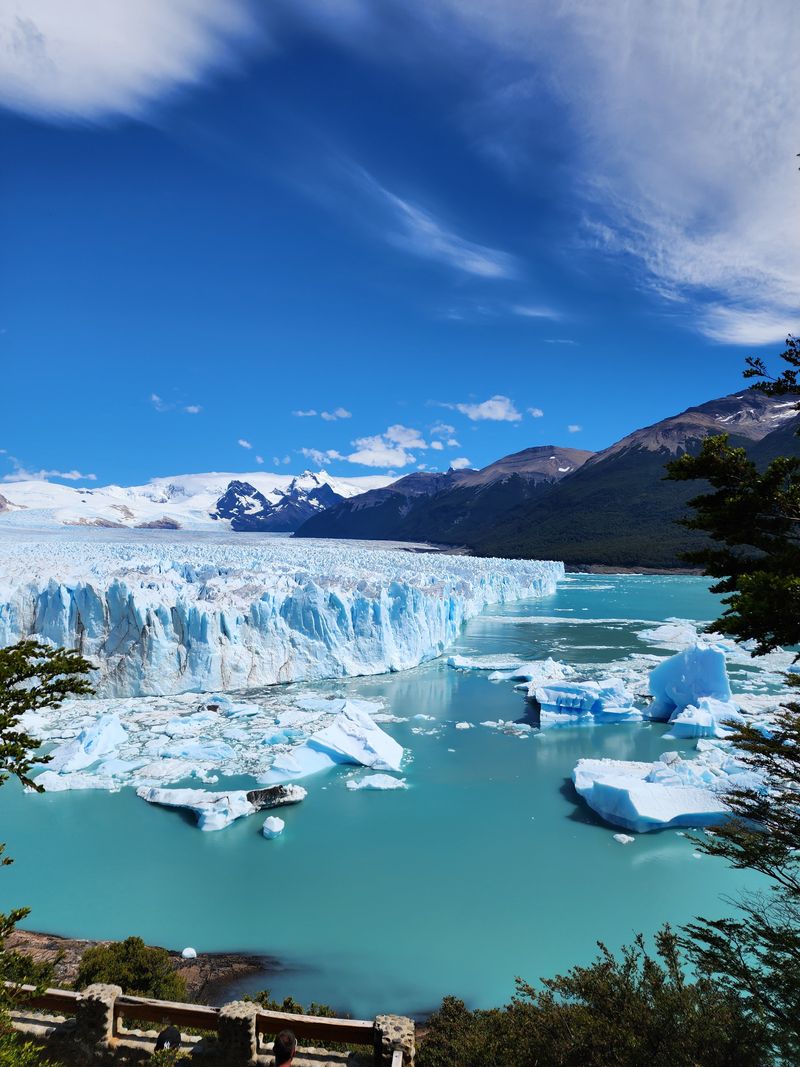
Unlike most glaciers around the world that are retreating, Perito Moreno is one of the rare few that continues to advance, pushing forward and creating dramatic ice walls that tower above the turquoise waters of Lago Argentino. The glacier’s face stretches about five kilometers wide and rises up to 60 meters above the lake’s surface.
The most thrilling moments happen when massive chunks of ice calve off the glacier with thunderous cracks and splashes, sending waves across the lake. Viewing platforms built along the shoreline provide front-row seats to this natural spectacle, close enough to hear the ice groaning and shifting.
Boat tours navigate right up to the glacier’s face, offering a perspective that emphasizes its sheer size and the brilliant blue color of ancient compressed ice.
For the truly adventurous, guided ice-trekking tours allow you to strap on crampons and walk across the glacier’s surface, exploring crevasses and ice caves. The surrounding Los Glaciares National Park features other glaciers, mountains, and pristine Patagonian wilderness.
Perito Moreno’s combination of accessibility and dramatic activity makes it one of the most impressive glaciers you can visit, a powerful reminder of Earth’s icy past and changing climate.
Pamukkale — Turkey
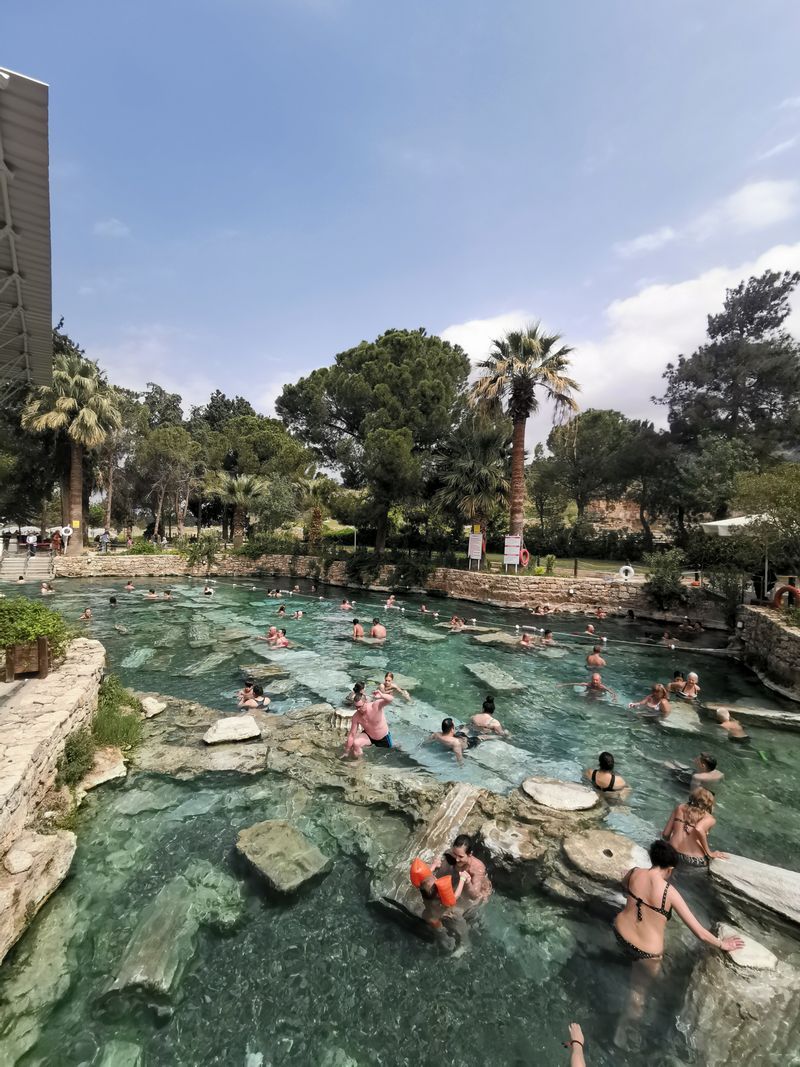
Mineral-rich thermal waters have created a landscape so unusual it earned the name Pamukkale, which means “cotton castle” in Turkish. Brilliant white travertine terraces cascade down the hillside, filled with shallow pools of warm turquoise water that shimmer in the sunlight.
For thousands of years, these hot springs have attracted visitors seeking their supposed healing properties, and today you can still walk barefoot across the terraces and wade in designated pools. The ancient city of Hierapolis sits atop the formations, where Roman ruins blend with natural beauty.
Cleopatra’s Pool, a popular attraction, features warm waters where you can swim among submerged ancient columns.
The calcium-rich water deposits create new formations constantly, though heavy tourism has threatened some areas, leading to protective measures. Certain sections are now off-limits to preserve the delicate terraces for future generations.
Sunrise and sunset bathe the white terraces in golden and pink light, creating stunning photo opportunities. The combination of natural thermal springs, ancient history, and unique geology makes Pamukkale unlike anywhere else.
Visiting feels like stepping into a dream world where nature and human history intertwine in the most beautiful way possible, offering both relaxation and wonder.
Great Blue Hole — Belize
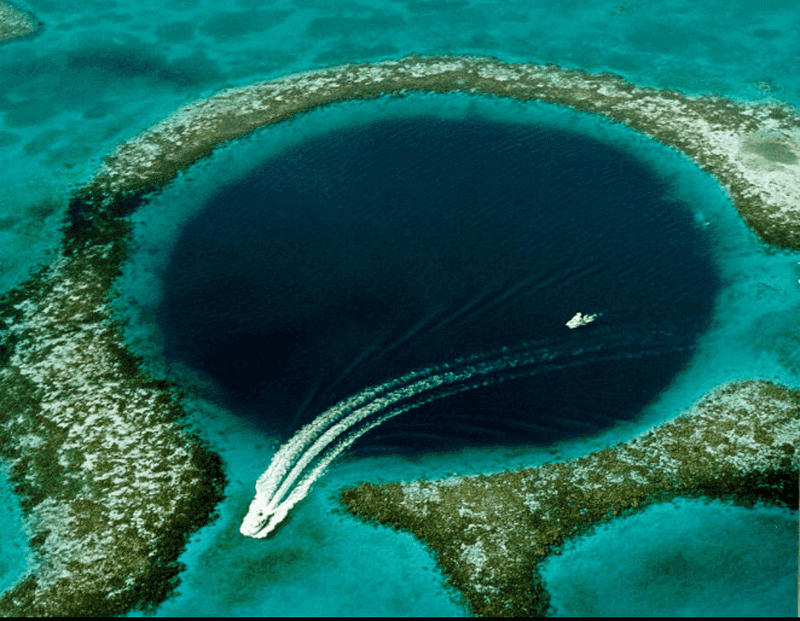
From the air, the Great Blue Hole looks like a giant sapphire set in the turquoise waters off Belize’s coast, a perfectly circular marine sinkhole that plunges 124 meters deep. This underwater wonder formed thousands of years ago when sea levels were lower and a limestone cave system collapsed, later flooding as oceans rose.
Scuba divers are drawn to its mysterious depths, where ancient stalactites hang from the ceiling of submerged caves, proof of the hole’s origins above water. The deeper you descend, the darker and more eerie it becomes, with walls that seem to drop into endless blue.
Sharks, including Caribbean reef sharks and sometimes hammerheads, patrol the deeper sections, adding excitement to the dive.
The hole measures about 300 meters across, creating a stark contrast between its dark blue center and the lighter surrounding reef. Snorkelers and less experienced divers can explore the shallow reef areas nearby, which teem with colorful fish and healthy coral.
Helicopter tours and small plane flights offer spectacular aerial views that show the hole’s perfect circular shape. Made famous by Jacques Cousteau, who declared it one of the world’s top dive sites, the Great Blue Hole remains a bucket-list destination for underwater adventurers.
Galápagos Islands — Ecuador
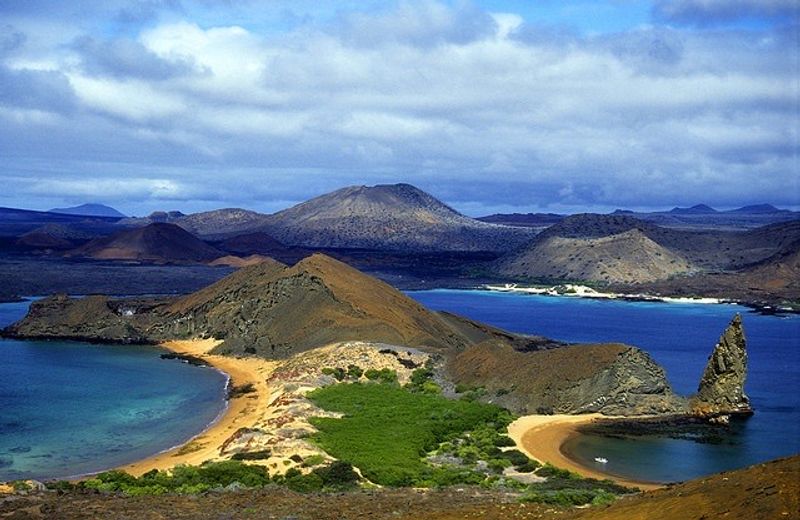
Charles Darwin’s visit to these isolated volcanic islands in 1835 changed our understanding of life on Earth, and today the Galápagos remain a living laboratory of evolution. Giant tortoises lumber slowly across the landscape, some weighing over 400 pounds and living well over 100 years.
Marine iguanas, found nowhere else on the planet, dive into the ocean to graze on algae, their prehistoric appearance making them look like miniature dragons. Blue-footed boobies perform comical mating dances, lifting their bright blue feet in exaggerated steps.
Fearless sea lions lounge on beaches and sometimes swim alongside snorkelers, curious about human visitors.
Strict conservation rules limit tourism and protect the islands’ unique ecosystems, so most visits happen through guided tours with naturalist experts. Snorkeling reveals underwater worlds filled with sea turtles, rays, and schools of colorful fish, while hiking trails cross volcanic landscapes dotted with unique plant species.
Each island has its own distinct ecosystem and wildlife, making island-hopping tours especially rewarding. The Galápagos offer a rare chance to observe wildlife that shows little fear of humans, creating intimate encounters impossible almost anywhere else, and reminding us of nature’s incredible diversity and adaptability.
Niagara Falls — USA/Canada
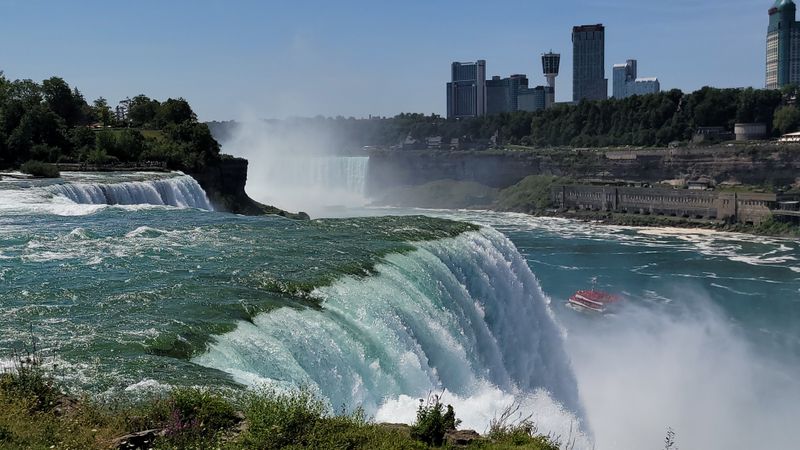
Straddling the border between the United States and Canada, Niagara Falls has been wowing visitors for generations with its sheer volume of water thundering over the edge. Three separate waterfalls make up the whole system, with Horseshoe Falls on the Canadian side being the largest and most powerful.
More than 750,000 gallons of water crash over the falls every second during peak flow, creating a constant roar and thick mist that rises high into the air. Observation decks on both sides offer different perspectives, with the Canadian side generally considered better for panoramic views.
Boat tours like the Maid of the Mist take passengers right into the spray zone, providing ponchos but guaranteeing you’ll still get soaked.
At night, colorful lights illuminate the falls, transforming them into a glowing spectacle visible from miles away. Winter brings a magical transformation as ice forms along the edges, creating frozen sculptures and icy landscapes.
The surrounding area includes parks, museums, and viewing towers that provide year-round access to this natural wonder. While more developed and touristy than some remote natural wonders, Niagara Falls remains genuinely impressive, proving that sometimes the classics earn their fame through sheer power and beauty that never gets old.
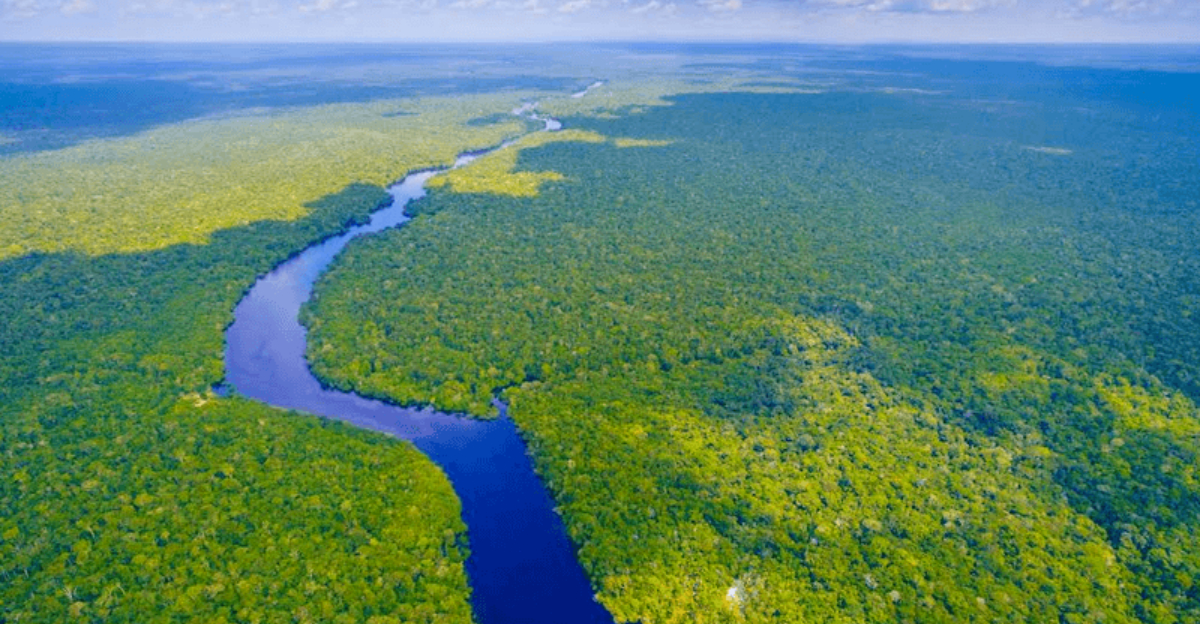
Amazon Rainforest — South America
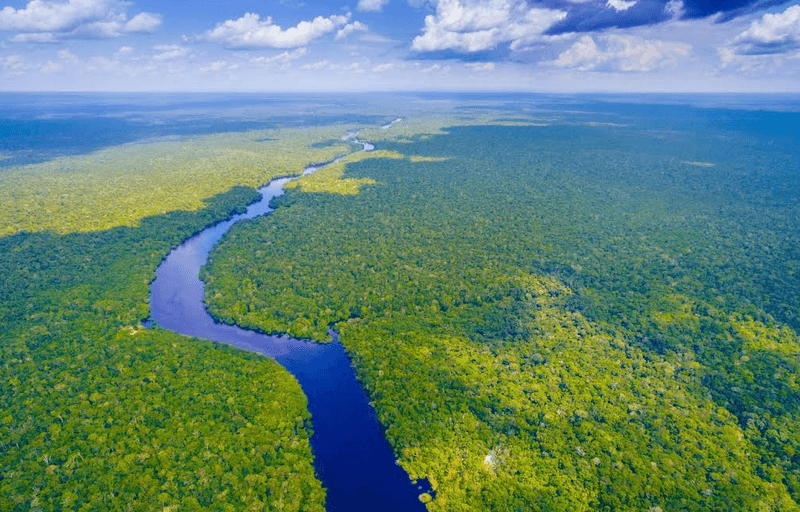
Spanning across nine countries, the Amazon Rainforest is the largest tropical forest on Earth, containing an estimated 10% of all species on the planet. Its dense canopy creates a green ceiling overhead, while the forest floor remains dim and humid, filled with the sounds of countless creatures.
Rivers wind through the jungle like liquid highways, providing the main transportation routes for both people and wildlife. Eco-lodges built on stilts or riverbanks offer comfortable bases for exploring this wild environment through guided hikes and boat trips.
Colorful macaws and toucans flash through the trees, while howler monkeys announce their presence with booming calls that echo for miles.
Indigenous communities have lived in harmony with the forest for thousands of years, and many tours include opportunities to learn about their traditions and deep knowledge of medicinal plants. Nighttime excursions reveal a completely different world as nocturnal creatures emerge, including frogs, insects, and prowling jaguars.
The Amazon faces serious threats from deforestation and climate change, making responsible tourism more important than ever. Visiting the Amazon immerses you in raw, untamed nature on a scale that feels overwhelming and humbling, a reminder of how much wilderness still exists and desperately needs protection.
Mount Kilimanjaro — Tanzania
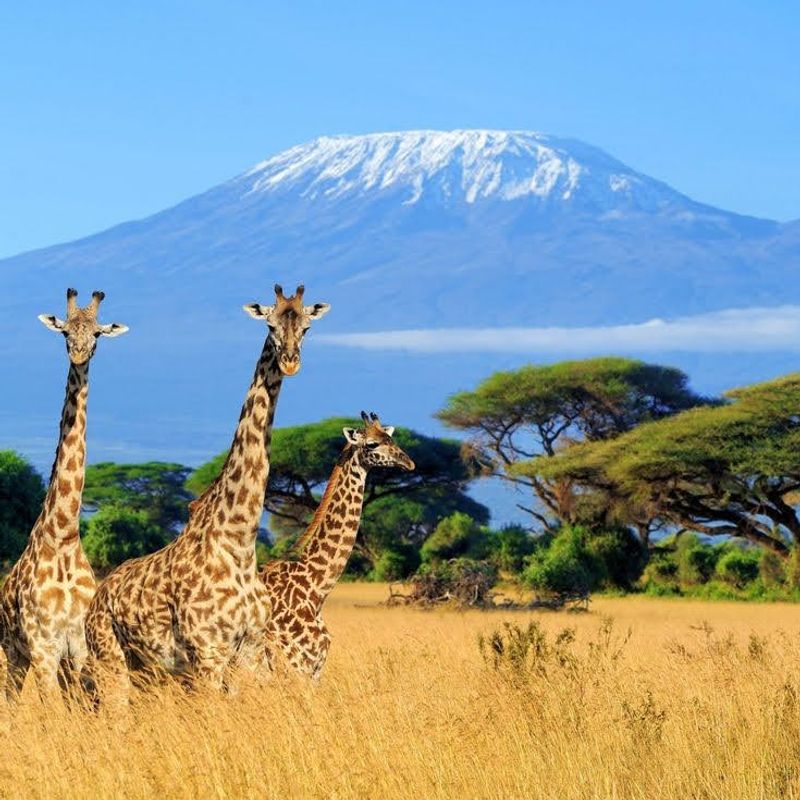
Africa’s tallest mountain rises majestically from the savanna, its snow-capped peak visible for miles across the Tanzanian landscape. Mount Kilimanjaro is actually a dormant volcano with three distinct cones, reaching 19,341 feet at its highest point, Uhuru Peak.
What makes Kilimanjaro special is that you don’t need technical climbing skills to reach the summit, just determination, proper acclimatization, and several days of hiking. The trek passes through five distinct ecological zones, starting in tropical rainforest and ending in arctic alpine conditions.
Each zone supports different plants and wildlife, making the climb feel like traveling from the equator to the Arctic in just a few days.
Several routes lead to the summit, with Machame and Marangu being the most popular, each offering different scenery and challenges. Guides and porters are required, and they handle most logistics, allowing climbers to focus on the journey.
Watching the sunrise from the summit, with clouds far below and the vast African continent spreading out in all directions, ranks among life’s most memorable experiences. The surrounding national parks offer safari opportunities where you can spot elephants, giraffes, and other wildlife against the backdrop of the mountain, combining two classic African adventures in one trip.
Zhangjiajie National Forest Park — China
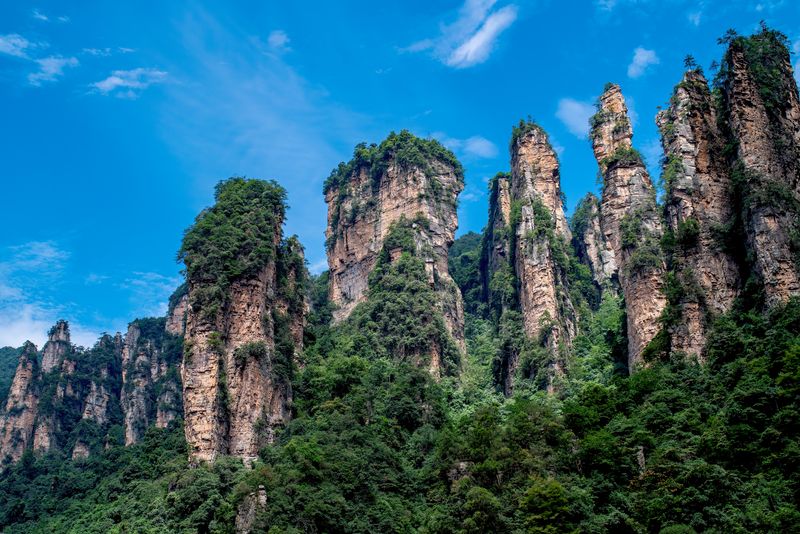
Towering sandstone pillars rise like ancient skyscrapers from the forest floor, often shrouded in mist that gives them an otherworldly, floating appearance. These unique rock formations inspired the floating mountains in a famous science fiction film, bringing international attention to this already stunning Chinese park.
The Avatar Hallelujah Mountain, as one pillar is now called, stands as the most photographed formation, though thousands of similar pillars create a landscape unlike anywhere else on Earth. Glass walkways and bridges cling to cliff sides, offering heart-pounding views straight down to the valleys below.
For those brave enough to look down, the transparent floors provide thrilling perspectives of the dramatic drops.
Cable cars and the world’s tallest outdoor elevator whisk visitors up the cliffs, making the park accessible even for those who prefer not to hike. Hiking trails wind through the pillars at various levels, some passing through narrow gaps between towering rocks.
Monkeys inhabit the forests and sometimes approach visitors looking for food, adding wildlife encounters to the scenic experience. Morning fog creates the most dramatic scenes as pillars emerge from the mist like islands in a sea of clouds, a sight that photographers and nature lovers dream about capturing.
Iguazú National Park Rainforest — Argentina/Brazil
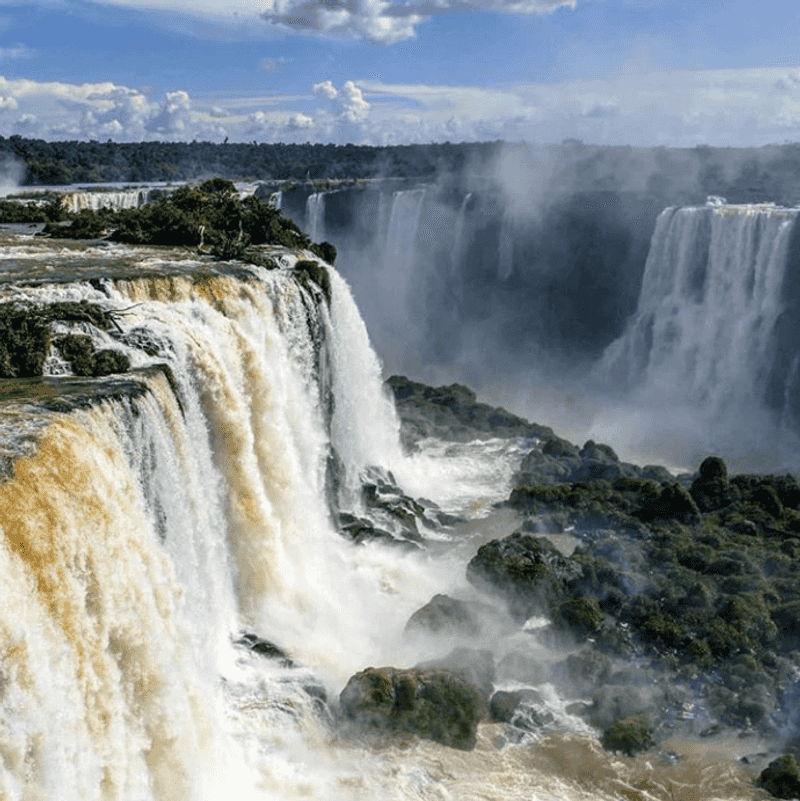
The rainforest surrounding Iguazu Falls creates its own natural wonder, bursting with life and color that complements the dramatic waterfalls. Dense vegetation forms a green canopy overhead, while the forest floor teems with insects, amphibians, and small mammals that thrive in the humid subtropical environment.
Boardwalks and trails wind through the jungle, bringing visitors close to massive trees draped in vines and epiphytes. Butterflies in brilliant blues, yellows, and oranges flutter along the paths, sometimes landing on visitors’ shoulders.
Toucans with their oversized colorful beaks hop through the branches, while coatis (a relative of raccoons) boldly search for food along the trails.
The constant spray from the nearby falls creates microclimates that support unique plant communities found nowhere else. Jaguars, though rarely seen, prowl the deeper forest, making this one of the few places where these magnificent cats still roam relatively undisturbed.
Observation points built into the forest canopy offer chances to spot birds and monkeys at eye level. The combination of roaring waterfalls and thriving jungle creates a multi-layered experience where every sense is engaged.
Iguazú National Park protects this precious ecosystem, ensuring that future generations can experience the magic of subtropical rainforest wrapped around one of the world’s most powerful waterfalls.



