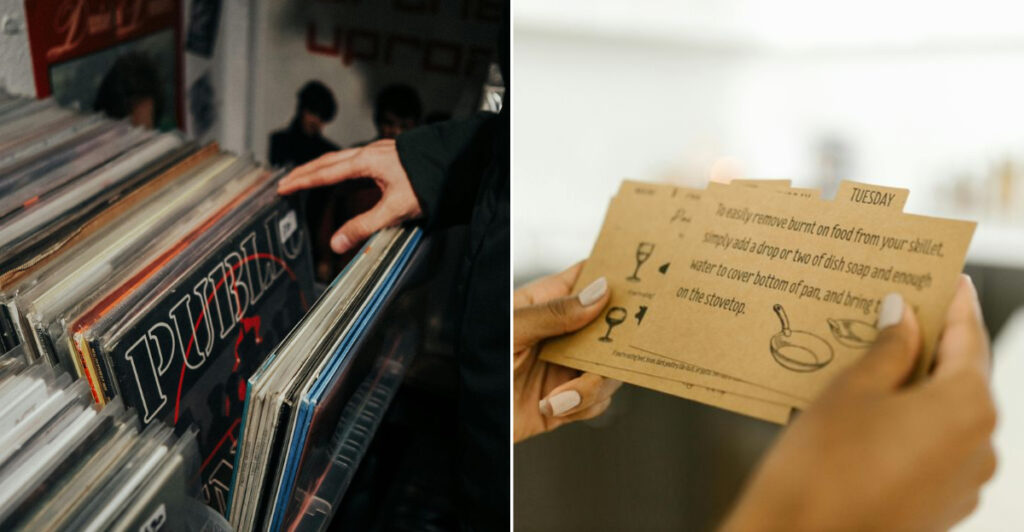
Every generation rewrites the rulebook a little, and millennials and Gen Z are rewriting it a lot. From ditching landline phones to skipping formal etiquette classes, younger people are quietly walking away from traditions that once felt non-negotiable.
Some of these changes make total sense, while others might surprise you. Here are 18 old-school customs that are slowly getting the boot.
Formal Letter Writing

Nobody told Gen Z that “Dear Sir or Madam” was optional, but they figured it out anyway. Formal letter writing, once a cornerstone of communication, has been quietly retired to the same shelf as fax machines and VHS tapes.
Emails replaced letters, then texts replaced emails, and now a well-placed emoji does half the emotional heavy lifting. The average young person today communicates in real time and has little patience for stamps, envelopes, or waiting three business days for a reply.
Handwriting itself has become a novelty skill. Studies show that many students struggle to write in cursive because schools stopped teaching it widely.
Letter writing felt personal and intentional, sure, but speed and convenience have won the battle. The tradition is not completely dead, though.
Some younger people are rediscovering letter writing as a mindful hobby, which is honestly kind of sweet.
Daily Newspaper Subscriptions

My grandfather read the newspaper every single morning without fail, coffee in hand, glasses perched on his nose. That ritual felt sacred.
For younger generations, though, the printed newspaper is basically a museum artifact that shows up uninvited on doorsteps.
News consumption has moved entirely to phones, apps, podcasts, and social media feeds. Why wait for tomorrow’s paper when breaking news hits your screen within seconds?
The Newspaper Association of America reported that print circulation has been declining steadily for over two decades, and younger readers are the main reason why.
There is also the environmental angle. Printing millions of papers daily uses enormous amounts of paper and ink.
Gen Z, famously eco-conscious, sees that math and is not thrilled. Digital news is faster, cheaper, and greener.
The morning paper had a great run, but its days as a daily habit are clearly numbered for most households under forty.
Driving Children to Every Activity

Soccer at 4, piano at 5:30, swim team at 7. The overscheduled child is a hallmark of a certain generation of parenting, and younger parents are increasingly pumping the brakes on the whole operation.
Millennials and Gen Z parents are pushing back against the culture of hyper-scheduling kids into oblivion. Research from the American Psychological Association suggests that unstructured play time is actually critical for child development.
Fewer activities, more free time is becoming the new parenting philosophy.
There is also a practical element. Gas prices are not exactly a love language, and spending half your week as an unpaid chauffeur gets old fast.
Carpooling apps, community programs, and simply letting kids be bored sometimes are all gaining ground. The tradition of ferrying children from activity to activity seven days a week is being replaced by something that looks a lot more like breathing room.
Everyone seems happier for it.
Owning a Landline Phone
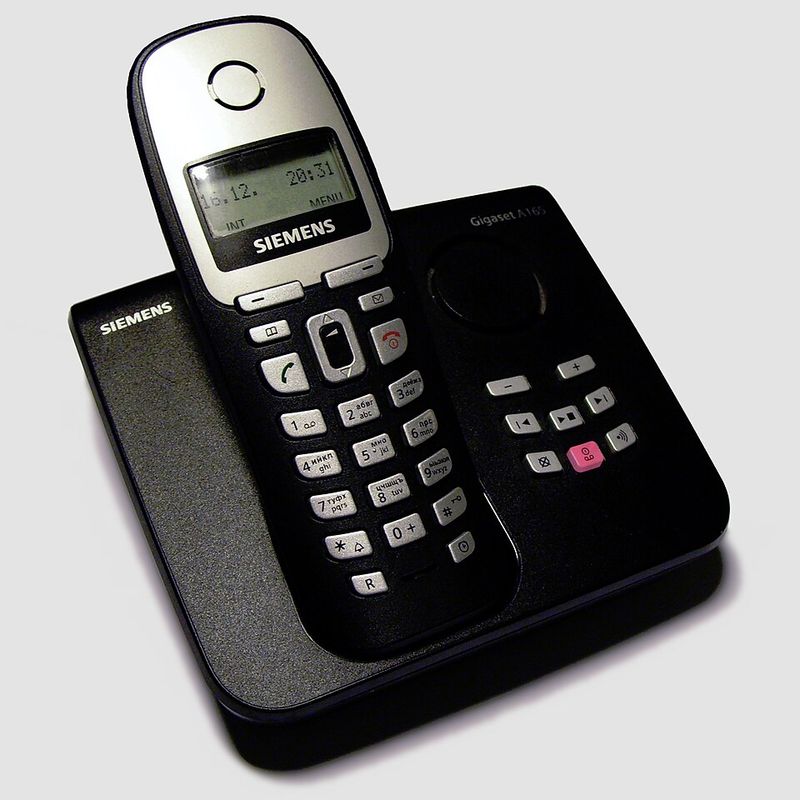
Fun fact: fewer than 30% of American households still have a landline, according to the CDC. That number drops dramatically among adults under 35.
The landline had a legendary run, but its time has firmly passed.
Growing up, the family phone was a shared resource requiring patience, negotiation, and occasionally eavesdropping siblings. Today, every person in the household carries their own personal communication device everywhere, including the bathroom, which is arguably worse.
Younger people never understood the appeal of being tethered to a wall-mounted device in the kitchen. Why would anyone willingly limit their calling radius to the length of a spiral cord?
Landlines also come with an unwelcome bonus feature: telemarketers. Mobile phones let you screen, block, and ignore with elegant efficiency.
The landline is now mostly found in offices, hospitals, and the homes of people who still refer to the internet as “the web.”
Tipping in Cash
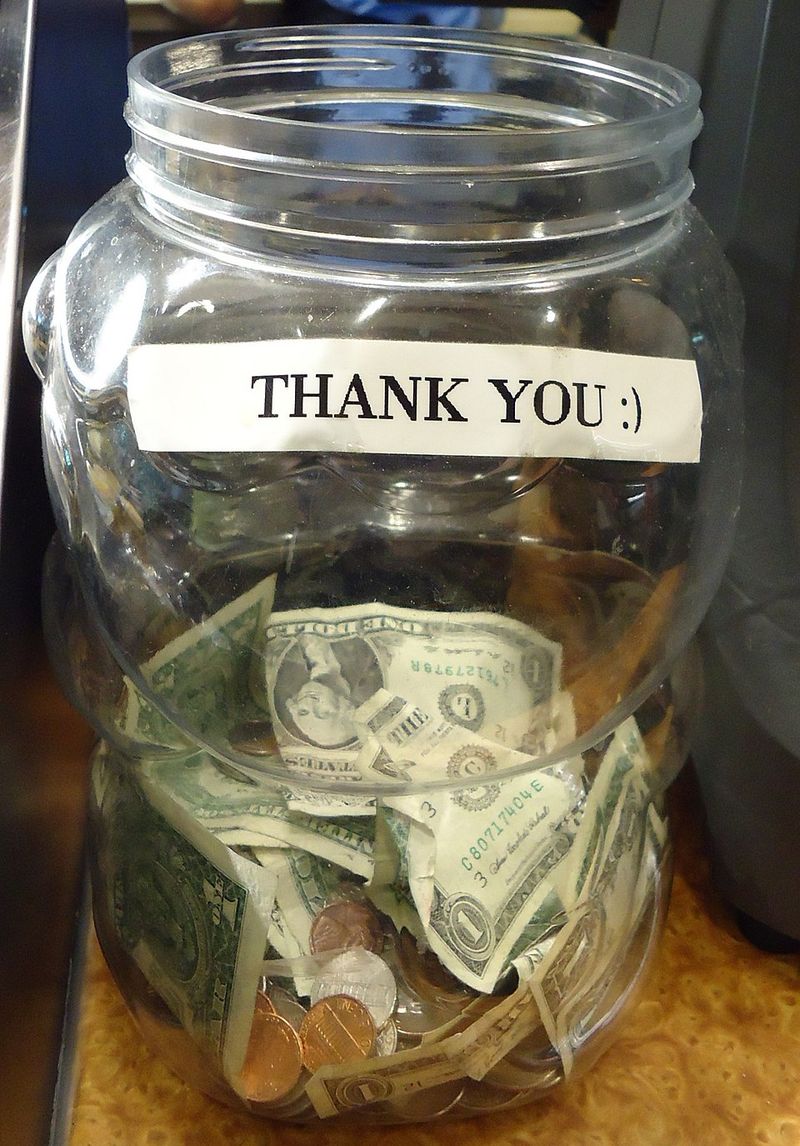
Cash tipping was once the polite and expected way to reward good service. Now, most younger people carry zero cash and feel a mild existential crisis when a tip jar appears at a coffee shop counter.
The shift to digital payments has completely changed the tipping landscape. Square readers, Venmo, and built-in tip prompts on tablets have replaced the envelope-and-cash tradition entirely for many people.
Some servers actually prefer digital tips because they show up directly in payroll without the need to handle physical money.
The awkward part is the new tip screen culture, where a tablet spins around and asks if you would like to tip 18%, 22%, or 25% while the barista stands directly in front of you making intense eye contact. Cash tipping felt more personal.
Digital tipping feels more like a pop quiz. Either way, the days of slipping a few bills under a plate are fading fast among younger diners.
Strict Gender Roles

The idea that men mow lawns and women bake pies has aged about as well as frosted tips and flip phones. Younger generations have largely dismantled the rigid rulebook of gender roles that previous decades treated as gospel.
Millennial and Gen Z couples are far more likely to share household responsibilities based on preference and availability rather than gender. A 2023 Pew Research survey found that younger adults overwhelmingly reject the notion that certain tasks belong exclusively to one gender.
Shared cooking, shared childcare, and shared financial decision-making are now the norm.
This shift is not just cultural. It is practical.
Two-income households require both partners to be functional humans who can operate a washing machine and plan a grocery list. The old model left everyone exhausted and boxed in.
Younger people looked at the arrangement and collectively decided they could do better. Spoiler: they are.
Brick-and-Mortar Shoe Repairs

Cobblers are one of the oldest professions in human history, and they are also one of the quietest casualties of the throwaway economy. When shoes wear out now, most people under 40 do not think “repair.” They think “replace.”
Fast fashion and affordable footwear brands have made it cheaper to buy new sneakers than to resole old ones. Why spend $40 fixing a heel when a brand-new pair is $45 on sale online?
The math is uncomfortable but hard to argue with.
That said, a small but passionate counter-movement is brewing. Sustainability-focused younger consumers are starting to rediscover the value of quality shoes worth repairing.
Cobbler shops in trendy urban neighborhoods are seeing a modest renaissance, mostly from environmentally conscious shoppers who want to buy less and fix more. The tradition is not dead yet, but it definitely needs a good polish and some new soles before it makes a full comeback.
Family-Style TV Viewing

Gathering the whole family around one television at a scheduled time to watch the same show together sounds adorable and also completely exhausting by modern standards. Streaming killed the family TV night, and honestly, it had some help.
With Netflix, YouTube, Disney+, and about forty other platforms, every person in a household now curates their own personal viewing schedule. Dad is watching a documentary about trains.
Mom is six episodes deep into a Korean drama. The kids are watching someone play video games on YouTube.
Nobody is watching the same thing, and that is apparently fine.
The shared cultural moments that came from appointment television, like everyone watching the same finale and talking about it the next day, are rarer now. Some families do still do movie nights, which is lovely.
But the era of one TV, one channel, and everyone compromising on what to watch is well and truly over. The remote control has won.
Collecting Physical Albums

Vinyl records had a moment. CDs had a moment.
Cassette tapes had a moment, then a weird comeback, then another exit. The physical music album has been in an identity crisis for years, and most younger listeners have simply moved on.
Spotify, Apple Music, and YouTube give instant access to virtually every song ever recorded for a monthly fee roughly equal to one lunch. Owning a physical copy of an album now requires storage space, a specific player, and a level of commitment that streaming simply does not demand.
That said, vinyl sales have actually been rising among younger music fans who love the ritual and warmth of analog sound. Record Store Day has become a genuine cultural event.
So while the habit of collecting full album libraries on physical media is fading, the love of vinyl as a niche passion is oddly alive. It is less a tradition and more a very cool hobby now.
Hand-Mown Lawns

The Saturday morning lawn-mowing ritual was practically a religious experience for previous generations of homeowners. Wake up early, fire up the mower, and spend two hours pushing a loud machine back and forth while the neighbors judge your lines.
Hard pass, says Gen Z.
Robot lawn mowers have entered the chat, and younger homeowners are enthusiastically welcoming them. Brands like Husqvarna and Worx make autonomous mowers that trim your grass while you do literally anything else.
The technology has improved dramatically and the prices have dropped enough to make them accessible.
Beyond robots, there is also a growing movement among younger homeowners to replace traditional grass lawns with low-maintenance alternatives. Native plants, clover lawns, and xeriscaping are all trending in eco-conscious communities.
The classic green lawn requiring weekly mowing is being questioned on both practical and environmental grounds. The hand-mown lawn is not gone, but it is losing ground.
Pun absolutely intended.
Elaborate Holiday Cards
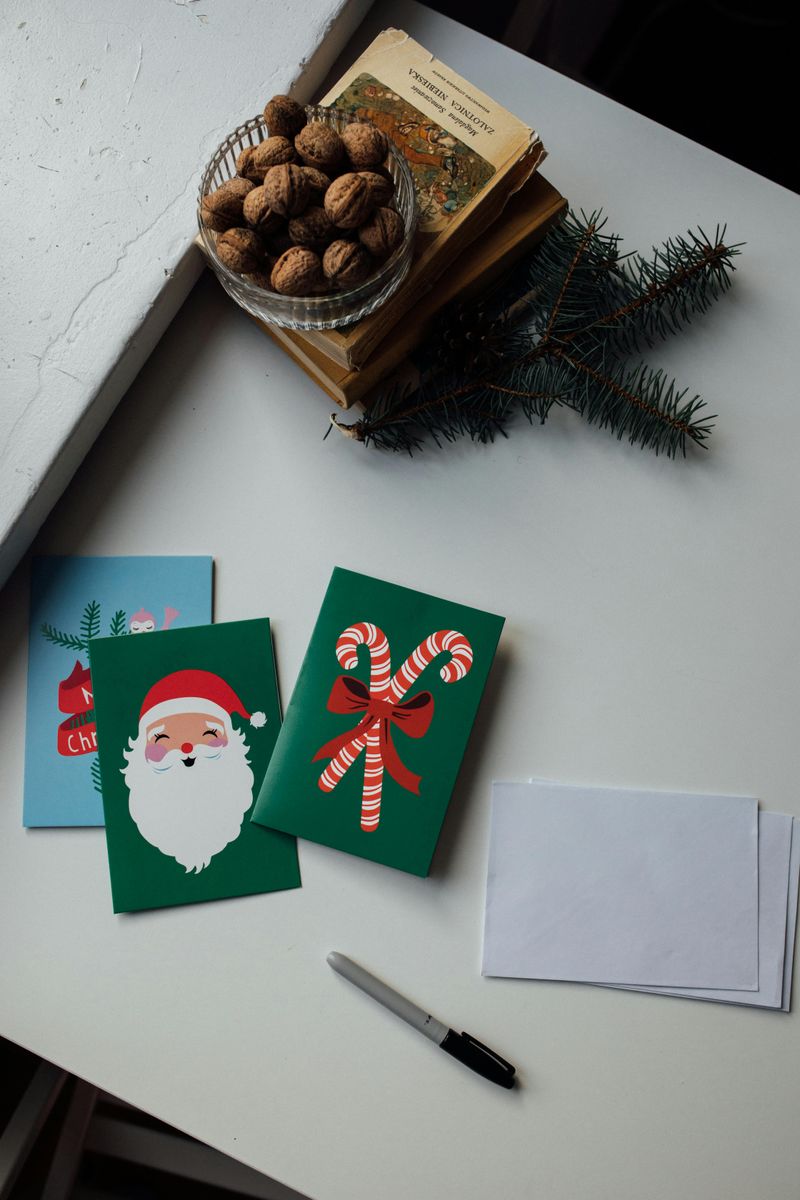
Every December, my aunt would send out 80 handwritten Christmas cards with a personalized note in each one. I admired it enormously and also knew I would never, ever do the same.
Younger people have made peace with this reality much faster than I did.
The elaborate holiday card tradition required buying cards, writing messages, finding addresses, buying stamps, and mailing everything before December 20th. That is a genuinely impressive logistical operation that fewer people under 40 are willing to attempt.
Digital alternatives have taken over almost completely. Group texts, Instagram stories, holiday-themed GIFs, and e-cards have replaced the physical card for most younger senders.
Some families still do photo cards through services like Shutterfly, which is a nice middle ground. But the handwritten, individually addressed, lovingly stamped holiday card is becoming a rare art form.
If you still receive one from someone, treasure it. That person really, truly loves you.
Going to the Mall

American malls are in genuine crisis. Dead malls, once a quirky internet subculture, are now an actual economic phenomenon as anchor stores close and foot traffic evaporates.
Younger shoppers did not kill the mall on purpose. They just had better options.
Online shopping offers everything a mall does but without the parking nightmare, the food court regret, or the aggressive perfume samples. Amazon, ASOS, and a thousand direct-to-consumer brands deliver to your door faster than you could find a parking spot at the mall on a Saturday.
Malls that are surviving have had to reinvent themselves as entertainment destinations, adding escape rooms, bowling alleys, and restaurants to lure people back. The pure shopping trip, where you spend a Saturday browsing store to store, is a fading pastime for anyone under 35.
Some feel nostalgic about it. Most feel relieved.
Online returns have replaced the walk of shame back to the store.
Manual Transmission Cars

Knowing how to drive a stick shift used to be a rite of passage. Your dad or older sibling would take you to an empty parking lot, and you would spend an afternoon stalling repeatedly while everyone pretended not to be terrified.
Good times.
Today, fewer than 2% of cars sold in the United States have manual transmissions. Younger drivers have grown up almost entirely in automatic vehicles and see no particular reason to change that.
Electric vehicles, which are surging in popularity among younger buyers, do not even have a traditional transmission at all.
Manual driving knowledge is now a niche skill, occasionally useful for renting a car in Europe and very occasionally impressive at parties. Some driving enthusiasts genuinely love the control and engagement of a manual gearbox, and that community is passionate.
But as a mainstream expectation, the stick shift is almost done. It has shifted into its final gear.
Paying with Checks

Writing a check in 2024 is the financial equivalent of sending a carrier pigeon. It works, technically, but everyone around you is silently questioning your life choices.
Younger generations have largely abandoned the checkbook and moved on.
Venmo, Zelle, PayPal, Apple Pay, and bank transfers handle virtually every payment scenario a young person encounters. Splitting a dinner bill, paying rent, sending money to a friend, all of it happens digitally within seconds.
The idea of finding a checkbook, writing the correct date, and waiting for a check to clear feels almost comically slow.
Checks are still used in some specific contexts, like paying a landlord who insists on them or sending money to grandma. But for everyday transactions, they have been replaced so thoroughly that many younger adults have never even owned a checkbook.
Banks still offer them, mostly out of institutional habit. One day, checks will exist only in museums and very old movies.
Formal Etiquette Classes
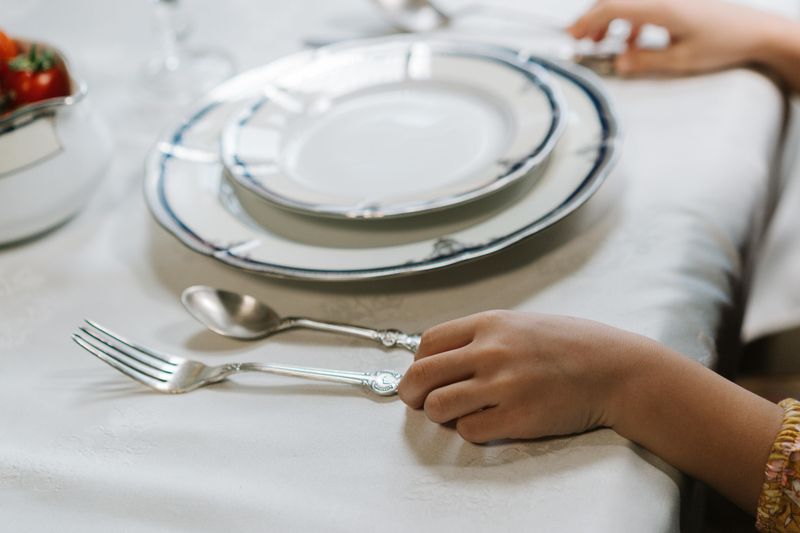
Etiquette classes once taught young people which fork to use at a formal dinner, how to write thank-you notes, and the correct way to introduce oneself to a duke. The duke shortage has made some of this curriculum feel slightly irrelevant.
Formal etiquette training has largely been replaced by informal social learning, YouTube tutorials, and the occasional awkward real-world experience. Younger people learn social norms through observation and online communities rather than structured classes with white gloves and posture boards.
That said, some basic etiquette knowledge is genuinely useful. Knowing how to behave at a job interview, how to write a professional email, or how to navigate a multi-course dinner can open real doors.
Some schools and organizations still offer updated versions of etiquette training that focus on modern professional contexts rather than Victorian table settings. The white-glove version is gone.
A practical, modernized successor is slowly taking its place, and it skips the fork chart entirely.
Print Recipe Cards
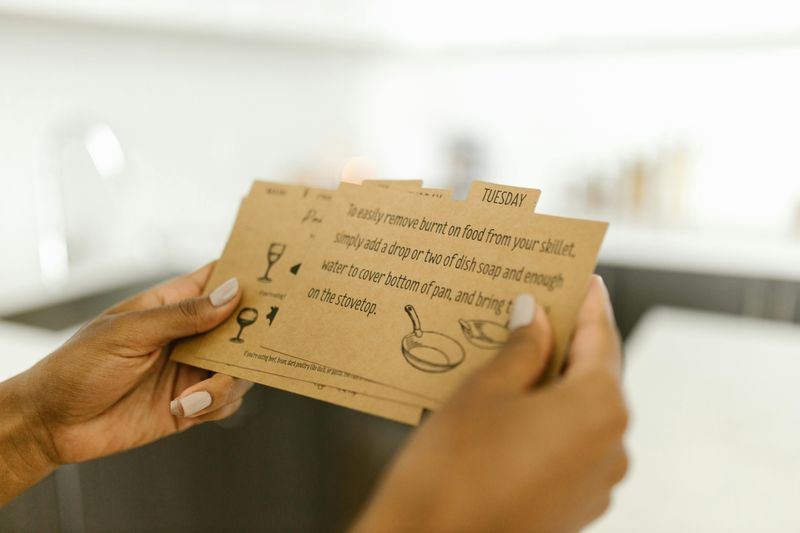
There is something undeniably charming about a recipe card written in your grandmother’s handwriting, complete with butter stains and crossed-out measurements. It is a little piece of culinary history.
It is also something younger cooks almost never create themselves.
Recipe apps, food blogs, YouTube cooking channels, and social media have completely replaced the handwritten card for most people under 40. Pinterest alone has millions of recipes searchable in seconds.
Why file index cards when the entire internet is your cookbook?
The print recipe card is not just impractical. It is also fragile.
One splash of tomato sauce and your great-aunt’s lasagna secret is gone forever. Digital recipes are searchable, saveable, and splatter-proof.
Some food-loving younger people are actually scanning old family recipe cards to preserve them digitally, which is a lovely compromise. The tradition of writing new recipes on cards, though, has mostly been replaced by saving a link and bookmarking it to never look at again.
Hosting Dinner Parties

The classic dinner party, with its carefully planned menu, matching dishes, ironed tablecloth, and three-hour cooking marathon, was once the gold standard of adult socializing. Younger hosts have politely declined to maintain that standard.
Hosting for younger generations looks very different. It often involves takeout from four different restaurants, everyone bringing a dish, or a casual hangout that nobody spent six hours preparing for.
The pressure to perform domestic perfection has significantly decreased, and social gatherings are more relaxed and less theatrical because of it.
Part of this shift is practical. Smaller apartments, longer work hours, and higher food costs make elaborate dinner parties harder to pull off.
Part of it is cultural. Authenticity is valued over performance in younger social circles.
Takeout spread on a coffee table with good company beats a stressed-out host who spent all day cooking and cannot enjoy their own party. The vibe matters more than the menu now, and that is genuinely an improvement.
Passing Down Physical Photo Albums
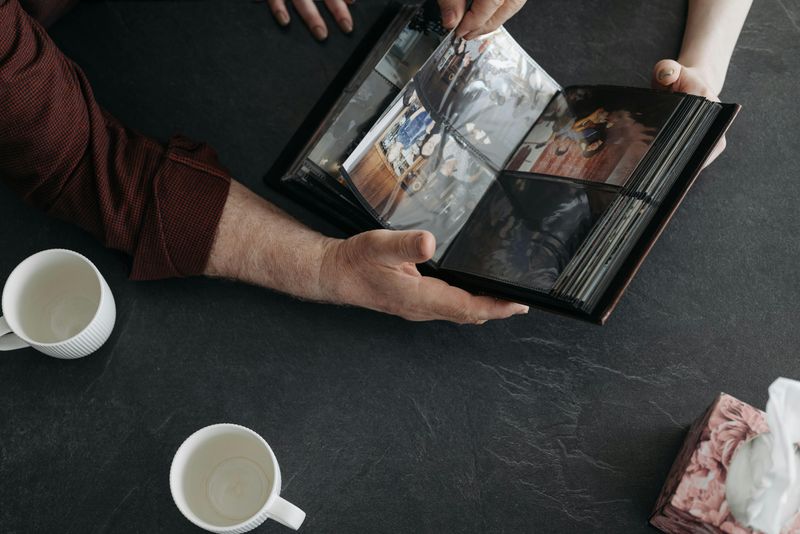
Photo albums used to be the sacred keepers of family history. Every holiday, every birthday, every awkward school picture lived in a carefully labeled binder on the living room shelf.
Younger generations have moved that entire operation to the cloud.
Google Photos, iCloud, and social media platforms store thousands of images automatically, organized by date and searchable by face. The idea of printing photos, slipping them into plastic sleeves, and writing captions underneath feels almost archaeological to anyone born after 1995.
The downside nobody talks about is digital impermanence. Cloud services shut down, hard drives fail, and account access gets lost.
A physical album, gathering dust in a closet, will still be there in fifty years. Several archivists and family historians are sounding the alarm about our collective digital photo storage habits.
Some younger people are starting to print their favorites again, just in case. The physical album may not be dead.
It might just be resting.
Share this story