Some debut albums do more than introduce a new artist. They crash through the door, rearrange the furniture, and refuse to leave.
R&B has given us some of the most jaw-dropping debut moments in music history, from powerhouse vocals to genre-bending beats that changed everything. These 18 albums didn’t just launch careers, they rewrote the rulebook entirely.
Whitney Houston – Whitney Houston (1985)
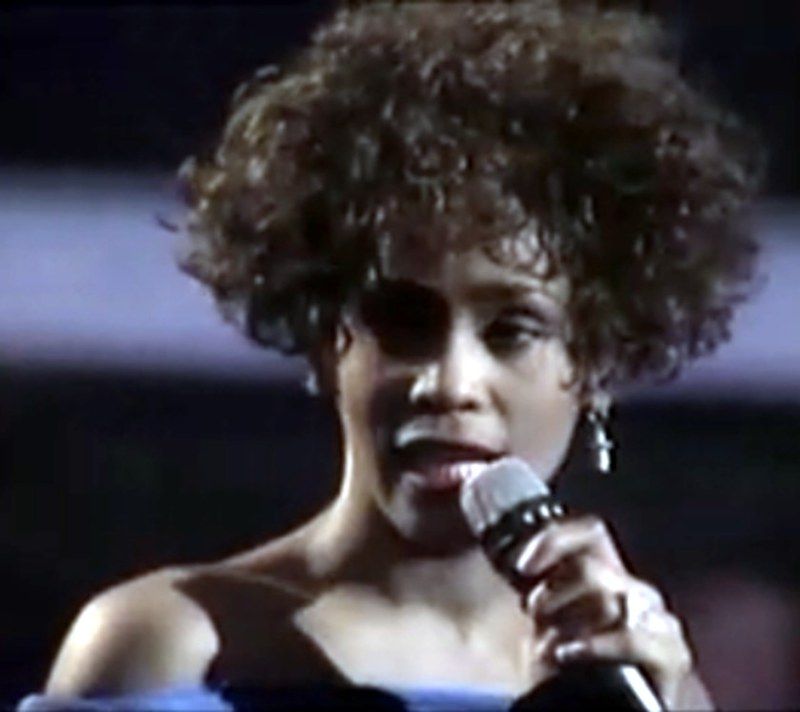
Before Whitney Houston even finished her first album, record executives reportedly argued over who had signed the greatest voice alive. They were all right.
Released in 1985, her self-titled debut featured “Saving All My Love for You,” “How Will I Know,” and “Greatest Love of All” back-to-back like a greatest hits collection from an artist who had just started.
The album became the best-selling debut by a female artist at the time, a record that stood for years. Whitney didn’t oversell it.
Every note landed exactly where it needed to. The production was polished pop perfection, but her voice carried the soul.
I remember my older cousin playing this album on repeat every Saturday morning. By the third week, even my grandmother was humming along.
Whitney didn’t just make music. She created moments that stuck to people permanently.
Mariah Carey – Mariah Carey (1990)
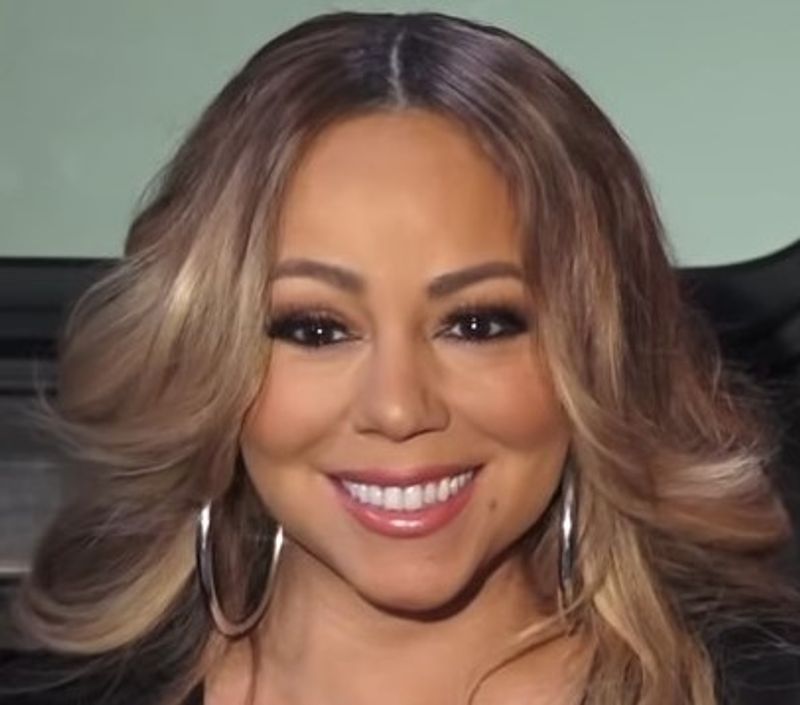
Four consecutive number-one singles from a debut album. That’s not a career milestone.
That’s a statement. Mariah Carey arrived in 1990 with a five-octave vocal range, effortless songwriting ability, and the kind of confidence that made the whole music industry sit up straight.
“Vision of Love” was the first single, and it was enough. That song alone showcased runs and vocal acrobatics that other singers spent entire careers trying to master. “Love Takes Time” followed and proved she wasn’t a one-hit wonder before anyone even had the chance to ask.
What’s wild is that Mariah co-wrote most of the album as a teenager. She wasn’t just performing songs.
She was crafting them with surgical precision. The debut redefined what vocal excellence could look like in modern R&B and set a standard that honestly still hasn’t been beaten.
Mary J. Blige – What’s the 411? (1992)
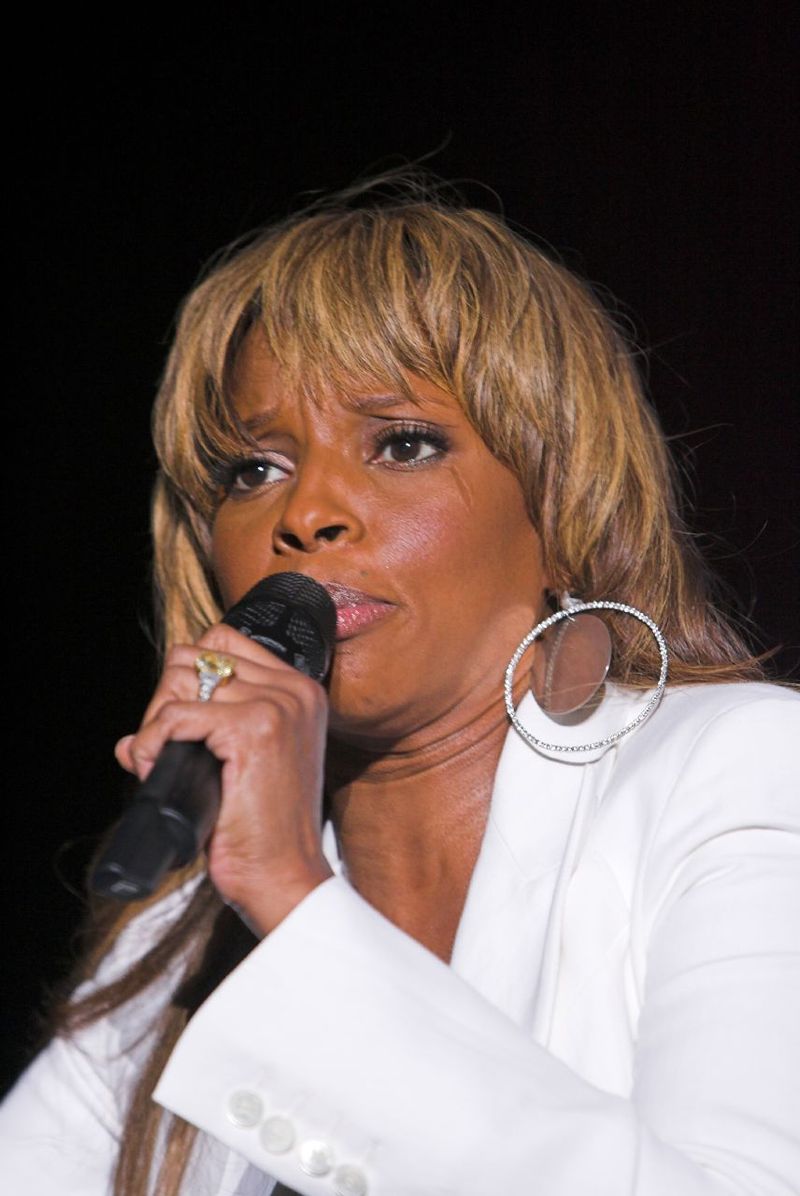
Nobody was mixing hip-hop beats with raw, bleeding-heart soul singing the way Mary J. Blige did in 1992. “What’s the 411?” wasn’t just an album title.
It was Mary asking the world to pay attention, and the world absolutely did.
Tracks like “Real Love” and “You Remind Me” had a gritty honesty that felt completely new. She wasn’t singing about fairy-tale romance.
She was singing about real life, complicated feelings, and survival. Teenagers across America felt genuinely seen for the first time.
The album fused hip-hop production with soulful delivery so naturally that it created an entirely new lane called hip-hop soul. Producer Sean Combs deserves credit too, but Mary was the engine.
She brought fire to every track. Her debut didn’t just launch a career.
It launched a whole genre and cemented her title as the Queen of Hip-Hop Soul before she turned 22.
Alicia Keys – Songs in A Minor (2001)
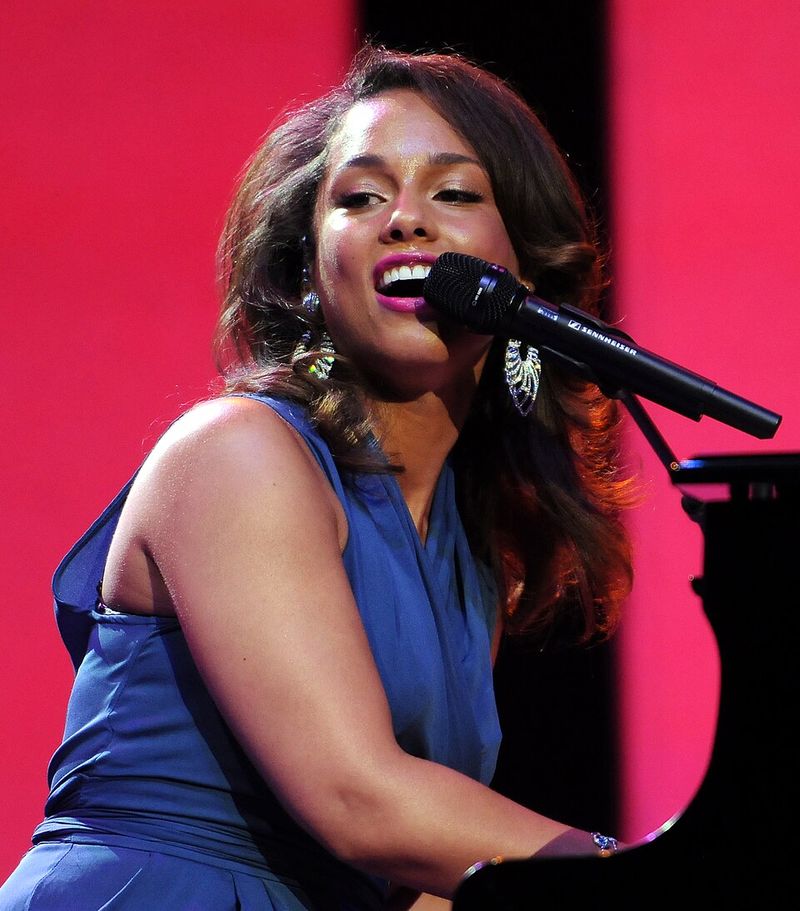
Alicia Keys walked into the music industry with a piano, a notebook full of emotions, and absolutely zero interest in playing it safe. “Songs in A Minor” dropped in 2001 and sold 236,000 copies in its first week alone. That’s not a debut.
That’s an arrival.
“Fallin'” became an instant classic, built on a simple but devastating piano riff that somehow captured heartbreak better than most full orchestras ever could. The rest of the album proved she wasn’t a one-trick pianist either.
Every track showed a different shade of her artistry.
Five Grammy Awards followed, including Album of the Year, which she won at just 21 years old. Classical training met street-level soul on every track.
Keys wrote or co-wrote the entire album herself, which was rare for a debut artist. She didn’t just enter the room.
She redecorated it completely.
Beyoncé – Dangerously in Love (2003)
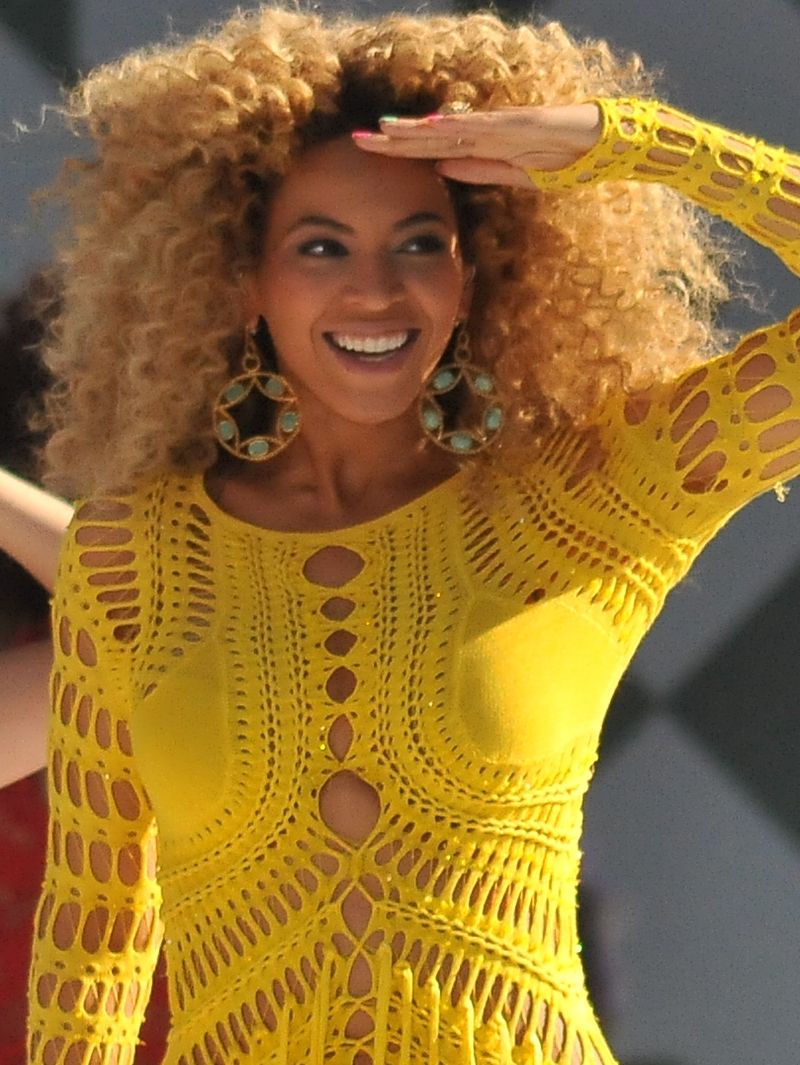
Stepping out of Destiny’s Child was a bold move. Stepping out with “Dangerously in Love” was a power move.
Beyonce’s solo debut landed in 2003 like a perfectly executed stage dive where she somehow landed on her feet and kept dancing.
“Crazy in Love” hit number one and became one of the most recognizable opening riffs in pop history. “Baby Boy” followed and proved she could hold down multiple chart positions simultaneously. The album bounced between tender ballads and full-throttle anthems without ever losing momentum.
Five Grammy Awards came her way, tying the record for most wins by a female artist at a single ceremony at that time. What made the debut remarkable was the range.
She could whisper a love song and then flip the script with something that made an entire arena move. The solo era wasn’t just a chapter.
It was a whole new book.
D’Angelo – Brown Sugar (1995)
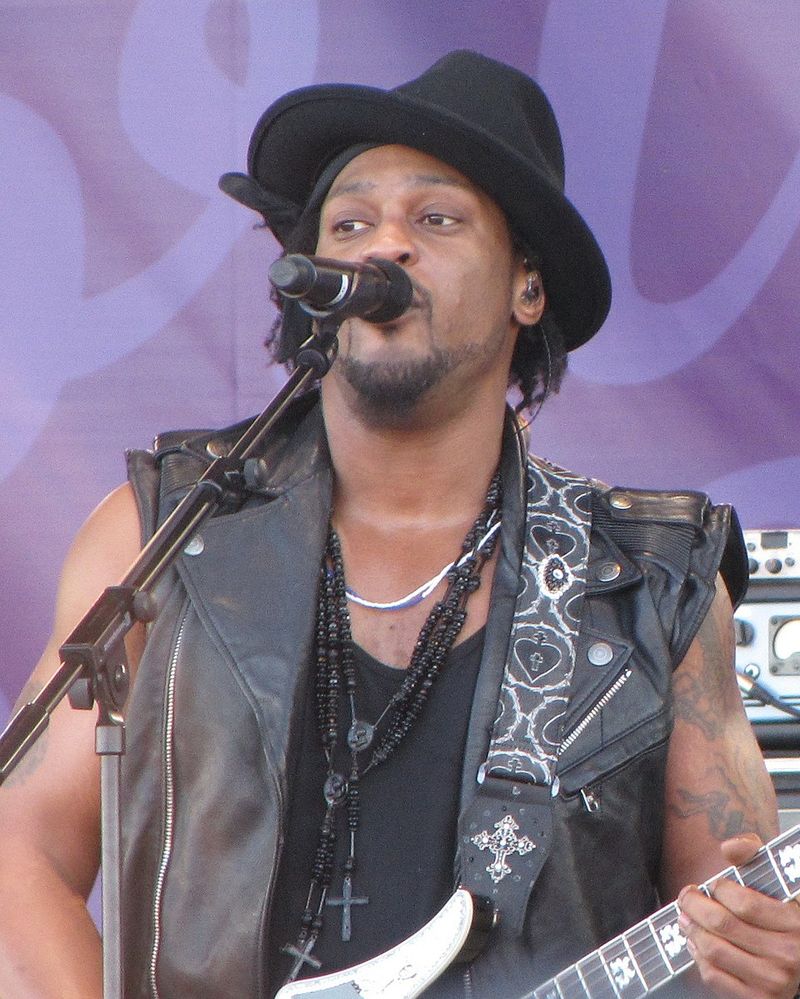
Brown Sugar arrived in 1995 like a handwritten love letter from another era. D’Angelo pulled from Marvin Gaye, Prince, and classic soul, then filtered everything through a modern sensibility that felt completely fresh and completely timeless at the same time.
The title track was smooth, warm, and layered with double meanings. “Lady” showcased his falsetto in a way that made people genuinely stop what they were doing and just listen. The production was lush without being overdone, and D’Angelo’s vocals floated over every beat with effortless cool.
What the album really did was kick off the neo-soul movement. Artists like Erykah Badu, Maxwell, and Lauryn Hill followed shortly after, and a whole new era of conscious, musically rich R&B took shape.
D’Angelo didn’t just make an impressive debut. He accidentally started a revolution, which is honestly the most stylish way to do it.
Lauryn Hill – The Miseducation of Lauryn Hill (1998)
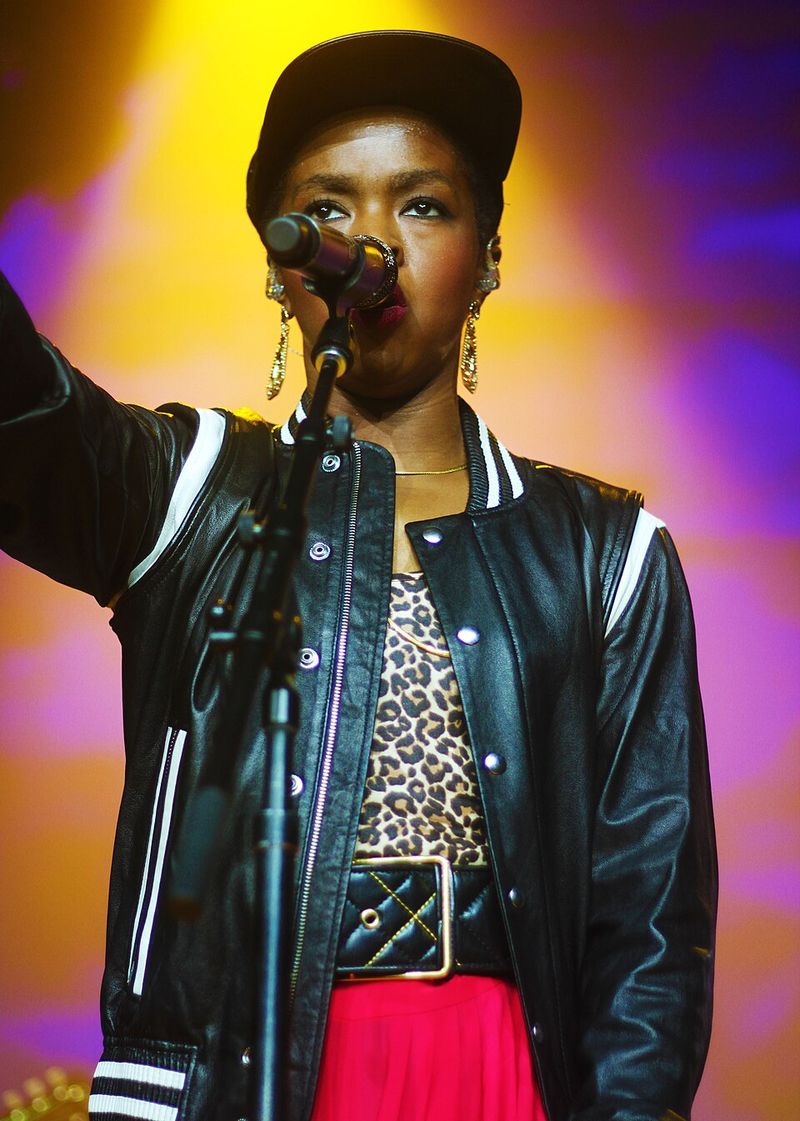
There’s a reason music critics still bring up this album in 2024. “The Miseducation of Lauryn Hill” came out in 1998 and immediately made everything else on the radio sound like a rough draft. Lauryn rapped, sang, produced, and wrote with a level of mastery that was genuinely shocking for a debut solo record.
“Doo Wop (That Thing)” hit number one in its first week. “Ex-Factor” became one of the most emotionally devastating breakup songs ever recorded. The album wove R&B, soul, hip-hop, and reggae together so naturally that you forgot you were listening to multiple genres.
Five Grammy Awards, including Album of the Year, confirmed what listeners already knew. This wasn’t just a great R&B album.
It was one of the greatest albums ever made by anyone, in any genre. Lauryn Hill didn’t just show up.
She showed everyone else exactly how far behind they were.
Toni Braxton – Toni Braxton (1993)
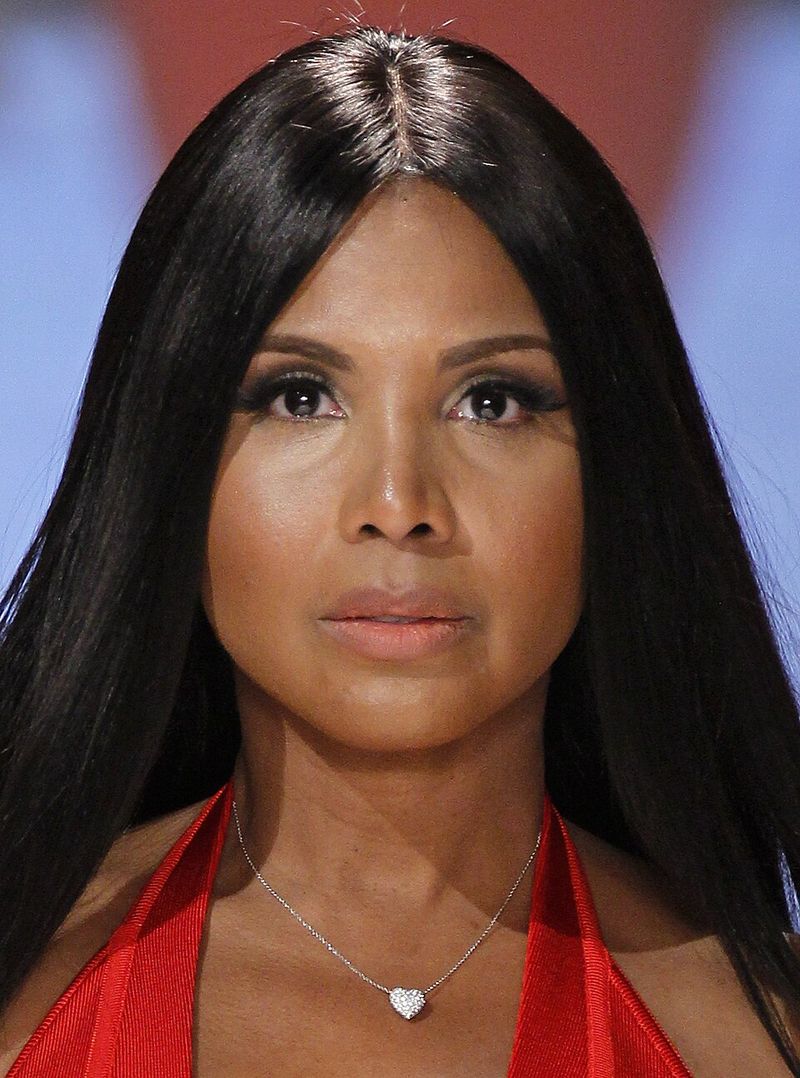
That voice. Deep, smoky, and completely unforgettable, Toni Braxton’s vocal tone alone was enough to make her stand out in a decade packed with incredible R&B talent.
Her 1993 self-titled debut made it very clear that she wasn’t here to blend in with anyone.
“Another Sad Love Song” was the kind of track that made you feel heartbreak even if you’d never experienced it. “Breathe Again” took things even deeper, showcasing a vulnerability that felt genuinely raw rather than performed. Producer L.A.
Reid and Babyface crafted the perfect sonic backdrop for her gifts.
The album won two Grammy Awards and sold over 10 million copies worldwide. For many fans, Toni Braxton’s debut represents the peak of polished, sophisticated 90s R&B.
She didn’t rely on gimmicks or flashy production tricks. She let the voice do all the talking, and honestly, it had plenty to say.
Frank Ocean – channel ORANGE (2012)
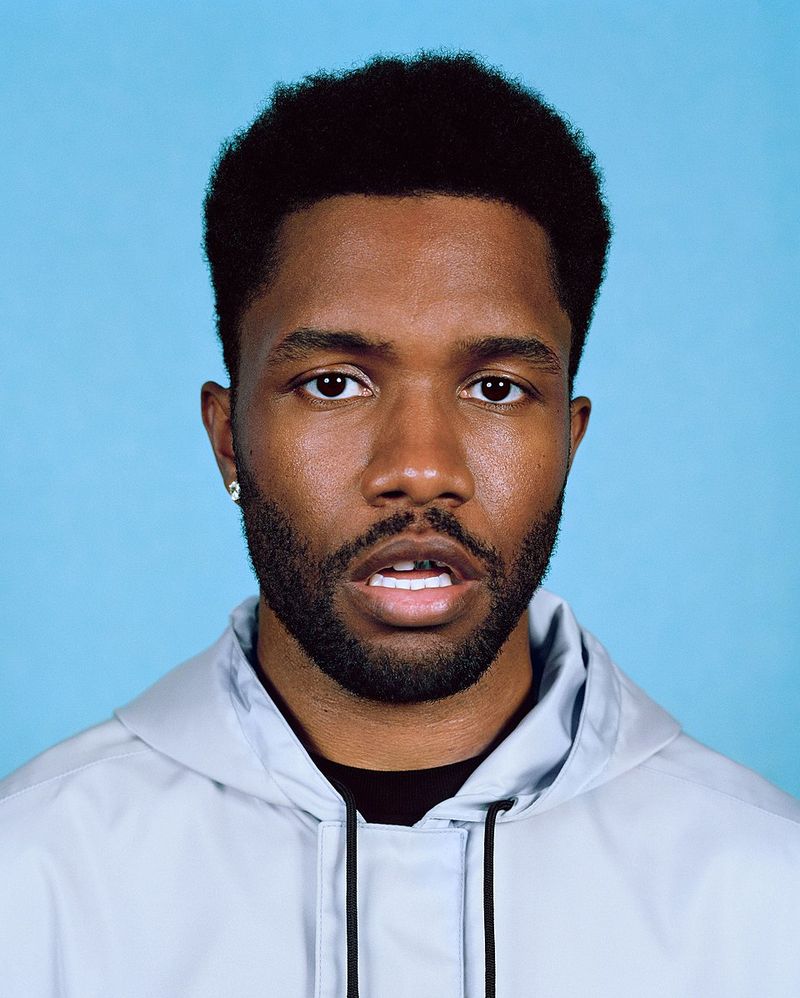
Frank Ocean released channel ORANGE with virtually no traditional rollout, and it still became one of the most talked-about albums of the decade. That’s the kind of power that comes from making something genuinely extraordinary rather than just well-marketed.
“Thinkin Bout You” opened the album with a gentle ache that hit different from anything else on radio at the time. “Pyramids” clocked in at nearly ten minutes and somehow kept you locked in for every second. The production blended soul, alternative, funk, and experimental elements into something that had no easy category.
Channel ORANGE also arrived alongside Frank’s public letter about his sexuality, which made the album’s themes of love and longing resonate even more deeply with listeners. He wasn’t just making music.
He was documenting real human experience with unflinching honesty. The album earned a Grammy for Best Urban Contemporary Album and remains a modern classic.
SZA – Ctrl (2017)
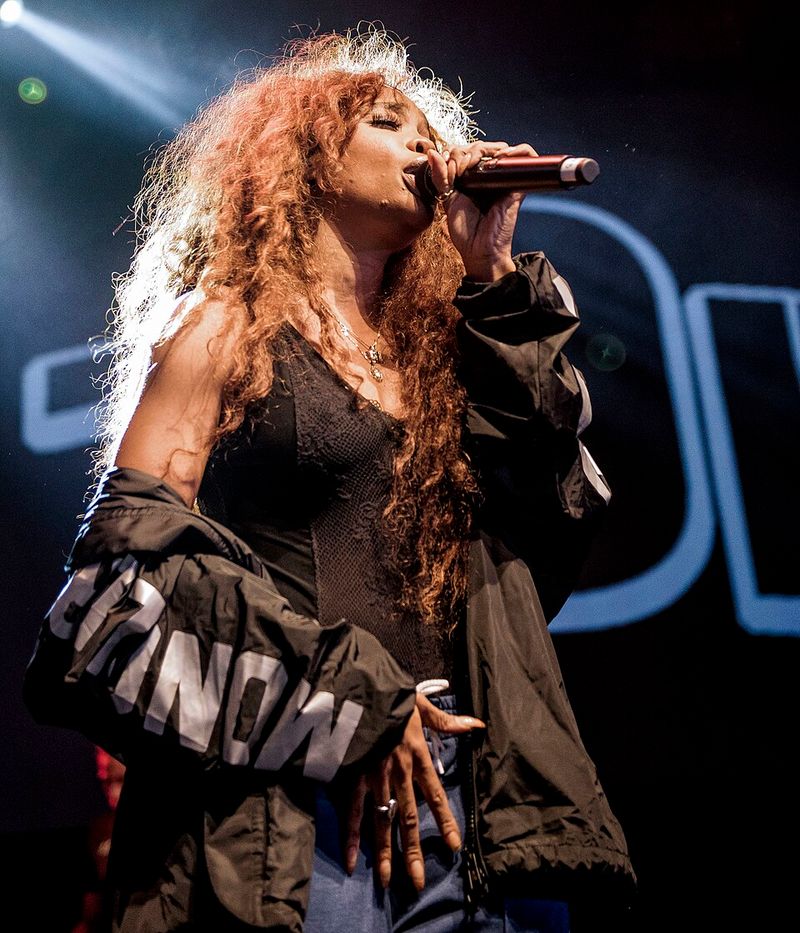
SZA spent years trying to get Ctrl released, and when it finally came out in 2017, it felt like someone had cracked open a personal diary and set it to music. The honesty was almost uncomfortable.
Almost. Mostly it was just refreshing.
“Love Galore” and “The Weekend” became instant anthems for anyone who had ever felt complicated about love, which is basically everyone. SZA wrote about insecurity, desire, and self-worth with a bluntness that felt completely unfiltered.
Her voice, airy and expressive, made every confession feel intimate rather than overshared.
Ctrl quietly racked up Grammy nominations and kept growing in popularity long after release. It redefined what alternative R&B could sound like for a new generation.
SZA didn’t try to sound like anyone else. She carved out her own corner of the genre and made it feel essential.
Five years after release, it still sounds current, which is genuinely rare.
Ashanti – Ashanti (2002)
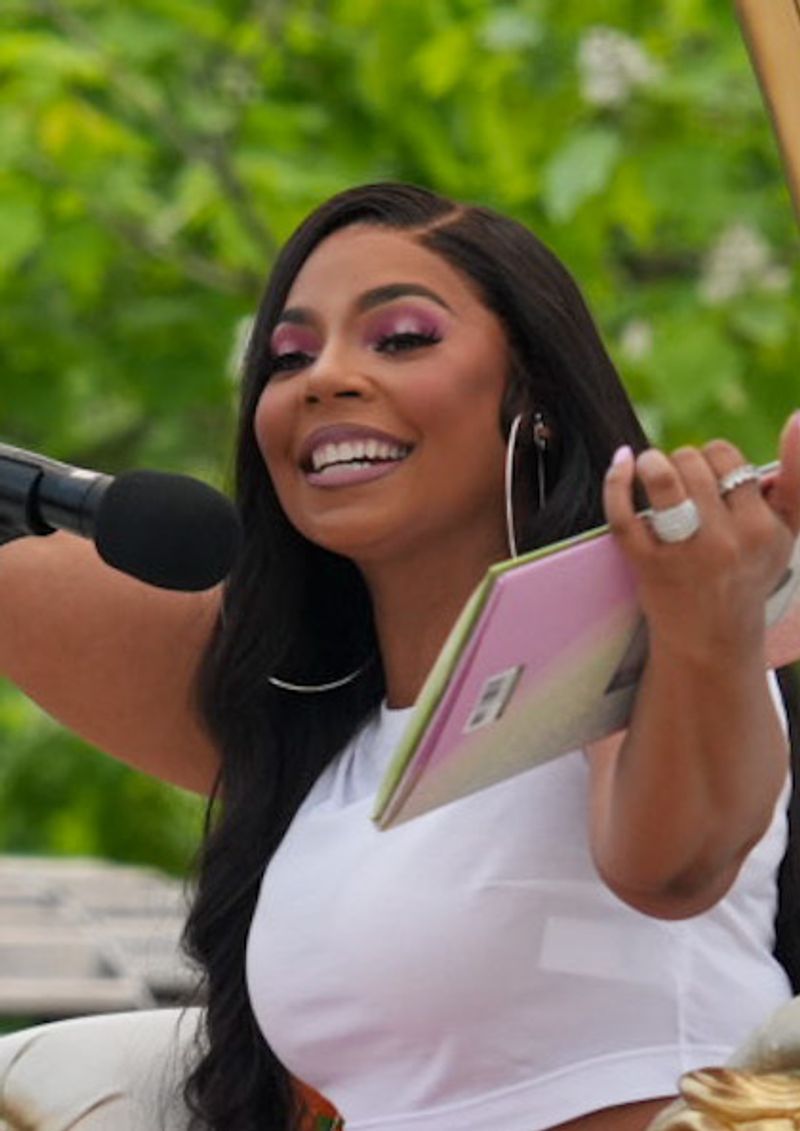
Ashanti had one of the most statistically dominant debut weeks in music history. In April 2002, she held the top two spots on the Billboard Hot 100 simultaneously, which had never been done by a solo female artist before.
That’s not a debut. That’s a hostile chart takeover.
“Foolish” was the centerpiece, a smooth, melancholy R&B track that somehow made heartbreak sound cool. The album balanced vulnerability with confidence in a way that felt effortless.
Murda Inc.’s production gave every track a sleek, hip-hop-influenced polish that fit perfectly with the era’s sound.
The album moved over 503,000 copies in its first week, breaking the record for a debut female artist at the time. Ashanti made the whole thing look easy, which is probably why people underestimated how much skill was involved.
Catchy hooks backed by real vocal ability are harder to pull off than they appear.
Ne-Yo – In My Own Words (2006)

Before Ne-Yo stepped into the spotlight as a solo artist, he was already writing hits for other people. Mario’s “Let Me Love You” came from his pen.
So the music industry knew he could write. What “In My Own Words” proved was that he could also perform with genuine star quality.
“So Sick” opened the album and became a massive hit, capturing the specific exhaustion of hearing love songs when you’re going through a breakup. It was specific, clever, and emotionally accurate in a way that connected instantly. “Sexy Love” followed and showed his smoother, more playful side.
The album went platinum multiple times and established Ne-Yo as one of the premier male R&B voices of the 2000s. His songwriting background gave the lyrics a craftsmanship that set them apart from typical R&B fare.
Every track felt considered, structured, and intentionally built for maximum emotional impact. A songwriter becoming a star, done right.
Faith Evans – Faith (1995)
Faith Evans had a voice built for church rafters but a style perfectly suited for the glossy, hip-hop-influenced R&B of the mid-90s. Her 1995 debut “Faith” balanced those two worlds beautifully, with classic soul depth wrapped in contemporary Bad Boy Records production.
“You Used to Love Me” was the standout track, a song about love fading that felt emotionally mature for a debut artist still in her early twenties. Her delivery was controlled but full of genuine feeling, never oversinging and never underdelivering.
That restraint was actually her greatest strength.
The album helped solidify Bad Boy Records as a dominant force in 90s R&B and hip-hop. Faith wasn’t just a label signing.
She was a genuine vocalist who could hold her own in any company. Her debut remains an underrated gem from one of music’s richest decades, and rediscovering it now feels like finding money in an old jacket pocket.
Chris Brown – Chris Brown (2005)
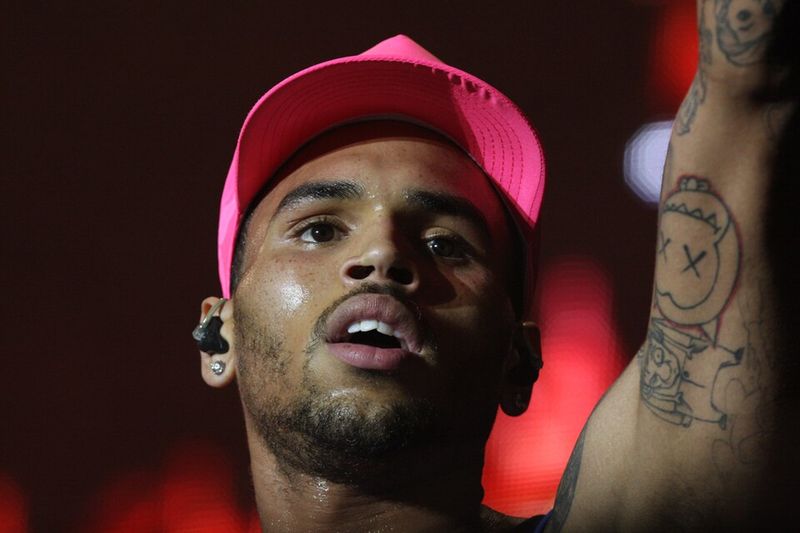
Chris Brown was 16 years old when his debut album dropped in 2005, which made the whole thing even more ridiculous. The kid could sing, dance, and charm an audience with a natural ease that most performers spend decades trying to develop.
“Run It!” went to number one and stayed there for five weeks, making him the first male artist to top the charts with his debut single since Montell Jordan in 1995. “Yo (Excuse Me Miss)” confirmed the momentum wasn’t a fluke. The album blended teen pop energy with genuine R&B sensibility.
His dancing set him apart immediately. Music videos showcased footwork and athleticism that drew direct comparisons to Michael Jackson, which is not a comparison thrown around lightly.
The debut established the foundation for one of the most commercially successful R&B careers of the 2000s. Whatever you think of the later chapters, the opening one was genuinely impressive.
Maxwell – Maxwell’s Urban Hang Suite (1996)
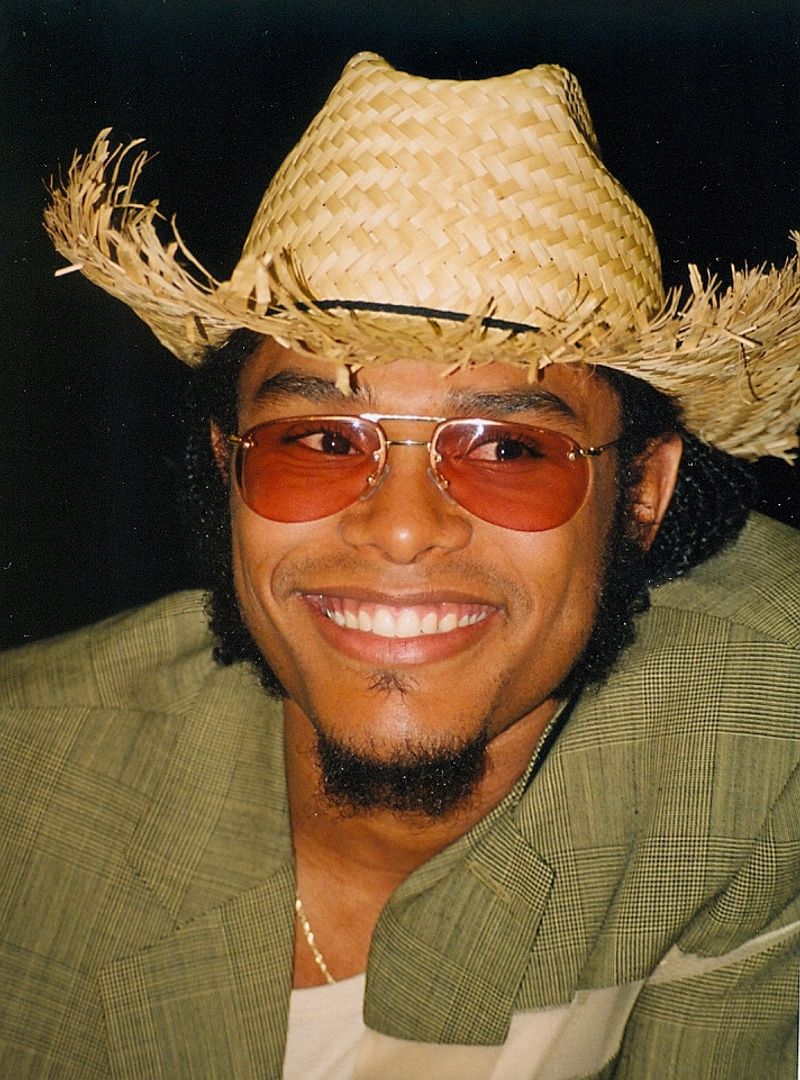
Maxwell named his debut album an “Urban Hang Suite” and meant it literally. The record was designed to flow like one continuous experience rather than a collection of individual songs.
In 1996, that kind of conceptual thinking from a debut artist was genuinely bold.
“Ascension (Don’t Ever Wonder)” became the breakout track, a slow-burning, romantic groove that showcased his falsetto and his ability to build emotional tension over several minutes. The album’s production was lush and warm, drawing from classic soul while staying firmly contemporary.
Maxwell helped bring neo-soul into mainstream conversations alongside D’Angelo and Erykah Badu, giving the genre a sophisticated, adult-oriented voice. His debut proved that R&B didn’t have to chase trends to find an audience.
Sometimes making something deeply personal and musically rich is enough. The album went platinum and earned Maxwell a devoted fanbase that has stayed loyal through every long gap between releases.
Usher – Usher (1994)
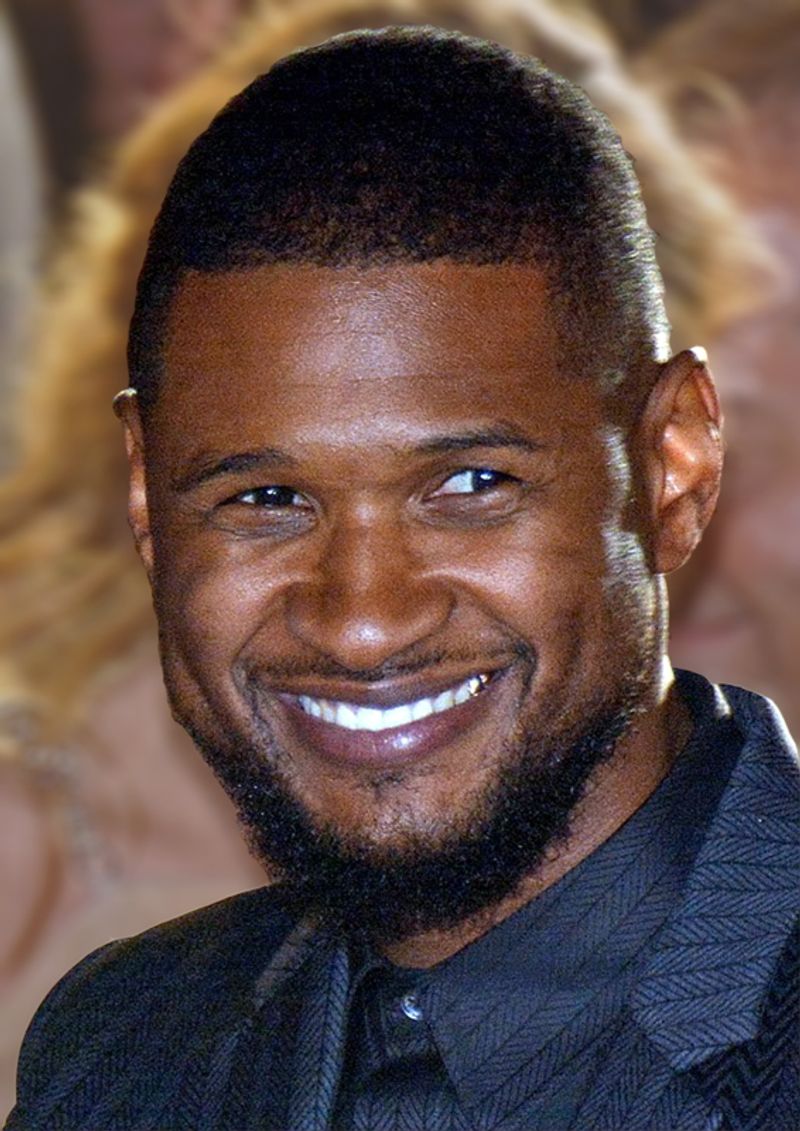
Usher was just 15 when his self-titled debut came out in 1994, and you could hear both the potential and the youth in every track. The album didn’t produce massive chart hits, but it introduced something arguably more valuable: an undeniable presence that clearly had nowhere to go but up.
Produced largely by Sean Combs, the debut captured a teenager with natural charisma and a voice already capable of carrying a full R&B record. Tracks like “Can U Get Wit It” hinted at the smooth, confident style that would define his later work.
The production was very mid-90s, which honestly makes it a fun nostalgia trip today.
The real story of this debut is what it set in motion. Usher used it as a launchpad, honed his craft, and came back with “My Way” in 1997 as a fully formed superstar.
Every great career needs a starting point, and this was a solid one with serious hints of greatness tucked inside.
Brandy – Brandy (1994)
Brandy’s self-titled debut dropped in 1994, the same year as Usher’s, and somehow managed to be the more commercially successful of the two. She was also a teenager, also full of potential, but her debut had a polish and crossover appeal that connected immediately with a wide audience.
“I Wanna Be Down” became a genuine hit and showed off a vocal style that was smooth, youthful, and surprisingly controlled for someone her age. “Baby” followed with a similar warmth. The whole album had a feel-good quality that made it impossible to dislike.
Brandy became one of the defining voices of mid-90s teen R&B, a lane she essentially created before anyone else thought to occupy it. The debut went triple platinum and launched a career that included acting, television, and continued musical success.
She proved that young artists could deliver quality work without waiting until they were older to be taken seriously.
Aaliyah – Age Ain’t Nothing but a Number (1994)
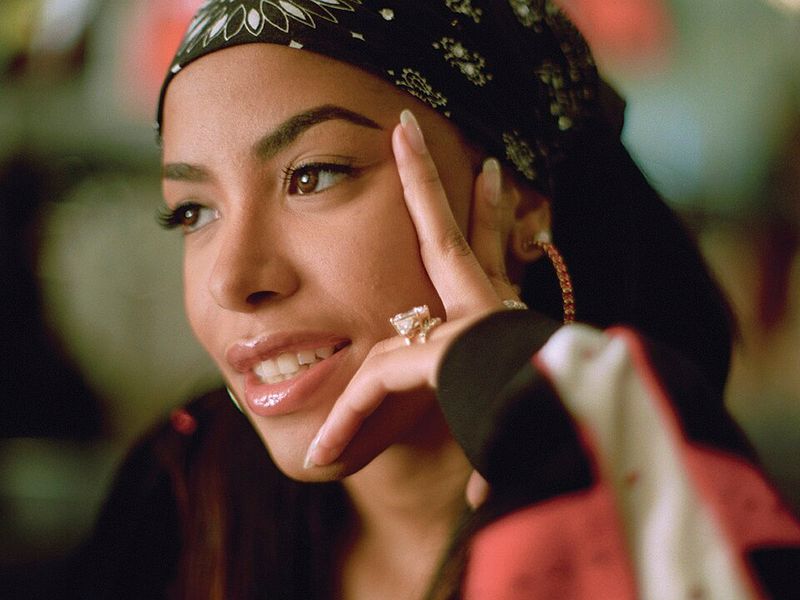
The title alone was a statement. Aaliyah was 15 when “Age Ain’t Nothing but a Number” came out in 1994, and she backed it up completely.
Her vocal style was cool, understated, and effortlessly smooth in a way that felt totally different from the big-voiced R&B singers dominating the era.
“Back and Forth” became a genuine club hit, built on a bouncy, R. Kelly-produced groove that still sounds good today. “At Your Best (You Are Love)” showed a softer, more emotional side and became one of her most beloved recordings.
The contrast between the two tracks revealed an artist with real range.
What made Aaliyah’s debut remarkable wasn’t just the music. It was the attitude.
She projected a quiet confidence that felt authentic rather than manufactured. Tragically, she only released three albums before her death in 2001.
But this debut made clear that the world was dealing with someone genuinely special from the very beginning.
Share this story