 Unearth The Voyage
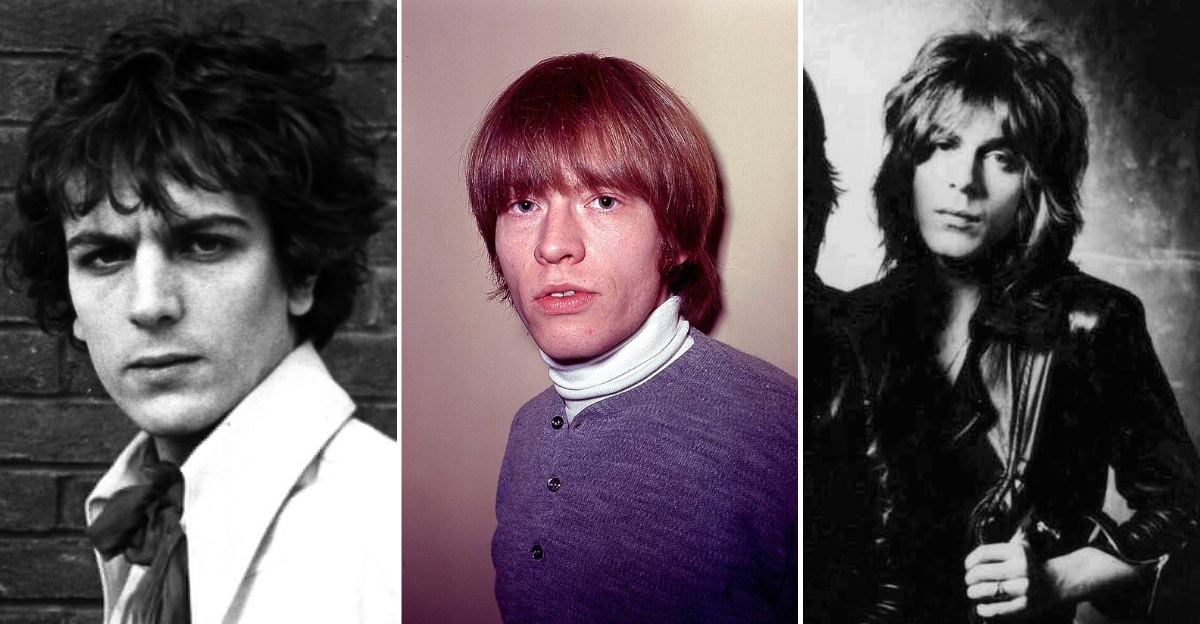
Rock history loves extremes. It celebrates the breakthrough albums, the iconic photos, and the idea that greatness always comes wrapped in chaos.
The truth is usually more specific than that. For many major artists, the hardest parts of life were not abstract “tragedy,” but a mix of medical problems, legal trouble, bad contracts, addiction, stigma, exhaustion, and an industry that often rewarded burnout instead of stability.
This is not a list about shock value. It is a closer look at 18 rock stars whose public image often hid the real pressures shaping their work, decisions, and final years.
1. Kurt Cobain

Kurt Cobain was not only the reluctant voice of a generation. He was also a working musician dealing with chronic stomach pain, heavy touring demands, intense media scrutiny, and a fast-rising level of fame he often seemed to resent.
Those pressures collided with addiction and worsening mental health. His life ended in 1994 by suicide, but reducing him to that ending misses the larger picture of a sharp editor, gifted songwriter, and artist constantly fighting to protect his work from hype, ownership battles, and public projection.
His notebooks, demos, and interviews reveal someone who cared deeply about authenticity and creative control.
2. Janis Joplin

Janis Joplin’s rise from club singer to counterculture star happened at a brutal pace. Between 1968 and 1970, the schedule was relentless, and the press often treated her with a level of sexism male rock stars rarely faced.
She dealt with vocal strain, heavy expectations, and an industry still learning how to market rebellion without understanding the people inside it. Her death from a heroin overdose in 1970 froze her image in time, but it also obscured how hard she worked to grow as a bandleader and recording artist.
Even in chaotic sessions, producers often noted her fierce work ethic and commitment to emotional honesty.
3. Jimi Hendrix

Jimi Hendrix changed guitar music, but much of his career was tangled in contracts and legal disputes. Management problems, competing obligations, and the fallout from earlier deals affected everything from touring to recording plans.
He also pushed himself through marathon studio sessions while trying to build Electric Lady Studios, a dream project that came with delays and financial pressure. Hendrix died in 1970 from a barbiturate-related overdose, leaving behind not just legend, but an unfinished struggle for control over his own career.
Many engineers who worked with him described a perfectionist constantly chasing new sounds.
4. Jim Morrison

Jim Morrison’s image as rock’s wild poet often overshadows how much of his final period was shaped by courts, lawyers, and public backlash. After the 1969 Miami incident, he faced obscenity charges, conviction, appeals, and a wave of canceled or restricted bookings that damaged the Doors’ momentum.
At the same time, he was trying to shift attention back to writing and film. Morrison died in Paris in 1971, and even now his story is often told as myth first and biography second.
Friends later said he was increasingly interested in literature and filmmaking rather than rock stardom.
5. Brian Jones

Brian Jones helped define the early Rolling Stones sound through his arranging instincts and his willingness to bring unusual instruments into rock recordings. But as Mick Jagger and Keith Richards took firmer control of songwriting, Jones found himself increasingly marginalized inside the band he helped found.
Drug convictions also created visa problems and damaged his reliability in the eyes of promoters and insurers. He drowned in 1969, and while the band moved on, his contributions to its most inventive early textures remain impossible to ignore.
Tracks like “Paint It Black” and “Ruby Tuesday” still carry his distinctive musical fingerprints.
6. Layne Staley

Layne Staley’s voice made pain sound immediate, which is one reason Alice in Chains still hits so hard. Offstage, though, he was dealing with severe heroin addiction, increasing isolation, and serious health decline, including dental problems and infections.
The band tried to adapt around those realities, but the interruptions grew harder to overcome. Staley died of an overdose in 2002, and his story still stands as one of the clearest examples of how addiction can slowly erase a career long before it ends a life.
Despite long absences, his recordings remain among the most emotionally powerful in 1990s rock.
7. Syd Barrett

Syd Barrett’s early work gave Pink Floyd its first identity. His songwriting and sense of sonic play helped invent a whole lane of British psychedelic rock.
But by 1967 and 1968, his behavior had become increasingly erratic, and the support systems around him were limited at best. Later reports often blurred mental illness, drug damage, and myth into one vague story, yet the reality seems to have been a prolonged collapse that the era was poorly equipped to understand; after leaving music, he lived mostly in private and died in 2006 from pancreatic cancer.
Early Pink Floyd recordings still showcase his imagination and playful approach to songwriting.
8. Bon Scott
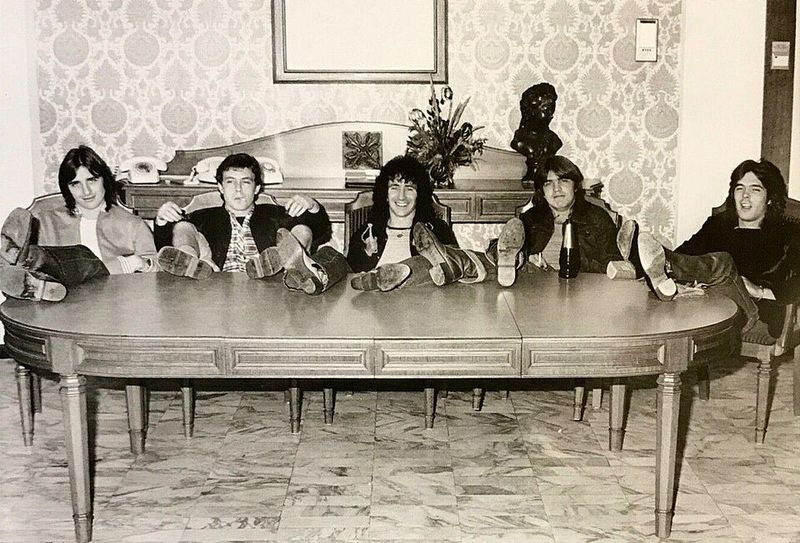
Before AC/DC became an arena force, Bon Scott lived the hard economics of bar-band life. That meant constant travel, uneven money, visa hassles, and a road routine that made risk look normal.
He had already survived a serious motorcycle crash before his years with AC/DC reached their peak. Scott died in 1980 from acute alcohol poisoning, and the rowdy image attached to him has often hidden how punishing that lifestyle really was.
His charismatic stage presence helped turn AC/DC into one of rock’s most explosive live acts.
9. Chris Cornell
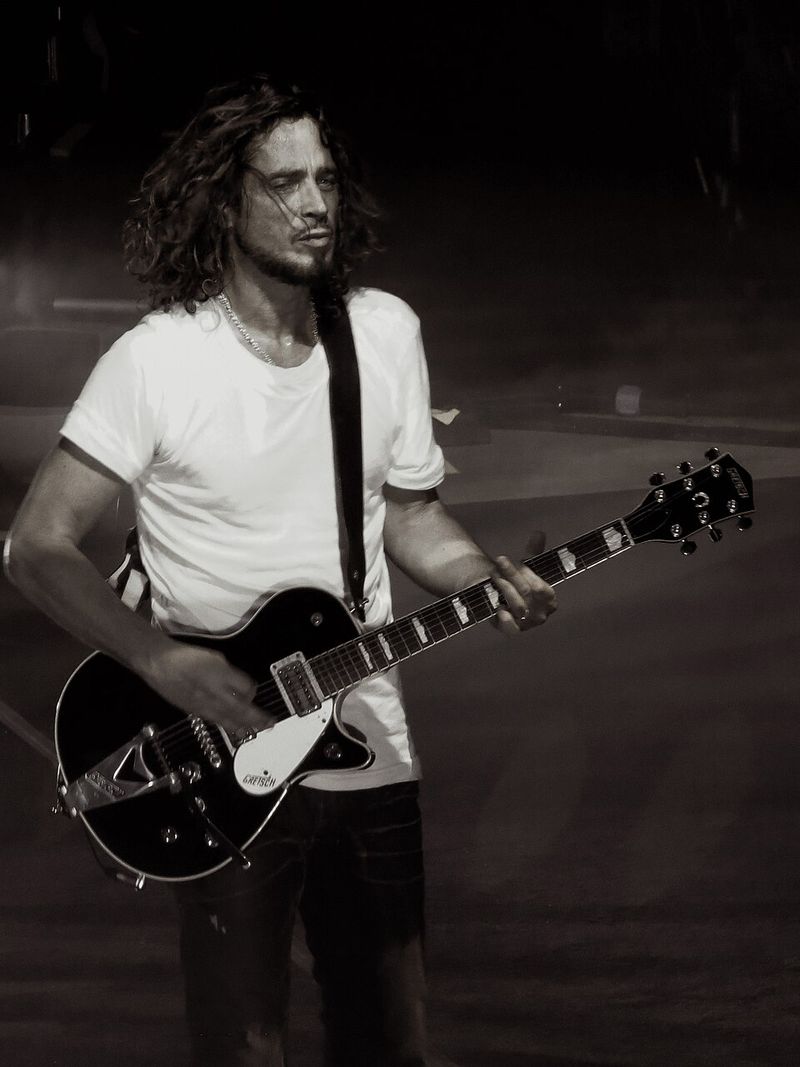
Chris Cornell had one of rock’s great voices, but talent does not cancel depression. He spoke openly at times about addiction, darkness, and the emotional emptiness that can follow performance, especially during long stretches of touring.
He also had to navigate changing eras of fame, from 1990s label pressure to the constant visibility of the digital age. Cornell died by suicide in 2017, and his loss forced a new round of conversations about mental health, treatment, and how the industry supports artists when the show is over.
His songwriting often balanced heavy emotion with striking melodic craftsmanship.
10. Freddie Mercury

Freddie Mercury’s stage presence made him look untouchable. In private, he was managing an HIV diagnosis during a period when fear, misinformation, and stigma could destroy both careers and dignity.
Queen adapted around his health as carefully as possible, especially in the band’s later recording years. Mercury died in 1991 from AIDS-related pneumonia, but what stands out just as much is how much artistry, discipline, and privacy he preserved under extraordinary pressure.
His final recordings show remarkable determination despite declining health.
11. Randy Rhoads
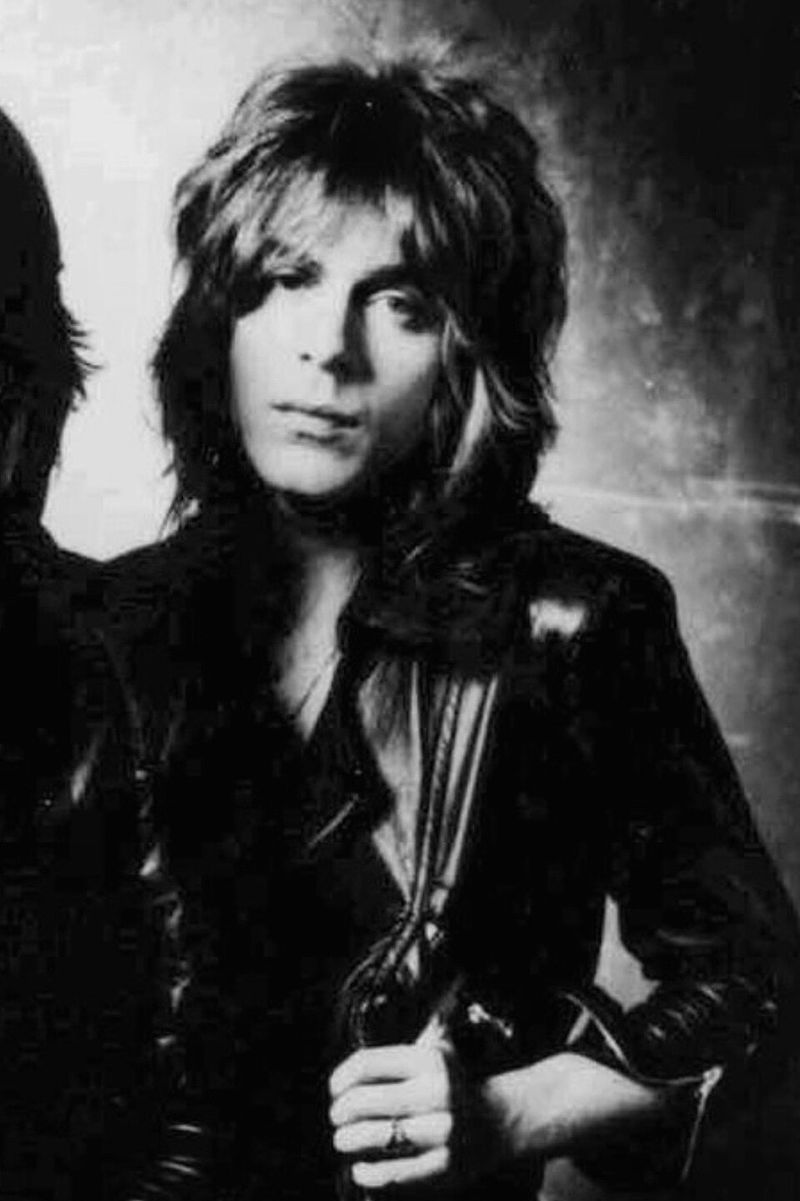
Randy Rhoads is often remembered for dazzling guitar work, but the deeper story is how disciplined he was. He studied constantly, loved classical music, and talked seriously about continuing his education rather than simply feeding the excesses of rock stardom.
That made him an awkward fit for some of the chaos surrounding major tours. He died in a plane crash in 1982, and his early death cut short a career that seemed headed toward something even broader than virtuoso fame.
Many guitarists still cite him as a bridge between classical technique and heavy metal.
12. Keith Moon

Keith Moon became a symbol of rock excess so completely that the caricature almost swallowed the musician. Behind the image were insomnia, substance abuse, destructive behavior that carried real financial consequences, and increasing dependence on medication.
The Who continued to function, but the system around Moon often monetized the very instability it could not control. He died in 1978 from an overdose, and his story remains one of the clearest examples of an industry laughing at danger until it was too late.
Yet his explosive drumming style helped redefine what a rock drummer could do.
13. Duane Allman

Duane Allman built one of the great résumés in rock before many artists have even settled into a style. His session work at Muscle Shoals and his playing with the Allman Brothers Band helped reshape Southern rock, soul, and slide guitar all at once.
But that productivity came inside a life built on constant motion. He died in a motorcycle accident in 1971, and the loss was so sudden that it left a permanent sense of unfinished momentum around both his career and his band.
His slide guitar tone continues to influence generations of blues and rock players.
14. Shannon Hoon

Shannon Hoon left behind a rare self-portrait of fame through home video, backstage footage, and interviews that captured both humor and strain. Blind Melon’s success brought pressure that did not always match the band’s internal pace or Hoon’s fragile health.
He struggled with addiction, arrests, and treatment attempts while trying to keep working inside a promotional machine that did not slow down much for recovery. Hoon died of an overdose in 1995, and his story still feels like a warning about how mid-level stardom can be just as destabilizing as superstardom.
His distinctive voice helped make “No Rain” one of the most recognizable songs of the decade.
15. Ian Curtis

Ian Curtis wrote songs that sounded haunted because he was living through something profoundly difficult. He was managing epilepsy at a time when information, treatment, and accommodation were far less developed, and the demands of performance could intensify the danger.
As Joy Division prepared for an American tour, the pressure only grew. Curtis died by suicide in 1980, and the music he left behind still carries the tension between artistic precision and a life becoming harder to manage day by day.
Joy Division’s work later became a cornerstone of post-punk music.
16. Peter Green

Peter Green wrote some of Fleetwood Mac’s greatest early music, yet he never seemed comfortable with the machinery of fame. He distrusted the money side of the business and increasingly struggled with severe mental health problems that changed the course of his life.
What followed was not a neat rise-and-fall story, but decades of uneven returns, withdrawals, and attempts at stability. Green died in 2020 of natural causes, and his legacy is a reminder that stepping away from celebrity can sometimes be survival, not mystery.
Songs like “Albatross” remain landmarks of blues-rock songwriting.
17. Townes Van Zandt
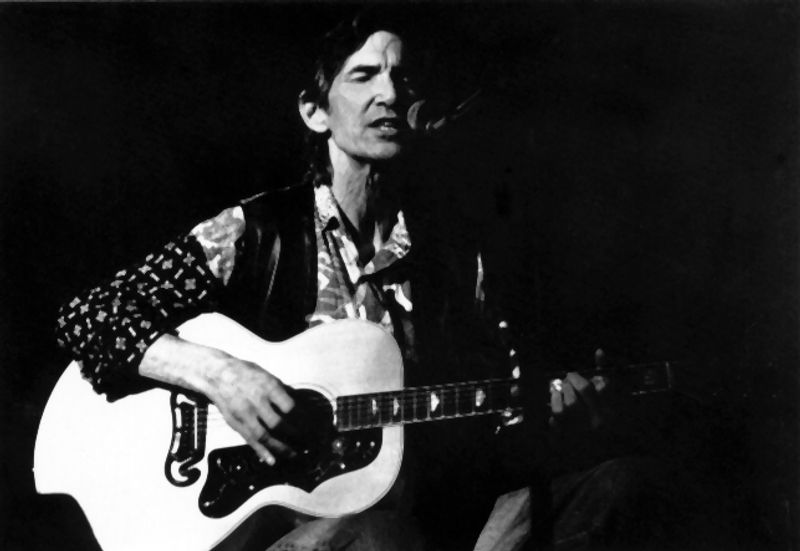
Townes Van Zandt was one of the most admired songwriters of his generation, but admiration did not always translate into security. He lived with bipolar disorder and spent long periods with unstable income, unreliable healthcare, and the fragile support network common to touring songwriters on the margins.
His influence kept growing even when his finances did not. Van Zandt died in 1997 from complications related to health problems, and his life remains a stark example of how American music can revere its poets while failing to protect them.
Artists from Willie Nelson to Steve Earle later helped carry his songs to wider audiences.
18. Amy Winehouse

Amy Winehouse moved through a media environment that was far more invasive than the one many earlier rock stars faced. By the late 2000s, tabloids, blogs, and handheld cameras had turned personal struggle into a nonstop public feed.
She battled addiction, entered treatment more than once, and faced mounting scrutiny every time a performance faltered or a tour date collapsed. Winehouse died of alcohol poisoning in 2011, and her story is inseparable from the question of how much damage an audience, a press culture, and a profit-driven industry are willing to normalize while calling it entertainment.
Her album Back to Black remains one of the defining records of the 2000s.



