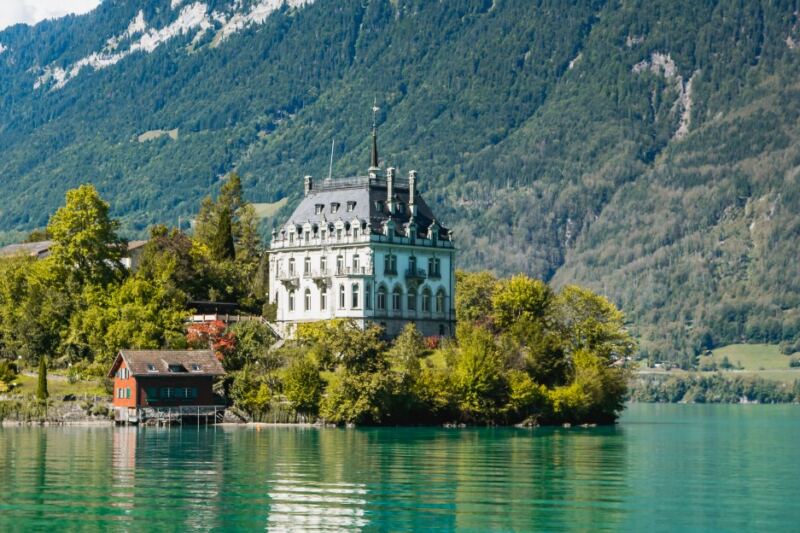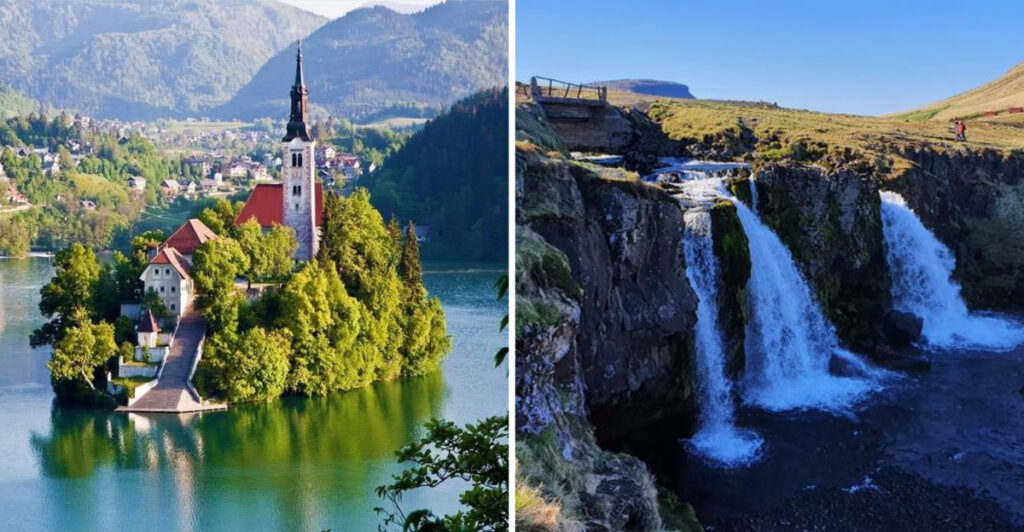
Size does not always determine power. Some of the world’s smallest countries have managed to shape global finance, technology, diplomacy, and culture in ways that far exceed their geographic footprint.
From tiny Alpine principalities to island city-states, these nations have built remarkable legacies through smart strategy, innovation, and bold vision. Here is a look at 18 small nations that prove big things truly do come in small packages.
18. Andorra
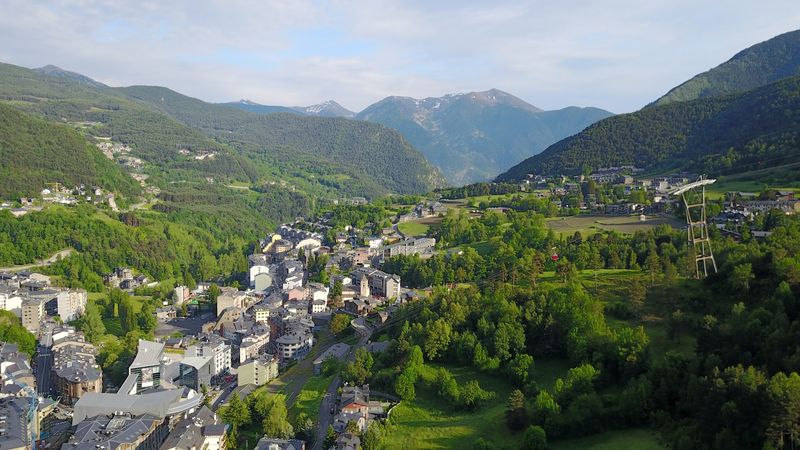
Tucked between France and Spain high in the Pyrenees mountains, Andorra is one of Europe’s best-kept secrets. With a population of just around 77,000 people, this tiny co-principality has built a thriving economy centered on tourism, skiing, and duty-free shopping.
Millions of visitors pour into Andorra each year to take advantage of its low taxes and affordable luxury goods. Its banking sector has also attracted international attention, offering financial services that punch well above the country’s small size.
Andorra has no army and has maintained peace for centuries by staying diplomatically neutral. It is not a member of the European Union but uses the euro as its currency.
For a country smaller than many American counties, its economic model and political stability make it a genuinely fascinating case study in small-nation success.
17. Belize
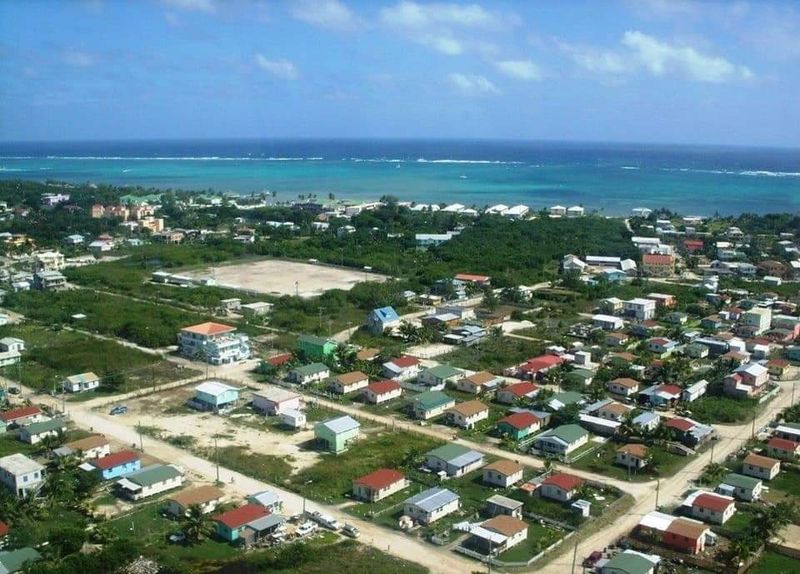
Belize may be small, but its natural wealth is staggering. Home to the world’s second-largest barrier reef, this Central American nation has become a symbol of marine conservation and biodiversity.
Scientists and ecologists from around the globe study its rich ecosystems.
The Belize Barrier Reef Reserve System was declared a UNESCO World Heritage Site, cementing the country’s role as a guardian of some of Earth’s most irreplaceable natural environments. Beyond its reef, Belize also protects vast areas of tropical rainforest teeming with jaguars, tapirs, and exotic birds.
Tourism built around eco-adventures and reef diving drives much of the economy, making environmental protection both a moral and financial priority. Belize’s example shows how a small nation can leverage its natural assets to earn global respect and economic stability.
Its conservation leadership carries influence far beyond its modest borders.
16. Liechtenstein
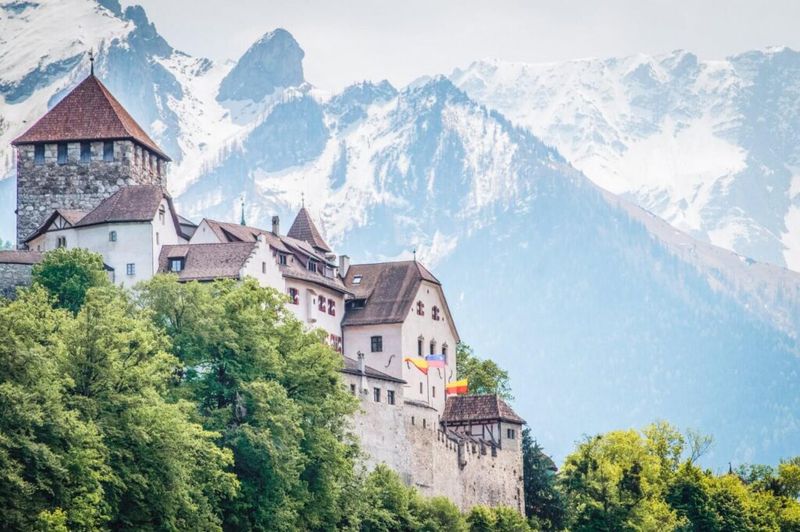
At just 160 square kilometers, Liechtenstein is one of the world’s two doubly landlocked countries, yet its economic output rivals nations many times its size. This Alpine principality has quietly become a global center for manufacturing precision instruments, dental products, and high-value industrial goods.
Liechtenstein consistently ranks among the top nations in GDP per capita, a remarkable achievement for a country with fewer than 40,000 residents. Its financial sector, built on strong privacy laws and political stability, attracts wealth management clients from across the globe.
The country also holds a unique distinction: it abolished its army in 1868 after a war in which it lost no soldiers but gained one extra man on the return march. That quirky historical footnote captures something essential about Liechtenstein.
It is a nation that finds creative, efficient solutions and turns limitations into lasting advantages on the world stage.
15. Malta
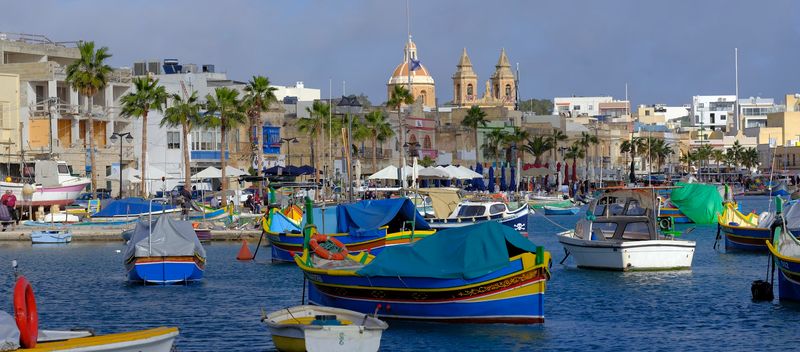
Malta’s location in the center of the Mediterranean Sea has made it one of history’s most fought-over territories, claimed by Phoenicians, Romans, Arabs, Crusaders, and the British over the centuries. Today, that same strategic position fuels its modern influence in finance, shipping, and diplomacy.
Despite having a population of under 550,000 people, Malta is a full European Union member and hosts major international organizations and summits. Its financial services sector has grown dramatically, attracting foreign investment and fintech companies looking for a stable EU base.
Malta also holds one of the busiest shipping lanes in the world right at its doorstep, making maritime trade a core part of its economy. The country has earned a reputation for pragmatic diplomacy, often serving as a neutral meeting ground for international negotiations.
Malta’s history and geography have shaped a nation that carries genuine global weight.
14. Luxembourg
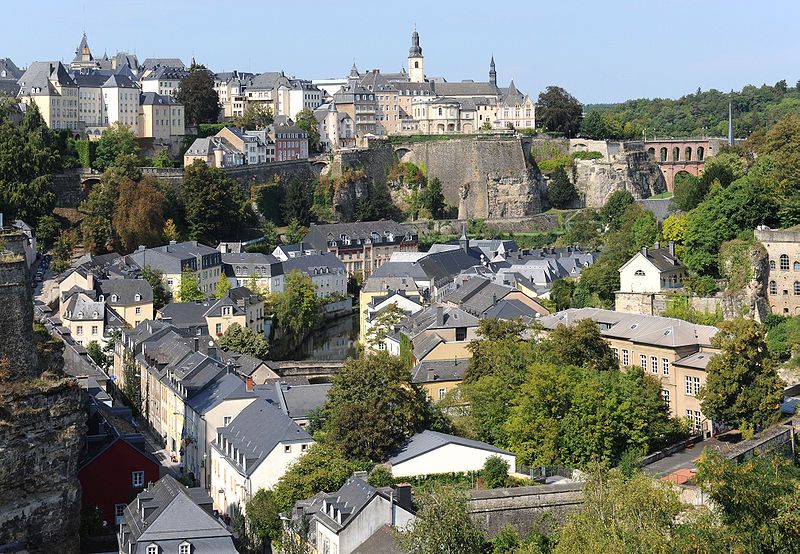
Luxembourg is proof that a country does not need vast territory to wield serious financial power. This small nation of roughly 660,000 people is one of the wealthiest per capita in the entire world and serves as a cornerstone of European economic architecture.
As a founding member of the European Union and home to key EU institutions including the Court of Justice, Luxembourg occupies a political importance that far exceeds its size. Its capital city hosts headquarters for major international banks, investment funds, and technology companies including Amazon’s European base.
Luxembourg’s investment fund industry is second in size only to the United States globally, managing trillions of dollars in assets. The country has also invested heavily in becoming a leader in space resources and satellite communications.
For a nation smaller than Rhode Island, Luxembourg’s footprint on global finance and European politics is genuinely extraordinary and continues to grow.
13. Iceland
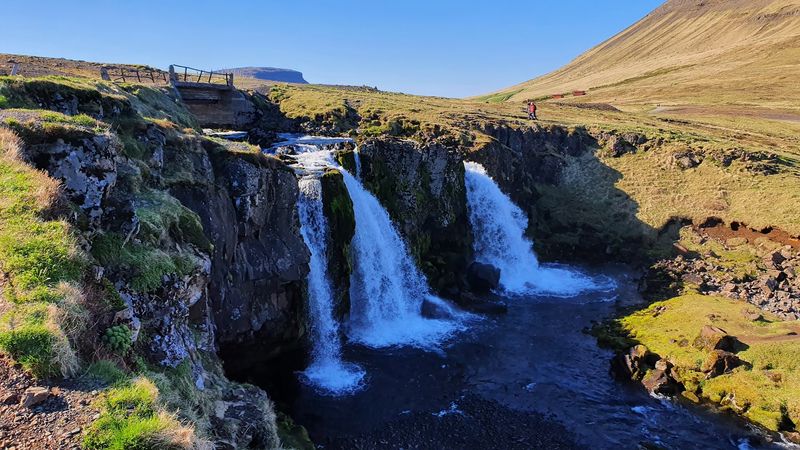
Iceland has roughly 370,000 people, fewer than live in many mid-sized cities, yet it has managed to become one of the world’s most admired nations. Its story is partly about resilience: after a devastating financial collapse in 2008, Iceland jailed its bankers, let its banks fail, and rebuilt its economy from scratch.
Today, Iceland generates nearly 100 percent of its electricity from renewable sources, primarily geothermal and hydropower. That achievement has made it a global reference point for sustainable energy policy, attracting researchers, policymakers, and climate advocates from around the world.
Iceland also punches above its weight in culture and sports. Its national soccer team famously reached the quarterfinals of Euro 2016, stunning the world.
Its literature, music, and film scenes have earned international recognition. Iceland shows that a small population paired with bold decisions and natural advantages can create a nation of remarkable global standing.
12. Bahrain
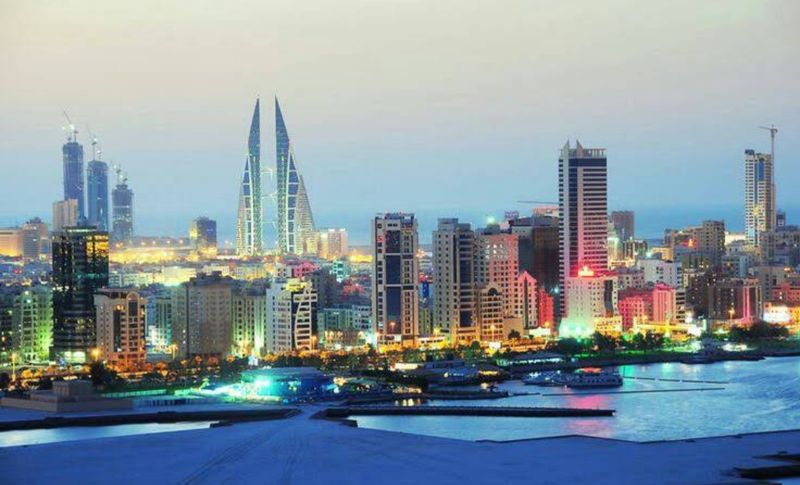
Bahrain was the first Gulf state to discover oil, but it was also smart enough to realize that oil would not last forever. Decades ago, Bahrain began building a diversified economy centered on banking, finance, and services rather than relying solely on petroleum exports.
Today, Manama is one of the Middle East’s most important financial centers, home to hundreds of banks and financial institutions. Bahrain’s relatively open regulatory environment and skilled workforce have made it a preferred regional hub for international companies looking to operate across the Gulf.
The country also hosts the United States Navy’s Fifth Fleet, giving it significant strategic importance in global security arrangements. Despite being one of the smallest nations in the Arab world, Bahrain consistently participates actively in regional diplomacy and international forums.
Its economic transformation over decades stands as a model for how small resource-dependent nations can successfully reinvent themselves for long-term relevance.
11. Estonia
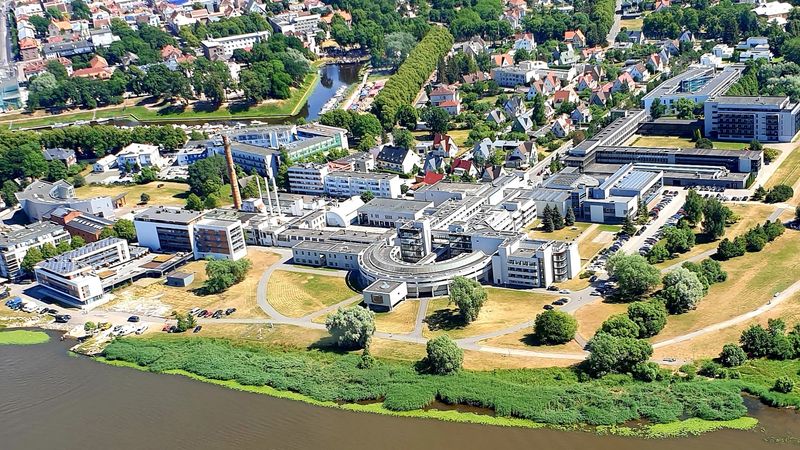
Estonia has only about 1.3 million people, but it has built one of the world’s most advanced digital societies from the ground up. After regaining independence from the Soviet Union in 1991, Estonia made a deliberate choice to leapfrog older infrastructure and go fully digital.
Today, nearly every government service in Estonia is available online, from voting to filing taxes to registering a business. The country invented Skype, launched the world’s first digital residency program, and is widely regarded as the gold standard for e-government.
Its cybersecurity expertise is so respected that NATO established its Cooperative Cyber Defence Centre of Excellence in Tallinn.
Estonia’s startup ecosystem has produced more unicorn companies per capita than almost any other nation. The country’s story is one of ambition meeting opportunity.
A small Baltic nation that refused to let its size define its ceiling became a global pioneer in how governments and economies can function in the digital age.
10. Qatar
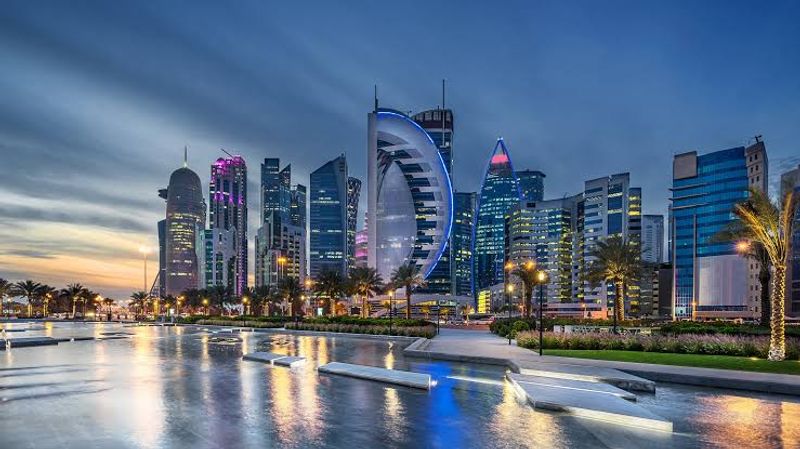
Qatar sits on one of the largest natural gas reserves on the planet, and it has used that wealth with remarkable strategic ambition. A country of just 2.8 million people, Qatar has transformed itself into a global player in energy, media, sports, and diplomacy within just a few decades.
Al Jazeera, the international news network founded in Qatar, changed the media landscape across the Arab world and beyond. Qatar Airways has grown into one of the world’s most awarded airlines, connecting Doha to every corner of the globe.
Hosting the 2022 FIFA World Cup announced Qatar’s arrival on the world stage with unmistakable clarity.
Qatar’s sovereign wealth fund, the Qatar Investment Authority, holds stakes in some of the world’s most recognizable brands and real estate. From London’s Harrods to European football clubs, Qatari influence touches global commerce in visible, tangible ways.
Its rise from a quiet Gulf state to a major international force is one of modern history’s most striking transformations.
9. Slovenia
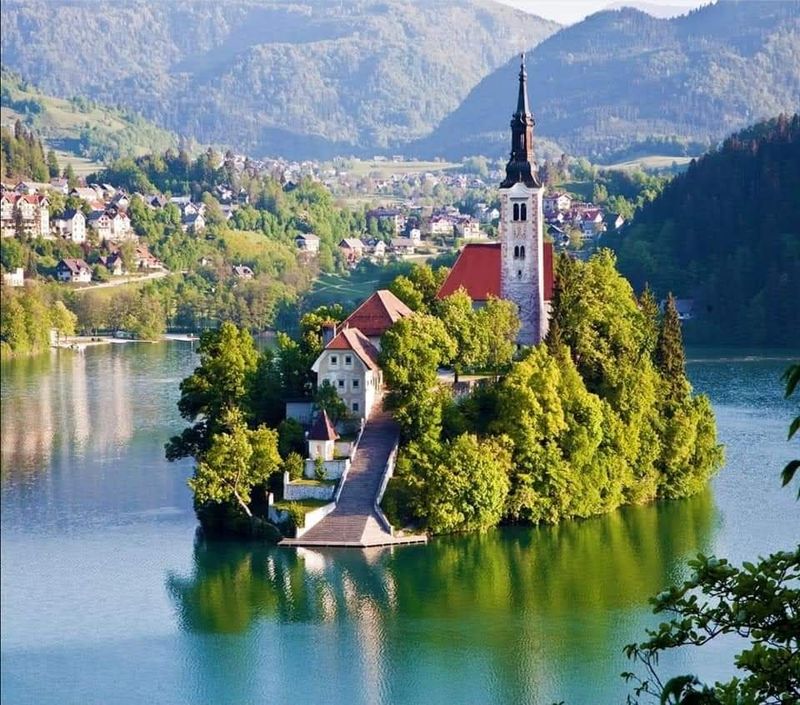
Slovenia often gets overlooked in conversations about Europe’s most successful countries, but the numbers tell a compelling story. With a population of just over 2 million, Slovenia consistently ranks among the top nations in Europe for quality of life, environmental health, and economic stability.
The country gained independence from Yugoslavia in 1991 after a ten-day war and quickly pivoted toward building a modern, open economy. It joined the European Union and NATO in 2004, adopted the euro in 2007, and has since grown into one of Central Europe’s most stable and prosperous nations.
Slovenia’s capital Ljubljana has been recognized as one of Europe’s greenest cities, and the country has protected nearly 40 percent of its land as natural reserves. Its wine, outdoor tourism, and manufacturing industries contribute to an economy that outperforms many of its larger neighbors.
Slovenia is quiet proof that thoughtful governance and natural stewardship create lasting national strength.
8. Singapore
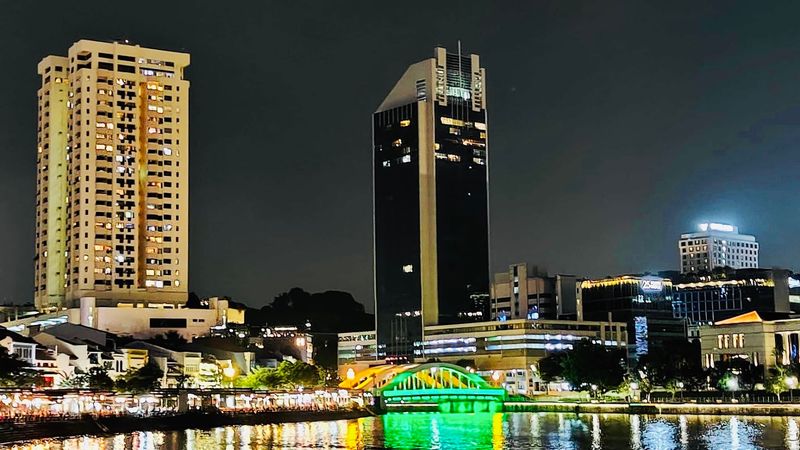
When Singapore gained independence in 1965, its founding prime minister Lee Kuan Yew reportedly wept, believing the tiny island nation had almost no chance of survival. Without natural resources, a large population, or strategic depth, Singapore seemed destined for struggle.
What followed instead was one of history’s most remarkable economic transformations.
Today, Singapore is the world’s busiest transshipment port and one of its leading financial centers. Its GDP per capita rivals the United States, and its Changi Airport has been named the world’s best for years running.
Multinational corporations choose Singapore as their Asian headquarters because of its rule of law, low corruption, and exceptional infrastructure.
Education, healthcare, and urban planning in Singapore are studied by governments worldwide as models of efficiency. The city-state’s influence on global trade, finance, and governance far exceeds anything its 733 square kilometers would suggest possible.
Singapore did not just survive; it set an entirely new standard for what a small nation can achieve.
7. Monaco
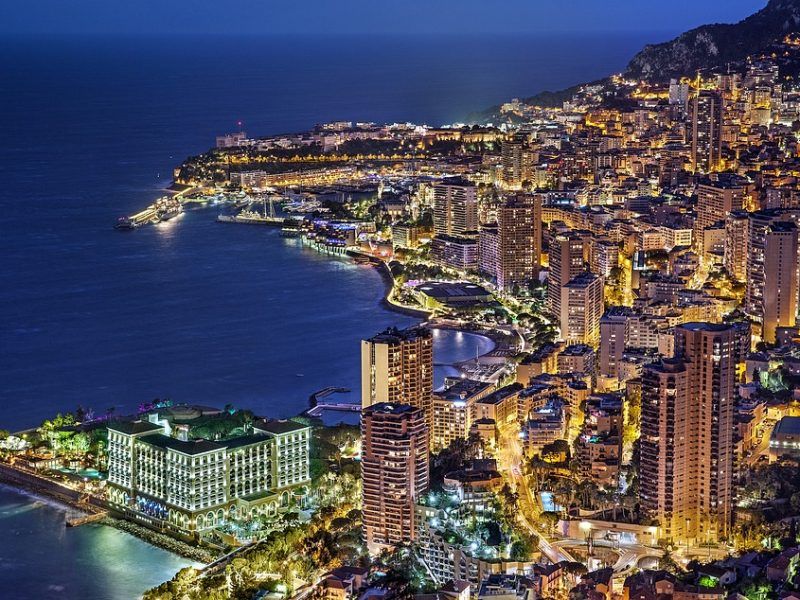
Monaco covers less than 2.1 square kilometers, making it the world’s second-smallest country by area, yet it attracts more wealth per square meter than almost anywhere else on Earth. This tiny principality on the French Riviera has built its entire identity around luxury, exclusivity, and spectacle.
The Monaco Grand Prix, held annually on the city-state’s narrow streets, is one of the most glamorous events in global motorsport. The Casino de Monte-Carlo has been a magnet for the world’s wealthy elite since the 1860s.
Monaco’s tax policies attract billionaires, celebrities, and top athletes who establish residency there to benefit from its favorable financial environment.
Despite having no income tax and a tiny domestic economy, Monaco maintains a high standard of living and sophisticated public services. Its royal family, the Grimaldis, has ruled for over 700 years and keeps the principality in the international spotlight.
Monaco proves that prestige and positioning can substitute for size.
6. Switzerland
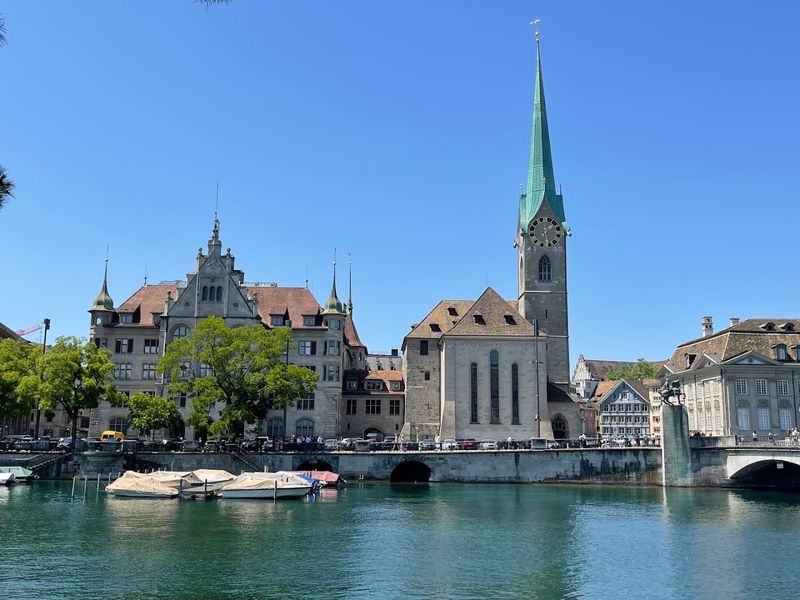
Switzerland has spent centuries perfecting the art of staying neutral while remaining absolutely central to global affairs. Its policy of armed neutrality has made it the world’s preferred location for international diplomacy, humanitarian organizations, and high-stakes negotiations.
Geneva alone hosts the United Nations European headquarters, the World Health Organization, the International Red Cross, and dozens of other global bodies. Swiss banks manage an estimated one-third of all privately held offshore wealth worldwide, a staggering figure for a country of just 8.7 million people.
Switzerland’s pharmaceutical industry, anchored by giants like Novartis and Roche, shapes global medicine. Its watchmaking and precision engineering traditions remain world-renowned.
Swiss universities consistently rank among the best globally, fueling continuous innovation. The country maintains all this influence while staying out of the European Union and most international conflicts.
Switzerland has turned neutrality into one of the most powerful diplomatic and economic positions any small nation has ever held.
5. United Arab Emirates
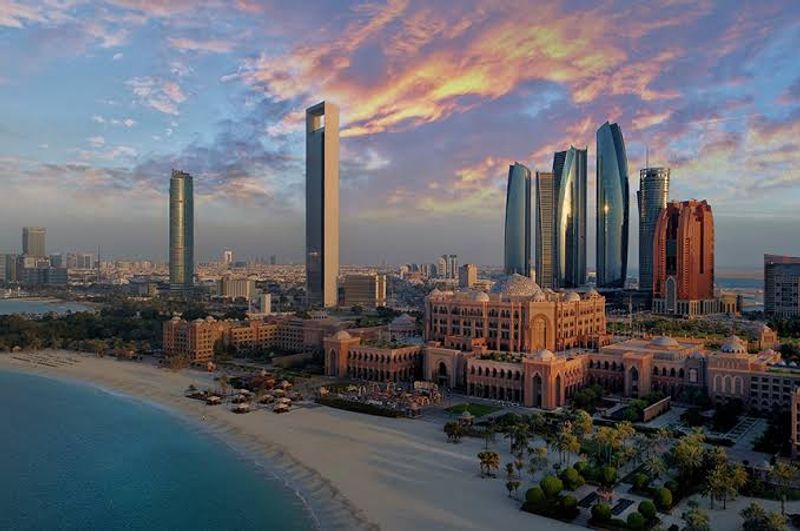
Just 50 years ago, much of what is now the UAE was undeveloped desert. The discovery of oil and the vision of its founding leaders, particularly Sheikh Zayed bin Sultan Al Nahyan, set in motion one of the fastest national transformations in recorded history.
Dubai, the UAE’s largest city, has become a global hub for aviation, real estate, tourism, and trade. Emirates Airline, based in Dubai, is one of the world’s largest and most respected carriers.
Abu Dhabi, the capital, manages the Abu Dhabi Investment Authority, one of the world’s largest sovereign wealth funds, with assets estimated in the trillions.
The UAE has also invested heavily in science, space exploration, and renewable energy, launching the Arab world’s first Mars mission in 2021. With a population of about 10 million and a geographic area smaller than South Carolina, the UAE’s global reach in commerce, culture, and diplomacy is nothing short of extraordinary.
4. New Zealand
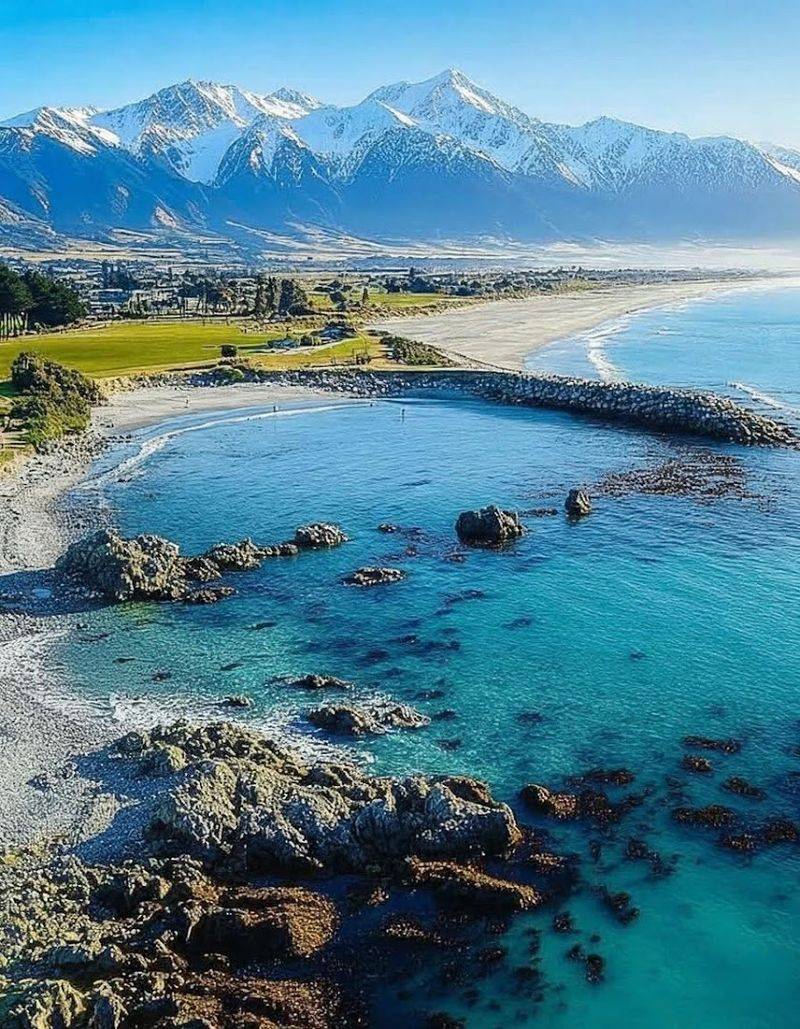
New Zealand sits at the bottom of the world, thousands of miles from major population centers, yet its influence echoes across diplomacy, agriculture, sports, and popular culture in ways that consistently surprise people who underestimate it.
With a population of just over 5 million, New Zealand punches hard in international rugby, having won the Rugby World Cup multiple times with the iconic All Blacks team. Its agricultural exports, particularly dairy and lamb, feed markets across Asia, Europe, and the Americas.
New Zealand’s film industry gained global recognition when Peter Jackson used its landscapes to bring Middle-earth to life in the Lord of the Rings trilogy.
On the diplomatic front, New Zealand was one of the first countries to give women the right to vote in 1893 and continues to be regarded as a progressive, principled voice in international affairs. Its clean environment and high quality of life consistently attract global talent and investment.
Distance has never limited New Zealand’s ambition.
3. Ireland
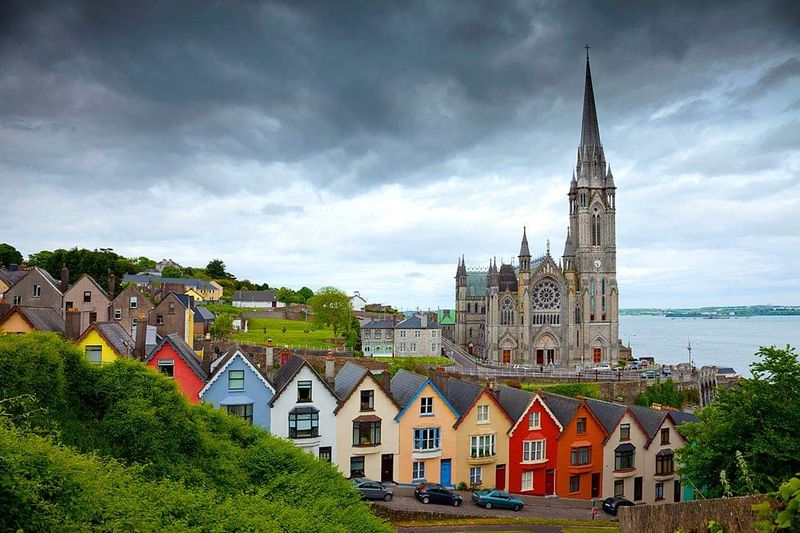
Ireland’s economic story over the past three decades is one of the most dramatic turnarounds in modern history. Once one of Western Europe’s poorest nations, Ireland transformed itself into a powerhouse of technology and pharmaceuticals by offering low corporate tax rates and a highly educated English-speaking workforce.
Today, Dublin’s Silicon Docks neighborhood serves as the European headquarters for Google, Meta, Apple, LinkedIn, Twitter, and dozens of other global tech giants. Ireland is the world’s second-largest exporter of pharmaceuticals, with companies like Pfizer, Johnson and Johnson, and AstraZeneca operating major facilities there.
Ireland’s cultural influence also extends far beyond its population of 5 million. The Irish diaspora, estimated at 70 million people worldwide, spreads Irish culture, values, and connections across every continent.
From literature and music to politics and business, Irish influence surfaces in unexpected places globally. For a small Atlantic island, Ireland carries a remarkably large presence on the world stage.
2. Israel
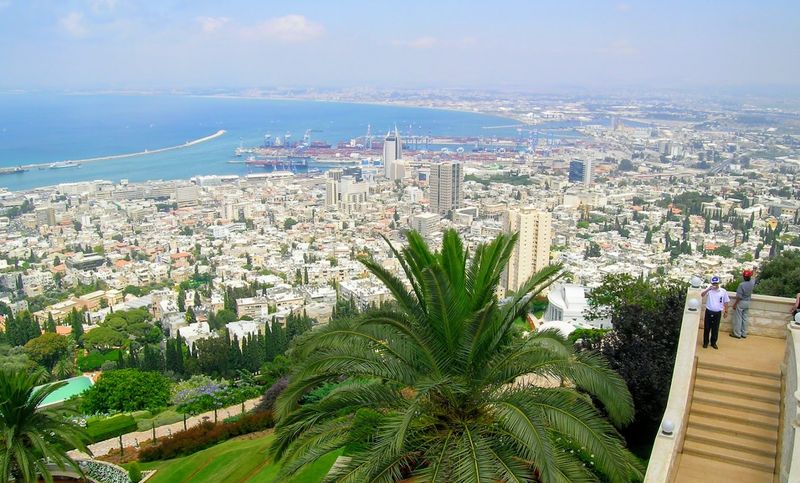
Israel is roughly the size of New Jersey, yet its impact on global technology, medicine, and security is felt in virtually every corner of the world. The country has more companies listed on the NASDAQ stock exchange than any nation outside the United States and China, earning it the nickname “Startup Nation.”
Israeli innovations touch daily life in ways most people never realize. USB flash drives, the Iron Dome missile defense system, instant messaging technology, and many advanced agricultural irrigation techniques all trace their origins to Israeli engineers and scientists.
The country’s cybersecurity industry is among the most advanced globally, with firms like Check Point shaping how the world defends its digital infrastructure.
With a population of under 10 million and surrounded by complex geopolitical challenges, Israel has channeled necessity into extraordinary innovation. Its universities and research institutions consistently produce breakthroughs in medicine, agriculture, and engineering.
Israel’s story is a testament to how adversity, education, and entrepreneurial culture can create disproportionate global impact.
1. Singapore
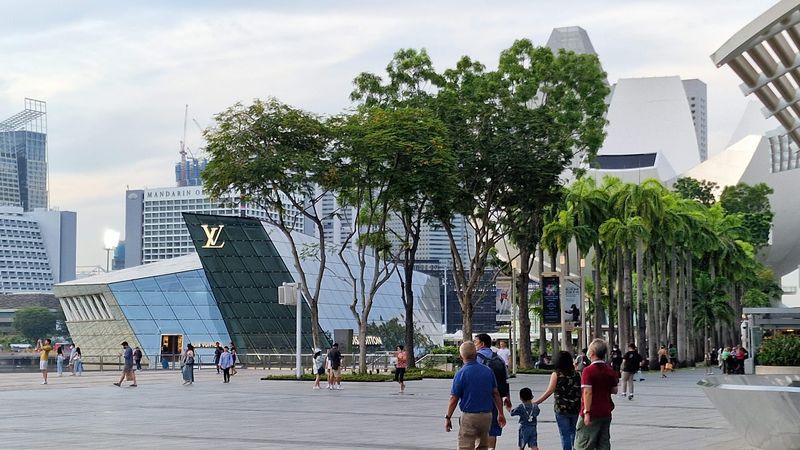
No other country on Earth demonstrates the concept of outsized influence quite like Singapore. Built on a single island of 733 square kilometers with zero natural resources, Singapore has become one of the most strategically important nations in the entire global system.
Singapore handles about one-fifth of the world’s shipping container traffic, making it indispensable to global supply chains. Its financial sector ranks alongside New York, London, and Hong Kong as a top-tier global hub.
The city-state’s Changi Airport connects more than 100 airlines to over 100 countries, making it one of the world’s most connected transit points.
Singapore’s government has maintained decades of political stability, low corruption, and forward-thinking economic policy that other nations actively study and attempt to replicate. Its education system consistently tops global rankings, producing a skilled workforce that attracts the world’s leading companies.
Singapore did not inherit greatness; it engineered it with precision, discipline, and an unwavering belief that small nations can lead the world.
Share this story