 Unearth The Voyage
Some songs from 1975 sound like throwbacks. Others sound like they could have been written this year.
That mix is what makes this era stand out.
This was a moment shaped by political distrust, shifting identity, and a music scene where funk, rock, soul, disco, and country all collided. The result was a batch of songs that didn’t stay in their lane and didn’t fade with time.
Revisit them now, and the themes still land. That’s the hook behind this list: these tracks didn’t just define their moment, they carried it forward.
1. “One of These Nights” – Eagles
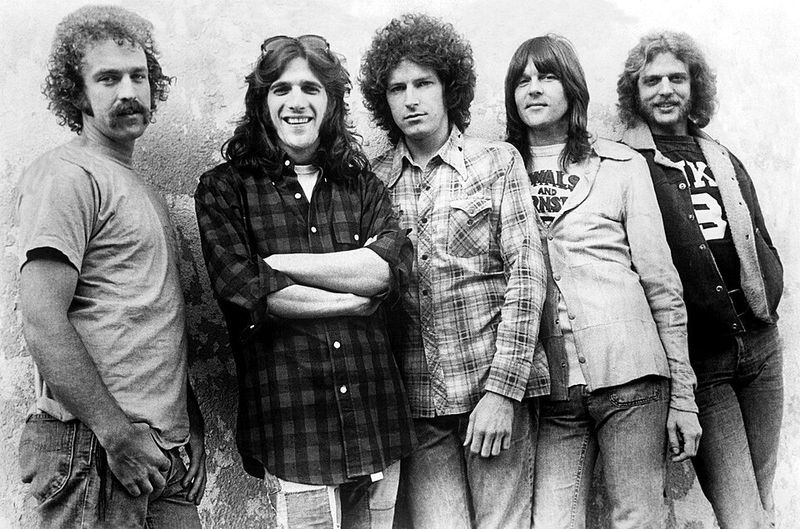
Restlessness rarely gets a smoother soundtrack than this. When the Eagles released “One of These Nights” in 1975, they captured a familiar modern condition: the suspicion that success, satisfaction, or clarity is always one more late night away.
Its sleek production fit the rising polish of mid-1970s rock, but the theme is what keeps it fresh. The song circles around wanting something hard to define, which feels especially relevant in an age of endless goals, curated lifestyles, and the permanent pressure to optimize every hour.
That tension between confidence and uncertainty gives the track its staying power. It reflects a decade when American ambition looked glamorous on the surface yet increasingly unstable underneath, especially after economic shocks and cultural disillusionment.
Today, the lyrics read almost like a dispatch from hustle culture before the phrase existed. You hear pursuit, impatience, and that nagging sense that the finish line may keep moving no matter how fast you chase it.
2. “Rhinestone Cowboy” – Glen Campbell
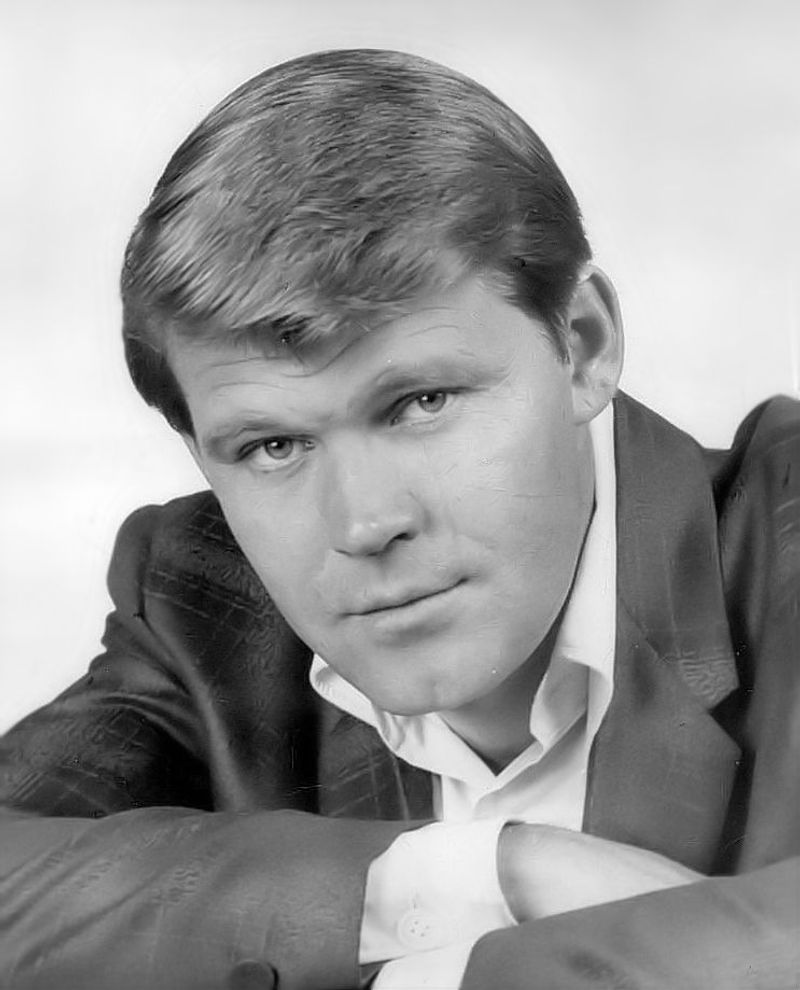
Ambition puts on a flashy jacket in “Rhinestone Cowboy.” Glen Campbell’s 1975 hit sounded polished and radio-friendly, yet underneath the bright arrangement sits a story about persistence, public dreams, and the awkward dignity of continuing even when recognition arrives late.
That storyline plays differently now, when careers are less linear and reinvention is treated almost like a side job. The song speaks to freelancers, creators, and anyone trying to keep momentum while the culture insists that success should look immediate, effortless, and neatly documented.
Written by Larry Weiss, it also reflects how country and pop were crossing over more aggressively in the mid-1970s, making room for songs that balanced show-business fantasy with practical resilience. Campbell sells both sides.
He understands the appeal of the spotlight, but he also understands the grind behind it. That mix keeps the song alive.
It is not just about fame. It is about staying visible, staying employable, and keeping your confidence intact while the audience, the market, and your plans keep shifting.
3. “Young Americans” – David Bowie
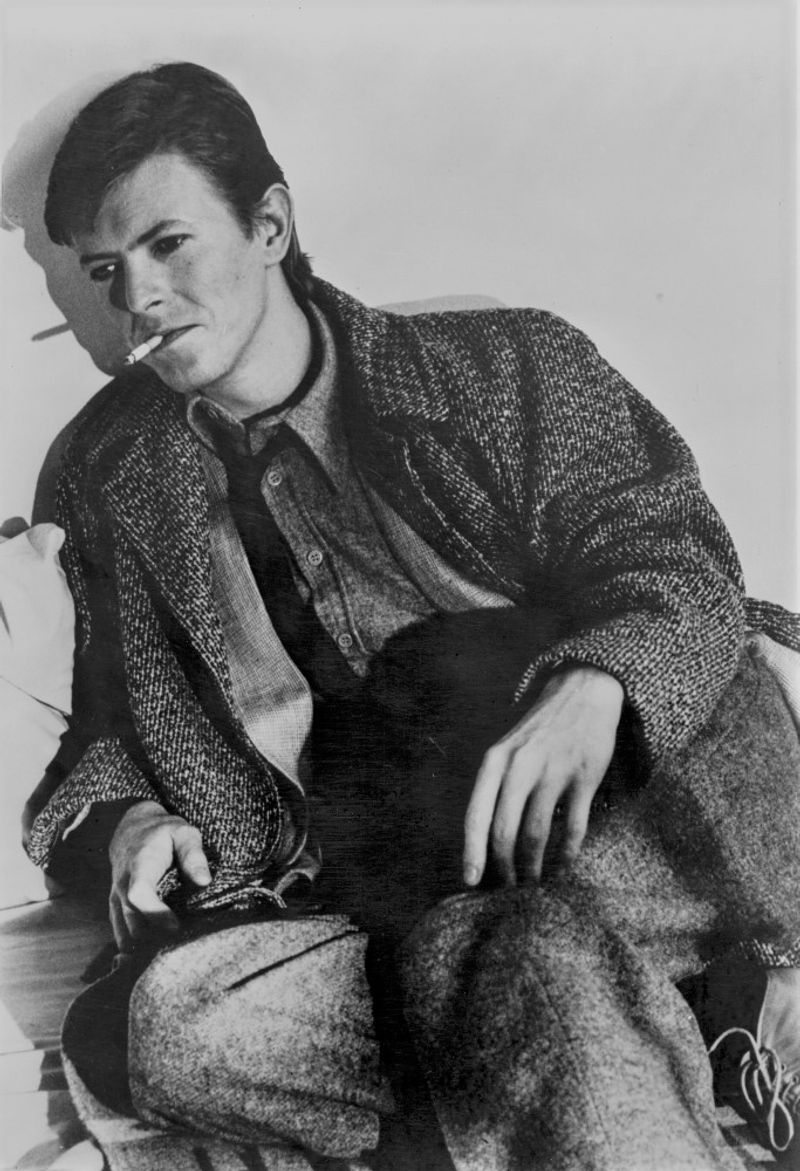
Few pop songs ask bigger questions while sounding this nimble. “Young Americans” arrived as Bowie studied U.S. culture from the outside, using soul influences and quick, observant lyrics to probe class, identity, desire, and national self-image.
That outsider-insider perspective is exactly why it still lands. The song looks at aspiration and disappointment without pretending either one is new, and its view of people trying to build meaningful identities inside a media-heavy culture feels strikingly familiar today.
Released in 1975, it also marked Bowie’s shift away from glam theatrics toward what he called plastic soul, a move that reflected how pop was becoming more hybrid and internationally fluid. The lyrics suggest that prosperity, style, and national myths do not automatically produce fulfillment.
That idea has only become more relevant as identity is now shaped by branding, algorithms, and constant self-presentation. The song keeps its bite because it never settles for easy patriotism or easy cynicism.
It just watches closely, and that still feels rare.
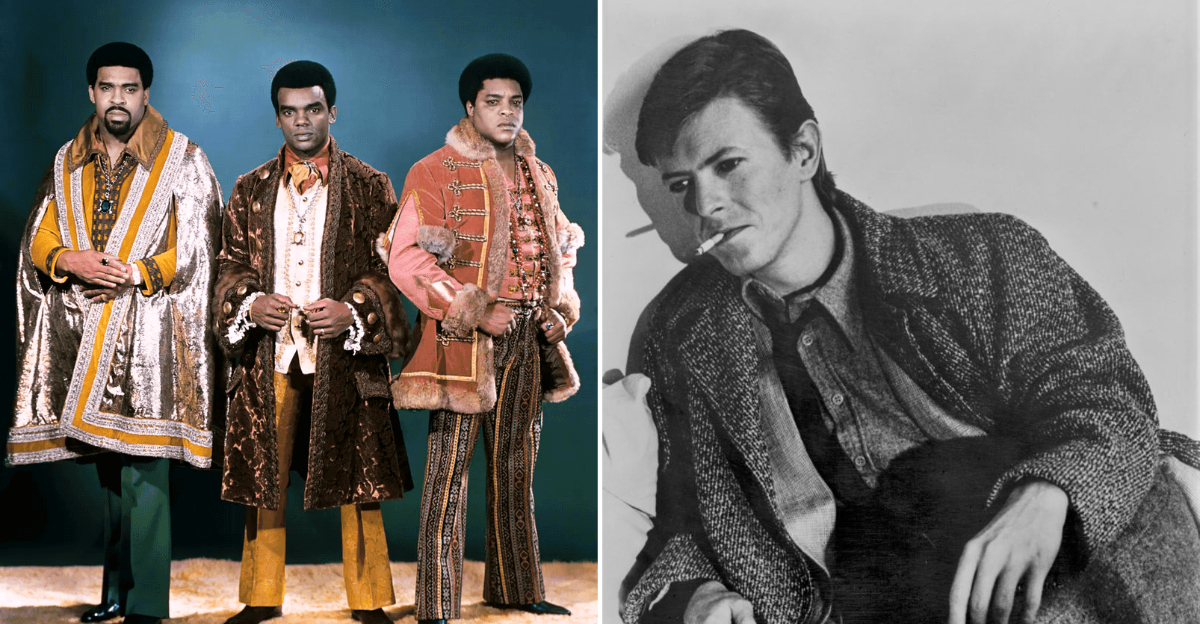
4. “Fight the Power (Part 1)” – The Isley Brothers
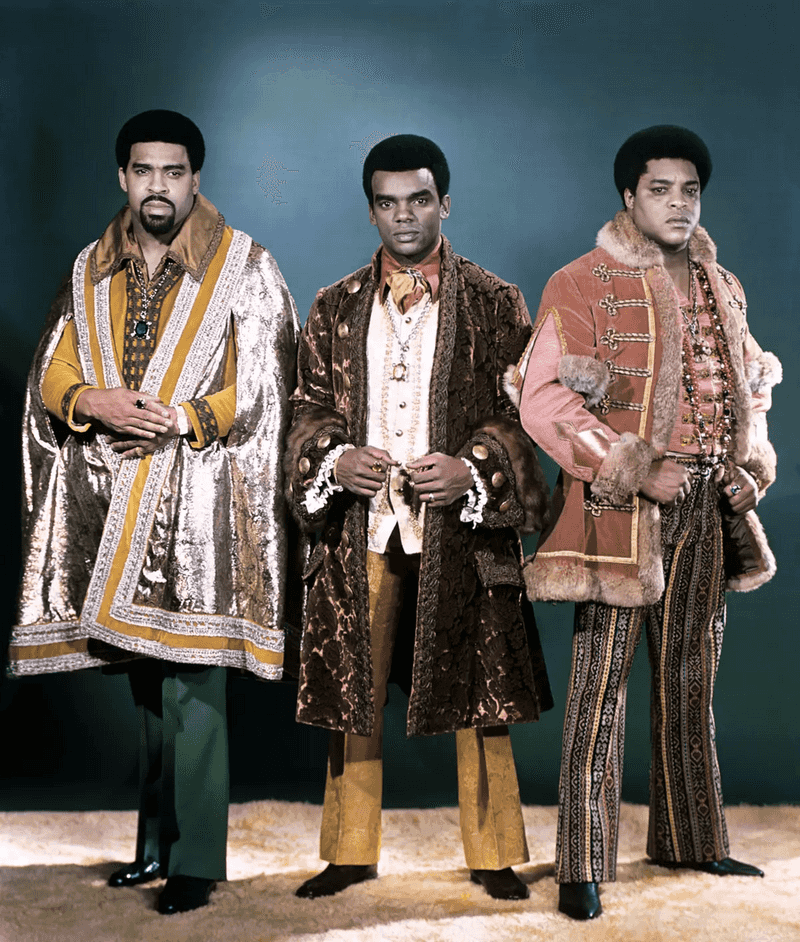
The groove arrives first, but the point lands even faster. Released in 1975, this Isley Brothers track turned a danceable funk framework into a direct statement about power, dignity, and pushing back against limits that felt baked into everyday life.
Its title alone still carries unusual force, especially in a century where public protest, workplace organizing, and debates over fairness move from city streets to phone screens in minutes. The Isleys were not writing a policy paper, yet their message about claiming voice and refusing passivity remains clear.
That clarity helps explain why the song still feels current. It belongs to a long tradition of Black musical self-definition in the 1970s, when funk often doubled as commentary, style, and strategy.
You can hear it now as more than a period piece. It sounds like a reminder that confidence, community, and pressure from below still matter when institutions seem slow to listen.
5. “Fame” – David Bowie & John Lennon
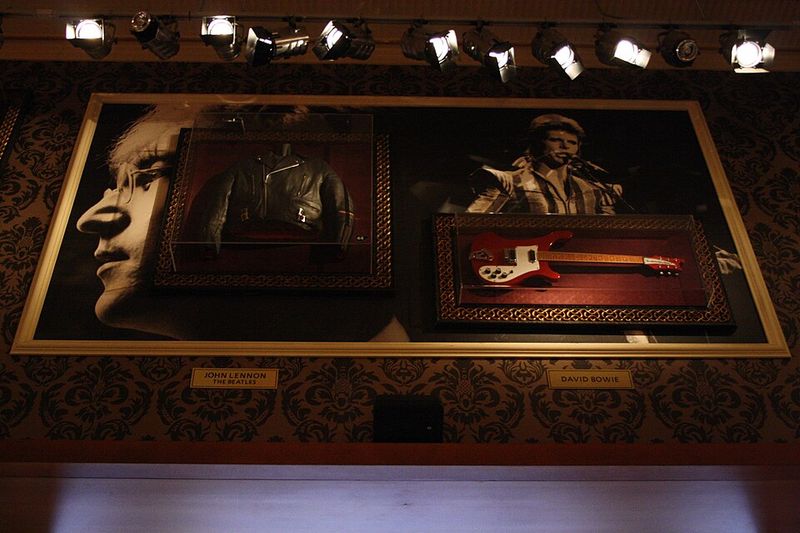
Celebrity culture got its warning label early with this one. Built from a sharp groove and an even sharper attitude, “Fame” turned Bowie’s frustration with the machinery of attention into a sly, compact critique that still feels ahead of schedule.
In 1975, mass fame meant magazines, television appearances, and label politics. Today it means metrics, personal branding, sponsored posts, and the strange expectation that every public figure must also be permanently available.
The song’s cynicism about what visibility takes from a person now sounds less exaggerated than practical.
John Lennon’s presence adds extra weight, since he understood public image as both currency and trap. The track became Bowie’s first number one in the United States, which only sharpened its irony.
That contradiction is part of why it remains relevant: the system rewards the very people who question it. If you hear it now, the song feels like a brisk tour through influencer anxiety, viral attention cycles, and the exhausting economics of being watched for a living.
6. “Shining Star” – Earth, Wind & Fire
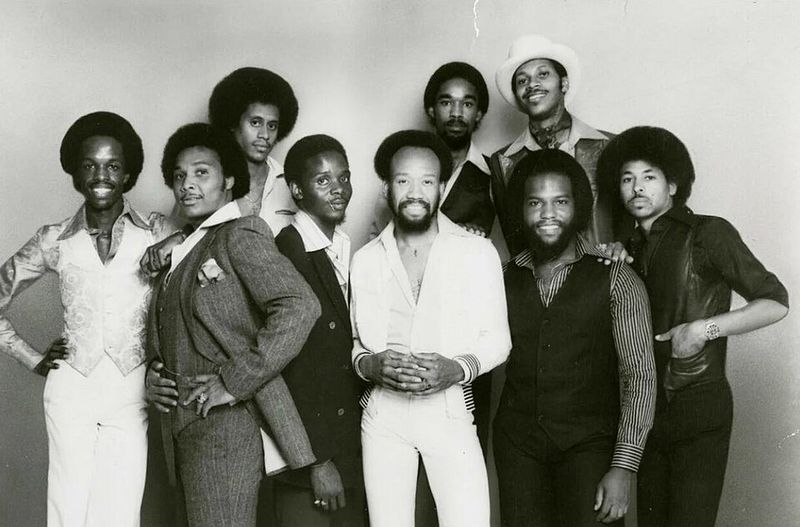
Optimism can be radical when it is this direct. “Shining Star” gave Earth, Wind & Fire a major crossover moment in 1975, combining funk precision, soul conviction, and a message that insisted self-worth was not something gatekeepers got to assign.
That is a large reason it still feels useful. In a culture where people are constantly ranked by followers, visibility, productivity, or professional polish, the song’s reminder that you are already capable lands with unusual clarity and zero fuss.
It also emerged during a period when Black popular music was expanding commercially while carrying strong currents of pride, discipline, and collective aspiration. Maurice White and the band were masters of uplift without sounding naive. “Shining Star” is not detached from struggle.
It answers struggle by refusing to let insecurity take command. Today, that approach feels newly relevant.
The song cuts through self-help jargon and algorithmic noise with a simpler proposition: confidence is not vanity, and believing in your own value remains a practical skill in unstable times.
7. “Why Can’t We Be Friends?” – War
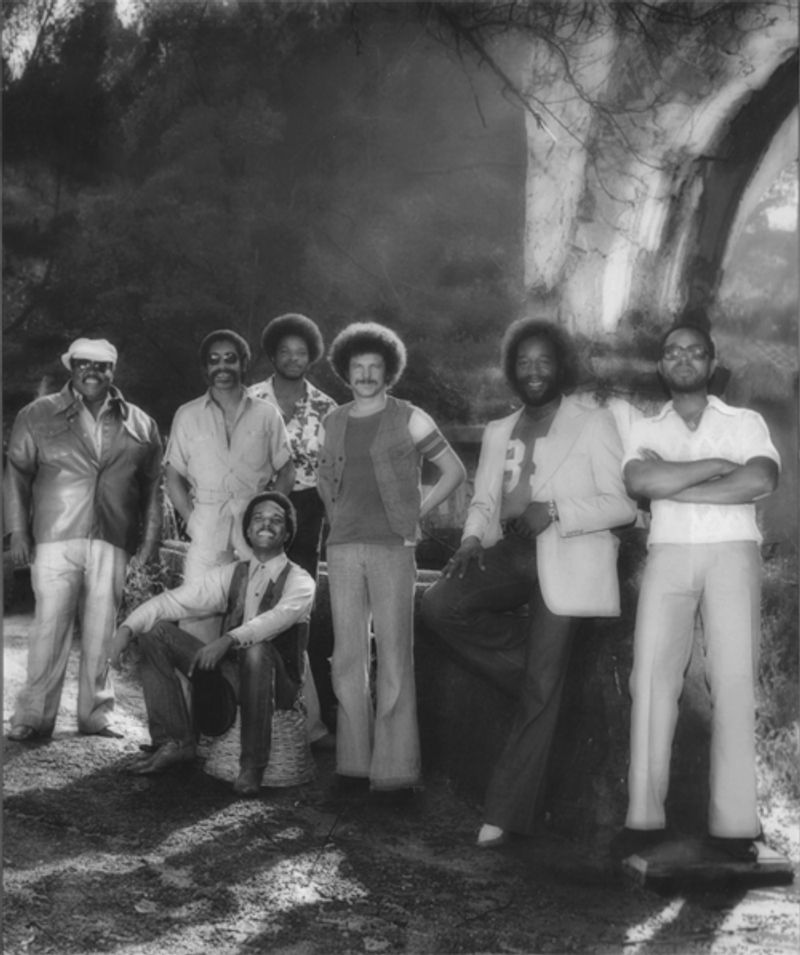
A simple chorus can carry a surprisingly stubborn question. War released “Why Can’t We Be Friends?” in 1975, and its easygoing surface masked a pointed social message about division, mistrust, and the possibility of ordinary coexistence across lines people love to defend.
The song remains relevant because the question has not become outdated. If anything, the modern mix of online argument, ideological sorting, and daily suspicion gives its plainspoken plea even more force.
It is catchy enough to invite everyone in, which is part of the trick.
War specialized in multicultural funk that reflected Los Angeles as it was actually lived, not as a simplified marketing image. Their lineup and sound blended backgrounds, genres, and perspectives into something communal by design.
That makes this track more than a novelty chorus from the seventies. It is a concise statement about social behavior.
Agreement is not required, but basic respect still counts. Hearing it now, you can appreciate how neatly it challenges hostility without drifting into lecture mode or empty slogans.
8. “Low Rider” – War
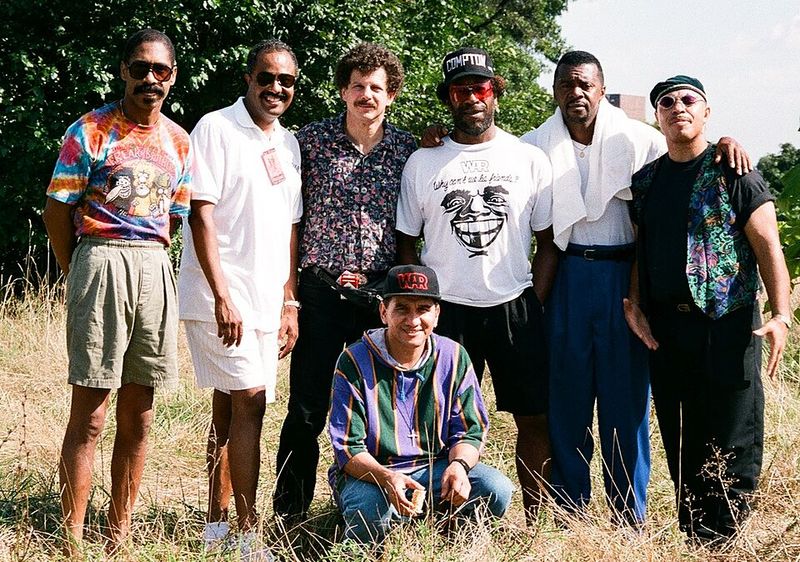
This hit rolls in with style, but it is really about visibility. “Low Rider” made a national smash out of a sound and identity rooted in Chicano car culture, turning customized cruising into a proud statement about community, craft, and self-definition.
That matters today because debates about cultural ownership, representation, and who gets to define taste are everywhere. The song does not explain itself too much.
Instead, it presents a specific world on its own terms and trusts listeners to catch up.
Released in 1975, it brought elements of Southern California Mexican American culture into mainstream radio without stripping away their local meaning. War understood that style could be social language.
The lowrider was not merely a vehicle choice. It reflected labor, aesthetics, neighborhood ties, and a refusal to be treated as background.
In the present, where personal branding often feels weightless, “Low Rider” offers a stronger idea of identity: something built, shared, and maintained over time. The groove still works, but the cultural confidence underneath it is what really lasts.
9. “Listen to What the Man Said” – Wings
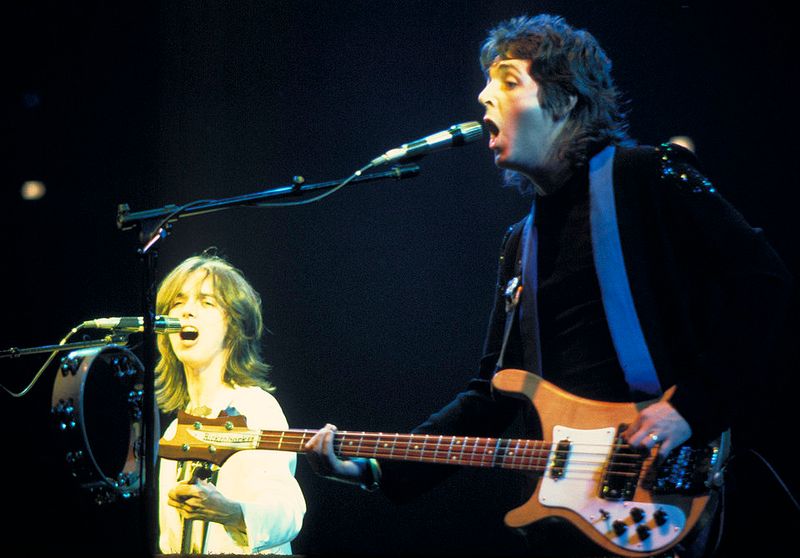
Sometimes a gentle song turns out to be unexpectedly stubborn. Wings released “Listen to What the Man Said” in 1975, and beneath its relaxed surface sits a simple argument that affection, patience, and listening still have practical value in everyday life.
That sounds almost rebellious now. Modern communication is fast, performative, and often optimized for winning rather than understanding, so the song’s uncomplicated defense of mutual care can feel refreshingly unfashionable in the best possible way.
Paul McCartney had a gift for making big ideas seem casual, and this track fits that pattern. It was a major hit during a period when soft rock became a dominant radio language, offering warmth without abandoning craft.
What keeps it relevant is not just romance. It is the suggestion that wisdom can be ordinary, not grand.
You do not need a manifesto to improve a tense relationship or a noisy public culture. Sometimes the message is basic: stop posturing, pay attention, and treat connection as something worth protecting rather than endlessly testing.
10. “Feel Like Makin’ Love” – Bad Company
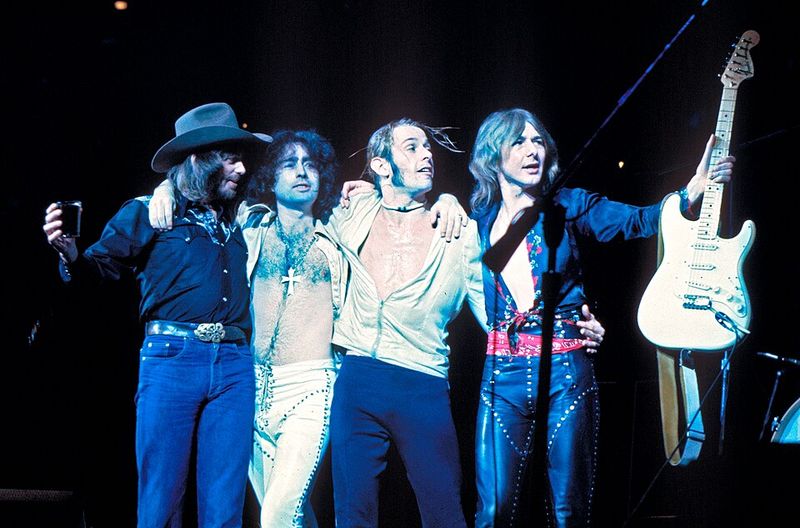
Directness used to have a different kind of cool. Bad Company’s “Feel Like Makin’ Love” strips the message down to essential feeling, and that plainspoken approach makes the 1975 hit feel oddly current in a culture crowded with irony and emotional hedging.
Its relevance is not only romantic. The song reflects a desire for unfiltered connection at a time when many interactions pass through devices, audience awareness, and careful self-management.
There is very little decorative language here, which is exactly why the core sentiment still registers.
Musically, it sits inside the mid-1970s space where hard rock could slow down without becoming soft around the edges. That balance helped Bad Company reach listeners who wanted intensity but not melodrama.
Hearing it today, you can understand why the track holds up. It communicates closeness without turning the emotion into a brand statement or a complicated public performance.
In an era where people often overexplain relationships while struggling to define them, this song’s clarity can feel almost radical. It says what it means, then gets out of the way.
11. “Love Will Keep Us Together” – Captain & Tennille
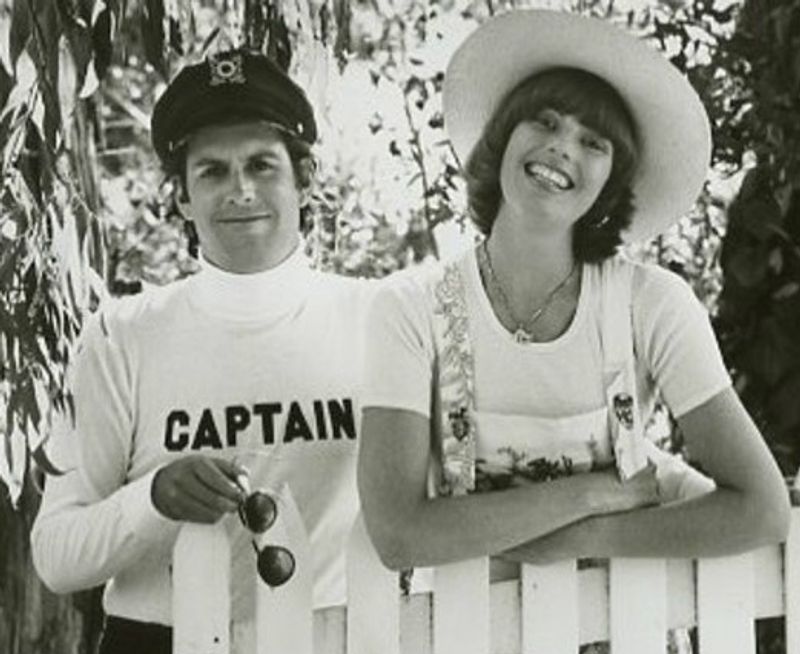
Cheerful confidence is harder to sell than cynicism, which makes this hit interesting. “Love Will Keep Us Together” dominated 1975 with bright pop energy and a message that relationships could survive distraction, pressure, and the general chaos of modern life.
That optimism reads differently now, when romance is often discussed through compatibility scores, app fatigue, and strategic detachment. The song is almost stubborn in its belief that commitment requires effort and focus, not just chemistry or clever communication.
Originally written by Neil Sedaka and Howard Greenfield, the track became Captain & Tennille’s signature recording and a defining radio success of the year. Its polished style fit the growing mainstream appetite for accessible pop after rock had become more serious and self-conscious.
Today, its relevance comes from that lack of self-consciousness. The song is not trying to sound complicated.
It treats loyalty as active work and a shared decision. In a period obsessed with mixed signals, that old-fashioned clarity can feel surprisingly modern, or at least pleasantly resistant to confusion for confusion’s sake.
12. “The Hustle” – Van McCoy
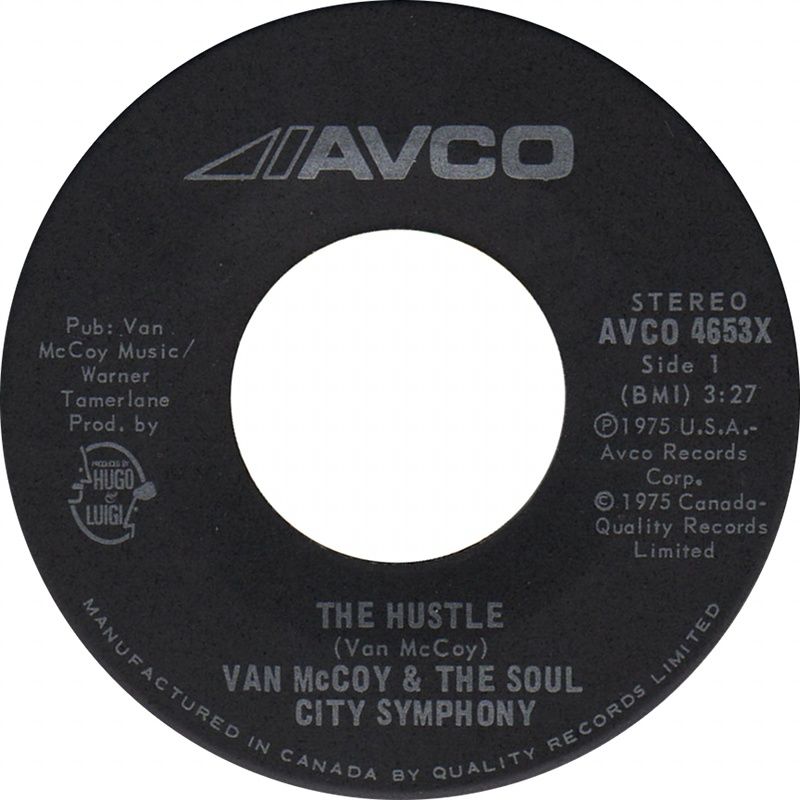
A dance craze rarely survives because of choreography alone. “The Hustle” became a defining instrumental hit of 1975 not just because people learned the steps, but because it packaged release, participation, and social ease in a format almost anyone could join.
That makes it feel relevant again in a time when people actively search for communal fun that is low-stakes and shareable. The song reminds you that public joy can be organized, repeatable, and still genuinely effective without needing irony to protect it.
Disco was beginning its mainstream climb when Van McCoy scored this massive crossover success, and the track helped formalize dance-floor culture as a national pastime rather than a niche scene. Instrumentals also gave listeners room to project themselves into the experience.
Today, that matters. People want occasions to gather, move, and briefly stop narrating every emotion into a device. “The Hustle” offers exactly that kind of clean social function.
It is not pretending to solve modern stress. It simply creates a temporary system where rhythm, coordination, and participation feel enough.
13. “Jive Talkin’” – Bee Gees
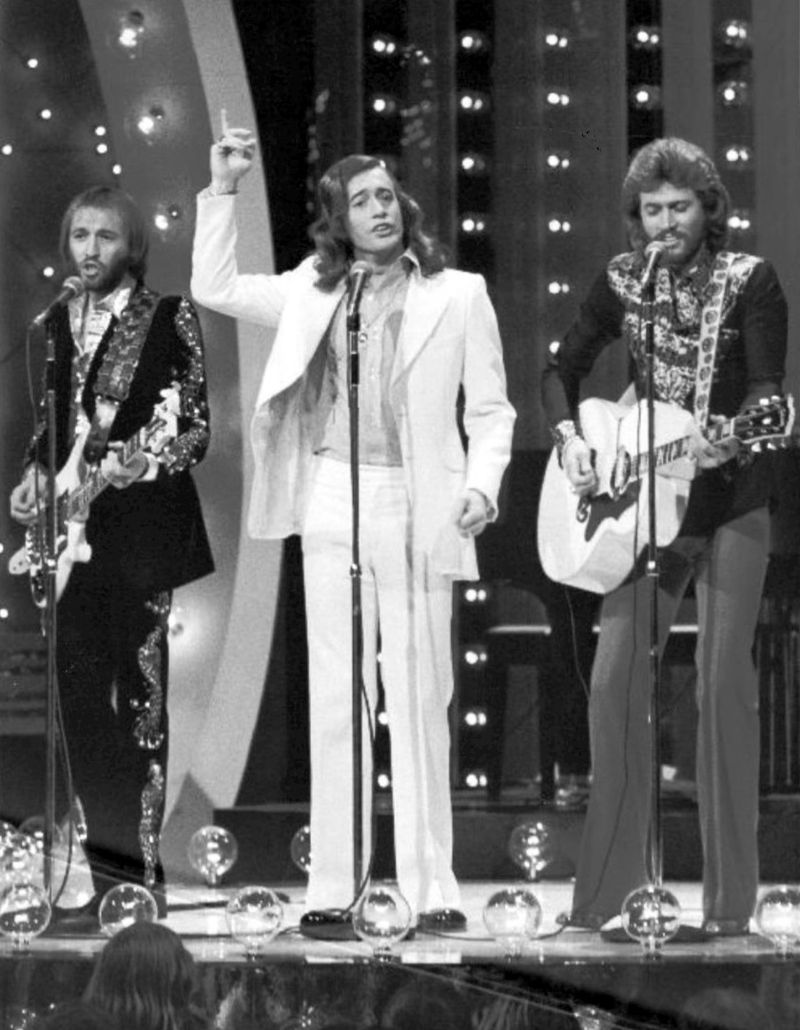
Calling out nonsense never really goes out of style. The Bee Gees pivoted smartly with “Jive Talkin’,” a 1975 hit that blended funkier rhythms with sharp pop instincts and lyrics aimed at someone dealing in empty talk, mixed signals, and polished deception.
That theme feels almost custom-built for the present. Between corporate jargon, online posturing, and everyday spin, people spend plenty of time sorting substance from performance.
This song gets to the point quickly and with enough groove to make skepticism feel oddly enjoyable.
Historically, it also marks a key turning point for the Bee Gees before their full disco dominance. They were adapting to changing radio tastes and doing it with precision, which is part of why the record still feels lively rather than stuck in amber.
The phrase “jive talkin’” now sounds delightfully specific, but the behavior it describes remains universal. We still recognize the type instantly.
That is the secret here: the production places it firmly in 1975, while the social diagnosis could have been written during any week of modern media training.
14. “Kashmir” – Led Zeppelin
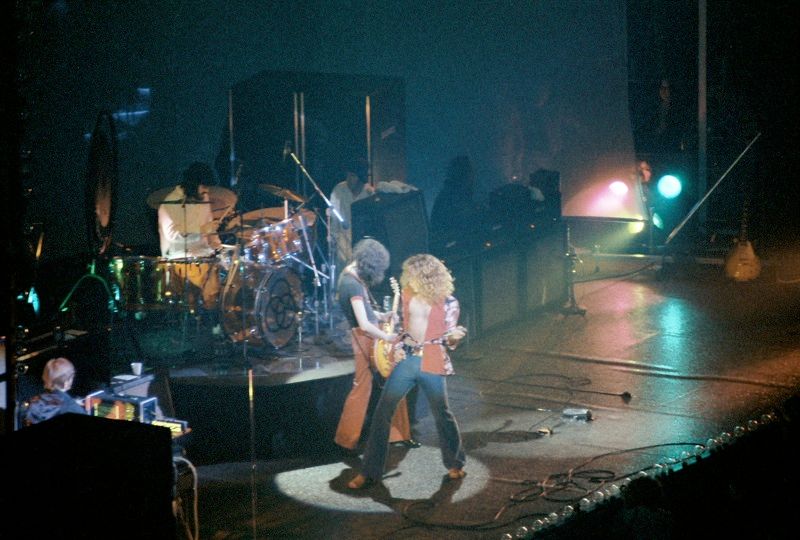
Escapism gets a grand architectural blueprint in “Kashmir.” Released on Physical Graffiti in 1975, the track stands apart even within Led Zeppelin’s catalog, building a huge sense of scale through repetition, layered arrangement, and lyrics aimed beyond ordinary routine.
Its renewed relevance comes from that feeling of departure. In a period shaped by information overload and constant interruption, listeners often want music that creates actual mental distance rather than just background stimulation. “Kashmir” does that without sounding soft, passive, or vague.
Importantly, its power is structural, not just decorative. Jimmy Page, Robert Plant, John Paul Jones, and John Bonham create momentum through disciplined patience, letting the song expand while staying remarkably focused.
That makes it feel modern in a curious way. Today, people speak often about immersive experiences, but this track achieved immersion with no digital tools and no visual extras.
It asked for attention and rewarded it. Nearly fifty years later, that kind of concentration feels valuable again, especially for listeners tired of being pushed from one fragmented moment to the next.
15. “Philadelphia Freedom” – Elton John
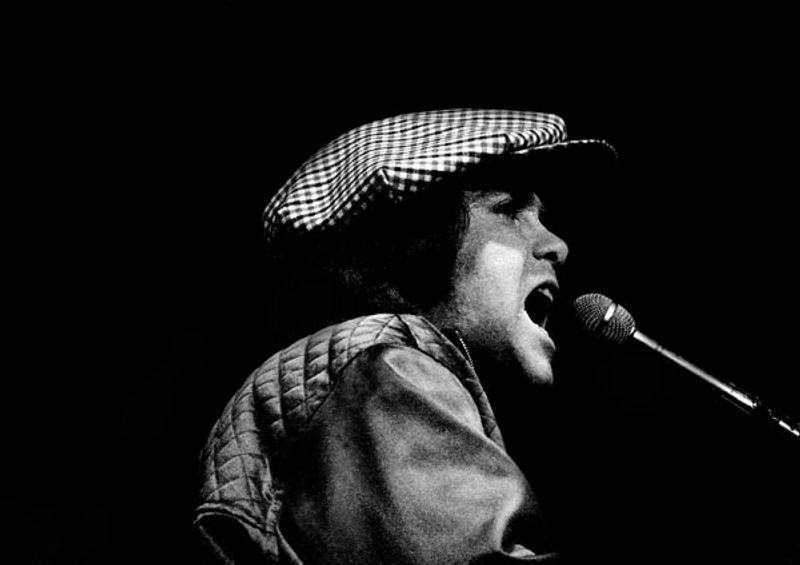
Tributes are not usually this buoyant or this layered. Elton John released “Philadelphia Freedom” in 1975 as a salute to Billie Jean King and her World TeamTennis squad, yet the song quickly expanded beyond sports into a broader statement about pride and possibility.
Its relevance today comes from that elasticity. People still respond to songs that connect regional identity, personal freedom, and collective resilience without turning preachy. “Philadelphia” becomes less a map point than a shorthand for confidence, community, and standing your ground gracefully.
The mid-1970s were full of debates about what American freedom actually meant after years of political disillusionment, and this hit slid into that atmosphere with unusual ease. It sounded celebratory, but it also carried cultural subtext around self-expression and public belonging.
That double function helps it last. Elton John and Bernie Taupin created a song that can work as a personal anthem, a civic singalong, or a period snapshot of changing attitudes.
Not many tracks manage all three. Hearing it now, you catch how hopeful language can still feel sturdy when the craft underneath it is this strong.
16. “He Don’t Love You (Like I Love You)” – Tony Orlando & Dawn
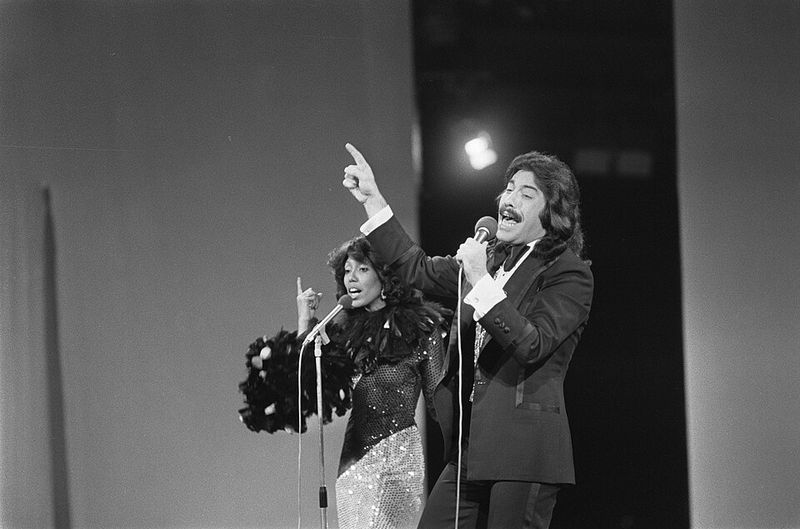
Loyalty can look noble, messy, or both at once, and this song knows it. Tony Orlando & Dawn took “He Don’t Love You (Like I Love You)” to number one in 1975, reviving an earlier composition with a bigger pop arrangement and a more public emotional pitch.
What keeps it relevant is the way it frames devotion as certainty in the middle of relational confusion. Modern dating culture often runs on ambiguity, delayed replies, half-commitments, and careful exits, so the song’s blunt insistence feels almost startlingly clear.
That clarity is not necessarily simple. The lyrics present love as a competitive claim, which can sound old-fashioned now, yet that is part of the historical interest.
Mid-1970s pop still treated romantic declaration as something large and performative, shaped by television variety culture and broad audience appeal. Listening today, you can hear both the appeal and the complication.
It captures a very recognizable human impulse: wanting to be the person whose effort matters most. Even in an era that prefers cooler language, that feeling has not gone anywhere.
17. “Lady Marmalade” – Labelle
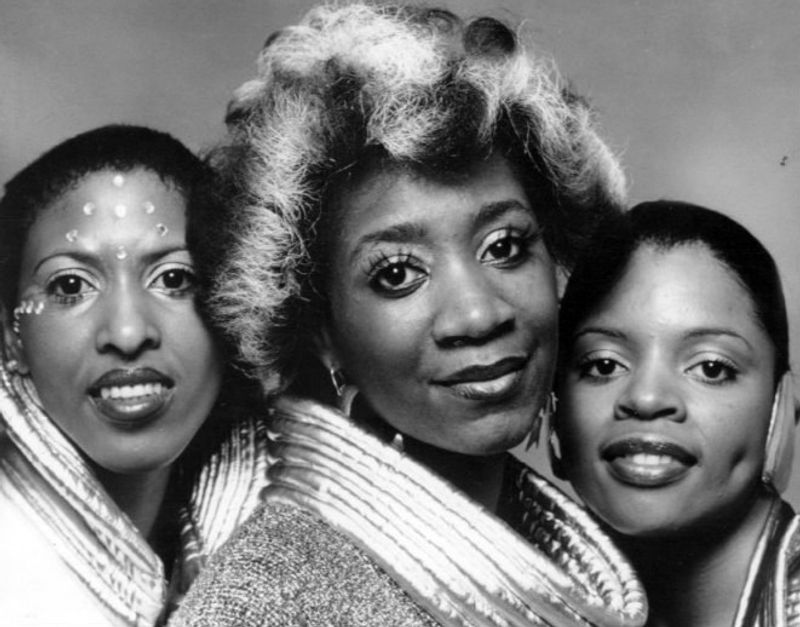
Confidence takes center stage here and refuses to apologize. Labelle’s “Lady Marmalade” broke through in 1975 with a mix of funk, soul, theatricality, and multilingual flair that challenged pop radio expectations about who could be bold, playful, and fully in command.
Its relevance now is easy to hear. The song celebrates female presence without sanding down complexity, and it reflects the way popular culture keeps returning to questions of agency, presentation, and who gets to define empowerment in public.
Labelle were not just delivering a catchy single. They were also expanding what mainstream performance could look like, especially for Black women in an industry that often preferred safer packaging.
The New Orleans setting, the French phrase everyone remembers, and the group’s visual daring made the record culturally sticky from the start. Today, it still reads as a lesson in owning the frame rather than waiting for permission.
Plenty of modern pop borrows that strategy, but “Lady Marmalade” remains a vivid early example of crossover success built on personality, control, and unapologetic style instead of careful softening.
18. “My Eyes Adored You” – Frankie Valli

Nostalgia becomes precise rather than sentimental in this one. Frankie Valli’s “My Eyes Adored You” topped the charts in 1975 with a reflective look at youthful affection, memory, and the stubborn way certain people stay mentally filed under unfinished business.
That emotional setup remains current because modern life rarely makes closure easier. People reconnect through old photos, school groups, archived messages, and social platforms built to resurface the past on schedule.
The song understands that memory is selective, flattering, and still persuasive.
Its history makes the hit even more interesting. The track was initially rejected by Motown before Valli released it through a different arrangement, and it became a major success anyway.
That underdog detail fits the song’s theme of persistence. Musically, it leaned into a more adult, reflective pop sound at a moment when many listeners were aging along with the artists they had followed for years.
Today, its relevance lies in how calmly it handles longing. It does not panic, overshare, or chase resolution.
It simply admits that some attachments remain organized in the mind for decades.



