 Unearth The Voyage

Some songs feel like rocket fuel in the moment, only to steer an artist’s path somewhere no one saw coming. You might know every chorus here, but the aftershocks were just as loud as the hooks.
From viral breakthroughs to court battles to yearslong reinventions, these tracks reshaped brands, genres, and expectations in surprising ways. Let’s rewind the hits and see how they changed everything afterward.
1. “Creep” – Radiohead (1992)
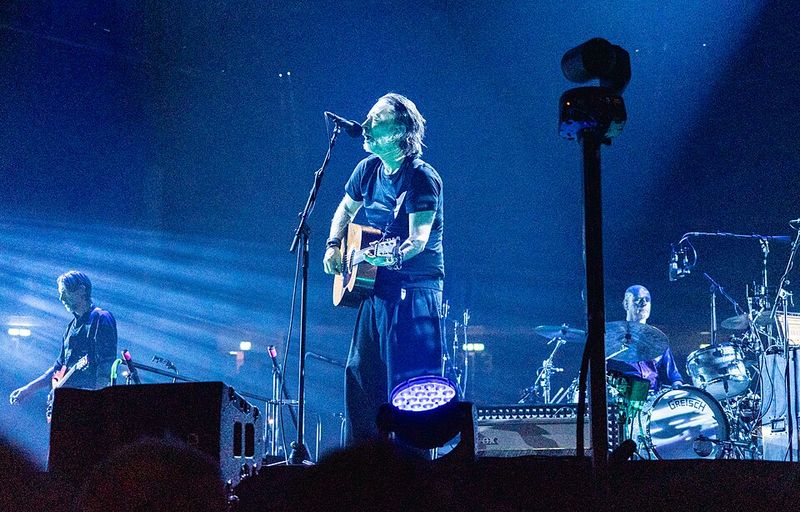
“Creep” was a sleeper-turned-smash that branded Radiohead as the patron saints of misfits. The spike in global visibility arrived fast, especially after the song surged on MTV and alternative radio.
But its ubiquity threatened to flatten the band’s identity, reducing a complex group to one bleak anthem and a single mood.
So they built a different future. They phased out the song in live sets, then swerved with The Bends and the seismic OK Computer, defying expectations.
When Kid A arrived, Radiohead leaned into experimental textures over radio polish, signaling a career premised on surprise rather than singles.
The irony is sharp: running from “Creep” unlocked artistic freedom. Today, the track reads like a prologue to a restless catalog.
Actionable takeaway: if one hit defines you too narrowly, rewrite the script early. Even a runaway success can be a launchpad for reinvention, not a cage.
2. Carly Rae Jepsen – “Call Me Maybe” (2012)
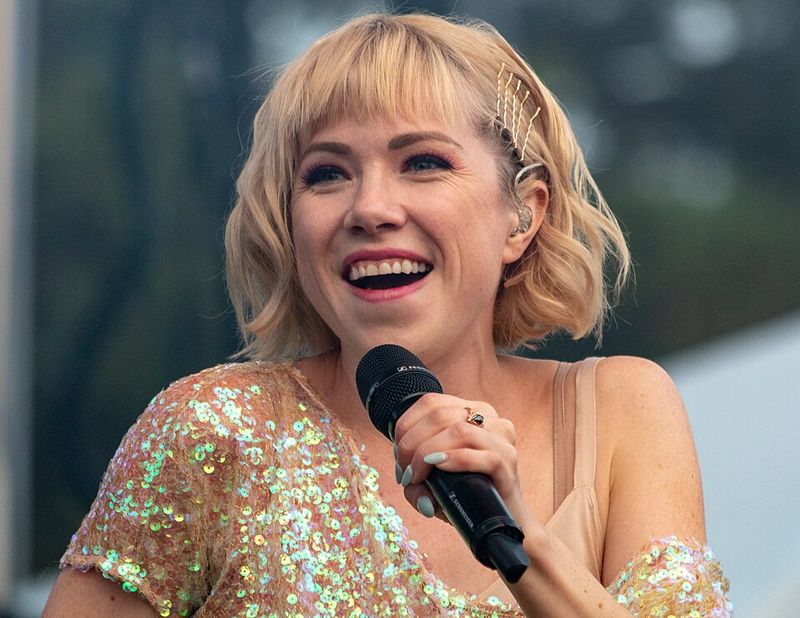
“Call Me Maybe” arrived like sunshine, sprinting to No. 1 in over a dozen countries and saturating radio and memes. It crystallized a bright persona that casual listeners never forgot.
Yet the hit’s sugary shorthand masked a songwriter eager to explore nuance, texture, and adult feelings beyond the wink.
Jepsen’s pivot was subtle and smart. Emotion and Dedicated earned rave reviews, finding a cult audience that valued craftsmanship over chart supremacy.
Tours became joyous singalongs, less about dominance than connection, with deep cuts traded like secrets.
Streaming-era metrics helped: niche loyalty often proves stickier than broad exposure. In 2023, catalog listening accounted for roughly 72 percent of U.S. consumption, favoring artists with replayable albums over one-off spikes.
The takeaway: a defining single can box you in or brand you expertly. Jepsen chose the latter, building a durable lane where precision pop thrives without pressure to chase every trend.
3. “Royals” – Lorde (2013)
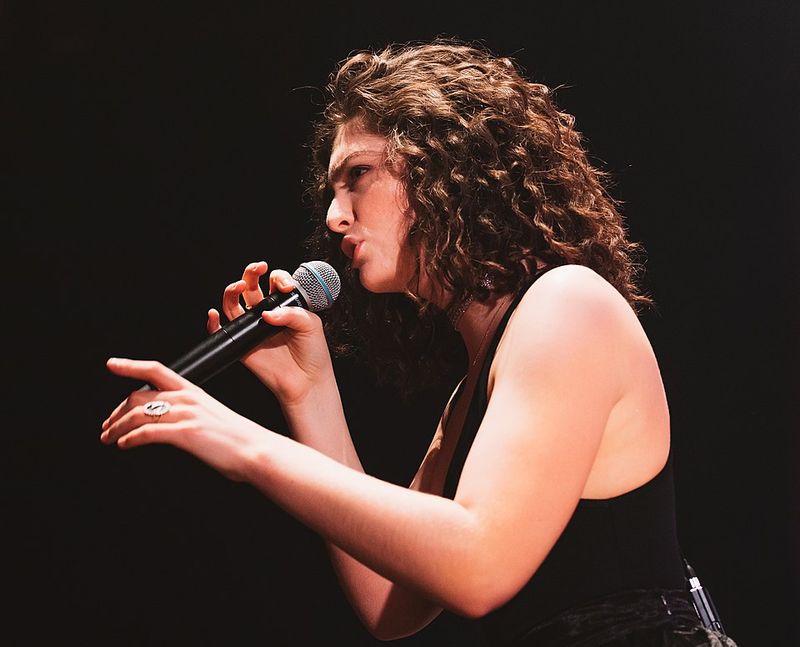
“Royals” sliced through 2013’s maximalist pop with snap-and-sigh minimalism and anti-luxury lyrics. It crowned Lorde as a generational voice before she could legally rent a car.
That early anointment raised a bar every future release had to clear, a blessing and a dare in equal measure.
She leaned inward instead of louder. Pure Heroine framed small-town rituals like epic cinema, while Melodrama expanded her palette without drowning the intimacy.
Critics followed, fans aged with her, and mainstream radio dipped in and out on her terms.
The song also shifted production trends toward space and restraint, inspiring a wave of hushed pop. Industry data showed shorter songs and sparse arrangements climbing playlists mid-decade, echoing “Royals.” Actionable takeaway: if your breakout rewrites taste, protect the core idea.
Lorde safeguarded quiet honesty, proving you can scale influence without inflating the sound that made you singular.
4. “Blurred Lines” – Robin Thicke (2013)
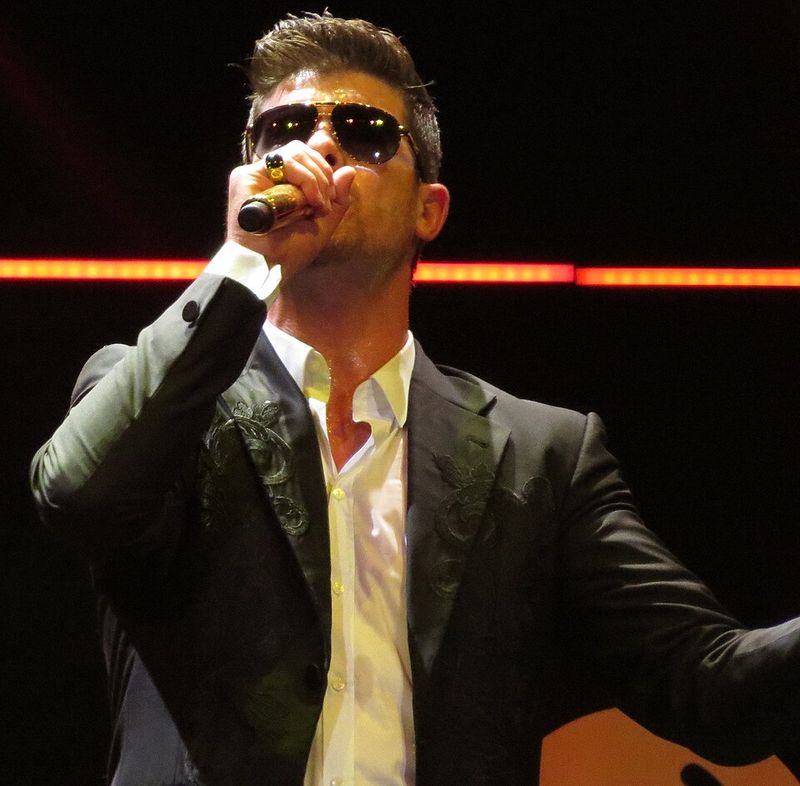
“Blurred Lines” dominated 2013, but success arrived with turbulence. Critics flagged its lyrical framing, then a high-profile lawsuit over musical similarities escalated scrutiny.
The single’s saturation welded Thicke’s identity to a flashpoint debate, recoding his brand far beyond radio rotation.
When the verdict landed, it chilled creative risk across pop, with producers citing more conservative songwriting choices. Thicke’s follow-up era struggled to outrun the narrative, proof that a hit’s cultural baggage can outweigh its chart peaks.
Career-wise, the pivot required humility and recalibration: smaller stages, collaborative roles, television, and catalog celebration. The cautionary lesson is stark.
Big songs do not guarantee big futures if the story around them turns adversarial. Actionable takeaway: vet creative choices holistically, from lyric framing to reference lines.
A hit can expand opportunity or narrow it sharply, and reputational context now scales at algorithmic speed.
5. “Gangnam Style” – PSY (2012)

“Gangnam Style” did not climb. It detonated.
Becoming the first YouTube video to cross one billion views, it rewired how the industry measured a smash, turning view counters into billboards. The comedic choreography and sly class parody traveled with no translation required, making PSY a household name overnight.
But viral scale casts long shadows. Future singles performed well regionally, yet international audiences fixated on the meme more than the musician.
The novelty tag is hard to shake when your calling card is a dance everyone knows.
PSY navigated by doubling down on craft at home, mentoring, and building a label pipeline. Actionable takeaway: if the world meets you through a joke, show them range as soon as possible.
In the platform era, the format can swallow the artist; diversifying output quickly is a hedge against being permanently framed by your loudest laugh.
6. “We Are Young” – fun. (2011)
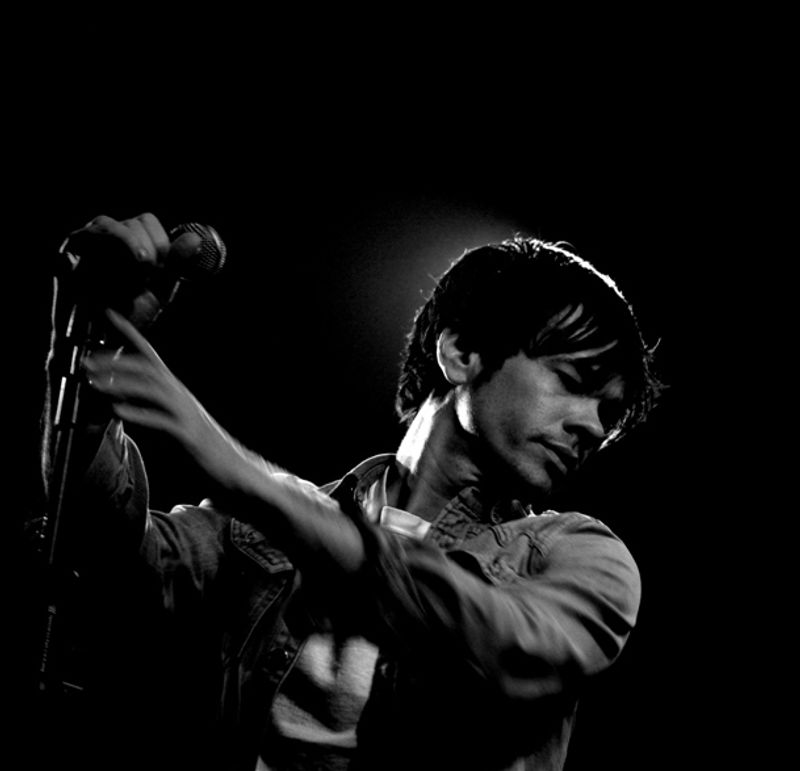
“We Are Young” vaulted fun. from cult rooms to arenas, powered by a cinematic chorus and a Glee boost. Grammys followed, brand deals poured in, and the trio looked set for a long stadium run.
Then came the swerve: an open-ended hiatus at commercial peak.
Rather than chase a sequel anthem, members pursued fresh contexts. Nate Ruess explored solo work and collaborations, Jack Antonoff pivoted to Bleachers and A-list production, shaping albums for Taylor Swift, Lorde, and St. Vincent.
The song’s success freed them to specialize rather than scale as one unit.
It shows that a band can be a springboard, not a destination. Actionable takeaway: massive exposure increases optionality if you treat it as permission to reframe, not a mandate to repeat.
Sometimes the best follow-up to a singular hit is letting it stand alone while you architect a broader creative portfolio.
7. “Somebody That I Used to Know” – Gotye (2011)
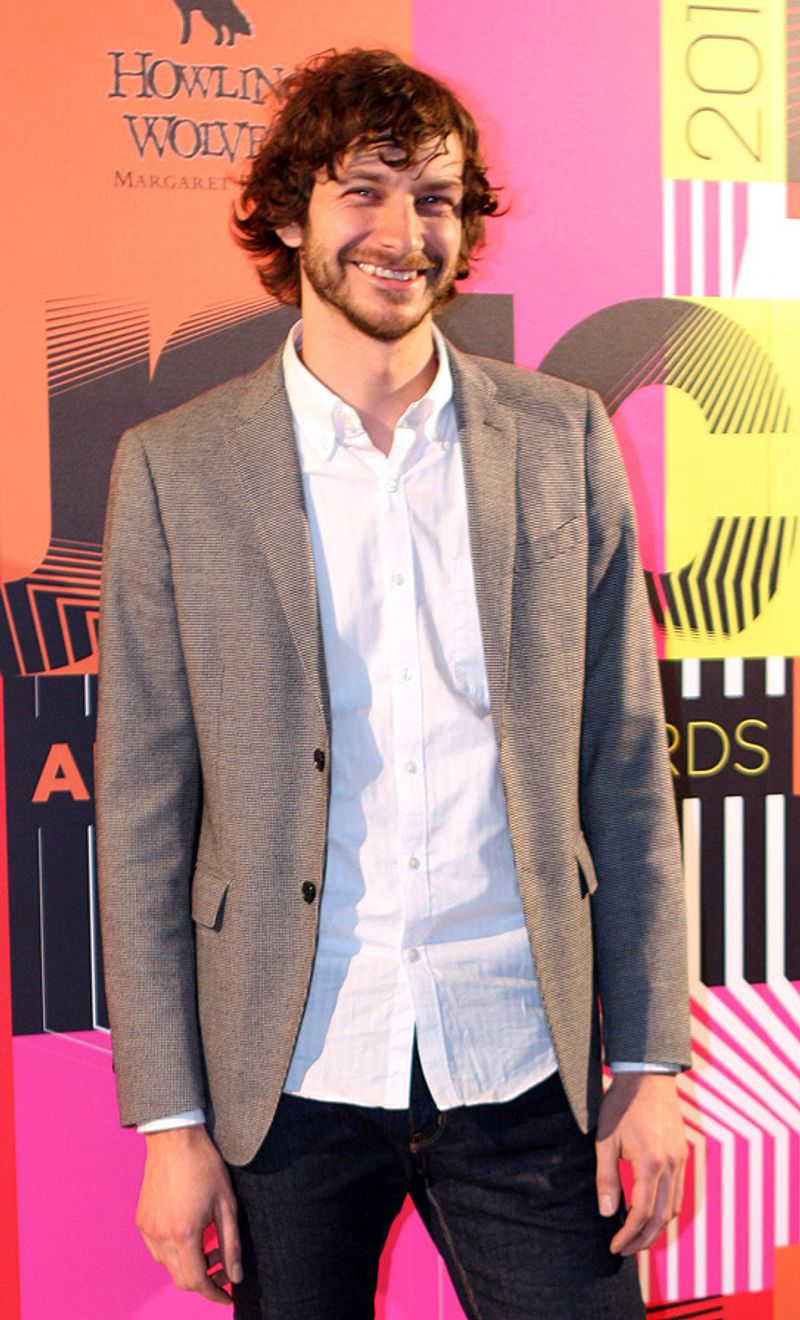
Gotye’s duet became a global earworm, topping charts and sweeping Grammys with bare-bones percussion and velvety heartbreak. It felt engineered for longevity without chasing bombast, a rare alignment of artistry and ubiquity.
Then, instead of industrializing the formula, Gotye pivoted toward archival projects and experimentation.
He founded a label devoted to pioneering electronic composer Jean-Jacques Perrey, curated analog synth histories, and played with sonics far outside pop radio. The choice confounded hit-chasing logic but preserved creative curiosity.
The lesson is liberating: one giant song can bankroll exploration rather than bind you to repetition. In an attention economy, opting out is itself a narrative.
Actionable takeaway: define success beyond quarterly charts. If your audience first met you through precision melancholy, surprise them with depth projects that reveal process, influences, and longer timelines.
Value can outlast virality when the mission expands.
8. “Torn” – Natalie Imbruglia (1997)

“Torn” saturated late-90s airwaves, the kind of adult contemporary juggernaut that lives forever in coffee shops. Imbruglia’s conversational delivery made heartbreak feel diary-true.
The track’s success, a cover reimagined, proved magnetic but monolithic, overshadowing a varied career in music and acting.
Subsequent albums deepened her palette, yet casual listeners kept “Torn” as the headline. That mismatch is common: catalog diversity struggles when a signature single becomes cultural shorthand.
Still, the song’s endurance sustained touring opportunities and syncs, offering a durable economic floor.
Actionable takeaway: embrace the pillar without letting it define the house. Use tentpole songs to funnel attention toward new chapters, bundling legacy and discovery in setlists and social storytelling.
In a playlist world, a classic can be a lighthouse, guiding listeners to fresh shores if you program the journey with intention.
9. “Take Me to Church” – Hozier (2013)
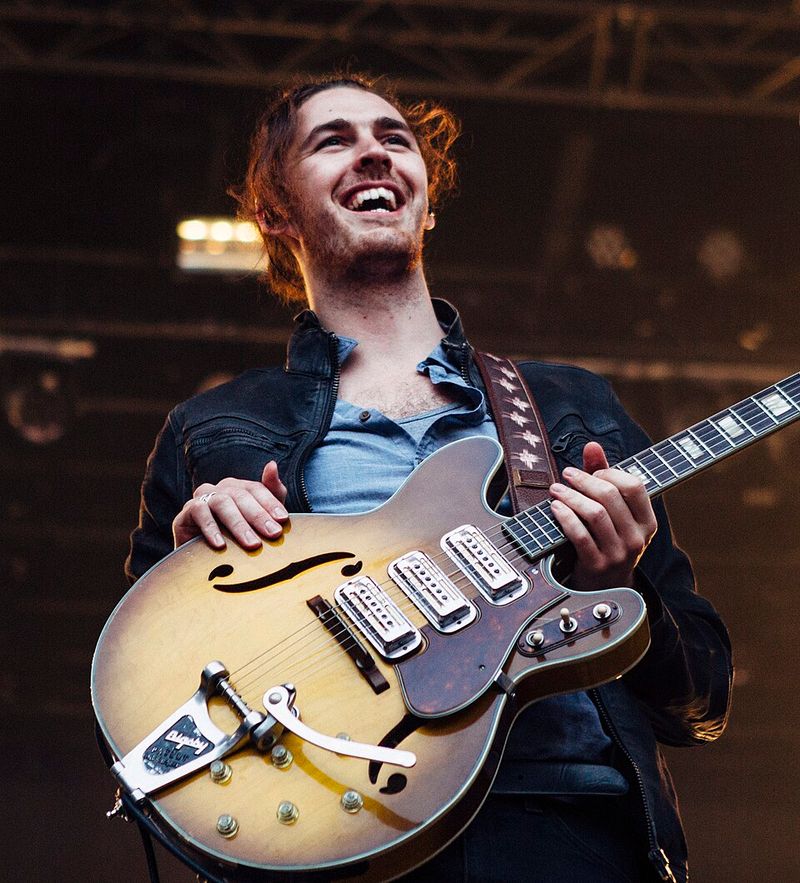
Hozier’s debut single fused gospel drama with blues grit and moral clarity, a viral storm aided by a stark, activist video. Radio embraced the hymn-like hook, and award stages followed.
Suddenly, he was tasked with living up to a capital-I Important Song.
Rather than chase radio templates, Hozier leaned into literary songwriting, folklore textures, and expansive live arrangements. The touring circuit proved fertile, with reputation built on musicianship and generous sets rather than constant singles warfare.
Fans arrived for the hit, stayed for the catalog, and spread the word.
Data backs the strategy: live revenues have grown as a share of artist income post-streaming, rewarding those who convert attention into tickets. The takeaway: if your first chapter becomes an anthem, sustain by nurturing a world listeners can inhabit offline.
Depth, not duplication, turns a towering single into a long-haul career.
10. Rebecca Black – “Friday” (2011)

“Friday” went viral for the wrong reasons, an early YouTube-era case study in mass mockery. Black, only 13, absorbed the blowback in real time.
What looked like a career-ender became a blueprint for reinvention as she matured into darker, sharper pop lanes.
Through independent releases and collaborative EPs, she reframed the narrative with self-awareness and craft. Live shows and TikTok moments showcased humor without self-erasure, inviting audiences to update their mental file.
Over time, critics reevaluated her arc as a resilience story.
Actionable takeaway: own the meme, then outgrow it. The modern playbook rewards transparency and iterative releases, not perfection.
By controlling her channels and aesthetic, Black translated notoriety into agency. In the creator economy, the long game favors artists who metabolize backlash into distinct voice, turning yesterday’s punchline into tomorrow’s cult following.
11. “Happy” – Pharrell Williams (2013)
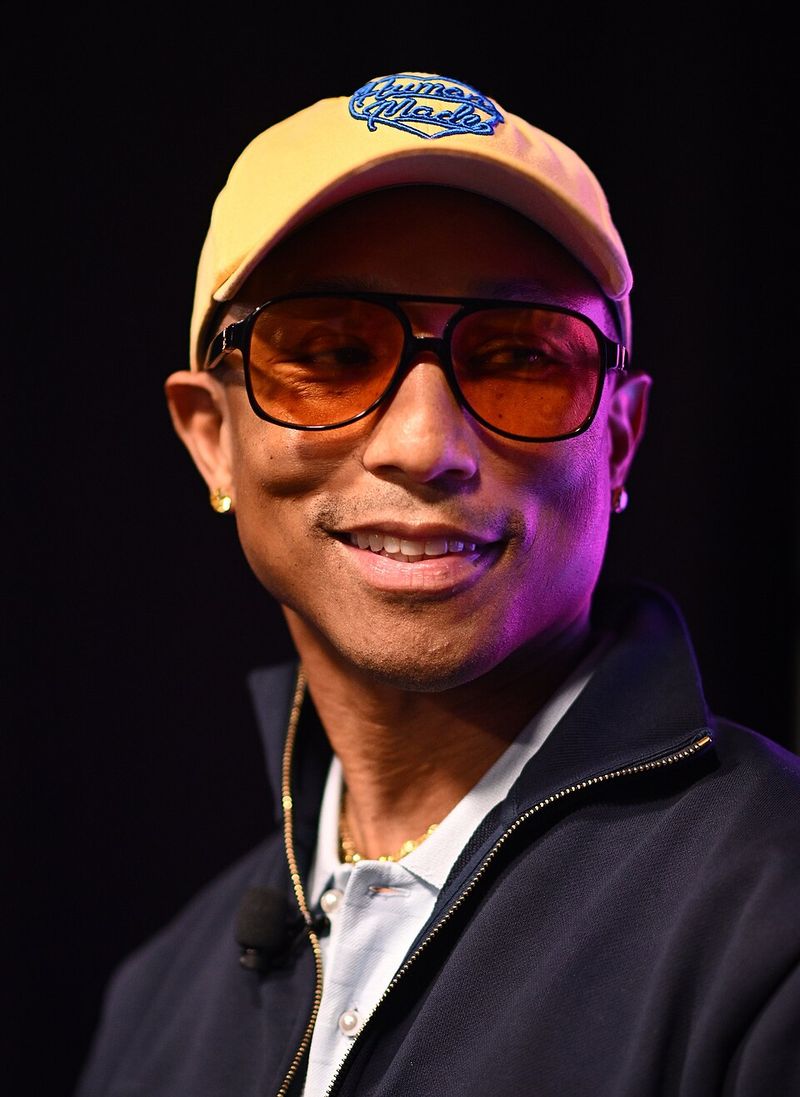
“Happy” was inescapable, turbocharged by Despicable Me 2 and a 24-hour music video concept. It reframed Pharrell from behind-the-boards polymath to front-and-center family favorite.
That brand pivot expanded TV hosting, film scoring, philanthropy, and fashion collabs, shifting his center of gravity from cool curator to cross-demographic ambassador.
The risk: the sheen of universal positivity can flatten edge. His solution was portfolio balance, toggling between accessible singles and left-field production for peers.
The net effect broadened opportunities without erasing depth.
In brand terms, “Happy” proved that one gigantic sync-driven hit can realign a career’s public interface. Actionable takeaway: if a song pulls you into mainstream sunlight, architect complementary projects that protect your range.
Treat mass appeal as a doorway, not a destination, and let diversified workstreams keep the creative pulse varied and credible.
12. “Wrecking Ball” – Miley Cyrus (2013)
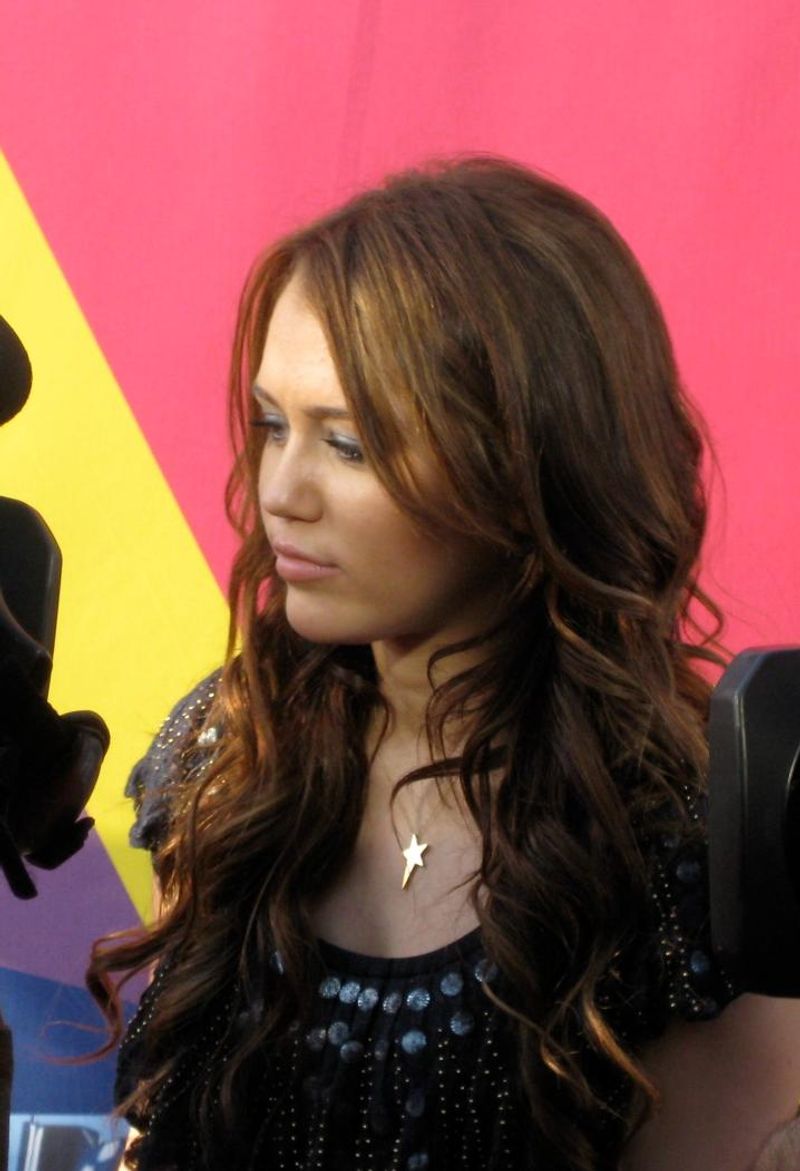
“Wrecking Ball” arrived as both confession and spectacle, pairing vulnerable vocals with a controversy-courting video. It severed the final Disney-era tether, making Miley’s adult reintroduction unavoidable.
Headlines combusted, but so did interest in what her next era could sound like beyond shock value.
The aftermath showed iterative control: psychedelic detours, rootsy turns, arena pop recalibrations, and eventually a seasoned rocker’s command on stage. Each phase recalibrated expectations, proving the persona shift could carry musical breadth.
Actionable takeaway: a viral image can overshadow craft unless you follow quickly with clear musical identity. Cyrus kept releasing, touring, and sharpening the live show, which ultimately outlasted the think pieces.
Reinvention worked because the songs kept pace with the spectacle, turning controversy into a corridor toward longevity.
13. “Thrift Shop” – Macklemore & Ryan Lewis (2012)
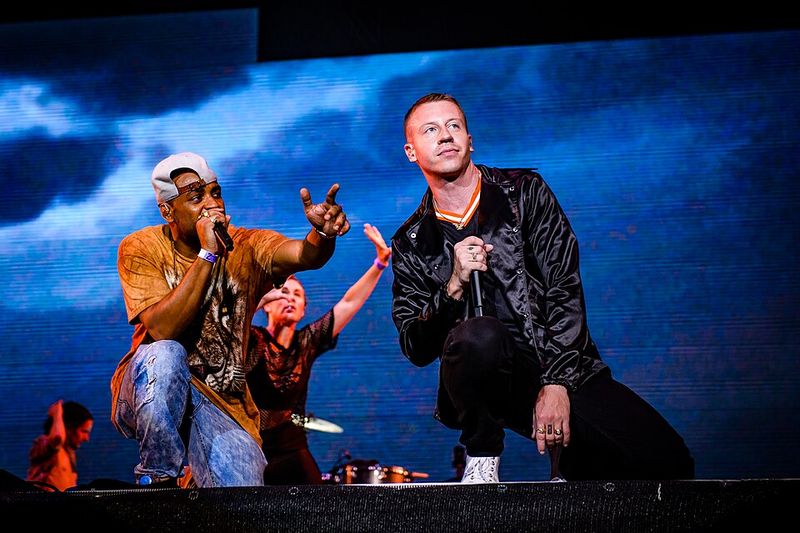
“Thrift Shop” exploded with DIY swagger, a horn hook, and price-tag punchlines. It won Grammys and disrupted radio playlists that often sidelined independent rap.
The upside was massive visibility; the challenge was tonal. Many casual listeners filed the duo under novelty, complicating reception for heavier material.
Follow-ups tackled addiction, equity, and earnest introspection, but some fans stayed for the gag. That delta between intent and perception creates drag on momentum.
Strategic solution: anchor serious releases with narrative content and community partnerships to realign expectations.
Takeaway: humor is a rocket but rarely a home. If your breakout laughs loud, establish range immediately with a two-track strategy: one for levity, one for gravity.
The catalog then teaches the audience how to listen, making space for the message without abandoning the joy that opened the door.
14. “Tik Tok” – Kesha (2009)
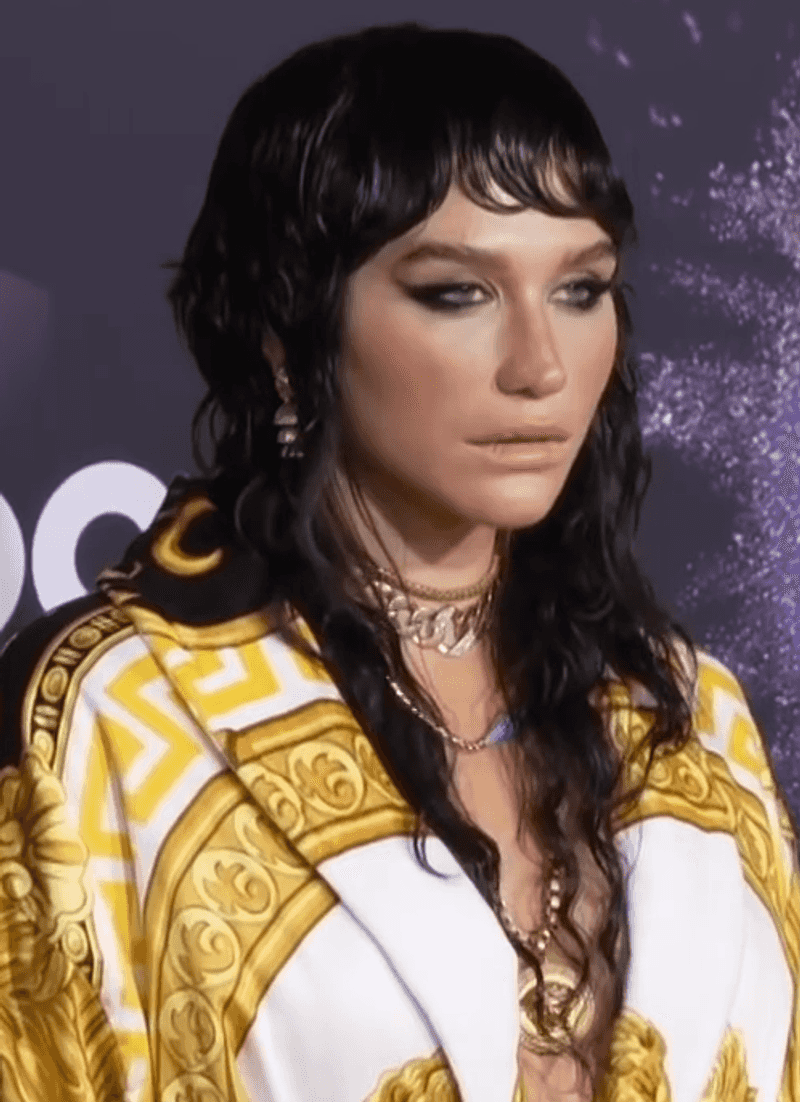
“Tik Tok” turned Kesha into a global party avatar, nine weeks at No. 1 in the U.S. The glitter-cannon persona was sticky branding, but it narrowed the public frame.
As personal and legal battles surfaced, she pursued rawer songwriting and rock-soul textures that defied the cartoon.
With Rainbow and touring built on live vocals and band dynamics, audiences met a different artist: survivor, writer, belter. Critical reception shifted accordingly, and the once-uniform image fractured into a nuanced story.
Actionable takeaway: when a hit encases you in a single mood, reveal the craft behind the costume. Documentary elements, stripped sets, and collaborators from outside your origin scene can rebuild trust.
The arc from party prophet to multidimensional performer shows reinvention works best when the songs and the story evolve in tandem.
15. “Old Town Road” – Lil Nas X (2019)
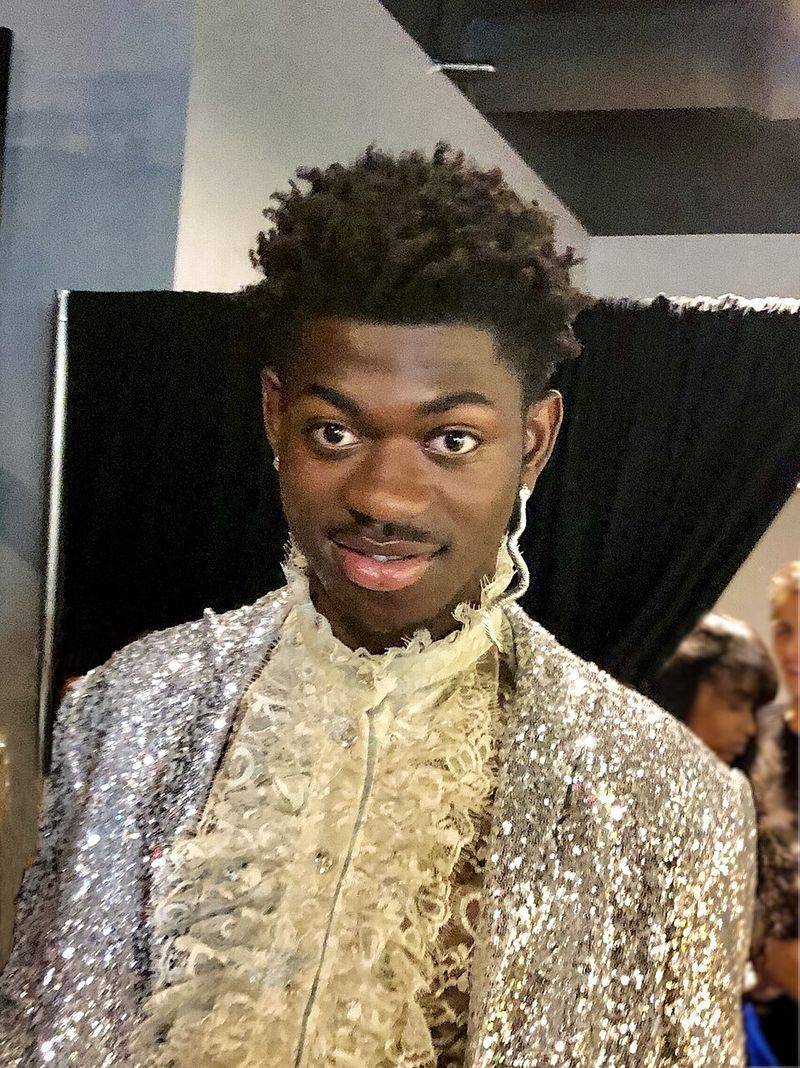
“Old Town Road” shattered records, posting 19 weeks at No. 1 on the Hot 100 and igniting country-rap debates. A meme-native rollout on TikTok showcased new playbook power: seed culture first, chase charts second.
The risk was obvious too: how do you follow the most dominant debut of the streaming era?
Lil Nas X answered with radical self-awareness, high-concept videos, and unapologetic queerness, expanding brand and community. Rather than out-chart the peak, he out-imagined it, treating each release as an event and each post as lore-building.
Takeaway: when your first swing breaks the scoreboard, stop swinging harder and start writing the rulebook. In a metrics world, narrative is the renewable resource.
He kept the conversation fun, visual, and fearless, translating a novelty-suspect hit into a durable pop auteur identity.
16. “I Don’t Want to Miss a Thing” – Aerosmith (1998)
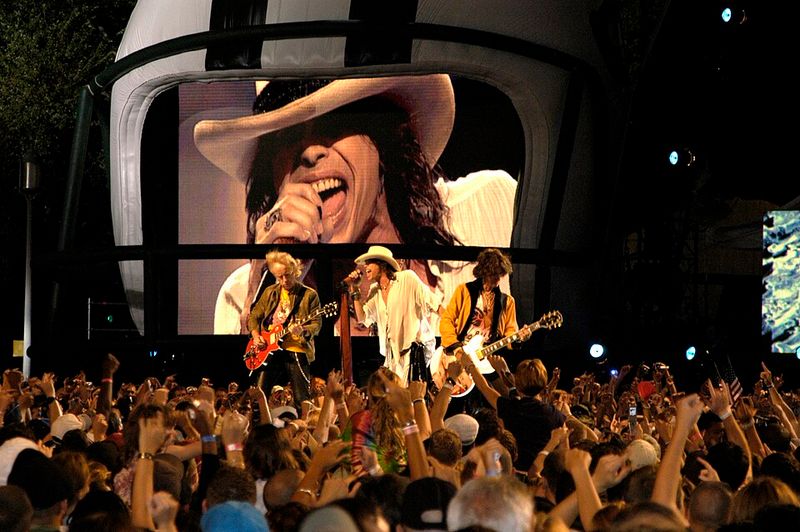
Aerosmith’s Armageddon power ballad became their first Hot 100 No. 1, introducing a new generation to Boston’s bad boys. The scale was intoxicating, but it nudged the band toward glossy balladry that some longtime fans saw as drift from grit.
The song won ubiquity and sparked debates about legacy balance.
Catalog economics improved with giant syncs, yet setlists now had to bridge early swagger and orchestral sentiment. The brand widened, even if factions disagreed on flavor.
That tension is normal when a signature arrives late and loud.
Actionable takeaway: when a blockbuster expands your audience, protect your origin DNA in parallel releases and live arrangements. Let the hit recruit newcomers, then route them to the deep cuts that built your foundation.
Contrast keeps heritage bands from dissolving into their biggest slow song.
17. “I Kissed a Girl” – Katy Perry (2008)
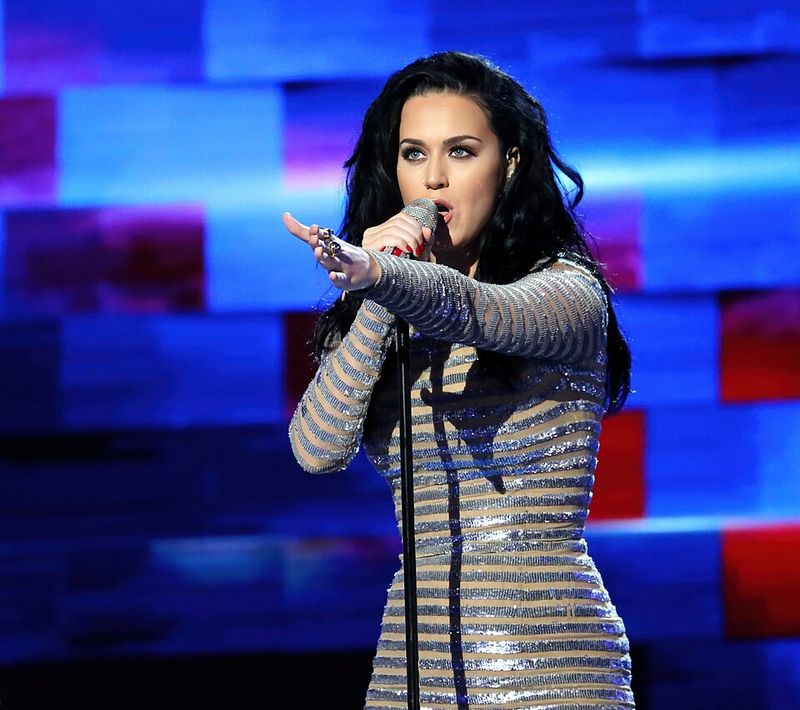
“I Kissed a Girl” launched Katy Perry from industry near-miss to chart titan. Provocative lyrics sparked conversation while a bulletproof hook conquered radio.
The pivot from her early Christian rock past to sly pop provocateur was swift and irreversible, setting a template for candy-coated rebellion across the next albums.
But provocation scales risk. As cultural conversations evolved, the song’s framing drew renewed scrutiny for bi-curious tropes.
Perry’s career answered with broader themes, huge tours, and television, softening the shock-jock edge with maximal pop theater.
Takeaway: controversy can open doors, but sustaining requires widening the emotional spectrum. She built an empire on hooks, then diversified with spectacle and personality-driven platforms.
A breakout built on eyebrow-raises can mature by shifting from provocation to generosity, letting fans find themselves inside the show.
18. “Running Up That Hill” – Kate Bush (1985, resurgence 2022)

Already a classic, “Running Up That Hill” vaulted back into global charts in 2022 after Stranger Things placement. Streams surged into the hundreds of millions, introducing Bush to Gen Z and breaking chart records for longevity gaps.
The renaissance reframed her catalog as newly current rather than archived treasure.
Importantly, the resurgence highlighted sync power: one elite placement can outperform traditional promo. For an artist long absent from touring, catalog royalties and cultural capital spiked, reminding labels of the value housed in vaults.
Actionable takeaway: catalog strategy is not passive. Curate for story-rich media, protect rights, and prepare frictionless discovery paths when lightning strikes.
The right scene can time-travel a song and rewrite an artist’s present, proving that careers can bloom again when narrative and placement align.



