 Unearth The Voyage
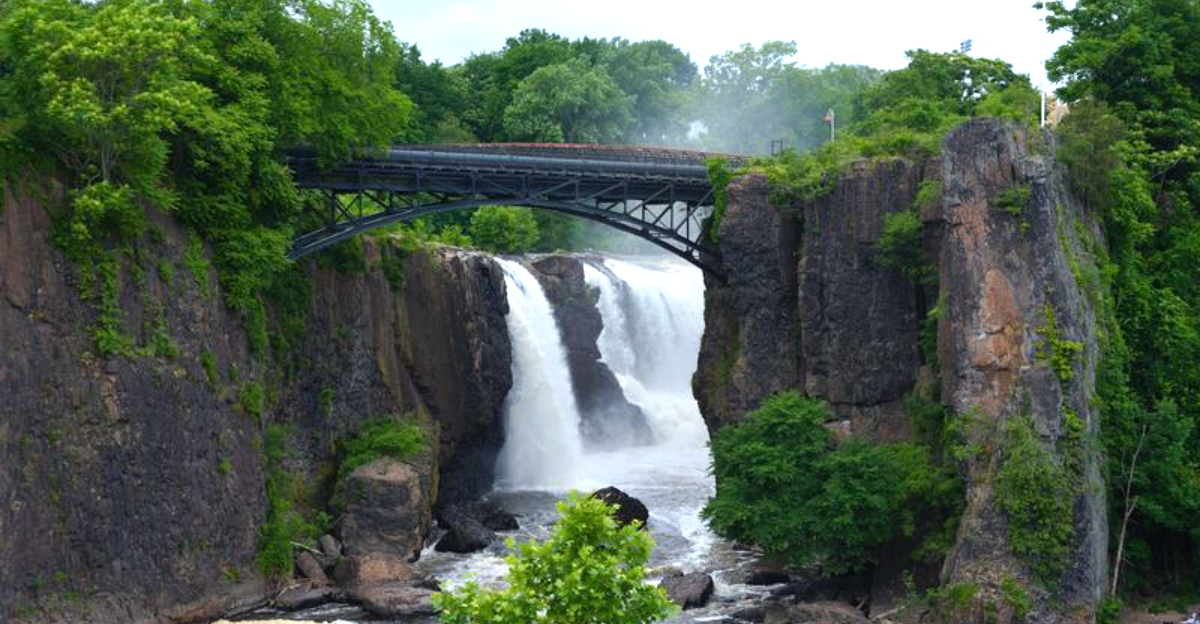
New Jersey doesn’t always get the credit it deserves when it comes to natural beauty, but the Garden State is hiding some seriously spectacular waterfalls. From roaring urban cascades to secret forest drops, there’s a waterfall adventure waiting around nearly every corner.
I grew up thinking you had to drive hours to find anything worth photographing outdoors, and then I discovered what was practically in my backyard. Get ready to update your weekend plans, because these 23 waterfalls are about to change everything you thought you knew about New Jersey.
Buttermilk Falls (Delaware Water Gap National Recreation Area, Layton/Walpack area)
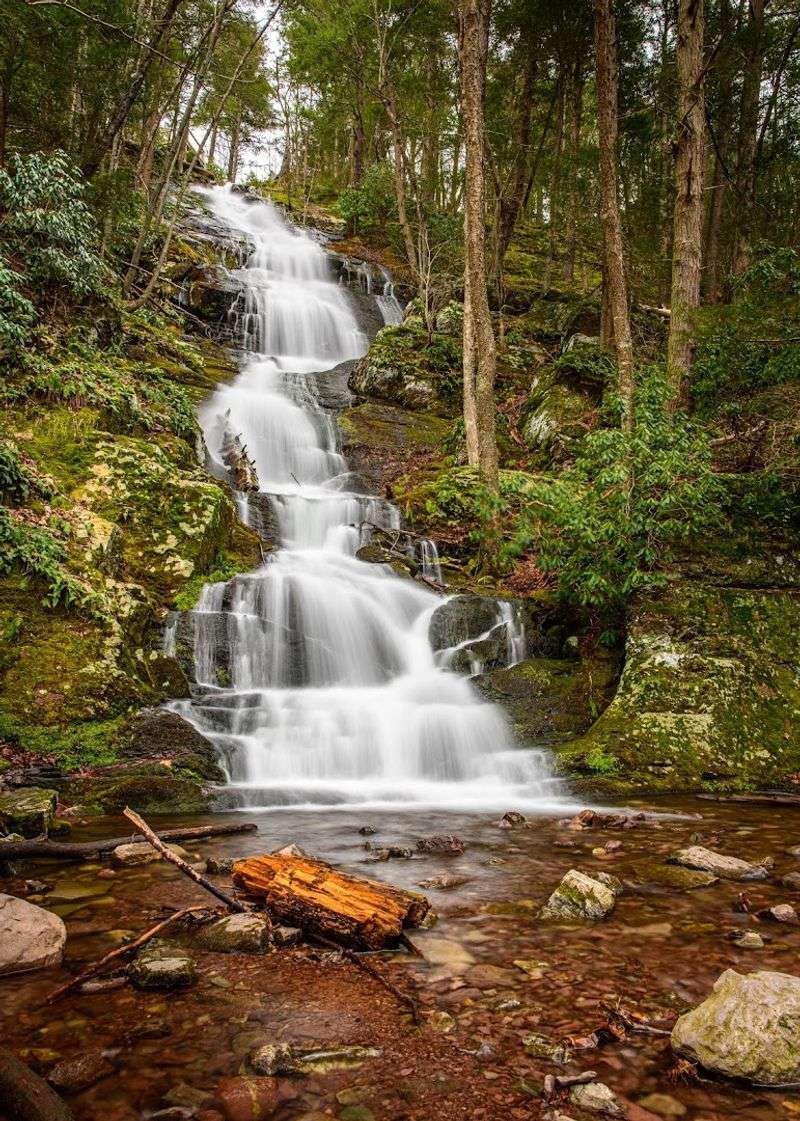
Buttermilk Falls earns its name honestly. The water churns and froths as it tumbles down a series of rocky ledges, creating a frothy white cascade that looks like someone spilled a giant glass of, well, buttermilk.
At roughly 80 feet, it is considered one of the tallest waterfalls in New Jersey.
Located in the Delaware Water Gap National Recreation Area near Layton, this spot rewards those willing to make the drive into Sussex County. The trail to reach the falls is short and manageable, making it a solid choice for families with younger kids.
The surrounding forest is gorgeous year-round, but fall foliage season turns this place into pure magic.
Bring water-resistant shoes because the trail can get muddy near the base. There is no formal parking lot, so arrive early on weekends.
The falls flow strongest in spring after snowmelt, which is honestly the best time to visit.
Hemlock Falls (South Mountain Reservation, South Orange/Maplewood area)
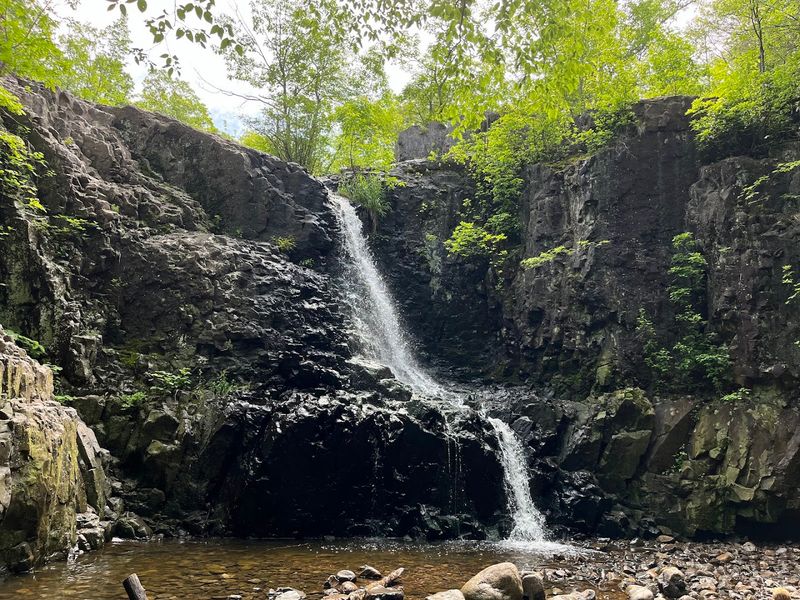
South Mountain Reservation is one of Essex County’s best-kept secrets, and Hemlock Falls is its crown jewel. The waterfall drops over a wide basalt ledge into a quiet pool below, framed by towering hemlock trees that give the whole scene a moody, almost cinematic quality.
It sits just minutes from downtown Maplewood, which makes it almost unfairly convenient.
The trail system leading to Hemlock Falls is well-marked and connects to miles of other hiking paths, so you can make a full day of it. The waterfall runs best in late winter and spring when the water table is high.
During dry summer months, it slows to a trickle, so plan your visit accordingly.
Families with dogs will be happy to know the reservation is pet-friendly on leash. Parking at the Tulip Springs lot puts you closest to the falls.
The whole hike to the waterfall is under two miles round trip, making it totally doable for beginners.
Boonton Falls (Grace Lord Park, Boonton)
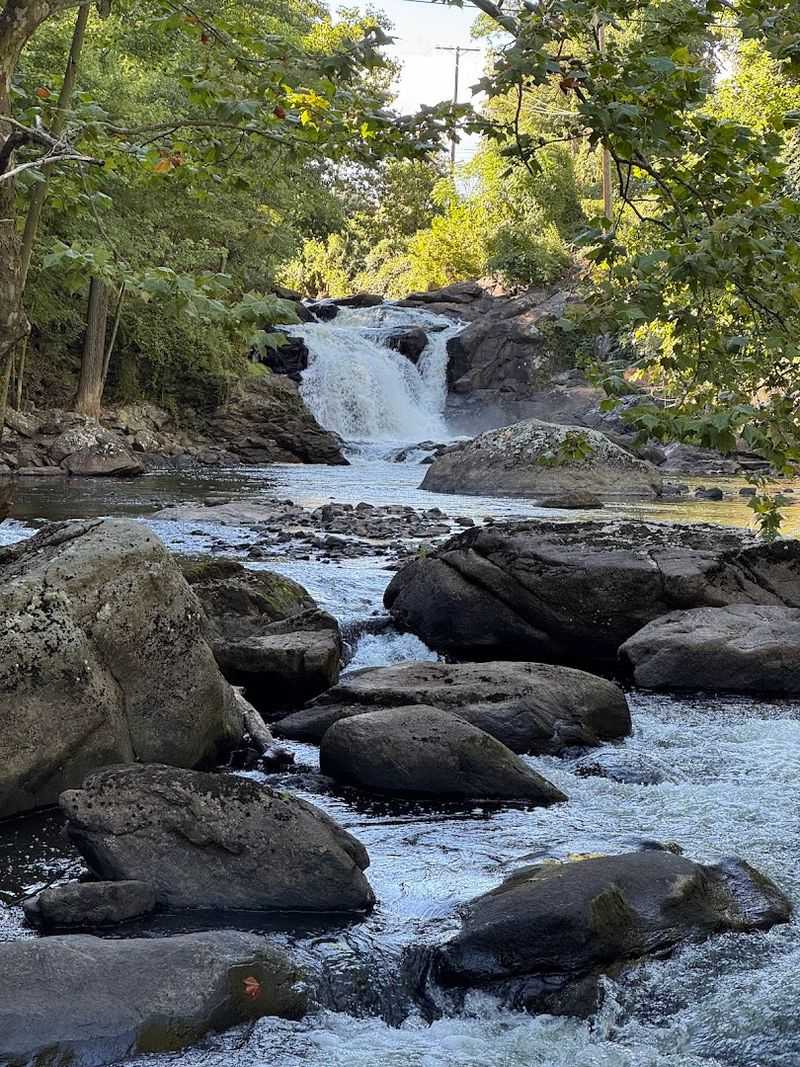
Grace Lord Park in Boonton is one of those places that makes you feel like you stumbled onto a movie set. The Rockaway River tumbles over Boonton Falls in a wide, dramatic curtain of water that is genuinely hard to believe exists inside a town park.
Benches, paved paths, and a well-kept green space surround the falls, making it one of the most accessible waterfalls on this entire list.
The park is free to enter and open year-round, which is always a win. Kids love exploring the rocky areas near the base of the falls, and the viewing area is close enough to feel the cool mist on your face.
Fall foliage here is absolutely outstanding.
Boonton itself is a charming little historic town worth exploring after your waterfall visit. There are good restaurants and a cute downtown strip nearby.
Parking is available right at the park entrance, so logistics are completely stress-free.
The Great Falls (Paterson Great Falls National Historical Park, Paterson)
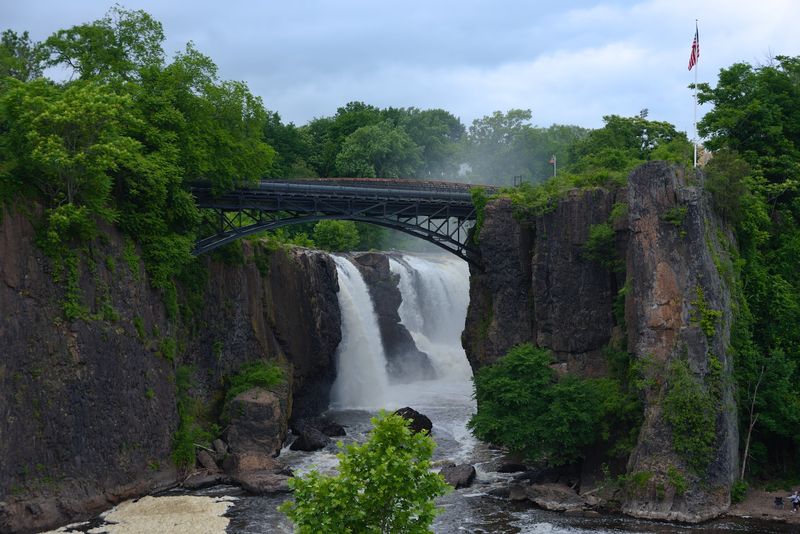
At 77 feet tall and over 280 feet wide, the Great Falls of the Passaic River is basically New Jersey flexing on every other state. This is one of the largest waterfalls east of the Mississippi, and yes, it sits right in the middle of Paterson.
Alexander Hamilton himself recognized its power potential back in 1778, which is why the city grew up around it.
The falls became a National Historical Park in 2011, so the area is well-maintained and visitor-friendly. There are multiple viewing platforms, walking paths, and informational signs that make the history come alive.
I took my first visit expecting something modest and walked away genuinely speechless.
Parking is easy, admission is free, and the roar of the water hits you before you even see it. Go on a weekday morning to beat the crowds.
The falls look especially dramatic after heavy rainfall when the volume doubles.
Ramapo Falls (Ramapo Valley County Reservation, Mahwah)
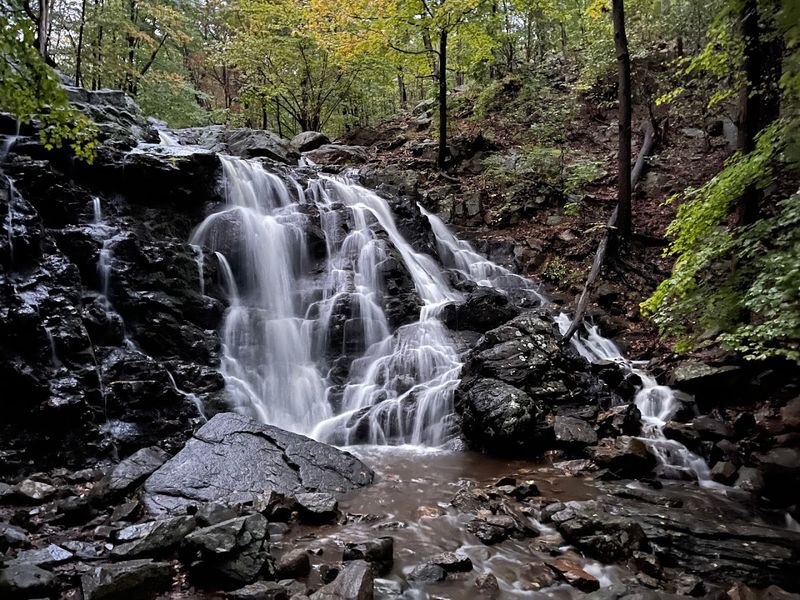
Ramapo Falls is the kind of waterfall that makes you feel like a real hiker even if you just started. The trail from the parking lot is about 1.8 miles each way, winding through beautiful Ramapo Valley County Reservation before revealing a tall, multi-tiered cascade that drops roughly 80 feet.
The payoff is absolutely worth the walk.
The reservation sits on the border of New Jersey and New York, and the landscape feels wilder and more remote than you’d expect this close to civilization. The trail crosses streams and passes through rocky terrain, which keeps things interesting the whole way.
I hiked this in October and the colors were absolutely unreal.
The falls look best in spring when snowmelt and rain keep the flow strong. Waterproof boots are a smart call since stream crossings are part of the adventure.
The parking lot fills up fast on weekends, so an early start is strongly recommended.
Apshawa Falls (Apshawa Preserve, West Milford)
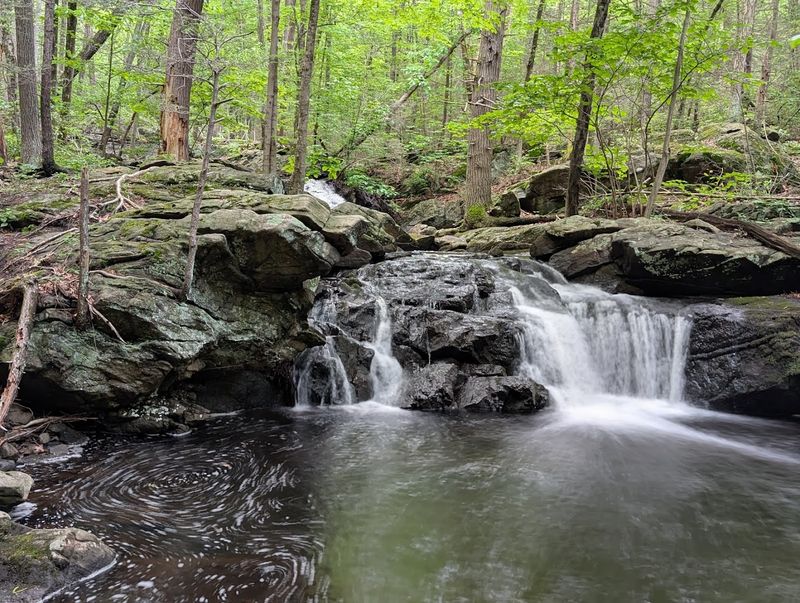
West Milford is basically New Jersey’s wilderness capital, and Apshawa Falls fits right into that reputation. Nestled inside the Apshawa Preserve, this waterfall tumbles over mossy boulders in a setting so lush and green you might briefly forget you’re in the most densely populated state in the country.
The preserve itself is a gem that most people outside Passaic County haven’t discovered yet.
The hike to the falls involves some gentle elevation changes and passes through beautiful mixed forest. The trail is not heavily trafficked, which means a peaceful experience is almost guaranteed on most days.
Spring is the prime season, when the falls run at full strength and wildflowers line the path.
Apshawa Preserve is managed by Passaic County, and parking is free. The trail signage is decent but bringing a printed or downloaded map is always a good backup plan.
This is a fantastic spot for photographers looking for that moody, forest-drenched waterfall shot.
Chikahoki Falls (Norvin Green State Forest, Bloomingdale)
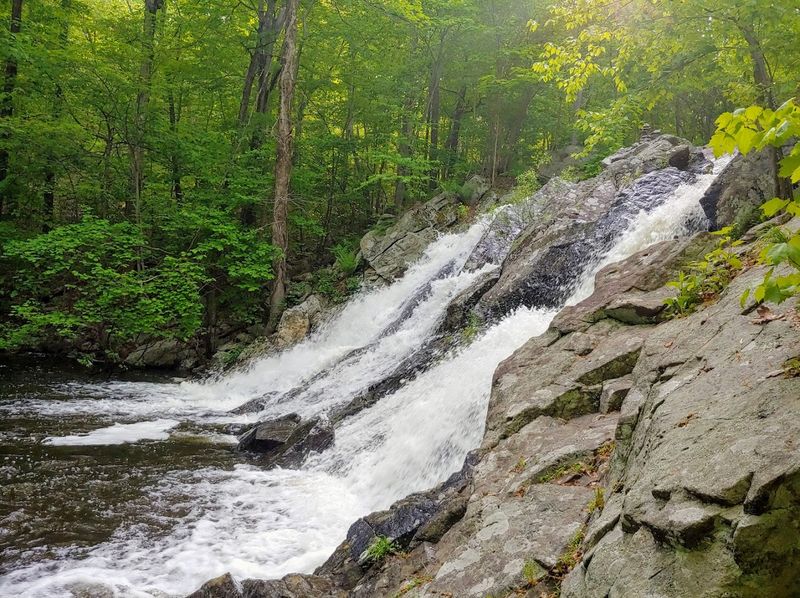
Norvin Green State Forest in Passaic County is a hiker’s playground, and Chikahoki Falls is one of its most rewarding destinations. The waterfall cascades down layered rock formations in a way that looks almost architectural, like nature decided to show off its engineering skills.
The surrounding forest is dense and wild, which adds serious atmosphere to the whole experience.
Getting to Chikahoki requires a moderate hike of a few miles, so this one is better suited for hikers with some experience under their belts. The trail network in Norvin Green is extensive, and it is easy to combine Chikahoki with other scenic highlights in the forest.
Topo maps are your best friend out here since trail junctions can get confusing.
The falls are most impressive after a good rain or during spring snowmelt. Pack layers because the forest can be significantly cooler than surrounding areas.
Chikahoki is the kind of spot that turns casual hikers into devoted waterfall chasers.
Lake Solitude Dam & Falls (High Bridge)
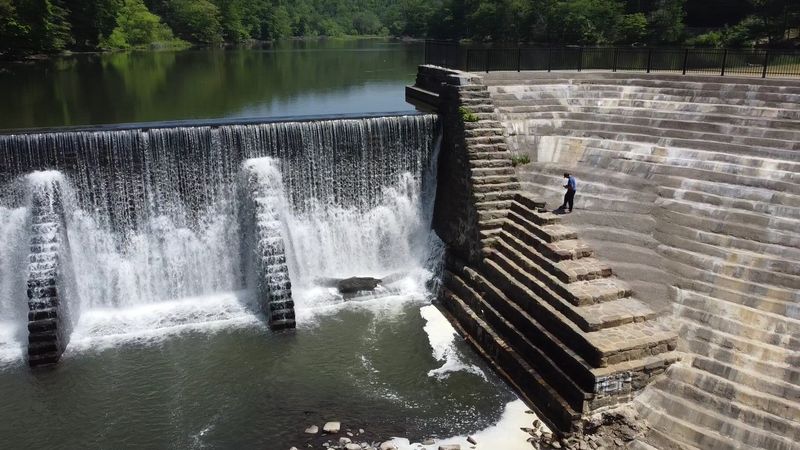
Lake Solitude in High Bridge has one of the most poetic names in New Jersey’s outdoor scene, and the falls do not disappoint the expectation that name sets up. Water spills over a historic stone dam and cascades into the South Branch Raritan River below, creating a picturesque scene that photographers absolutely love.
The surrounding Ken Lockwood Gorge Wildlife Management Area adds miles of beautiful streamside trail.
The gorge road itself is a beloved local spot for anglers and cyclists, and the falls sit right along the route. Getting there involves a drive down a narrow gravel road that feels like you have left civilization behind entirely.
The area is managed for fishing as well, so you will often see fly fishermen wading in the crystal-clear water below.
Visiting in autumn when the leaves turn is a genuinely stunning experience. The combination of the historic dam, rushing water, and fall color is hard to beat anywhere in the state.
Arrive early because parking spots along the gorge road go quickly on weekends.
Watchung Reservation Waterfall (Watchung Reservation, Mountainside)
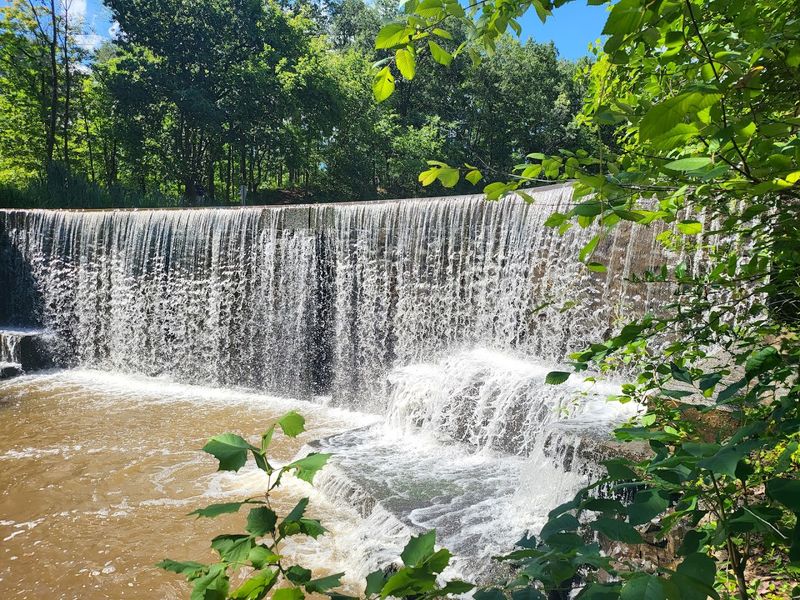
Union County’s Watchung Reservation covers over 2,000 acres of ridgeline forest, and tucked within its trail system is a quiet little waterfall that most people walk right past without realizing it is there. That is a mistake.
The falls flow along one of the reservation’s stream corridors and offer a genuinely peaceful moment in a park that is already packed with natural beauty.
The reservation has an extensive trail network, a nature center, a stable, and even a planetarium, making it a full-day destination. The waterfall is best found using the trail map available at the nature center or downloaded in advance.
It is not the tallest or most dramatic on this list, but it has a charm that fits the reservation’s overall laid-back vibe perfectly.
Dogs are welcome on the trails, and the terrain is mostly gentle, making this a great option for families with strollers or older adults. Parking is free and plentiful throughout the reservation.
A visit here proves that waterfalls do not need to be massive to be memorable.
Hacklebarney State Park Cascades (Black River, Long Valley)
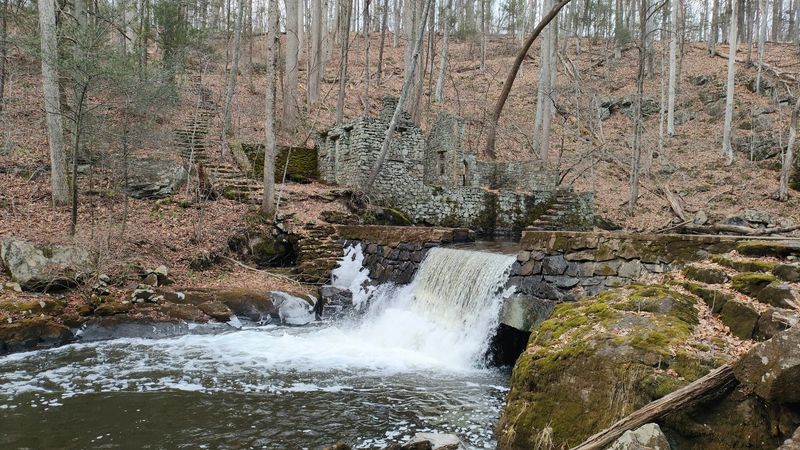
Hacklebarney State Park has the best name in New Jersey’s entire park system, and somehow the park itself lives up to it. The Black River roars through a deep, rocky gorge here, creating a series of cascades and mini-waterfalls that stretch along the trail for a surprisingly long distance.
It is less one big drop and more a whole river showing off for an extended period.
The gorge trail is one of the most dramatic in northern New Jersey, with sheer rock walls, mossy boulders, and hemlock groves creating an atmosphere that feels genuinely wild. The park is small but absolutely packs a punch per square foot.
Hiking boots with ankle support are a must because the terrain is rocky and uneven throughout.
Hacklebarney is particularly spectacular in late autumn and early spring. The falls run strongest after rain, and the gorge amplifies the sound of the water in a way that is deeply satisfying.
Bring a picnic because the park has lovely spots along the river to sit and recharge.
Schooley’s Mountain Falls (Schooley’s Mountain Park, Long Valley)
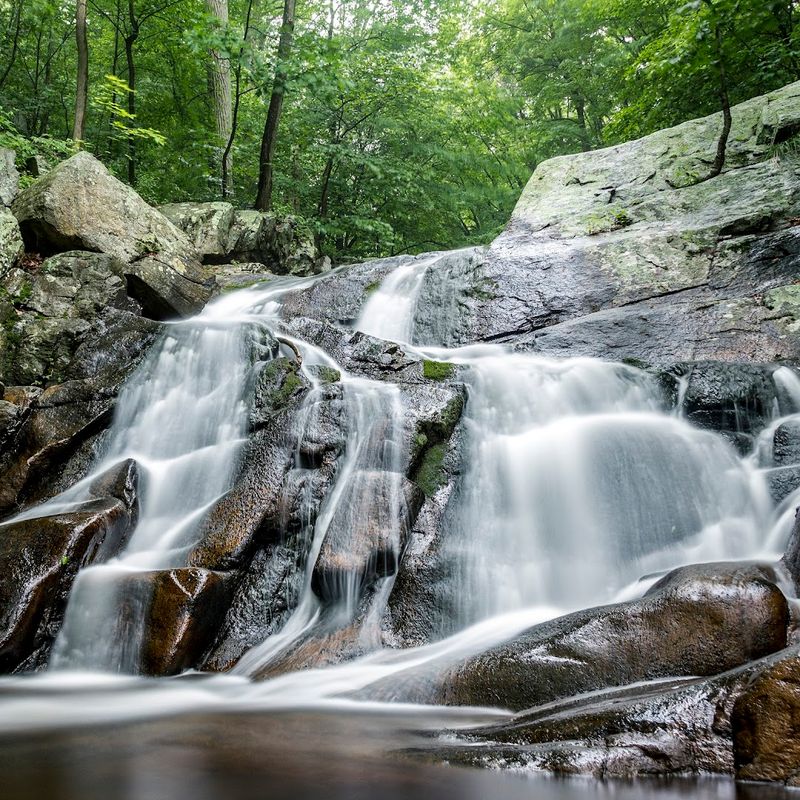
Morris County’s Schooley’s Mountain Park is one of those spots that locals treasure and outsiders rarely discover, which is honestly their loss. The park features a quiet waterfall tucked along a forested stream that makes for a perfect short hike destination.
The surrounding landscape of rolling hills and old-growth trees gives the whole area a storybook quality.
The park has a lake, picnic areas, and a network of trails that make it worth spending a full afternoon. The waterfall itself is modest in size but beautifully situated, with the water sliding over smooth rock faces into a clear pool.
It is the kind of spot that feels genuinely restorative after a hectic week.
Parking is free, and the trails are well-maintained by Morris County Parks. The waterfall sees the most flow in spring and after heavy rain.
Pack a lunch, bring the kids, and make a proper day of it because Schooley’s Mountain rewards those who linger.
Stepping Stones Falls / Stony Brook Falls (Stokes State Forest, Sussex County)
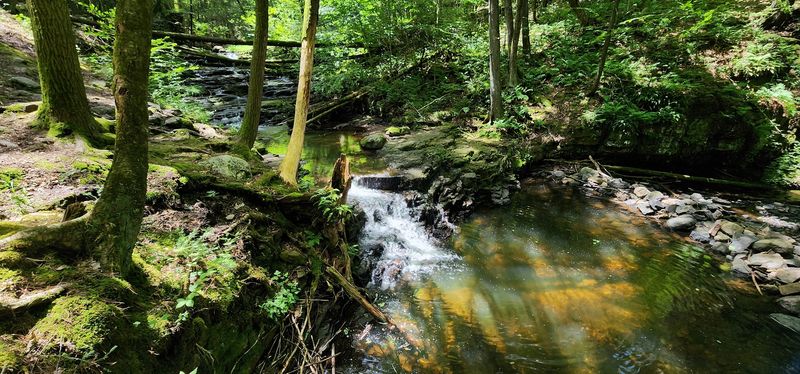
Stokes State Forest in Sussex County is one of New Jersey’s largest and most underrated state forests, and Stepping Stones Falls is one of its best-kept secrets. The falls cascade over a series of flat rocky steps along Stony Brook, creating a natural staircase effect that is both beautiful and oddly satisfying to look at.
The name is perfectly literal, which is rare and appreciated.
The hike to the falls passes through classic north Jersey forest with hemlock, birch, and oak creating a canopy overhead. Trail conditions vary seasonally, and spring is absolutely the prime time to visit when water levels are highest.
The surrounding area is also great for wildlife spotting, with deer and wild turkey making frequent appearances.
Stokes is a bit of a drive from the more populated parts of the state, but that distance is exactly what keeps it feeling remote and unspoiled. Camping is available in the forest, so turning this into an overnight adventure is completely doable.
Plan ahead and you will have a weekend worth talking about for months.
Tillman Ravine falls & cascades (Stokes State Forest, Sussex County)
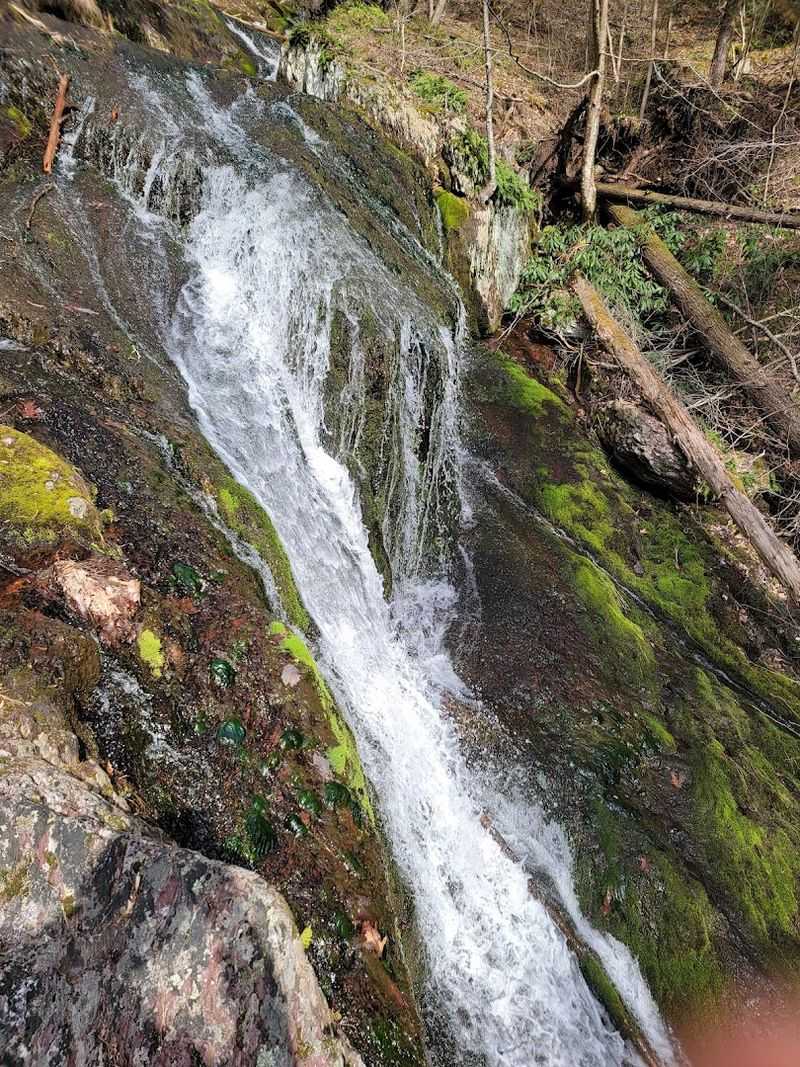
Tillman Ravine might be the single most atmospheric place in all of New Jersey. The hemlock-lined ravine channels Tillman Brook through a series of dramatic cascades and small waterfalls that seem to go on forever as you walk the trail.
The towering trees block out most of the sky, creating a cool, cathedral-like environment that feels completely otherworldly.
The ravine trail is a loop of about two miles and is considered one of the most scenic hikes in the entire state. Every turn reveals another cascade or a new angle on the rushing brook below.
The combination of geology, forest, and water here is just genuinely exceptional.
Visiting in early spring or late autumn maximizes both water flow and solitude. Summer crowds can be heavier because the ravine is so well-regarded among local hikers.
Wear good footwear since some sections of the trail involve rocky scrambles near the water. Tillman Ravine consistently earns its reputation as a must-visit New Jersey destination.
Bridal Veil Falls (William Paterson University area, North Haledon)
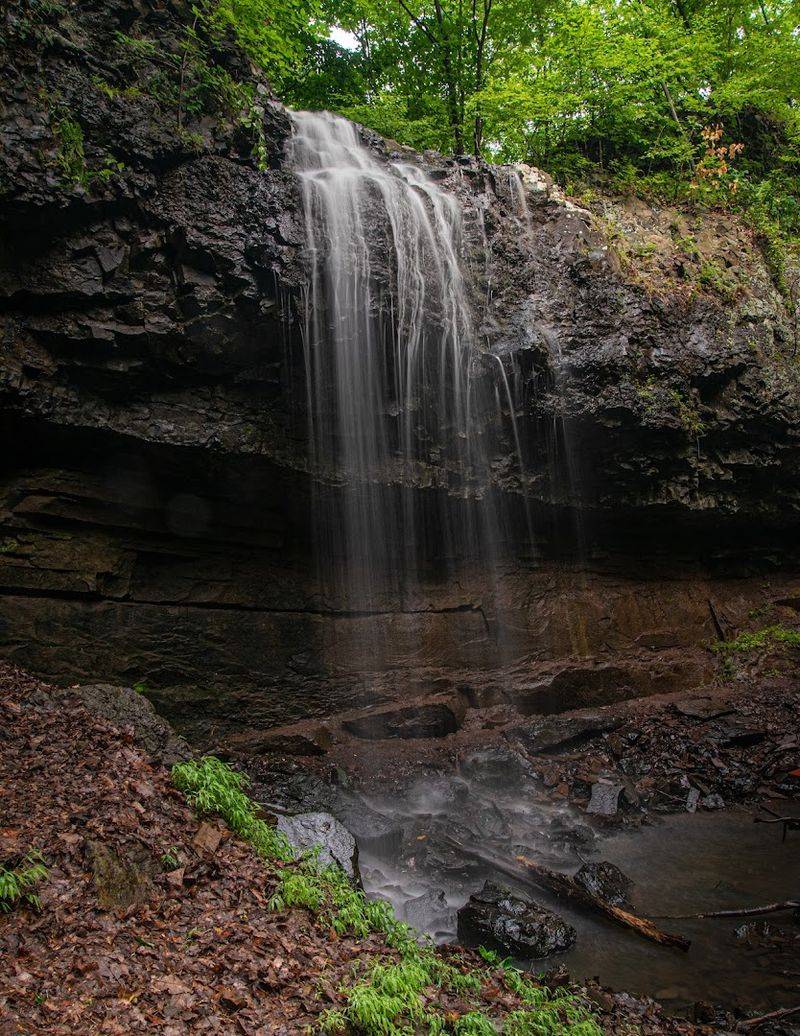
Named for the delicate, wispy way the water fans out as it falls, Bridal Veil Falls near North Haledon is one of Passaic County’s most charming surprises. The falls are located near the William Paterson University campus, which means they exist in a surprisingly suburban setting while still managing to feel genuinely tucked away.
The contrast is part of the appeal.
The waterfall is smaller and more delicate than the heavy-hitters on this list, but its graceful appearance more than makes up for the modest size. Photographers in particular love Bridal Veil Falls for the soft, feathery quality of the water as it flows down the rock face.
After a good rain, the falls become noticeably more dramatic and full.
Access involves a short walk from a nearby parking area, and the trail is not heavily developed. Wear shoes you do not mind getting a little muddy.
This is a lovely spot for a quiet morning visit when the light is soft and the crowds have not yet arrived.
Little Falls (Passaic River / Morris Canal area, Little Falls)
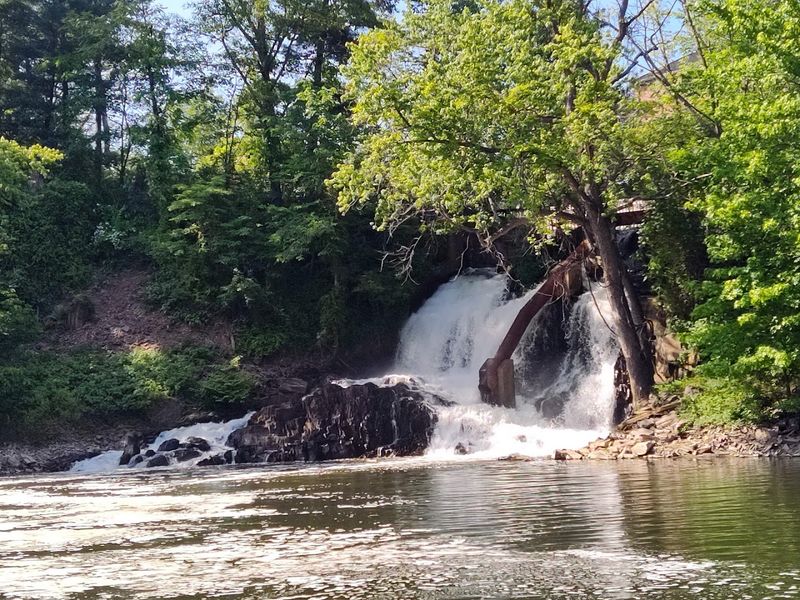
Despite the modest name, Little Falls on the Passaic River is anything but underwhelming. This wide, rocky cascade has been a landmark in Passaic County for centuries and sits right in the heart of the town that shares its name.
The falls played a significant role in the industrial history of the region, powering mills and later inspiring the Morris Canal route.
The falls are visible from several spots along the riverbank, and the surrounding area has been improved with walking paths and overlooks in recent years. The connection to the historic Morris Canal adds a fascinating historical dimension that history buffs will appreciate.
Interpretive signage in the area helps connect the dots between the natural feature and the human story around it.
Little Falls is extremely accessible, sitting right off major roads in Passaic County. No serious hiking is required to enjoy the view.
This is a great spot for a quick detour on a longer day of New Jersey waterfall exploration.
Greenbrook Falls (Greenbrook Sanctuary, Tenafly)
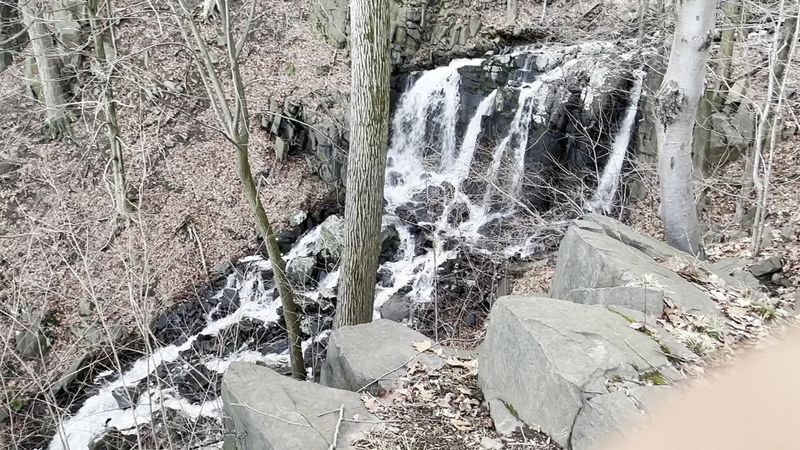
Greenbrook Sanctuary in Tenafly is one of the most exclusive natural areas in New Jersey, and I mean that literally. Access requires a membership or a sponsored visit, which keeps the crowds delightfully thin.
Inside this private sanctuary along the top of the Palisades, Greenbrook Falls drops dramatically over the traprock cliffs in a setting that is genuinely spectacular.
The falls flow seasonally and are most impressive in late winter and spring. The sanctuary itself protects a remarkably intact stretch of Palisades habitat, and the biodiversity inside is extraordinary.
Birders, botanists, and waterfall enthusiasts all find something to love here.
The membership fee for Greenbrook Sanctuary is modest and goes directly to conservation efforts, making it a feel-good way to access one of New Jersey’s most unique natural features. The surrounding trail system offers stunning views of the Hudson River as a bonus.
If you live in Bergen County and have not explored this place yet, that oversight needs to be corrected immediately.
Scudder Falls (Delaware River, Ewing)
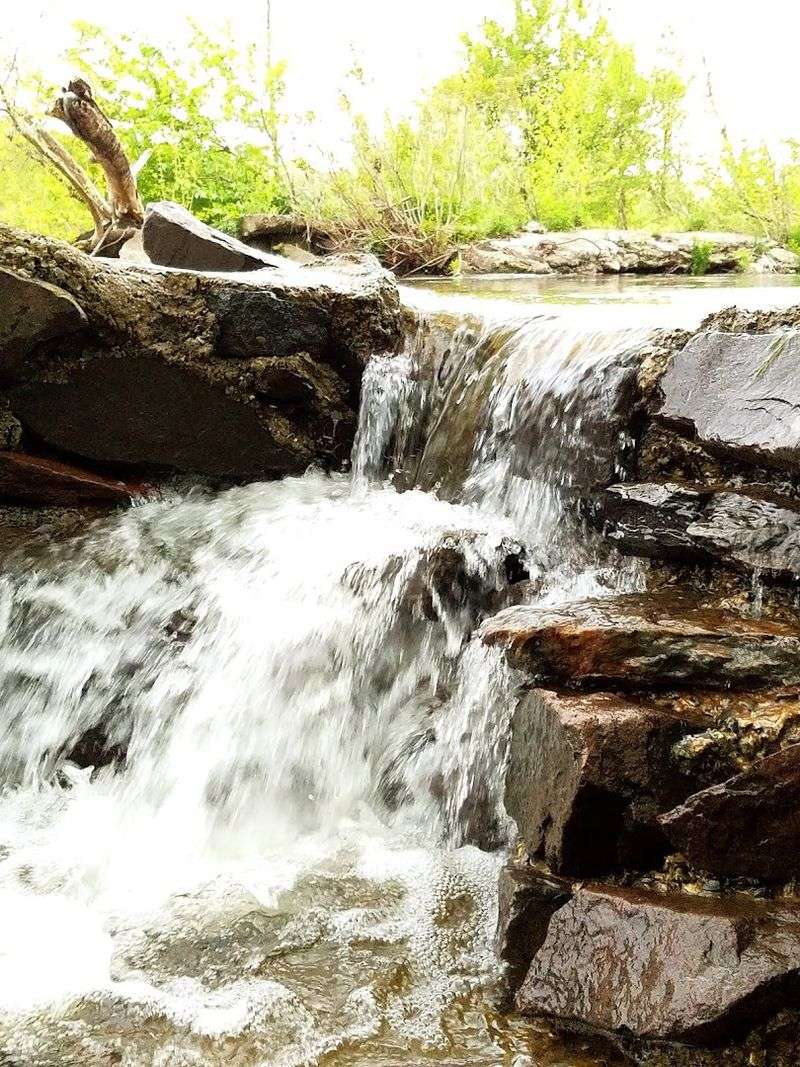
Scudder Falls is a bit of a different beast from the others on this list. Rather than a clean vertical drop, it is a series of rocky river rapids and cascades on the Delaware River near Ewing in Mercer County.
The result is a wide, churning stretch of whitewater that looks absolutely wild during high water periods, especially in spring.
The area around Scudder Falls is a popular spot for kayakers and canoeists who use the rapids for recreational paddling. The Delaware and Raritan Canal State Park trail runs nearby, offering a flat and scenic walk along the river with great views of the falls from the bank.
It is a versatile destination that works for hikers, paddlers, and casual visitors alike.
A new pedestrian and bicycle bridge in the area has improved access significantly in recent years. The falls are best viewed from the New Jersey side during late afternoon light.
This is a great destination to pair with a visit to nearby Washington Crossing Historic Park for a full day out.
Lockatong High Falls (Lockatong area near Stockton/Kingwood Twp.)
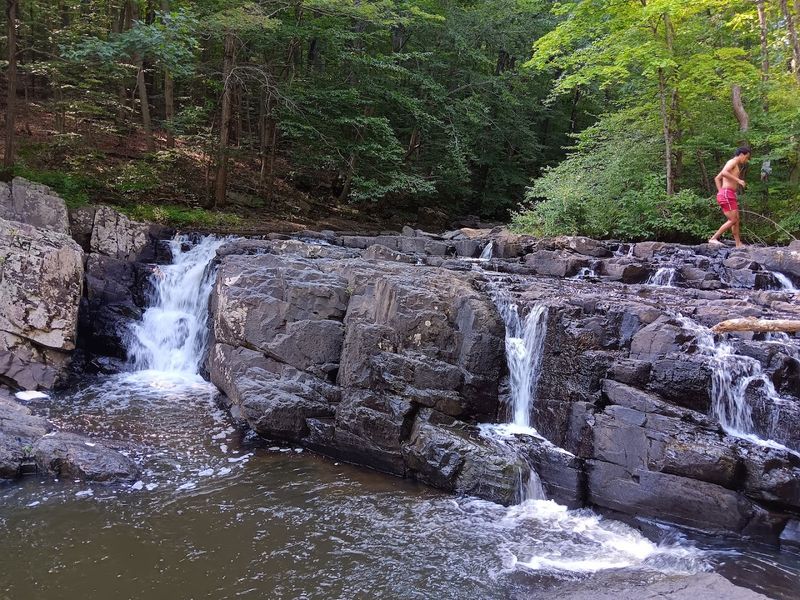
Hunterdon County does not get nearly enough attention in the New Jersey waterfall conversation, and Lockatong High Falls is a perfect example of why that needs to change. Tucked into the Lockatong Creek watershed near Stockton and Kingwood Township, this waterfall drops over layered shale ledges in a setting that feels genuinely remote and wild.
Very few people outside the local hiking community even know it exists.
The approach involves hiking along Lockatong Creek, which is beautiful in its own right. The creek valley is home to abundant wildlife, and the forested corridor feels untouched by modern development.
This is the kind of place where you might spend two hours without seeing another person, which is increasingly rare in New Jersey.
Because access routes can be informal, checking recent trip reports from local hiking groups before your visit is a smart move. Spring is the best season for water volume.
Pack a lunch and make an afternoon of exploring the whole creek corridor, because the scenery beyond the falls is well worth the extra time.



