 Unearth The Voyage

If you grew up watching monthly bills pile up, get ready to feel wildly out of date. In 2025, a ton of everyday services that used to cost real money are now free or nearly free, thanks to smarter tech and changing habits. You can tap an app, skip the fees, and still get what you need. Here are the biggest money savers you can start using right now.
1. Cable TV Packages
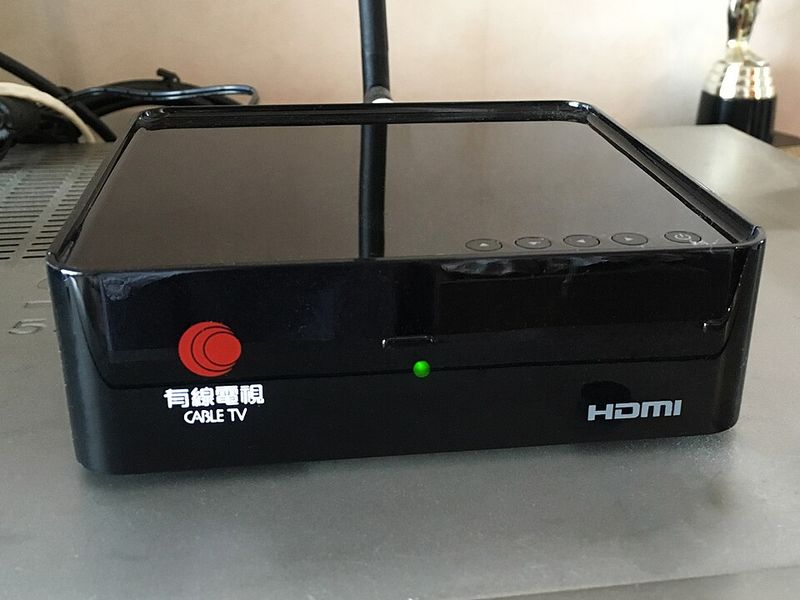
Cable bundles once felt mandatory, and those bills added up fast. Today you can watch shows and movies free with ad-supported platforms like Tubi, Pluto TV, and YouTube. It feels easy to jump between channels without committing to a contract.
You still get live news, classic films, and niche sports without premium add-ons. If you want more, you can rotate a paid service for a month and cancel. Most of the time, the free libraries keep you entertained and your budget happy.
2. Long-Distance and International Calling
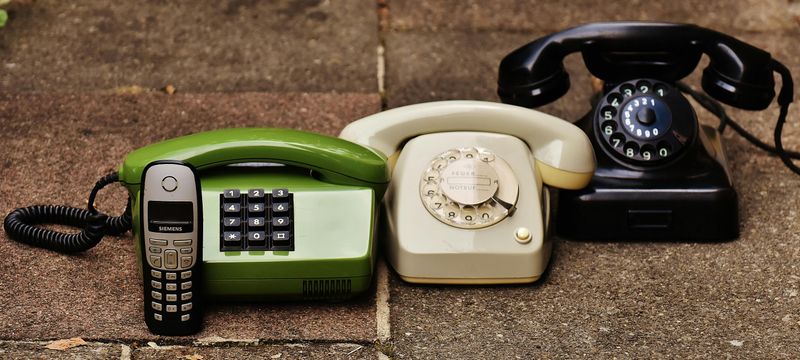
Remember timing calls to avoid peak rates and weird fees. Now you can talk or video chat worldwide for free using Wi-Fi on WhatsApp, Zoom, or Google Meet. The audio is clear, and video feels natural even across continents.
You can create group calls, share screens, and drop files without extra charges. If reception dips, switch to another app in seconds. Staying connected no longer depends on your phone plan, just a decent internet connection.
3. GPS Devices
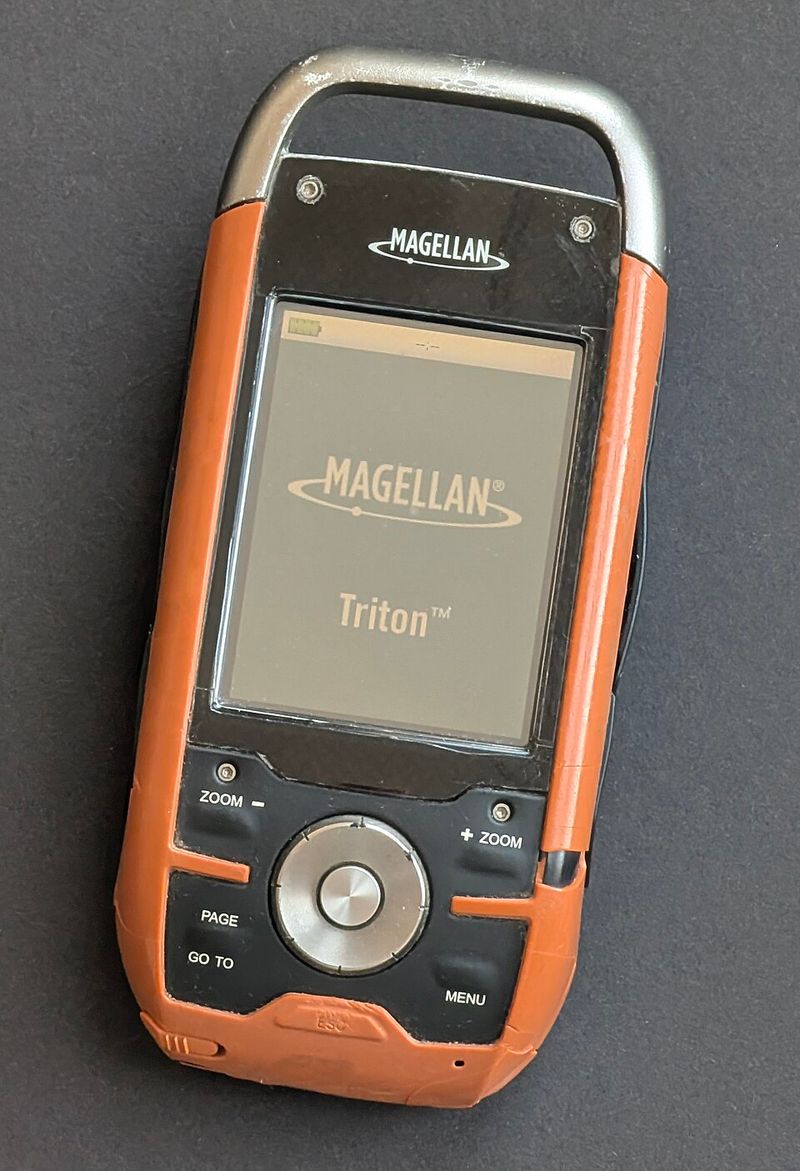
Buying a standalone GPS and paying for map updates used to be normal. Now Google Maps and Waze give you free turn-by-turn navigation with traffic, speed traps, and reroutes. You can download offline maps before a trip and skip data anxiety.
Voice guidance is sharp, lane suggestions are timely, and arrival times are eerily accurate. The apps learn your routine and suggest smarter paths. You get a better experience without a dedicated device or fees.
4. Printed Newspapers and Magazines

Daily print deliveries used to be the default for news and culture. Today your phone offers free articles, curated newsletters, and magazine features from reputable sources. You can follow niche topics and get alerts as stories break.
Many outlets still have paywalls, but summaries, podcasts, and wire coverage often fill the gaps. Social feeds help surface what matters, while apps bundle perspectives into one place. You stay informed without stacking subscription bills.
5. Bank Account and ATM Fees

Monthly maintenance fees and ATM surcharges used to feel unavoidable. Digital banks now offer free checking, early direct deposit, and nationwide ATM refunds. You can move money instantly and track spending with clean dashboards.
Alerts keep overdrafts rare, and fee-free international usage is increasingly common. If you need cash, partner ATMs help you avoid charges. Your money works for you instead of bleeding out in small fees.
6. Music Streaming

Buying CDs or satellite radio once dominated music budgets. Now ad-supported tiers on Spotify and YouTube Music let you stream endlessly for free. You can build playlists, discover new artists, and queue up mixes for any mood.
Offline downloads still cost, but for casual listening you rarely miss out. Concert listings and live sessions pop up right in the apps. Music discovery is instant, and your wallet stays quiet.
7. Maps and Travel Guides

Bulky guidebooks and foldout maps are now optional. Free apps combine maps, transit, neighborhood tips, and safety info in one place. You can star sights, download offline areas, and follow curated walks.
Local reviews and photos keep you from tourist traps. Transit directions add real-time delays and platform info. Planning and exploring become flexible without buying printed guides.
8. Photo Printing
Stuffing envelopes with prints used to be the way to share memories. Now cloud storage and social media let you organize and share albums for free. You can create collaborative folders where everyone drops highlights.
Occasional prints still make sense for frames, but most moments live digitally. Backup happens automatically across devices. Your photos are easy to find and ready to show without paying for stacks of paper.
9. Personal Software Licenses

Buying boxed software and renewing licenses feels dated now. Free cloud tools like Google Docs, Sheets, and Slides cover most personal productivity needs. You can collaborate in real time and skip installing heavy programs.
Templates, comments, and version history come built in. Exports to PDF or Office formats keep work compatible. For everyday tasks, the free stack handles it calmly.
10. Encyclopedias and Reference Materials
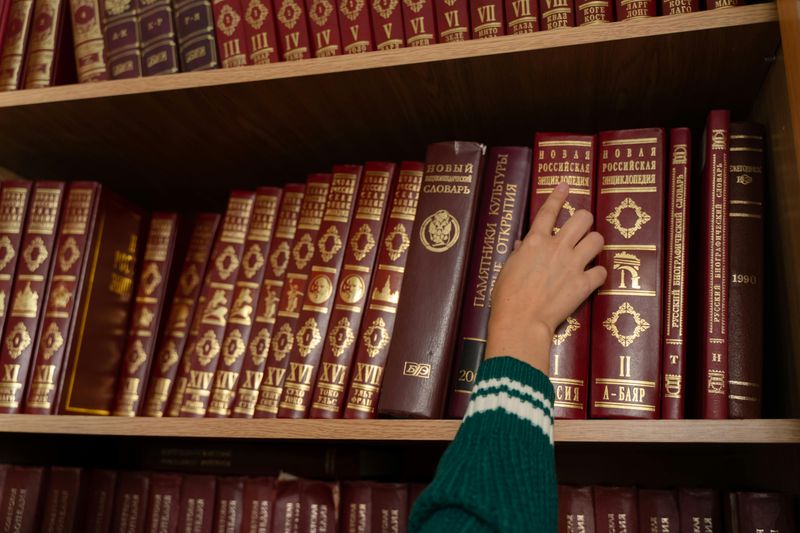
Multi-volume encyclopedia sets once sat on living room shelves. Now you can search Wikipedia and open educational sites for instant answers. Citations link you to deeper reading and multimedia explanations.
It is easy to cross-check sources and explore topics in minutes. Free courses and lectures complement quick lookups. Knowledge is searchable and portable without buying heavy books.
11. Fitness Classes at Home

Studio memberships can be pricey, but free workout videos cover everything from yoga to HIIT. You can follow trainers on YouTube and track progress with free fitness apps. Sessions fit your schedule without commute time.
Playlists keep routines fresh, and form tips are easy to replay. If you want structure, free calendars guide weekly goals. Health feels accessible even on a tight budget.
12. Cloud Storage Starter Tiers

Paying for external drives used to be the backup plan. Now free cloud tiers give you a decent starter space to sync photos and docs. Automatic uploads keep memories safe without plugging in hardware.
Sharing links replace large email attachments. When you hit limits, you can clean up or upgrade selectively. For everyday needs, the free space often does the job.
13. Textbooks and Learning Resources

Buying new textbooks hurts, but open educational resources offer free alternatives. Many courses share full textbooks, problem sets, and videos online. You can learn at your own pace without a bookstore bill.
Public libraries also provide digital access to academic databases and e-books. Study groups coordinate with shared links instead of photocopies. Education feels less gatekept and more practical.
14. Budgeting and Credit Monitoring

Paid finance software is no longer the only way to track money. Free budgeting apps categorize spending automatically and alert you to trends. You can set goals and watch progress in simple dashboards.
Credit monitoring tools now send free score updates and fraud alerts. You get peace of mind and fewer surprises. Financial clarity does not have to cost a subscription.
15. Basic Photo and Video Editing
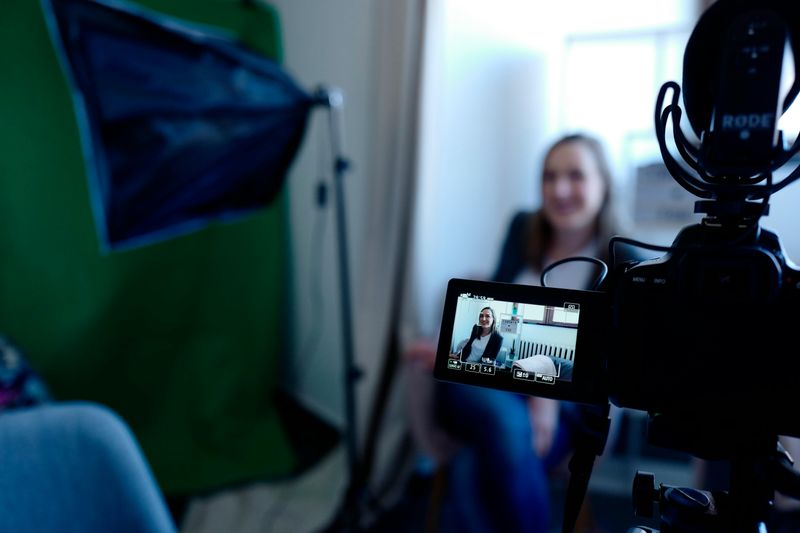
Editing used to require expensive software and steep learning curves. Free browser-based editors handle cropping, color tweaks, captions, and simple timelines. Templates help you get social-ready videos without paying.
Mobile apps add quick filters and auto-cuts for vertical formats. You can export clean results for reels or YouTube. For everyday posts, free tools are more than enough.
16. E-books and Audiobooks from Libraries

Buying every book adds up, but digital libraries lend e-books and audiobooks free. Apps like Libby let you borrow from anywhere with a card. You can place holds, change font sizes, and sync across devices.
Curated lists help you find your next read quickly. Offline mode keeps you covered on flights and commutes. Reading more no longer means spending more.
17. Password Managers Basic Plans

Security used to mean reusing a few easy passwords. Free password manager tiers store unique logins and autofill forms across devices. You can generate strong passwords and avoid risky repeats.
Alerts warn you about breaches so you can change credentials fast. Biometric unlock keeps access simple and safe. Solid protection now starts at zero dollars.
18. Language Learning Apps

Language courses and tutors can be costly, but free apps make daily practice simple. Short lessons fit into commutes and coffee breaks. You can build vocabulary, pronunciation, and basic grammar without paying.
Leaderboards and streaks keep motivation high. When you are ready, community events and media immersion deepen fluency. Starting a new language is easier on your time and your wallet.



