 Unearth The Voyage
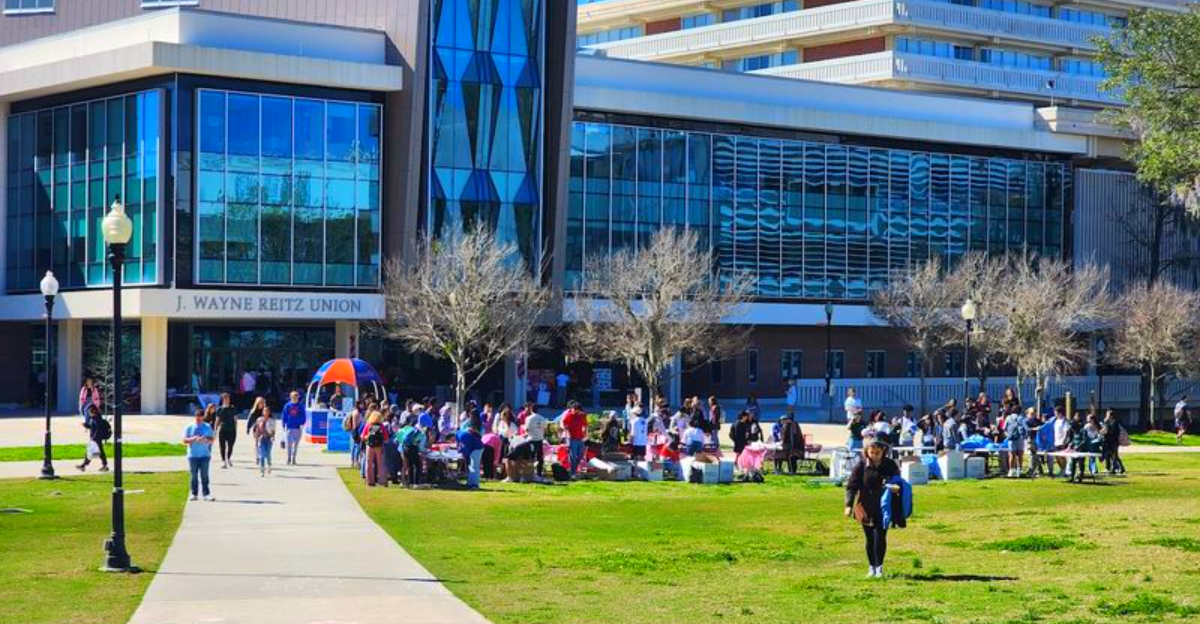
Some American cities never really let go of the campus tempo, and that is exactly their appeal. Decades of student traditions, game-day rituals, cheap eats, music venues, and rent-a-house social life have shaped places where adulthood still looks a little like syllabus season.
What keeps these cities feeling permanently junior-year is not just youth, but the way universities reorganized downtown streets, local business, and weekend habits. Keep reading and you will see how each place built its own version of the endless college afterparty, with history, quirks, and cultural habits that still run the show.
1. Austin, Texas
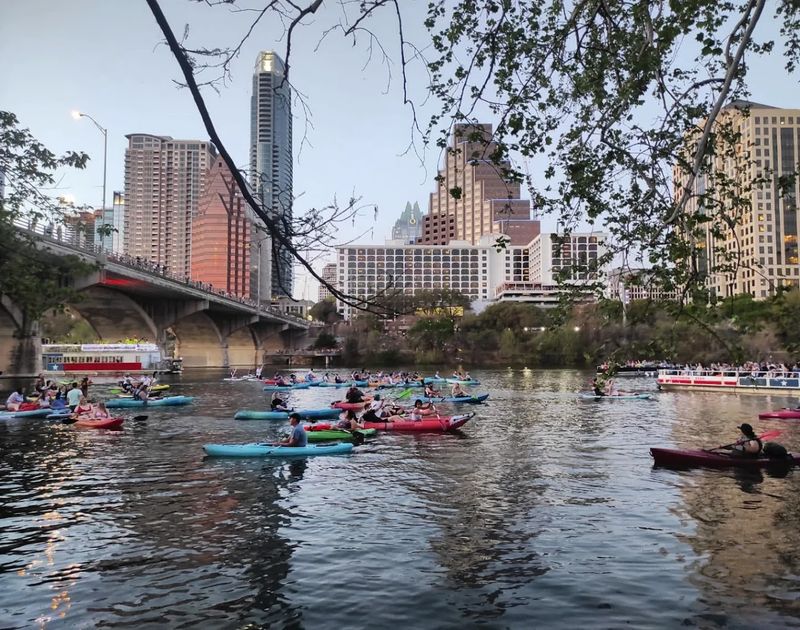
Some cities age into careers, but Austin kept its student ID energy and turned it into civic policy. The University of Texas helped anchor a downtown where music clubs, taco counters, and late operating hours became part of the local identity rather than a passing phase.
By the 1970s and 1980s, the city had fused campus life with state-capital ambition, which is a rare combination.
That mix still shapes daily life. South by Southwest, longhorn sports culture, and neighborhoods full of rentals keep the calendar packed and the dress code relaxed.
Even as tech money arrived, Austin preserved the habits that make weekdays feel negotiable, including patio gatherings, cheap bites, and a steady stream of newcomers testing how long they can delay fully conventional adulthood.
2. Boulder, Colorado
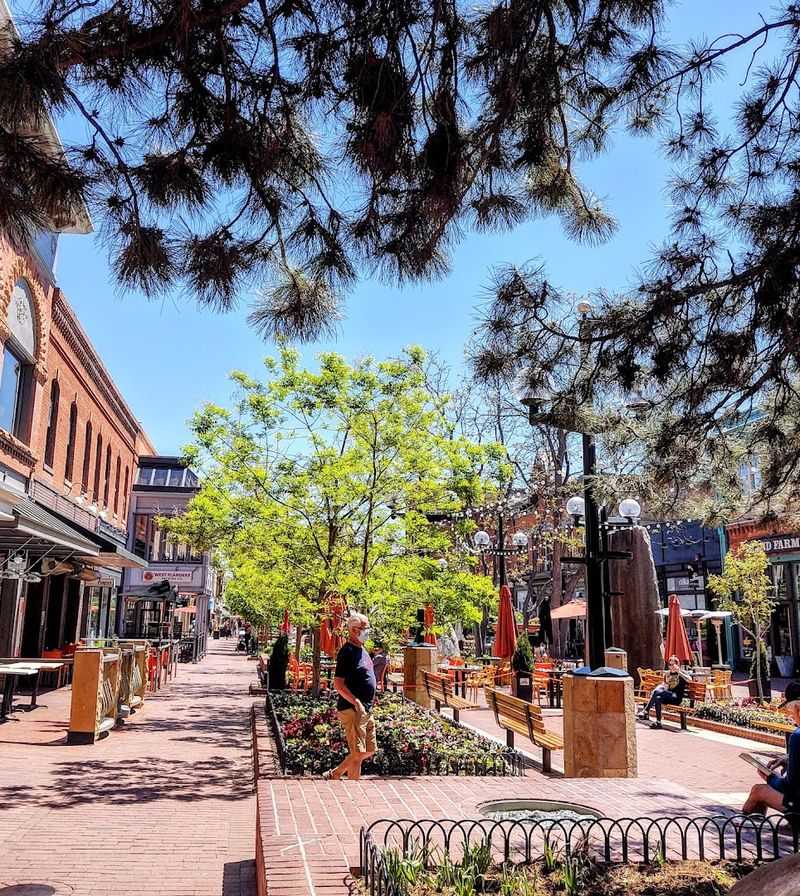
Boulder somehow turned exercise, student life, and civic branding into one continuous routine. The University of Colorado gave the city its youthful core, but the broader culture grew around the idea that a weekday can include class, a trail run, and a crowded patio before dinner.
That formula has been visible for decades, especially as Pearl Street evolved into a social center.
The result is a place where campus habits spill far beyond campus borders. Outdoor retailers, coffee shops, and rental-heavy neighborhoods keep the population in motion, while football weekends and festival calendars add structure to the fun.
Boulder also benefits from size: it is large enough to stay active, but compact enough that the student presence still defines the mood, the schedules, and the local small talk.
3. Madison, Wisconsin
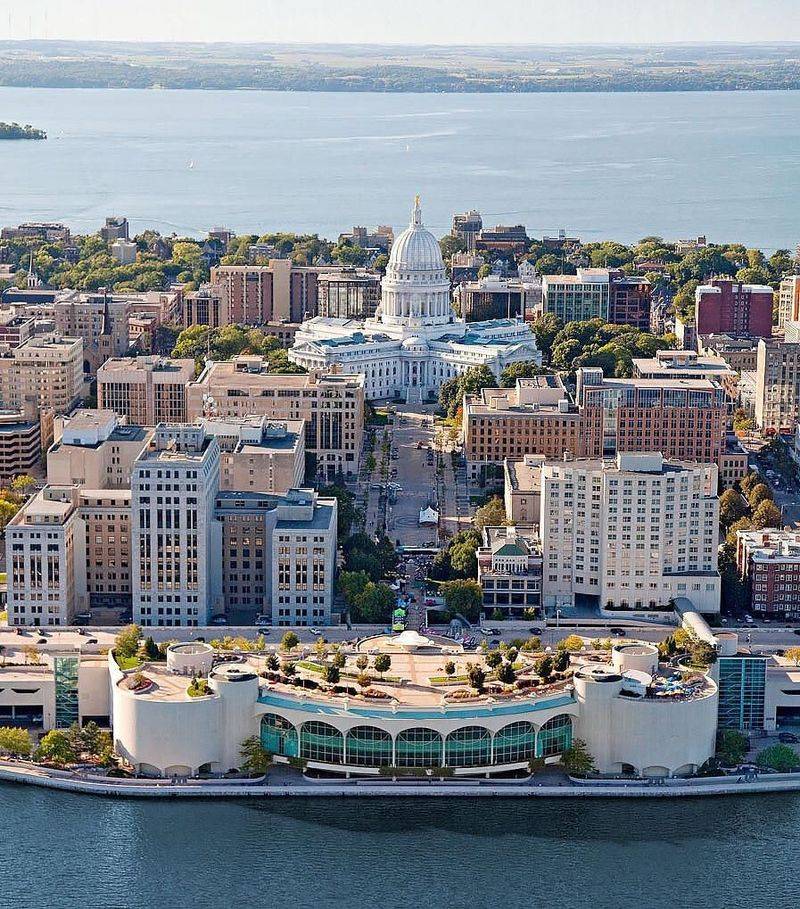
Madison has the rare gift of making government, football, and bar trivia feel like parts of one shared tradition. With the University of Wisconsin planted beside the state capitol, the city developed a public life shaped by students, professors, and regulars who never entirely left the student schedule behind.
State Street became the connector and the symbol.
Lakes Mendota and Monona give the city a scenic edge, but the real staying power comes from ritual. Badgers game days, apartment parties, and packed taverns keep the social engine running through every season.
Madison also stays youthful because graduates often stick around, feeding a local loop where old campus habits become adult routines, only now with better jackets and stronger opinions about brunch.
4. Ann Arbor, Michigan
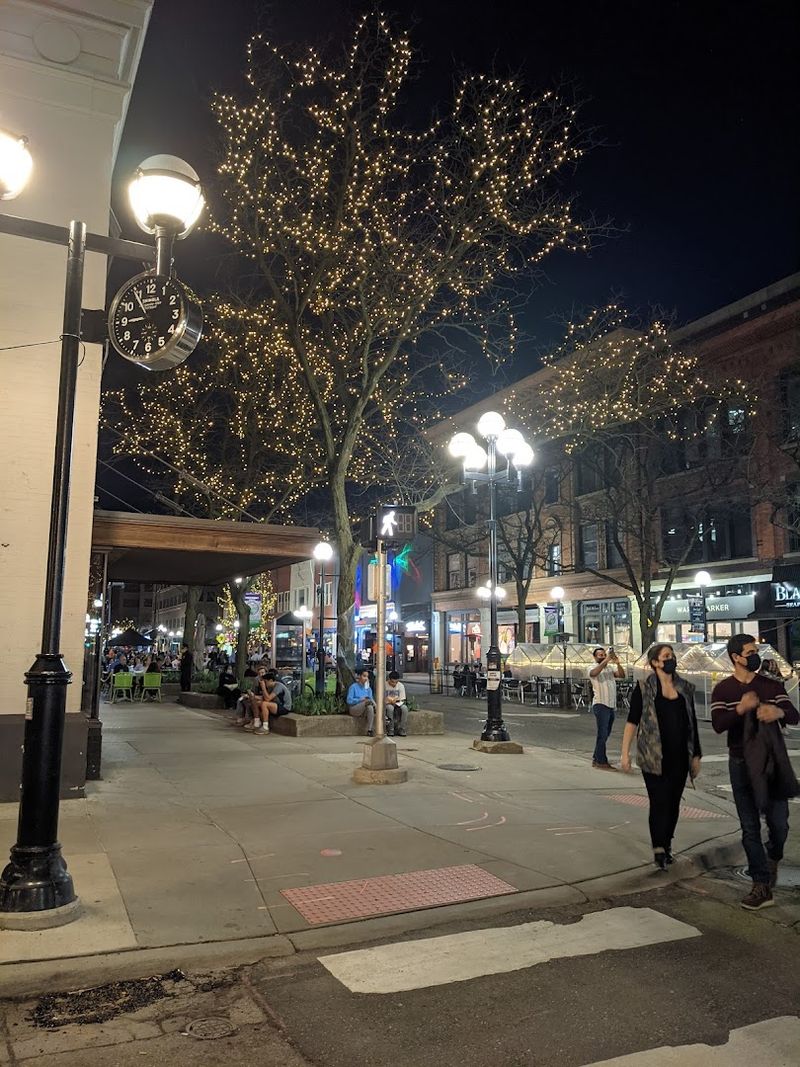
Ann Arbor gives off the impression that everyone is either headed to class, a lecture, or a very informed coffee date. The University of Michigan has shaped the city since the nineteenth century, and its influence reaches far beyond campus into bookstores, theaters, diners, and bars that serve generations of Wolverines in sequence.
Few places blend school pride with brainy confidence so completely.
The city feels permanently collegiate because the infrastructure supports that rhythm year-round. Football saturates fall weekends, while bookstores, record shops, and late cafes carry the social life through colder months.
Ann Arbor also keeps attracting alumni, researchers, and start-up workers who like living near student energy without surrendering adult paychecks, which helps the town stay active, opinionated, and pleasantly overbooked every week.
5. Tempe, Arizona
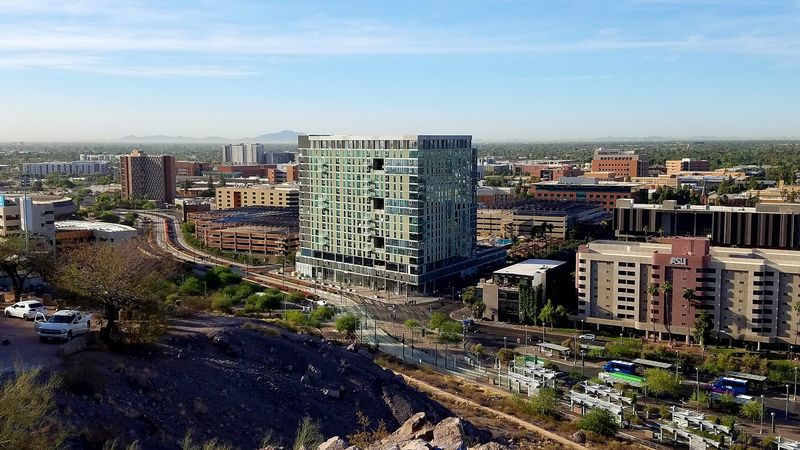
Tempe operates like someone gave spring semester its own zip code and plenty of sunshine. Arizona State University expanded fast in the late twentieth century, and with it came apartment towers, sports culture, bars, and the kind of nightlife economy that thrives when the student population is enormous.
Mill Avenue became the obvious center of gravity.
The city still feels like a permanent school break because daily life leans social, casual, and outdoors-friendly for much of the year. Students, recent graduates, and young professionals overlap in the same restaurants, events, and rental complexes, which keeps the age profile low and the schedules flexible.
Add college sports, warm weather, and a constant stream of newcomers, and Tempe stays locked in a mode that barely recognizes the phrase settling down.
6. Athens, Georgia
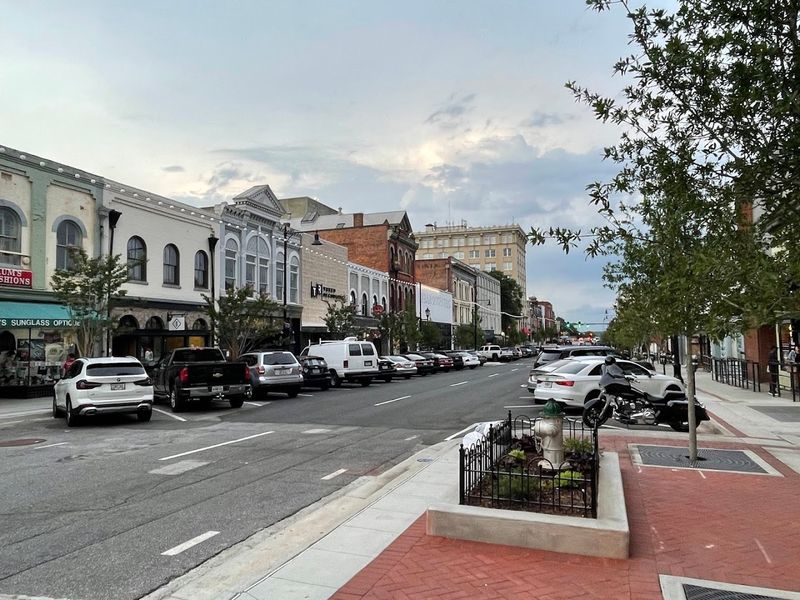
Athens built its reputation on two sturdy pillars: college football and bands that got famous before anyone expected it. The University of Georgia gave the town constant turnover and energy, while the local music scene turned downtown into something larger than a typical campus district by the 1980s.
That combination gave Athens both swagger and repeat business.
It still feels like college never ended because the town remains compact, social, and structured around shared rituals. Saturdays revolve around the Bulldogs, while ordinary nights can still send people toward music clubs, porch gatherings, and old favorites downtown.
Athens also benefits from scale. You are never far from students, alumni, or service workers who all understand the local script, which makes the city feel permanently tuned to the semester calendar.
7. Chapel Hill, North Carolina
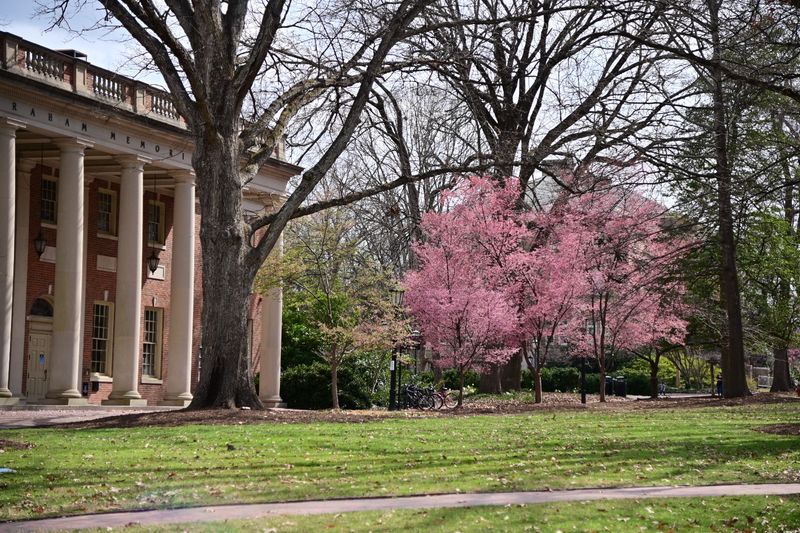
Chapel Hill moves with the confidence of a place that knows its basketball history is practically municipal infrastructure. The University of North Carolina has shaped the town since the eighteenth century, and Franklin Street developed into a corridor where student routines and local business became inseparable over generations.
Victory celebrations and weeknight meals both end up in the same orbit.
The city keeps its college-all-the-time character through density and continuity. Bookstores, pizza spots, music rooms, and bars remain tied to the academic calendar, but they also serve alumni who never fully disconnected from campus life.
Chapel Hill feels lively without trying too hard, which is part of the trick. It is laid-back on the surface, yet constantly refreshed by new students, rivalries, and a public culture built around showing up.
8. Gainesville, Florida
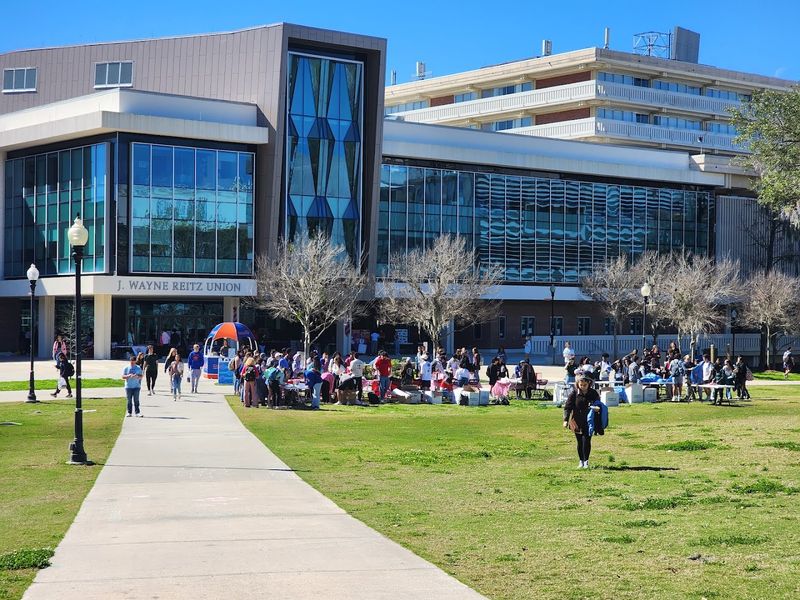
Gainesville has long understood that one huge university can function like weather, economy, and entertainment schedule all at once. The University of Florida dominates local identity, and that influence spread from campus into apartment zones, sports bars, tailgate culture, and the everyday business of feeding a restless student population.
The result is a city with very little off-season.
Its permanent-college quality comes from repetition and scale. Gators football drives the loudest rituals, but ordinary weeks still revolve around house parties, student jobs, packed patios, and friend groups that reset every semester.
Gainesville also stays young because graduates often linger for graduate programs, healthcare jobs, or tech-adjacent work. That overlap keeps the city socially active, locally informed, and only loosely interested in acting its age.
9. Tuscaloosa, Alabama
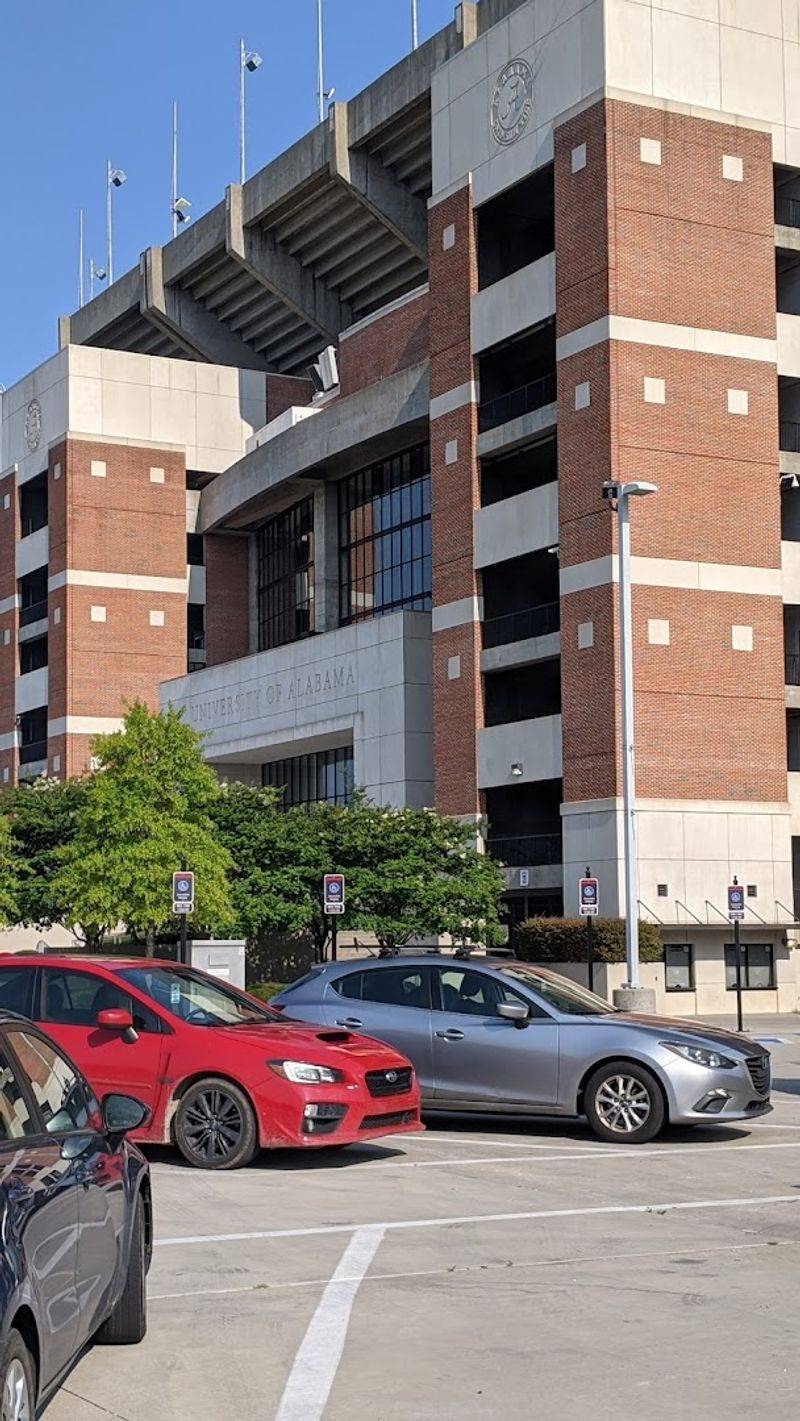
Few places turn school spirit into a year-round operating system as efficiently as Tuscaloosa. The University of Alabama gives the city its scale, pace, and social script, while football culture extends far beyond the stadium into housing patterns, retail, restaurant traffic, and local conversation.
On major weekends, the whole town effectively joins the same event schedule.
That constant coordination makes Tuscaloosa feel like a campus that accidentally incorporated as a city. Student bars, rental houses, and alumni traditions keep the social scene active even outside game days, and the Crimson Tide brand supplies a shared identity that few towns can match.
People arrive for school, stay for work, and continue living inside the same rituals, which is how the post-grad years start looking suspiciously like senior year with a business-casual detour.
10. Eugene, Oregon
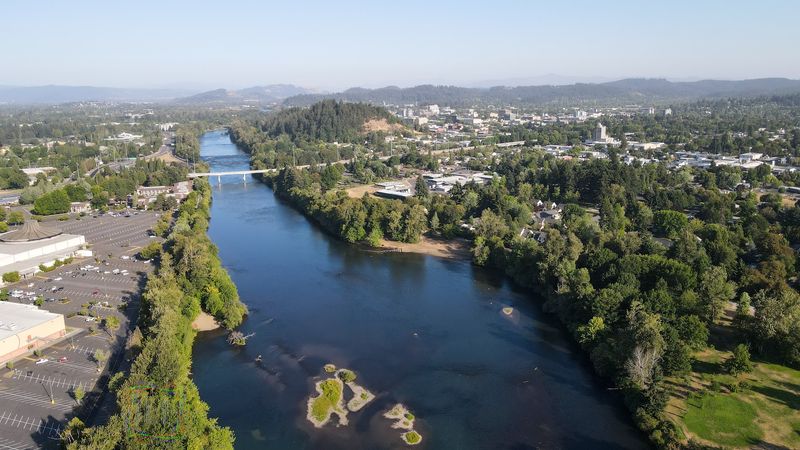
Eugene manages to be both studious and slightly unserious, which is a classic college-town talent. The University of Oregon helped shape a city where coffee shops, rental houses, bike culture, and student sports all feed a lifestyle that values flexibility over polish.
Over time, that rhythm attracted people who liked the campus atmosphere without needing a dorm key.
The city still feels permanently undergraduate because its social life is informal and easy to reenter. Ducks athletics provide school spirit, while neighborhood cafes, music spots, and casual bars keep connections loose and frequent.
Eugene also carries a streak of independent thinking that pairs well with student turnover. The result is a town where intellectual ambition and laid-back scheduling coexist, and nobody seems especially eager to become overly formal about either.
11. State College, Pennsylvania
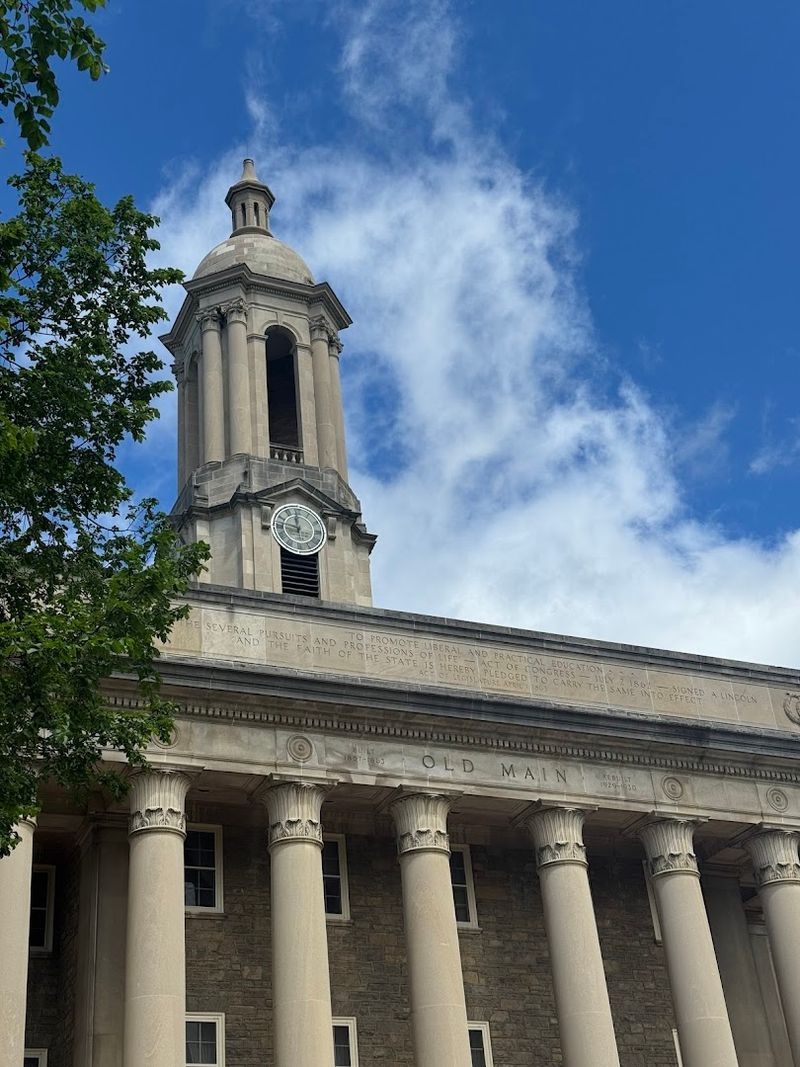
State College barely bothers pretending it has a separate identity from Penn State, and that honesty is part of the charm. The borough grew around the university, so the business mix, housing stock, and social calendar all developed to serve a population that cycles in and out with the academic year.
Few places are so thoroughly organized around school presence.
That makes the town feel like college never ended because nearly everything points back to campus life. Football weekends transform the place, but ordinary nights still revolve around student crowds, familiar bars, and routines built around classes, clubs, and sports.
Alumni loyalty strengthens the effect by bringing people back repeatedly, often with suspiciously detailed memories of former apartments and sandwich orders. In State College, nostalgia practically has parking instructions.
12. Bloomington, Indiana
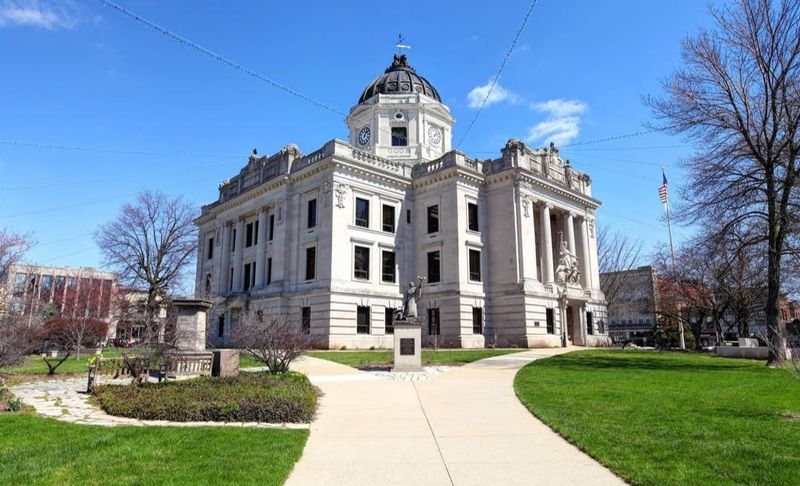
Bloomington has spent decades proving that a good college town does not need a giant skyline to stay busy. Indiana University supplies the constant churn of students, performances, sports, and late-night appetites, while Kirkwood Avenue ties much of the social world together in a way that feels compact and dependable.
The city runs on repeatable rituals, and that is a compliment.
Its endless-college mood comes from affordability, walkability, and the durable overlap between students and long-term residents. Music venues, bars, basketball talk, and campus events keep the week lively without requiring much planning.
Bloomington also attracts people who came for school and discovered they liked the size, pace, and community too much to leave. That creates an adult population still fluent in student habits, just with slightly better furniture.
13. Isla Vista, California
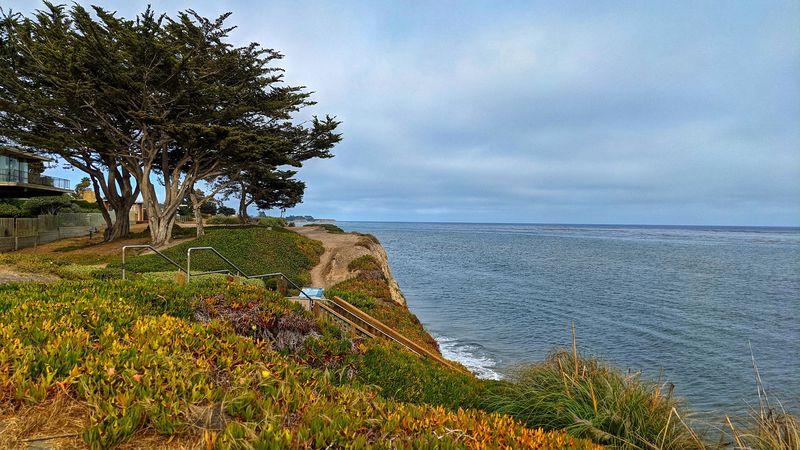
Some places look designed by urban planners, but Isla Vista feels assembled by student schedules and beach access. Sitting next to UC Santa Barbara, this dense coastal community became famous for rental houses, bike traffic, and a social scene that treats weekends as a broad suggestion rather than a rule.
Its reputation has circulated far beyond California for years.
The reason college seems endless here is simple: the entire place functions like an extension of campus life. Students dominate the housing, the movement patterns, and the local routines, while the shoreline gives daily life an unusually casual framework.
Isla Vista has also been shaped by decades of youth activism, tenant issues, and changing campus culture, which means it is not just party folklore. It is a distinct community built around temporary residents with very permanent habits.
14. Tallahassee, Florida
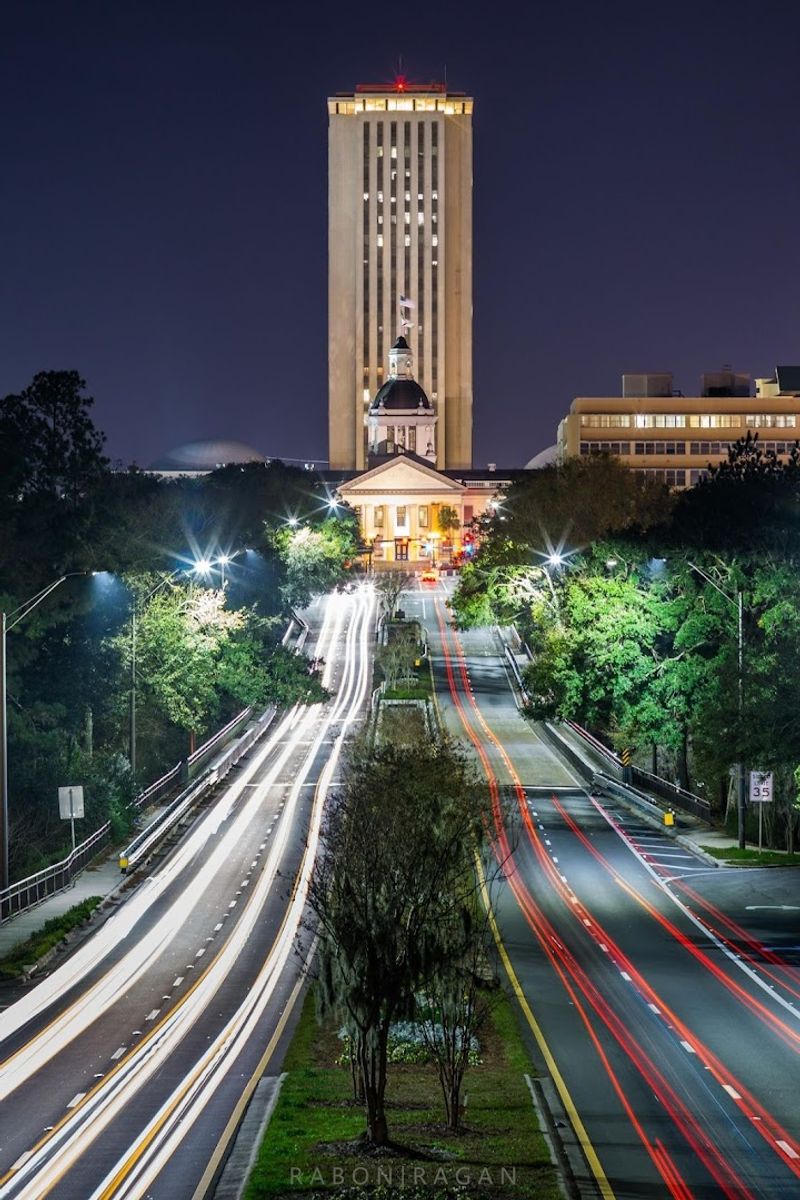
Tallahassee combines state-capital structure with student-driven momentum, which gives it a schedule that is rarely quiet. Florida State University, plus nearby Florida A&M, keeps the city unusually youthful, and that influence spills into nightlife districts, apartment development, sports culture, and the weekly rhythm of downtown.
It is a government town with a permanent group project happening after class.
That blend helps Tallahassee feel like college lasts indefinitely. Seminoles athletics, bar corridors, and campus-centered friend networks keep social life active, while internships and public-sector jobs encourage many graduates to remain nearby.
The city also gets a double boost from having multiple institutions feeding its culture at once. As a result, Tallahassee never fully shifts into standard adult mode.
It stays energetic, crowded, and impressively committed to treating Tuesday like a warm-up lap.
15. Columbia, Missouri
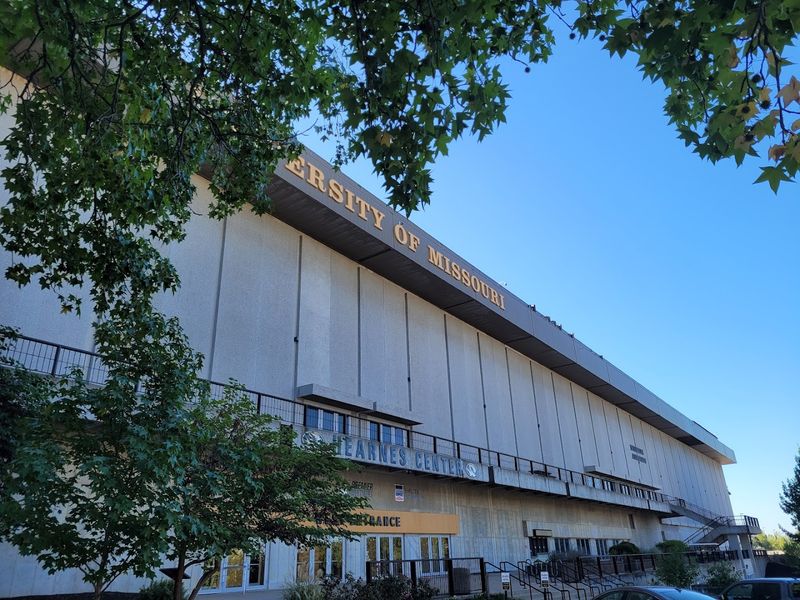
Columbia thrives on the kind of local confidence that comes from knowing the university is the main event. The University of Missouri anchors the town economically and socially, and over time that produced a downtown where students, journalists, professors, and recent graduates all circulate through the same blocks.
It feels connected without becoming overly polished.
The city keeps its college-after-college aura through manageable size and consistent activity. Mizzou sports, music spots, affordable hangouts, and campus traditions keep the social calendar in motion, while graduates often stay because the town remains convenient and familiar.
Columbia also has a practical streak that suits long-term student habits: you can get around easily, recognize faces, and keep old routines going. That is often enough to make post-graduation look less like a departure and more like another semester.
16. Fayetteville, Arkansas
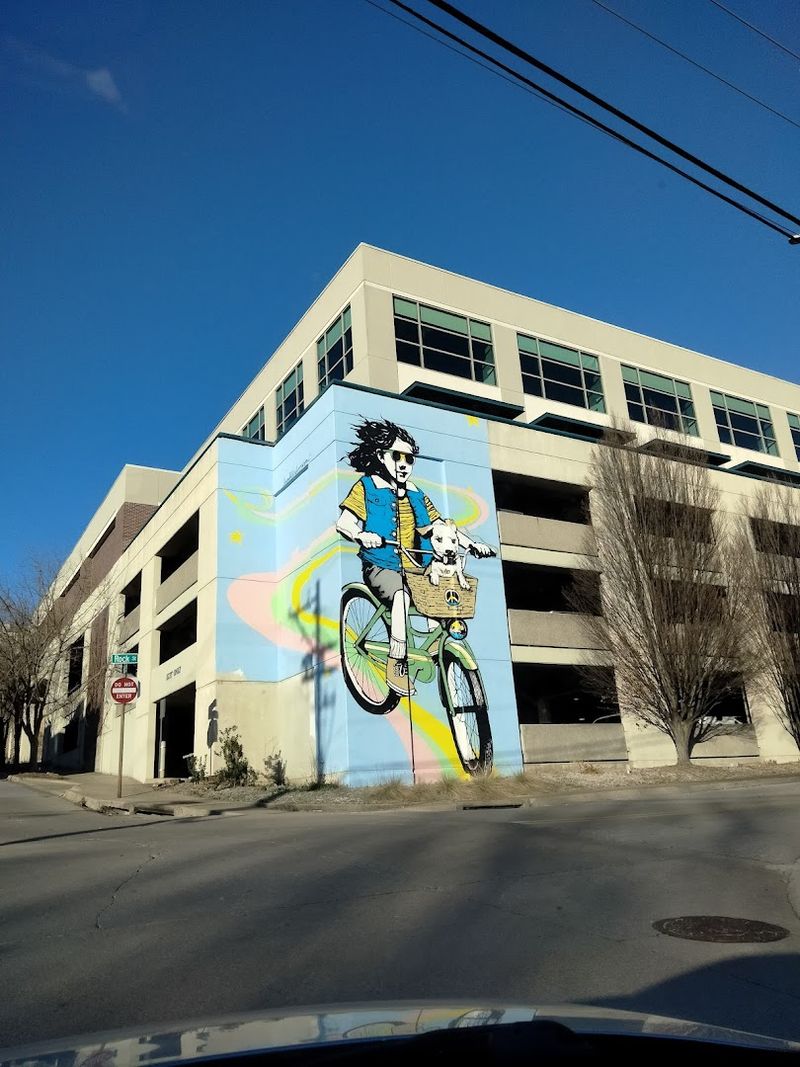
Fayetteville has spent recent decades growing up without becoming particularly grown-up in spirit. The University of Arkansas supplies the youthful base, while downtown and the entertainment district around Dickson Street turned that energy into a durable local economy built on sports, music, and social routine.
Growth arrived, but the campus influence never loosened its grip.
That is why the city still feels suspended in an advanced elective called College Life 2.0. Razorbacks loyalty fuels huge weekends, yet everyday life remains full of patios, student apartments, and familiar gathering spots where undergrads and young alumni overlap.
Fayetteville also benefits from rapid regional development, which gives graduates reasons to stay while keeping the city lively and expanding. The result is a place where the future arrived, but it politely agreed not to ruin the vibe.
17. Ithaca, New York
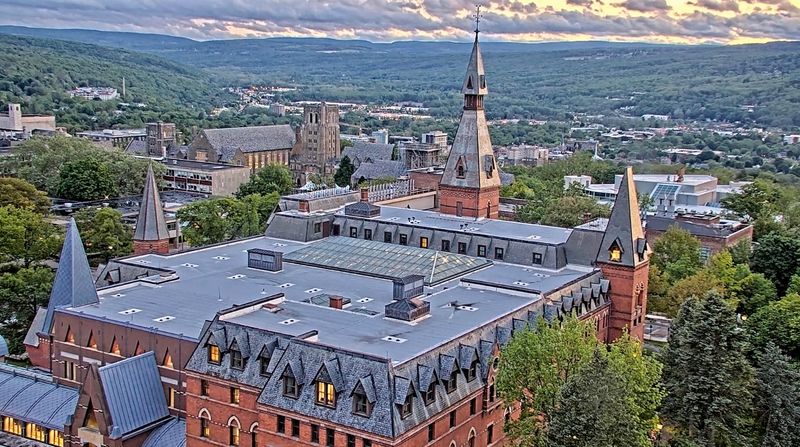
Ithaca makes intellectual life look social, which is one reason the city never quite exits student mode. With Cornell University and Ithaca College both shaping local culture, the town developed around lectures, performances, coffee shops, bookstores, and housing patterns tied to constant academic turnover.
Even the debates here tend to sound like someone did the reading.
The college-never-ended feeling comes from overlap rather than spectacle. Students, faculty, artists, and recent graduates share the same downtown spaces, while campus events and weekend gatherings keep the town active through the year.
Ithaca also resists generic small-city pacing because its institutions continuously refresh the population and conversation. That leaves the place feeling thoughtful but not stiff, social but not chaotic, and permanently influenced by people who still organize their weeks around semesters, projects, and late-night food decisions.
18. San Luis Obispo, California
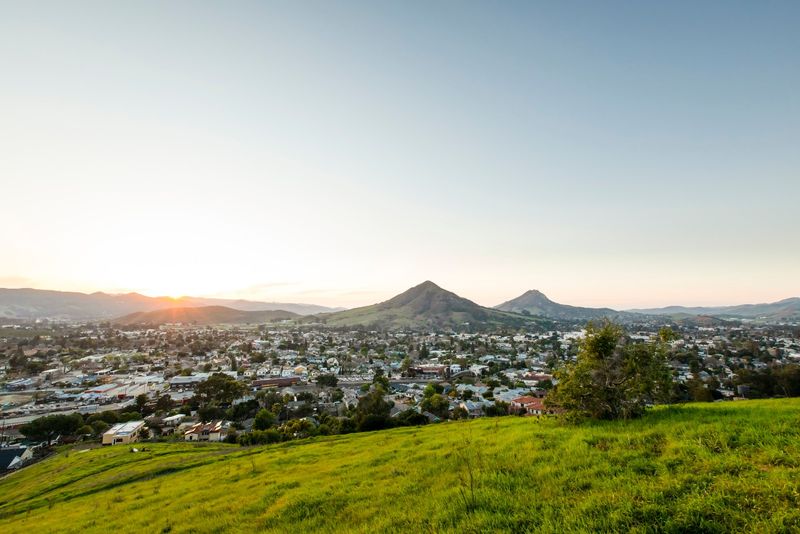
San Luis Obispo carries itself like a town that read the assignment and decided to make it pleasant. Cal Poly brings the student energy, but the city amplifies it through a walkable downtown, rental-heavy neighborhoods, beach proximity, and community events that fit neatly into a student-friendly schedule.
It is organized enough to function well and relaxed enough to stay fun.
That balance keeps the place feeling permanently collegiate. Farmers markets, house gatherings, coffee runs, and casual nightlife all blend into a routine that many graduates are reluctant to leave behind.
San Luis Obispo also avoids the harsher edges of bigger cities, so campus habits can continue with minimal friction after graduation. The result is a place where adulthood often arrives wearing sneakers, carrying takeout, and saying it will definitely get serious next quarter.



