 Unearth The Voyage
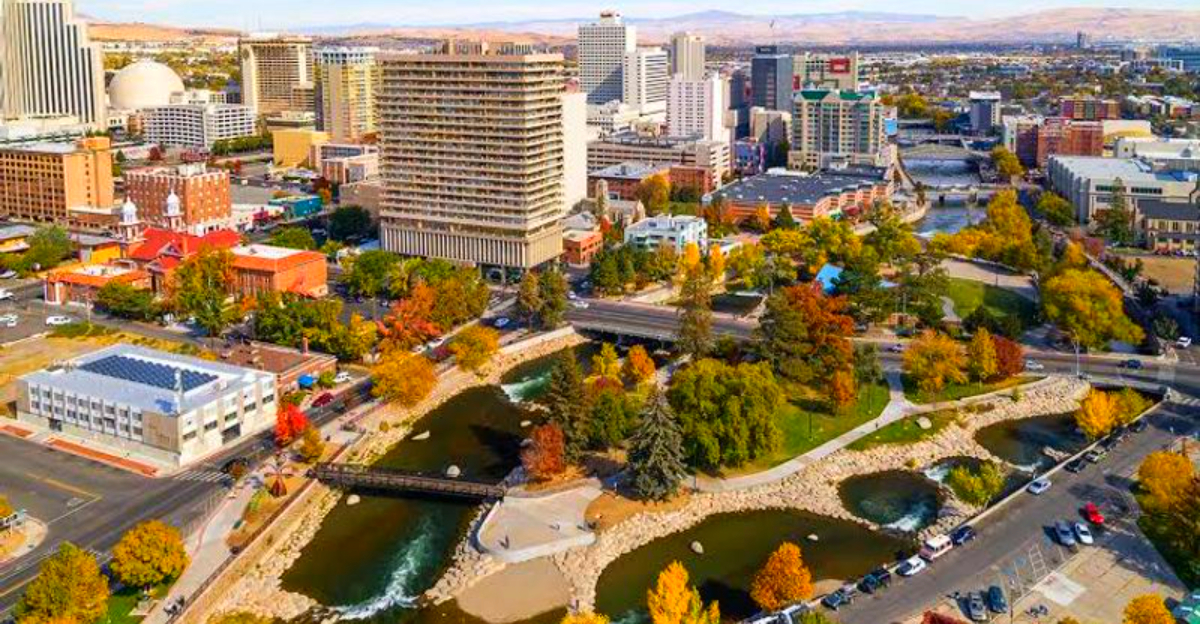
Some cities show off from the street, but the smartest ones save their best material for the water. A great riverwalk gives you more than a path and a view – it hands you skyline angles, people-watching, parks, bridges, public art, and enough excuses to keep strolling long after you planned to stop.
In this lineup, you will find famous favorites, quieter overachievers, and a few places that make a regular walk feel like a very good travel decision. Keep going, and you will get the details that matter: what makes each riverfront distinct, how the layout works, and why these cities prove that urban planning gets a lot more fun when a river joins the conversation.
1. San Antonio, Texas
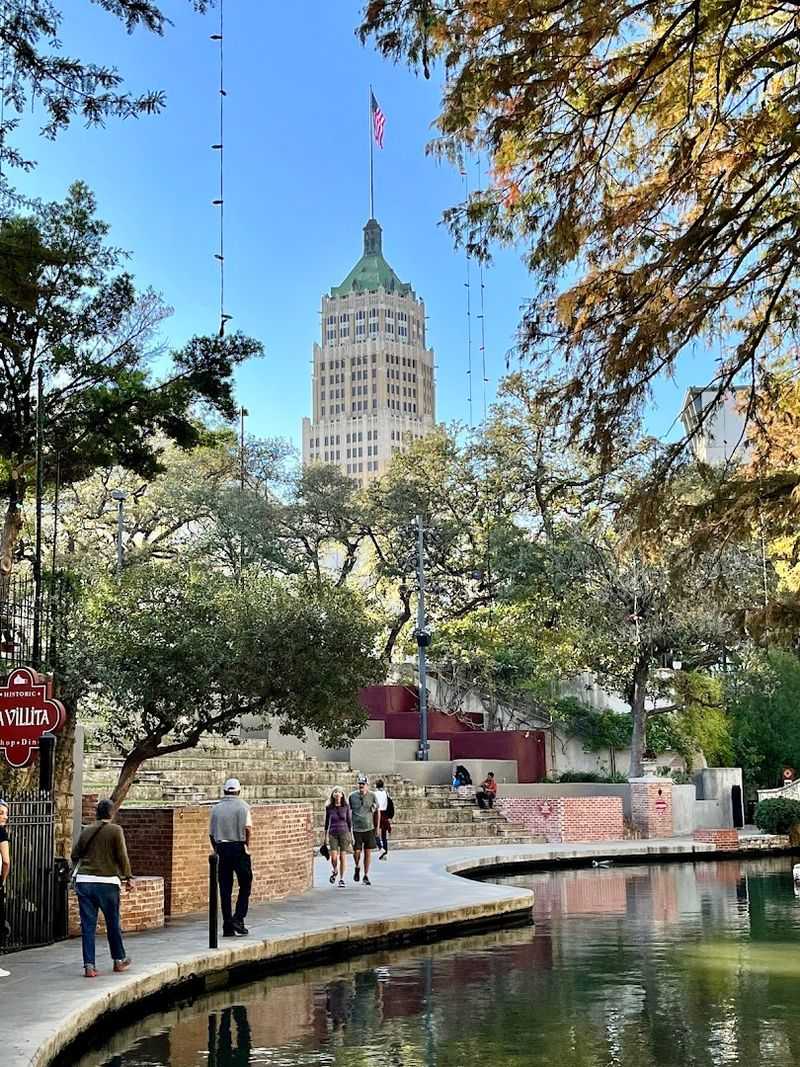
This one barely needs an introduction, because San Antonio wrote the riverwalk playbook and everyone else has been taking notes ever since. The famous downtown stretch feels layered, with stairways, bridges, patios, public art, and shaded paths fitting together like a city built twice.
You can keep things easy with a short loop, or follow the broader network into quieter sections that reveal just how extensive the system really is. The design drops below street level in many spots, so the whole area feels tucked inside downtown rather than simply next to it.
That layout is the magic trick. You get restaurants, hotels, museums, and historic sites within easy reach, yet the riverwalk still works beautifully as a walk first and an attraction second.
2. Chicago, Illinois
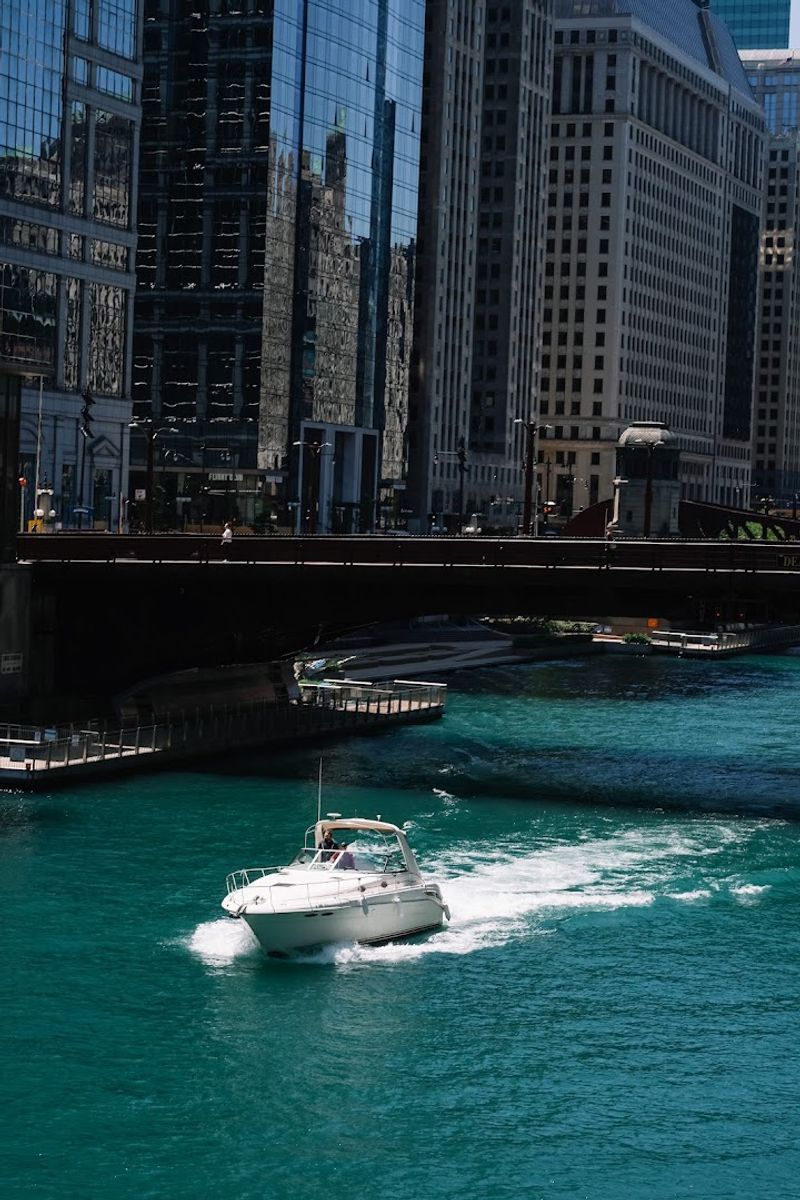
Chicago does not just have a riverwalk – it has a masterclass in making big-city infrastructure look polished, practical, and surprisingly fun. The main stretch along the Chicago River packs in seating, docks, public art, restaurants, and excellent views of the architecture that makes this city such a show-off.
At roughly 1.25 miles, it is easy to explore without turning the outing into an endurance event. Different coves and sections give the walk variety, so the route never feels like one long sidewalk with delusions of grandeur.
What keeps it memorable is how well everything connects. You can admire landmark buildings, hop on a boat tour, pause in a plaza, and still feel like the river remains the star of the whole production.
3. Savannah, Georgia
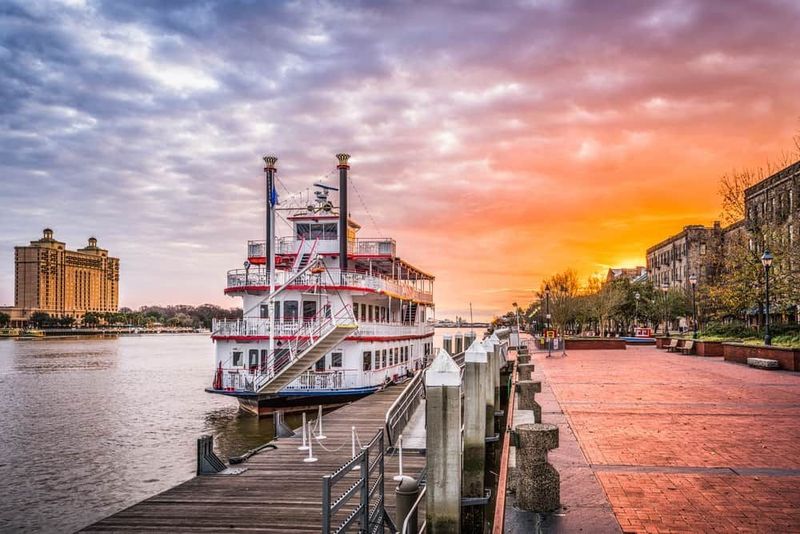
Cobblestones, brick warehouses, and a broad river give Savannah a riverwalk with instant personality and zero interest in being bland. The waterfront pairs history with motion, so your walk includes old facades, passing ships, staircases, small plazas, and plenty of reasons to slow your pace.
River Street is the anchor, but the appeal is not just postcard charm. The layout links shops, restaurants, public spaces, and nearby squares in a way that makes the area easy to explore while still feeling distinct from the rest of downtown.
There is character here without chaos. You get a promenade that feels active and lived-in, plus enough detail in the buildings and river traffic to keep the route interesting from one end to the other.
4. Providence, Rhode Island
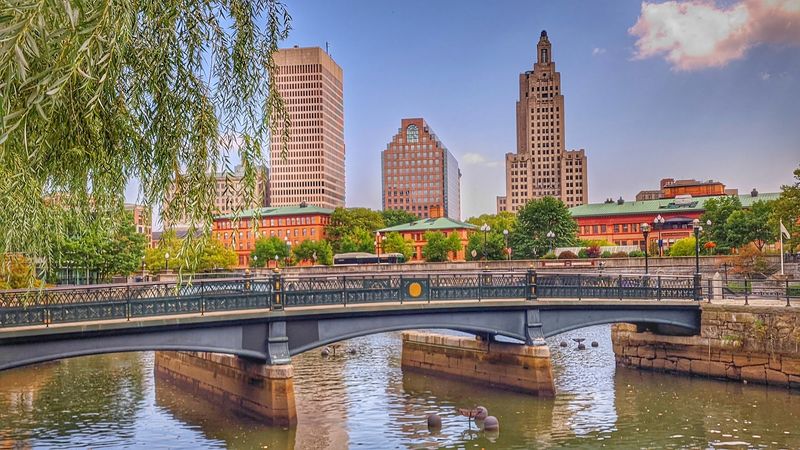
Providence wins points immediately for making its downtown riverfront feel thoughtful instead of oversized. Waterplace Park and the surrounding walkways create a compact, elegant route with terraces, bridges, steps, and clean sightlines that turn a simple stroll into something much more structured.
The city gets extra credit for using the river as a gathering place rather than background decoration. Paths curve around the water in a way that keeps the route interesting, and nearby streets, restaurants, and public spaces are easy to reach without breaking the rhythm.
Then there is WaterFire, which gives the whole setting a special reputation after sunset. Even without that event, the riverwalk stands on its own as a calm, highly walkable urban break with real personality.
5. Tampa, Florida
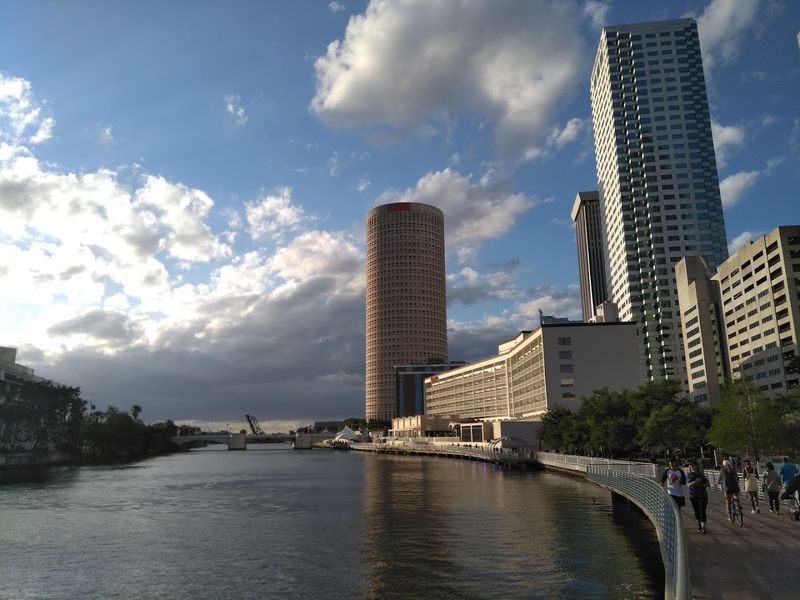
Tampa makes a strong case for the riverwalk as a city organizer, not just a nice extra by the water. This long, modern path ties together downtown highlights like museums, parks, public art, hotels, and gathering spaces, all with a layout that feels clean and easy to follow.
The route runs about 2.6 miles, which is long enough to give you range without becoming a planning exercise. You can move between cultural stops and open waterfront sections smoothly, and that balance keeps the experience from leaning too hard toward either urban or park-like.
It also helps that Tampa keeps improving the area. The riverwalk feels current, well-used, and intentionally designed for locals and visitors who want more than a quick glance and a bench.
6. Wilmington, North Carolina
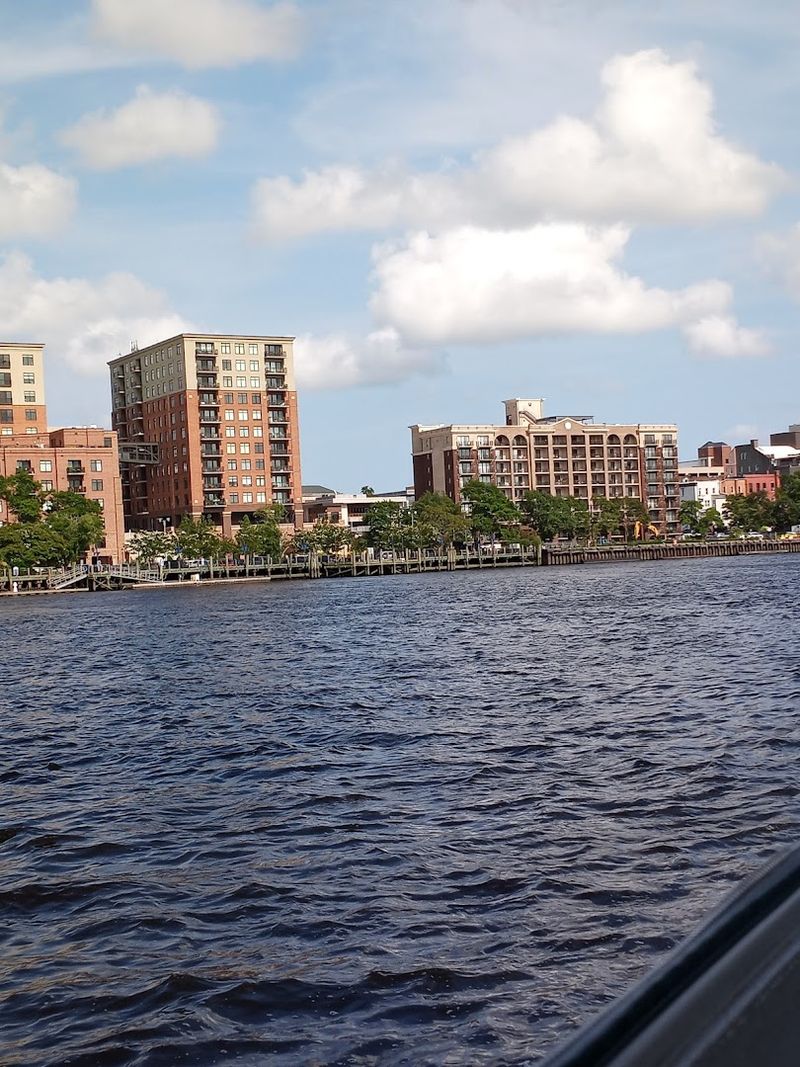
Wilmington proves that a riverwalk does not need flashy tricks when charm already handles the assignment. The Cape Fear Riverfront has a boardwalk feel that fits the city perfectly, mixing historic downtown buildings, open river views, and an easy pace that invites wandering without an agenda.
The path stays close to shops, restaurants, and small public spaces, so it is simple to turn a walk into a full afternoon. That convenience never feels forced, though, because the waterfront still keeps its relaxed identity instead of reading like a giant entertainment strip.
What stands out most is the balance between history and accessibility. You get a riverfront that feels connected to the city’s past while still being practical, welcoming, and pleasantly unfussy for modern visitors.
7. Cincinnati, Ohio
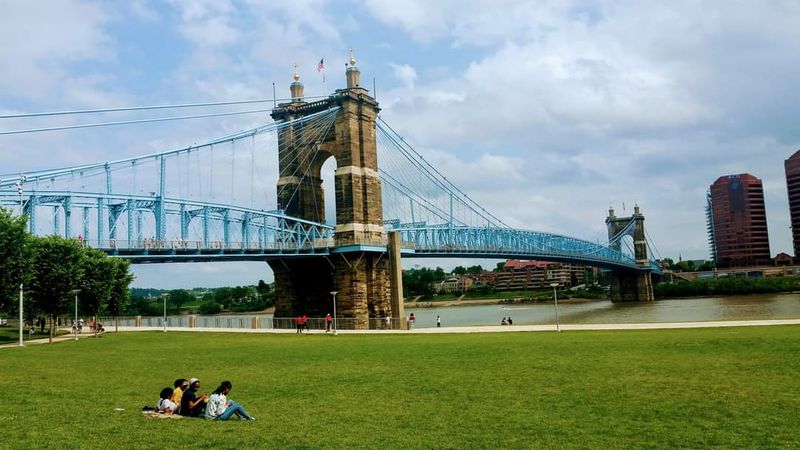
Cincinnati keeps things roomy, and that is part of the charm. Smale Riverfront Park gives the city a broad, comfortable waterfront with wide paths, green spaces, play areas, seating, and river views that make the whole area feel open instead of tightly packed.
The downtown skyline and bridges add just enough visual drama without overwhelming the walk itself. It is especially good for families and casual walkers, because the design leaves space to linger, stop, regroup, and continue without anyone feeling squeezed into a narrow route.
This is a riverfront built for actual use, not just photos. The park connects well with nearby attractions, offers a pleasant sense of scale, and turns the Ohio River into a centerpiece that feels welcoming rather than distant.
8. Louisville, Kentucky
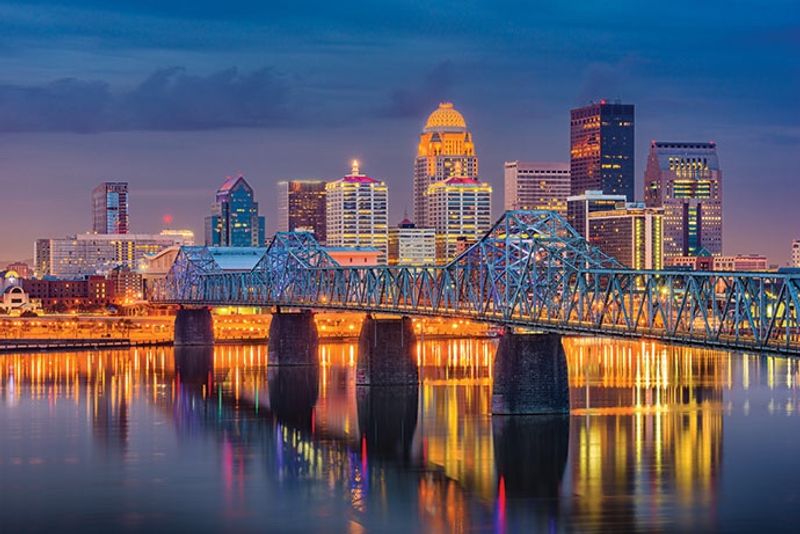
Louisville’s riverfront has a practical streak, and that makes it easy to like. The Ohio River waterfront blends park space, walking paths, event lawns, and open views in a way that gives you options, so the experience can be as casual or as active as you want.
The Big Four Bridge is the headline act, and rightly so. That converted railroad bridge creates a memorable pedestrian route over the river, adding a destination feel that lifts the waterfront beyond a standard park with a nice backdrop.
A lot of riverwalks rely on scenery alone, but Louisville adds movement and structure. The area feels spacious, accessible, and well suited to long walks, short detours, and the kind of outing where one bridge crossing suddenly becomes the whole plan.
9. Milwaukee, Wisconsin
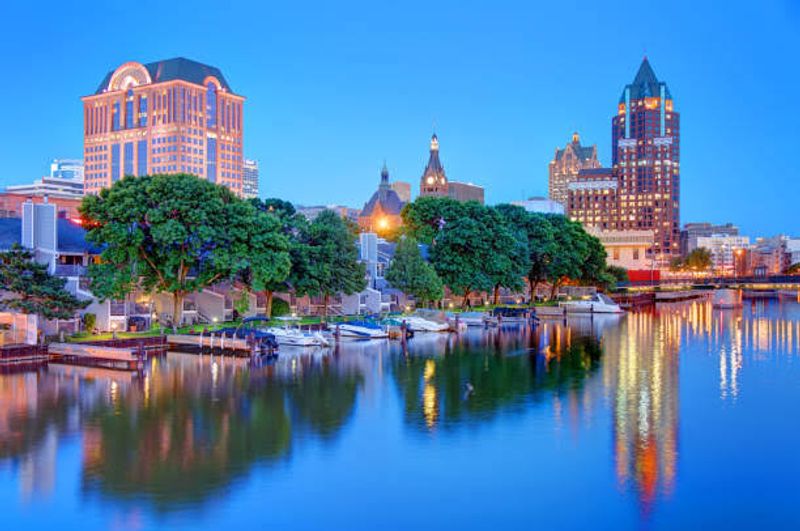
Milwaukee’s RiverWalk has the rare ability to feel lively without turning hectic, which is harder than it sounds. Winding through downtown along the Milwaukee River, it connects restaurants, bars, art installations, and public spaces with a route that feels continuous and easy to navigate.
The river itself stays close to the action, so the waterfront never becomes an afterthought. Frequent bridges and varied stretches keep the walk visually changing, and the scale feels friendly enough that you can cover a lot without needing a map and a pep talk.
This is one of those places that works equally well for visitors and locals. It has enough activity to stay interesting, enough structure to stay comfortable, and enough personality to avoid the generic urban-waterfront template.
10. Des Moines, Iowa
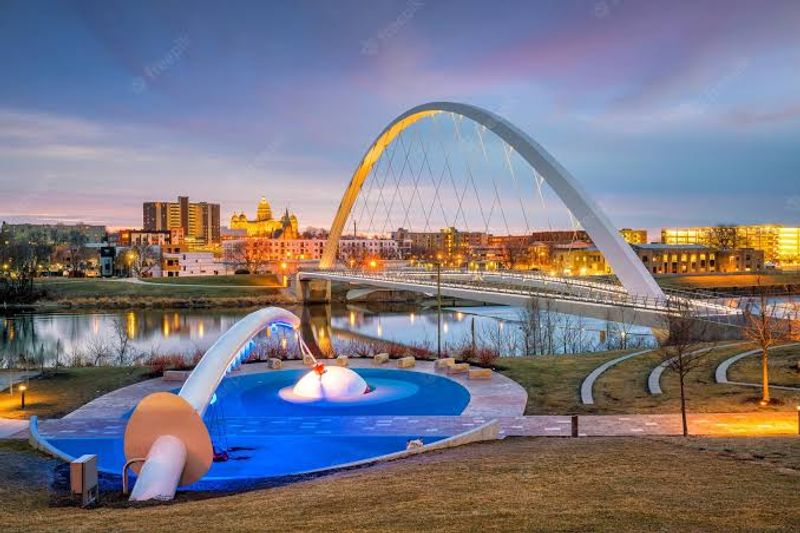
Des Moines sneaks up on you, then casually reveals one of the Midwest’s smartest waterfront designs. The Principal Riverwalk combines trails, bridges, landscaped spaces, and downtown views with a layout that feels polished but not overdone, giving the river a central role in the city.
One of its biggest strengths is variety in a compact package. You can move from green sections to architectural highlights quickly, and spots like the women’s achievement bridge add visual interest without making the whole place feel too formal or precious.
The result is calm, useful, and quietly impressive. It may not have the loud reputation of bigger river cities, but that is part of the appeal – fewer crowds, solid design, and a waterfront that knows exactly what it is doing.
11. Little Rock, Arkansas
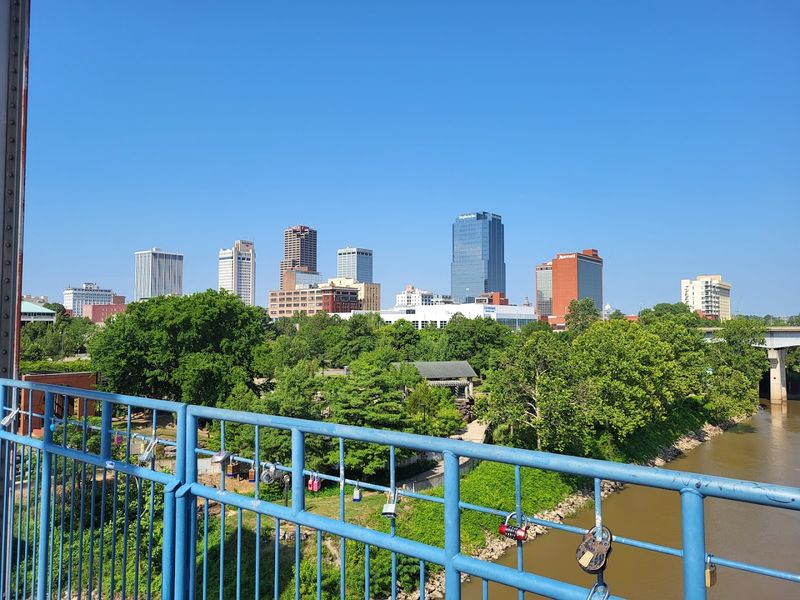
Little Rock goes big on connectivity, and that approach gives its waterfront real range. The Arkansas River Trail links both sides of the river through bridges, parks, and long stretches of path, creating an experience that feels expansive without becoming confusing.
You are not limited to one decorative downtown promenade here. Instead, the trail system gives walkers and cyclists room to choose shorter scenic sections or longer outings that cross the river and reveal different angles of the city along the way.
That sense of scale makes Little Rock stand out. Bridges become part of the attraction rather than simple crossings, and the parks help break up the route nicely, so the whole waterfront feels active, flexible, and built for people who actually want to explore.
12. Fort Worth, Texas
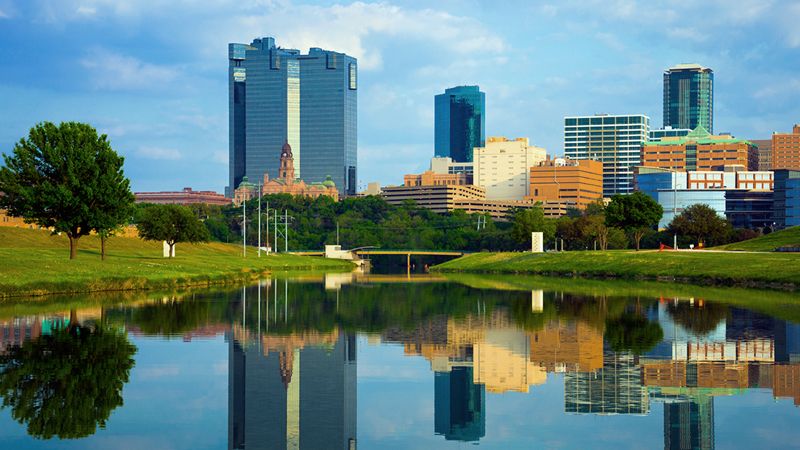
Fort Worth takes the quieter route, and honestly, that works in its favor. The Trinity Trails and nearby riverwalk areas offer a calmer waterfront experience with long paths, green space, and a less commercial feel than some better-known Texas river destinations.
The setting gives you room to settle into the walk instead of navigating nonstop distractions. Trails trace the Trinity River through parks and open areas, and the overall design feels more recreational than performative, which is excellent news if you prefer movement over crowds.
There is also a refreshing sense of balance here. You still get city access and useful amenities, but the riverfront keeps a more relaxed identity, making it a strong pick for anyone who wants scenery, space, and a path that does not try too hard.
13. Spokane, Washington
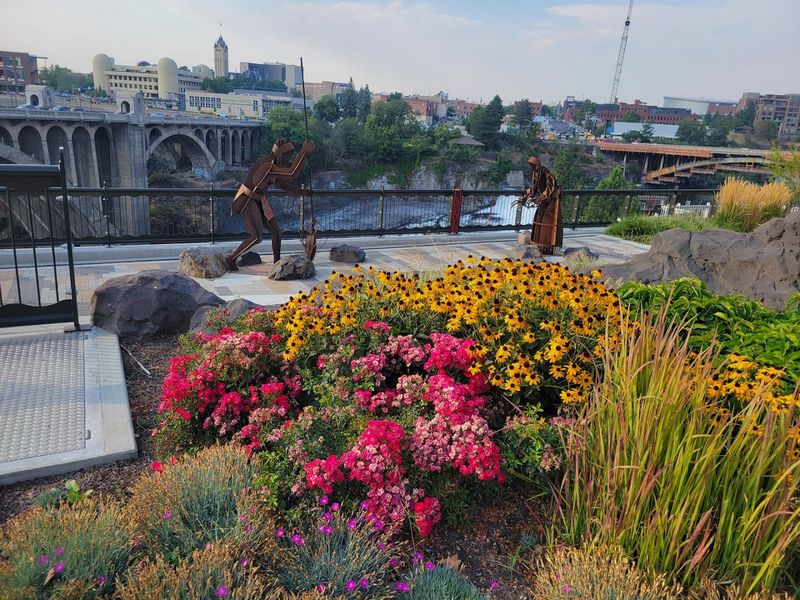
Spokane arrives with waterfalls, and that is a pretty confident opening move for any riverwalk. Riverfront Park places you remarkably close to the Spokane River and its dramatic channels, giving the city a waterfront experience that feels distinct from the usual flat promenade formula.
Bridges, overlooks, lawns, and walking paths make the area easy to explore from several angles. The park also sits right by downtown, so you can combine natural features with urban conveniences without the transition feeling awkward or forced.
What makes Spokane memorable is not just the scenery, but the layout. The river is active, visible, and central to nearly every section of the walk, which gives the whole experience energy and makes even a short visit feel surprisingly substantial.
14. Chattanooga, Tennessee
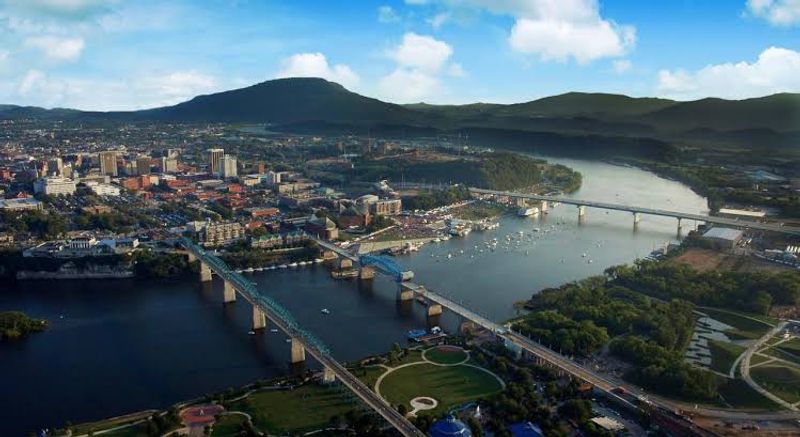
Chattanooga believes in giving you room to roam, and its riverwalk absolutely delivers. Stretching for miles along the Tennessee River, this path supports walking, biking, and relaxed stop-and-go exploring with a route that feels generous rather than cramped.
The long format is a real advantage because the scenery changes as you go. Parks, public spaces, river views, and downtown connections keep the experience varied, while the surrounding ridgelines help the route feel grounded in the local landscape without stealing focus.
It is also a very usable waterfront, which matters. You can commit to a serious outing or sample shorter sections, and the path still feels coherent, accessible, and worth your time either way, which is the mark of a genuinely successful riverwalk.
15. Reno, Nevada
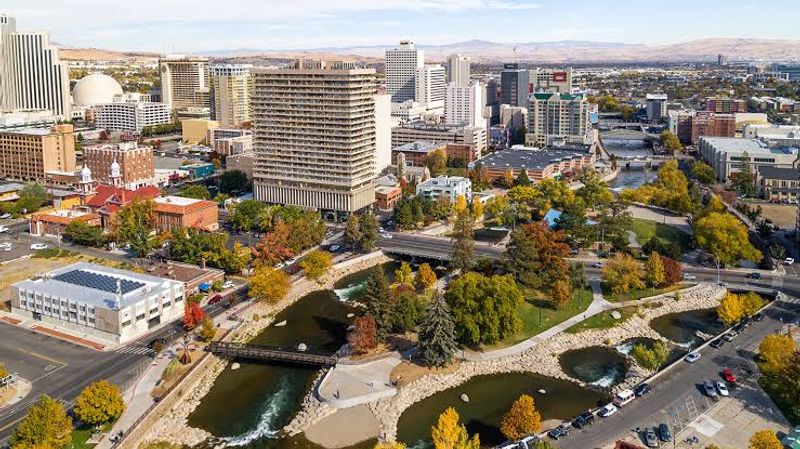
Reno keeps its riverwalk right in the middle of the action, and that central placement gives it an immediate edge. The Truckee Riverwalk runs through downtown with paths, bridges, seating areas, and enough nearby businesses to make the waterfront feel active without losing the river itself.
The Truckee adds a welcome natural element to a city that could have relied only on downtown energy. Instead, the walk offers a useful balance, letting you move between busy blocks and calmer river sections without feeling like you have changed destinations entirely.
That contrast is what makes Reno work. The riverwalk is compact, accessible, and easy to enjoy casually, but it still gives the city a distinct center of gravity that feels more grounded than a standard downtown stroll.
16. Pittsburgh, Pennsylvania
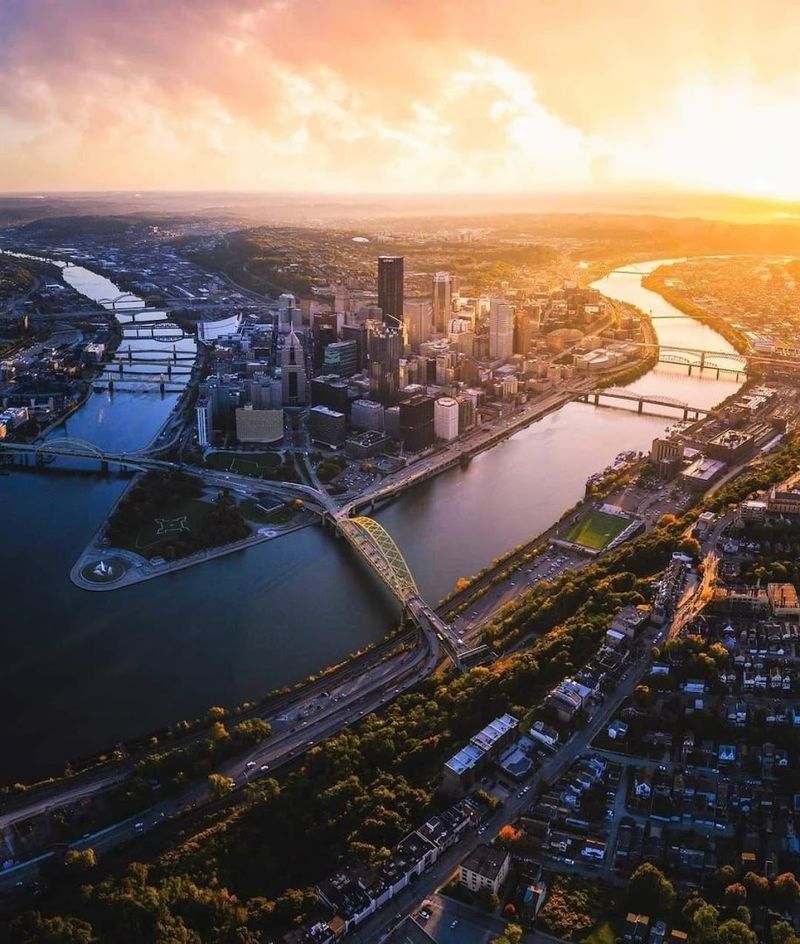
Three rivers walk into a city, and Pittsburgh turns that setup into an excellent waterfront experience. With the Allegheny, Monongahela, and Ohio shaping the landscape, the city offers miles of trails and riverfront spaces that deliver skyline views, bridge sightings, and plenty of room to keep moving.
The geography does a lot of the work, but the trail network makes it accessible. You can trace long stretches along the water, connect parks and neighborhoods, and enjoy a route that feels scenic and urban at the same time without becoming messy.
Pittsburgh also benefits from constant visual variety. The bridges, hills, and converging rivers create a waterfront that changes from section to section, making longer walks especially rewarding for anyone who likes city views with real structure behind them.
17. Augusta, Georgia

Augusta does not fight for attention, and that lower-key approach is exactly why its riverwalk deserves a look. Along the Savannah River, the promenade is well maintained, easy to navigate, and noticeably less crowded than many bigger-name waterfronts, which makes the whole experience feel unhurried.
Open stretches, seating areas, brick details, and river views give the path a tidy, welcoming structure. It works especially well for people who want a relaxed walk rather than a heavily programmed attraction with constant interruptions and a thousand decisions to make.
There is value in that simplicity. Augusta’s riverwalk feels comfortable, consistent, and pleasantly straightforward, offering a slower pace that lets the river and the city do their jobs without unnecessary fuss or theatrical overdesign.
18. Columbus, Ohio
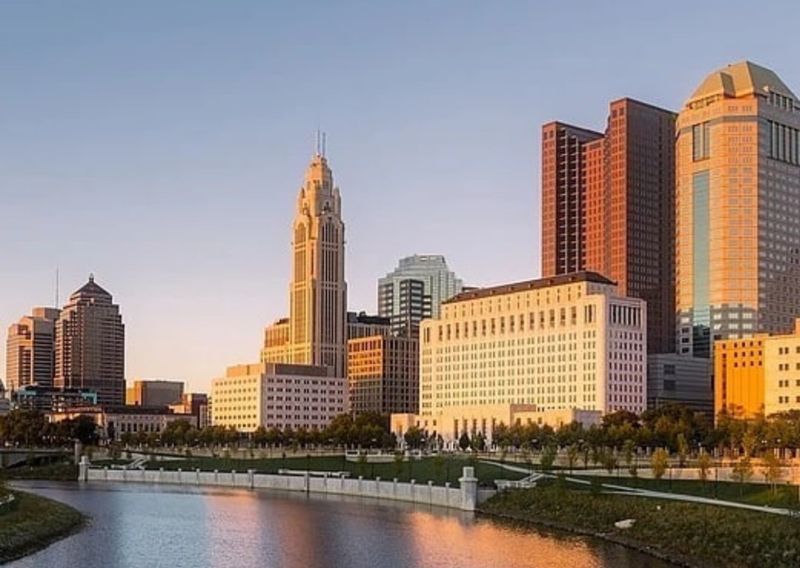
Columbus took a straightforward riverfront and gave it a sharp modern upgrade. The Scioto Mile combines parks, promenades, fountains, event lawns, and downtown views in a way that feels deliberate, open, and highly usable for both quick walks and longer afternoons outside.
The design keeps the river visible while still creating plenty of gathering space. That matters, because some waterfronts forget to be comfortable once they start trying to look impressive, but the Scioto Mile manages to do both without becoming overly formal.
It also helps that the whole area connects well with downtown. You can move easily between civic spaces, trails, and river views, and the result is a waterfront that feels current, inviting, and genuinely integrated into the city rather than tacked onto it.



