 Unearth The Voyage
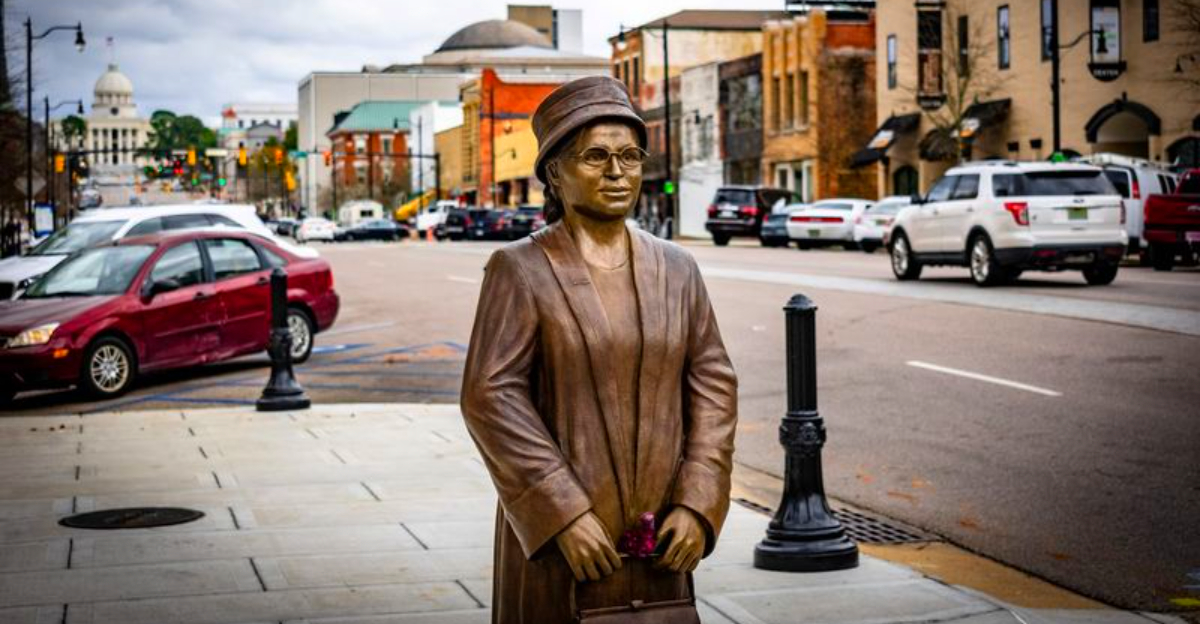
American history did not just unfold in courtrooms and Capitol buildings. It also moved through churches, bridges, campuses, bus stops, and museum halls where ordinary people pushed the country toward equal treatment under the law.
These landmarks make the movement feel specific, not abstract, showing how local actions in the 1950s and 1960s shaped national change. Keep reading and you will see how each place turned public space into a stage for courage, strategy, and lasting cultural memory.
1. Edmund Pettus Bridge (Selma, Alabama)
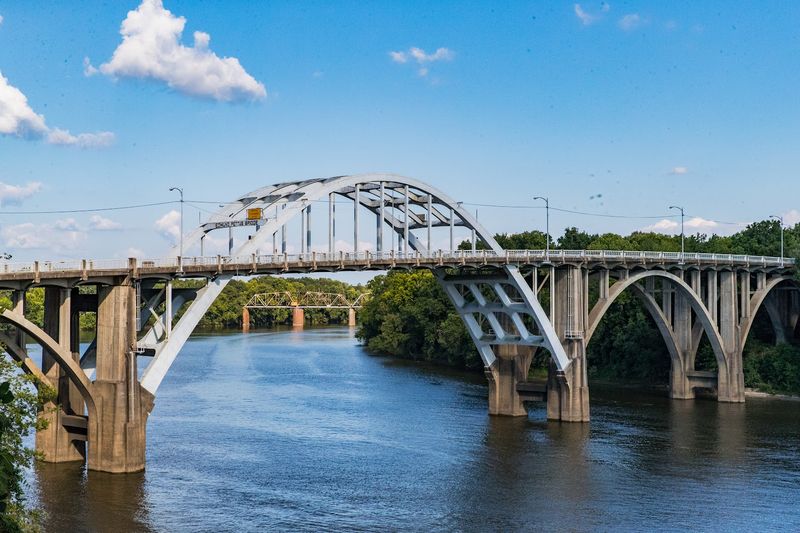
One stretch of steel turned into a national turning point in March 1965. The Edmund Pettus Bridge became known worldwide after marchers seeking voting rights were stopped there on what became known as Bloody Sunday.
Images from the bridge pushed many Americans to confront how fiercely access to the ballot was being contested.
Today, if you walk this span, you are tracing a route that helped speed passage of the Voting Rights Act of 1965. The bridge is not just a Selma landmark.
It is a reminder that infrastructure can become history’s witness, and that a march across a river crossing can reshape federal policy, public opinion, and civic memory in ways textbooks alone never quite capture.
2. Lorraine Motel (Memphis, Tennessee)
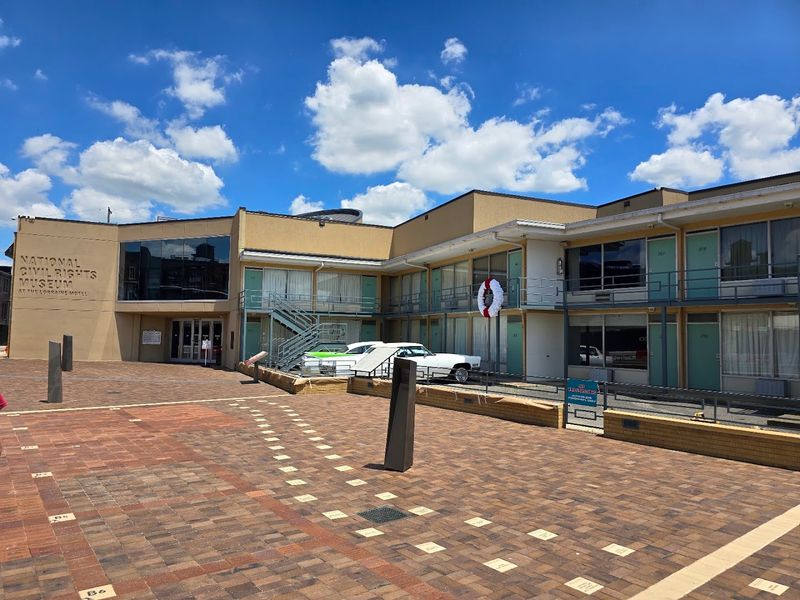
Some buildings keep their midcentury look and gain a deeper meaning with every passing decade. The Lorraine Motel is forever linked to Dr. Martin Luther King Jr. and the final chapter of his public work in 1968.
What once served travelers now anchors one of the country’s most important spaces for learning about equality, protest, and citizenship.
Its preserved facade has become instantly recognizable, almost like a history book cover made of brick and turquoise paint. Today the site houses the National Civil Rights Museum, where exhibits connect local activism to national legal change.
If you visit, you move from a single motel balcony into a broader story about campaigns, court rulings, youth activism, labor struggles, and the unfinished work of democratic inclusion.
3. 16th Street Baptist Church (Birmingham, Alabama)
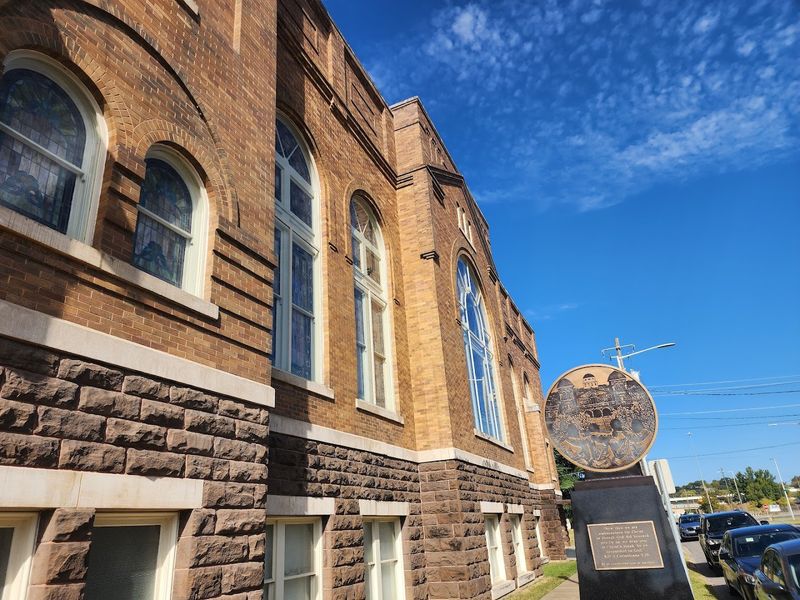
A church can be many things at once, and this one proved it. During the Birmingham campaign, 16th Street Baptist Church served as a meeting place where organizers, clergy, and young participants prepared demonstrations that challenged segregation in one of the South’s most closely watched cities.
Its role made it central to strategy, logistics, and public attention.
The church also became nationally known after a 1963 attack that shocked the country and intensified demands for change. That event helped expose the stakes of the movement in plain terms.
Today, the building stands not only as a house of worship, but as a place where you can understand how local organizing, youth participation, and public reaction shaped the push toward federal civil rights legislation.
4. Little Rock Central High School (Little Rock, Arkansas)
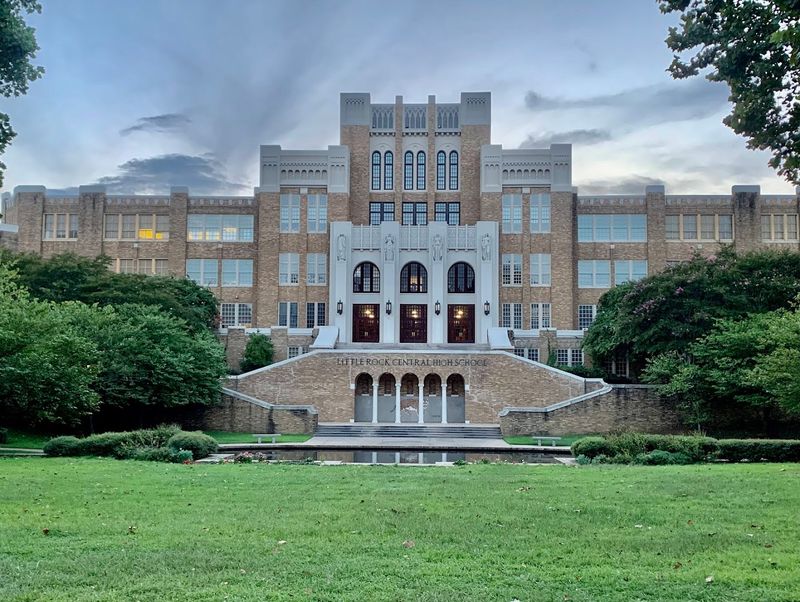
A public high school became front-page news in 1957, which tells you plenty about the era. Little Rock Central High School entered history when the Little Rock Nine enrolled there under federal protection, testing whether the Supreme Court’s desegregation ruling would be enforced in daily American life.
The answer mattered far beyond Arkansas.
The campus still looks like a classic school building, but its significance reaches into constitutional law, education policy, and civic culture. Visiting it reminds you that integration was not an abstract principle debated from a distance.
It played out in hallways, classrooms, and routines teenagers should have been able to take for granted. Central High remains a vivid marker of how schools became battlegrounds over citizenship, equality, and federal authority.
5. Medgar Evers Home (Jackson, Mississippi)
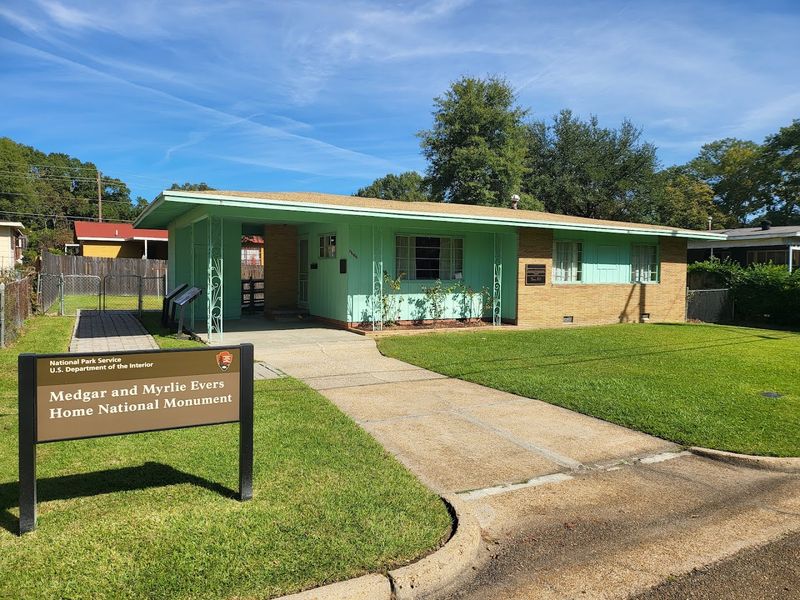
Not every major landmark looks grand from the curb, and that is part of the lesson here. The Medgar Evers Home preserves the domestic space of one of Mississippi’s most important civil rights leaders, whose organizing work for the NAACP focused on voter registration, school access, and equal treatment under the law.
Big history passed through an ordinary neighborhood.
The house helps visitors understand that the movement depended on paperwork, meetings, phone calls, travel, and relentless local coordination, not just famous speeches. Evers worked in a state where resistance to change was deeply entrenched, and his efforts carried national significance.
Walking through this preserved home makes the movement feel personal and practical. It reveals how leadership often happened after hours, around family life, and under constant pressure to keep going.
6. Dexter Avenue King Memorial Baptist Church (Montgomery, Alabama)
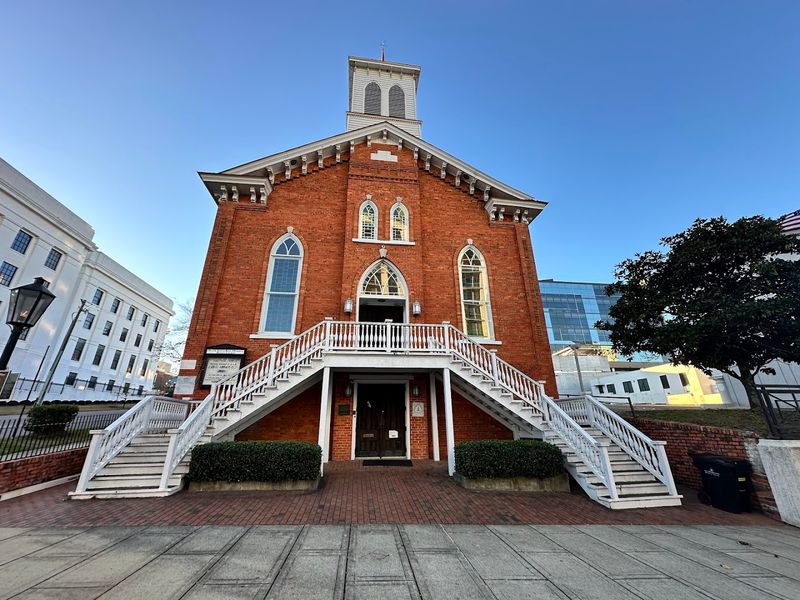
Few pulpits have launched as much public action as this one did. Dexter Avenue King Memorial Baptist Church is where Dr. King served as pastor beginning in 1954, just as Montgomery became the center of a protest that changed the country.
The church quickly became more than a religious institution. It was an organizing engine.
During the bus boycott, meetings here helped sustain morale, communicate strategy, and connect faith language with legal and civic goals. The building’s location near the Alabama State Capitol adds another layer of symbolism that history writers rarely overlook.
If you visit today, you can see how church leadership, neighborhood networks, and disciplined planning worked together. Dexter Avenue shows that the movement relied not only on public marches, but also on weekly gathering spaces where ideas were refined and commitments renewed.
7. Selma to Montgomery National Historic Trail (Alabama)
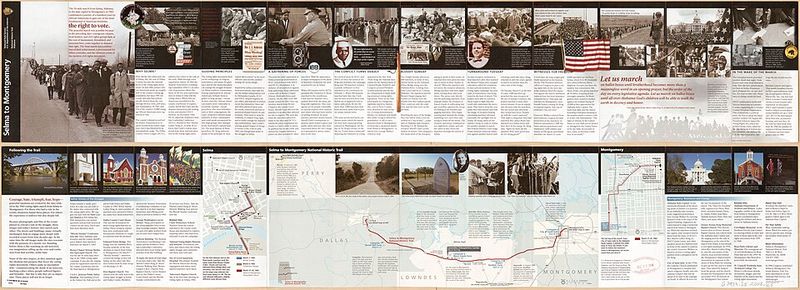
This trail turns miles into memory without needing much decoration. The Selma to Montgomery National Historic Trail preserves the route of the 1965 voting rights marches that linked local demands in Selma with the state capital, carrying the issue directly into national view.
It is geography with legislative consequences attached.
Following the trail helps you understand endurance, planning, and the scale of public commitment involved in the marches. It also places individual courage inside a larger campaign aimed at securing federal protection for voting access.
Unlike a single monument, the trail asks you to think in stages, communities, and distances. That makes the history feel practical rather than abstract.
Every marker along the route reinforces how organized public action, repeated over time and space, can move the federal government toward long delayed reform.
8. Brown Chapel A.M.E. Church (Selma, Alabama)
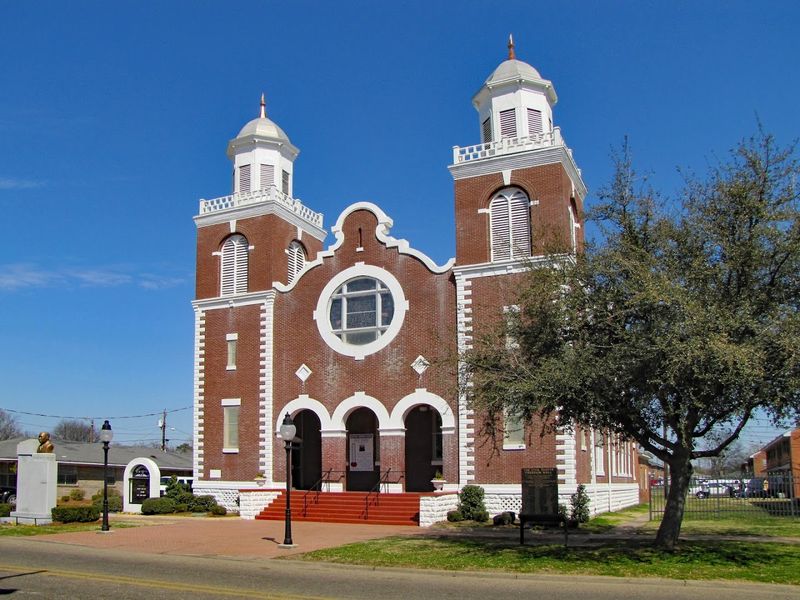
Before marches filled headlines, plans were taking shape inside this church. Brown Chapel A.M.E.
Church served as the organizing center for the Selma voting rights campaign and as a gathering place for mass meetings that prepared participants for sustained public action. If the bridge became the image, Brown Chapel was the workshop.
Its importance lies in the practical side of movement history. People met here to coordinate schedules, discuss legal risks, share information, and build the collective discipline that large demonstrations required.
The church also connected religious life with civic activism in a way that defined much of the era. Visiting Brown Chapel helps you see that major public moments usually begin in rooms where strategy is discussed line by line.
It stands as proof that organization, not spontaneity alone, powered some of the movement’s biggest turning points.
9. University of Mississippi (Oxford, Mississippi)
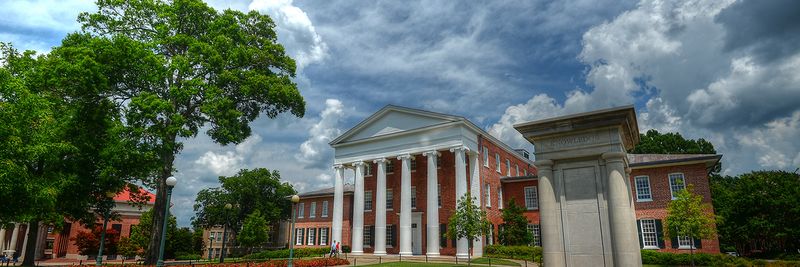
A college admission became a federal showdown in 1962. The University of Mississippi entered civil rights history when James Meredith enrolled there, forcing the nation to confront whether a public university could continue resisting integration after court orders said otherwise.
Higher education suddenly looked less like routine administration and more like a constitutional stress test.
The campus now carries that history as part of its public identity, and for good reason. Meredith’s enrollment marked a major moment in the desegregation of Southern universities and demonstrated the extent of federal involvement required to enforce the law.
If you walk the grounds today, the lesson is clear. Campuses shape future leaders, professional pathways, and public values, so who gets access matters enormously.
Ole Miss remains a landmark where legal authority, educational opportunity, and national attention collided.
10. National Civil Rights Museum (Memphis, Tennessee)
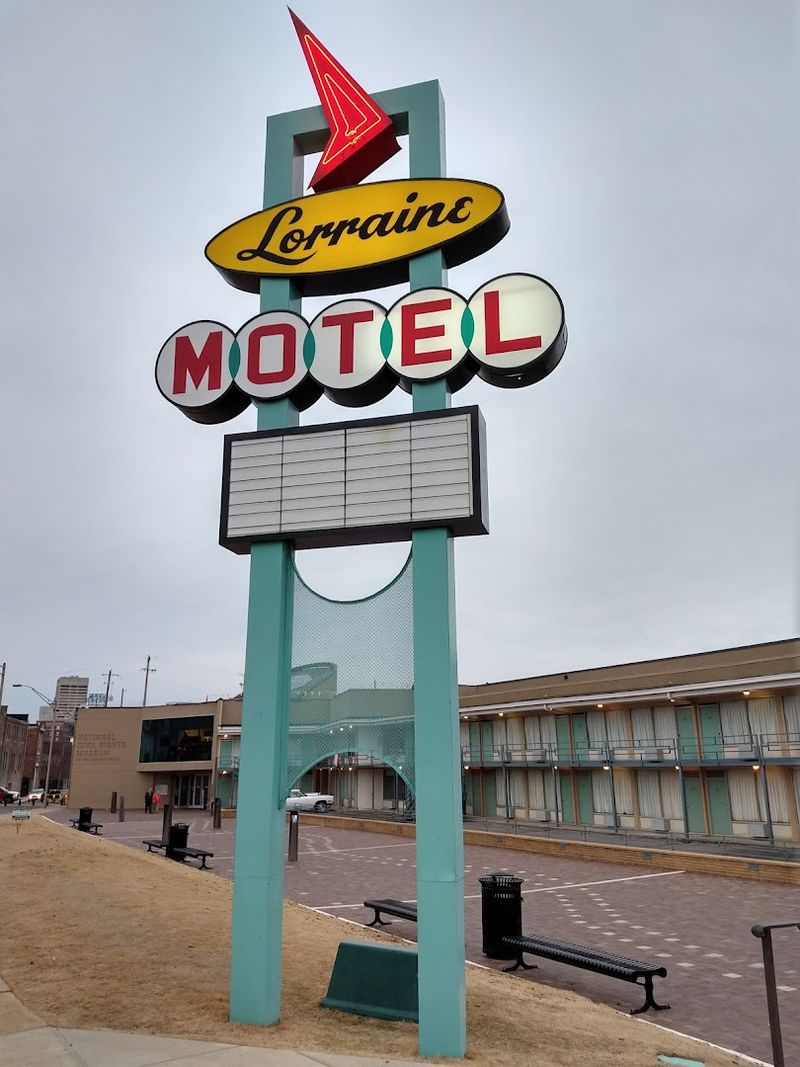
Some museums display history, while others place you directly inside it. The National Civil Rights Museum, built around the Lorraine Motel, expands one familiar site into a sweeping account of the long struggle for equality in the United States.
Its galleries connect local campaigns, legal milestones, grassroots organizing, and national leadership with unusual clarity.
What makes the museum memorable is its ability to move beyond one iconic moment without losing focus. Exhibits trace the story from segregation and resistance through sit-ins, Freedom Rides, voting rights campaigns, and later developments in public life.
If you want the big picture without flattening the details, this is one of the strongest places to start. It turns the civil rights era into a connected narrative, showing how transportation, schools, churches, neighborhoods, and federal law all became part of the same unfinished democratic project.
11. Tuskegee University (Tuskegee, Alabama)
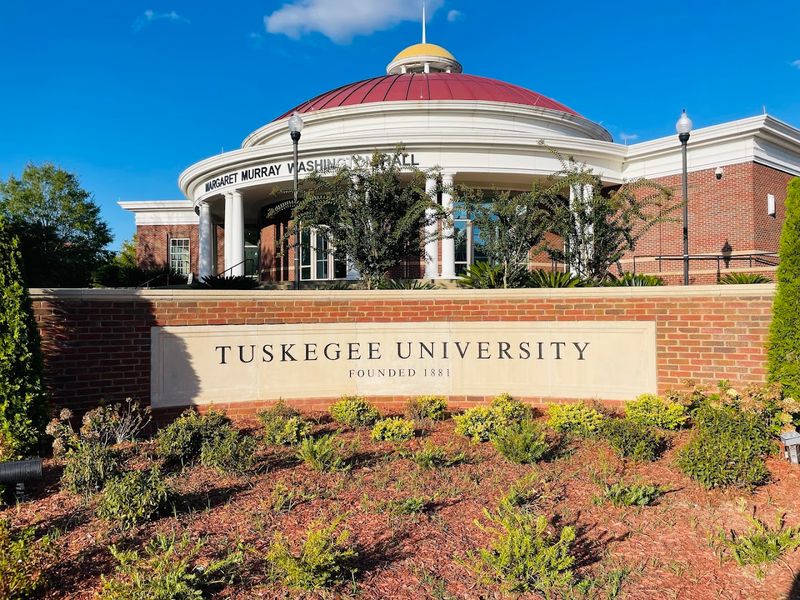
Long before the movement reached its best known public milestones, Tuskegee had been building leadership. Tuskegee University stands as one of the most important institutions in Black educational history, producing graduates and thinkers who influenced law, public service, education, military service, and civil rights activism across the twentieth century.
Its impact was steady, not flashy.
Founded by Booker T. Washington in 1881, the school helped create professional networks and civic confidence that mattered deeply in the decades before and during the modern movement.
Its faculty, students, and alumni shaped conversations about advancement, self-determination, and citizenship. Visiting Tuskegee lets you see the movement’s educational backbone, which often receives less attention than marches and speeches.
The campus reminds you that major social change depends on institutions that train organizers, teachers, lawyers, and community leaders over generations.
12. Albany Civil Rights Institute (Albany, Georgia)
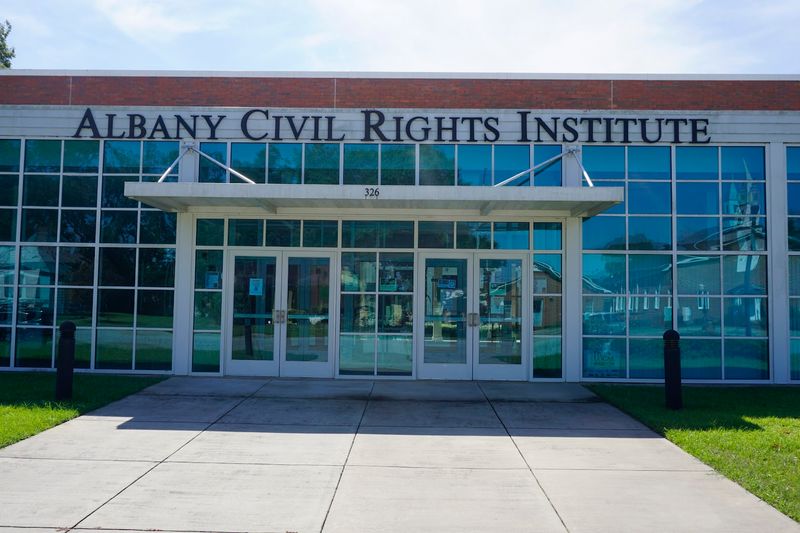
History sometimes hides in the places that are less famous but highly instructive. The Albany Civil Rights Institute highlights the Albany Movement, an early 1960s campaign that brought together local activists, students, clergy, and national organizations in an ambitious effort to challenge segregation across an entire city.
It was strategic, broad, and closely watched.
The movement did not produce a simple headline ending, which is exactly why this institute matters. Albany revealed the challenges of coordination, media framing, legal pressure, and tactical decision making in a complex local environment.
Those lessons influenced later campaigns in places such as Birmingham and Selma. If you want a fuller understanding of the movement, this stop adds nuance that the greatest-hits version of history often skips.
It shows that learning from partial victories and setbacks was part of how the broader struggle adapted and advanced.
13. Mississippi Civil Rights Museum (Jackson, Mississippi)
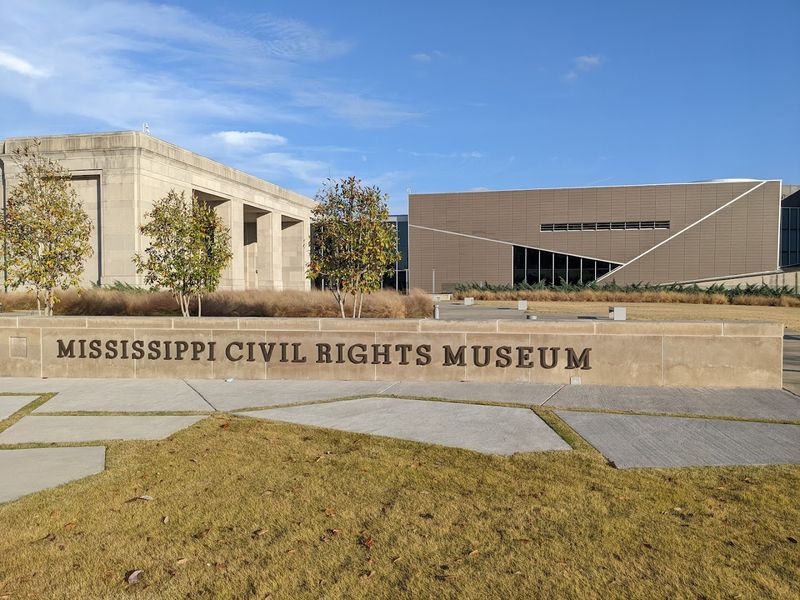
If you want the statewide story rather than one single landmark, this museum delivers it. The Mississippi Civil Rights Museum presents the long campaign for equality within a state that stood at the center of many defining civil rights battles, from voting rights efforts to grassroots organizing and educational access.
It is modern, direct, and carefully structured.
Its exhibits bring together personal testimony, political context, and local detail without losing the larger timeline. That makes it especially useful for understanding how national change depended on county offices, classrooms, churches, neighborhoods, and sustained community work.
The museum also helps correct the common habit of treating the movement as a handful of famous speeches and marches. In Jackson, you encounter a fuller record of persistence, coalition building, and everyday courage that shaped both Mississippi and the nation.
14. Montgomery Bus Boycott Sites (Montgomery, Alabama)
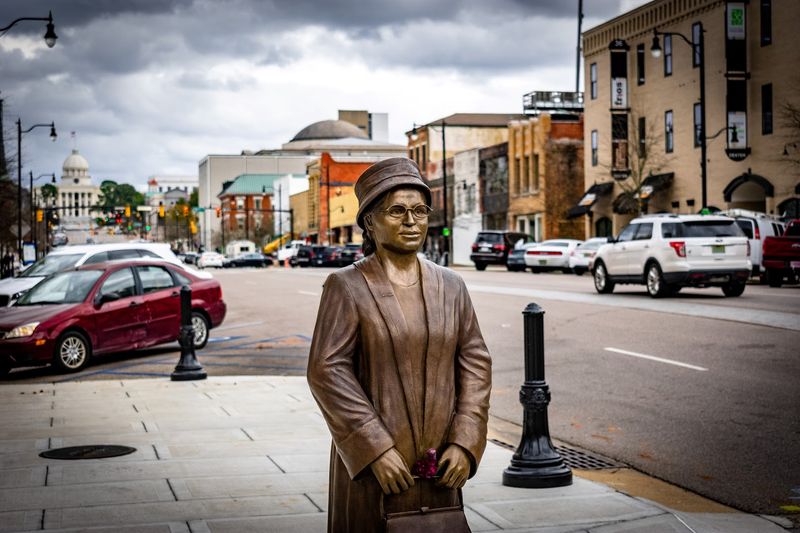
Sometimes a city’s ordinary transit map becomes a chapter in national history. The Montgomery Bus Boycott sites connect to the 1955 arrest of Rosa Parks and the yearlong protest that followed, as Black residents organized carpools, walked long distances, and challenged segregated seating with remarkable discipline.
Everyday travel became organized resistance.
These locations matter because the boycott showed how sustained local action could produce national consequences. It also introduced many Americans to the leadership of a young Dr. King, whose role at Dexter Avenue brought wider attention.
When you trace these spots today, you see more than bus routes and corners. You see how routine habits, consumer choices, church networks, and legal strategy combined to reshape public transportation and energize the broader movement.



